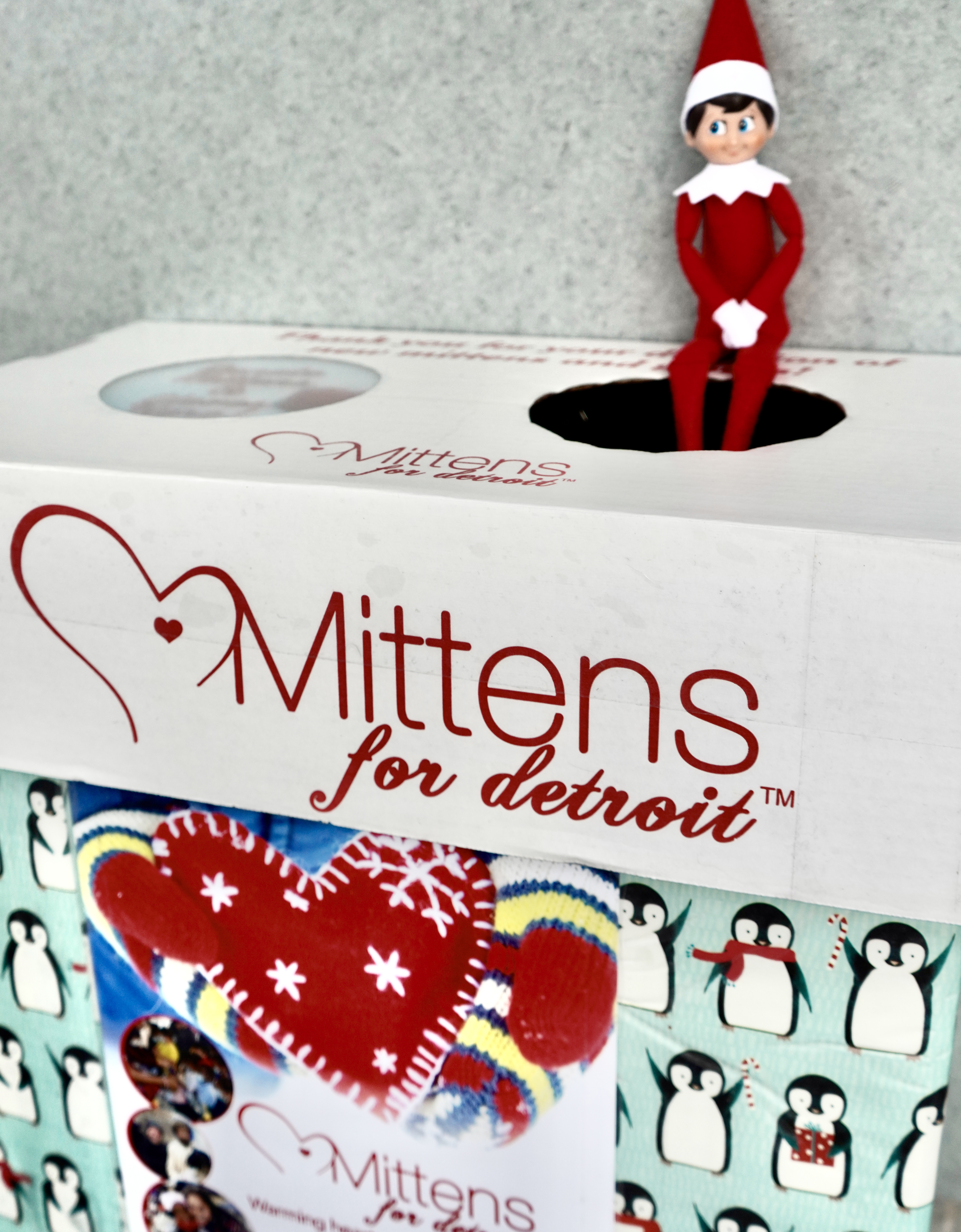
While we’ve been making the holidays bright with our annual Wild Lights event, a celebration featuring millions of twinkling lights decorating the Detroit Zoo, we know the season wouldn’t be complete without gifting something back to our community. That’s why we are partnering with Mittens for Detroit all Wild Lights long!
Mittens for Detroit is a local nonprofit that collects new, warm mittens and gloves for families in need. The items are then distributed through schools, veterans’ groups, senior centers, shelters, medical facilities and other like organizations. Since establishing itself in 2010, the organization has delivered more than a quarter million pairs of gloves and mittens to children, teens and adults in Detroit, Hamtramck, Highland Park, Dearborn and Pontiac.
The Detroit Zoological Society is proud to again partner with Mittens of Detroit to warm the hands and hearts of our Metro Detroit neighbors.
“The pairs raised at Wild Lights will be immensely helpful, as we can process them quickly and they will be on hands within a week or so of their donation,” says Wendy Shepherd, Mittens for Detroit executive director. “We greatly appreciate once again the community outreach that this fantastic event brings.”
Last year, our Wild Lights guests helped us collect nearly 800 pairs of gloves and mittens. This year, we are aiming for 1,000 pairs — but we need your help to cross the finish line! When you plan your trip to Wild Lights this season, help us give back by bringing in a pair of new, unused gloves or mittens to donate to those in need. Wrapped collection boxes can be found at the Detroit Zoo’s entrance. Wild Lights runs select evenings through Jan. 8.
Together, we can ensure the holiday season is merry, bright and warm for all.
Authored by Mark Vassallo, Detroit Zoological Society (DZS) Amphibian Department Supervisor.
The cloud forest of central Panama is a unique and mysterious place, full of rare creatures and plants that call these moisture-laden peaks home. At night, the jungle writhes with life as the nocturnal world takes over the mountainsides. In this veil of darkness and nestled in the elevations of these dense jungles, some of the earth’s rarest amphibian species reside. Many of these species are yet to be described by science, and others are considered to be extinct. As I gazed up at the gathering rain clouds on the volcanic peaks of El Valle, I could not help but wonder which of these potentially extinct amphibians could still be out there.
I have been traveling to El Valle, Panama for the last seven years to work with the El Valle Amphibian Conservation Center (EVACC). This organization is run by Edgardo Griffith and Heidi Ross, a husband-and-wife biologist team, who have dedicated their lives to the conservation of Panama’s most endangered amphibians. Usually during these trips, I am undertaking projects involving the installation of life support and infrastructure or helping troubleshoot specific husbandry issues that arise in one of the modified shipping containers in which EVACC houses seven species of Panama’s rare and endangered amphibians, including the iconic Panamanian golden frog (Atelopus Zeteki).
A Warzewitsch’s frog was identified in the area.
While those types of jobs are on the docket for this trip, we also have an important task to complete that will bring us into the upper reaches of the cloud forest in the hopes to hear a sound that could mean some hope for the imperiled amphibians of Panama. The sounds we are hoping to hear are the calls of thought-to-be-extinct amphibians, including Raab’s tree frogs (Ecnomiohyla rabborum), large and highly unique arboreal frogs who lays their eggs in tree cavities and can glide through the air to evade predators. In the last year, EVACC has begun the process of deploying audio loggers in some of the area’s hard-to-reach elevations to listen for the calls of amphibians like the Rabb’s tree frog that are widely thought to be potentially extinct.
The audio loggers are sturdy boxes that contain a microphone, batteries and SD cards accompanied by a digital screen. The idea is that these listening devices, which are programmed to turn on during the dusk and nighttime hours, will pick up the call of one of these rare frogs. If a call from one of these frogs is detected on the logger recording, this would give the biologists at EVACC a very good lead on the areas where intensive surveys could take place to potentially locate this species.
Armed with some GPS coordinates, batteries, fresh SD cards and rough information about the audio logger’s location from a member of the last group who placed it, we headed up the mountain to start our journey. As we began to climb, the heat and humidity was intense — our clothes were soaked in less than an hour. Large biting ants were swarming our boots as the incline steepened, and we came to a crossroads in the trail. We had reached the GPS coordinates but realized that these coordinates could not be correct. At this point, we decided to attempt to leave the trail and start climbing up what seemed like a cut in the dense jungle, which may have been caused by mudslides and heavy rains, certainly nothing even resembling an actual trail. The going was difficult as the clouds began to gather. Buckets of heavy rain soon began dumping on us, causing the mud to loosen and give, making the more vertical sections especially precarious. In addition to watching your footing in the jungles of Panama, it is also important to watch where you put your hands. Eyelash vipers and stinging insects of all kinds tend to rest on branches and sticks at about eye level. All of these thoughts were keeping our senses sharp as we broke through clearing after clearing, each time hoping that this was the top of the mountain and the audio logger would appear like a shining beacon amongst the dense jungle. Yet, each time the clearings revealed even more vertical walls of vines and thick jungle vegetation to climb. Our resolve was fading, but we pressed on. At one point, my balance gave way, and I fell face first into the side of the muddy slope. As I raised my head, I noticed I was face to face with a tiny gem of a frog. It was a blue-bellied poison frog (Adinobates minutus). This toxic little frog was just staring back at me, probably wondering why a silly, hairless ape had bothered to climb this far up a mountain during a thunderstorm.
A rainforest rocket frog was identified in the area.
The rain was finally letting up, and this gave us a little boost as we could see some sunshine emanating from what looked like a break in the jungle ahead. As we approached, sharp painful sensations started overwhelming my hands and wrists. We were wading through a large column of sharp bladed grass, which when brushed against, caused a paper cut like lacerations on the skin. Once we emerged from the brush and into the clearing, we realized we had reached the top. The jungle was so dense there was no real spot to even look out to enjoy the view. We immediately got to work searching for the audio logger. I looked left then right and passed through some thick brush. Then I saw it — a strip of white that stood out in the landscape of green. It was one of the zip ties used to attach the logger to the tree. We had found it! After several minutes of exulted celebrations and numerous high fives, we swapped out the SD cards and batteries, the unit was reprogrammed, and we locked up the protective case. The trip down was more like a ride down a luge course made of mud. This did make the process faster but certainly not any safer.
Once we finally arrived back at the EVACC grounds, we were exhausted and coated in mud and insect bites but satisfied and content that we had achieved a seemingly insurmountable challenge. After a shower and a cold beverage, I walked out into the moonlight on the grounds of EVACC. Once again, the clouds were beginning to gather around the El Valle mountains, and my eyes settled on the tips of those green jungle peaks, wondering if the logger we had reset for another four months would record a sound of hope.
Learn more about the EVACC foundation and make a donation online to help them ensure the survival of Panamanian amphibian species for generations to come.
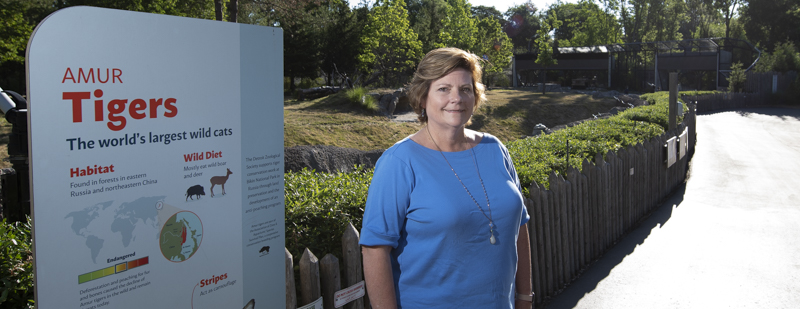
Staff with The Detroit Zoo have been working together to monitor Ameliya, an Amur tiger. Photo credit: Jennifer Harte
Authored by Emily Bovee, CZAAWE lab assistant
A little teamwork can go a long way — especially when it comes to caring for the animals who call the Detroit Zoo home. Center for Zoo and Aquarium Animal Welfare and Ethics (CZAAWE) staff recently teamed up with fellow Zoo employees to ensure two of the Zoo’s feline residents have the best possible opportunity to bring a litter of cubs into the world.
Amur tigers (Panthera tigris altaica) were the first species to be part of an Association of Zoos and Aquariums (AZA) Species Survival Plan, a program aimed at supporting the conservation of endangered species by maintaining the genetic diversity of AZA populations. Breeding animals in zoos can be surprisingly challenging, even for the most amorous of Amur tigers! As a solitary species, wild adult Amur tigers generally live alone. Females and males will only meet briefly to mate before parting ways. Tigers living in AZA-accredited zoos are often housed separately, thus the timing of breeding introductions is extremely important. The successful birth of healthy cubs requires some coordination and planning from experts in the field. The last time efforts were made to breed tigers at the Detroit Zoo was in 2003 when healthy cubs were born.
Team members have been monitoring how Ameliya and Nikolai interact with each other.
Collaborations between different departments at the Detroit Zoo provide staff opportunities to examine the welfare of the animals from new and diverse perspectives. Recently, CZAAWE staff started working with mammal supervisor Melissa Thueme and animal care specialist Sarah Semegen to assist with tiger breeding efforts. The two resident Amur tigers, male Nikolai and female Ameliya, rotate through the public enclosure and a second outdoor tiger yard behind the scenes.
CZAAWE uses an on-campus endocrinology lab to non-invasively measure indicators of physiological welfare such as hormones — a fancy way of saying we analyze a lot of poop! With the amount of poop collected from animals big and small throughout the Zoo, CZAAWE depends on the intrepid lab volunteers who spend hours crushing samples to prepare them for lab testing. This can include hormones that may indicate changes in reproductive states such as testosterone, estradiol and progesterone.
Hormone data, along with behavioral observations, can help track Ameliya’s cycles.
Using fecal samples collected by animal care staff from Ameliya, CZAAWE first monitored estradiol, an estrogen hormone involved in the regulation of the estrous cycle. This allowed us to assess if Ameliya had an active cycle and determine the timing of her cycles. The hormone data supplements and confirms animal care staff behavioral observations, which can also be used to track reproductive cycles. Indicators of her estrous cycle included behaviors such as chuffing (an affectionate throaty vocalization!), rubbing on walls and mesh, rolling on the ground, and being friendly toward Nikolai and animal care staff. In only a few days, she can switch from snarling and swatting at Nikolai to chuffing and cheek rubbing! Using a combination of hormonal monitoring and behavioral cues, animal care staff can determine the ideal time for facilitating interactions between Ameliya and Nikolai that are more likely to result in a successful breeding attempt.
After a potentially successful breeding introduction, the CZAAWE lab staff can shift to monitoring Ameliya’s progesterone levels. Progesterone is a hormone that maintains pregnancy and gets the body ready for and supports a developing fetus. Examining her progesterone levels will allow us to non-invasively detect a possible pregnancy and make sure our care protocols provide excellent support for the mother-to-be. While we are not yet listening for the pitter-patter of tiny tiger paws, we are hopeful that the continued collaboration between animal care staff and CZAAWE will mean healthy tiger cubs in the future.
The collaboration between Zoo departments will help Ameliya and Nikolai be in the ideal situation for potential breeding.
Authored by Ashley Ciricola, curator of fine and performing arts for the Detroit Zoological Society (DZS).
The Detroit Zoo is home to many mammals, birds, amphibians, reptiles and invertebrates. But did you know the Zoo is also home to a variety of paintings, sculptures, photographs and other pieces of art?
November 9 happens to be National Go to an Art Museum Day, and we want to shine a deserving light on the the Detroit Zoological Society’s permanent art collection. Read on to learn more about these pieces and see why visitors of all ages should add an art tour to their next Zoo trip.
Since 1995, the Wildlife Interpretive Gallery at the Detroit Zoo has been a designated space to display the permanent art collection, supporting the DZS’ mission by creating meaningful connections between people, animals and the natural world. The cultural and artistic diversity of our permanent art collection encourages guests to consider and compare the varied relationships between humans and animals across different cultures and times.
The universal language of art is a pathway to start or continue discussions about conservation and sustainability topics within our community, and whether you are interested in local artists or ancient artifacts, the permanent art collection at the Detroit Zoo has a little something for everyone. Here are a few of the collections that are currently on display:
Title: Scene III, Collecting, Artist: Tanya Hastings, Date: 1997, Medium: oil on canvas
Title: Bullet Elephant, Artist: Mary Engel, Date: 1995,
Medium: metal bullets with gold leaf on tusks
Title: Animal Crackers II, Artist: Scott Greenig, Date: 1995, Medium: oil and enamel on board
But the beauty isn’t just limited to the indoors; in fact, the collection continues as you venture throughout the Zoo grounds. There are many unique pieces to see, from vibrant Pewabic tile mosaics to bronze animal statues that are at hug level for our smallest art aficionados to enjoy.
Title: Leaping Gazelle, Artist: Marshall Fredericks, Date: 1936, Medium: cast bronze, Donated by Ann Rosenthal in memory of Mike Rosenthal
Title: Kashka, Artist: Sharon Sommers, Date: 2003, Medium: cast bronze, Donated by Dr. Alexander Maximovich in memory of Veronica Maximovich
Title: Peacock in Full Display, Artist: Mary Chase Stratton, Date: 1926, Medium: Pewabic tile
Title: Galapagos Tortoise, Artist: William Allen, Date: 1992, Medium: bronze and copper, Donated by Dr. Suzanne Zeitman and Dr. Jerrold Grossman in memory of Pamela Grossman
Wherever you are in the Zoo, there is likely a meaningful piece of art that is nearby and waiting for you to explore! Plan your next trip to the Detroit Zoo and see it all for yourself – visit www.detroitzoo.org today to purchase your tickets.
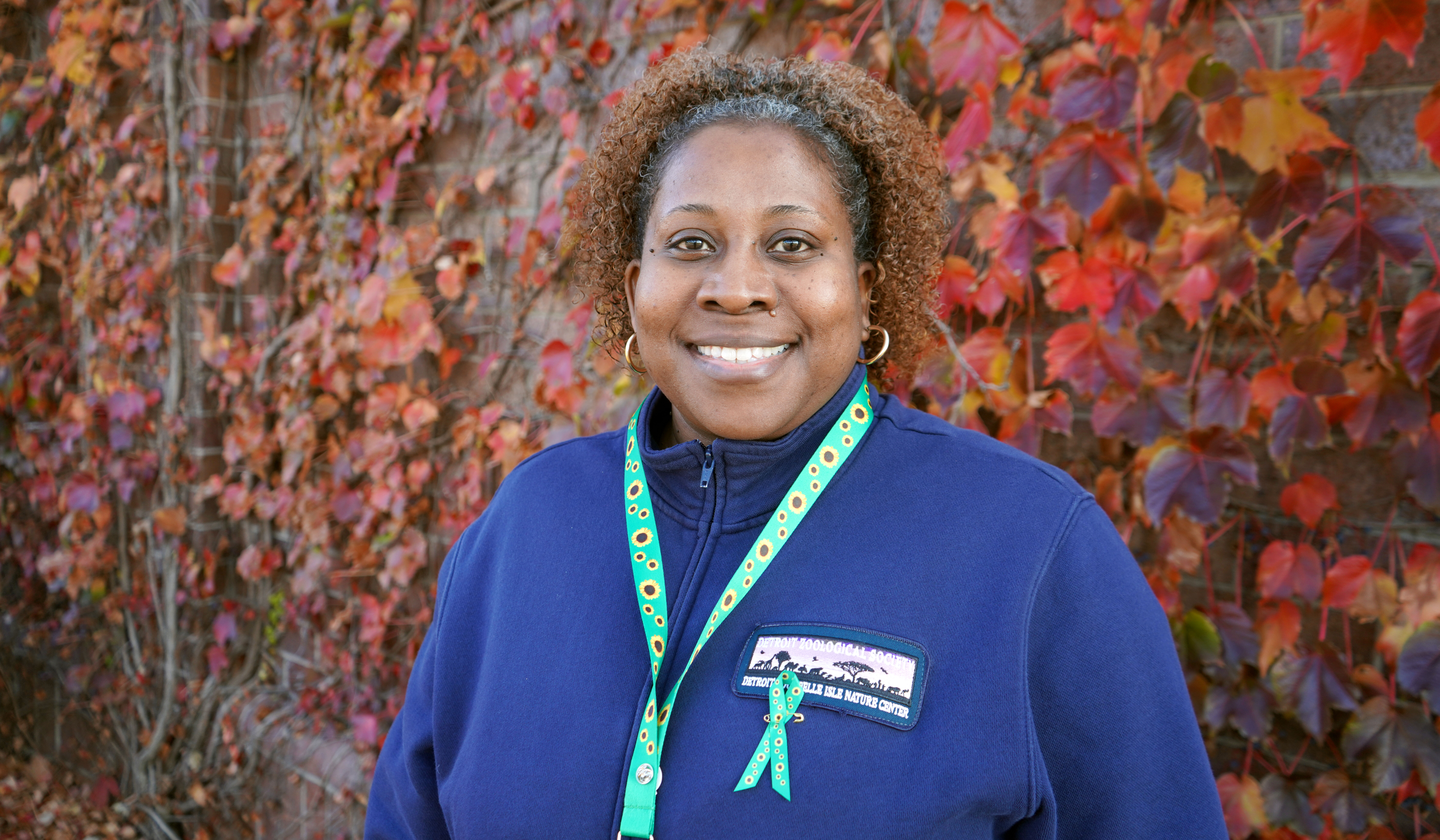
That’s because the DZS is now a member of the Sunflower Hidden Disabilities Program. We strongly believe this membership will amplify our support for individuals living with hidden disabilities.
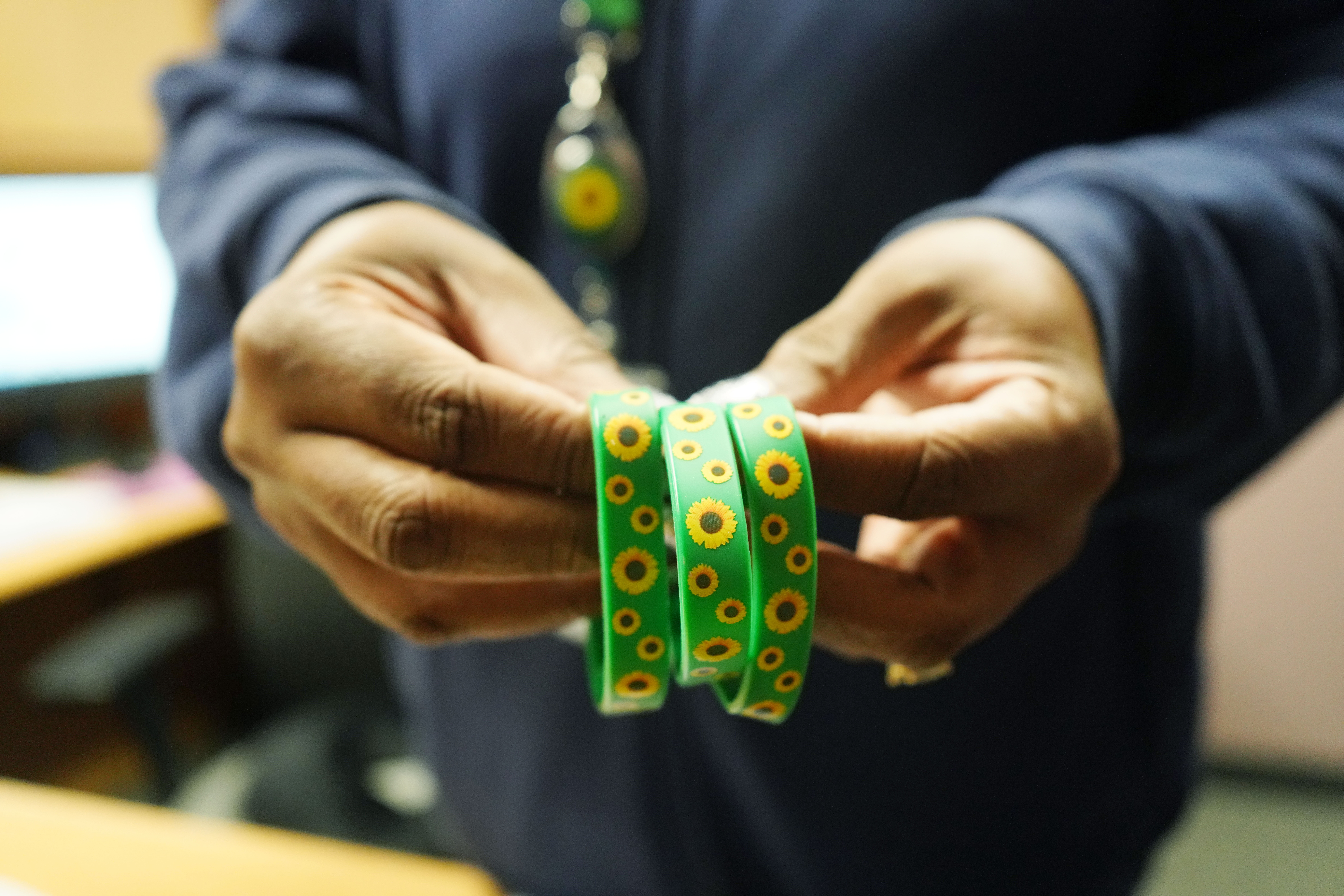
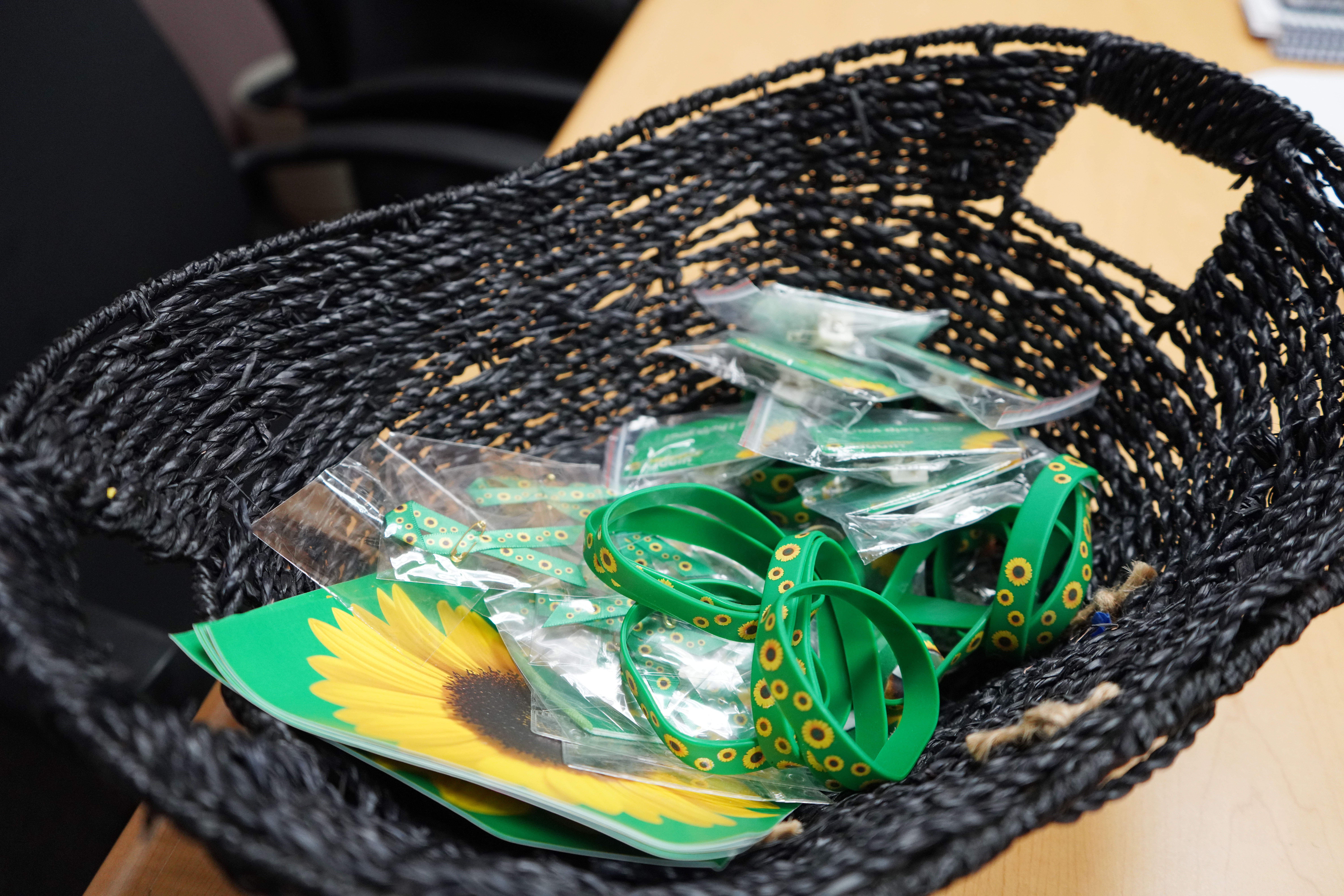
Guests at the Detroit Zoo and Belle Isle Nature Center who have hidden physical, mental or neurological disabilities may now discretely indicate any needed support or assistance during their experience at the Zoo or Nature Center. Our staff will in-turn, and upon request, provide a Sunflower pin, lanyard or bracelet to guests to reaffirm that assistance is available whenever they need it.
We are always seeking to be inclusive and continue to improve how we give our guests with disabilities the best possible experience. With programs like the Sunflower Hidden Disabilities Program, we can enhance what we offer to the communities we serve. It’s important to remember the Detroit Zoo and Belle Isle Nature Center are inclusive spaces for all; we don’t just serve able-bodied individuals. Many of our guests experience hidden disabilities, and this program is a wonderful tool to offer them.
Sunflower Hidden Disabilities Program products allow guests to discretely indicate that they have a hidden disability.
Since establishing itself in the United Kingdom in 2016, the Sunflower Hidden Disabilities Program has grown into a global movement. Program officials estimate 80 percent of all disabilities are hidden — making the Sunflower an important, recognizable symbol to destigmatize hidden disabilities and offer support when needed.
The Detroit Zoo is the first zoo in the state of Michigan to participate in the program. We’re hopeful our participation will spark an interest in the Sunflower Hidden Disabilities Program throughout Metro Detroit and beyond.
The majority of the time, when we think about disability, we think about things we can see. But when hidden disabilities make up the majority, we don’t necessarily know when someone needs additional assistance, patience or understanding. By taking part in this program, the DZS will bring more awareness to hidden disabilities and lead the way for other organizations to do the same.
We’re so pleased to be a part of this program, and we can’t wait to see the good that comes out of it.
To learn more about the DZS’s diversity, equity, inclusion and accessibility work, visit detroitzoo.org.
Sunflower products include lanyards, bracelets, pins and more.
Authored by Bonnie Van Dam, curator of birds for the Detroit Zoological Society (DZS).
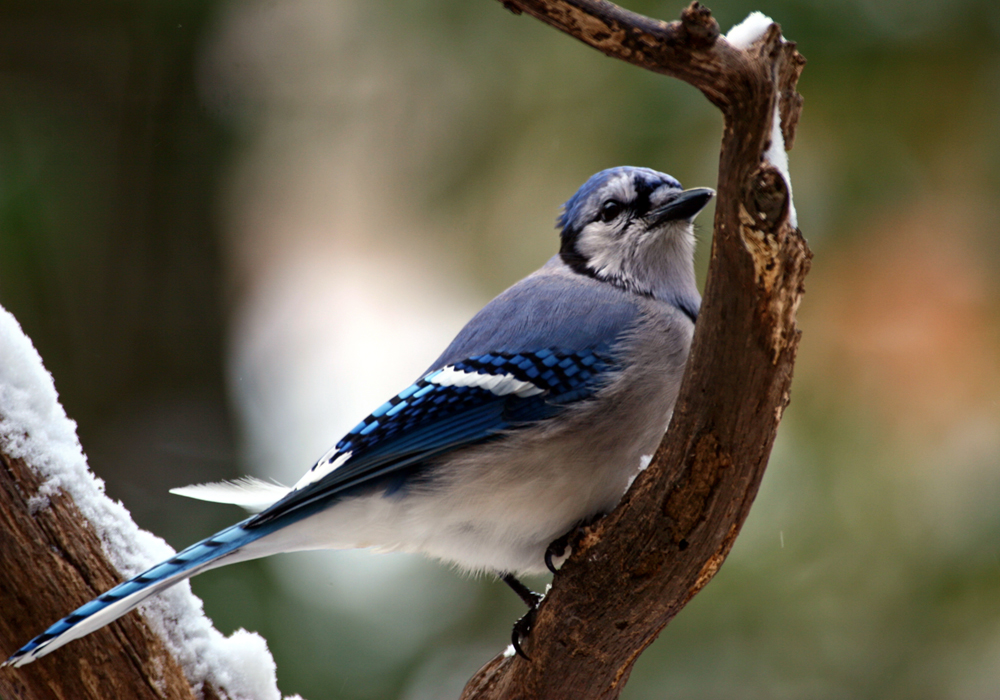
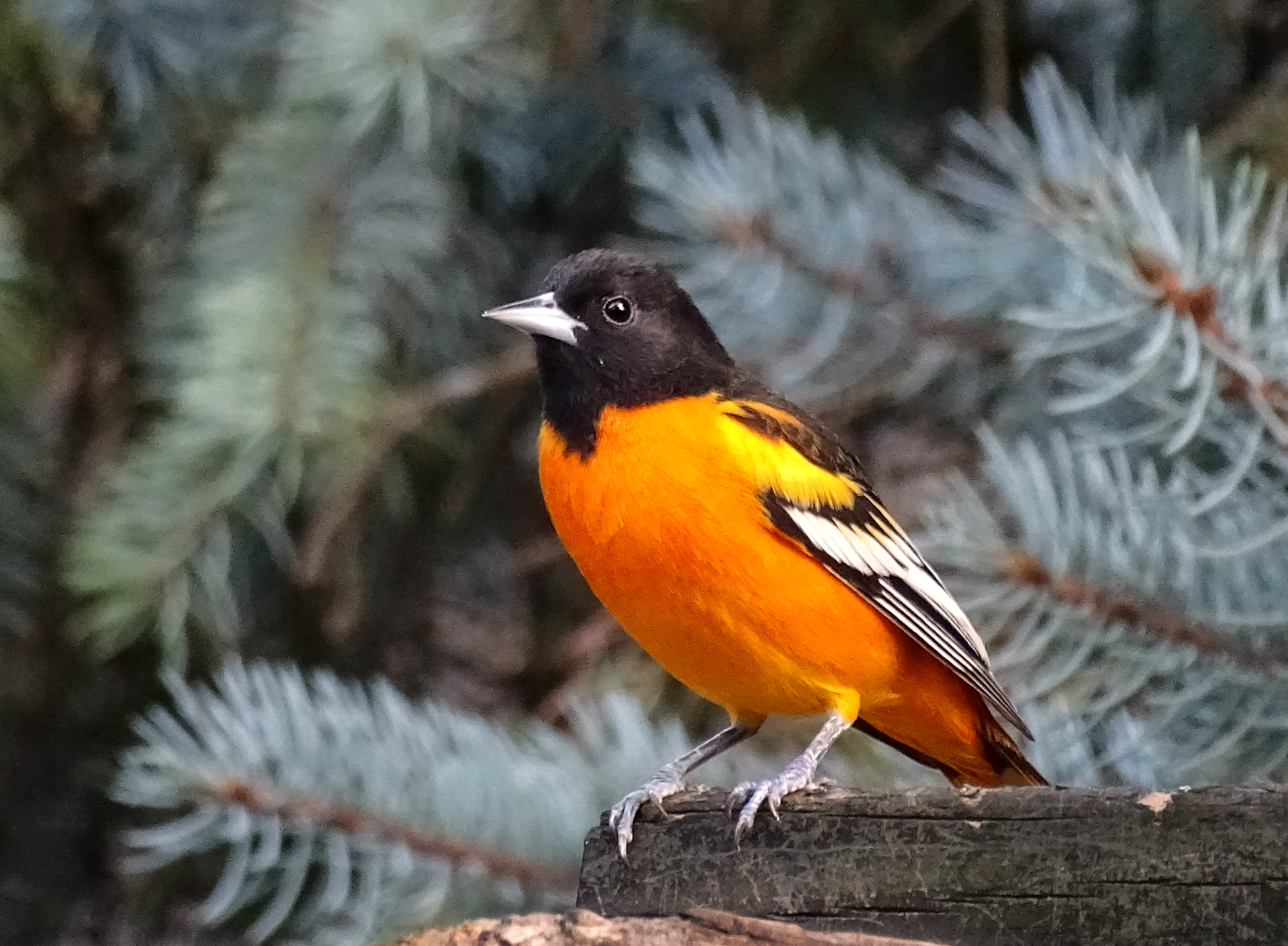
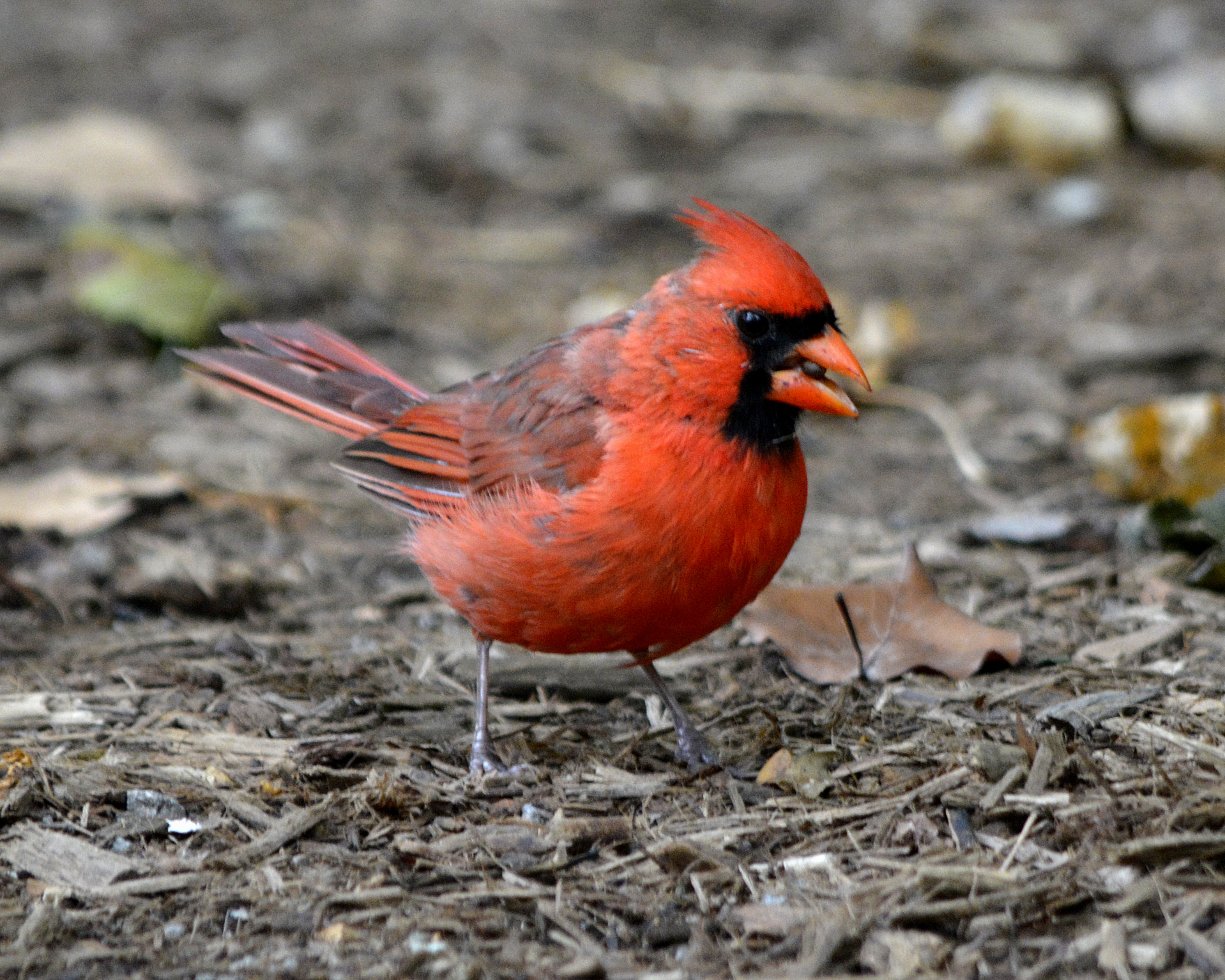
One of the greatest joys of walking outside is listening to the chirps and chatter of songbirds — from the warble of the yellow warbler to the call of the American goldfinch.
Despite the beauty of their songs, these birds face enormous dangers every day, especially during migration season. Whether it be the reflection of untreated glass windows or the pull of bright city lights, man-made hazards have proved detrimental to local and migrating songbird populations. In this blog, we will explore some of these hazards and what can be done on a legislative, local and personal level to reduce these hazards and stand up for songbirds.
Photo credit: Patti Truesdell
What are our legislators doing to protect songbirds?
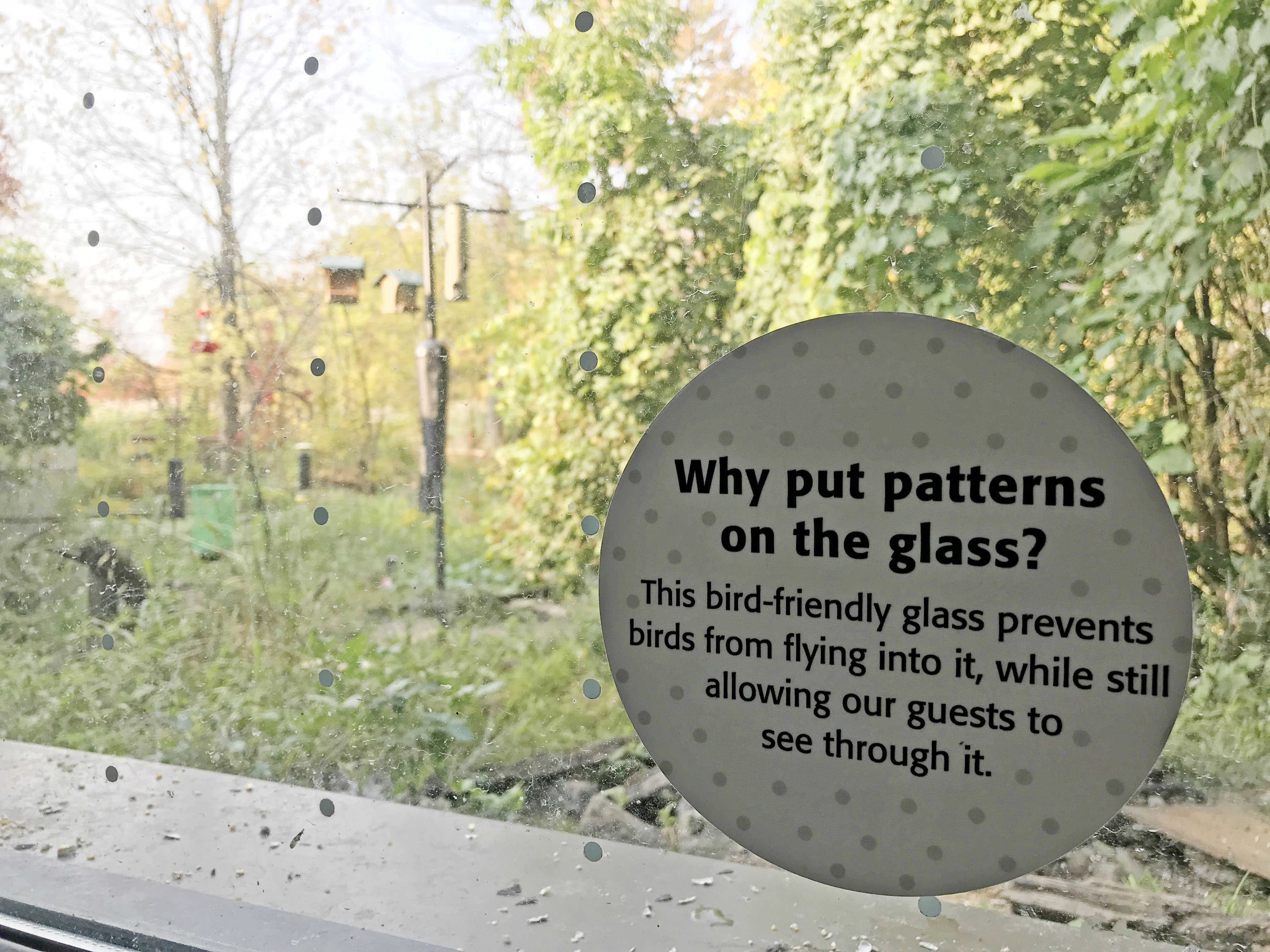
I recently spoke at a public hearing for Bill B24-0710, which is a Washington, D.C. Council Migratory Local Wildlife Protection Act. This bill would require all new building construction or façade improvements to use bird-friendly materials, like bird-friendly glass, which is specifically designed to make glass a visible obstacle for birds while remaining transparent to humans. A passed bill would also establish a Bird-Friendly Buildings Fund to support building owners as they work to implement these potential changes.
Untreated, or non-bird-friendly, glass poses a major risk to migratory and local resident birds; between 365 million and one billion birds die each year in the United States when they collide with buildings. This is because the transparency and reflections of untreated glass leaves birds unable to tell the difference between the horizon and a solid building. Birds flying at night may also be attracted to, and therefore confused by, lights inside buildings – which leads to them stopping over, resting and refueling in our cities. Once the birds resume their migration journey, it’s likely they’ll encounter an untimely death after colliding with a glass window.
These are tragic facts, but legislation like DC Bill B24-0710 can change things. While these types of bills only affect Washington D.C., Illinois, Minnesota and a few other cities nationwide, there are other municipalities looking to enact similar bills into laws as well. Related laws requiring bird-friendly buildings have been passed for New York City, Chicago, Toronto, San Francisco, Portland and other smaller, local jurisdictions– and each one of these acts will save thousands of birds’ lives. As our society continues to construct buildings with glass windows, it is also society’s responsibility to help birds navigate windows, which are silent and invisible hazards to them.
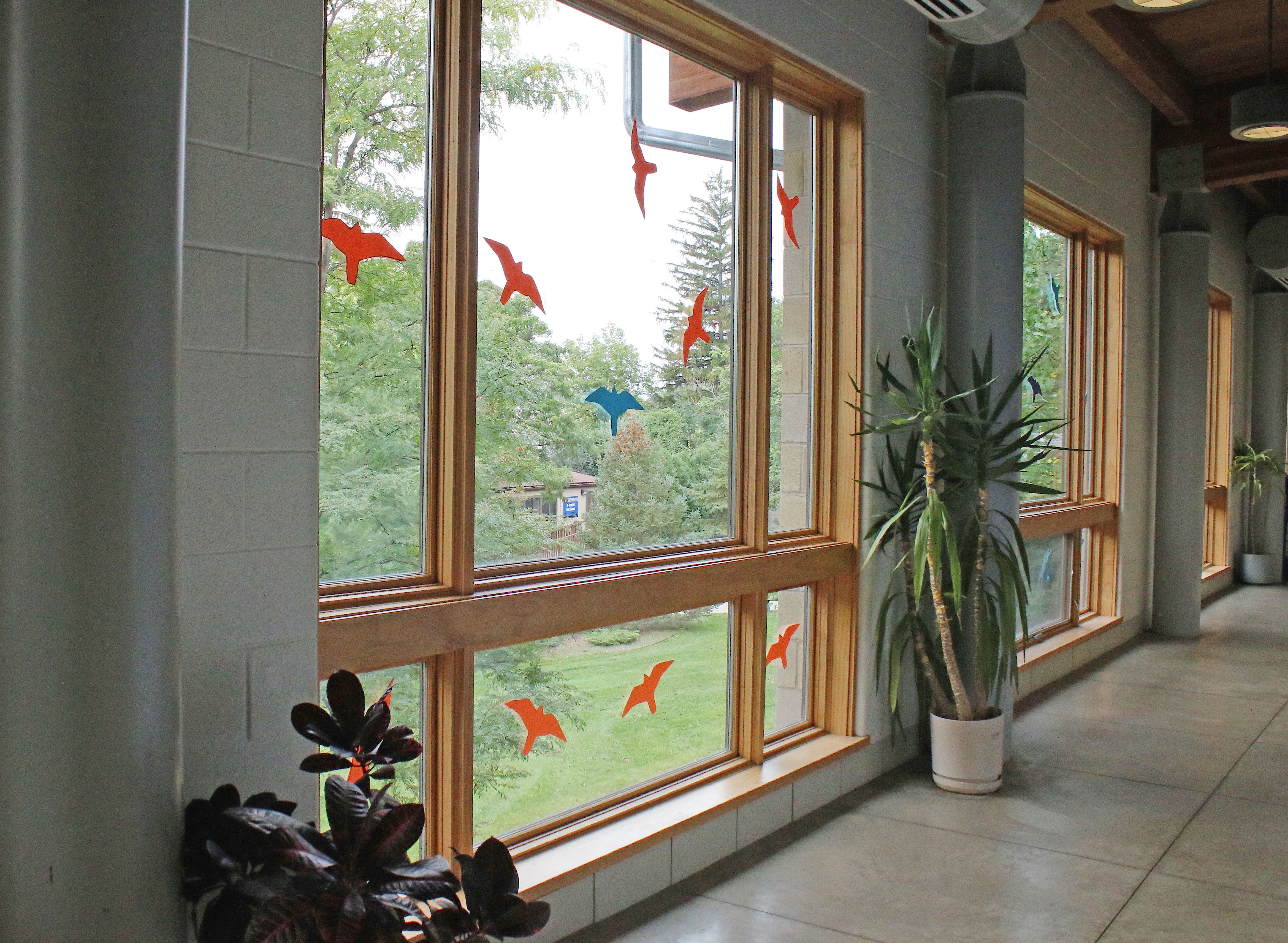
The DZS uses bird-safe glass on its campuses.
What is the DZS doing to protect songbirds?
In addition to supporting bills like DC B24-0710, the DZS has been committed to preventing collisions for our local resident and migratory birds for years. Because the state of Michigan has birds migrating from both the Atlantic and Mississippi Flyways, the Detroit Zoo’s campus has 24 buildings equipped with bird-safe glass or retrofitted with film, and we’re constantly educating our guests about the importance of bird-safe glass with graphics and flyers.
The DZS also focuses on collaboration to meet our conservation goals for songbirds. Our commitment to the Detroit Urban Bird Treaty creates bird-friendly environments and provides everyone, especially kids, with opportunities to connect with nature through birding and conservation. This is thanks to collaborative efforts between federal, state and municipal agencies, as well as non-governmental organizations and academic institutions, that
reduce work to limit hazards to migrating birds, promote community science activities and provide community education and outreach.
I am a founding member of North American Songbird SAFE (Saving Animals From Extinction), an Association of Zoos and Aquariums (AZA) conservation program that harnesses the collective strengths of AZA-accredited facilities, alongside other partners, to grow conservation impact and effectively save species. NAS SAFE focuses on more than 300 avian species that migrate through North America to fight population loss that stems from habitat loss, climate change, building collisions and predation from outdoor domestic cats. Our bird collision initiative has gone a long way toward protecting these beautiful birds and setting best practices at the local, state and provincial levels.
Photo credit: Roy Lewis
What can you do to protect songbirds?
You don’t have to wait for your city or state to adopt bird-friendly legislation to do your part to keep migrating birds safe! There are plenty of low-cost and low-burden ways to make the glass around you safer for birds, including using bird-safe glass in new construction and treating existing glass with a variety of film products. You can even purchase bird collision prevention products at the Detroit Zoo’s gift shop!
Additionally, you can:
• Reduce evening lighting during peak migratory seasons by participating in Lights Out programs
• Select grass-fed beef to help save grassland birds
• Purchase certified sustainable paper products to help preserve the nesting grounds of boreal forest songbirds
• Participate in native songbird community science projects and Urban Bird Treaty activities in cities
• Celebrate World Migratory Bird Day
If we all — individuals, conservation organizations and legislators — work together, we can make a true difference and save the lives of countless migrating songbirds.
Window decals are a great way to protect birds from building collisions.
The Wyoming toad was once found in abundance in the Laramie River Basin. However, catastrophic population declines were observed throughout the 1970s. By 1983, the Wyoming toad was thought to be extinct. Biologists could make no clear determination for the cause of the decline.
With a bit of luck, a small population of about 20 animals was rediscovered in 1987 at Mortenson Lake, bringing hope that the species could be saved. Rescuing the species by bringing it into captivity was the only option to avoid extinction.
Amphibian Chytrid Fungus and Preventing Amphibian Extinctions
Throughout the 1980s and 1990s, amphibian declines were common around the globe – something that puzzled biologists. At the time, there was no obvious answer as to why multiple amphibian species were rapidly disappearing in Australia, Central America and the United States. In 1998, the amphibian chytrid fungus – a microscopic primitive fungi – was discovered to be the cause of disease resulting in these declines. Biologists have attributed the amphibian chytrid fungus to be the primary cause of approximately 100 amphibian extinctions and to have impacted more than 700 amphibian species. No other wildlife disease has impacted biodiversity as much as this fungus.
The Wyoming toad is highly susceptible to the amphibian chytrid fungus. The National Amphibian Conservation Center at the Detroit Zoo was built in part as a response to the amphibian biodiversity crisis, which assisted in keeping some of the most imperiled species away from the edge of extinction. The Wyoming toads at Detroit Zoo live in a biosecure room, which keeps them safe from being potentially exposed to the disease!
Ex-situ rescue, which is when a species is brought out of the wild into captivity for conservation, is a last resort. Unfortunately, we are often left with no other options. Rescuing a species in captivity requires intensive management to maintain the population, and it’s a long-term commitment by a dedicated and passionate team.
Wyoming Toads at the DZS
The DZS was an early partner in rescuing Wyoming toads, welcoming our first toads in 1995. A Species Survival Program (SSP) was also formed in 1996 to organize efforts among zoo partners and the U.S. Fish and Wildlife Service. The amphibian team at the DZS has produced 10,730 Wyoming toad tadpoles, toadlets and adults for reintroduction since joining the program in 2001! These animals are bred at the DZS and later sent to Wyoming to be released into the wild. The Center for Zoo and Aquarium Animal Welfare and Ethics at the Detroit Zoo has also led studies that have helped improve the husbandry of Wyoming toads in captivity by comparing the preferences for substrate, which improves our care for this very important species.
Caring for Wyoming Toads at the Detroit Zoo
Mike Andrus is the primary colleague who takes care of the Wyoming toads at the DZS, and his years of experience in the amphibian department caring for these toads is one of the keys to Detroit Zoo’s success. Mike handles more than 30 toads at the Zoo
Mike Andrus is the primary colleague who takes care of the Wyoming toads at the DZS, and his years of experience in the amphibian department caring for these toads is one of the keys to Detroit Zoo’s success. Mike handles more than 30 toads at the Zoo, where he carefully cycles the temperature throughout the year, including when he places the toads in a refrigerator to hibernate. This process requires a lot of fine-tuning and experience – and prepares the toads, which are each equipped with their own individual ID to track genetics, for breeding.
Mike Andrus holds a Wyoming toad in the biosecure room.
Wyoming toad tadpole reintroductions
In June 2022, Mike traveled to Laramie, Wyoming to participate in the reintroduction of Wyoming toad tadpoles. Several thousand tadpoles were sent from SSP partners for reintroductions. It was a busy day, as tadpoles were placed in bags of about 100 animals and methodically distributed around reintroduction sites.
Tadpole reintroductions are very important to continue supporting the recruitment of new toads into the population. In the months following the tadpole reintroductions, hundreds of recently meta morphed toads are found — each one with the potential to make it to adulthood and breed in the wild.
Bags of tadpoles produced by zoos around the country and U.S. Fish and Wildlife Service acclimate before reintroduction.
Wyoming toad surveys
In August 2022, I participated in the Wyoming toad field surveys and an annual SSP meeting. The team was successful in finding many young toads, likely from tadpole reintroductions and some wild breeding. The most exciting part was finding more than 15 breeding-sized adults! Some of the toads had a small identification tag, demonstrating that reintroduced juveniles and adults from captivity are surviving in the wild.
Wyoming toads were found at all four field sites the team visited, a very good sign for a species that was once thought to be on the verge of extinction. Currently, there is no method to mitigate the amphibian chytrid fungus in the wild, but in recent years there are an increasing number of rediscoveries of species once thought to be extinct and vulnerable species persisting in the presence of chytrid.
We’re optimistic that the Wyoming toad will soon hop back from extinction!
A toad reintroduced months beforehand was found during our surveys and appeared in good health. Adult toads receive a tiny tag, much like a micro-chip for a cat or dog, that let us know who they are when they are found in the wild!
Thank you to our SSP partners, who make saving this species possible:
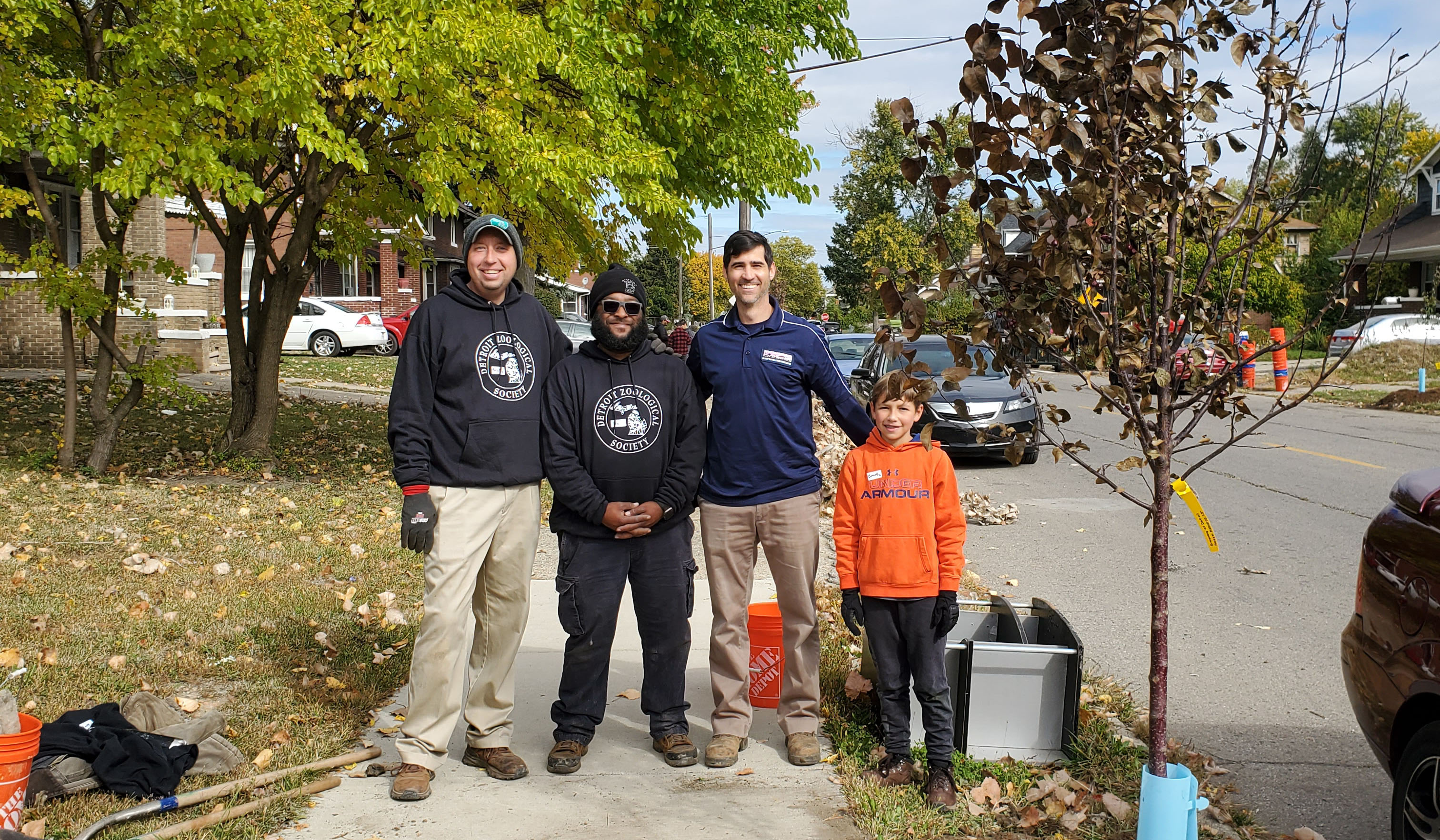
DZS employees and their families are volunteering to plant trees throughout Metro Detroit.
Members of the Detroit Zoological Society (DZS) team have been rolling up their sleeves and getting their hands dirty for a good cause.
As part of our commitment to plant 2,000 trees at the Detroit Zoo, the Belle Isle Nature Center and throughout all of Metro Detroit, we have partnered with Greening of Detroit, a member of the Metro Detroit Nature Network, along with American Forests, the Oakland County Economic Development Department and Royal Oak Township to lead or co-sponsor five tree plantings throughout the area this fall.
We have been thrilled to partner with Greening of Detroit, a nonprofit organization focused on enhancing the quality of life for Detroiters by planting trees, providing job training and involving youth in education about the natural environment. So far, we have completed three of our five plantings, and our staff is having a blast making our communities — quite literally — greener!
At a recent event, DZS employees and their families volunteered their Saturday morning to plant trees along Cloverlawn Avenue and surrounding streets in Detroit. After three hours of digging through compacted soil and clay, we were left with 50 brand-new trees lining both sides of the street. These trees will not only beautify the area, but they will also play an important role in the neighborhood environment. In addition to providing shade and habitat for local wildlife, planting trees in urban areas has been shown to reduce stormwater runoff and improve air quality.
“These plantings are a lot of work — and a lot of fun,” says Andy McDowell, DZS manager of sustainability. “The DZS has always been committed to environmental sustainability, and now our team is thrilled to give back to local communities and make the world greener one tree at a time.”
Interested in signing up for one of our remaining tree plantings in Metro Detroit? Click here.
The Detroit Zoological Society’s (DZS) top leader, Dr. Hayley Murphy, is ready to take her leadership skills to the next level.
Hayley has served as our executive director and chief executive officer since November 2021 and was recently honored by the Detroit Regional Chamber as one of the newest members of its Leadership Detroit program. Launched in 1979, Leadership Detroit is an eight-month transformational leadership program designed to challenge emerging and existing community leaders from southeast Michigan to bring about positive change. The program also aims to create awareness of key issues that affect the Detroit region.
“I’m honored and humbled to be named a member of the newest class of the Leadership Detroit program,” Hayley says. “I’m committed to taking my leadership to the next level, challenging my previous assumptions and building relationships with the exceptional men and women who I call classmates.”
As a member of the 43rd class of this program, Hayley is among 70 regional executives who represent a cross-section of the community, including business, organized labor, government, education, media, civic groups, health services and community organizations. After completing the program, she will join more than 2,000 colleagues who call themselves alumni of Leadership Detroit.
“Leadership Detroit offers a unique experience that takes leaders on a journey out of their comfort zones to challenge long-held assumptions and to embrace multiple and diverse perspectives on quality-of-life issues in the Detroit region,” says Devon O’Reilly, the program’s senior director of community engagement and leadership development. “Through carefully curated sessions and experiences throughout the year, this class will have an opportunity to better connect with each other, hear directly from key regional leaders across multiple sectors, and enhance their intangible skills that will help them shape this region’s future in their positions of leadership.”
Hayley’s new involvement with Leadership Detroit is just one of the many programs she is affiliated with. She is the founder and director emeritus of the Great Ape Heart Project, an international, multi-institutional effort aimed at investigating, diagnosing and treating heart disease in great apes. She is also a veterinary advisor to the Gorilla Species Survival Plan and the Great Ape Taxonomic Advisory Group. Hayley also serves as the chair of the Association of Zoos and Aquariums Ethics Board and as a board member for the Dian Fossey Gorilla Fund.
“I couldn’t be more excited to extend my professional development and community involvement through the Leadership Detroit program,” Hayley adds. “I’m ready to dive deep into Detroit and its history, gain new insights into leadership theory and practice, and apply what I learn at the DZS.”
Join all of us at the DZS in offering Hayley a big congratulations!
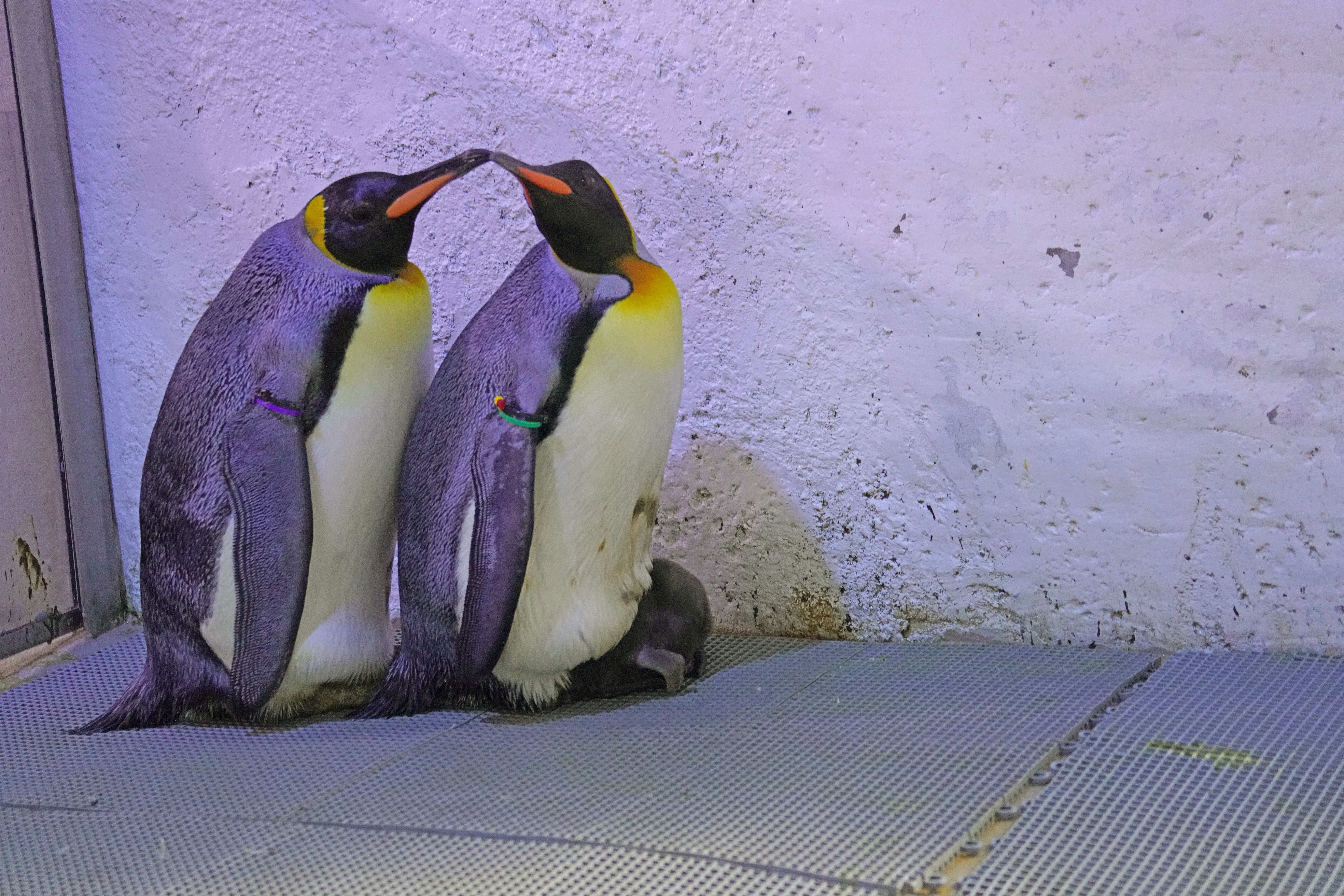
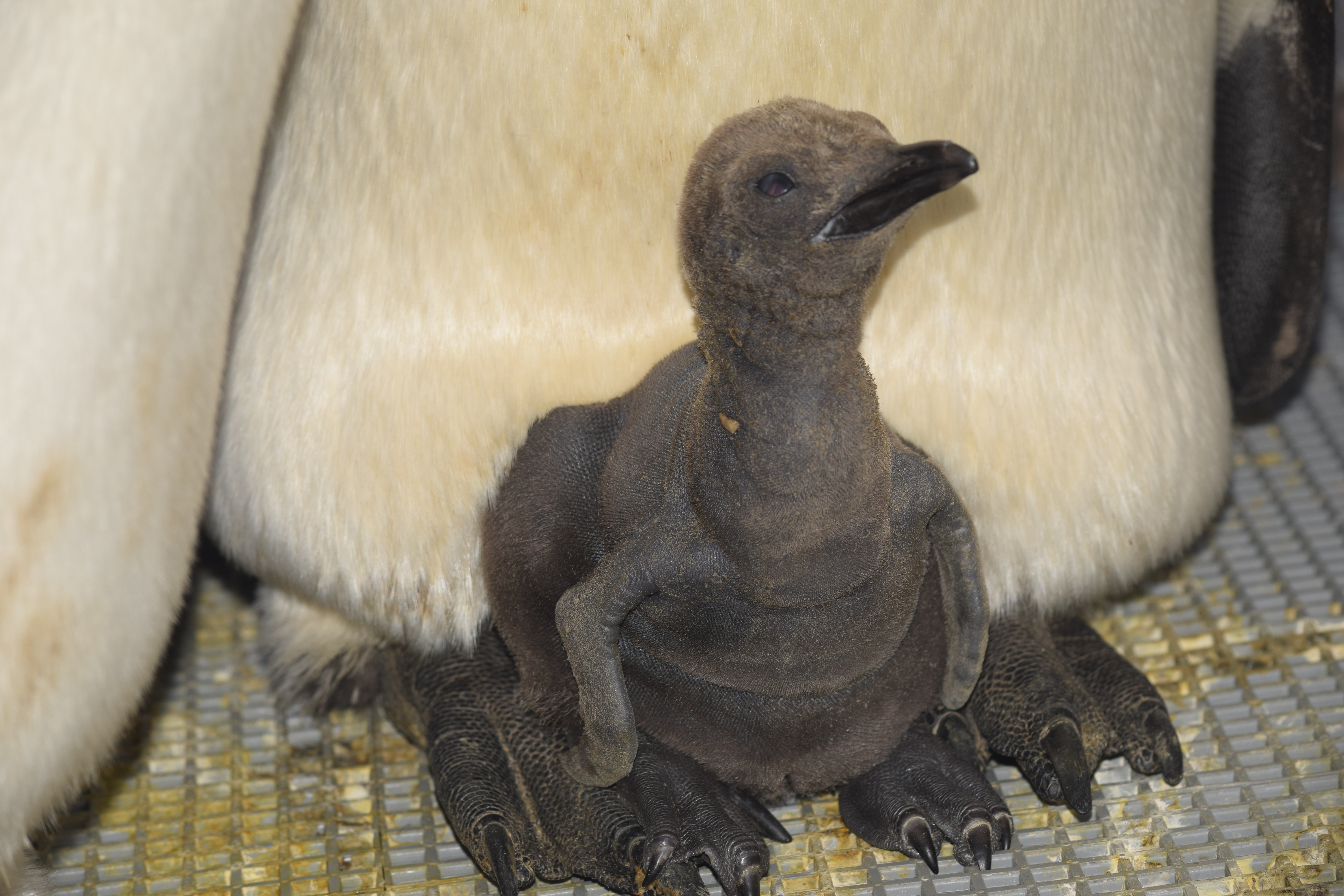
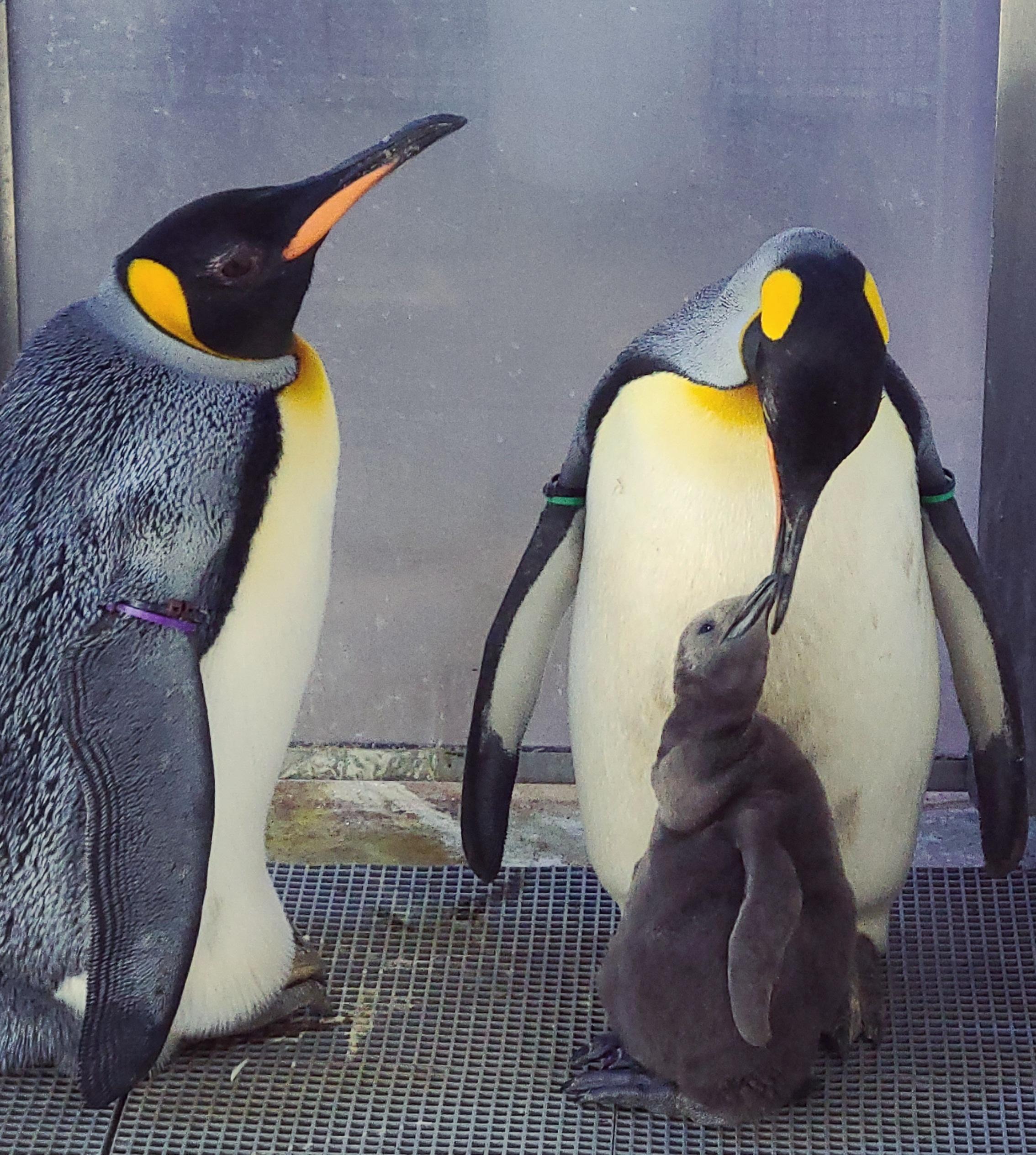
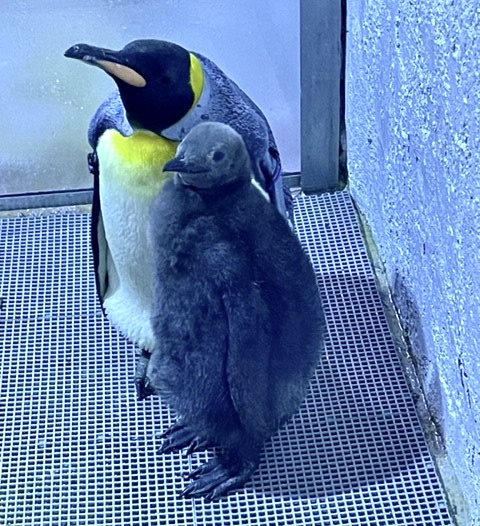
DEC. 8, 2022 UPDATE: We’re happy to announce that the penguin chick was determined to be male and has been named Maximilian! Called “Max”for short, he is growing up healthy and tall alongside his doting foster parents.
There’s a fluffy new bundle of joy at the Detroit Zoo!
A yet-to-be named king penguin chick hatched at the Detroit Zoo on Aug. 13 — but this chick’s story actually began nearly 300 miles away, at the Cincinnati Zoo.
The chick’s biological parents, 27-year-old Larry and 8-year-old Stacy, initially laid the egg, and Cincinnati staff quickly learned the egg was fertile through a process called “floating.” In this process, an egg is floated in warm water to look for ripples in the water.
“We were excited to confirm fertility when the little bundle of joy was bouncing around like crazy,” says Jennifer Gainer, the Cincinnati Zoo’s curator of birds.
Not long after, the Association of Zoos and Aquariums’ Species Survival Plan recommended the Detroit Zoo as a home for the future chick, and representatives from both zoos started collaborating – carefully crafting a plan to incubate, transport and transfer the king penguin chick egg to its new foster parents.
Awaiting the little nestling at the Detroit Zoo was the perfect pair of foster parents – a 21-year-old male and a 7-year-old female named Gertie. These king penguins blended and bonded during the July to September mating season but didn’t produce an egg of their own. Instead, to prepare the couple for parenthood, zookeepers provided the pair a “practice” egg to care for until the “real” egg from the Cincinnati Zoo arrived.
“It was a perfect situation,” says Jessica Jozwiak, bird supervisor at the Detroit Zoological Society (DZS). “We had a pair that was closely bonded but did not produce an egg this year, so we were able to give this egg to them. Everything has worked out wonderfully.”
Since hatching, the chick has been thriving. While the sex of the chick is not yet known, it is growing up behind the scenes, closely cared for by its attentive foster parents. After fledging, the chick will live with inside the habitat at the Polk Penguin Conservation Center with the rest of the king, macaroni, rockhopper and chinstrap penguins who call the center home.





 Detroit Zoological Society Blog