As you walk through The Detroit Zoo, you may notice a lot of trees (follow along on our Trek). Trees are essential to the health of people, animals and the planet, which is why we are committed to taking steps to reduce our carbon footprint by adding even more to our lush grounds.
The Detroit Zoological Society (DZS) pledged to add a total of 2,000 trees by the end of 2022 to our campuses and in Metro Detroit communities. The average tree absorbs 48 pounds of carbon dioxide (CO2) and 1,673 gallons of storm water every year. Adding 2,000 trees (to the 7,000 trees currently growing at the Detroit Zoo), will make a big difference for nearby communities by helping to improve air and water quality. We have partnered with ReLeaf Michigan to help us organize group planting projects across Metro Detroit.
In 2021, the DZS planted 641, and we have full confidence in our ability to plant our total goal by the end of this year. Most recently, Oakland County planted five trees donated by the DZS in celebration of Earth Day 2022.
We are well on our way to achieving our goal of making the world a greener place through sustainable practices such as tree planting.
In addition to other environmental benefits, trees and other vegetation reduce heat island effect (urbanized areas experiencing higher than average temperatures) by providing shade. According to the EPA, shaded surfaces may be 20–45°F cooler than the peak temperatures of unshaded materials. The benefits from trees don’t stop there – they also provide shelter and food for birds, insects, and other critters such as squirrels. These animals then disperse the trees’ seeds, allowing new saplings to grow.
We are meticulously selecting a variety of species of trees to add biodiversity to our campus, as well as focusing on native species, browsable trees (clippings that make great snacks for the animals who live at Detroit Zoo), habitat value (for example, birds are attracted to oak trees), and resistance to climate change.
Our tree planting initiative is only one of the steps we are taking to create greener future. The DZS has developed a unique, green roadmap called the Greenprint. This evolving plan guides our operations and is the plan by which we refine and improve our facilities and daily practices, develop new policies and programs and improve green literacy and action in our community.
View our Shades of Green guide to learn more ways in which you can help lighten your impact on the Earth and the animals that we share it with.
Many of our older guests at the Detroit Zoo and Belle Isle Nature Center can likely remember a time when they looked up and saw a sea of stars peppered across the night sky, clear enough to count the constellations.
Today, things are different. As populations and industry have grown, artificial light has seeped into our night sky to the point where many of the younger generation have never seen a truly dark sky.
This month, the Detroit Zoological Society (DZS) is raising awareness around this unfortunate phenomenon by helping our guests understand how they can protect our naturally dark night skies — and, in turn, help the animals we all know and love.
April 22-30 is International Dark Sky Week hosted by the International Dark-Sky Association (IDA). The IDA’s main goal is to fight against light pollution, which is the inappropriate or excessive use of artificial light. Research from the IDA and other institutions indicates light pollution can have serious environmental consequences for wildlife, the climate and human health.
How does light pollution harm your favorite animals?
Some of the most devastating impacts of light pollution have been to animals and their habitats. For an example, look no further than sea turtles. Though this species lives in the ocean, sea turtles hatch at night on the beach, with hatchlings finding their way to the water by detecting the bright horizon over the ocean. Artificial lights have been known to confuse hatchlings and draw them away from the water and away from survival. In the U.S. alone, millions of sea turtles die this way each year.
Closer to home, light pollution can have a harmful effect on bird populations. Birds who hunt or migrate at night use light from the moon and stars to guide their way. Artificial lights cause these birds to wander off course and into cities, where they are met with dangerous terrain. Once attracted to illuminated areas, birds collide with the glass of needlessly lit buildings and towers. According to the IDA, millions of birds die this way each year. Additionally, migratory birds depend on cues from properly timed seasonal schedules. Light pollution can cause these birds to migrate too early or too late and miss ideal climate conditions for nesting, foraging and other behaviors.
Outside of these two species, the effect of light pollution on wildlife can be subtler but no less harmful. Nocturnal animals have had their nighttime environments radically altered by light pollution, taking away the darkness prey species use for protection and confusing animals such as frogs and toads, who use nighttime croaking as part of their breeding rituals.
Artificial lights have been shown to disrupt normal nocturnal behaviors, causing inference with breeding and decreasing animal populations, according to the IDA. The worst part? Researchers are only just beginning to understand the ways light pollution has harmed animals and their environments.
What is the Detroit Zoological Society (DZS) doing about light pollution?
DZS and Belle Isle Nature Center staff strongly believe in the importance of nurturing, celebrating and protecting the night sky everywhere. While Belle Isle will likely never be fully dark due to its proximity to the city, we do everything we can to preserve the island’s nighttime darkness and protect local wildlife.
The DZS is a partner with the Metro Detroit Nature Network, now known as SEMI Wild, which in 2017 signed the Urban Conservation Treaty for Migratory Birds, designating Metro Detroit an Urban Bird Treaty area. Among other things, the treaty promotes bird conservation through Lights Out programs. These programs, of which we are enthusiastic supporters, implement dark sky policies encouraging organizations and individuals to turn off or reduce interior and exterior lights during spring and fall migration to help provide safe passage to migratory birds — potentially saving the lives of thousands of our feathered friends in the Detroit area each year.
Another way we continue to protect dark skies is through community education and promoting programs that educate the public about the natural night sky and what the average person can do to fight light pollution.
This International Dark Sky Week, tune into the Detroit Zoo Facebook page to see multiple posts about dark skies, their connection to wildlife and how the DZS is celebrating the week.
You can also join us from 8:30 to 10:30 p.m. Saturday, May 7 for Statewide Astronomy Night. The Wayne State University Planetarium at the Belle Isle Nature Center will be hosting a free, outdoor-only event, where guests can observe the night sky through a variety of telescopes and binoculars. Wayne State presenters will also be on hand to offer tours of the constellations and conduct exciting demonstrations. The Nature Center will also host an installment of its Nature at Night series, where you can learn all about how local nocturnal animals navigate a nighttime world.
What can you do to fight light pollution?
While the problem of light pollution can seem insurmountable, every little action taken can make a big difference. Here are three things you can do at home and in your community to support naturally dark skies:
• Eliminate unnecessary indoor lighting. Unused lights — particularly in empty office buildings at night – should be turned off.
• Make the switch to shielded outdoor lighting. Outdoor lighting should be shielded and directed downward, where it can illuminate the ground rather than contaminate the night sky.
• Research and spread the word! Visit the IDA website to learn about light pollution and the organization’s efforts to preserve dark skies. Then become an advocate for them! Talk to your friends and family to raise awareness around light pollution and help them understand why they should make changes to protect the night sky.
If we all take steps to reduce light pollution in our own homes and neighborhoods, there is a chance that one day future generations — and their furriest friends — will be able to look up and lose count of the stars scattered across the dark night sky.
– Amy Greene is the nature centers director for the DZS.
It’s the season of sea otters at the Detroit Zoo! Over the coming weeks, Dr. Ann Duncan, director of animal health for the Detroit Zoological Society, will be sharing updates about two of the Zoo’s newest inhabitants, Ollie and Monte. Read on to learn more about some of our favorite marine mammals!
A year ago, Detroit Zoological Society (DSZ) animal care staff was busy renovating a habitat at the Arctic Ring of Life to become home for two rehabilitated sea otters, female Ollie and male Monte.
As the DZS had not cared for sea otters in the past, the veterinary staff was busy learning about the animals’ unique anatomical and physiological features and medical needs so we could provide the very best care. We reached out to veterinary colleagues experienced in sea otter medicine and were able to take part in online learning opportunities. We also gathered and read the literature describing typical sea otter medical problems and treatment.
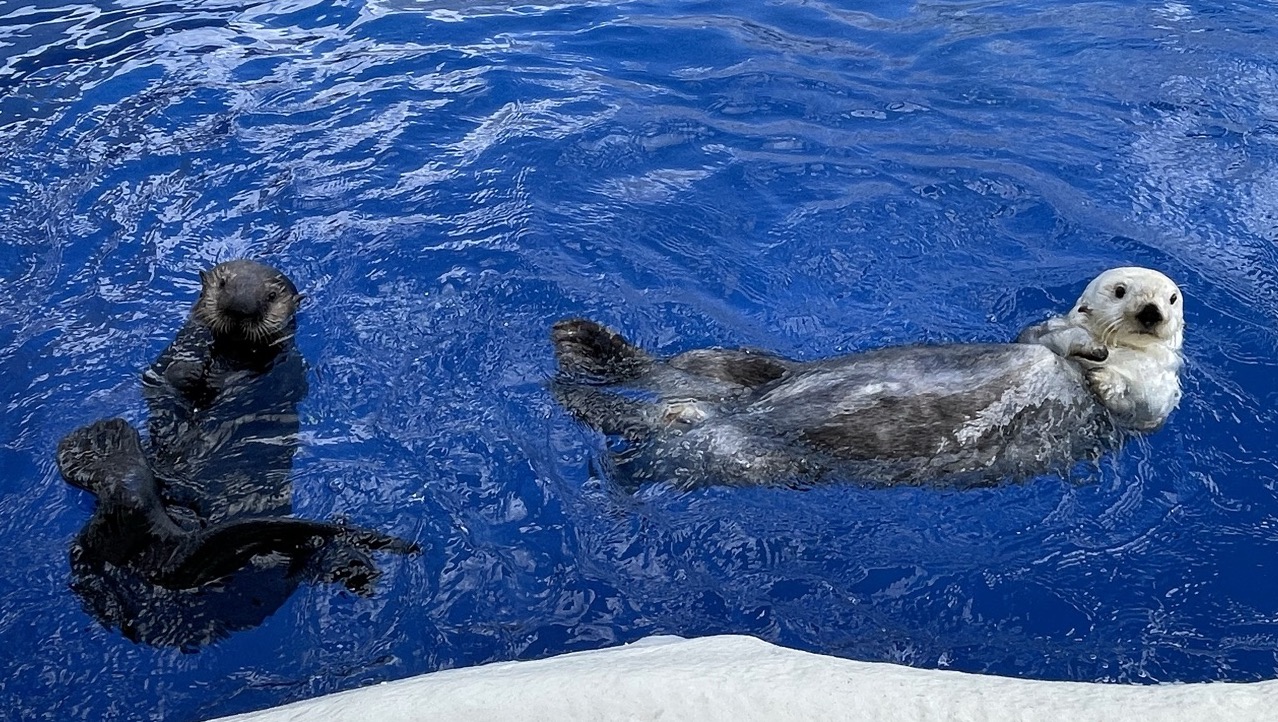
Sea otters Monte and Ollie moved together to the Detroit Zoo in June 2021.
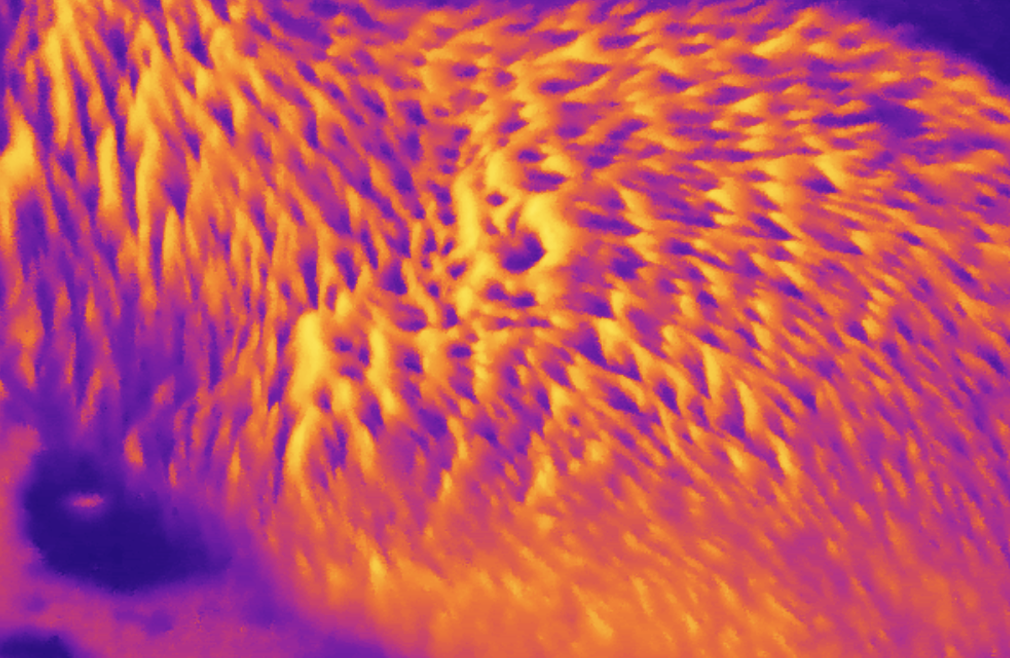
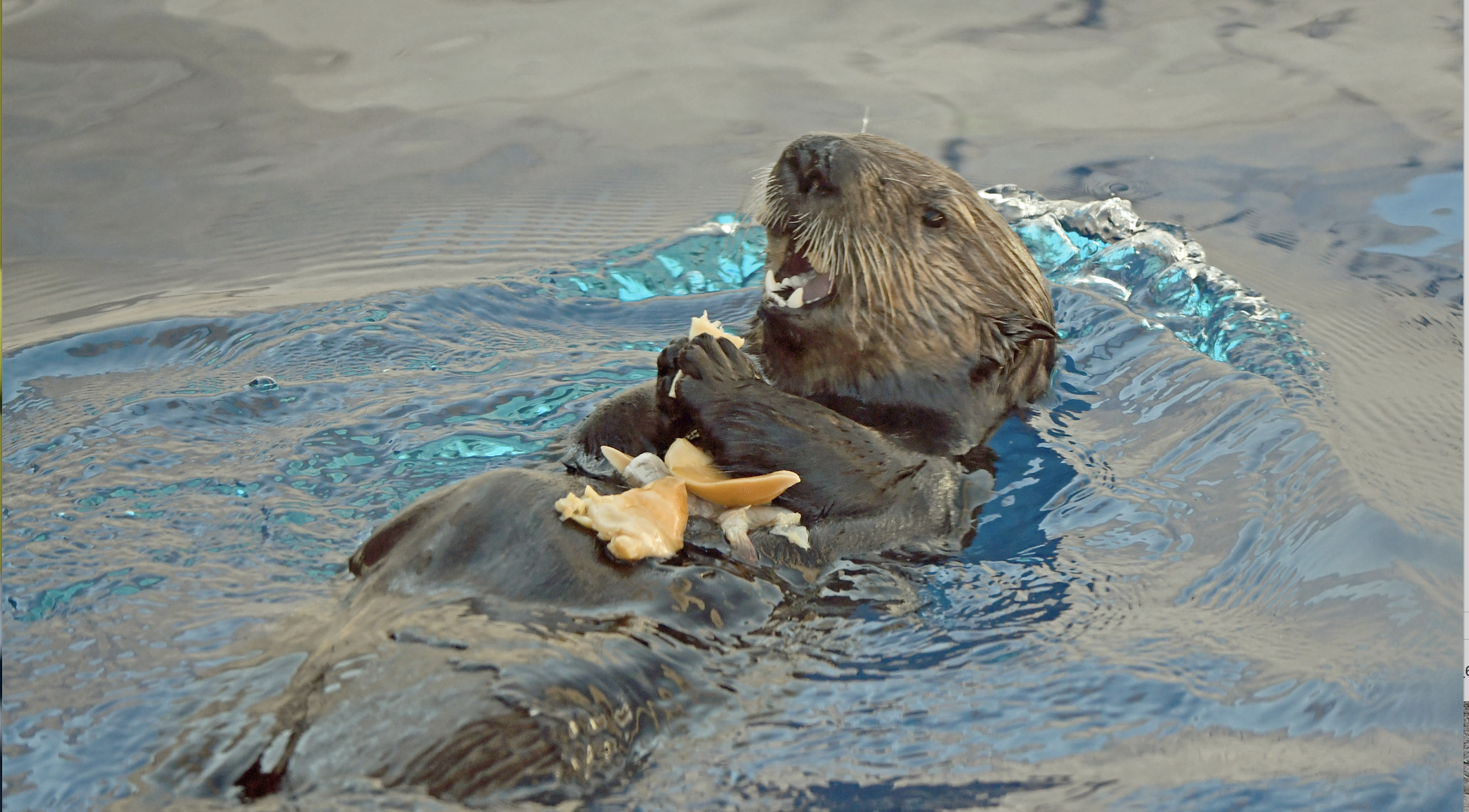
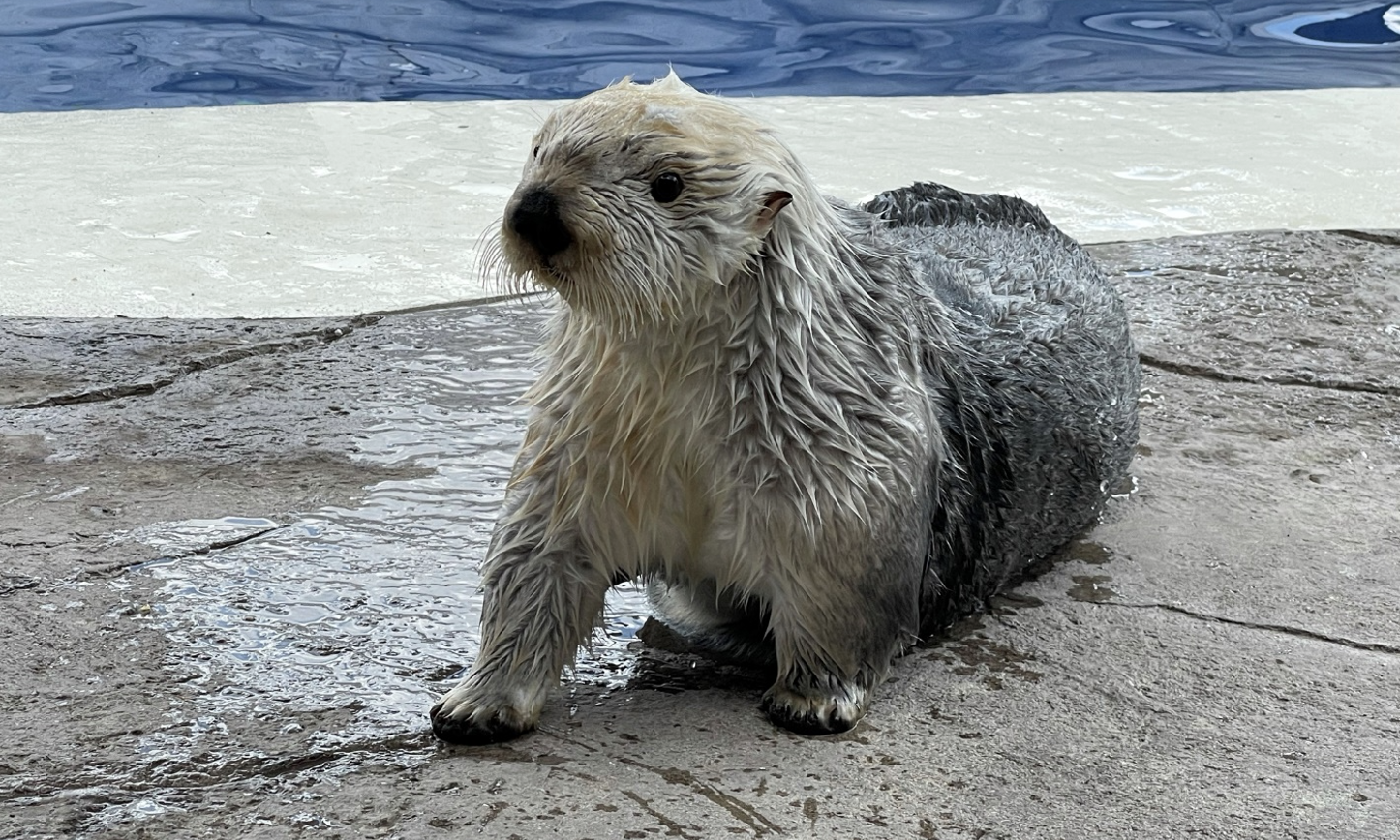
Sea otters have several interesting adaptations, and caring for them is quite different from caring for similar animals, like North American river otters. Sea otters are in the water almost all the time, and when at the surface, they float on their backs. Unlike other marine mammals, sea otters don’t have fat under the skin for insulation. They instead rely on a unique hair coat and high metabolic rate. They have the thickest hair coat of any mammal — more than a million hairs per square inch! The hairs have tiny scales that interlock to form a dense, felt-like barrier that traps air and keeps the skin from becoming wet. This special coat is maintained by fastidious grooming, and when sea otters are not foraging or sleeping, you can usually observe them using their forepaws, flippers and tongues to care for their coat. Without a healthy coat, sea otters will lose heat to the water and cannot survive. When drawing blood, performing surgery or doing ultrasound, we avoid clipping any hair so that there won’t be a window for heat loss. Since the arrival of Monte and Ollie, we have regularly taken images of their hair coats using a thermal camera to look for any areas of irregular heat loss. So far, they have been perfect!
Thermal image of hair coat – Ollie, left side March 10, 2022.
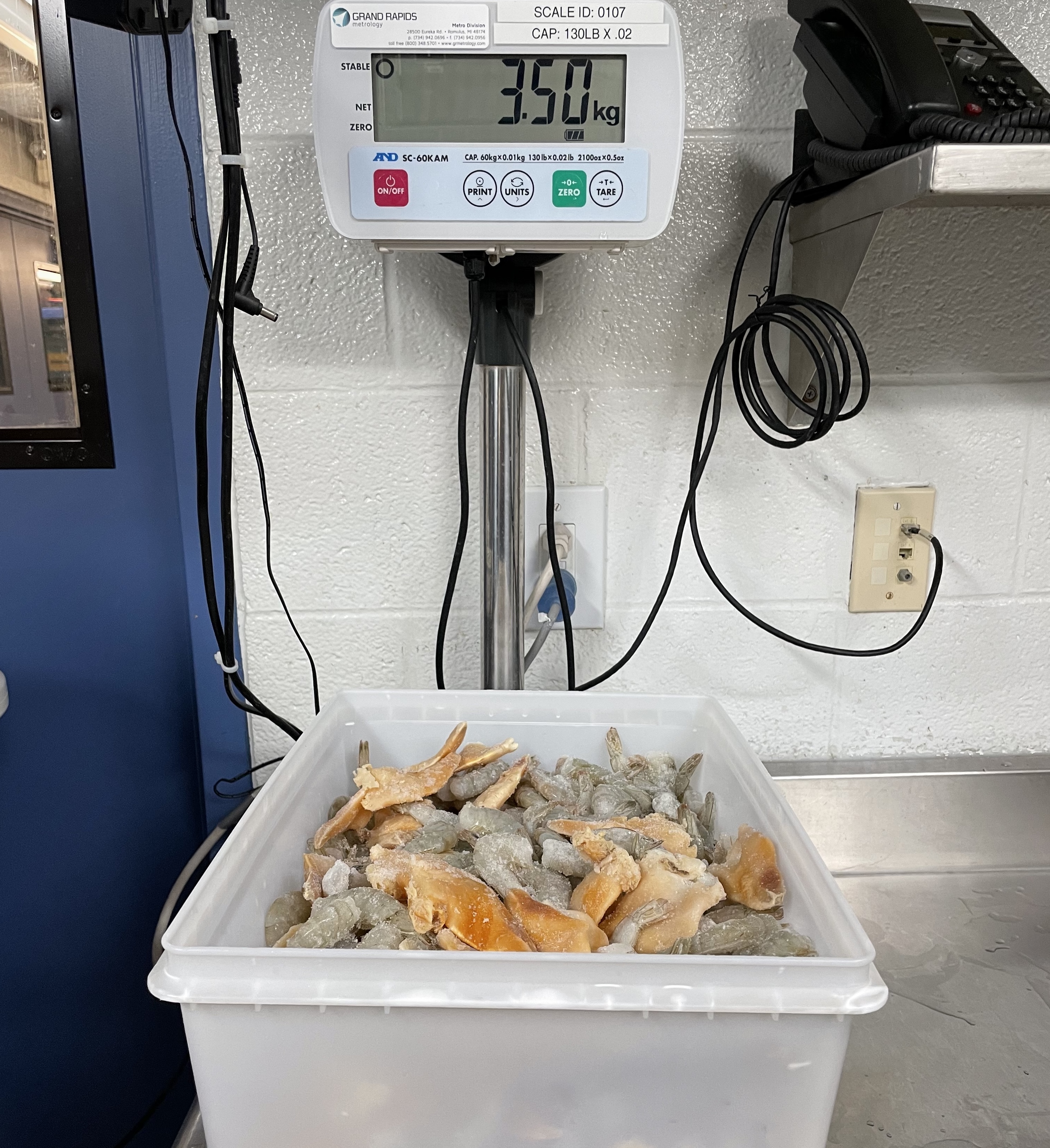
The metabolic rate of sea otters is eight times higher than the standard metabolic rate of similarly-sized terrestrial mammals, and they forage as often as every four hours and eat about 20 to 25 percent of their body weight in food each day. To meet these needs, we feed our sea otters at the zoo six times each day. Digestion of food generates heat and is an important strategy for maintaining body temperature while in cold ocean waters. We analyze the nutrient and energy contents of all the food items we feed to our sea otters and weigh them frequently to make sure they are meeting these high energy demands.
The amount of food the sea otters eat in one day.
Sea otter skin is very loose, and they have two loose pouches of skin near their arm pits that they can use for storing and carrying food and other items.
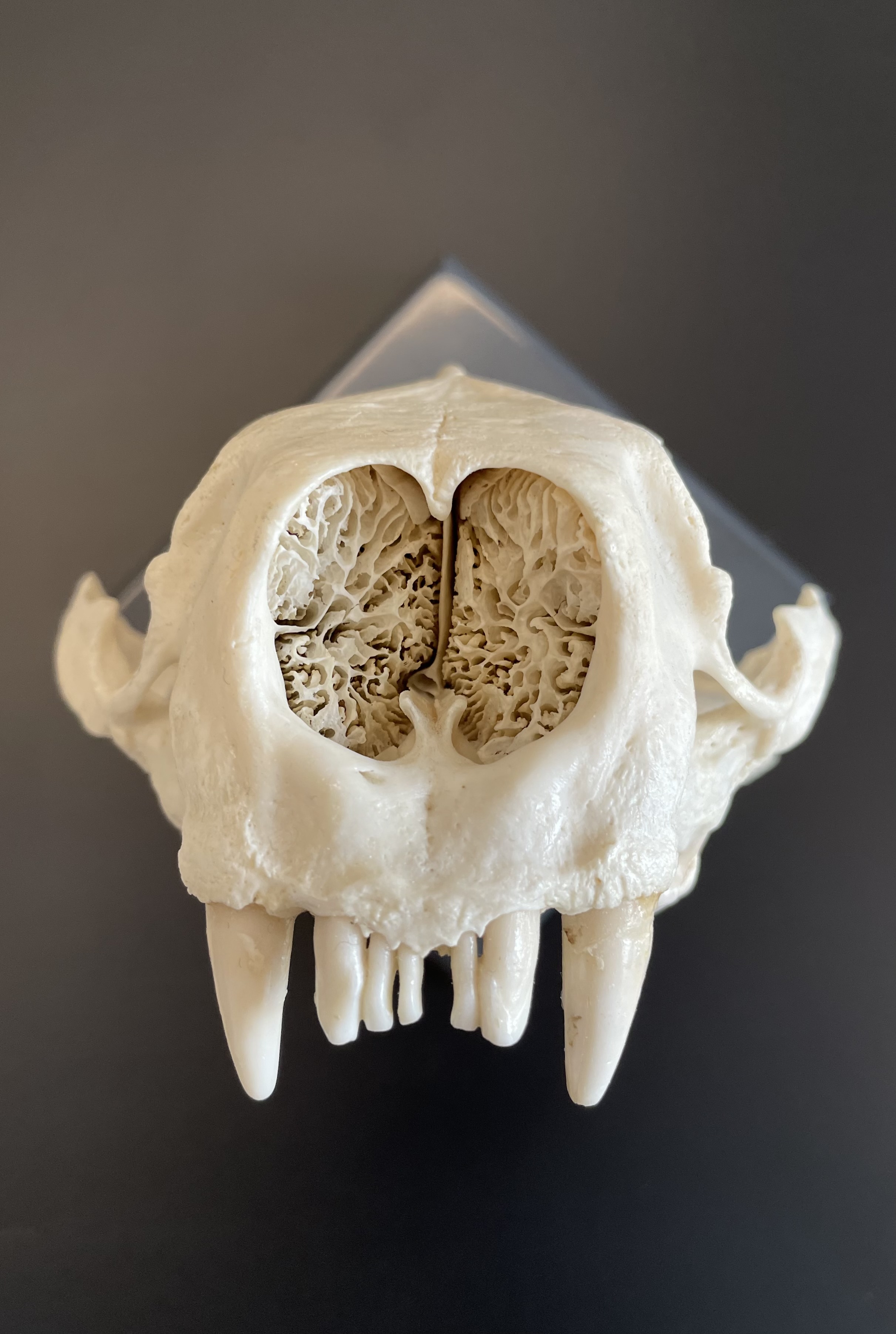
Nasal turbinates increase the surface area for warming inhaled air as it enters sea otters’ bodies.
Sea otters don’t have the best vision, but their eyes are uniquely adapted to allow them to see well both above and below water. Their ability to accommodate in this way is three times higher than reported in any other mammal. Sea otters close their ears and nostrils when diving. Their noses contain a complex labyrinth of turbinates that serves to increase the surface area for warming inhaled air as it enters the body and allows otters to have an excellent sense of smell.
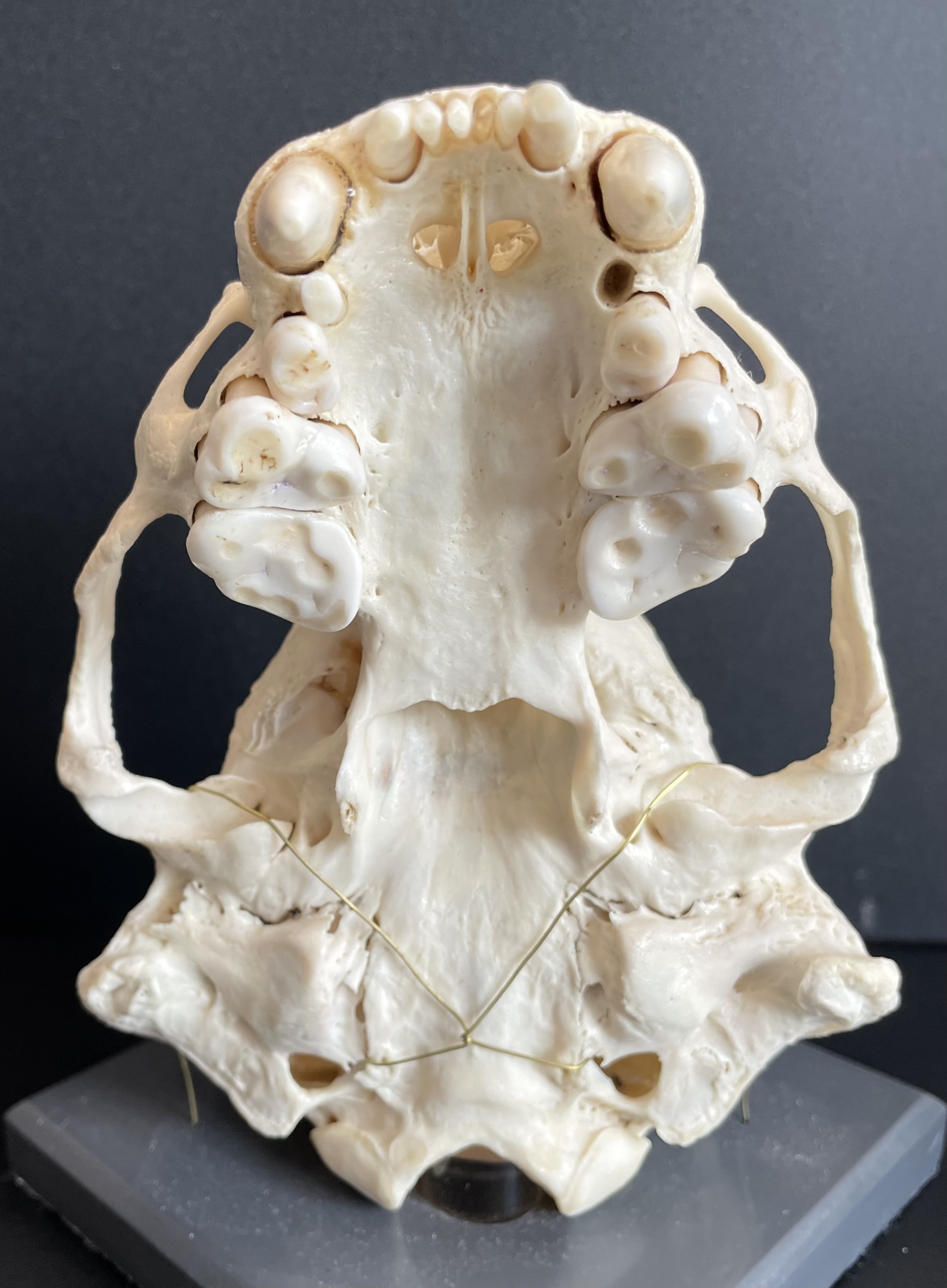
Sea otters’ teeth are uniquely designed to scrape food out of the shells of their prey.
Males are larger than females, weighing up to 100 pounds, compared to 75 pounds for females. Their lower incisor teeth are chisel shaped and protrude so they can be used to scrape food out of the shells of their prey. Their molars and premolars are wide and flat, perfectly shaped for crushing hard foods like clams and sea urchins.
Male sea otter Monte showing off his impressive incisors.
My favorite sea otter adaptation is that they are cute! Sure, from a veterinary perspective, they are interesting, but they are also absolutely adorable. It’s impossible to watch them swim and interact without smiling, and it’s easy to want to do everything possible to help them thrive. All sea otters in human care have a medical condition that jeopardizes their ability to survive in the wild. I am proud of the Detroit Zoo for making a commitment to support the rescue and rehabilitation of stranded or injured sea otters by providing a long-term home for those who cannot be released. While we currently only care for Monte and Ollie, we have the space and resources to offer safe refuge for additional animals when needed in the future.
Female Ollie was found stranded in Santa Cruz, California in 2010 when she was approximately two weeks old.
Stay tuned for my next blog, where I’ll describe a recent trip to the Monterey Bay Aquarium for sea otter medicine boot camp. There, I was trained firsthand how to restrain and perform anesthesia on these beautiful and unique animals.
– Dr. Ann Duncan is the director of animal health for the Detroit Zoological Society.
The Detroit River in the winter can be an inhospitable place. The temperatures dip into the teens, and the wind whips large plumes of snow from the tips of frozen waves. This large and fairly fast-moving river flows south and southwest, connecting Lake St. Clair and Lake Erie. The river plays an important role as a shipping channel for freighters carrying industrial compounds and other materials used for manufacturing.
Underneath all of this ice and hustle and bustle, one of the river’s most curious and secretive animals is carrying about its business, breathing with large, bushy external gills, foraging along the rocky bottom for food and undergoing mysterious mating behaviors. This animal is known as the northern mudpuppy (necturus maculosus maculosus), and the frozen and harsh conditions of the Detroit River are just what it’s been waiting for all summer long.
Winter view of the Detroit River taken from Belle Isle Park.
Mudpuppies are amphibians who inhabit lakes, streams and rivers all throughout the U.S. Midwest and into parts of Canada. It is a type of fully-aquatic salamander that utilizes external gills, which are flush with blood and used to extract oxygen from its aquatic environment. Its tail is large and paddle like, and its skin is covered in a thick layer of slime. These salamanders, like all amphibians, have permeable skin and are considered to be a good indicator of environmental quality. This is one of the reasons the Detroit Zoological Society (DZS) began tracking the health and abundance of mudpuppies back in 2009.
In 2016, the Michigan Department of Natural Resources elevated the conservation status of the northern mudpuppy to a species of special concern. Since that time, the project has continued and expanded, focusing primarily on Belle Isle Park in the city of Detroit. The Detroit Zoo utilizes minnow traps to capture the mudpuppies without harming them while still collecting important data. The traps are baited with smelt and catfish bait to lure these aquatic salamanders into the minnow traps. The traps are set on the first day of the survey and pulled in on day two, so that the animals spend the least amount of time possible inside. If a mudpuppy is found inside, DZS staff proceeds to gather data and observations about the animal, including size, weight and gender. The gills are checked for health and examined for parasites. The digits on all the limbs are checked for malformations, which could indicate the potential presence of pollutants in the river.
Mudpuppy being weighed and examined before being released back into the Detroit river.
Once these measurements are taken, the animal is tagged with a Passive Integrated Transponder tag, which is injected into the base of the tail. This transponder can be scanned if the animal is captured again. Additionally, it tells DZS researchers useful information that can be used for future data analysis. In addition to these measurements, data is collected on water quality and additional environmental conditions, such as temperature and dissolved oxygen content.
Based off the data so far, most mudpuppies are caught in late fall or early winter. During this time, male mudpuppies are pursuing females in the quickly cooling shallow water close to the island. Many times, staff has observed male and female mudpuppies in the same trap this time of year, most likely with the female entering the trap first before the eager male mudpuppy follows her inside. Once mudpuppies have successfully bred, the females deposit their eggs in spring, and within a month or two, the eggs hatch into several hundred baby mudpuppies!
All of this drama is taking place out on the frozen Detroit River. With ice floats and enormous boats hovering overhead, these specialized amphibians continue to live and breed intertwined in an urban environmental landscape that still holds many secrets yet to be revealed.
– Mark Vassallo is an amphibian department supervisor for the Detroit Zoological Society.
This month, the Detroit Zoological Society is bringing you not one, but three blog posts centered around our favorite flippered friends — the penguins who live at the Polk Penguin Conservation Center (read the first and second entry). The facility, which had been closed since 2019 due to waterproofing issues, reopened in February, and we can’t wait to share with you all the stories we have been saving over the past two and a half years.
In our final March of the Penguins entry, learn how animal care staff ensured the flock was thriving while its home was being repaired.
It has been a while since the public has been able to visit the penguins who call the Detroit Zoo home. You might have been wondering – what were the penguins doing during that time? In order to answer that question, staff and dedicated volunteers from the Center for Zoo and Aquarium Animal Welfare and Ethics (CZAAWE) spent nearly every day monitoring the penguins for the last two and half years.
Megan Jones, a research associate for CZAAWE, collects data in the Polk Penguin Conservation Center.
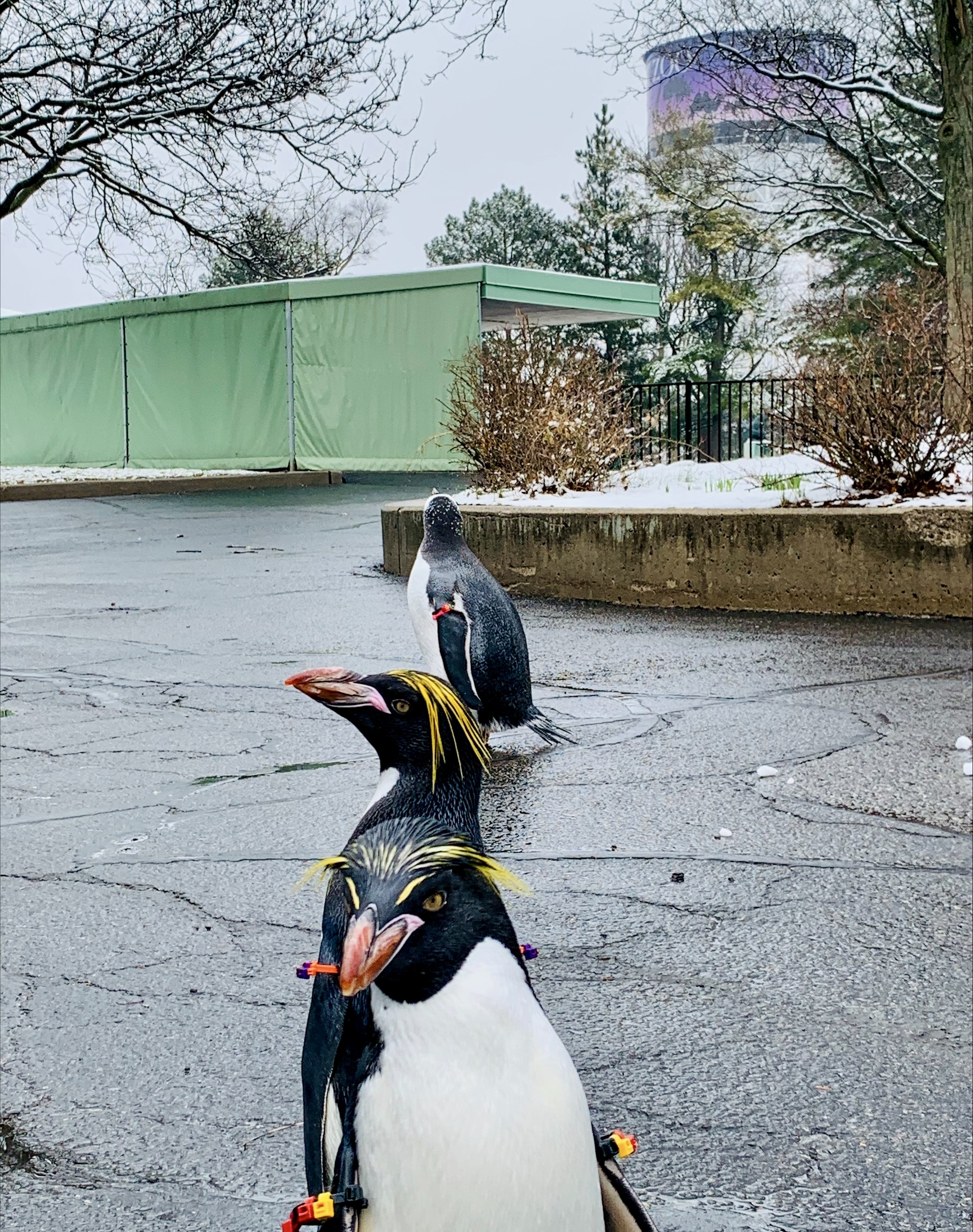
While repairs were being made to the Polk Penguin Conservation Center (PPCC), the penguins returned to their previous habitat, the Penguinarium. Animal care staff went above and beyond to make their extended stay in the Penguinarium more comfortable, including bringing snow into the habitat and even letting the penguins walk around Zoo grounds. The penguins’ move provided us with an interesting opportunity to monitor their transition between habitats and compare how they used their previous space compared to their new home in the PPCC.
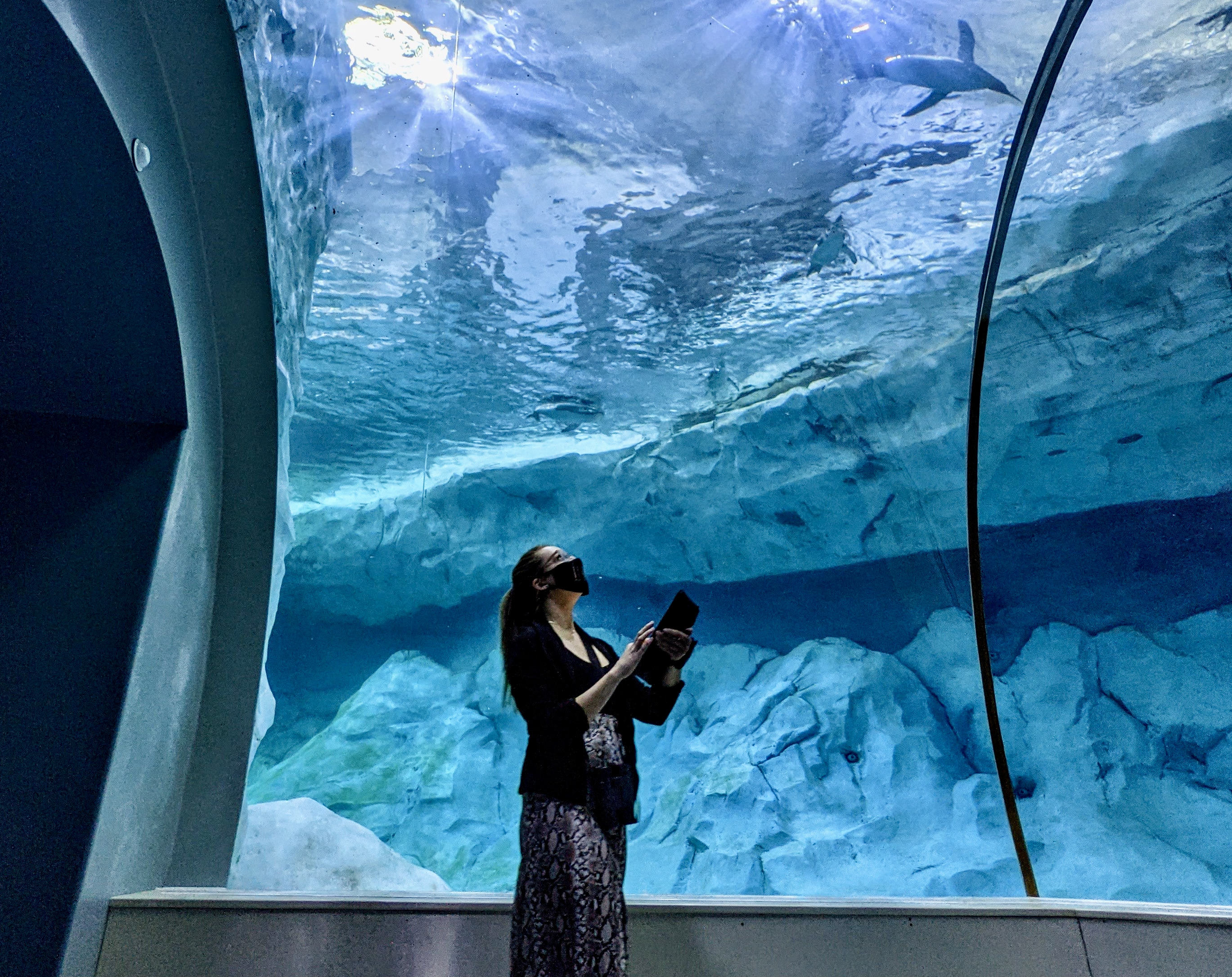
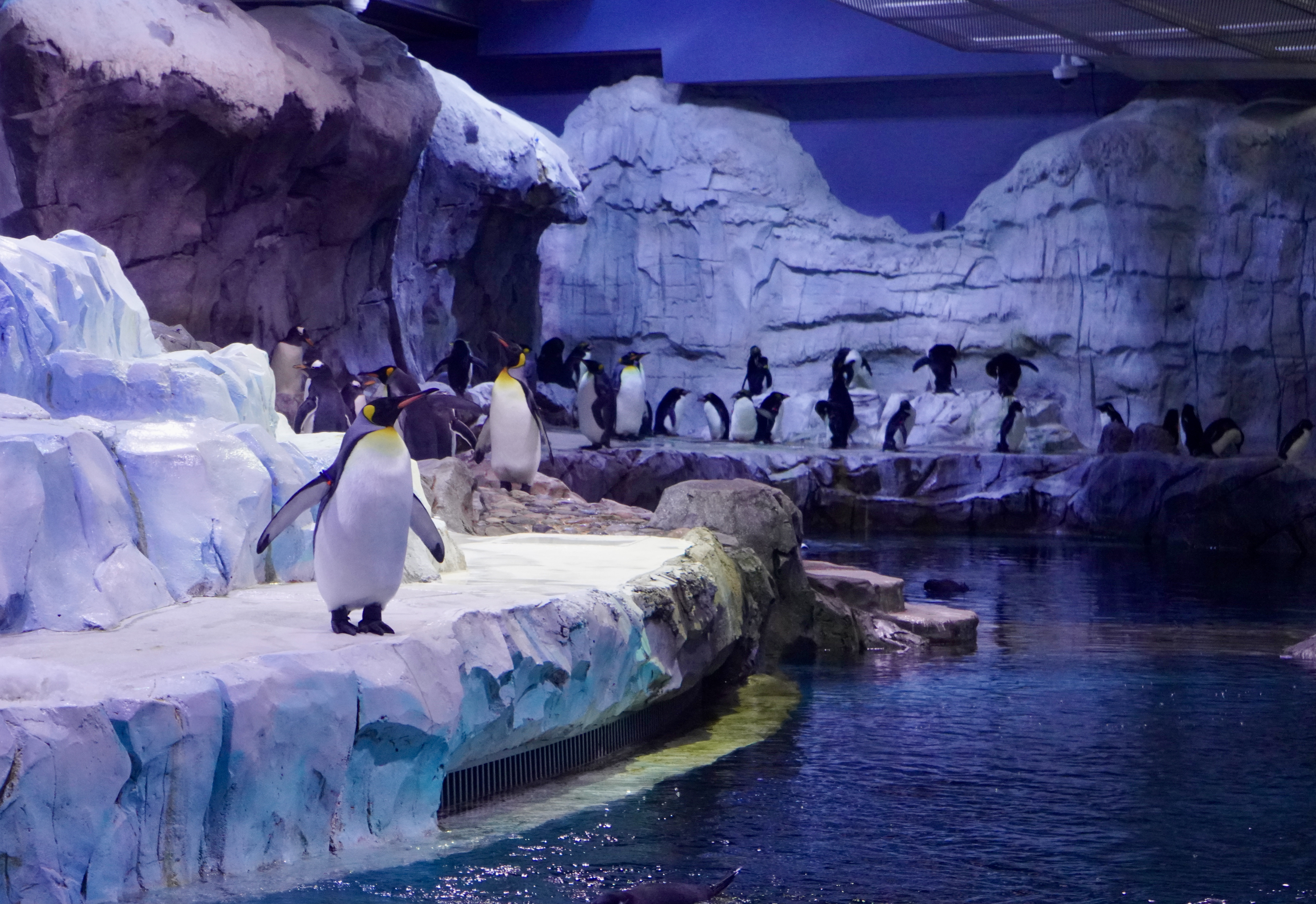
The PPCC was designed to give the penguins more opportunities to express natural behaviors. It contains a 326,000-gallon pool, which holds 10 times more water than their previous habitat and is equipped with an adjustable wave machine for the penguins to enjoy. Additional improvements were made while the building was closed for repairs, including adding second snow machine within the habitat, more nesting areas and enhanced lighting.
One of the important roles CZAAWE plays at the Detroit Zoo is monitoring how major habitat modifications impact an animal’s welfare. The Association of Zoos and Aquariums defines animal welfare as an animal’s physical, mental and emotional state over a period of time, which is measured on a continuum from good to poor. Since we can’t ask the penguins what they think about all of the new features, we have to rely on decoding their behavior. CZAAWE staff and volunteers have conducted more than 5,000 observations in order to understand how the new habitat impacts the penguins’ welfare. During every observation, CZAAWE staff and volunteers record several indicators of welfare, including the penguins’ behavior, their location within the habitat and the features of the habitat they are using. Our hope was to see the penguins use a variety of different features and locations within the habitat in addition to engaging in the same natural behaviors as their wild counterparts.
Some penguins explore the grounds while the Zoo is closed. Photo credit: Lauren Brown
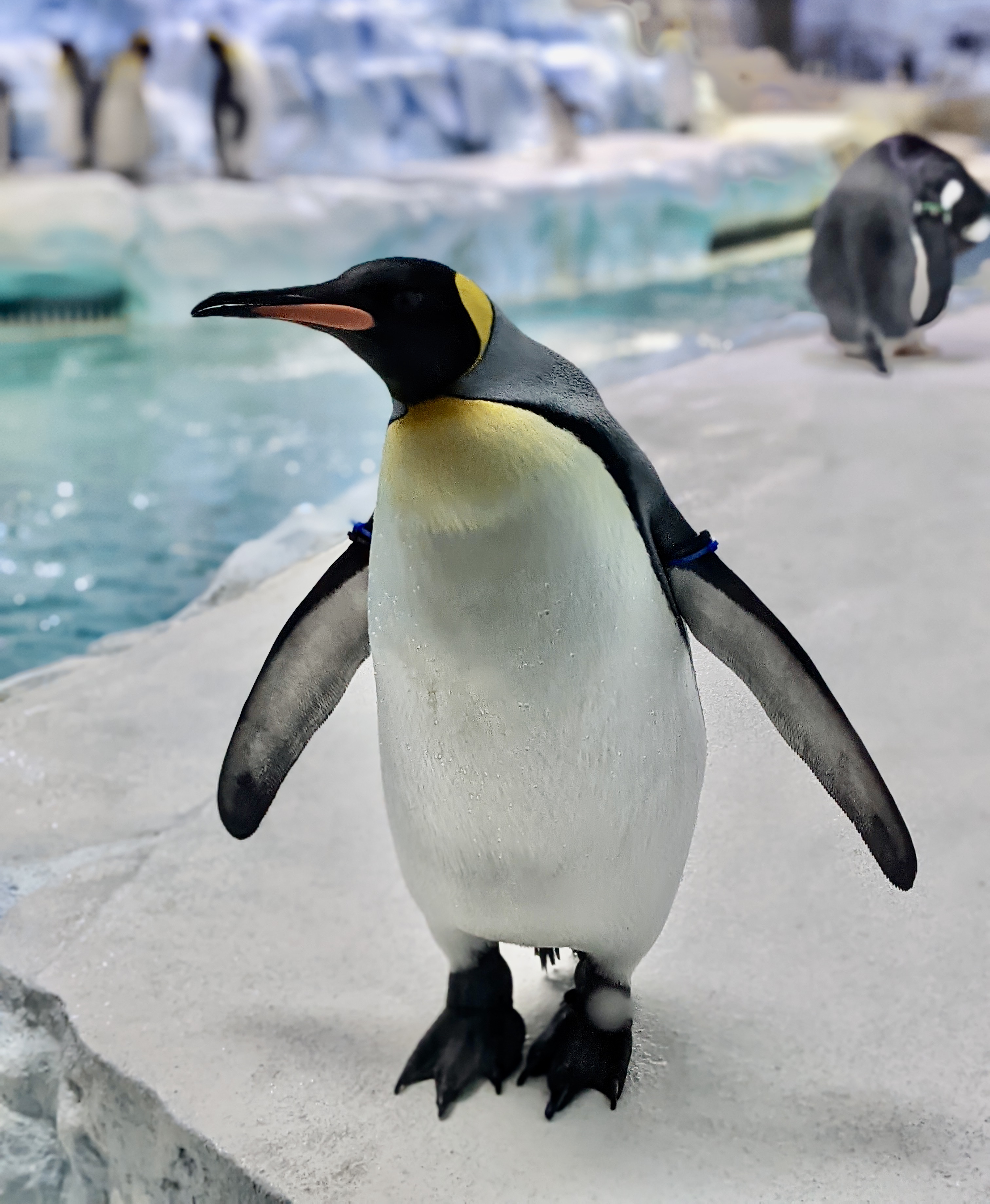
We found preliminary results varied between each species. For example, the 25-foot-deep pool in the PPCC was successful in promoting swimming in king penguins, who swam more than 10 times more in the PPCC than in their previous habitat. The macaronis, rockhoppers and gentoos relished their new nesting sites, spending more time engaging in nest building behavior than they did in the Penguinarium. The gentoo penguins began to utilize the elevated nesting sites, a feature they did not use in their previous habitat. Additionally, the chinstraps had the opportunity to discover one of their favorite features of the new habitat – the underwater bubbles! Although we saw many positive signs from the penguins in their new home, CZAAWE’s monitoring revealed that the penguins continued to thrive during their stay in the Penguinarium. They maintained their use of the pool and engaged in a healthy variety of behaviors, which is often considered a positive indicator of welfare.
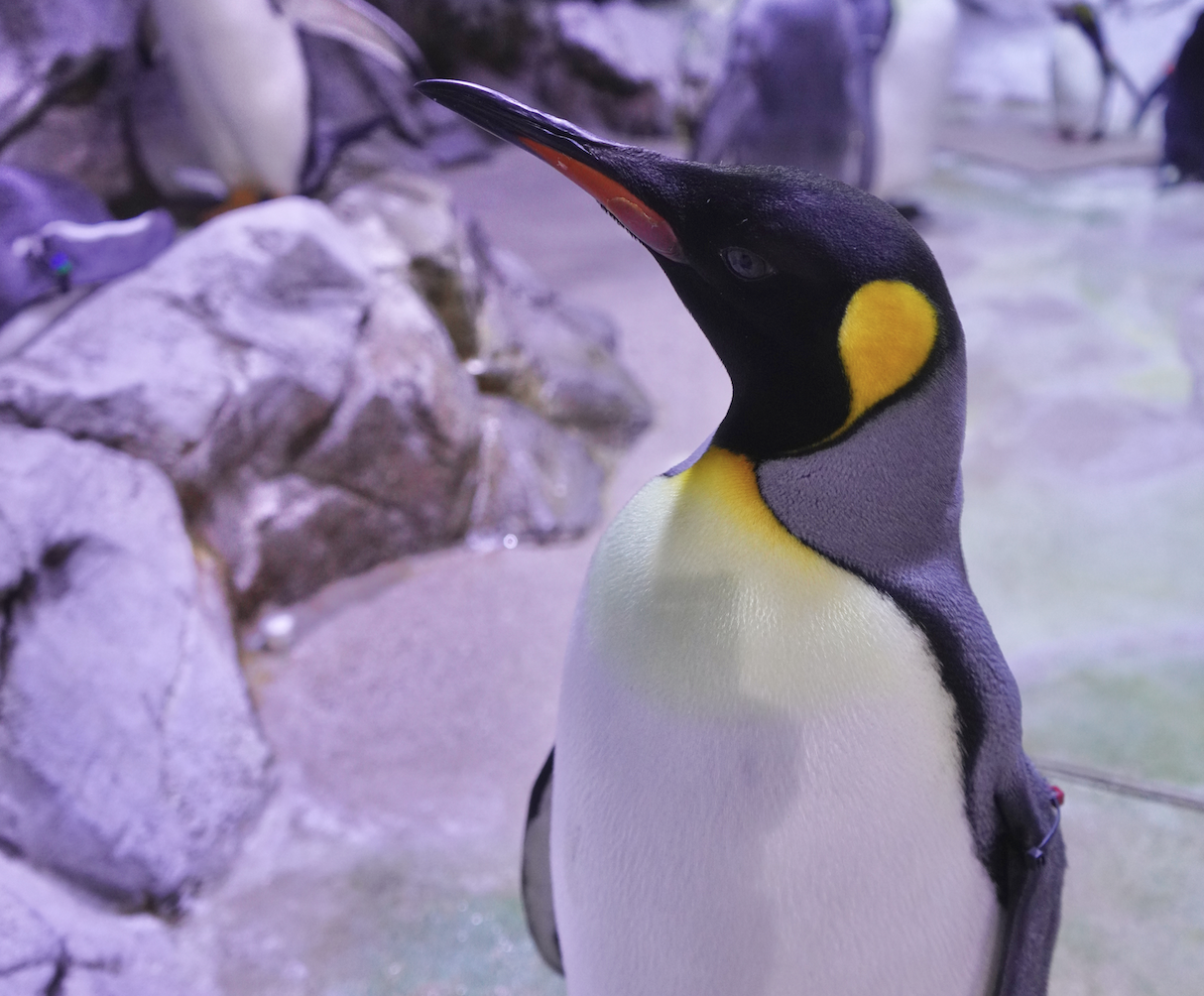
Arthur, a king penguin residing in the PPCC, enjoys his habitat. Photo credit: Megan Jones
Our research also revealed some patterns regarding the location of each species within their new habitat. The PPCC is split into two sides to emulate the natural habitats of all five species that live at the Detroit Zoo. The southern rockhopper and macaroni penguins, typically found on rocky sub-Antarctic islands, are most likely to be found on the South American side of the habitat when you first walk into the building. The king penguins can be found near the snow piles on the Antarctica side of the habitat, while the gentoos tend to use all parts of the habitat. Our newest residents, the chinstrap penguins, are most likely to be found in the water. Most of the species gravitate toward areas of the habitat that are most similar to their natural habitats!With a new habitat comes new opportunities for both penguins and Detroit Zoo guests! What was once a rare opportunity to see king penguins immersed in the water is now a normal sight at the Penguin Center, and the large viewing windows now make it possible to get nose-to-beak with some of your favorite birds. We are thrilled to welcome you back to enjoy some of the positive benefits that major habitat modifications have had on the penguins at the Detroit Zoo.
Tommy, a gentoo penguin, is observed by researchers. Photo credit: Megan Jones
– Megan Jones is a research associate for the Center for Zoo and Aquarium Animal Welfare and Ethics.
This month, the Detroit Zoological Society is bringing you not one, but three blog posts centered around our favorite flippered friends — the penguins who live at the Polk Penguin Conservation Center. (read the first blog post, here) The facility, which had been closed since 2019 due to waterproofing issues, reopened in February, and we can’t wait to share with you all the stories we have been saving over the past two and a half years.
Next in our March of the Penguins series, learn how animal care staff saved the life of a hatching macaroni penguin.
We’ve all heard stories from friends and family of difficult birthing events, sometimes resulting from a baby that is positioned incorrectly in the birth canal, often called a breech delivery. You may not realize that something similar can happen during the hatching of a bird.
Fertilized eggs contain all of the nutrients needed to support a chick during development. As the chick grows, an air pocket forms at one end of the egg. For a chick to survive, it must be positioned so that it can push its beak into this air pocket just before it’s time to begin hatching. Some developing chicks are rotated or positioned incorrectly so that they can’t reach this air pocket – this means that the chick can only survive if given assistance. Over the years, bird and veterinary staffs have worked together to assist the hatching of several developing eggs.
Looking inside of a penguin egg.
The bird staff monitors eggs under development very meticulously. They take daily weights to ensure eggs steadily lose weight, a sign that the air pocket, (otherwise known as an air cell) is growing larger. The staff also shines a special bright light through the eggs, a procedure called candling. Candling allows you to see an outline of the developing chick and air cell. Once incubation nears the end, radiographs can also be taken to visualize the skeleton of the chick and ensure the embryo is positioned normally.
In 2021, the Detroit Zoo had a single fertile macaroni penguin egg. On day 37 of a 37-day incubation period, radiographs were taken to see if the chick was able to hatch normally. The radiographs showed the chick was malpositioned in a way that can be fatal — the chick was rotated, and the beak would not be able to reach the air cell. We could feel the chick moving, and it seemed strong. After discussing our findings, we decided to begin the process of assisting the chick to hatch.
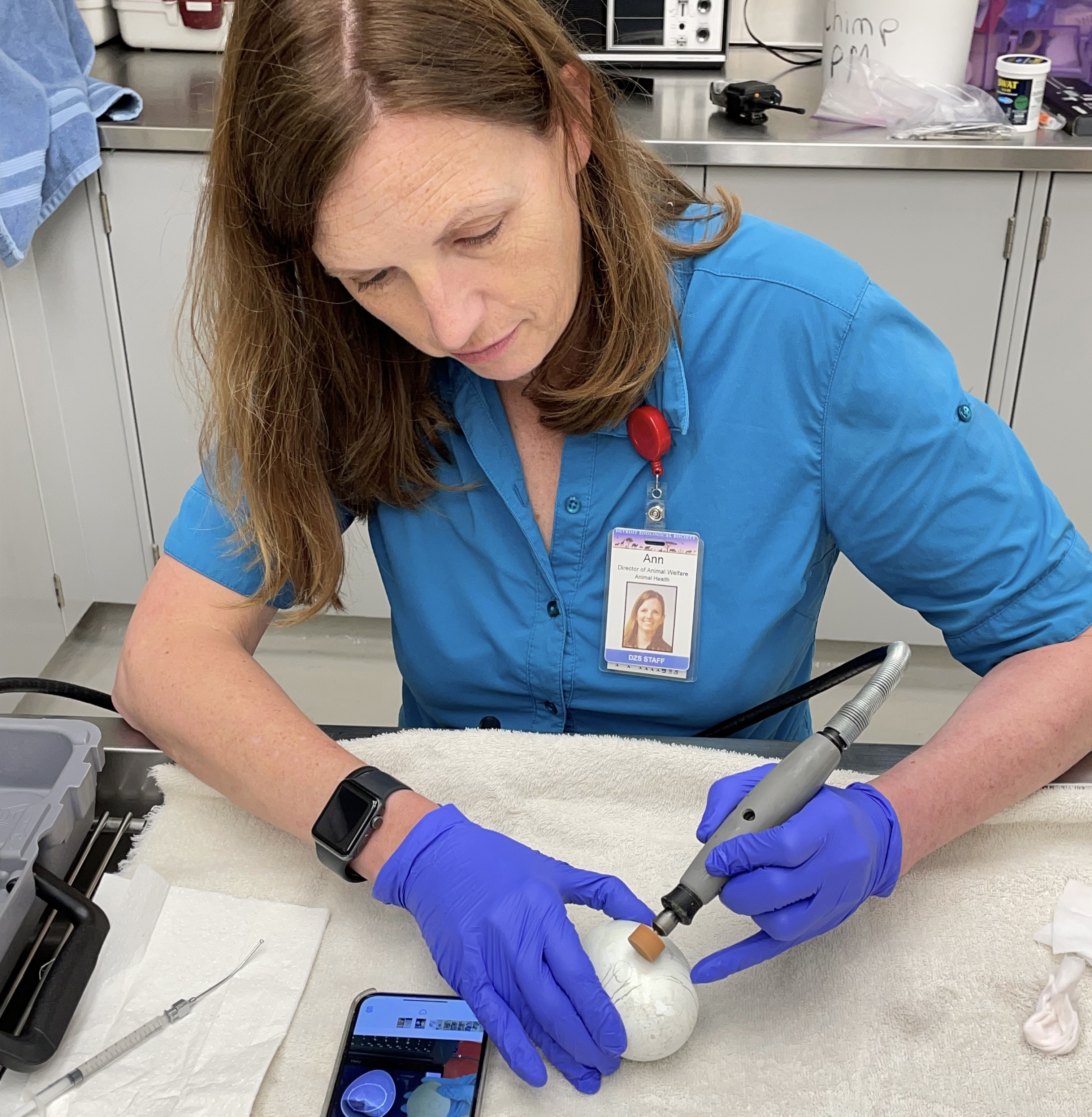
Dr. Ann Duncan helping the chick hatch.
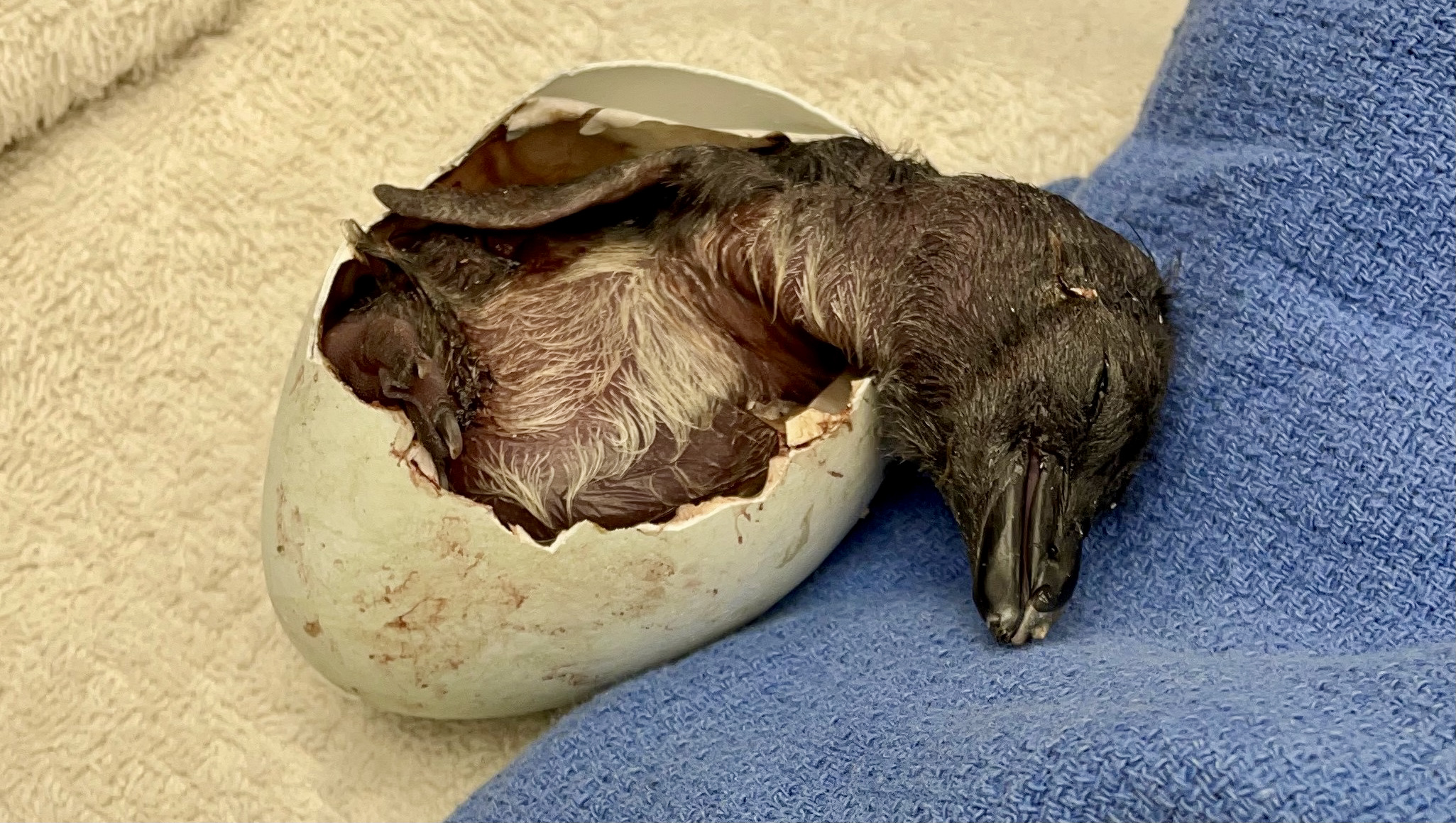
The shell was cleaned gently, and a Dremel tool was used to make a small opening. A sterile tool was then used to gradually make the opening larger until the position of the chick’s beak could be confirmed. We then made a very small hole in the membrane overlying the chick’s beak. This allowed the chick to begin breathing air, so that it can stay strong and continue hatching. Chick embryos develop with the yolk sac outside of their abdomen, and as they near hatching, the yolk sac is gradually enveloped inside of the belly to provide nutrients for the first few days. Through the opening in the shell, we could see that the chick needed more time to absorb the yolk sac. We set the chick up in a warm, humid environment, and checked on it frequently. We also began offering one or two drops of water every few hours.
She has arrived!
The next morning, we were very happy to see that the yolk sac had been mostly absorbed. We removed more of the shell to expose the belly, cleaned the skin over the belly and placed a suture to hold things in place. We then gently coaxed the chick out of the shell. In all, the hatching process took about 24 hours, which mimics the timeline of normal hatching. The macaroni chick is doing well, and is currently learning to swim in the Polk Penguin Conservation Center. She was named Betty and as you can see is full of character. We are very happy to have been given the opportunity to get her started on a long, healthy life.
Betty in the Polk Penguin Conservation Center.
– Dr. Ann Duncan is the director of animal health for the Detroit Zoological Society.
This month, the Detroit Zoological Society is bringing you not one, but three blog posts centered around our favorite flippered friends — the penguins who live at the Polk Penguin Conservation Center. The facility, which had been closed since 2019 due to waterproofing issues, reopened in February, and we can’t wait to share with you all the stories we have been saving over the past two and a half years.
The Detroit Zoo was very eager to welcome a king penguin chick who hatched in 2020. Even though we have raised many penguin chicks throughout the years, we haven’t raised a king penguin chick in 19 years, so this was truly a “king-sized bundle of joy!”
The rearing of this chick is also an interesting story. During courtship, king penguin pairs form a tight bond, which culminates with the laying of a single egg. Unexpectedly, this was not the case for the parents of this chick. Once the egg was laid, the pair was moved into the rookery with the egg. The rookery is an area within the penguin habitat that provides some separation and privacy while the pair incubates their egg and raises their chick. The female was immediately receptive to the male, lifting her brood patch and showing the male their precious egg. The male appeared receptive initially, but rather than soliciting the egg transfer, he quickly became aggressive towards the female.
Normally, the female will transfer the egg to the male shortly after it is laid, usually within 24 hours. Both will share incubation duties, with the male completing the larger share. We decided to give the male a fake egg for a couple of days, while the female incubated the real egg. After several days, he proved to be a good egg incubator but was still aggressive towards the female. Once the egg was determined to be fertile, we gave it to the male but knew that we had to develop an alternate plan for rearing this chick.
Fortunately, another pair whose egg was not fertile met the criteria for becoming foster parents. Egg fostering is a technique we have used in the past with other penguin species, either to give another pair the opportunity to rear a chick or when a pair is not able to rear a chick. The foster male (and the biological male) are actually the last of three king chicks to be reared here 19 years ago. Although the foster male had never raised a chick before, the foster female had raised a couple of chicks previously. In fact, she raised the biological “father” 19 years ago, and therefore is the “grandmother” of this chick! We initially gave the foster pair a fake egg, and about halfway through the incubation period, we transferred the real egg from the biological male to the foster male.
The average incubation period for king penguin eggs is 54 days. On day 54, we noticed an empty eggshell on the ground near the parents – the chick had hatched! Since then, the male chick has fully grown and was given the name Archie. We love seeing this “royal” bird in the habitat and remembering the special foster story that made it possible.
Come visit Archie and watch this fabulous flock waddle, dive, swim and display other natural behaviors in the Polk Penguin Conservation Center.
Bonnie Van Dam is the curator of birds for the Detroit Zoological Society.
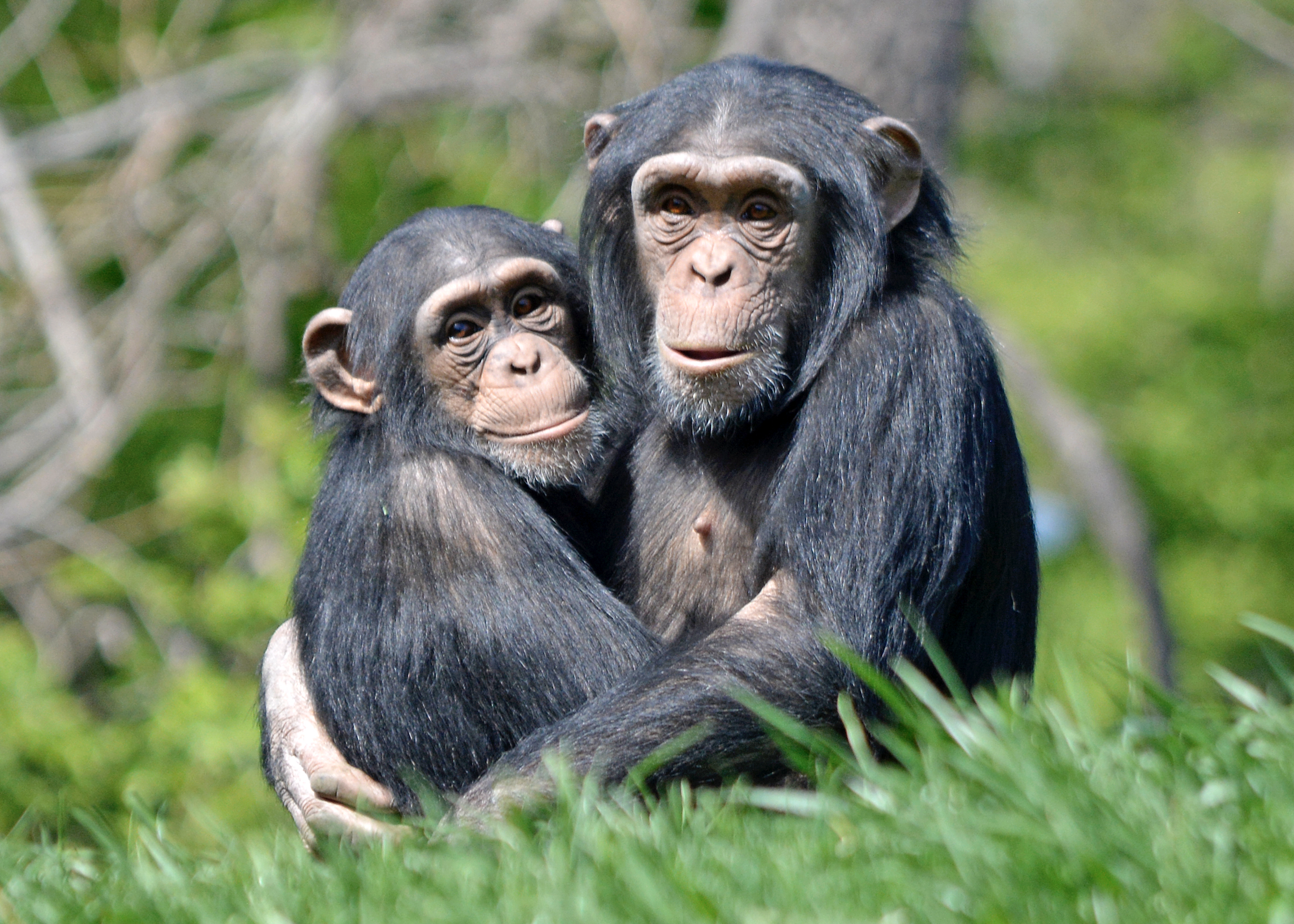
This photo of chimpanzees Zuhura and Akira was taken by Roy Lewis.
Earlier this month, we announced that the Great Ape Heart Project has officially moved to the Detroit Zoo!
Since 2010, the GAHP has dedicated time to understanding and treating heart disease in great apes. Much like it is for humans, heart disease is the leading cause of death observed among great apes in zoos.
“The Great Ape Heart Project was created to address a specific need in the zoological community,” said Dr. Hayley W. Murphy, director emeritus of the GAHP and executive director/CEO of the Detroit Zoological Society (DZS). “It’s critical to investigate, diagnose and treat heart disease among great apes. The information that comes from this international, multi-institutional project saves lives around the world.”
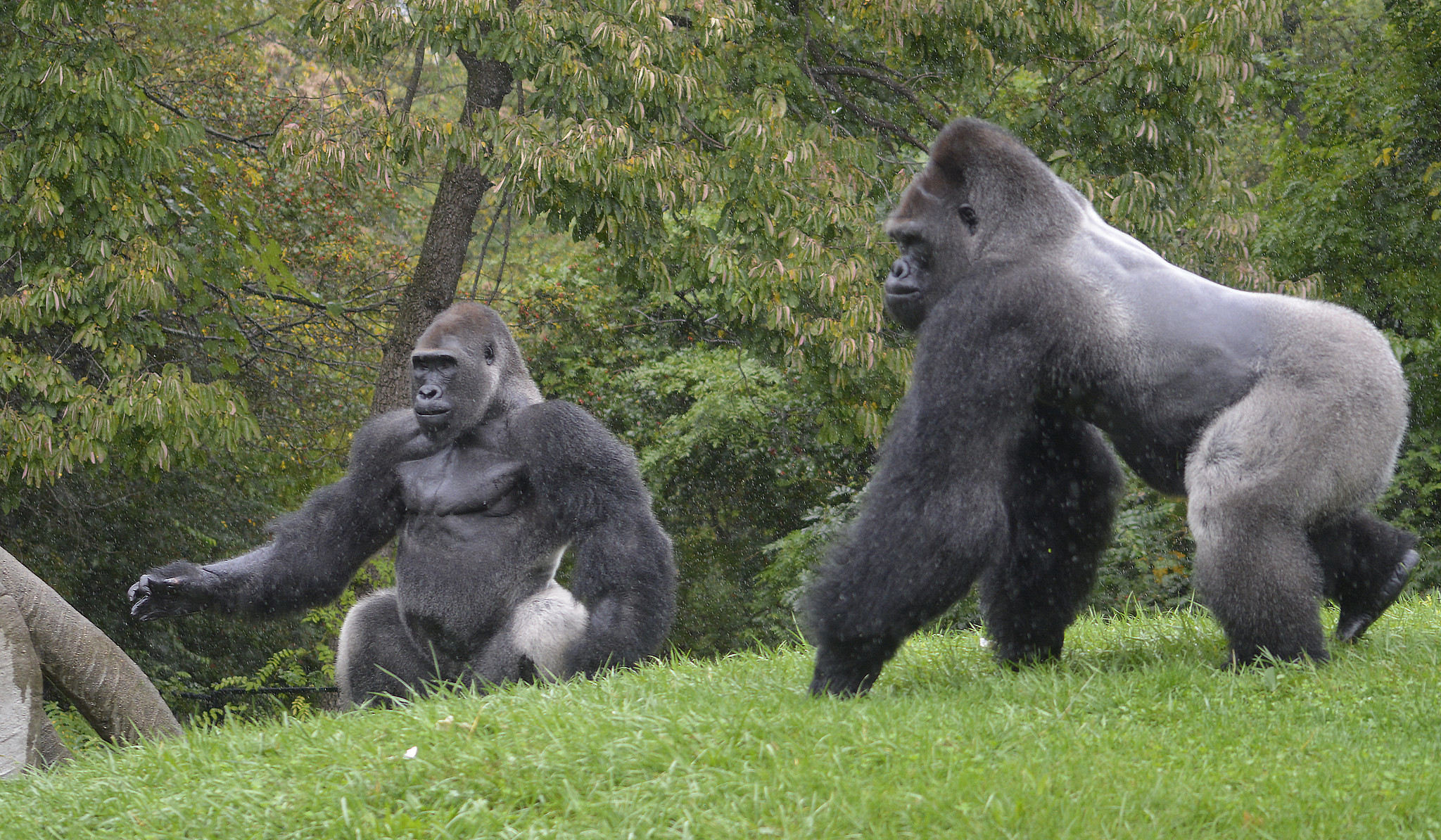
This photo of gorillas Kongo and Pende was taken by Roy Lewis.
Originally based at Zoo Atlanta, this collaborative project was founded to create a centralized database that analyzes cardiac data, generates reports and coordinates cardiac-related research.
“For more than a decade, the project has maintained a hub for researchers that includes more than 90% of the individual great apes in institutions that are accredited by the Association of Zoos and Aquariums (AZA). The project allows participants to compare and contrast data from nearly 80 institutions,” said Dr. Marietta Danforth, director of the GAHP. “Prior to this move, Detroit was like a second home for us because we had so many fruitful meetings here at the Zoo. It’s exciting to have it be our home base now.”
The GAHP received the prestigious 2020 Research Award from the AZA. The award recognizes achievements in advancing scientific research among accredited zoos and aquariums throughout the U.S.
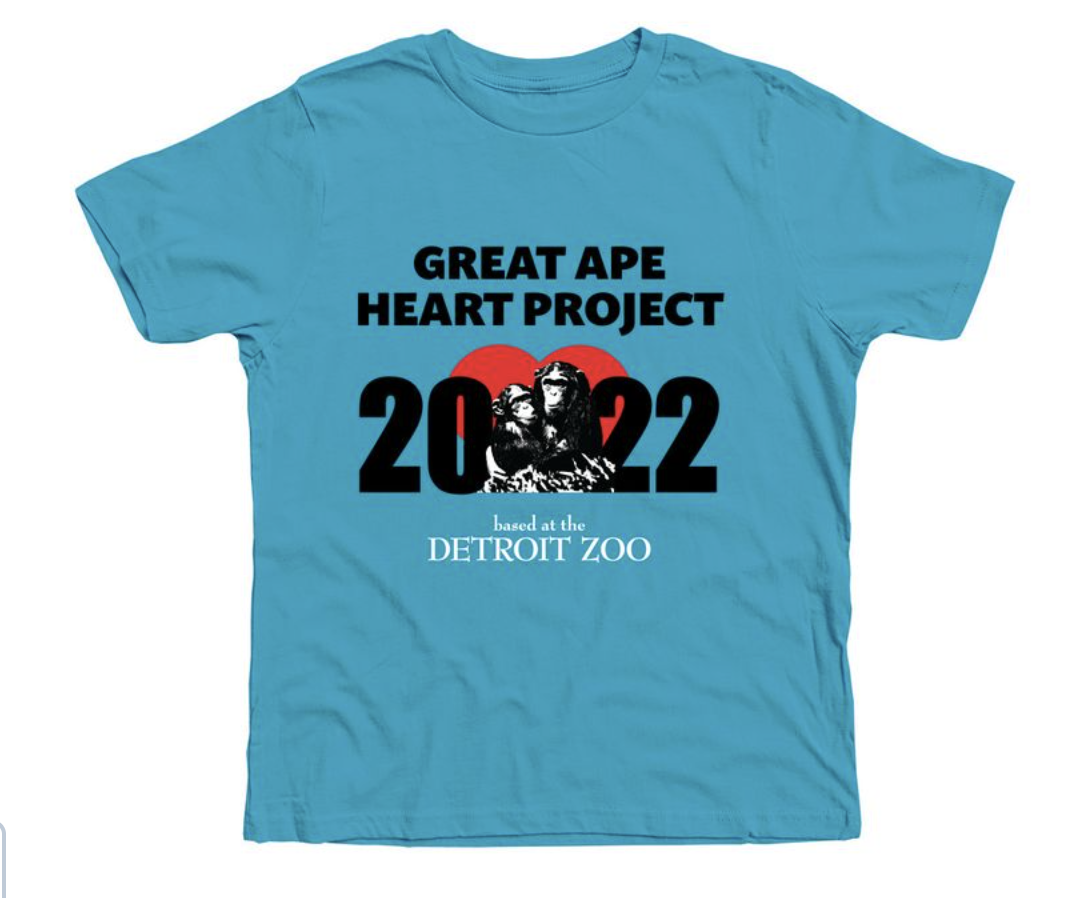
In honor of Heart Month, we are selling GAHP shirts here: bonfire.com/GAHP2022. All proceeds will help prevent, diagnose and treat heart disease in great apes. This year’s design features two chimpanzees who live at the Detroit Zoo, Zuhura and Akira
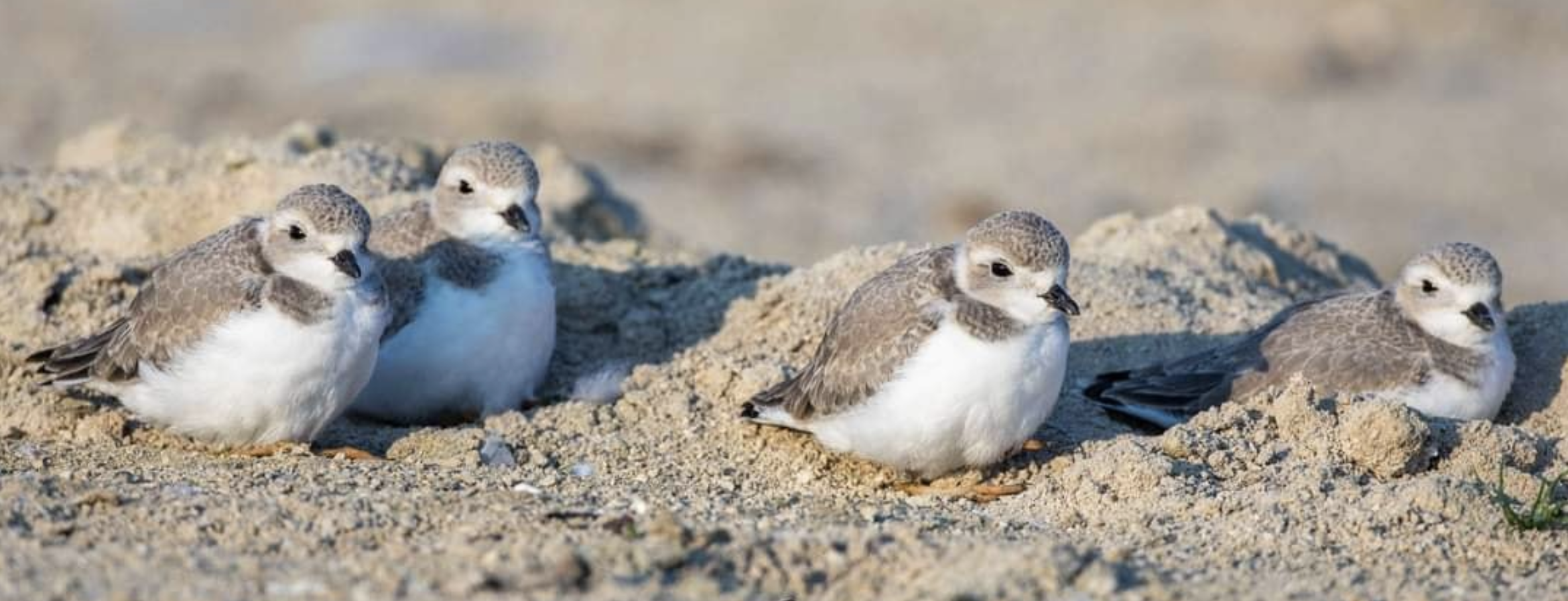
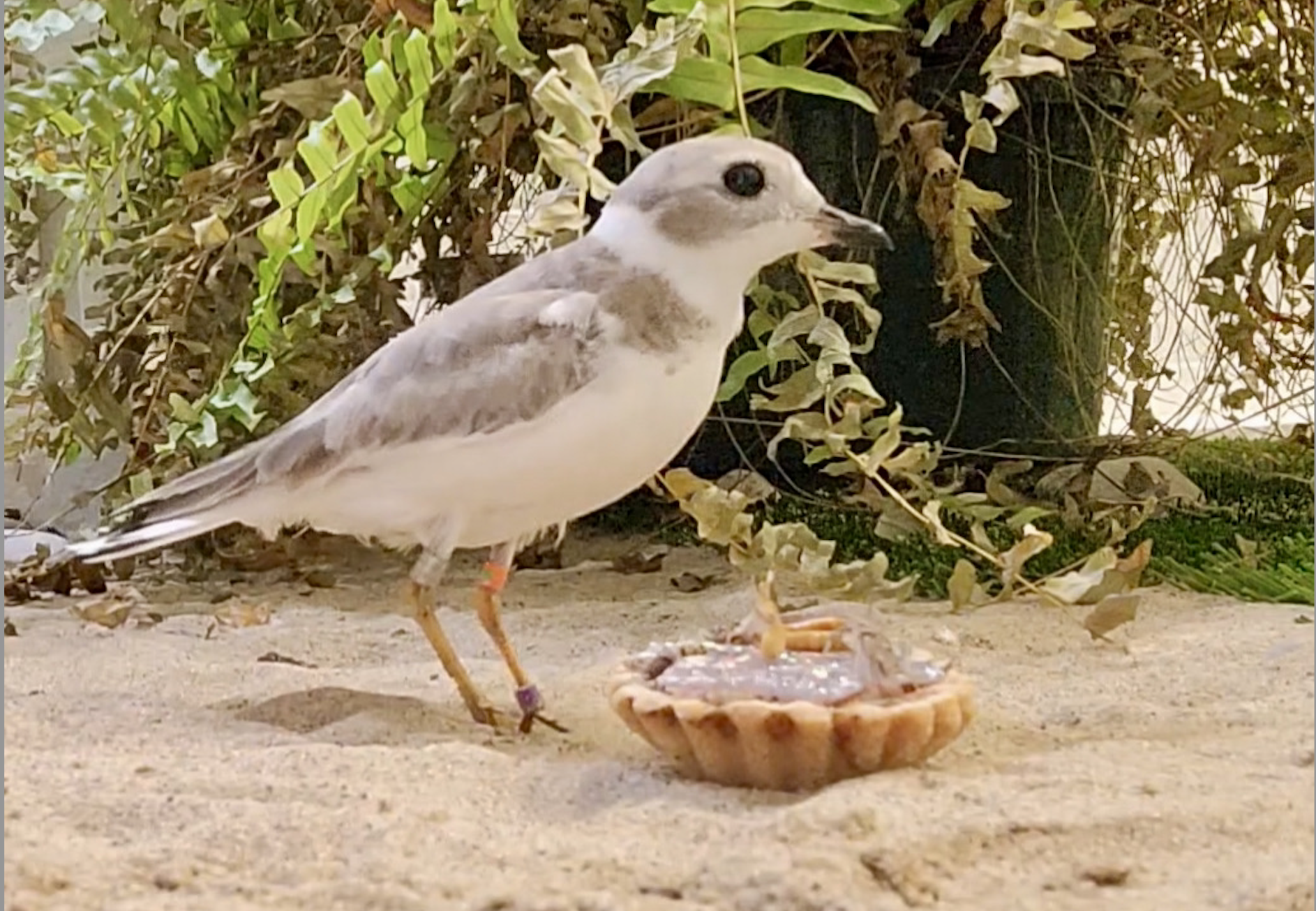
Let’s open this blog post with a little fun. We recently held a gender reveal and Erie, the piping plover under human care at the Detroit Zoo, is a GIRL! Not only is Erie a girl, but she is also the granddaughter of the Illinois pair from Montrose Beach, Monty and Rose.
Erie’s background:
For the first time in 83 years, piping plovers were seen nesting in Ohio. Birds Nellie and Nish quickly became a famous, feathered pair when they decided to make Maumee Bay State Park their temporary home. Of note, Nish (the male) is the offspring of Monty and Rose, the infamous piping plover pair in Chicago (about whom a book was written). On July 1, all four of their eggs hatched. The chicks – Erie, Ottawa, Maumee and Kickapoo – were given some serious security detail. A large part of the beach was cordoned off until early August to protect the young birds.
People with a passion for plovers watched this Great Lakes critically endangered species closely. Black Swamp Bird Observatory volunteers and other bird watchers gathered for weeks with binoculars, cameras and notebooks. Daily updates were posted to Nellie & Nish: The Maumee Bay Piping PloversFacebook page.
Photo taken by Plover Patrol Volunteer Ron Schramm and posted on the Nellie & Nish Facebook page.
On August 18, hearts were broken when a volunteer found Kickapoo dead. It is believed the bird was killed by another wild animal. The next day, more difficult news was shared when it was noticed in photographs that Erie had suffered an injury to her cloaca. The cloaca is the opening for a bird’s digestive, urinary and reproductive tracts. It’s used to expel feces and lay eggs. An injured cloaca could cause chronic medical problems, as well as make it difficult for Erie to lay eggs when she is nesting.
After much discussion with wildlife agencies and piping plover experts, the decision was made to capture Erie and transport her to the Toledo Zoo for treatment. During this time, siblings Ottawa and Maumee did what piping plovers do and migrated south for the winter. It is believed that had Erie left with the others, she would likely not have survived.
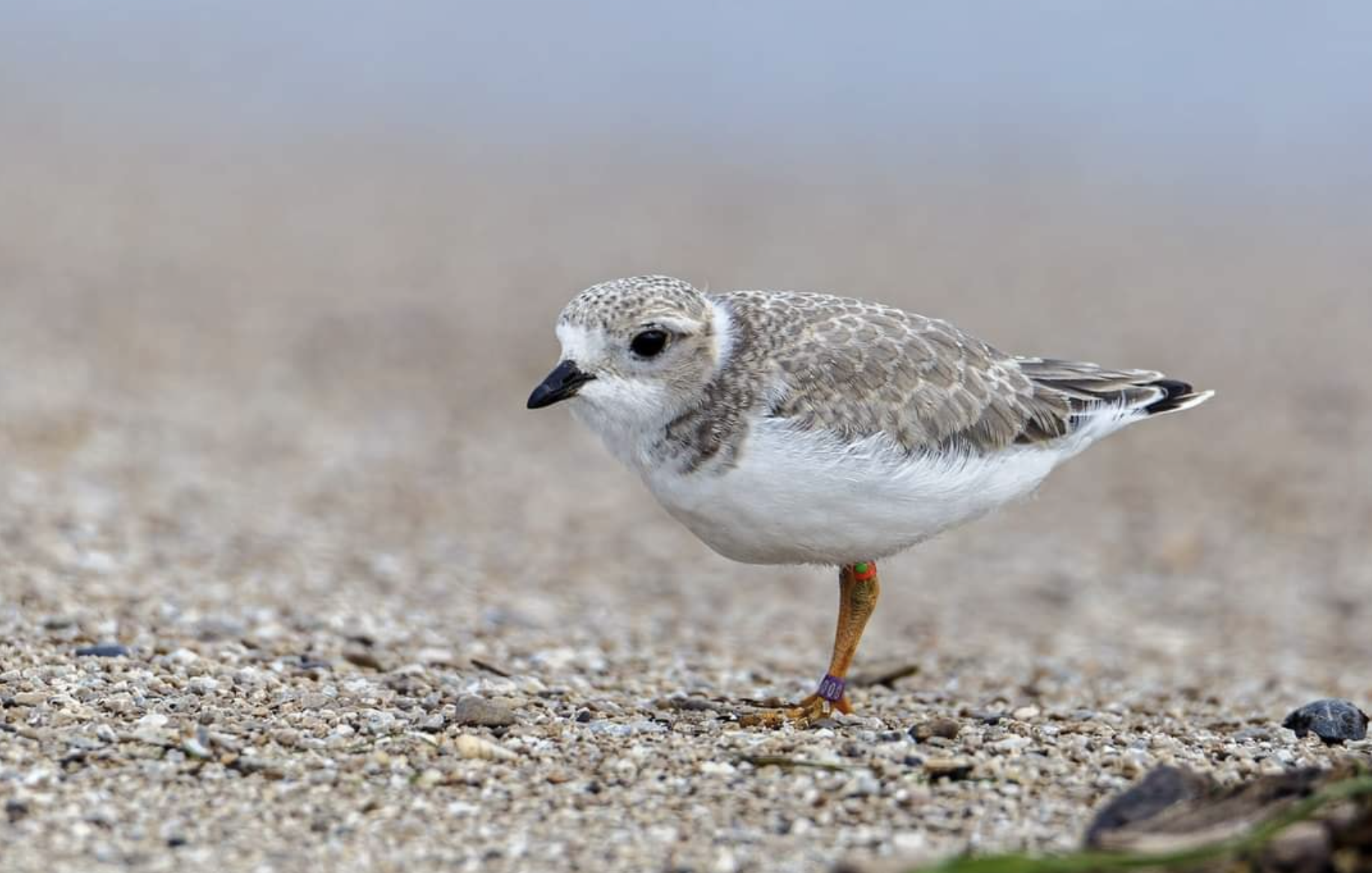
Photo of Erie taken by Vince Capozziello and posted on the Nellie & Nish Facebook page.
After nearly two weeks of treatment, Erie’s injury was healing well and she was returned to the beach. Everyone expected her to head south like Nellie, Nish, Ottawa and Maumee already had – but in mid-October she was still at Maumee Bay State Park.
That’s where the Detroit Zoological Society (DZS) comes in. At the U.S. Fish & Wildlife Service’s (USFWS) request, Erie was captured and transferred to the Detroit Zoo, where we are providing medical care and a private, comfortable home for her over the winter. Our experience caring for piping plover chicks as part of the federal recovery program’s salvage captive rearing program makes the DZS a perfect fit for helping Erie. Every year, piping plover eggs that are abandoned are collected, incubated and hatched on the DZS campus and chicks are later released back to various Michigan shorelines. This program has been very successful; the Great Lakes population of piping plovers has increased from 17 breeding females in 1986 to 74 breeding females in 2021.
In the last two months, we’ve been able to watch Erie’s personality really develop. She is laid back and loves all kinds of bugs! Staff at the DZS will assess Erie’s health over the winter and release her next summer with a group of captive-reared chicks. If it is believed that her injury could present risk to her, such as causing problems when she tries to lay eggs, she may be deemed non-releasable by the USFWS and we will help to find a permanent home for her in a zoo that houses piping plovers.
Bonnie Van Dam is the associate curator of birds for the Detroit Zoological Society.
What do gorilla hormones, water monitor tongue flicking, penguin swimming duration and aardvark habitat use all have in common? They are all studied by staff at the Center for Zoo and Aquarium Animal Welfare and Ethics (CZAAWE) as indicators of animal welfare! Animal welfare refers to the mental, physical and emotional state of an animal throughout their lifetime. Animals can’t talk to tell us how they’re feeling, but that doesn’t mean they can’t communicate. Just like humans, animals behave differently under different circumstances. There are many non-verbal indicators that animals may use to communicate their needs and well-being. Their posture, eating habits, social interactions, space use, hormone levels and much more can all serve as clues to tell us how they are doing. CZAAWE staff are dedicated to assessing and improving the welfare of all the animals at the Detroit Zoo and Belle Isle Nature Center. My name is Bailey, and I am a senior at Oakland University majoring in biology. This fall, I was fortunate to join CZAAWE as an intern and dive into what it really means to study animal welfare.
At any given time, CZAAWE is conducting research across a number of species. Each project requires its own special training, as different taxa have their own species-specific behaviors used to evaluate their wellbeing. As an intern for CZAAWE, I contributed to multiple ongoing welfare projects. I worked on projects involving aardvarks, gorillas, polar bears, a water monitor, San Esteban Island chuckwallas, penguins and red kangaroos. Each group of animals had their own ethogram, a reference describing their behaviors, which made each study a unique experience. I might record several different behaviors in the span of a minute when observing the aardvarks, but only one behavior within ten minutes for the chuckwallas. Each project varied not just in terms of the behaviors we monitored, but the questions we asked. For the kangaroos, we focused on their interactions with novel enrichment in different areas of the habitat, while we investigated the degree of visibility in the resident chuckwallas.
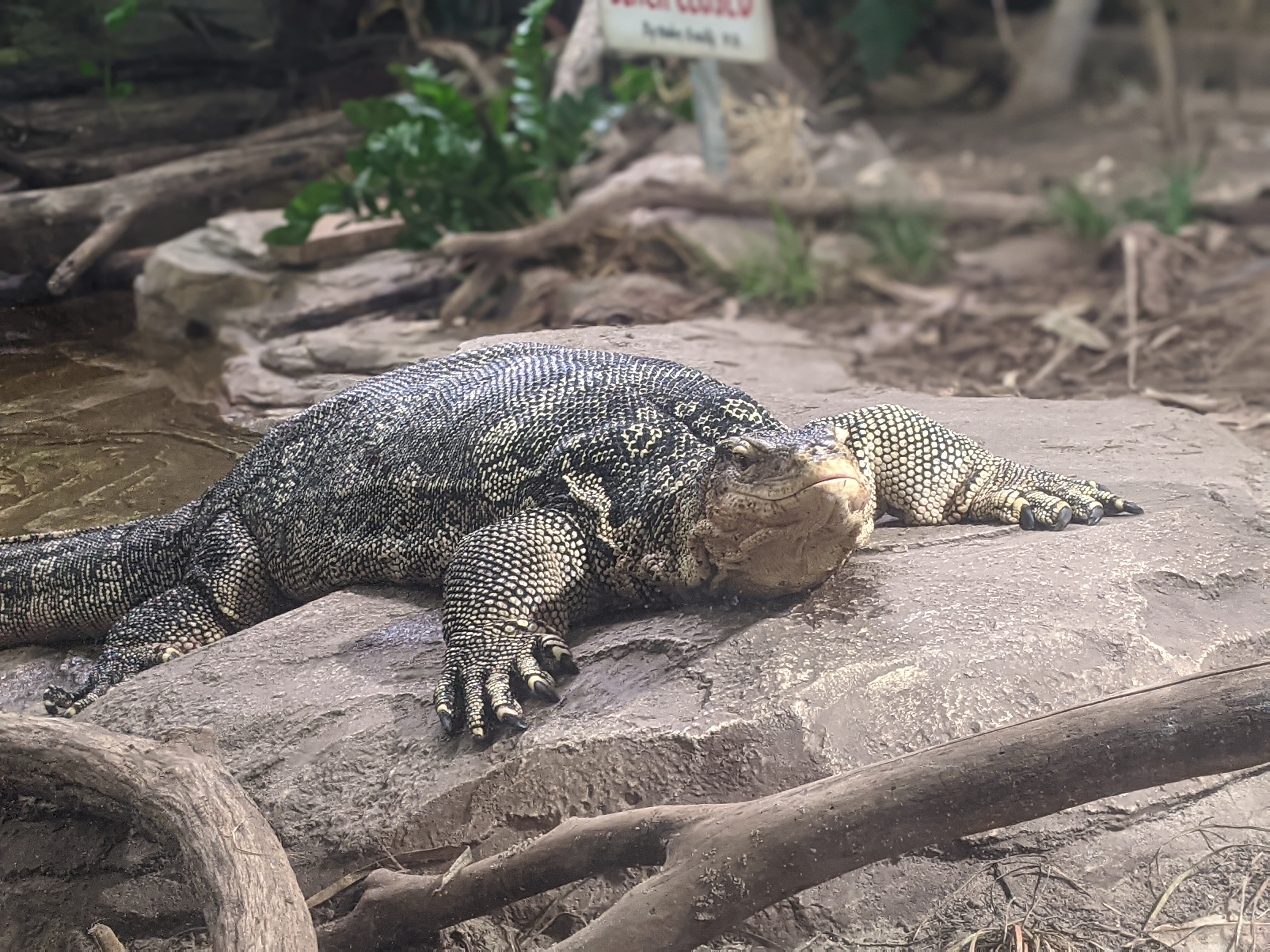
Solair a water monitor
Even though a study might include an entire group of animals, animal welfare is measured at the individual level. The Detroit Zoological Society’s campuses are home to thousands of animal residents, which means taking each of their individual needs, personalities and behaviors into account. The aardvarks are a great example. Aardvarks are nocturnal animals, so it is difficult to observe them during the day. Instead, we study their behavior using camera footage collected during the night when they are active. I really enjoyed my time watching them because of how different each one is. Baji, the only male in the group, is very social and inquisitive. Roxaane is the oldest female and more laid back. She enjoys sleeping, but she’s also very food driven. What is usual and expected for one individual might be uncommon for another. While observing animal behavior is very important (and fun), it is only one of many ways to assess animal welfare.
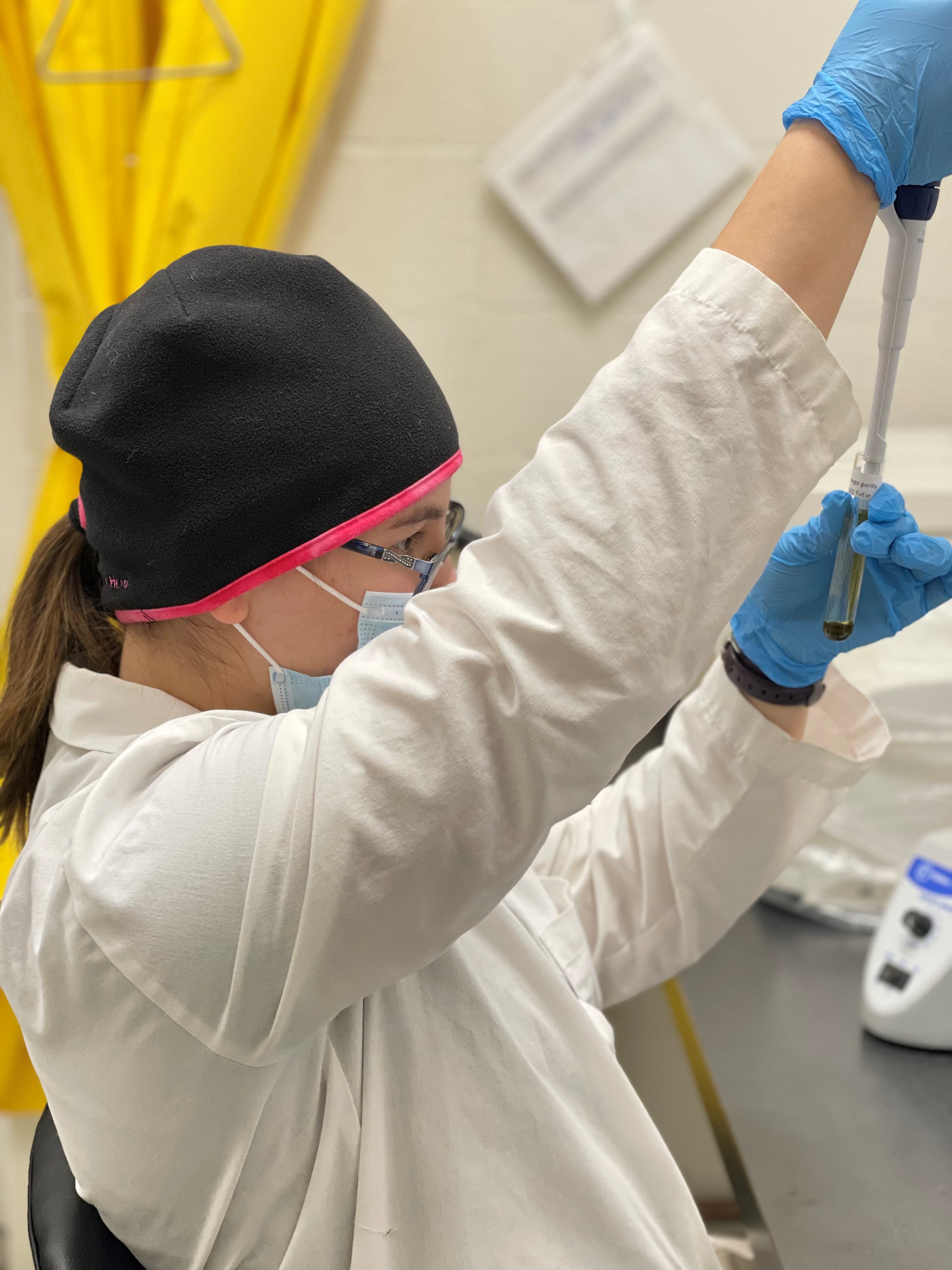
Another important indicator of welfare is hormones. Hormones offer some insight into the physiological state of an individual. There are many ways to measure hormones, but one of the least invasive ways is through the collection of fecal samples. Part of my time here has been spent crushing gorilla and polar bear fecal samples and learning how to extract hormones from them in CZAAWE’s Endocrinology Lab. This state-of-the-art lab is completely dedicated to gathering and processing data on hormones and other biomarkers that offer insight into animal well-being. Although it may not sound very glamorous, being able to analyze fecal samples in a lab is a privilege that not many other zoos have. Using both behavioral and hormonal indicators allows us to paint a more comprehensive picture of animal welfare.
Intern Bailey Brocco
Zoo staff don’t just collect data, they have to process it too. The raw data that is gathered needs to be cleaned and analyzed so it can be used to inform new and beneficial management strategies. In the beginning, cleaning data and organizing it on the computer seemed very daunting to me. However, with some training and practice, I have come to really appreciate this skill. Collecting data is important, but it’s useless if it can’t be analyzed, interpreted and shared. CZAAWE needs to clearly communicate its findings to the many different departments at the Zoo. The ability to concisely organize the data into summaries is just as essential as the rest of work this department performs. I’m grateful that I’ve been able to practice honing these skills.
With new breakthroughs in technology and research, the field of welfare is always growing and evolving. It’s incredibly important to continue to stay up to date on new findings and add to the body of knowledge when we can. CZAAWE has published many of its own studies and findings to contribute to the current knowledge available. Additionally, CZAAWE keeps an online Resource Center, which you can access on their website, full of the most up-to-date research relating to the wellbeing of animals. I spent quite a bit of time searching for new research to add to that database. It was incredible to see the different research people are conducting all over the world in the attempt to learn more about the wonderful animals in our care.
Every animal is precious, and it is our job to ensure that each and every one of them is not just surviving, but thriving. There is always a lot of work to be done when it comes to ensuring the wellbeing of animals, but welfare scientists work hard to promote the best lives possible for animals. I’m so grateful for the amazing opportunity I was given in interning here at the Detroit Zoo. It has been really eye-opening to see, and participate in, every step of studying welfare. I have a much better understanding of how the process works from conception, to collection and finally to distribution. I have learned so much in the time I’ve spent already, and I’m excited for all the adventures yet to come!








 Detroit Zoological Society Blog