Animal Welfare: Using Infrared Thermography to Assess Well-Being

It is hard enough for us, as humans, to understand how others are feeling. But imagine how difficult it is for us to know how animals are experiencing the world around them from an emotional standpoint. Other species perceive the world very differently than we do and cannot communicate with us using words.

Finding new ways to assess the emotional lives of animals is critical to advancing our understanding of animal welfare. It is also incredibly important to develop methods that are non-invasive, thereby not affecting the animals during the process. Infrared thermography is a potential way for us to do this.
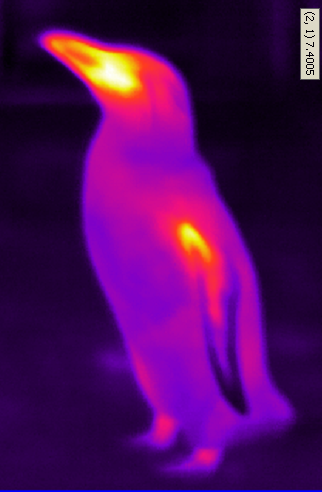
Infrared thermography (IRT) is technology that uses a camera to remotely measure the temperature of an object. The images, called thermograms, show different colors to represent various temperatures, and this allows measurement to be taken without having to touch the object. It has been used in a variety of ways including in buildings and in diagnostic medicine in both humans and animals. Some scientists have also been using it to help assess aspects of animal welfare.
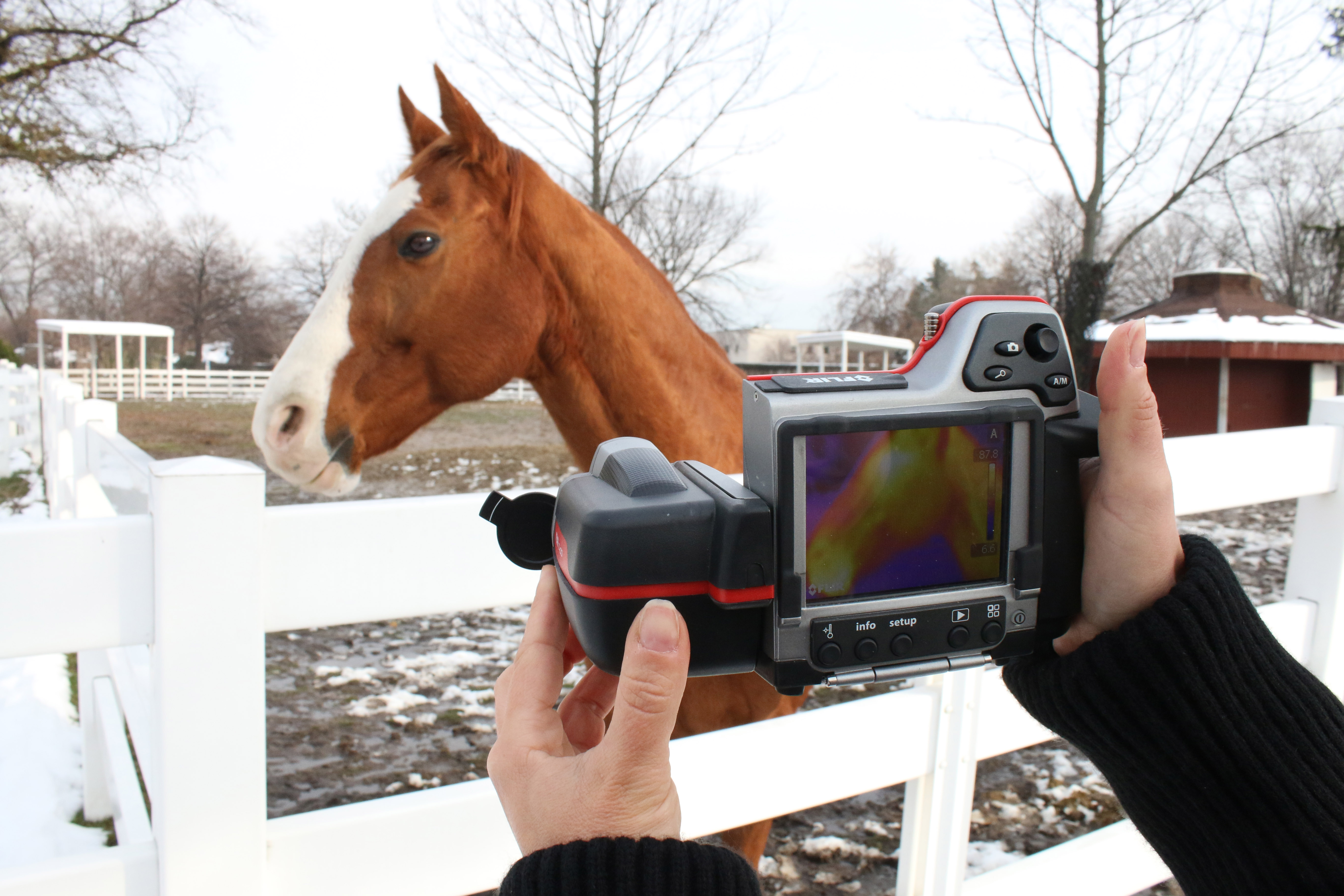
Animal welfare encompasses the physical, psychological and emotional experience of an animal. It is important to use measures that look at all of those components to understand how an individual animal is faring. The body’s response to certain things, such as stress and positive experiences, can have an impact on temperature. This means that in some cases, changes in the temperature of body parts, such as the eyes, can tell us how an animal is responding to an event.

– Dr. Stephanie Allard is the director of animal welfare for the Detroit Zoological Society and oversees the Center for Zoo Animal Welfare.
 

Animal Welfare: What is a Warthog Thinking?

The Detroit Zoological Society’s Center for Zoo Animal Welfare (CZAW) has been hosting workshops to train other professionals around the world to assess and improve animal welfare each year since 2012. In that time, more than 50 people have come to the Detroit Zoo to learn more about the ways in which animals are impacted by living in captive settings, and how to address the challenges they face. This year is no different. Another class is here spending five days with us and participating in lectures, discussions, group projects and exercises in the Zoo.

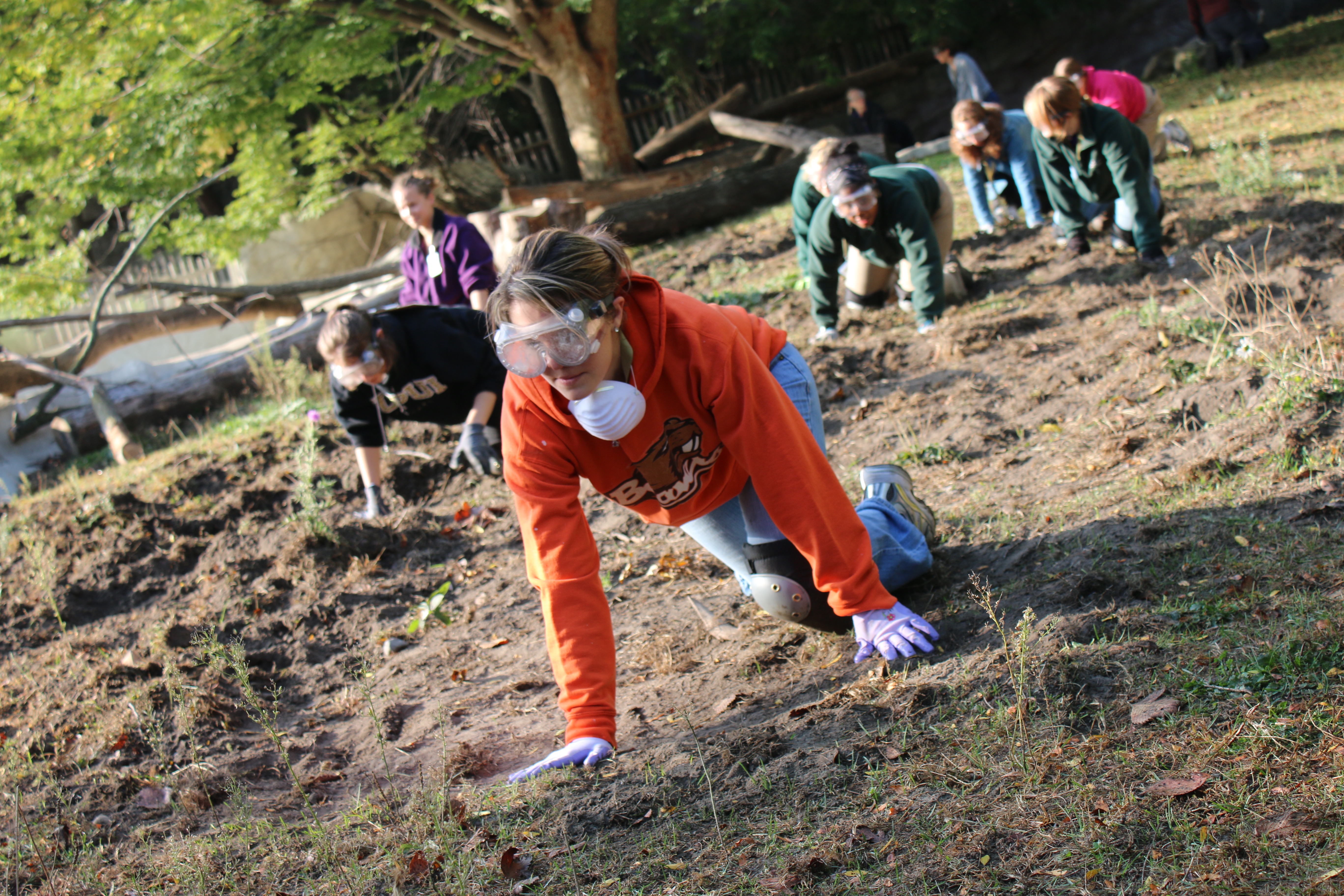
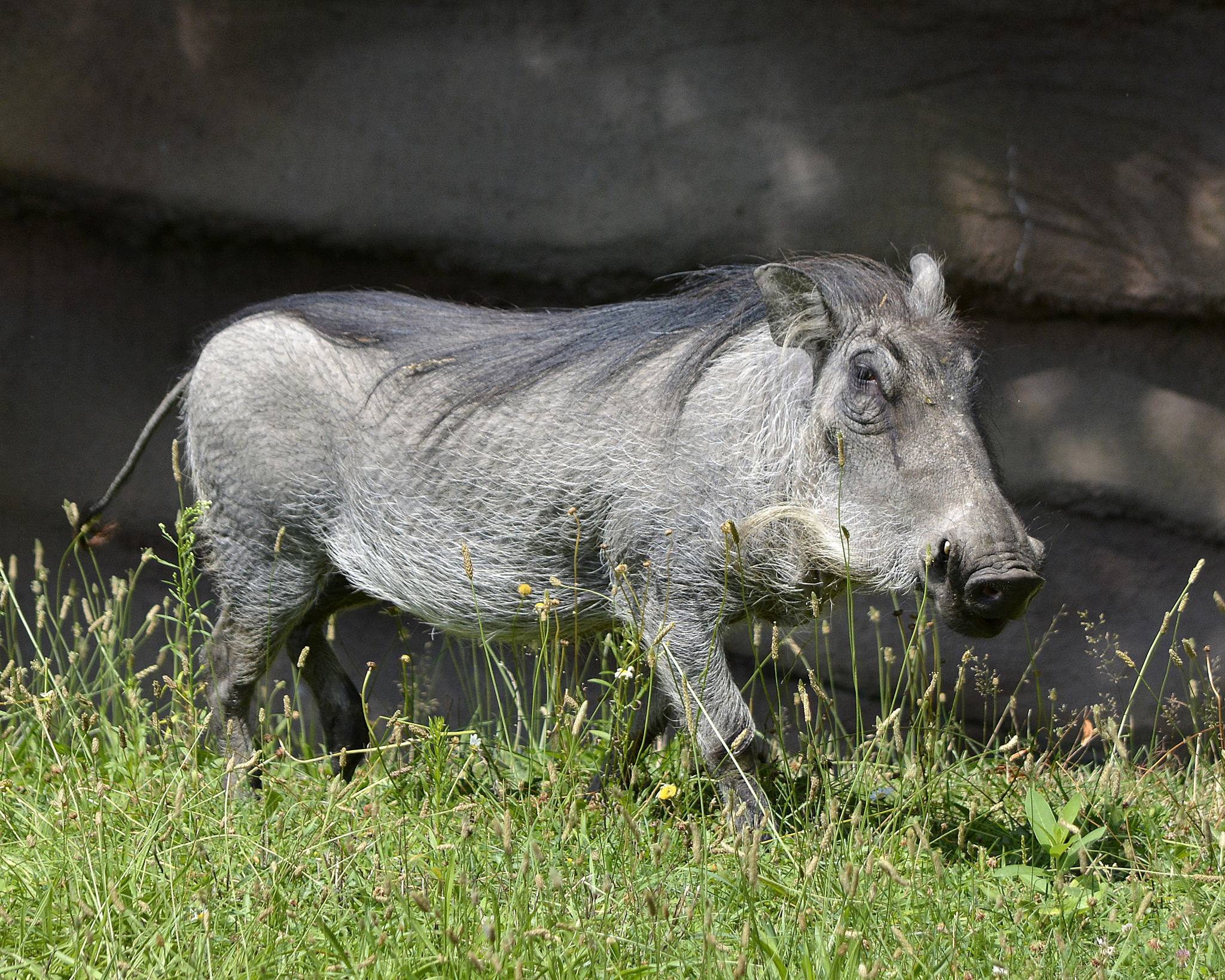
One of the most fun and impactful activities might sound a little silly. We ask the participants to walk around the warthog habitat, first as a human, then as a “warthog”! Every species – and really every individual –experiences the world in different ways. When they are being warthogs, the participants crawl around while wearing goggles that occlude their vision. This is to simulate what it might be like for a warthog living in the habitat, as they rely less on vision than humans do, and to allow each person to get a better sense of how different the world is from the perspective of another species. Once we start to ask ourselves how the animals experience the world we have created for them, we can truly begin to understand what is working for them and what may need to be improved.

Warthog - Roy LewisOne of the goals of CZAW is to provide animal welfare training, and although it is a whirlwind of activity, it is incredibly rewarding for our staff. Not only do we get to meet others who have the same desire to improve the welfare of the animals for which they care, but we get to play a part in helping them to make animal welfare a priority at their own institutions.

Dr. Stephanie Allard is the director of animal welfare for the Detroit Zoological Society and oversees the Center for Zoo Animal Welfare.
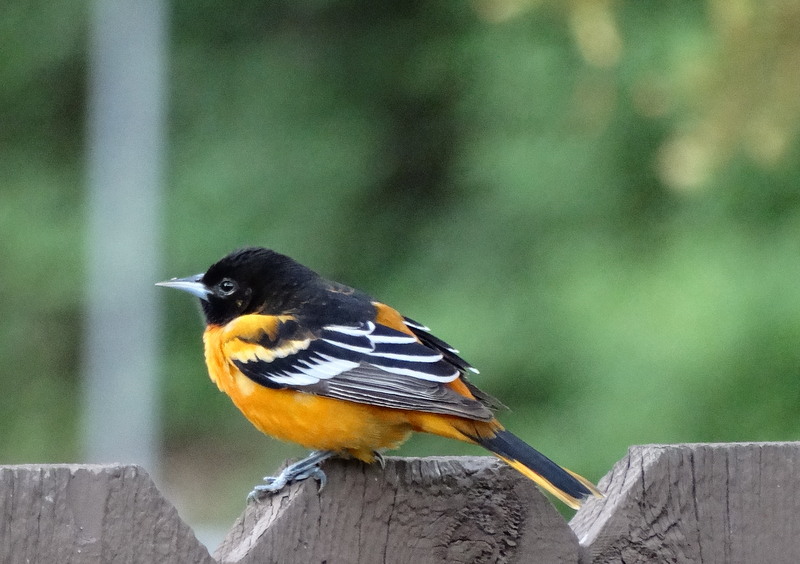
Animal Welfare: Preventing Bird Strikes

Stephanie Allard, Ph.D., is the director of animal welfare for the Detroit Zoological Society and oversees the Center for Zoo Animal Welfare.

Getting to see nature up close and personal Photo by Patti Truesdellis amazing – especially birds, which many of us are able to do from the comfort of our homes. I love to bird watch, and I have bird feeders at my house, as I’m sure many of you do. I enjoy seeing birds as they fly around, forage for food, interact with each other, and raise their young. We have bird feeders at the Detroit Zoo and Belle Isle Nature Zoo as well, which attract many airborne visitors.

We have to be vigilant, however, because we want to protect these incredible species as we invite them to join us in our outdoor spaces. Millions of birds are killed each year in the U.S. alone because of structures that are built by humans, and among the main culprits are windows. They let in light and they provide us with views, but they also confuse birds and create a very dangerous situation.

Humans and birds have very different visual systems, and what appears to us like a see-through barrier does not look that way to birds. The glass appears invisible to them and often acts as a reflective mirror. Because they can’t see the glass, birds will often fly into a window. This is a deadly phenomenon known as “bird strike”.

Photo by Patti TruesdellWindows are not a new threat for birds; however, this serious animal welfare and conservation issue does not get as much attention as it should. There are programs designed to bring attention to bird strikes and reduce the impact on birds, including the Lights Out program. There are also individuals who have devoted their careers and lives to the issue, such as Dr. Daniel Klem Jr., an ornithology professor from Muhlenberg College who spoke about his decades of work on this topic at the third International Symposium on Animal Welfare hosted by the Detroit Zoological Society and our Center for Zoo Animal Welfare in November of 2014.

The great news is that there are things we Photo by Jennie Millercan all do to help prevent birds from suffering. We can put up bird silhouettes on our windows (you will see many on the windows throughout the Zoo), or reflective tape. There is even special film and glass that can be installed that takes advantage of the fact that birds see in the ultraviolet range so that windows that seem clear to us are now seen by birds as real barriers. Photo by Jennie MillerIf you have bird feeders, don’t put them further away from your windows than 3 feet. This means that birds can come enjoy the food, but won’t gain enough momentum to harm themselves if they take off towards any windows. Use your blinds if you have them – this also lets birds know that they can’t fly through.

We truly have the ability to make a difference in the lives of individual birds that share the world with us, and in turn, help protect their species.

– Dr. Stephanie Allard

Animal Welfare: A New Home for Wolves

Stephanie Allard, Ph.D., is the Director of Animal Welfare for the Detroit Zoological Society and oversees the Center for Zoo Animal Welfare.

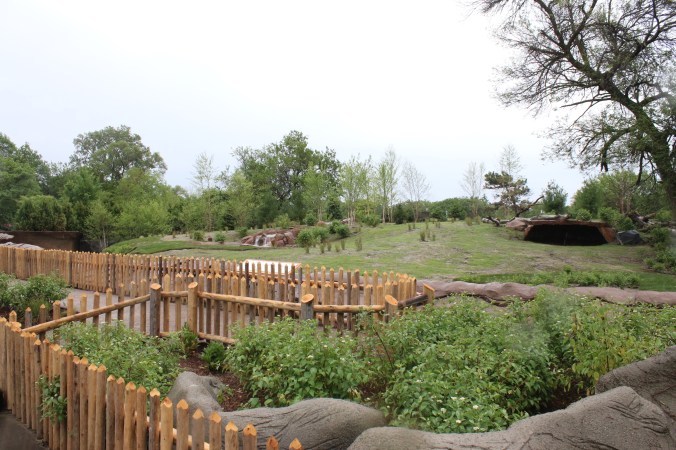
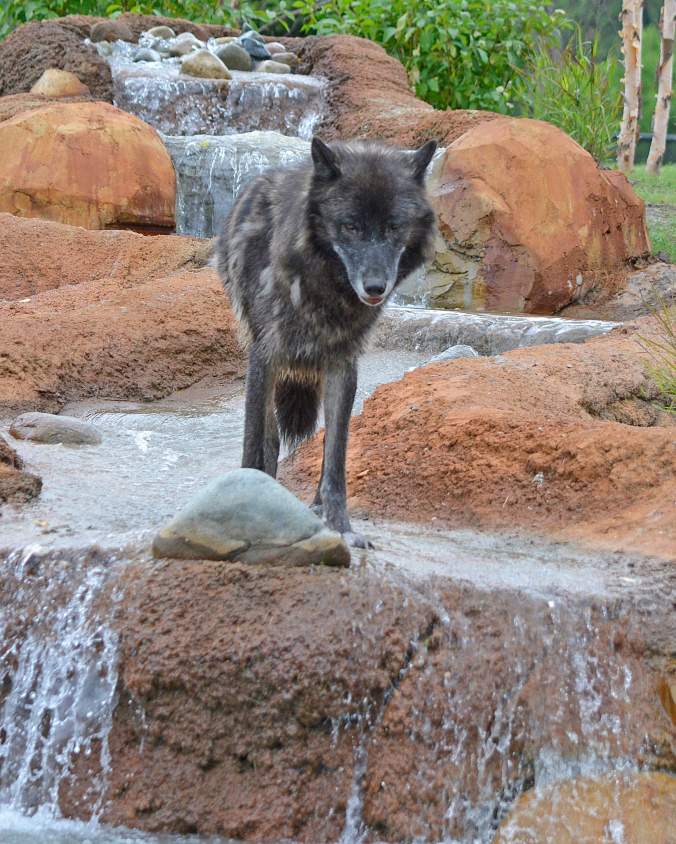
She was standing still, in front of an expansive vista full of greenery. Her eyes bounced from place to place, noting the tiered stream and pools, the variety in shrubbery and trees, and the rocky outcroppings. Sensing movement to her left, she turned to get a better look, and, through the trees she spotted Kaska, a male gray wolf with a coat of dark, smoky fur, exiting the den.Wolf - Wazi - Lee Fisher

Wazi, a 7-year-old female gray wolf, is often seen exploring the terrain of her new home in the 2-acre Cotton Family Wolf Wilderness. Since it’s opening in early June, staff from the Center for Zoo Animal Welfare have been observing what the two wolves are doing and where they are spending their time as they acclimate to their new habitat at the Detroit Zoo. As the wolves interact with each other and explore their surroundings, we learn what matters to them.Cotton Family Wolf Wilderness - Jennie Miller

The process by which zoo habitats are designed is lengthy and meticulous. When architects design a home or an office building, they can talk to their clients to make sure that the design encompasses all of their wishes and meets all of their needs. When we are designing spaces for animals, we do not have the luxury of asking them questions directly. We have to rely on our understanding of the ecology and behavior of the species in question. We engage experts and ultimately construct habitats that we believe will not only meet, but exceed the needs of the animals that will inhabit them. We include opportunities for each animal to engage in species-typical behaviors, to seek shelter and privacy when desired, and to exert some measure of choice and control over their daily lives.Wolf - Kaska - Roy Lewis

When all is said and done, we must rely on what the animals “tell” us about their environment and make any adjustments accordingly. As we do with all the animals, we will continue to find ways to learn what Wazi and Kaska think about their home and their lives.

– Dr. Stephanie Allard

Animal Welfare: Animals After Dark

Stephanie Allard, Ph.D., is the Director of Animal Welfare for the Detroit Zoological Society and oversees the Center for Zoo Animal Welfare.

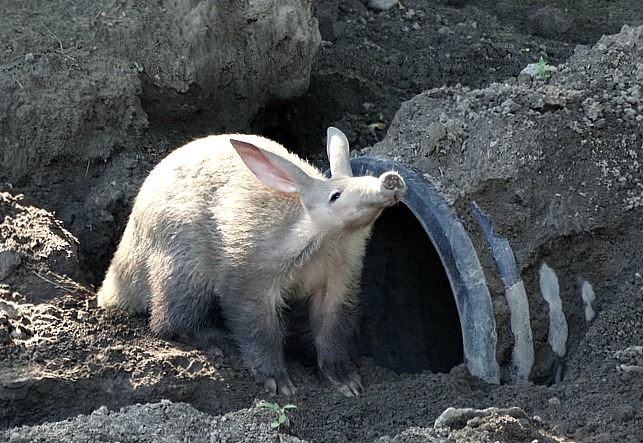
Have you ever wondered what the animals do at night when the Detroit Zoo is closed? Some animals, like gorillas and lizards, are most active during the day – known as diurnal – others, like aardvarks and beavers, are most active at night – known as nocturnal – and some have other activity patterns.Kaatie the aardvark - Patti Truesdell

It is important for us to understand the activity patterns of the different animals that live at the Zoo because we have a responsibility to meet their needs all of the time – not just when the Zoo is open to our visitors during normal business hours. For some species, there is already a lot of information available about when they are active and when they spend more time resting. This can help us plan how to best provide them with the opportunities they need to thrive. For others, it can be helpful to monitor their behavior so that we can make informed decisions about each individual animal’s care and welfare.

Jabari the giraffeGiraffes are a good example of this, as it is a species that sleeps for short durations several times a day. In the wild, giraffes need to be constantly on alert for predators. Since this is not the case in a Zoo setting, the sleep and activity patterns of giraffes vary, therefore we wanted to determine what they were for the giraffes here. We spent time monitoring the behavior of the 7-year-old adult male giraffe, Jabari, and the 6-year-old female giraffe, Kivuli, during the night and found that they do spend periods of time resting and ruminating. However, they do have activity peaks as well. Having this kind of information presents us with the chance to develop ways to provide them with things like additional foraging and feeding opportunities throughout the night, which we have done.

It is so important that we always seek additional knowledge to help us ensure that the needs of all the animals who call the Zoo home are met, even when we are not there to see it.

– Dr. Stephanie Allard

Animal Welfare: Through the Looking Glass

Stephanie Allard, Ph.D., is the Director of Animal Welfare for the Detroit Zoological Society and oversees the Center for Zoo Animal Welfare.

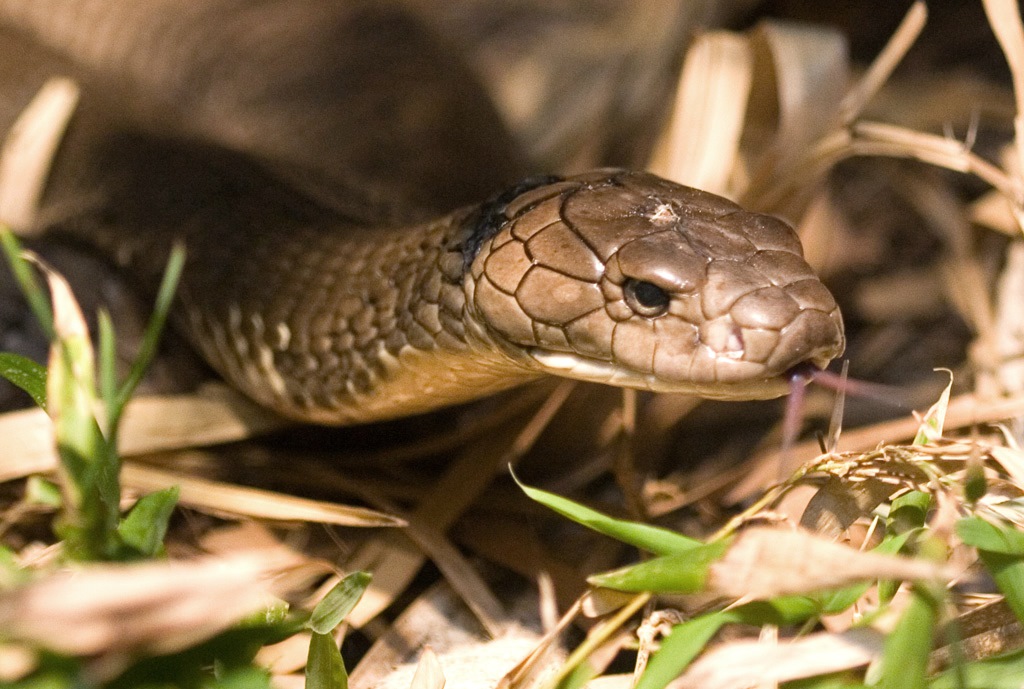
Glass enclosures like those in the Holden Reptile Conservation Center at the Detroit Zoo are designed to provide visitors with less obstructed views of the animals and bring them even closer. These clear barriers can also easily lend themselves to direct contact by both the visitors and the animals – visitors can press their hands and faces right up to the glass, and even knock or bang on the glass. As it appears to be a common occurrence in zoos and aquariums, it’s important to us that we understand what effect, if any, that this visitor behavior has on the animals.King Cobra - Jeff Jundt

While this topic has not been well researched thus far, the Center for Zoo Animal Welfare at the Detroit Zoo is in the midst of a study designed to determine if there is an impact on the welfare of reptiles when visitors knock on the glass of their enclosures.

We first wanted to determine if there were specific enclosures or species that were being targeted by visitors, and we learned that this was not the case. Next, we want to determine if there is a behavioral response by the animals to the visitors interacting with the glass. We recorded video footage of the individuals before and after visitors interacted with the glass of the enclosure. We are currently comparing that behavioral data to other data collected at times during which there were no visitor interactions.

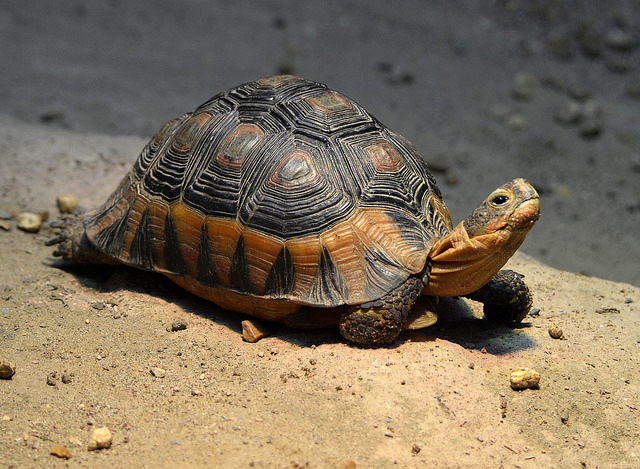
Tortoise - Roy LewisBased on what is known about reptiles, we may find in this study less behavioral evidence of their reactions to their environment. But an important thing to keep in mind is that just because we can’t see a reaction, it doesn’t mean the individual animal isn’t affected.

Therefore, the final phase of this study will attempt to look for any changes in hormone levels – specifically corticosterone, which is the reptile and avian equivalent to cortisol in humans – during times with little to no visitor interactions and those with more. This part will be a bit trickier, as the means by which we collect hormone information non-invasively in mammals – by measuring levels in feces or saliva, for example – is not as easily done with reptiles. We are excited by the challenge however, as the welfare of every animal is important, including the ones that people might not relate to as easily.

– Dr. Stephanie Allard

Animal Welfare – Blanding’s Turtles

Stephanie Allard, PhD. is the Director of Animal Welfare for the Detroit Zoological Society and oversees the Center for Zoo Animal Welfare.
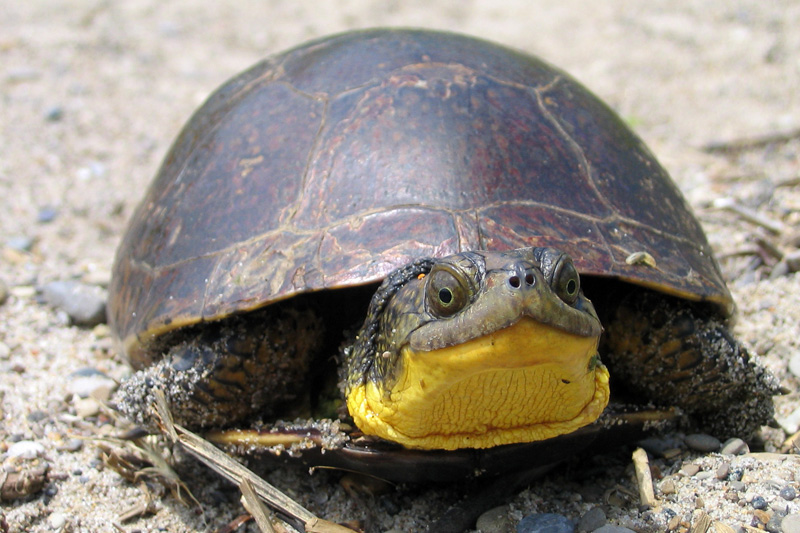
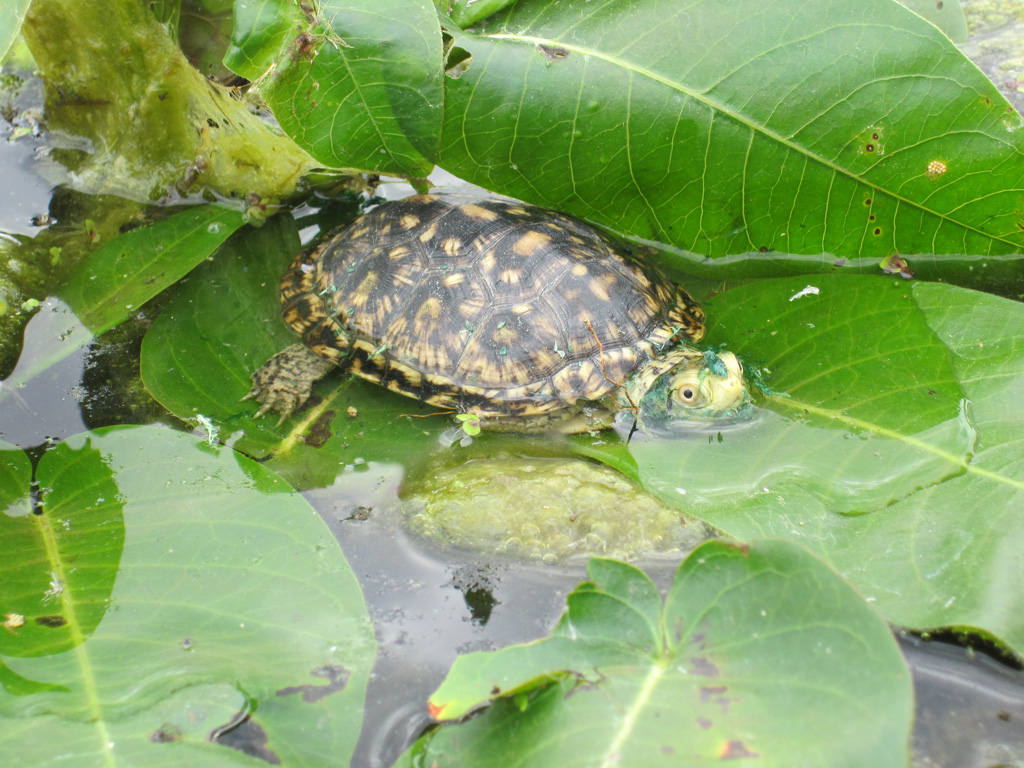
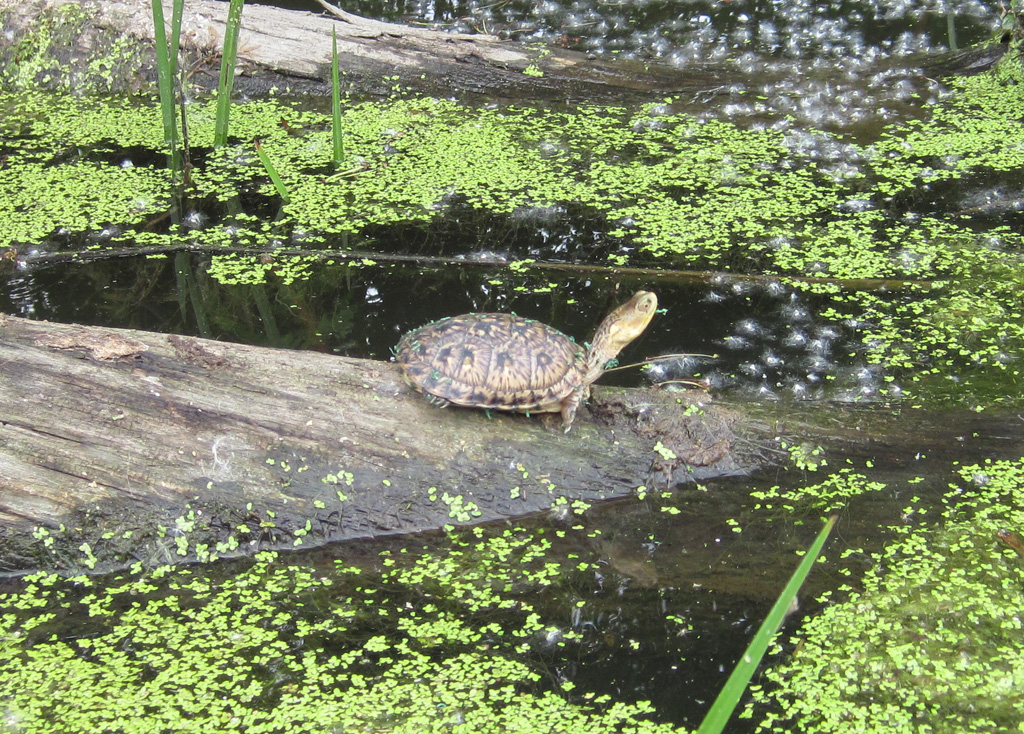
Part of the Detroit Zoological Society’s (DZS) mission is to demonstrate leadership in wildlife conservation and animal welfare. This includes taking a compassionate approach to conservation projects. Often, conservation actions, such as programs that reintroduce animals into wild habitats, are more focused on protecting species or populations, and this can come at a cost to Blanding's turtleindividual animals. For some species, personality traits may be linked to survival success when animals are returned to the wild. Therefore, we designed a study to look for personality traits in Blanding’s turtles, a species of special concern in the state of Michigan that the DZS has been helping to reintroduce into the wild.

In this study, turtles are hatched and raised at the Detroit Zoo and are released when they reach a size that would make them less likely to be killed and eaten by raccoons and other predators. Some of the turtles are fitted with GPS trackers prior to being released so their movements can be followed.

Blanding's turtleThe goal of the personality project was twofold: First, we hoped to uncover personality traits in the turtles, as little animal personality research has focused on reptiles. The 24 turtles selected to wear trackers underwent simple behavioral tests to determine how likely they were to explore, acquire food, and how they responded to seeing themselves in a mirror which can tell us about their reaction to other turtles. Preliminary results of the behavioral tests suggest that several personality traits may be present in the turtles, including boldness and exploration.

Blanding's turtleThe next step will be to use the information shared with us by the field biologists to see if personality traits had any impact on how well each turtle did during the year following their release. This kind of information could help to make the best possible decisions when deciding where to release individual turtles in order to maximize their success in returning to the wild.

– Dr. Stephanie Allard

Animal Welfare: Penguin Project

Stephanie Allard, Ph.D., is the Director of Animal Welfare for the Detroit Zoological Society.

The Detroit Zoological Society is home to the Center for Zoo Animal Welfare. Among the goals of the center is to conduct research that can help us to better understand and improve the welfare of animals living in zoos. One of the ways in which we do this is by studying how the animals at the Zoo are interacting with each other and with their environment.
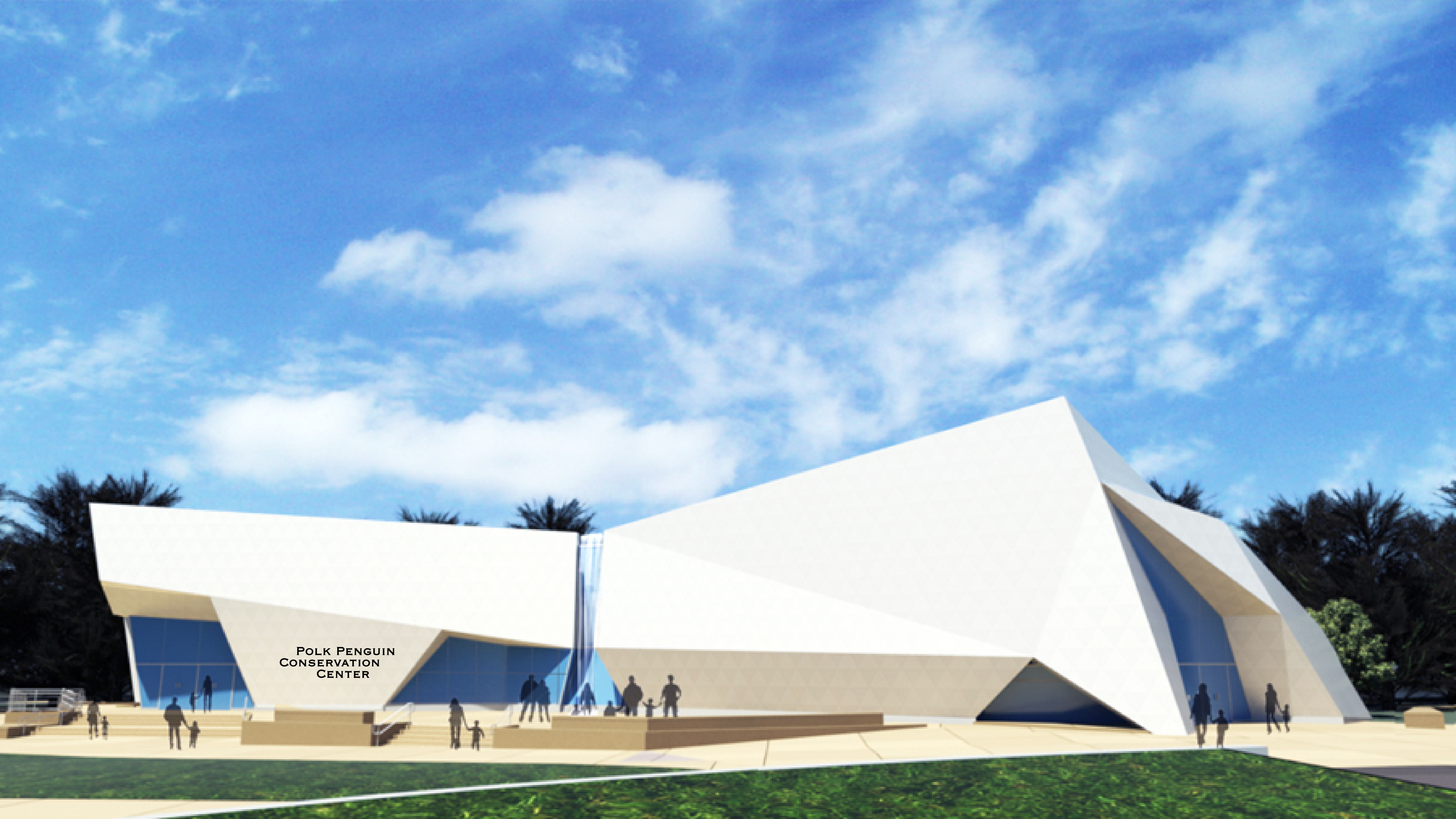
This type of research is really important when we are designing new habitats for the animals. The Zoo is currently constructing a new state-of-the-art Polk Penguin Conservation Center (PPCC) that will house four species of penguins: king, macaroni, rockhopper and gentoo. The PPCC is designed to allow for a wide variety of species-appropriate behaviors and for the penguins to have greater choice and control in their environment.

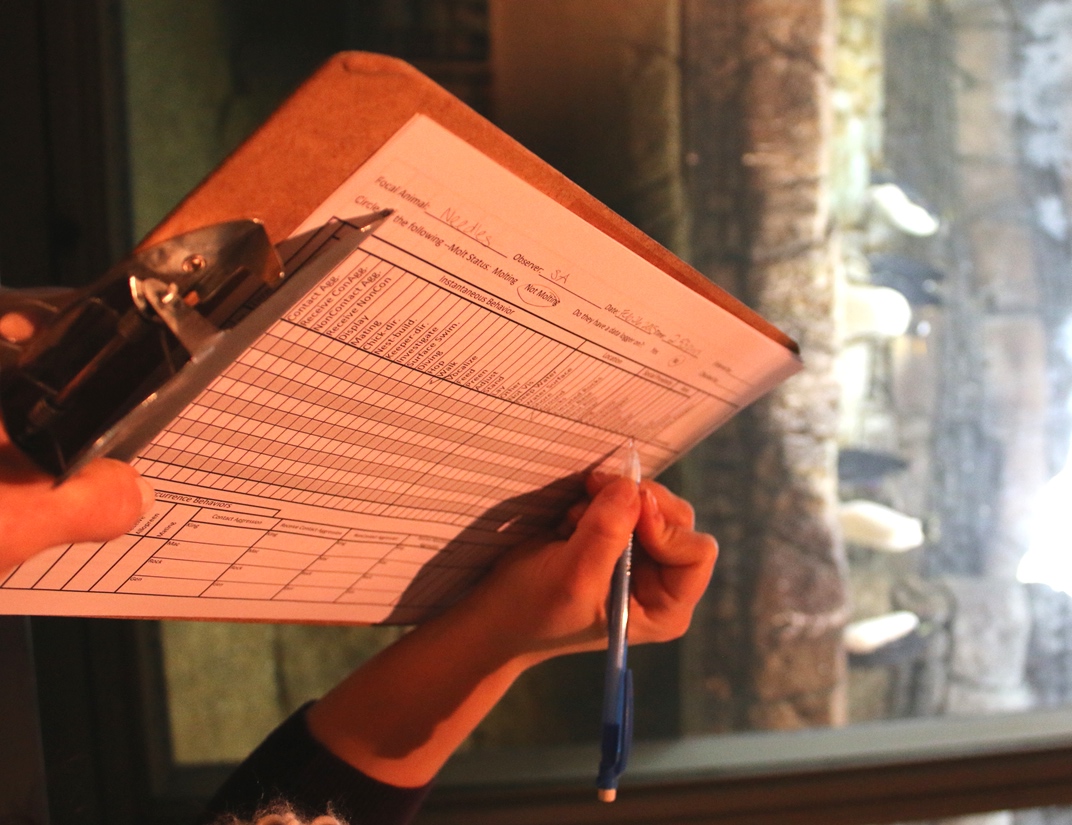
The new habitat provides us with a greatopportunity to compare the behavior and well-being of the same group of penguins in two very different living spaces: their current home in the Penguinarium and their future home in the PPCC. This project is off to a great start! We collected behavioral data on a subset of penguins to test out our methodology and are now observing 27 of the penguins – something we will keep doing for a year after they move to the PPCC.

Technology is playing a part in this, as we are using data loggers, small trackers that some of the penguins will wear like a flipper bracelet that will tell us how much time they are spending in the water and at what depth.  This will be especially important in their new habitat, as that pool will be four times the depth of their current one.

If you see one of our data collectors in the Penguinarium during your next visit to the Zoo, ask them about this cool project!

– Dr. Stephanie Allard