Humane Education: Ethical Consumerism

Every day we make consumer choices. We decide what to wear, what to eat and which products to use. These actions can collectively benefit the Earth and its inhabitants when we pause for a moment to reflect on their potential impacts.

A number of years ago, I read the book “Stuff: The Secret Lives of Everyday Things” as part of my graduate studies at the Institute for Humane Education. It was a huge eye opener for me. The book details the life cycle of common products, such as coffee and a T-shirt. As I read about the various facets of creating these products, it was the first time I truly began to recognize the greater impact my purchases have on people, other species and the planet.

As consumers, we’re often presented with different possibilities regarding which products we might purchase. Take coffee, for example. Upon examination, we may discover that conventional coffee is grown in areas of the rainforest that have been “clear cut”, meaning that the trees have all been removed, negatively impacting ecosystems and inhabitants. Alternatively, we might have the choice of purchasing shade-grown coffee, which is grown under the canopy layer of trees. Not only does this preserve native trees, this method also conserves the habitat for many animals. When I first began doing this research 10 or so years ago, I had a challenging time finding shade-grown coffee and actually had to order it online. I find it exciting to note that you can now find it in many local grocery stores!


We can consider the impact of our consumer choices by exploring two questions:

  • What are the effects of this item or activity, both positive and negative, on animals and the environment?
  • Are there any alternatives that may be less harmful or even provide some benefit?

Another example is that we might discover the cosmetics, toothpaste or cookies that we buy are made with palm oil. Conventional palm oil is grown in areas where the land has been cleared for oil palm plantations, which has had devastating impacts on animals such as orangutans and pygmy elephants. Alternatively, there are companies who work to produce sustainably harvested palm oil. The Roundtable on Sustainable Palm Oil works to certify those who responsibly produce palm oil.

There are a number of organizations working to gather this helpful information for consumers. There are even a number of apps available these days that help support ethical consumerism. For eample, if you want to purchase a cruelty-free product, you could check out The Leaping Bunny Program. If you’re interested in minimizing your impact on animals and the planet, you might check out The Better World Shopper, “a site dedicated to empower people to make the best choice as consumers and to help build the world we want to live in”. In addition, for those who want to research further, the Institute for Humane Education has put together an entire Pinterest board dedicated to ethical consumerism.

Our choices really do add up! When we take a moment to examine the products we’re purchasing, it empowers us to make the best choice possible for people, animals and the planet. This enables us to make knowledgeable decisions on how to walk softly and treat the Earth’s creatures gently.

– Lisa Forzley is the curator of humane education for the Detroit Zoological Society and oversees the Berman Academy for Humane Education.
Education: Community and Conservation

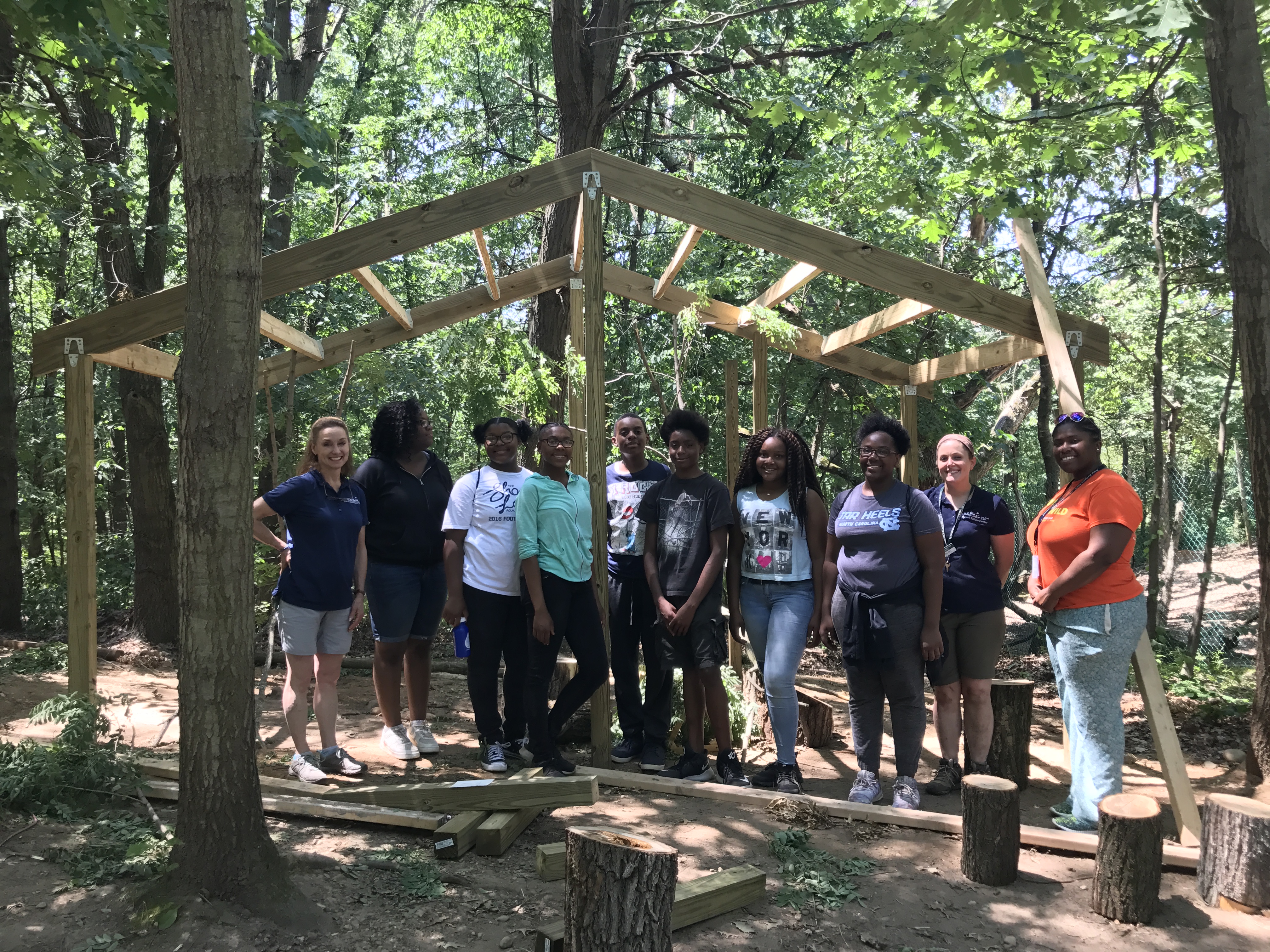
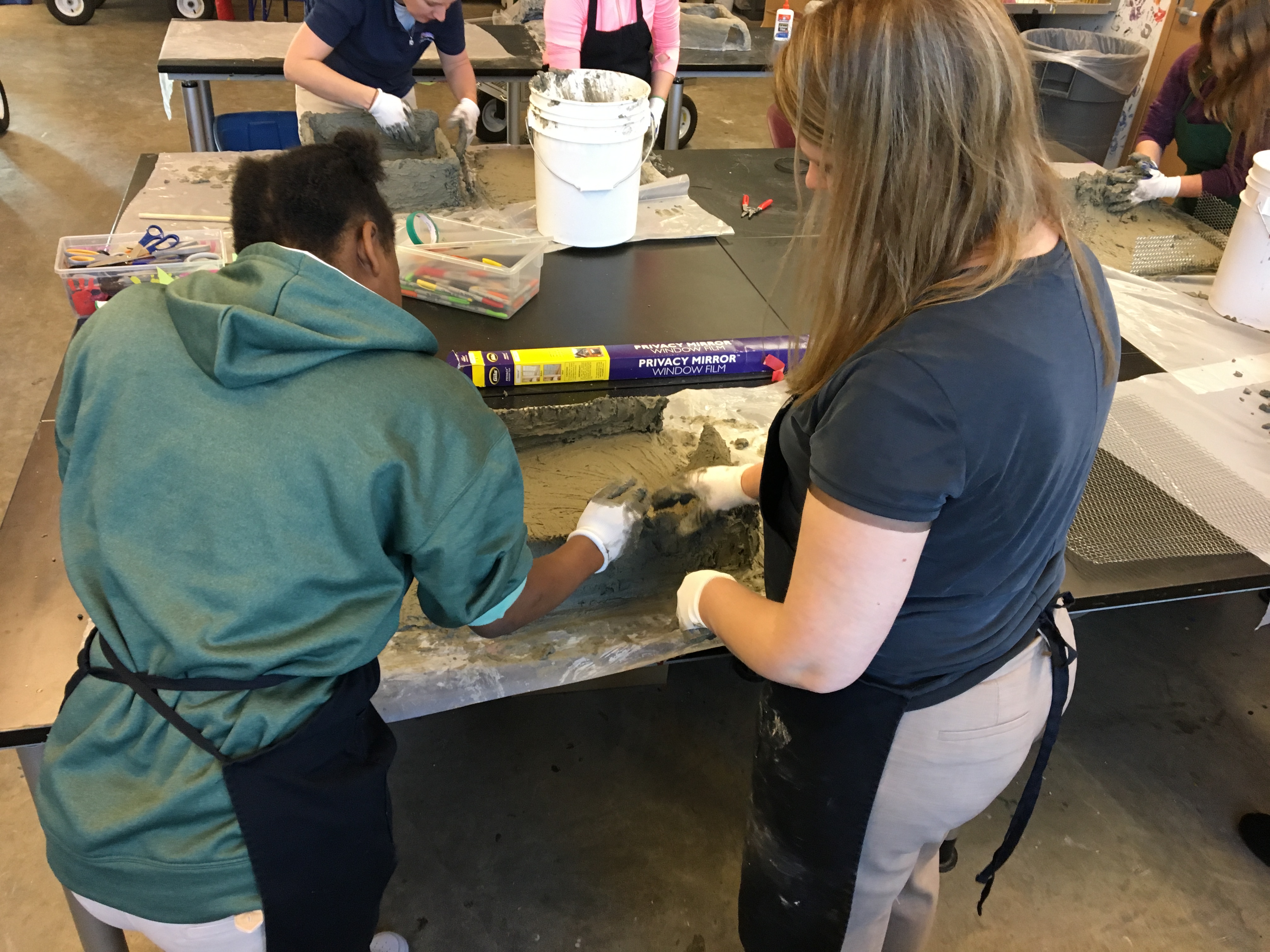
Four teenaged girls recently assisted the Detroit Zoological Society (DZS) with our amphibian conservation efforts by pairing up with staff members to build mudpuppy shelters at the Detroit Zoo’s Ford Education Center. These young ladies were from Oakland County’s Children’s Village, a residential treatment and detention center for youth. The DZS began a partnership with Children’s Village in 2009 to instill respect and reverence for wildlife and wild places within the hearts of these teenagers. The program expanded in 2016 to offer off-site community service opportunities for the residents.

Mudpuppy shelters are an important piece of our ongoing conservation work as we monitor the population of these aquatic amphibians on the shorelines of the Detroit River and the inland lakes of Belle Isle. Mudpuppies are indicators of water quality; they cannot survive in polluted or contaminated water, so their presence is a sign of a healthy aquatic ecosystem.

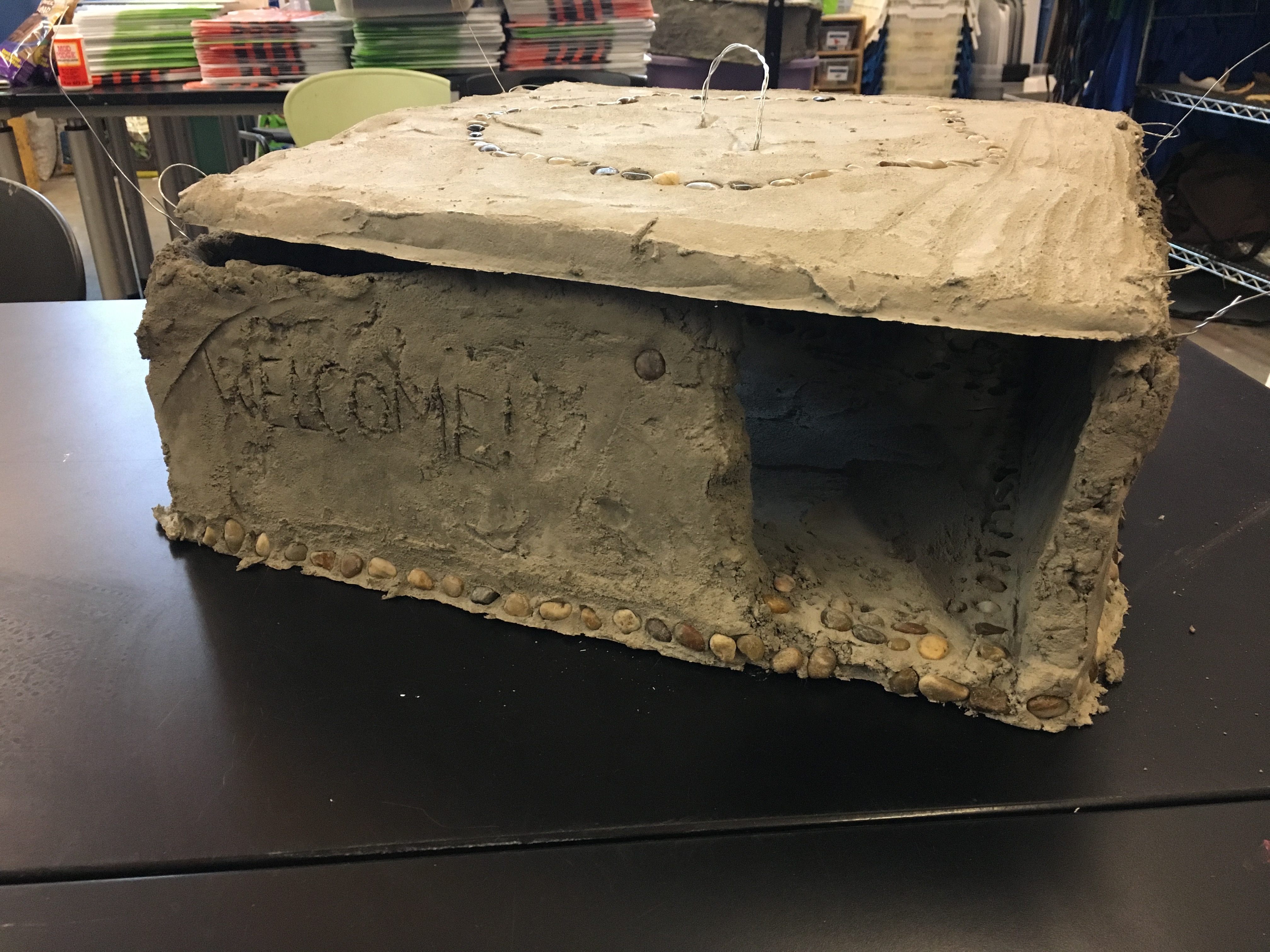
DZS amphibian staff provided the specifications for the height, width and depth of these cement structures, as well as the materials to make them. The young ladies worked in pairs with DZS staff members, donning thick gloves and using wire cutters to trim heavy-duty wire mesh, before folding and binding it to form the bottom of the shelter. They then layered the cement over the wire mesh and built it into a solid, smooth floor and walls. Separate pieces of wire mesh were then cut to size and layered with the cement mixture to create roofs for the shelter.

Once the weather warms up, the shelters will be placed in the water around Belle Isle in hopes that mudpuppies will find them a desirable place to lay their eggs. They tend to lay their eggs under rocks in their natural habitat, which makes it difficult for researchers to locate the eggs without potentially disturbing them by having to move rocks. With the easy-to-remove roof on these homemade shelters, mudpuppies could lay their eggs inside and DZS staff would be able to lift the top and easily check on the eggs without disturbing them.

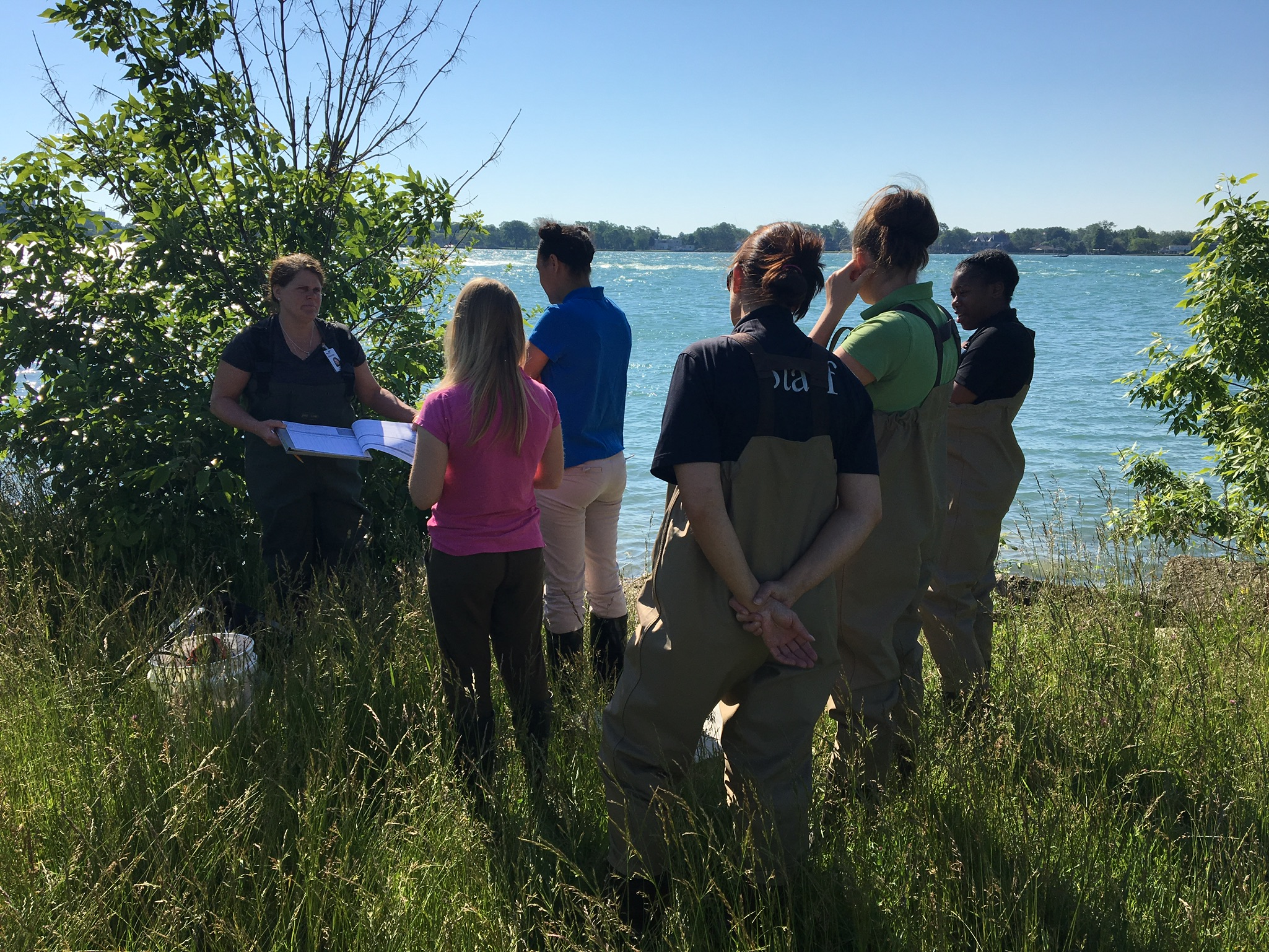
The young ladies who helped build the shelters will join us down on Belle Isle in the coming weeks to place them in the water. They will have the opportunity to work alongside DZS amphibian and education staff to record weather, water quality and shelter placement as well as check on previously placed shelters.

These teens are facing many challenges in their lives and working alongside scientists in the field offers them the chance to explore careers they may not have otherwise known about or considered. It is an opportunity for them to try a new experience, build skills and understanding, and give back to the community through conservation.

Claire Lannoye-Hall is a curator of education for the Detroit Zoological Society.

Humane Education: Do They Have a Choice?

People are often surprised to hear that the Detroit Zoological Society (DZS) does not include animals in any of our education programs – either on grounds or at community or school events. This is because programs like this – no matter how well orchestrated – can be stressful for exotic animals and can negatively impact their well-being. As a leader in animal welfare and the home of the Center for Zoo Animal Welfare and Ethics, the well-being of the animals is at the core of every decision we make.

Consider what it might be like for an animal to take part in a program with many excited children and adults nearby. Animals that are forced to be in programs often have to be physically restrained or manipulated and aren’t given a choice to opt out. The ability of an animal to make choices and to have an impact on his or her own life are fundamentally important to good welfare. As soon as the animal is handled, whether it is to put on a harness or to otherwise physically restrain him or her, any choice to participate is removed and the animal can either comply or resist, neither of which are positive choices. Additionally, regular handling of animals can actually result in a condition called learned helplessness. As the animals learn that they cannot avoid being restrained, carried around and touched, they simply stop reacting. This isn’t a sign of them being comfortable, but instead, that they have given up.

Animals used in such programs are often housed in smaller, less complex spaces and may have to be transported between venues for programs. These activities certainly impact the welfare of the individuals in a negative way. Additionally, the normal activity patterns of the animals are often disrupted, as performances are not scheduled based on their circadian rhythms (the natural daily cycles we experience that affect our physiology and behavior), and for some, such as nocturnal animals, these disruptions can have an even more drastic effect.

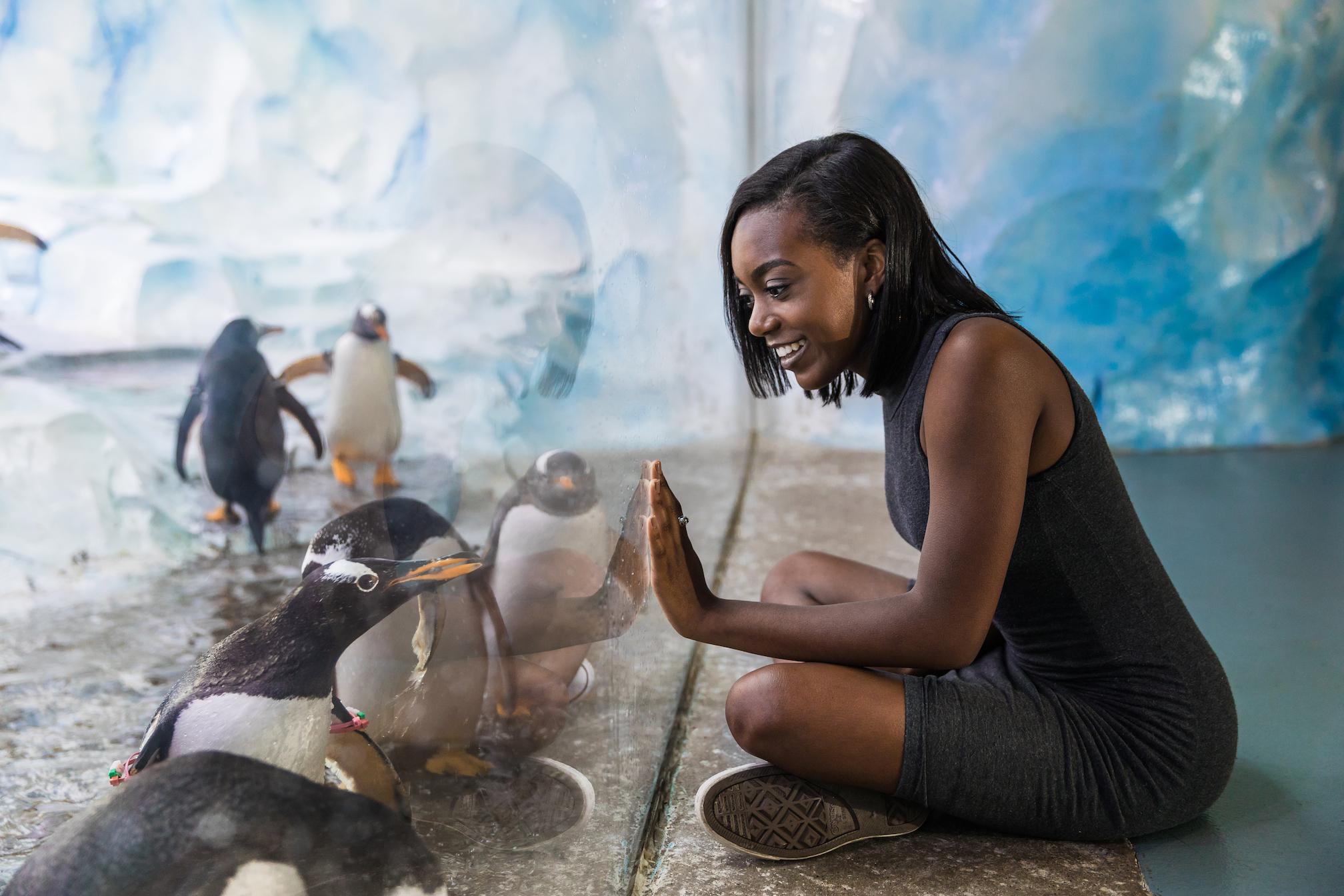
There are many ways in which humans and animals can interact, sometimes without any contact and sometimes more directly. Several of the animal habitats at the Detroit Zoo have been designed in such a way that visitors can be immersed in the experience without actually coming into contact with animals – this includes the Australian Outback Adventure, the Polk Penguin Conservation Center, the Polar Passage in the Arctic Ring of Life, the Butterfly Garden and the prairie dog habitat. We also offer two types of experiences that allow guests to directly interact with individual animals: the Giraffe Encounter and Mingle with the Macaronis.

Visitors at the Detroit Zoo have the opportunity to interact with animals in certain circumstances where each animal may choose whether to participate or not.

A very important distinction between these experiences and performance-type programs is that, at the Detroit Zoo, each animal has the choice to participate or not. This means that the animals have the opportunity to choose if they want to interact – and there are no negative consequences if they decline to participate – and they can control the amount of interaction and length of the encounter, with the option to leave at any time. Choice and control are critical to good welfare, in humans and non-humans alike.

Holding and presenting exotic animals like this also sends the message that we can do as we wish with these animals for our entertainment. This is a message we do not want to send. Promoting reverence and respect for all animals is important – for human and nonhuman species alike – and is an essential component of our mission. In addition, handling exotic animals and allowing others to interact with them may lead people to want one of their own. The experience could mislead people into thinking that exotic animals make good pets or companions.

The next time you see an animal being forced to perform or interact with people, ask yourself:

  • What does a day in the life of this animal look like?
  • What happens to the animal when he/she isn’t being shown?
  • Where did this animal come from originally?
  • How does he/she live? What does he/she do?
  • What is the lifetime care plan for this animal?
  • What is his/her ability to choose? Is the animal participating because he/she wants to?
  • What does the world look like from the animal’s perspective? Try to imagine the experience through their eyes, ears and nose.

Choosing not to participate in events or programs that force exotic animals to perform and interact with humans sends a powerful message. The DZS’s foundation of animal welfare and humane education ensures that we provide unique learning experiences without compromising the well-being of animals.

– Dr. Stephanie Allard is the director of animal welfare for the Detroit Zoological Society and oversees the Center for Zoo Animal Welfare and Ethics. Lisa Forzley is the curator of humane education for the Detroit Zoological Society and oversees the Berman Academy for Humane Education.
Education: Teenagers Learn Civic Responsibility at Detroit Zoo

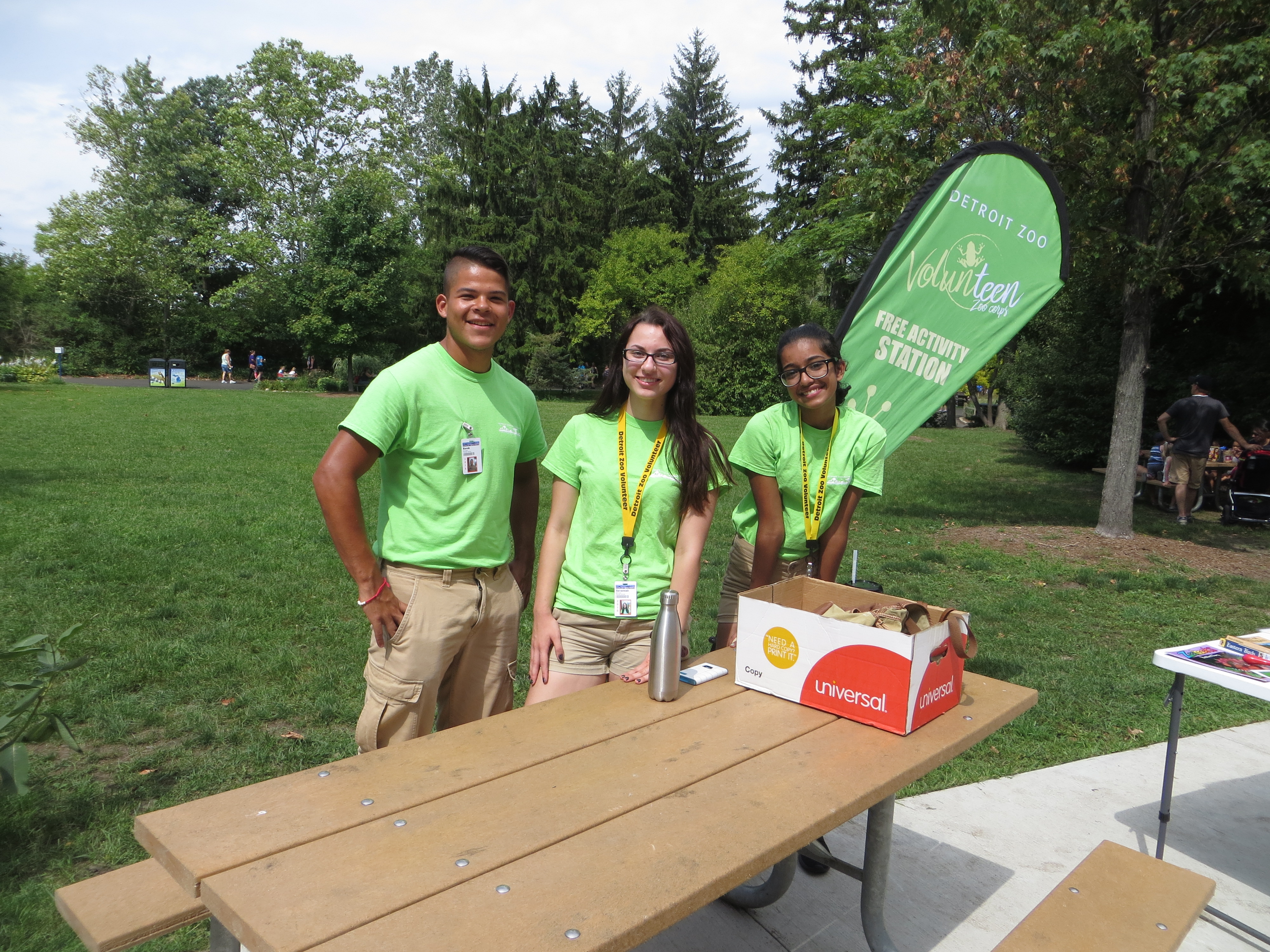
Volunteers at the Detroit Zoo and Belle Isle Nature Center play a hugely important role in our operations. They interact with visitors, pass on important stories about the animals that live here, share our mission of Celebrating and Saving Wildlife and facilitate experiences that engage our guests in creating a better tomorrow for all animals.

Our volunteer corps donates more than 100,000 hours of service every year. We have opportunities for individuals and groups 13 years of age and older to assist us during special events, to greet guests as they arrive at the Zoo and provide directions throughout our 125 acres, and to engage with visitors in areas including the Polk Penguin Conservation Center, the Wildlife Interpretive Gallery, the Australian Outback Adventure and the Arctic Ring of Life.

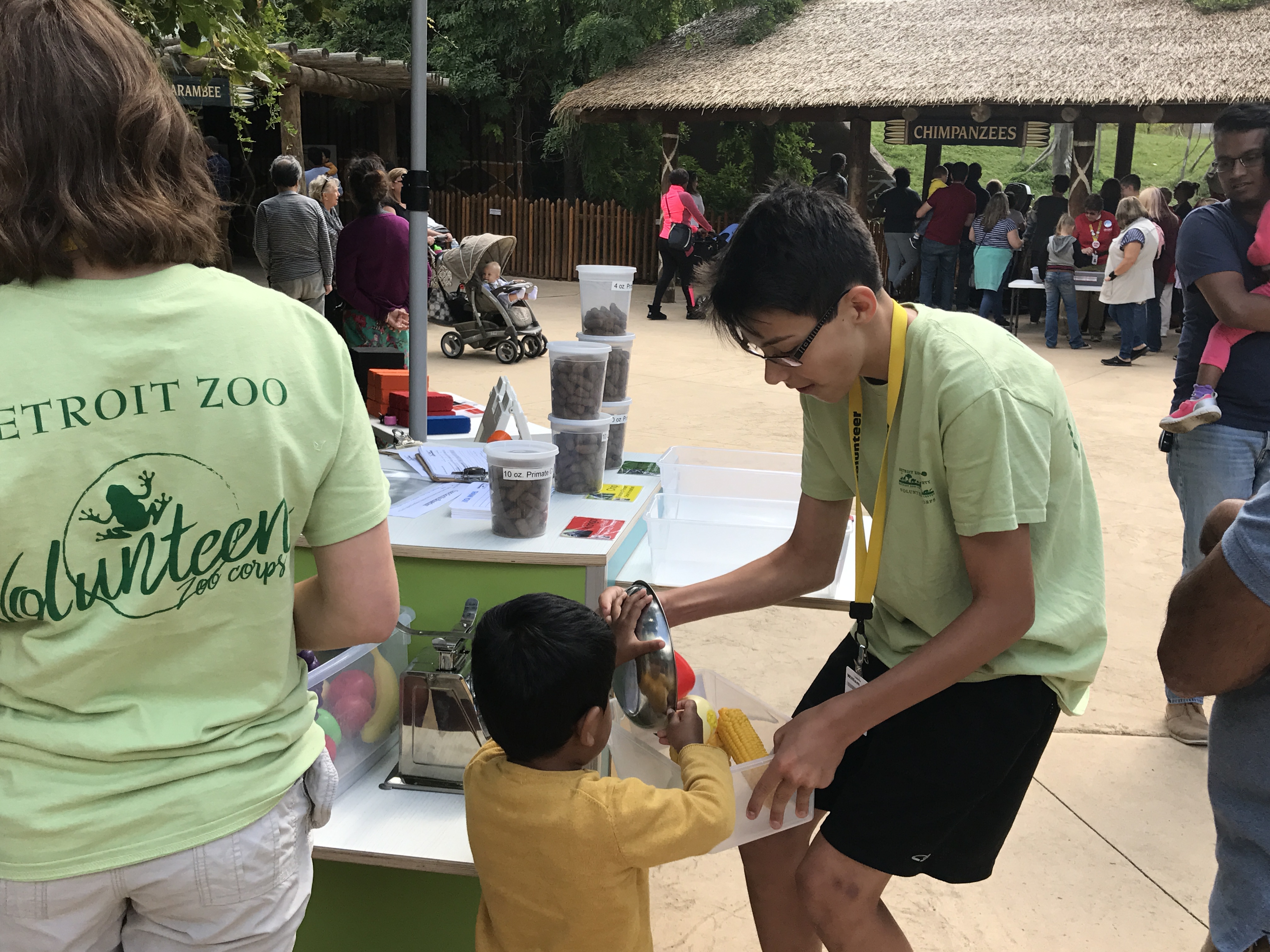
This past spring, we amped up our recruitment efforts for the Volunteen Corps, which resulted in our numbers tripling. This a fantastic opportunity for local teenagers to earn community service hours while gaining leadership experience and building communication skills in a professional work setting. Volunteering not only builds a teen’s resume by adding valuable skills and experience, but it helps develop a sense of civic responsibility. Volunteering at the Zoo also allows these students to spend time in nature while learning about animals and the environment and how we can all be great stewards of this planet. The Volunteens who’ve worked with us are highly engaged and enthusiastic about interacting with guests of all ages – especially children – and sharing all they have learned during their time here.

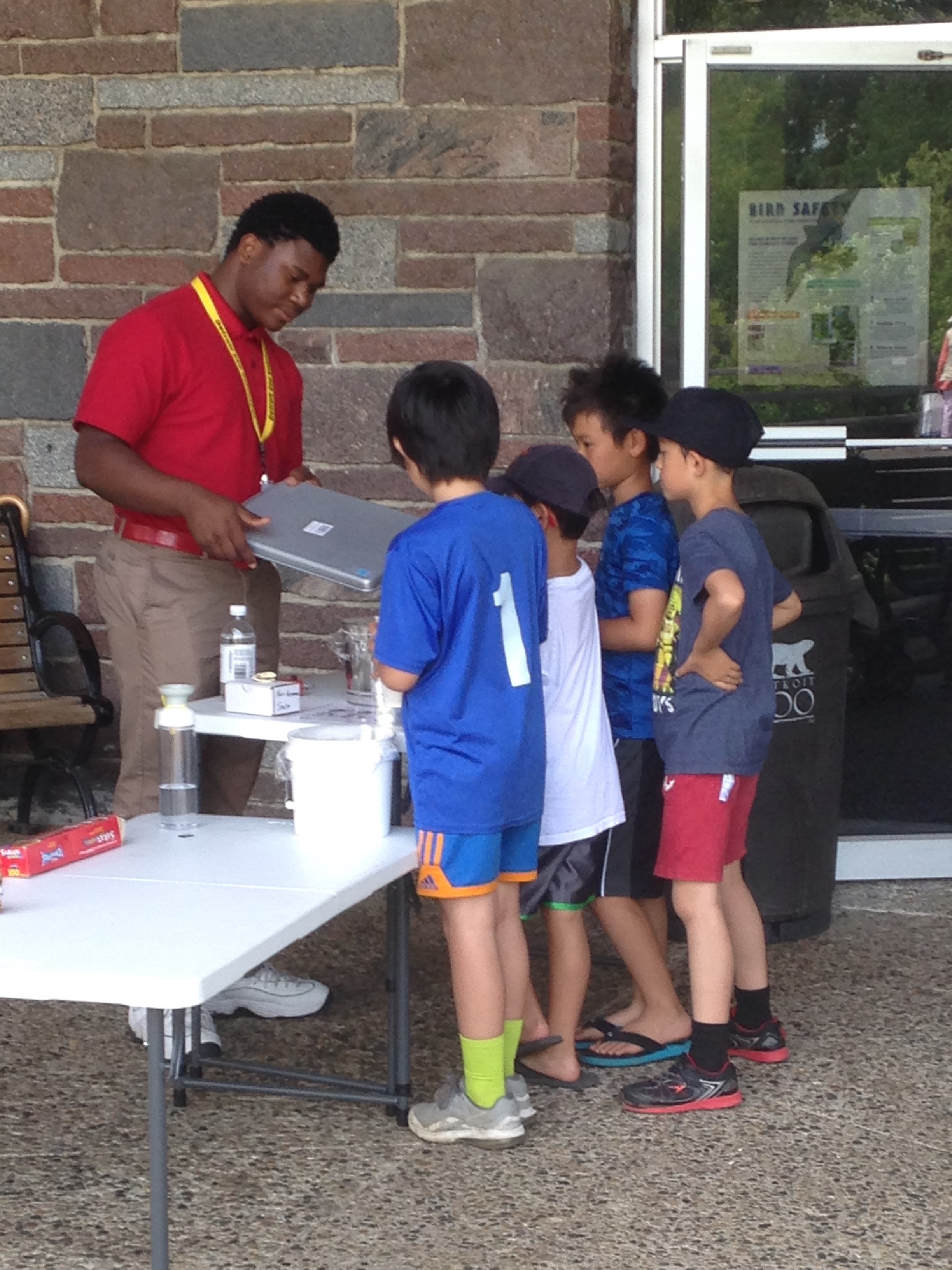
Fifteen thousand visitors have interacted with our more than 80 Volunteens since June. Many of those participated in a hands-on activity that explored how sound energy travels while sharing an important animal welfare message. Stationed just outside the entrance to the Holden Reptile Conservation Center, teens demonstrated how sound travels and allowed guests to try their hand at making sound waves move by sanding sugar on a taut plastic surface. The teens then skillfully steered the conversation toward the concept that tapping on the glass of the reptile habitats allows sound and vibrations to travel into the habitat space, possibly disturbing if not upsetting the animals that live on the other side.

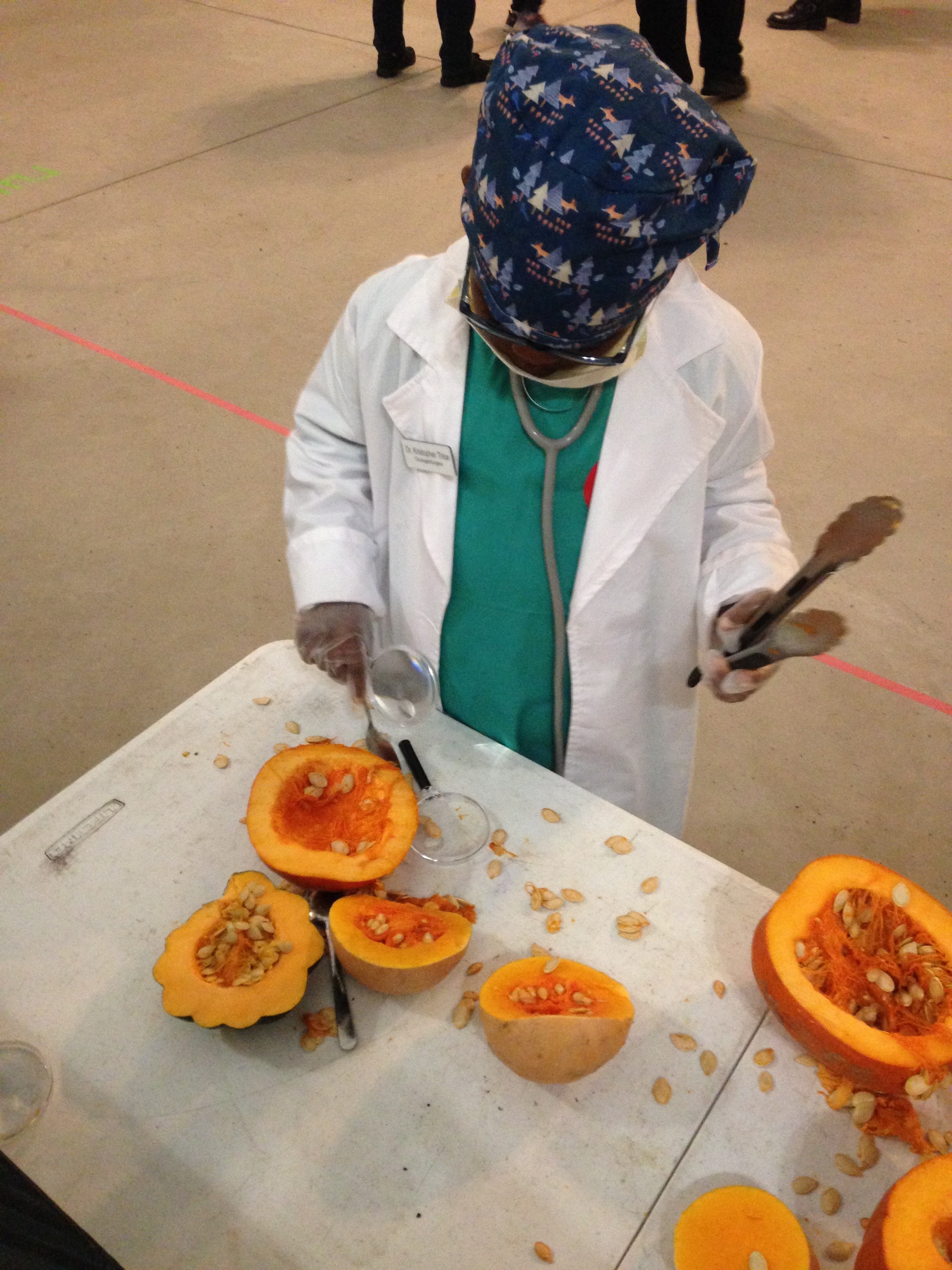
As the weather cools down, the Zoo Corps is helping us with Zoo Boo, our annual Halloween celebration held on weekends in October. The Spooky Science Laboratory is crawling with trick-or-treaters and our teen volunteers assist them as they explore pumpkin and squash guts, predict how many mosquitos a bat eats in a single night, and determine how neighborhood wildlife can do your pumpkin carving for you.


We are also working with our Zoo Corps to tell stories about our mission while building communication skills. A small cohort of teens participated in storytelling training and are sharing the real-life stories of animals that have been rescued by the Detroit Zoological Society as well as tales of wildlife conservation work we are involved in locally and internationally.

Starting in November, our teens will be doing science activities on Sunday evenings during our annual holiday celebration, Wild Lights. Hands-on activities will be sure to delight guests as they enjoy the more than five million lights illuminating buildings, trees and more than 230 animal sculptures.

If you know a teenager who would be interested in joining the Volunteen Zoo Corps, please encourage him or her to apply! We are currently recruiting teens for a mid-November training session. Learn more: https://detroitzoo.org/support/volunteer/

– Claire Lannoye-Hall is a curator of education for the Detroit Zoological Society.

Detroit Public Schools’ Student Scholars Prepare for Future in Detroit Zoo Program

This summer, the Eugene and Marcia Applebaum Family Foundation generously provided the opportunity for seven students from Detroit Public Schools to become part of the Applebaum Scholars Education Program. The goal of this program was to prepare high-achieving youth for successful experiences in college and work through a 10-day experience at the Detroit Zoo. Students were selected after submitting an essay demonstrating their passion for animals; they were also recommended by their teachers.

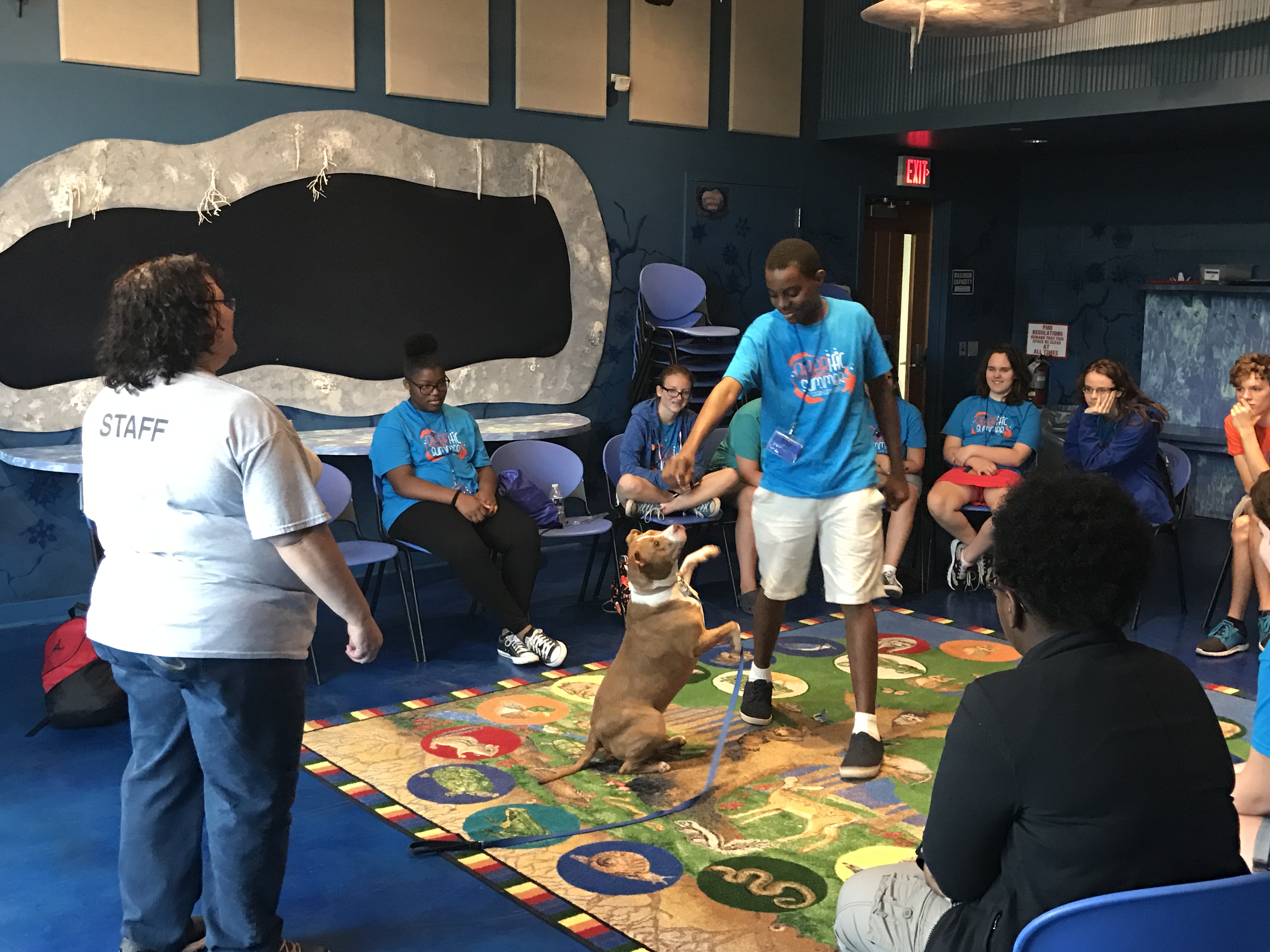
The first few days included an introduction to animal welfare through a variety of skill-building activities, including building a habitat for a crow living at the Howell Nature Center. The scholars then joined other high school students taking part in our Summer Safari Camp – Animal Welfare Workshop. During this experience, the Detroit Zoological Society’s Center for Zoo Animal Welfare and education staff worked alongside youth to facilitate experiences that allowed them to learn about behavior from the perspective of an animal. Students crawled through the anteater habitat to see how an anteater sees and climbed in a bucket truck to view the surroundings from the vantage point of a giraffe. A training demonstration with a rescue dog was so impactful that one student shared her plans to apply what she’d learned toward training her own dog at home. The campers were then asked to make presentations with recommendations on how to improve the lives of animals that live at the Detroit Zoo, using the animal welfare knowledge they’d developed during their observations and camp experience.

In the final two days of the program, the Applebaum Scholars focused specifically on college readiness. They toured Wayne State University (WSU) and met with advisors, receiving scholarships because of the visit and related activities. WSU advisors then joined the students at the Detroit Zoo on their last day to provide a workshop on SAT preparedness, college application practice and financial aid assistance.

During the culminating ceremony, the student scholars shared stories of their experiences and showed deep gratitude to the Applebaum Family for the opportunity. We look forward to witnessing these scholars grow into successful young men and women.

– Carla Van Kampen is a curator of education for the Detroit Zoological Society.

Experience a Story of Survival

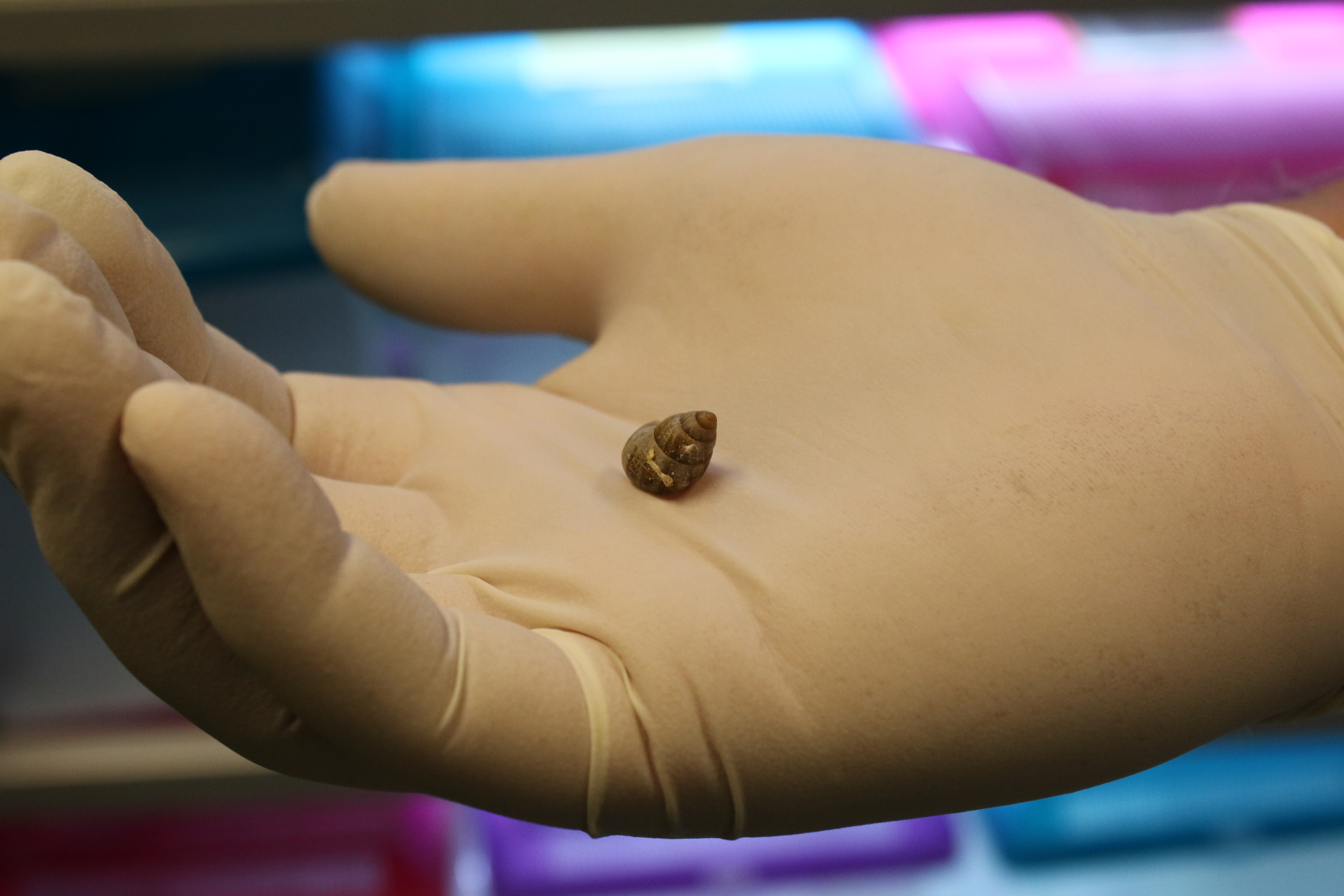
Nearly three decades ago, a tiny Tahitian land snail called the Partula nodosa was declared extinct in the wild – only 26 individual snails remained. In a final attempt to save the species from being completely wiped from the Earth, those 26 snails were sent to the Detroit Zoo as part of a cooperative breeding program.

Animal care staff worked carefully to provide the best possible living conditions for the snails while focusing on their successful reproduction, which eventually resulted in the rescue and recovery of the species. Thirty years later, there are now more than 6,000 individuals living in North American zoos, all descendants from the original group that came to the Detroit Zoo. In the last two years, 160 of these snails have been sent to Tahiti for reintroduction in the wild.

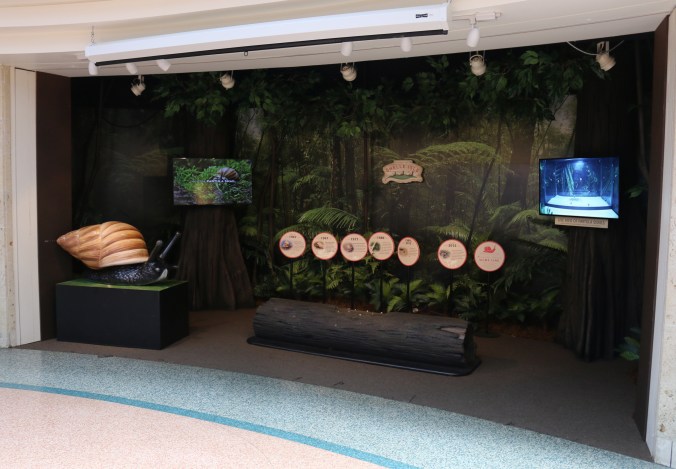
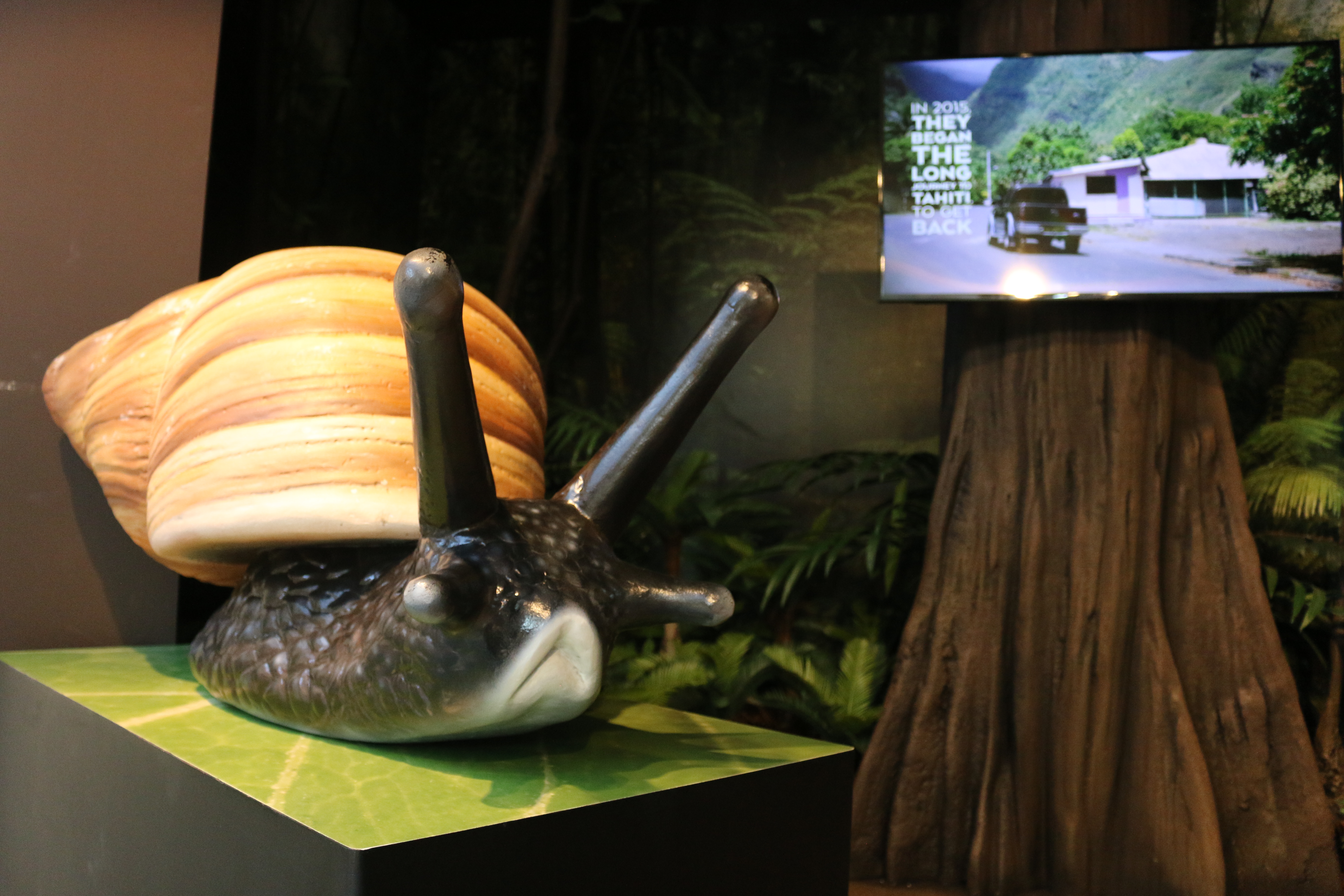
Visitors to the Detroit Zoo can become a part of this story at Shelle Isle, an exhibit in the Wildlife Interpretive Gallery that features the conservation story of these tiny mollusks. Guests are transported to the Tahitian rainforest, surrounded by tropical plants. A short video tells the snails’ story from a stable population in the first half of the 20th century to their sharp decline in the late 1970s, when an attempt to protect farmers’ crops from African land snails went awry and the Florida rosy wolf snails that were introduced to control the population preferred to eat the Partulid snails. The video also includes footage from the release of the Detroit-bred snails in Tahiti in 2015. Guests are invited to feel the shell of a giant replica of the Partula nodosa and more closely observe its structure and form. A second monitor has a live camera feed into the p. nodosa habitat in a behind-the-scenes area at the Detroit Zoo, giving guests a glimpse of the snails’ daily lives.

A favorite feature in this space is a large, “fallen” log where tiny, exact replica snails sit. Two magnifying glasses attached to the log allow visitors to get a close view of these tiny creatures. Many of them have a yellow number painted on their shell, which represents the way the snails are tagged by scientists before being released in Tahiti in order to monitor their movements and survival. The few that don’t have numbers painted on them are meant to demonstrate the successful reproduction in the wild that researchers have already observed, and the project’s continued success.

For us, an important part of this story is that it focuses not on a charismatic megavertebrate, but on a species that is not well-known, isn’t found on nursery walls or represented in the rows of stuffed animals on a toy store shelf. Conservation is not a beauty contest; all animals are important and the Detroit Zoological Society (DZS) works tirelessly to conserve species large and small – including the tiniest and slimiest of snails. By supporting the DZS, you are a critical part of this important work.

– Claire Lannoye Hall is a curator of education for the Detroit Zoological Society.

Save a Life and Find a “Fur-ever” Friend

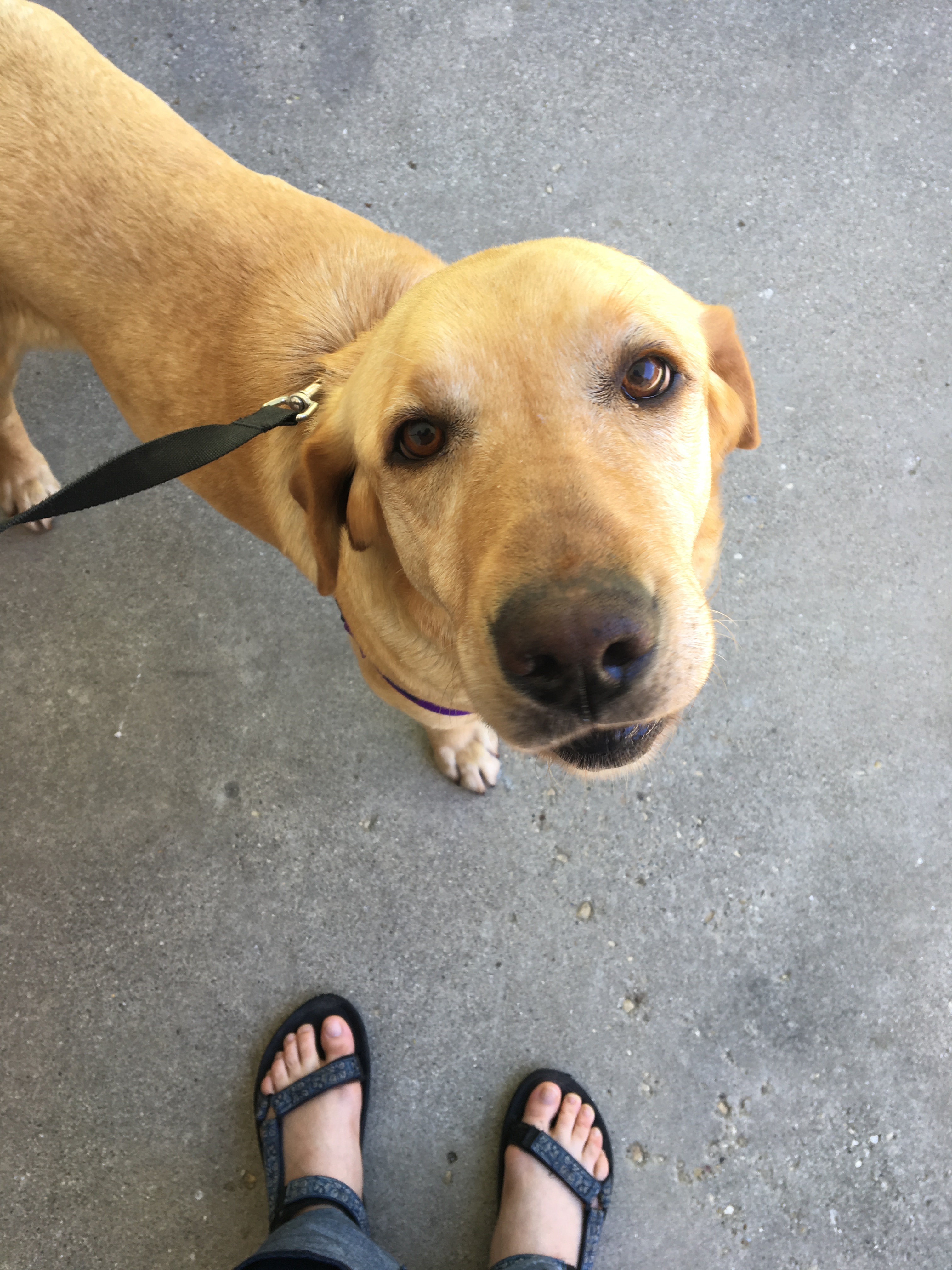
Three weeks ago, I adopted a 7-year-old female yellow Labrador retriever from a local animal shelter. I named her Clemmie, short for Clementine. She was found as a malnourished stray with protruding ribs and visible signs indicating she’d been used to breed many litters of puppies. It’s quite possible that she was dumped when she was no longer wanted by her previous owner. While I can’t undo the things that have happened to her in the past, I will do all that I can to provide the best possible life for her going forward. As Clemmie’s newly trusted guardian, I am committed to her well-being for the remainder of her life.

In the few short weeks since she joined my family, Clemmie has brought me immense joy. She greets me with tail wags and kisses each day when I return home from work. We spend time together taking long walks, meeting neighbors and enjoying our time in nature. She’s not yet certain how to play with toys, but I’ll continue to work with her on that. I’ve purchased dog food puzzles that will provide her with mental stimulation when I have to leave her at home alone. I’m also looking into playtime opportunities at local dog parks. I’m truly grateful to have found my “fur-ever” best friend. While it might appear that I rescued her, she’s brought as much happiness into my life as I have hers.

Unfortunately, an estimated 10,000 dogs and cats are euthanized in shelters each day due to a lack of homes. That adds up to 3-4 million animals in the U. S. each year. So when you adopt an animal, not only are you bringing home a new member of your family, you’re also responsible for saving that individual’s life.

Local rescue organizations and shelters can support you in finding the perfect companion animal for you. Join us this weekend for Meet Your Best Friend at the Zoo – one of the nation’s largest off-site companion animal adoption events – where hundreds of dogs, cats, puppies and kittens are available for adoption to loving homes. And don’t forget to stop by the Zoo’s humane education table while you’re there and learn more about how we work to help people help animals.

– Lisa Forzley is a curator of education for the Detroit Zoological Society and oversees the Berman Academy for Humane Education.
Education: Out-of-this-world Technology Brings Scientists and Educators to Detroit Zoo

We are thrilled to welcome scientists and educators from all over the world for the 2017 International Science On a Sphere Users Collaborative Workshop April 25-27 at the Detroit Zoo. It is an honor to be the first-ever zoo selected to host this global workshop, along with the National Oceanic and Atmospheric Administration (NOAA), and share how we can engage the community with science by combining important environmental messages with technological advances.

Science On a Sphere (SOS) is a 6-foot spherical display system developed by NOAA that can showcase data simulations as visual media regarding climate, weather and animal movement. While it is used by more than 130 museums, science centers and other organizations to help people understand global connections between land, water and the atmosphere, the Detroit Zoo is one of only three zoos in the country to feature SOS. It is located in the Wildlife Interpretive Gallery and is free with Zoo admission.

The upcoming workshop is titled “Pole to Pole: Connecting People, Places, Animals and Spaces”. Topics will be focused on the various ways SOS can be used to educate audiences of all ages, especially about animals, habitats and the environment. Most of the communication among the SOS community happens online, so having the chance to meet in person once every 18 months is a benefit both personally to those who work on this system, and professionally – giving participants the chance to advance the educational capacity of this technology as a larger group.

If you haven’t spent time with SOS during your Zoo visits, we encourage you to stop and take a look. This amazing piece of technology is regularly updated with different content. If you love technology and want to see the types of data available on a flat screen, using SOS Explorer is a great place to start. This is also a great tool in the classroom, which can complement a field trip to the Zoo either before or after your visit. You can find it at https://sos.noaa.gov/SOS_Explorer/. The content you see on the Detroit Zoo’s SOS is ever-changing, so each time you visit, there’s a good chance you will see and learn something new.

Carla Van Kampen is a curator of education for the Detroit Zoological Society.

Education: Citizen Scientists Help Study Butterflies

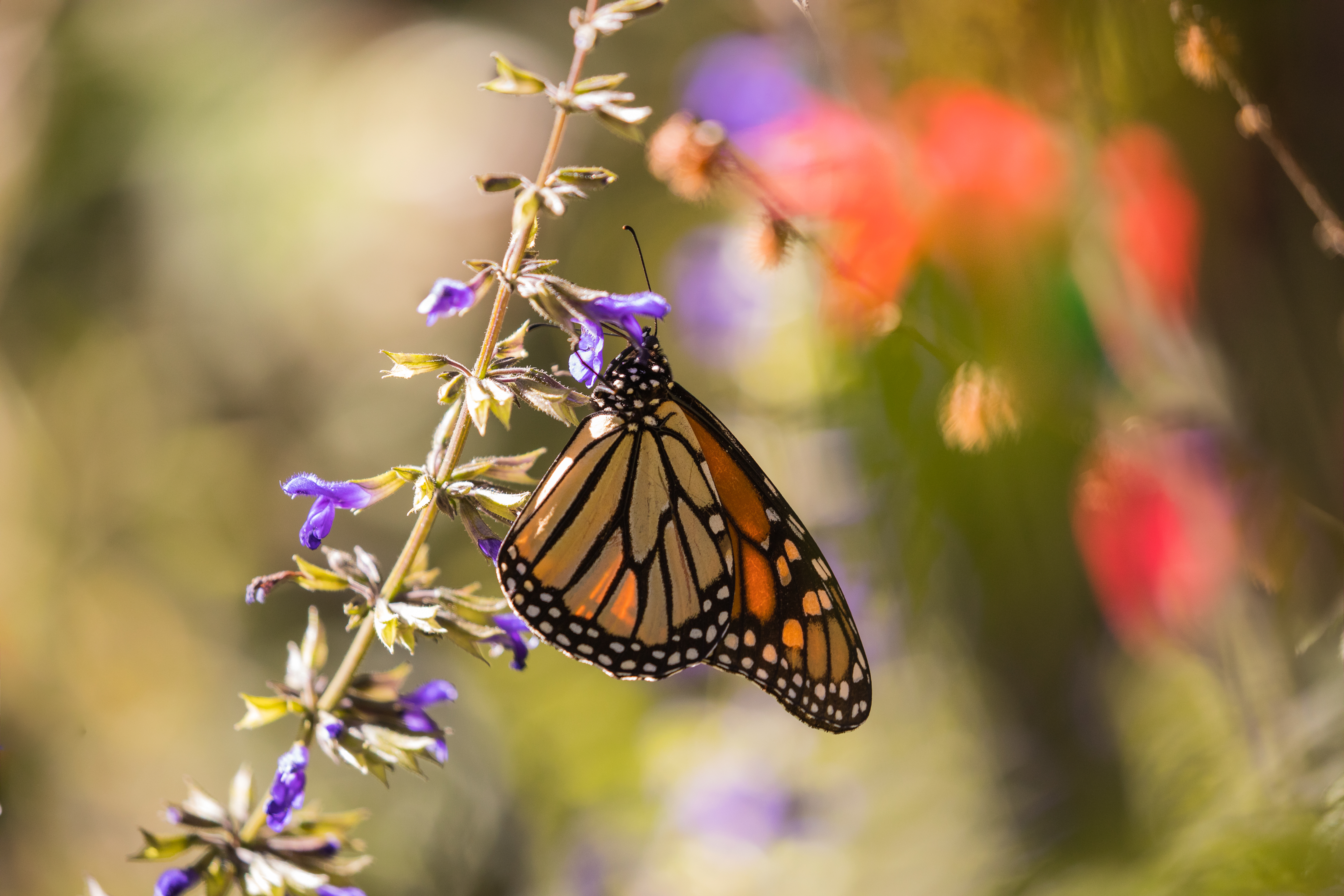
Butterflies aren’t just beautiful animals and important pollinators; they are also bio-indicators, which provide valuable information regarding the health of an ecosystem. Like amphibians, the butterfly is affected by even the slightest changes in the environment, signaling to scientists that something is amiss. When habitats are healthy and plentiful with food, water and shelter, bio-indicator populations are stable. When any piece of that puzzle falls away, populations fluctuate quickly and may decline rapidly.

Scientists can’t be everywhere to monitor species’ populations and keep track of changes. They count on people like us to be their eyes and ears in our communities and report this critical information. The Detroit Zoological Society is providing opportunities for our community to become citizen scientists and help the Michigan Butterfly Network collect vital information about our native butterfly species.

On April 6, a citizen science training workshop will be hosted at the Belle Isle Nature Center. The training will cover species identification, how to collect accurate data, how to report data and otherwise prepare attendees to be successful.

After the mandatory training, citizen scientists are asked to visit their census route at least six times throughout the summer field season. Each census route walk will last five minutes as the observer looks for butterflies in their immediate vicinity. Recording data is a very important part of the process; each species will be carefully documented on a form and submitted to the network.

There are many support materials and resources available and the training workshops will prepare participants for a successful season. The pre-requirements include a passion for our natural world, an interest in learning to identify up to 30 species of butterflies, and the ability to visit a census route six times over the course of the summer season.

If you’d like to learn more about the project or sign up to participate in the training workshops, please email education@dzs.org.

Claire Lannoye-Hall is a curator of education for the Detroit Zoological Society.

Celebrating International Polar Bear Day

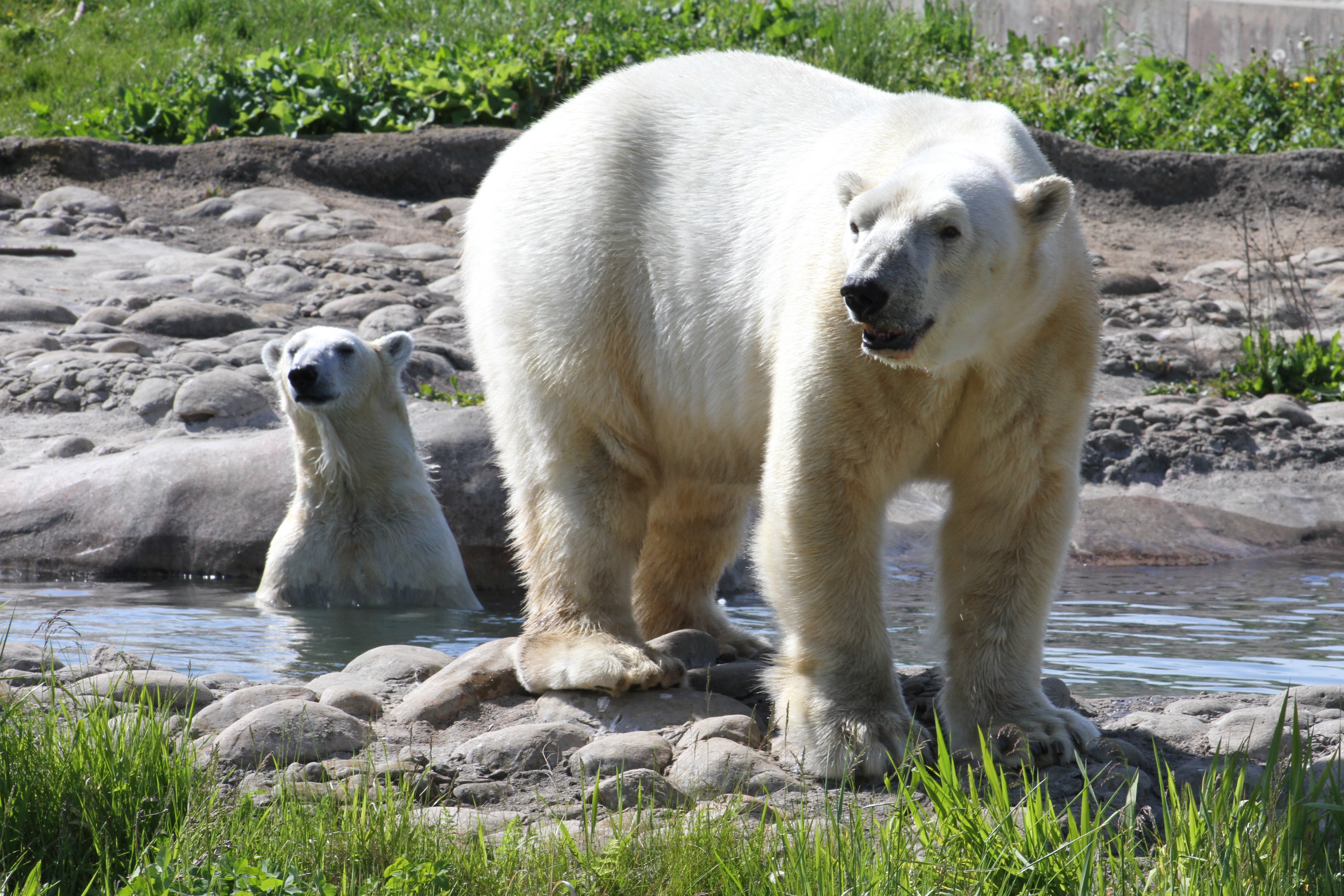
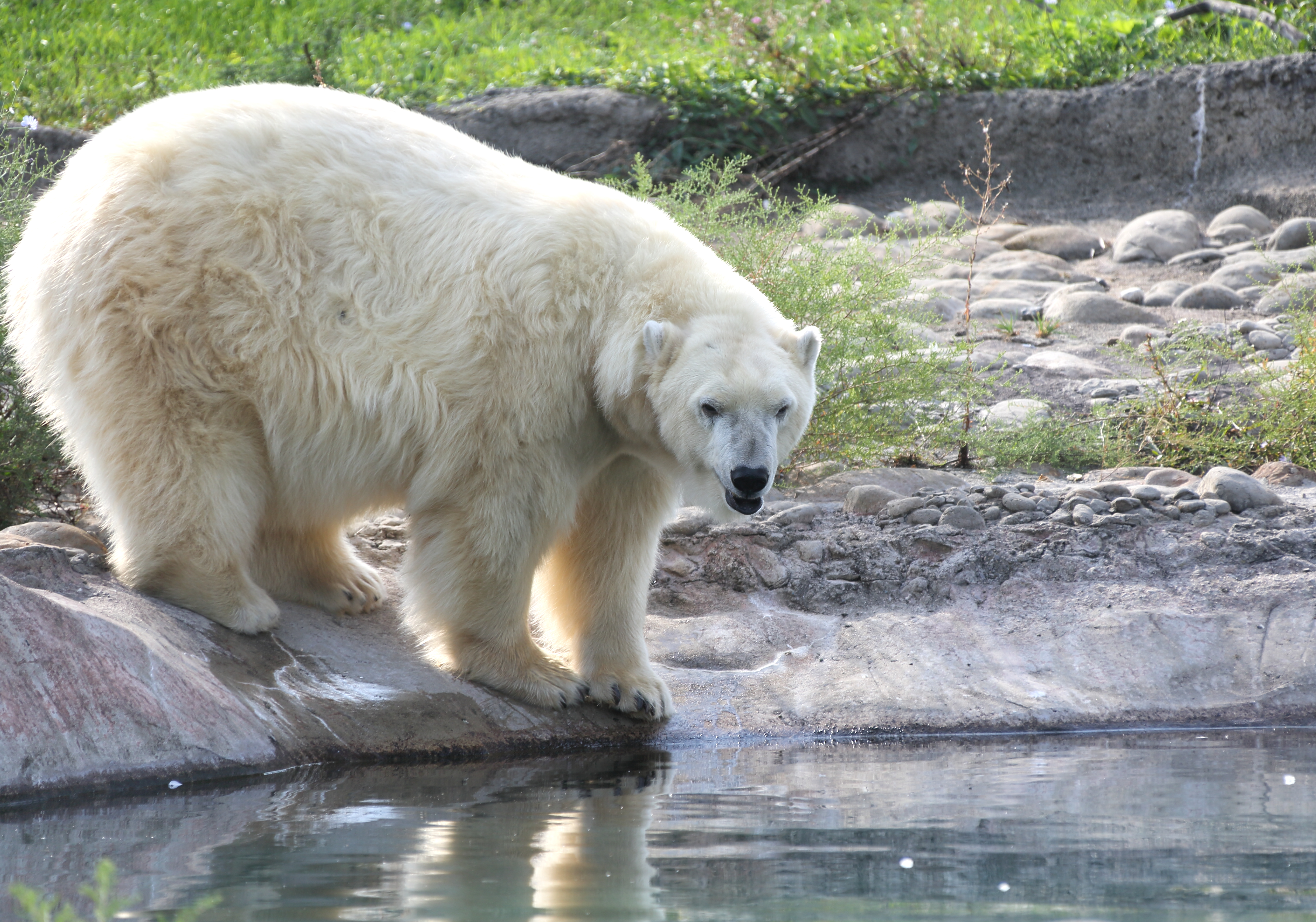
Polar bears are iconic animals, known for their incredible ability to survive in one of the harshest environments on Earth. These marine mammals are the most carnivorous member of the bear family, with a diet consisting primarily of seals. They have a thick layer of fat and waterproof fur, providing insulation in the cold Arctic climate in which they live.

Sea ice is imperative for polar bear survival; they spend the majority of their lives on the ice, relying on it to find a mate, build a den and hunt for seals. In the last 30 years, scientists have seen a dramatic shift in ice within the Arctic Ocean. The amount of “old ice” – ice that stays throughout the summer – is significantly smaller than what it was 30 years ago. The seasonal sea ice is forming later in the year – and melting earlier – directly impacting polar bears’ ability to hunt. As a result, many polar bears aren’t able to build up the fat reserves they need for the summer when food sources aren’t plentiful, and they starve to death.

We know the climate is changing. As humans, we are using fossil fuels such as coal and gas to drive cars and use electricity. These fossil fuels release carbon dioxide into the atmosphere, which builds up and creates a blanket effect around the Earth, trapping in heat that would otherwise escape. This trapped heat is causing global climate change and is impacting many species, including polar bears.

On February 26 and 27, the Detroit Zoo will join others around the world in highlighting the challenges that polar bears are facing in the wild. International Polar Bear Day celebrates these majestic creatures while also encouraging the community to not only better understand the impact we have on the environment, but to join us in taking positive action that will help protect vulnerable species.

Each one of us has the power to make a difference. We can change our daily behaviors and use less energy by seasonally adjusting our thermostats, riding our bikes, carpooling with friends or turning off the lights. We can also scale these actions up to our schools or workplaces by encouraging others to join us in this endeavor. Celebrating International Polar Bear Day is a great reason to start, or to take things to the next level.

Our International Polar Bear Day will take place on February 26 and 27 from 11 a.m. to 3 p.m. The events will include zookeeper talks, educational activities and visits with the Zoo’s polar bear mascot. Talini and Nuka, the two polar bears who reside at the Zoo, will receive their usual treats at scheduled times (11:30 a.m., 1 p.m. and 2:30 p.m.) so guests can watch the bears enjoy them. This is not only a great time to visit the Zoo and the more than 2,000 animals living within our 125 acres, but it’s also a chance to learn more about how we can work together to save wildlife and wild places.

– Carla Van Kampen is a curator of education for the Detroit Zoological Society.