Education: Animal Nightlife

As the summer sun rises and sets, animals notice. Many of the animals that live at the Detroit Zoo are diurnal, meaning they are most active during the day. Gorillas, chimpanzees, butterflies, squirrels and camels are examples of animals that are most active during the day. As the sun sets, they prefer to settle in and sleep the night away.

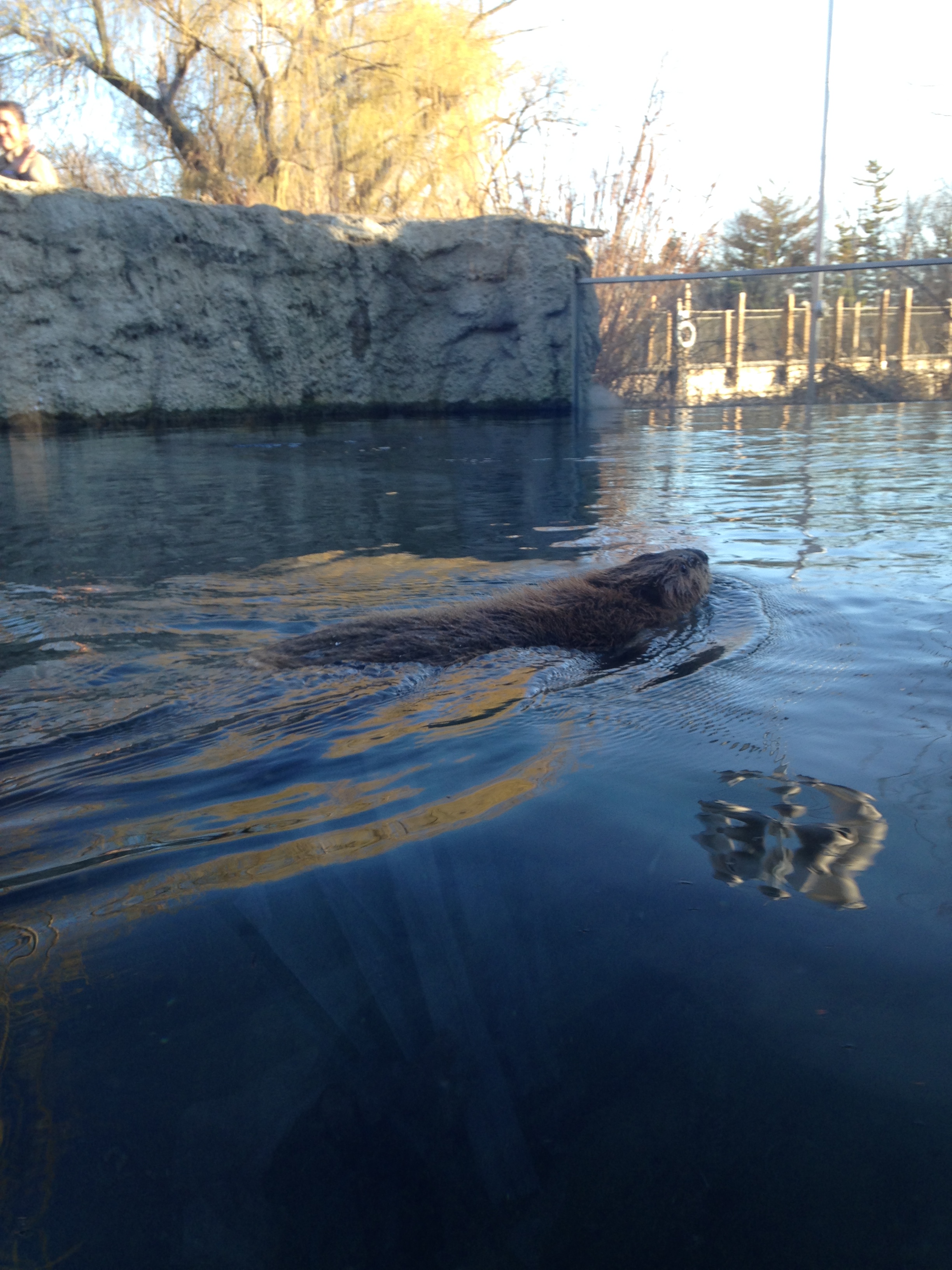
Nocturnal animals include owls, bats, beavers, aardvarks and crickets, to name a few. That’s why you can hear crickets singing during summer nights and why most of us don’t see owls and bats hunting in the dark skies. Nocturnal animals have special adaptations such as enhanced hearing, eyesight and/or sense of smell that help them navigate after dark to find their prey.

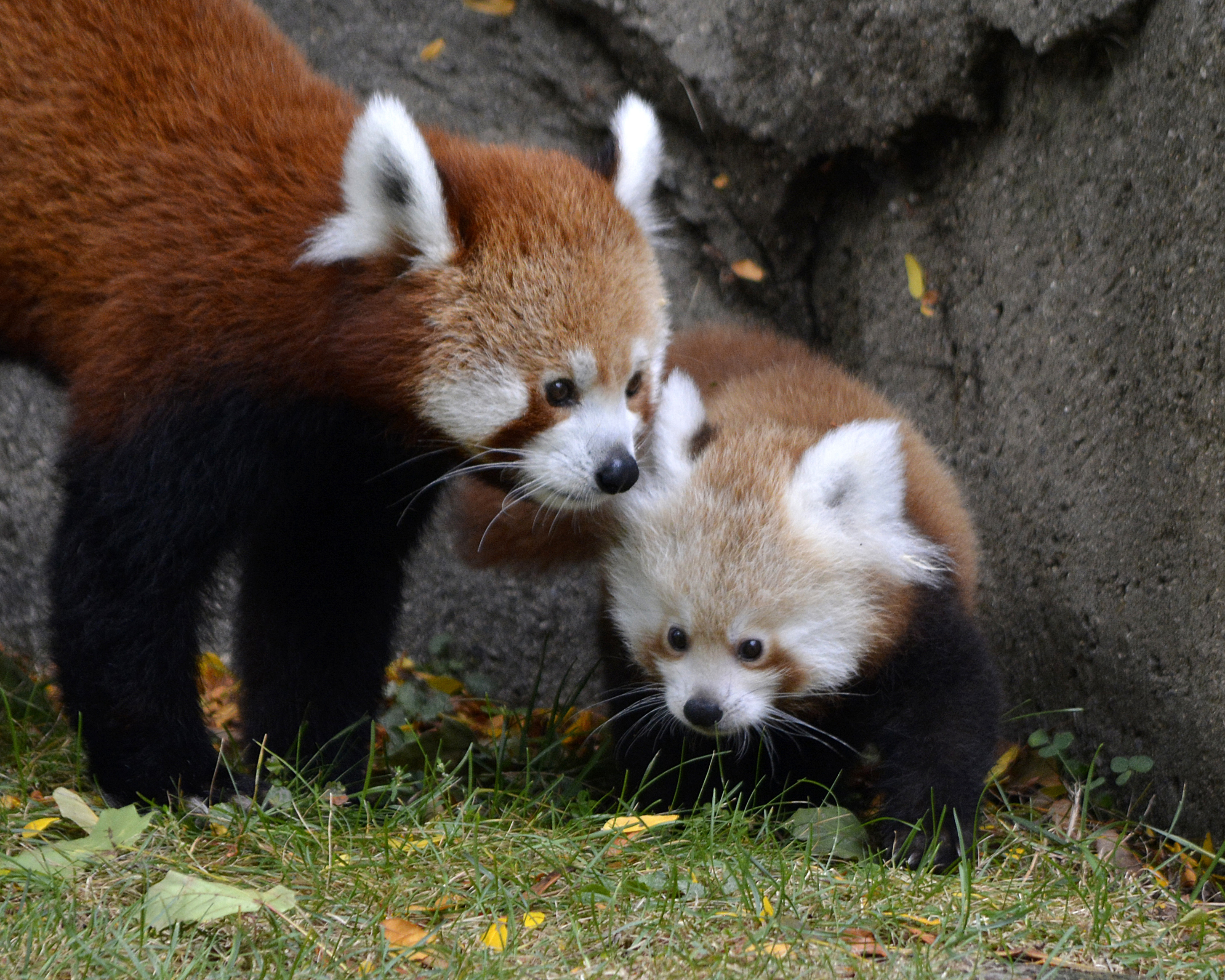
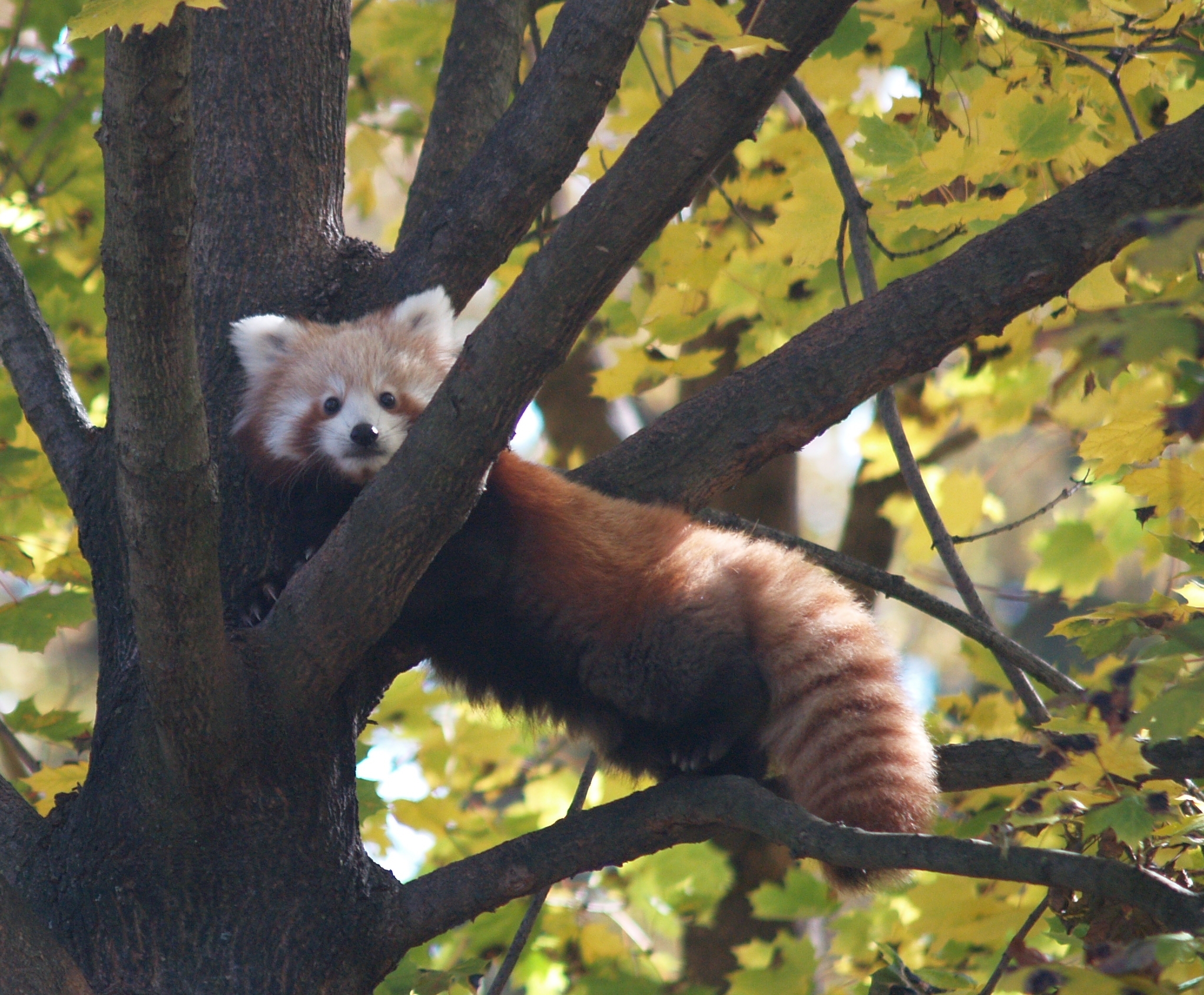
Some animals are crepuscular, meaning they prefer to be active in the twilight hours of dawn and dusk. Deer, red pandas, fireflies and many moths prefer the cooler hours of the day, venturing out while many larger predators aren’t as active.

The Detroit Zoo follows a diurnal schedule; it’s open when humans are most active during the daytime hours. However, there are opportunities for glimpses into the animal dusk- and nightlife. Wild Summer Nights are held on Wednesday evenings in July and August. The Zoo is open until 8 p.m., featuring crepuscular and nocturnal animals, and live bands in the Main Picnic Grove. Youth in first through sixth grades can sign up to participate in Twilight Trails, the Summer Safari Camp evening adventure, to explore animals at dusk and participate in citizen science studies of fireflies or investigate animal adaptations.


You can also explore crepuscular and nocturnal animal life in your own backyard or neighborhood. Watch for fireflies as the sun sets, or rabbits as they search for food in your lawn. Hang a white sheet and shine a light on it, come back an hour later and see what insects have landed on it.

Enjoy the warm summer evenings and all the amazing things they have to offer!

– Claire Lannoye Hall is a curator of education for the Detroit Zoological Society.

Humane Education: Helping Animals in Need

As animal lovers, when we come across an animal in need of help, we want to take action. But when we find an injured or orphaned critter, often times we’re not sure what to do.

Here at the Detroit Zoological Society, we receive emails and calls throughout the year from people who want to aid local wildlife. Although we wish we could provide sanctuary for all animals in need, we are unable to do so in nearly all cases. But we think it’s wonderful that so many people want to assist these sentient beings, so we’ve compiled a list of helpful resources.

The following links contain contact information for reputable organizations and rehabilitators that are able to provide support. Download the app and jot down the phone numbers found in the links. You can keep a copy on hand so that the information is available should a need arise.

  • Animal Help Now App – Find contact information for nearby emergency wildlife assistance across the U.S., including wildlife rehabilitators, rescues and veterinarians.
  • All Species Kinship Wildlife Hotline – (877) 596-7776

Remember if you come upon an animal that you think needs help, don’t address the situation without first reaching out to a professional for his or her advice. If ever you’re in doubt, call an expert.

– Lisa Forzley is a curator of education for the Detroit Zoological Society and oversees the Berman Academy for Humane Education. Learn more about the Academy, which was created to help people help animals and offers a broad range of engaging programs, at http://detroitzoo.org/education/humane-education.

Education: Penguin Center offers Wealth of Learning Opportunities

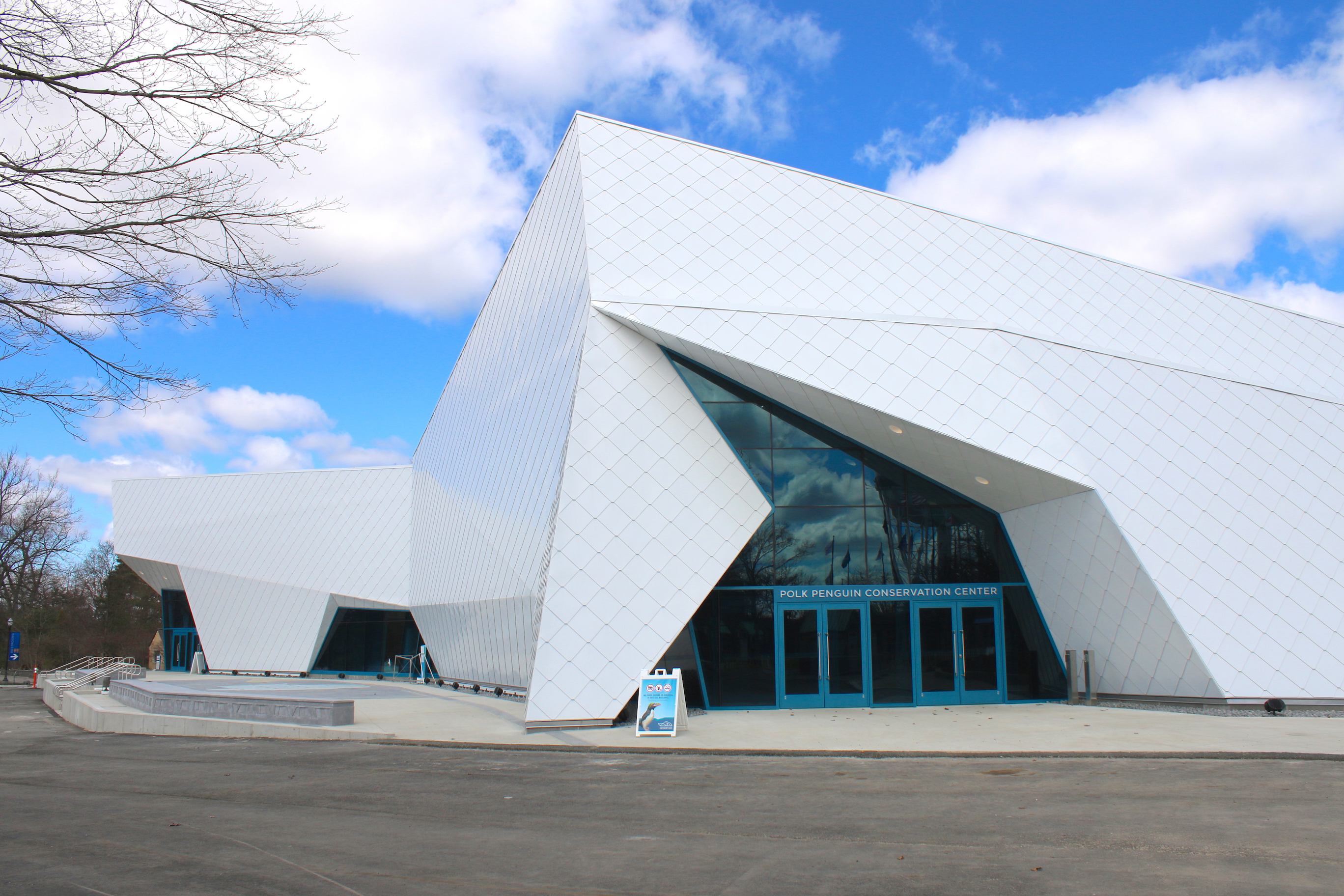
The Polk Penguin Conservation Center is not only a state-of-the-art facility for penguins – the largest of its kind in the world – but it also contains a wealth of educational information about Antarctic explorers, modern-day researchers, and the incredible, fragile ecosystems at the bottom of the Earth.
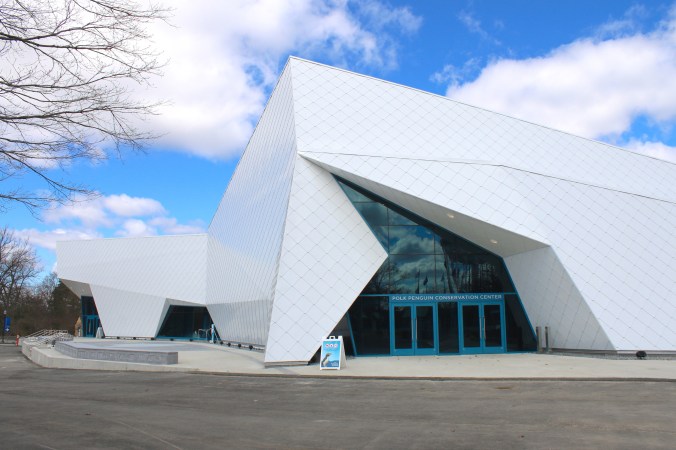
During a visit to this incredible facility, visitors first enter the South American Gallery and are “met” by Sir Ernest Shackleton and the crew of his legendary ship, the Endurance. Shackleton led the ill-fated 1914 expedition to complete a transcontinental crossing of Antarctica. The endeavor became a survival story when his ship became trapped, and eventually crushed, by ice in the Weddell Sea. A dock scene tells the incredible survival story of the Endurance crew.

As you descend the entrance ramps and venture further into the penguin center, you “board” Shackleton’s Endurance and cross the Drake Passage to Antarctica. You may be met with a calm sea at day, a starlit night sky or the Drake’s notorious rough seas. Continuing down the ramps, you cross the Antarctic Convergence, which occurs when the moist air above the Atlantic, Pacific and Indian Oceans meet the frigid air above the Southern Ocean. The mixing of warm and cold air causes the moisture to condense and create fog. As you make your way below deck, portholes show glimpses of Antarctic wildlife including orcas, krill and leopard seals.

After passing through the acrylic underwater tunnels and the Underwater Gallery, the path brings you to a world of ice. Spotlight on Science showcases the research of world-renowned polar ecologist and penguin expert Dr. Bill Fraser, head of the Polar Oceans Research Group, and the importance of sea ice for the Antarctic ecosystem. Food sources for many species in the Antarctic region require sea ice for survival. Understanding these ecological changes caused by the shifting formation of sea ice can help us protect ecosystems in the future.

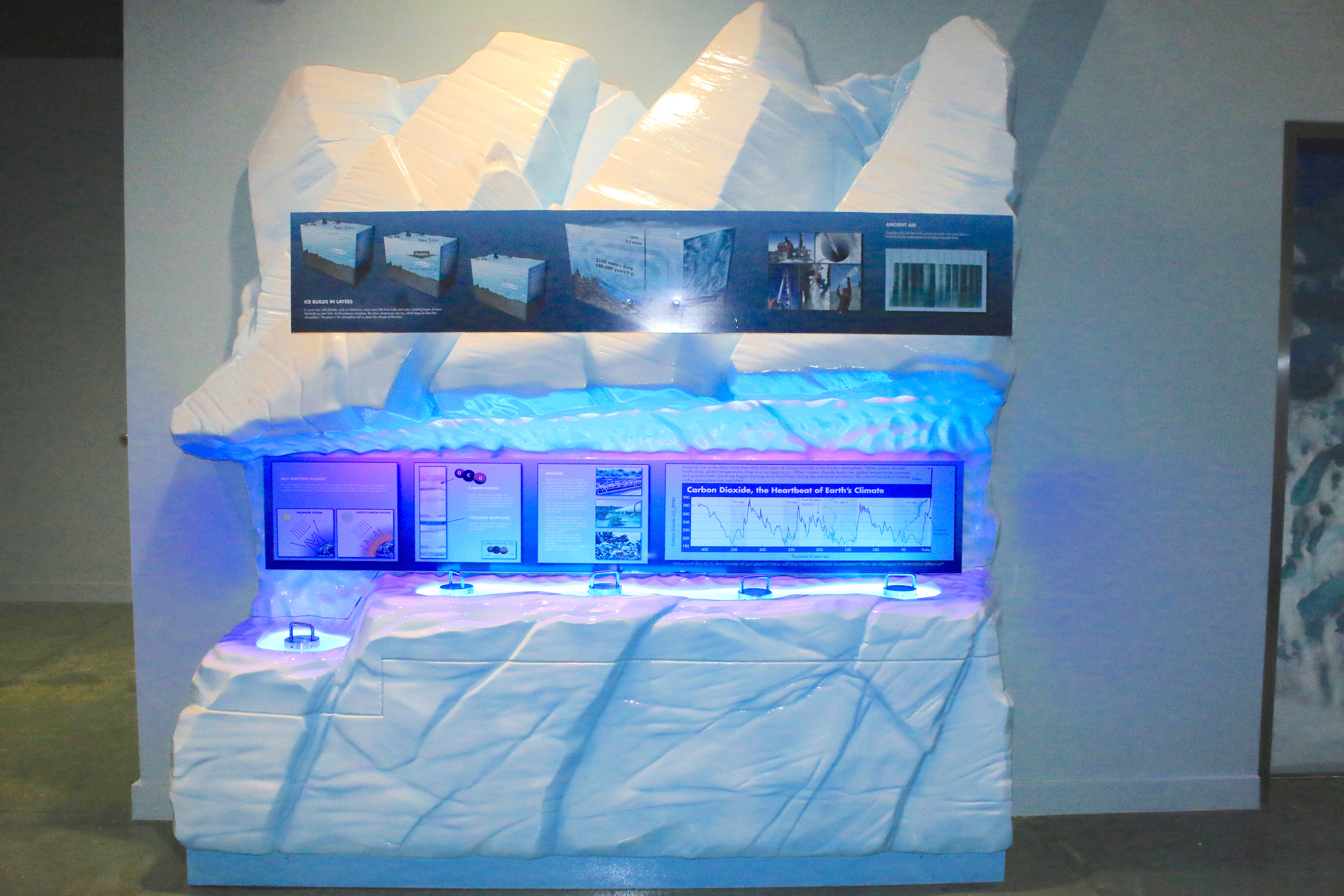
Across the cavernous room, Ice Core Investigations allows guests to explore ice cores, an important tool in uncovering the history of the Earth’s climate. Ice cores are drilled and excavated from thousands of years of compressed snow that has turned to ice. The air pockets trapped between layers serve as a record of what gasses filled the atmosphere over time, allowing us to compare different periods of climate history.
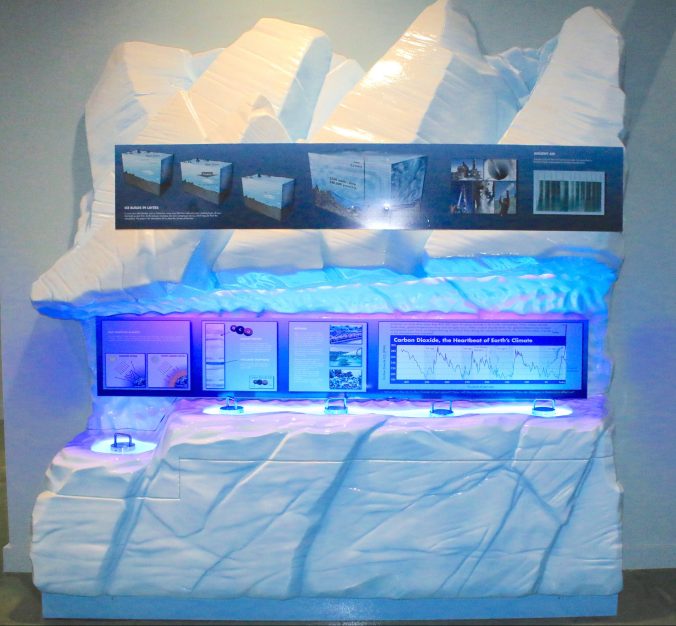
Watch for calving glaciers as you climb the stairs to the Antarctic Gallery. A glacier is a very large piece of ice that is pulled across land by gravity like a slow conveyor belt. Reaching the ocean, ice breaks off from the rest of the glacier and falls into the sea during a process known as calving.

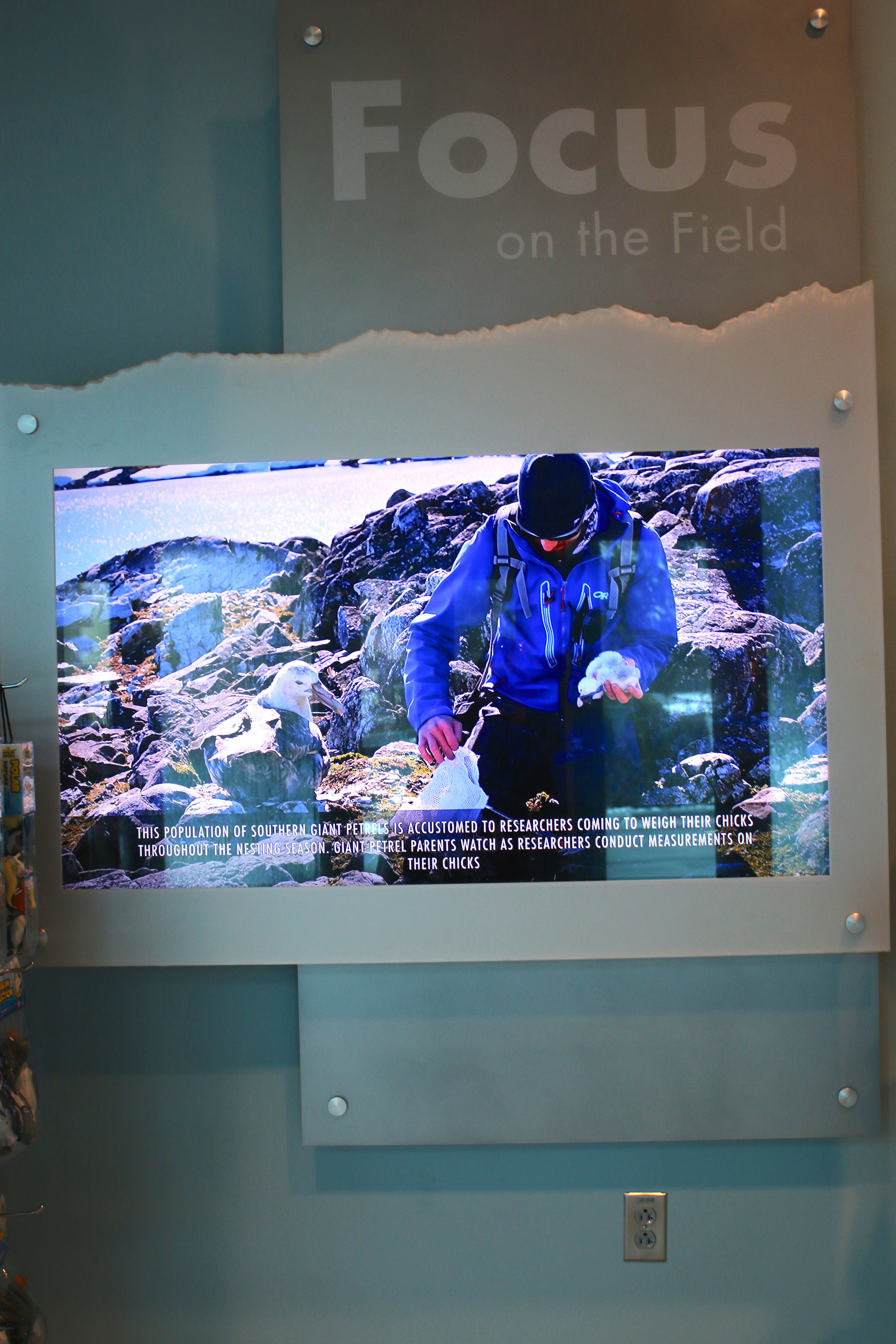
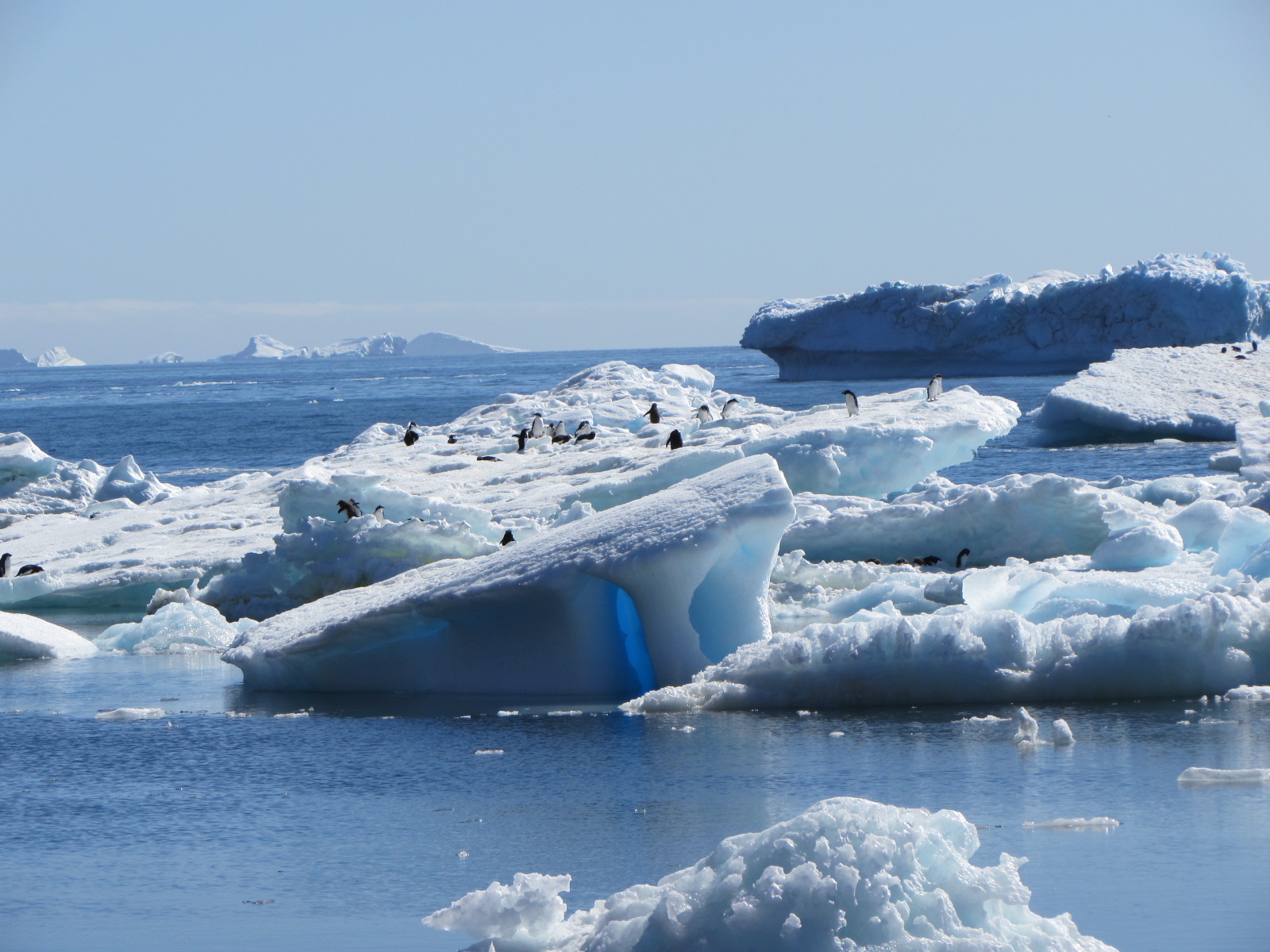
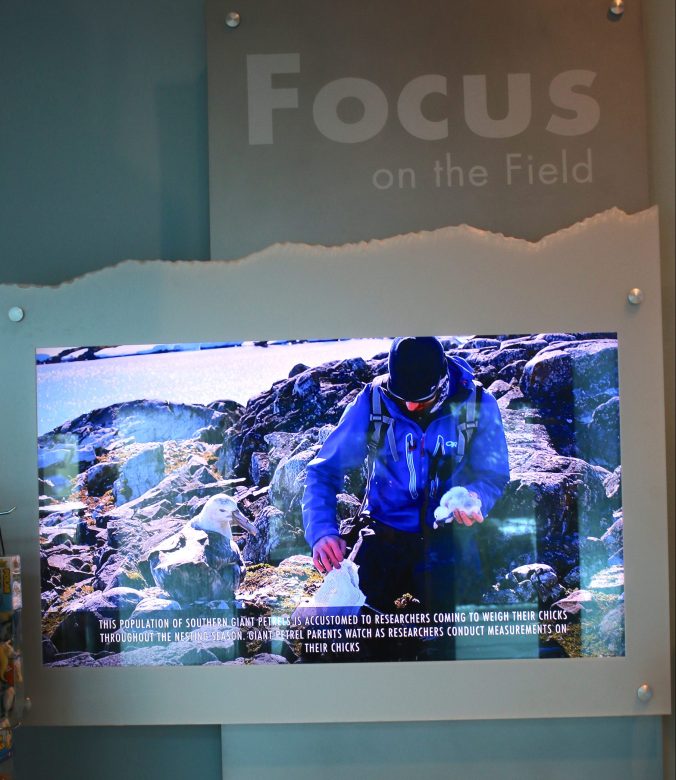
Just outside the Drake Passage Gift Shop, Focus on the Field features the Detroit Zoological Society’s own Matthew Porter, a bird department zookeeper who had the rare and extraordinary opportunity to spend the 2015-2016 austral summer doing field work for the Polar Oceans Research Group in Antarctica. Matthew studied adélie penguins, chinstrap penguins, gentoo penguins, brown skuas, south polar skuas and southern giant petrels.
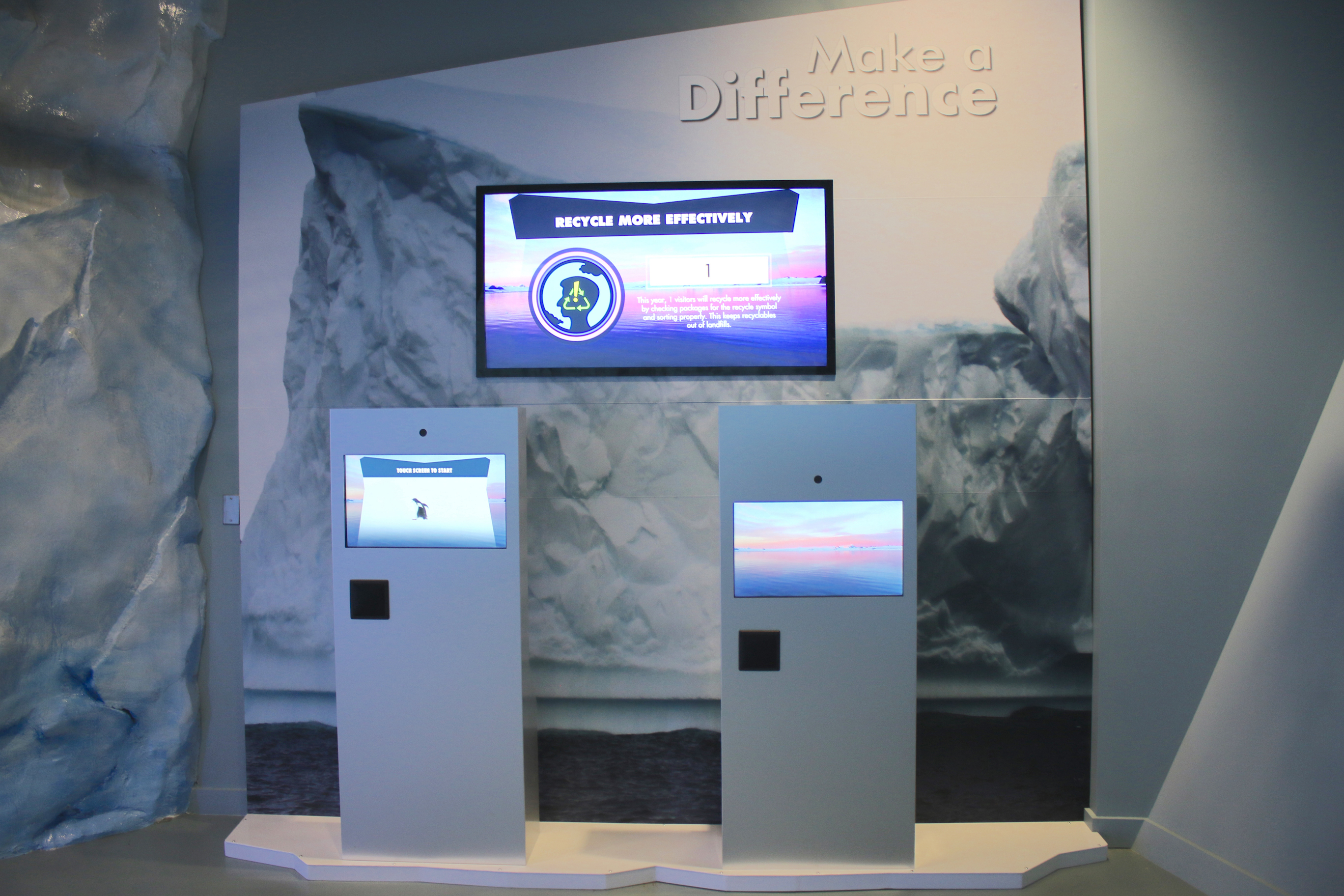
Learning about the Antarctic ecosystem while journeying through Polk Penguin Conservation Center may compel you to want to help in some way. Before exiting the penguin center, visitors have the opportunity to Make a Difference in the Antarctic Gallery. The Make a Difference kiosks guide you in finding ways to help. Whether it is buying your groceries locally, changing your home lighting to energy-efficient light bulbs, or riding your bicycle to work, you can make a difference with every step you take. The machines allow for you to take a picture of yourself, which is then placed onto a digital card that includes your pledge as well as facts about sustainability and the hashtag #MakeADifference. The digital card is emailed to you, with the option of also posting to social media sites to share with your friends and family.
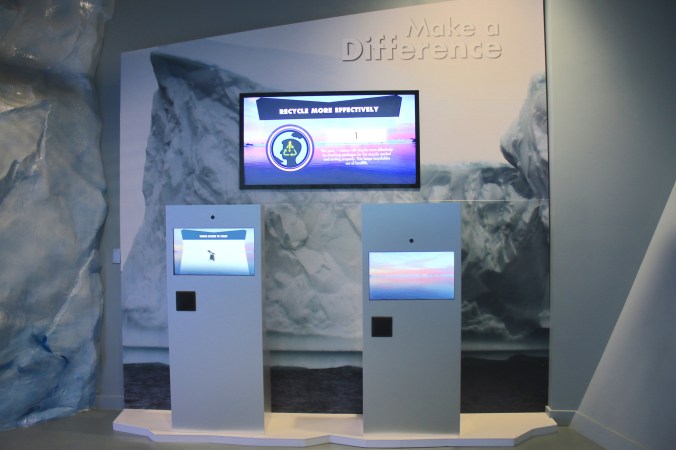
All those who pass through the Polk Penguin Conservation Center have the ability and opportunity to join us in our mission of Celebrating and Saving Wildlife and leave a lasting, positive impact on the Earth.

– Claire Lannoye-Hall is a curator of education for the Detroit Zoological Society.

Education: Constructing School Kitchens in Peru

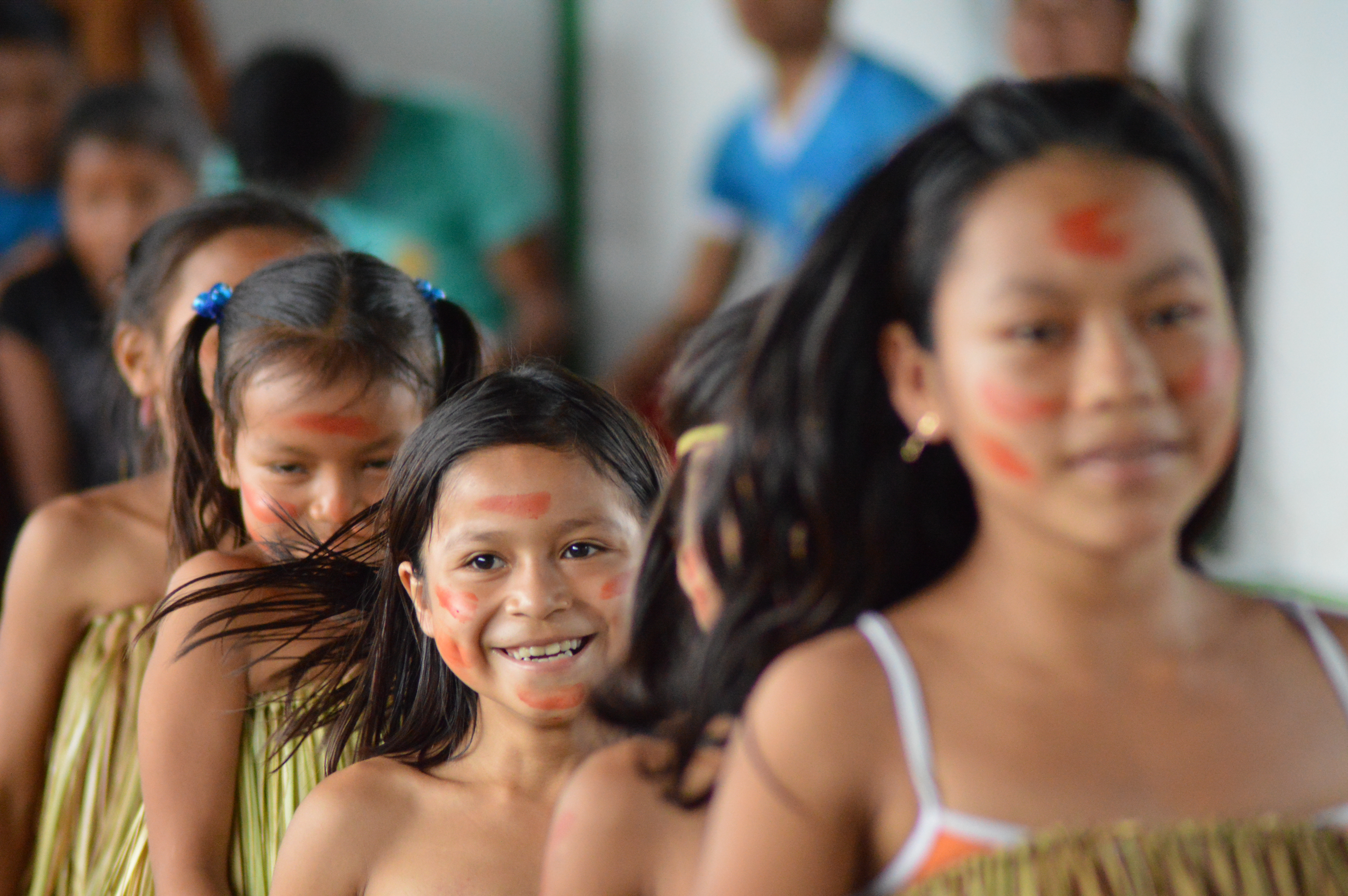
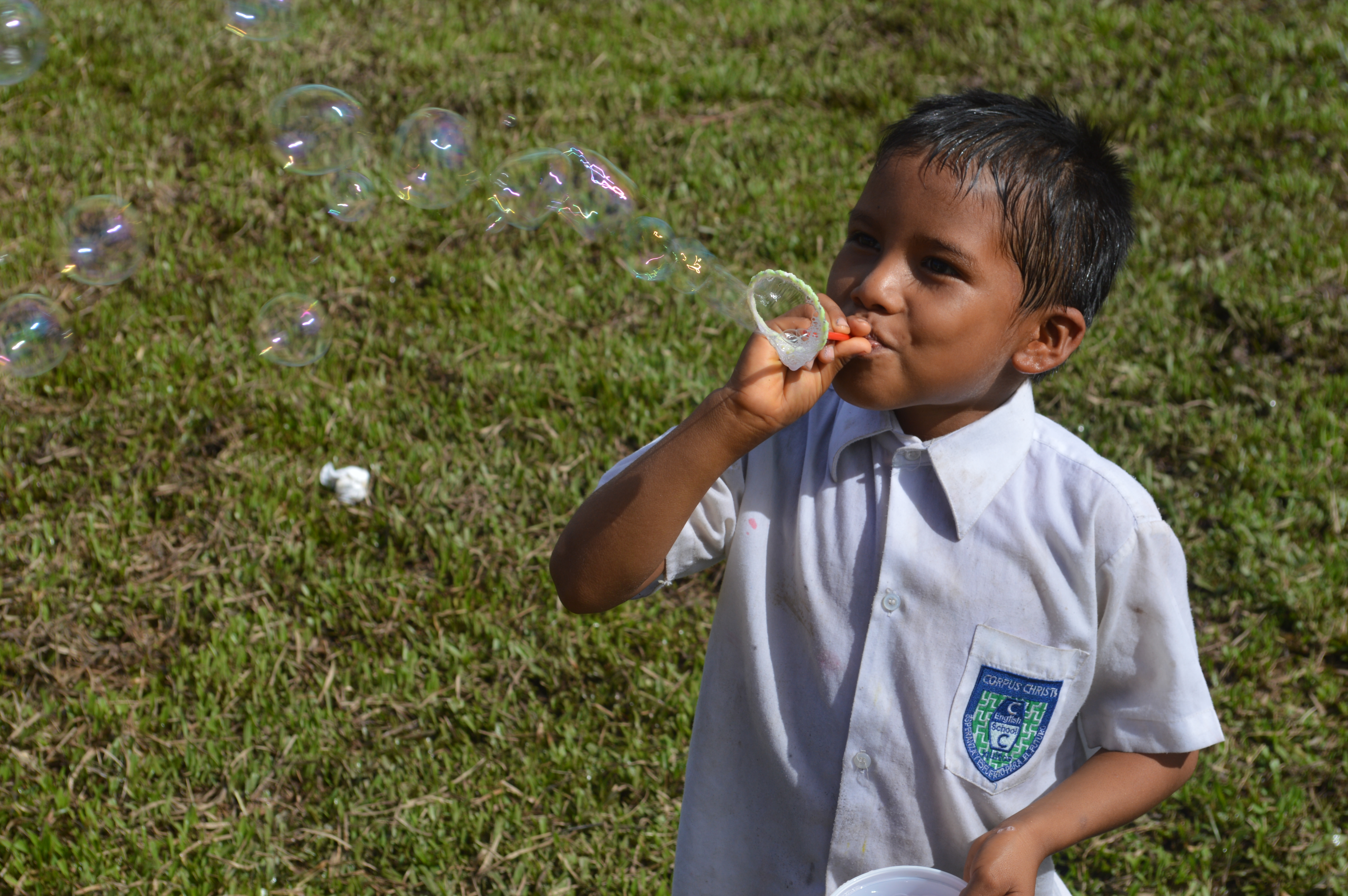
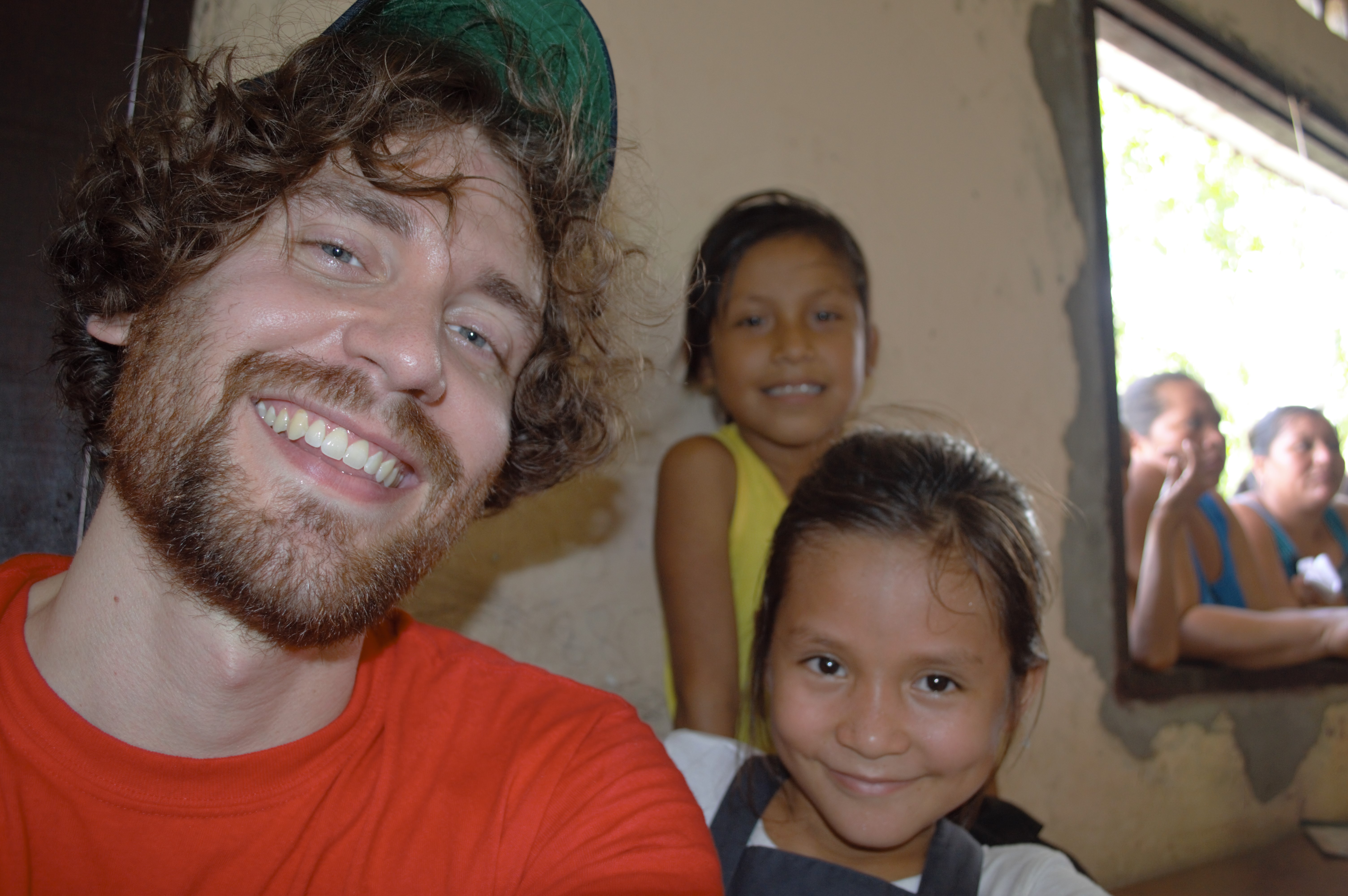
During the second week of our visit to Peru as part of the Adopt-A-School program, we continued to deliver donated school supplies to our final eight communities along the Amazon and Napo rivers. Students and teachers received pens, pencils, rulers, notebooks, textbooks and more that will assist with making learning accessible and achievable. The students showed their appreciation for this invaluable academic support by thanking the volunteers and giving presentions cultural performances, many of which include ecological messages.

As part of the Adopt-A-School program, community partners must commit to following these requirements:

  • Children must go to school regularly
  • Conservation and preservation of the Amazon Rainforest must be standard community practice
  • Communities must be kept clean
  • Productive projects such as medicinal gardens or crops must be maintained in community spaces

Creating reverence and respect for the natural world starts in childhood, is re-enforced through schools and grows into adulthood. In some of the long-standing Adopt-A-School communities, some former program participants now have children within the program, further expanding conservation and preservation as a family value.

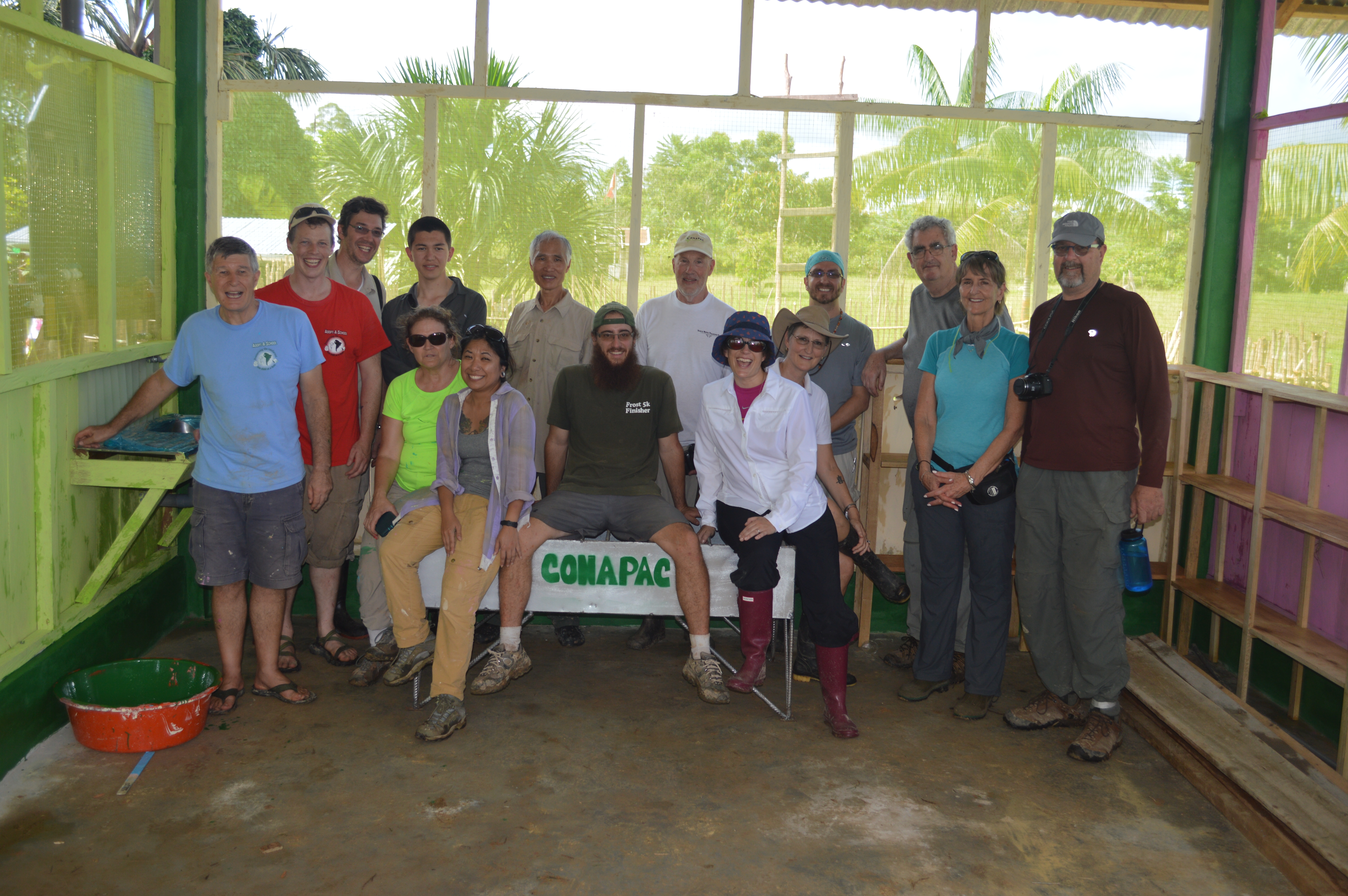
In addition to school supply deliveries, the second week of the Adopt-A-School visit includes a service project. This year’s project is taking place at Centro Unido and includes constructing a school kitchen for the government-funded Qali Warma (Quechua for “strong child”) meal program. This will allow parents to cook both breakfast and lunch every day at school to further incentivize attending class by providing meals, while making learning easier by removing hunger as a distraction.

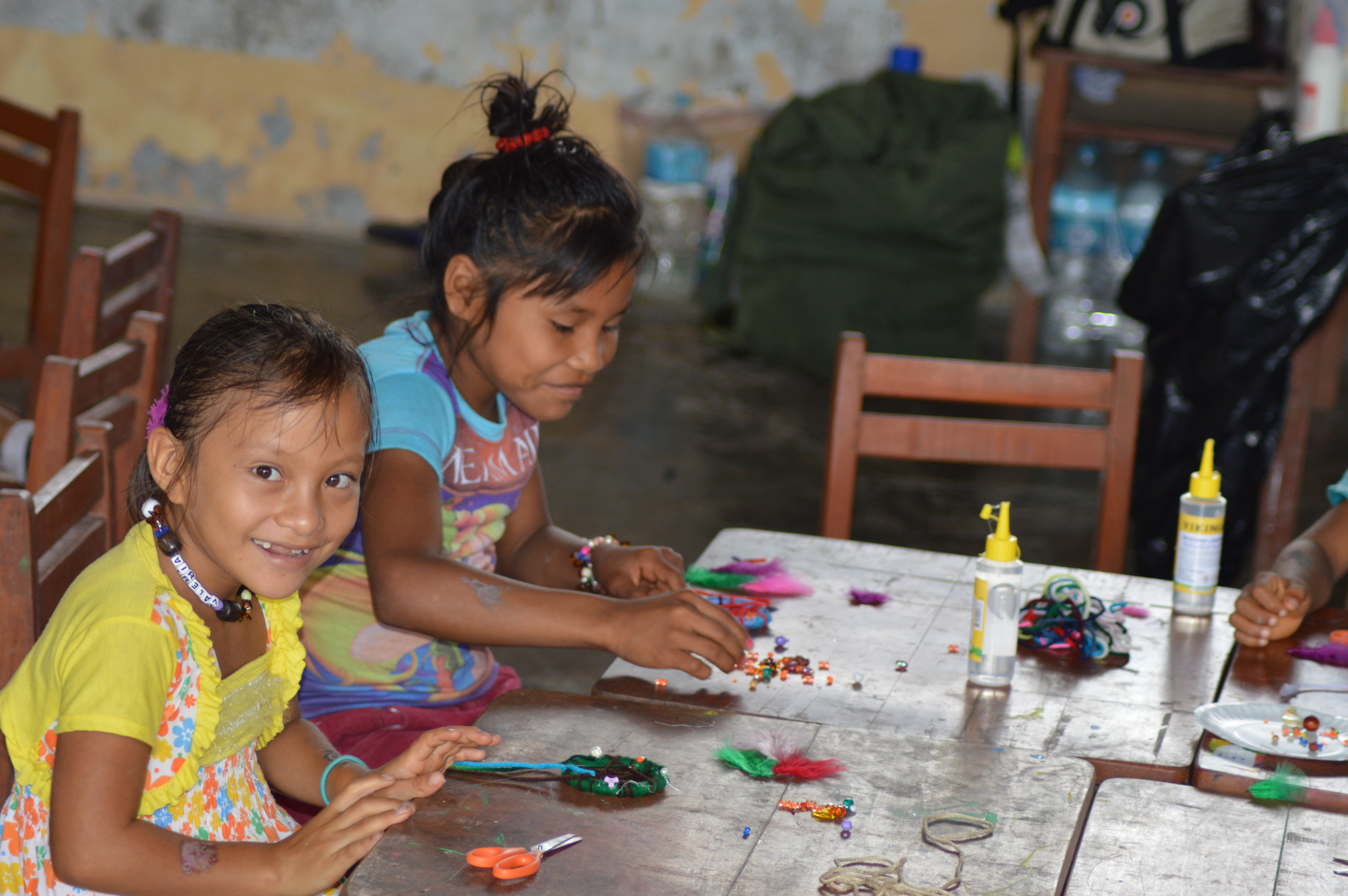
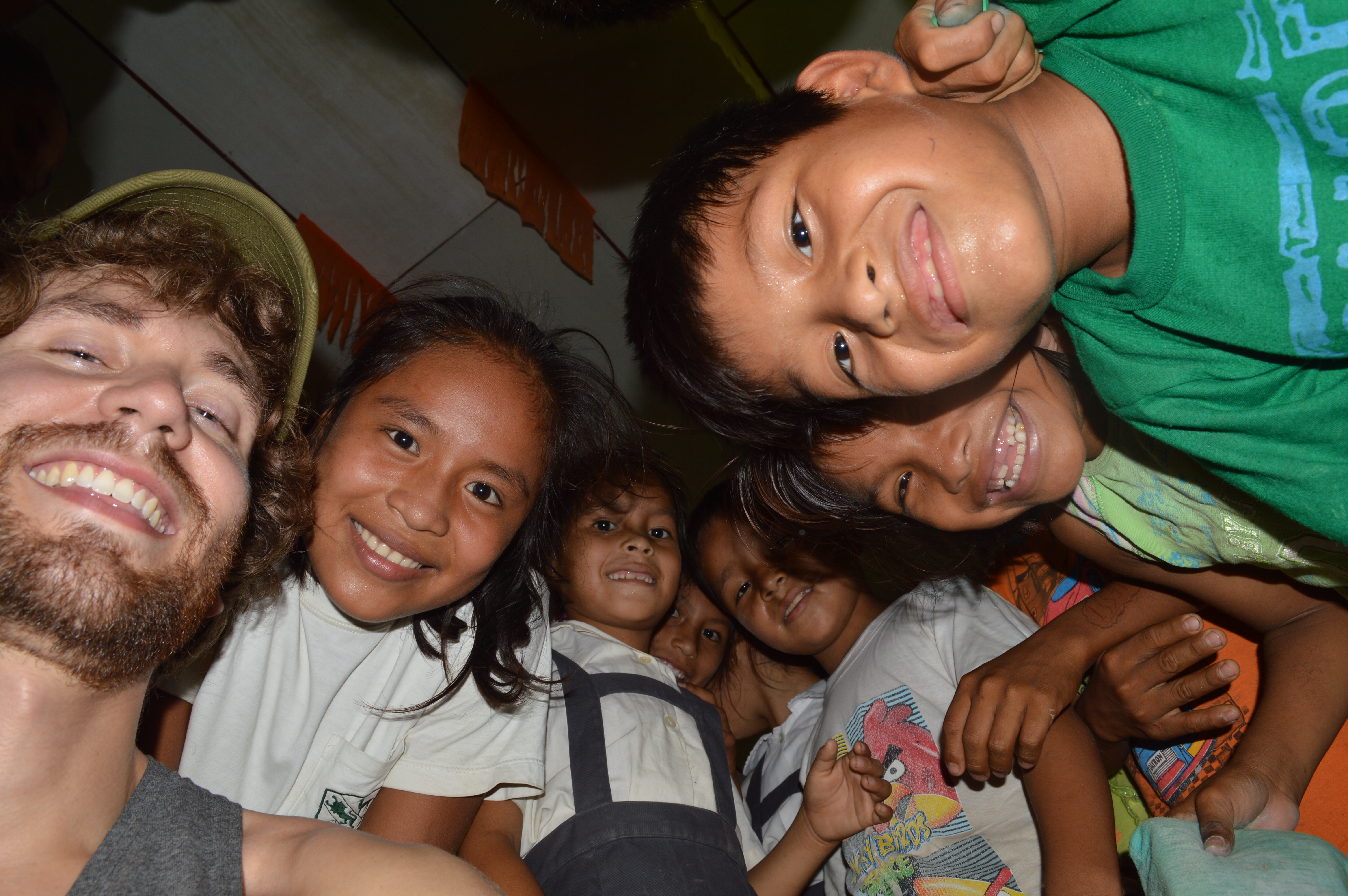
While construction is going on, some volunteers work with the children, providing individualized attention that is hard to come by in a classroom setting. We do many crafts and art projects with the students, exposing them to different learning experiences that are sometimes missing in the rote learning style of Peru. This opportunity to interact one on one with students creates new friendships and many memories.

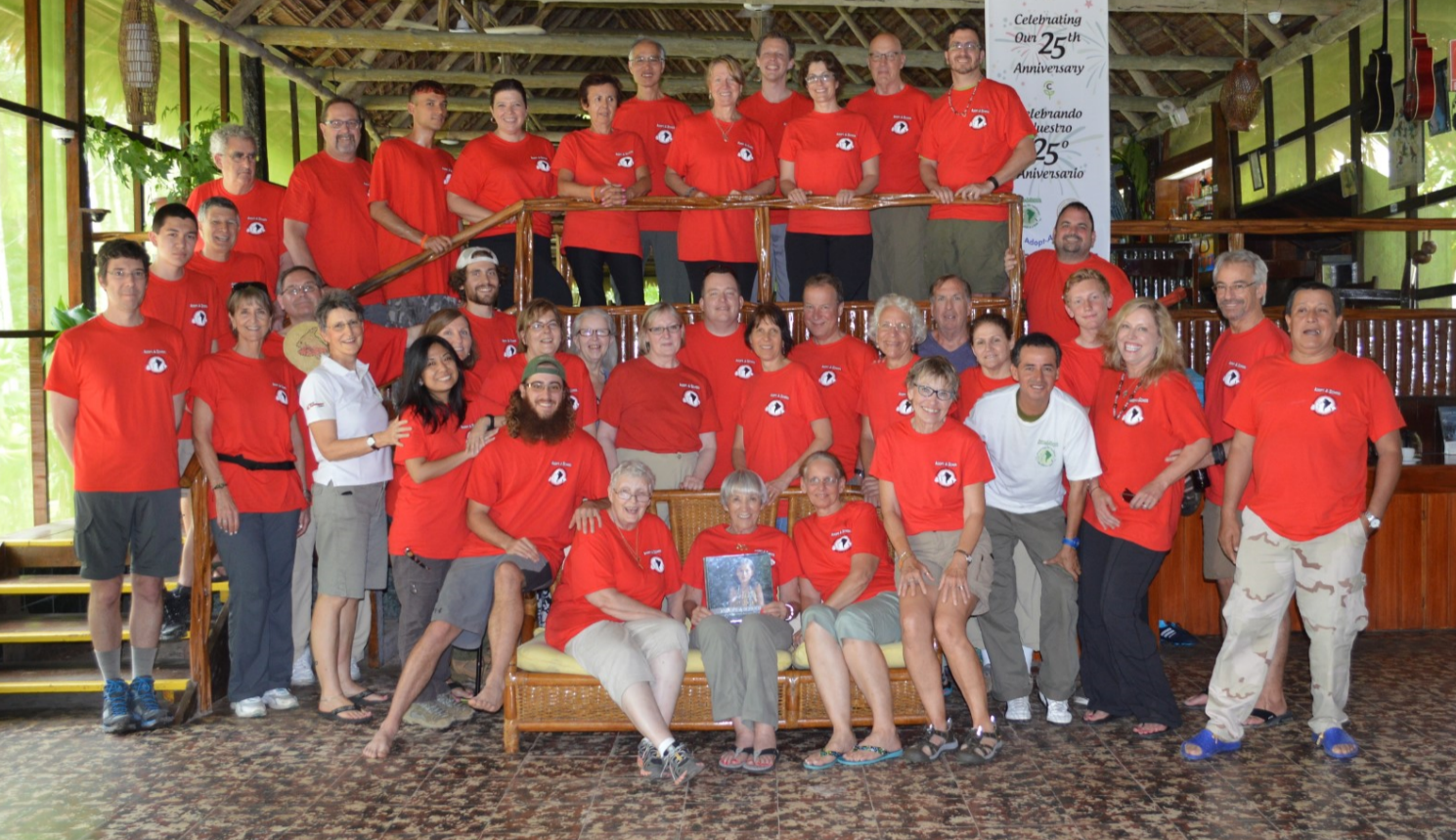
As this Adopt-A-School volunteer trip comes to an end, it is hard to say goodbye to all of the people we’ve met in Centro Unido as well as the volunteers who have committed their time, energy and finances to making this program a possibility. A big thank you goes out to all who made the 2016 Adopt-A-School school supply deliveries and service project a great success!

Are you interested in preserving the rainforest, one child at a time? For more information on Adopt-A-School donations and volunteer opportunities, please visit http://detroitzoo.org/support/give/adopt-a-school.

– Adam Dewey is an education specialist for the Detroit Zoological Society.

Education: Preserving the Rainforest, One Child at a Time

We’re off to Peru for the 24th year of Adopt-A-School, a program that empowers the citizens of the Amazon rainforest to conserve and protect this globally vital ecosystem.

For this journey, I am joined by fellow Detroit Zoological Society Education Specialist Ben Connor Barrie and 20 volunteers from the U.S., Canada, and as far as Australia. We will be making deliveries of school supplies to communities along the Amazon and Napo rivers.

An average day begins with us packing the four “rapidos”, or fast boats, with school supplies. The volunteer team splits up into small groups and each heads out in a different direction to deliver the supplies. The children often come running to the riverbanks to greet us while adults play traditional Amazonian music on drums and flutes. Once the school supplies are moved into the schools, we begin the ceremonies with speeches, dances and more music.

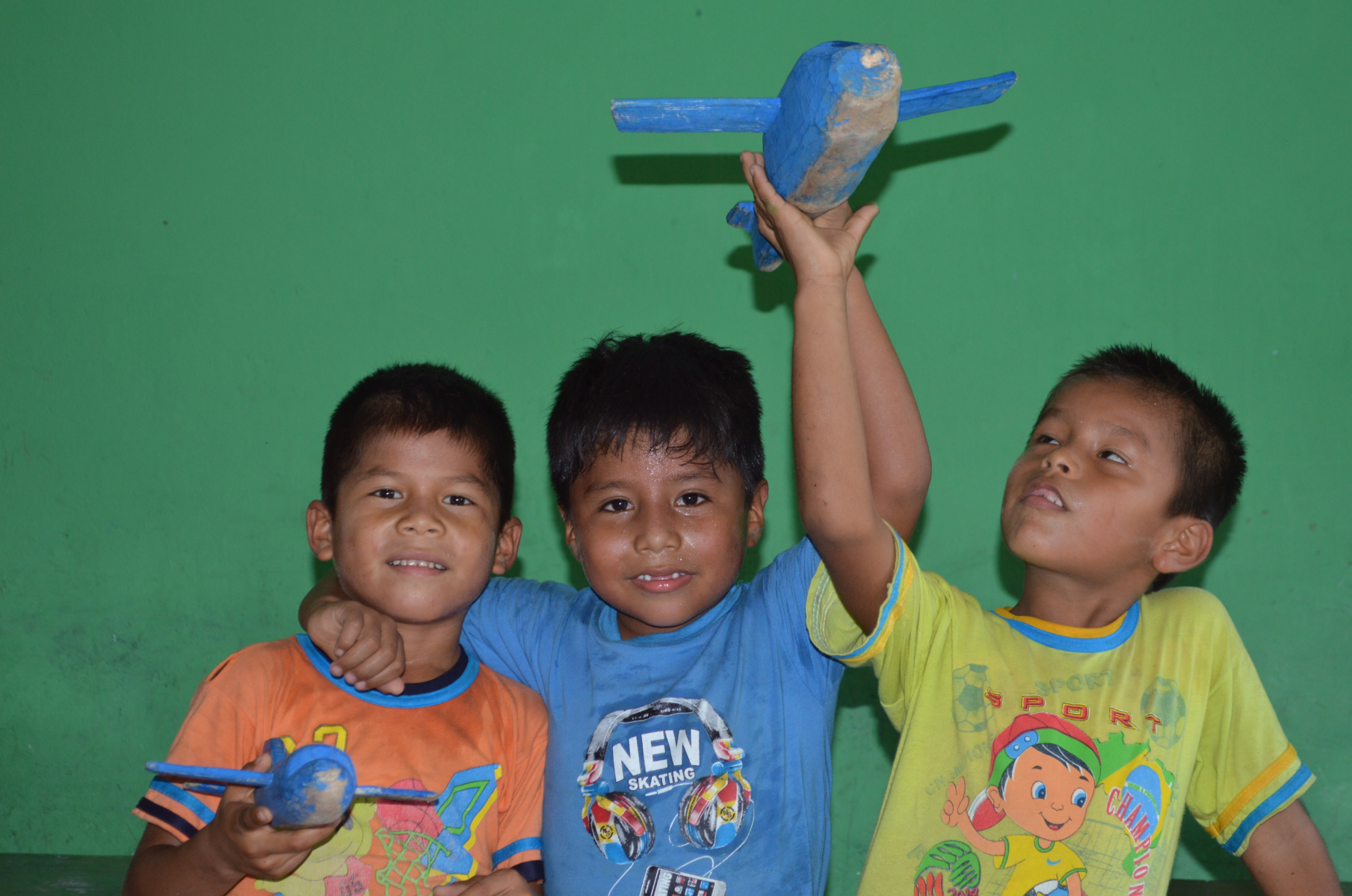
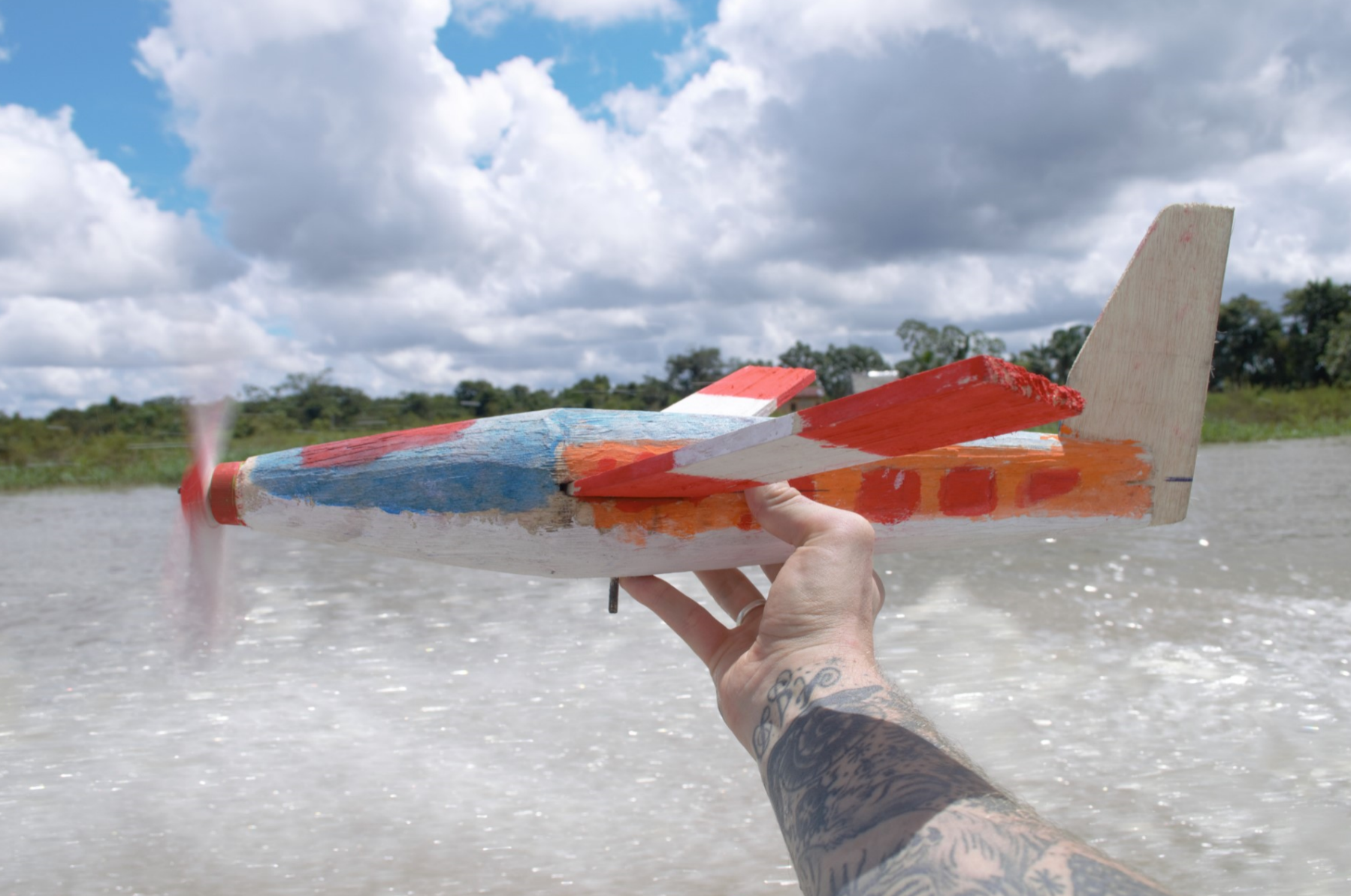
During one of these deliveries, I was lucky to return to a community that is very special to me. Pucallpa is home to many students I’ve become attached to, as it was the first location I traveled to on a service project three years ago. During my last visit to Pucallpa, I had some down time after program evaluations and took up with a few elementary-aged boys who were playing with their balsa wood airplanes. We zoomed around making plane noises through the school and into the schoolyards. One young boy remembered this and wanted me to do it again. He disappeared for a few moments before returning with one of his balsa wood airplanes. He handed it to me and said it was a gift for me. This was by far one of the most special gifts I have ever received from anyone, as it was truly given from the heart.

The global importance of this region cannot be stated enough. It is home to a massive variety of life and produces much of the world’s oxygen. The people who call this region of the world home are crucial partners in conserving the Amazon rainforest. This international collaboration is preserving the rainforest, one child at a time.

For more information on Adopt-A-School donations and volunteer opportunities, please visit http://detroitzoo.org/support/give/adopt-a-school.

– Adam Dewey is an education specialist for the Detroit Zoological Society.

Education: What is a Species Survival Plan?

Red pandas Ta-Shi and Shifu have produced several adorable cubs at the Detroit Zoo, most recently little Tofu. North American river otters Whisker and Lucius have sired a couple pups and reticulated giraffes Kivuli and Jabari are well known for their now 13-foot-tall calf Mpenzi. Pairings like these and the offspring that follows are not by chance; each is carefully planned out and managed through what is known as a Species Survival Plan (SSP).

The 230 accredited zoological institutions that comprise the Association of Zoos & Aquariums (AZA) work together through these cooperative management programs to ensure genetically healthy, diverse and self-sustaining populations of threatened and endangered species. More than 450 species are apart of an SSP throughout zoological institutions in North America, overseen through a comprehensive population management system, which includes a Studbook and a Breeding and Transfer Plan. Each of these identifies population management goals and makes recommendations to ensure the sustainability of a healthy, genetically diverse and demographically varied animal population.

The Detroit Zoo has individuals from 98 of these species under its care, including 38 birds, 30 mammals, 24 reptiles, four amphibians, one fish and one invertebrate. Many of these species are animals that require immediate attention to save the remaining wild populations. Our cooperative breeding efforts have proven extremely successful – for example, the Detroit Zoo has been credited with restoring the population of a Tahitian land snail called partula nodosa, once extinct in the wild. Additionally, in May of last year, 22,571 Puerto Rican crested toad tadpoles bred at the Detroit Zoo were released into the wild of Cabo Rojo, Puerto Rico. In 2014, a record 3,945 Wyoming toad tadpoles bred at the Detroit Zoo were released into the wild. This long-running effort was previously recognized as No. 1 on the AZA’s list of the Top 10 wildlife conservation success stories.

AZA institutions and partners work together to carefully monitor SSP species both in the wild and in zoo populations. Organizations will often move SSP animals to other zoos and aquariums so they can mate with individuals to ensure a long-term healthy future for the species. Breeding recommendations are made with consideration given to each animal’s social and biological needs as well as transfer feasibility.

Be sure to look for the SSP logo on animal signage as you explore the Detroit Zoo on your next visit. Each time you see the logo, you’ll know that there are countless individuals working at zoos, aquariums and in the field around the world to do everything we can to save and rebuild the remaining populations of these species.

Education: Spring has Sprung!

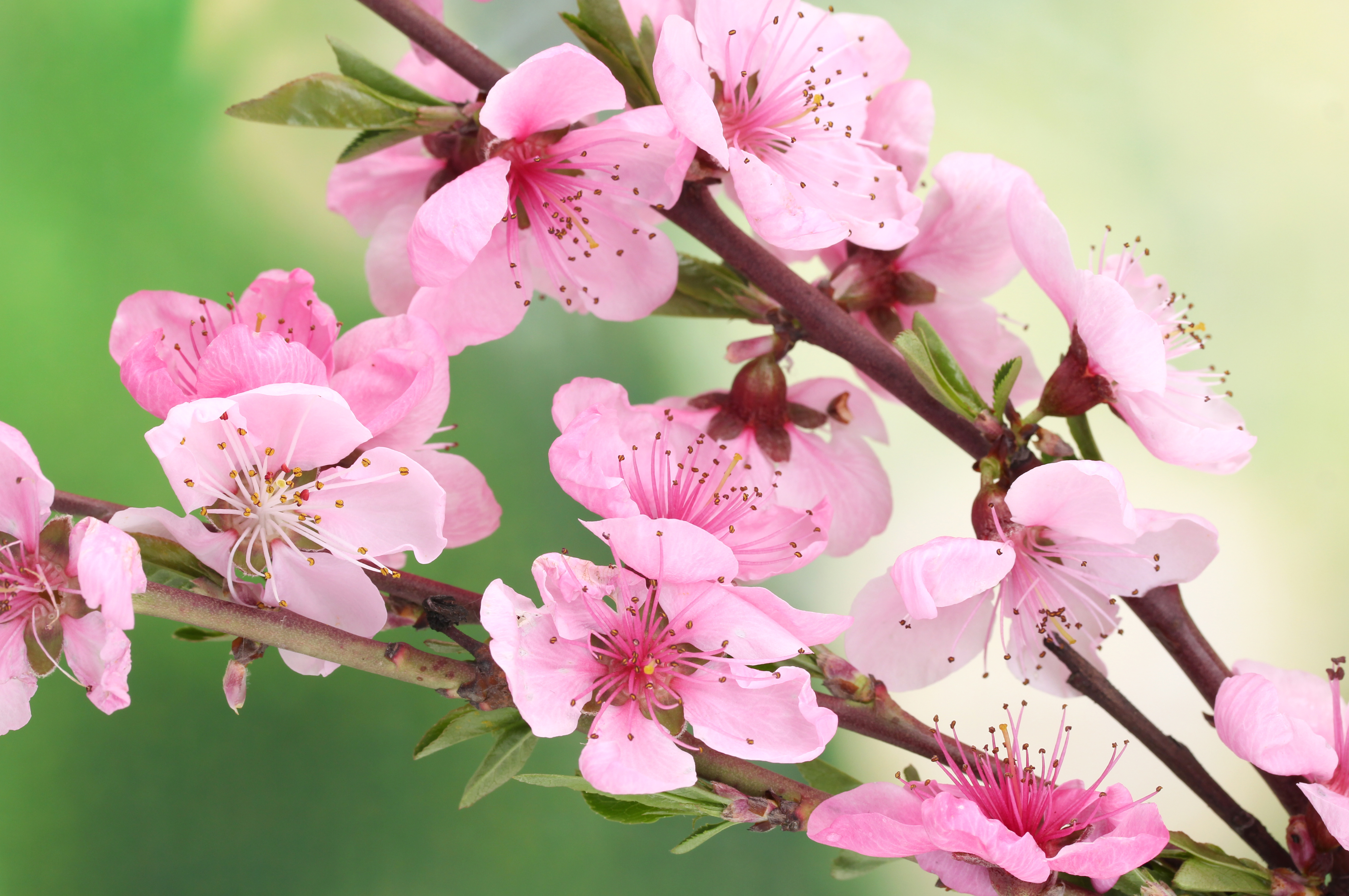
Phenology is the study of seasonal changes, especially in relation to plant and animal life. Plants and animals depend on these predictable changes to know when to migrate, nest, bloom, leaf out and so much more. People celebrate phenology-related events, such as cherry blossom festivals and monarch butterfly migrations. Before weather predictions were delivered to our email inbox or through an app on our phone, people used to watch for signs in nature to know just the right time to plant their crops or harvest their fields.

Phenology is an essential part of life on earth. As our global climate changes, some cyclical changes are becoming out of sync. Pollinators such as bees and butterflies may respond to earlier-than-usual warm temperatures and find the flower blooms they rely on for nourishment may not be blooming. If birds follow warmer temperatures and return to a nesting area before the bugs emerge, they could go hungry.

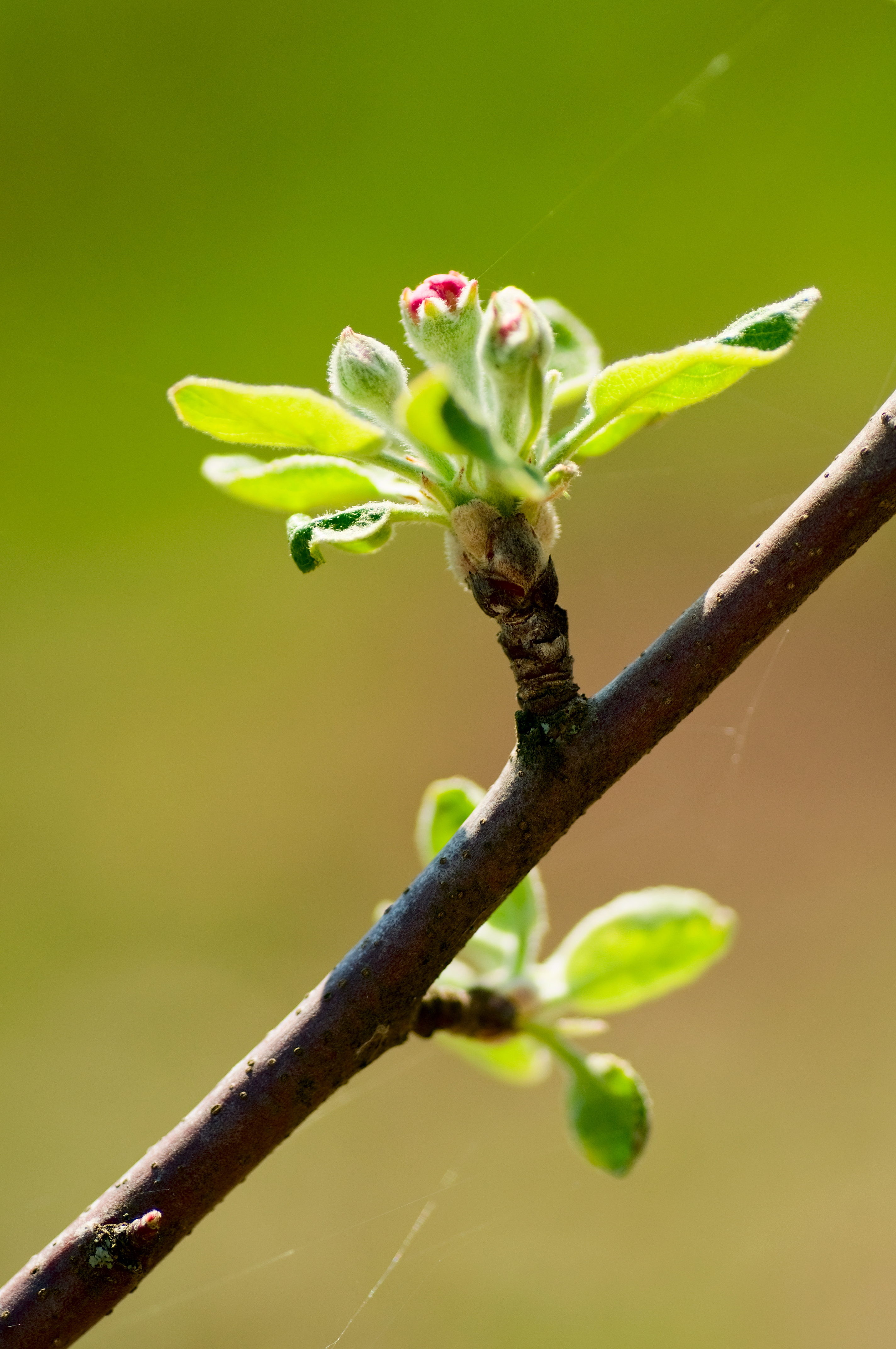
Scientists are studying these changes and collecting as much data as they can from all over the world. They are counting on citizens like you and me to help. The USA National Phenology Network is a great resource to learn about phenology and how you can report observations that will help scientists track long-term seasonal changes. Project Budburst is another great resource. This online repository is limited to plants, but it has a wide selection of plant species that you can observe, record data on, and report your findings about to help scientists. Chances are you can find a plant or tree in your yard or neighborhood that Project Budburst would like information on. At the Detroit Zoo, we’re observing and reporting on the flowering crabapple trees that line the walkways by Rackham Fountain.

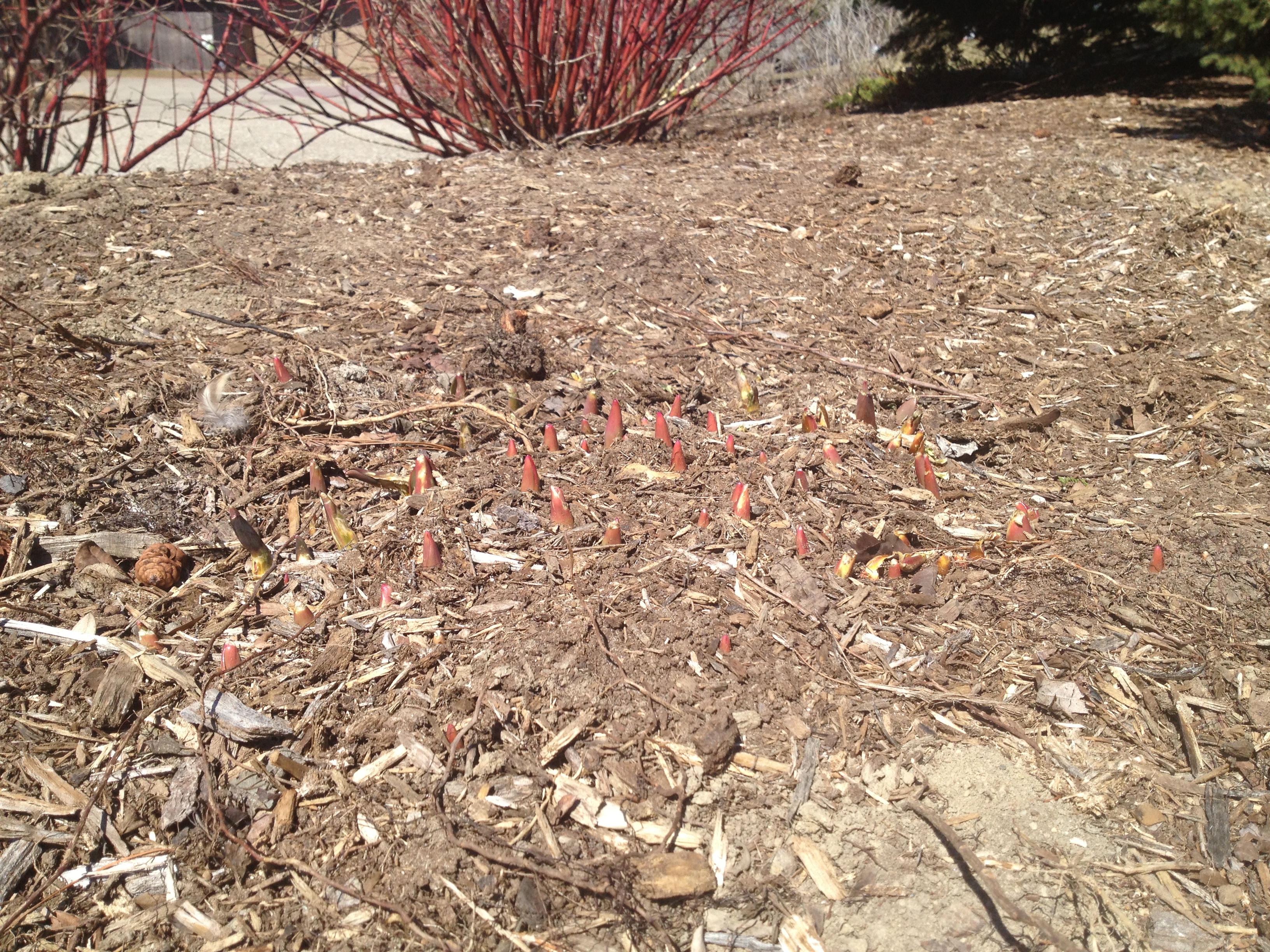
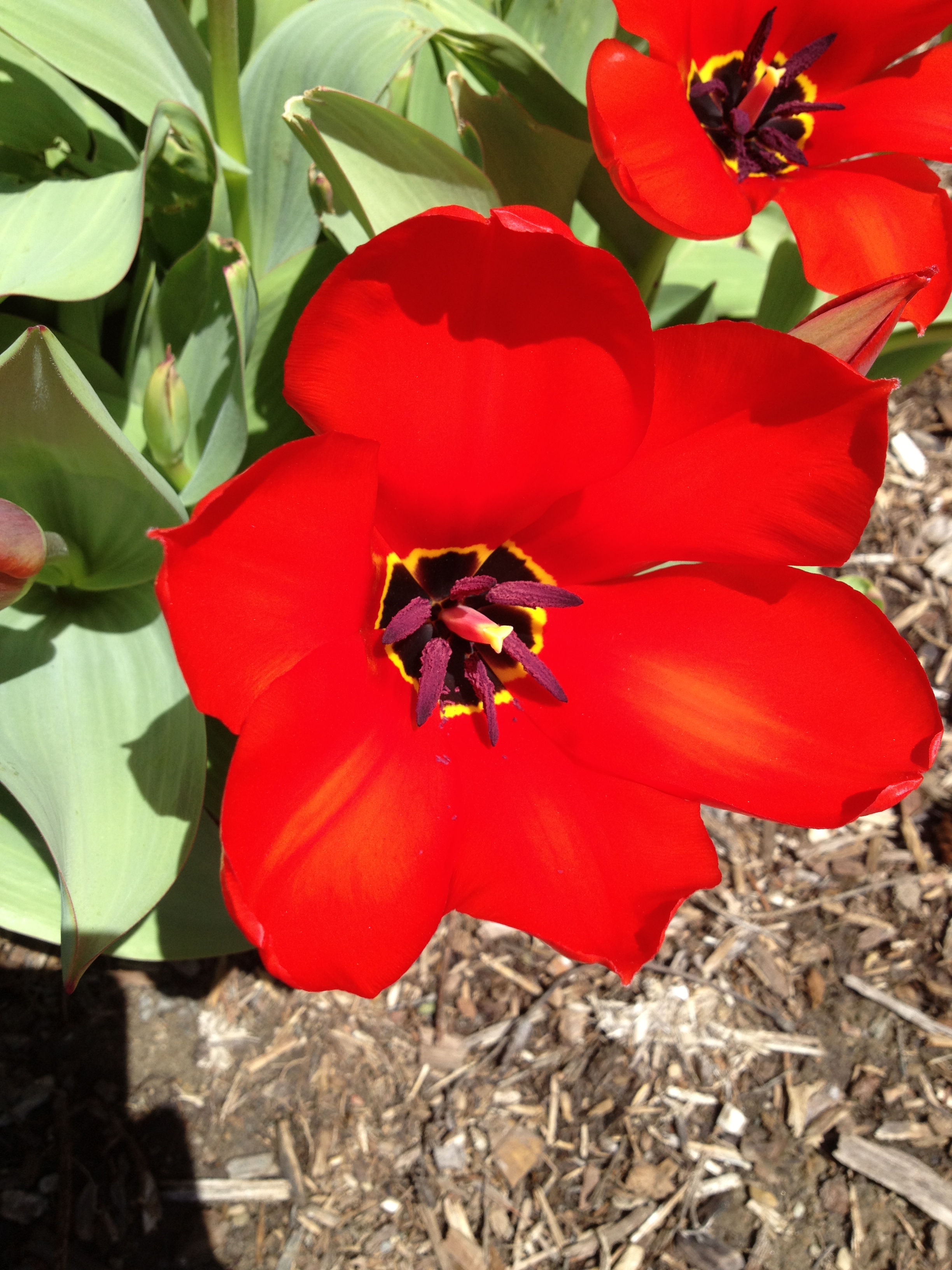
Each year since 2013, the Detroit Zoological Society has participated in the Journey North Tulip Test Garden project. We plant red emperor tulip bulbs in the fall and mark the area. As spring nears, we watch for the tips of the tulip plants to emerge and then we report our observations to the Journey North Tulip Test Garden database. Animated maps on the Journey North website compile data from observers all over North America to show us when spring is on the way.

The best part of participating in any of these projects is that you’ll find yourself noticing more about the world around you. Even very young children can participate with the help of an adult, creating a new generation of people relying on signs in nature, not just the daily weather report.

– Claire Lannoye Hall is a curator of education for the Detroit Zoological Society.
Education: Bringing Antarctica to Life in the Polk Penguin Conservation Center

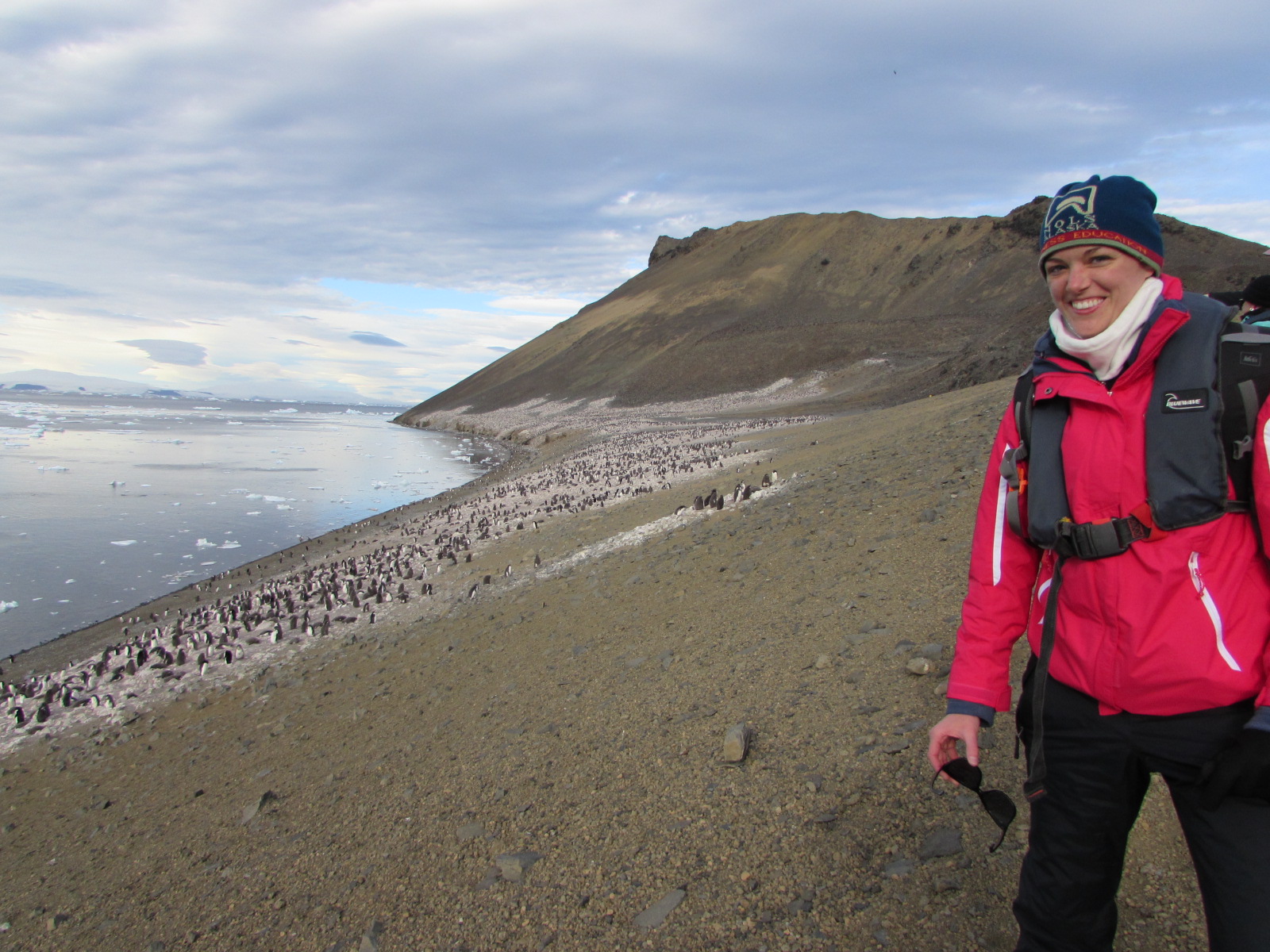
As a curator of education for the Detroit Zoological Society, I’ve been working on the interpretive plan for the Polk Penguin Conservation Center for the past several years, and the educational value that I received during a recent expedition to Antarctica was immense. All of the decisions that were so intentionally made throughout this multi-year design process are true to the Antarctic experience. What you will see in the new Polk Penguin Conservation Center will be authentic.

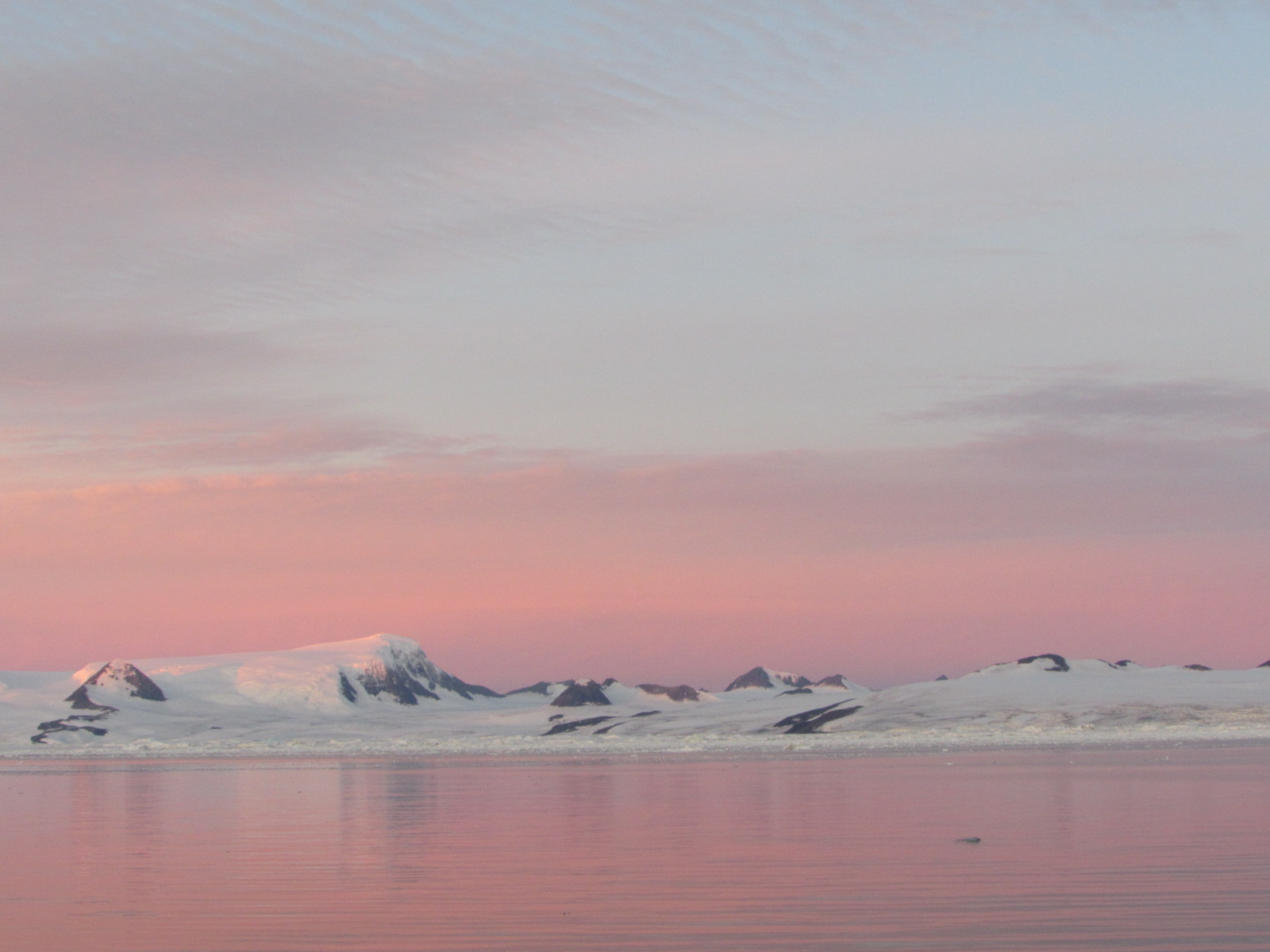
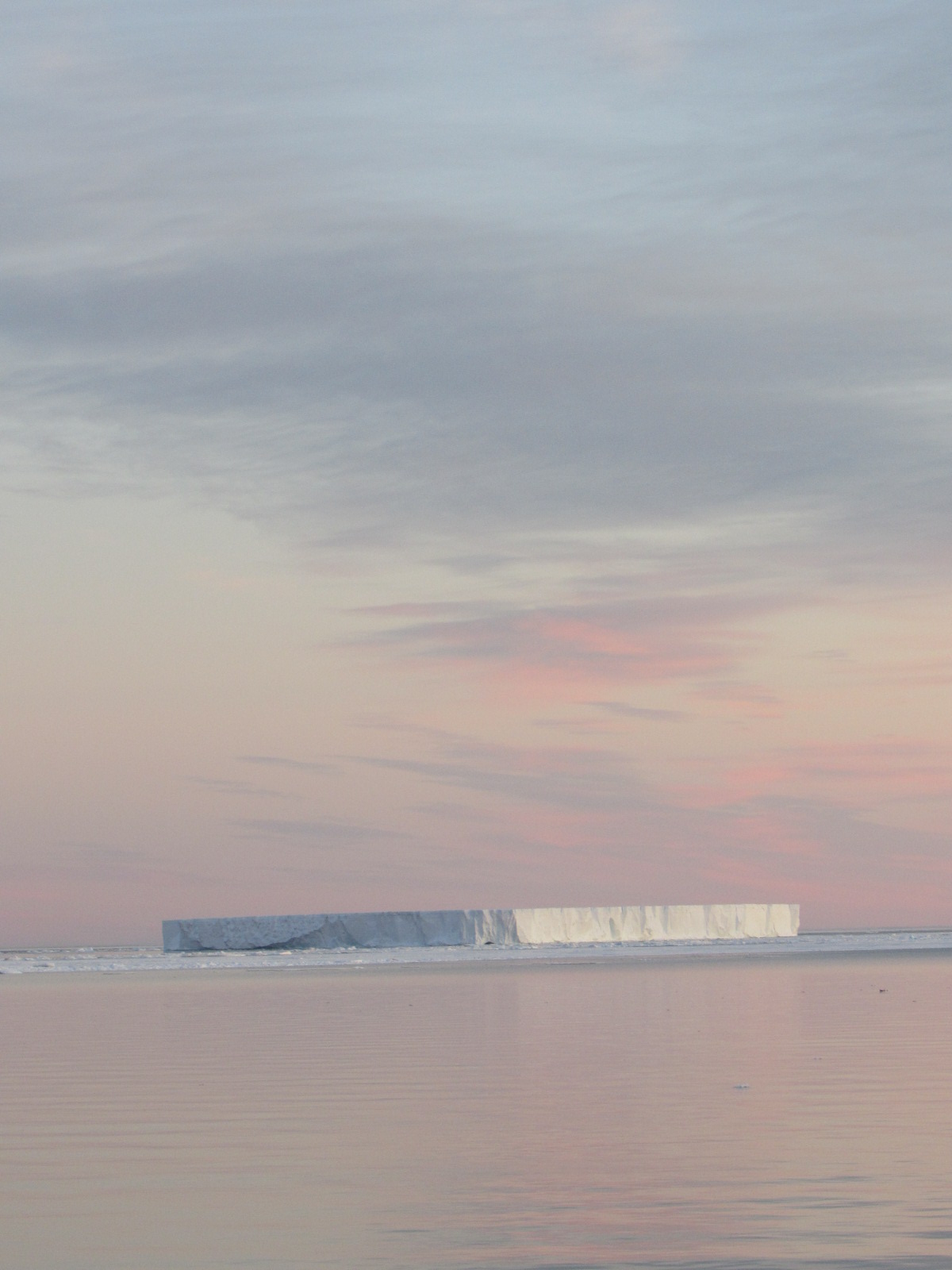
The colors we saw surprised me the most. I had expected grays, whites and blues – but the colors we experienced were so much more than just that. Lichens grow there, in oranges, greens and reds. Seeing moss and short little grasses, deep green in color, reminded us of how long it took them to grow in that cold and harsh environment. Kelp is bright red and could be seen floating with the currents near the shore. The icebergs and water are so many different shades of blue. We learned about ice and the visible blue color from all the compacted ice where air bubbles had been squeezed out. We passed many icebergs during our expedition, and I never grew tired of looking at all the crevasses and colors. The landscape was truly incredible.

Renowned biologist and president of the Polar Oceans Research Group, Dr. Bill Fraser, was an incredible person to spend time with on this trip. He did formal presentations for our group, but also interacted with us informally, talking about what he noticed on shore. Hearing him discuss the challenges that penguin species on the western side of the Antarctic Peninsula are facing emphasized the impact that the changing climate is having on ecosystems around the world. When we battled brash sea ice on the way to the U.S. Palmer Station – which was a little treacherous – it became clear how harsh this environment is for the researchers and scientists who spend ample time in Antarctica. The people we met at the research station – as well as Matthew Porter, our own bird department zookeeper who has been living and working there the last few months – have a true passion for the work they do. As we toured around the station, it was clear that those who are chosen to work there are an incredible and talented group of people. We peeked in the different labs and learned about their work and life on the base. We developed an appreciation for the important work that goes on at Palmer Station. Part of our interpretive plan in the new penguin center is to focus on the research that is going on in the Antarctic region, and being on the base of this station will help us to build our own capacity for conveying our message to Zoo visitors.

Dr. Fraser was able to open our eyes to how far research has come since he started his work more than 40 years ago. New information that is not yet published ensures that we are on the cutting edge of penguin information and conservation. If Dr. Fraser and his team can better understand the threats to penguins in the Polar Ocean Research Group study area, scientists can utilize methods to better mitigate threats to declining penguin species.

As we near completion of the Polk Penguin Conservation Center, this Antarctic experience has allowed us to reshape some of our interpretive elements in the building. It helped us to take a step back and look harder and deeper into the opportunities we have to embody what our experience was like, and inspire our visitors to protect fragile ecosystems around the world, especially those in Antarctica.

– Carla Van Kampen is a curator of education for the Detroit Zoological Society.
Education: My Heart is Like a Zoo

February is the perfect month to share one of our favorite children’s books: “My Heart is Like a Zoo”, by Michael Hall. This book is cleverly illustrated with colorful animals that are composed of heart shapes, and we’ve used it to facilitate a variety of activities through the Detroit Zoological Society’s education department. Most recently, our team prototyped an activity based on the book’s illustrations to use in our monthly programming at local pediatric hospitals. Staff or volunteers will read the book and talk about the animals, shapes and colors, depending on the age of the audience.

After reading the book, the children are provided heart shapes made from construction paper. They are various sizes, colors and configurations. The children can use the hearts we provide or create their own as they construct animals out of the shapes. The activity builds spatial relations, pattern building, color blending and fine motor skills.

The young men at Children’s Village, a juvenile detention facility we work with year-round, use the book as inspiration as they create Valentine’s Day cards for children at local pediatric hospitals. We bring a variety of paper with us and the boys create animals out of the heart shapes for the front of the card. On the inside they write thoughtful messages for the recipients. Providing opportunities for these young men to think about other people in a compassionate way and make a positive impact through something they’ve created leaves a lasting impression on them.

“My Heart is Like a Zoo” is available at most area libraries to borrow or at local bookstores if you’d like to bring it home forever. We hope you enjoy it as much as we do!

– Claire Lannoye-Hall is a curator of education for the Detroit Zoological Society.
Education: Homeless dogs and cats benefit from Wild Lights crafts

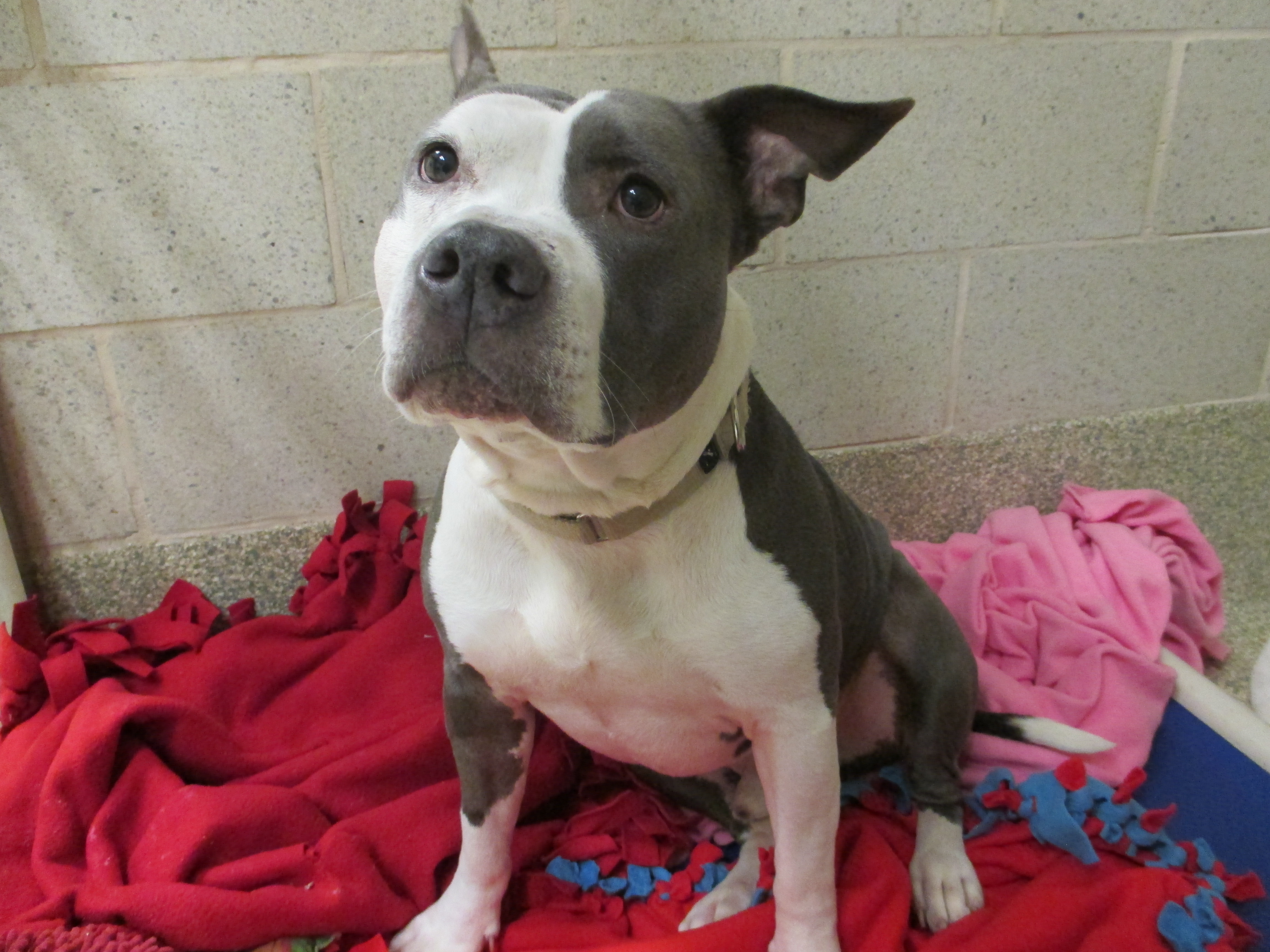
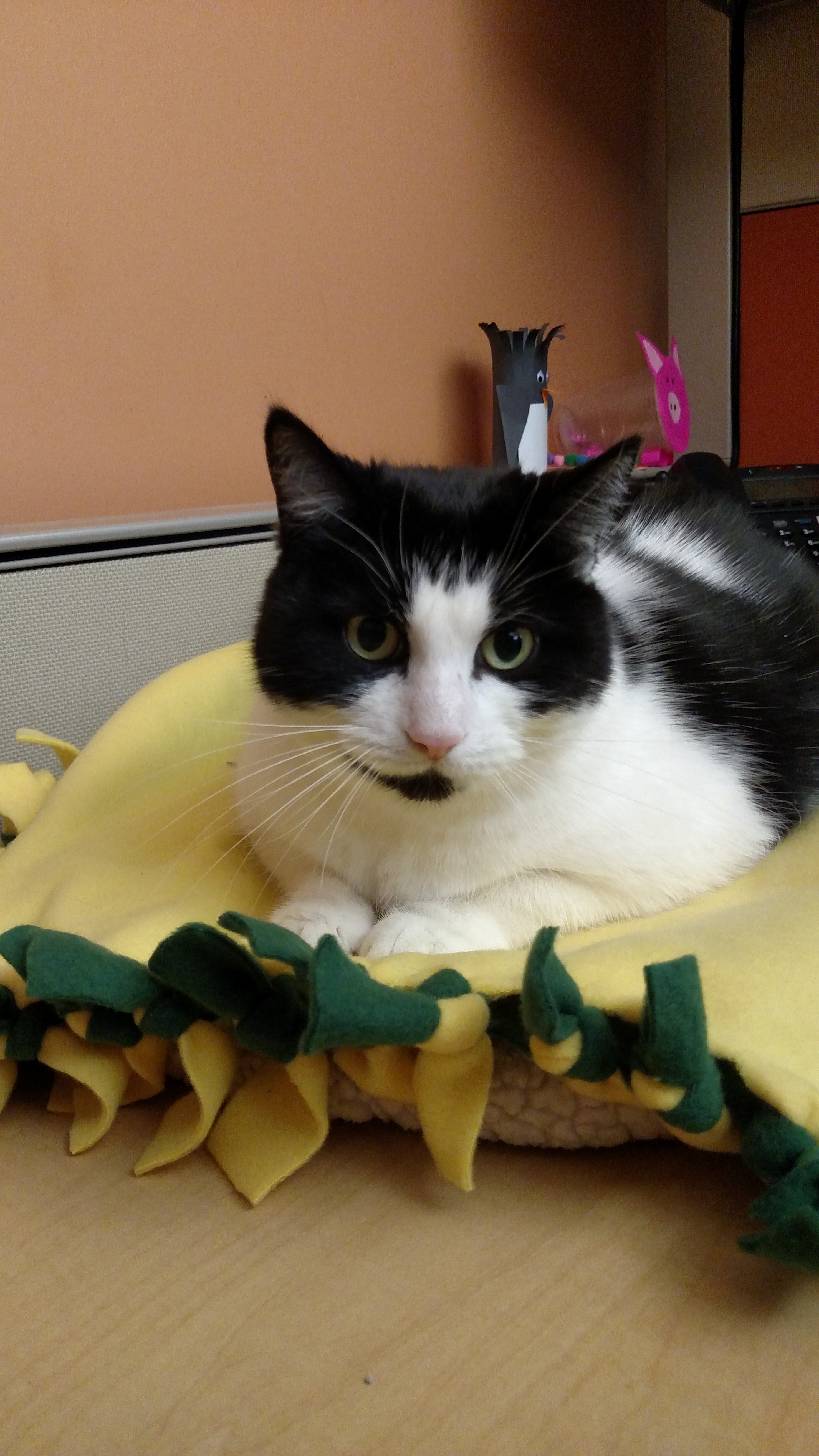
A big thank you to all who participated in our humane education craft during Wild Lights at the Detroit Zoo! We offered an opportunity for guests to make a fleece blanket or kitty play toy that would, in turn, be donated to local shelters. I’m happy to report that many homeless dogs and cats are currently benefitting from your generosity.

I recently dropped off eight large bags to the Humane Society of Huron Valley and many more will also be donated to the Michigan Humane Society in the coming weeks. Once the animals are adopted, their new guardians will be able to bring the blankets and toys home with them. This allows the companion animals to have something familiar in their new surroundings and can help with the transition into their forever families.

Our craft projects are purposefully designed. They are often centered around being kind to animals and the planet – not only does this instill a sense of joy, but there’s research that shows when you’re kind to others, it helps to foster empathy within.

Simple acts of kindness can make a big difference! Want to get started right now? You can find additional ideas on how to help animals at www.detroitzoo.org, www.hshv.org and www.michiganhumane.org.

– Lisa Forzley is the humane education manager for the Detroit Zoological Society and oversees the Berman Academy for Humane Education.