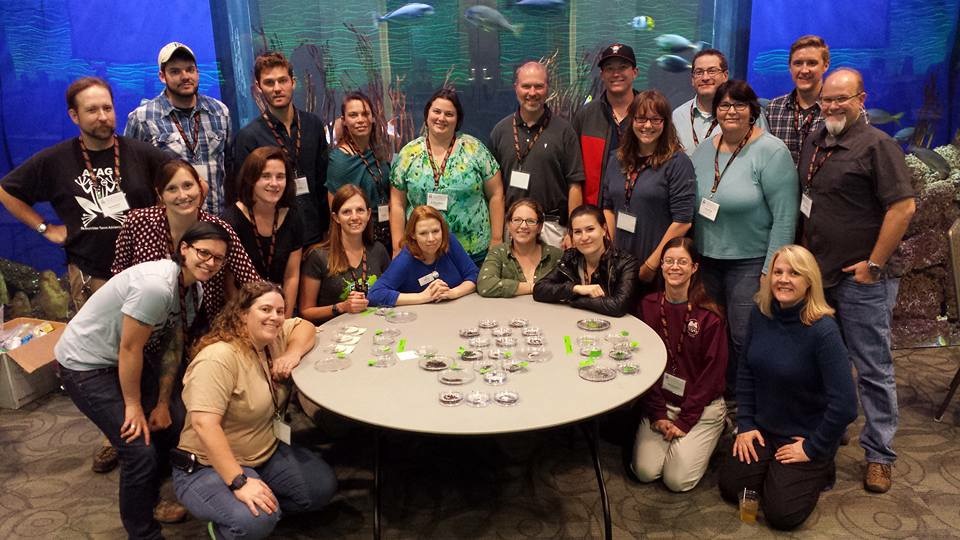
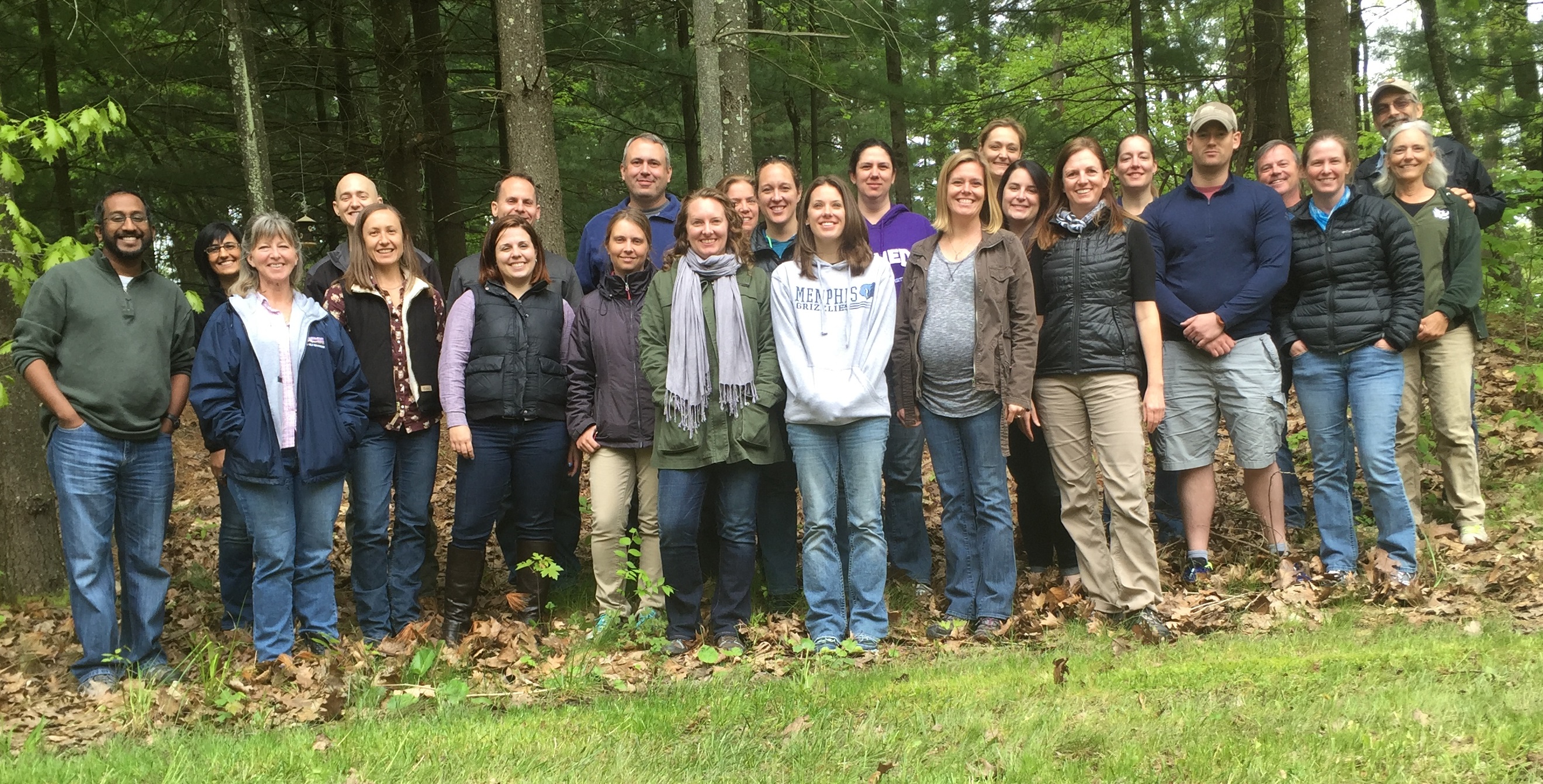
Last week I was able to attend a very exciting advanced conservation training course to learn assisted reproductive technologies (ART) in amphibians. The meeting was hosted by the Omaha Zoo, and was offered by the Amphibian Taxon Advisory Group (ATAG). I was one of a small group of zoo and conservation scientists invited to learn cutting-edge technologies that have the potential to have a tremendous impact on the conservation of endangered amphibians.
At the Detroit Zoo, we’ve been using hormone treatments to help with reproduction in Wyoming toads and Puerto Rican crested toads for more than 10 years. Recently, Dr. Andy Kouba from Mississippi State University has been able to modify these treatments for use in other species, and to develop techniques for collecting eggs and sperm for in-vitro fertilization (IVF). Two years ago, I traveled to his laboratory to learn these techniques for dusky gopher frogs, and within a few months we became the third zoo to reproduce amphibians via IVF.
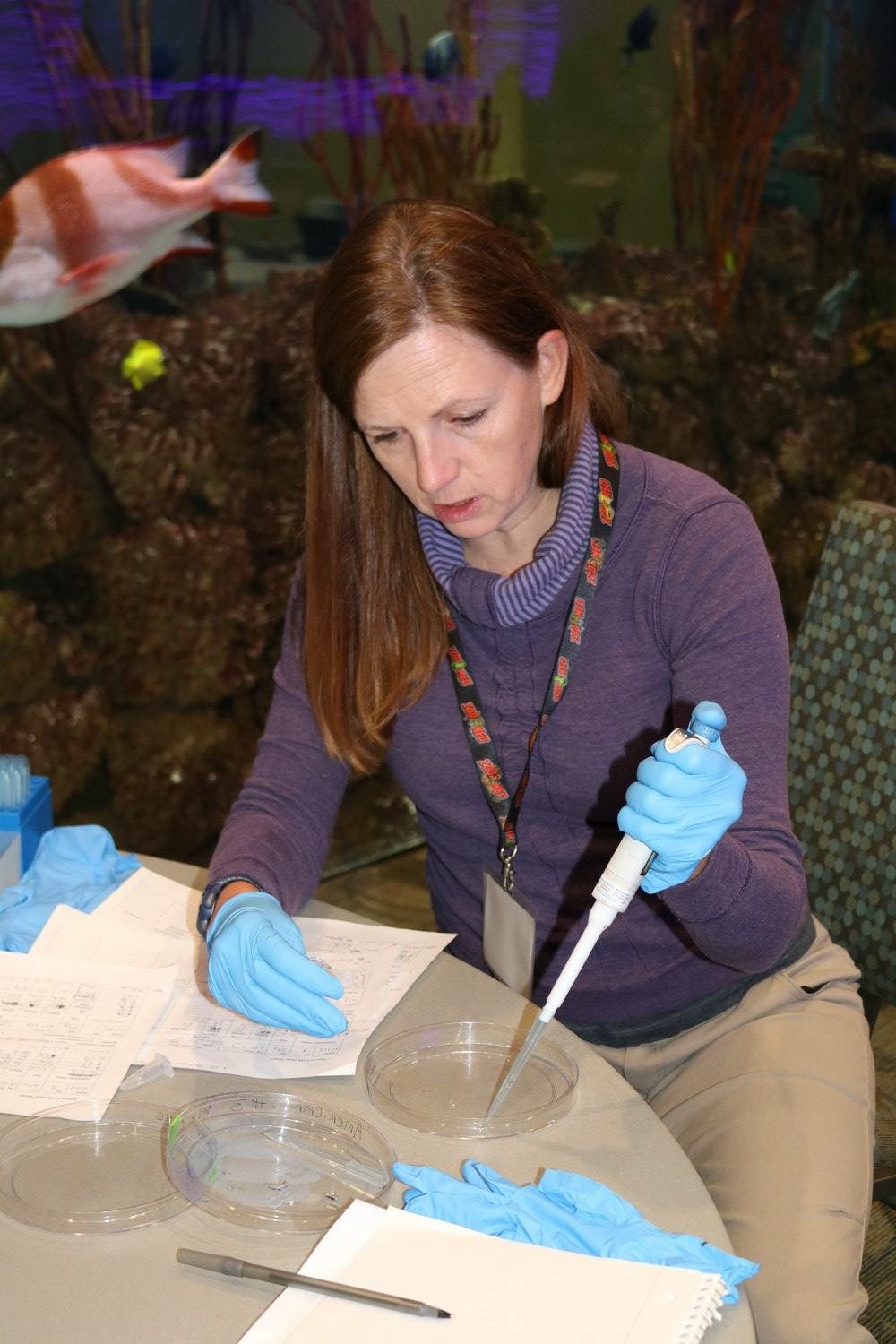
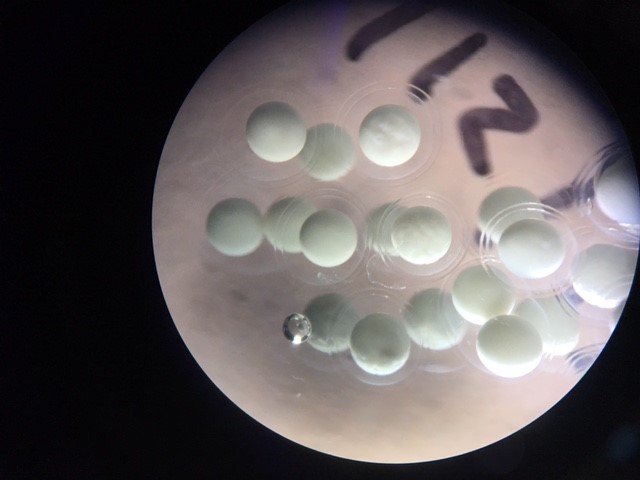
The goal of the ART course was to provide in-depth information concerning reproduction in frogs, toads and salamanders. This course was taught by Dr. Kouba and two of his colleagues, and represented the first time that husbandry staff, veterinarians and conservation researchers have come together to discuss assisted reproductive technologies. The attendees brought together a wealth of knowledge, and experiences working with hellbender salamanders, Chinese giant salamanders, Oregon-spotted frogs and others. We talked about the impacts of hibernation, temperature, humidity and social cues on reproduction, and the challenges we have encountered in the past. We learned about the historic use of hormones in amphibians, and how this information can be adapted to new species. We also learned how to gently collect spermic urine from male amphibians, and to stimulate females to lay eggs. We learned how to examine developing tadpoles under a microscope, and cyroperservation techniques for sperm. We also learned how to use ultrasound to monitor egg development in females. During the week, we put these skills to practice, and were able to produce fertilized eggs from Puerto Rican crested toads, American toads, tiger salamanders and Asian black spiny toads (for the first time!).
At the Detroit Zoo, we have number of very endangered species of amphibians, including some that have never or only rarely reproduced outside of the wild. Over the next few months, we will be able to start using cryopreservation to save genetics from these critically endangered species. The skills learned at the ART course will allow us to continue to be leaders in amphibian conservation, and to hopefully successfully breed Japanese giant salamanders, giant waxy tree frogs, and other endangered species at the National Amphibian Conservation Center.
– Dr. Ann Duncan is the director of animal health for the Detroit Zoological Society and oversees the Ruth Roby Glancy Animal Health Complex.
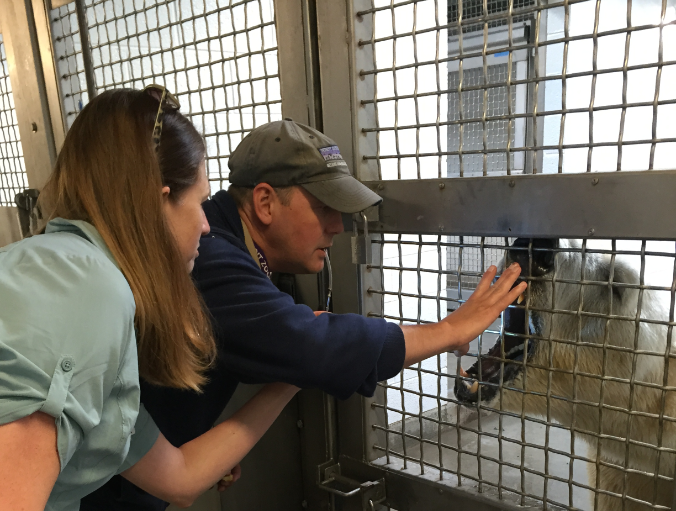
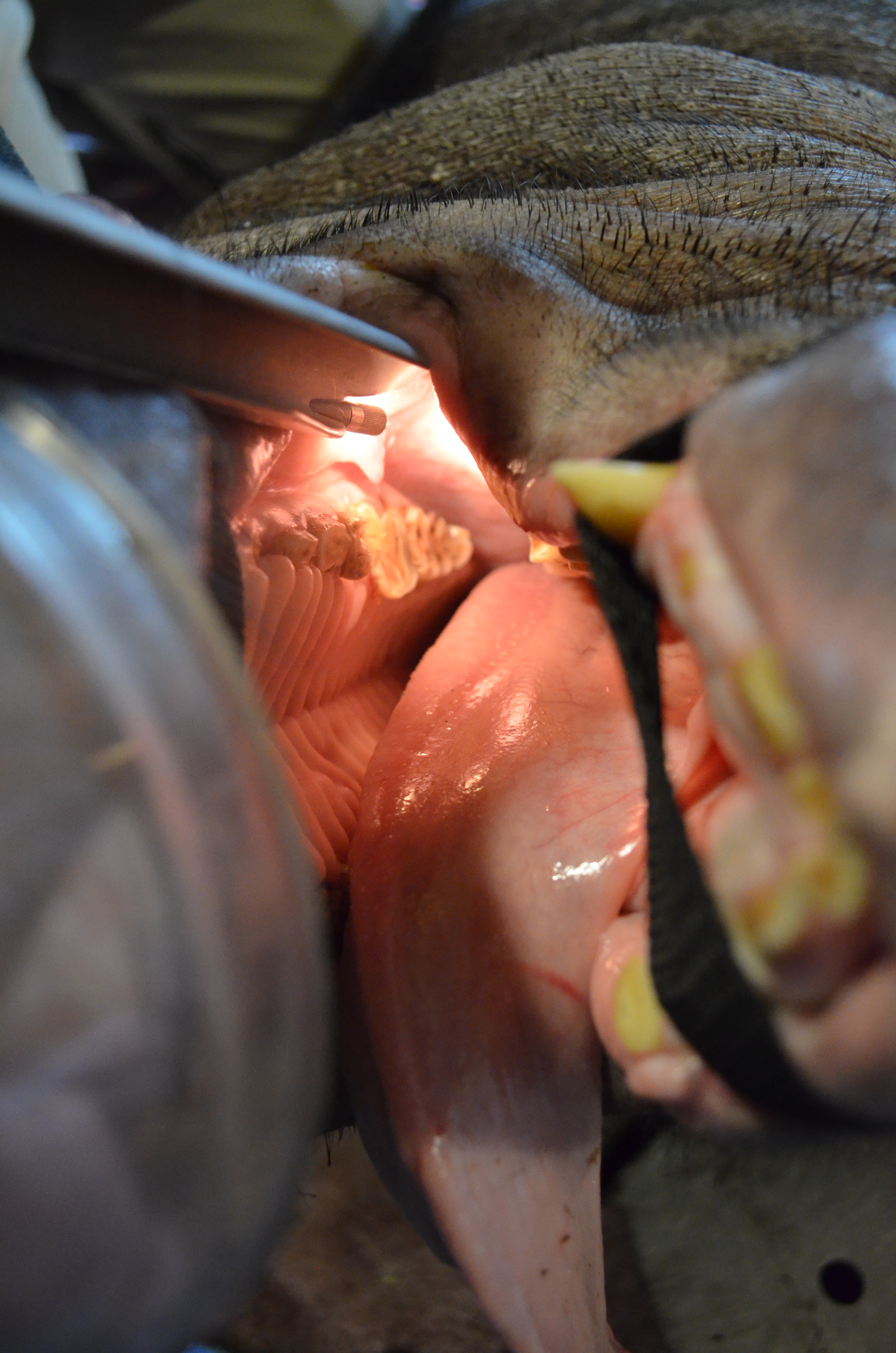
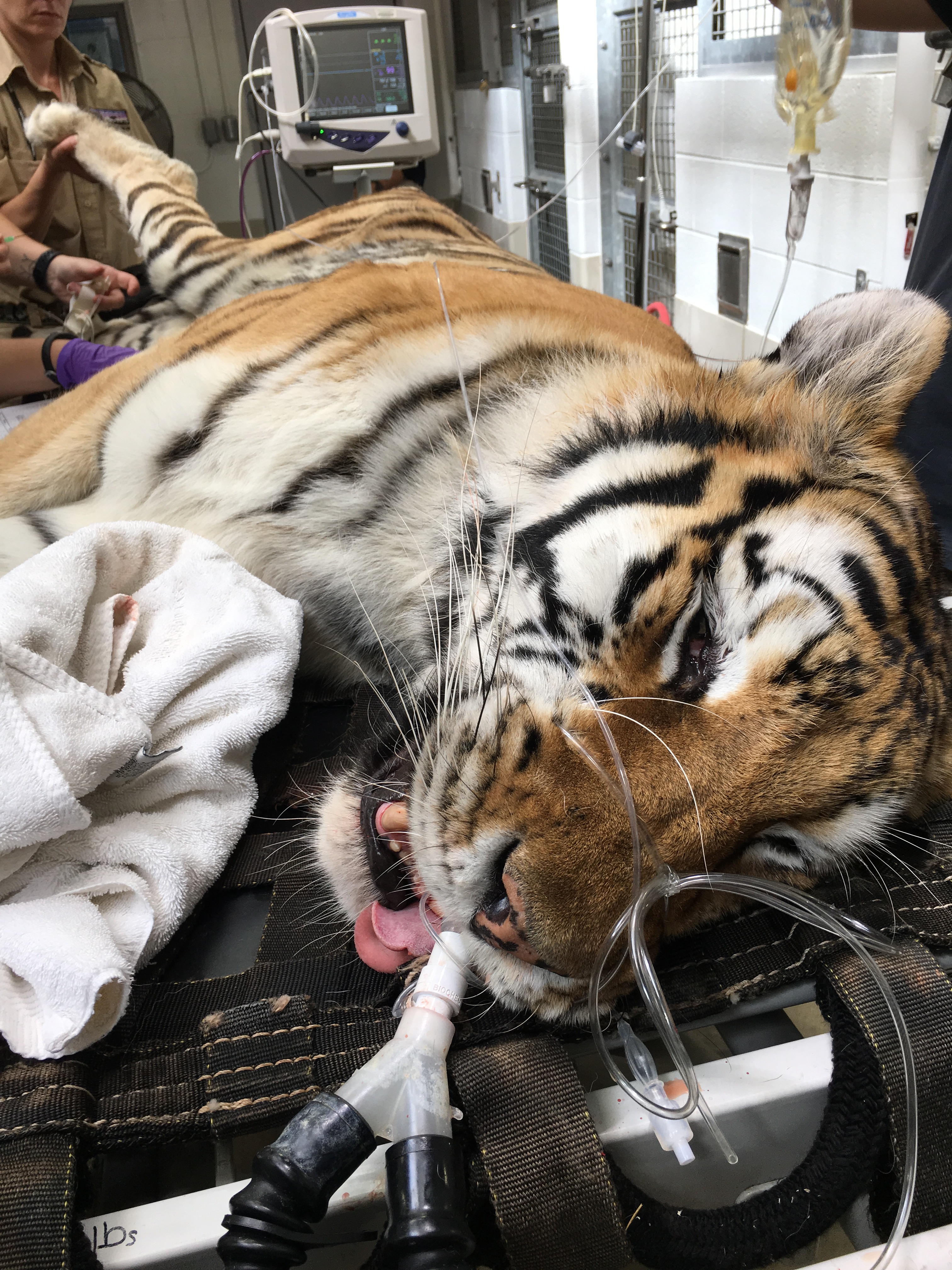

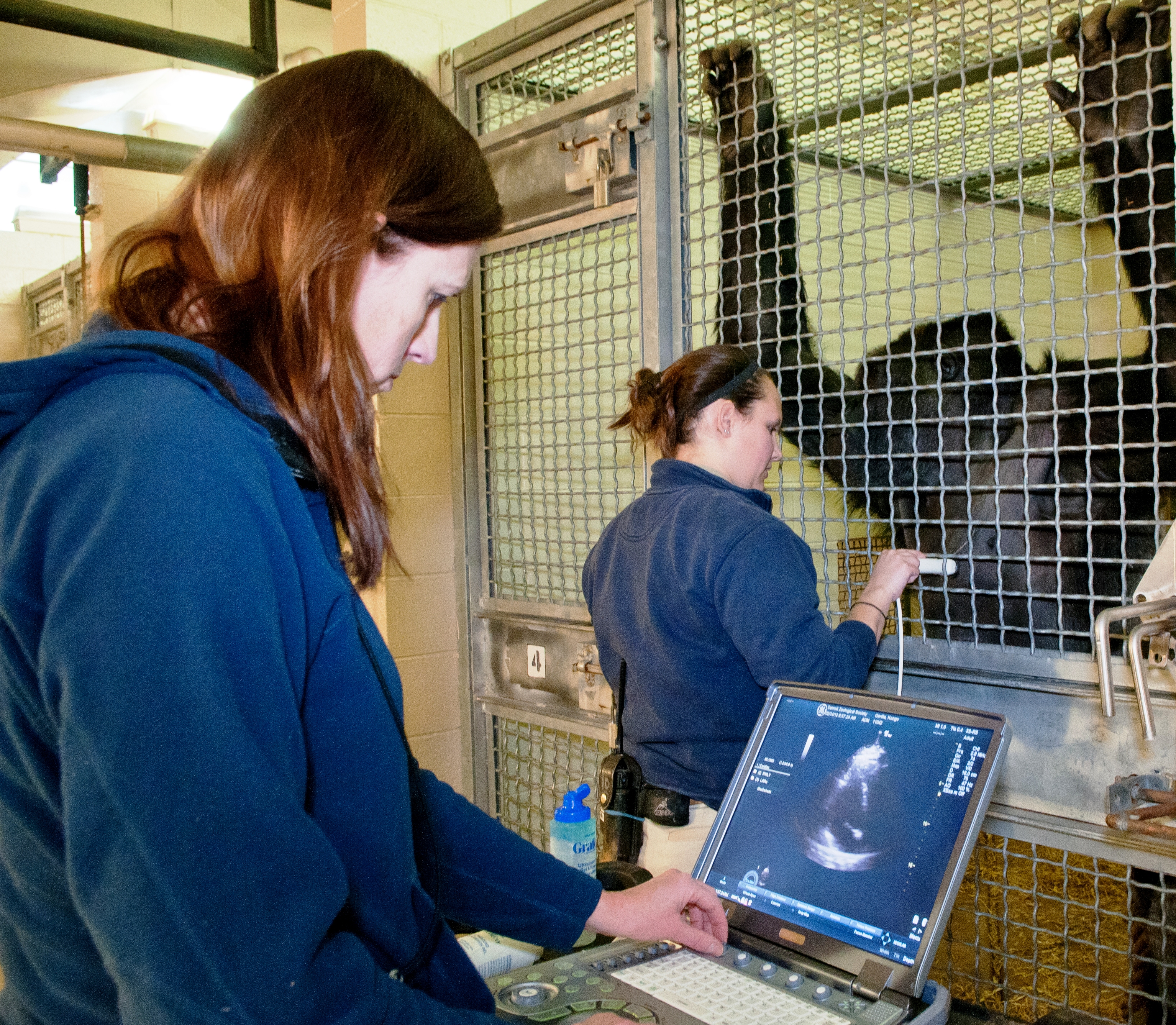
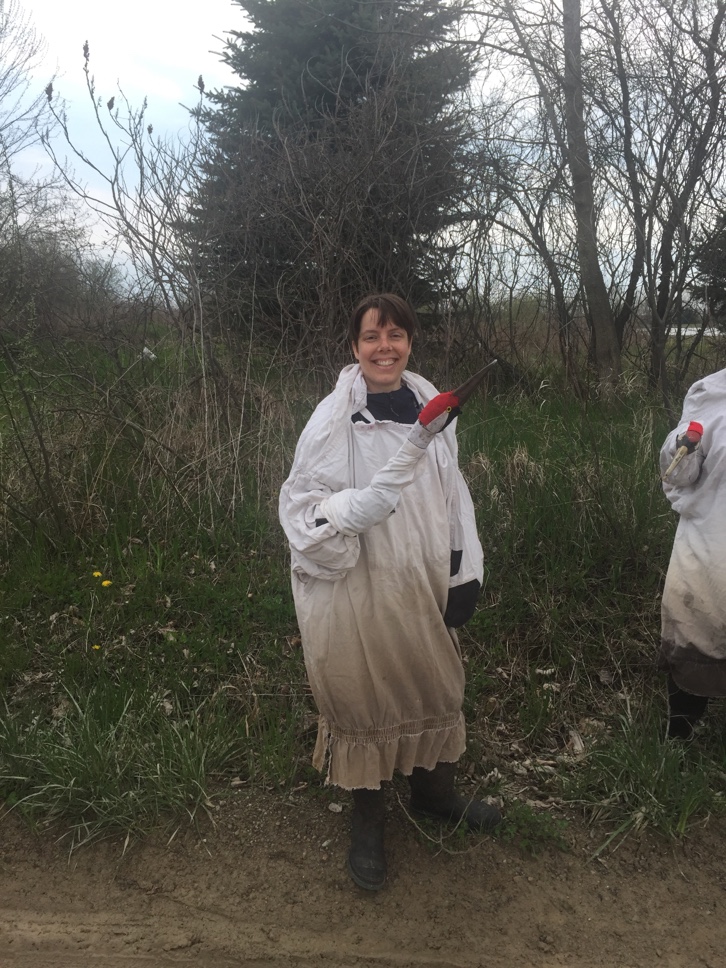




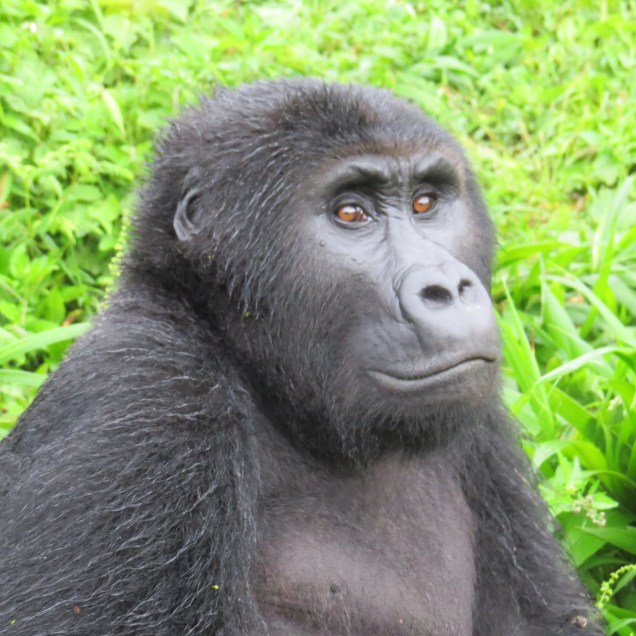
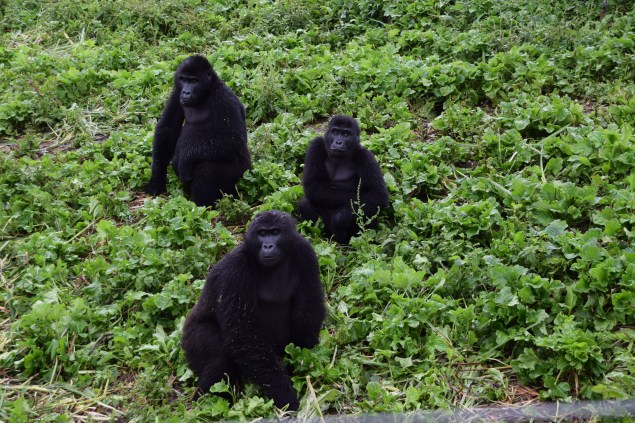 GRACE is the world’s only facility that cares for highly endangered Grauer’s gorillas (Gorilla beringei graueri) that have been rescued by wildlife authorities after being illegally captured by poachers and traders. Grauer’s gorillas are endemic to this region and only 5,000 remain in the wild. There are currently 14 gorillas being cared for at GRACE, ranging from 3-14 years of age. At GRACE, a dedicated Congolese staff provides daily care, including a diet that includes local fruits and vegetation training for important animal management behaviors and treatment for medical problems. Caretakers also monitor the group while they enjoy a 24-acre forest, which is the largest gorilla enclosure in the world. The Detroit Zoo entered into partnership with GRACE in 2014, and as the Chair of GRACE’s Board, Detroit Zoological Society CEO and Executive Director Ron Kagan has provided and facilitated important support to the project. Most recently, he secured funding for a new night house enclosure that is currently under construction.
 I traveled to the Congo with three staff members from Disney’s Animal Kingdom, including a veterinarian who led the team, a veterinary technician and a husbandry expert. Our goal for the eight days at GRACE was to perform examinations on 12 of the 14 gorillas – this has never been done before anywhere in the world, and it was important that we do all we could during these exams to learn about the health problems they may face.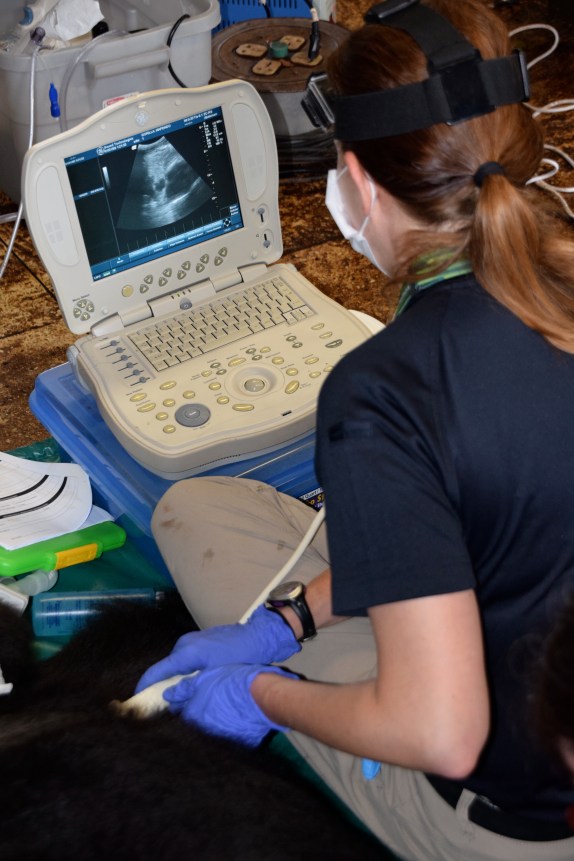
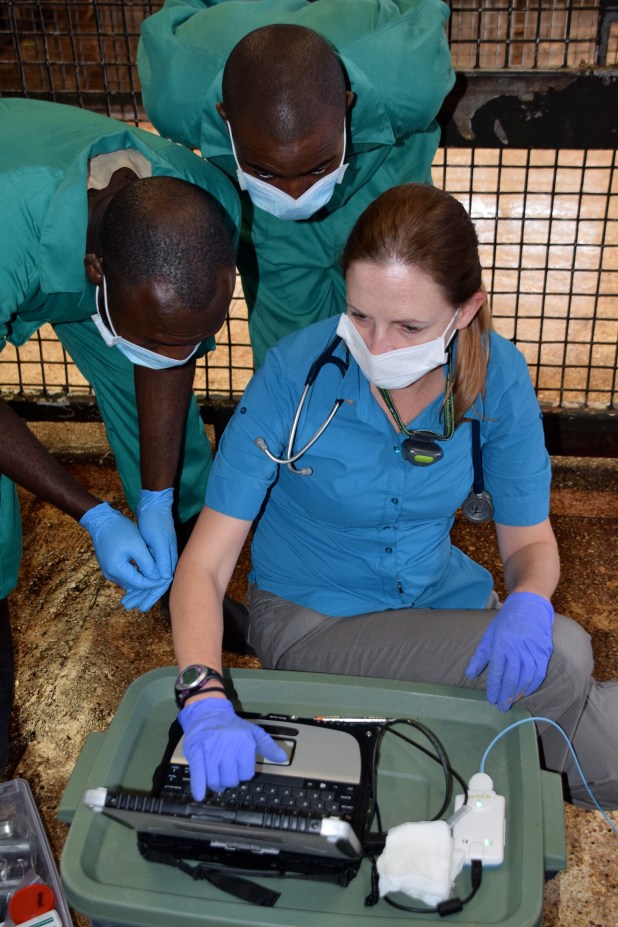
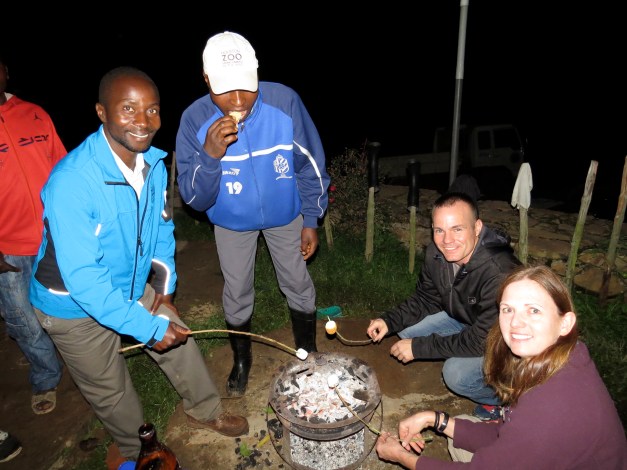 I am very thankful to the Detroit Zoological Society for providing me with the opportunity to travel to the Congo, and honored to be able to serve the people and gorillas of GRACE.
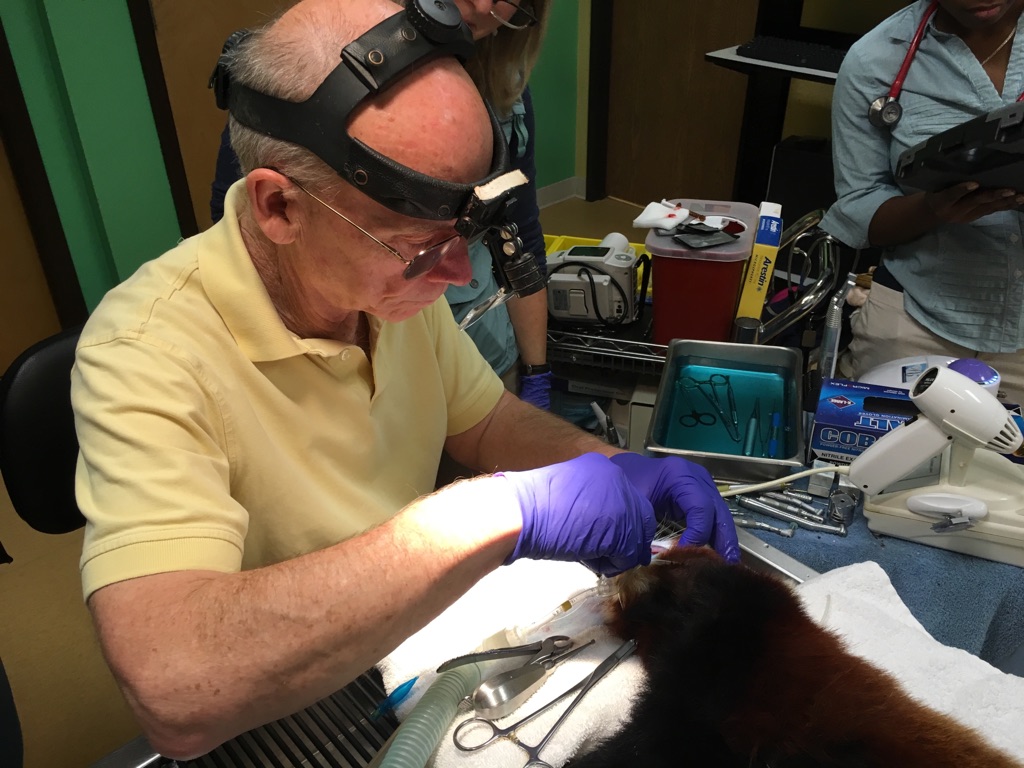
 worked with our talented education department to offer this very special Summer Safari Camp experience. During this particular weeklong camp, the students learn about zoo medicine in general, hear stories about the babies we’ve cared for in our nursery, and practice placing a bandage on a limb (of a stuffed animal). They also spend some time in our laboratory to see how blood, urine, feces and other samples can provide valuable information about an individual’s health.

 Detroit Zoological Society Blog