Amphibian Conservation: Wyoming Toads Prepare for Breeding

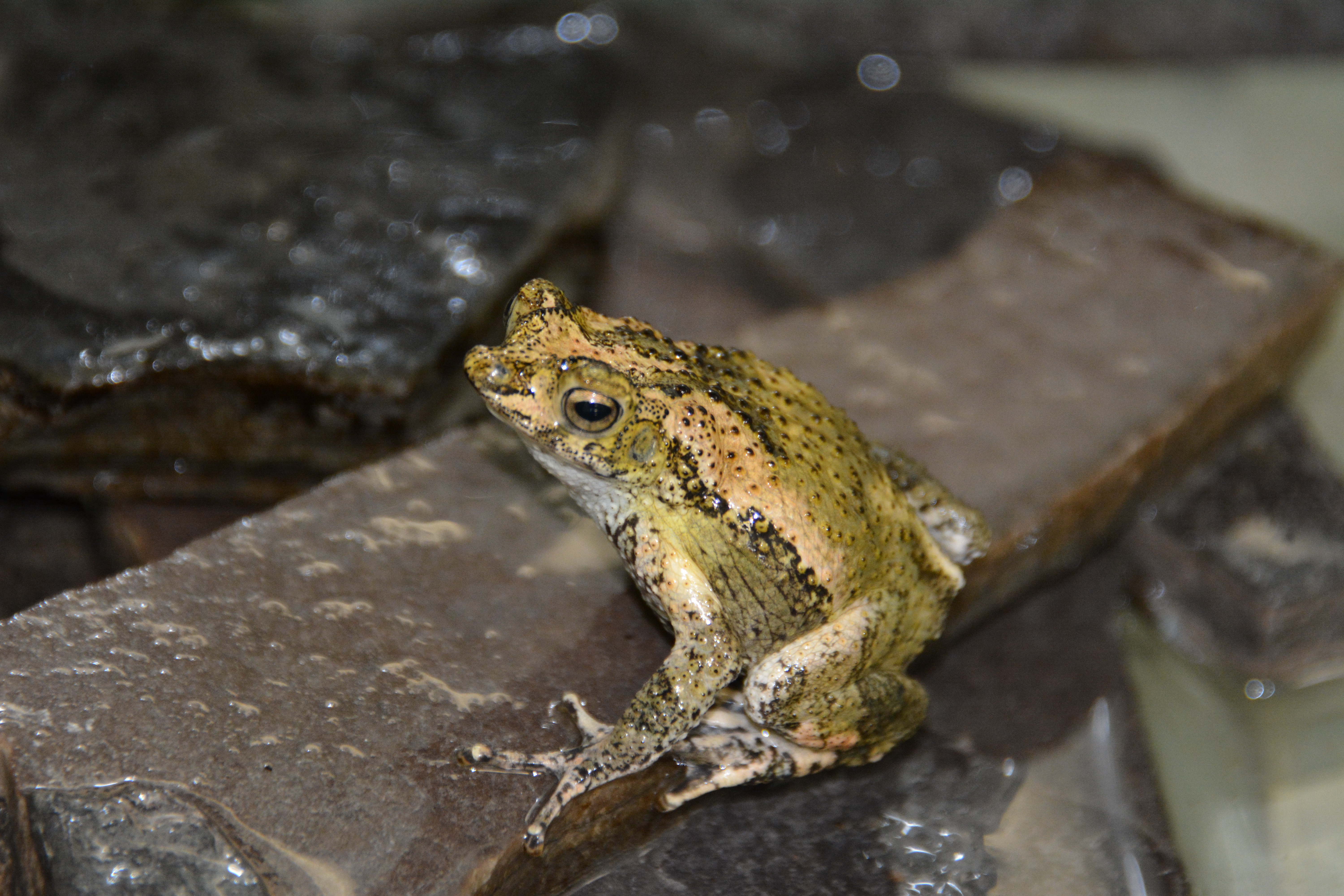
A pair of small gold eyes peers out from under a mass of sphagnum moss. In a day or two, this warty creature will complete its climb out from the depths of the sandy soil where he has spent the last 30 days sleeping and “chilling” at a cool 38 degrees. Along with seven other individuals of this species, he will awaken due to an increase in temperature and light. By the time the temperature reaches 74 degrees, he will have completely removed himself from the soil and be sitting atop it, hopefully alongside his companion, a slightly larger female. In the week that follows, events these two small cold-blooded creatures will go through could lead to producing thousands of their species in a matter of hours due to their “explosive” nature.
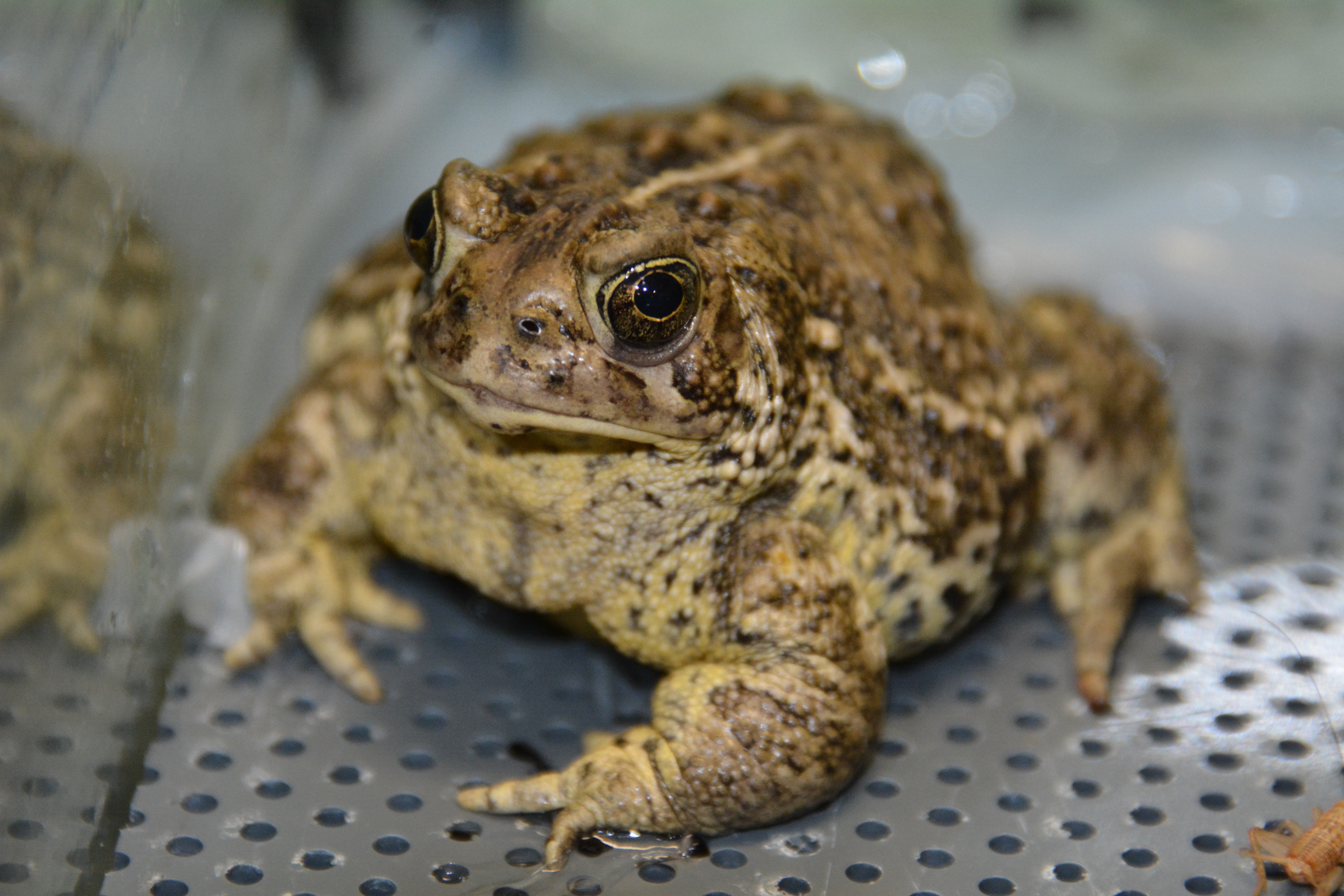
The Wyoming toad (Anaxyrus baxteri) is one of North America’s most endangered species and one of the amphibians we work with as part of a Species Survival Plan (SSP) at the Detroit Zoo’s National Amphibian Conservation Center.  This toad’s wild populations began declining in the 1970s, and by the 1980s was listed as an Endangered Species by the International Union for the Conservation of Nature (IUCN). Possible causes for the population decline are use of aerial pesticides to eliminate mosquitoes, habitat manipulation, and disease in the form of the amphibian chytrid fungus. Realizing a decline was occurring, the last remaining toads were collected and by 1994, all remaining wild-born Wyoming toads were believed to be entirely in captivity. The IUCN now describes the Wyoming toad as extinct in the wild, meaning any toad currently found in the wild has come from captive breeding, in which the Detroit Zoological Society (DZS) has been actively involved.

The Wyoming toad SSP is managed by the Association of Zoos and Aquariums (AZA). The DZS has been a member of this conservation program since 1995 and since 2001 has sent a total of 6,505 tadpoles and toadlets to the wild. All Wyoming toads are the responsibility of the U.S. Fish and Wildlife Service (USFWS), so members of the AZA work closely with them to follow all USFWS permit guidelines for keeping them in captivity. The goal of any captive breeding program is to produce healthy offspring for release into the wild with the goal of rebuilding them into a self-sustaining population. Each toad in captivity is identified and tracked, which helps to pair toads that will produce the most genetically diverse and healthy offspring. Breeding pairs of toads are chosen almost a year in advance so toads have plenty of time to move from one zoo to another to create the breeding pairs.
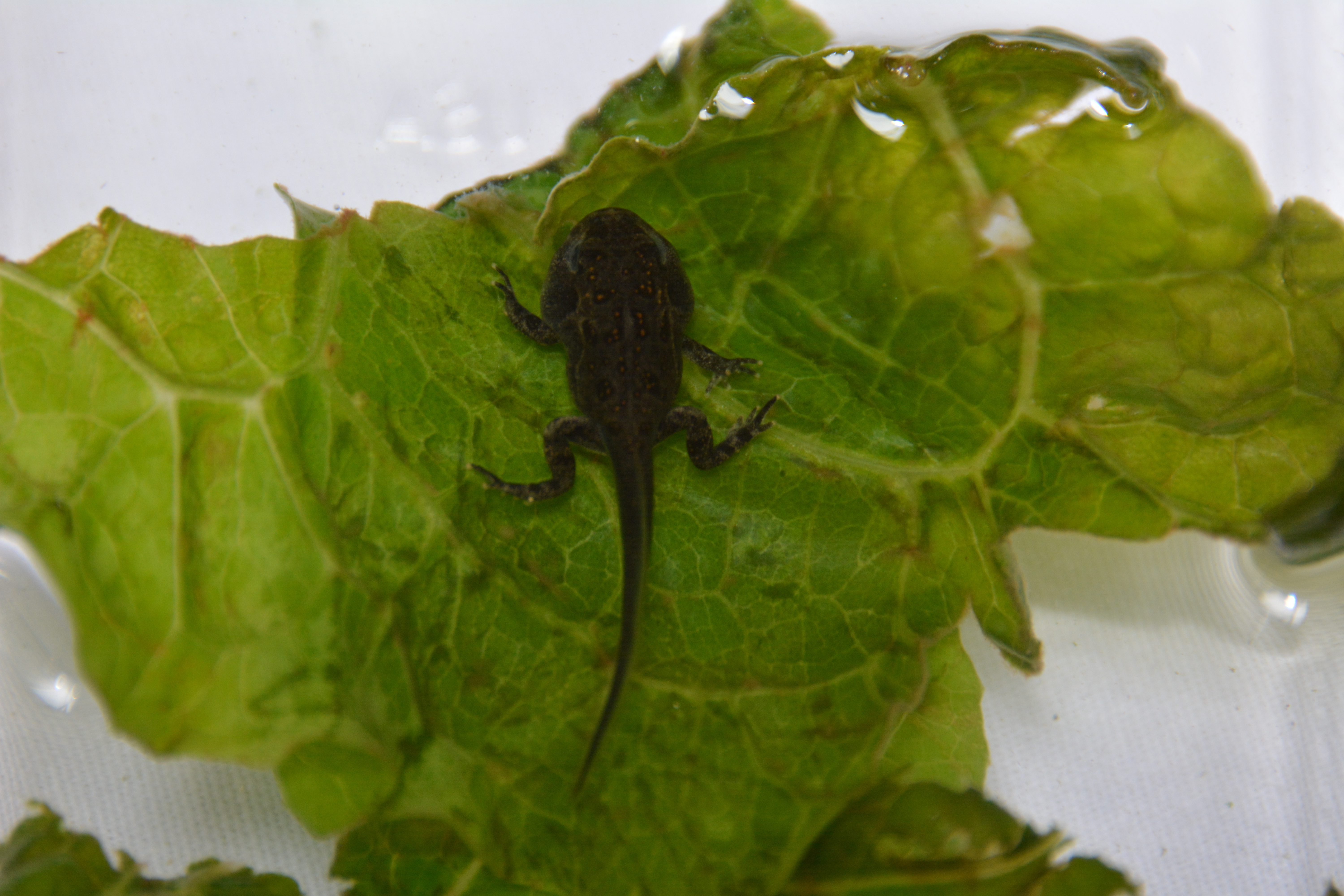
Although not as well known as Jabari and Kivuli, the giraffe couple at the Detroit Zoo, Wyoming toads Butler and Beverly are a very important couple of toads. They are part of a “bio-secure” population and will never be seen by the public, which ensures they will not accidentally release diseases, known or unknown, into the wild via their offspring. They are held with four other pairs of Wyoming toads in a special room away from all other amphibians, so they will remain free of diseases that could otherwise be found in species not native to the western region of North America.

At the AZA’s recommendation, Butler arrived at the Detroit Zoo last October to be paired with Beverly, who arrived in 2012. Both are now 3 years old, which is about middle aged for a Wyoming toad. In early April, they were placed together into a thermostat-controlled “hibernaculum”, which is used to cool the toads, simulating the hibernation period a wild Wyoming toad would go through during the winter. The toads are kept cooled for about a month to help prepare them for breeding; eggs or sperms may develop and mature as a result of this cooling. The toads are given plenty of sandy soil to bury down into and sleep in just as they would have in the wild, and the Zoo’s animal care staff checks in on them weekly to make sure they are doing well.

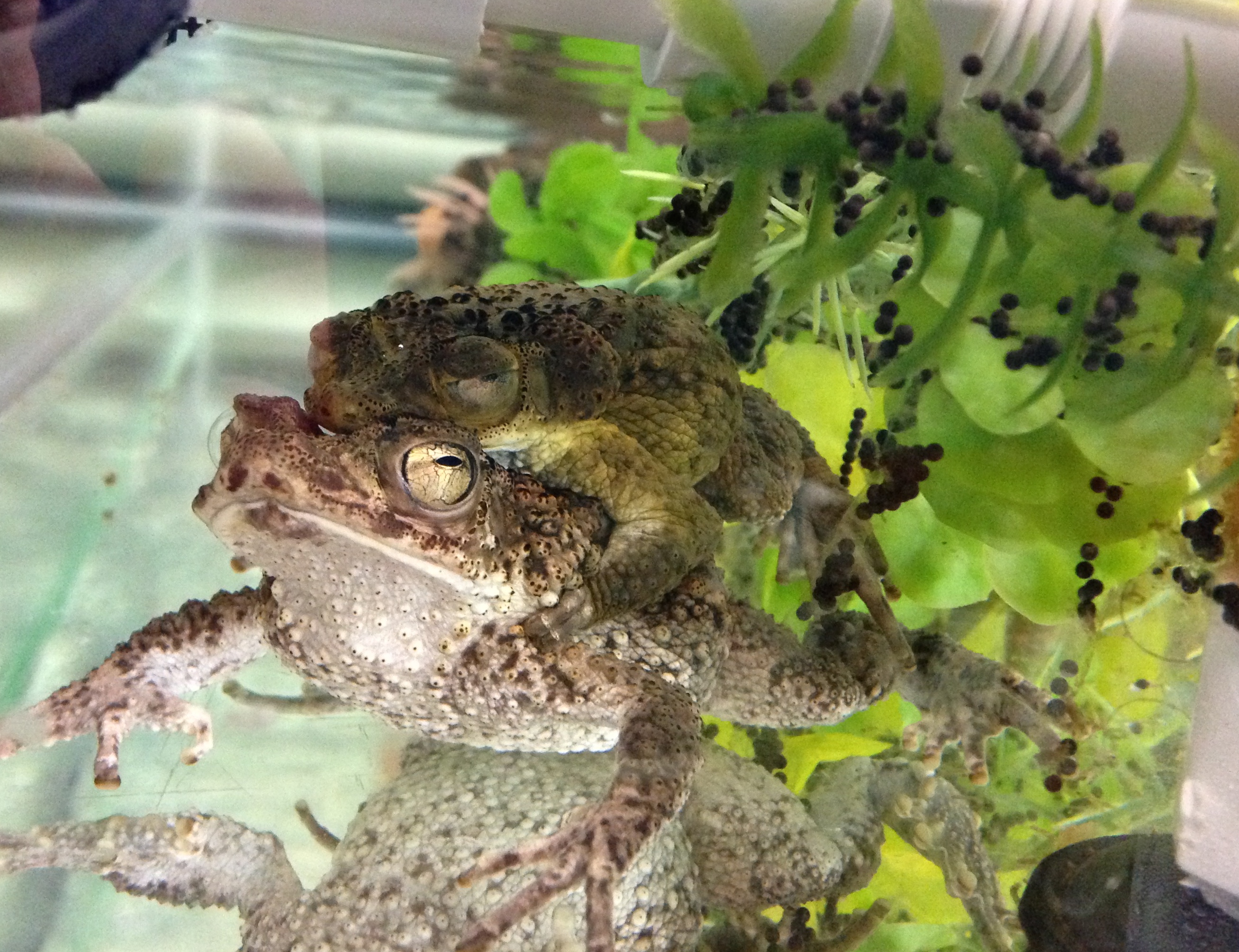
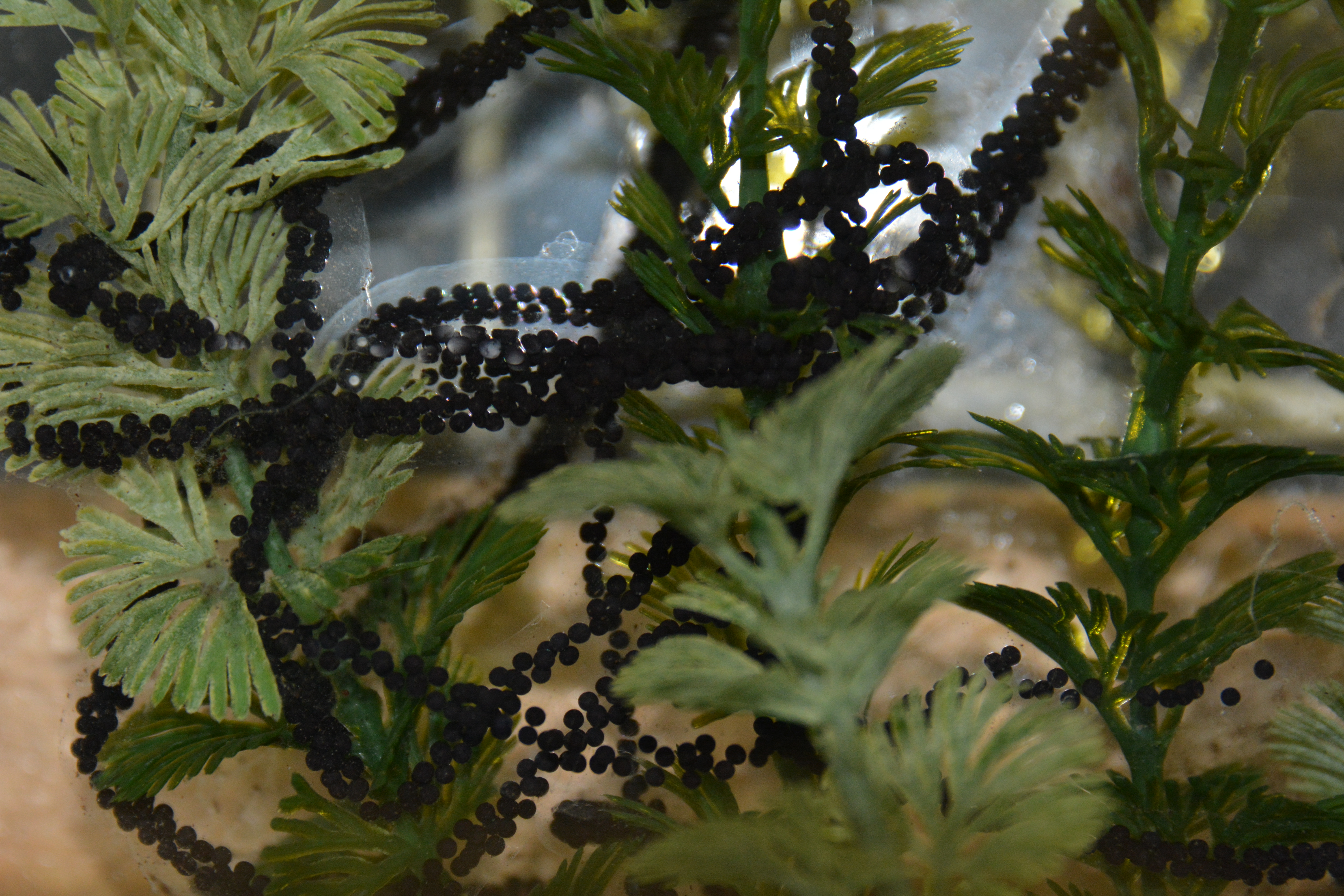
At the end of May, the temperature in the hibernaculum will be increased to 70 degrees Fahrenheit and the toads will begin to awaken. Once they have climbed out from the soil, we will place them back into regular husbandry for a few days where they will continue to warm up and eat. Recordings of male toads calling are played during this time to condition toads further for breeding. Within a few days of emerging from hibernation, Butler and Beverly will be placed into a breeding chamber with 2-3 inches of water. The pair will hopefully go into “amplexus” within a few hours, which happens when the male positions himself on top of the female using his front legs and squeezes her, encouraging her to lay eggs. He fertilizes the eggs as she lays them, usually in the dark, overnight. Butler and Beverly should lay thousands of eggs, which is typical of toad species. Described as “explosive breeders”, the more eggs they can lay the better the chance offspring have of surviving the elements, diseases and predators. Since this is a captive breeding, we can help the thousands of eggs that Butler and Beverly produce survive into strong, healthy tadpoles.
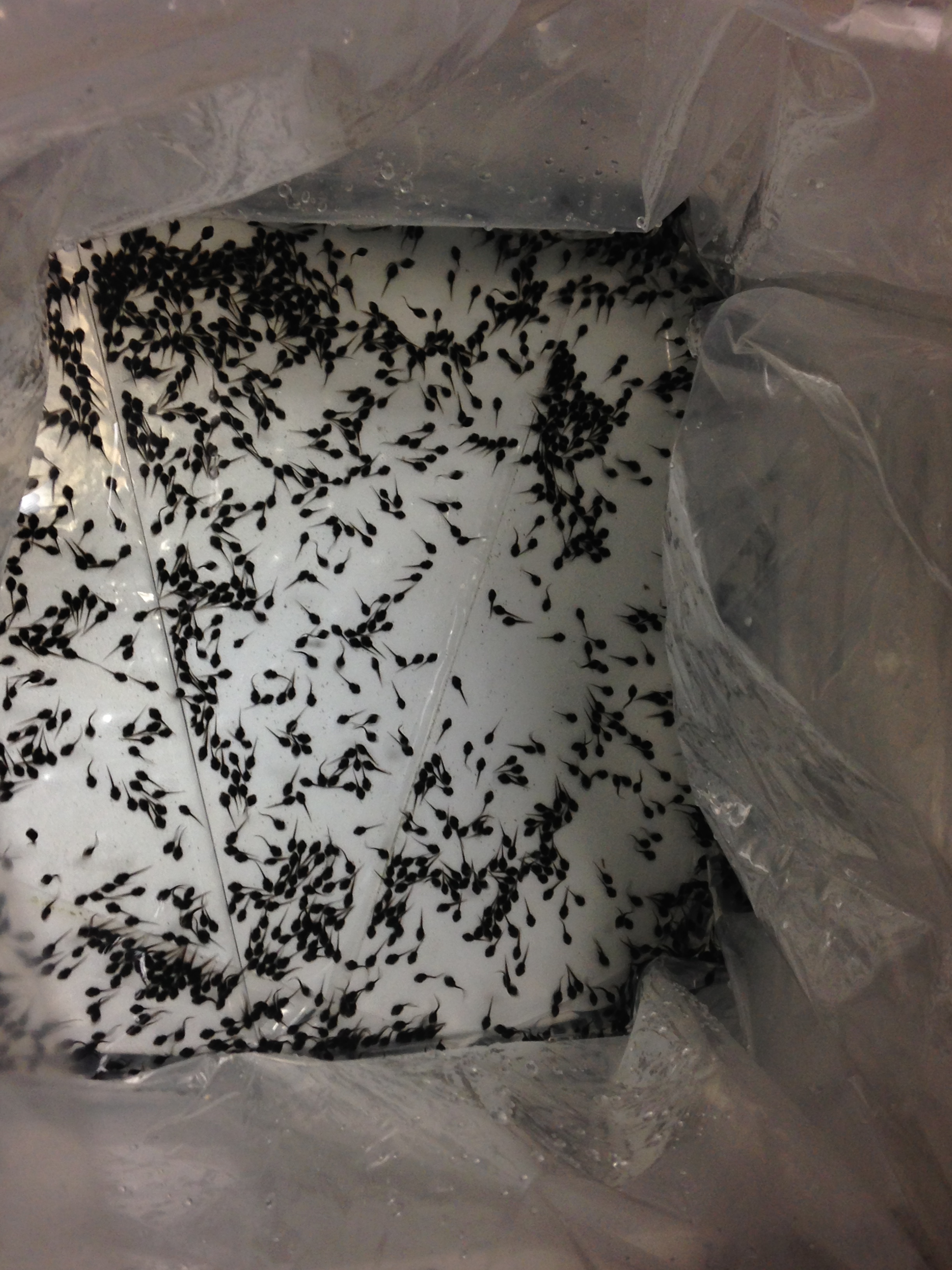
Approximately two to three weeks after eggs have hatched into thousands of hungry tadpoles, arrangements are made with the USFWS to ship the tadpoles to Wyoming, where they will be released into protected wetlands. These tadpoles will add to those previously produced in captivity sent yearly by the zoos that participate in this program and the USFWS.
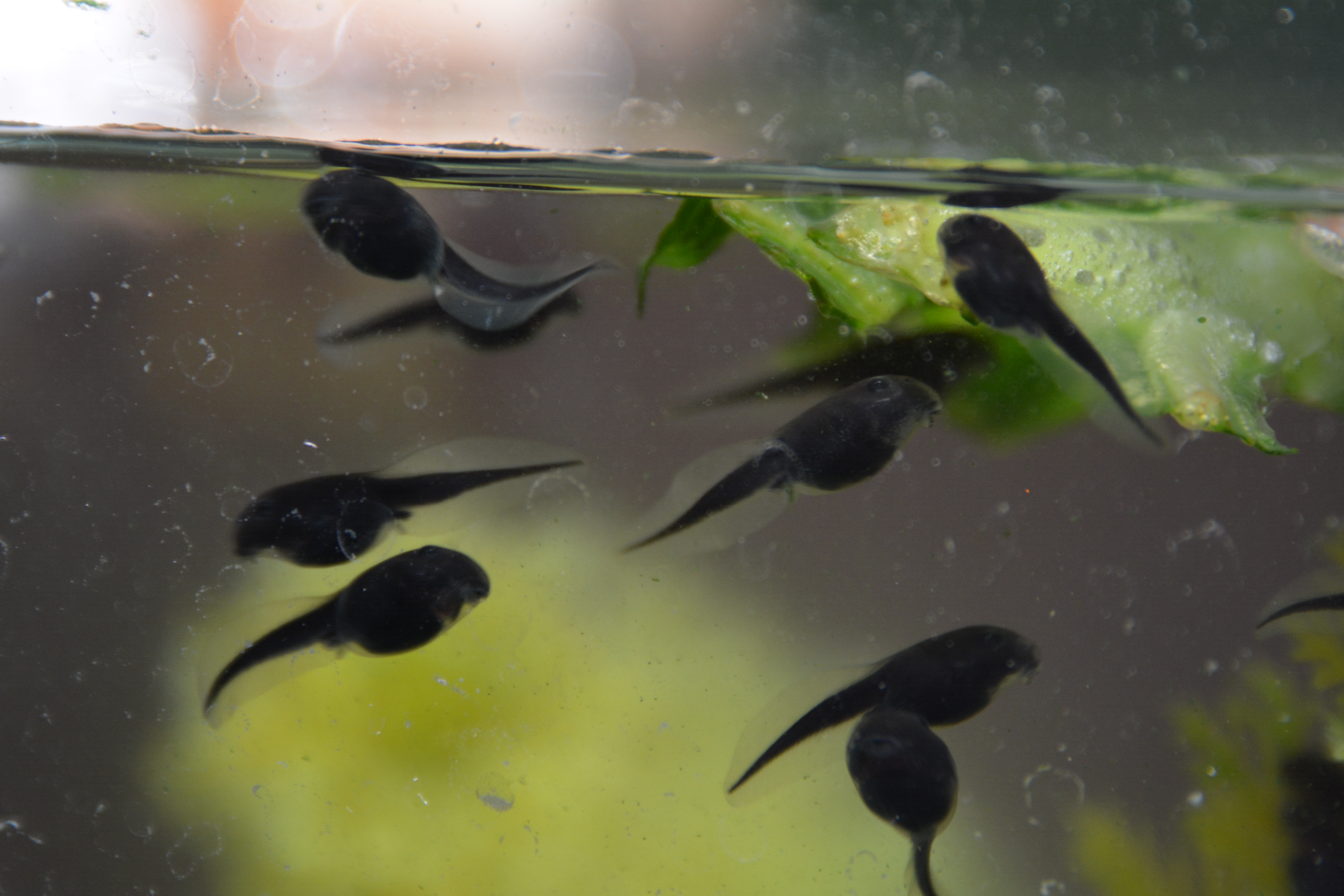
The wetlands are monitored during the spring and summer as part of yearly field surveys done to track the health and population of the toads. This year we hope that Butler, Beverly and the three other pairs of Wyoming toads at the Detroit Zoo are able to contribute thousands of healthy tadpoles to the wild population.

– Rebecca Johnson is the associate curator of amphibians for the Detroit Zoological Society.

Notes from the Field: Surveying Mudpuppies; Rain, Snow or Shine

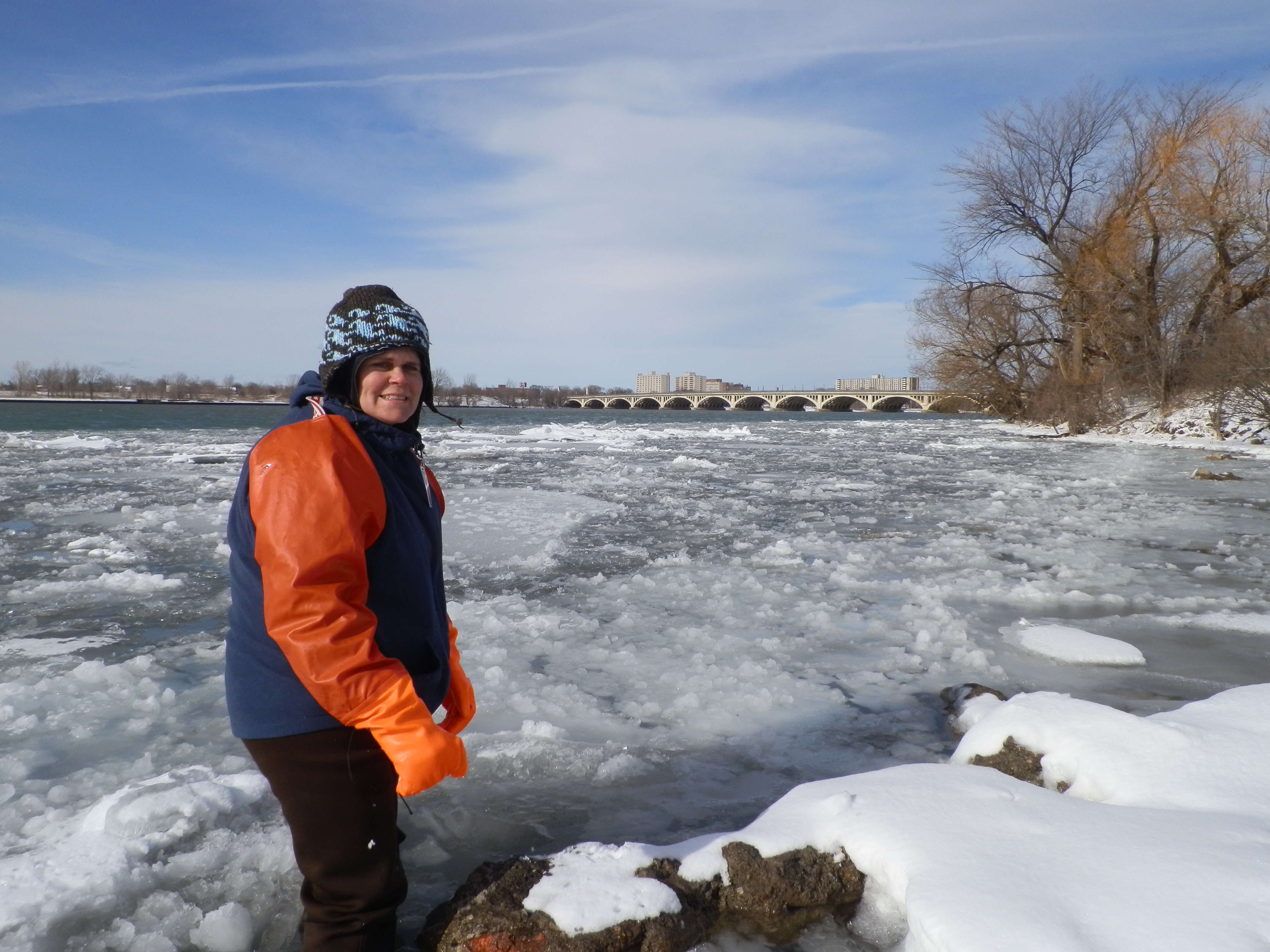
We battled frigid temperatures as we entered the ice-filled water wearing insulated waders for protection against the elements.

This dramatic introduction sounds like the start of an exciting adventure story in some far-off place, but it actually describes some of the unbelievable conditions right here in Michigan where you can find one of the most fascinating creatures – the common mudpuppy (Necturus maculosus maculosus).

This four-legged, fully aquatic amphibian can be found in rivers, lakes and ponds throughout the midwestern U.S., including the waters of the Detroit River. The Detroit Zoological Society (DZS) is actively engaged in many field conservation projects, including surveying the common mudpuppy around Belle Isle. Our amphibian department has conducted surveys since 2009 as a way to learn more about the overall health and population of the salamanders found in the area. Fieldwork for the project is conducted twice monthly at two different sites, and it is never to be done alone; due to the danger posed by the elements, there must always be two people working on the survey. Depending on the weather conditions, surveys at times are limited to collecting water samples; other times it can involve trapping and processing mudpuppies.

Listed as Least Concern by the International Union of the Conservation of Nature (IUCN), little is known about the true population size of mudpuppies – not just in Michigan but also throughout its entire range. Even though this aquatic salamander has a pair of lungs, it uses blood red, feathery gills located on the sides of its head to gain oxygen from the water. It has a rather flat body and wide head and it uses its tail to move through the water. Mudpuppies prefer to hide under rocks and logs during the day and forage on aquatic insects, crayfish and fish.

Like all amphibians, mudpuppies are valuable indicators of wetland and habitat health. Since water and air move freely in and out of an amphibian’s permeable skin, they will be the first creatures to become sick or even die from the pollutants or toxins found in the habitat, warning us of any impending problems.

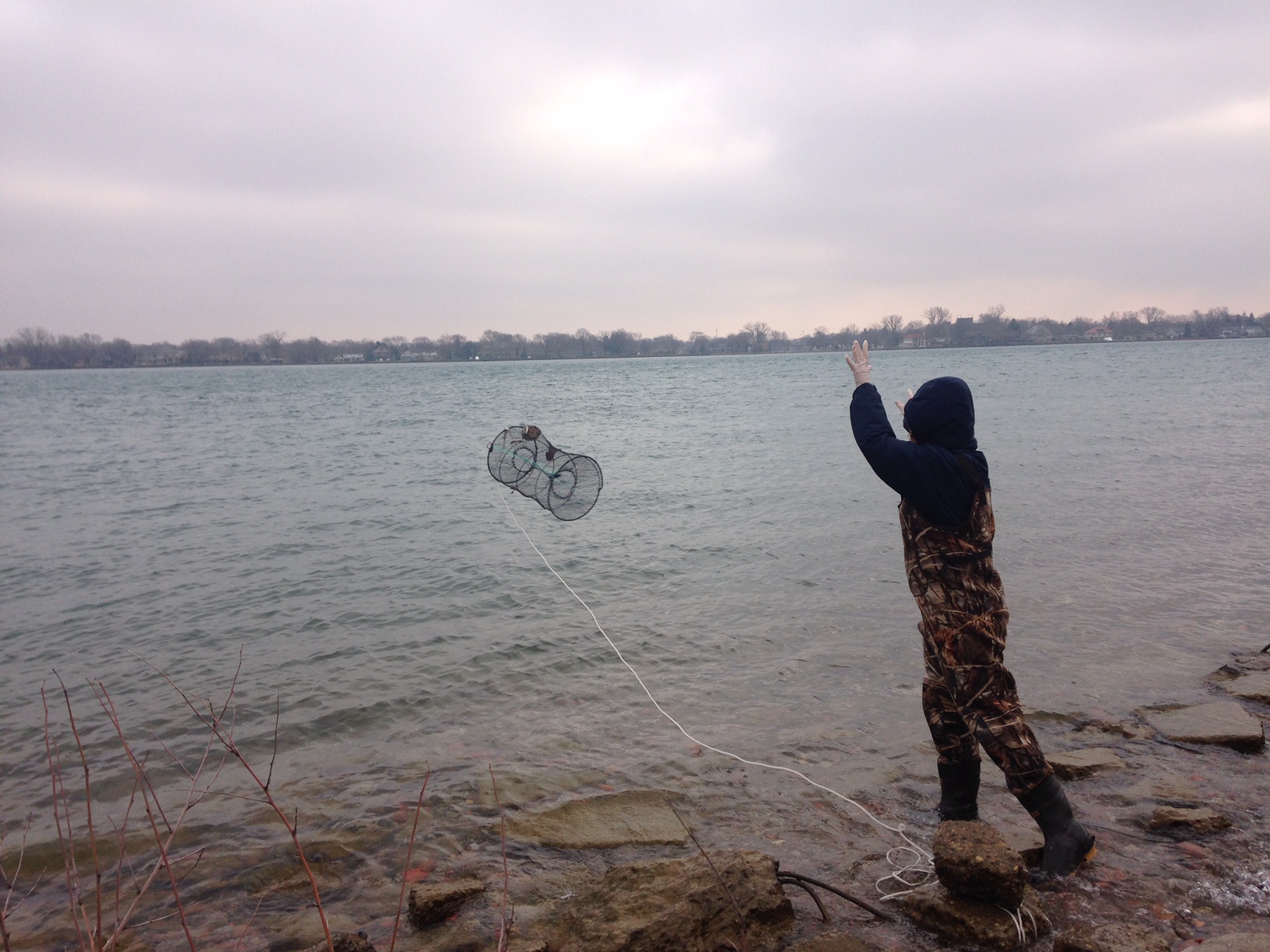
Fieldwork and data collection for this project is typically a two-day process. On Day 1, we are in the field collecting water samples and data on the weather, and also setting traps. To capture mudpuppies, we use small collapsible minnow traps that we weigh down to the bottom of the river and bait with frozen smelt. We tie the traps to the shoreline so they won’t be lost in the current of the river. We leave them overnight to allow the mudpuppies plenty of time in their undisturbed habitat to wander in, where they will remain until our return the following day.

The water samples we collect are taken back to our water quality lab where we can conduct more scientific tests. Keeping track of the water quality of the Detroit River is just as important as the data collected on the mudpuppies themselves. A database of this information will help us notice if severe changes have occurred in the water over time.

On Day 2, we return to the field to collect the traps as well as information on any mudpuppies captured overnight.

In the winter, the coast of Belle Isle can be quite treacherous. On one particular day in March, we faced some challenges as ice floes had moved into the shore overnight and were covering the traps we’d placed the day before. I was accompanied by two of the DZS’s most seasoned field researchers: Paul Buzzard, the director of conservation, and Marcy Sieggreen, curator of amphibians. Wearing insulated chest waders and long gauntlet-style gloves for protection against the icy waters, we did some ice stomping and managed to locate and recover all the traps we’d set.

Turned out we had captured one mudpuppy, so we proceeded to gather additional data – information from the animal, weather conditions and the water. We needed to take great care to keep the mudpuppy in the water at all times; in the winter this protects the skin and gills from freezing and in the warmer days of spring, summer and autumn it protects from the heat. We take measurements, weight and pictures of the animal, and if the salamander is healthy and large enough, a small transponder is implanted in the side of the tail to help with identification if recaptured. As quickly as possible, the mudpuppy is returned to the water in the area where we found it.

On Day 2, if conditions are favorable, we also use a digital boroscope to survey the site further. A boroscope, or a “plumber’s camera” as it’s sometimes called, is a camera at the end of a flexible 5-foot-long cable connected to a video screen. We use it to peek under rocks and logs in search of mudpuppies. This tool is a non-invasive way to learn about what else is living in the river.

As we continue with these surveys, we are exploring what other things the data we collect can show us from further analysis. We also plan to return to surveying areas off the coast off the island of Grosse Ile, which are also known to have a population of mudpuppies.

– Rebecca Johnson is the associate curator of amphibians for the Detroit Zoological Society.

Marcy Sieggreen was the curator of amphibians for the Detroit Zoological Society from 2008 until her passing in 2016. The Detroit Zoological Society established the Sieggreen Amphibian Conservation Fund in Marcy’s memory to continue to advance the work she so passionately championed.

Amphibian Conservation: Breeding Puerto Rican Crested Toads

April is an important time for the Detroit Zoological Society’s amphibian conservation programs. Three of the four animals we work with at the National Amphibian Conservation Center (NACC) that are a part of Species Survival Plans (SSP) are preparing to take part in precisely planned and scheduled breeding events. The outcome is the release of captive-born offspring into the wild to aid in the increase of their populations.

First up for the season is the Puerto Rican crested toad, Peltophryne lemur. The PRC toad, as we like to call them, has been part of a well-managed SSP since 1984. Habitat loss and competition from the invasive cane or marine toad (Rhinella marina) are believed to have been primary causes for the toad’s decline. Listed as critically endangered by the International Union of the Conservation of Nature (IUCN), collaborative efforts by the Associations of Zoos and Aquariums, U.S. Fish and Wildlife Service and the Puerto Rico Department of Natural and Environmental Resources have aided the recovery of this toad in the wild. More than 300,000 captive-bred tadpoles produced by 20 zoos have been released to the wild since 1982. Since the year 2000, the Detroit Zoological Society has produced more than 45,000 tadpoles for this program. In 2015, three clutches of eggs laid produced 22,571 tadpoles for release – the largest amount the Detroit Zoo had ever sent. Ongoing research and the creation and protection of pond habitats have also assisted in the recovery of this toad in its natural habitat.

You may be wondering what it takes to produce thousands of tadpoles from toads half the size of the palm of your hand. The breeding season starts with the assignment of four breeding pairs from the SSP. Each toad in captivity is identified and tracked using a studbook. Specialized software chooses pairs of toads that will produce the most genetically diverse offspring. By mid-March, we know who these eight toads are and we can begin preparing them for breeding.

Each toad must be easily identifiable – if you think all toads look alike you’ll be surprised to know that wart patterns and throat markings are very unique, although reading glasses are sometimes needed to make the proper ID. Toads are conditioned by slightly cooling and drying their environments out for a month-long period. A thermostat-controlled refrigeration unit keeps the toads cooled precisely at 66 degrees Fahrenheit. While the toads are “sleeping”, their primary zookeeper works diligently on preparing the breeding tanks where the pairs will breed and the eggs will develop. At this same time, veterinarians prepare a schedule of specialized breeding hormones that will further assist in ensuring that eggs are laid and fertilization happens at the right moment.

Upon their exit from cooling, they return to normal husbandry to warm up and eat for a few days. Breeding calls of male toads are played to encourage breeding behaviors. Males are first to go into the breeding tanks, followed hours later by the females. If all the preparation works, pairs of toads will be in amplexus – which happens when a male is positioned on top of a female and he squeezes her to encourage egg-laying – before we leave for the evening, followed by a morning of tanks full of eggs.

It takes two to three days for eggs to hatch and another couple of days for tadpoles to begin swimming around and actively eating. Tadpoles can be some of the hungriest creatures you will ever encounter. Keepers spend the next 10 days keeping them fully fed by offering them algae pellets, powdered diets and romaine lettuce sometimes three times a day. At the same time, all those foraging tadpoles create a lot of waste, so keepers spend the rest of their time keeping their water clean with frequent water changes.

During all of this, we keep a very important date in the backs of our minds – the last big event in our PRC toad breeding season. Any facility that breeds the PRC toad needs to ship them to Puerto Rico for release on the same date. The release of the tadpoles is timed with the season in which the tads would grow and develop the best in the wild. Tadpoles also need to be shipped at a certain age, before they get too big and begin to develop appendages.

Amphibian staff can spend well over 24 hours collectively counting and packing the tadpoles into Styrofoam-protected shipping boxes. Heavy-duty fish shipping bags are used, doubled up and filled with oxygen to keep tadpoles healthy and safe on their trip to Puerto Rico. Approximately 24 hours later, they will reach their new home in a pond located in a well-protected forest in Puerto Rico. As they develop and grow, they will add to the wild population and one day, hopefully, participate in creating many more thousands of tadpoles!

Rebecca Johnson is the associate curator of amphibians for the Detroit Zoological Society.