Animal Welfare: Through the Looking Glass

Stephanie Allard, Ph.D., is the Director of Animal Welfare for the Detroit Zoological Society and oversees the Center for Zoo Animal Welfare.

Glass enclosures like those in the Holden Reptile Conservation Center at the Detroit Zoo are designed to provide visitors with less obstructed views of the animals and bring them even closer. These clear barriers can also easily lend themselves to direct contact by both the visitors and the animals – visitors can press their hands and faces right up to the glass, and even knock or bang on the glass. As it appears to be a common occurrence in zoos and aquariums, it’s important to us that we understand what effect, if any, that this visitor behavior has on the animals.King Cobra - Jeff Jundt
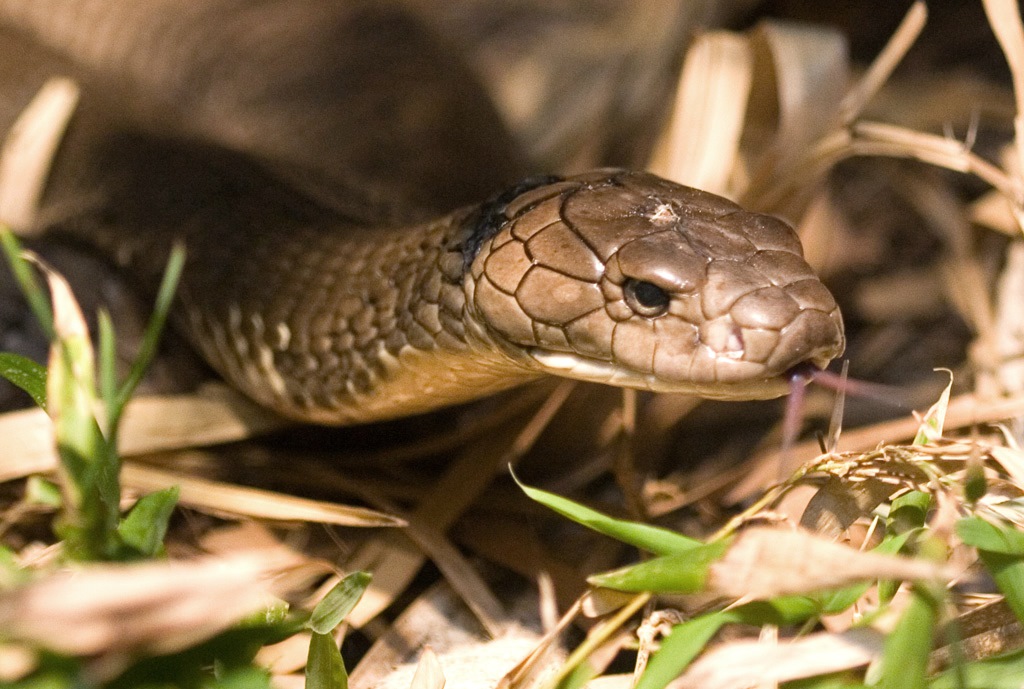
While this topic has not been well researched thus far, the Center for Zoo Animal Welfare at the Detroit Zoo is in the midst of a study designed to determine if there is an impact on the welfare of reptiles when visitors knock on the glass of their enclosures.

We first wanted to determine if there were specific enclosures or species that were being targeted by visitors, and we learned that this was not the case. Next, we want to determine if there is a behavioral response by the animals to the visitors interacting with the glass. We recorded video footage of the individuals before and after visitors interacted with the glass of the enclosure. We are currently comparing that behavioral data to other data collected at times during which there were no visitor interactions.
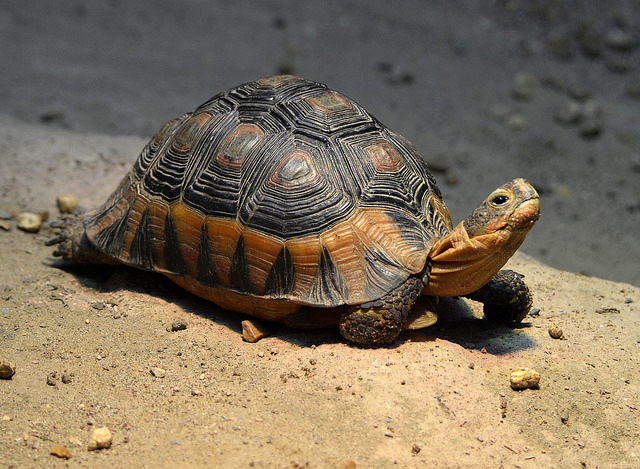
Tortoise - Roy LewisBased on what is known about reptiles, we may find in this study less behavioral evidence of their reactions to their environment. But an important thing to keep in mind is that just because we can’t see a reaction, it doesn’t mean the individual animal isn’t affected.

Therefore, the final phase of this study will attempt to look for any changes in hormone levels – specifically corticosterone, which is the reptile and avian equivalent to cortisol in humans – during times with little to no visitor interactions and those with more. This part will be a bit trickier, as the means by which we collect hormone information non-invasively in mammals – by measuring levels in feces or saliva, for example – is not as easily done with reptiles. We are excited by the challenge however, as the welfare of every animal is important, including the ones that people might not relate to as easily.

– Dr. Stephanie Allard
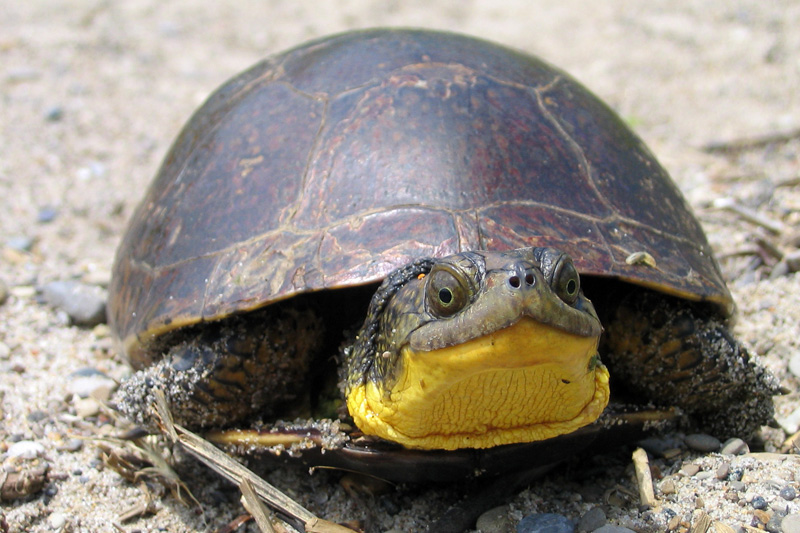
Animal Welfare – Blanding’s Turtles

Stephanie Allard, PhD. is the Director of Animal Welfare for the Detroit Zoological Society and oversees the Center for Zoo Animal Welfare.

Part of the Detroit Zoological Society’s (DZS) mission is to demonstrate leadership in wildlife conservation and animal welfare. This includes taking a compassionate approach to conservation projects. Often, conservation actions, such as programs that reintroduce animals into wild habitats, are more focused on protecting species or populations, and this can come at a cost to Blanding's turtleindividual animals. For some species, personality traits may be linked to survival success when animals are returned to the wild. Therefore, we designed a study to look for personality traits in Blanding’s turtles, a species of special concern in the state of Michigan that the DZS has been helping to reintroduce into the wild.

In this study, turtles are hatched and raised at the Detroit Zoo and are released when they reach a size that would make them less likely to be killed and eaten by raccoons and other predators. Some of the turtles are fitted with GPS trackers prior to being released so their movements can be followed.

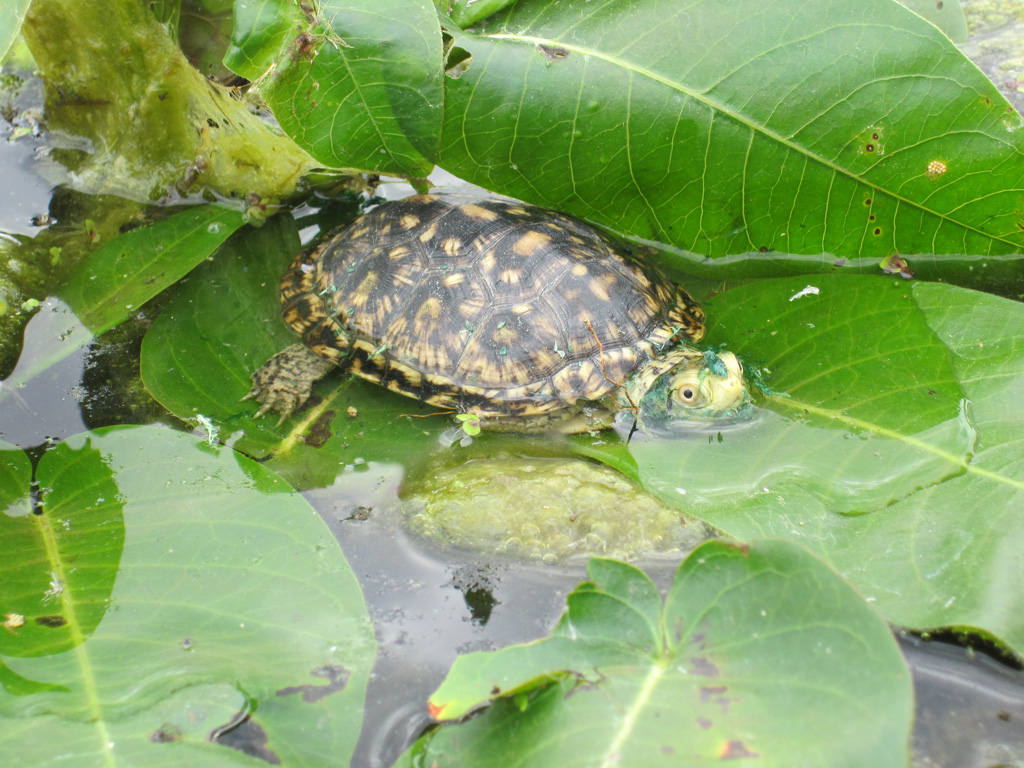
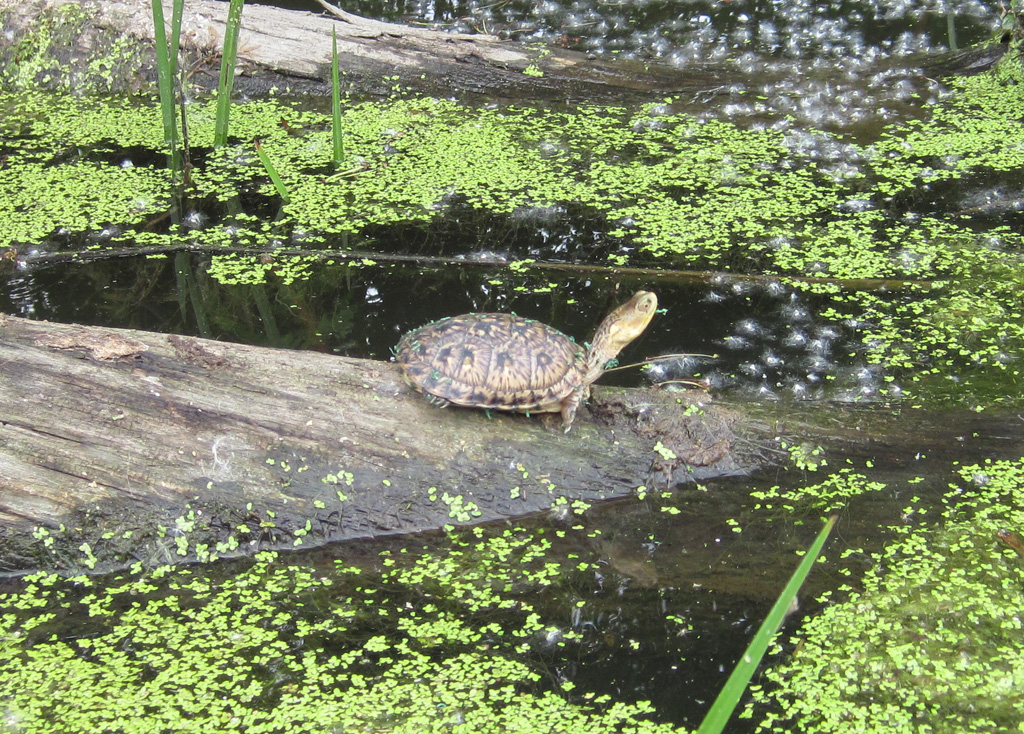
Blanding's turtleThe goal of the personality project was twofold: First, we hoped to uncover personality traits in the turtles, as little animal personality research has focused on reptiles. The 24 turtles selected to wear trackers underwent simple behavioral tests to determine how likely they were to explore, acquire food, and how they responded to seeing themselves in a mirror which can tell us about their reaction to other turtles. Preliminary results of the behavioral tests suggest that several personality traits may be present in the turtles, including boldness and exploration.

Blanding's turtleThe next step will be to use the information shared with us by the field biologists to see if personality traits had any impact on how well each turtle did during the year following their release. This kind of information could help to make the best possible decisions when deciding where to release individual turtles in order to maximize their success in returning to the wild.

– Dr. Stephanie Allard

Animal Welfare: Penguin Project

Stephanie Allard, Ph.D., is the Director of Animal Welfare for the Detroit Zoological Society.

The Detroit Zoological Society is home to the Center for Zoo Animal Welfare. Among the goals of the center is to conduct research that can help us to better understand and improve the welfare of animals living in zoos. One of the ways in which we do this is by studying how the animals at the Zoo are interacting with each other and with their environment.

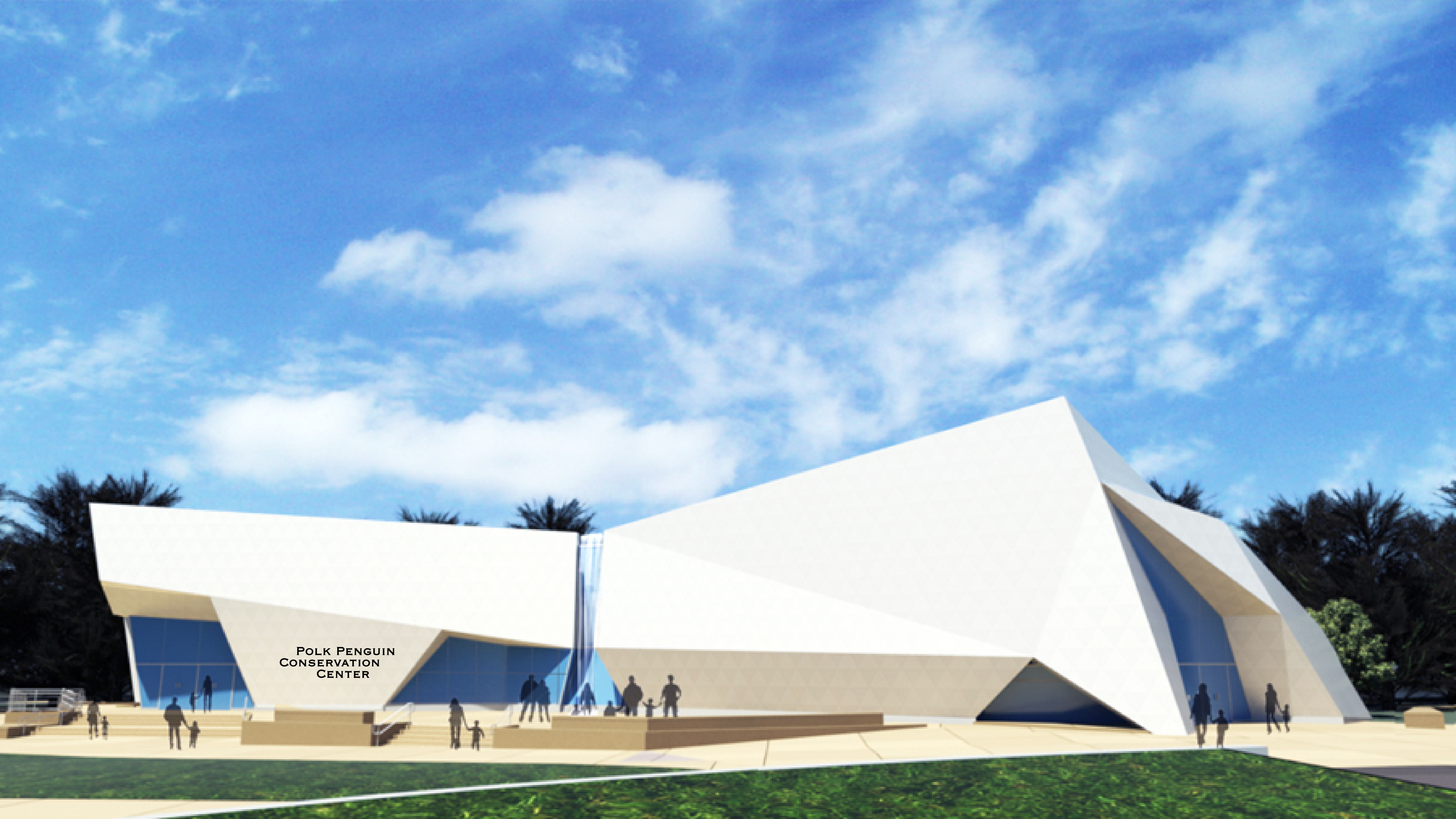
This type of research is really important when we are designing new habitats for the animals. The Zoo is currently constructing a new state-of-the-art Polk Penguin Conservation Center (PPCC) that will house four species of penguins: king, macaroni, rockhopper and gentoo. The PPCC is designed to allow for a wide variety of species-appropriate behaviors and for the penguins to have greater choice and control in their environment.

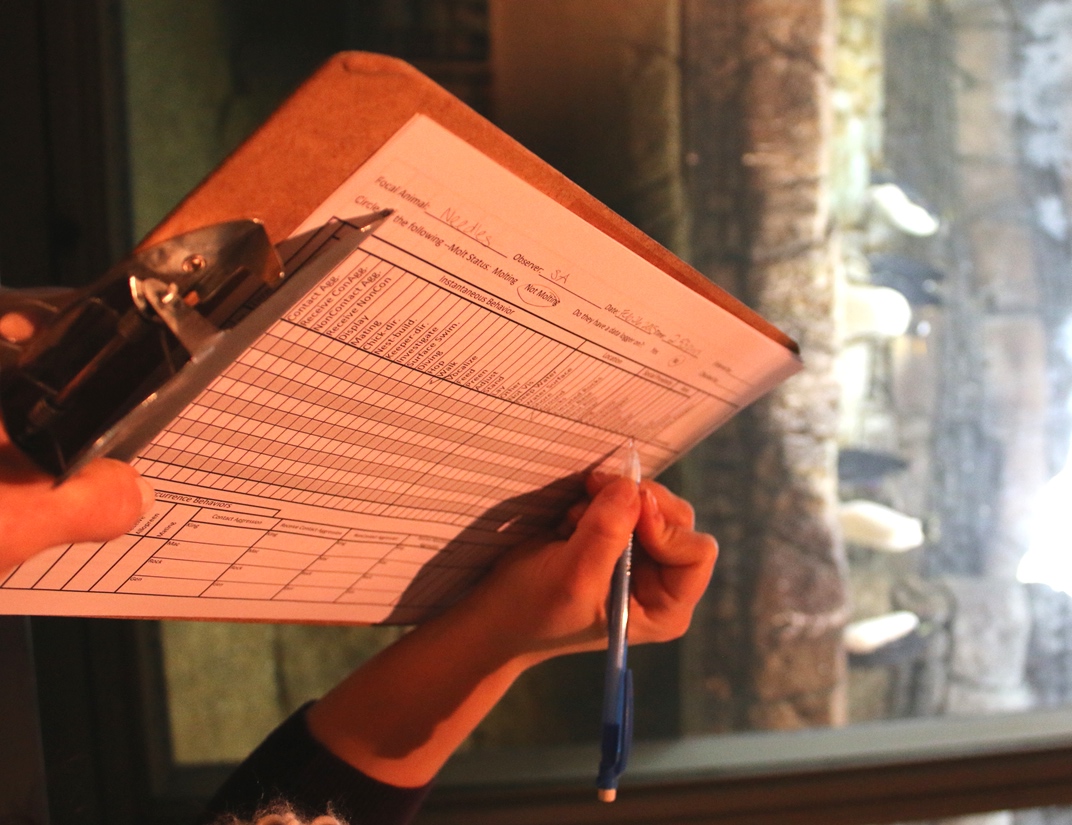
The new habitat provides us with a greatopportunity to compare the behavior and well-being of the same group of penguins in two very different living spaces: their current home in the Penguinarium and their future home in the PPCC. This project is off to a great start! We collected behavioral data on a subset of penguins to test out our methodology and are now observing 27 of the penguins – something we will keep doing for a year after they move to the PPCC.

Technology is playing a part in this, as we are using data loggers, small trackers that some of the penguins will wear like a flipper bracelet that will tell us how much time they are spending in the water and at what depth.  This will be especially important in their new habitat, as that pool will be four times the depth of their current one.

If you see one of our data collectors in the Penguinarium during your next visit to the Zoo, ask them about this cool project!

– Dr. Stephanie Allard