Veterinary Care: Get Ready to Run Wild

This year marks the 20th anniversary of Run Wild for the Detroit Zoo, and we anticipate it will be bigger and better than ever. This is a fun, family-friendly fundraising event that encourages our friends and Members to enjoy a healthy dose of exercise – through either a 5K, 10K, Too Wild combo or Fun Walk. Run Wild is also a great way to support the health of the animals at the Zoo.
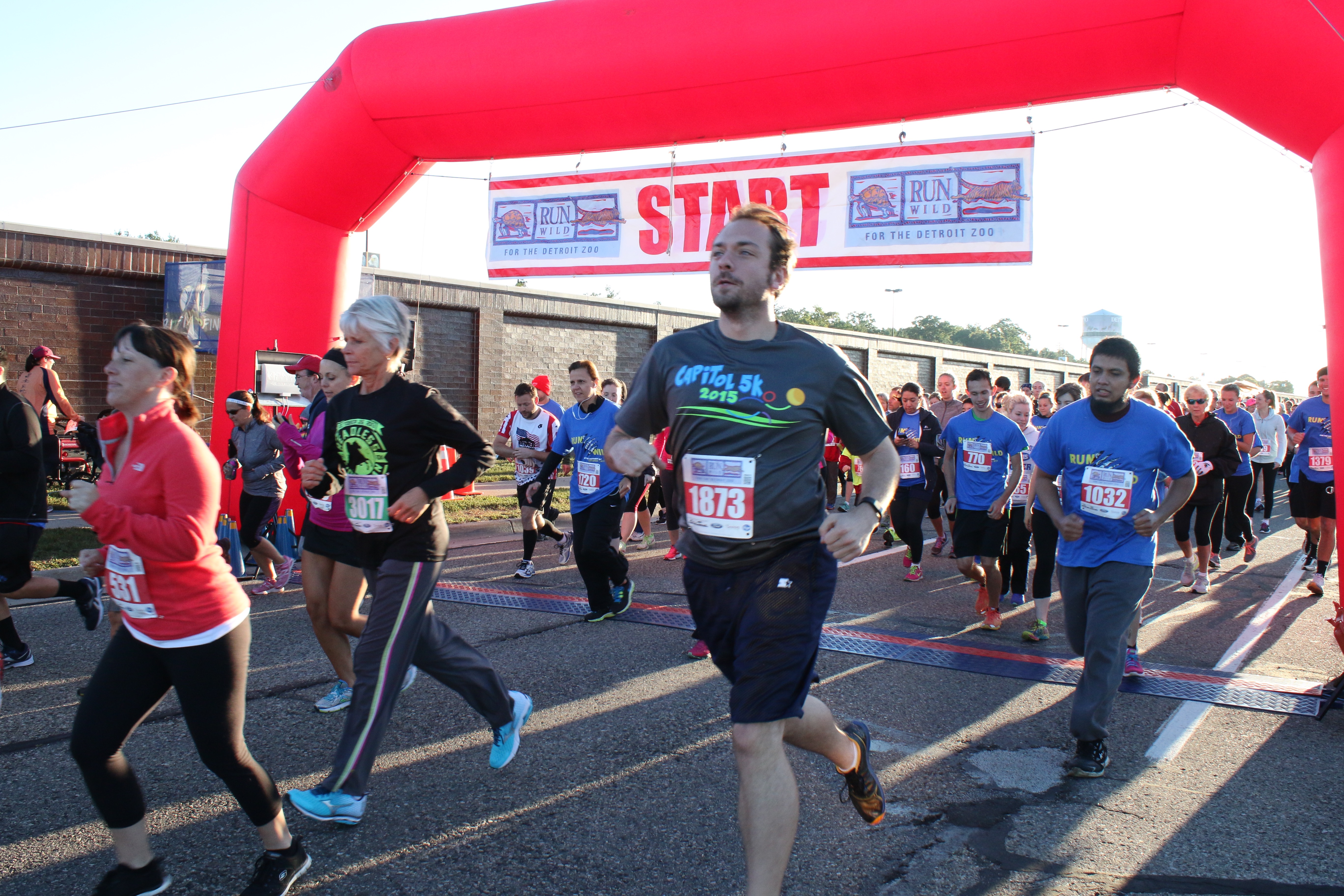
The race started as a unique collaboration between the Southeastern Michigan Veterinary Medical Association and the Detroit Zoological Society. During the first 10 years, proceeds from Run Wild were put toward a $1 million endowment dedicated to supporting the purchase of equipment for the Zoo’s Ruth Roby Glancy Animal Health Complex. Each year, the revenue from this endowment and proceeds from Run Wild are used to purchase and upgrade our diagnostic and treatment capabilities. This funding has allowed us to maintain cutting-edge health technologies in the Zoo. Over the years, we have purchased some very important equipment, including a two-headed teaching microscope, digital radiology, an ultrasound machine and a portable blood analyzer.
Last year we purchased a hand-held portable dental X-ray unit. Dental care is a very important component of our efforts to keep animals as healthy as possible. The new unit looks like a futuristic ray gun, and delivers a narrow beam of X-ray energy to a very small plate designed to be put inside the mouth of our patients. With this technology, we are able to take very detailed images of individual teeth or areas of concern, and to find dental problems early, before they become serious. The unit is small enough that it can easily be transported to our patients throughout the Zoo’s 125-acre grounds. We have used it to image teeth from wolverines to guanacos, lions and other animal patients of all shapes and sizes. We have even used it to take images of the bellies of frogs and toads!

Last year we also purchased a new patient monitoring tool called an EMMA (Emergency Mainstream Analyzer). This tiny piece of equipment provides us with very valuable information during anesthetic procedures. With each exhalation, the EMMA measures the amount of CO2 in the breath. Any change in body position or physiology that subtly compromises an animal’s ability to use oxygen is immediately known using this sensitive equipment. We use it for all of our procedures now, and find it invaluable.

I know this may all may sound very technical, but providing health care to the animals at the Zoo is a big job. The team at the Ruth Roby Glancy Animal Health Complex is very grateful to have the latest and greatest equipment to provide skilled and compassionate care. Join us for Run Wild, and know that you are supporting great care at your Zoo.

– Dr. Ann Duncan is the director of animal health for the Detroit Zoological Society and oversees the Ruth Roby Glancy Animal Health Complex.

Editor’s Note: New this year, all Run Wild participants will receive finisher medals! These medals feature a penguin to celebrate the Polk Penguin Conservation Center as well as an American flag ribbon to honor the anniversary of September 11. In addition to finisher medals, all participants will receive a reusable Detroit Zoo water bottle at the finish line. These bottles can be refilled at any of the free hydration stations on Zoo grounds, and there will be additional refilling stations available on race day. This is all part of our Green Journey to create a more sustainable future; last year we eliminated the sale of disposable water bottles at Detroit Zoo concessions, an effort that has kept 60,000 plastic bottles out of the waste stream.
Veterinary Care: The Evolution of Zoo Vet Resources

I’ve been a practicing zoo veterinarian for 25 years; the last 20 of which have been spent here at the Detroit Zoo. Things have changed so much over the years, especially as it relates to the resources that are available to zoo and wildlife veterinarians as well as the technology we use to share information.

My first “real” job as a zoo veterinarian was at the Potawatomi Zoo in Indiana. I was the zoo’s first full-time veterinarian, and had to build the veterinary programs from scratch. I was a brand-new vet, full of ideas, and the only one at the zoo. It was a fun challenge and I had a lot to learn.

It was a very different time. When I first started I didn’t have a computer that was my own – I shared a very old model with our animal staff that did not have an internet connection. There was no email available back then; in order to reach out to someone for feedback or advice, you had to talk to them on a phone (that was connected to the wall!) The internet was not yet flush with information about zoo medicine, and most publications had to be rooted out of university libraries or actually found on your bookshelf.

So I made a lot of phone calls, talked to people at meetings, eventually sent a lot of emails, and connected with people on “listserves”. Some of my most valuable connections were within a group called the Midwest Regional Zoo Vets. This group started gathering soon after I started working in Indiana, and I very happily joined their ranks. It was a small group at first; five to seven people meeting to talk about anesthesia challenges and vaccine programs and sharing a spaghetti dinner made together in the hospital kitchen. I was the newest, youngest veterinarian in the group and found it invaluable to have this group as a resource.

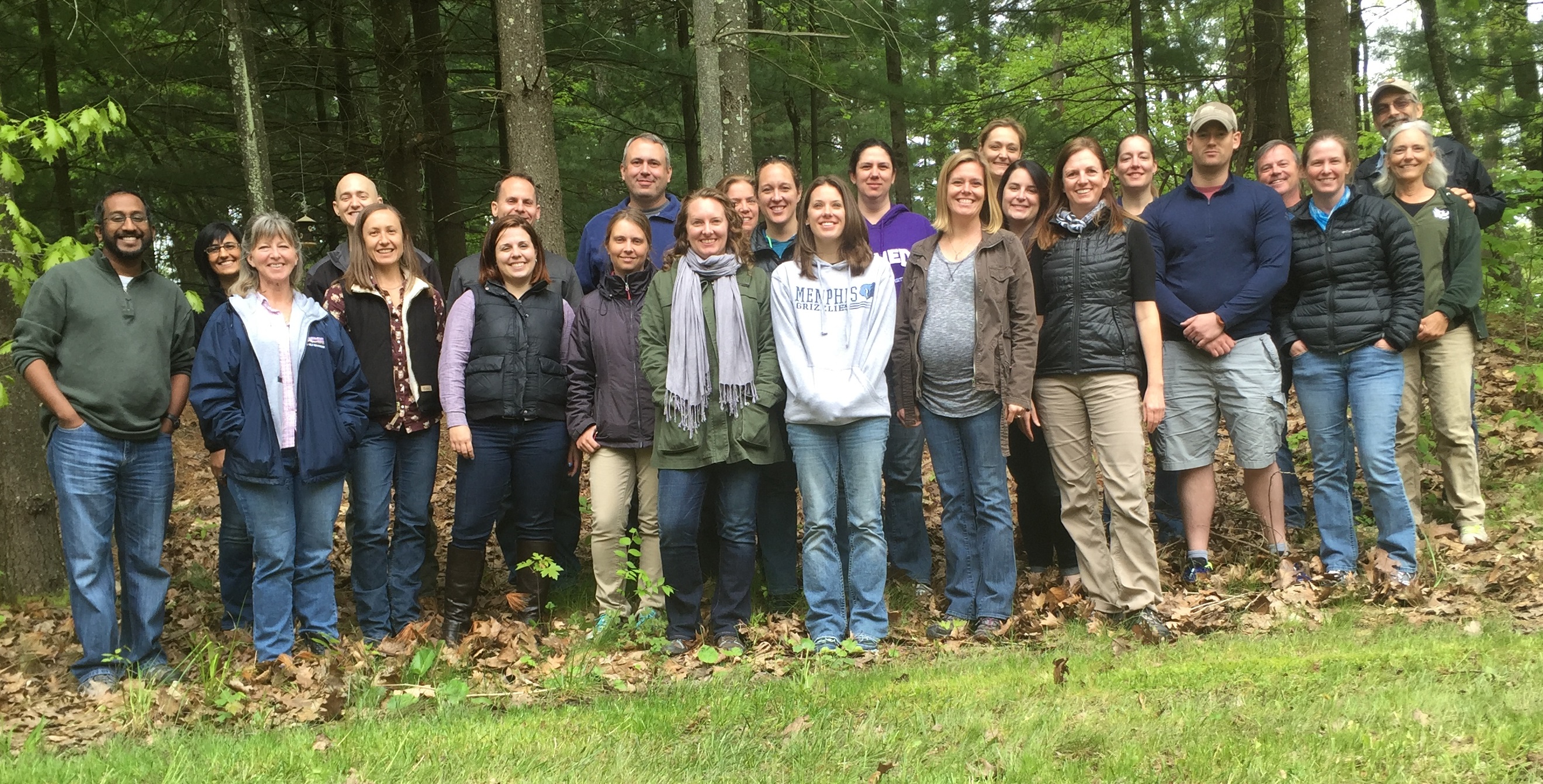
Things have changed over the years. Electronic resources and connections make it much easier to keep the latest research at our fingertips and obtain feedback from other experts in our field. Despite all these resources, it’s still incredibly valuable to gather together and talk about the challenges we face. I’m happy to report that the Midwest Regional Zoo Vet group is still going strong after more than 23 years, and for most of these I’ve been the organizer and chairperson. We meet twice each year, rotating our locations between a dozen zoos in Ohio and the surrounding states. We have been able to maintain the intimacy of those first, small, cozy meetings, even though our last meeting was 30 members strong.

We talk about all kinds of things, from parasites to grief management, nutrition to radiology. We also often share clinical cases and invite outside experts to join in on the discussion. We talk about the cases that stump us, share our amazing success stories, and discuss our failures. There is no question that can’t be asked, no problem too trivial. I always learn so much more than I expect at our meetings – it’s fantastic! Zoo veterinarians are some of the most generous, dedicated people I know, and bringing my colleagues together to help provide the best possible medical care to animals is extremely rewarding. I’m proud to be part of a profession that feels like family!

– Dr. Ann Duncan is the Director of Animal Health for the Detroit Zoological Society and oversees the Ruth Roby Glancy Animal Health Complex.

Veterinary Care: New Penguin Facility is a Veterinarian’s Dream Come True

Anyone who has visited the Detroit Zoo’s Penguinarium probably knows that it is impossible to escape the charm of the penguin. I have been caring for penguins at the Detroit Zoo for more than 20 years, and can attest to this firsthand. I find them to be exceptionally interesting and charismatic animals, and even after all these years, I enjoy every visit to the Penguinarium immensely. More than a few penguins have stolen my heart over the years.

Generally speaking, penguins are strong, feisty birds that rarely develop health problems. In recent years, the penguin flock at the Detroit Zoo has become older, and we have treated penguins for a variety of age-related medical problems. In the course of this work, we realized that there were gaps in the scientific literature concerning penguin health. As a result, we focused our efforts on gaining a better understanding of some of the most important conditions, including cataracts, melanoma and bumblefoot. Our animal health and life sciences departments and the Center for Zoo Animal Welfare all share the same long-term goal of better understanding how we can provide an environment that allows penguins to thrive and maintain the best possible health and welfare.

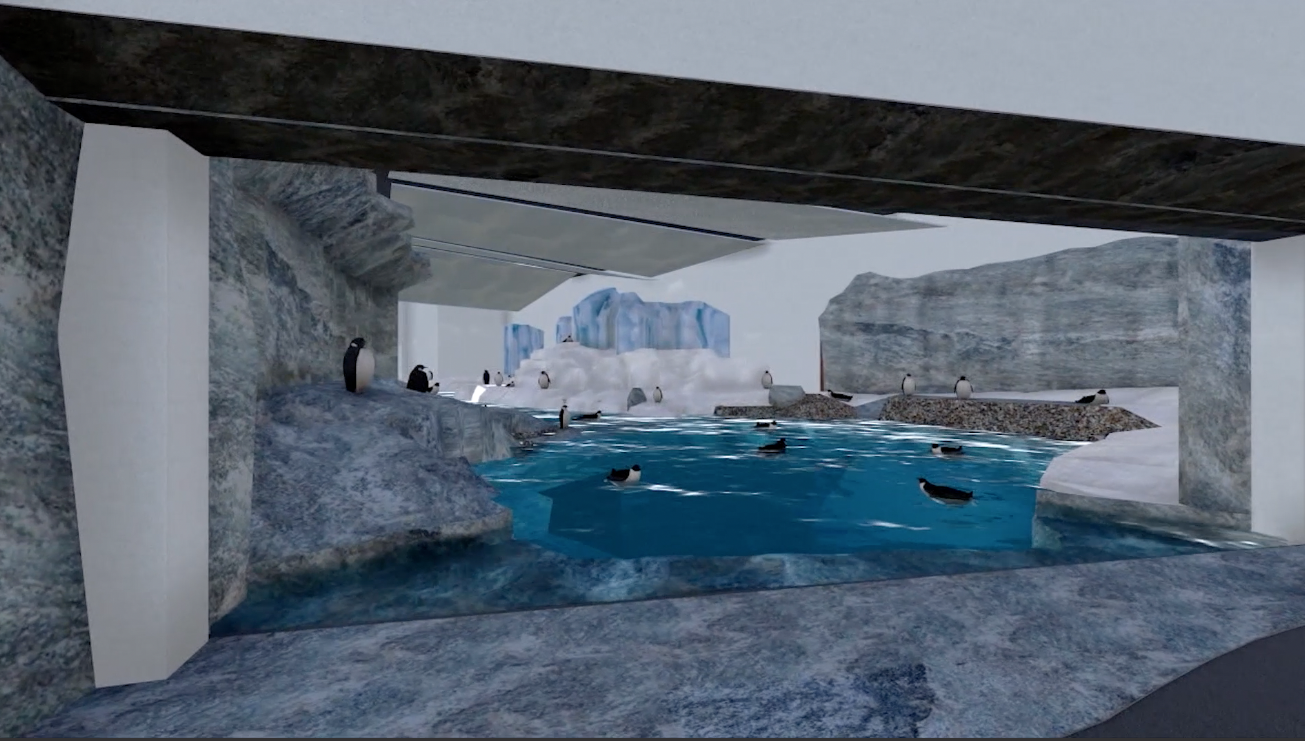
The new Polk Penguin Conservation Center is a penguin veterinarian’s dream come true. We feel so fortunate to have been able to use our expanded knowledge of penguin health to inform the design of their new home. Every aspect of the habitat is designed to meet their unique needs:

  • The lighting in the new habitat provides a much wider spectrum of wavelengths, with more ultraviolet light and improved nighttime lighting in the red wavelength ranges. The lighting intensity capacity is greatly increased, and can be adjusted to mimic seasonal variation.
  • The flooring has been designed to enhance foot health and prevent development of bumblefoot lesions. In some places, the floor is coated with a resinous material to provide cushioning, and in other areas the flooring has variable rocky textures, mimicking conditions seen in Antarctica.
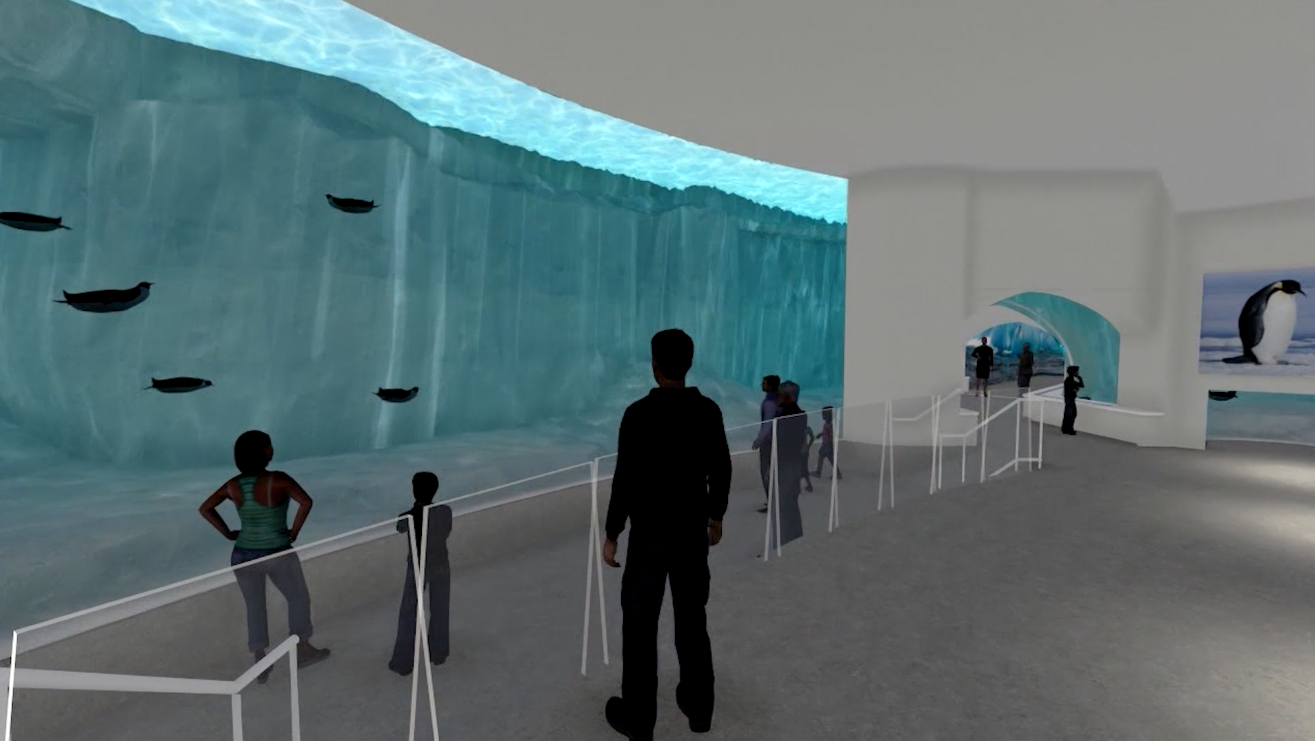
  • The penguins will have an enormous pool for swimming, and a swim channel that will allow them to circumnavigate the entire habitat. This will result in increased activity levels and opportunities for natural porpoising and diving behaviors and will help them avoid weight gain.
  • The water filtration system is state-of-art, and will include an ozonation capacity and improved water filtration.
  • The air quality will be significantly improved, providing 100% air exchange and improved air filtering.
  • The nesting areas are designed to be easy to clean and allow better chick-rearing success.
  • We will also have more places to temporarily hold animals needing special attention during illness or quarantine, and fold-down stainless steel exam tables for veterinary exams and procedures.


Over the years, we have been able to provide treatment and loving care to a number of very special penguin patients and have had a lot of success: We’ve helped chicks who have gotten off to a rough start, restored vision to a number of geriatric penguins with cataracts and significantly reduced the incidence of bumblefoot. Despite these successes, our greatest measure of achievement is in the medical problem that is avoided altogether. We constantly strive to prevent issues from developing, through carefully designed diets, vaccination and parasite prophylaxis, disease surveillance and excellent care. The Polk Penguin Conservation Center is a big stride forward toward this goal, and we thank the community for their support of this exciting project. Thank you for helping us provide the best possible care to our penguin family.

– Dr. Ann Duncan is the Director of Animal Health for the Detroit Zoological Society and oversees the Ruth Roby Glancy Animal Health Complex.

Veterinary Care – Antarctica Brings a New Respect for Penguins

I have a new respect for penguins. As one of the veterinarians at the Detroit Zoo, I know a lot about these aquatic birds – how to collect blood from a penguin, how to anesthetize a penguin, what types of medications I can give to a penguin, and how the inside of a penguin should look on a radiograph (X-ray image). In fact, the day before I left for an expedition to Antarctica, my veterinary ophthalmology colleagues and I restored vision to two of our rockhopper penguins by performing surgery to remove their cataracts. However, after visiting these amazing little birds on their home turf and seeing how they live their daily lives, I realize that I had no idea how a penguin actually “works”.

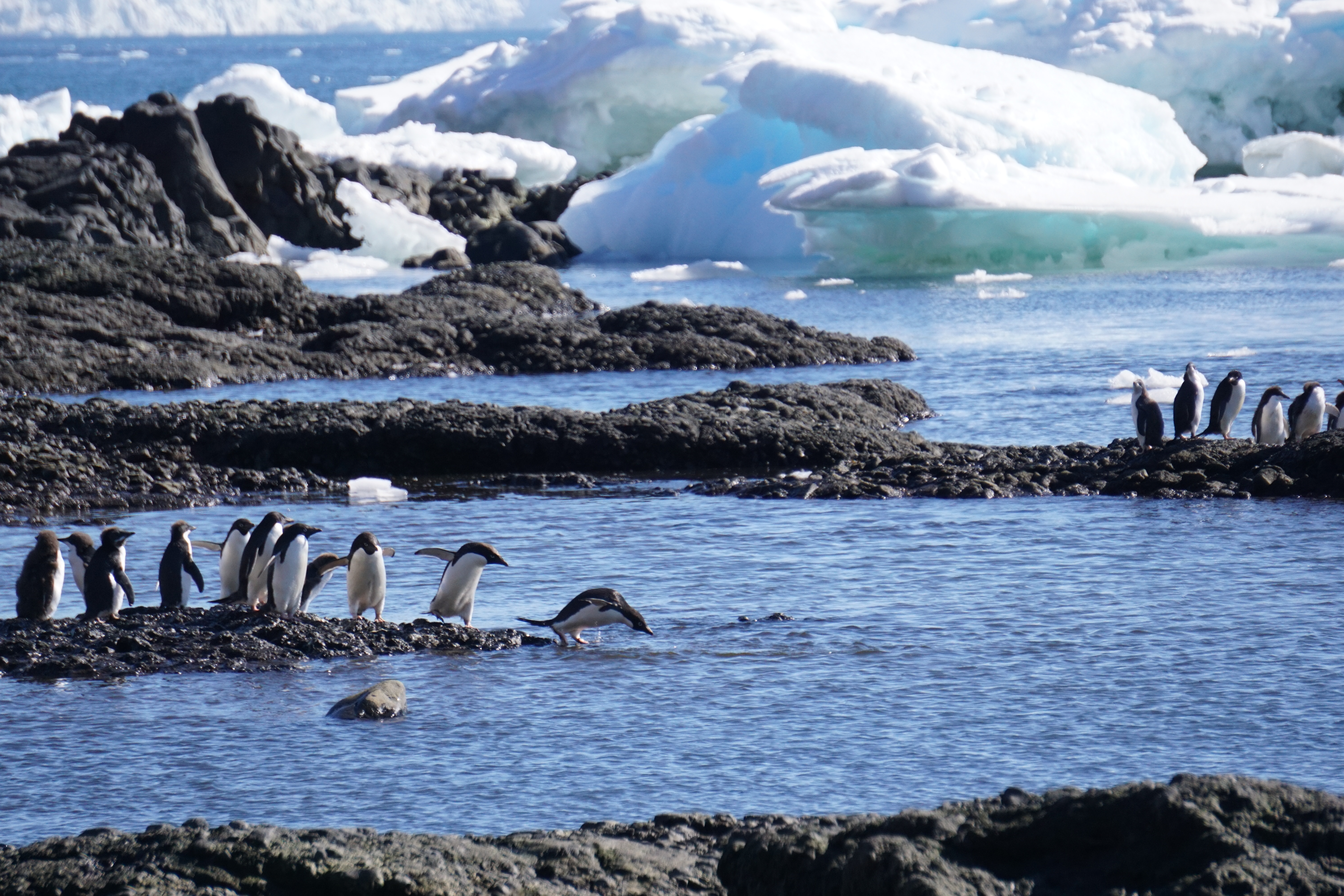
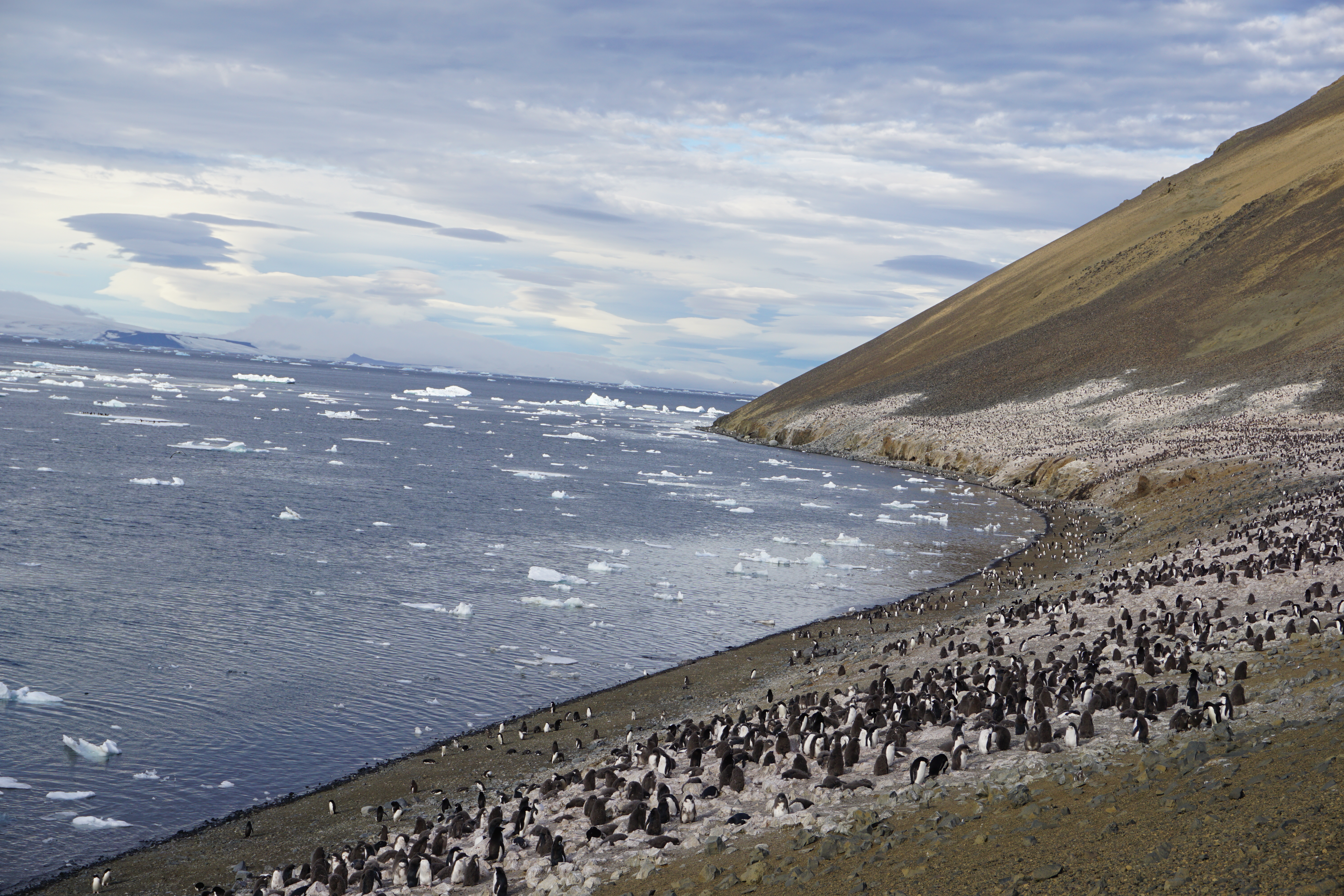
Antarctic penguins live incredibly harsh lives, but they make it look simple. They appear to be perfectly at home in 29°F salt water. That is not a misprint. The salt causes the water to freeze at a lower temperature than fresh water, so they actually swim daily in water than would be frozen if it were in the Great Lakes. We saw penguins everywhere in the water, swimming like bullets and porpoising with ease at high speeds. Penguins, in fact, live most of their lives at sea. Their only use for land is during a relatively brief nesting, breeding and molting season. Our visit to Antarctica took place during the austral summer and, at this time, the penguins are on land for breeding. Although their stout little bodies and short legs are much more suited to swimming, they manage to navigate rocks of all shapes and sizes, sometimes climbing steep and treacherous cliffs to get to their chicks. Aside from a few relatively flat beaches, we rarely saw penguins walking on level surfaces. They do fall occasionally, sometime frequently, but they get up every time and continue on their mission.

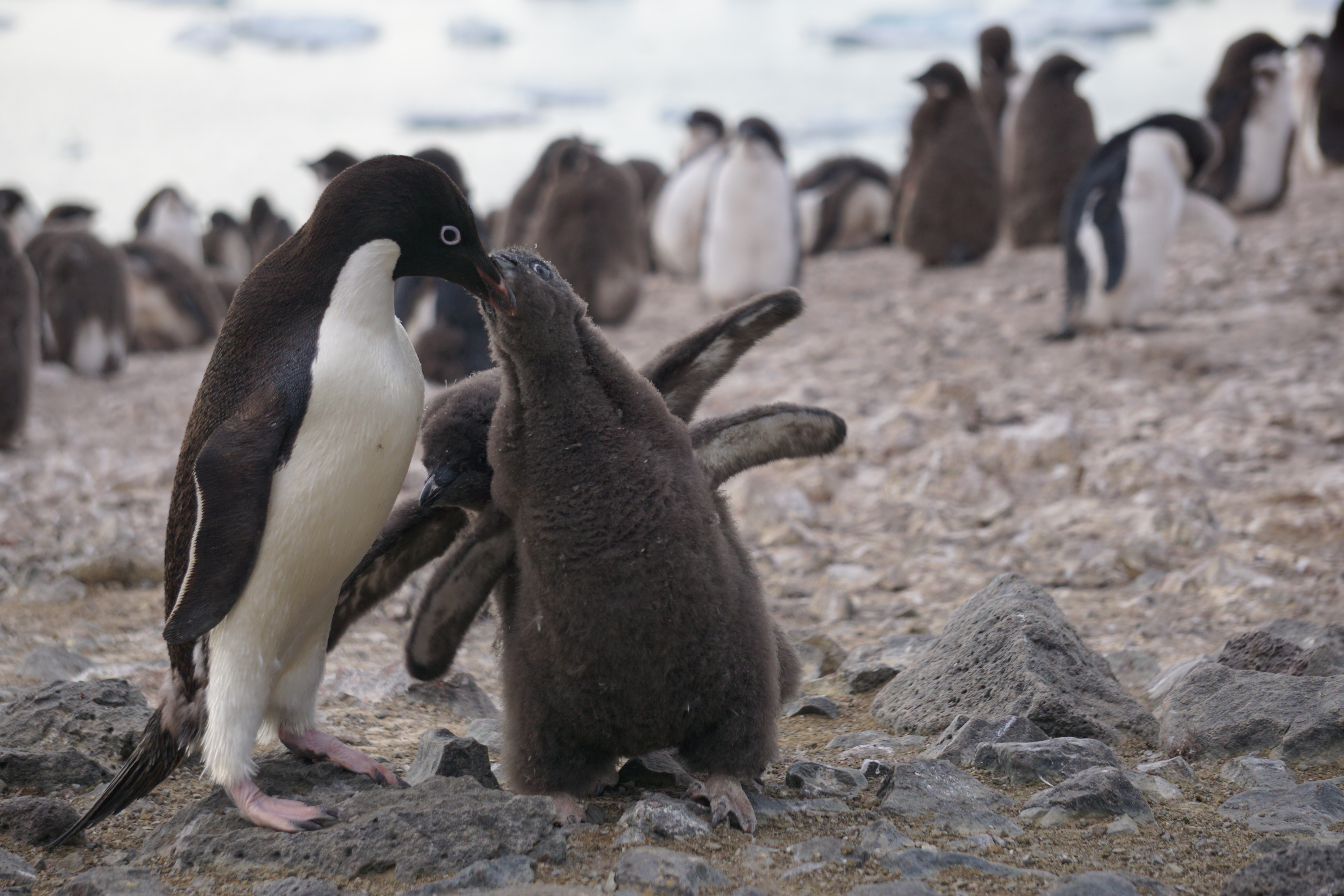
Late in the breeding season – when we arrived – penguin parents spend hours hunting for food in the water and then return to feed their chicks, who are at this point nearly the same size as their parents.  After the parents have hunted all day – making difficult and treacherous climbs up the rocks – their large, pudgy chicks seem much more greedy than grateful for all of the parents’ hard work and dedication.  After feeding all that they have to their chicks, the adults head directly back down the treacherous rocky cliffs and back into sub-freezing cold water to start over again.

These amazing birds live such a hard life, and they make it make it look easy. Or maybe not easy, but they manage it. Because it’s what they do. It’s how they “work”. Now that I’m back at the Zoo working with our penguins, I have so much more awe and respect for these amazing creatures, and I feel so fortunate to have had the opportunity to witness the workings of wild penguins firsthand.

– Dr. Sarah Woodhouse is a veterinarian for the Detroit Zoological Society.

Veterinary Care: Dental Health in Exotic Animals

Dentistry is a very important component of veterinary care for the animals at the Detroit Zoo. Many of the animals here live longer than their wild counterparts, so ensuring that they have healthy teeth throughout their lifetime is a priority.

Dental issues can have a big impact on comfort and the overall well-being of an animal. We sometimes find that if an animal is showing a decrease in appetite or is experiencing weight loss or other problems, they ultimately have underlying dental problems. Whenever we do an exam on an animal, we are sure to carefully examine the teeth for problems and to scale and polish them to remove tartar or plaque. If we see problems or areas of concern, we take skull or dental radiographs to look for problems under the gum line, just like you experience during your routine dental visits.

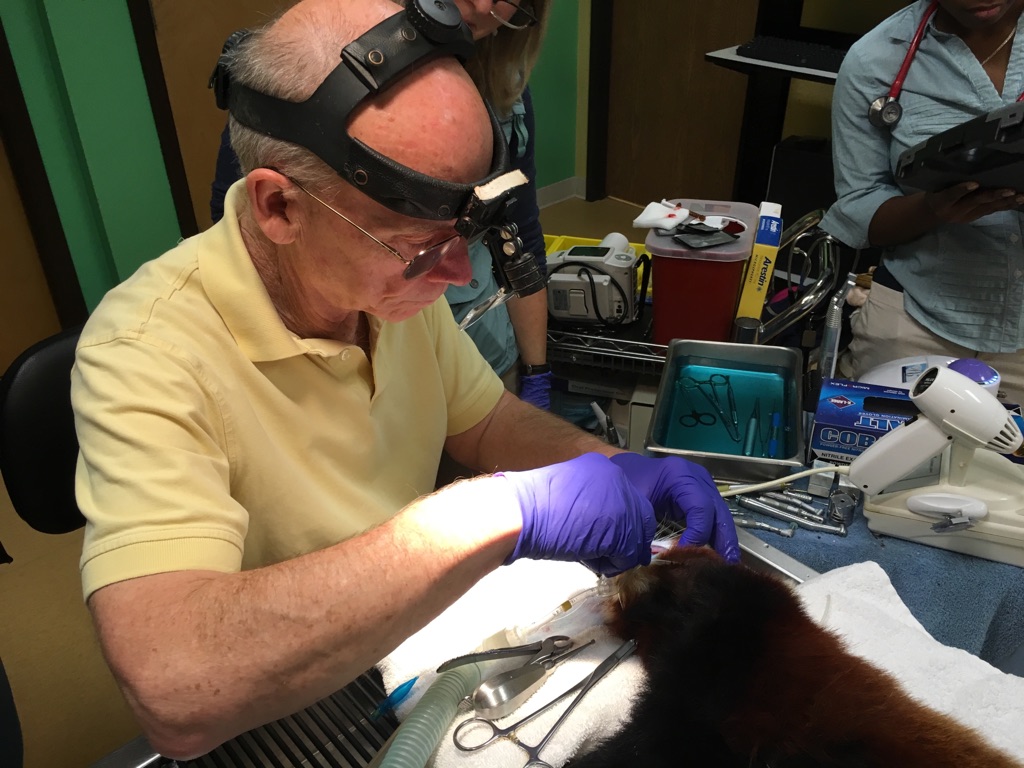
Recently, one of our zookeepers noticed that a red panda was not opening his mouth fully when taking in food items such as grapes. We examined him under anesthesia three times over a short period, and despite anticipating a dental issue, we were unable to find any areas of concern during examination and radiographs. We collected diagnostic samples and treated him with antibiotics and anti-inflammatory and pain medications. Each time, the problem improved and then recurred. When the red panda started having problems most recently, we decided to transport him to a nearby veterinary specialty practice for a CT scan. This advanced imaging technique took only about 20 minutes, and was able to clearly delineate an area of infection underneath one of his upper molars. Usually dental issues can be pinpointed with regular radiographs, but in this case diagnosis proved extra challenging.

We made arrangements to transport the red panda to a board certified veterinary dentist, Dr. Ben Colmery at Dixboro Veterinary Dental and Medical Center in Ann Arbor. Dr. Colmery was able to remove the problem tooth, which allowed the infection to drain clear of the area. Within days, the red panda was opening his mouth wide to eat all of his food items and seemed much more comfortable.

Every member of the Zoo’s veterinary staff helped during one or more of the red panda’s examinations and treatment. This case demonstrates how teamwork, persistence, and assistance from outside experts can lead to a great outcome for our treasured animal patients. I’m thankful for the assistance that we receive from our veterinary colleagues, and proud of the great work that we do in the Ruth Roby Glancy Animal Health Complex!

– Dr. Ann Duncan is the chief veterinarian for the Detroit Zoological Society and oversees the Ruth Roby Glancy Animal Health Complex at the Detroit Zoo.

Veterinary Care: Gorillas in the Congo

Last month, I was able to experience something that was truly a dream come true. For my entire career, I’ve longed to travel to the home country of a species I care for at the Detroit Zoo, and contribute directly to the health and welfare of that species. In October, I travelled to the Gorilla Rehabilitation and Conservation Education Center (GRACE), which is located in the Kasugho region of North Kivu, in the eastern Democratic Republic of Congo (DRC).

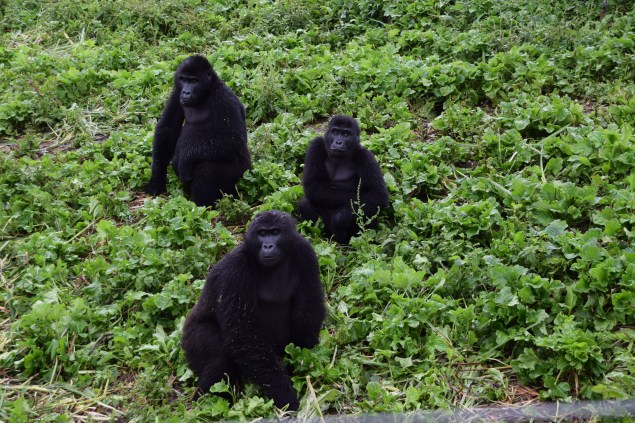
GRACE is the world’s only facility that cares for highly endangered Grauer’s gorillas (Gorilla beringei graueri) that have been rescued by wildlife authorities after being illegally captured by poachers and traders. Grauer’s gorillas are endemic to this region and only 5,000 remain in the wild. There are currently 14 gorillas being cared for at GRACE, ranging from 3-14 years of age. At GRACE, a dedicated Congolese staff provides daily care, including a diet that includes local fruits and vegetation training for important animal management behaviors and treatment for medical problems. Caretakers also monitor the group while they enjoy a 24-acre forest, which is the largest gorilla enclosure in the world. The Detroit Zoo entered into partnership with GRACE in 2014, and as the Chair of GRACE’s Board, Detroit Zoological Society CEO and Executive Director Ron Kagan has provided and facilitated important support to the project. Most recently, he secured funding for a new night house enclosure that is currently under construction.
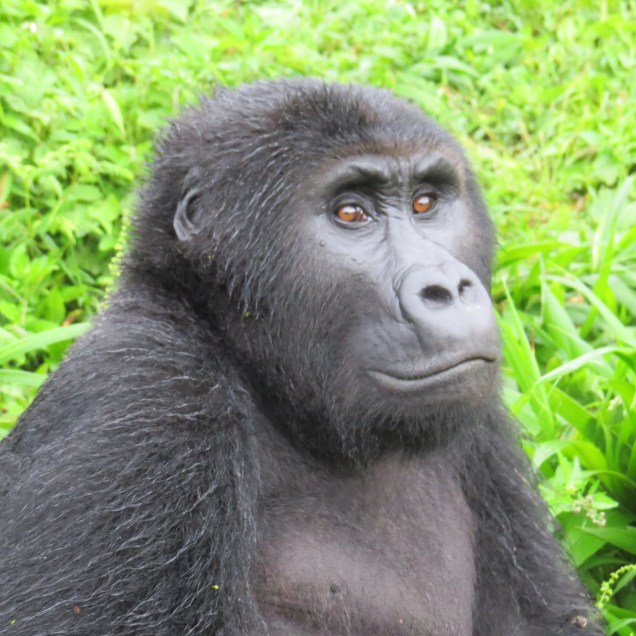
I traveled to the Congo with three staff members from Disney’s Animal Kingdom, including a veterinarian who led the team, a veterinary technician and a husbandry expert. Our goal for the eight days at GRACE was to perform examinations on 12 of the 14 gorillas – this has never been done before anywhere in the world, and it was important that we do all we could during these exams to learn about the health problems they may face.
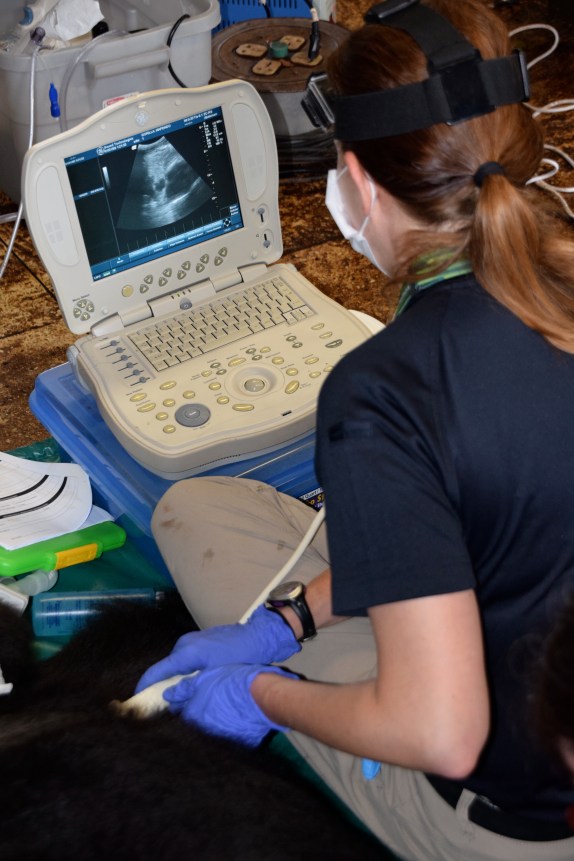
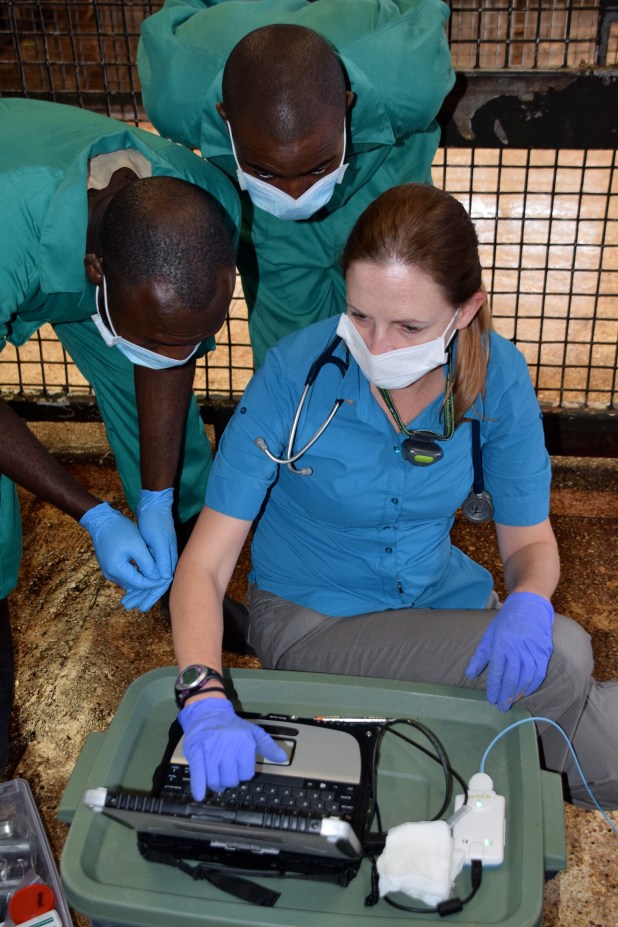
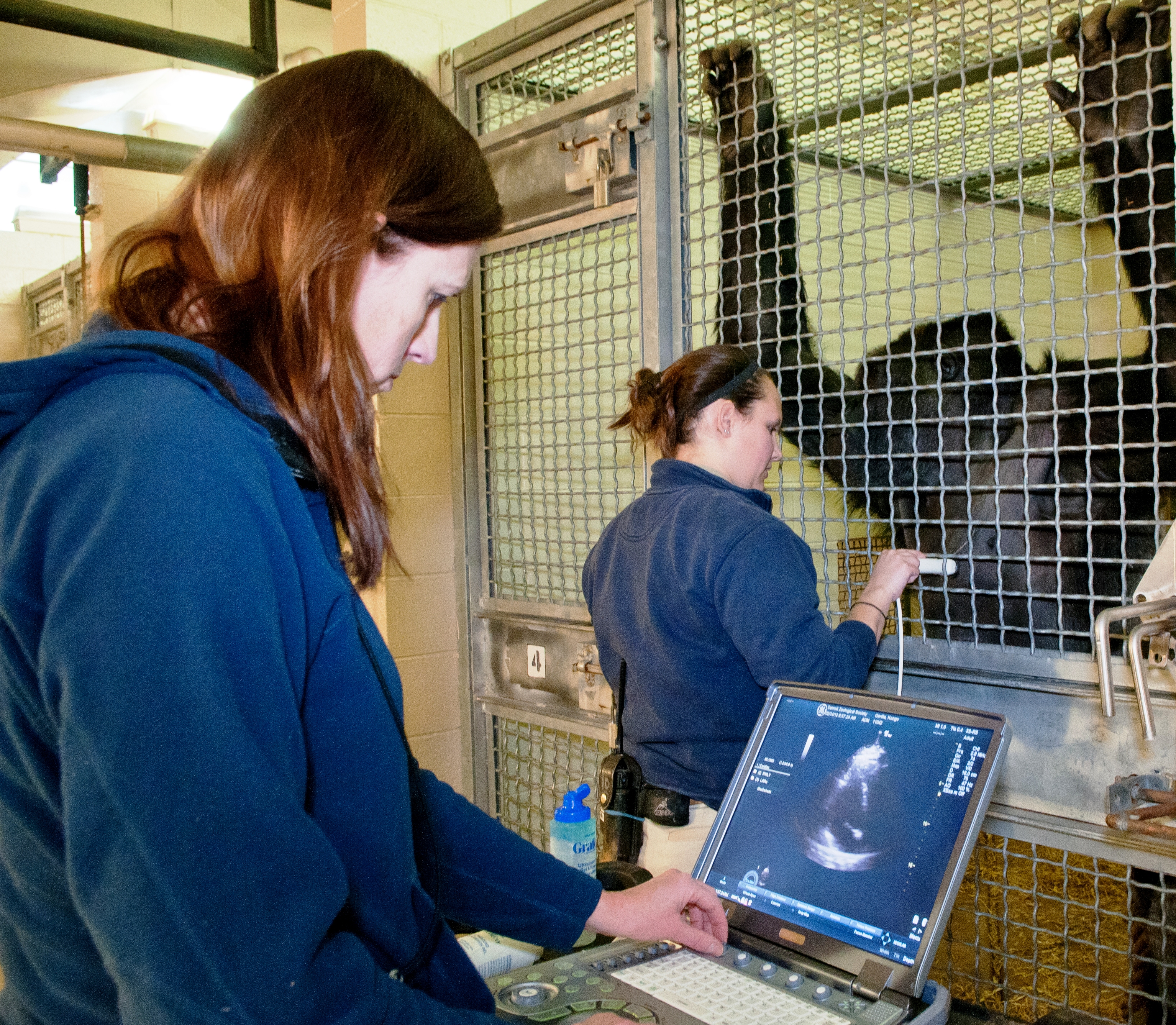
The objectives were to conduct physical wellness exams to make sure the gorillas are healthy and to build capacity within the GRACE staff. Most orphaned gorillas suffer from malnutrition and are in poor shape when they first come into human care, and examinations under anesthesia allow a thorough exam to be performed and blood to be collected for testing. During the procedures we worked closely with staff members to demonstrate techniques and discuss observations. The team also transported several diagnostic tools to the site for the exams. A veterinarian from Gorilla Doctors in Rwanda brought a portable X-ray machine and took images of several animals that have had orthopedic injuries in the past. The veterinarian at Disney was able to secure the loan of a portable dental X-ray unit that we used to take radiographs of the teeth to ensure that normal adult teeth are forming below the visible baby teeth. A recently donated ultrasound machine was used to perform cardiac exams on the gorillas as well. With all of these diagnostics being performed, it was especially important that we work efficiently as a team – we discussed our exam plans and responsibilities before each procedure, and worked very well together. During the afternoons, we provided lectures to the staff at GRACE, and shared information about dental health, heart disease and training for important behaviors that allow care to be provided. The staff is very appreciative of opportunities for learning and improvement, and was a very attentive and interactive audience.

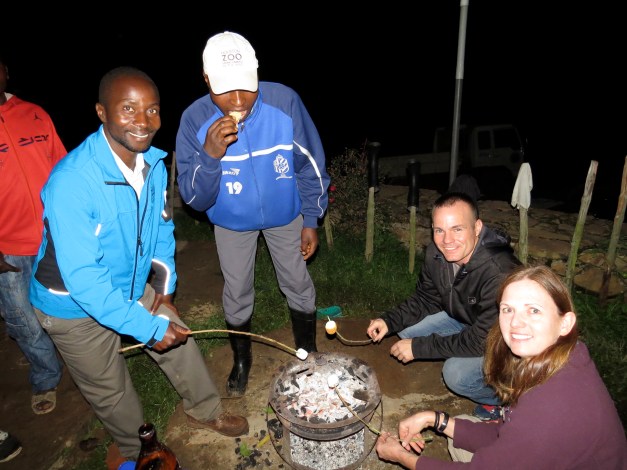
In all, my trip to GRACE was one of the most amazing experiences I have ever had. The people at GRACE were very welcoming and gracious and greeted us with a ceremony that included a traditional song and dance prepared just for our team. We were able to observe the gorillas in their forest enclosure, which is the closest I’ve come to seeing them in the wild, and a very special experience. It was wonderful to work with a group of people so committed to the care of these amazing animals. Everyone had to work very hard to allow these health checks to happen, and at the end of week, we celebrated with a party and shared the very American dessert “s’mores” with the staff. I am very thankful to the Detroit Zoological Society for providing me with the opportunity to travel to the Congo, and honored to be able to serve the people and gorillas of GRACE.
– Dr. Ann Duncan is the chief veterinarian for the Detroit Zoological Society and oversees the Ruth Roby Glancy Animal Health Complex at the Detroit Zoo.

Veterinary Care: A Visit from the Equine Dentist

Dr. Ann Duncan is the Chief Veterinarian for the Detroit Zoological Society.

At the Ruth Roby Glancy Animal Health Complex, we often rely on outside medical specialists to help our veterinary team provide the best care to the animals at the Detroit Zoo. We have regular visits from veterinary ophthalmologists, veterinary and human cardiologists, veterinary surgeons and dentists.

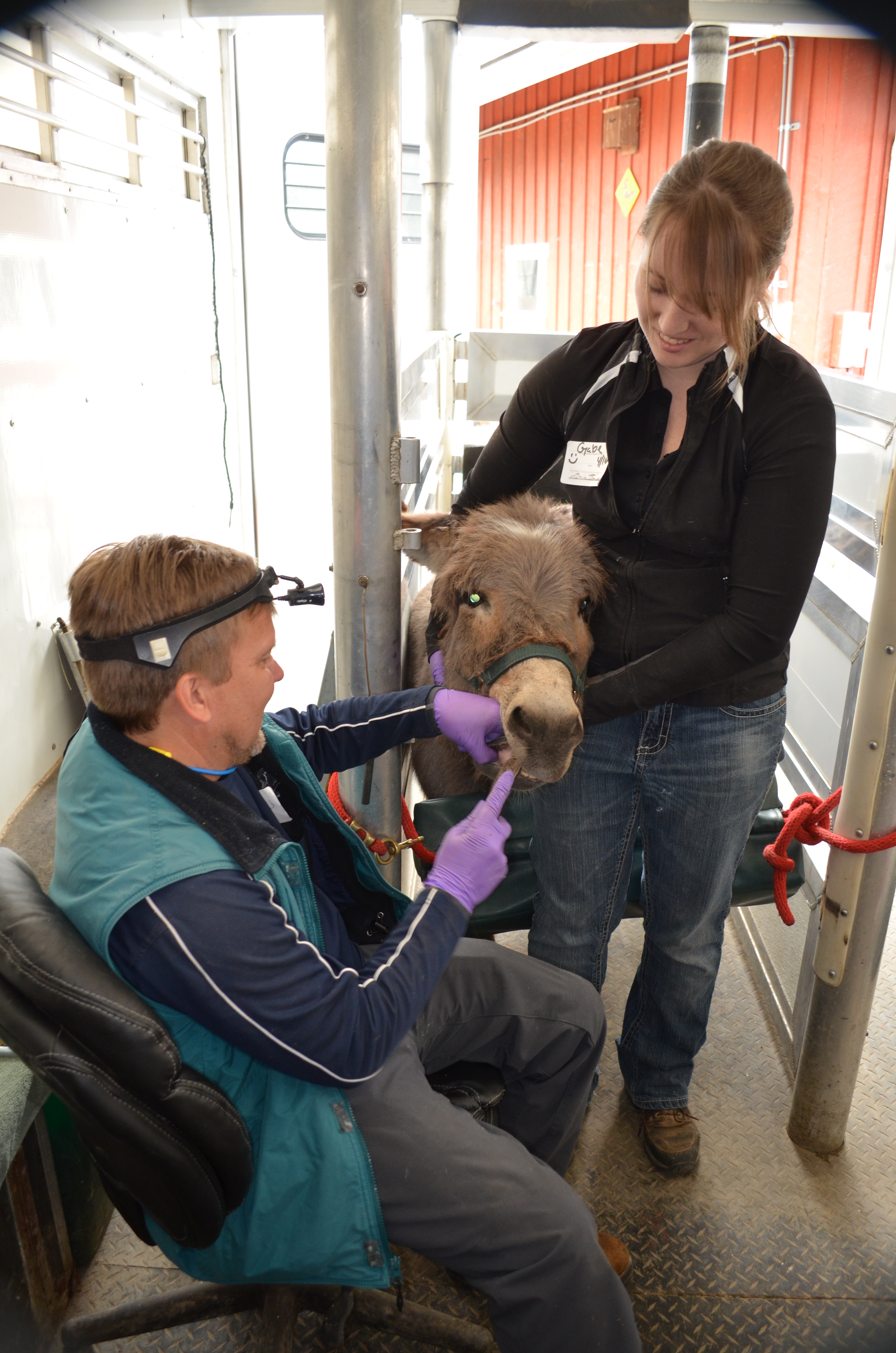
This week, we had a visit from Dr. Tom Johnson, an equine dentist who delivers excellent dental care to horse patients throughout Lower Michigan and beyond. He has been invited to lecture and share his knowledge all over the world, and has developed special tools to help make his work more effective and precise. Dr. Johnson and I first met while we were classmates at Michigan State University’s College of Veterinary Medicine and we have stayed in touch ever since. I first asked for his assistance in 1998 when our geriatric Shetland pony, Snowflake, started losing weight. During her exam, we noticed that she had developed an abscessed tooth. After we removed the tooth and floated – that is, filed down the sharp edges on – her remaining teeth, she gained weight and lived for many more years. We realized during this exam that Dr. Johnson had the expertise and tools to provide better dental care than we are able to provide. Ever since then, we’ve called on Dr. Johnson to examine our rescued thoroughbred race horses and miniature donkeys. He has also helped us address dental issues in Przewalski’s horses and guanacos.

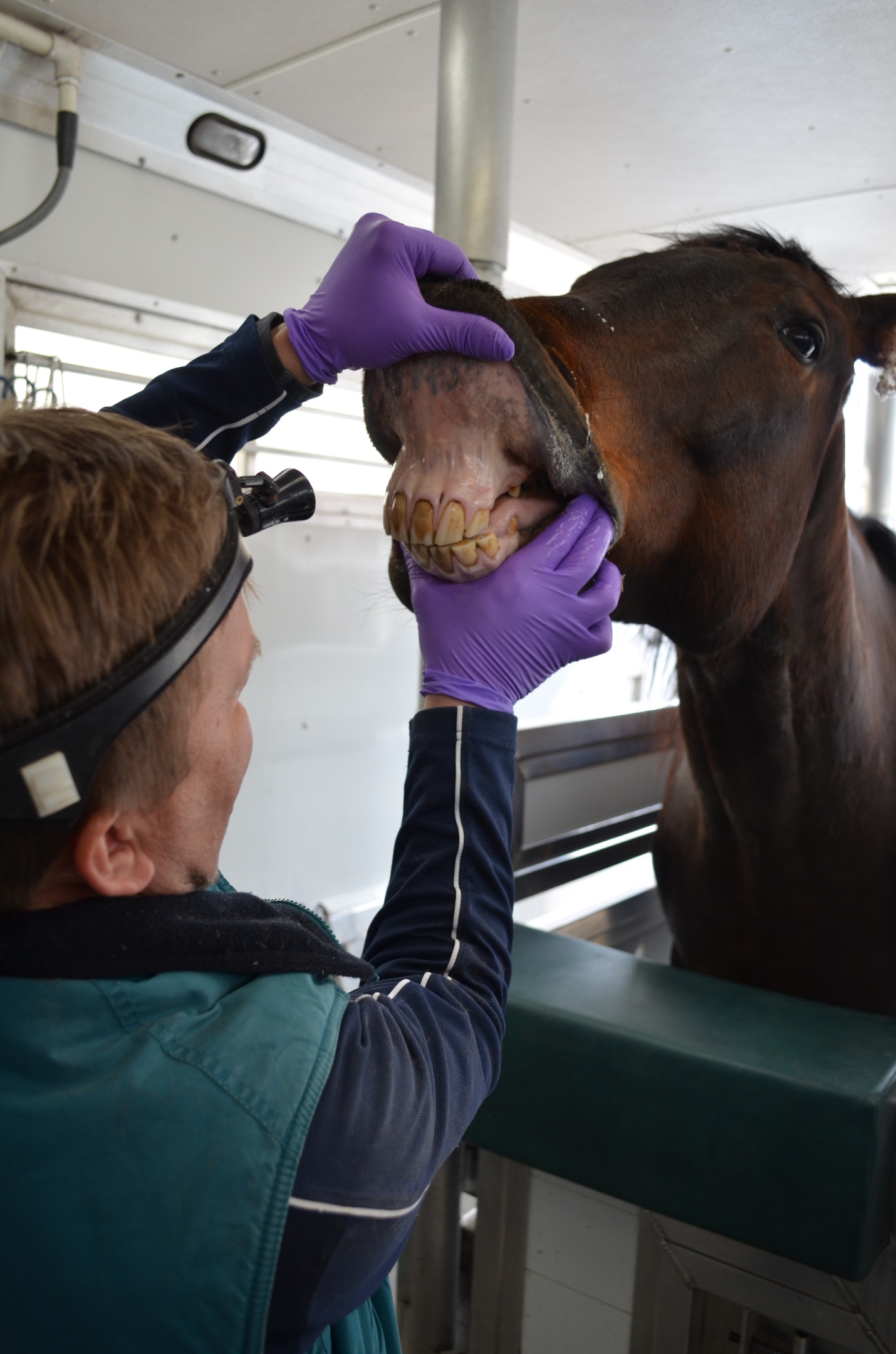
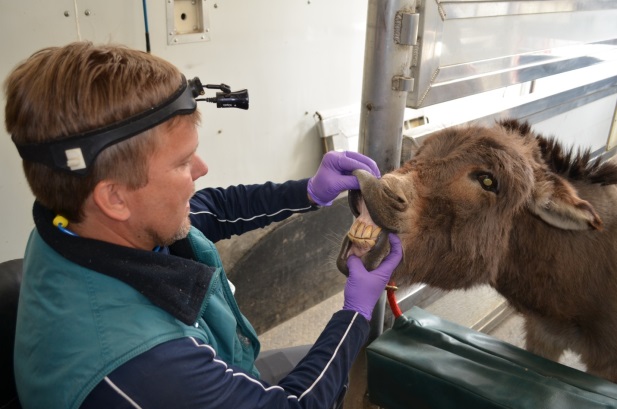
Dr. Johnson has a specially designed trailer that he brings on grounds when he examines our domestic horses. Each patient is given a sedative, and then walked into the trailer. Once inside the trailer, Dr. Johnson has access to the tools he needs to complete an exam, including a head-mounted light source and dental scalers. This year, we are pleased that horses Trio and Buster had no issues of concern and required only routine trimming and cleaning.

Miniature donkeys are known to have dental problems, so we were pleased that Giovanni also looked very good, though Knick-Knack had a molar that had broken in half, allowing food to collect at the center. Dr. Johnson worked for over an hour to carefully loosen the tooth, and was able to successfully remove it.

Before today, there were no signs that Knick-Knack had a dental problem. She was eating all of her food and showing no signs of discomfort. Left untreated, her tooth may have become abscessed, which would have been painful for her. We are very glad to have caught this problem early – we know that providing timely medical care improves animals’ health and welfare.

– Ann Duncan

Veterinary Care: Rockhopper Exams

Dr. Ann Duncan is the Chief Veterinarian for the Detroit Zoological Society.

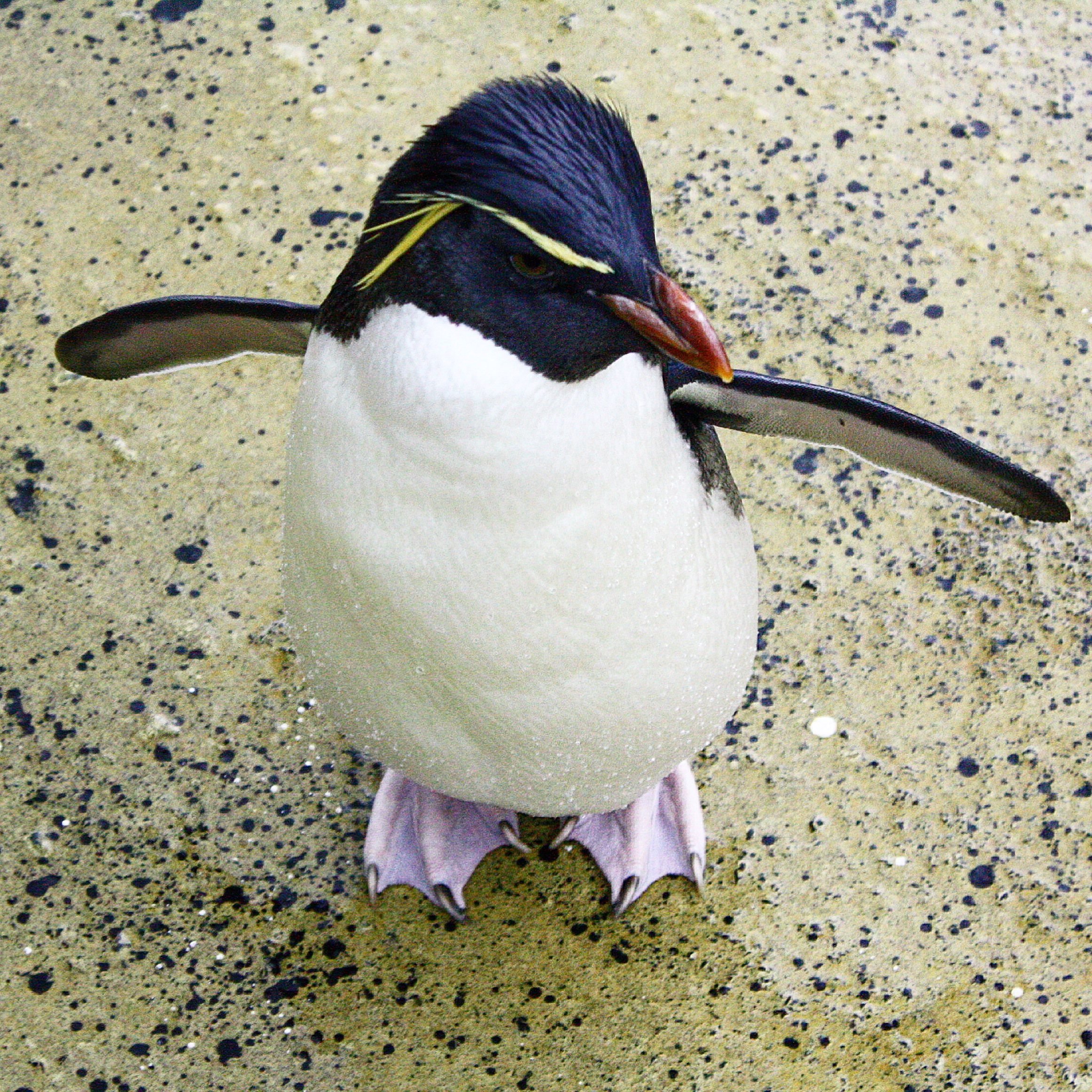
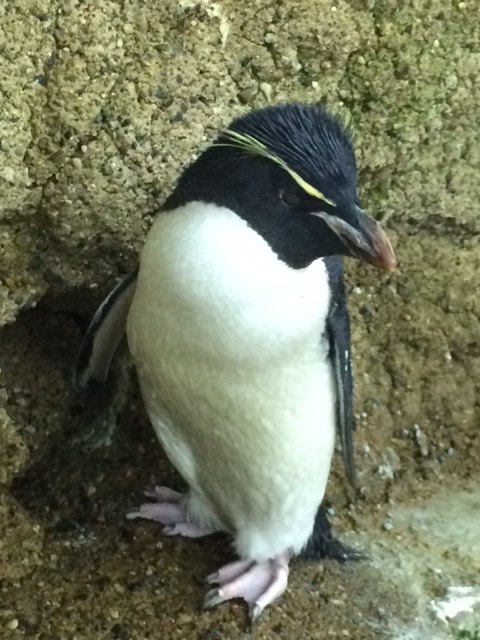
This week, the veterinary staff at the Rockhopper PenguinDetroit Zoo’s Ruth Roby Glancy Animal Health Complex performed examinations on the 11 oldest rockhopper penguins living in the Penguinarium.  As with other animals, penguins can develop age-related health problems as they get older. We know that it’s important to identify health problems early, and this begins with a thorough physical examination.

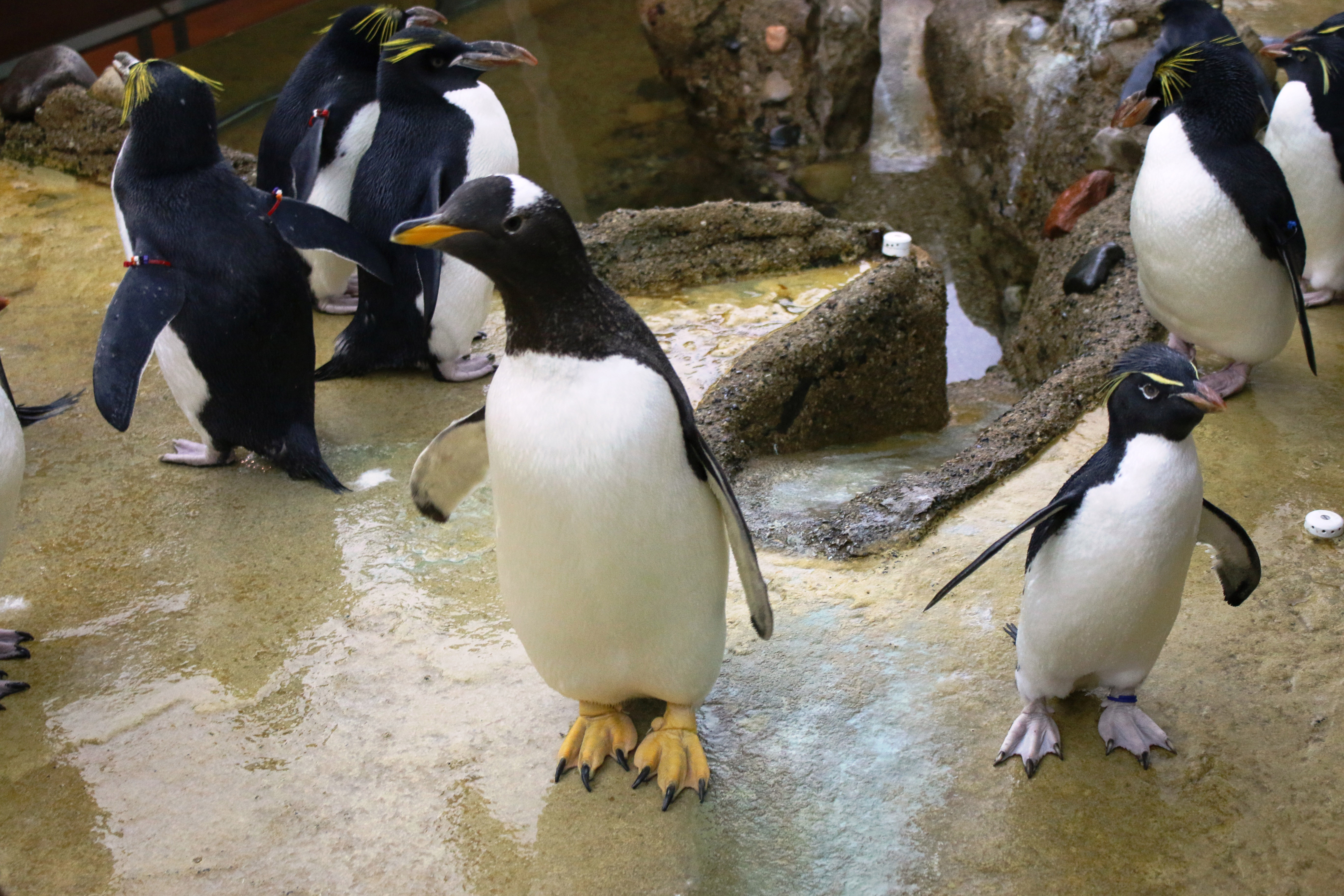
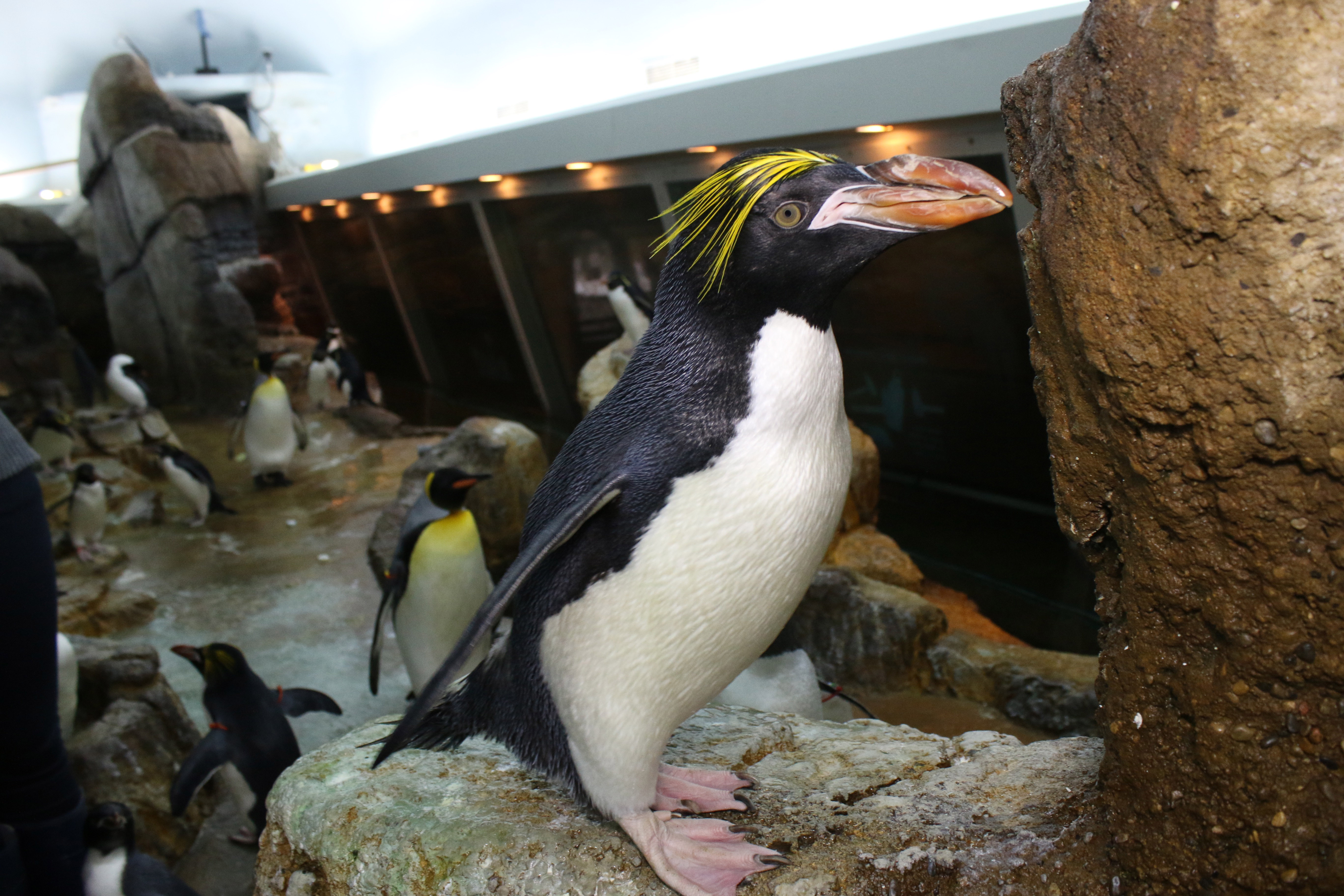
Veterinary staff members regularly visit the Penguinarium to observe and evaluate the 73 penguins of four species – rockhopper, macaroni, king and gentoo – and during these visits, we may check on an individual if we notice a squinting eye or a mild lameness, or examine and collect blood from a penguin with a decreased appetite.

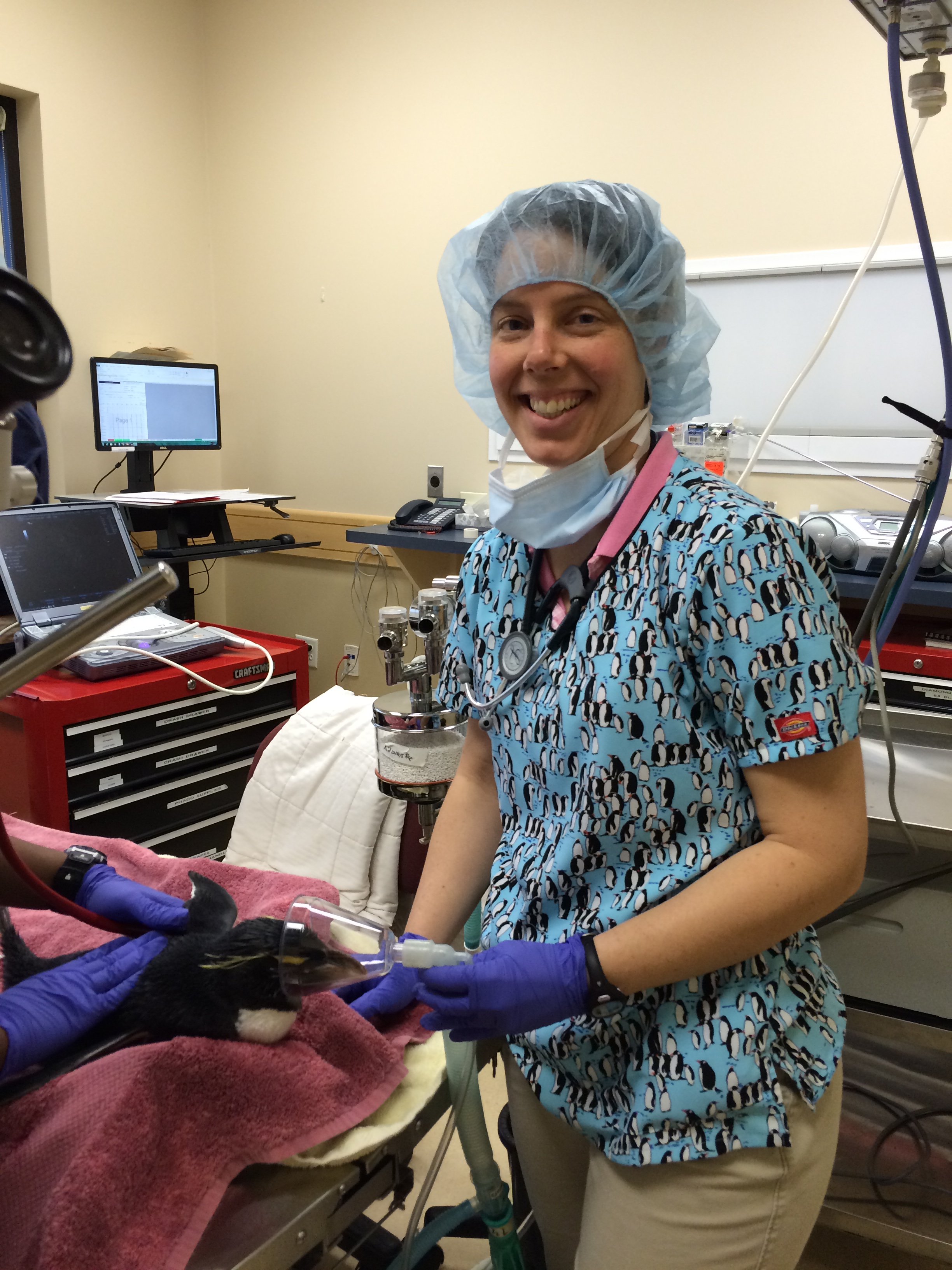
For the exams this week, the 11 oldest rockhopper penguins were transported one at a time to the hospital for a thorough examination. Once there, they were administered anesthetic gases through a mask until they were sleepy, and then were laid on a towel on our exam table. Using anesthesia allows our veterinary team to very carefully examine each penguin from the tip of their beak to the bottoms of their toes. While they are relaxed, we can feel for lumps under the feathers and arthritis in the joints, carefully inspect their mouth and throat and listen to their heart and lungs. We can also palpate their abdomens while they are relaxed, which is very tricky when they are awake. Probably the biggest advantage is that we can take carefully positioned radiographs of their entire bodies to check for organ enlargement, respiratory problems, arthritis and other changes. We also collect blood during these exams, which is a very valuable tool for screening for illness.

Kat - Rockhopper Penguin

The oldest penguin that we examined this week was Kat, a 43-year-old female rockhopper penguin.  She is the oldest living rockhopper penguin in a zoo, and the first of her kind to successfully hatch in a North American zoo – having hatched at the Detroit Zoo in 1972.  We are happy to say that she still appears to be very healthy!

– Dr. Ann Duncan