Animal Welfare: Engaging Animals with Smashing Pumpkins

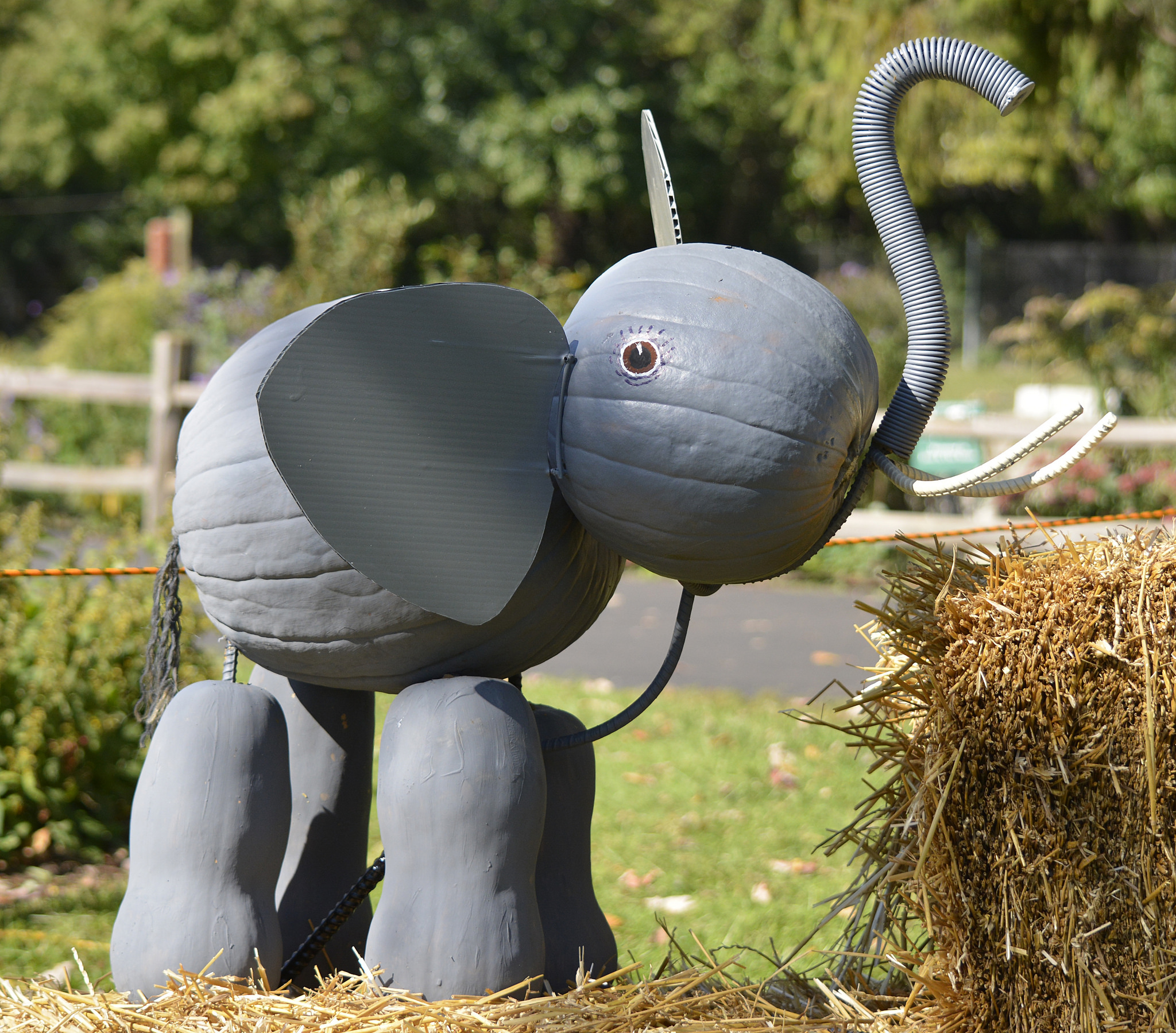
Pumpkins are everywhere this time of year, from front porches to spiced lattes. At the Detroit Zoo, you may notice pumpkins and gourds decorating the grounds, immersing visitors in the feeling of fall and generating excitement for Zoo Boo.

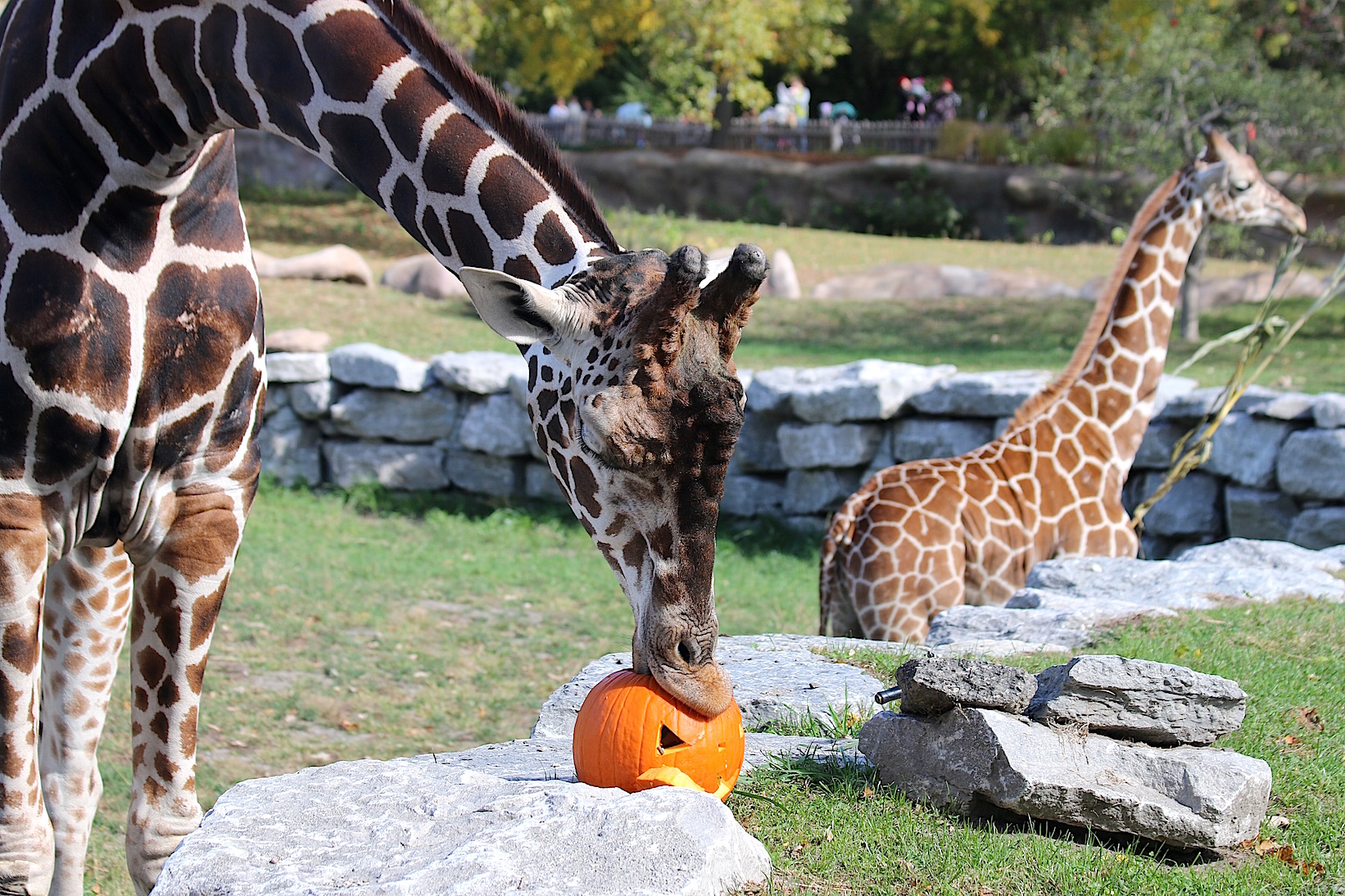
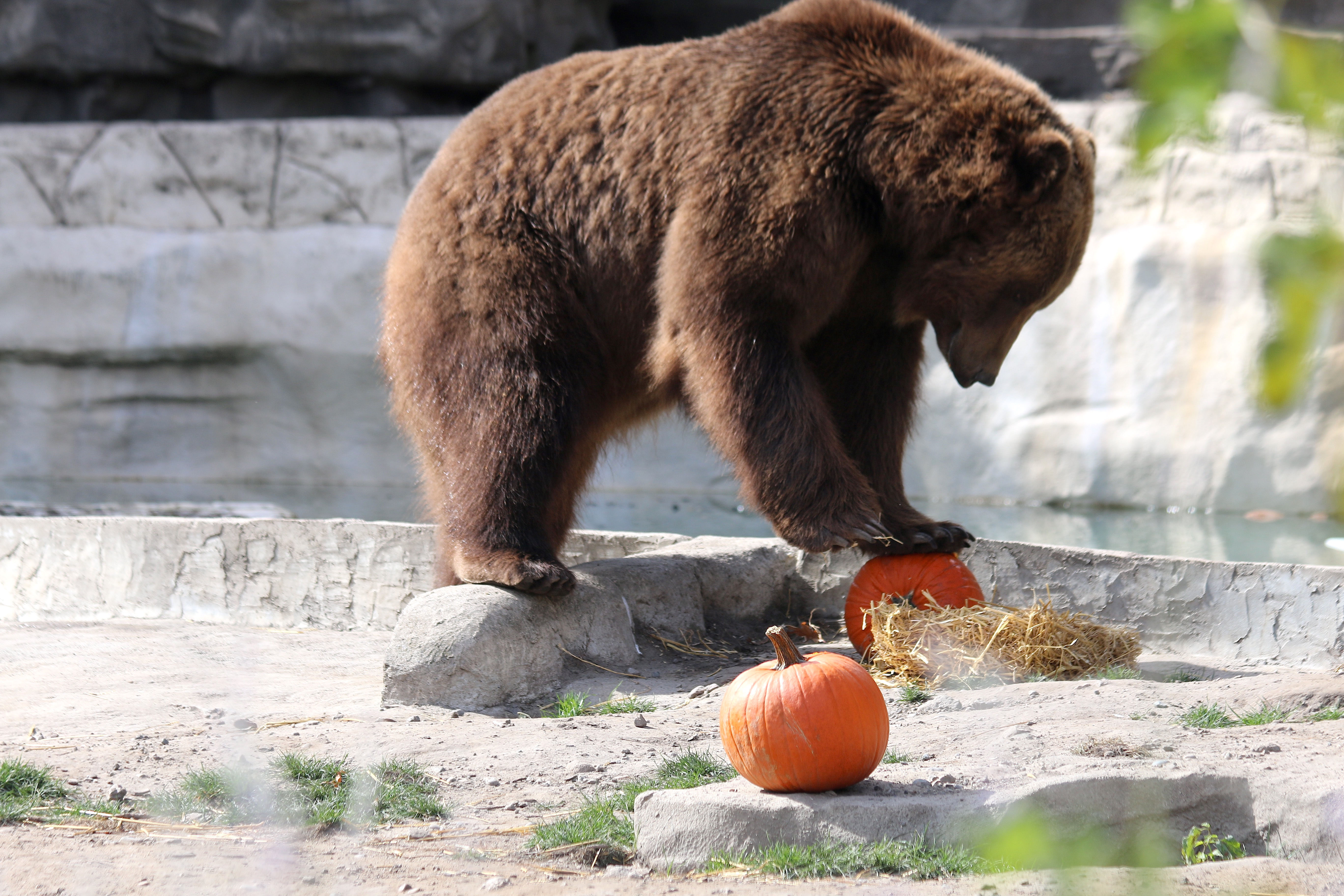
You may also see them in animal habitats, where they serve a different purpose. The Detroit Zoological Society is committed to ensuring that each animal experiences great welfare, and this involves providing animals with engaging and stimulating opportunities. We work hard to create habitats that enable animals to display species-typical behaviors such as foraging for their food. Providing additional opportunities to interact with the environment, referred to as environmental enrichment, is one important part of that work to increase complexity and novelty.

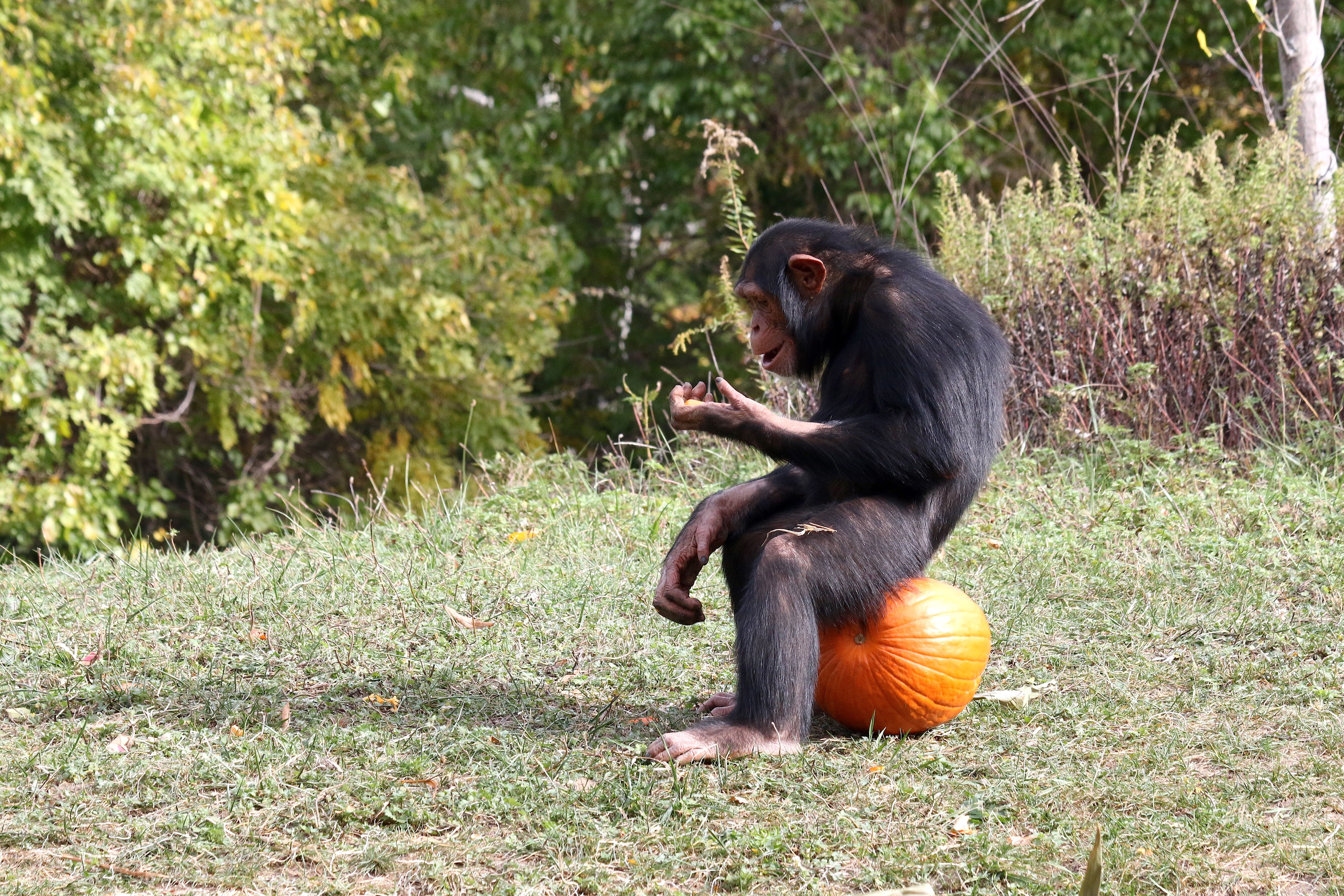
Each animal can choose whether to interact with these features – the ability to make choices is a critical factor in positive welfare. Furthermore, this can result in a greater diversity of behaviors, another indicator of positive welfare. Pumpkins are given out whole or are carved to hide other edible items, and placed in different locations for various species, all depending on the behaviors we are trying to encourage. While pumpkins and other seasonal items are a fun way to accomplish this during the Halloween season, the animals residing at the Detroit Zoo are provided with enriching activities daily by their dedicated zookeepers.

The public is invited to share in this experience and observe the animals eating, playing with, tearing apart and smashing their seasonal goodies during Smashing Pumpkins on Wednesday, October 12 and Saturday, October 22.


– Dr. Stephanie Allard is the director of animal welfare for the Detroit Zoological Society and oversees the Center for Zoo Animal Welfare.

Animal Welfare: Workshop Draws Zoo Staff from Around the Globe

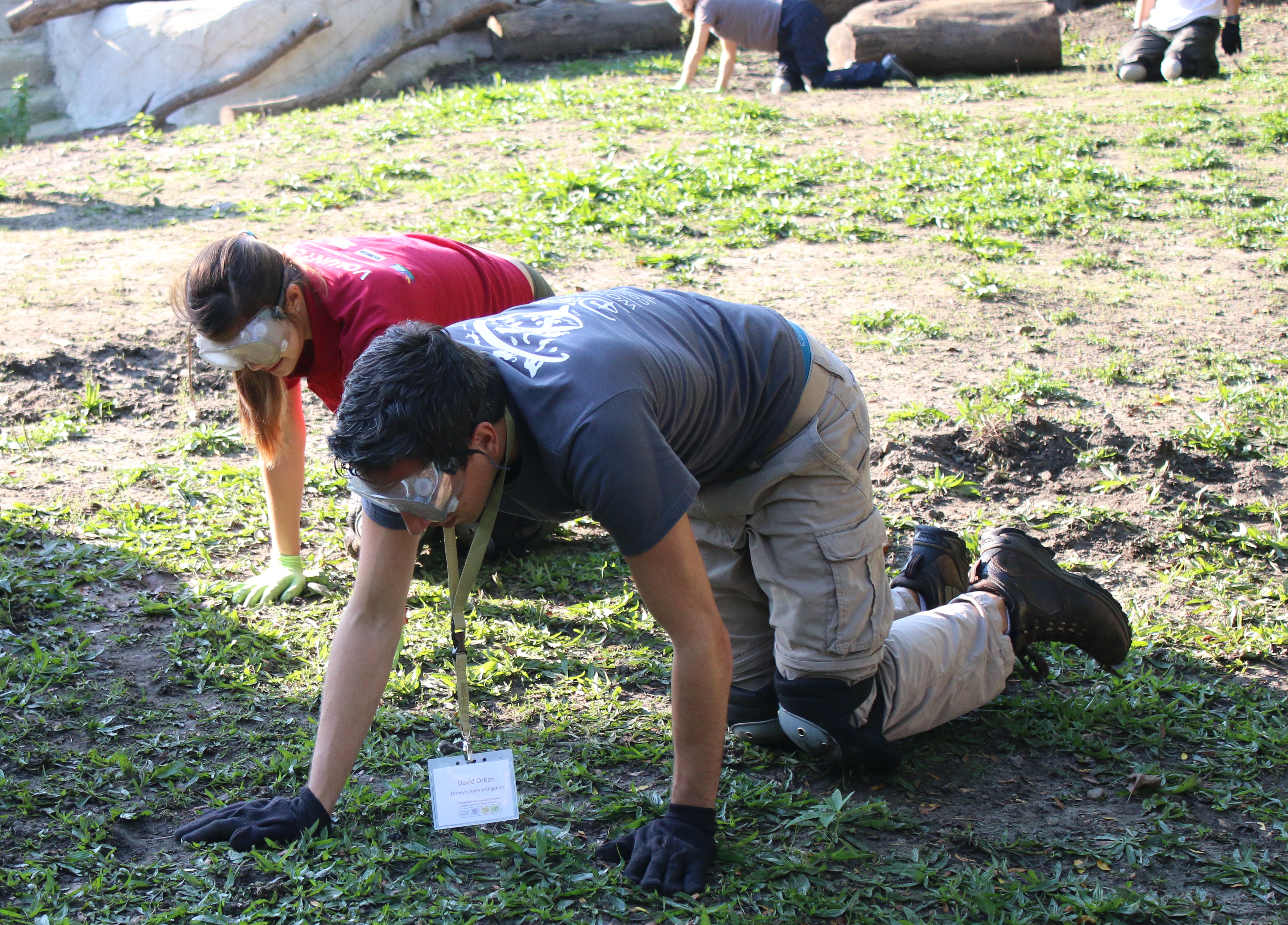
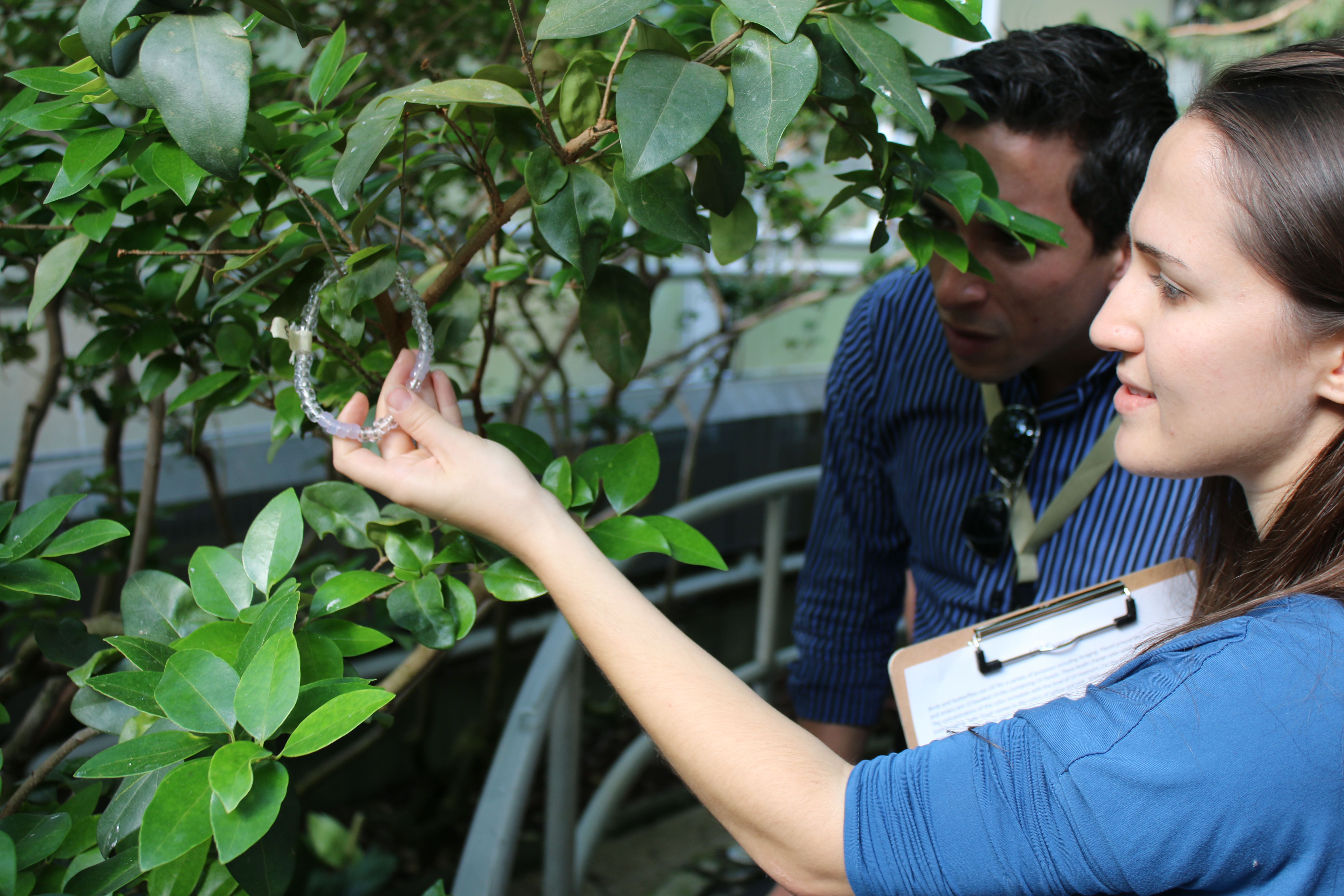
In many parts of the world, October means the start of cooler weather and fall celebrations. For the staff of the Detroit Zoo’s Center for Zoo Animal Welfare, it also means the arrival of participants in our annual workshop, “From Good Care to Great Welfare”. This year marks the fifth time we have held the workshop and this time around, we are joined by animal care professionals from the U.S., Montreal, Guatemala and Singapore.

We are spending five days discussing what animal welfare is, and how to assess and improve it in zoos.  The central theme of better understanding how animals in zoos and aquariums experience the world is woven through the lectures, activities and projects.

This message is key, as providing animals with what they need to thrive is dependent on each individual’s perception of their environment, both social and physical. We must create an awareness of the sensory abilities of other species, how environmental factors impact them, and the responsibility we all have to ensuring positive animal welfare.

The workshop is an exciting time for all of us, as we get to know people from around the globe committed to advancing animal welfare and as a result, enhance our own ability to impact the wellbeing of animals living in zoos and aquariums.

– Dr. Stephanie Allard is the director of animal welfare for the Detroit Zoological Society and oversees the Center for Zoo Animal Welfare.

Veterinary Care: My, What Big Teeth You Have!

Dental care is a very important component of maintaining the health and welfare of the animals at the Detroit Zoo. Many of the animals in our care live longer than they would in the wild, and we need to ensure that they maintain healthy, strong teeth throughout their lifespans.

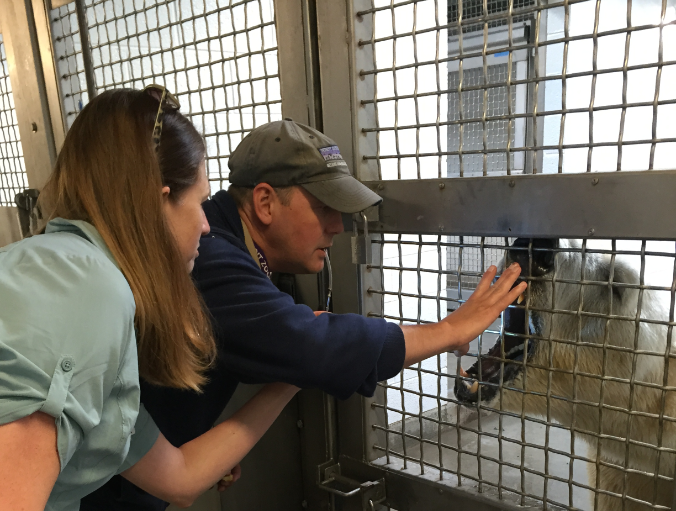
Some of our patients are cooperative; for example, the polar bears and chimpanzees have been trained to open their mouths wide for a quick visual exam, and the seals allow us to brush their teeth daily to reduce tartar build up. But it’s not always that easy – our patients all have very different mouths, and some teeth are easier to see than others. During every health check, we make sure to do a thorough dental exam.


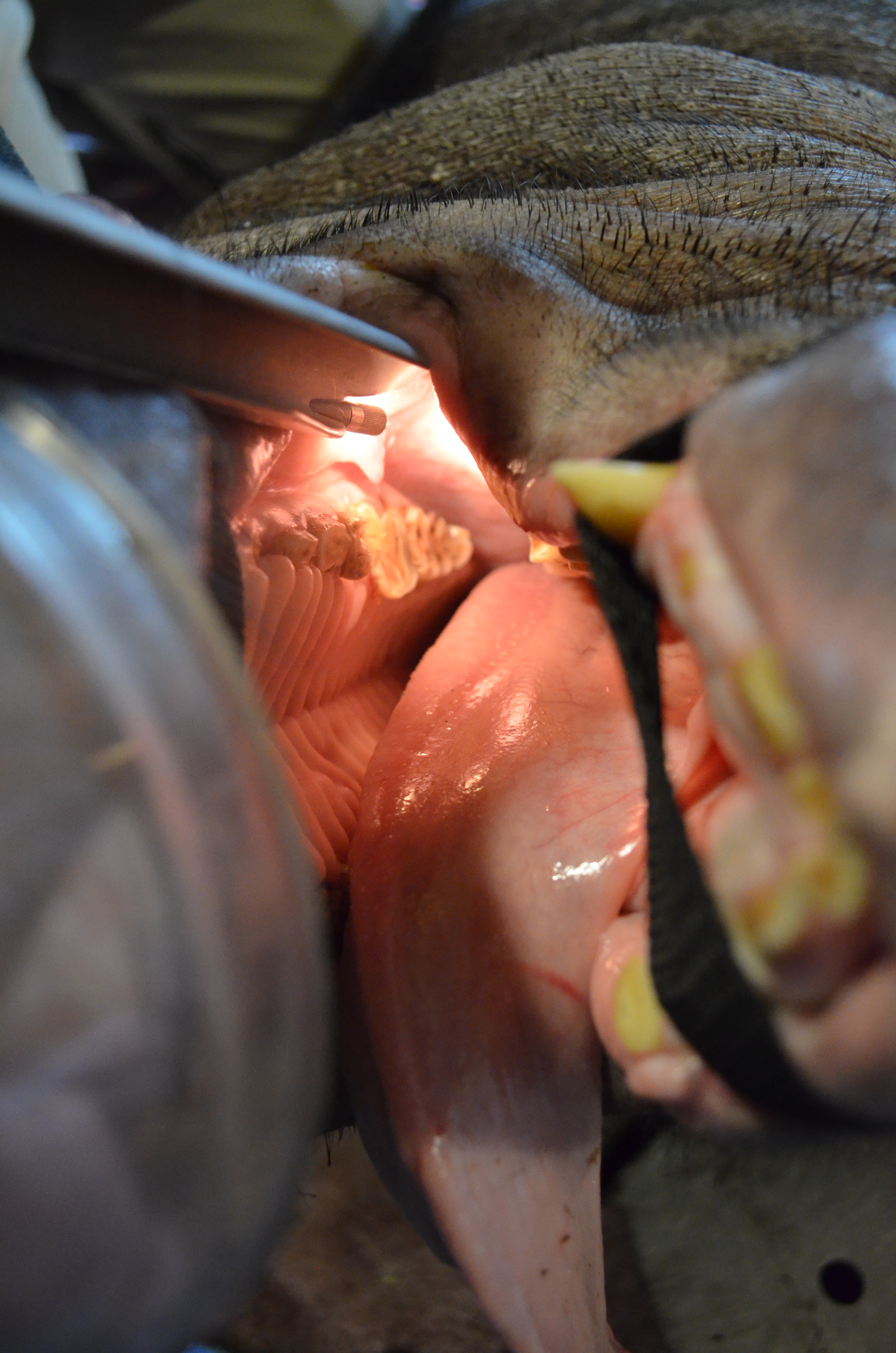
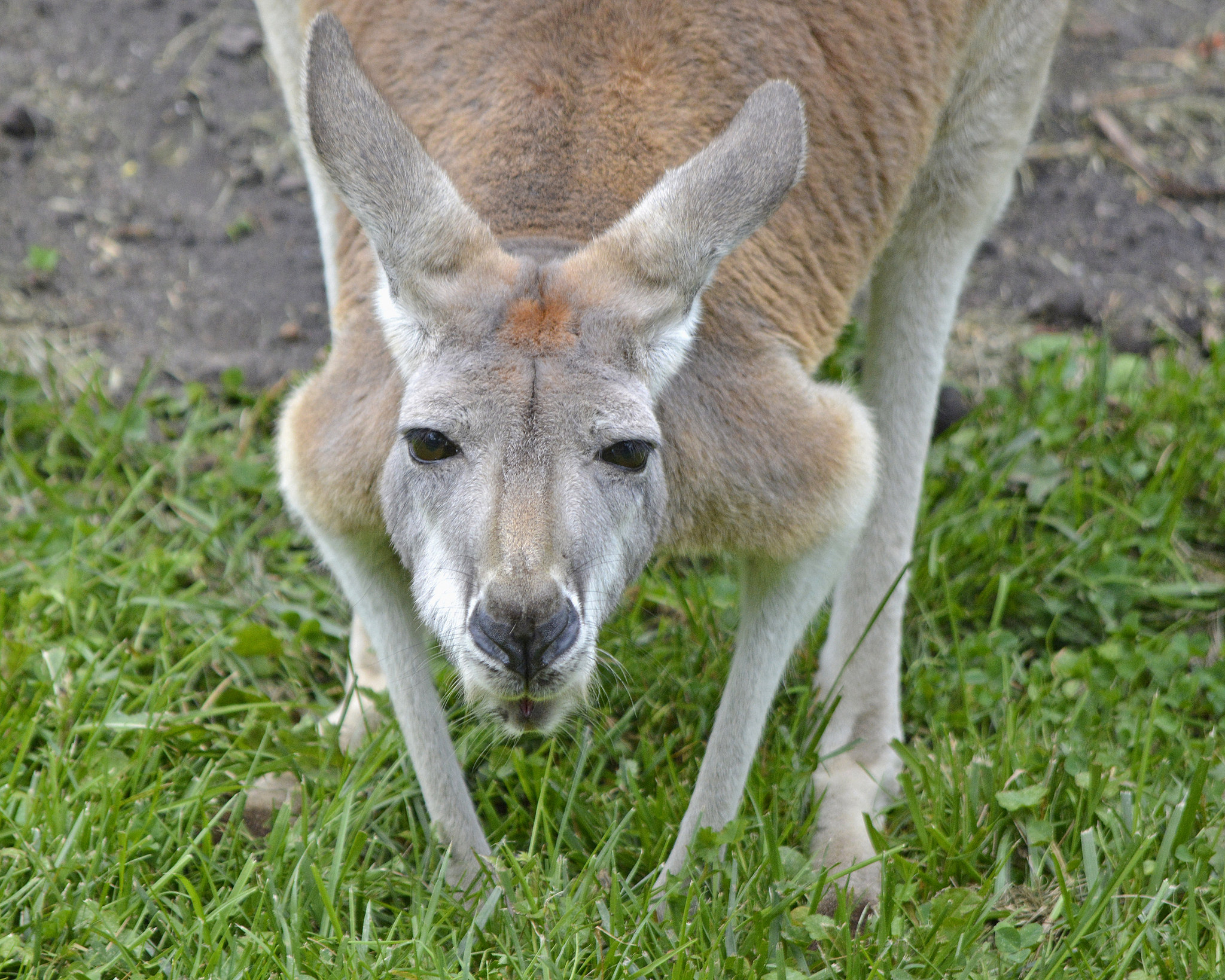
Most of our carnivores and reptiles have mouths that open wide and teeth that are easy to examine. Aardvarks, kangaroos and pigs are examples of animals that have elongated, deep mouths that are very hard to visualize, but we use a variety of tools to get the job done. A laryngoscope with a very long blade or small endoscope can be used to see in the dark, tight spaces inside the mouth, such as with a Meishan pig. Pigs can develop dental problems as they age, so it’s important to check each tooth and treat any potential problems early.

Our patients also have different kinds and shapes of teeth. The teeth of carnivores and herbivores are shaped differently, and their structure can vary as well. We look up the dental formula (how many incisors, premolars and molars a species has) and anatomy of the teeth before exams, and we have developed a new dental exam form to help us identify the teeth and record any problems we find. For example, beavers have front incisors that grow continuously, and we check their teeth frequently for overgrowth.

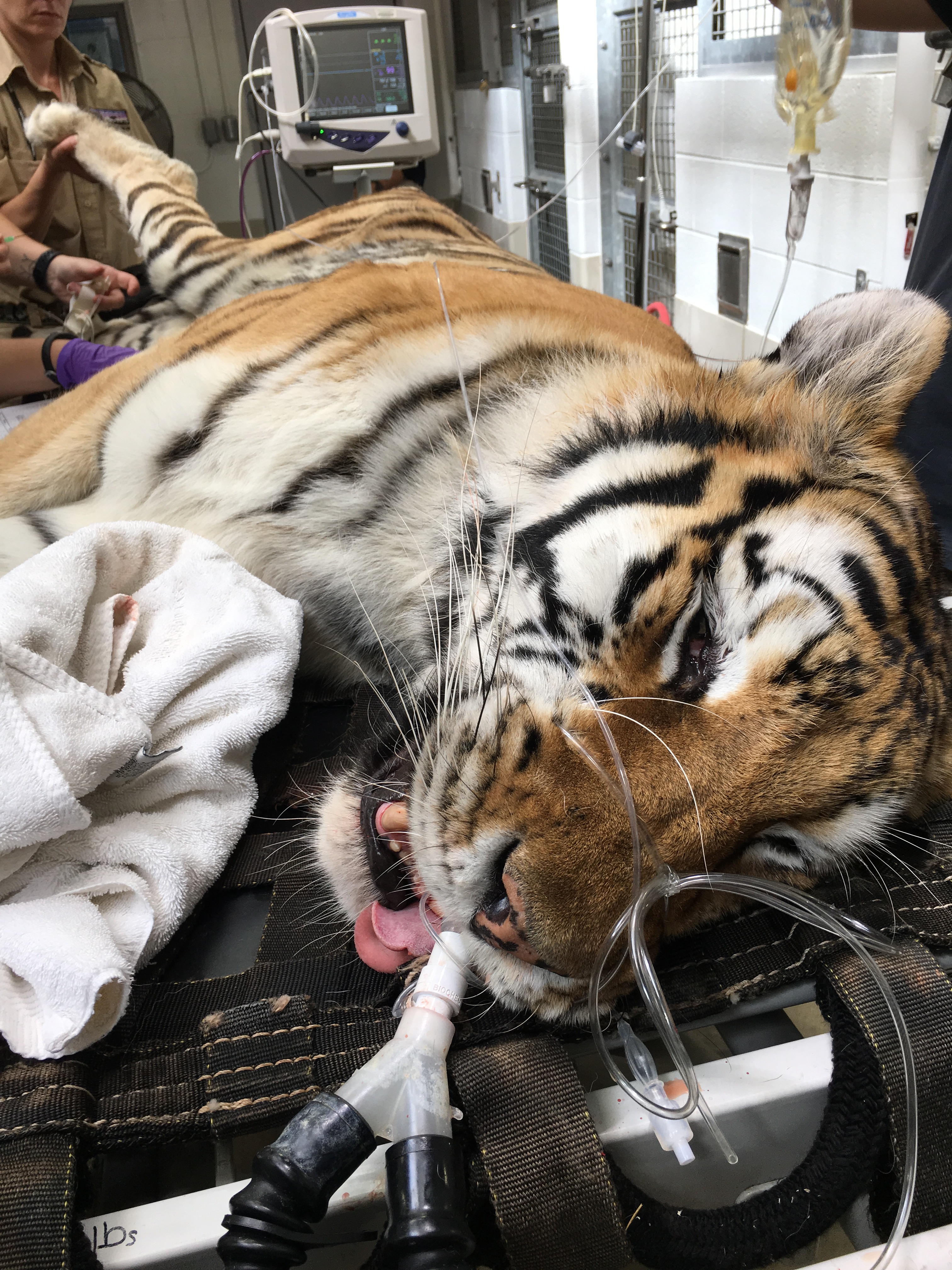
Some of our patients have very, very large teeth, like Kisa, a 13-year-old female Amur tiger. During Kisa’s most recent health check, we were able to see that there was swelling around her lower left canine tooth. We scheduled an exam with our visiting veterinary dentist, Dr. Ben Colmery. He made a small incision along the side of the tooth and found an area where the enamel had eroded away. This type of enamel resorption is common in older domestic cats, and has been seen in our geriatric zoo patients as well. If left untreated, serious problems can develop that can make it necessary to extract the tooth. Dr. Colmery smoothed the lesion and applied a special paste to help stimulate healing. We also scaled and polished all of her teeth to remove tartar and plaque.

Our goal in the animal health department is provide the best possible care to all of the wonderful animals that live at the Detroit Zoo. We work to understand the kinds of health problems found in zoo animals, and to prevent these problems whenever possible. Finding dental disease and other health problems early allows us to be proactive in our efforts to maintain excellent health and welfare.

– Ann Duncan is the director of animal health for the Detroit Zoological Society and oversees the Ruth Roby Glancy Animal Health Complex at the Detroit Zoo.

Animal Welfare: Positive Interactions Between Humans and Animals

Humans and animals interact in different ways, and in a zoo setting, these kinds of interactions take many forms. The animals interact with the zookeepers who care for them, the animal welfare researchers who monitor them, the zoo staff who work around them, and the visitors who come to see them.

Depending on the situation, interactions with humans can be viewed by the animals as negative, neutral or positive and over time, if a certain type is most prevalent, can result in a corresponding relationship between animals and humans.

One important factor that influences the type of relationship that develops is how animals perceive humans, which is influenced by what species they are, their individual temperaments and past experiences. Some species, and some individuals, are more fearful of humans and will avoid them as much as possible. Others may see humans as something of interest. However, our behavior when we are around them can still influence how they are feeling, and if our actions are perceived as a threat or something that creates stress, the animal’s experience becomes negative.

The work zookeepers do is so critical to ensuring animals living in zoos experience good welfare. They create positive interactions through actions like feeding and positive reinforcement training, and this helps to establish positive relationships. Having these positive relationships with the humans with whom they interact the most can help the animals to be more comfortable in situations that could be stressful.

Understanding how we impact animals through our actions is incredibly important. We are ultimately responsible for ensuring each individual animal at the zoo has great welfare and we can take steps to do just that. Each one of us can treat every animal we encounter, whether it be at the zoo, in our neighborhoods and in our homes with respect, appreciating that they have needs and that our behavior can affect them.

When you visit the zoo, enjoy watching the animals living their lives, know that they are sensitive to what is happening around them, and share the same sense of awe and privilege I feel knowing that my actions can help them feel comfortable and safe.

– Dr. Stephanie Allard is the director of animal welfare for the Detroit Zoological Society and oversees the Center for Zoo Animal Welfare.

Animal Welfare: What, How and Why

I have written a number of blog entries on the animal welfare research projects we are conducting through the Detroit Zoological Society’s Center for Zoo Animal Welfare, and how collaborations enable us to move forward with many of the initiatives we undertake. Let’s now go back to the basics and explore what animal welfare is, how we go about evaluating the welfare of individual animals, and why this is fundamentally important.

The Association of Zoos & Aquariums’ Animal Welfare Committee defines animal welfare as an animal’s collective physical, mental and emotional states over a period of time, and is measurable on a continuum from good to poor. Although there are a number of other definitions available, the main factors remain consistent: Welfare is measured at the level of the individual animal, it encompasses all aspects of an animal’s life, and it can change over the course of time. The goal for anyone working with and around animals is to ensure that they each experience good welfare.

Going back many decades, people have long been concerned with the welfare of animals. In the 1960s, the Five Freedoms model was developed, originally as a means to assess the welfare of farm animals. This model states that animals should experience freedom from thirst, hunger and malnutrition, freedom from discomfort, freedom from pain, injury and disease, freedom from fear and distress, and freedom to express normal behavior. Since its initial development, this model has been applied in a variety of settings, including in zoos. However, the Five Freedoms model can be improved upon, as it is focused on minimizing negative states rather than also promoting positive welfare. Additionally, some of what is stated can be counter-productive to an animal’s survival. For example, if an animal never experiences thirst, then it may never drink, and this would not be a good thing. Therefore, the absolute freedom from some of the experiences is not even feasible. Rather, the important factor is ensuring that the resources necessary to perform the associated behaviors are available.

More recently, the Five Domains model was created, which delineates how nutrition, physical health, behavior and the environment (both physical and social) feed into an animal’s emotional state. The outcome is the individual’s welfare status. For example, if an animal is hungry but does not have access to food, this will result in a feeling of hunger, which will be a negative factor in the overall welfare status of that animal. If an animal is able to express natural behaviors, he or she will experience satisfaction, which is a positive emotion and contributes to positive welfare. All physical influences are taken into consideration as well as how they impact the internal, emotional state of the animal, in order to assess overall well-being.

Assessing welfare is a complex process that requires an understanding of the needs of a species and an individual as well as experience with scientific methods. It also typically includes multiple types of measures such as behavioral and physiological indicators. One can begin by evaluating what is made available to an animal, such as the physical space, the type of food presented and the social opportunities provided. This kind of assessment is known as a resource-based assessment, as it focuses on what we provide to the animals. To truly understand how an animal is faring, however, we also need to understand how they respond to their environment, and as such, conduct animal-based assessments. In our case, we usually observe how animals are interacting with their physical environment, with one another if they are a social species, and we utilize various physiological measures such as body condition, overall health and even hormone levels.

In order to ensure animals living in zoos are thriving, we need to understand what matters to them and that requires us to figure out how to “ask” them. Using existing methods and developing new ones to assess welfare is critical if we are to make evidence-based decisions for caring for animals. By letting animals tell us what is working and what needs to be improved, we are making their welfare a priority, and this is the ultimate responsibility we have to each and every animal living in the care of humans.

– Dr. Stephanie Allard is the director of animal welfare for the Detroit Zoological Society and oversees the Center for Zoo Animal Welfare.
Humane Education: Helping Animals in Need

As animal lovers, when we come across an animal in need of help, we want to take action. But when we find an injured or orphaned critter, often times we’re not sure what to do.

Here at the Detroit Zoological Society, we receive emails and calls throughout the year from people who want to aid local wildlife. Although we wish we could provide sanctuary for all animals in need, we are unable to do so in nearly all cases. But we think it’s wonderful that so many people want to assist these sentient beings, so we’ve compiled a list of helpful resources.

The following links contain contact information for reputable organizations and rehabilitators that are able to provide support. Download the app and jot down the phone numbers found in the links. You can keep a copy on hand so that the information is available should a need arise.

  • Animal Help Now App – Find contact information for nearby emergency wildlife assistance across the U.S., including wildlife rehabilitators, rescues and veterinarians.
  • All Species Kinship Wildlife Hotline – (877) 596-7776

Remember if you come upon an animal that you think needs help, don’t address the situation without first reaching out to a professional for his or her advice. If ever you’re in doubt, call an expert.

– Lisa Forzley is a curator of education for the Detroit Zoological Society and oversees the Berman Academy for Humane Education. Learn more about the Academy, which was created to help people help animals and offers a broad range of engaging programs, at http://detroitzoo.org/education/humane-education.

Animal Welfare: Educational Partnerships that Improve Animal Well-Being

In a number of instances, the work we do to enhance the welfare of the animals at the Detroit Zoo is a result of collaboration and partnerships. One such partnership is with Madonna University. Students enrolled in a class that is part of the humane education curriculum join us each semester to undertake projects that will benefit the animals.

We work with animal care staff to select projects suited to each species and the students are responsible for learning about that species to better understand the impact that their project will have on the animals’ welfare. The students are divided into three groups and each group is assigned a particular project. The groups work with mentors from the Life Sciences division and over the course of several weeks, complete their project. On the last day, all of the students get the chance to see the results of all of the projects in order to gain more appreciation of the various ways in which we can positively impact animals living in the care of humans.

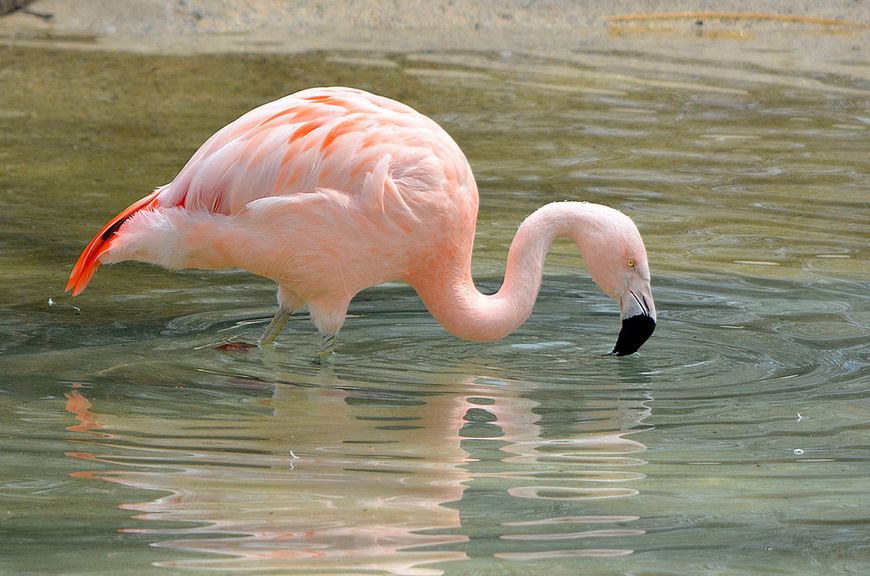
Over the course of the last few years, the Madonna University students have participated in projects benefiting warthogs, amphibians, giraffes, gorillas, reptiles, rhinos and birds living in the Free-Flight Aviary, to name a few. This year, the students will help us to modify habitats for giant anteaters, flamingos and kangaroos and wallabies in the Australian Outback Adventure. This will involve the creation of nesting areas for the flamingos, as well as planting shrubs for the anteaters and kangaroos in order to add more complexity to their environments and create additional areas of shade. These types of modifications are important to ensure that animals encounter novelty and have more opportunities to display species-typical behaviors.

This wonderful partnership is an example of how the Detroit Zoo provides educational and inspirational opportunities for students and is always finding ways to design engaging habitats for the animals.

– Dr. Stephanie Allard is the Director of Animal Welfare for the Detroit Zoological Society and oversees the Center for Zoo Animal Welfare.

Veterinary Care: New Penguin Facility is a Veterinarian’s Dream Come True

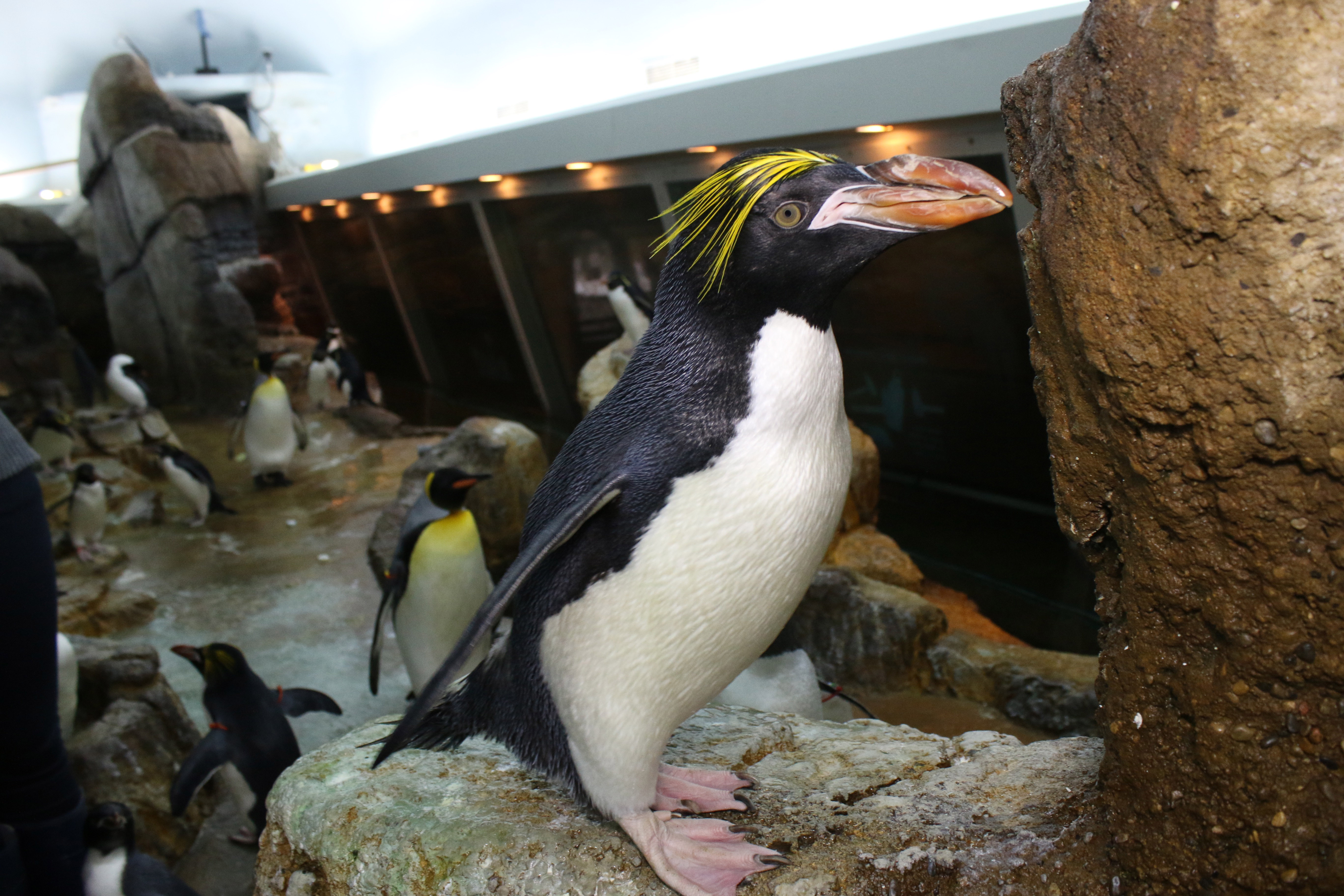
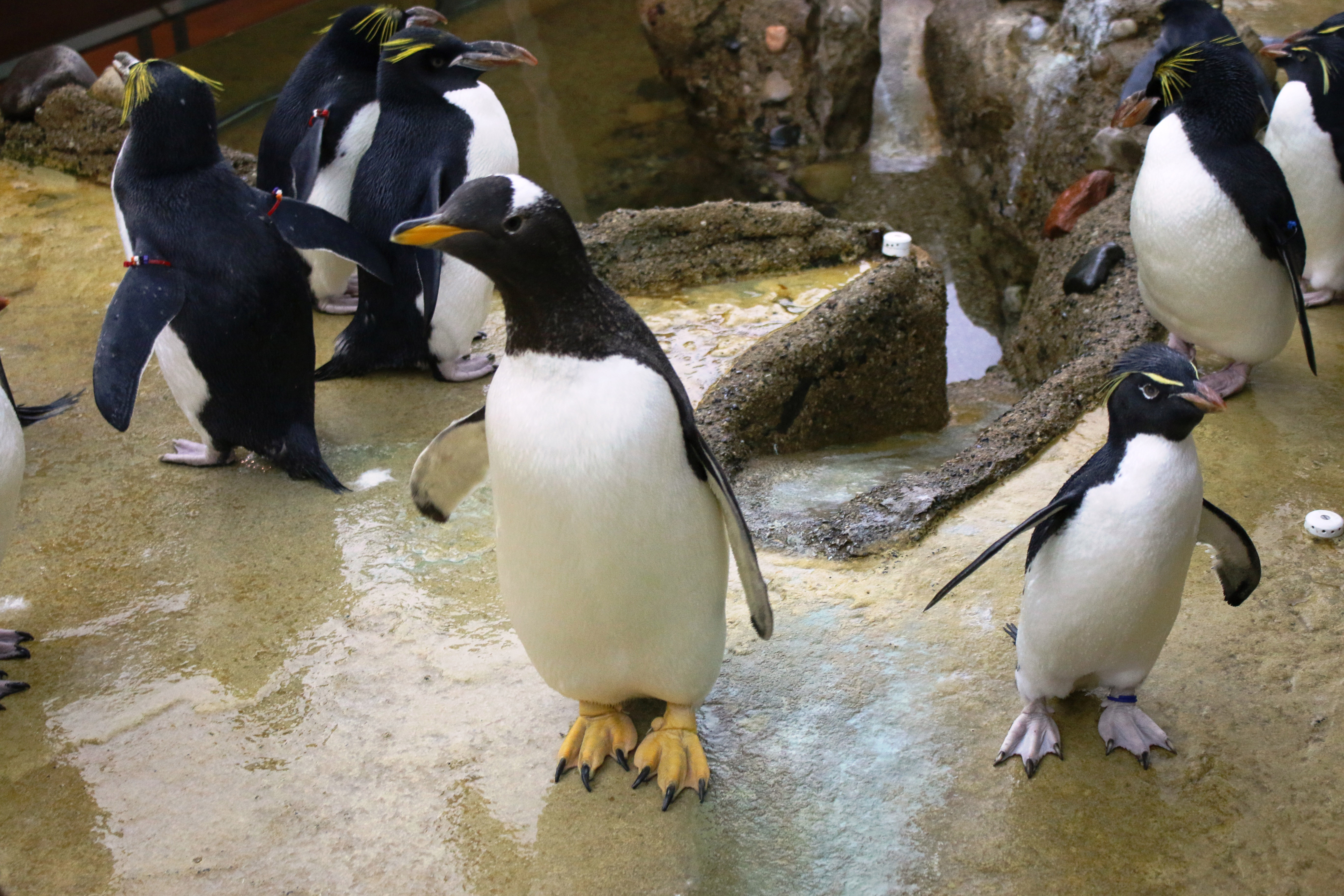
Anyone who has visited the Detroit Zoo’s Penguinarium probably knows that it is impossible to escape the charm of the penguin. I have been caring for penguins at the Detroit Zoo for more than 20 years, and can attest to this firsthand. I find them to be exceptionally interesting and charismatic animals, and even after all these years, I enjoy every visit to the Penguinarium immensely. More than a few penguins have stolen my heart over the years.

Generally speaking, penguins are strong, feisty birds that rarely develop health problems. In recent years, the penguin flock at the Detroit Zoo has become older, and we have treated penguins for a variety of age-related medical problems. In the course of this work, we realized that there were gaps in the scientific literature concerning penguin health. As a result, we focused our efforts on gaining a better understanding of some of the most important conditions, including cataracts, melanoma and bumblefoot. Our animal health and life sciences departments and the Center for Zoo Animal Welfare all share the same long-term goal of better understanding how we can provide an environment that allows penguins to thrive and maintain the best possible health and welfare.

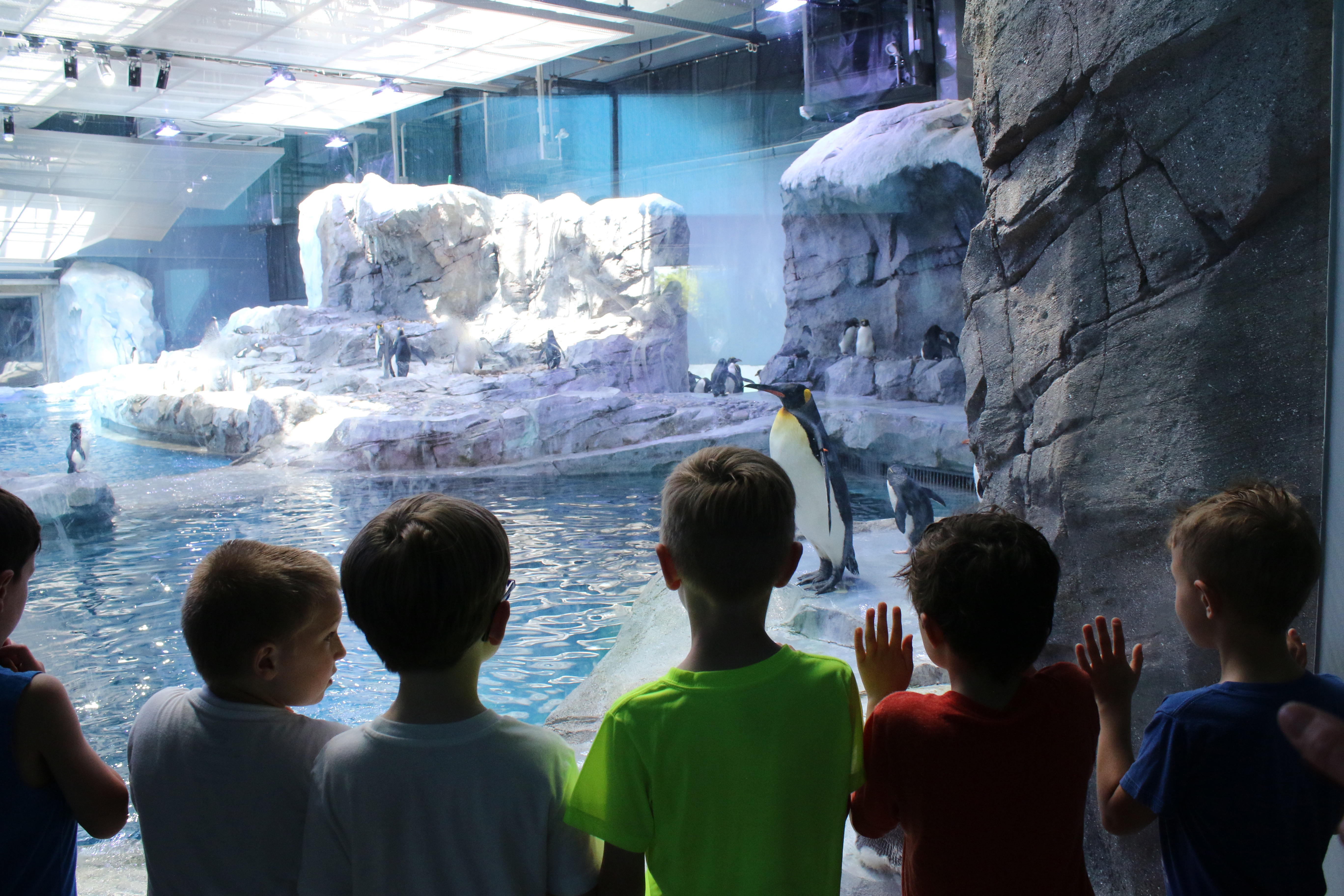
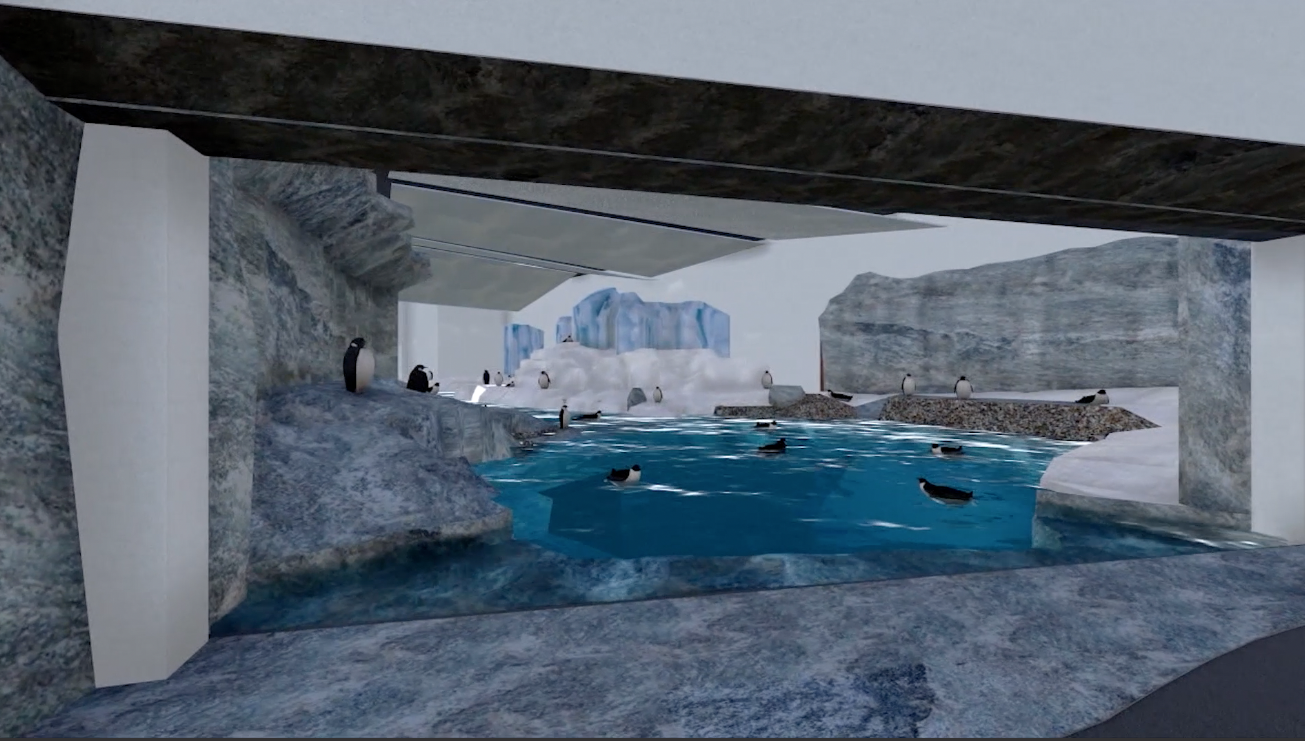
The new Polk Penguin Conservation Center is a penguin veterinarian’s dream come true. We feel so fortunate to have been able to use our expanded knowledge of penguin health to inform the design of their new home. Every aspect of the habitat is designed to meet their unique needs:

  • The lighting in the new habitat provides a much wider spectrum of wavelengths, with more ultraviolet light and improved nighttime lighting in the red wavelength ranges. The lighting intensity capacity is greatly increased, and can be adjusted to mimic seasonal variation.
  • The flooring has been designed to enhance foot health and prevent development of bumblefoot lesions. In some places, the floor is coated with a resinous material to provide cushioning, and in other areas the flooring has variable rocky textures, mimicking conditions seen in Antarctica.
  • The penguins will have an enormous pool for swimming, and a swim channel that will allow them to circumnavigate the entire habitat. This will result in increased activity levels and opportunities for natural porpoising and diving behaviors and will help them avoid weight gain.
  • The water filtration system is state-of-art, and will include an ozonation capacity and improved water filtration.
  • The air quality will be significantly improved, providing 100% air exchange and improved air filtering.
  • The nesting areas are designed to be easy to clean and allow better chick-rearing success.
  • We will also have more places to temporarily hold animals needing special attention during illness or quarantine, and fold-down stainless steel exam tables for veterinary exams and procedures.


Over the years, we have been able to provide treatment and loving care to a number of very special penguin patients and have had a lot of success: We’ve helped chicks who have gotten off to a rough start, restored vision to a number of geriatric penguins with cataracts and significantly reduced the incidence of bumblefoot. Despite these successes, our greatest measure of achievement is in the medical problem that is avoided altogether. We constantly strive to prevent issues from developing, through carefully designed diets, vaccination and parasite prophylaxis, disease surveillance and excellent care. The Polk Penguin Conservation Center is a big stride forward toward this goal, and we thank the community for their support of this exciting project. Thank you for helping us provide the best possible care to our penguin family.

– Dr. Ann Duncan is the Director of Animal Health for the Detroit Zoological Society and oversees the Ruth Roby Glancy Animal Health Complex.

Animal Welfare: Observing Natural Behaviors in Antarctica

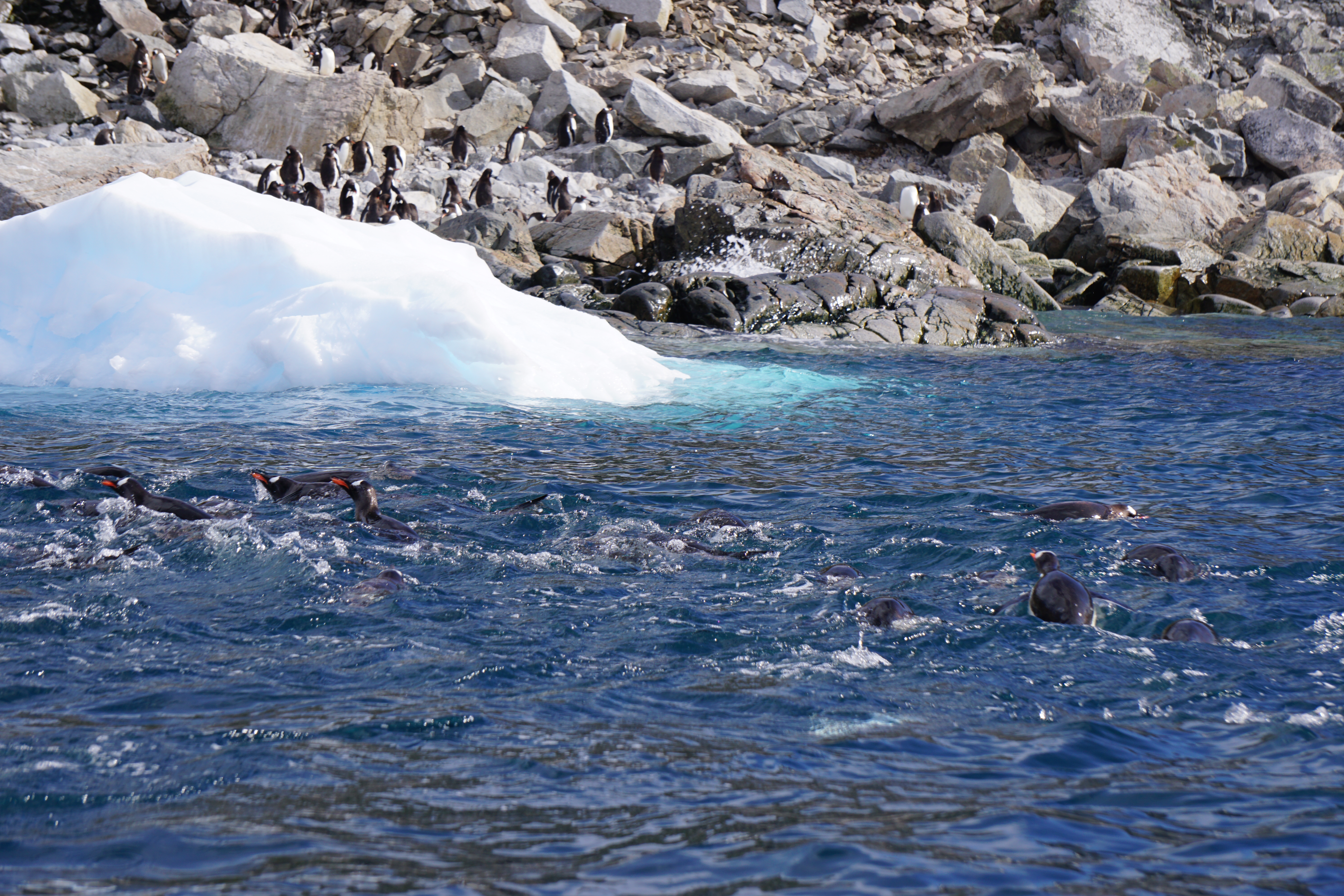
Watching a penguin “fly” through the water is breathtaking. In this medium, they are agile, fast and truly awesome. Having the opportunity to see penguins porpoising in Antarctica was incredible, as this is a behavior we don’t often get to see in a captive setting. They reach high speeds and shoot in and out of the water to traverse long distances, at times avoiding predators, and at times being the predators. This is one of the reasons why, from an animal welfare perspective, the new Polk Penguin Conservation Center, with its 326,000-gallon, 25-foot-deep pool, is such an exciting endeavor. This expansive water feature will allow the penguins to display even more of their natural swimming behaviors, minus the predatory dangers, of course!

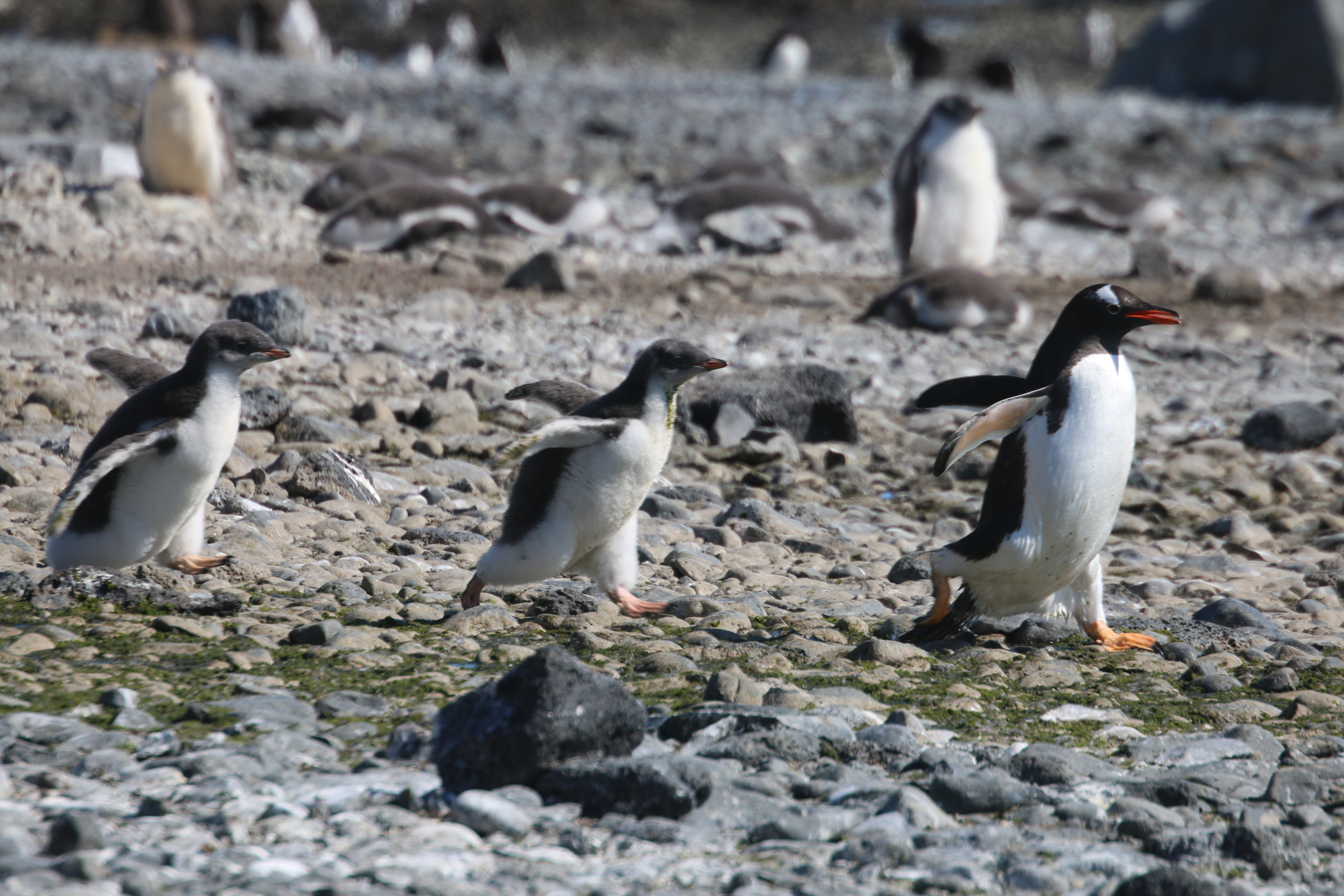
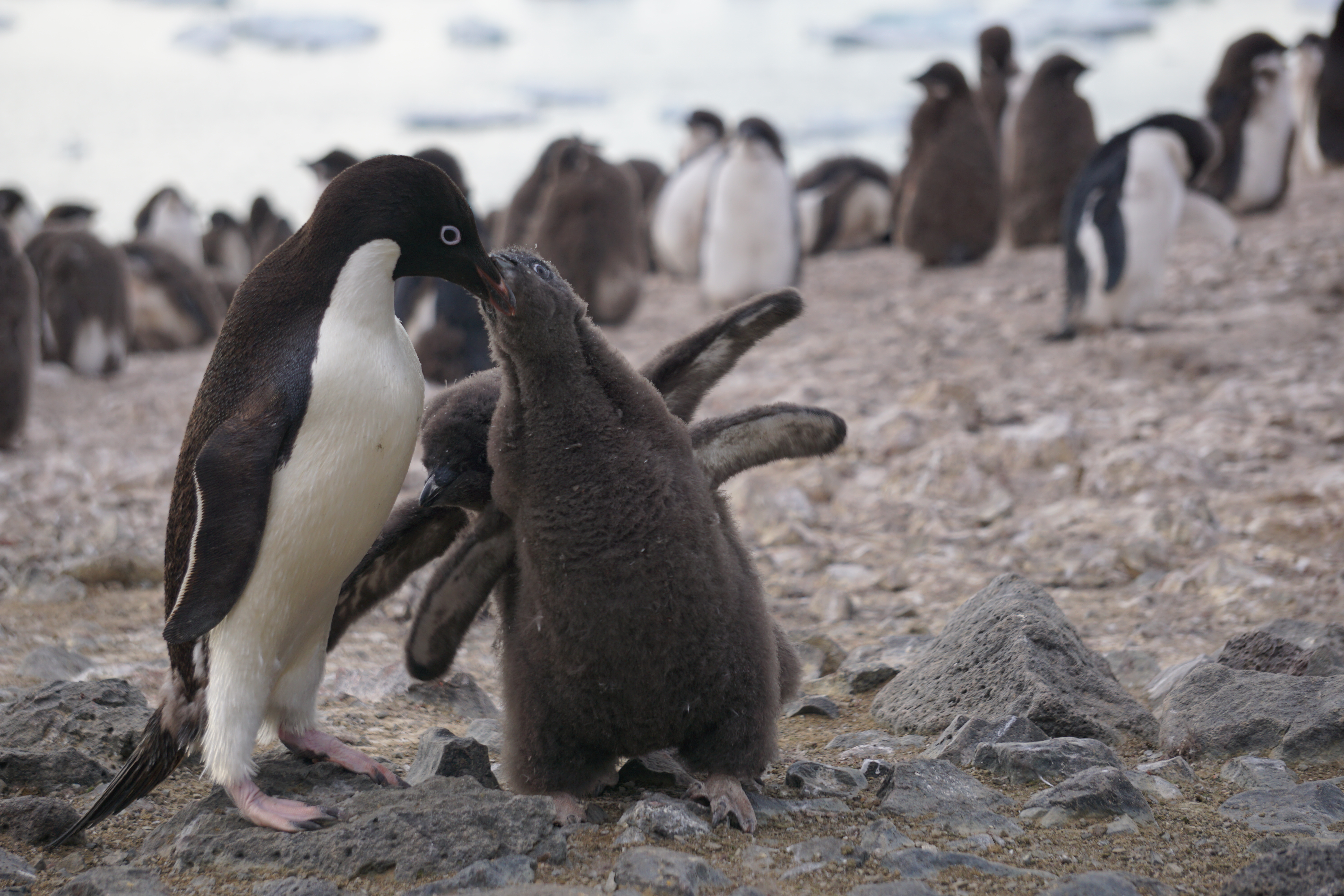
Watching a penguin walk on land is a somewhat different experience. They amble around, seemingly less acclimated to solid ground. Having now observed three species of penguins in their natural habitat, I can tell you that despite how they might appear, they are good climbers, managing to navigate over rocky, unstable and slippery terrain to gain access to nesting sites and hungry chicks. They can even move rather quickly, as demonstrated when they are attempting to wean their hungry chicks, who will often run after their parents while begging for more food.

I spent a lot of time observing the penguins at the various colonies we visited while in Antarctica, very similar to what the dedicated staff, residents, interns and volunteers of the Center for Zoo Animal Welfare do right here at the Detroit Zoo. For the gentoos, chinstraps and Adelie penguins we saw, this is the time of year during which they are still spending more time on land, as chicks are getting ready to fledge. I was able to focus on parent-offspring interactions, as well as how young penguins interact with one another in groups referred to as crèches. This is a critical time in the youngsters’ lives, as they prepare to leave the only home they have known so far. I was also able to focus on the type of environmental features that the penguins encounter, and how they interact with them. I was even able to test out our infrared thermography camera to look at temperature gradients between penguins at different population densities.

Having the opportunity to observe animals in their natural surroundings is extremely helpful when you are attempting to understand their needs and determining how to best meet them. You gain a very different appreciation for the challenges they are faced with, and it really makes you think about the level of complexity that comprises any environment. I am incredibly fortunate to have had such an opportunity, and I’m looking forward to sharing what I have I learned for the benefit of the penguins living at the Detroit Zoo. This is the type of care with which we need to approach habitat design, as well as how we assess the welfare of individual animals. A penguin’s natural habitat is full of challenges, both physical and social, but they are challenges that the animals are equipped to deal with. We should be searching for ways to ensure animals living in zoos have the right kind of stimulation – the right kind of challenges – if we want to see them thrive.

– Dr. Stephanie Allard is the director of animal welfare for the Detroit Zoological Society and oversees the Center for Zoo Animal Welfare.
Animal Welfare: Residency Program Advances Mission

The Detroit Zoological Society’s Center for Zoo Animal Welfare acts as a resource for knowledge about animal welfare, and in many cases, this includes providing training to others in various ways.

One such way is through our residency program. Residencies offer individuals the opportunity to better understand animal welfare and how to apply scientific principles in order to assess it. Residents are recent college graduates who join our team for a period of six months, during which they assist with data collection on various welfare-related research initiatives and conduct their own independent project designed to provide us with more information about how animals are doing. Past residents have examined such concepts as the impact of underwater complexity on North American river otters, how temperature and social relationships affect how Japanese macaques use their habitat, and the effect of varying how food is presented on the behavior of the king brown snake.

We currently have two brand-new residents working with us, and we are so excited to have them join the team. They will be helping to collect data on the penguin welfare project we are currently working on as we prepare for the opening of the Polk Penguin Conservation Center; using video recordings of what the aardvarks are doing at night so we can have a better idea of how they spend their time and what environmental features they might prefer, and focusing on assessing the welfare of one of the species at the Zoo as part of an independent project. The information they gather will help us to figure out if the animals are thriving, and if any changes could result in even better welfare.

We are glad to be able to provide these kinds of educational opportunities to aspiring animal welfare professionals. Not only does this enable us to undertake even more welfare-related projects here at the Detroit Zoo, which helps to expand the existing body of knowledge about animal welfare, but it also promotes the advancement of animal welfare as these residents go on to the next part of their career.

– Dr. Stephanie Allard is the director of animal welfare for the Detroit Zoological Society and oversees the Center for Zoo Animal Welfare.