Notes from the Field: ‘Iced in’ at the Palmer Station in Antarctica

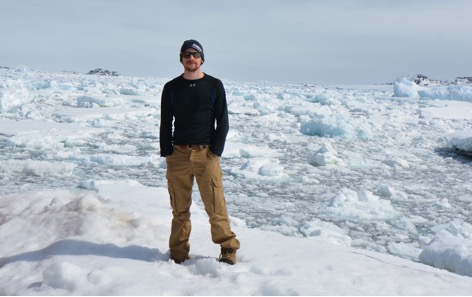
With the right wind, the harbor can go from totally clear to completely packed with large pieces of ice and glacier chunks within just a few hours, icing us in at the Palmer Station. When this occurs, we have to wait for the winds to change before we can work to clear the ice out. Being stuck at Palmer for a couple days was no problem though; it gave us time to catch up on data and paperwork and we were able to hike to a cove to do some fieldwork with southern giant petrels.

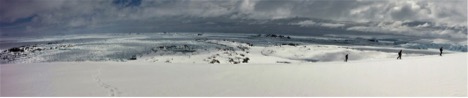
Land travel requires a lot of gear and also snowshoes, which we outfitted ourselves with before walking out into the “backyard” of the Palmer Station. We hiked up to the top of the glacier, where the views were absolutely breathtaking.
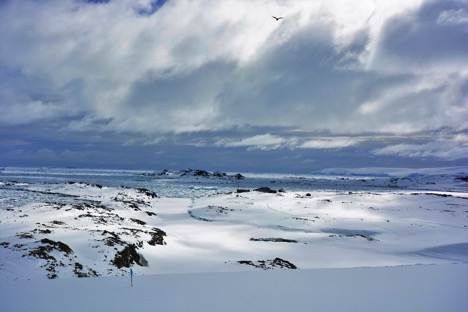
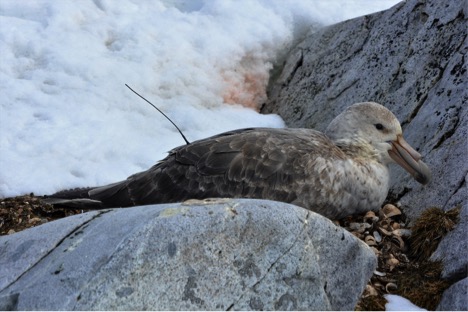
We walked around an inlet and back down the glacier over to a couple spits of land where southern giant petrels, Antarctic terns, and kelp gulls can be found. Giant petrels can have a wingspan of almost 7 feet and their eye colors vary from light to very dark, with every individual having its own unique color pattern. Many of these majestic and often very gentle birds have been banded throughout the years, and we were able to retrieve identification numbers from several of them, which will aid in the study of these birds. We were also able to outfit one of the birds with a transmitter to collect data on where the bird is travelling.
Finally, the winds shifted direction and we were able to travel by boat to continue our island fieldwork. We spent a lot of time catching up on censuses of Adelie penguin colonies – much to our excitement, many were full of parents incubating eggs! One humorous mainstay is the elephant seals that hang out around the station. Most mornings when exiting the building, there are multiple elephant seals present, which I’m told isn’t so common from year to year. We have to watch where we walk and keep our distance, giving the proper respect and privacy to all the local wildlife. In Antarctica, there are treaties and conservation acts to follow with regard to viewing wildlife, which is a good reminder of how we should treat all wildlife and wild places, no matter where we are in the world.
Thanks for reading; I will report back soon!

– Matthew Porter is a bird department zookeeper for the Detroit Zoological Society and is spending the next few months at the U.S. Palmer Station in Antarctica for a rare and extraordinary scientific opportunity to assist a field team with penguin research.
Animal Welfare: Penguin Research Continues as Opening of New Facility Nears

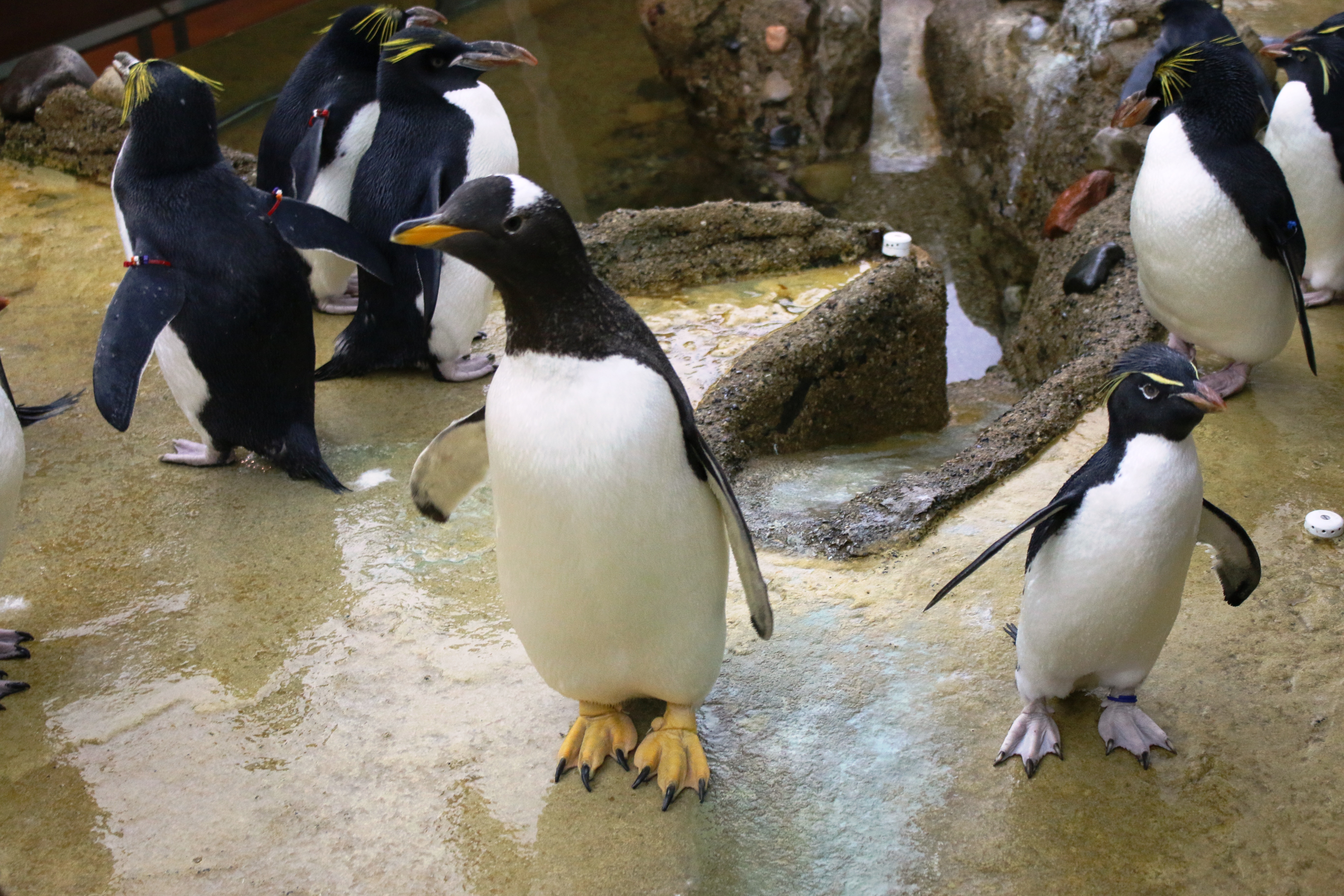
Our ongoing research project on penguin welfare continues as we get closer to the opening of the Polk Penguin Conservation Center, and we are learning a lot! For the past nine months, we have been keeping track of what the penguins are doing in the Penguinarium; where they spend their time, and with whom they are spending time. In addition, the data loggers that some of the birds have worn to track their swimming behavior have really highlighted how different each individual penguin is when it comes to spending time in the water. Some like to get their swimming done early in the morning, and some like to dip in and out throughout the day. Studying the welfare of animals is focused on each individual animal, and this is a perfect example of why this is important. By understanding how individuals differ, we can best meet the needs of each one.

We began this project to understand how the new Polk Penguin Conservation Center, opening in Spring 2016, would impact the penguins living at the Detroit Zoo. This not only helps us to ensure that the penguins here are thriving, but also to gain information that can be shared with others to benefit penguins living in other zoos and aquariums. An important part of the research is collecting what is referred to as baseline data, which is then used to compare with data collected in the new habitat so changes in the penguins’ behavior or activity patterns can be identified and so we can understand how they are experiencing the new habitat.

Some of the techniques we are using here may also help penguins in the wild. Field researchers can’t always study animals as closely as we can, so we may be able to provide valuable information to them, such as how we are using data loggers. We are also working on measuring hormones in penguin feathers that can provide more evidence on how penguins respond to changes in their environment. This is useful for penguins both in captive settings and in the wild.

We will continue to provide updates on this project, so be sure to check back to see our progress!

– Dr. Stephanie Allard is the director of animal welfare for the Detroit Zoological Society and oversees the Center for Zoo Animal Welfare.

Notes from the Field: Antarctica Fieldwork Begins

The first day in the field was an absolute dream come true for me. After an early breakfast and an intense look at the weather, we collected our gear and got dressed for a day of fieldwork. We dressed in layers to protect ourselves from the harsh environment and the potentially soaking boat ride. During my time in Antarctica, we will travel by boat to many islands to study different colonies of birds. The weather can change in a heartbeat, with strong winds bringing rough seas and treacherous ice drifts, so we need to be prepared.

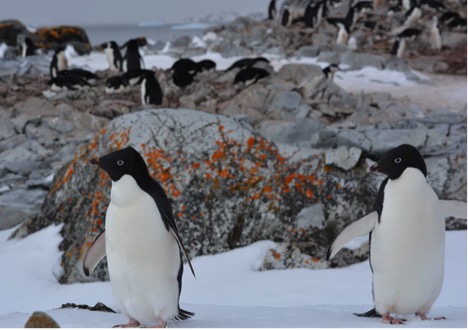
We headed out to a nearby island, which has multiple colonies of Adelie penguins. We tied up the boat and proceeded to count birds and collect data. I was speechless staring at a colony of these penguins and the pure beauty of nature – some birds were working on building nests out of rocks and others already had eggs – Adelie penguins generally lay a clutch of two. It is fascinating watching the birds work on their nests and interact within the colony.

Another bird of note in this region is the brown skua, a good-sized bird that will nest up on rocky ledges around the penguin colony. They often lurk on the edges of the colony waiting for an opportunity to steal eggs. Their strategy works well and they certainly get their fair share of Adelie eggs.

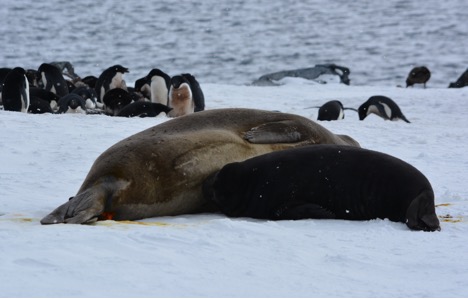
Near another Adelie colony, we spotted a southern elephant seal nursing her pup. There are many southern elephant seals in the area – the females weigh close to a ton while full grown males may weigh as much as 4 or 5 tons! Antarctica is a magical place that surrounds you with beautiful, pristine nature.

Throughout the week we have visited multiple islands surveying the birds and taking data. The conditions have been good with temperatures around freezing, with snow and rain mixed in. Thankfully the high winds tend to hold off until the evening, allowing us to get our work done. While I’m known at the Detroit Zoo for wearing shorts year-round, here I am wearing pants. What can I say – it’s Antarctica!

Thanks for reading; I will report back soon!

– Matthew Porter is a bird department zookeeper for the Detroit Zoological Society and is spending the next few months at the U.S. Palmer Station in Antarctica for a rare and extraordinary scientific opportunity to assist a field team with penguin research.
Notes from the Field: Arriving in Antarctica

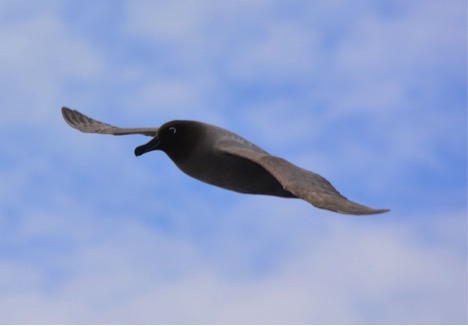
Reporting back from blue water. We experienced some rain, but only light winds as we sailed through the infamous Drake Passage, offering us the “Drake lake” not the “Drake shake”! Throughout the Passage, many more feathered companions greeted us including Wilson’s storm petrels, slender-billed prions, light-mantled albatross and more. The light-mantled albatross is a majestic flyer that glided around our boat effortlessly.

antarctica 1

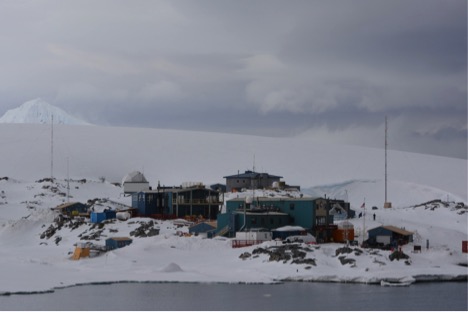
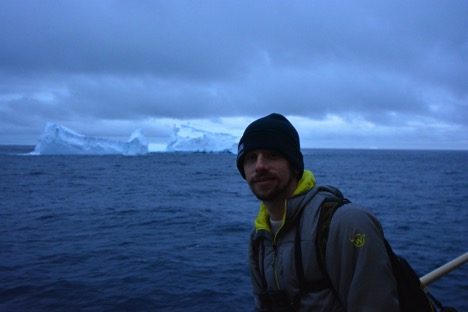
During our fourth evening on the boat, icebergs and pieces of ice started to consistently drift by while the rain changed to snow. We were getting close! By early afternoon on day five, the boat entered the 16-mile-long Neumayer Channel, which is a breathtakingly gorgeous passage. We cruised through incredible snow-covered cliffs, while icebergs of varying beautiful hues of blue floated past us. A couple ghost-like snow petrels made an appearance. Snow petrels are a pure white bird with black eyes and a black beak and are found in southern Georgia and Antarctica. We eventually passed Port Lockroy, which has a British research base and the nearest post office. Then, in the clearing as the clouds parted slightly, we could see a small collection of buildings: the U. S. Palmer Station and my home for the next couple of months.

Antarctica 2

A handful of gentoo penguins came to the edge of the ice to greet us while we were landing the boat. It was nice to feel the hard ground under our feet after the wonderful five-day voyage. Since we landed in the evening, we hung out for a while at the station, meeting the very friendly current residents and then headed back to the boat for the night. The following morning, we got right to work unloading our gear, followed by a half-day of orientation. After orientation, I found my way down to a small hut, which is known as the “birders” office. The “birders” is a station nickname for our group that does bird research. I am joining three fantastic, expert field biologists to do field work/research on gentoo, adelie, and chinstrap penguins, southern giant-petrels, brown skuas and more. Much of the work involves long-term ecological studies and is associated with figuring out the bird’s relationship to and impact from climate change. This work is overseen and guided by the principal investigator, the world-renowned polar ecologist Dr. Bill Fraser, who also consulted with the Detroit Zoological Society (DZS) on the design of the new Polk Penguin Conservation Center, a spectacular facility under construction at the Detroit Zoo.

antarctica 3.jpg

Also while I’m down here, I will be able to absorb knowledge that can be brought back to the Detroit Zoo’s already expert penguin staff. Conservation and animal welfare are priorities of the DZS and this incredible opportunity will allow us to continue to improve the already excellent welfare we ensure for animals. The Detroit Zoo, home to the Center for Zoo Animal Welfare, is known internationally for our animal welfare program, and we are always challenging ourselves and our industry to continue improving. Starting tomorrow, I will jump into the field and will report back soon. Thank you for reading!

– Matthew Porter is a bird department zookeeper for the Detroit Zoological Society and is spending the next few months at the U.S. Palmer Station in Antarctica for a rare and extraordinary scientific opportunity to assist a field team with penguin research.
Animal Welfare: Using Infrared Thermography to Assess Well-Being

It is hard enough for us, as humans, to understand how others are feeling. But imagine how difficult it is for us to know how animals are experiencing the world around them from an emotional standpoint. Other species perceive the world very differently than we do and cannot communicate with us using words.

Finding new ways to assess the emotional lives of animals is critical to advancing our understanding of animal welfare. It is also incredibly important to develop methods that are non-invasive, thereby not affecting the animals during the process. Infrared thermography is a potential way for us to do this.

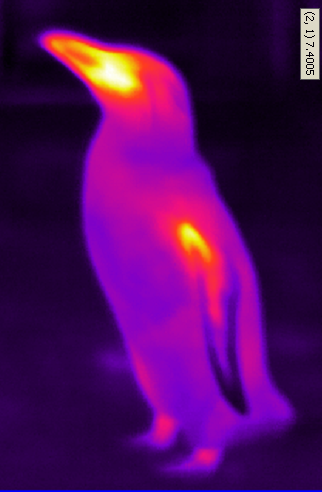
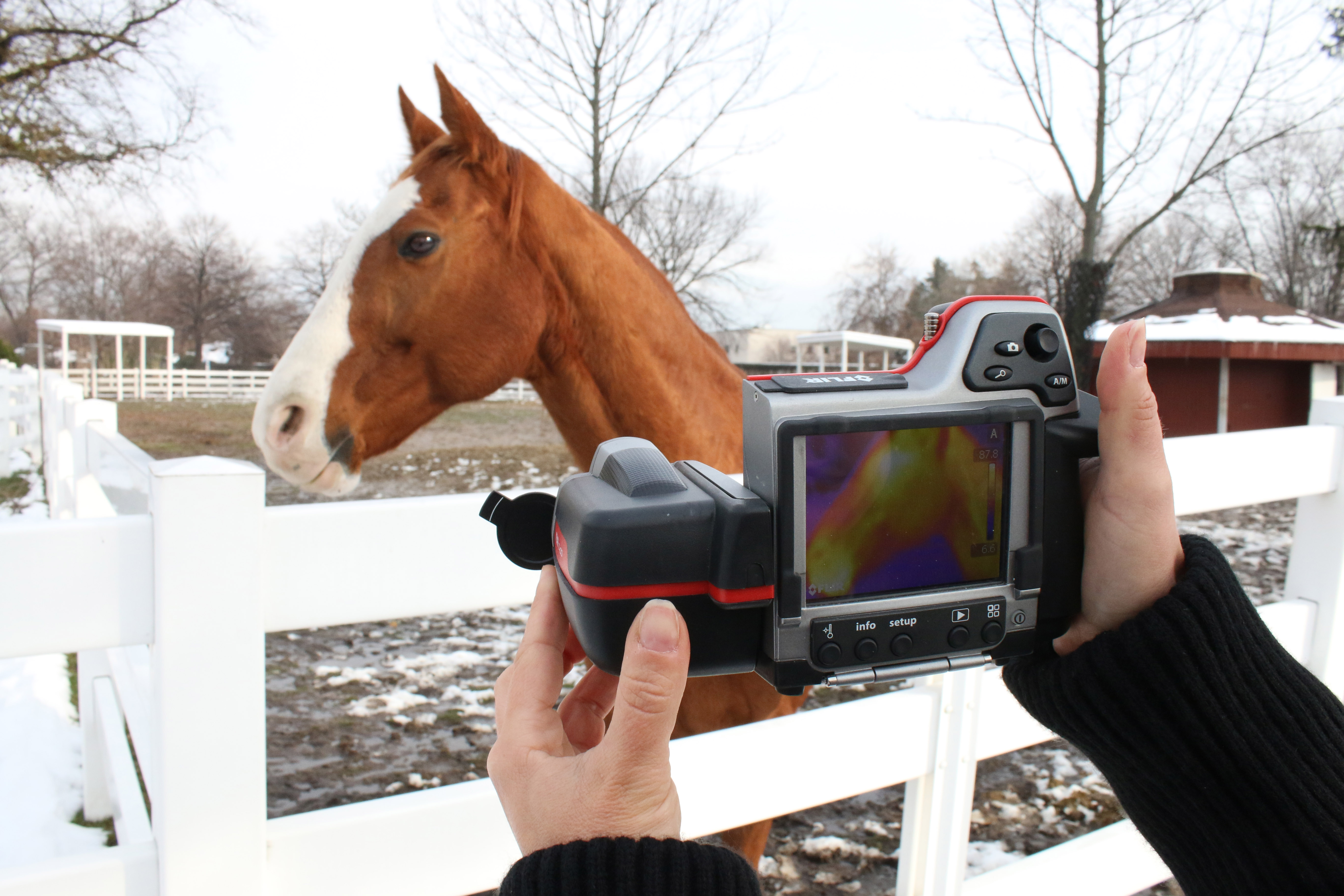
Infrared thermography (IRT) is technology that uses a camera to remotely measure the temperature of an object. The images, called thermograms, show different colors to represent various temperatures, and this allows measurement to be taken without having to touch the object. It has been used in a variety of ways including in buildings and in diagnostic medicine in both humans and animals. Some scientists have also been using it to help assess aspects of animal welfare.

Animal welfare encompasses the physical, psychological and emotional experience of an animal. It is important to use measures that look at all of those components to understand how an individual animal is faring. The body’s response to certain things, such as stress and positive experiences, can have an impact on temperature. This means that in some cases, changes in the temperature of body parts, such as the eyes, can tell us how an animal is responding to an event.

– Dr. Stephanie Allard is the director of animal welfare for the Detroit Zoological Society and oversees the Center for Zoo Animal Welfare.


Animal Welfare: What is a Warthog Thinking?

The Detroit Zoological Society’s Center for Zoo Animal Welfare (CZAW) has been hosting workshops to train other professionals around the world to assess and improve animal welfare each year since 2012. In that time, more than 50 people have come to the Detroit Zoo to learn more about the ways in which animals are impacted by living in captive settings, and how to address the challenges they face. This year is no different. Another class is here spending five days with us and participating in lectures, discussions, group projects and exercises in the Zoo.

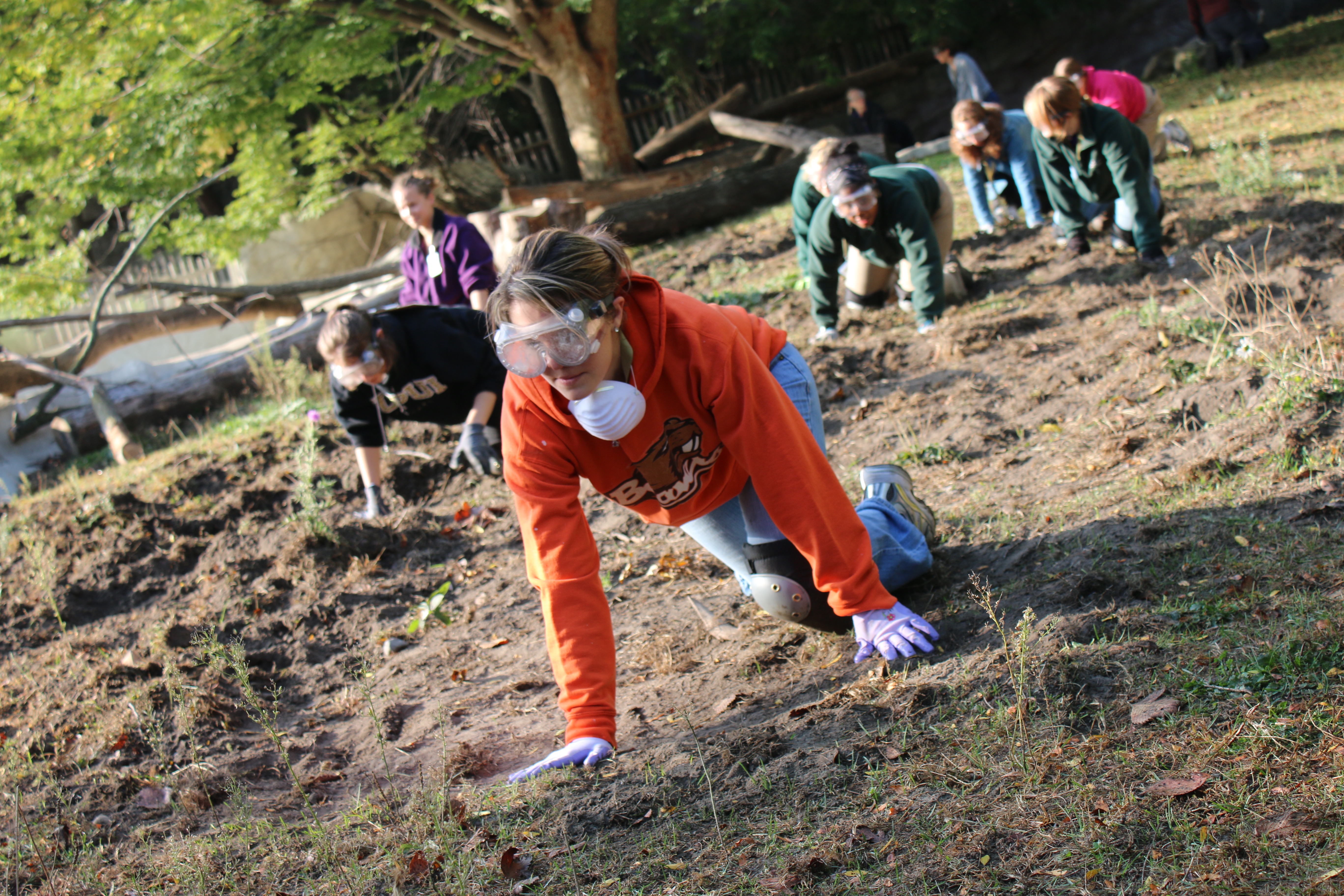
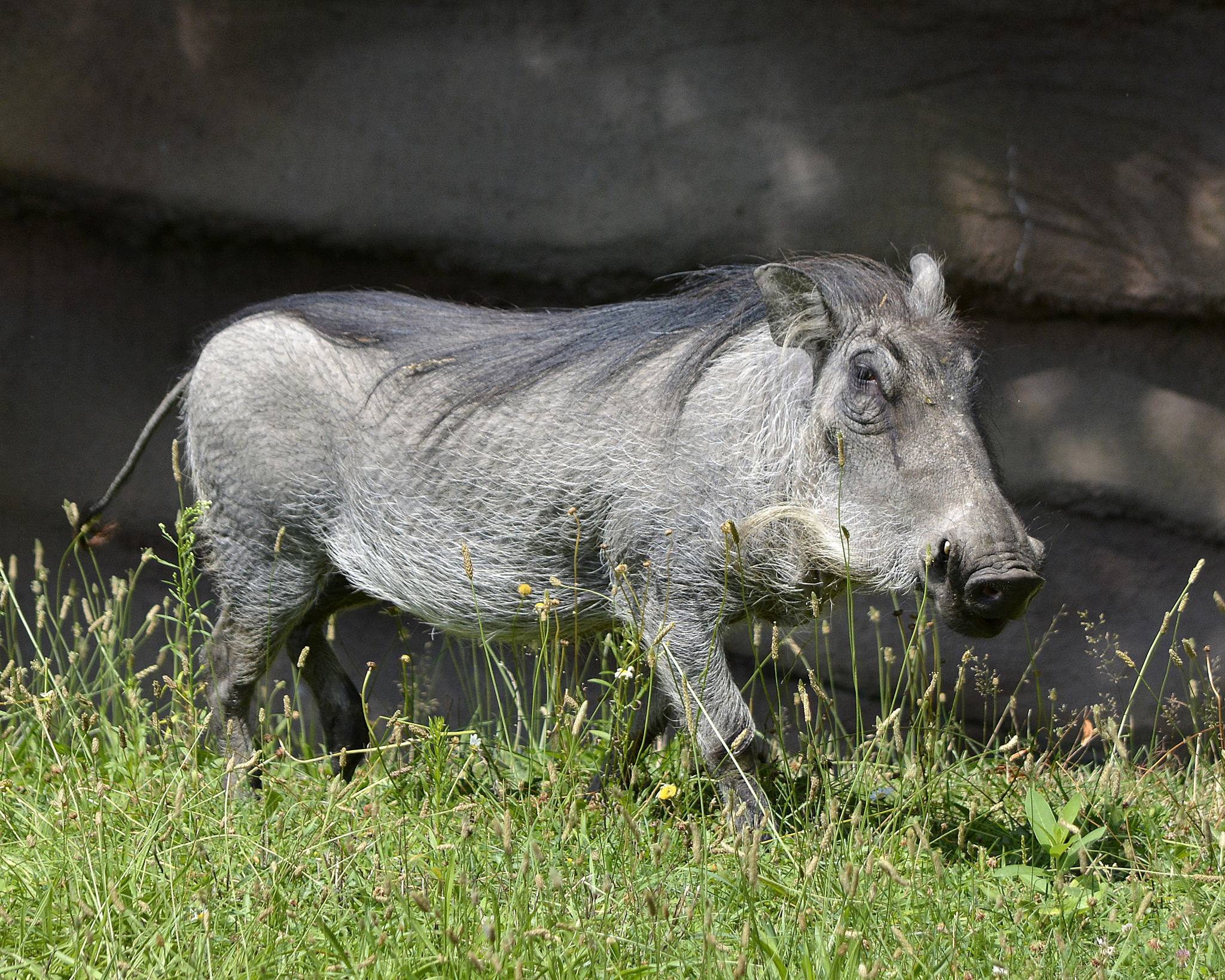
One of the most fun and impactful activities might sound a little silly. We ask the participants to walk around the warthog habitat, first as a human, then as a “warthog”! Every species – and really every individual –experiences the world in different ways. When they are being warthogs, the participants crawl around while wearing goggles that occlude their vision. This is to simulate what it might be like for a warthog living in the habitat, as they rely less on vision than humans do, and to allow each person to get a better sense of how different the world is from the perspective of another species. Once we start to ask ourselves how the animals experience the world we have created for them, we can truly begin to understand what is working for them and what may need to be improved.

Warthog - Roy LewisOne of the goals of CZAW is to provide animal welfare training, and although it is a whirlwind of activity, it is incredibly rewarding for our staff. Not only do we get to meet others who have the same desire to improve the welfare of the animals for which they care, but we get to play a part in helping them to make animal welfare a priority at their own institutions.

Dr. Stephanie Allard is the director of animal welfare for the Detroit Zoological Society and oversees the Center for Zoo Animal Welfare.

Animal Welfare: Preventing Bird Strikes

Stephanie Allard, Ph.D., is the director of animal welfare for the Detroit Zoological Society and oversees the Center for Zoo Animal Welfare.

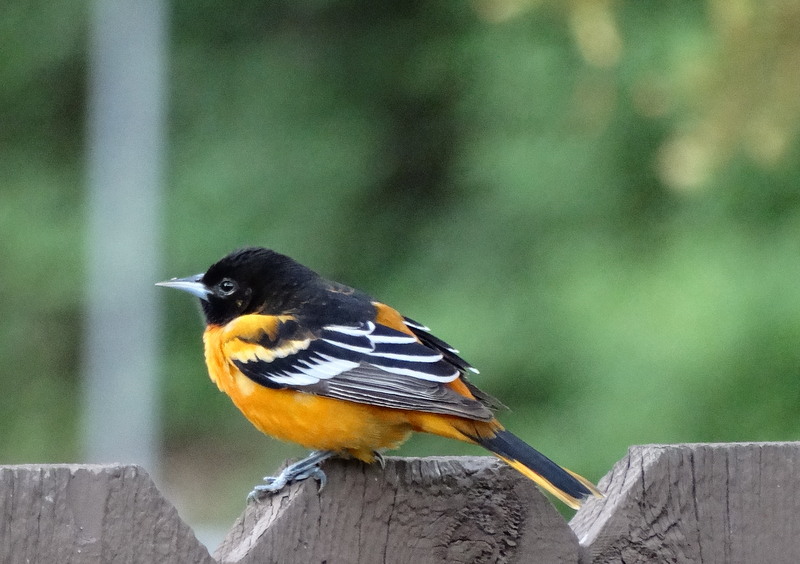
Getting to see nature up close and personal Photo by Patti Truesdellis amazing – especially birds, which many of us are able to do from the comfort of our homes. I love to bird watch, and I have bird feeders at my house, as I’m sure many of you do. I enjoy seeing birds as they fly around, forage for food, interact with each other, and raise their young. We have bird feeders at the Detroit Zoo and Belle Isle Nature Zoo as well, which attract many airborne visitors.

We have to be vigilant, however, because we want to protect these incredible species as we invite them to join us in our outdoor spaces. Millions of birds are killed each year in the U.S. alone because of structures that are built by humans, and among the main culprits are windows. They let in light and they provide us with views, but they also confuse birds and create a very dangerous situation.

Humans and birds have very different visual systems, and what appears to us like a see-through barrier does not look that way to birds. The glass appears invisible to them and often acts as a reflective mirror. Because they can’t see the glass, birds will often fly into a window. This is a deadly phenomenon known as “bird strike”.

Photo by Patti TruesdellWindows are not a new threat for birds; however, this serious animal welfare and conservation issue does not get as much attention as it should. There are programs designed to bring attention to bird strikes and reduce the impact on birds, including the Lights Out program. There are also individuals who have devoted their careers and lives to the issue, such as Dr. Daniel Klem Jr., an ornithology professor from Muhlenberg College who spoke about his decades of work on this topic at the third International Symposium on Animal Welfare hosted by the Detroit Zoological Society and our Center for Zoo Animal Welfare in November of 2014.

The great news is that there are things we Photo by Jennie Millercan all do to help prevent birds from suffering. We can put up bird silhouettes on our windows (you will see many on the windows throughout the Zoo), or reflective tape. There is even special film and glass that can be installed that takes advantage of the fact that birds see in the ultraviolet range so that windows that seem clear to us are now seen by birds as real barriers. Photo by Jennie MillerIf you have bird feeders, don’t put them further away from your windows than 3 feet. This means that birds can come enjoy the food, but won’t gain enough momentum to harm themselves if they take off towards any windows. Use your blinds if you have them – this also lets birds know that they can’t fly through.

We truly have the ability to make a difference in the lives of individual birds that share the world with us, and in turn, help protect their species.

– Dr. Stephanie Allard

Animal Welfare: A New Home for Wolves

Stephanie Allard, Ph.D., is the Director of Animal Welfare for the Detroit Zoological Society and oversees the Center for Zoo Animal Welfare.

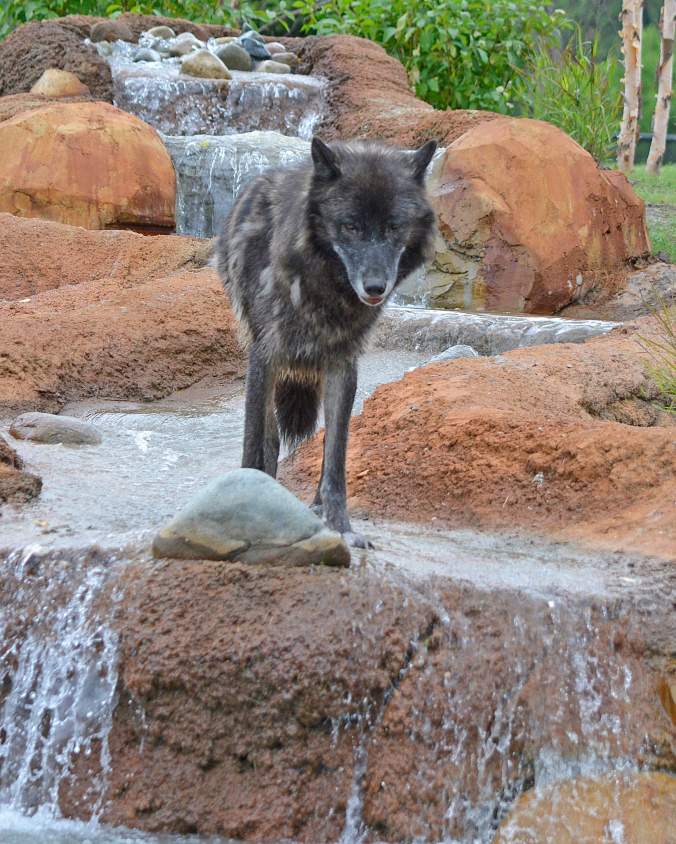
She was standing still, in front of an expansive vista full of greenery. Her eyes bounced from place to place, noting the tiered stream and pools, the variety in shrubbery and trees, and the rocky outcroppings. Sensing movement to her left, she turned to get a better look, and, through the trees she spotted Kaska, a male gray wolf with a coat of dark, smoky fur, exiting the den.Wolf - Wazi - Lee Fisher

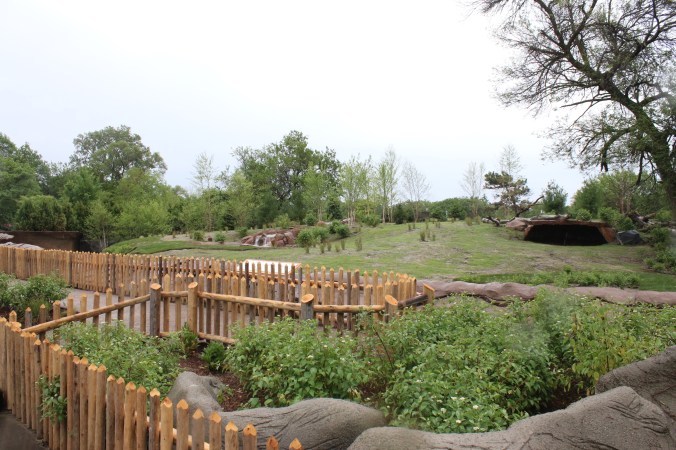
Wazi, a 7-year-old female gray wolf, is often seen exploring the terrain of her new home in the 2-acre Cotton Family Wolf Wilderness. Since it’s opening in early June, staff from the Center for Zoo Animal Welfare have been observing what the two wolves are doing and where they are spending their time as they acclimate to their new habitat at the Detroit Zoo. As the wolves interact with each other and explore their surroundings, we learn what matters to them.Cotton Family Wolf Wilderness - Jennie Miller

The process by which zoo habitats are designed is lengthy and meticulous. When architects design a home or an office building, they can talk to their clients to make sure that the design encompasses all of their wishes and meets all of their needs. When we are designing spaces for animals, we do not have the luxury of asking them questions directly. We have to rely on our understanding of the ecology and behavior of the species in question. We engage experts and ultimately construct habitats that we believe will not only meet, but exceed the needs of the animals that will inhabit them. We include opportunities for each animal to engage in species-typical behaviors, to seek shelter and privacy when desired, and to exert some measure of choice and control over their daily lives.Wolf - Kaska - Roy Lewis

When all is said and done, we must rely on what the animals “tell” us about their environment and make any adjustments accordingly. As we do with all the animals, we will continue to find ways to learn what Wazi and Kaska think about their home and their lives.

– Dr. Stephanie Allard

Animal Welfare: Animals After Dark

Stephanie Allard, Ph.D., is the Director of Animal Welfare for the Detroit Zoological Society and oversees the Center for Zoo Animal Welfare.

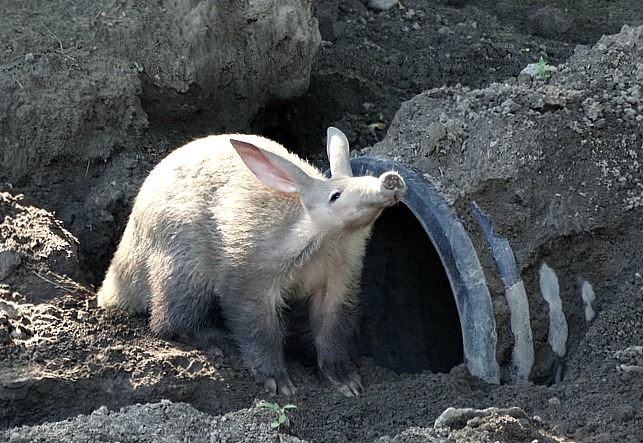
Have you ever wondered what the animals do at night when the Detroit Zoo is closed? Some animals, like gorillas and lizards, are most active during the day – known as diurnal – others, like aardvarks and beavers, are most active at night – known as nocturnal – and some have other activity patterns.Kaatie the aardvark - Patti Truesdell

It is important for us to understand the activity patterns of the different animals that live at the Zoo because we have a responsibility to meet their needs all of the time – not just when the Zoo is open to our visitors during normal business hours. For some species, there is already a lot of information available about when they are active and when they spend more time resting. This can help us plan how to best provide them with the opportunities they need to thrive. For others, it can be helpful to monitor their behavior so that we can make informed decisions about each individual animal’s care and welfare.

Jabari the giraffeGiraffes are a good example of this, as it is a species that sleeps for short durations several times a day. In the wild, giraffes need to be constantly on alert for predators. Since this is not the case in a Zoo setting, the sleep and activity patterns of giraffes vary, therefore we wanted to determine what they were for the giraffes here. We spent time monitoring the behavior of the 7-year-old adult male giraffe, Jabari, and the 6-year-old female giraffe, Kivuli, during the night and found that they do spend periods of time resting and ruminating. However, they do have activity peaks as well. Having this kind of information presents us with the chance to develop ways to provide them with things like additional foraging and feeding opportunities throughout the night, which we have done.

It is so important that we always seek additional knowledge to help us ensure that the needs of all the animals who call the Zoo home are met, even when we are not there to see it.

– Dr. Stephanie Allard

Animal Welfare: Through the Looking Glass

Stephanie Allard, Ph.D., is the Director of Animal Welfare for the Detroit Zoological Society and oversees the Center for Zoo Animal Welfare.

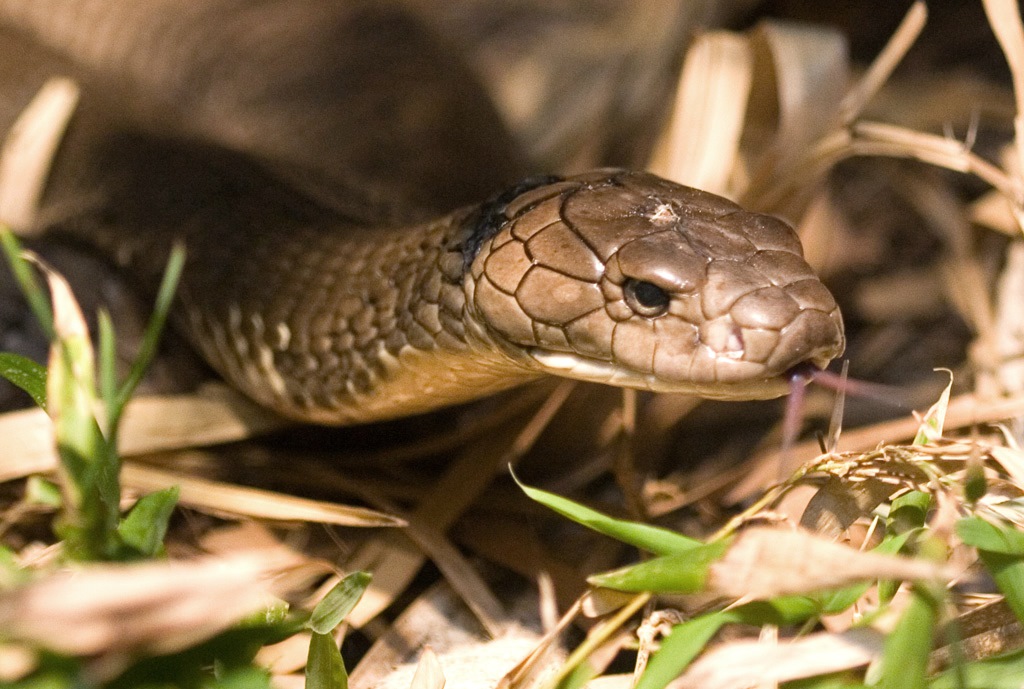
Glass enclosures like those in the Holden Reptile Conservation Center at the Detroit Zoo are designed to provide visitors with less obstructed views of the animals and bring them even closer. These clear barriers can also easily lend themselves to direct contact by both the visitors and the animals – visitors can press their hands and faces right up to the glass, and even knock or bang on the glass. As it appears to be a common occurrence in zoos and aquariums, it’s important to us that we understand what effect, if any, that this visitor behavior has on the animals.King Cobra - Jeff Jundt

While this topic has not been well researched thus far, the Center for Zoo Animal Welfare at the Detroit Zoo is in the midst of a study designed to determine if there is an impact on the welfare of reptiles when visitors knock on the glass of their enclosures.

We first wanted to determine if there were specific enclosures or species that were being targeted by visitors, and we learned that this was not the case. Next, we want to determine if there is a behavioral response by the animals to the visitors interacting with the glass. We recorded video footage of the individuals before and after visitors interacted with the glass of the enclosure. We are currently comparing that behavioral data to other data collected at times during which there were no visitor interactions.

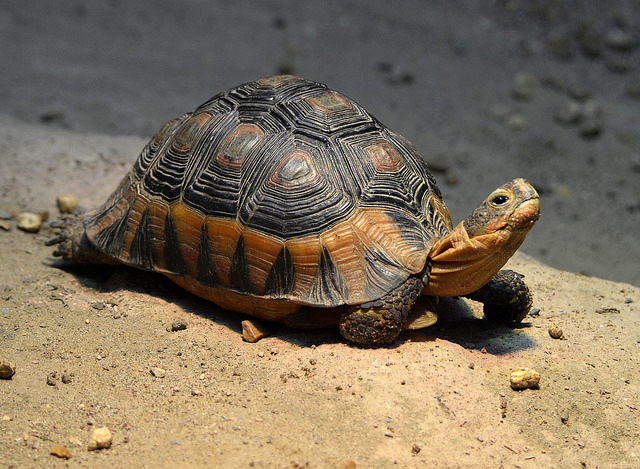
Tortoise - Roy LewisBased on what is known about reptiles, we may find in this study less behavioral evidence of their reactions to their environment. But an important thing to keep in mind is that just because we can’t see a reaction, it doesn’t mean the individual animal isn’t affected.

Therefore, the final phase of this study will attempt to look for any changes in hormone levels – specifically corticosterone, which is the reptile and avian equivalent to cortisol in humans – during times with little to no visitor interactions and those with more. This part will be a bit trickier, as the means by which we collect hormone information non-invasively in mammals – by measuring levels in feces or saliva, for example – is not as easily done with reptiles. We are excited by the challenge however, as the welfare of every animal is important, including the ones that people might not relate to as easily.

– Dr. Stephanie Allard