Stephanie Allard, PhD. is the Director of Animal Welfare for the Detroit Zoological Society and oversees the Center for Zoo Animal Welfare.
Part of the Detroit Zoological Society’s (DZS) mission is to demonstrate leadership in wildlife conservation and animal welfare. This includes taking a compassionate approach to conservation projects. Often, conservation actions, such as programs that reintroduce animals into wild habitats, are more focused on protecting species or populations, and this can come at a cost to 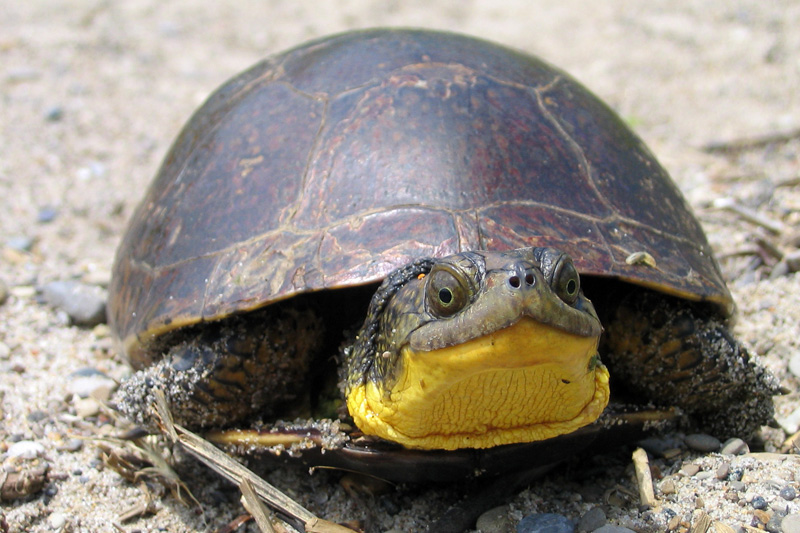 individual animals. For some species, personality traits may be linked to survival success when animals are returned to the wild. Therefore, we designed a study to look for personality traits in Blanding’s turtles, a species of special concern in the state of Michigan that the DZS has been helping to reintroduce into the wild.
In this study, turtles are hatched and raised at the Detroit Zoo and are released when they reach a size that would make them less likely to be killed and eaten by raccoons and other predators. Some of the turtles are fitted with GPS trackers prior to being released so their movements can be followed.
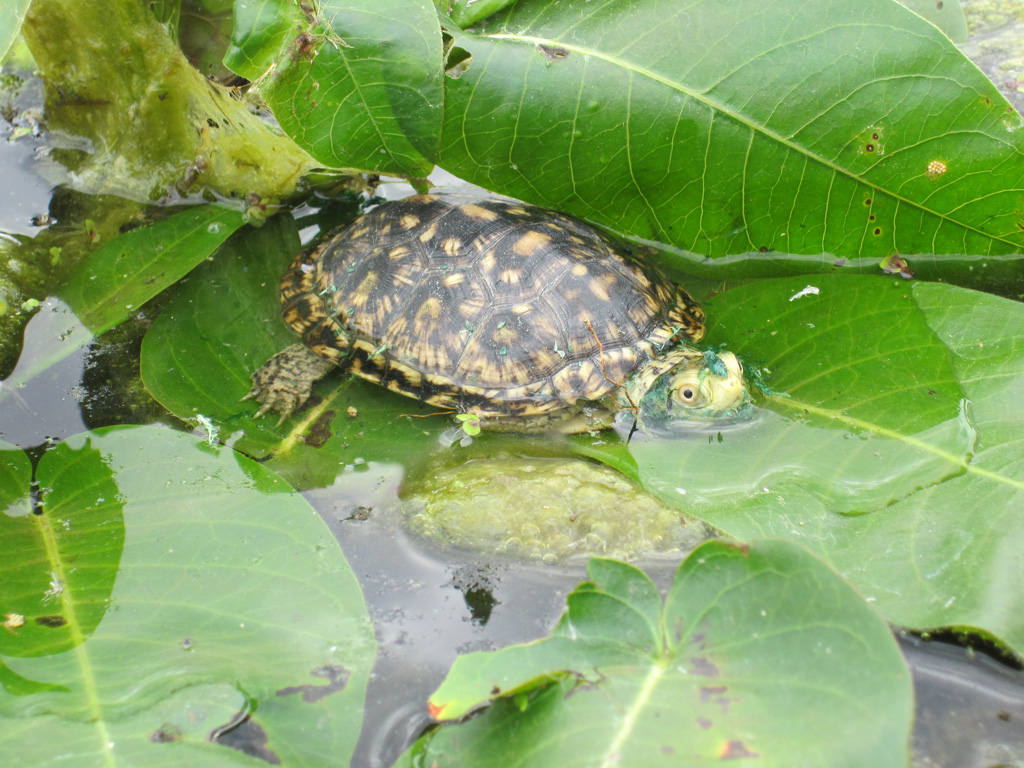 The goal of the personality project was twofold: First, we hoped to uncover personality traits in the turtles, as little animal personality research has focused on reptiles. The 24 turtles selected to wear trackers underwent simple behavioral tests to determine how likely they were to explore, acquire food, and how they responded to seeing themselves in a mirror which can tell us about their reaction to other turtles. Preliminary results of the behavioral tests suggest that several personality traits may be present in the turtles, including boldness and exploration.
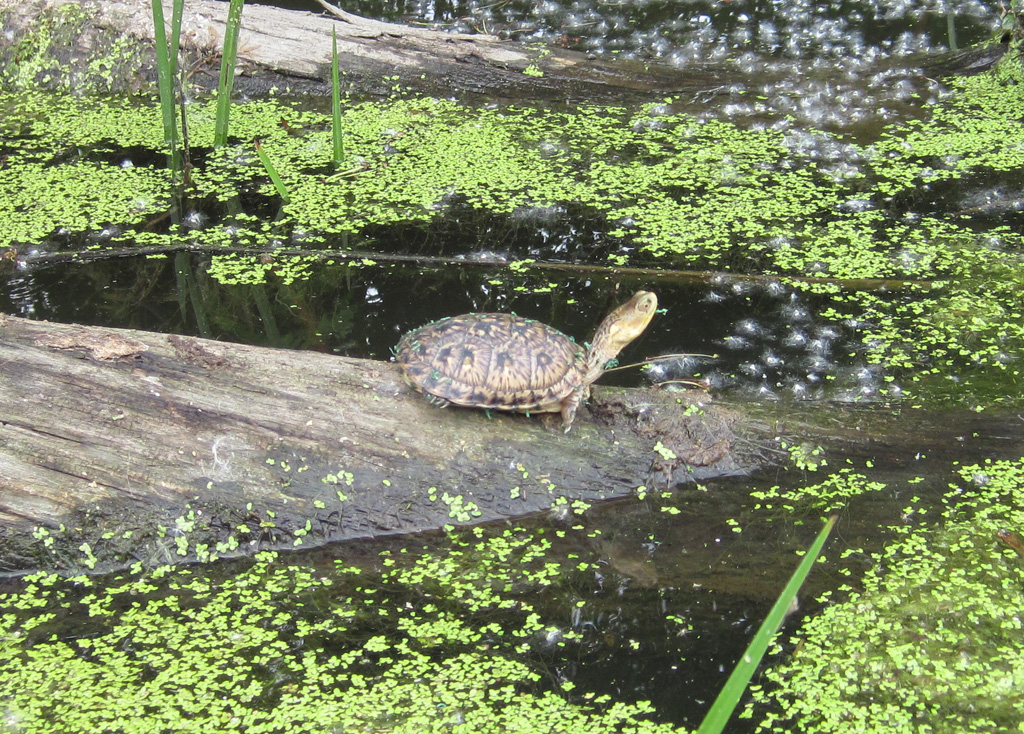 The next step will be to use the information shared with us by the field biologists to see if personality traits had any impact on how well each turtle did during the year following their release. This kind of information could help to make the best possible decisions when deciding where to release individual turtles in order to maximize their success in returning to the wild.
– Dr. Stephanie Allard

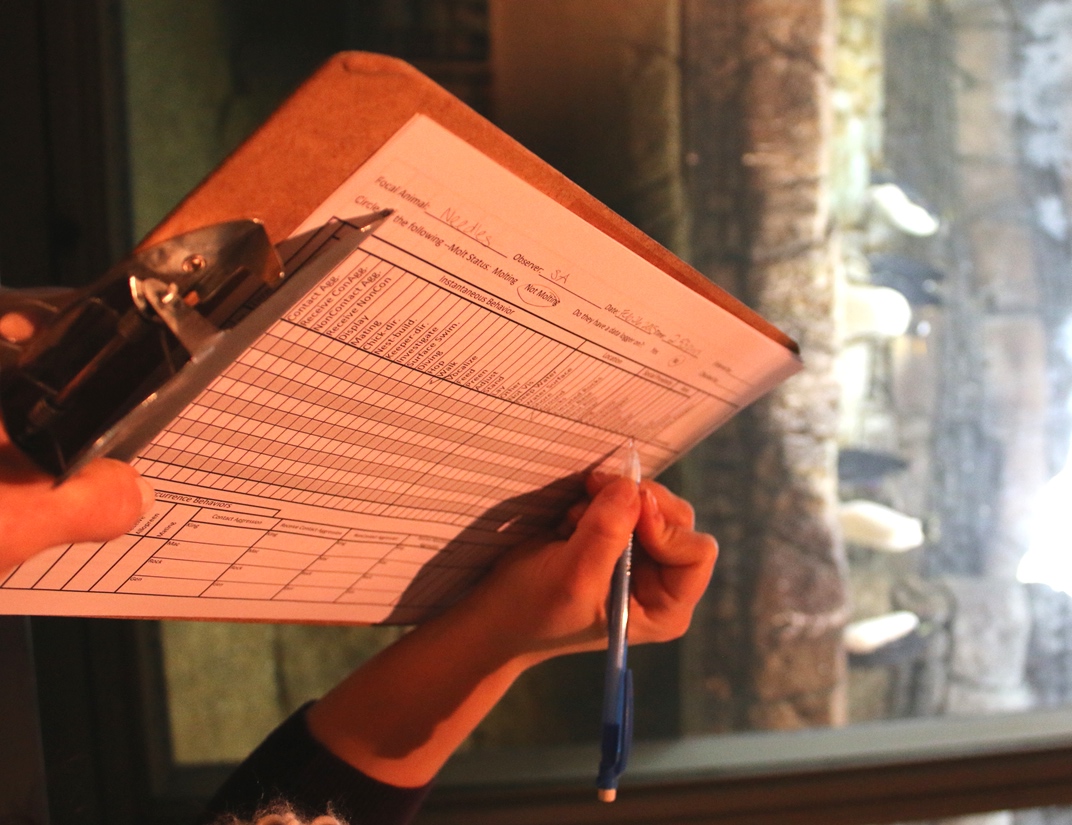

 Detroit Zoological Society Blog