This week, hundreds of millions of birds will leave their winter habitats from as far away as the Amazon rainforest and Andes mountain range on their annual journey to reach their summer breeding grounds across North America and right here in Detroit! Migratory bird species travel along ancestral routes defined by waterways and often travel under the starlight at night. Fluttering along geographic landmarks like the Mississippi River and the shores of the Great Lakes, birds as small as the ruby throated hummingbird head to their summer homes thousands of miles further north.
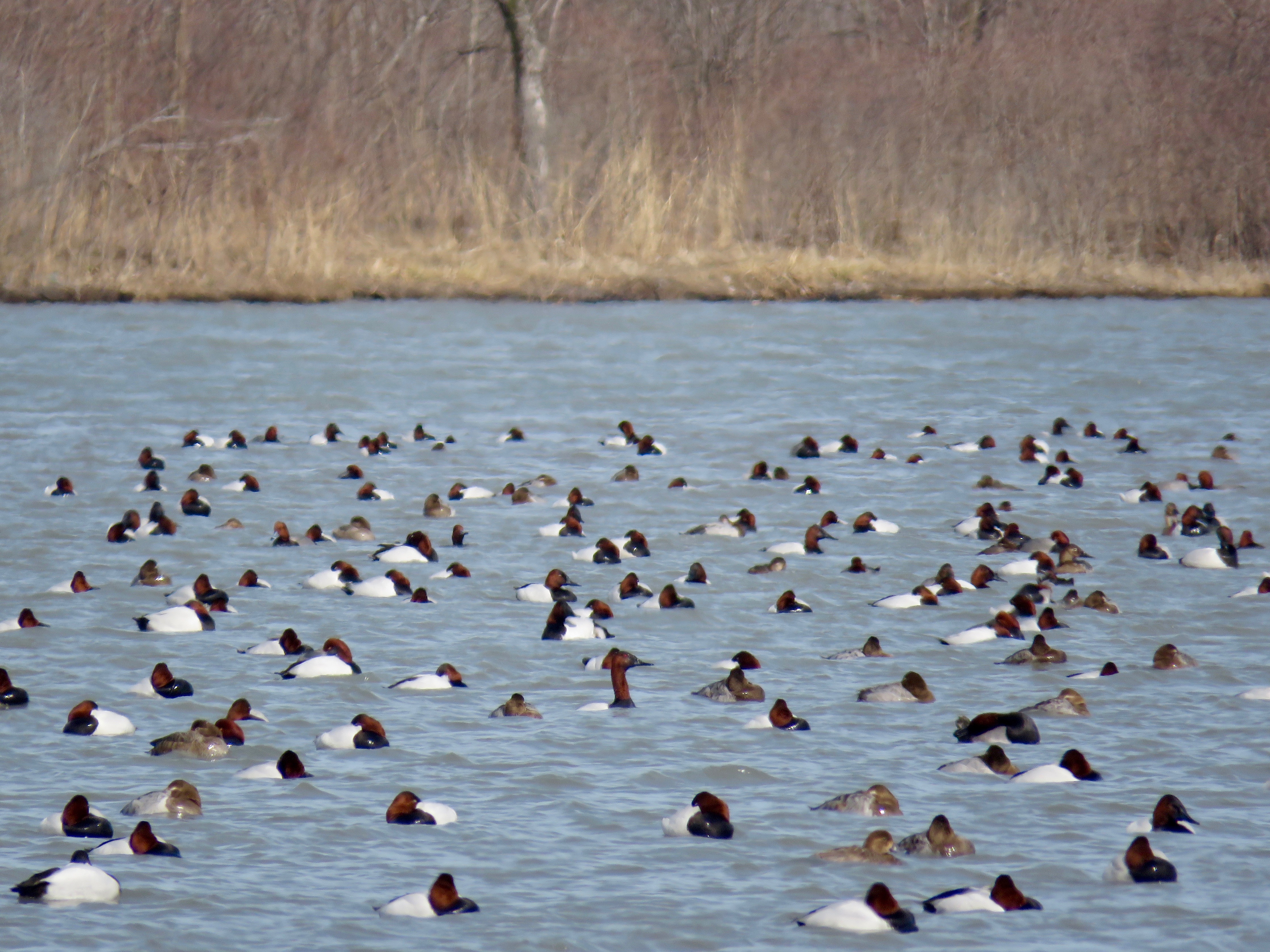
Saturday, May 13 is World Migratory Bird Day, which amplifies the critical importance for birds to have access to water throughout their journey. Waterways serve as sources for food and habitat during migration and year round. At the Belle Isle Nature Center, birds are celebrated on this day — and every day — through education and conservation practices that promote their right to access food, water and habitat.
As the month of April came to a close, a time when the frequency of bird migration really picks up in the Detroit area, the Belle Isle Nature Center hosted Michigan Public Radio’s live broadcast event “Bird Nerds Unite.” This event featured a panel of local experts who discussed all things birds: the birds who are migrating through now, those who reside in southeast Michigan all year and tips for noticing birds right near your home.
You can watch or listen to a recording of the presentation here.

Even the youngest among us can appreciate the birds in their neighborhood. Don’t just take our word for it — here’s what Marlin Franklin, Brightmoor community engagement manager with Brilliant Detroit, had this to say about the Belle Isle Nature Center’s after school program, Neighborhood Nature Explorers.
“Contrary to popular belief, bird watching is not boring! It is amazing fun for kids and adults,” he says. “We celebrated bird day at the Brilliant Detroit Brightmoor site with Micah Blake-Smith from the Belle Isle Nature Center. We learned the proper way to use binoculars. We identified birds that live and forage for food in our neighborhood, and we made feeders for those birds that we hung in the trees. Our little people will grow up to be good stewards of the earth with classes like these.”
If you think that’s something, come experience the excitement that awaits from bird watching during sunset or with the use of audio ID technology at the Belle Isle Nature Center’s free programs.
Nature at Night
A flutter of green, a jolt of red, a fleck of gold – a pheasant ducks through the underbrush in a burst of color. Whether it is the visual rainbow of feathers or a symphony of a bird chorus saluting the setting sun, hikers and bird watchers can find themselves knee deep in renewed prairie while birding on Belle Isle. Our Nature at Night program gives participants an opportunity to discover spaces that burst with life as the sun goes down. Join us for our next free hike from 5 to 9 p.m. Thursday, May 18. Guests are welcome to bring binoculars or borrow a pair from the Nature Center.
Science Hikes
More of a morning bird than a night owl? There is also a daytime Science Hike planned for 2 to 3 p.m. Sunday, May 21. This “technologically enhanced” bird walk utilizes the Merlin Bird ID app. Participants will be provided with iPads and can use the app to help them identify birds from their song. A recent walk on the Nashua Canal Trail, a 1-mile accessible pathway through the heart of Belle Isle, revealed ruby-crowned kinglets, red headed woodpeckers, white-throated sparrows and one very impressive eagle’s nest.

As spring bird migration winds down in June, the community group Black to the Land Coalition will host their annual birding event at the Belle Isle Nature Center called Blacks, Browns and Birds from 10 a.m. to 2 p.m. Saturday, June 3. This allows for Black and Brown families to come together in green spaces, connect with the land through bird watching and enjoy other outdoor activities.
For more information about upcoming, free programs and events, visit our website. The Belle Isle Nature Center is open seven days a week, and we are happy to give tips on where to head for your own bird walk. Celebrate World Migratory Bird Day on Saturday, May 13 or any day of the year by noticing where you find nature in your neighborhood.
This entry was written by a gaggle of geese: Ryan, Luke, Courty, Micah and featuring Marlin Franklin of Brilliant Detroit


 Detroit Zoological Society Blog