Notes from the Field – Wolf/Moose Research Continues on Isle Royale

The Detroit Zoological Society’s (DZS’s) ongoing involvement in the important conservation project Wolves & Moose of Isle Royale – the longest continuous study of any predator-prey system in the world – continued with a recent expedition to this remote island.


Isle Royale is located in the frigid waters of Lake Superior. At more than 40 miles long, it is the largest island in the largest of the Great Lakes. This national park is also home to a population of wolves and moose – moose first came in the early 1900s and wolves joined in the 1940s after crossing an “ice bridge” from Canada. For more than five decades, researchers have studied the lives of these animals and their fluctuating populations in order to better understand the ecology of predation and in turn, gain a better sense of our relationship with nature.
 

I recently traveled to Isle Royale with David Anthony, a DZS education specialist, to conduct research for this project. We took the ferry from Grand Portage, Minnesota to the Windigo Ranger Station on the southwest end of the island – the opposite side from where we conducted fieldwork in 2016.


Because ice bridges form more rarely between Isle Royale and Canada due to the changing climate, the wolf population at this location has dropped to only two closely related individuals. The Wolf-Moose Project currently focuses on how the moose population is responding to reduced wolf predation and how the forest is responding to the increased moose population. While there is a proposal to reintroduce more wolves, it is a complicated issue in part because Isle Royale is also a national park. The National Park Service is expected to decide on this proposal this fall.


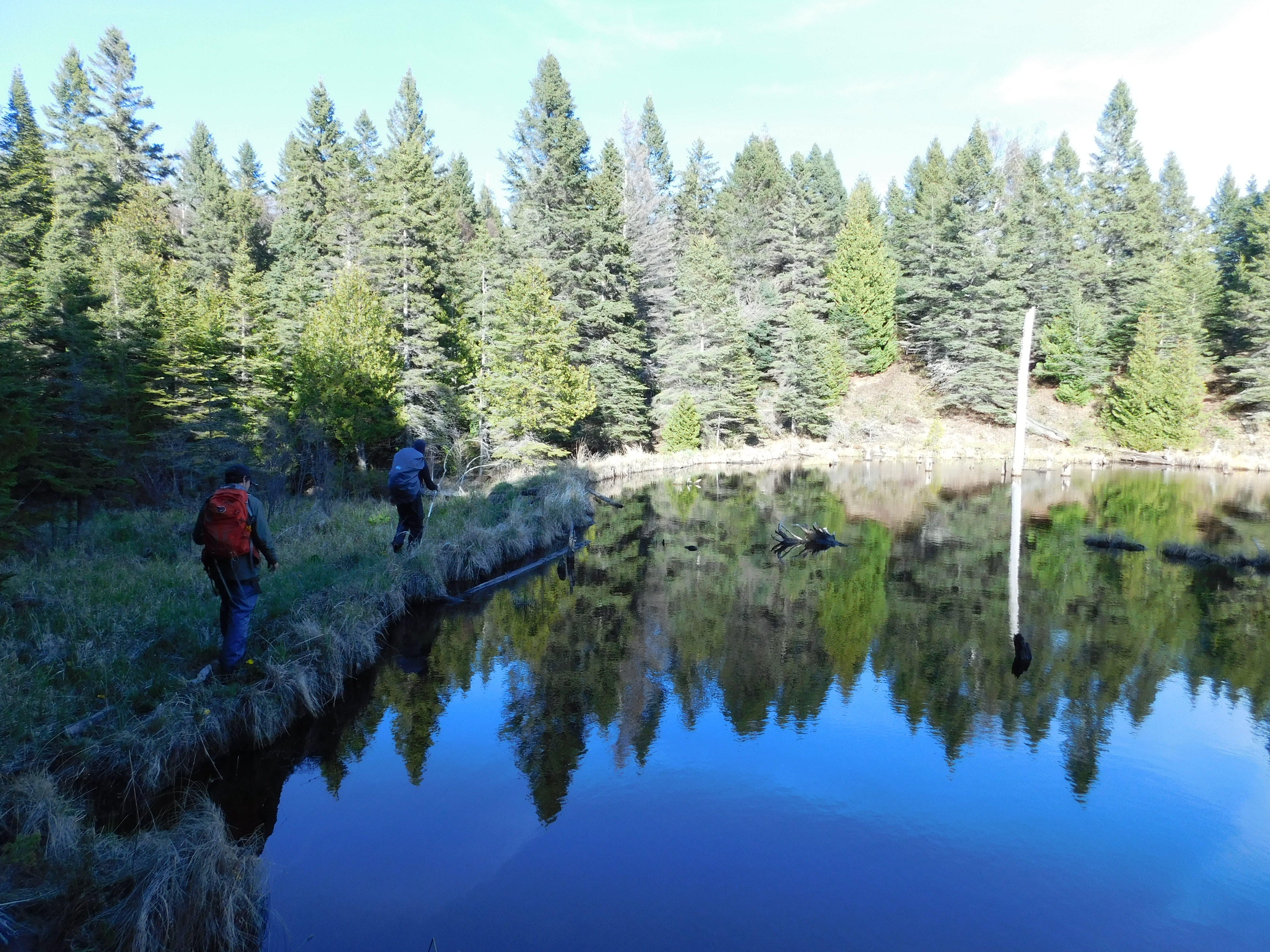
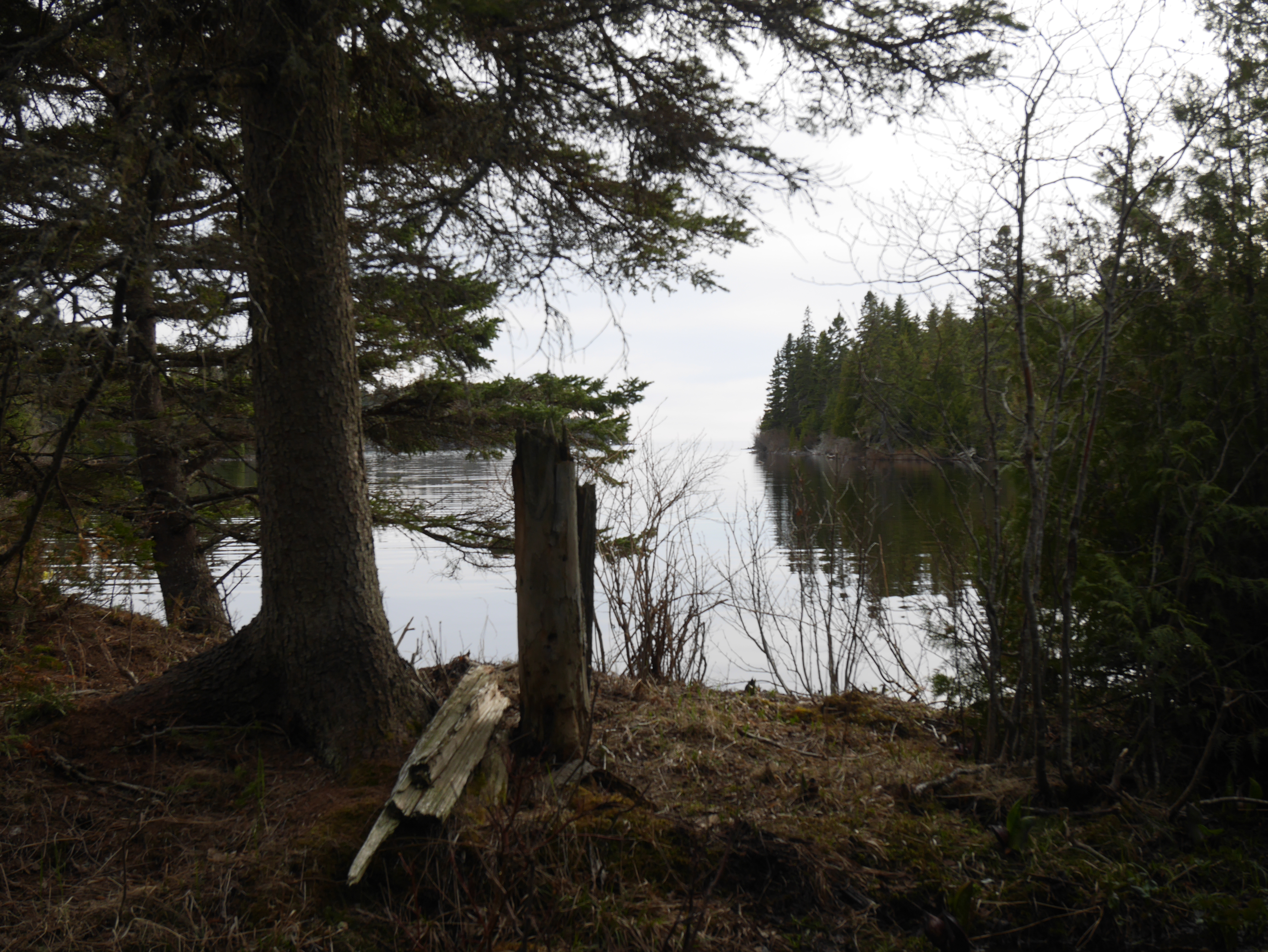
Once we arrived at Windigo, we donned our heavy backpacks in a light rain for a 5-mile hike to our first camp, which was situated next to a large beaver pond. It was a cold, rainy night and rather unpleasant, but it was a relief that the next day was sunny and we were able to dry out our clothes and equipment.
We hiked 2-3 miles each day, carefully looking for moose bones in the dense forest, traveling up and down ridges and through swamps. On our first full day in the field, we located a nearly complete skeleton with an antlered skull. The skulls and teeth were an especially successful find, because when cut into a cross section, the rings of dentin in the teeth can be counted to age the moose – similar to counting tree rings – which provides important information on the moose population. The bones are also examined for signs of chewing by wolves as well as signs of arthritis – many moose at Isle Royale live longer and are more prone to developing arthritis than moose in areas with more predators.
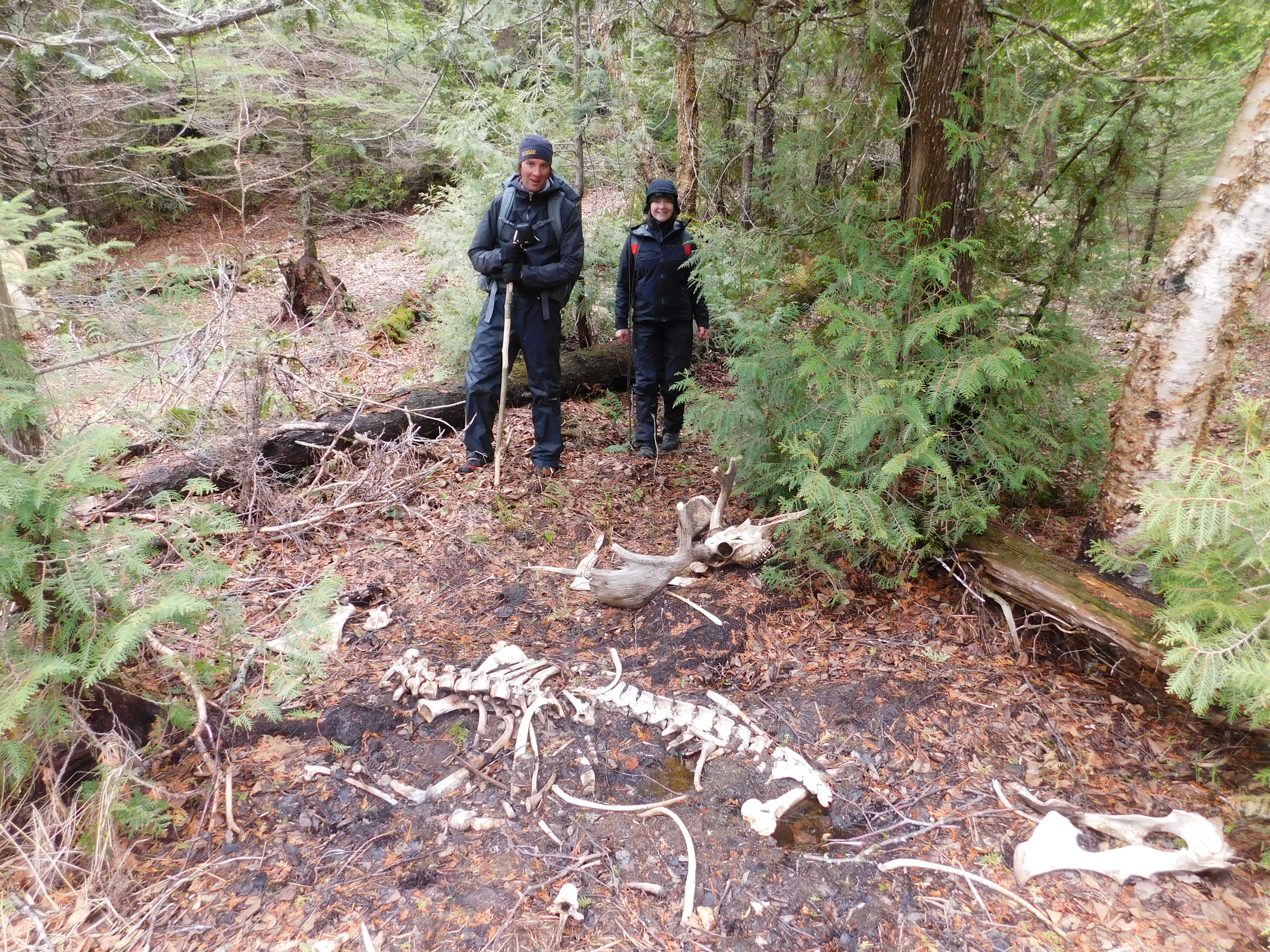
 With this information, we then try to surmise the cause and time of death to learn more about when wolves were still predating or scavenging moose. Our team also documented the harmful effects moose are having on Isle Royale’s fir trees. Moose rely on the relatively soft fir tree needles for food during the winter, and in many areas, they have continually browsed the tops of fir trees so they stay short and cannot reproduce. With taller, reproducing fir trees becoming scarce on the island, the over-browsing of the short fir trees is a serious concern.


After several days, we hiked to our next camp on the shore of a sheltered harbor on Lake Superior. This site was situated next to an active beaver lodge that kept us up at night with tail slapping and the “kerplunk” of beavers diving under water. On our next trek, we found another, even larger antlered skull, and there was more clear evidence of wolf predation – or at least scavenging – with chewed-up leg bones found dragged away to shady trees nearby.

As we wrapped up our journey, we connected with another group of researchers exploring a different part of the island; both teams returned with moose bones and teeth for examination, marking a very successful field expedition.

Share this: Facebook  |  Twitter  |  Permalink Hide options

– Paul Buzzard, Ph.D., is the field conservation officer for the Detroit Zoological Society.
Help us Protect a Billion Birds from Untimely Deaths

Every year, thousands of avid birders flock to important birding areas in the state of Michigan, hoping to see or hear a few of the millions of birds that are migrating to their breeding grounds. Birds migrate north to their breeding grounds mid-March through May; they then migrate south to their wintering grounds mid-August through October. Unfortunately, many migratory birds will meet an untimely death by colliding with window glass or other manmade structures; a phenomenon known as a bird collision or bird strike. It has been estimated that up to 1 billion bird-collision deaths occur every year in the U.S., according to the American Bird Conservancy. As humans continue to build structures that feature glass, the threat of increases in bird collisions will also continue.

Birds and humans have a different visual system. Glass is not visible to birds, and it becomes a deadly invisible barrier they are unable to avoid. Oftentimes as a result, birds will fly directly into windows, causing fatal injuries. In some cases, a bird will fly away after the collision, but it will likely succumb to its injuries elsewhere.

The good news is that there are many things we can do to prevent collision. Keep your windows dirty! Yes, dirty windows are good for birds. You can also use dark blinds on windows and keep your blinds shut. Consider moving plants away from windows without blinds to help prevent birds from trying to land on those plants. You can also move bird feeders: either place them within 3 feet of windows or more than 30 feet away from windows to prevent collisions. There are also a variety of window films that reduce reflection on the outside of windows; ABC (American Bird Conservancy) BirdTape can be hung vertically (4 inches apart), or horizontally (2 inches apart). The most common patterns on windows are spaced in a 4 inch by 4 inch, 4 inch by 2 inch or 2 inch by 2 inch pattern, the latter being the most effective. Companies and homeowners can also build Bird-friendly buildings by incorporating specially designed bird collision glass, and even minimizing the use of glass.

The Detroit Zoological Society believes it is important to take care of all birds, not just those that are cared for by the Zoo. The DZS has been committed to tracking and preventing bird collisions on Zoo grounds since 2013. All newly hired employees are required to attend an orientation program which includes how to recognize and report bird collisions to their supervisors. Bird department personnel also work to prevent bird strikes in a number of ways including the utilization of ABC BirdTape, custom CollidEscape window film and Feather Friendly dots.

The Polk Penguin Conservation Center and Buddy’s Pizza have specially designed “fritted” glass, and ORNILUX Bird Protection Glass was used in the giraffe building expansion. Detroit Zoo visitors have access to educational flyers and displays about bird collisions at various locations throughout the Zoo.

The Detroit Zoo would like to encourage the community to take preventative measures to protect wild birds from colliding with windows in their homes, schools and businesses. Also, participating in The Detroit Audubon Society’s“Project Safe Passage Great Lakes,” members of the community and property managers of high-rise buildings, apartments, and condominiums can turn off all building lights at night on unoccupied floors and spaces; lights left on in buildings overnight are a major cause of nighttime collisions that kill millions of birds.

We appreciate everyone who makes an effort to help protect wild birds!

– Bonnie Van Dam is the associate curator of birds for the Detroit Zoological Society.

Experience a Story of Survival

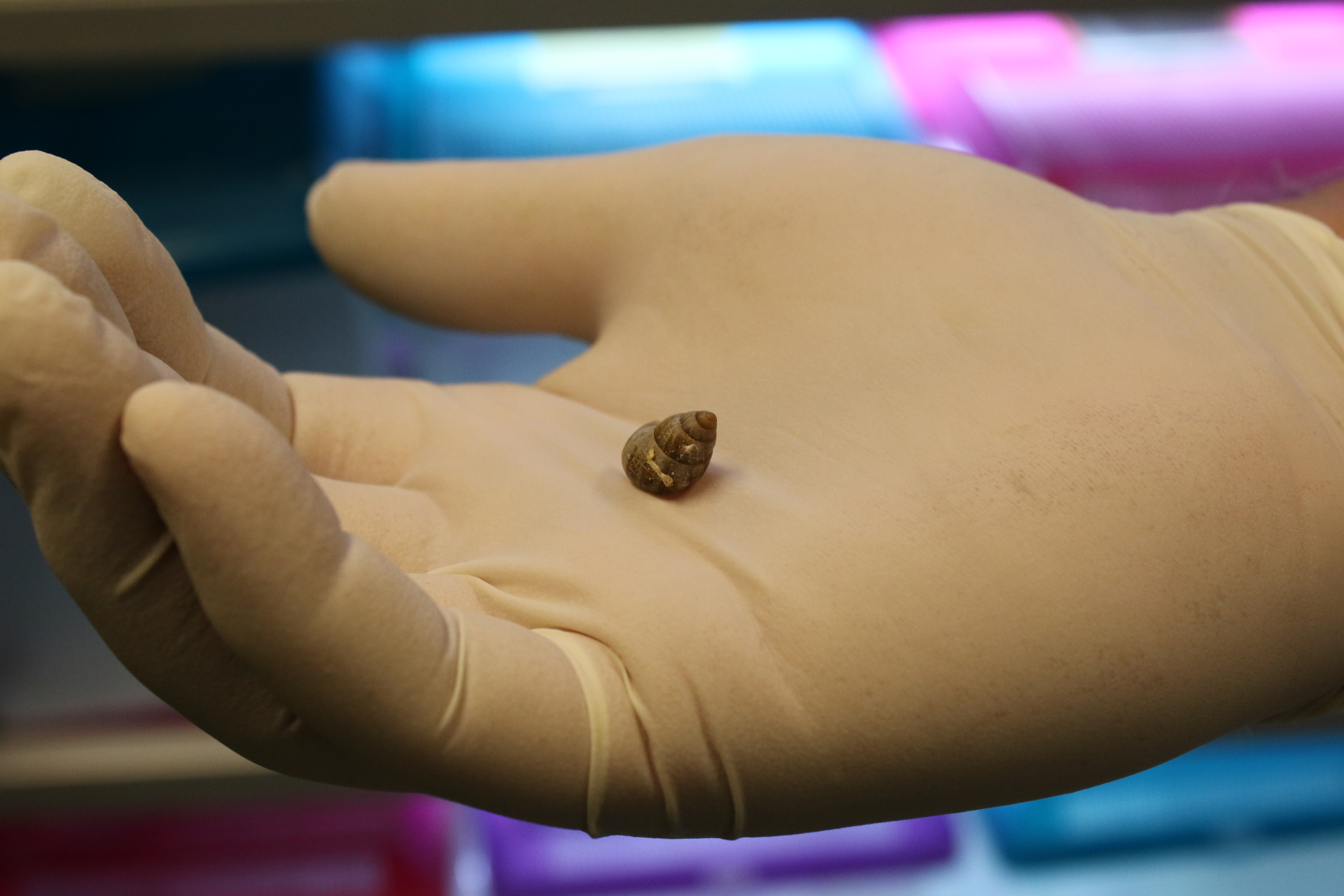
Nearly three decades ago, a tiny Tahitian land snail called the Partula nodosa was declared extinct in the wild – only 26 individual snails remained. In a final attempt to save the species from being completely wiped from the Earth, those 26 snails were sent to the Detroit Zoo as part of a cooperative breeding program.

Animal care staff worked carefully to provide the best possible living conditions for the snails while focusing on their successful reproduction, which eventually resulted in the rescue and recovery of the species. Thirty years later, there are now more than 6,000 individuals living in North American zoos, all descendants from the original group that came to the Detroit Zoo. In the last two years, 160 of these snails have been sent to Tahiti for reintroduction in the wild.

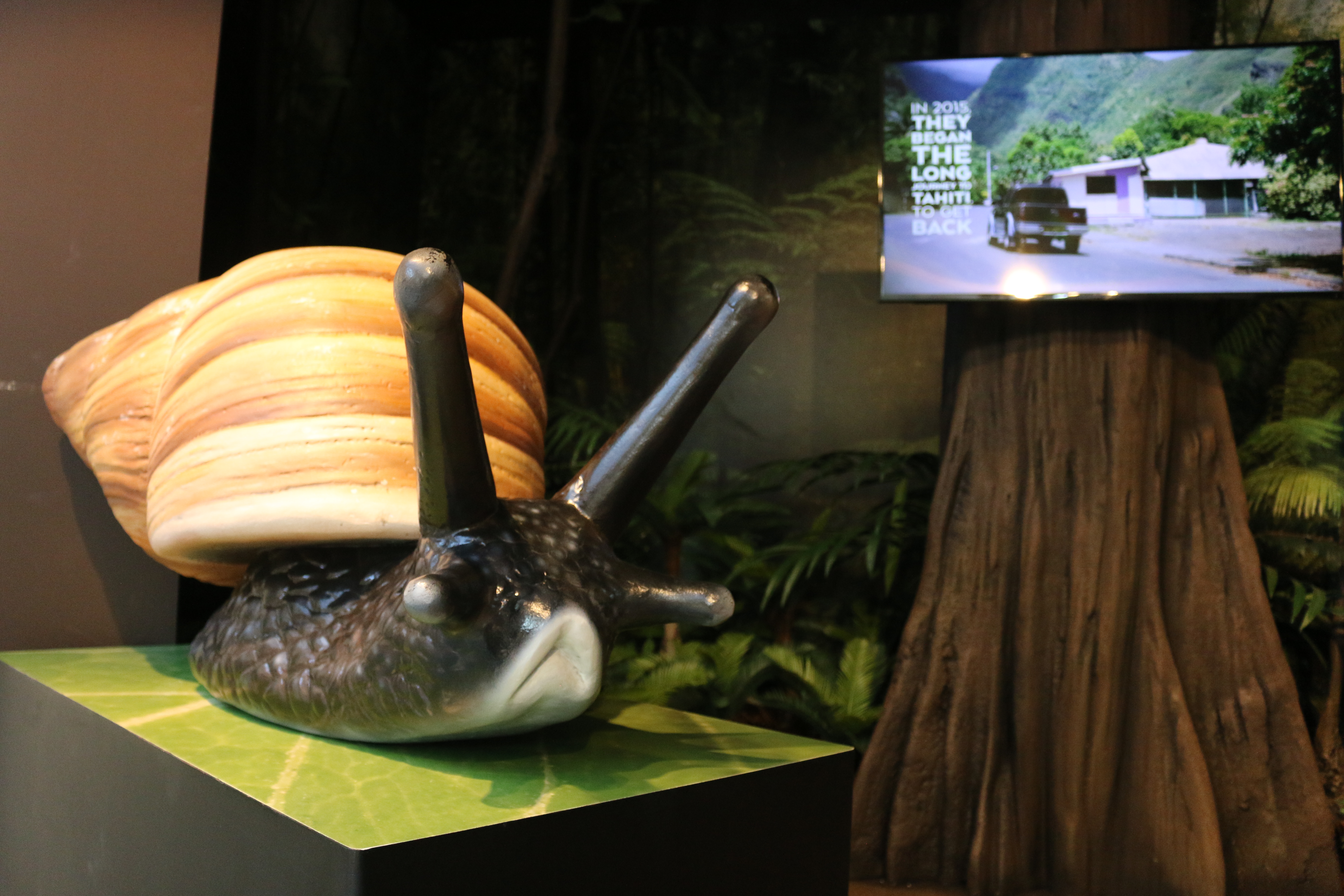
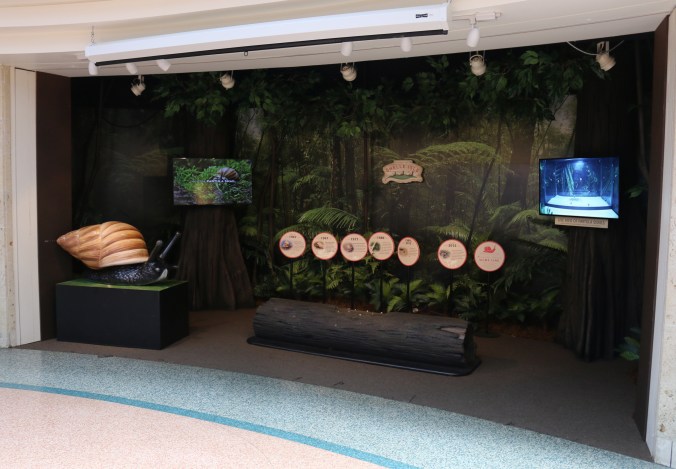
Visitors to the Detroit Zoo can become a part of this story at Shelle Isle, an exhibit in the Wildlife Interpretive Gallery that features the conservation story of these tiny mollusks. Guests are transported to the Tahitian rainforest, surrounded by tropical plants. A short video tells the snails’ story from a stable population in the first half of the 20th century to their sharp decline in the late 1970s, when an attempt to protect farmers’ crops from African land snails went awry and the Florida rosy wolf snails that were introduced to control the population preferred to eat the Partulid snails. The video also includes footage from the release of the Detroit-bred snails in Tahiti in 2015. Guests are invited to feel the shell of a giant replica of the Partula nodosa and more closely observe its structure and form. A second monitor has a live camera feed into the p. nodosa habitat in a behind-the-scenes area at the Detroit Zoo, giving guests a glimpse of the snails’ daily lives.

A favorite feature in this space is a large, “fallen” log where tiny, exact replica snails sit. Two magnifying glasses attached to the log allow visitors to get a close view of these tiny creatures. Many of them have a yellow number painted on their shell, which represents the way the snails are tagged by scientists before being released in Tahiti in order to monitor their movements and survival. The few that don’t have numbers painted on them are meant to demonstrate the successful reproduction in the wild that researchers have already observed, and the project’s continued success.

For us, an important part of this story is that it focuses not on a charismatic megavertebrate, but on a species that is not well-known, isn’t found on nursery walls or represented in the rows of stuffed animals on a toy store shelf. Conservation is not a beauty contest; all animals are important and the Detroit Zoological Society (DZS) works tirelessly to conserve species large and small – including the tiniest and slimiest of snails. By supporting the DZS, you are a critical part of this important work.

– Claire Lannoye Hall is a curator of education for the Detroit Zoological Society.
Wildlife Conservation: Lending Amphibian “Sexpertise” to Other Accredited Zoos

I recently participated in a partnership to save an incredible species of amphibian: the blue spotted salamander (Ambystoma laterale). This animal is regionally endangered in parts of the Midwest and about 10 years ago, the Iowa Department of Natural Resources started a partnership with Omaha’s Henry Doorly Zoo. They wanted to breed these salamanders for release at locations where they once thrived but have now disappeared. Having had little success in doing so thus far, the organizations reached out and requested my amphibian “sexpertise”. I travelled to Omaha to deploy some of my special reproductive techniques with the blue spotted salamander assurance colony living there.

It comes as no surprise that these salamanders proved very difficult to breed. Blue spotted salamanders need an extraordinary amount of “salamander romance” in order to breed naturally. These animals undergo winter brumation (a hibernation-like state). In the spring, they will emerge from brumation when it begins to rain and when the temperature rises in order to migrate to breeding ponds. Their migrations can be over several miles, and most salamanders return to the same pond every breeding season. In captive breeding situations, we attempt to recreate the cues that the salamanders take from the wild in order to get them “in the mood” for breeding. We cool them down and offer them the opportunity to undergo brumation. We place them in rain chambers so they can experience an “indoor storm”. We also attempt to create a naturalistic pond for them to breed in with proper vegetation and leaf litter.

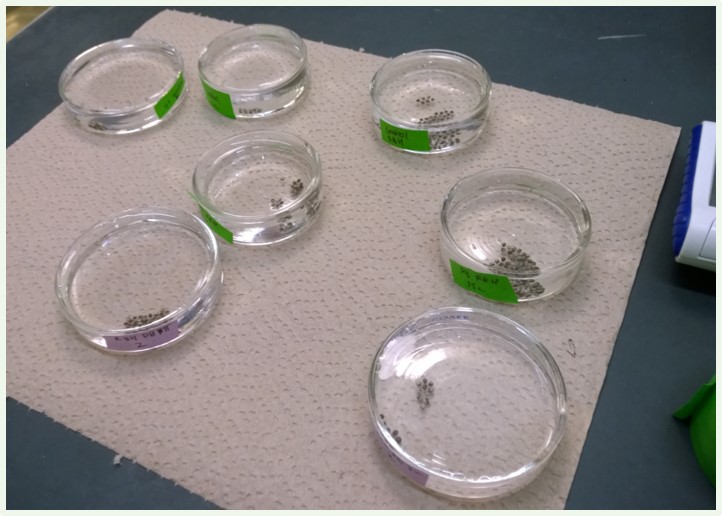
Sometimes, despite our best efforts, the natural cues we provide artificially are not enough to trigger breeding. Many amphibians are having difficulty breeding in the wild, due to changes in the climate and their habitat. Given that the natural environment is not currently providing ideal cues for breeding, it is especially difficult to perfectly recreate environmental breeding cues for animals in human care. When captive animals do not breed in response to the cues we provide, we often use hormone treatments to give them a little boost. These hormone protocols are meant to trigger breeding behaviors as well as the release of sperm and eggs. In the best-case scenario, the application of hormones will result in the animals breeding on their own. In the worst-case scenario, the animals will not breed on their own after the application of hormones and an in vitro fertilization (an artificial fertilization of the eggs with the sperm in a petri dish) will take place.

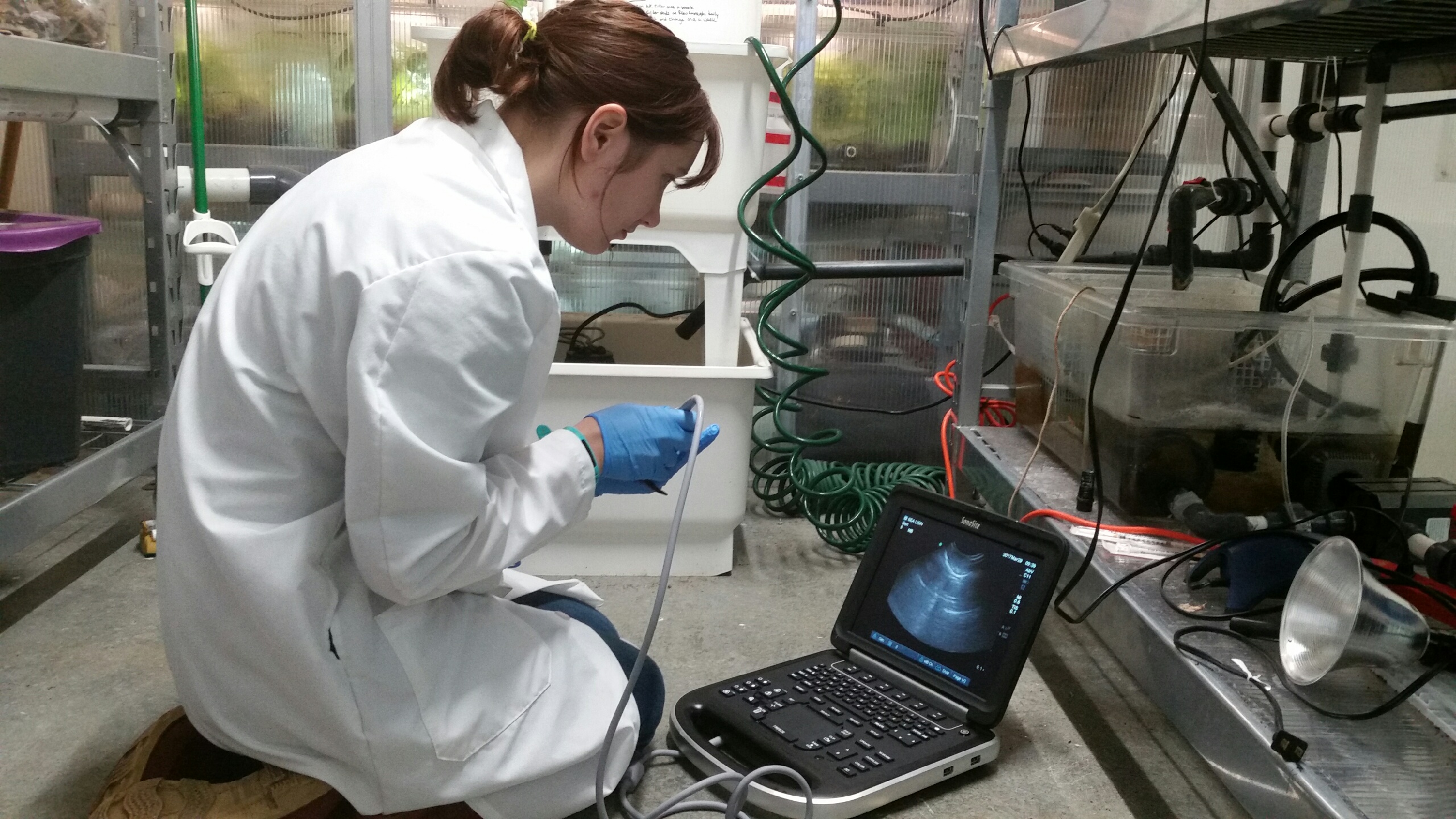
We used a combination of natural cues and hormones to stimulate breeding in the blue spotted salamanders. The amount of hormones I gave to the female blue spotted salamanders was determined by how developed their eggs looked on ultrasound. While giving the animals hormones resulted in many interesting behaviors, the salamanders did not breed on their own. After giving them time to breed on their own without success, I attempted in vitro fertilization. In order to perform this technique, I needed to collect eggs from the females and sperm from the males. There was one big problem with attempting this technique – the male blue spotted salamanders were not producing sperm. Fortunately, I had a back-up plan!

The blue spotted salamander is no ordinary salamander. In the wild, many female blue spotted salamanders breed through a special adaptation called kleptogenesis, meaning that they steal sperm. You read that correctly: sperm thieves. Most salamanders undergo internal fertilization. This occurs when the male deposits the sperm in a ball – called a spermatophore – into the environment. Through a courtship dance, the spermatophore is collected by the female. These special female blue spotted salamanders will find and collect spermatophores deposited by males from other, closely related, species (including Jefferson’s salamanders, tiger salamanders, and small-mouth salamanders). This is the part where it becomes complicated. Rather than using the sperm to fertilize their eggs and have hybrid offspring, an enzyme in the sperm activates the egg which begins to grow into an embryo. The rest of the sperm is discarded, and the offspring which develop are essentially clones of the mother. Knowing that blue spotted salamander females are often sperm thieves, I had the Omaha Zoo’s resident male tiger salamanders (Ambystoma tigrinum) on standby. I was able to collect sperm from the tiger salamanders in order to use in the in vitro fertilization of the blue spotted salamander eggs.

Unfortunately, the eggs did not fertilize with the tiger salamander sperm. While we did not achieve offspring, we learned what we need to do differently next time around. We certainly will not give up on these amazing animals. We will try to breed the blue spotted salamanders again later this year, using slightly different techniques.

Thank you to our partners at Omaha’s Henry Doorly Zoo and the Iowa DNR.

– Dr. Ruth Marcec is the director of the National Amphibian Conservation Center at the Detroit Zoo.

Amphibian Conservation: Fired Up About Salamanders

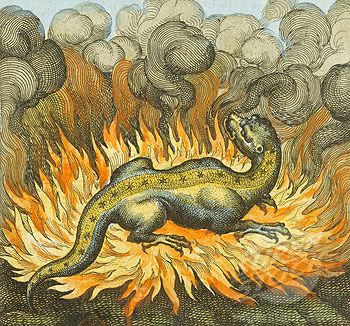
From the days of old, salamanders have captured the imagination of humankind. Long ago, when people would place logs in a fire, brightly colored salamanders would often come scurrying away from the flames. Of course, this was because the salamander’s hiding place was burning, but people in medieval times assumed that the salamander was a creature that came from the flames. People supposed that salamanders were imbued with mystical properties and they became the alchemic symbol for the element of fire.

Despite this long-time association with flame, salamanders are unlikely to be found near a toasty fire. There are more than 600 species of salamanders known, and most of them prefer cool, damp places to live. These critters are often found in a variety of places, including under logs, in rock crevices, high in trees, or living in cool bodies of water, ranging from puddles to fast moving rivers.

Unlike lizards, which look similar to salamanders, salamanders have moist, scale-less skin. Salamanders use their unique skin to intake water, absorb nutrients, and even breathe.

Most species of salamanders are born with a larval stage, similar to the tadpole stage of a frog. The larval salamander is aquatic, has external gills, and has no limbs upon hatching. As the larva grows, it develops legs. Many species of salamanders undergo metamorphosis, losing their gills and undergoing other small body changes as they transfer from water to land.

Salamanders are critical indicators of environmental health, and are key players in the health of ecosystems. These animals serve as sentinels for anything that is changing in the environment. Such changes include pollution, disease or climate change. Almost 50 percent of salamander species are threatened with extinction, according to the International Union for Conservation of Nature (IUCN). The Detroit Zoological Society is working toward preventing these wonderful creatures from going extinct through breeding and release programs, habitat restoration and population surveys.

– Dr. Ruth Marcec is the Director of the National Amphibian Conservation Center at the Detroit Zoo.

GreenFest – A celebration of Earth Day

“You cannot get through a single day without having an impact on the world around you. What you do makes a difference, and you have to decide what kind of difference you want to make.” – Jane Goodall

For nearly 50 years, millions of people around the globe have been celebrating Earth Day. Held annually on April 22, Earth Day represents the birth of the modern environmental movement and a worldwide demonstration of support for environmental preservation. As a leader in sustainability, guided by our award-winning Greenprint initiatives, the Detroit Zoological Society (DZS) annually holds GreenFest at the Detroit Zoo as a celebration of Earth Day. This year’s event is scheduled for Saturday, April 22, from 9 a.m. to 3 p.m.

The event is free with Detroit Zoo admission and includes a variety of engaging activities as well as a sustainability tour – complete with 10 stations that showcase our Green Journey. Upon arrival, guests will be given a “passport” that can be stamped at each of the stations. The passports were created by DZS staff using recycled millage signs and can be taken home and used as a journal.

These stations will provide guests with information about our anaerobic digester – the first zoo-based system of its kind that will annually convert more than 500 tons of manure into electricity that will power our animal hospital – as well as permeable pavement, bird-strike reduction, vehicle maintenance, recycling and native-species gardening, among others. In addition, we will be sharing information on how visitors can incorporate these initiatives at home. For example, not everyone can build an anaerobic digester in their backyard, but many can choose to compost their food scraps; we will provide information on how to start doing so.

The first 3,000 guests who complete the sustainability tour will receive a reusable bag to help them as they join us on our Green Journey. There will also be a station for folks to take our Green Pledge – several pledges will be selected in a raffle to win a Detroit Zoo reusable water bottle.

GreenFest will also include chemistry demos, worm composting education, zookeeper talks, and much more.  Additionally, a travelling art exhibition by ArtRoad Nonprofit will be unveiled during the event, illustrating the impact of plastic pollution in the Great Lakes.

Attendees who bring a cell phone for recycling to GreenFest will receive a reduced admission price of $9. Admission is free for DZS members.

The DZS will also host Green Day at the Belle Isle Nature Center on April 22 from 10 a.m. to 2 p.m. Green Day will feature crafts, games, storytelling, zookeeper talks and exhibits by local conservation groups.

Both GreenFest and Green Day events are initiatives of the DZS Greenprint, a strategic plan to refine and improve green practices and facilities at the Detroit Zoo and Belle Isle Nature Center, incorporate sustainability in all policies and programs and improve green literacy and action in the community.

Rachel Handbury is the manager of sustainability for the Detroit Zoological Society and oversees the Greenprint initiatives.

Sustainability and Conservation Go Hand-in-Hand

The Detroit Zoological Society’s (DZS) award-winning sustainability initiatives go hand-in-hand with our commitment to wildlife conservation – every step we take to reduce our carbon footprint serves to protect the habitats of animals around the globe.

Wildlife are facing great challenges – from climate change and habitat loss to poaching and the exotic animal trade – leaving many species threatened, endangered or teetering on the brink of extinction. Human impact on the Earth has, in many cases, led to these dire situations they are in. More than 40 percent of all amphibians are at risk. From snow leopards to snails and from penguins to polar bears, the DZS is actively involved in wildlife conservation efforts worldwide – in the last two years alone, we were engaged in projects on six continents.

We have the power to make a difference. That’s why our inaugural Wildlife Conservation Gala on Saturday, March 18, is themed “Making a Difference”. All of us can take steps in our own lives to help reverse the crisis many animals are facing. It is our hope that our community will be motivated to join us on our Green Journey and commit to a better future for all that share this magnificent planet.

Our award-winning Greenprint initiative is a strategic plan that guides our operations and all that we do toward a more sustainable future. Our efforts include discontinuing the sale of bottled water on Detroit Zoo grounds – previously the No. 1 seller at zoo concessions – keeping 60,000 plastic bottles out of the waste stream annually. We also no longer provide plastic bags at our gift shops or souvenir stands; visitors are encouraged to bring their own bags or purchase wildlife-themed reusable bags.

We built the first zoo-based anaerobic digester in the country, which will annually convert more than 400 tons of animal manure into methane-rich gas to power the Detroit Zoo’s animal hospital. We recently unveiled a new parking lot that uses a progressive green design, reducing storm water runoff and improving water quality by filtering pollutants. Additionally, our operations are powered with 100 percent renewable electricity from wind farms, thanks to the support of the ITC Holdings Corp.

Our goal is to inspire others to join us on our Green Journey as we continuously look for ways to reduce our ecological footprint. By downloading our Shades of Green guide, you’ll find a number of actions you can do at home, including:

  • Switch to a reusable water bottle and reduce the amount of unnecessary plastic pollution
  • Bring reusable bags with you to the grocery store
  • Turn off the lights when you leave a room
  • Recycle
  • Plant native species in your garden to create a natural habitat for pollinators such as bees and butterflies

Please also consider joining us on March 18. By supporting the Wildlife Conservation Gala, you’ll help to ensure the long-term survival of critically endangered amphibians, reptiles, birds, mammals and invertebrates that represent the diversity of life on our planet. For more information or to purchase tickets to this 21-and-older, black-tie-optional affair, visit https://detroitzoo.org/events/zoo-events/conservation-gala.

Celebrating International Polar Bear Day

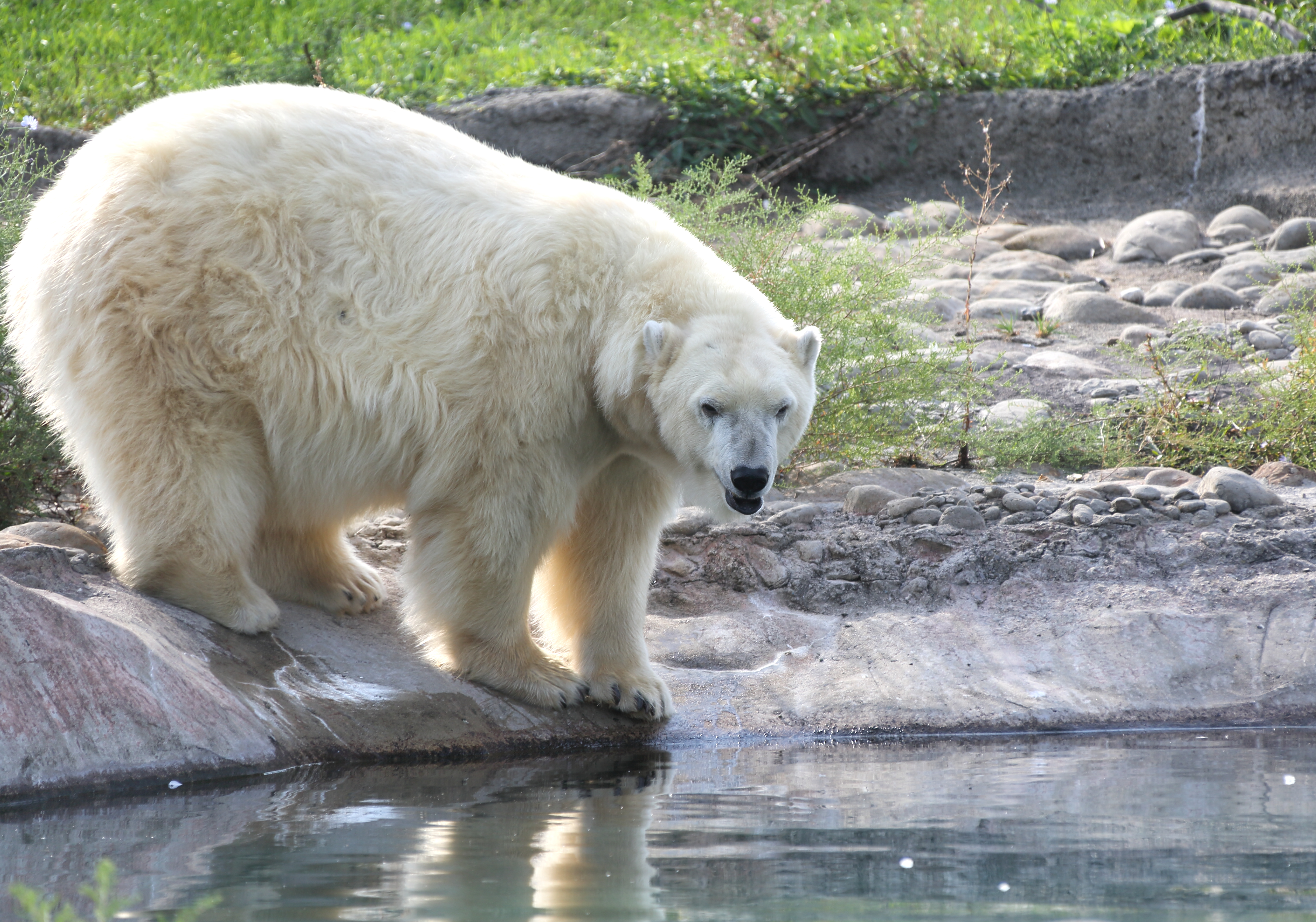
Polar bears are iconic animals, known for their incredible ability to survive in one of the harshest environments on Earth. These marine mammals are the most carnivorous member of the bear family, with a diet consisting primarily of seals. They have a thick layer of fat and waterproof fur, providing insulation in the cold Arctic climate in which they live.

Sea ice is imperative for polar bear survival; they spend the majority of their lives on the ice, relying on it to find a mate, build a den and hunt for seals. In the last 30 years, scientists have seen a dramatic shift in ice within the Arctic Ocean. The amount of “old ice” – ice that stays throughout the summer – is significantly smaller than what it was 30 years ago. The seasonal sea ice is forming later in the year – and melting earlier – directly impacting polar bears’ ability to hunt. As a result, many polar bears aren’t able to build up the fat reserves they need for the summer when food sources aren’t plentiful, and they starve to death.

We know the climate is changing. As humans, we are using fossil fuels such as coal and gas to drive cars and use electricity. These fossil fuels release carbon dioxide into the atmosphere, which builds up and creates a blanket effect around the Earth, trapping in heat that would otherwise escape. This trapped heat is causing global climate change and is impacting many species, including polar bears.

On February 26 and 27, the Detroit Zoo will join others around the world in highlighting the challenges that polar bears are facing in the wild. International Polar Bear Day celebrates these majestic creatures while also encouraging the community to not only better understand the impact we have on the environment, but to join us in taking positive action that will help protect vulnerable species.

Each one of us has the power to make a difference. We can change our daily behaviors and use less energy by seasonally adjusting our thermostats, riding our bikes, carpooling with friends or turning off the lights. We can also scale these actions up to our schools or workplaces by encouraging others to join us in this endeavor. Celebrating International Polar Bear Day is a great reason to start, or to take things to the next level.

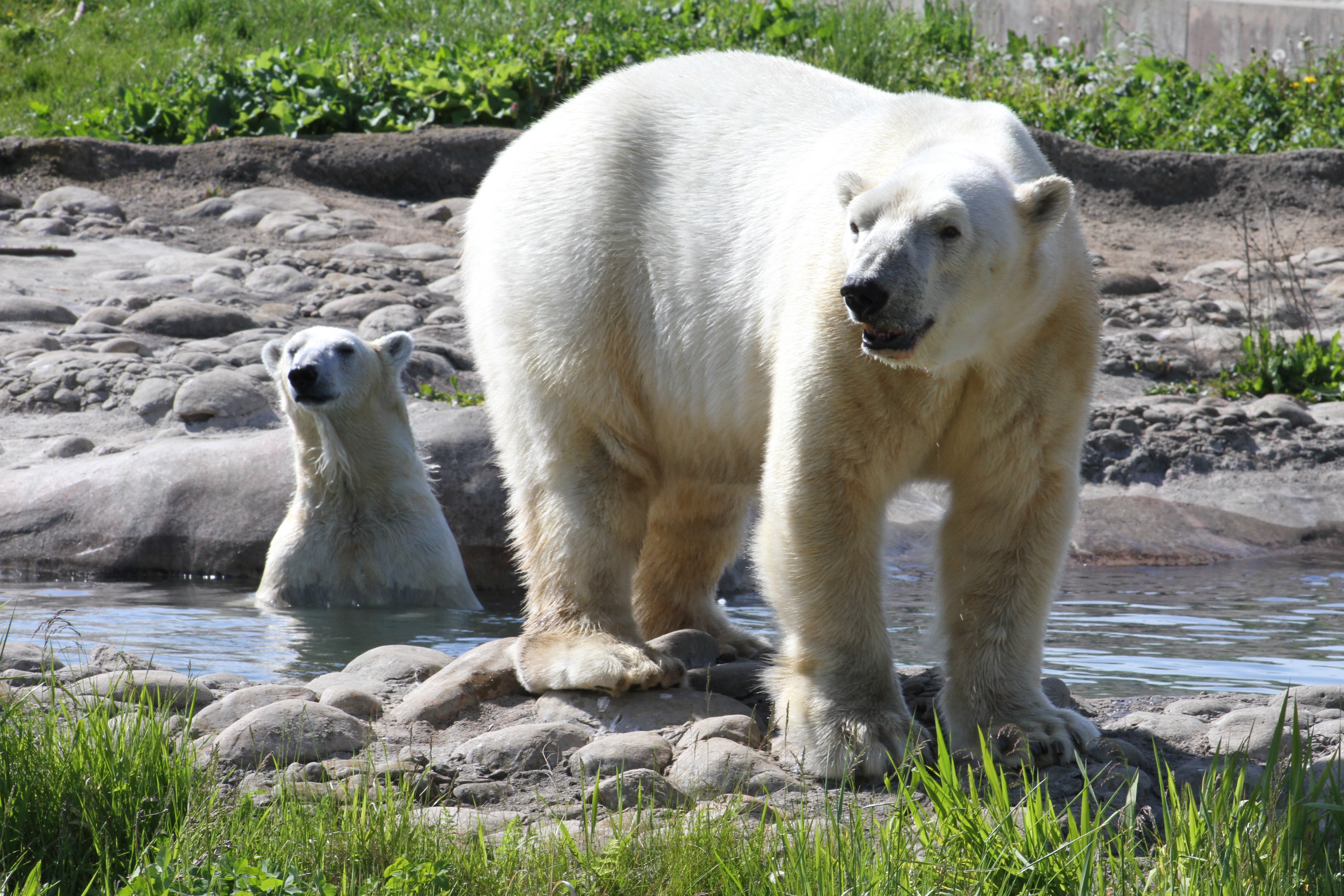
Our International Polar Bear Day will take place on February 26 and 27 from 11 a.m. to 3 p.m. The events will include zookeeper talks, educational activities and visits with the Zoo’s polar bear mascot. Talini and Nuka, the two polar bears who reside at the Zoo, will receive their usual treats at scheduled times (11:30 a.m., 1 p.m. and 2:30 p.m.) so guests can watch the bears enjoy them. This is not only a great time to visit the Zoo and the more than 2,000 animals living within our 125 acres, but it’s also a chance to learn more about how we can work together to save wildlife and wild places.

– Carla Van Kampen is a curator of education for the Detroit Zoological Society.
Wildlife Conservation: All Along the Water Tower

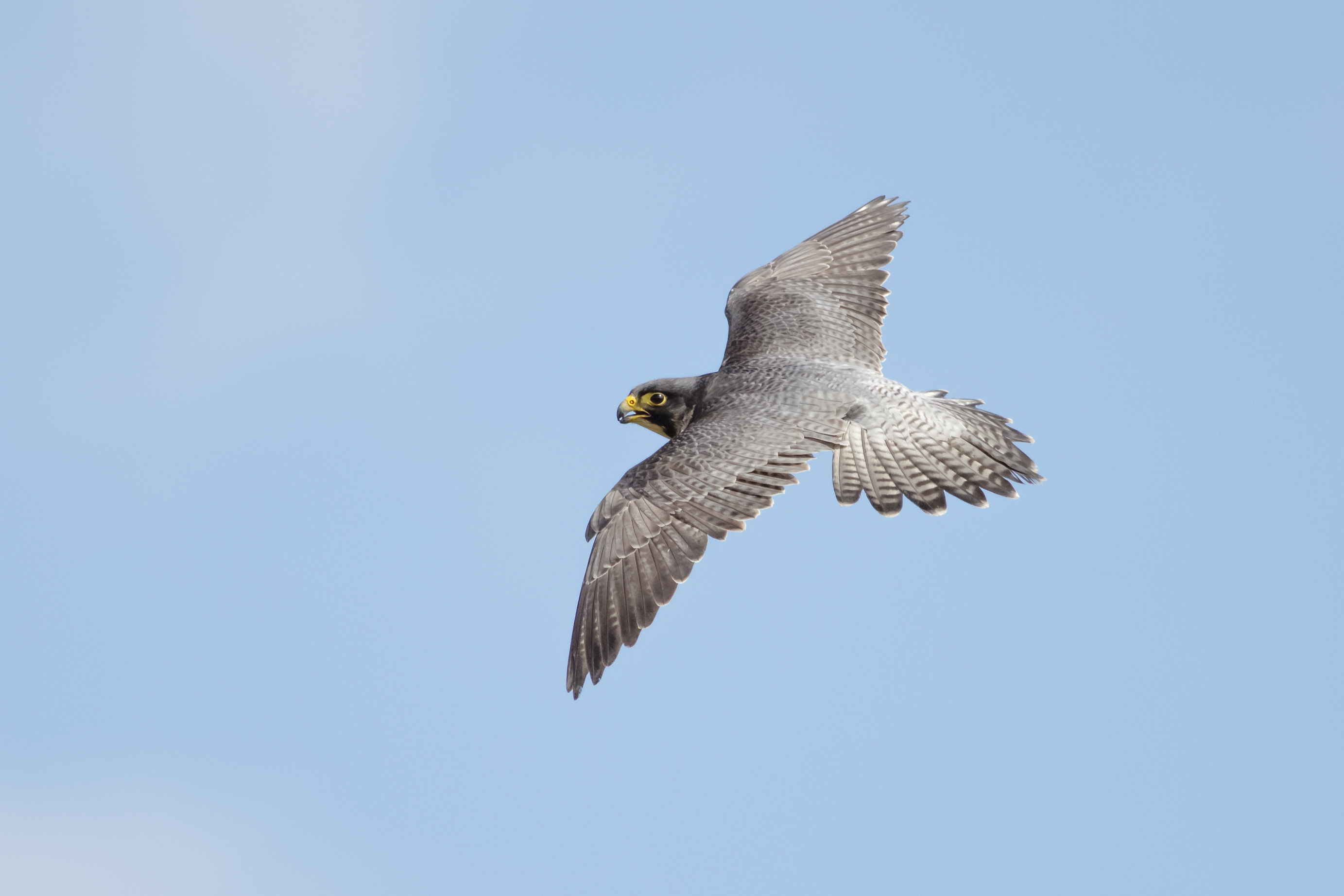
Peregrine falcons are a cliff-nesting species whose populations were significantly reduced in the 1950s as a result of environmental contamination by the pesticide DDT. This dangerous chemical accumulated in adult birds and caused thin-shelled eggs, which broke during incubation. The population declined rapidly and by the early 1960s, peregrine falcons were extinct in the eastern U. S.; the last known pair nested in Michigan in 1957. It was one of the first species listed by the Endangered Species Act in 1973.

An effort to reintroduce peregrine falcons into urban environments began in 1982 when chicks were released, or “hacked”, from buildings, bridges and other man-made structures in cities throughout the eastern U.S. Because they strictly hunt birds, peregrines find ample prey in cities with their abundance of pigeons, doves, starlings and other city-dwelling species. This successful reintroduction effort led to peregrines nesting in cities throughout the Midwest and a growing population not only in cities, but in much of their former natural range such as the cliffs along Lake Superior. The now wild peregrine population did so well that they were removed from the federal endangered species list in 1999.

Peregrines currently nest at a number of locations in southeast Michigan including in Warren, Pontiac, Southfield, Grosse Pointe and seven different sites in Detroit. They nest in other Michigan cities as well including Grand Rapids, Lansing and Jackson. Many of the chicks are banded with unique combinations that allow for individual identification when they mature and establish their own nests. Locally, the Detroit Zoological Society’s (DZS) veterinary staff works with the Michigan Department of Natural Resources (DNR) in the banding effort by performing health assessments as bands are put on pre-fledged chicks.

This past summer, DZS staff and local birders noticed a pair of peregrines perching on the Detroit Zoo’s iconic water tower and hunting pigeons at the Zoo and in Royal Oak. While difficult to see, the male was identified as Justice, a bird hatched in 2012 at the Jackson County Tower Building with a band combination of black/red, 08/P. The female is not banded so we do not know her age or hatch location, but they are a well bonded pair that is still observed around the Zoo.

Often when a pair of peregrines establish a territory such as the water tower with plentiful prey nearby, they will end up nesting at that site. Peregrines lay their eggs on gravel or dirt with minimal nesting material. Because the water tower did not have a proper area for the birds to build a nest, DZS staff worked with the DNR to design and construct a nest box that will meet the needs of the nesting birds. The box was recently installed on the water tower, which was not an easy task. The box is on the southeast side to offer protection from the wind while exposed to ample sunshine. It is visible from the westbound service drive as you wait for the light at Woodward.

We are thrilled that peregrines have chosen the Detroit Zoo as a home along with other native birds, such as the turkey vultures, great blue herons, double-crested cormorants and even the occasional visiting bald eagle. We are optimistic that peregrines will join the species that also nest at the Zoo, which includes wood ducks, green herons and the highly visible breeding colony of black-crowned night herons, a species normally found in secluded wetlands.

– Tom Schneider is the curator of birds for the Detroit Zoological Society.
Education: Instilling Respect for Gorillas and the Environment in the Congo

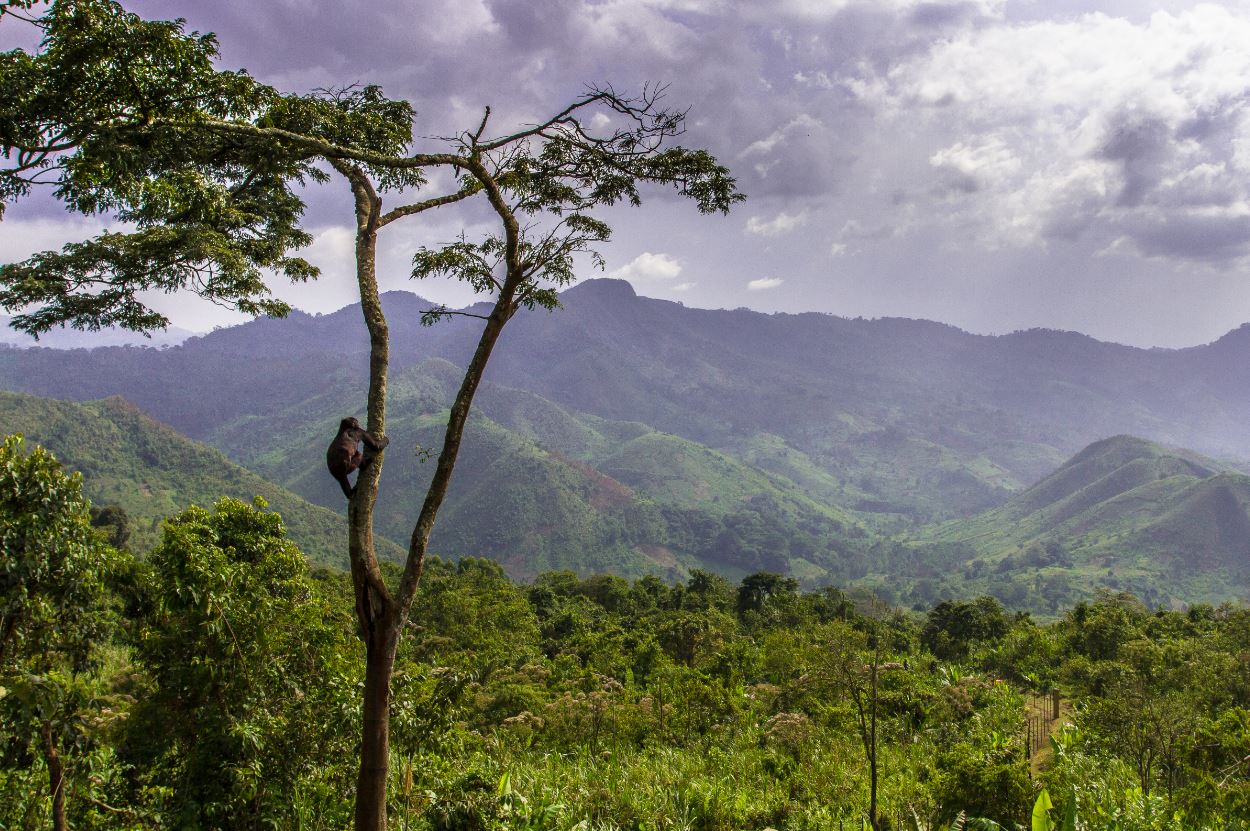
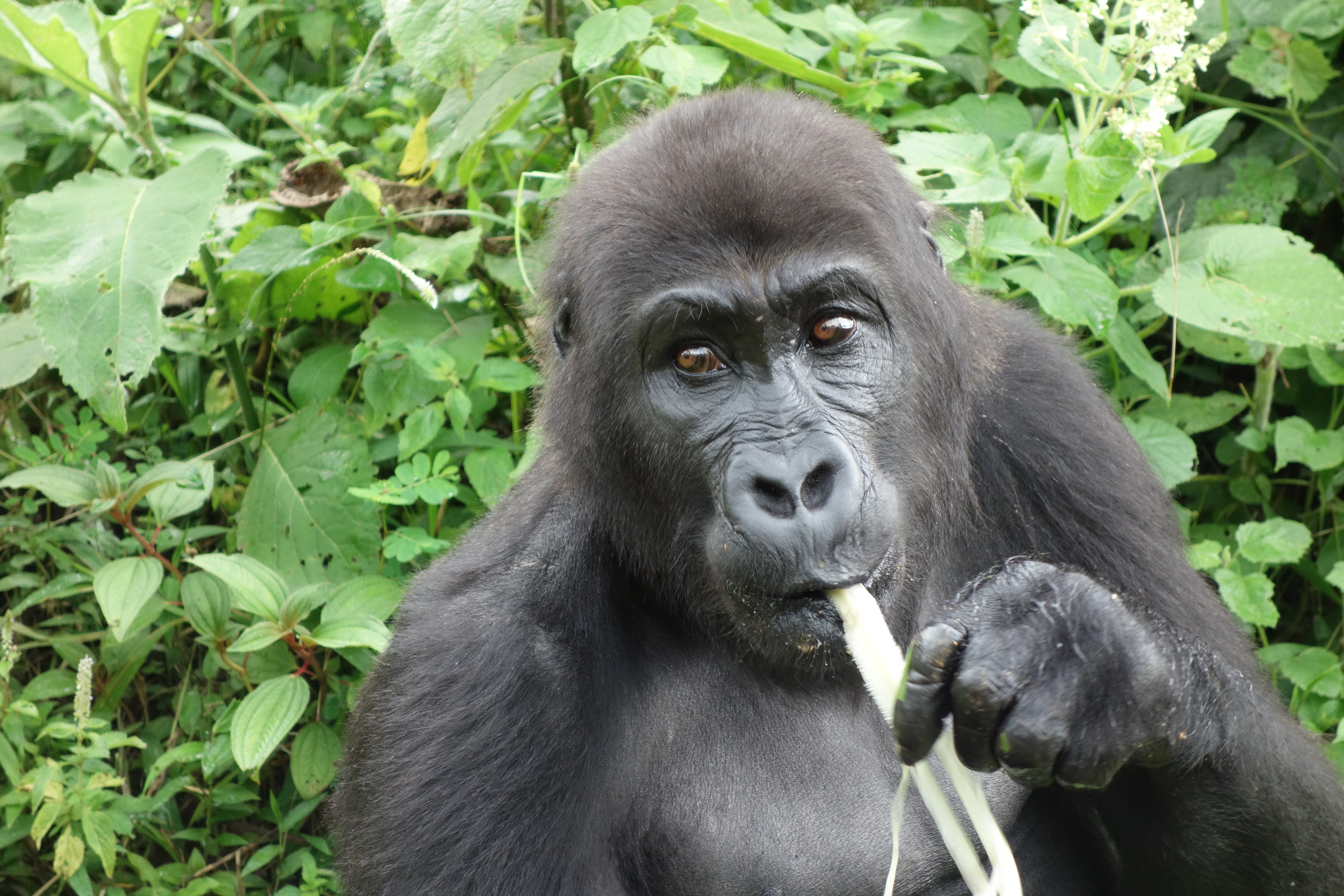
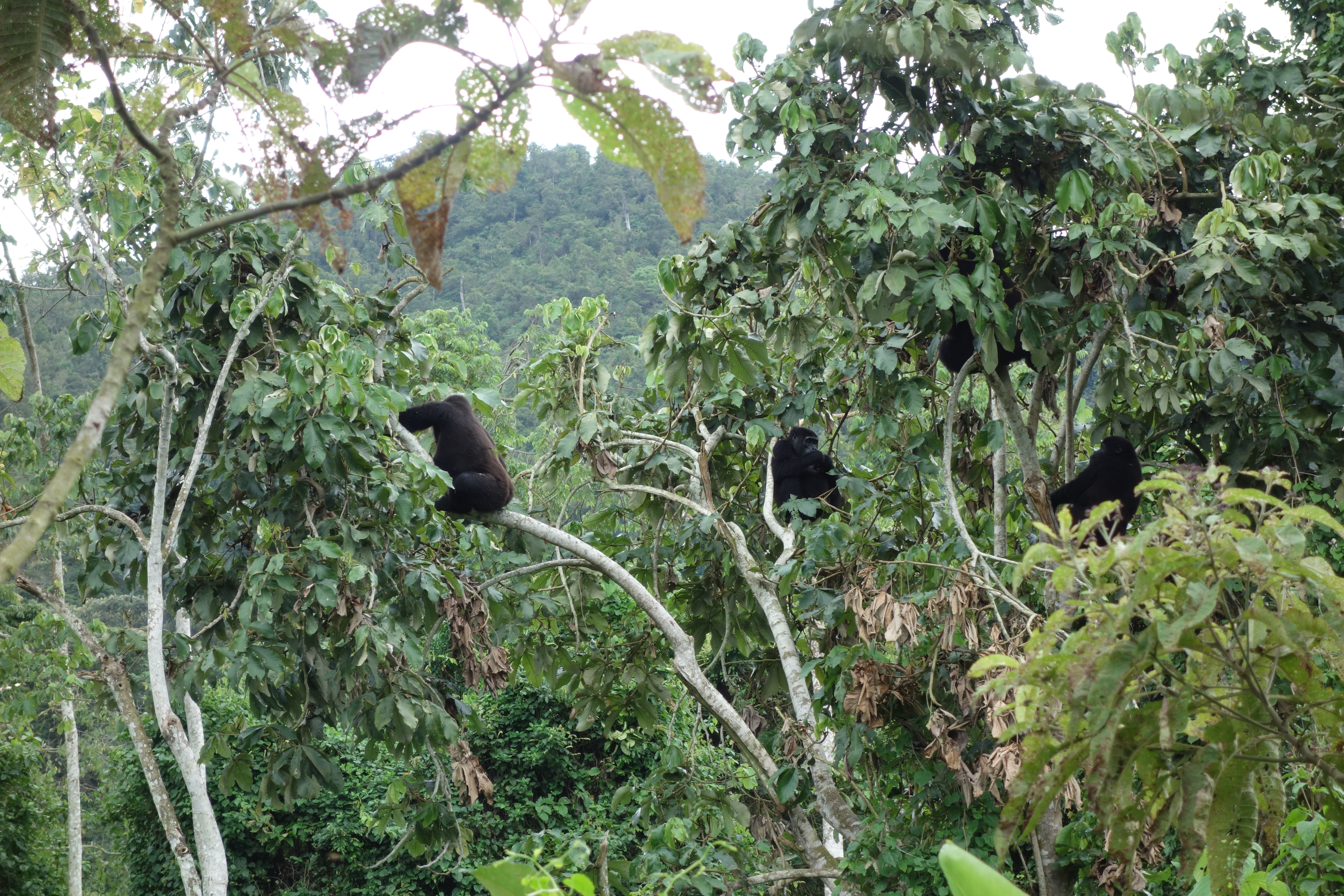
I recently had the opportunity to travel to the Gorilla Rehabilitation and Conservation Education Center (GRACE), located in the eastern part of Democratic Republic of Congo (DRC). GRACE is truly a special place – it is the only facility in the world that cares for highly endangered Grauer’s gorillas that have been rescued by wildlife authorities after being illegally captured by poachers and traders.

Grauer’s gorillas are endemic to this region and only approximately 4,000 remain in the wild. There are currently 14 gorillas residing at GRACE, where a dedicated Congolese staff provides daily care and monitors the group while they explore a 24-acre forest – the largest gorilla enclosure in the world.

GRACE is overseen by a dedicated board of directors, which includes Ron Kagan, Detroit Zoological Society (DZS) CEO and executive director, who has also served as board chair. In addition to Ron’s valuable leadership, the DZS’s involvement with GRACE also includes financial and staff support. In 2015, Ron helped secure funds for a new night house enclosure for the gorillas, which I was able to see in operation while I was there. Also in 2015, DZS Director of Animal Health Dr. Ann Duncan traveled to the Congo to perform health examinations on 12 gorillas, which had never been done before.

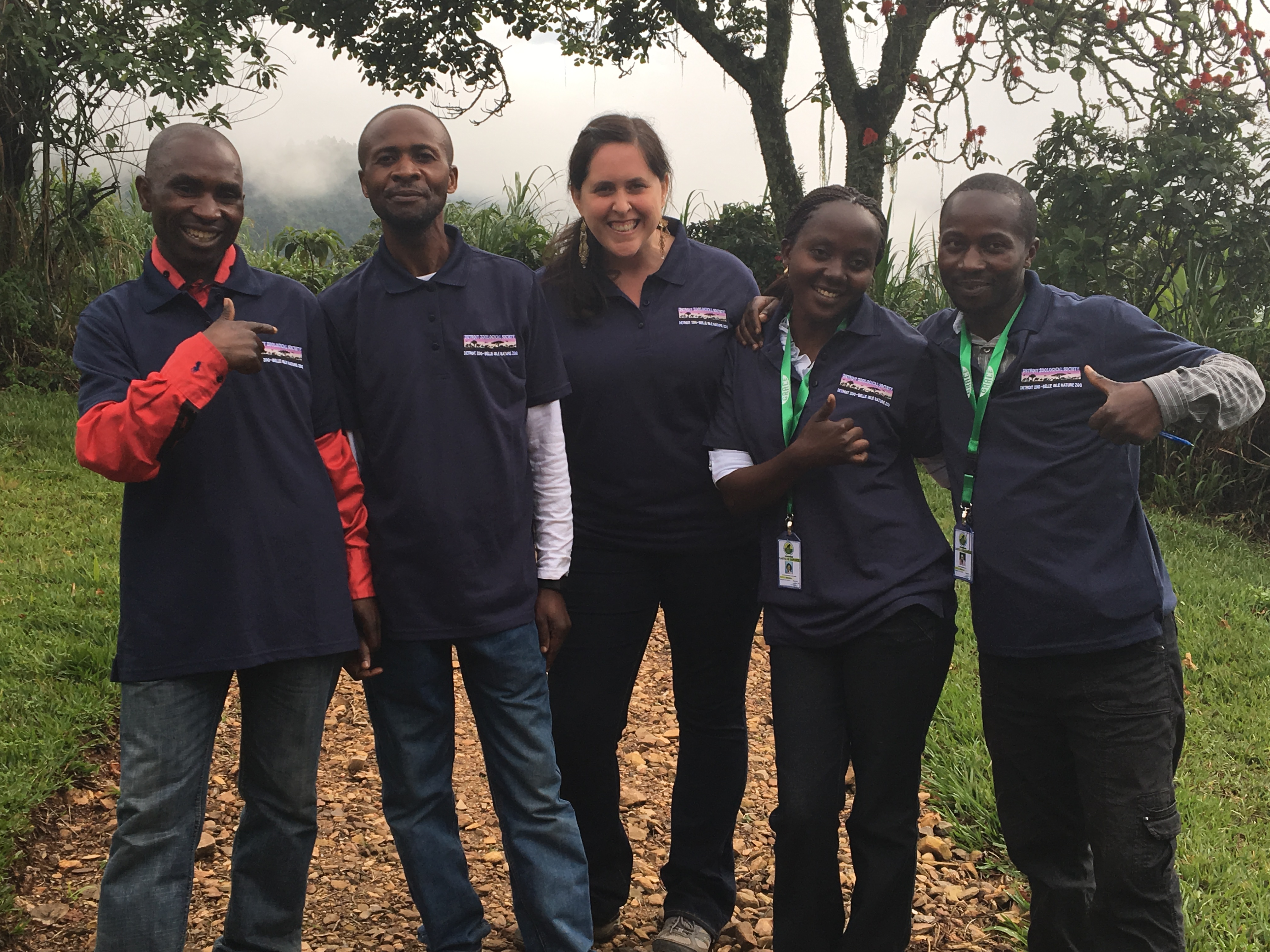
I traveled to the DRC with three staff members from Disney’s Animal Kingdom and the executive director of GRACE as part of the GRACE Education Advisory Group. We carried quite a bit of luggage with us, which included a number of veterinary medicines and supplies provided by the DZS.

While at GRACE, we worked extensively with the Congolese education team. We observed current programs, provided our feedback and facilitated trainings focused on methodology, messaging and differentiating instruction to meet the needs of their various audiences. We also began to draft a strategic plan for their education programming and evaluation efforts as they move forward. The team’s reach is vast; not only do they work with primary and secondary school groups onsite and in local villages, they also conduct programs with community groups and the military, to name a few. GRACE doesn’t have open visitation hours, so all of the groups that they work with have been scheduled by the educators. Throughout all that the team does, there’s a common theme of instilling reverence and respect for not only gorillas, but all animals and the environment. They work with people of all ages to help foster behavioral changes that result in a positive impact for people, animals and their shared home.

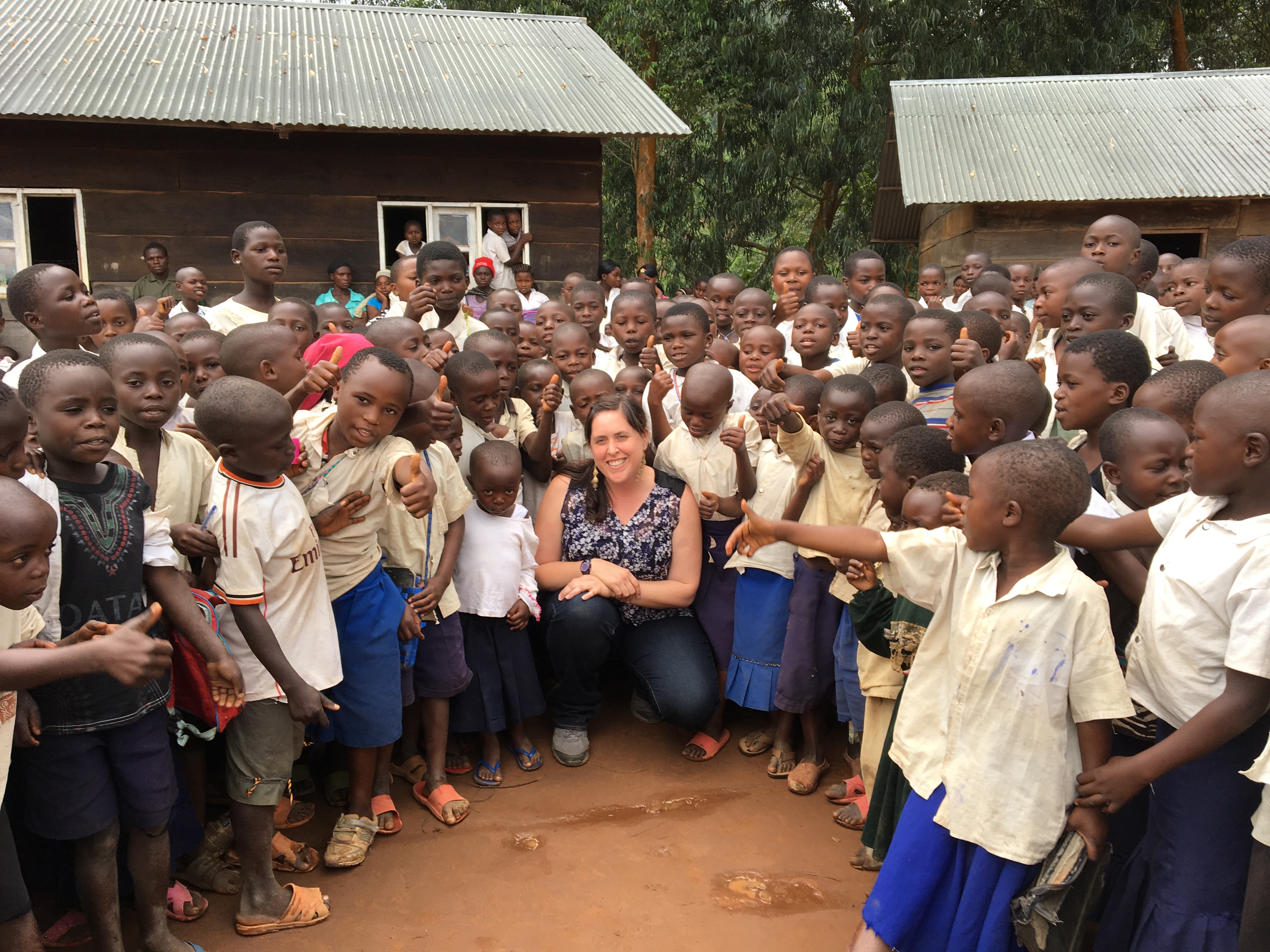
I can’t say enough about the amazing people that I met throughout the course of our visit. The team at GRACE is truly a hard-working, dedicated, passionate group of people and they give tremendous hope for the future. Additionally, on our last day at GRACE, we were fortunate to take part in a tour of the local village, led by the women’s cooperative, where we met many members of the community. We were invited into homes to see cooking demonstrations and to learn about some of the small-scale businesses they own and operate. We also visited Muyisa Primary School, where we were greeted with song and dance and hundreds of smiling faces. Everywhere we went, people were kind and welcoming. They definitely made it difficult for me to leave.

As we move forward, the Education Advisory Group and the Congolese educators will continue to meet by way of monthly conference calls. We’ll continue to advise efforts and offer additional training. I’ll also be working on developing humane education curriculum and projects for the children’s conservation clubs which currently exist in five communities. Stay tuned for more to come on that!

– Lisa Forzley is a curator of education for the Detroit Zoological Society and oversees the Berman Academy for Humane Education.