Putting Imagination into Conservation: Zookeeper Travels to Puerto Rico for Species-Saving Work

In 1984, the Puerto Rican Crested Toad became the first amphibian to be included in the Species Survival Program. In 2021, this initiative evolved into the Puerto Rican Crested Toad Conservancy — a nonprofit organization uniting zoos, individuals, and institutions to protect the crested toad and its habitat.

As an active member of this consortium, the Detroit Zoological Society has proudly contributed more than 129,000 tadpoles to release efforts in Puerto Rico. Zookeeper Maya, a dedicated caretaker and breeder of this species for nearly two decades, has played a vital role. Her extensive experience and precise care have allowed her to successfully breed and raise thousands of critically endangered tadpoles from egg to release-ready stages, ensuring their contribution to conservation efforts.

In December 2024, Maya had the opportunity to travel to Puerto Rico to participate in habitat restoration and reintroduction surveys. She reflects on her transformative experience in the following prose.
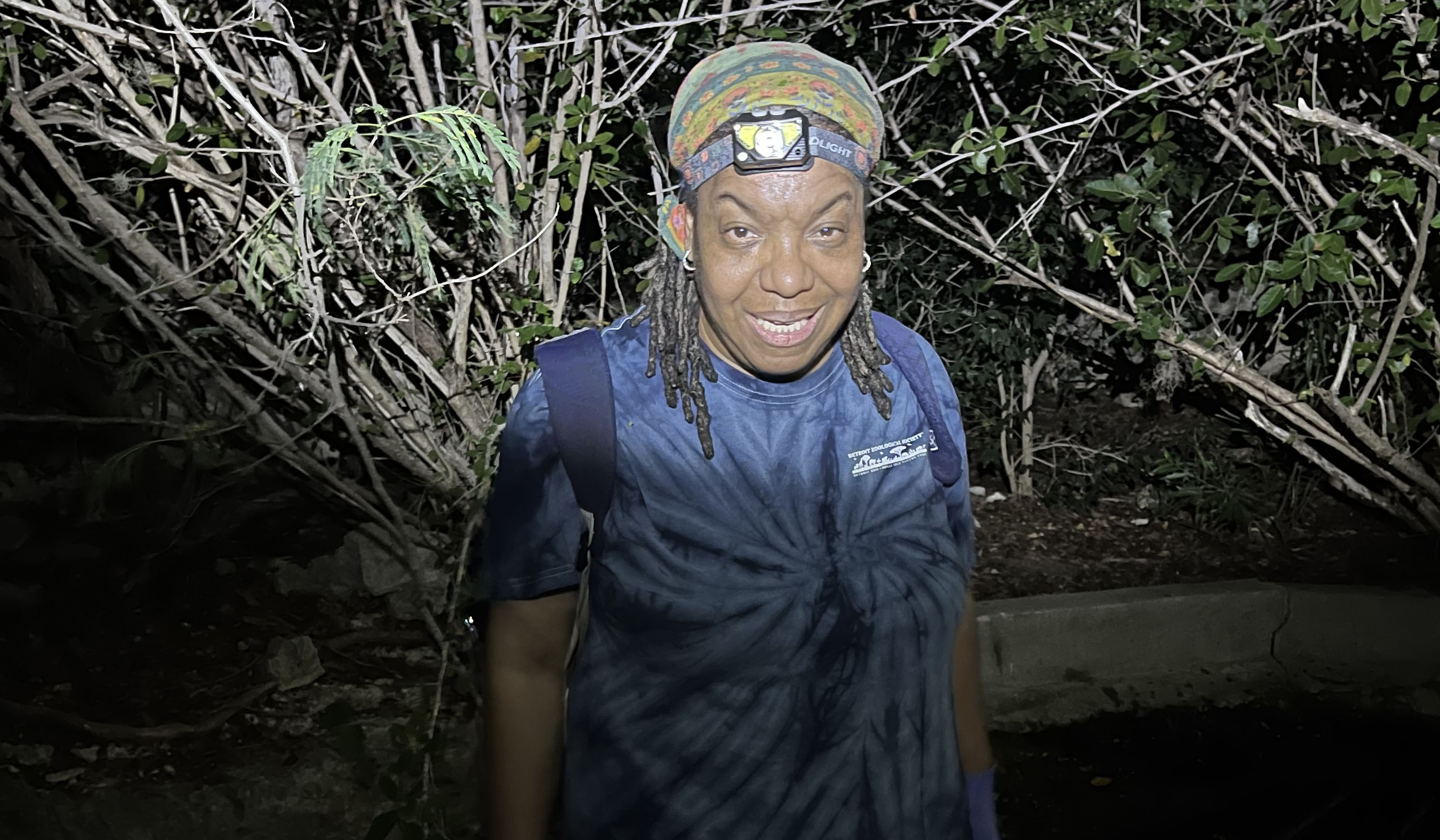
Zookeeper Maya works in the field

PUERTO RICAN CRESTED TOAD 

About the Puerto Rican crested toad,

They live mostly in crevices, not so much in holes.

They start off in shades of soft pink and then the boys fade into a green and gold.

As they get older, their colors are more dirt brown and a lot less bold.

But they still maintain their beak-like turned up nose.

Puerto Rico’s national frog is actually a toad.

We send thousands of tadpoles back without fear, but they are still critically endangered, my dear

The Detroit Zoo’s efforts are bringing their numbers up more each year. We won’t stop until they can get their own breeding into gear. 

I am truly grateful I could make the trip this year.
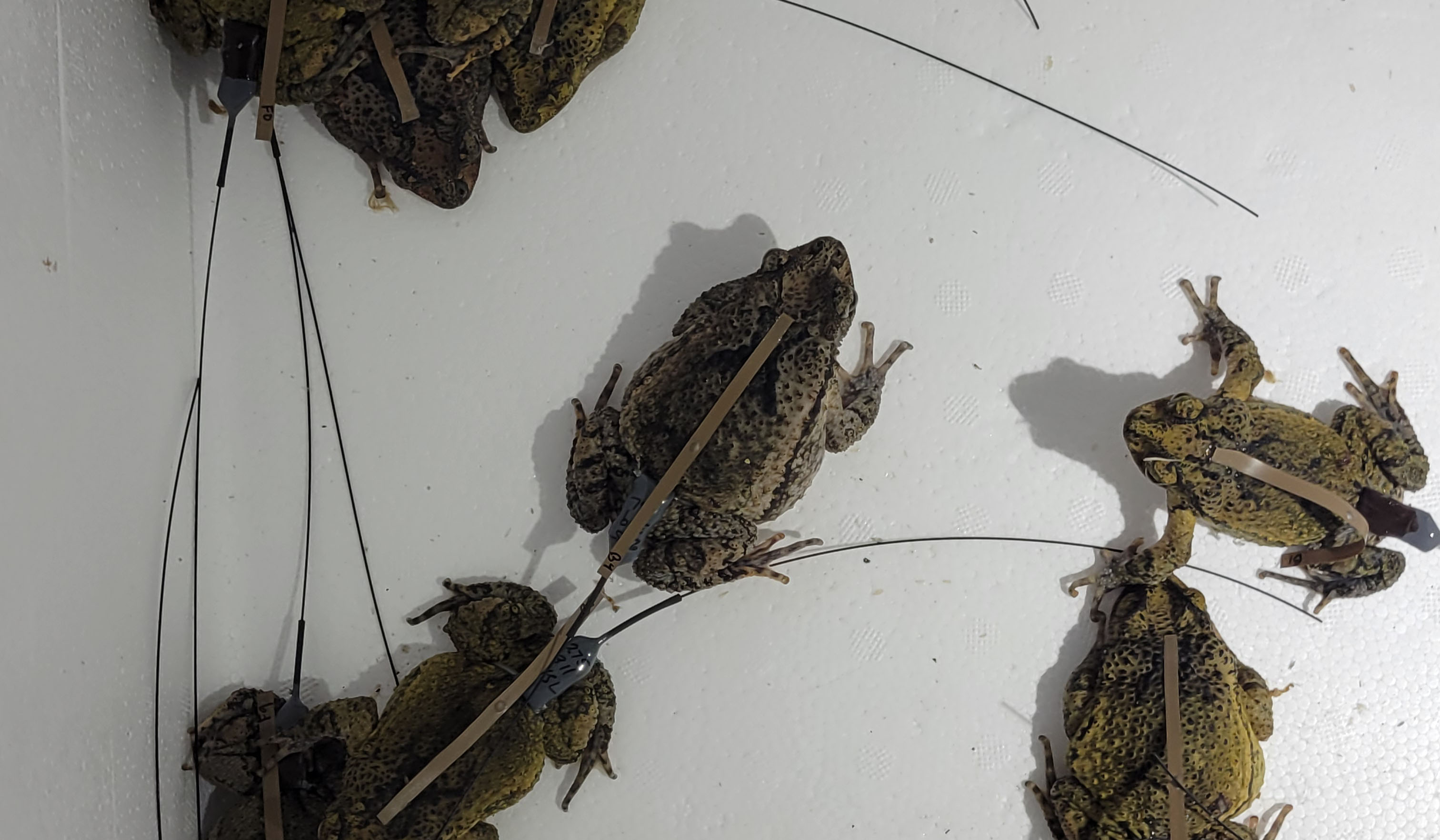
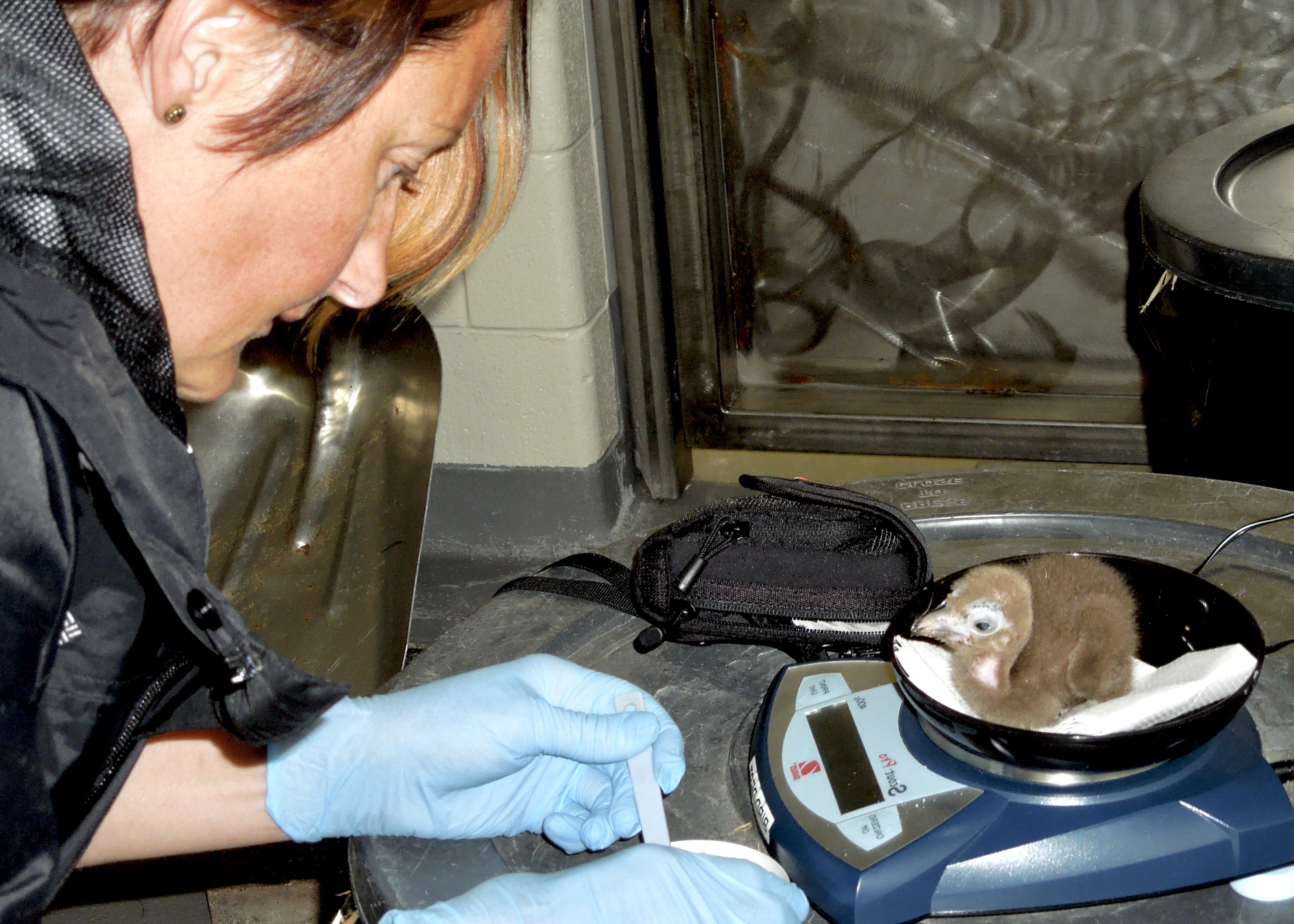
Frogs are examined before release.

THE TRIP

I was off to Tamarindo to help make the PRC toad story longer,

By scouting new breeding sites and making their breeding ponds stronger.

Pulling weeds and using rocks to hold up the ponds edge, breeding ponds T1 and T2 were far from dead, we would make sure these ponds would hold more water longer than it ever had.

We evicted the invasive Marine tadpoles. It was way pass time for them to find another watering hole.

These ponds were being rebuilt for the PUERTO RICAN CRESTED TOAD!

We had built it with hopes that the toads would come, for their natural pond had succumb to Salt and Sun.

When we had finished a prayer went up for the rain to come, but all we got were chiggers, hot weather, dirt and even more sun. The DNR assured us that the rain would come.

We left the next day for El Tallonal to release baby PRC toads that had been head started back at home, these would be released in a rainier home.

The bigger ones were tagged and had a tracking collar. The smaller ones were dusted with bright-pink, fluorescent Cheeto-like powder.

Toads were dusted and tagged thru out the night. They had to be ready for release long before first light.

Some were released in holes on long and steep Mountain trail, while the rest were let go in and around a caged pond owned by Casa de Abel.

No rest for the wicked, up before light. It was so early, I thought it was still night. Armed with radio trackers and black lights, back up the trail to see how far the toads traveled throughout the night.

Some were content with where they had been placed. Most moved far and wide with great haste. Some went further still, just too far for us to give chase.

Oh well, time to load the vans and head to the next place.

To a suburb about an hour, give or take, outside of Old San Jaun, we had a place somewhere in Bayamoʻn.

The Virgin Island Boa was what we came to catch and survey, our permits were signed, so we headed out without delays.

Head lamps on every tree, bush, and plant, we searched for about a two-mile stretch. Luck was truly on our side I must admit, 3 BEAUTIFUL snakes we did get.

Once examined, weighed, measured and bagged, back to the room for a shower and bed, I couldn’t have been more GLAD.

The next night Lady Luck had abandoned us, not one Boa seen, not even the scent of their musk. We’ll get them next time, on that you can trust.

My adventure had sadly come to the end. I had a great time being dirty, smelly, and bug-bitten with new friends on whom I could depend.  Heading home scratching and hoping my bug bites would soon dry up and mend.
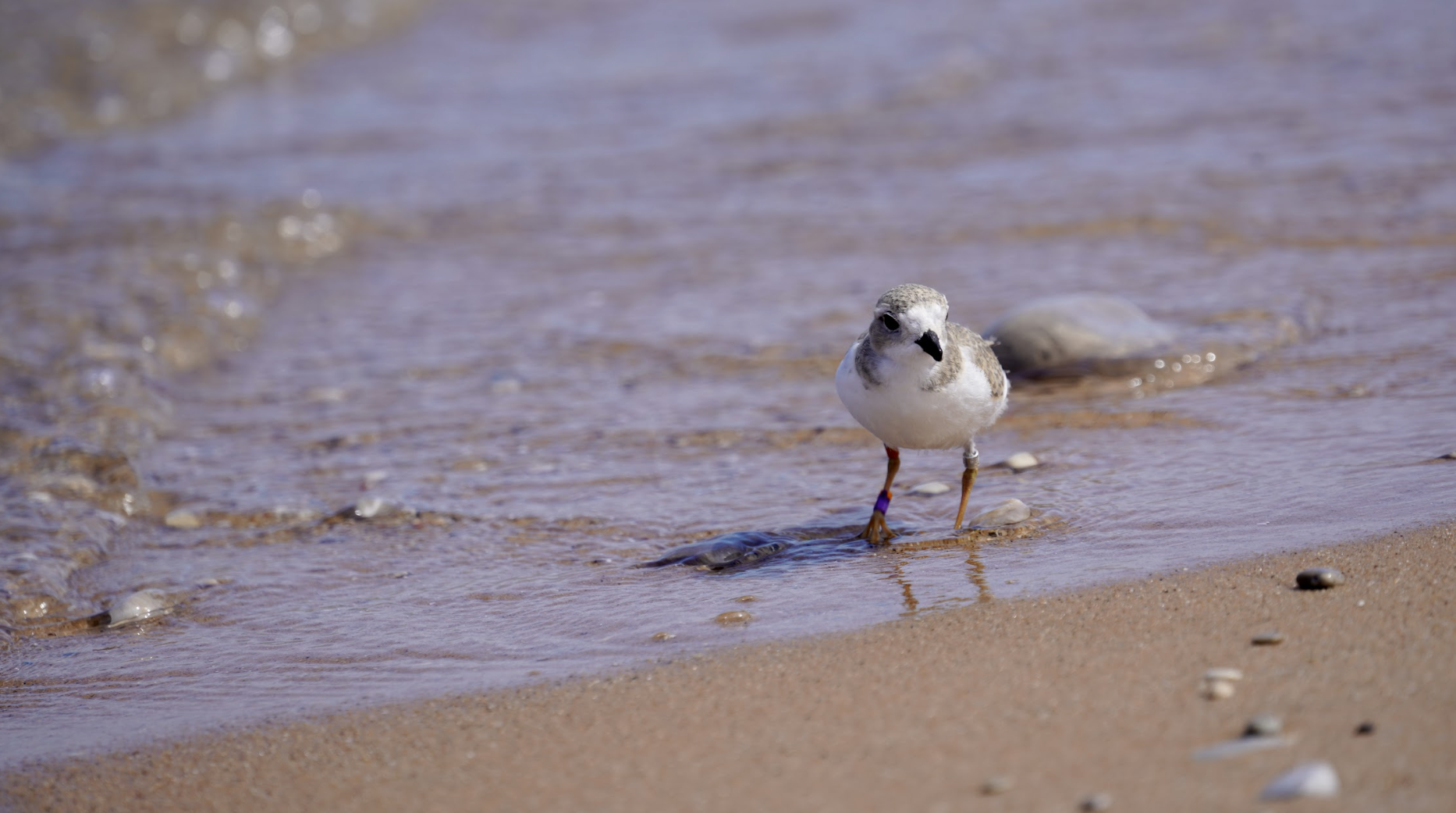
Detroit is for Plovers

By Jessica Egerer, Bird Department Zookeeper

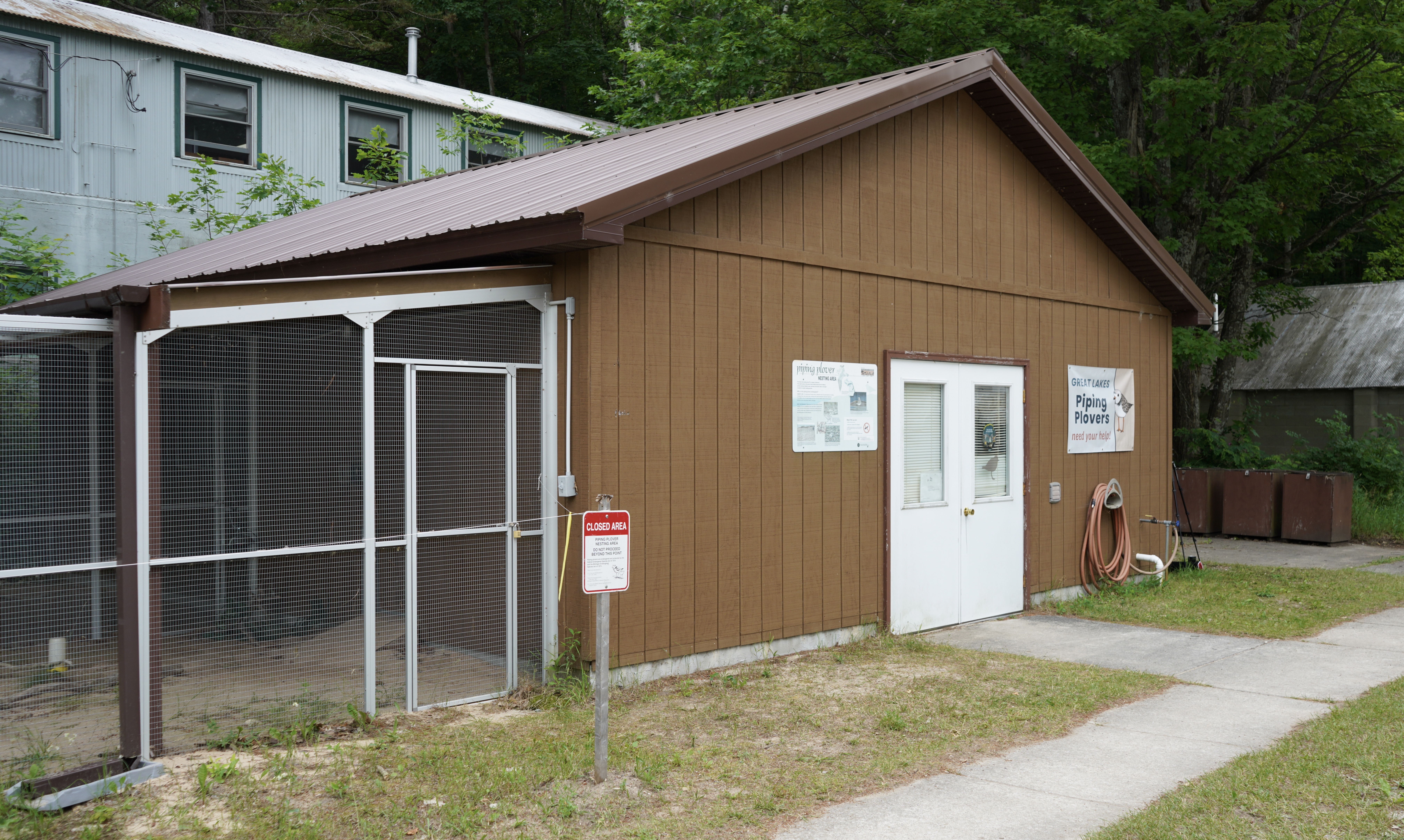
Just off the shore of Douglas Lake in Pellston, Michigan, sits a small, brown building, nestled in amongst the rest of the University of Michigan Biostation. It is inside this small building where big things happen! Here, countless avian professionals have spent periods of time working together to successfully rear piping plovers since the beginning of the recovery initiative in 2003. This year, I was lucky enough to spend a few days at the station in May and return in June!

During my stay in May, I helped prepare the building for the season. There was a lot of cleaning and organizing to do, as well as taking inventory of medical supplies and equipment. I also set up incubators, brooders and chick rearing boxes. To ensure successful development of the plovers inside the egg, the incubators must be kept at 37.5 Celsius and monitored closely. We operate some incubators dry to maintain low or no humidity, and others have their water chambers filled with deionized water to increase humidity. The eggs, as developing, require specific parameters and will sometimes be moved between incubators based on their weight loss and what type of environment is needed.  

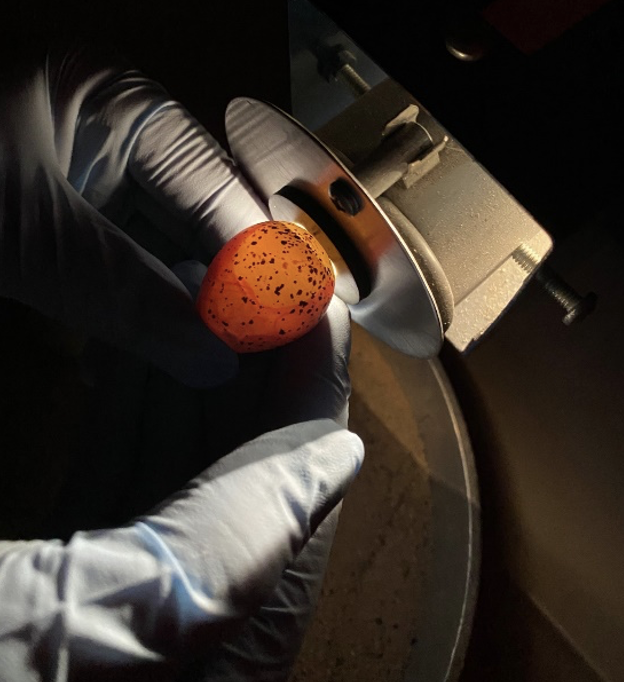
As eggs were brought in, we would place them in incubators and monitor them daily. Egg science is fascinating, and we can track the development of the embryos by candling them and weighing the eggs. Candling is when we shine a very bright light into the egg, through the shell, and look at what is going on inside. As the embryo develops, we will start to see veins and movement, and it can be a very exciting process! Weighing the eggs daily allows us to keep track of the weight loss of the egg. Eggs are porous and will lose weight in the form of moisture loss through the shell as the embryo inside is growing.

When I returned to the station in June, things started to pick up. I was working at the station during this time with Nicole Green from the Detroit Zoological Society and Bliss Capener from the Tracy Aviary. We had started taking in clutches of eggs that had been collected by field monitors for various reasons, including nests being washed out by flooding and nests being abandoned by parents due to nearby predators or the predation of one parent. We worked alongside the field crew to get the eggs transferred safely to the station.

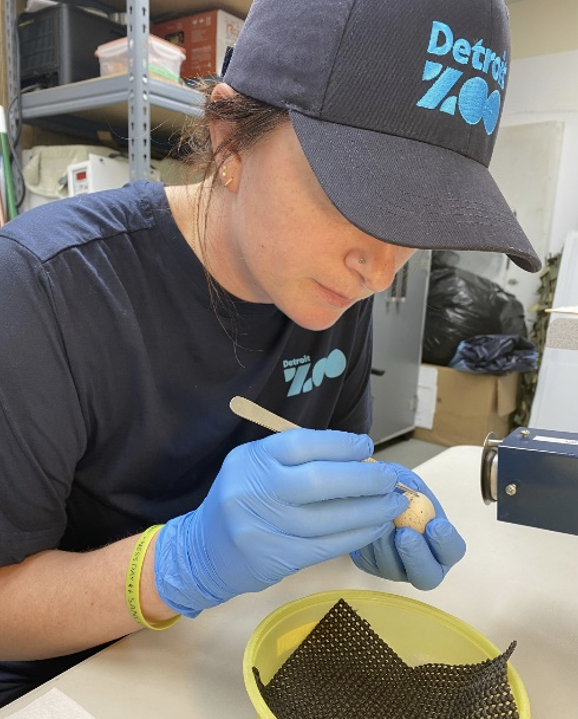
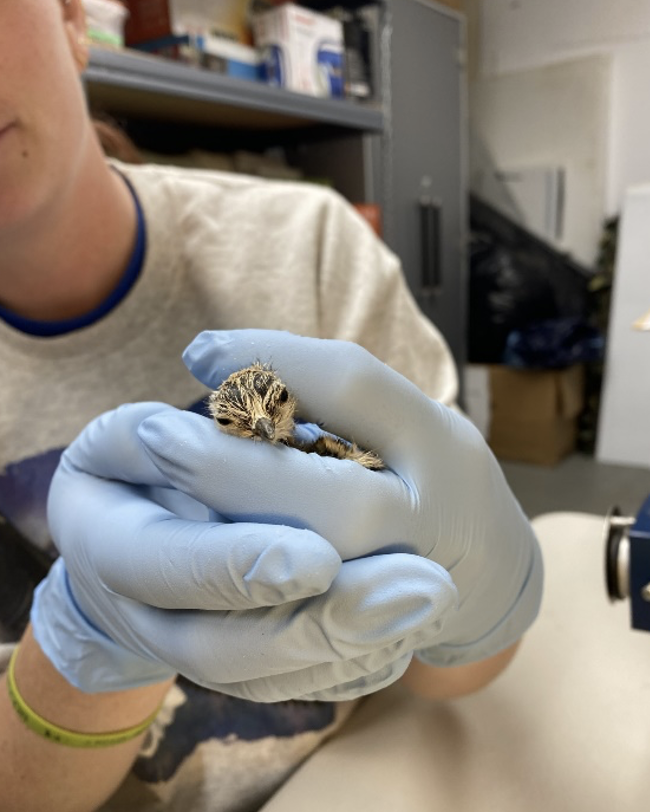
After approximately 23-25 days, we can expect the chicks to start hatching! Hatching takes a lot of energy, so the chicks will typically rest for a short while after they’ve first made their appearance. Because they are a precocial species, they are up and running around quickly thereafter. Occasionally, due to mispositioning inside the egg, we will need to assist hatch an egg. Due to the very small, fragile state of piping plover eggs we must be very careful not to damage the egg and instead use tweezers to help create a line of broken shell up into and around the air cell of the egg.

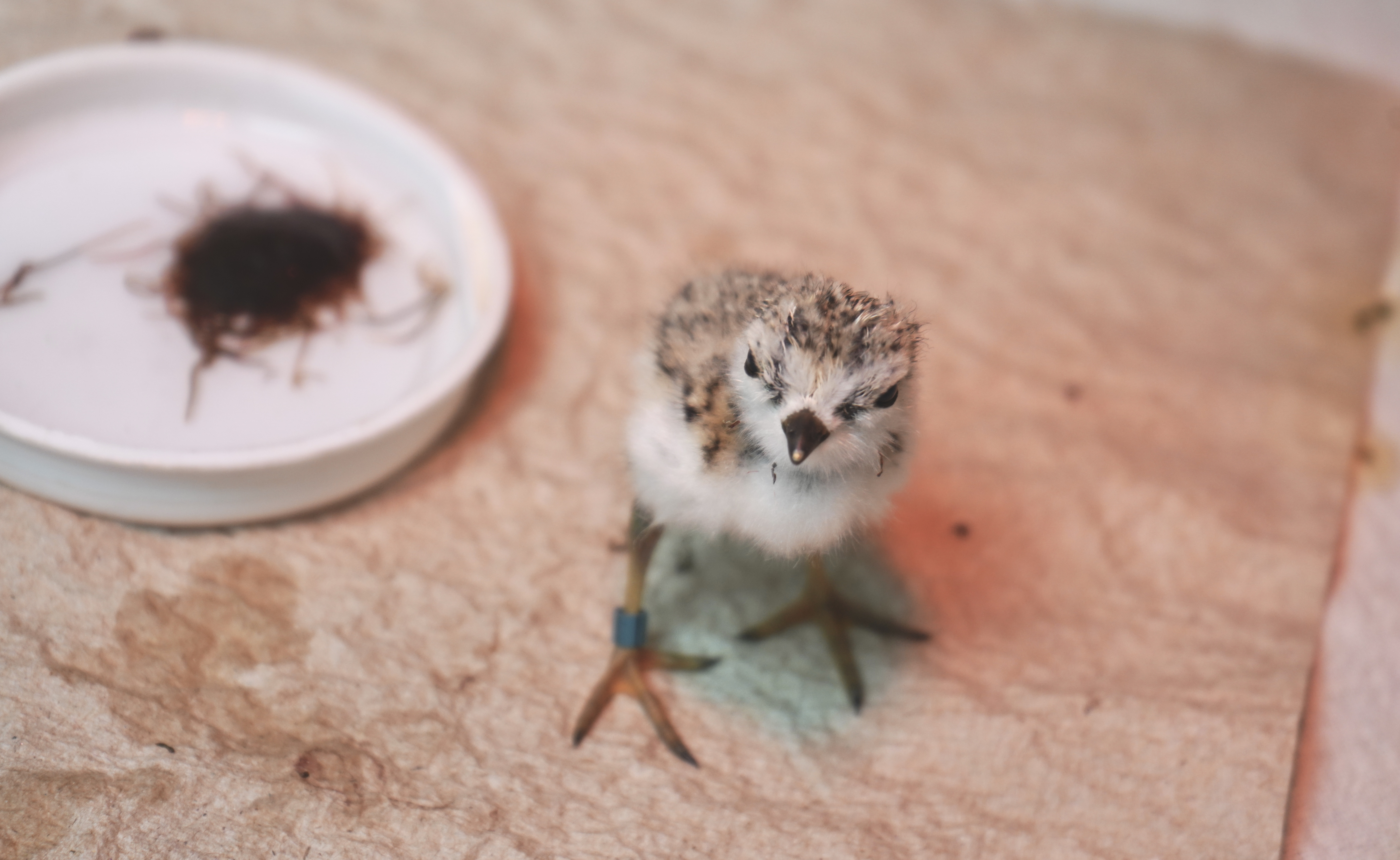
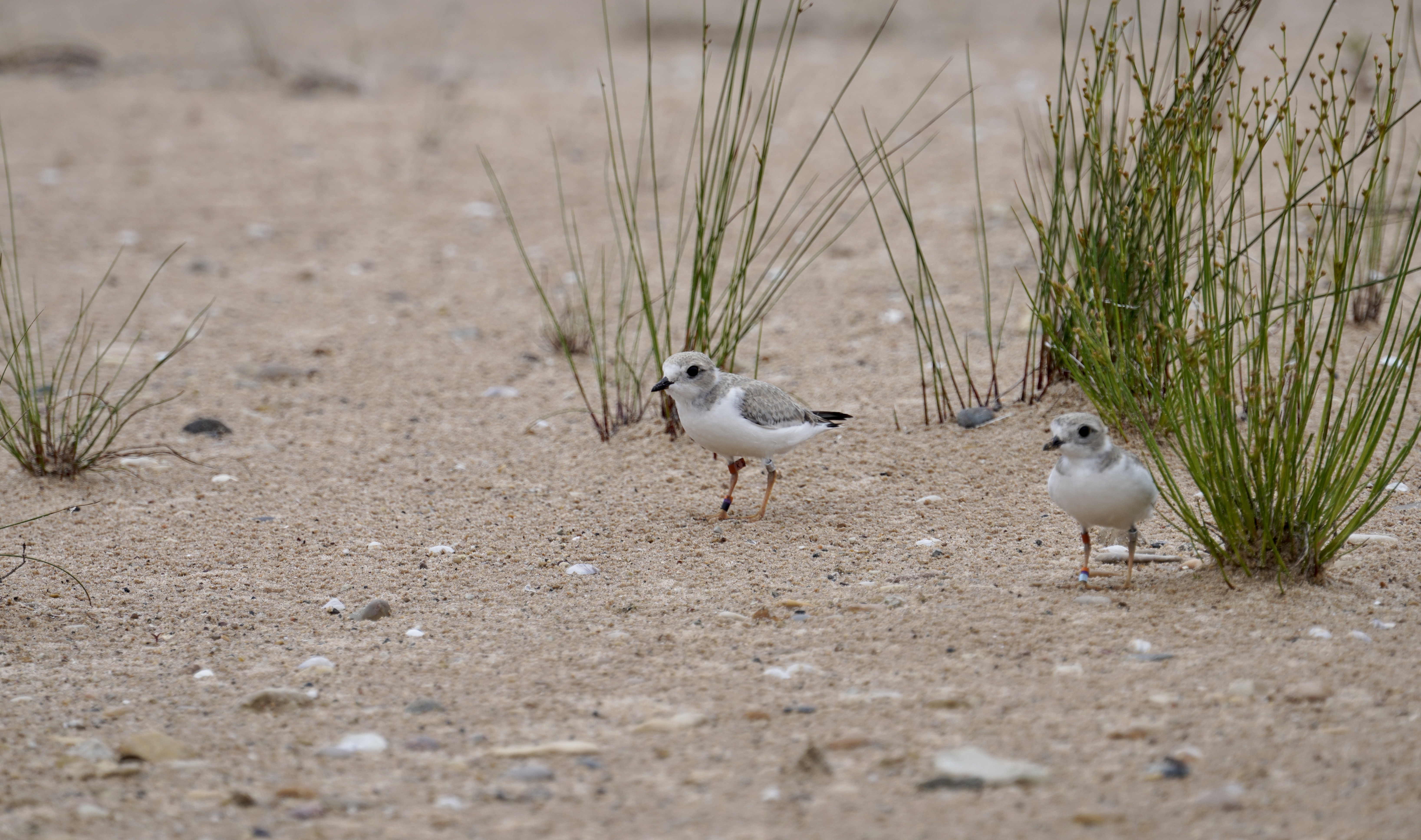
We continue to monitor the chicks closely as they develop and weigh them daily. We feed them black worms, meal worms, wax worms, crickets and mayflies. Other than picking them up to weigh them, we are very hands off with the chicks. We place them into chick rearing boxes, which replicate their natural beach habitat, and we play a recording of beach sounds. Eventually the chicks will graduate to using a pen that is connected to the building, that allows them indoor and outdoor access. Lastly, the chicks will move to the lakeside pen, experiencing a soft release as they zip along the shoreline, weave through some taller and more natural grasses, and practice flying. After about 30 days, the chicks will be banded for monitoring and released on nearby shorelines in upper Michigan.

I am incredibly honored to be a part of the piping plover captive rearing program. It is extremely rewarding to work alongside so many dedicated aviculturists and contribute to the success of growing the population of this extraordinary flagship species. Since its start, this initiative has increased Great Lakes piping plover pairs from 17 to 81, and I am inspired to continue helping them grow! Thank you for reading about my experience and some of the details behind the important work accomplished through this program. Forever rooting for these special shorebirds. Peep, peep!

Animal Adaptations that Break Boundaries

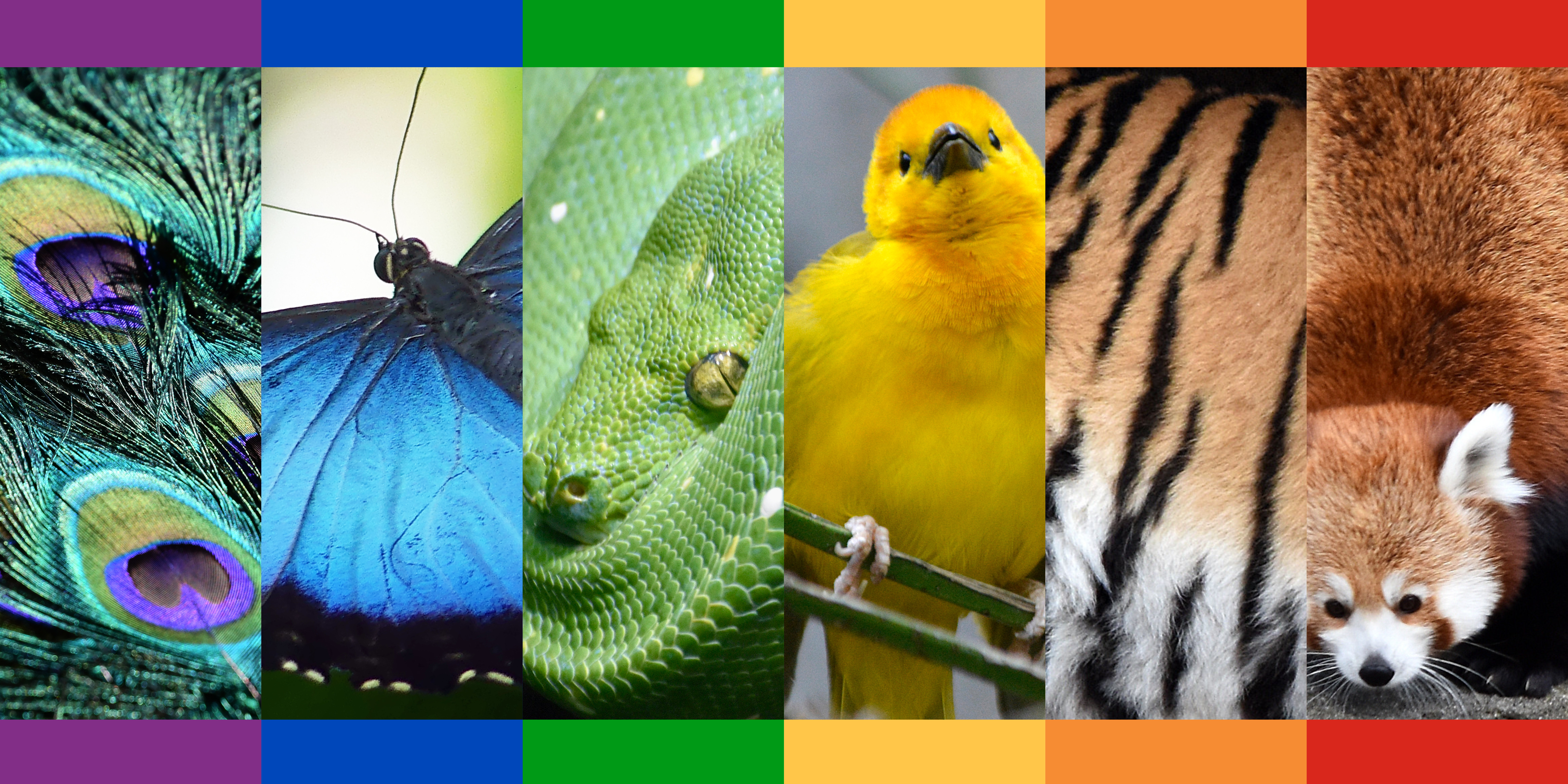
In celebration of Pride Month, we would like to share a colorful exploration of diversity within the animal kingdom. 

A Sparrow With Four Sexes

White-throated sparrows have displayed a fascinating mating system that consists of four sexes. This species is comprised of two distinctive phenotypes: white-striped and tan-striped crown. What makes these birds so interesting is that several genes have been identified and have a direct relationship to their behaviors. White-striped crowns seek multiple partners and invest heavily in securing additional matings at the expense of paternal care. Alternatively, tan-striped males are monogamous and contribute more to parental care. The white and tan versions are genetically determined. White-striped sparrows have an inverted section of chromosome 2, which effectively acts as a second sex chromosome and leads to white-throated sparrows having four sexes. About 98 percent of observed pairings (mated or social) exclusively pair with the opposite phenotype. Because these birds have been observed to only mate with one-quarter of its species, it can be considered that they act as if they have four sexes. 

The Fluidity of Fish

Sex-determination mechanisms are particularly diverse in fish and include many species in which changing sex at least once is a normal and adaptive feature of the fish’s biology. Researchers call this “sequential hermaphroditism” and have documented fish species that change from female to male (protogyny), species that change from male to female (protandry), and species that can change back and forth repeatedly throughout their lifetimes. All these systems have adaptive advantages suited to the fish’s particular environment.

Mom’s Got it Covered

Several lizard species have evolved into all-female unisexual species that reproduce asexually through a process called parthenogenesis, which is essentially cloning. Same-sex courtship and reproductive behavior, generally referred to as “pseudocopulation” by researchers, occurs between females of the exclusively female unisexual whiptail lizard. This behavior increases their ability to reproduce by stimulating ovulation. Research on wild populations of unisexual whiptail lizards found strong evidence that same-sex pseudocopulation between females is not only beneficial to their reproductive success but is the norm for this species and practiced as regularly as copulation in sexual species. Through hormone-mediated processes, about half of the unisexual lizards in an area assume the behavioral role of “males” in these reproductive interactions, then later switch roles. 

Sources:

Tuttle E., 2016, Current Biology 26, Divergence and Functional Degradation of a Sex Chromosome-like Supergene

Hedrick  P., 2018, Negative-Assortative Mating in the White-Throated Sparrow.  Journal of Heredity, Vol. 109, No. 3

Arnold C., 2016, Nature volume 539, The Sparrow with Four Sexes

Kobayashi Y., Nagahama Y., Nakamura M., Diversity and Plasticity of Sex Determination and Differentiation in Fishes. Retrieved from https://karger.com/sxd/article-pdf/7/1-3/115/3552793/000342009.pdf

Crews D., Grassman M., Lindzey J., 1986, Proc.Natl. Acad. Sci. USA, Vol. 83, Behavioral facilitation of reproduction in sexual and unisexual whiptail lizards

Crews D., Young L., 1991, Pseudocopulation in nature in a unisexual whiptail lizard. Article in Animal Behavior

Woolley S. C., Sakata T. J., and Crews D. 2004, Tracing the Evolution of Brain and Behavior Using Two Related Species of Whiptail Lizards: Cnemidophorus uniparens and Cnemidophorus inornatus. ILAR Journal

One Tree at a Time: DZS CARE Grant, DNR Rebuild Beloved Park 

By Melissa Thueme, primate supervisor for the Detroit Zoological Society (DZS) 

In 2022, the DZS introduced a new program to staff, the Conservation Action for a Resilient Environment (CARE) grant. The CARE grant program at the Detroit Zoo offers the opportunity for employees to engage in conservation projects that are meaningful to them while addressing conservation and environmental issues in the Detroit metro area and the Great Lakes region. When the grant program was announced in early June, I knew exactly what I wanted my project to be. Just three weeks earlier, a large wildfire devastated northern Michigan, and I knew I could help rebuild some of what was lost there.   

Pigeon River Country State Forest (PRC) in Montmorency County, Michigan, the largest block of undeveloped land in the Lower Peninsula, is home to diverse wildlife, including one of the largest elk herds east of the Mississippi. In May 2022, a wildfire caused by a lightning strike impacted 2,516 acres of forest in the PRC. Because of the intensity of the fire, a majority of the trees in the fire zone did not survive. The flames and resulting heat damaged many of the soft mast trees, including trees that produce berries such as apple and hawthorn and younger-aged hard mast that provide food sources such as nuts and acorns. Many native wildlife, such as deer, elk, black bear, squirrels and game birds, rely on both hard and soft mast trees for food.   

 My passion for involvement in this grant project goes back almost 30 years. Since I was young, my family would drive north to Pigeon River State Forest to go camping for a week during the summer. It was in the PRC that I fell in love with nature, animals and the environment.  We got up before sunrise to drive through the most remote areas in search of any animals we could spot. I learned about the elk herd, watched birds through binoculars, looked for frogs at the edges of the lakes, waited for the beavers to swim by in the river, and reclined and watched the stars in the black sky at night. A few years later, my family bought property in the area, and we went up north many weekends from spring to fall, spending holidays and making more memories in the PRC.   

In May 2022, we watched news coverage of the fire as it swept through the area.  We monitored updates as the area we loved was in flames, without knowing how much damage would occur. Thankfully, DNR firefighters were able to extinguish the wildfire, now named the “Blue Lakes Fire.” I visited the PRC the weekend following the wildfire. As I walked down the road, the transition between the lush forest to the now barren burned areas was dramatic.  Places where it had been impossible to see more than a few feet through the foliage were now nearly clear — except for a few char-barked trees trying to hang on to life. Memories of hiking and blueberry picking, and large herds of bull elk standing in these very areas, flooded back. I wondered what the future would bring for this area and how long it would take to recover. In our many years of visiting, we had seen areas of wildfire in the PRC before, but nothing to this magnitude. The devastation from the wildfire was still fresh in my mind when the call for proposals for CARE grants was announced. I knew this was a project that I wanted to pursue and something I was strongly passionate about. 

I reached out to the Pigeon River Forest Management Group of the Michigan Department of Natural Resources (DNR) with my idea for the grant project, and their team was eager to collaborate.  With the help of Mark Monroe, the PRC forest manager, and Shelby Adams, the PRC wildlife biologist, we started planning what would best be suited for the project.  After many phone and Zoom calls, we elected to plant saplings in the wildfire area. The team carefully selected trees that would most benefit the environment and the animals and mapped out the section where we would plant them. The Pigeon River Forest is important to many people, and collaboration is one of the pillars of the DZS conservation strategy, so we decided to involve the community in the project.      

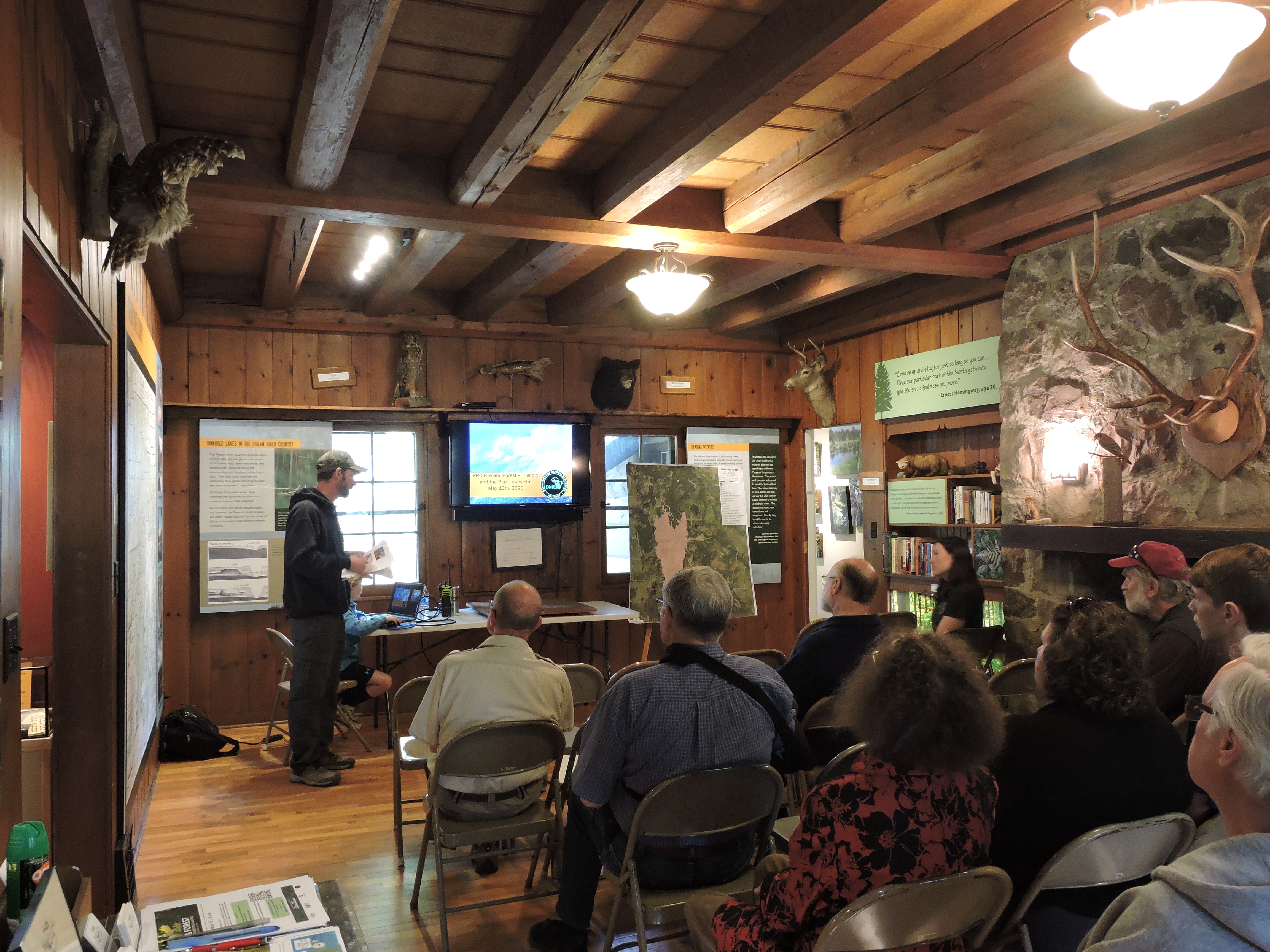
On May 13, 2023, one year after the wildfires, we gathered together in the Pigeon River Discovery Center with members of the community and others who had a connection to the PRC.  Mark, also a firefighter with the DNR, was on the front lines the day of the wildfire.  He spoke about fire history in the PRC, shared photos and his stories from the days around the fire.  Shelby talked about the effects of wildfires on wildlife, including some of the positives, such as the creation of a prime habitat for the Kirkland’s warbler, which thrives in young jack pine forests that grow because of fire. Lastly, I spoke about the Detroit Zoo CARE grant, as well as my connection to the PRC.  Everyone loaded up on Smokey the Bear swag items — pencils, stickers, magnets — before going outside to meet some of the other DNR firefighters and explore the equipment used in wildfires. Then we headed to the planting site.   

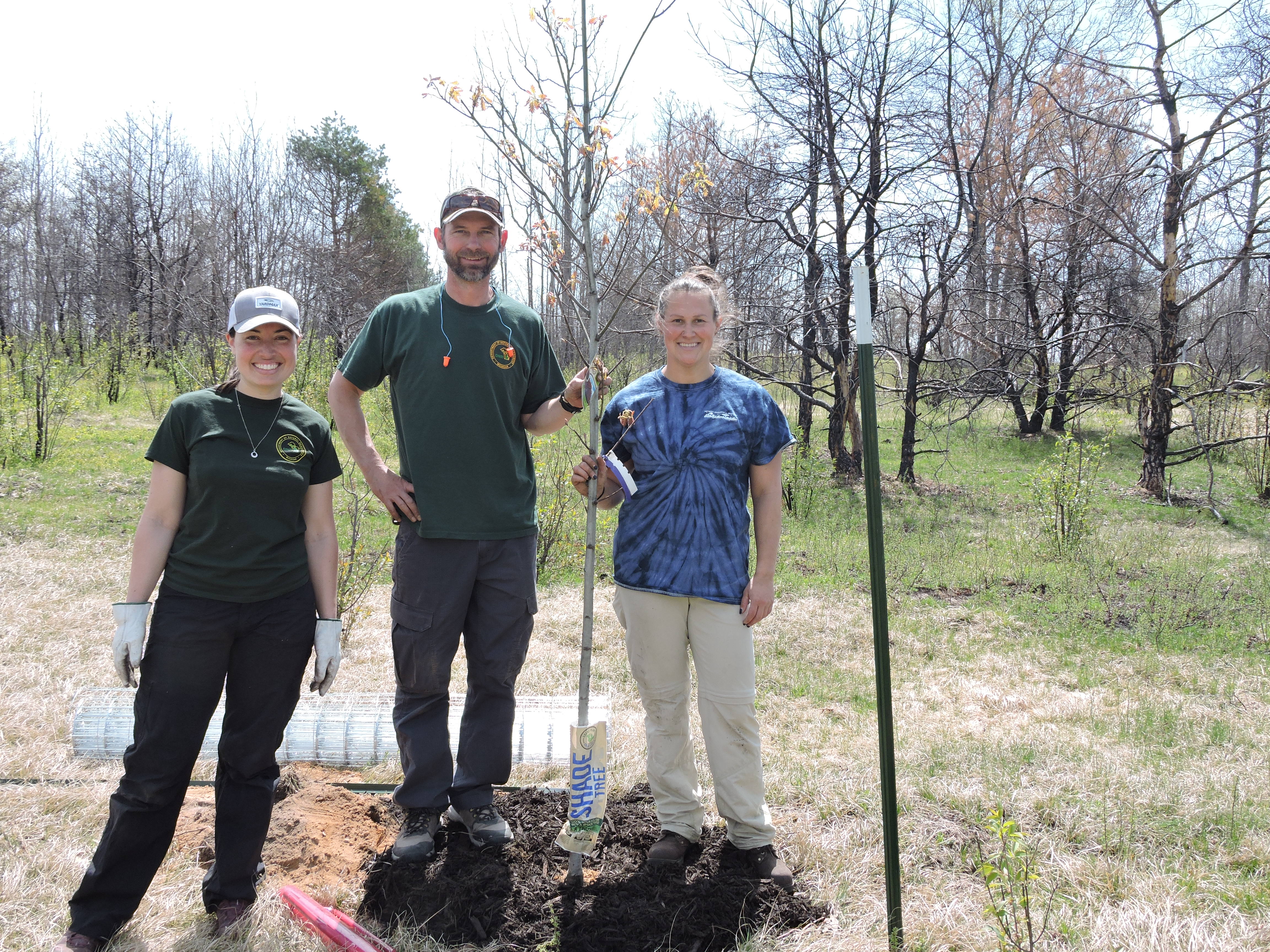
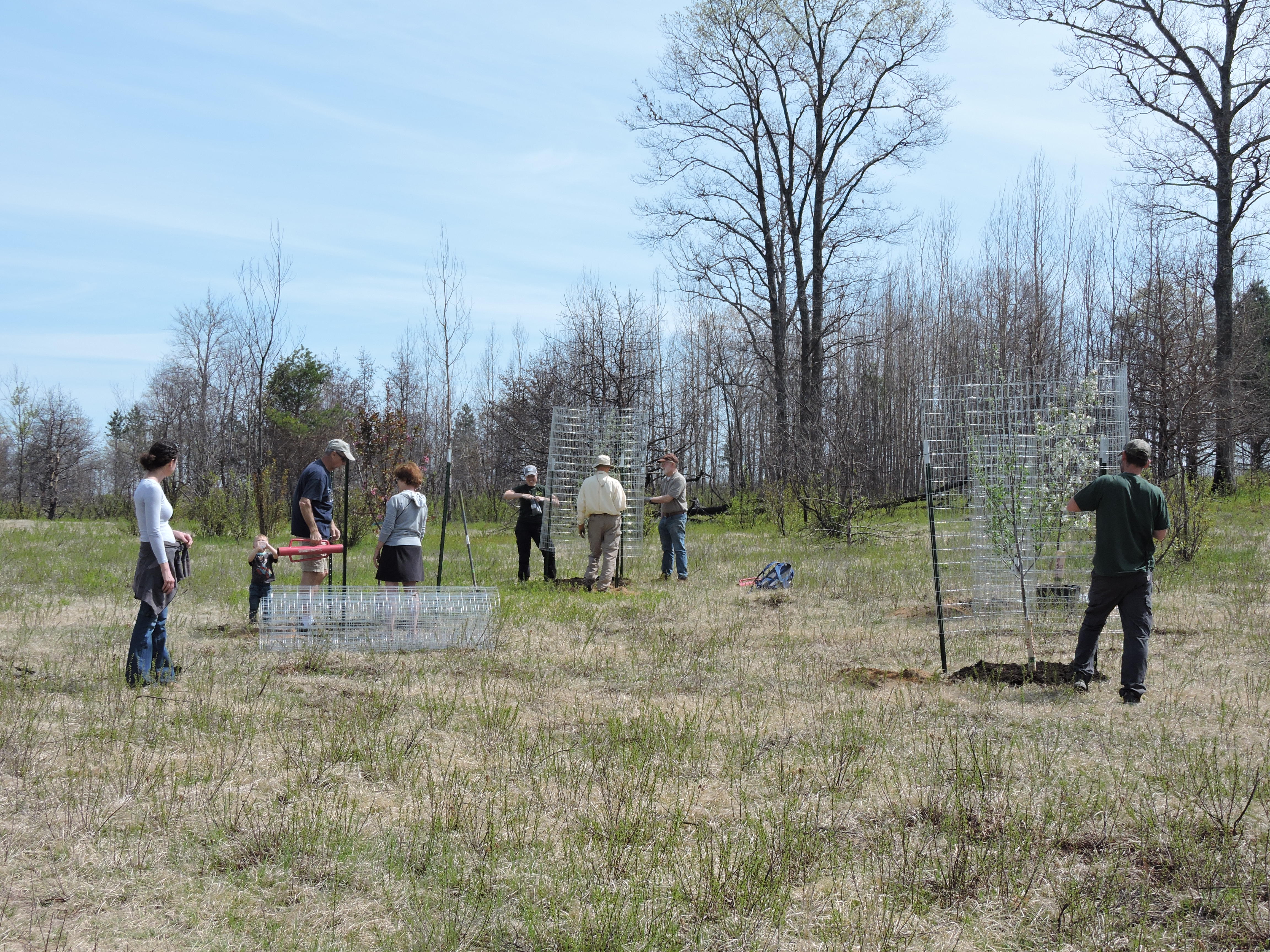
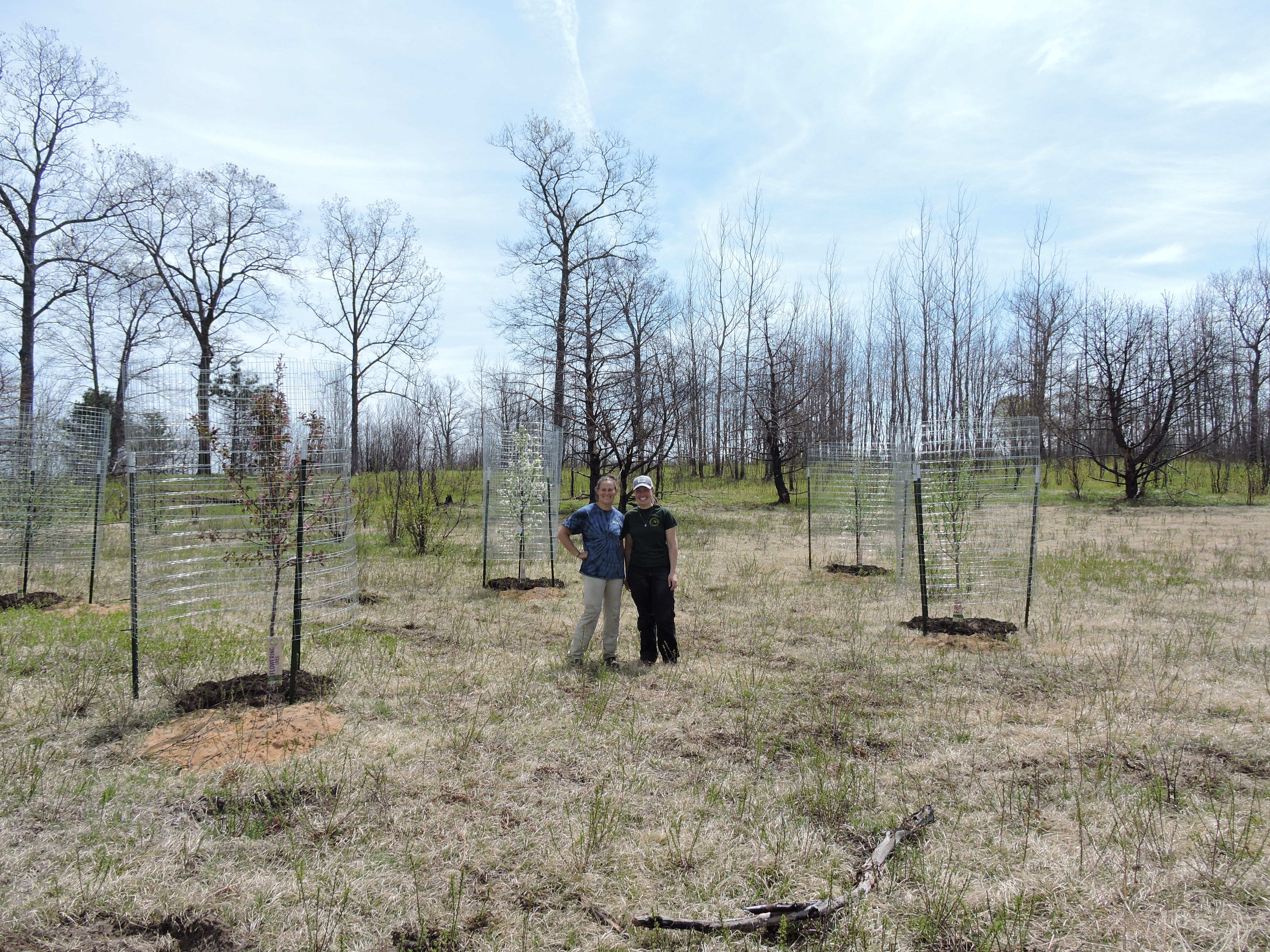
Participants divided up into a few teams and spread out amongst the pre-drilled holes. Mark gave a demonstration of how to set up the trees and everyone got to work.  We planted a total of 20 trees in four sections, surrounded them with mulch and   fencing to protect them until more established. While the volunteers worked, they shared memories of their favorite experiences in the PRC and thanked us for doing the project and letting them be involved. As we parted ways, I stood back and looked at the trees we planted amongst the low grasses starting to regenerate. It felt good to be a part of something to give back to the forest which has given me so much. I hope that 30 years from now, another young girl is hiking through the Blue Lakes area past these now-mature trees and finds herself just as inspired as I was all those years ago. 

Celebrating International Women’s Day by Honoring One of Our Own!

There is a genuine bond between Curator of Birds Bonnie Van Dam and the birds she works with.

“These animals pay just as much attention to us as we are paying to them, and I respect and love that,” Bonnie says as she reflects on the moment she found her true passion.

Bonnie started her career at the Detroit Zoo almost 30 years ago. Initially working with mammals, she was required to switch to working in the bird department, specifically the Penguinarium (which was then home to the penguins at the Detroit Zoo). This changed everything for her. She enjoyed the unique opportunity to interact with individual penguins and even saw the development of an incubation program that let her care for birds from egg to adult.

“Nobody doesn’t like a penguin,” Bonnie says. “They are just wonderful, wonderful animals!”

She continued her career working with other bird species and rose through the department’s ranks. Though men historically dominated the zookeeping field, Bonnie had a few great examples of women in leadership and saw room to grow. She helped usher in a time of change in zoos, where an emphasis was more heavily put on education, and the representation of men and women became balanced.

“Females have a different capacity for compassion and caring for and loving animals. Men do, too, but I think this is one reason we are seeing a trend of more women in this field,” Bonnie says. 

Bonnie’s most rewarding moments have centered around the DZS’s conservation efforts. She has worked to increase the piping plover population on Michigan shorelines from 17 breeding pairs to 80, which was vital to the species’ survival. In 2020, Bonnie and her team were tested with the challenges of COVID-19, but all came together. That turned out to be one of the program’s most successful years, rearing 39 chicks! Bonnie has also partnered with a vulture rescue in South Africa, where she saw birds she raised enter a wild breeding program.

As curator of birds, Bonnie is responsible for the entire bird department — along with the Detroit Zoological Society’s (DZS) conservation and SAFE programs, and her AZA commitments. However, she still finds time for her favorite part of her job – spending time with the birds.

“This is why I do it,” Bonnie says, reflecting as she shares stories of getting away from her desk and working with the cassowary and some of her favorite vultures. “You can be having a bad day or a rough month, but you can go and sit down with a penguin and have a one-on-one experience with the birds, and it makes everything all better.”

“Kassie the vulture is at Vulpro, and I’m so excited to see her!” Bonnie exclaims about an upcoming trip where she will assist in helping these critically endangered birds.

Bonnie is thrilled to see how women have made a place for themselves in the field of zookeeping — and in DZS leadership.

“I’m proud of my female zookeepers! They are very good and dedicated to all the birds, and I would love to see more and more females come up,” Bonnie says.

Bonnie shares this wisdom when advising the next generation of women zookeepers: “Get your background, get your degree, volunteer working with animals and don’t give up.”

The DZS is so fortunate to have trailblazers like Bonnie, who have made a real difference in the lives of countless birds and people at the Zoo.

Conservation is Sweet: DZS Plants Fruit Trees in the Heart of the Amazon

By Claire Lannoye-Hall, director of education for the Detroit Zoological Society (DZS). 

Follow Claire on her journey through Peru when you read this blog on StoryMaps!

For more than two decades, the DZS has partnered with CONAPAC, a nonprofit organization in the heart of the Peruvian Amazon Rainforest. With the generous support of Amazon Explorama Lodges, a travel company with more than 50 years of commitment to the region, the partnership supports the conservation of this globally essential ecosystem. Each year, thousands of students and teachers receive school supplies, teachers participate in professional development workshops, and families have access to clean, safe drinking water. 

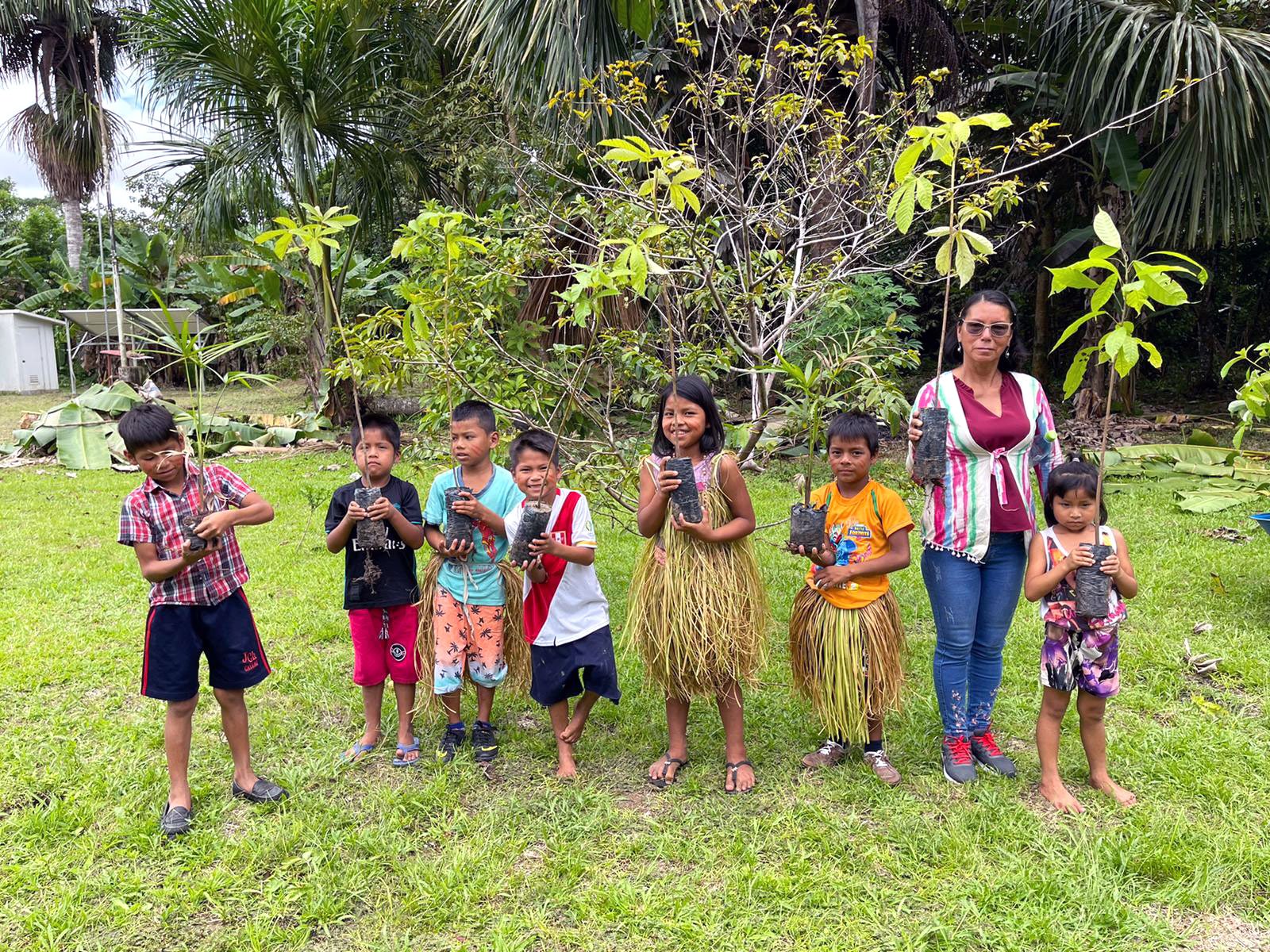
In addition to the partnership’s commitment to education and safe drinking water, we support economic opportunities for interested communities. As part of this initiative, several thousand fruit trees have been planted in select communities as a source of added nutrition for families. As the trees mature and produce excess harvest, fruits are sold as a source of income. 

During the first week of December 2023, four team members from the Detroit Zoo traveled down to Peru to participate in fruit tree planting. The Fruit Tree Planting Foundation provided funding for fruit trees that are native to the Amazon rainforest to be grown and transported. Pedro Paurcarcaja, an arborist in Iquitos, Peru, grew the trees from cuttings and seeds. Each tree was cared for and allowed to grow to a size that could be successfully transplanted. The trees were then placed in crates by type and transported down the Amazon and Napo Rivers on a cargo barge. Thousands of trees were delivered to the designated communities. 

Each morning, we joined a group of volunteers and representatives from the Fruit Tree Planting Foundation, CONAPAC staff and an experienced guide and translator from Explorama. We all took a boat to reach the designated community. Some of the trees went to individual families who expressed their interest and commitment to growing trees on land they have available. The families were responsible for planting their trees. Several hundred additional trees were planted in community spaces and for the schools. 

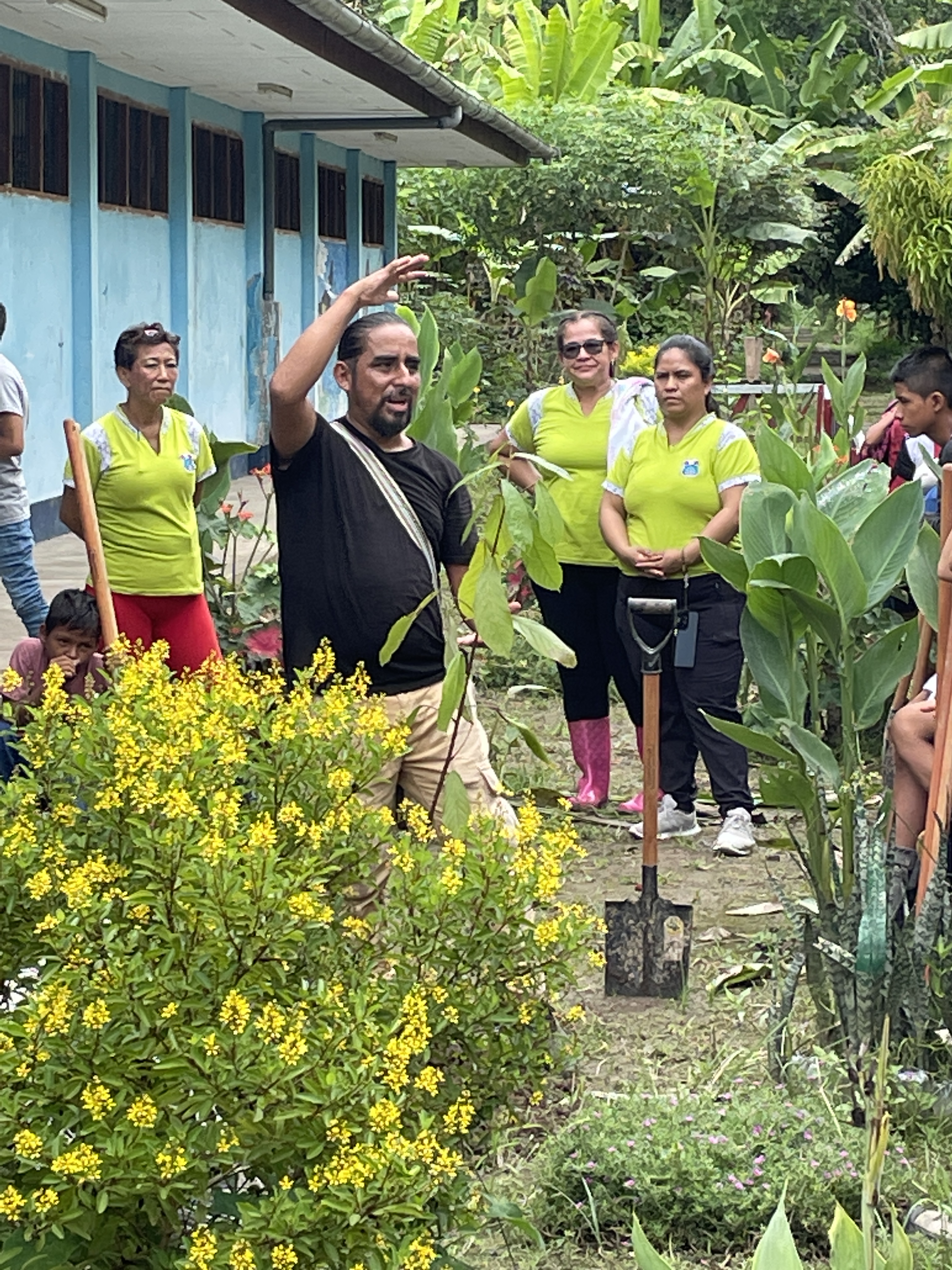
Before our arrival, the communities prepared areas previously used for agriculture, such as corn and banana palms. With shovels and post-hole diggers in hand, the FTPF representative carefully demonstrated how to plant the saplings to ensure they had the best chance of surviving. We worked alongside members of the community, especially the children, and planted the trees designated for the community and school areas. The planting wrapped up each morning shortly before lunchtime.  Spending several hours at each community provided opportunities to learn each other’s names, communicate in various forms (even if it was just smiles!), and gain a glimpse into the day-to-day life of our partners. 

For the final two days, we visited an additional community in the afternoon. Both communities planted trees several years ago through the FTPF initiative and proudly showed us the trees’ growth. Ramon Castilla shared with us that more than 90 percent of their trees had survived, which is an impressive feat considering the risk of insect and flooding damage. Their success was a testament to the trees being planted in the right areas and their commitment to caring for them. The community of Jorge Chavez treated us to fruit fresh off the trees, including papaya and star fruit. 

The community visits were also an opportunity to check in on the water purification systems, ensuring things were working correctly and the communities had access to safe, clean drinking water. For more information about CONAPAC’s clean water programming, click here.

Conservation work, especially when conducted in international settings, often does not address the needs or fundamental rights of the people who are directly impacted by laws and regulations that are put in place in the spirit of protecting animals and natural resources. While time-consuming, building meaningful relationships with individuals and communities who live adjacent to or share the same space as essential conservation areas can create vitally important allies. To do this well takes time and an investment in the wealth of knowledge and expertise of individuals who have lived for generations in the conservation areas. This partnership exemplifies the benefits of what collaborative conservation can accomplish. 

To contribute to the vital conservation work in the Amazon rainforest, click here.

Collaboration in Conservation: A Striped Newt’s Story

By Mark Vassallo, curator of amphibians

It’s just before dawn in the Apalachicola National Forest of Northern Florida, and light is glinting off the dew of the long-leaf pine trees as the humidity peaks. These conditions are just right for one of nature’s most adaptable animals to undertake an incredible journey. A striped newt (Notophalmus perstriatus) stirs under the water of a temporary pond.

Today, this young newt is preparing to travel from the relative safety of this ephemeral pond, to which he has been introduced with the help of the Coastal Plains Institute (CPI) and the Detroit Zoological Society (DZS). CPI has been dedicated to preserving the long-leaf pine ecosystem since 1984 and continues to work to maintain this unique habitat through scientific research, land management, and environmental education within Florida. The striped newt, recently listed as “threatened” in Florida, needs all the help it can get.

This very pond where the newt plans to emerge has been constructed and maintained through the work of CPI. The DZS and CPI have been collaborating on releases such as this one since 2017, and this particular newt has been bred and raised at the Detroit Zoo by staff who specialize in amphibian care with this moment in mind, the opportunity to re-introduce species and preserve biodiversity.

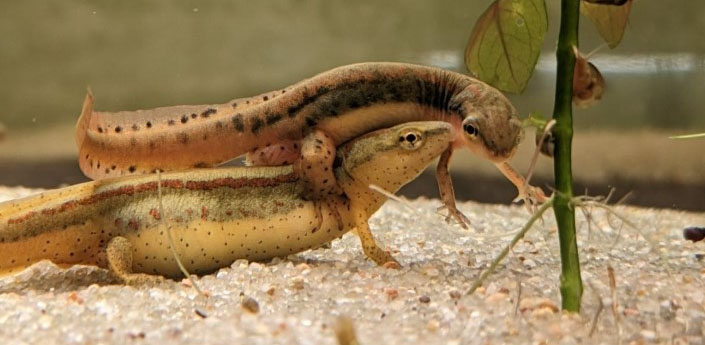
Newts are raised at The Detroit Zoo.

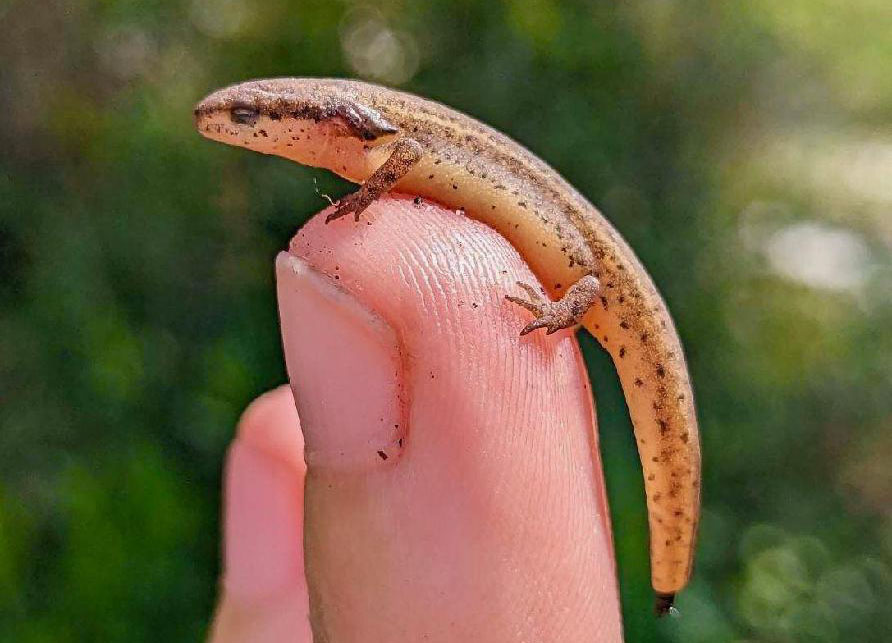
The striped newt can adapt to life outside the water, an ability that amphibians have been perfecting for millions of years. When conditions are right, the striped newt’s skin will begin to thicken and granularize, helping to hold moisture more efficiently than its typically slippery and smooth skin. The newt’s tail will become narrow, round, and less like a paddle, making traveling over dry ground much more efficient. This life stage is known as an “eft.”

As the newt slips out from under the water and moves onto land, its bright skin coloration advertises its toxicity to any potential predators who wouldn’t mind getting an early morning snack. Moving deliberately through the ground cover, the newt encounters a drift fence and travels along the edge of it. After a few feet, it drops into a 5-gallon bucket, which CPI staff soon recovers and processes. This fence and the corresponding bucket are all part of a scientific study undertaken by CPI to measure the success of introductions such as this one. Monitoring these drift fence arrays is no easy task, and CPI volunteers are tasked with checking these traps every day for up to seven months of the year.

Many months ago, the amphibian care staff at the DZS’s National Amphibian Conservation Center (NACC) began preparing to breed our resident population of striped newts. All the conditions for reproduction had to be just right. The correct water quality, depth, and egg-laying materials were painstakingly researched and implemented. With the addition of a specialized water filtration system, known as a reverse osmosis system, the amphibian department staff had complete control over the “makeup” of the newt’s water. It could reach the correct parameters to mimic the natural environment where these newts live in the ephemeral wetlands of Florida and Georgia. The plumbing required for this filtration unit was installed and tested by the DZS’s maintenance staff. The work required careful drilling through the walls of the NACC to run plastic plumbing lines to deliver the filtered water to the bio-secure and husbandry spaces where animals are kept. This was no small feat and proved to be a great example of how the DZS’s conservation success is a team effort spanning all the departments of the Zoo.

After all this effort to prepare, the real success occurs when the striped newt begins the reproduction process. The male will hold the female in an embrace known as amplexus; during this embrace, the male rubs the female’s snout with his chin and releases pheromones, which are fanned towards the female with his paddled tail. Once the female is receptive, the male will drop what is known as a spermatophore. From this point, the female will accept the spermatophore, and internal fertilization will occur.

Once the eggs are laid, usually on long emergent vegetation that has been placed in the habitats of the striped newts, the baby newts will begin to develop. This process can take several weeks and can be affected by temperature. The larvae are tiny, sometimes measuring about 8 millimeters, and very thin, resembling a small piece of wood or a twig, making them difficult to see with the naked eye. These tiny larvae are fed small invertebrates and aquatic worms, which have also been cultivated by the talented staff at the NACC. Once the newts have reached about 13 millimeters, they are eligible for release, counted and carefully shipped to Florida when conditions are just right in the wetlands for release. 

After a long journey from an egg in the bio-secure breeding room at the NACC to the Florida wetlands, our newt is now being counted and sent into the forest by the staff and volunteers at CPI. This newt will likely spend years in this “eft” life stage, moving through the long-leaf pines and feeding on invertebrates. If conditions are right in the coming years, the newt will be beckoned back to the temporary ponds by rainfall and favorable environmental conditions, where it could potentially breed naturally and help bolster the numbers of this unique and increasingly rare amphibian. In 2023, the DZS and CPI introduced 227 striped newts back into the wilds of Florida, increasing the numbers of this important animal and furthering the case for collaboration in conservation.

Volunteers from Coastal Plains Institute release newts into the wild.

The striped newt repatriation project ended the season with a beautiful surprise. Several months ago, CPI staff dip-netted two large, gilled paedomorphs out of the new, rubber liner-enhanced release pond, where CPI staff released 227 young larval striped newts. The newts had been raised here at Detroit Zoo, sent to Florida on July 11, then released on July 12 after an acclimation process. In the coming weeks, four of the 227 were encountered in drift fence buckets and inferred to be exiting the pond and going terrestrial as efts. No others were seen after that. We worried that most animals were lost to predation by turtles and predaceous invertebrates. However, to end the season and ascertain whether some newts had survived and opted to live an aquatic life, CPI captured the two paedomorphs.

These paedomorphic animals may represent a persistent aquatic ‘population’ there. We hope and expect they will go on to reproduce. That will be determined next year by dipnet and drift fence sampling. This is the best news of the 2023 striped newt repatriation project field season and one of the highest points in the 11-year ongoing recovery efforts.

DZS raise newts and prepare them for wild release.

Illuminate the Season by Recycling Your Holiday Lights at the Detroit Zoo

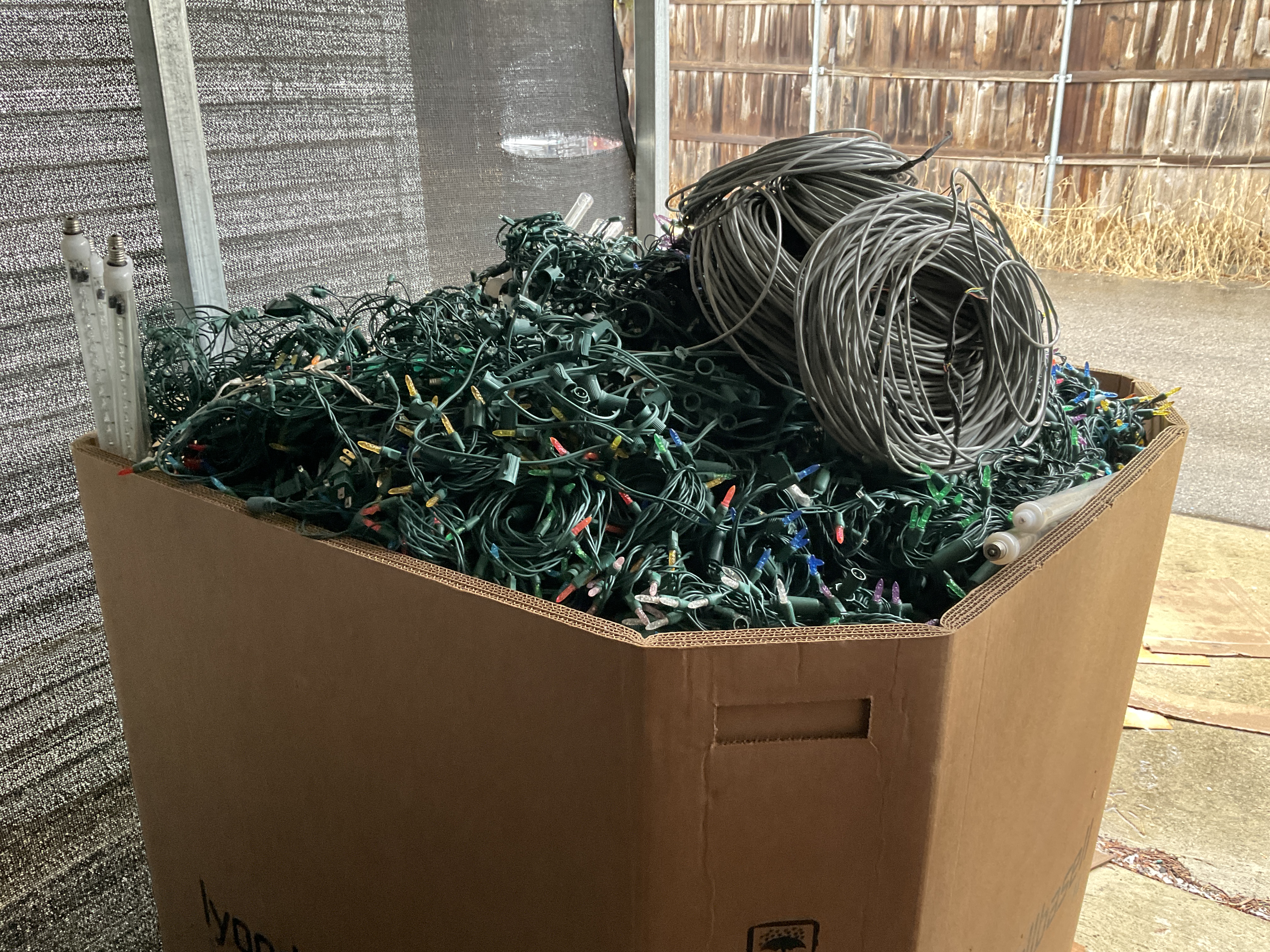
The Detroit Zoo is collecting old holiday lights throughout January.

This holiday season has been filled with twinkling lights adorning houses, trees and festive sculptures across metro Detroit. But what happens when these lights dim and burn out, their glow reduced to mere electrical waste? 

With the holiday season now drawing to a close, the Detroit Zoological Society (DZS) is welcoming community members to recycle their retired holiday lights with us! Individuals and families can bring in unwanted, burned-out or broken holiday lights to be recycled free of charge. The light collection runs through January at the guest services office near the front of the Zoo.


Wild Lights at the Detroit Zoo features millions of twinkling lights — and those that burn out will be recycled sustainably!

Through this initiative, we can work together to alleviate the burden on landfills and champion a sustainable approach to handling electrical waste. As a bonus, donated lights will help raise money to fuel the Zoo’s sustainability programs. From planting trees throughout metro Detroit to inspiring the next generation of suitability leaders through GreenPrize, our programs are helping to build a greener future for all.  

By recycling your old lights at the Zoo, you’re not just disposing of unwanted holiday décor — you’re actively participating in a larger movement. You’re nurturing a cycle where discarded lights find new purpose, contributing to the DZS’s conservation work and supporting sustainability programs. 

Recycle your lights at the Zoo to help us ignite a brighter (and greener) future!

Five Reasons to Visit Wild Lights This Holiday Season

Wild Lights at the Detroit Zoo, presented by Strategic Staffing Solutions, is back! On select nights through Jan. 7, you can embark on a luminous adventure where the magic of the holiday season comes alive. 

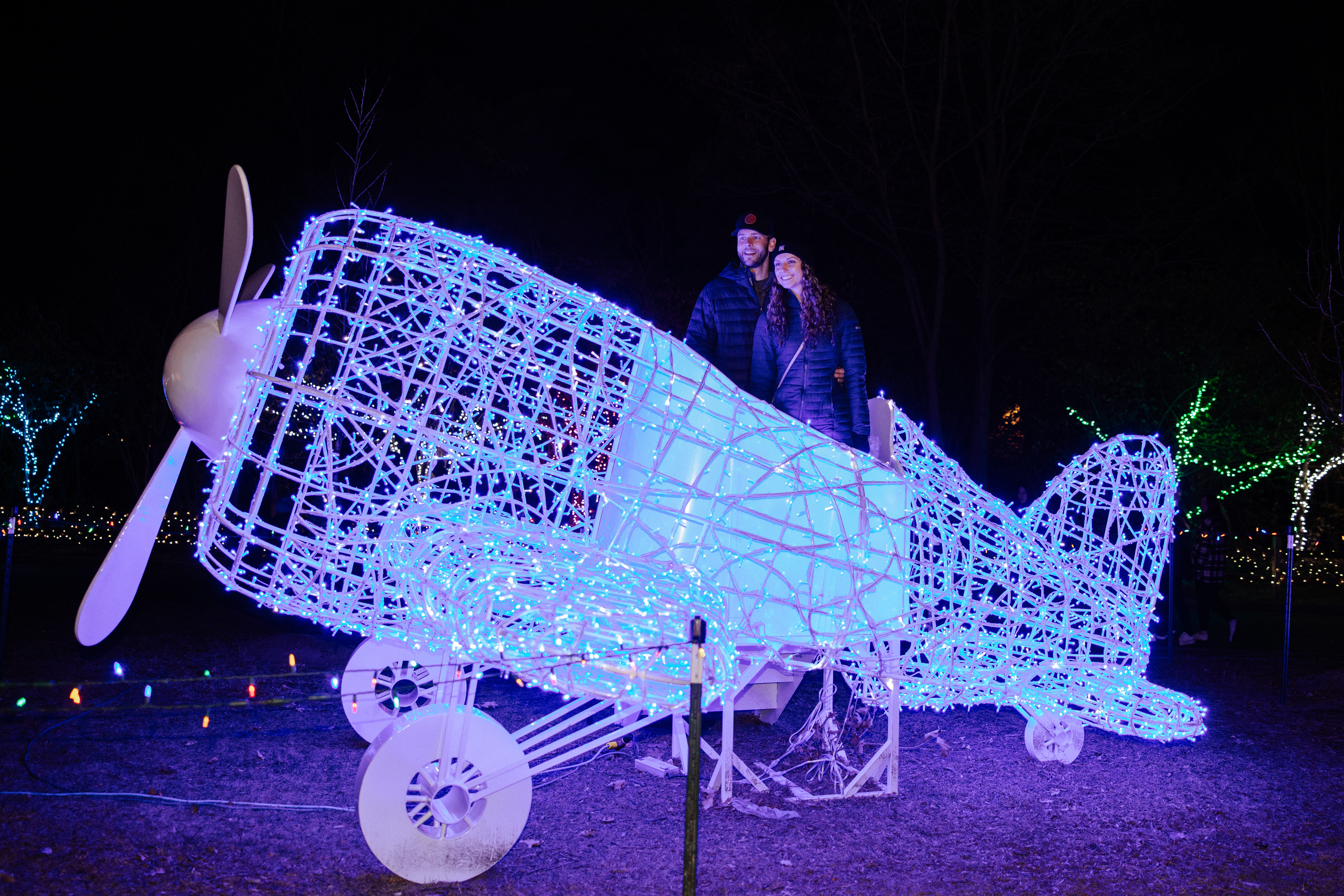
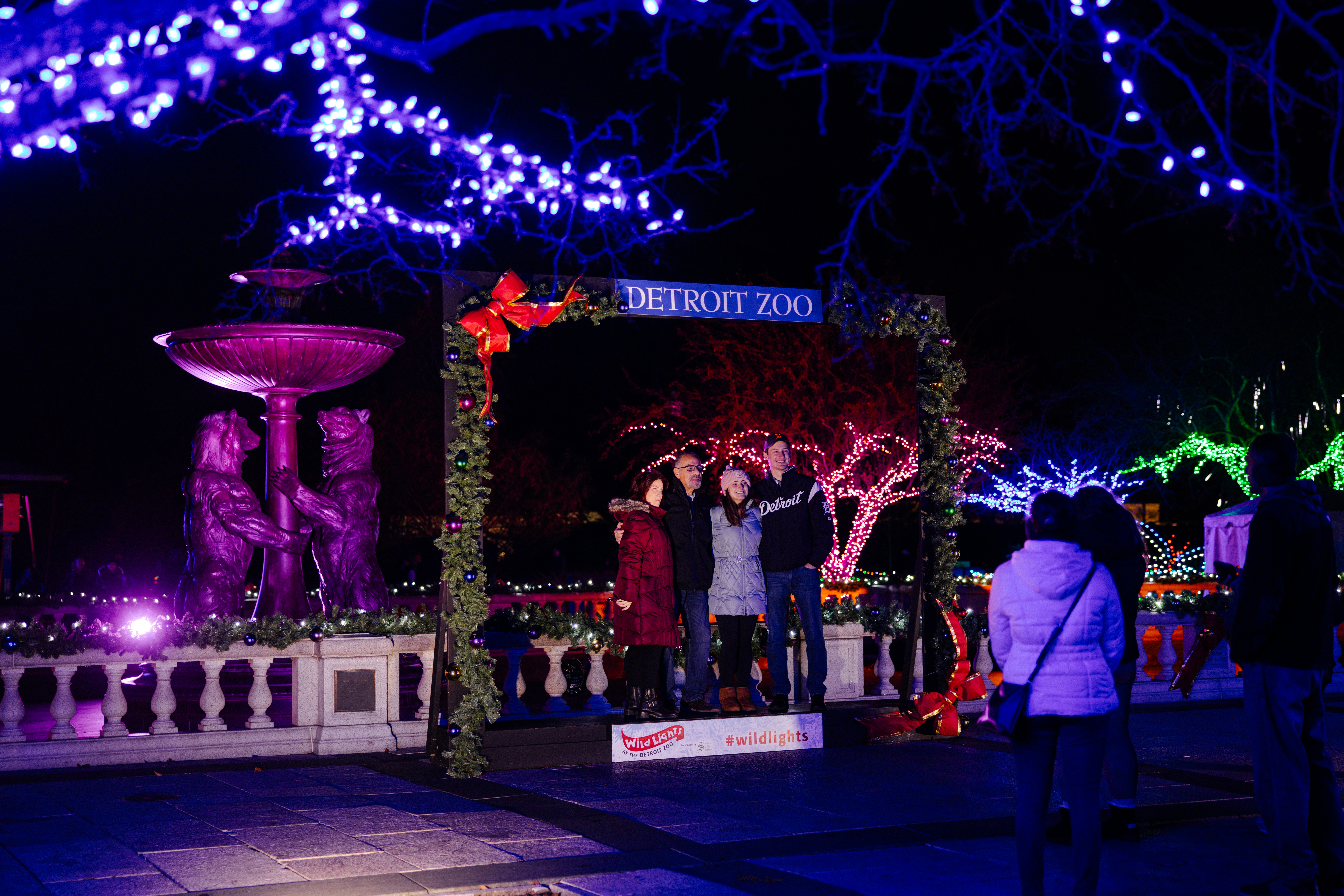
Wild Lights has been a treasured holiday tradition for more than a decade for a reason. At this incredible event, you’ll encounter enchanting animal-themed light sculptures that bring a whimsical touch to the festive season and create a magical experience for all ages. Be prepared to be mesmerized by millions of twinkling LED lights transforming the Zoo into a winter wonderland. 

Still need a reason to visit Wild Lights this year? Here are five

Spectacular Light Displays: Marvel at millions of twinkling lights illuminating nearly 500 unique displays, creating a stunning and immersive spectacle for visitors of all ages. 

Toyland and Wishing Tree: Dive into a joyful wonderland filled with life-sized toy sculptures, including a 40-foot-long train, perfect for festive photos. Don’t forget to make a holiday wish at the wishing tree! 

Holiday Entertainment: Enjoy live entertainment in the Wild Lights Lodge. Listen to festive music that will have you tapping your feet and getting into the holiday spirit. 

Seasonal Treats and Beverages: Indulge in delicious seasonal treats and warm beverages as you explore, keeping you fueled and cozy during your magical winter adventure.  

Dancing Lights Spectacle: Enjoy the mesmerizing synchronized light shows, where vibrant displays dance to cheery holiday tunes. It’s a visual feast that will leave you in awe. 

We hope that was enough to convince you to bundle up and join us for a wild and wonderful holiday experience at the Detroit Zoo’s Wild LightsPurchase your tickets here. 

While you’re here, don’t forget to bring a pair of new gloves or mittens to donate to Mittens for Detroit this year.  

Wild Lights is also sponsored by Burns & Wilcox, Kroger, Michigan First Credit Union, Suburban Subaru of Troy, KeyBank, DTE, Buddy’s Pizza, Doetsch Environmental Services, Lincoln of Troy, Michigan Panthers, IBEW Local 58, Genisys Credit Union, Gray’s Outdoor Services, Hagopian, National Flag Football and Aqua Tots. 

Celebrating the Panamanian Golden Frog

By Mark Vassallo, curator of amphibians for The Detroit Zoological Society.

The Panamanian golden frog — or “La Rana Dorada” as it is known in Panama — is an iconic and potentially extinct amphibian from the elevations of the Central portion of the country. The golden frog, known for its bright yellow coloration and association with luck and fortune, has captured the hearts and spirit of the native Panamanian culture. On the upper reaches of “La India Dormida” or “Sleeping Indian” mountain in El Valle, Panama, there is a petroglyph that depicts a frog. This image has been estimated as originating before the 1400s and could represent one of the earliest tributes to one of the region’s most important animals.

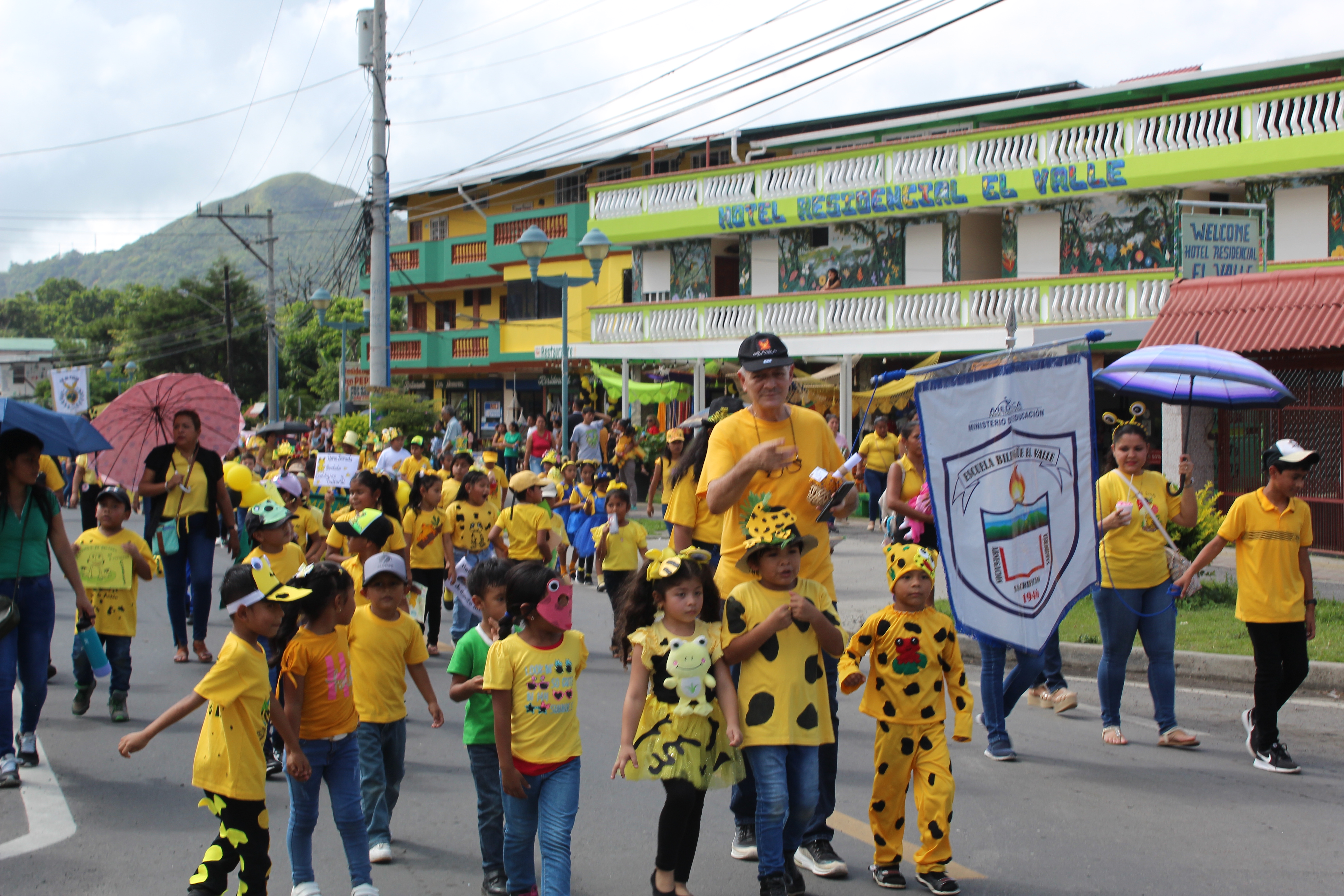
El Valle, Panama is a gorgeous town nestled in the crater of an extinct mega volcano that has been dormant for more than 300,000 years. This fertile valley is home to a unique variety of plants and animals and is the former home of La Rana Dorada. El Valle is also the site for the annual Golden Frog Festival, which takes place in August. This event celebrates the golden frog with parades, concerts, educational displays and public offerings of support for this endangered amphibian. This year, I was fortunate enough to witness the events of this extraordinary week of festivities firsthand and was blown away by the pride and respect the Panamanian culture places on the golden frog and conserving the legacy tied to their heritage. 

Since 2015, I have represented the Detroit Zoo while traveling to Panama to assist the El Valle Amphibian Conservation Center Foundation (EVACC) in the establishment and upkeep of a bio-secure population of Panamanian golden frogs on the grounds of Hotel Campestre. This unique facility houses and breeds the golden frog and other threatened and endangered amphibians from Central Panama. The EVACC is a nonprofit organization run by Edgardo Griffith and Heidi Ross, a husband-and-wife team of biologists who have dedicated their lives to preserving the golden frog and the biodiversity of Panama. The EVACC foundation helps organize The Golden Frog Festival.

One of the first days of the event is a parade where all the local school children dress up like the golden frog — their attire is usually yellow with black spots mimicking the tell-tale markings of this cherished animal. As the procession starts, marching bands play, and the whole town comes to see the event. 

As the week progresses, the events include an evening of friendly competition between the various marching band troops from the area. In Panama, these marching bands are not your typical high school variety band. They incorporate stylish moves as they seamlessly mesh several varieties of music into the eye-catching display that brings sound and energy into the night. They wear special uniforms specific to their troop and continuously try to outdo one another with more incredible stunts and inspiring music as they proceed down the parade route to the church of San Jose. Here, the parade comes to an end.

Throughout the week, all people — from Panamanians to Dutch tourists — are allowed to pledge their support publicly through the signing of a mural that announces each person’s intent to preserve the golden frog — and, subsequently, the heritage of the Panamanian people who have inhabited this valley for thousands of years.

It is difficult not to be moved by such a display of national respect and acknowledgment for an amphibian. Coming from a background of zoo and aquarium science, I have seen how multitudes of charismatic megafauna have been widely celebrated and invested in, usually leaving the “little guys” like frogs to fend for themselves in a landscape dominated by “flagship” species like the panda bear or the blue whale. Amphibians are experiencing a crisis that is incomparable to any other taxa. Almost half of the Earth’s amphibian biodiversity is at risk or extinct. In the golden frog, there seems to be some hope for a representative that has comparable significance and also the potential to elevate the plight of amphibians into the public light.

The Panamanian culture has continued to hold the torch for this species, purely as a gesture of respect to the fantastic biodiversity that calls this country home. In celebrating La Rana Dorada, they also celebrate resiliency of a country that has chosen a frog as its champion, a golden frog. As one of the primary slogans of the EVACC foundation says, “salva lo que amas” or “save what you love.”