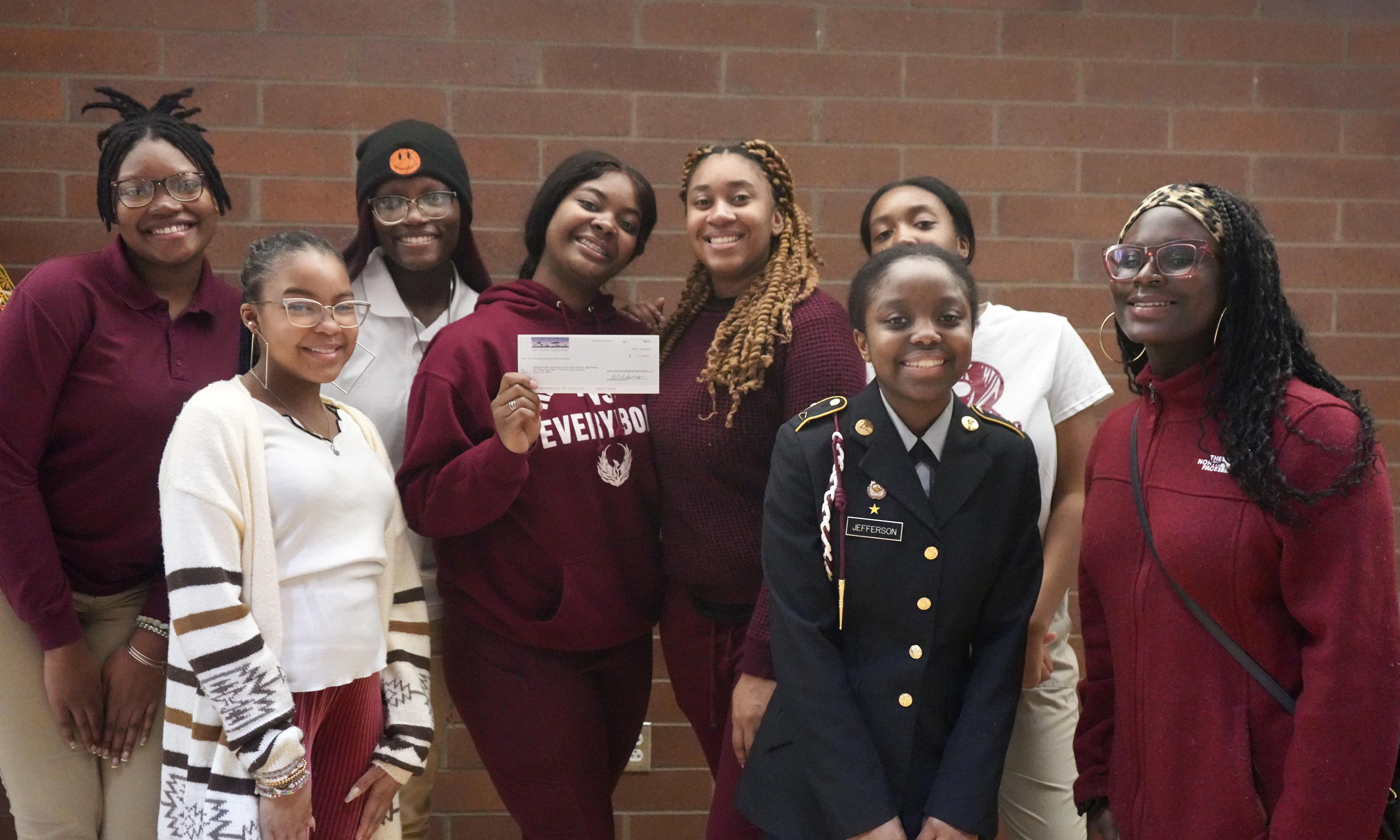
2022 GreenPrize Award Winning School: Renaissance High School
If you’ve ever dreamt of making your school, your community and the world a greener, more eco-friendly place, we have the program for you! The Detroit Zoological Society (DZS) is celebrating students who are on a mission to make a positive environmental impact with our GreenPrize initiative.
What is GreenPrize?
The GreenPrize Award Program is all about sustainability, student-led green initiatives and the power of Green Teams. These Green Teams are like eco-superheroes – school clubs dedicated to promoting environmental sustainability. They’re on a mission to create lasting change, both within their schools and out in the community.
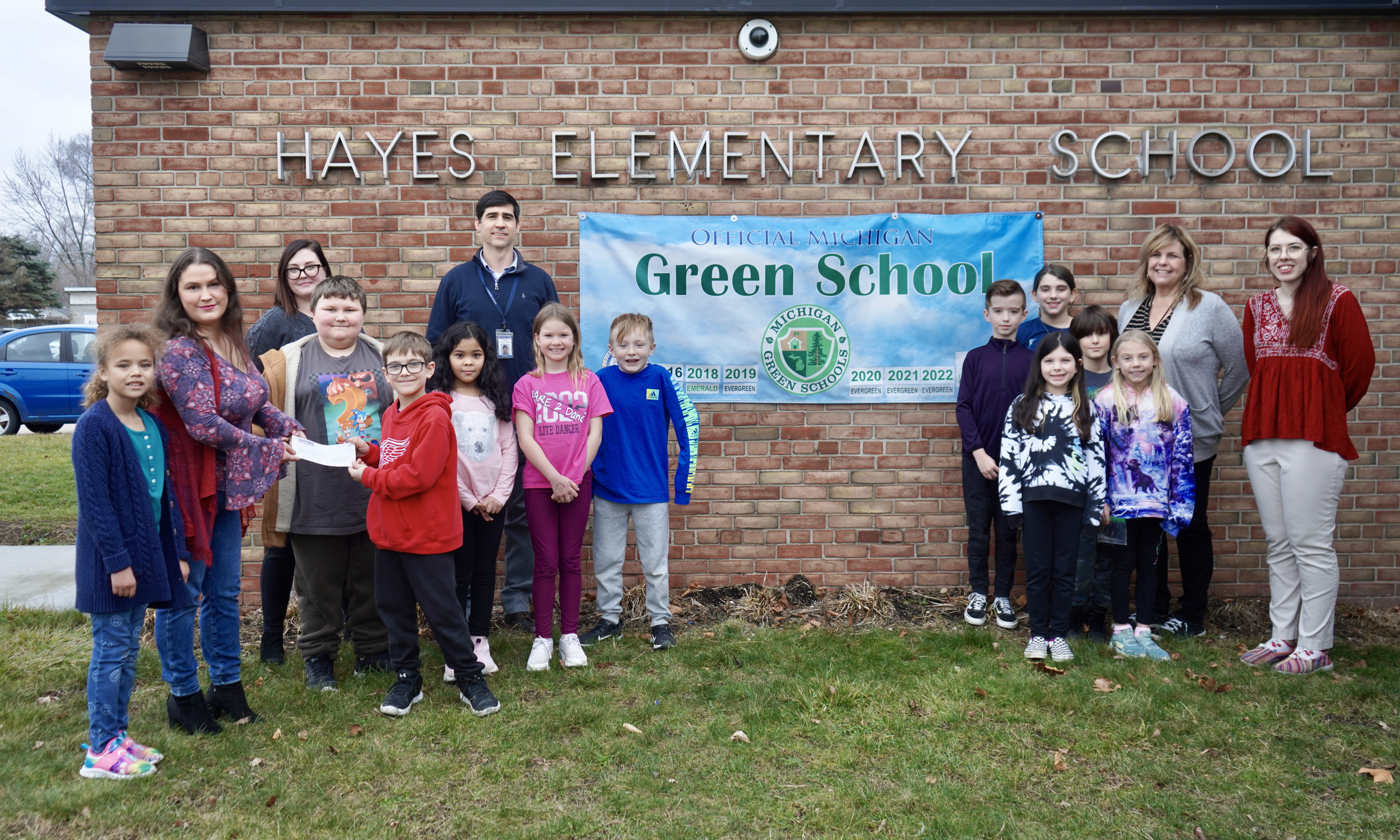
2022 GreenPrize Award Winning School: Hayes Elementary
How does it work?
In a nutshell, GreenPrize participants roll up their sleeves and put their eco-passion into action. They develop and implement sustainable projects in their schools or communities that have the potential to make a lasting impact. This isn’t just about talk — it’s about tangible, positive change for our planet.
2022 GreenPrize Award Winning School: Sacred Heart Catholic School
A Glimpse Back: GreenPrize 2022
In 2022, the DZS awarded a grand total of $4,500 to Green Teams in participating schools across Macomb, Oakland, and Wayne counties. Among those awarded were Belleville High School, Hillel Day School, The Montessori School Rochester, Hayes Elementary School, Sacred Heart Catholic School and Renaissance High School. Their sustainable efforts made a real change — and yours can too.
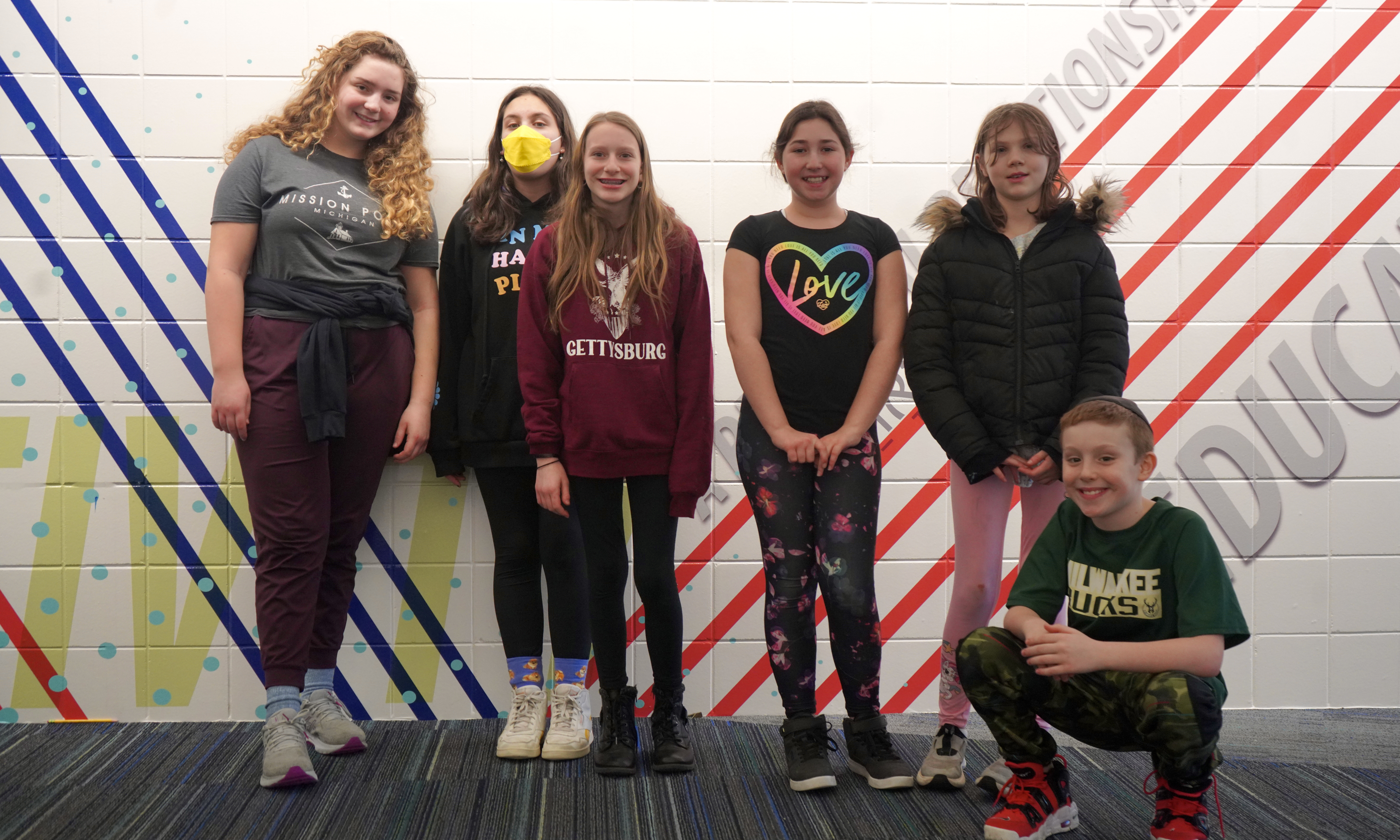
2022 GreenPrize Award Winning School: Hillel Day School
Join the GreenPrize Movement
Now, the spotlight is on you! Don’t miss your chance to be part of the next round of GreenPrize. The 2023-2024 GreenPrize program is officially open for applications, and your school could be the next champion for the environment.
Visit detroitzoo.org/greenprize to learn more about the program, how to apply and how you can kickstart your journey as an eco-champion. It’s time to make a difference, inspire change and show the world what the next generation of environmentalists is made of!
Join the GreenPrize movement and help us paint the world green, one sustainable project at a time!
2022 GreenPrize Award Winning School: Belleville High School2022 GreenPrize Award Winning School: The Montessori School Rochester
Leah Seldon created an educational video about wolverines during her internship for the Detroit Zoological Society.
By Leah Seldon, high school intern for The Detroit Zoological Society (DZS).
It was a Monday morning, and instead of making a right to go to school, my father kept straight on a path we hadn’t taken before. It was the first day of my Senior May Project (a program where seniors at my school do a three-week internship in place of attending classes), and I felt everything: nerves, sleepiness and excitement with no idea of what to expect on my first day. Luckily, I was met with smiling faces and people eager to assist me in finding my way. To give some context, I decided to intern for the DZS because the Detroit Zoo was always a place of fun for me. So, when I heard students in the year ahead of me interned there, I decided I would too. Before my first day, I virtually met with my supervisors to go over how my interests would fit within the education department’s needs. Together, we decided I would produce a video as an independent project. What type? That, we were unaware of.
I spent tons of time exploring and learning during my first week. Through a tour of the Zoo, I was introduced to all the animals as I walked past each of their habitats. I shadowed Learning Labs, programs where a member of the education staff teaches a group of students on a specific animal-related topic. During those times, I observed teaching methods that encouraged student engagement to enhance the learning process. It was a technique I had not seen used often. Also, I read a book and learned about humane education, which taught me the importance of teaching children to be kind to everything and everyone and to be aware of their choices. During my first education staff meeting, it was mentioned that the Zoo was working towards creating an experience for people to recognize the animals as living beings and not just as objects of beauty to admire. It was that piece of information from the meeting that I took with me when I went on to create my video. I wanted to help people connect with an animal.
Yaro and Janis caught Leah’s attention during her internship.
As part of my first project, I learned about the DZS’s conservation efforts with the creation of a script for a CARE Grant. My goal was to create a script that highlighted how a specific CARE Grant was to fund a trip that would encourage teens to get involved in the conservation of amphibians. Through my research, I was introduced to Species Survival Plans. I learned how the DZS partnered with other zoos to increase the population of certain amphibian species through breeding, releasing into the wild and research. I used my newfound knowledge to help me craft a script for the CARE Grant program. With the completion of this script draft, I was able to work more on my independent project.
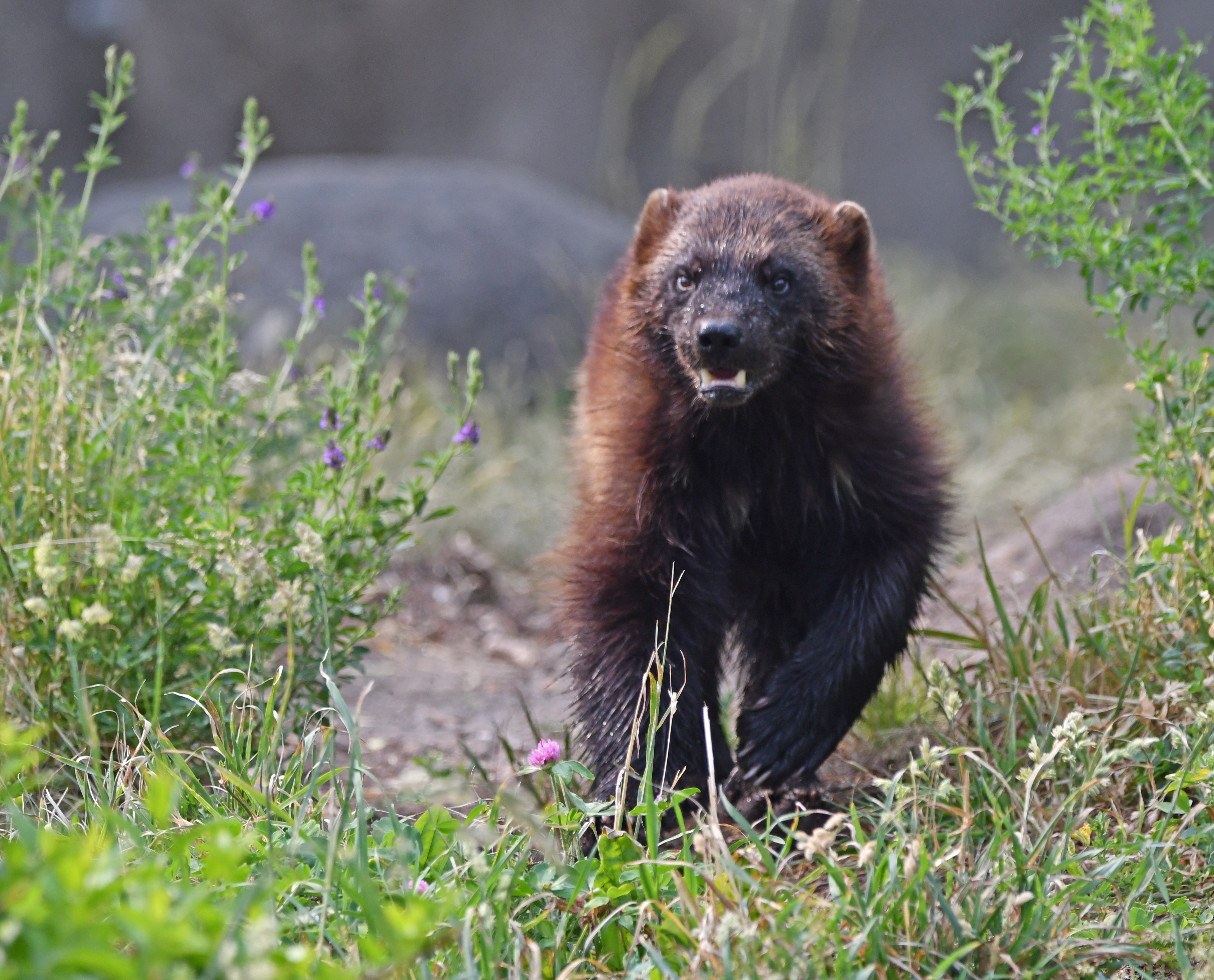
Something I can’t fully explain drew me to the wolverine habitat each day, which wolverines Yaro and Janis call home. Maybe my dog’s name Wolverine made me biased, but it was much more than that. They ran around so freely. They kept me wondering what they were going to do next. I found myself watching them, being mesmerized and going into a trance. They constantly kept my attention day after day. They became my favorite animal in the Zoo.
In the middle of my second week, it came time for me to decide on an independent project. I knew I wanted the wolverines to be the focus of the video I was to create after watching them for so long. I started brainstorming and realized that I wanted to create something directed toward children because I find it very important to educate youth. This required me to get into the mind of a child. Luckily, I was one not very long ago. I remember that my favorite way of learning was when cartoon animals taught me. They were always more fun, and they were cool to look at. Also, I felt close to them because they were characters I could relate to. Therefore, I decided to create a video that gave information about wolverines from a wolverine… plush.
The wolverines enjoy exploring their habitat at the Detroit Zoo.
After mentioning this idea to one of my supervisors, they informed me of anthropomorphism.
This term was unknown to me, but after a conversation with them, I learned the importance of it. Anthropomorphism is when human characteristics are attributed to an animal. During our conversation, we brainstormed a list of the pros and cons of anthropomorphism. There were ways of using it that would create harm and ways that would be beneficial. It was important to me that I was careful with my usage of anthropomorphism to not unintentionally misrepresent the wolverine species. After navigating this new term, I was ready to make a video focused on wolverines. I didn’t stop there, though.
When thinking of creating this video, I wanted to include the wolverines who initially captivated my attention, Yaro and Janis. I wanted the viewer to watch the video and learn more about individual wolverines. That was a lesson the education staff taught me 𑁋 to focus on the species but also highlight the individual. As I went out into the Zoo each day, I saw that happening. There were conservation plans put in place for the protection of specific species. Also, each animal was cared for, and their needs were met. Each animal had a tailored diet, enrichment items and the appropriate habitat. I could tell they were each given the attention they deserved. That prompted me to include a segment in my video that focused on Yaro and Janis to give them their spotlight.
Creating this video has been a process of love. I am truly grateful to the entire education and volunteer services teams for taking me in and teaching me. They taught me that being part of a team makes everything better. Reaching out to call on others for support is okay and at times necessary. They also showed me that it takes drive and true dedication to be involved with such important work. Before coming here, I was unaware that the DZS was involved in so much, including humane education, animal well-being and conservation. I had no idea that such a pillar in all these topics lived so close to me.
By Mary Humbyrd, coordinator of behavioral husbandry for the Detroit Zoological Society (DZS)
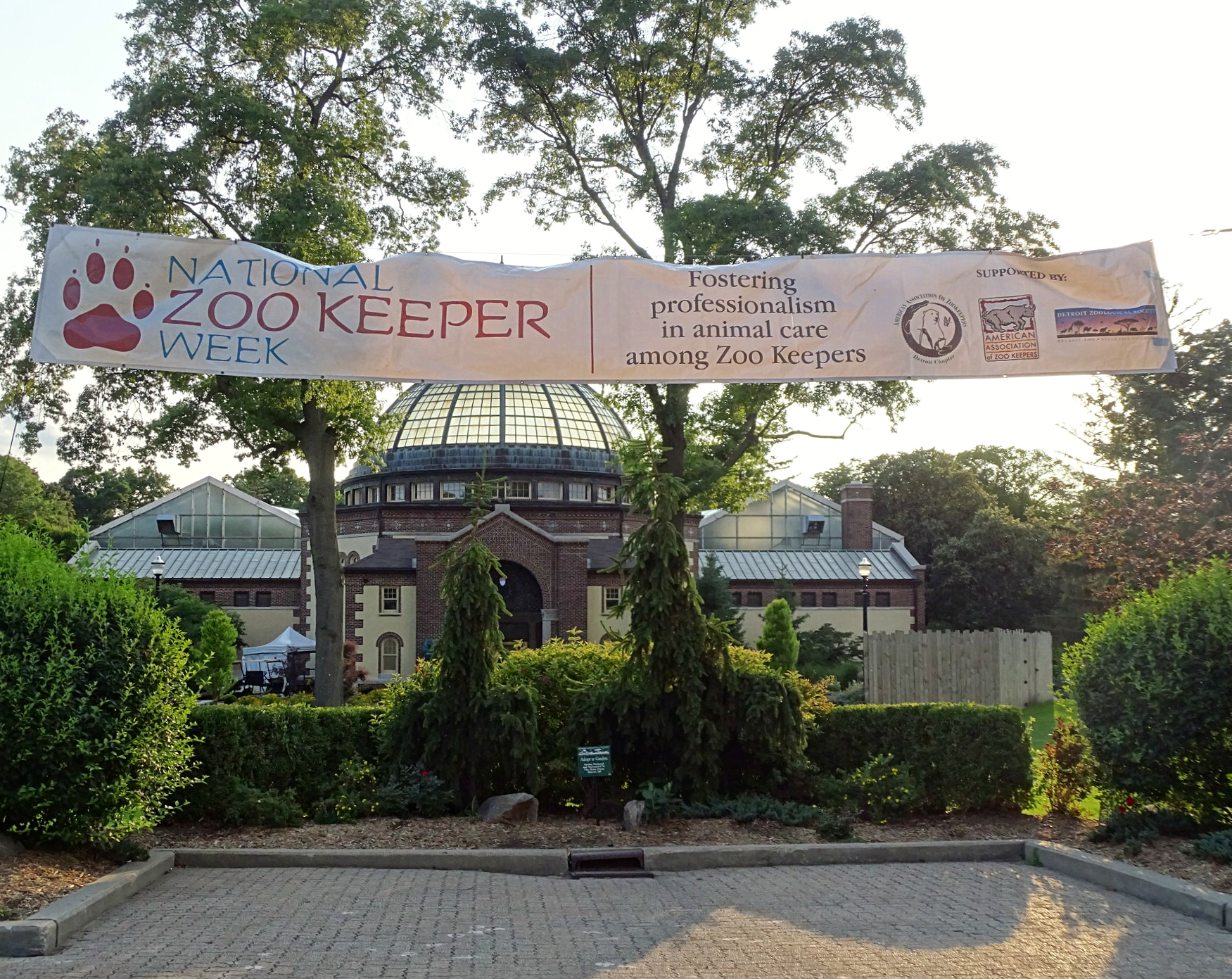
National Zoo Keeper Week starts annually on the third Sunday of July. Representative Susan A. Davis introduced House Resolution 509 on June 21, 2007. This resolution was proposed to encourage individuals on a national level to engage in programs, activities and ceremonies during National Zoo Keeper Week that encourage species conservation and public awareness of the important role of zoos in wildlife conservation.

It is an absolute honor to celebrate our DZS zookeepers. Zookeepers are a unique bunch and have many amazing talents not often seen by zoo guests. Our animal care team is creative, innovative and can build just about anything with some zip ties and duct tape. Zookeepers brave the hottest days of summer and the freezing days of winter. Animal care specialists are on a constant quest for knowledge to improve and raise the bar to provide the best care of the animals they adore. They are involved with the animals from birth to passing and build lifelong relationships. They have their heart and soul in the profession. Zookeepers are advocates, educators, scientists and enjoy sharing their passion with anyone and everyone they encounter. As no day is ever the same, zookeepers have an incredible ability to go with the flow — but with precision and accuracy. Their passion for all living things is inspiring and enlightens all of us who have the privilege of hearing their stories.
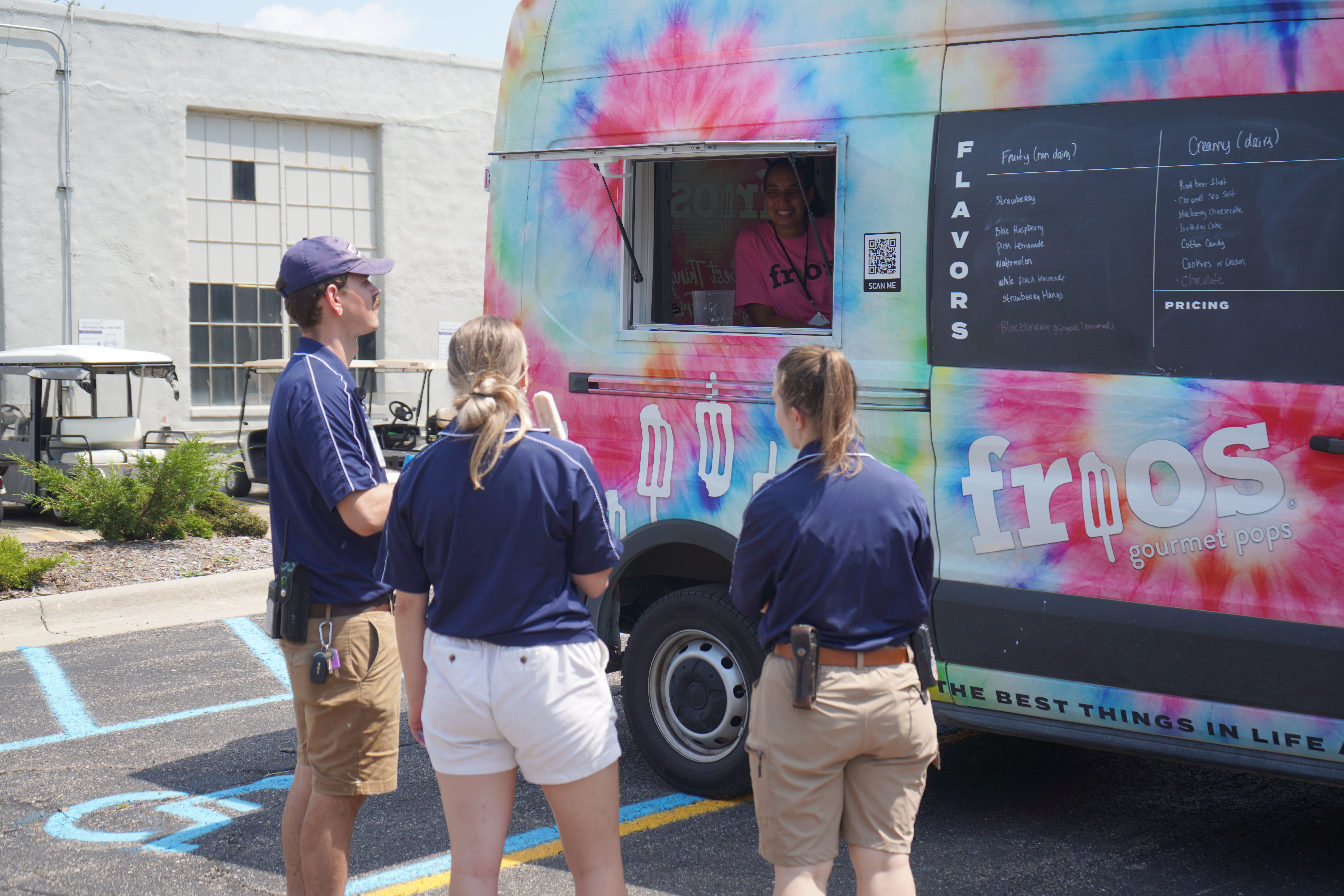
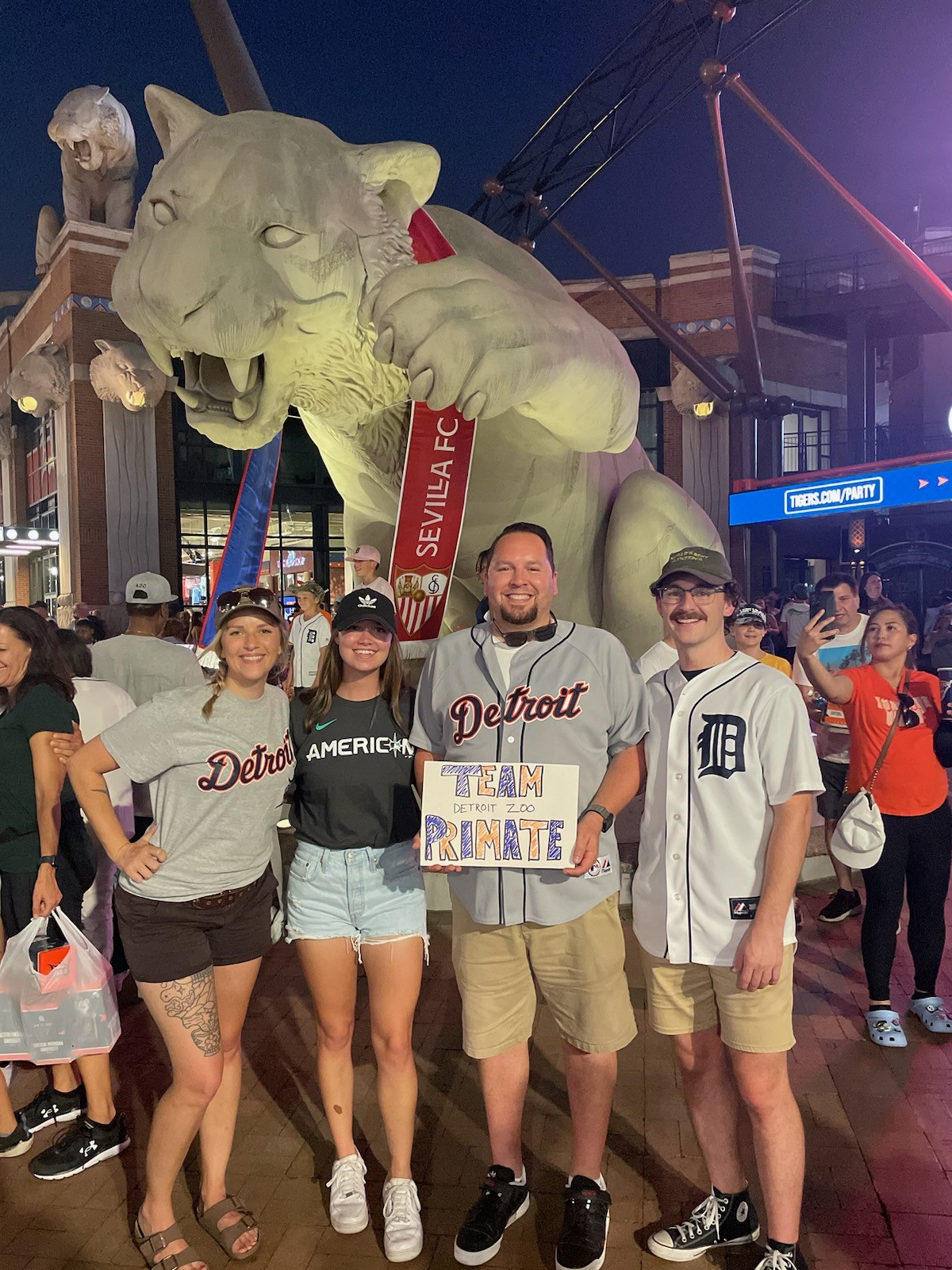
From ice cream socials and cookouts to food trucks and Tigers games, scroll through the gallery below to see how we celebrated the DZS animal care team this past National Zoo Keeper Week!
Authored by Jordan Reichenbach, animal care team member for the Detroit Zoological Society.
When a single sentence about a trip to Peru was uttered in our morning meeting on one gray December morning, I had no idea the kind of incredible things I would experience in the month following because of it. It was pitched to me as a two-week trip to the Peruvian Amazon to set up camera traps for a study looking at small mammal populations. The trip was the culmination of a relationship between the Detroit Zoo and OnePlanet, a nonprofit organization that works with the indigenous Maijuna people in Peru to protect the rainforest and its inhabitants. This was an opportunity I knew I could never pass on — it was the perfect combination of conservation research, language immersion and exceptional collaboration.
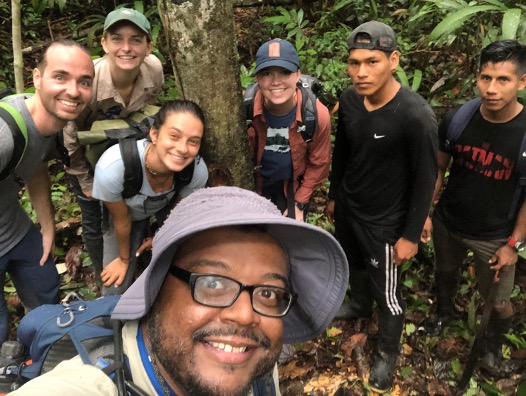
Once I knew I would be going on this trip, the last two weeks of 2022 passed in a blur full of camping supplies, travel doctor appointments and plane tickets as I prepared for our time in the Amazon. The Detroit Zoo sent me, a mammal care specialist, and Thomas Benson, a curator of education, to join a handful of other researchers from OnePlanet. Although Thomas and I had not met before, we found ourselves thrown together before we knew it as we set off on our epic journey into conservation in the heart of the Peruvian Amazon.
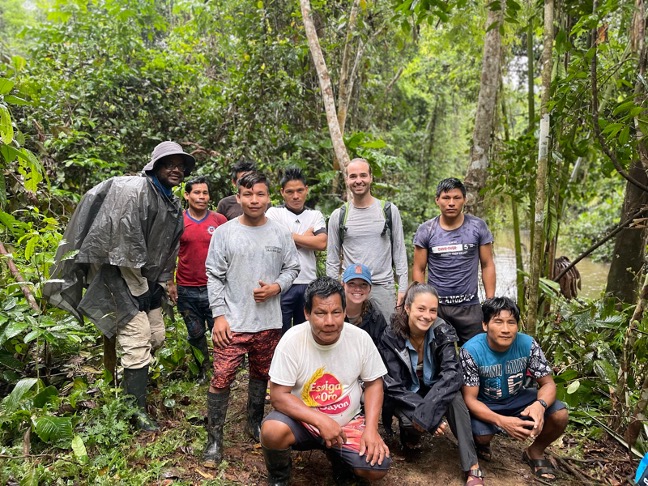
Three planes and a long boat ride later, Thomas and I were introduced to Sucusari, our home base for the next two weeks, set in northeastern Peru. Here, we were also introduced to the research we would be doing and the people we would be working with. The goal for our trip was to set up camera traps throughout this region of the Amazon to monitor game mammal populations and, ultimately, show the sustainable practices of the Maijuna. We would accomplish this goal by working with many Maijuna people who volunteered as forest guides, boat drivers, cooks and more. Our days in Sucusari started at the crack of dawn, sometimes earlier, so we could get a head start on boating to the area we would be camera trapping for the day. From there, we would walk anywhere from 3 to 9 kilometers to find the perfect spots for cameras. These “walks” occasionally turned into wades, or even swims, through flooding areas of the forest. After two weeks, we were able to help set up more than half of the cameras needed for this study. We learned so much more than just how to traverse the jungle and set up cameras, though.
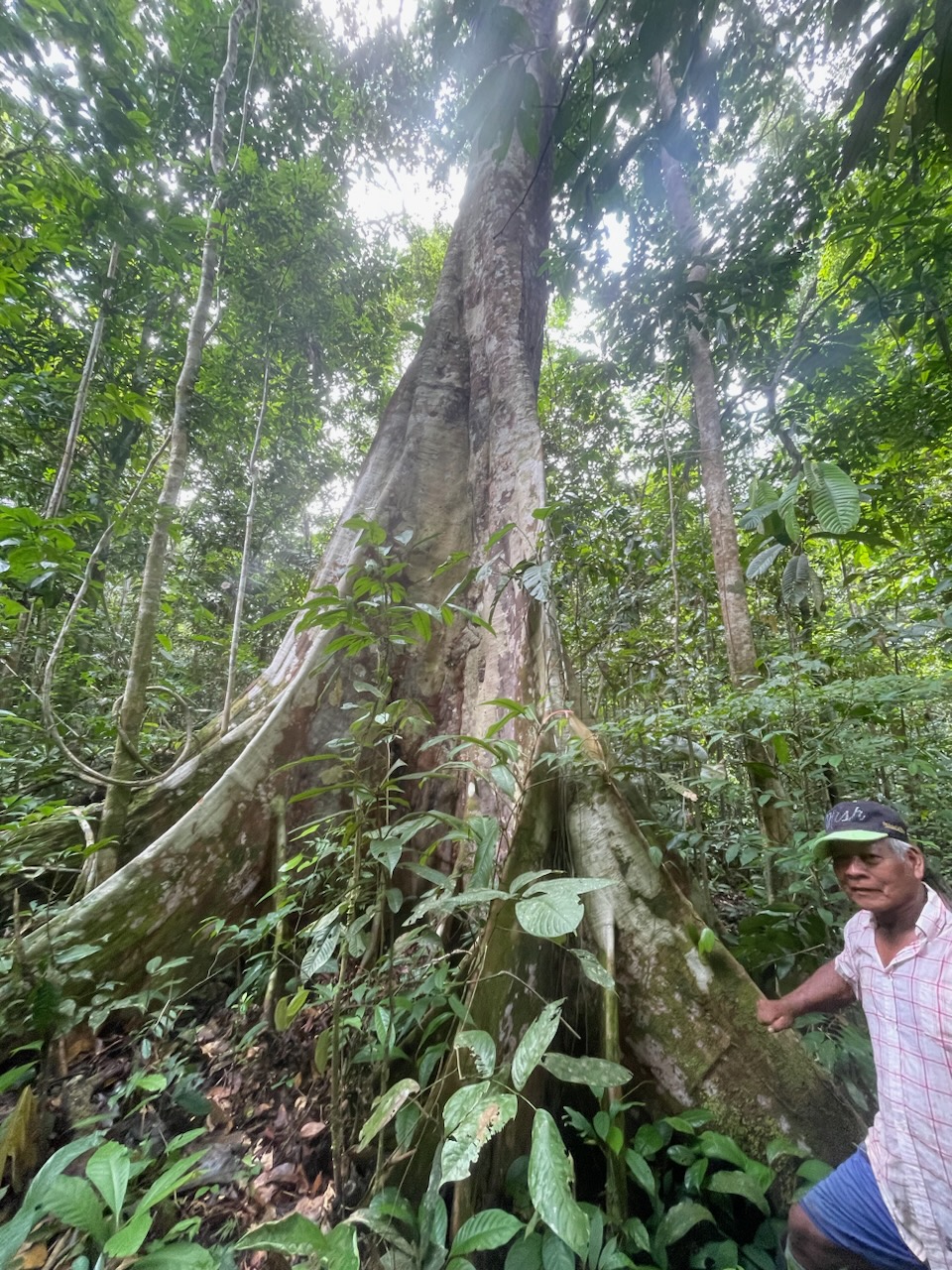
Thomas and I got the privilege of experiencing the beautiful nature of the Peruvian Amazon and learning from the incredible people who call it home. The Maijuna have lived in Sucusari for generations, which shows in their knowledge of and respect for the surrounding Amazon. When they guided us through the jungle day after day, we got to soak in a lot of this knowledge as they would tell us about the flora or fauna we would pass along the way. Nothing could match my astonishment while being able to witness how well they know this forest. We had Maijuna of all ages helping us, with the youngest being just 15 years old. Already, this boy was able to navigate through the jungle and confidently lead us to the perfect camera spots. The elders were also incredible guides because of their vast experience in the Amazon and the stories they could tell us about almost any plant we encountered. For example, we came across many samauma trees that Victorino, a well-respected elder in the community, explained were used for communication on long expeditions in the forest because the roots are hollow and are very loud when you bang on them. Many elders of the community have helped with this camera trapping study, or ones similar in the past, and some of them were even giving us helpful hints on the cameras and where to set them up for the best results.
This relationship between the OnePlanet team and the Maijuna people is built on a trust established over many years of working together and learning from one another. This relationship has benefited and will continue to benefit the Maijuna and their ancestral land. The camera trapping project we worked on will help the Maijuna community by showing people how important and valuable their specific relationship with the Amazon is. The Maijuna hunt for food security and income, but they do so in a way that does not lead to long-term biodiversity loss. The sustainable lifestyle of the Maijuna and how they use the jungle around them is a major reason why the environment thrives. By helping with this study, the Detroit Zoo is supporting the future of the Peruvian Amazon and the Maijuna community.
I also personally learned and grew a lot from my experience in Peru. Not only did I physically push my limits with our jungle treks and long days, but I also mentally tested myself in the best way by working with people who did not speak English and lived a very different life than the one I have known. One of the highlights of this trip for me was having story time with one of the elders, Don Sebastian, who told us Maijuna stories about the origins of specific plants and animals. These tales have been passed down through generations and to hear them told firsthand was moving and awe-inspiring. Another experience I’ll forever look back on is our very first day of camera trapping. On day one in the jungle, we encountered stingless bee colonies, watched squirrel monkeys and black-mantled tamarins leap through the canopy, and even got a classic rainforest shower. These are things that I dreamed about as an animal care staff member and a general biology lover. To see and feel these things with my own eyes was an incredible start to a whole breathtaking adventure.
Although not every day was easy, I’ll savor every moment I spent with the Maijuna and OnePlanet people in Sucusari. I feel so grateful to have gotten the chance to go on this journey, and I hope this inspires people to find out more about the Detroit Zoo and OnePlanet and how they are helping to conserve the Peruvian Amazon.
By Thomas Benson, education specialist for the Detroit Zoological Society.
As an educator, I am always looking for unique and meaningful ways to engage students in learning about the world around them. So when the opportunity presented itself for me and Jordan Reichenbach, an animal care staff member, to participate in a research project in the Amazon rainforest with the Maijuna indigenous group, we jumped at the chance.
The Maijuna are an indigenous group that has lived in the Sucusari region of Peru for centuries. They have a deep connection to the land, water and animals who call the Amazon home. This deep connection can be seen in their rich cultural heritage and made this trip a life-changing experience.
As part of the research project, in conjunction with OnePlanet, a nonprofit engaged in empowering indigenous communities to build a more sustainable future, and the Detroit Zoological Society, Jordan and I worked alongside the Maijuna to set up trail cameras in the jungle. These cameras capture images of the rich diversity of animals that have re-inhabited the Maijuna ancestral lands after the ejection of loggers, providing valuable data for conservation efforts.
As educators, we sometimes think we have a pulse on every movement and every cause. But truthfully, I had never heard of the type of conservation work, or at least the term used for it, that I was participating in. Biocultural conservation, as I would learn, is where, by helping the indigenous people preserve their culture and way of life, you, in turn, help preserve the ecosystem around them. The Peruvian government’s proposal and effort to construct a road through the heart of Maijuna lands after removing illegal logging undermines this principle and has ignited the passion behind the continuation of the trail camera project. This project aims to help preserve an essential way of life for the Maijuna — hunting — that a road would otherwise destroy. The Maijuna hold hunting as a vital aspect of their cultural heritage and identity. For generations, hunting has provided sustenance, strengthened social bonds and preserved their traditional knowledge. They recognize the importance of sustainable hunting practices and, in turn, employ traditional techniques and closely manage their lands, ensuring the long-term preservation of both their cultural traditions and the biodiversity of the surrounding ecosystem.
In many other countries across the globe, governments are debating the delicate balance between development and environmental preservation. This same issue has pitted the Peruvian government against its indigenous people and conservationists from around the world. Environmental activists, scientists and indigenous groups have joined forces, using the data collected from projects like this one to advocate for sustainable alternatives that prioritize the protection of the Amazon’s fragile ecosystem. They emphasize the need for comprehensive environmental impact assessments, consideration of indigenous rights and investments in alternative modes of transportation and infrastructure that minimize ecological harm.
The Amazon rainforest, home to countless plant and animal species found nowhere else on Earth, plays a crucial role in maintaining global climate stability and supporting indigenous communities. Opposition to the road stems from a deep concern about the potentially irreversible damage it could inflict on one of the world’s most biodiverse and ecologically significant regions.
The Peruvian government faces the difficult task of evaluating the potential benefits against the potential consequences while considering the long-term impacts on biodiversity, climate change, and the rights of indigenous communities. The outcome of this ongoing debate will either serve as an example of preservation or as a global reminder of the pressing need to protect and preserve our planet’s invaluable natural ecosystems.
Participating in research in the jungle was a challenging but rewarding experience. The heat and humidity were intense, and there were many bugs and other animals to contend with. However, the Maijuna’s kind and welcoming spirit outweighed any of the negatives. Their willingness to teach us so many aspects of their way of life and the importance of preserving their culture was truly inspiring. Victorino Rios Torres was one of those teachers — his knowledge of the plants and animals of the forest and how his people use them for things from medicine to building houses to spiritual lore were awe-inspiring.
One of the trip’s most memorable moments was when one of the elders and founders of Sucusari, Sebastian “Shebaco” Rios Ochoa, joined us for dinner. During the festivities, he invited all to sit and listen as he recounted the stories of his people. One such story was the origin of the giant river otters who call the Amazon River their home. According to the story,
“One day, a group of people noticed an agua jaula full of fish. They had no idea how the fish got there, and the fish could not escape. So they put some tree sap into the water to kill the fish. All the fish floated to the surface, allowing the group to catch all the fish. But one guy did not think taking the fish was a good idea. He noticed this large tree beginning to shake, along with macaws and other animals calling down to the water as the people gathered the fish. Eventually, the people gathered all the fish and took them back to their homes, where they began preparing them to eat. The one guy, who thought something was wrong, had saved one small fish for himself but forgot to grab it, so he returned to the agua jaula. When he arrived, he was horrified by what he saw; evil spirits were starting to descend out of the tree, so before they saw him, he decided to run back to his people to warn them. But they had already eaten the fish gathered from the agua jaula under this now terrifying tree and had fallen into a deep sleep. He tried everything to wake them, but he could not. As he was trying to wake his people, the evil spirits arrived, dragging their huge claws on the ground behind them. They noticed that the people that ate the fish had nice eyes, so they caused everyone who was asleep to go blind. The one who had tried to save his people hid in the roof of one of the houses. The evil spirits noticed that one person was missing, so they looked all around to find the hidden man. They could not find him, so they left; as they were walking away, the hidden man overhead one of them say, ‘The only way to harm us is to burn the tree by the agua jaula; the smoke will send us away.’ Eventually, all his people awoke to find out they could no longer see. They asked the man why they were blind, and he was not, but he replied, ‘I am blind like you, feel.’ Using a hollowed nut, the others began to feel the void and concluded that he was missing his eyes too. The man then rallied his people in order to beat the evil spirits that had taken their eyes. He gathered what he needed, guided his people back to the agua jaula, and burned the tree that the evil spirits lived in. All types of evil spirits fell out of the tree, men, women, children, old and young. But to the dismay of the blind group sitting on the burnt log of the tree, the evil spirits threw small nuts at their eyes, giving them back their eyesight, but in return, turning them all into giant river otters.”
It was a moment of true cultural exchange, and it was an honor to learn from such a wise and knowledgeable person.
As an educator, I believe experiences like this are crucial for helping all students understand and appreciate different cultures and ways of life. By immersing myself in the Amazon Rainforest and working alongside the Maijuna, I gained a deeper understanding of them as individual people and the challenges they face in preserving their way of life. From our neighbors next door to our tambo, Jairo (Hi-ro) and Marina, to Lenora, who cooked amazing meals (many others also made amazing food for us, including the leader of Sucusari Everest Ríos Vaca) to our forest guides and new friends Jeysen (Hay-sen) and Roller (Roy-yer), The journey through the Amazon felt like a family road trip. The road was the Sucusari River and the roadside attractions were the forest’s rich biodiversity greeting us at every bend.
I hope that by sharing my experiences with students and my community, I can inspire others to think critically about the world around them and to value the diverse cultures and traditions that make our world such a rich and fascinating place.
Authored by Cameron Kniffen, Curator of Education for the Detroit Zoologocial Society.
The Arctic is a delicate and intricate ecosystem that supports many species, such as polar bears and seals, who depend on the annual ice cover for hunting and resting. Additionally, the ice cover helps to reflect heat energy from the sun, which is crucial in preventing the oceans from warming too quickly.
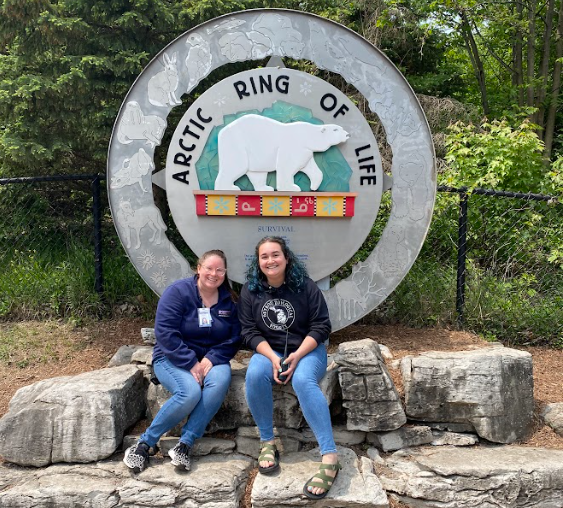
I, Cameron Kniffen (curator of education), and Bethany Wilson (education specialist) are embarking on a summit to Manitoba, Canada, in October as part of the PBI Climate Alliance Program. Our aim is to gain a deeper understanding of the impact of climate change on the Arctic ecosystems and polar bear populations on the Hudson Bay. This opportunity is possible through a strong partnership with Polar Bears International (PBI) and the National Network for Ocean and Climate Change Interpretation (NNOCCI). By observing the effects of climate change on arctic sea ice and polar bear populations at Hudson Bay, our team will bring home first-hand experiences from time spent with local knowledge holders, scientists, and experts that will contribute to further engagement in this critical field.
Cam Kniffen and Bethany Wilson.
The Arctic ecosystem is a complex and interconnected web of life, with sea ice playing a critical role as the foundation of the food chain. It is often said that sea ice is to the Arctic ecosystem as the soil is to the forest. Channels formed in the sea ice by the expulsion of salt from the freezing process create a habitat for algae, the base of the food chain in Arctic waters. Tiny organisms, like zooplankton, feed on the algae and other larger species, like Arctic cod, feed on them. Seals, in turn, feed on Arctic cod, and polar bears prey on seals. Polar bears rely on sea ice to catch their primary prey, seals, as they can out-swim polar bears underwater, but bears have the advantage on top of the ice, using it to stalk their next meal.
In addition to the crucial role that sea ice plays in the Arctic food chain, it is also vital for transportation and access to food for people living in the North. Sea ice has a global impact, acting like a global air conditioner, reflecting the sun’s light and heat back into space and helping to cool the planet. As Arctic sea ice declines in extent and thickness due to human-caused climate warming, the planet absorbs more heat, which can disrupt the climate system, leading to more frequent and extreme weather events around the world.
Today, there is thinner seasonal ice in some parts of the Arctic instead of the thicker, multi-year ice that used to be more common. This young ice is much more vulnerable to rapid melting and moves more easily, resulting in a treadmill-like effect for polar bears trying to find their next meal or mate. The last 15 years have had the lowest 15 sea ice extents in the satellite record, and the amount of old, thick sea ice is the lowest it has ever been. Studies show that Arctic open-water periods are projected to lengthen dramatically by 2,100 without action to reduce heat-trapping emissions. Longer open-water periods would greatly reduce the polar bear’s ability to hunt during these months, impact ice seal abundance and affect people and wildlife around the world.
Despite the threats, it’s not too late to save Arctic sea ice. Studies show there is no tipping point, and the ice will rebound if we work together now to shift away from fossil fuels, replacing them with renewable energy sources like solar and wind. Not only will this help reduce the carbon emissions that are causing the planet to warm and the sea ice to melt, but it will also create jobs, strengthen the economy and improve the overall environment and our health. We all have a role to play in safeguarding the future of Arctic sea ice, and there are many ways to get involved, from reducing head-trapping gasses in our atmosphere to advocating for policies that support renewable energy. By working together, we can protect the Arctic ecosystem and the countless species that depend on it, including ourselves. There are some easy ways to introduce yourself to the fight against climate change:
• Support climate-conscious policies and legislation: Speak up for Arctic sea ice. Urge officials to support renewable energy-cut emissions, and protect the ecosystem. Write, call, and attend meetings to make your voice heard.
• Raise awareness and spread the word! Spreading awareness about the significance of Arctic sea ice can contribute to preserving the Earth’s climate. Share reliable information and news with others through social media and conversations to encourage collective action.
• Adopt sustainable lifestyle choices: Switching to a plant-based diet or cutting back on meat reduces our environmental impact. The livestock industry contributes to greenhouse gas emissions, but sustainable dietary choices can help stabilize Arctic sea ice.
As part of Polar Bears International’s Arctic Ambassador Center Network, the DZS is committed to protecting polar bears and their habitat. This summit is an important step towards understanding the impact of climate change on polar bears and the Arctic ecosystem, enabling the DZS to play a vital role in mitigating the effects of climate change on polar bears and their habitat.
Our expedition to Manitoba, Canada and involvement in the PBI Climate Alliance Program are critical steps toward understanding the impact of climate change on polar bears and the Arctic ecosystem. The partnership between the DZS, PBI and NNOCCI demonstrates the power of collaboration and knowledge-sharing in promoting conservation and sustainable practices. By working together, researchers, educators and community members can pool their resources and expertise to develop innovative solutions that will enable us all to safeguard the future of our planet.
Together, we can ensure the continued health and well-being of oceanic ecosystems and the species that rely on them, including polar bears.
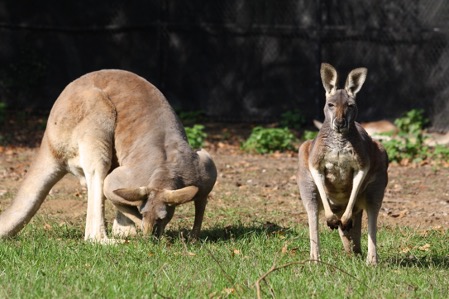
Isa (right) is certainly aware of guests – but how do they make her feel?
Authored by Julia King, external researcher from Hunter College.
The Detroit Zoo’s Australian Outback Adventure is a favorite among Zoo guests for good reason – you can follow a designated path through the habitat and view 11 red kangaroos and two red-necked wallabies without any barriers! Although the opportunity to cross paths and appreciate these marvelous marsupials up close is an exciting draw for Zoo guests, it begs the question: how do the kangaroos feel about having people in their home?
My name is Julia King, I am a graduate student in Hunter College’s Animal Behavior and Conservation program, and I set out to answer this question in an investigation of kangaroo well-being.
Animal well-being refers to the overall quality of an animal’s physical, mental and emotional health. Well-being can range on a continuum from great to poor and can vary over time and across individuals. Just as no two people are the same, no two animals are the same, and therefore do not have the same well-being. Two individual animals of the same species housed in the same environment may respond to the same stimuli in different ways – one kangaroo may be intrigued by a foreign object in their habitat, while another may be fearful of the same object. Because of this, well-being is best assessed at an individual level.
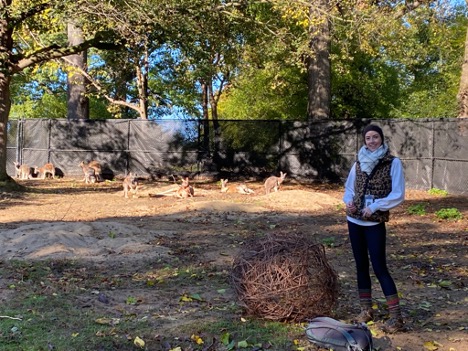
Julia King places a foraging ball in the kangaroos’ favorite spot.
The Detroit Zoological Society (DZS) strives to ensure all its resident animals have great well-being and are thriving. The unique design of walk-though habitats begs the question: how does the presence of people in the habitat affect the kangaroos? Wild kangaroos may perceive humans as threats and respond fearfully, so it is possible that captive kangaroos may feel similarly. Studies on zoo-living kangaroos, both at the Detroit Zoo and elsewhere, have looked at kangaroo behavior, levels of hormones related to the stress response and habitat use in response to visitor presence. These studies have shown that kangaroos may restrict their spatial use (i.e., use less of their habitat) with higher numbers of visitors in their habitat. However, there are no direct links to suggest visitors are a source of stress for inhabitants of walk-through marsupial habitats.
With the help of DZS animal welfare and mammal staff, I designed a scientific study to see whether the presence of guests inside the kangaroo habitat would have an impact on the kangaroos’ emotional well-being. The idea is simple: give them treats and make them work for it! Like people, animals may be willing to work harder for a reward when they are in a positive headspace and less so when they’re experiencing negative emotions. The kangaroos were offered yummy treats (wheat grass and willow clippings) in feeders with varying levels of difficulty, and the interactions with these treats were analyzed with respect to visitor number. If the kangaroos experience negative emotions when more guests are present, they should be less willing to work for food. Therefore, I predicted that the kangaroos would not work as hard for treats when there were more people present in their habitat.
To make the treats more difficult to access, I used location and a foraging ball challenge feeder. Going to an unusual or avoided area or manipulating a foraging ball to get treats requires more work than eating treats directly off the ground in your favorite place – it’s harder to get ice cream from a shop than from your freezer, and harder still when you must pull it out of a box and unwrap it. Treats were placed out in the kangaroos’ favorite spot, either directly on the ground or hidden within the foraging ball. Treats were also placed in a location in the habitat that kangaroos used less frequently, again either directly on the ground or within the foraging ball.
Many kangaroos seemed to enjoy engaging with and obtaining treats from the foraging ball.
What happened? As you might expect, the kangaroos were much more likely to eat the treats placed in their favorite spot, while they rarely ventured to the less favored area. There were also no observed effects of visitor presence, meaning, the number of people in the habitat did not influence when and where the kangaroos were willing to get the treats. This may be because at the time of the study, which took place November to December 2021, there were very few guests present in general. Or it may be because many of the kangaroos were born and raised at the Detroit Zoo, and they are used to seeing people on the guest pathway in their enclosure.
An unexpected result from this study was that the kangaroos were far more likely to eat the treats when they were hidden inside the foraging ball than presented freely on the ground. This may seem counterintuitive at first – why would you prefer to unbox and unwrap ice cream when you can just eat it right out of the carton? But it turns out that many captive animals may prefer to work for food even if they don’t have to. This well-documented phenomenon is called contra-freeloading, and it is the basis for many foraging enrichment designs. Environmental enrichment is just that—something that benefits a captive animals’ daily life, usually by eliciting natural behaviors. Food is never free in the wild. By providing an additional challenge like a foraging ball, eating becomes much more interactive and mimics some of the challenges associated with foraging in the wild. Working for food provides mental stimulation and a sense of accomplishment, promoting positive well-being in captive animals.
This study brings some good news to the Detroit Zoo, the kangaroos and all the people who love to visit them. First, the kangaroos do not show any negative responses to the people in their habitat, confirming the results of an earlier study at the Detroit Zoo. Second, we may have inadvertently found a fun and easy way to add some enjoyment and fulfillment to these kangaroos’ lives!
Authored by Erica Graber, snail care specialist at the Detroit Zoological Society.
On April 15, 2,413 total partula nodosa snails were released into Papahue Valley, Tahiti, making this the largest wild release that has ever happened for this species. Partula nodosa, also known as Polynesian tree snails, are considered extinct in the wild by the International Union for Conservation of Nature —making this record-breaking release extremely important.
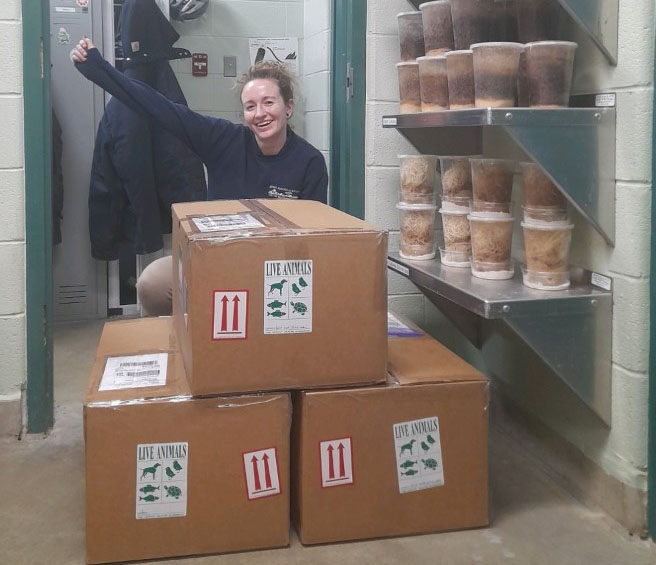
Of the 2,413 partula nodosa released, 1,449 were from our collection at the Detroit Zoo! In November 2022, we sent 1,500 snails to the St. Louis Zoo in preparation for this release. From there, we shipped the snails to Tahiti in early April. Once they arrived in Tahiti, they were all marked with UV reflective paint, making them more visible on the trees and easier to track during post-release checks — even in the dark. They were placed in slow-release containers so they could leave and head up to the tree canopies at their own pace.
The Detroit Zoo released 1,500 snails to restore populations abroad.
Multiple partula snail species were driven to near extinction after African giant land snails were introduced to the islands as a food source for the people living there. Unfortunately, the African giant land snails escaped and thrived in the island habitat, causing them to quickly become invasive and destroy the vegetation, wreaking havoc on the island’s fragile ecosystem. Predatory rosy wolf snails were introduced as biological control, which backfired when they only went after native snail species, including partula snails. Partula snails are vital to maintaining tropical forest health as they eat decaying plant matter and fungi and recycle those nutrients into the soil. They are also an important part of Polynesian culture, as their shells were used in ceremonial jewelry and the decorations of the indigenous islanders. Losing this species is devastating both to the balance of the forest ecosystem and the history of the people living there.
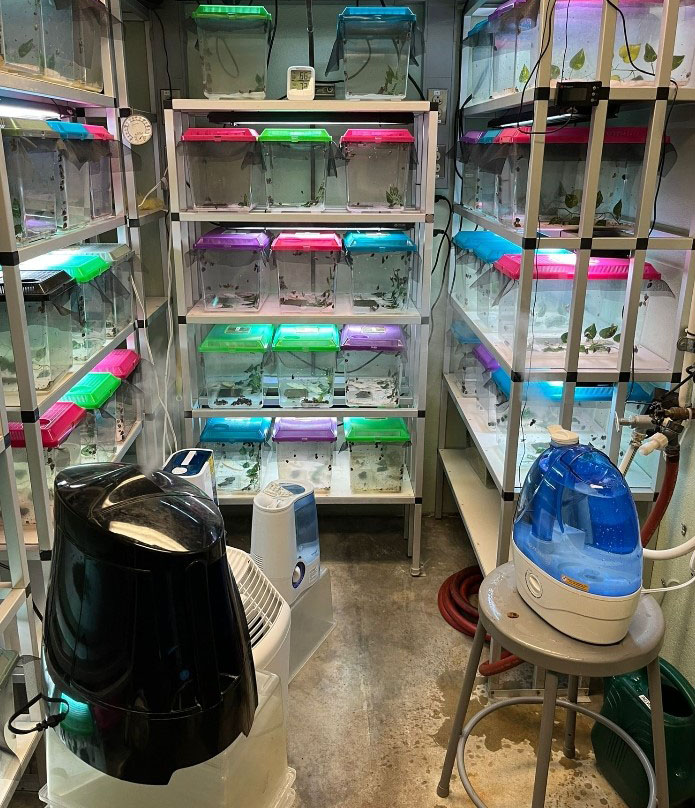
At the Detroit Zoo, we have a room dedicated to our snails. As of May 23, we have 41 Kritter Keepers housing 3,595 snails. Each tank has paper towel as substrate, a feed tray, a cuttlebone and a fake plant to hide and climb on. The food is a mixture of organic nettle powder, ground organic oats, ground trout chow, a powdered calcium supplement and Teklad snail stress powder. When ready to use, we mix it with water to create a paste that we spread across the feed tray for the snails to easily eat. We keep the humidity in the room between 60 and 80 percent, and the temperature is consistently at 68 to 72 degrees Fahrenheit. To keep the humidity up, which can be challenging in the dry winter months, up to five humidifiers run at once. We also mist the tanks daily to keep the paper towel moist.
The snail room at the Detroit Zoo keeps the animals in optimal conditions.
As this species is extinct in the wild, we must track how many snails are in our captive population. Every month, I count all the snails and separate them based on size — newborn, juvenile, sub-adult and adult. Newborns are tiny, less than 3 millimeters. Juveniles are between 3 and 7 millimeters. Sub-adults and adults are similar in size, more than 8 millimeters, but the adults are most distinguishable by the thick white “lip” around the shell opening.
As a result of all these conditions being just right, Detroit Zoo team has been able to consistently breed this rare snail and contribute to the reintroduction process. The recent release of 1,500 snails was record-breaking for our facility — our previous record was 100 snails in May 2015.
Our captive population is still flourishing and growing. There is talk of doing releases more frequently — as soon as September! With the commitment of Detroit, St. Louis, Akron, Woodland Park, Disney’s Animal Kingdom and all the other facilities working together to protect this species, the future is looking big and bright for these little snails.
Erica Graber helps organize this project at the Detroit Zoo.
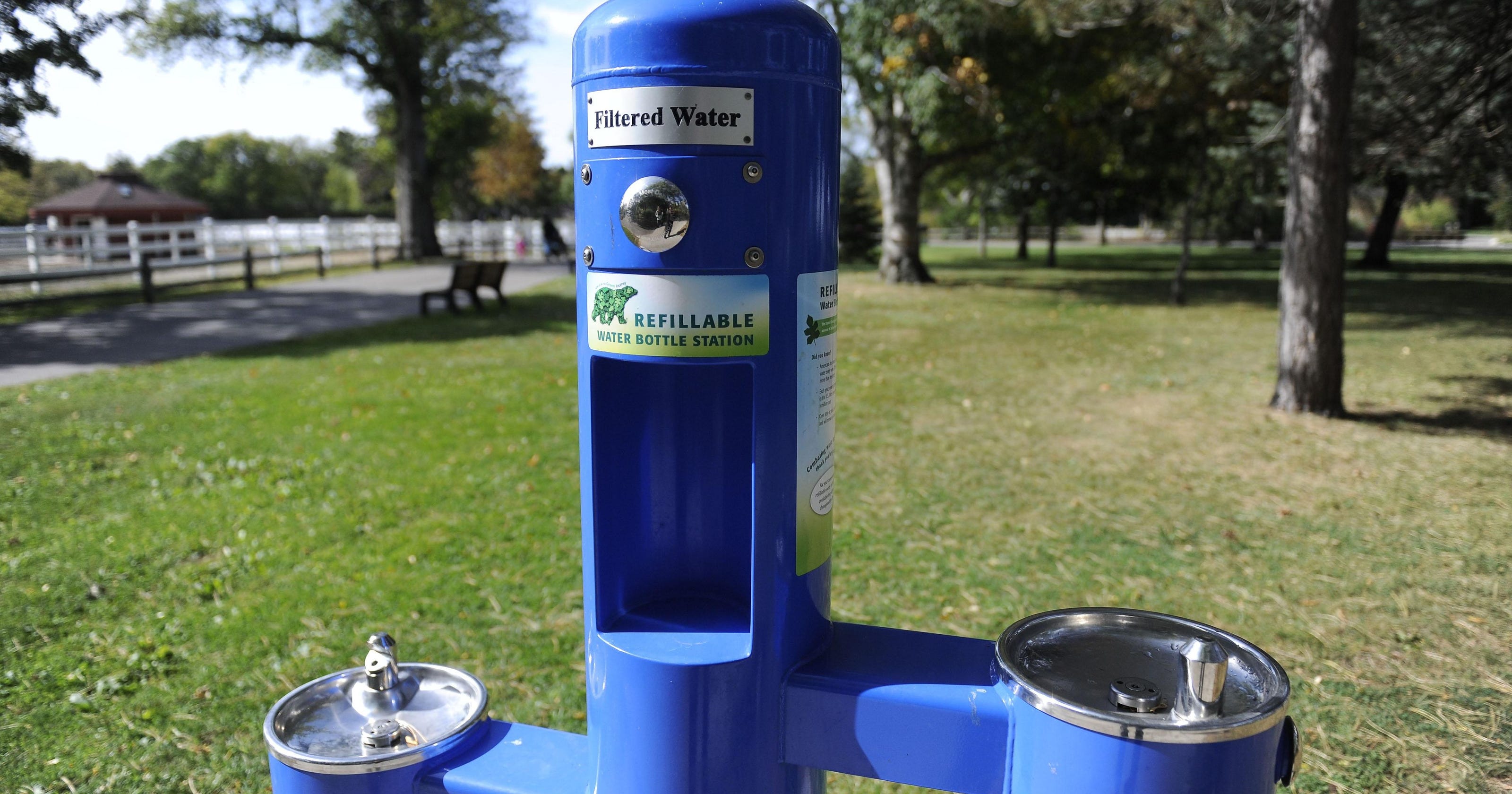
Water bottle refill stations at the Detroit Zoo help cut down on single use plastics and keep microplastics out of waterways.
Authored by Cameron Kniffen, Curator of Education for the Detroit Zoological Society (DZS).
More than 70 percent of the Earth’s surface is covered by water. As residents of Michigan, a state with beautiful, bountiful lakes and rivers, we tend to focus on freshwater systems when considering our impact on water quality, pollution and aquatic ecosystems. Many of us receive a thorough education on the vital role of the Great Lakes in our state’s history, economy and ecosystems. We are also taught to take responsibility for preserving our abundant water resources and to understand the negative effects of polluted waters on both people and the environment. It’s important to realize that our actions can impact water quality in the Great Lakes and other ecosystems outside of our freshwater sources.
Many of us unknowingly contribute to the accumulation of microplastics in our waterways. Despite their small size, microplastics possess a significant potential to impact various species and ecosystems. Microplastics are tiny, minuscule plastic particles that can infiltrate virtually any environment — including the smallest, deepest crevasses of the ocean — and exert their harmful effects. Microplastics are produced by reducing plastic into miniature versions of its original manufactured form. While some microplastics are intentionally added to soaps and scrubs that contain microbeads, others are formed through prolonged exposure to the sun and constant movement in the water, causing the plastics to degrade into tiny particles.
Microplastics harm ocean dwellers, like sea otters.
The accumulation of microplastics in our environment is an alarming concern due to their damaging effects on wildlife and their potential impact on human health. The ingestion of microplastics can cause physical harm to marine life. The particles can accumulate in the digestive tract, leading to blockages, ulcers and other internal injuries. This can result in severe malnutrition, starvation and even death. The presence of microplastics in marine organisms can also interfere with their feeding behavior, reproduction and growth rates.
Additionally, microplastics can have chemical and biological impacts on marine organisms. Plastic particles can contain or absorb toxic chemicals from their surroundings, such as polychlorinated biphenyls (PCBs), polycyclic aromatic hydrocarbons (PAHs) and heavy metals. When these microplastics are ingested, the chemicals can leach out and be released into the organisms’ tissues, potentially causing toxicity and disrupting physiological functions.
Penguins, like these kings, benefit from clean ocean ways.
Furthermore, the potential for microplastics to enter the food chain and eventually impact human health is a growing concern. Seafood, such as fish, shellfish and mollusks, is an important source of protein and essential nutrients for many people around the world. As microplastics are ingested by marine organisms, they can bioaccumulate and pass through the food web, eventually reaching the seafood that humans consume. If these consumed organisms have ingested microplastics, there is a risk that humans may indirectly consume these particles when consuming contaminated seafood. Once ingested by humans, microplastics can potentially have adverse health effects.
Michigan’s Great Lakes area is an excellent demonstration of this interconnectedness. As plastic travels from local watersheds to the Great Lakes, it gradually breaks down into smaller fragments of plastic materials. Microplastics can effortlessly hitch a ride in the waterways in this region and flow with the natural motions from west to east. Lake Superior flows those same microplastics into Lake Huron through the St. Mary’s River, and Lake Huron then seamlessly flows into Lake Erie through the St. Clair and Detroit Rivers. Finally, Lake Erie deposits the microplastics into Lake Ontario via the Niagara River. Ultimately, the entire system and its pollutants eventually drain into the Atlantic Ocean through the St. Lawrence River.
Polar bears Suka and Nuka’s diet includes seafood. Microplastics in seafood is a major concern for both animals and humans.
Working collaboratively and taking a thoughtful approach to our plastic consumption can positively impact the reduction of microplastics in our water systems. It’s important to consider products with minimal packaging and express our viewpoints to local and state governments in support of stronger recycling efforts and limits on plastic usage in manufacturing. Participating in beach clean-up events can also contribute to a cleaner future. However, it’s crucial we come together as a united front and advocate for regulations on large industrial manufacturers at a national and global level. Through advocacy and voting, communities can achieve significant change. With our collective efforts, we can create a brighter and cleaner future for all.
The DZS is passionate about lessening our impact on our aquatic ecosystems. More than 10 years ago, the Detroit Zoo stopped carrying single-use plastic straws and lids and has made many more steps in the direction of a more sustainable future since then, including stopping the use of plastics bags at our gift shops and eliminating plastic bottle sales – which were previously our largest concession sale item – meant for single-use at all Detroit Zoo concessions, replacing them with reusable water bottles and water bottle refill stations. In celebration of World Oceans Day (June 8), we welcome you to join us at the Detroit Zoo and learn more about the ocean through educational programming on Saturday, June 10.
Pictured are 2023 Expedition participants, CONAPAC staff, DZS staff and Amazon Exlporama Guides.
Authored by Claire Lannoye-Hall, director of education for the Detroit Zoological Society (DZS).
The Amazon Rainforest is a beautiful and fascinating place to visit. An incredible variety of plants and animals make this region one of the most biologically diverse and important areas to protect in the world.
Living in this area of the world is not easy. The remote communities are only accessible by boat, using the Amazon and Napo rivers — and their many tributaries — to get to the larger cities where medical care and material goods can be purchased. Most communities rely on the food they can grow within their communities or harvest from the rainforest. There are few opportunities to earn money — aside from selling natural resources, such as timber.
While the Peruvian government provides a school building and teachers for each community, it doesn’t have the resources to stock the shelves with books and materials — much less support each student with the materials they need to attend school and learn with their peers. In the early 1900s, CONAPAC, a nonprofit in northeastern Peru, started providing supplies to a few communities adjacent to properties owned and operated by Amazon Explorama Lodges. This was the start of the Adopt-A-School program, which has continually grown for almost three decades through the support of generous individuals from all over the world. The DZS partnered with CONAPAC in 1999 after years of the Detroit Zoo conducting field research in the area. The partnership provided a stable and reputable U.S.-based nonprofit where individuals could receive tax receipts for their donations and enhance donor confidence in the project.
In the early 2000s, the DZS started organizing expeditions to the Amazon. Individuals can pay a fee to participate in the Adopt-A-School program by helping to distribute school supplies to the partner communities. The fee supports CONAPAC and accounts for a majority of its annual operating budget. The trip participants spend time in the rainforest, learn about its ecology and interact with families who have lived there for generations. This spring, 35 individuals from around the country participated in the Amazon Rainforest Expeditions. They paid their airfare and made a $1,500 contribution to support CONAPAC and offset a small portion of their lodging and meal expenses, which were otherwise covered by Amazon Explorama Lodges.
Pictured is a room at ExplorNapo Lodge.
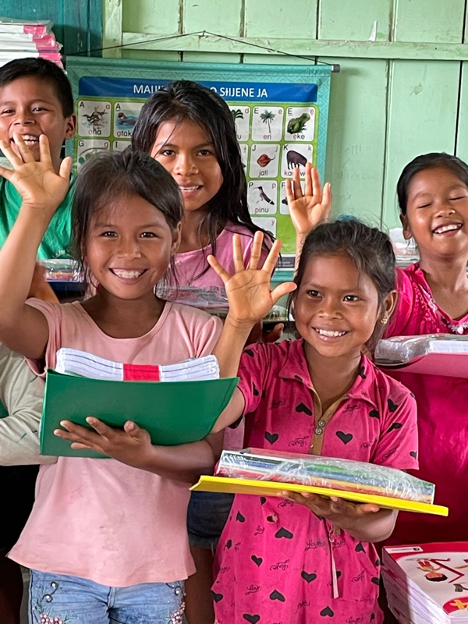
During the first week, the group visited the Canopy Walkway (a more than 1,500-foot-long aerial experience that connects 14 platforms secured to trees up to 115 feet in the air), went on night boat rides to explore the plants and animals after dark, and, most importantly, delivered school supplies to thousands of students and teachers. Each student receives a set of notebooks, pens, pencils and other materials they will use throughout the school year. Teachers also receive a set of supplies, as well as items to be used for the entire school. The school’s supplies include paper, writing and coloring utensils, text and story books, chalk or dry-erase markers, educational toys and more.
Pictured are students with their school supplies.
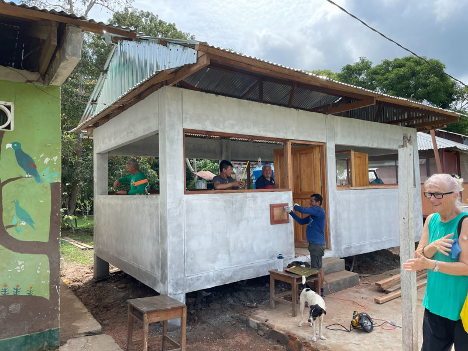
A second expedition, with a new group of participants, finished the school supply deliveries to the final two communities, then spent four days working in the community of Ramon Castilla. This small community was in dire need of a new community kitchen. Most of the kitchen structure was built by a professional contractor out of concrete to ensure it will last in the climate and withstand the variety of insects that eat and destroy natural materials, like wood. Trip participants built window frames and screened them, primed and painted the concrete, and painted the community’s water purification tower.
Trip participants helped construct a kitchen.
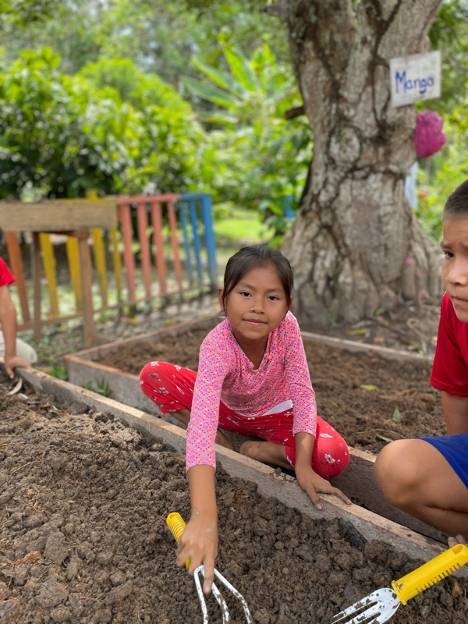
While some community members and trip participants were helping with the construction projects, the children in the community interacted with the rest of the group in the school. Together, they did environmental education activities and crafts, and they planted fruit trees and seeds in the school garden. The activities build math and science skills while reinforcing how an intact ecosystem contributes to the well-being of all who call the rainforest home.
This international partnership continues to stand the test of time, prioritizing access to education and supporting the teachers, students and families who live in the Amazon rainforest. To support the Adopt-A-School program, click here. To sign up for information about future rainforest expeditions, click here.





















 Detroit Zoological Society Blog