Education: Citizen Scientists Help Study Butterflies

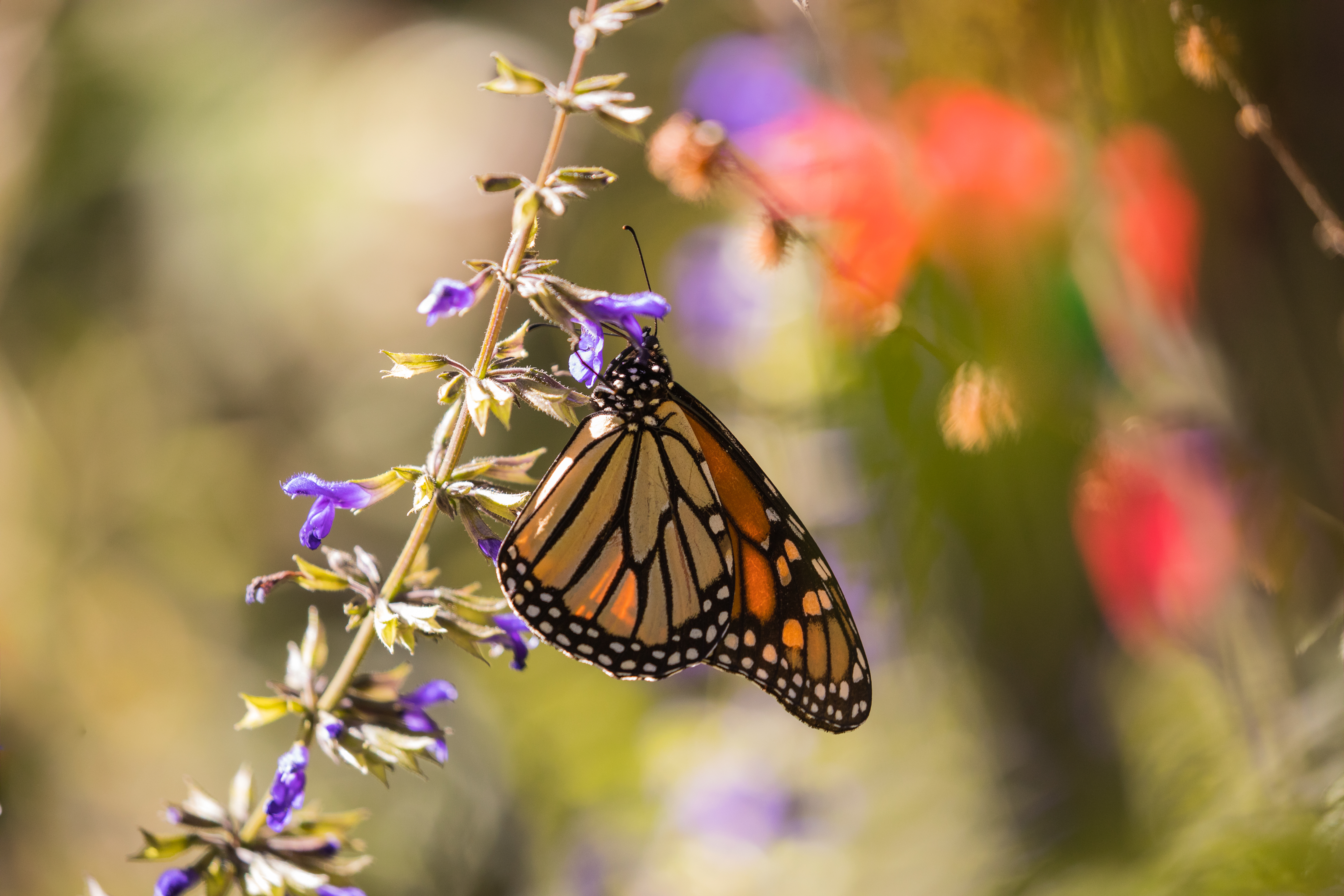
Butterflies aren’t just beautiful animals and important pollinators; they are also bio-indicators, which provide valuable information regarding the health of an ecosystem. Like amphibians, the butterfly is affected by even the slightest changes in the environment, signaling to scientists that something is amiss. When habitats are healthy and plentiful with food, water and shelter, bio-indicator populations are stable. When any piece of that puzzle falls away, populations fluctuate quickly and may decline rapidly.

Scientists can’t be everywhere to monitor species’ populations and keep track of changes. They count on people like us to be their eyes and ears in our communities and report this critical information. The Detroit Zoological Society is providing opportunities for our community to become citizen scientists and help the Michigan Butterfly Network collect vital information about our native butterfly species.

On April 6, a citizen science training workshop will be hosted at the Belle Isle Nature Center. The training will cover species identification, how to collect accurate data, how to report data and otherwise prepare attendees to be successful.

After the mandatory training, citizen scientists are asked to visit their census route at least six times throughout the summer field season. Each census route walk will last five minutes as the observer looks for butterflies in their immediate vicinity. Recording data is a very important part of the process; each species will be carefully documented on a form and submitted to the network.

There are many support materials and resources available and the training workshops will prepare participants for a successful season. The pre-requirements include a passion for our natural world, an interest in learning to identify up to 30 species of butterflies, and the ability to visit a census route six times over the course of the summer season.

If you’d like to learn more about the project or sign up to participate in the training workshops, please email education@dzs.org.

Claire Lannoye-Hall is a curator of education for the Detroit Zoological Society.

Animal Welfare – Understanding the Needs of Amphibians

The penguins living at the Polk Penguin Conservation Center are not the only water-dependent species being studied by the Detroit Zoological Society’s Center for Zoo Animal Welfare (CZAW). We are conducting research to uncover indicators of welfare in frogs, toads and salamanders living at the Detroit Zoo’s National Amphibian Conservation Center.

Welfare indicators in amphibian species have largely consisted of body condition scoring and measures of reproductive success, neither of which provide comprehensive understanding of how individual animals are faring. Identifying additional indicators can help us to better understand the needs of amphibians living in zoos.

Due to the catastrophic declines in amphibian populations around the world in recent years, amphibian conservation has become a priority for zoos and other conservation organizations. While many institutions prioritize the management of captive populations of amphibians as one strategy in the preservation of these species, virtually no literature exists today regarding how the captive representatives of rapidly vanishing amphibians are faring. The Detroit Zoological Society created the National Amphibian Conservation Center nearly two decades ago, and it is still the largest facility dedicated to amphibian conservation and care in the world. CZAW is now conducting studies to help understand the individual preferences and behavioral and physiological responses of these animals to captive environments and husbandry practices, as well as individual capacities for coping with stressors of captive environments.

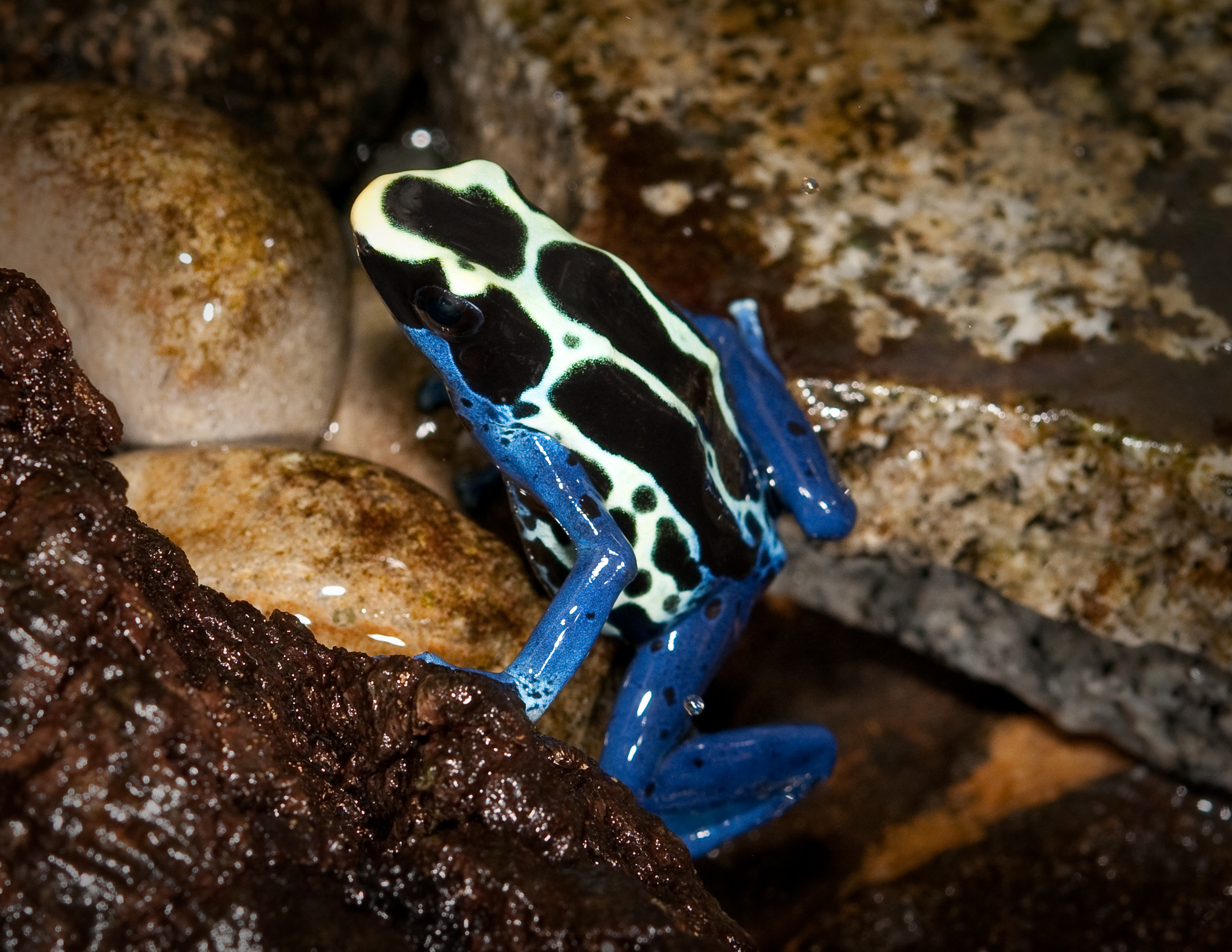
Housing animals in multi-species habitats is a common practice in zoos and aquariums. Some amphibians however, such as poison dart frog species, may be housed together due to their shared environmental requirements and their conspicuous aesthetics. Little research has been conducted on the impact that mixed-species living has on the welfare of the individuals. At CZAW, we have examined how different species partition their habitat and how their behavior may be impacted by one another. This helps us ensure that the needs of each animal are being met.

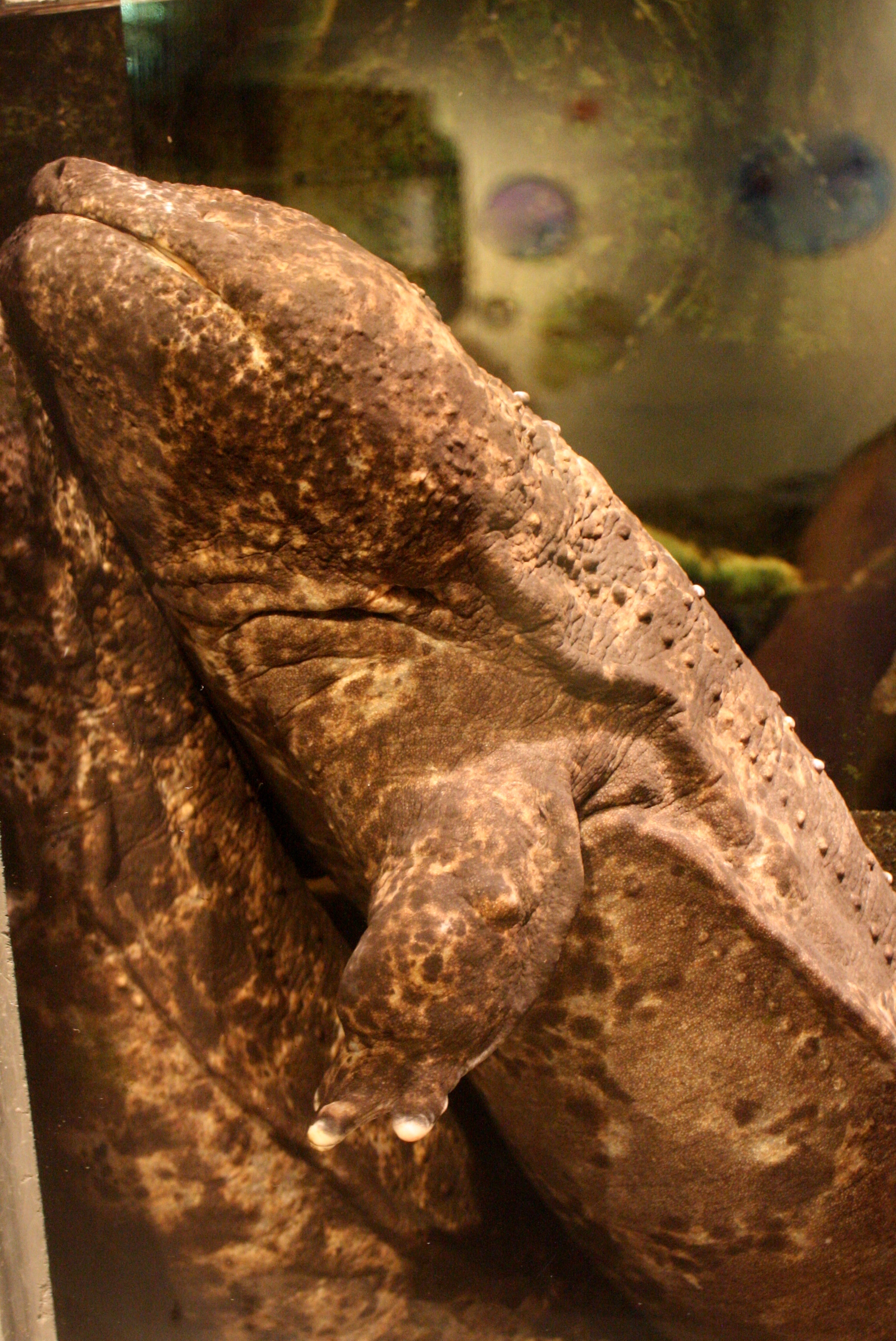
While much emphasis has been placed on the impacts of captivity on the welfare of large mammals, little attention has been granted to large amphibians living in the care of humans. Japanese giant salamanders are currently listed as Near Threatened by the International Union of Conservation of Nature and their wild numbers are decreasing due to habitat loss and hunting.

These salamanders present a unique challenge when it comes to habitat design, given their potential to grow up to 1.5 meters in length and their nocturnal activity patterns. Traditional ways of housing amphibians may not be as successful for giant salamanders and in turn may impact their welfare. The Immersion Gallery at the amphibian center is being renovated as a new habitat for the Japanese giant salamanders, with the goal of giving the animals increased physical and social choices. We are also developing a project to assess the ways in which this increase in choice can improve the welfare of the individual salamanders.

As we continue to study how amphibians can thrive in zoos, we not only help the individuals, but we can also contribute to the efforts being made to conserve them. Greater understanding of how individual captive amphibians are faring is critical to ensuring their well-being and to meeting ethical obligations of keeping animals in captivity.

Stephanie Allard, Ph.D., is the director of animal welfare for the Detroit Zoological Society and oversees the Center for Zoo Animal Welfare.

Veterinary Care: From Kitty Cats to Big Cats

Two years ago, I left everything that was familiar to me to take a position as a veterinary technician for the Detroit Zoological Society. For the previous 14 years, I’d been working at a small animal veterinary practice. I enjoyed this time spent taking care of dogs and cats, which often consisted of collecting blood, placing intravenous catheters, cleaning teeth, administering medication, taking X-rays, monitoring anesthesia and assisting the veterinarian in surgery. But the day had come that I decided to leave the small animal veterinary world and begin my journey in zoo medicine.

I thought these two worlds would be extremely different, but I quickly learned how similar they really are. I still do all of the same work, just on a larger variety of animals – not to mention some much larger in size. At times, there are unique challenges. For example, while I’ve had plenty of experience collecting blood from 10-pound cats who are not at all happy to be at the vet, blood collection from a 260-pound lion is a completely different ball game.

A major part of my job at the Detroit Zoo’s Ruth Roby Glancy Animal Health Complex is collecting blood for routine testing, which is an important part of preventative healthcare in both domestic animals and zoo animals. We analyze blood to evaluate organ function – especially kidney function in aging cats – electrolyte status, hormone levels and more. If an animal becomes ill, blood tests can help to identify the health issue so we can develop treatment plans. Routine blood testing is just as important on healthy animals because it gives us a good baseline for comparison if the animal becomes ill in the future.

I was soon faced with the challenge of collecting blood from a feline without holding her or even sharing the same space with her. Luckily for me, the animal care staff trains the animals for voluntary blood collection, making it possible for us to complete the task. Training a medical behavior like this is a gradual systematic process that happens before blood is even collected. It requires the zookeepers to have a lot of skill and patience.

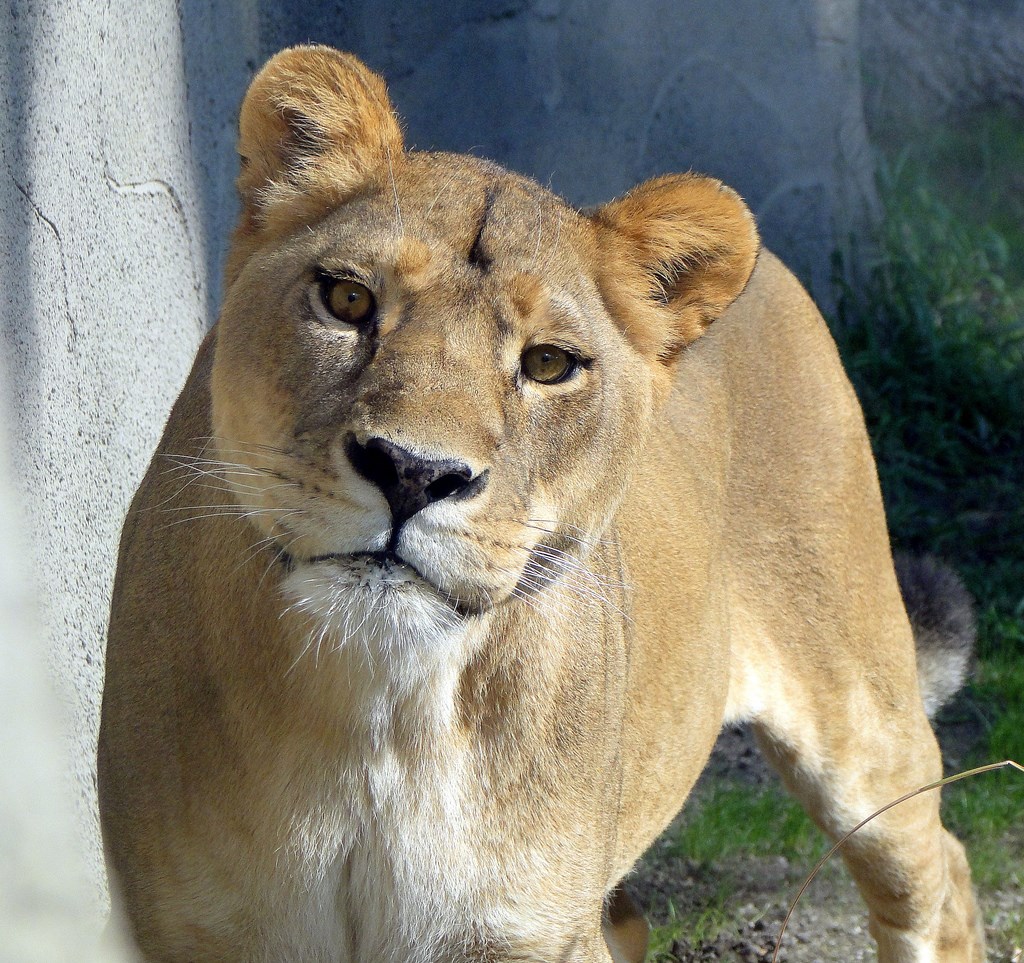
In November of 2015, I had the pleasure of meeting Erin, a 16-year-old female African lion. She had begun her training for blood collection five years prior, and participates in the training willingly. When she does what is asked of her, she’s given treats and verbal praise, such as, “Good girl, Erin”. She can decide not to participate whenever she likes, but most days she seems to enjoy the challenge of doing each behavior.

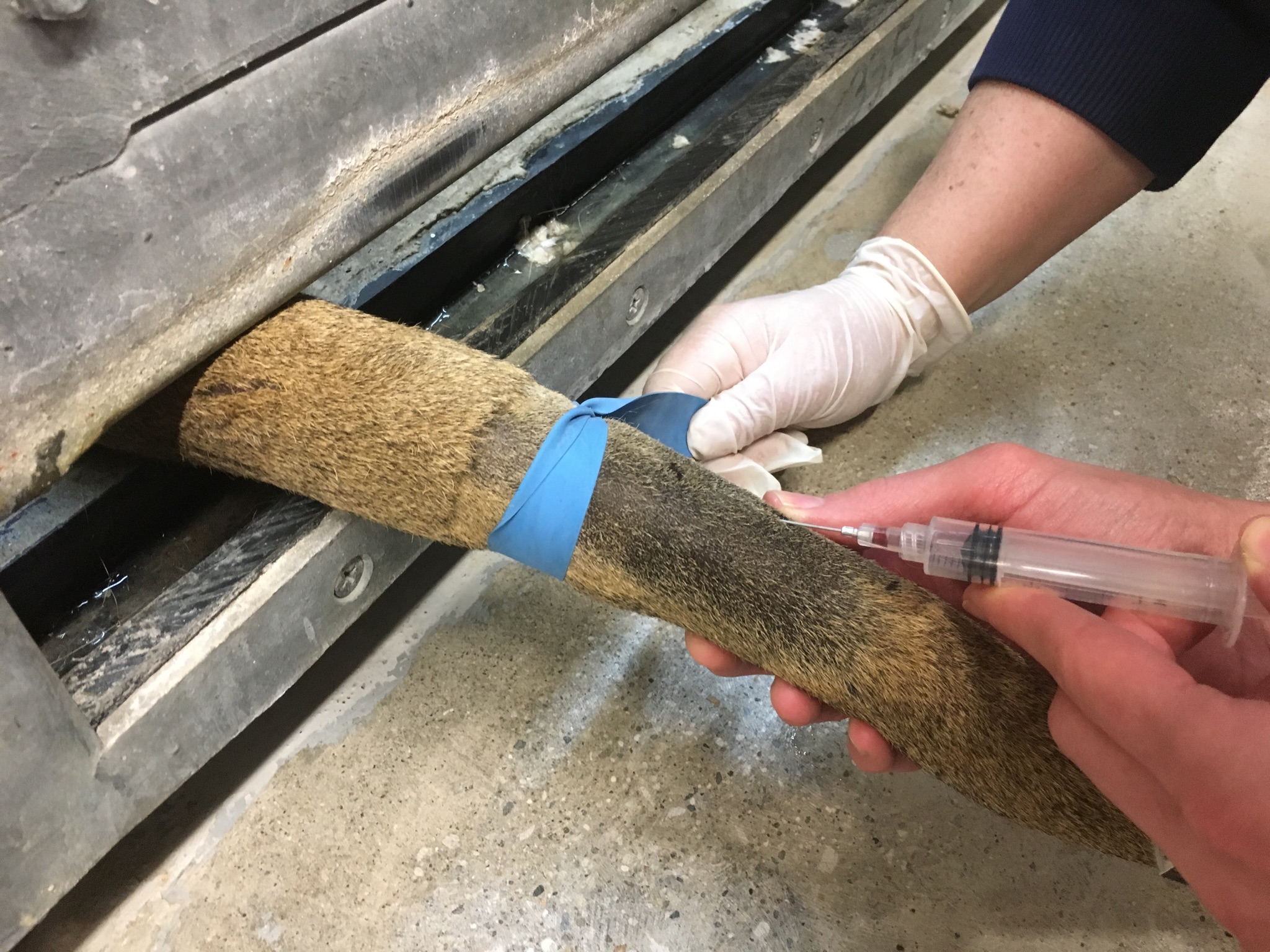
When training for blood collection begins, animal care staff first teaches an animal to place herself in the front area of her indoor holding area and to lie down when given a verbal cue to do so. Next, the zookeeper uses a long, hooked pole to gently pull her tail through a small gap located at the bottom of the stall door. They then hold her tail still so that I can place a tourniquet on her tail. Lastly, I visualize and palpate Erin’s tail vein and insert the needle to collect the blood sample.
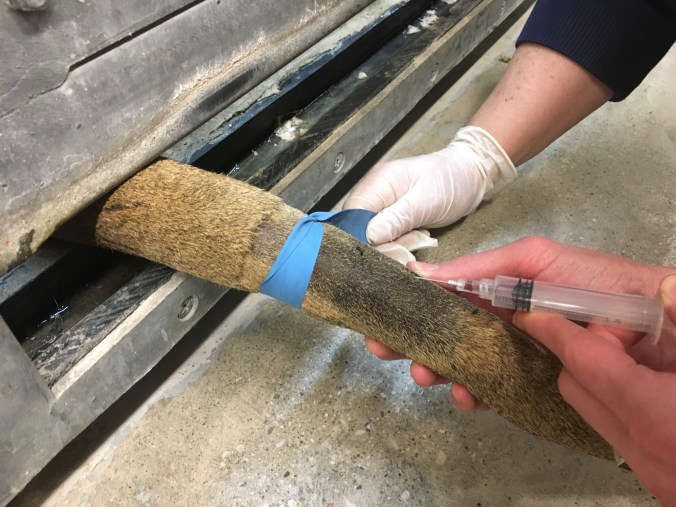
Erin practices training weekly and we collect blood from her every six to 12 months. This helps Erin remain comfortable with medical procedures such as blood collection, administering injections and applying topical medications, if needed. We are able to accomplish these things with Erin’s willing cooperation and the use of anesthesia is not necessary, which is safer and more enjoyable for everyone.

Similar to domestic cats, large cats often get kidney disease as they age, which can cause high blood pressure. Every two months, a blood pressure monitoring device is used to measure Erin’s blood pressure values. In this case, the zookeepers practice the same training used for blood collection, but when the zookeeper gains access to Erin’s tail and holds it still, l place a blood pressure cuff on it instead of a tourniquet. Her blood pressure is measured by the same method that is used in humans; two values are taken into account: systolic pressure and diastolic pressure. With the information gathered over time, we are better able to identify if a health problem is developing so we can begin treatment sooner.

I cannot tell you enough how incredible it is to be part of this veterinary team who, along with the animal care staff, provide excellent care for the animals residing at the Detroit Zoo.

– Stacey Baker is a veterinary technician for the Detroit Zoological Society and works at the Ruth Roby Glancy Animal Health Complex at the Detroit Zoo.
Animal Welfare: A Brown Bear’s Journey

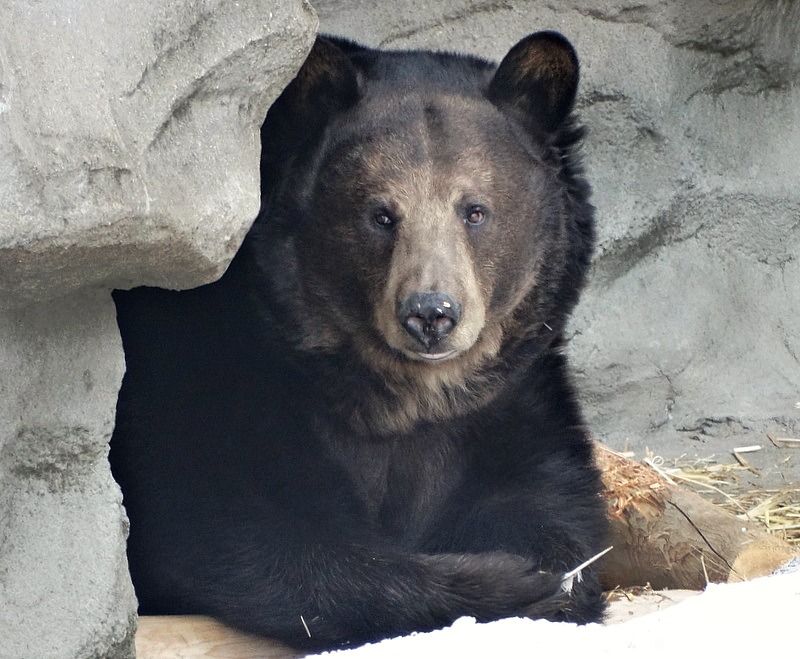
This month, we are celebrating the 20th birthday of Polly, a Syrian brown bear who was rescued and found sanctuary at the Detroit Zoo when she was young. She arrived in September of 2000 after spending the first three-and-a-half years of her life in deplorable conditions. Polly was born at a private breeder’s facility in Virginia in 1997. When she was 4 months old, she was sold to a roadside circus on the East Coast that already had a small menagerie of other animals. When she became too big to handle, Polly was relegated to a small cage with a large, hamster-like performance wheel where she rocked back and forth incessantly.

Several complaints from disturbed circus visitors concerned about the bear’s living conditions prompted PETA (People for the Ethical Treatment of Animals) to try to secure her freedom. After months of negotiations, PETA was successful in convincing the circus owner to relinquish the bear. The Detroit Zoological Society (DZS) accepted PETA’s request to provide a new home for Polly, providing her with the chance to finally experience an environment in which her welfare was of the utmost importance.

After all these years in a safe and stimulating environment, cared for by dedicated DZS staff members, Polly still demonstrates some of the unnatural, stereotypic behaviors she developed living in a small cage, despite being in an environment that is much larger and more suitably complex and stimulating. Unfortunately, it is not uncommon to see animals continue to demonstrate such behaviors even after they are removed from the conditions that caused the behaviors in the first place.  These “behavioral scars” are not a reflection of current conditions, but rather of past traumatic experiences that forever alter an animal’s behavior and life. DZS staff members monitor Polly closely, as they do all of the animals, and use positive reinforcement training and environmental enrichment, as well as allowing her to exercise as much choice and control over her environment as possible to provide her with a safe and comfortable home that meets her physical, behavioral and emotional needs.

Polly reminds us that animals which are forced to perform for human entertainment in circuses and other “shows”, are usually harmed in the process of their training or their living conditions, and often irreparably. All animals deserve to live in environments in which they can thrive, not just survive, and once they are scarred, they often can never be fully healed, despite the great care sanctuaries, like the Detroit Zoo, provide them.

– Dr. Stephanie Allard is the director of animal welfare for the Detroit Zoological Society and oversees the Center for Zoo Animal Welfare.

Celebrating International Polar Bear Day

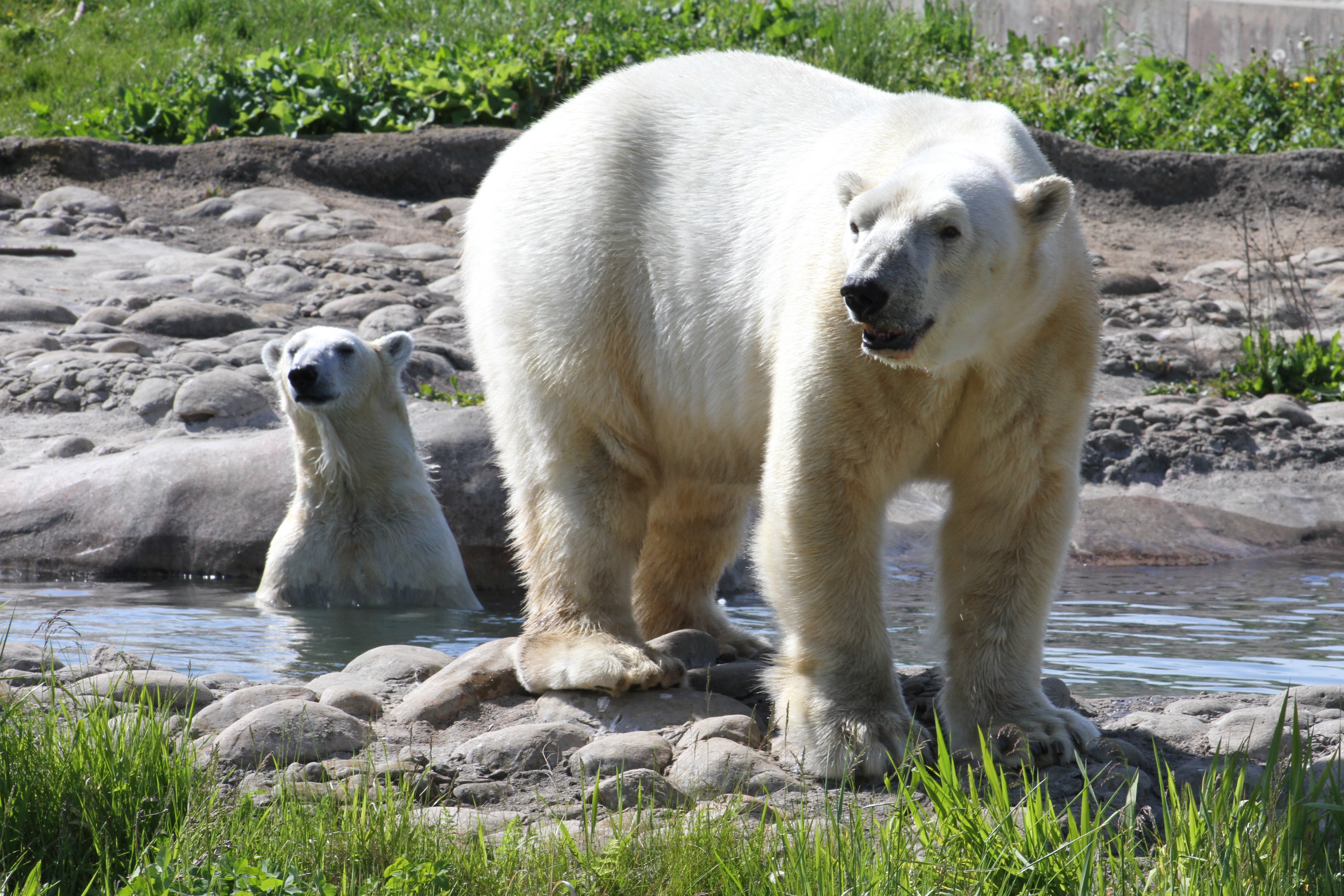
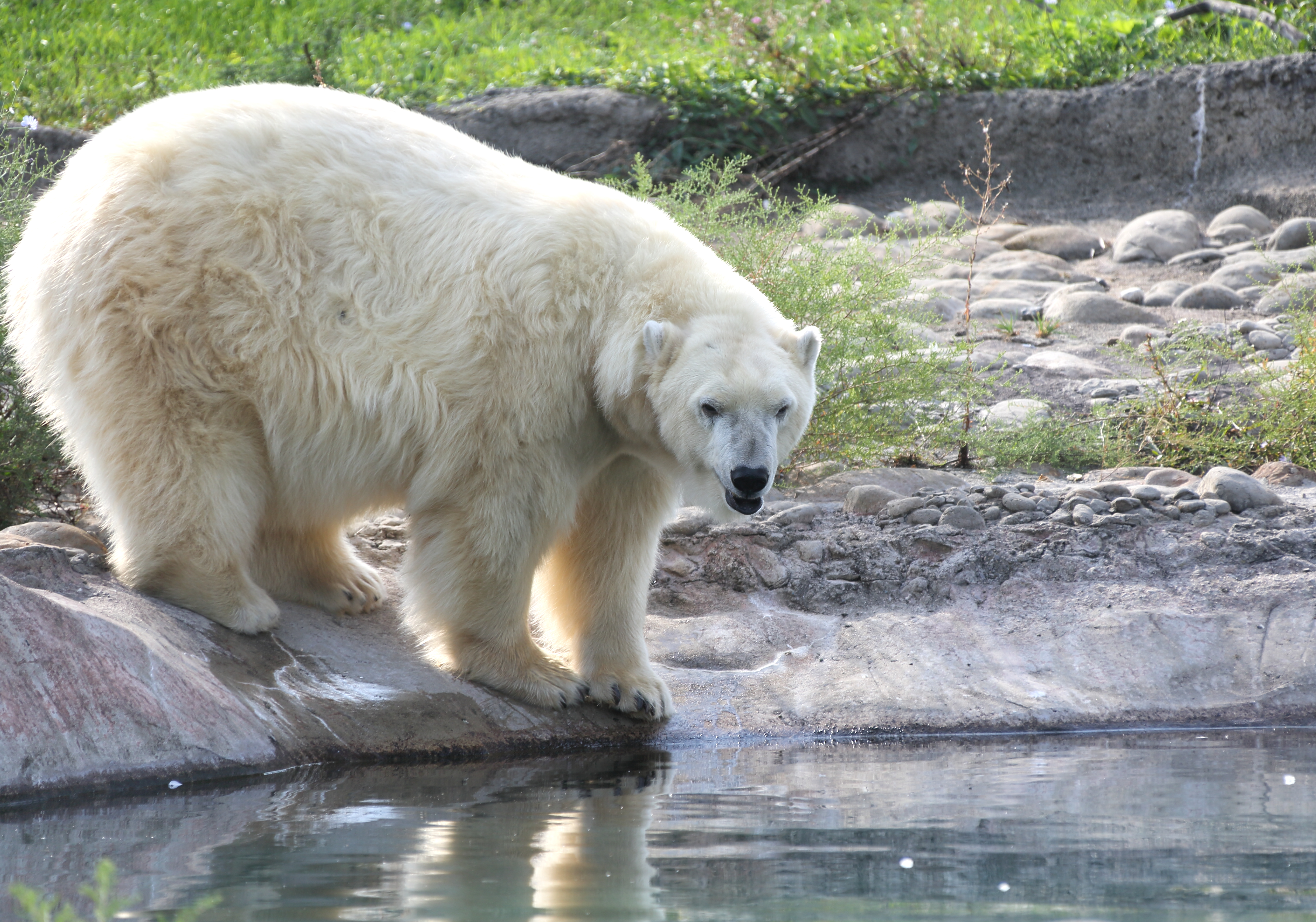
Polar bears are iconic animals, known for their incredible ability to survive in one of the harshest environments on Earth. These marine mammals are the most carnivorous member of the bear family, with a diet consisting primarily of seals. They have a thick layer of fat and waterproof fur, providing insulation in the cold Arctic climate in which they live.

Sea ice is imperative for polar bear survival; they spend the majority of their lives on the ice, relying on it to find a mate, build a den and hunt for seals. In the last 30 years, scientists have seen a dramatic shift in ice within the Arctic Ocean. The amount of “old ice” – ice that stays throughout the summer – is significantly smaller than what it was 30 years ago. The seasonal sea ice is forming later in the year – and melting earlier – directly impacting polar bears’ ability to hunt. As a result, many polar bears aren’t able to build up the fat reserves they need for the summer when food sources aren’t plentiful, and they starve to death.

We know the climate is changing. As humans, we are using fossil fuels such as coal and gas to drive cars and use electricity. These fossil fuels release carbon dioxide into the atmosphere, which builds up and creates a blanket effect around the Earth, trapping in heat that would otherwise escape. This trapped heat is causing global climate change and is impacting many species, including polar bears.

On February 26 and 27, the Detroit Zoo will join others around the world in highlighting the challenges that polar bears are facing in the wild. International Polar Bear Day celebrates these majestic creatures while also encouraging the community to not only better understand the impact we have on the environment, but to join us in taking positive action that will help protect vulnerable species.

Each one of us has the power to make a difference. We can change our daily behaviors and use less energy by seasonally adjusting our thermostats, riding our bikes, carpooling with friends or turning off the lights. We can also scale these actions up to our schools or workplaces by encouraging others to join us in this endeavor. Celebrating International Polar Bear Day is a great reason to start, or to take things to the next level.

Our International Polar Bear Day will take place on February 26 and 27 from 11 a.m. to 3 p.m. The events will include zookeeper talks, educational activities and visits with the Zoo’s polar bear mascot. Talini and Nuka, the two polar bears who reside at the Zoo, will receive their usual treats at scheduled times (11:30 a.m., 1 p.m. and 2:30 p.m.) so guests can watch the bears enjoy them. This is not only a great time to visit the Zoo and the more than 2,000 animals living within our 125 acres, but it’s also a chance to learn more about how we can work together to save wildlife and wild places.

– Carla Van Kampen is a curator of education for the Detroit Zoological Society.

Wildlife Conservation: All Along the Water Tower

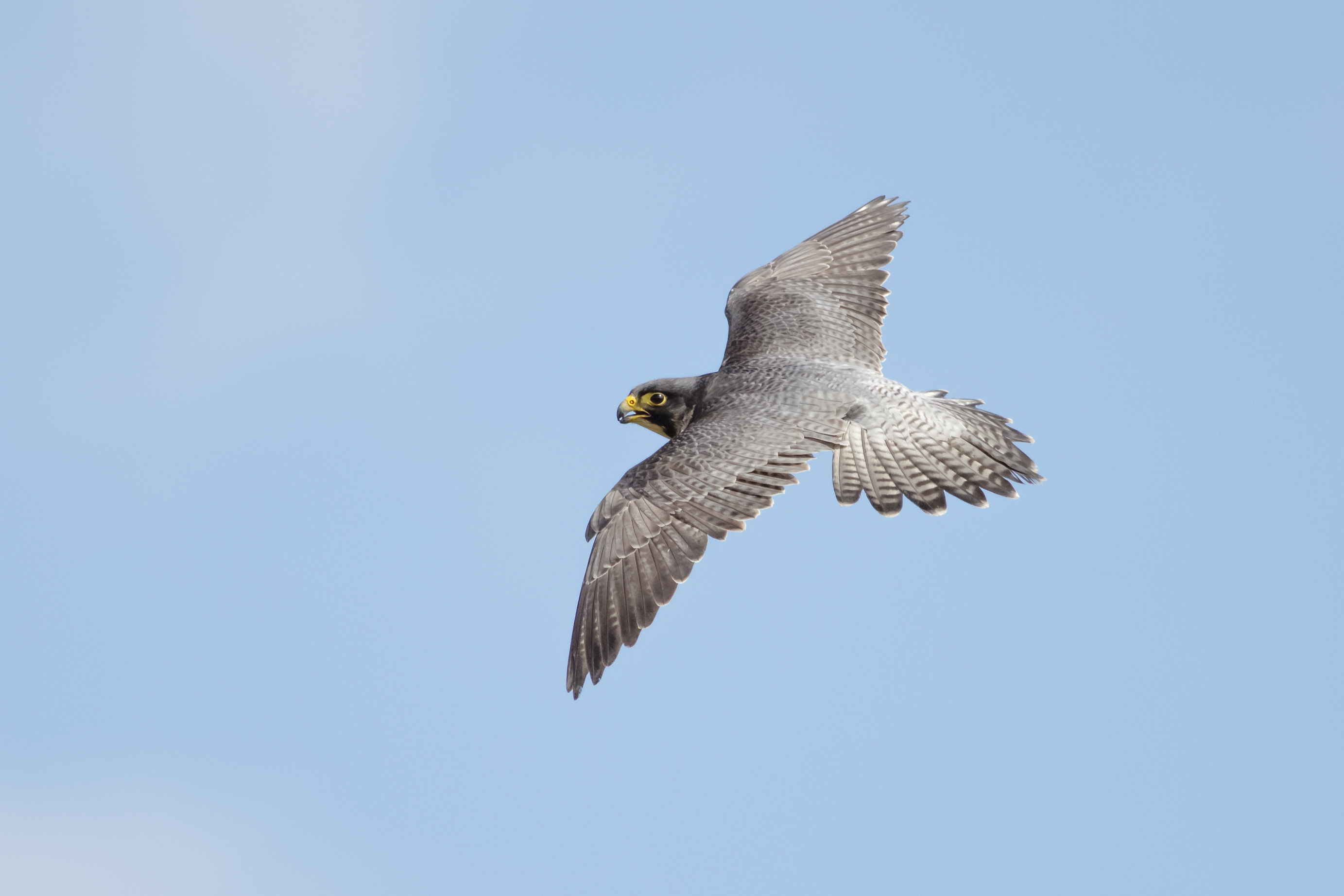
Peregrine falcons are a cliff-nesting species whose populations were significantly reduced in the 1950s as a result of environmental contamination by the pesticide DDT. This dangerous chemical accumulated in adult birds and caused thin-shelled eggs, which broke during incubation. The population declined rapidly and by the early 1960s, peregrine falcons were extinct in the eastern U. S.; the last known pair nested in Michigan in 1957. It was one of the first species listed by the Endangered Species Act in 1973.

An effort to reintroduce peregrine falcons into urban environments began in 1982 when chicks were released, or “hacked”, from buildings, bridges and other man-made structures in cities throughout the eastern U.S. Because they strictly hunt birds, peregrines find ample prey in cities with their abundance of pigeons, doves, starlings and other city-dwelling species. This successful reintroduction effort led to peregrines nesting in cities throughout the Midwest and a growing population not only in cities, but in much of their former natural range such as the cliffs along Lake Superior. The now wild peregrine population did so well that they were removed from the federal endangered species list in 1999.

Peregrines currently nest at a number of locations in southeast Michigan including in Warren, Pontiac, Southfield, Grosse Pointe and seven different sites in Detroit. They nest in other Michigan cities as well including Grand Rapids, Lansing and Jackson. Many of the chicks are banded with unique combinations that allow for individual identification when they mature and establish their own nests. Locally, the Detroit Zoological Society’s (DZS) veterinary staff works with the Michigan Department of Natural Resources (DNR) in the banding effort by performing health assessments as bands are put on pre-fledged chicks.

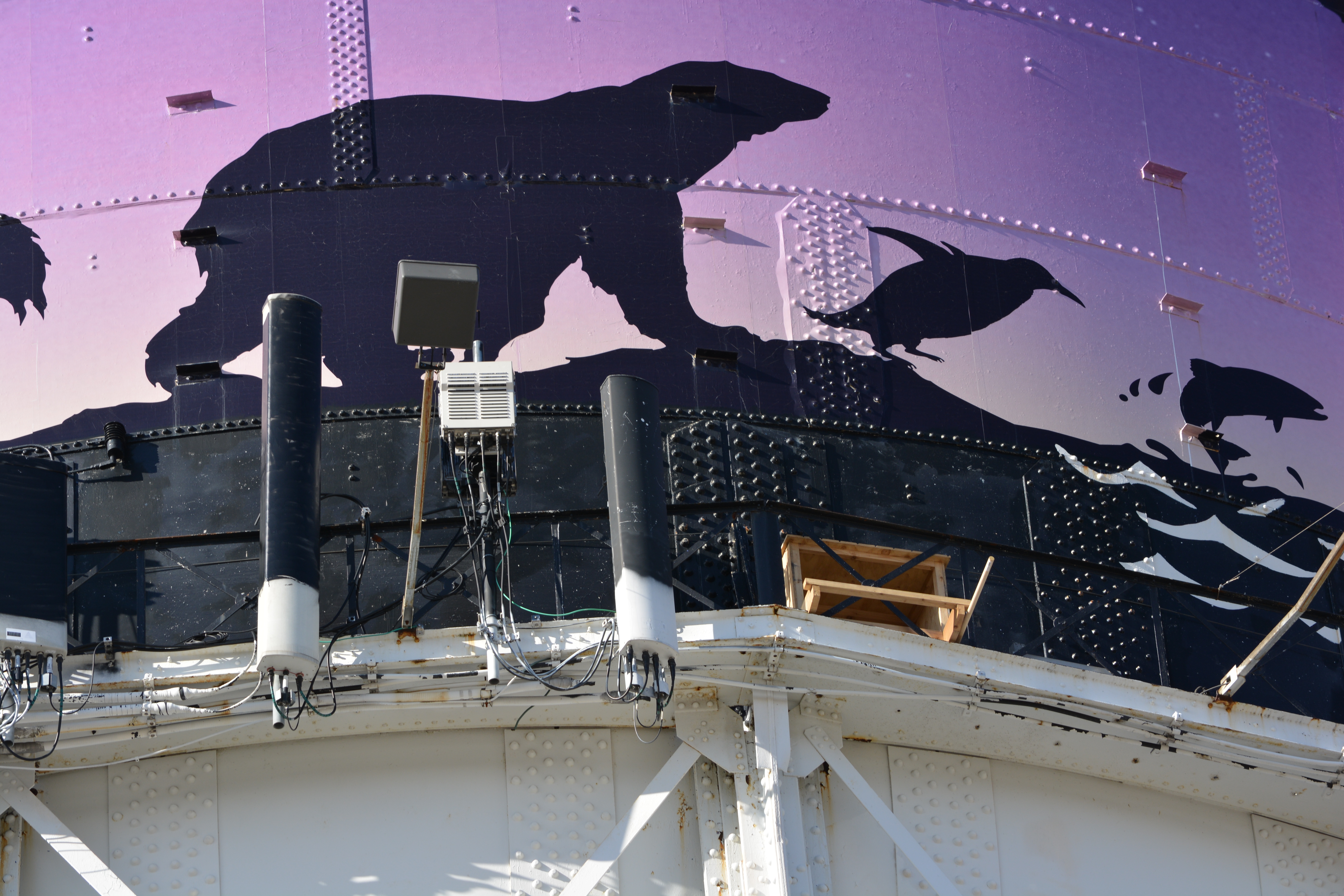
This past summer, DZS staff and local birders noticed a pair of peregrines perching on the Detroit Zoo’s iconic water tower and hunting pigeons at the Zoo and in Royal Oak. While difficult to see, the male was identified as Justice, a bird hatched in 2012 at the Jackson County Tower Building with a band combination of black/red, 08/P. The female is not banded so we do not know her age or hatch location, but they are a well bonded pair that is still observed around the Zoo.

Often when a pair of peregrines establish a territory such as the water tower with plentiful prey nearby, they will end up nesting at that site. Peregrines lay their eggs on gravel or dirt with minimal nesting material. Because the water tower did not have a proper area for the birds to build a nest, DZS staff worked with the DNR to design and construct a nest box that will meet the needs of the nesting birds. The box was recently installed on the water tower, which was not an easy task. The box is on the southeast side to offer protection from the wind while exposed to ample sunshine. It is visible from the westbound service drive as you wait for the light at Woodward.

We are thrilled that peregrines have chosen the Detroit Zoo as a home along with other native birds, such as the turkey vultures, great blue herons, double-crested cormorants and even the occasional visiting bald eagle. We are optimistic that peregrines will join the species that also nest at the Zoo, which includes wood ducks, green herons and the highly visible breeding colony of black-crowned night herons, a species normally found in secluded wetlands.

– Tom Schneider is the curator of birds for the Detroit Zoological Society.

Animal Welfare: Hormone Studies in the Endocrinology Lab

The Detroit Zoo’s Center for Zoo Animal Welfare (CZAW) undertakes studies to find innovative and non-invasive means to evaluate how animals are faring. There are a variety of ways to do this, including looking at hormone levels, as they can reflect the internal state of an animal. Hormones control most major bodily functions, including complex systems such as emotional response. We are able to study the hormones of animals at the Detroit Zoo in our endocrinology lab; Dr. Grace Fuller, the Detroit Zoological Society’s manager of applied animal welfare science, is responsible for the work that is done here.

Oxytocin is a hormone that has the potential to tell us a lot about how animals are responding to their social environment. While commonly referenced for its role in a mother bonding with an offspring, oxytocin is involved in bonding in many social settings. It has been studied in a variety of species, including humans. One of the great things about this type of biological marker is that we can measure it in materials such as saliva and urine. This means we can obtain samples more easily, without impacting the animals in a potentially negative way, as might be the case if we had to restrain an animal to obtain a blood sample.

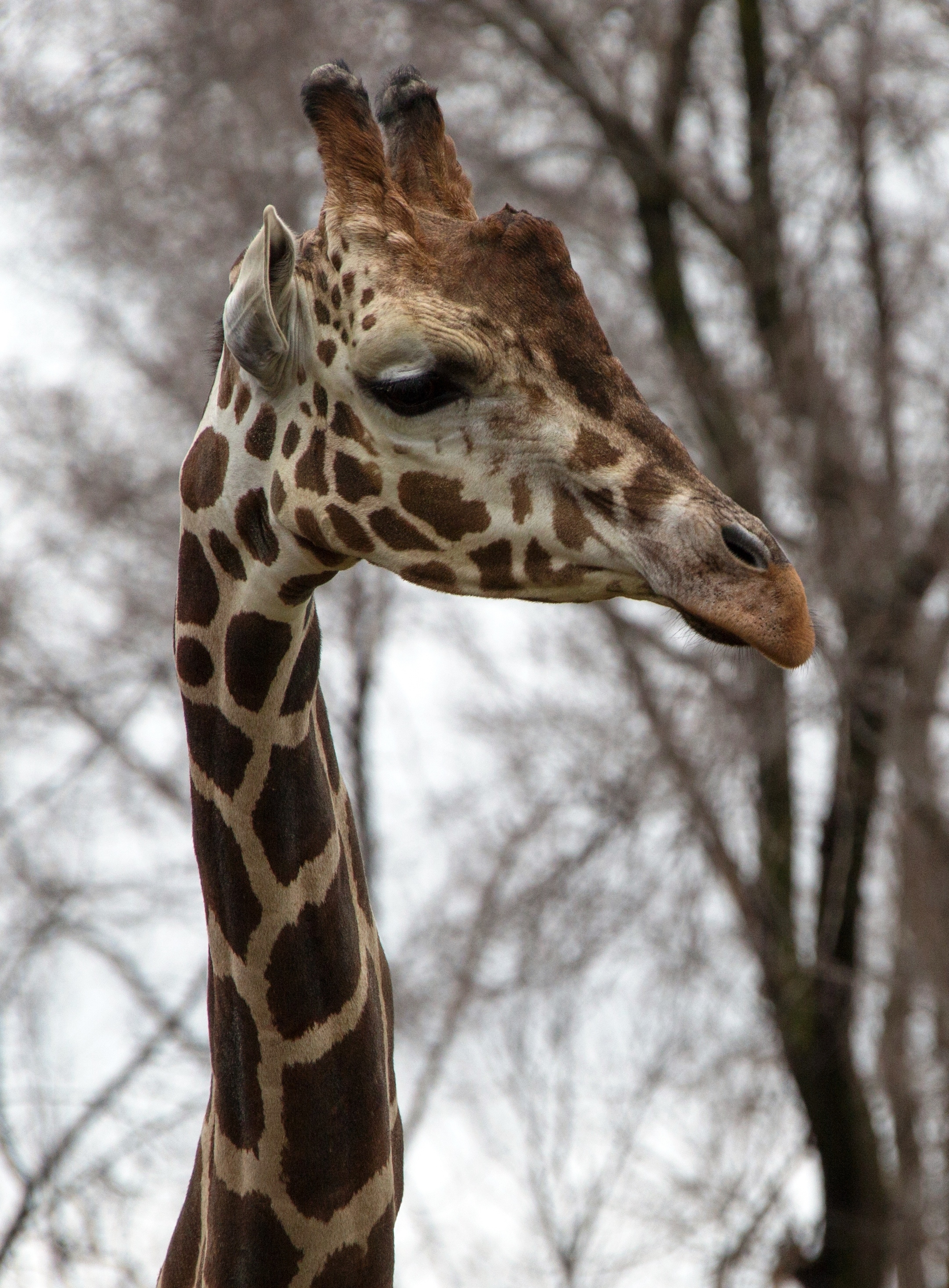
We have collected saliva and urine samples from the giraffes living at the Zoo to explore how social interactions might be having an effect on them. Dr. Fuller has validated (a process necessary to prove that we are indeed measuring what we think we are) our ability to detect levels of oxytocin in both types of samples, and is now looking at how levels correlate with different social situations, including changes to group composition and visitor interactions.

We look forward to sharing the results of this important work as we move forward.

– Dr. Stephanie Allard is the director of animal welfare for the Detroit Zoological Society and oversees the Center for Zoo Animal Welfare.

Education: Instilling Respect for Gorillas and the Environment in the Congo

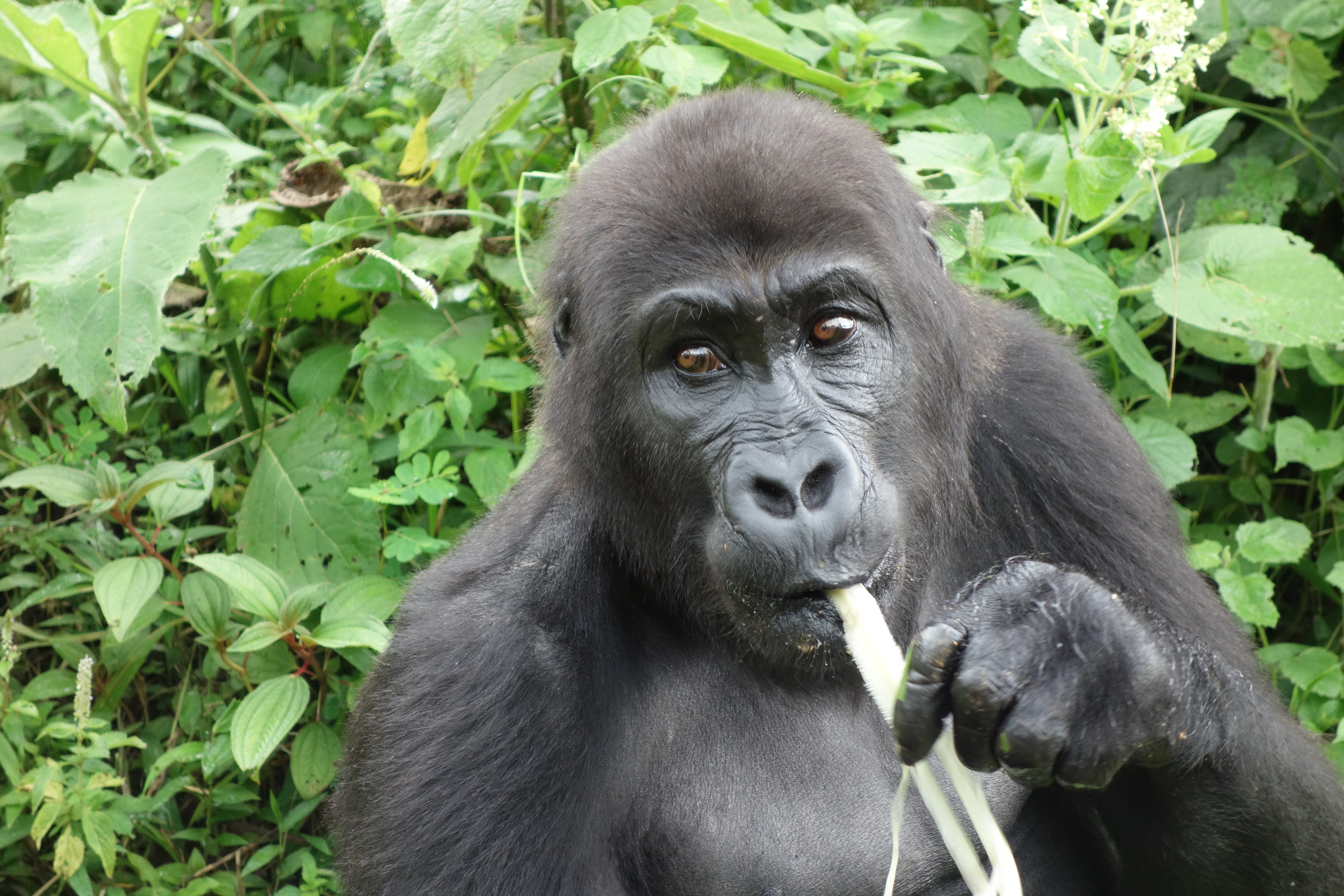
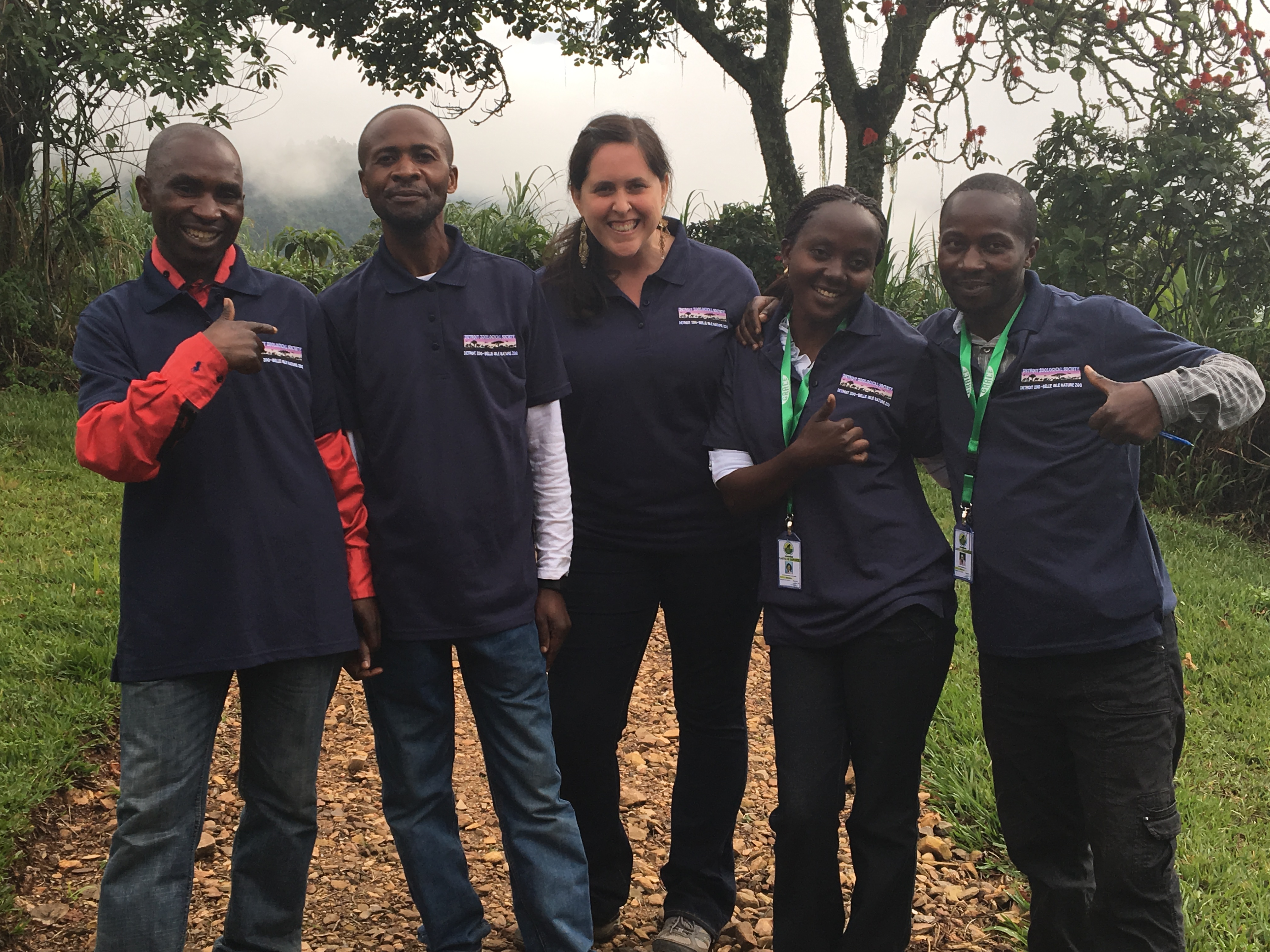
I recently had the opportunity to travel to the Gorilla Rehabilitation and Conservation Education Center (GRACE), located in the eastern part of Democratic Republic of Congo (DRC). GRACE is truly a special place – it is the only facility in the world that cares for highly endangered Grauer’s gorillas that have been rescued by wildlife authorities after being illegally captured by poachers and traders.

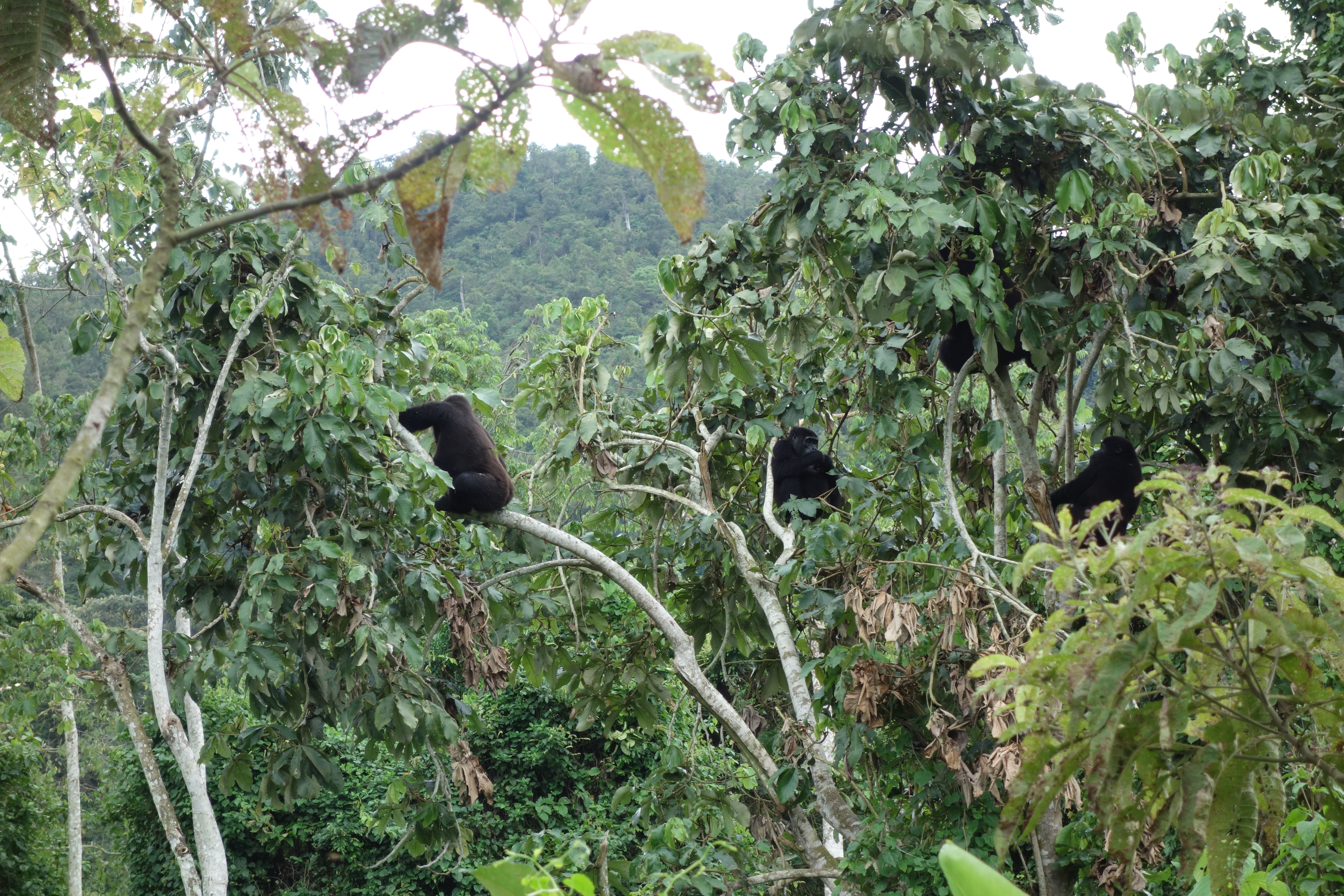
Grauer’s gorillas are endemic to this region and only approximately 4,000 remain in the wild. There are currently 14 gorillas residing at GRACE, where a dedicated Congolese staff provides daily care and monitors the group while they explore a 24-acre forest – the largest gorilla enclosure in the world.

GRACE is overseen by a dedicated board of directors, which includes Ron Kagan, Detroit Zoological Society (DZS) CEO and executive director, who has also served as board chair. In addition to Ron’s valuable leadership, the DZS’s involvement with GRACE also includes financial and staff support. In 2015, Ron helped secure funds for a new night house enclosure for the gorillas, which I was able to see in operation while I was there. Also in 2015, DZS Director of Animal Health Dr. Ann Duncan traveled to the Congo to perform health examinations on 12 gorillas, which had never been done before.

I traveled to the DRC with three staff members from Disney’s Animal Kingdom and the executive director of GRACE as part of the GRACE Education Advisory Group. We carried quite a bit of luggage with us, which included a number of veterinary medicines and supplies provided by the DZS.

While at GRACE, we worked extensively with the Congolese education team. We observed current programs, provided our feedback and facilitated trainings focused on methodology, messaging and differentiating instruction to meet the needs of their various audiences. We also began to draft a strategic plan for their education programming and evaluation efforts as they move forward. The team’s reach is vast; not only do they work with primary and secondary school groups onsite and in local villages, they also conduct programs with community groups and the military, to name a few. GRACE doesn’t have open visitation hours, so all of the groups that they work with have been scheduled by the educators. Throughout all that the team does, there’s a common theme of instilling reverence and respect for not only gorillas, but all animals and the environment. They work with people of all ages to help foster behavioral changes that result in a positive impact for people, animals and their shared home.

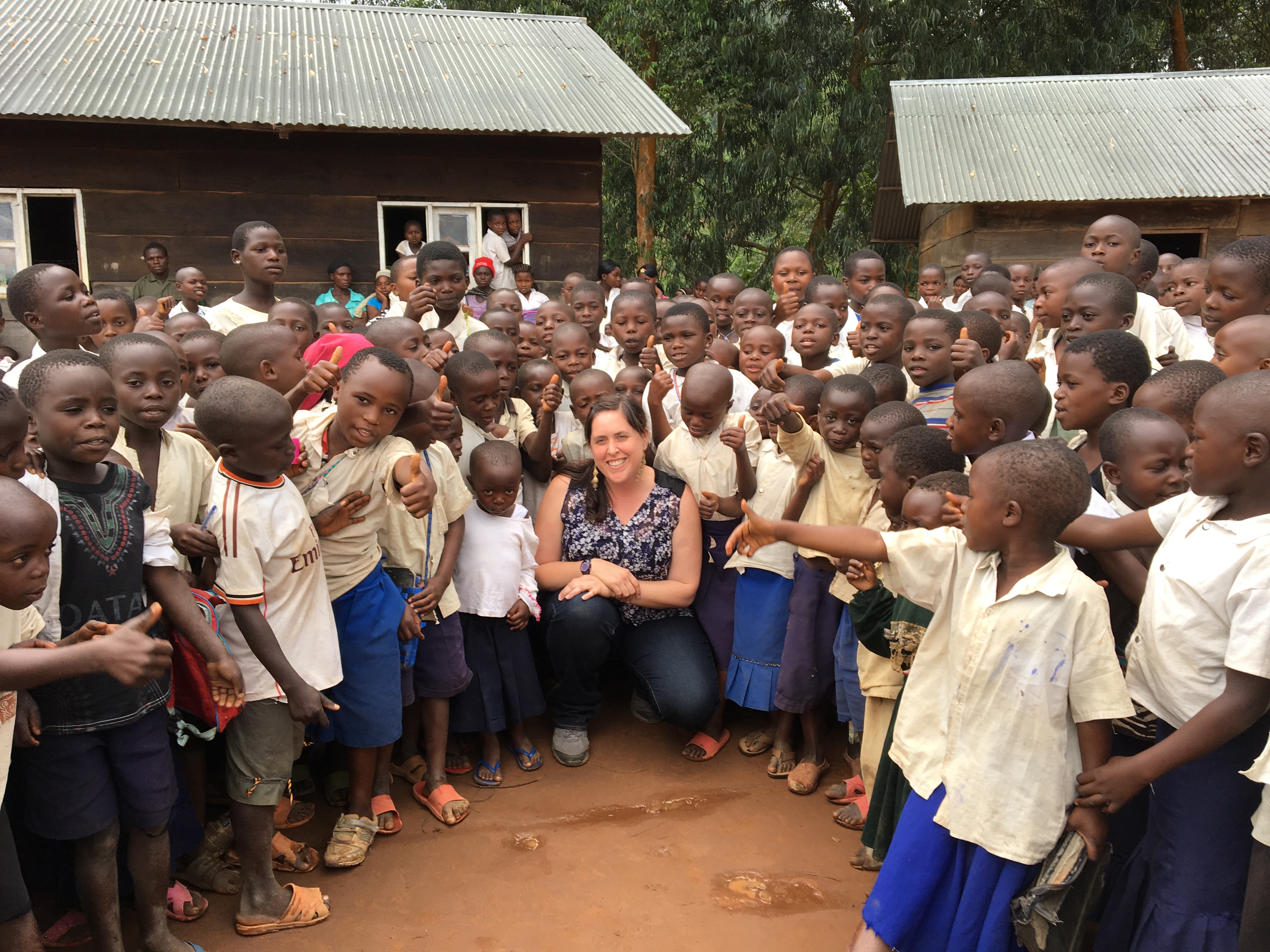
I can’t say enough about the amazing people that I met throughout the course of our visit. The team at GRACE is truly a hard-working, dedicated, passionate group of people and they give tremendous hope for the future. Additionally, on our last day at GRACE, we were fortunate to take part in a tour of the local village, led by the women’s cooperative, where we met many members of the community. We were invited into homes to see cooking demonstrations and to learn about some of the small-scale businesses they own and operate. We also visited Muyisa Primary School, where we were greeted with song and dance and hundreds of smiling faces. Everywhere we went, people were kind and welcoming. They definitely made it difficult for me to leave.

As we move forward, the Education Advisory Group and the Congolese educators will continue to meet by way of monthly conference calls. We’ll continue to advise efforts and offer additional training. I’ll also be working on developing humane education curriculum and projects for the children’s conservation clubs which currently exist in five communities. Stay tuned for more to come on that!

– Lisa Forzley is a curator of education for the Detroit Zoological Society and oversees the Berman Academy for Humane Education.

Notes from the Field: Adopt-A-School Assessments in the Amazon

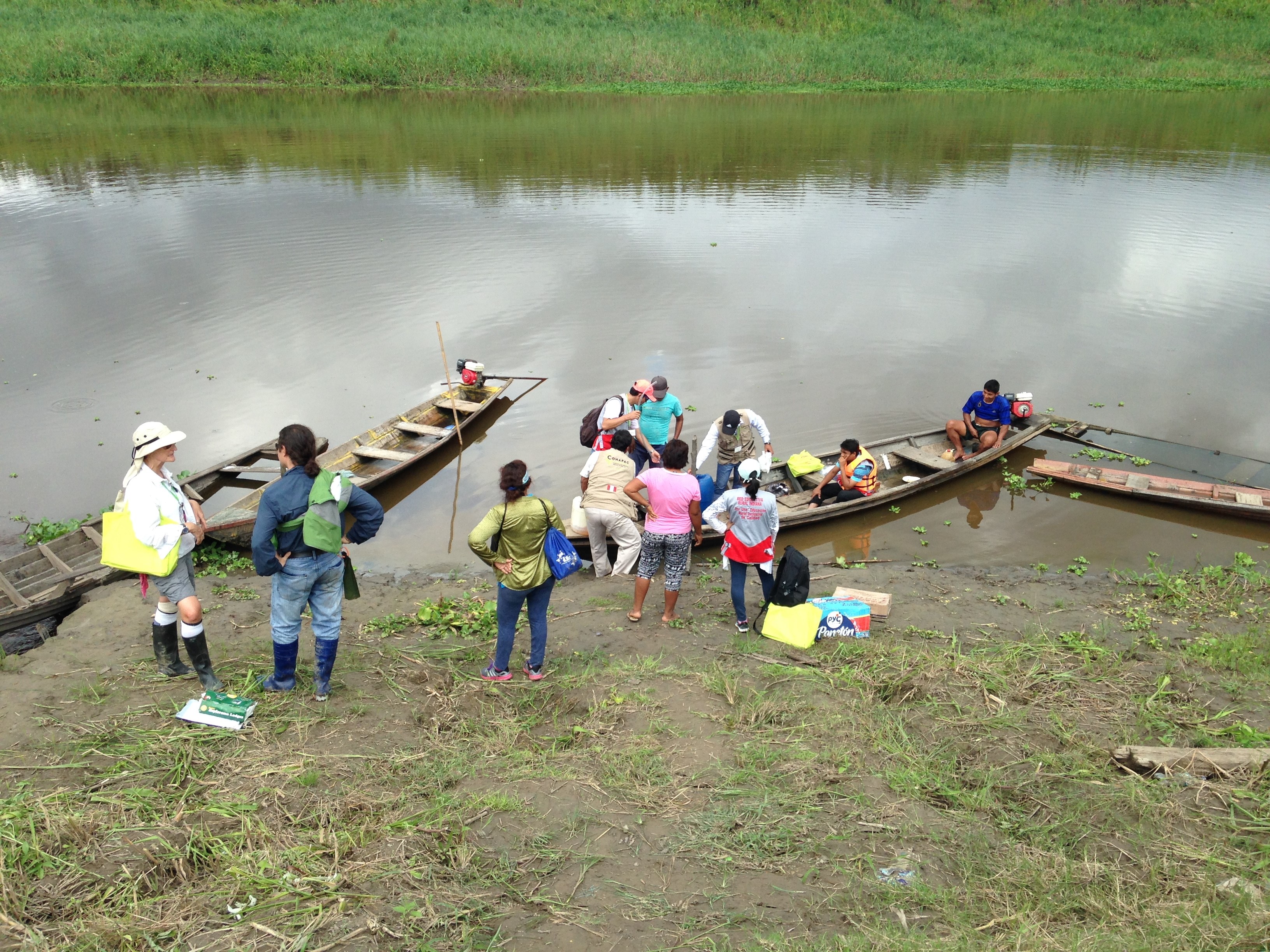
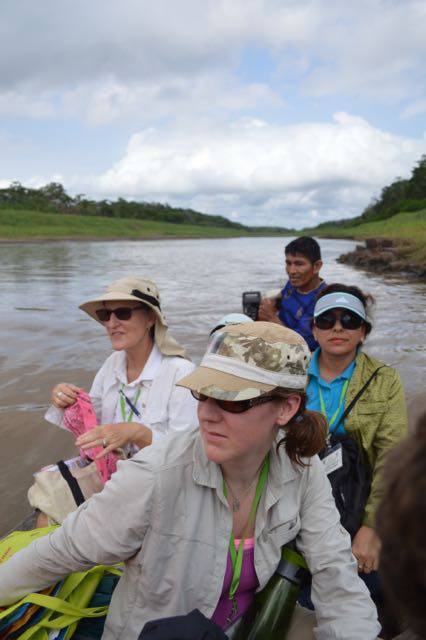
When the boat beached for the third time on a sand bar, we knew we were in for a long day. Late autumn means low water in the Peruvian Amazon, requiring more walking than boating to get around. I was in the rainforest with a Detroit Zoological Society (DZS) colleague, representatives from our Peruvian partner, the Civil Association for Conservation of the Peruvian Amazon Environment (CONAPAC), and several volunteer educators from the nearby city of Iquitos. We were conducting our annual end of the school-year evaluations in the Amazon Rainforest Adopt-A-School program communities and we were in for a long, hot day.

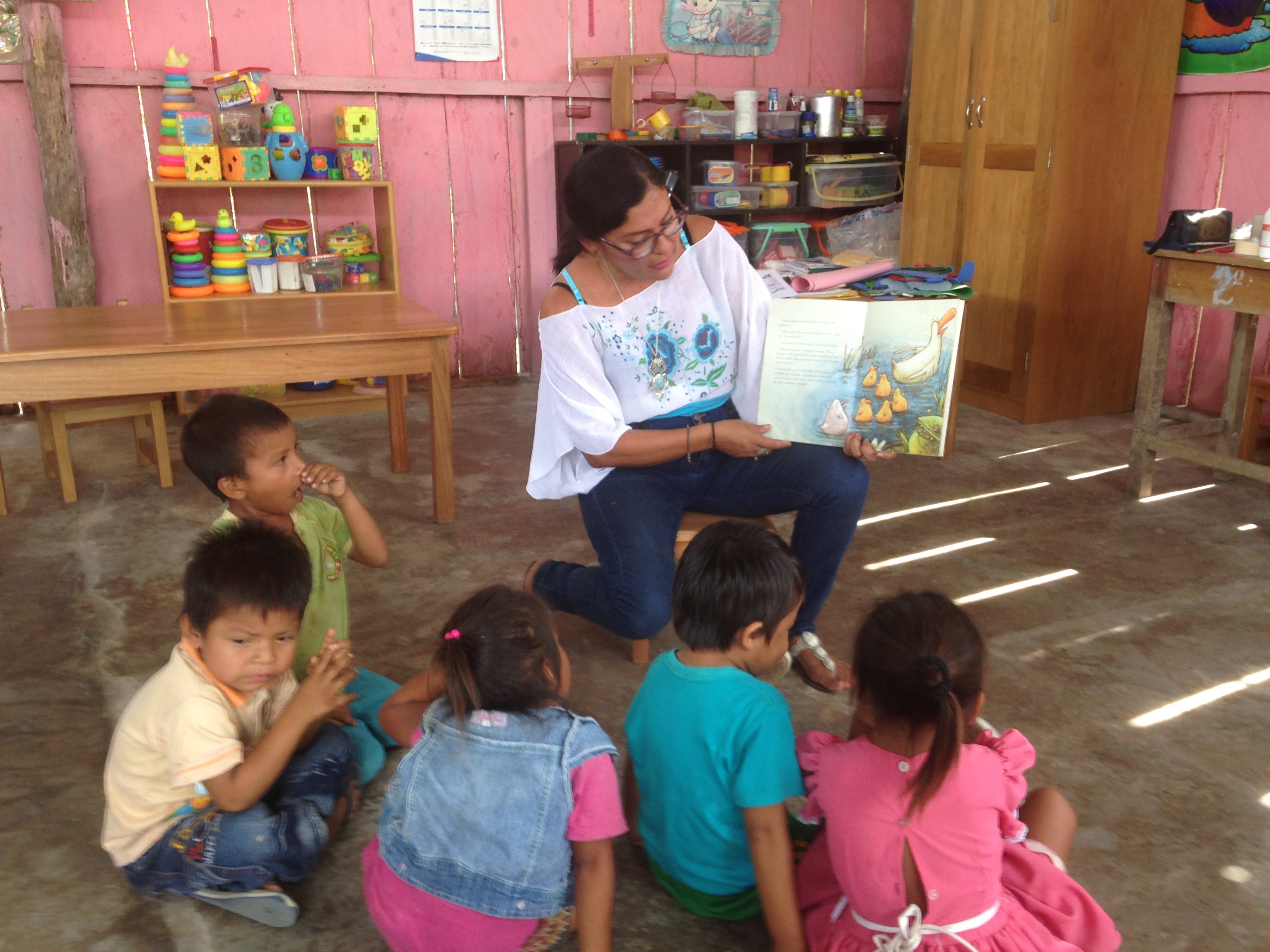
The Adopt-A-School program is a decades-long partnership between the DZS and CONAPAC, using donations to provide educational supplies to schools, teachers and students in rural Amazonia. The program ensures that students have the materials necessary to earn a basic education and build an understanding of the complex and globally important region they call home.

The evaluations we conduct each fall coincide with the end of the school year in Peru – late November to early December – and are a great opportunity to focus on each community’s strengths and challenges.

The experienced boat drivers know when to call it quits and ours realized there was no viable path down the parched river. He dropped off us off on a muddy river bank and we gathered our supplies and trudged up the bank to a path on the jungle’s edge. An easy half hour walk brought us to a familiar animal sanctuary and a long dock that stretched into the tributary we needed to travel up to get to our assigned communities.

The dock stretched toward the water but ended on a muddy beach, not quite reaching the shallow, murky water. At first, the damp mud was easy to traverse, the sand holding firm. Then the river bank dropped off and the choice was to wade through the mucky water or climb the bank and walk through giant grasses that stood 10 to 12 feet tall. We chose the grasses.

After another half hour of battling grass stalks as thick as sapling trees and covered with spines, the river’s edge dropped back down to a sandy pathway. We gratefully slid down and continued our walk. Soon, a wooden boat about 10 feet long with a small outboard motor came towards us. After some negotiation, all 11 of us piled on board. We carefully balanced our bags and ourselves for an easier, albeit slow ride up the shallow river. A full three hours after we set out, my small team and I arrived at one of the communities that we were assigned to evaluate.

Community evaluations are a critical part of the Adopt-A-School program. They confirm that participants are holding true to the contract of sustainable resource use, prioritizing education, and organized leadership in exchange for support from CONAPAC and the DZS. All 55 communities were visited and vetted through a comprehensive rubric that addressed environmental, educational and institutional management. The vast majority of the communities were rated as “good” or “excellent”; three were placed on a watch list and one was unfortunately cut from the program due to a breach of contract.

This community has faced some challenges over the past several years. Record floods wiped out crops and unsteady leadership let the community bakery and drinking-water purification plant fall into disarray. CONAPAC offered support in restarting the bakery to make it a potential profit source. Turning raw materials into a finished product has a higher profit margin and bread is a constant need in surrounding communities. CONAPAC also offered training and materials to restart and refurbish the water purification plant, ensuring there would be clean drinking water available. The community declined both offers.

When the evaluation team arrived to assess the community, they came across a large path of bare earth; huge machines had clear-cut a road into the rainforest. The community acknowledged that they had contracted with a lumber company who had cut a path into the forest, removing dozens of large, old-growth trees for a relatively nominal amount of money. The community leadership was neither remorseful nor willing to work with CONAPAC on other projects that would allow them to profit in an environmentally sustainable way. The evaluation team discussed and unanimously decided to remove the community from the Adopt-A-School program.

There is always an open door for communities removed from the Adopt-A-School program to rejoin. The process is careful and thoughtful, involving several community visits to ensure a change in either leadership or practice has prepared them to be a successful partner again. Many of the 54 communities currently in the program have participated for more than a decade and are both dedicated to protecting the rainforest and appreciative of the educational opportunities it provides for their children.

To learn more about the Adopt-A-School program and how you can make a difference in the life of a child in the Amazon rainforest, please visit https://detroitzoo.org/support/give/ and choose
“Amazon Rainforest Adopt-A-School Program” from the drop-down menu.

Our upcoming volunteer expedition is scheduled from March 25 to April 2, and spots are still available. Volunteers will help deliver donated school supplies to these communities in need along the Amazon and Napo rivers . For more information, visit detroitzoo.org/about/travel-programs/amazon-travel-program/ or contact clannoyehall@dzs.org and/or adewey@dzs.org.

Claire Lannoye-Hall is a curator of education for the Detroit Zoological Society.

Notes from the Field: Penguin Conservation Work Begins in the Falklands

When I was told that more people have landed on the moon than on North Island in the Falklands, I was thrilled that I would be able to join those lucky few. Though it may be just a tiny speck on the map in the south Atlantic Ocean, the Falklands are a new horizon for penguin conservation.

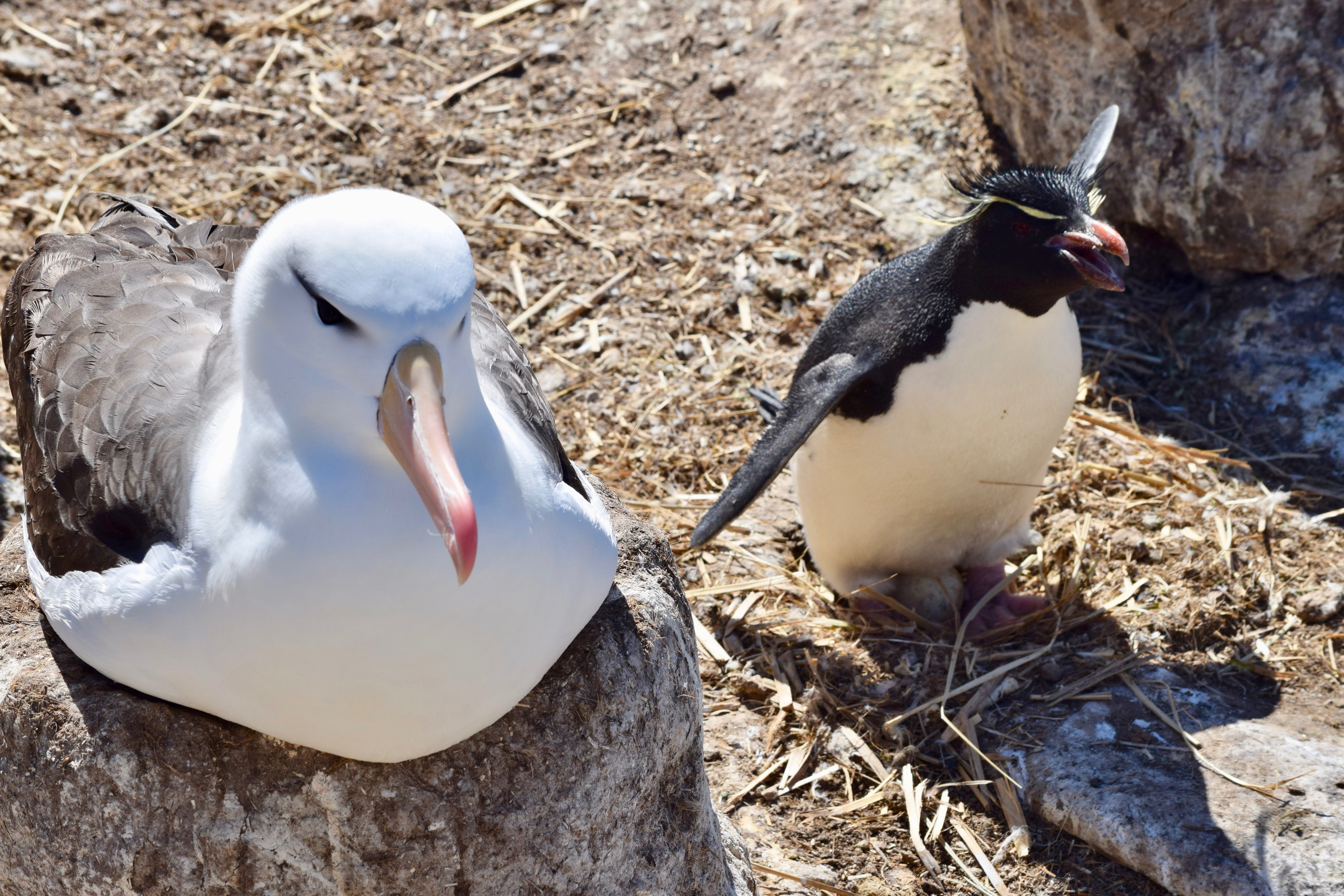
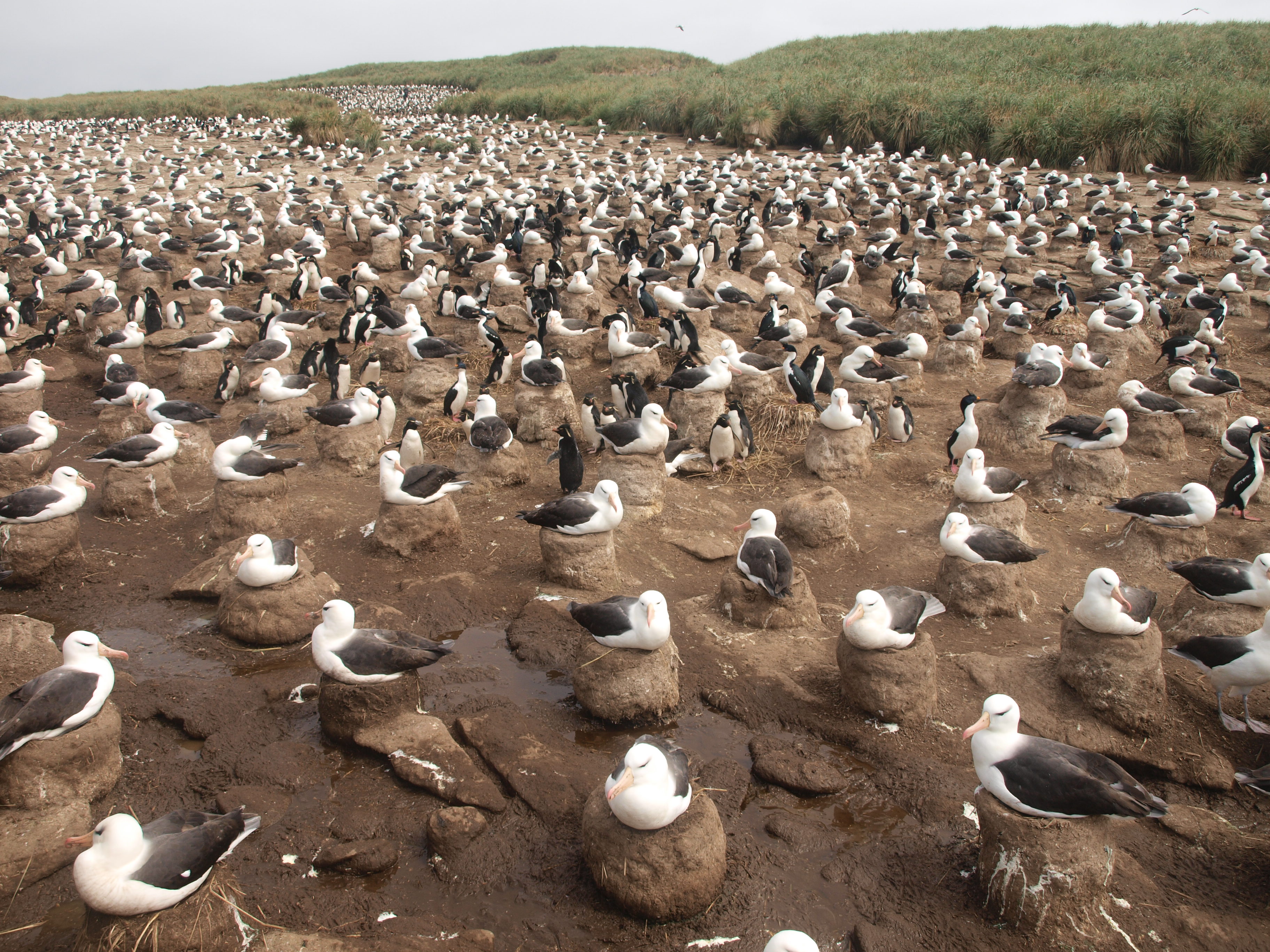
Detroit Zoo penguin keeper Charlie Ramsey and I headed to this remote island for a December 2016 expedition on behalf of the Detroit Zoological Society’s (DZS) extensive worldwide wildlife conservation efforts. We joined officials from Falklands Conservation (FC) to conduct baseline population surveys of southern rockhopper penguins, black-browed albatross and other sea birds and wildlife on North Island and five other islands nearby that were recently acquired by FC.

The DZS has partnered with Falklands Conservation for several years, and with the recent opening of the Polk Penguin Conservation Center, working with this organization directly in the field was a natural next step. The Falklands are critically important for several species of penguins that are also found at the Detroit Zoo, such as rockhoppers, gentoo and king penguins – but threats are looming from oil extraction and increasing ecotourism. It is thus essential to establish marine protected areas, and the DZS is working with Falklands Conservation reach this goal.

To get to our destination, we first flew to Punta Arenas, Chile, then to Stanley, the capital of the Falkland Islands, where we hopped on a small six-person airplane to Weddell Island and then boarded the ship, Le Sourire, for a four-hour trip to the western edge of the Falklands. Over the calm seas, our journey was highlighted by dolphins playing in the ship’s wake, and as we approached North Island I could see why so few people had ever landed there. In addition to the sheer cliff faces, the only landing spot was occupied by sea lions. We had to scramble up the rock face and then work through thick tussock grass where the animals were resting. I had been warned not to get between sea lions and the ocean, and as they barreled down to the water after being disturbed, I could see why.

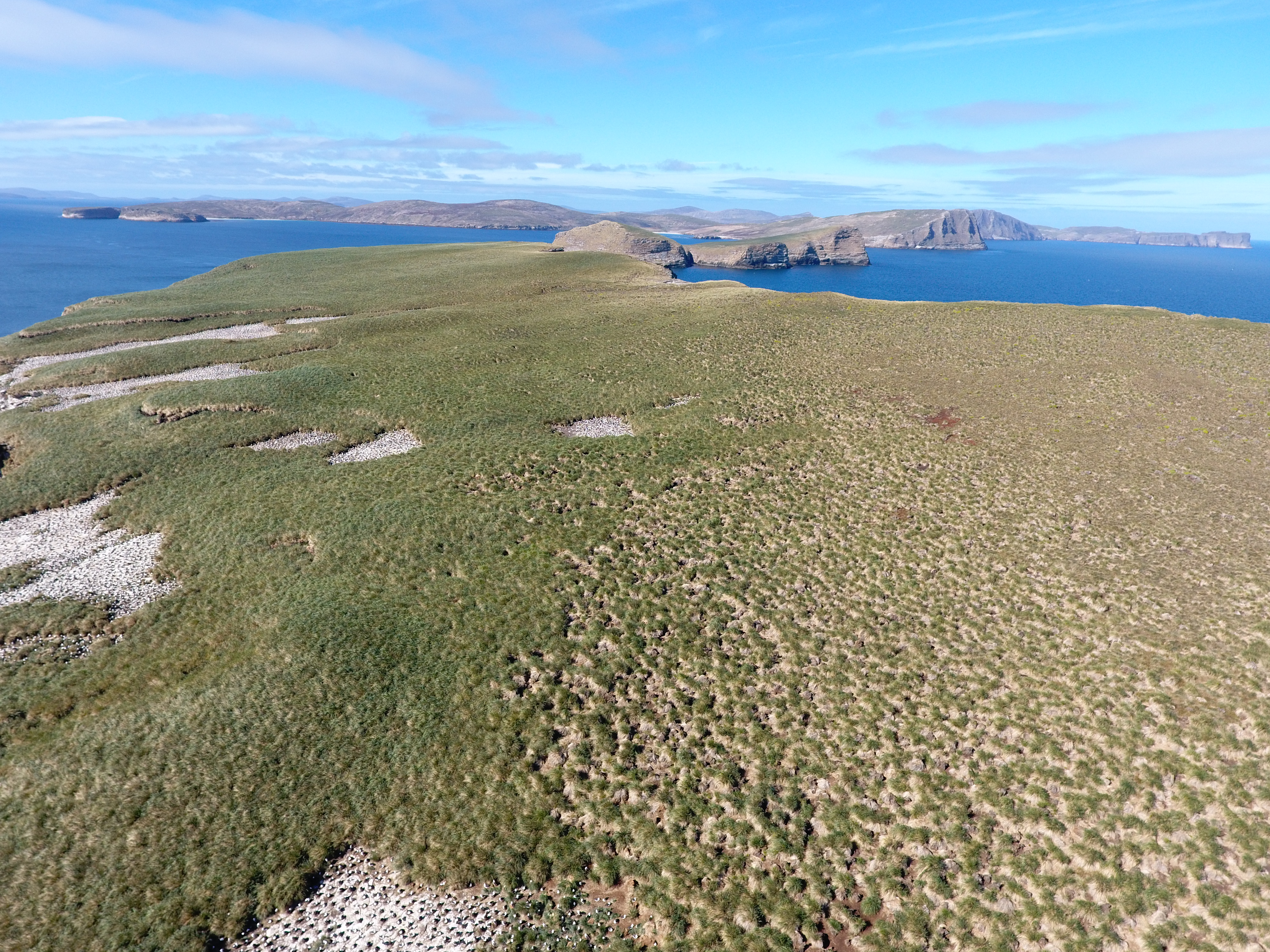
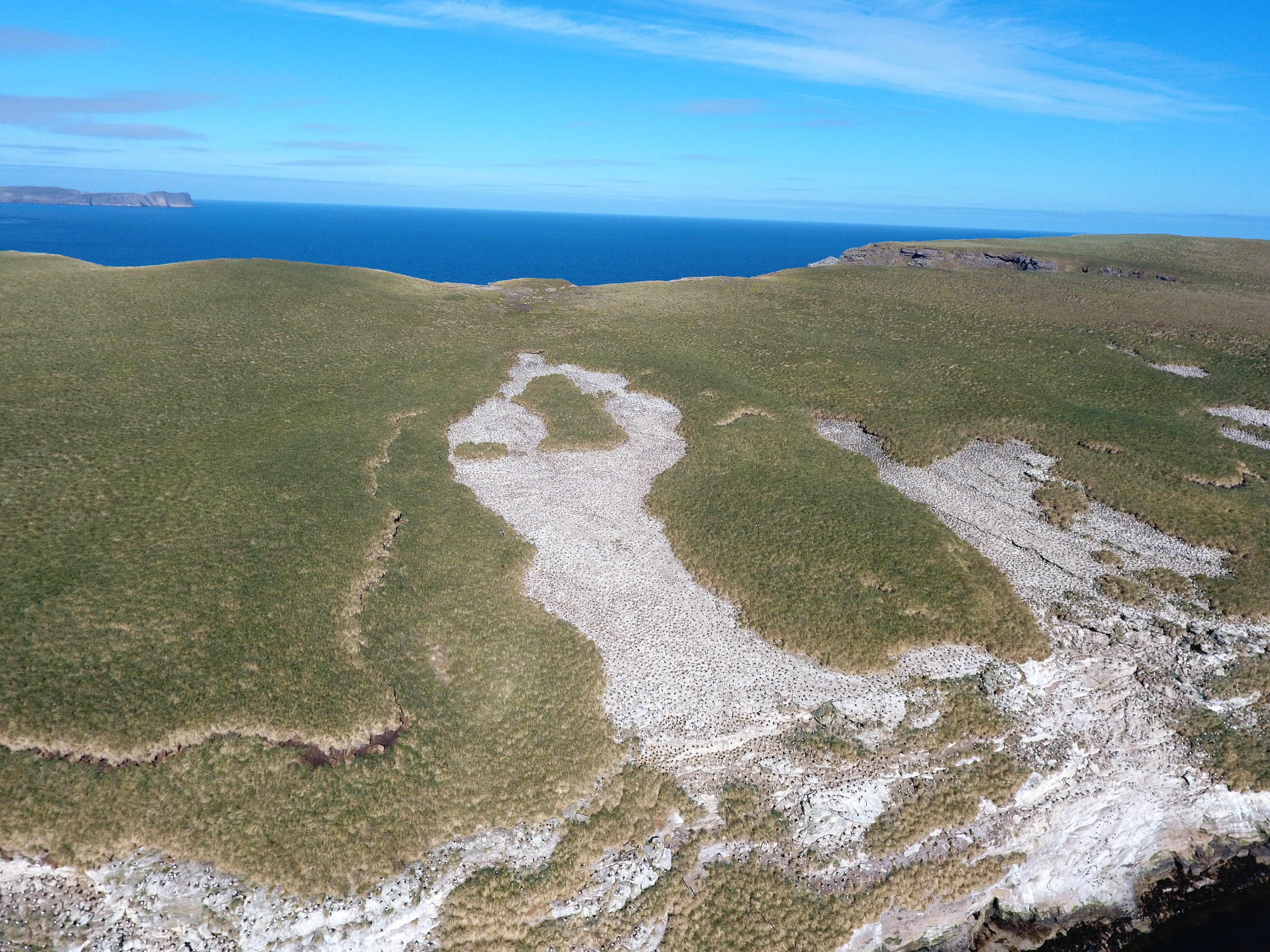
We safely arrived at the first penguin and albatross colony. In addition to gathering albatross fecal samples and penguin feathers for diet analyses, we also wanted to test how well a drone could be used for population surveys of the colonies. Charlie expertly flew the drone up to 275 yards high and at distances over 875 yards away, capturing incredible images of the colonies that were close enough to count individual birds and far enough away to see additional colonies over the whole island. The drone proved a very cost-efficient way to survey the island and shots of the cliff sides also helped the folks with Falklands Conservation to better appreciate how much they were being used by nesting birds.

G

North Island was the focus of our expedition because it has not been grazed by sheep or cattle and remains relatively pristine. We also used the drone to assess the recovery of tussock grass on three other FC islands which varied greatly in condition. One had been only lightly grazed and tussock remained in dense stands as at North Island while the others were quite barren with tussock only starting to recover. Facilitating this recovery is one of the primary focuses of Falklands Conservation, and pictures from the drone will provide valuable metrics for comparison.

By the third day at sea, the weather had become more typical for the Falklands, with periods of relative calm interrupted by hail squalls. The rough seas prevented a return flight from Weddell Island so instead, we headed north to the ship owner’s farm near Dunbar. This proved fortuitous because the next day as the weather calmed a bit, we were able to observe two large colonies of gentoo penguins before the flight back to Stanley. We also had the opportunity to visit the rescue center which cares for oiled penguins. At the moment, the center only cares for a few penguins at a time but with increased oil development planned in the area, the number of oiled birds needing proper cleaning and rehabilitation is sure to increase. The Detroit Zoological Society is a leader in oil emergency responses, and with potential disasters looming in the Falklands, there may be opportunities for us to partner with FC in the future, using our training, experience and expertise in this area in addition to conducting further research.

– Paul Buzzard, Ph.D., is the Director of Conservation for the Detroit Zoological Society.