Greenprint: Five Home Improvement Projects to Prioritize

If you’re like me, you’ve already started a short list of home improvement projects to invest in with your 2015 tax return. Below is a list of five home improvement projects that you should prioritize because tax incentives are currently set to expire at the end of 2016. These projects will bring you short and long-term savings by increasing your energy efficiency as well as savings in the form of tax credits.

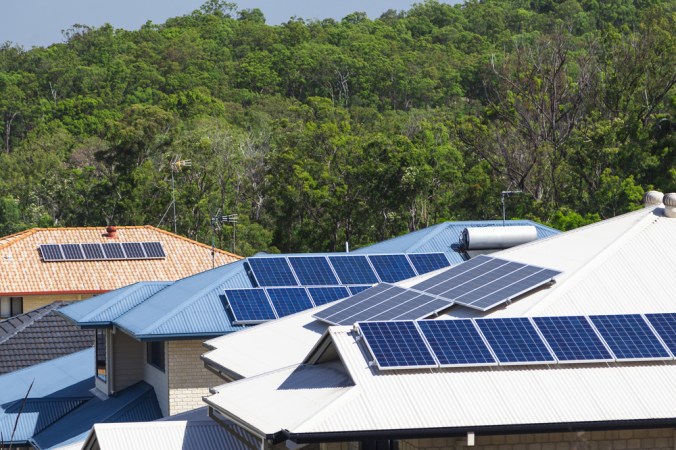
  • A new ‘Cool Roof’: By selecting a light colored roof material (metal or asphalt), you’re decreasing the amount of heat that’s absorbed by your home. You can also claim a tax credit that’s10% of the material cost up to $500.

solar cool roof

  • Replacing doors, windows or skylights: ENERGY STAR qualified materials will bring you savings in heating, cooling and lighting as well as a 10% tax credit up to $500 ($300 for windows).

skylight

  • Going Tankless: Heating water can account for 14-25% of your homes energy use. Investing in an energy efficient model will give you energy savings and a tax credit for up to $300 of the units cost.
  • Alternative Energy:  The most opportunistic investment is still with onsite renewables, such as geothermal, wind or solar with a tax credit up to 30% of the cost, with no upper limit. (Now through 2019)
  • Insulation: By increasing the insulation in your walls or attic, you will decrease your home heating and cooling costs as well as receive a 10% tax credit for the cost of the product, up to $500.

For all of these upgrades, you should be able to verify their qualification with your contractor or sales person.

For more information on energy efficient tax credits and incentives visit: Federal Tax Credits for Consumer Energy Efficiency or Energy Efficiency Tax Credits, Rebates and Financing: What Options Are Available for You?

– Beth Wallace is the manager of sustainability for the Detroit Zoological Society.

Notes from the Field: Island Hopping in Antarctica

This week started with our usual routines and turned into the best “fieldtrip” ever. We cruised through our work of counting penguins and weighing chicks and then we saw a wonderfully calm weather window. We had an extremely favorable, gentle forecast, which allowed us to make a special trip out to the Joubins – a special group of islands that our field team only has the opportunity to see once or twice a year because they are located outside of our boating limits. We packed two boats as a safety precaution and sailed westward.

The krill was thick and the ocean was pulsing with hungry predators. We spotted a humpback whale on our journey out, shortly followed by hundreds of crabeater seals and numerous penguins swimming around. Crabeater seals have very specialized teeth, which enable them to filter the ocean water while devouring krill. Some crabeaters were in the water while many others were laying on the large pieces of ice that drifted past us. There was even a leopard seal in the area, which could’ve been bad news for the “crabbies”. The much bigger leopard seals will eat crabeater seals given the right situation.

We made it to our first study island and were pleasantly greeted by Adelie, chinstrap, and gentoo penguins. This island was particularly fascinating with all three of these penguin species breeding together in the same colony. Many of the chicks were quite young but looked healthy.

Throughout the day, we continued to explore island after island, surveying nesting birds and taking in the unblemished beauty of this Antarctic paradise. As the day came to a close, we packed our boats and made the journey home through gentle seas safely back to the U.S. Palmer Station.

In our local area, the giant petrel eggs have been hatching and there are some excited parents! The chicks are darling fuzzy balls of fluff. Their cooperative parents take excellent care of them and allow us to do our measurements with no complaints. When we return the chicks, the parents snuggle them under the safety of their bodies.

The gentoo chicks are still small but growing quickly, and most of the Adelie chicks are huge. The Adelie parents are incredibly busy trying to keep the begging chicks full. During the upcoming weeks we should start to see the Adelie chicks venture away from their parents into little chick groups within the colony. They will also start to lose their down.


Thanks for reading; I will report back soon.

– Matthew Porter is a bird department zookeeper for the Detroit Zoological Society and is spending several months at the U.S. Palmer Station in Antarctica for a rare and extraordinary scientific opportunity to assist a field team with penguin research.

Animal Welfare: Residency Program Advances Mission

The Detroit Zoological Society’s Center for Zoo Animal Welfare acts as a resource for knowledge about animal welfare, and in many cases, this includes providing training to others in various ways.

One such way is through our residency program. Residencies offer individuals the opportunity to better understand animal welfare and how to apply scientific principles in order to assess it. Residents are recent college graduates who join our team for a period of six months, during which they assist with data collection on various welfare-related research initiatives and conduct their own independent project designed to provide us with more information about how animals are doing. Past residents have examined such concepts as the impact of underwater complexity on North American river otters, how temperature and social relationships affect how Japanese macaques use their habitat, and the effect of varying how food is presented on the behavior of the king brown snake.

We currently have two brand-new residents working with us, and we are so excited to have them join the team. They will be helping to collect data on the penguin welfare project we are currently working on as we prepare for the opening of the Polk Penguin Conservation Center; using video recordings of what the aardvarks are doing at night so we can have a better idea of how they spend their time and what environmental features they might prefer, and focusing on assessing the welfare of one of the species at the Zoo as part of an independent project. The information they gather will help us to figure out if the animals are thriving, and if any changes could result in even better welfare.

We are glad to be able to provide these kinds of educational opportunities to aspiring animal welfare professionals. Not only does this enable us to undertake even more welfare-related projects here at the Detroit Zoo, which helps to expand the existing body of knowledge about animal welfare, but it also promotes the advancement of animal welfare as these residents go on to the next part of their career.

– Dr. Stephanie Allard is the director of animal welfare for the Detroit Zoological Society and oversees the Center for Zoo Animal Welfare.

Education: Homeless dogs and cats benefit from Wild Lights crafts

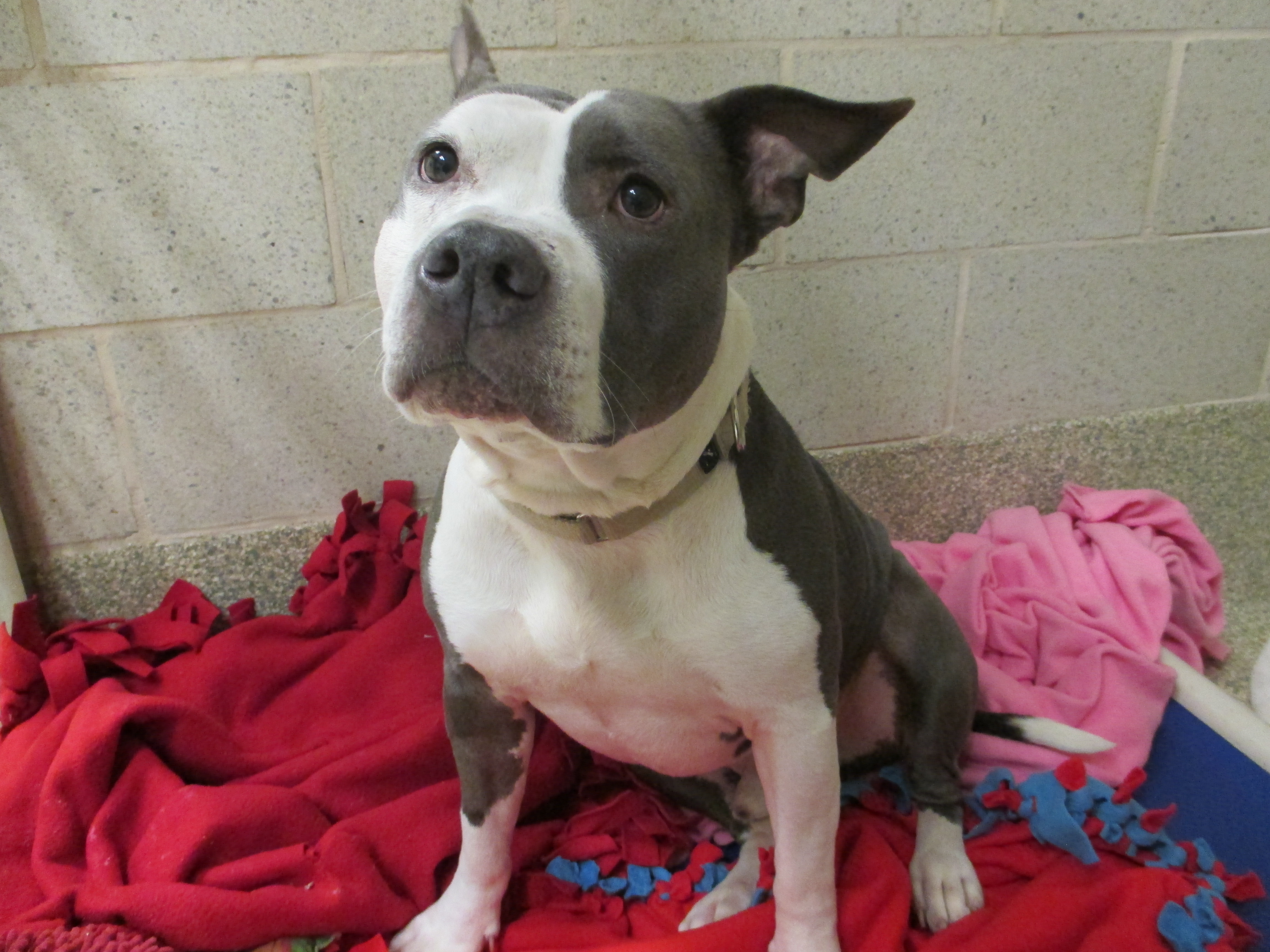
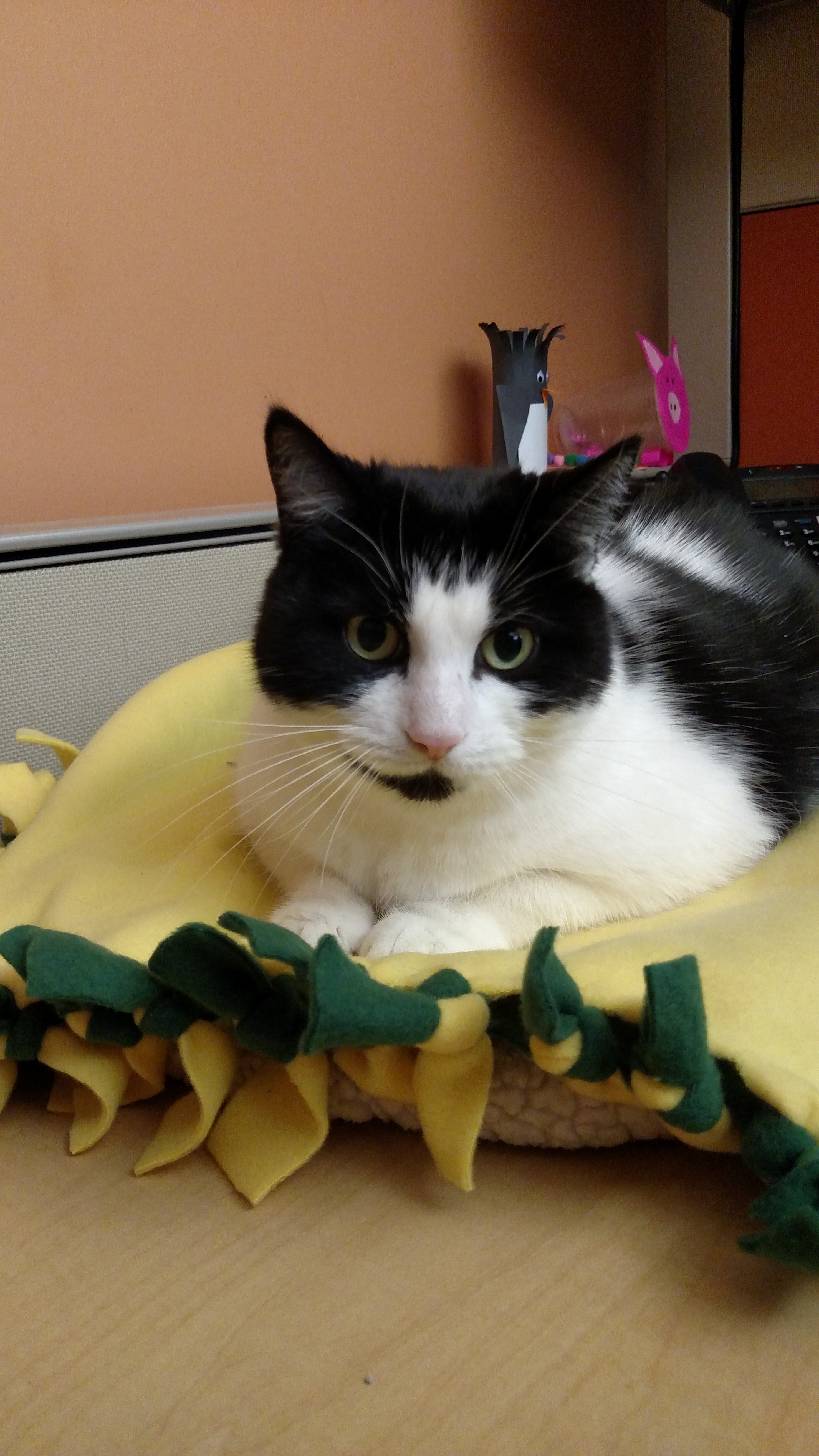
A big thank you to all who participated in our humane education craft during Wild Lights at the Detroit Zoo! We offered an opportunity for guests to make a fleece blanket or kitty play toy that would, in turn, be donated to local shelters. I’m happy to report that many homeless dogs and cats are currently benefitting from your generosity.

I recently dropped off eight large bags to the Humane Society of Huron Valley and many more will also be donated to the Michigan Humane Society in the coming weeks. Once the animals are adopted, their new guardians will be able to bring the blankets and toys home with them. This allows the companion animals to have something familiar in their new surroundings and can help with the transition into their forever families.

Our craft projects are purposefully designed. They are often centered around being kind to animals and the planet – not only does this instill a sense of joy, but there’s research that shows when you’re kind to others, it helps to foster empathy within.

Simple acts of kindness can make a big difference! Want to get started right now? You can find additional ideas on how to help animals at www.detroitzoo.org, www.hshv.org and www.michiganhumane.org.

– Lisa Forzley is the humane education manager for the Detroit Zoological Society and oversees the Berman Academy for Humane Education.

Notes from the Field: To the Moon and Back

Hello from the U.S. Palmer Station! The weather has been behaving and we were able to have a very productive week. Because of the warmer temperatures in Antarctica this time of year, some long-distance travelers from the north came to visit us – a group of more than 100 arctic terns have made their way down for the summer.

The arctic tern is an incredible bird that only weighs as much as a small apple yet it migrates farther than any animal on Earth. They breed in the Arctic during the northern summer and they travel to the Antarctic for the austral summer to feed in the rich waters of the Southern Ocean. They will travel some 45,000 miles every year and may live for decades. This bird lives a full life; it flies the distance to the moon three times over. It is absolutely inspiring watching these weary travelers make it down here, knowing they were at the top of the world just a few months ago.

Back in Michigan, the Detroit Zoological Society helps conserve two different species of tern – black terns and common terns. The DZS has worked with other agencies to develop and maintain a new nesting site for common terns, which have become quite uncommon along the Detroit River over the last 50 years. We are also working with the National Audubon Society and the Michigan Department of Natural Resources, looking at nesting success of black terns in the St. Clair Flats. Black terns are suffering population decline across their range and we are committed to learning more about their life history in order to reverse this trend and protect the species.

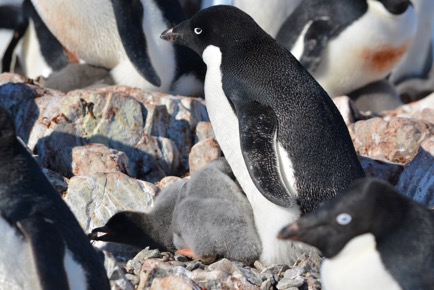
Besides the arctic terns, we have been very busy studying the local birdlife. The Adelie penguin colonies seem to show some variation with regard to what stage of development the chicks are in. Some of the chicks are getting huge and the nests are getting crowded as many proud parents have two chicks growing well. That being said, the noise level continues to climb and the colonies are starting to become messy! It does appear that the chicks pick up bad habits at a very young age (stealing rocks from the neighbors).

The brown skua chicks continue to hatch and grow as well. We have been measuring their beaks and routinely weighing them, tracking their growth. The parents can be a little feisty, but overall they tolerate us well. The chicks are beginning to run around and explore, which can make it tougher for us to find them.

As the days of this incredible journey continue to pass, the northern hemisphere has started to tilt back toward the sun and our days are shortening a touch. It’s still pretty much always light out, but it’s getting slightly easier to see the sun set.

Have a great week; I will report back soon!

– Matthew Porter is a bird department zookeeper for the Detroit Zoological Society and is spending the next few months at the U.S. Palmer Station in Antarctica for a rare and extraordinary scientific opportunity to assist a field team with penguin research.

Notes from the Field: Peeping Penguins and Spyhopping Whales in Antarctica

Happy New Year from 64°46’27” S, 64°03’15” W!

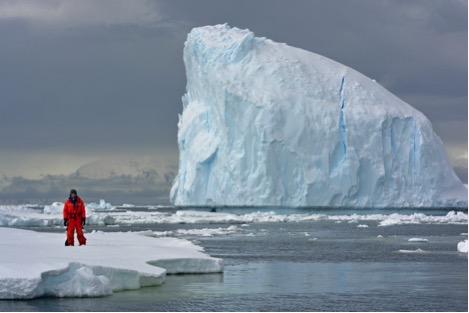
In Antarctica this time of year, the nights are very short – the sun sets around midnight and rises at 2 a.m., so it never really gets dark. As the days pass, many icebergs drift by and their variation and beauty leave me in awe. From small to huge, they come in any shape you could imagine and they express a variety of whites and blues.
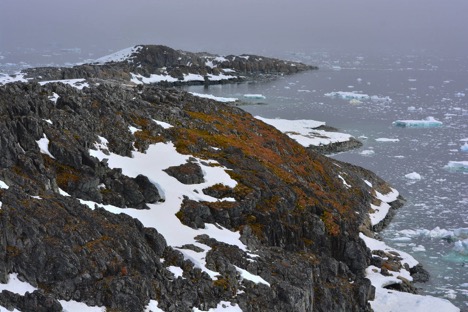
It is snowing a bit less, and the islands are starting to melt down a bit, which exposes the rocky cliffs and reveal a variety of different lifeforms. Antarctic hair grass is one of only two species of flowering plant found in Antarctica, and mosses and lichens paint the rocks on the islands in greens, yellows, oranges and more. Lichens are organisms made up of a symbiotic (or mutually beneficial) relationship of a fungus paired with algae and/or cyanobacteria.
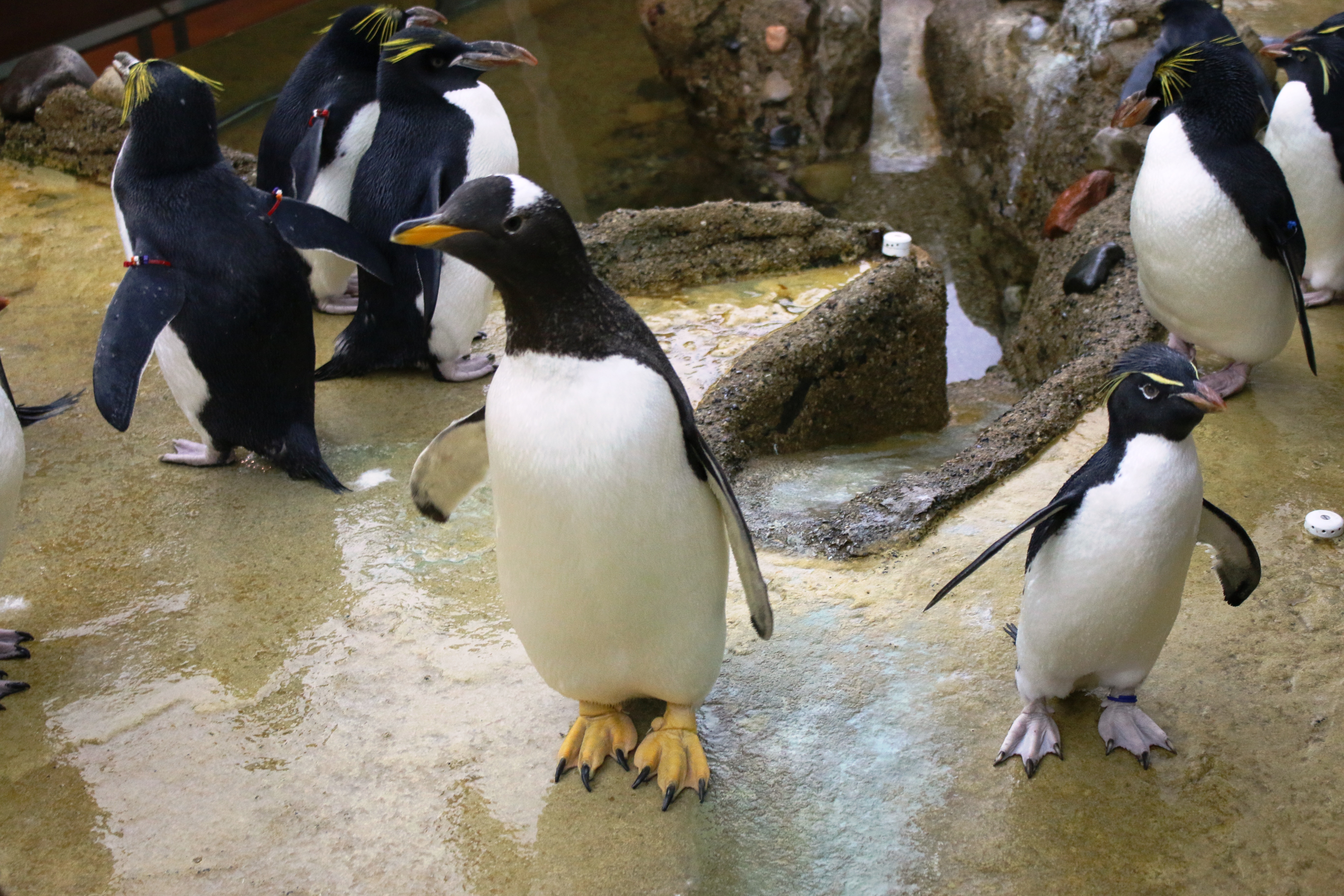
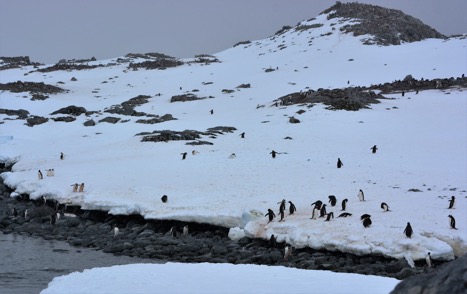
This nice break in the weather allowed us to make our way further south to conduct a survey of gentoo penguins. This species of penguin is the third largest in the world and there are currently around 300,000 breeding pairs worldwide. Where we are right now is on the southern extent of their range. It’s exciting to see this particular species in the wild, as gentoos are one of the four species of penguins at the Detroit Zoo. And while I’ve been in Antarctica, 20 additional gentoo penguins arrived at the Zoo as we prepare for the opening of the Polk Penguin Conservation Center in April.

Our team split up into groups and together we achieved a full survey of gentoo nests on the island. Most of the birds are incubating two eggs each in nests formed out of rocks. The sun peeked out of the clouds and lit up the sky as we marched from colony to colony.
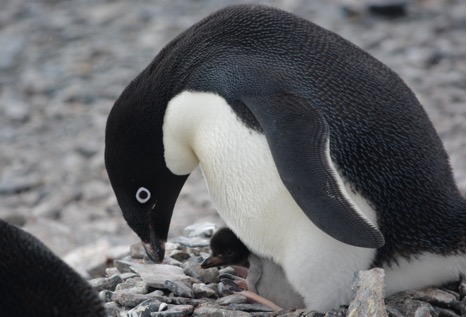
We also had some excitement as we were counting Adelie penguin colonies when we heard some faint peeping noises. The next generation of these amazing black and white birds had just started to hatch. A couple of lucky parents had very young chicks so small the gray downy bird could fit on your hand. We could see that many more birds were about to hatch as well – multiple eggs had externally pipped, which means that the chick has cracked or put a hole through the eggshell. Very soon the colonies will become incredibly noisy and messy! In the coming weeks, we will see the parent’s inexhaustible efforts as they travel back and forth from the ocean to the nest to feed and raise their young.

As is the case with many bird species, the chicks of Antarctica have to grow extremely quickly. Because the summer season (providing warmth and abundant food) is short, the young birds must grow quickly and prepare for migration or become ready to brave the harsh winter.
Brown skuas are also starting to hatch and soon the giant petrels will as well. We have been doing a lot of monitoring of the giant petrels and have identified almost all of the breeding pairs in our study area that have eggs. The giant petrels take turns incubating, with one bird at the nest, while the other bird goes foraging. Once we get the first parent’s band number, we wait about a week to let the birds switch roles. Then we can get the other parent’s band number while it is incubating the egg. All of these hatching chicks should keep us very busy in the upcoming weeks.
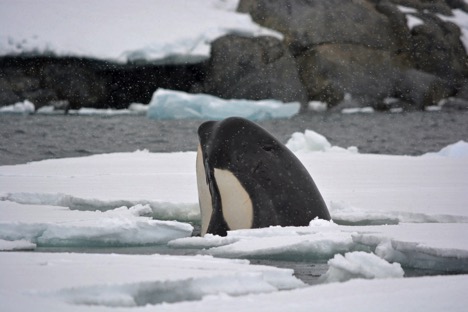
Throughout our travels, we have been keeping our eyes open and are listening for blow spouts as humpback whales are usually in the area this time of year. Over the past weeks, we have had a few sightings of minke whales and we had a pod of orcas come by right in front of Palmer Station. The orcas were popping their heads up out of the water looking for seals on the ice floes. This behavior is known as “spyhopping”. It was incredible watching these iconic, powerful animals work the inlet by station.

Thanks for reading; I will report back soon!

– Matthew Porter is a bird department zookeeper for the Detroit Zoological Society and is spending the next few months at the U.S. Palmer Station in Antarctica for a rare and extraordinary scientific opportunity to assist a field team with penguin research.

Notes from the Field: ‘Iced in’ at the Palmer Station in Antarctica

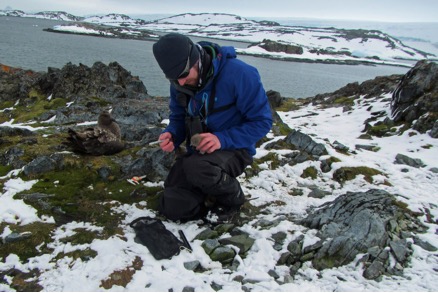
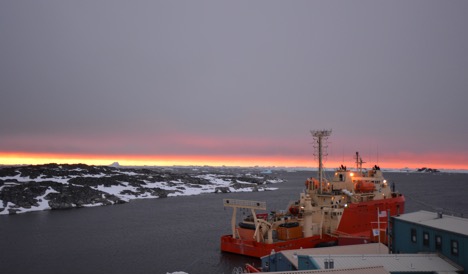
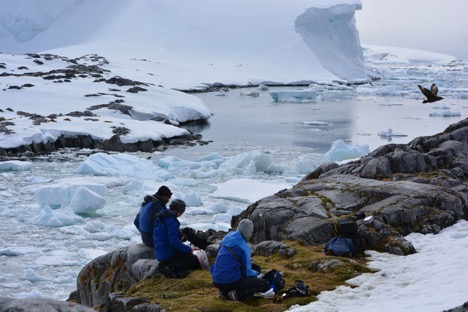
With the right wind, the harbor can go from totally clear to completely packed with large pieces of ice and glacier chunks within just a few hours, icing us in at the Palmer Station. When this occurs, we have to wait for the winds to change before we can work to clear the ice out. Being stuck at Palmer for a couple days was no problem though; it gave us time to catch up on data and paperwork and we were able to hike to a cove to do some fieldwork with southern giant petrels.

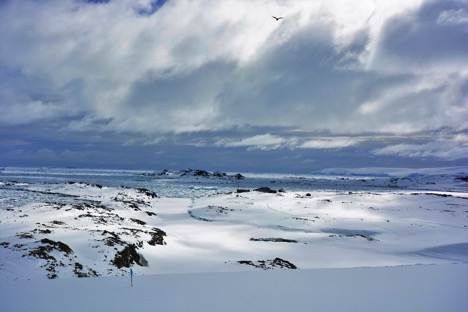
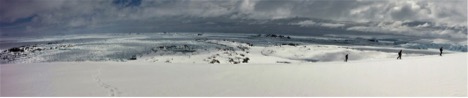
Land travel requires a lot of gear and also snowshoes, which we outfitted ourselves with before walking out into the “backyard” of the Palmer Station. We hiked up to the top of the glacier, where the views were absolutely breathtaking.

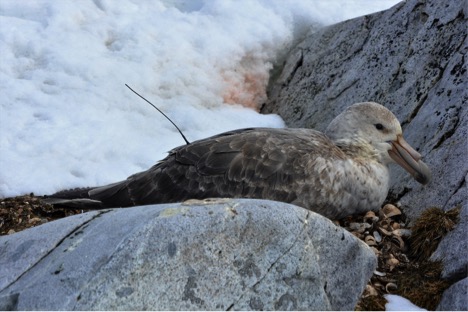
We walked around an inlet and back down the glacier over to a couple spits of land where southern giant petrels, Antarctic terns, and kelp gulls can be found. Giant petrels can have a wingspan of almost 7 feet and their eye colors vary from light to very dark, with every individual having its own unique color pattern. Many of these majestic and often very gentle birds have been banded throughout the years, and we were able to retrieve identification numbers from several of them, which will aid in the study of these birds. We were also able to outfit one of the birds with a transmitter to collect data on where the bird is travelling.

Finally, the winds shifted direction and we were able to travel by boat to continue our island fieldwork. We spent a lot of time catching up on censuses of Adelie penguin colonies – much to our excitement, many were full of parents incubating eggs! One humorous mainstay is the elephant seals that hang out around the station. Most mornings when exiting the building, there are multiple elephant seals present, which I’m told isn’t so common from year to year. We have to watch where we walk and keep our distance, giving the proper respect and privacy to all the local wildlife. In Antarctica, there are treaties and conservation acts to follow with regard to viewing wildlife, which is a good reminder of how we should treat all wildlife and wild places, no matter where we are in the world.

Thanks for reading; I will report back soon!

– Matthew Porter is a bird department zookeeper for the Detroit Zoological Society and is spending the next few months at the U.S. Palmer Station in Antarctica for a rare and extraordinary scientific opportunity to assist a field team with penguin research.

Animal Welfare: Penguin Research Continues as Opening of New Facility Nears

Our ongoing research project on penguin welfare continues as we get closer to the opening of the Polk Penguin Conservation Center, and we are learning a lot! For the past nine months, we have been keeping track of what the penguins are doing in the Penguinarium; where they spend their time, and with whom they are spending time. In addition, the data loggers that some of the birds have worn to track their swimming behavior have really highlighted how different each individual penguin is when it comes to spending time in the water. Some like to get their swimming done early in the morning, and some like to dip in and out throughout the day. Studying the welfare of animals is focused on each individual animal, and this is a perfect example of why this is important. By understanding how individuals differ, we can best meet the needs of each one.

We began this project to understand how the new Polk Penguin Conservation Center, opening in Spring 2016, would impact the penguins living at the Detroit Zoo. This not only helps us to ensure that the penguins here are thriving, but also to gain information that can be shared with others to benefit penguins living in other zoos and aquariums. An important part of the research is collecting what is referred to as baseline data, which is then used to compare with data collected in the new habitat so changes in the penguins’ behavior or activity patterns can be identified and so we can understand how they are experiencing the new habitat.

Some of the techniques we are using here may also help penguins in the wild. Field researchers can’t always study animals as closely as we can, so we may be able to provide valuable information to them, such as how we are using data loggers. We are also working on measuring hormones in penguin feathers that can provide more evidence on how penguins respond to changes in their environment. This is useful for penguins both in captive settings and in the wild.

We will continue to provide updates on this project, so be sure to check back to see our progress!

– Dr. Stephanie Allard is the director of animal welfare for the Detroit Zoological Society and oversees the Center for Zoo Animal Welfare.

Notes from the Field: Passion for Peru

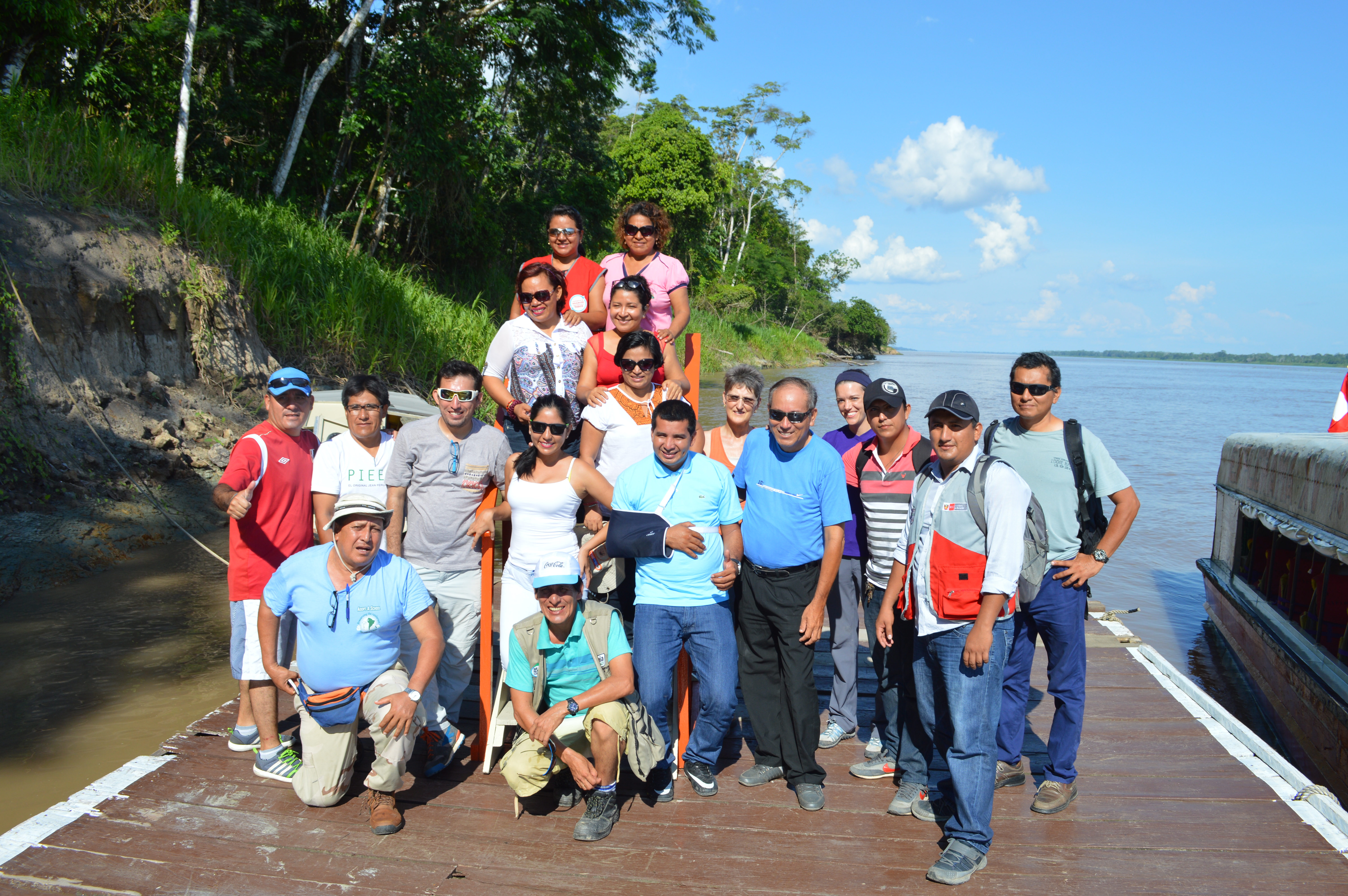
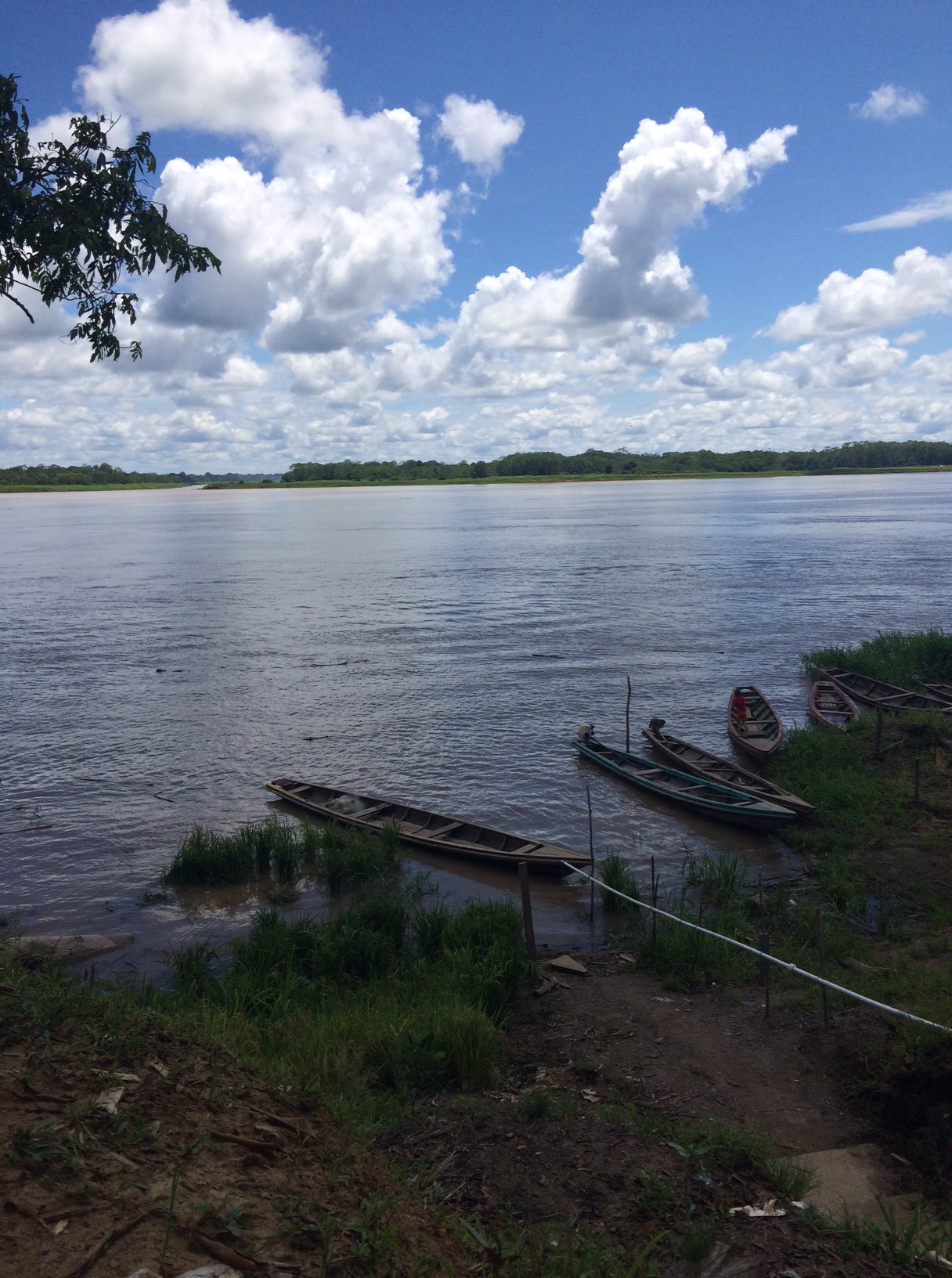
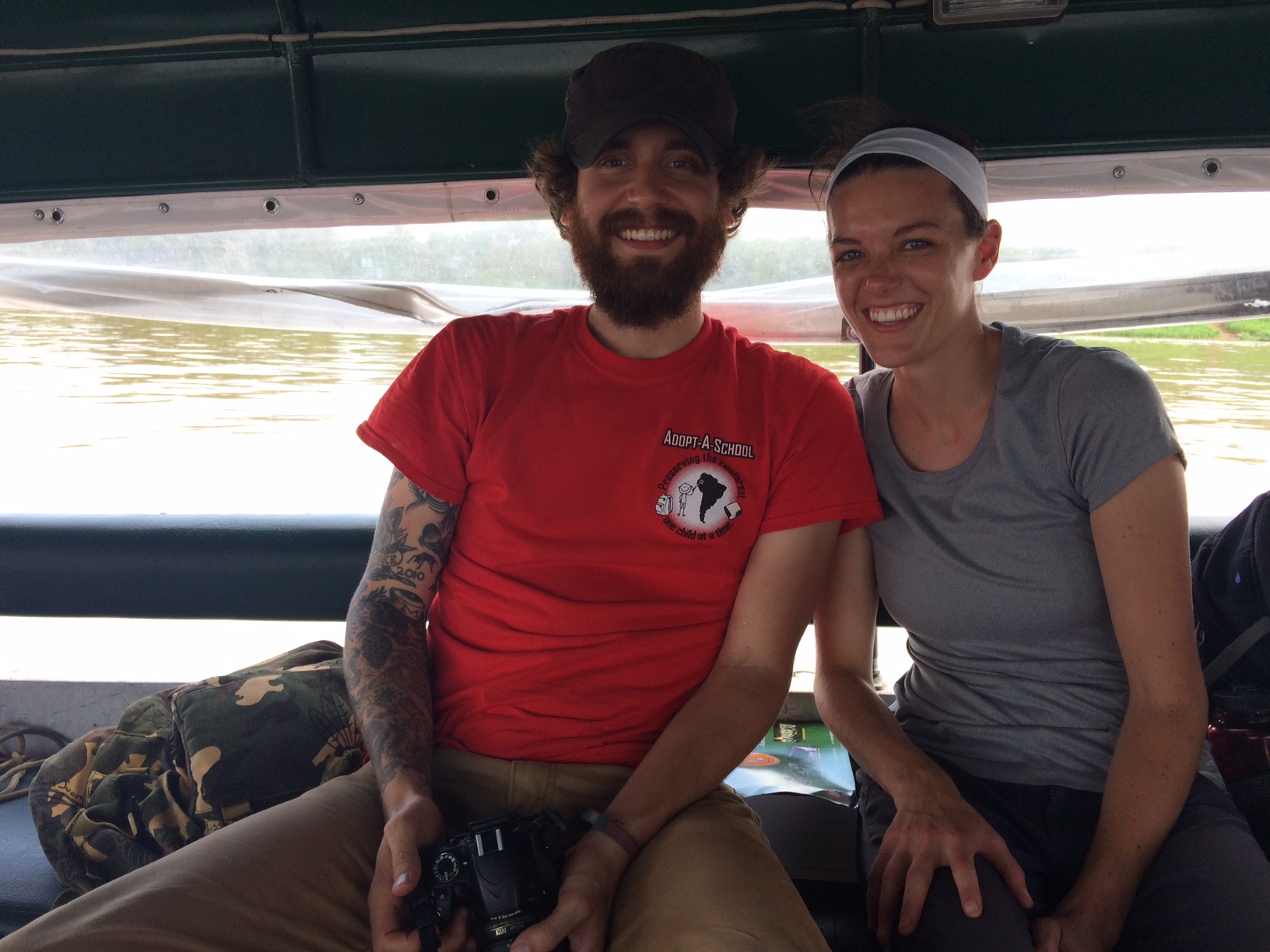
The fall trip to the Peruvian Amazon as part of the Detroit Zoological Society’s Adopt-A-School program has come to a close. Over the course of two weeks, our team of 21 staff members and volunteers were able to visit all 53 communities involved in the program. Even though each of these communities is facing challenges, they have shown their commitment to protecting the rainforest. The families clearly see the value of their children’s education.

To accomplish the evaluation for all the Adopt-A-School communities in a two-week period, we rely on volunteers from the city of Iquitos. Volunteerism is not a common practice in Peruvian culture; however the concept is growing. The volunteers this year included people in the fields of education, environmental sustainability and agriculture. The team was enthusiastic and dedicated, which was evidenced by the smiles of the children and hugs from community leaders. Their passion shined in the schools where they sang songs, told jokes and played games to help ensure students were comfortable with them before the evaluations began.

Volunteers support this program throughout the year, and now that the evaluations are complete, we are beginning to focus on our plans for next year. The Adopt-A-School program would not be able to function without the support of our volunteers from around the world. Without them and their contributions, we wouldn’t be able to deliver the donated school supplies to the communities at the beginning of the Peruvian school year. Our program volunteers contribute financially through a mandatory trip donation as well as providing their physical support and presence while they are in Peru.

If you’d like experience these beautiful places and meet some incredible people, consider volunteering with the Adopt-A-School program and join us in our travels to the rainforest in the spring: http://conapac.org/2016AmazonRainforestiBookletShort.pdf. If traveling to the Amazon is not for you, and you would like to contribute in a different way, please find a link to donate here: http://detroitzoo.org/support/give/adopt-a-school/.

– Carla Van Kampen is a curator of education for the Detroit Zoological Society. The Adopt-A-School program provides donated educational materials and supplies for schools in rural Amazonia. The DZS has partnered with Conservacion de la Naturaleza Amazonica del Peru (CONAPAC) in this conservation and education program since 1999.

Notes from the Field: Antarctica Fieldwork Begins

The first day in the field was an absolute dream come true for me. After an early breakfast and an intense look at the weather, we collected our gear and got dressed for a day of fieldwork. We dressed in layers to protect ourselves from the harsh environment and the potentially soaking boat ride. During my time in Antarctica, we will travel by boat to many islands to study different colonies of birds. The weather can change in a heartbeat, with strong winds bringing rough seas and treacherous ice drifts, so we need to be prepared.

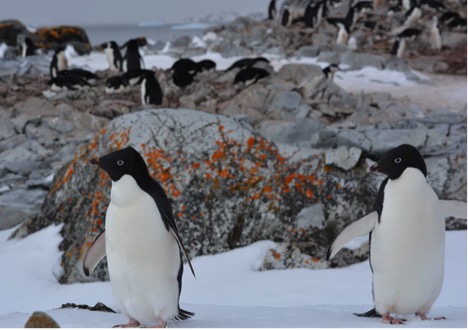
We headed out to a nearby island, which has multiple colonies of Adelie penguins. We tied up the boat and proceeded to count birds and collect data. I was speechless staring at a colony of these penguins and the pure beauty of nature – some birds were working on building nests out of rocks and others already had eggs – Adelie penguins generally lay a clutch of two. It is fascinating watching the birds work on their nests and interact within the colony.

Another bird of note in this region is the brown skua, a good-sized bird that will nest up on rocky ledges around the penguin colony. They often lurk on the edges of the colony waiting for an opportunity to steal eggs. Their strategy works well and they certainly get their fair share of Adelie eggs.

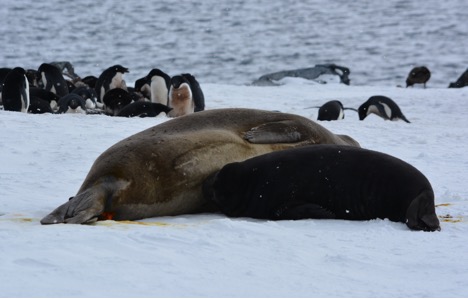
Near another Adelie colony, we spotted a southern elephant seal nursing her pup. There are many southern elephant seals in the area – the females weigh close to a ton while full grown males may weigh as much as 4 or 5 tons! Antarctica is a magical place that surrounds you with beautiful, pristine nature.

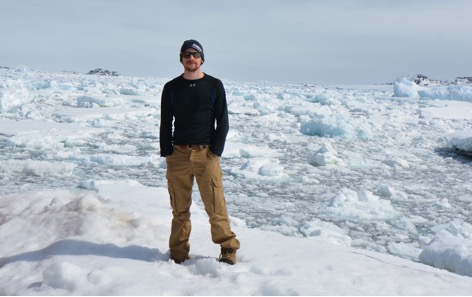
Throughout the week we have visited multiple islands surveying the birds and taking data. The conditions have been good with temperatures around freezing, with snow and rain mixed in. Thankfully the high winds tend to hold off until the evening, allowing us to get our work done. While I’m known at the Detroit Zoo for wearing shorts year-round, here I am wearing pants. What can I say – it’s Antarctica!

Thanks for reading; I will report back soon!

– Matthew Porter is a bird department zookeeper for the Detroit Zoological Society and is spending the next few months at the U.S. Palmer Station in Antarctica for a rare and extraordinary scientific opportunity to assist a field team with penguin research.