Answer the Call – Gorillas are on the Line

Information for our 2020 cell phone recycling program can be found here.

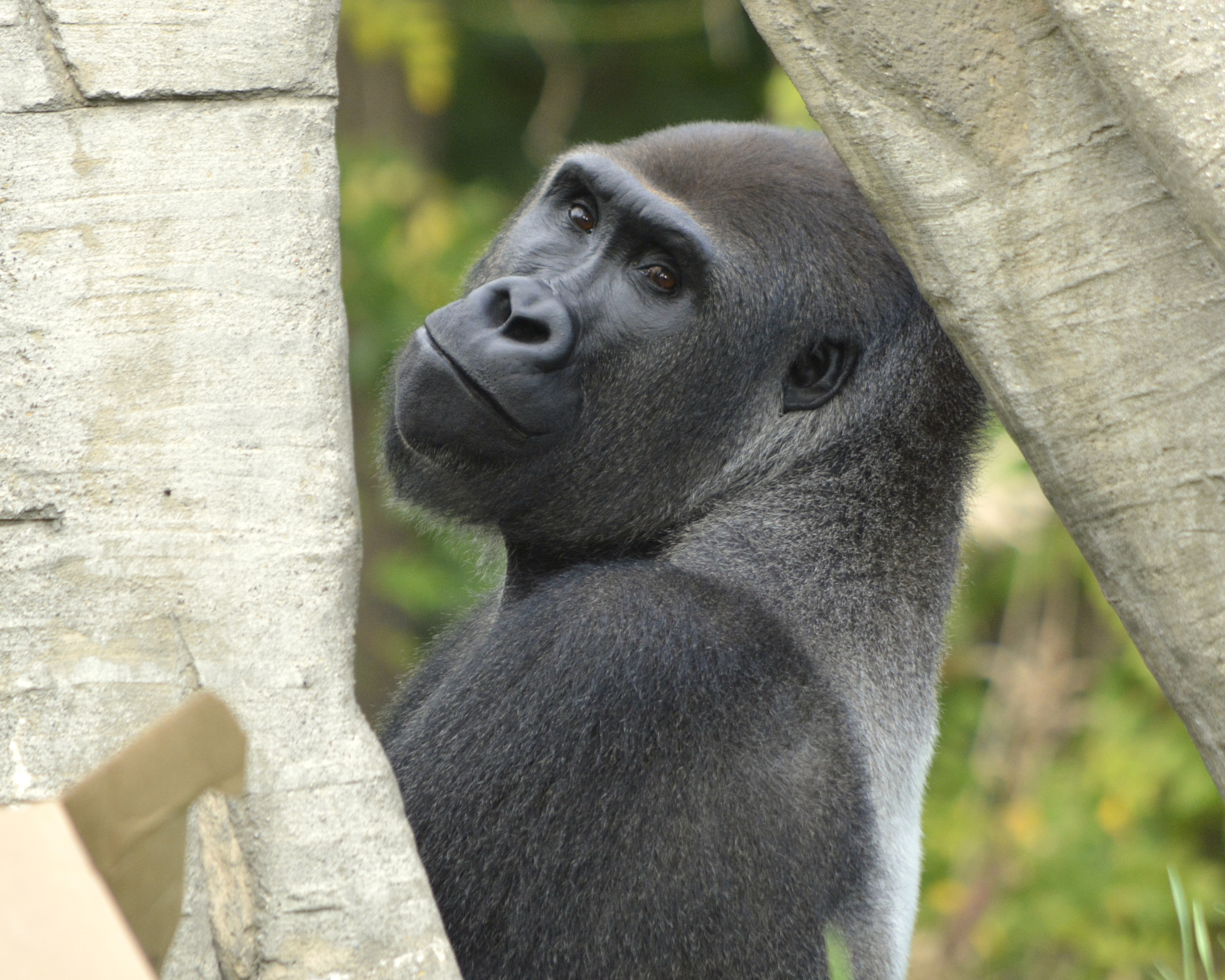
Grab your cell phone (if it’s not already in your hand) and go to your most recent calls. Scroll through your list. How many calls did you receive? How many minutes did you spend talking? What about texts – how many have you sent today? What if I told you, that every time you grab your phone, whether it be for a call, a text or to browse your social media accounts, you’ve held the fate of a gorilla in the palm of your hand?

A little heavier than you thought? The topic – not the gorilla. While gorillas can weigh upwards of 500 pounds, a cell phone typically only weighs about 4 ounces. But the actual weight of this issue is so much larger than what can be measured with a scale.

While materials like plastic, nickel, copper and zinc are common in most cell phones, there’s one rare and valuable mineral, coltan, in all cell phones and small electronics that directly impacts the survival of gorillas. Eighty percent of the world’s supply of coltan is found in Central Africa, which is prime gorilla habitat. Imagine having the cell phone equivalent of gold in your backyard. There would be a lot of people showing up at your house with shovels in their hands and dollar signs in their eyes. That’s the situation for coltan and the gorillas.

Coltan is luring miners into the forests, which causes trouble for these animals. Their habitat is becoming logged and dug up so the miners can reach the coltan, and people are bringing in diseases, which the gorillas can easily contract. People are also illegally hunting gorillas – either to eat, sell or trade for more supplies. The more cell phones people buy, the more coltan needs to be mined, and more gorillas are becoming homeless. With their numbers dwindling in the wild as it is, let’s work together to save them.
The Detroit Zoological Society is partnering with other accredited zoos within the Association of Zoos & Aquariums to launch a cellphone recycling program from February 1 through April 30. Our collective goal is to gather 10,000 mobile phones and engage 10,000 children and community members to help save gorillas. In addition to mobile phones, we will also accept iPads, iPods, cameras, chargers, etc., because they, too, contain coltan.

Fewer than 20 percent of old cell phones are recycled. So, whether yours are collecting dust in the garage or in a junk drawer somewhere in your house, consider bringing your old phones and electronics to the Detroit Zoo during the next three months. Donation bins will be set up at the Main Entrance; you can also deliver them to the guest relations associates manning the ticket booths. We’re also looking for local schools to join us in this venture and make a direct impact on saving species. If your school or classroom is interested in helping us protect gorillas, you can email cvankampen@dzs.org. Also, mark your calendar for our World Gorilla Day celebration at the Detroit Zoo on Tuesday, September 24.

– Aaron Jesue is a zookeeper for the Detroit Zoological Society.
Notes from the Field: Seabird Research Reveals Impact of Ice Decline in Antarctica

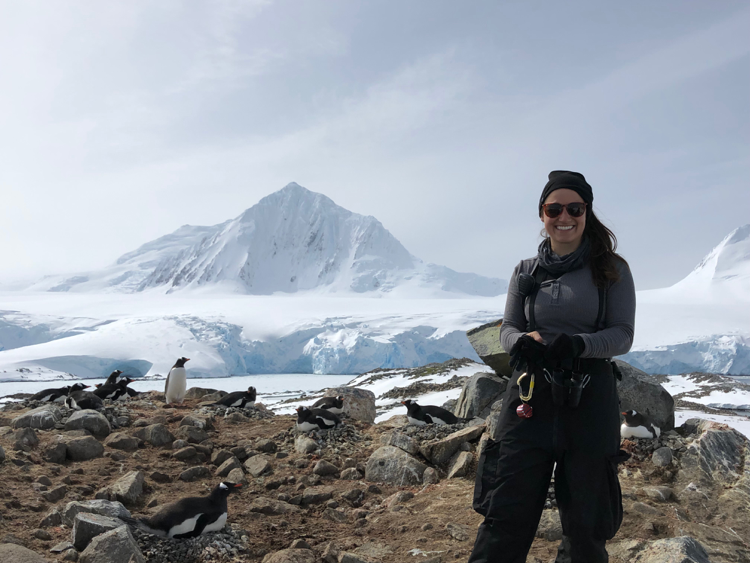
Where to begin!? I recently returned from a six-week expedition to Antarctica, living and working at the U.S. Palmer Research Station to study the populations of penguins and other seabirds. I’m still in awe of the whole experience.

Palmer Station is the base for a long-term ecological research program, where scientists are studying all aspects of the Antarctic ecosystem. The fieldwork conducted there through the Polar Oceans Research Group has been ongoing for 40 years, resulting in the collection of a lot of data. While scientists have determined that the climate is severely warming and affecting all regions in the world, the greatest effects are seen in Antarctica. Declining sea ice levels are negatively impacting many species of wildlife that depend on it.

Sea ice is crucial to the Antarctic ecosystem, and its loss can have profound effects. One example of this can be found by examining a small crustacean called krill. This animal feeds on the algae that grows underneath the ice and is a primary staple in the diets of many species, including penguins. Declining sea ice means fewer krill, which means less food for the fish that eat them and as a result, a depleted food supply for penguins and the rest of the food chain.

Sea ice losses can occur from both warmer air above it and warmer water below, and increased air and water temperatures means more snow. This makes it difficult for penguins to build their nests and when the snow melts, the nests are at risk of flooding and these birds may find their eggs floating in puddles.

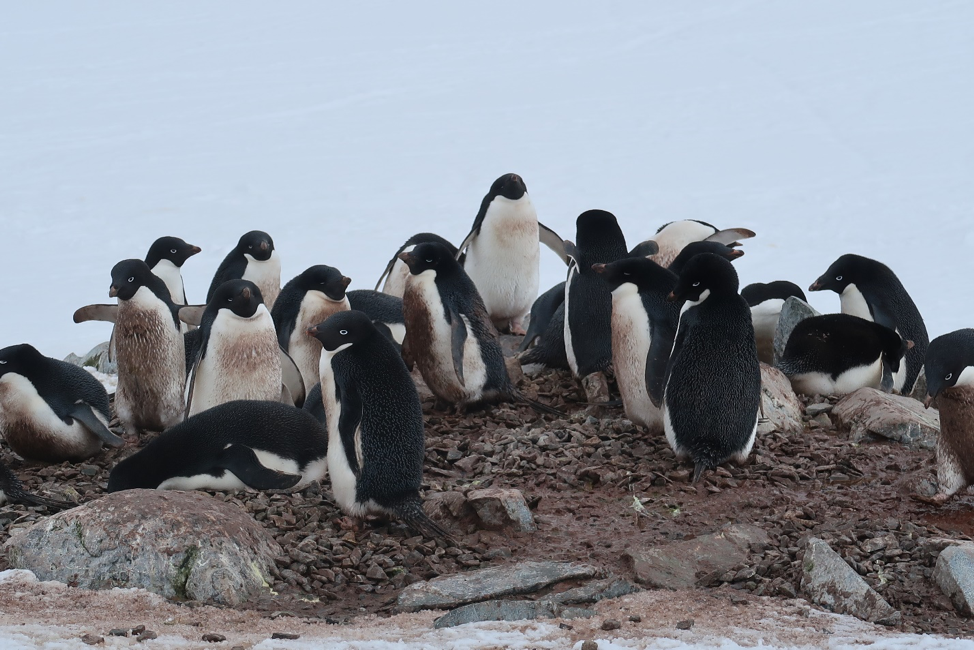
Upon my arrival at Palmer Station, we began conducting a breeding chronology study with two colonies of Adélie penguins on two local islands. We selected a few nests to observe throughout the season – our observations included periods of birds laying their eggs, the chicks hatching, and the chicks heading off on their own. These nests were monitored daily for predation and for the exact dates of chicks hatching. We also chose nests to be assessed for body condition and egg morphometric data. We took measurements and weights of birds and eggs to obtain a sampling data size of a larger population.

As part of another aspect of the program, we counted the number of individual birds in colonies of Adélie, gentoo and chinstrap penguins. One island was home to 6,000 gentoo penguins! Boy, did my thumb hurt that day from using a clicker counter. Unfortunately, most Adélie colonies were in decline from recent years’ data while gentoo numbers were increasing. One of the reasons for this is Adélie penguins rely more on sea ice than gentoos for feeding.

The sea bird program not only involves the study of penguins, but also every other species of bird surrounding Palmer Station, including giant petrels, brown and south polar skuas and kelp gulls. These species were monitored in various ways including mark-recapture, leg band re-sights and nest observation. We even deployed satellite transmitters on southern giant petrels – the data from the first transmitter we analyzed showed that the bird had traveled 1,500 miles in just 10 days!

In addition to bird surveying, we were asked to conduct a marine mammal census by identifying species, behaviors and group size. As a seal keeper, seeing various seal species in the wild was just beyond anything I could have imagined – Antarctica is home to crabeater seals, weddell seals, ross seals, elephant seals, fur seals and the infamous – and dangerous – leopard seals.

The Detroit Zoological Society has worked with the Polar Oceans Research Group for a number of years – its founder, the world-renowned polar ecologist and penguin expert Dr. Bill Fraser, was a consultant on the design of the Polk Penguin Conservation Center. This is the second time a member of our animal care team has been invited to take part in this rare and extraordinary opportunity to conduct scientific research in Antarctica during the austral summer.

– Flo Yates is a zookeeper for the Detroit Zoological Society.
Jane Begins to Explore her New World

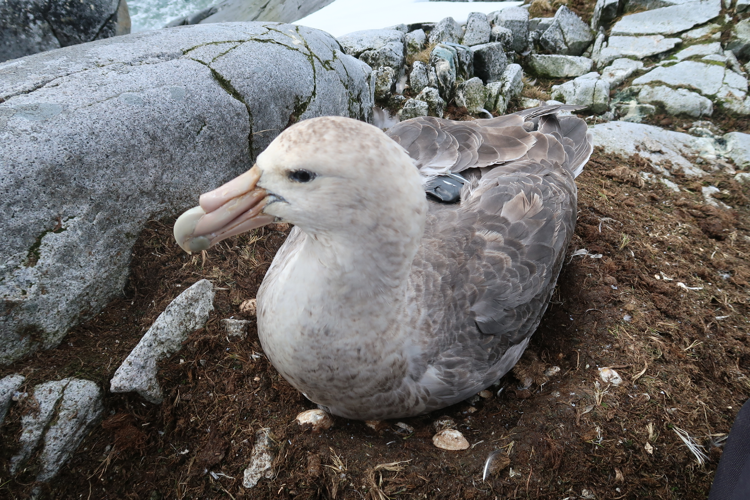
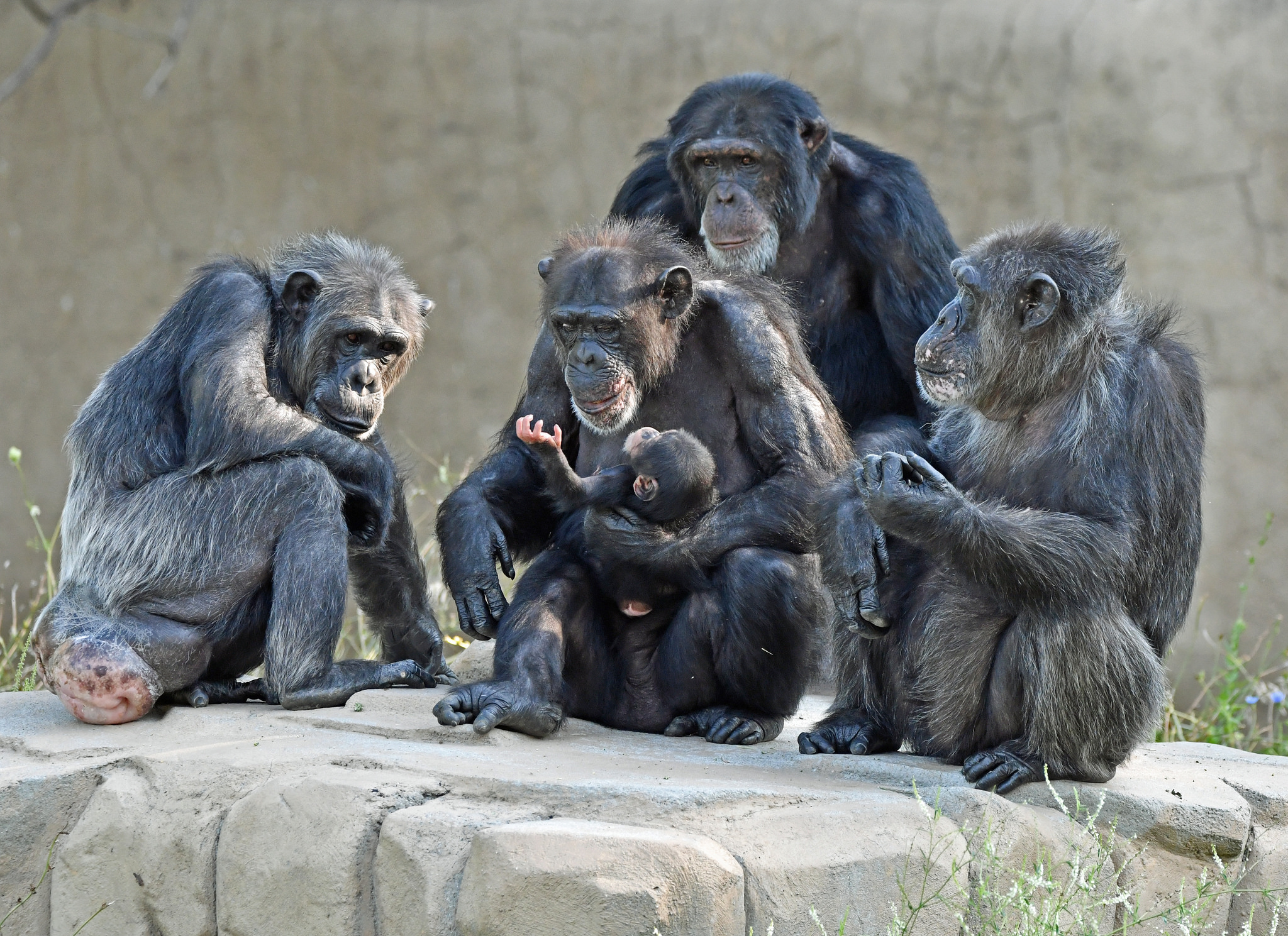
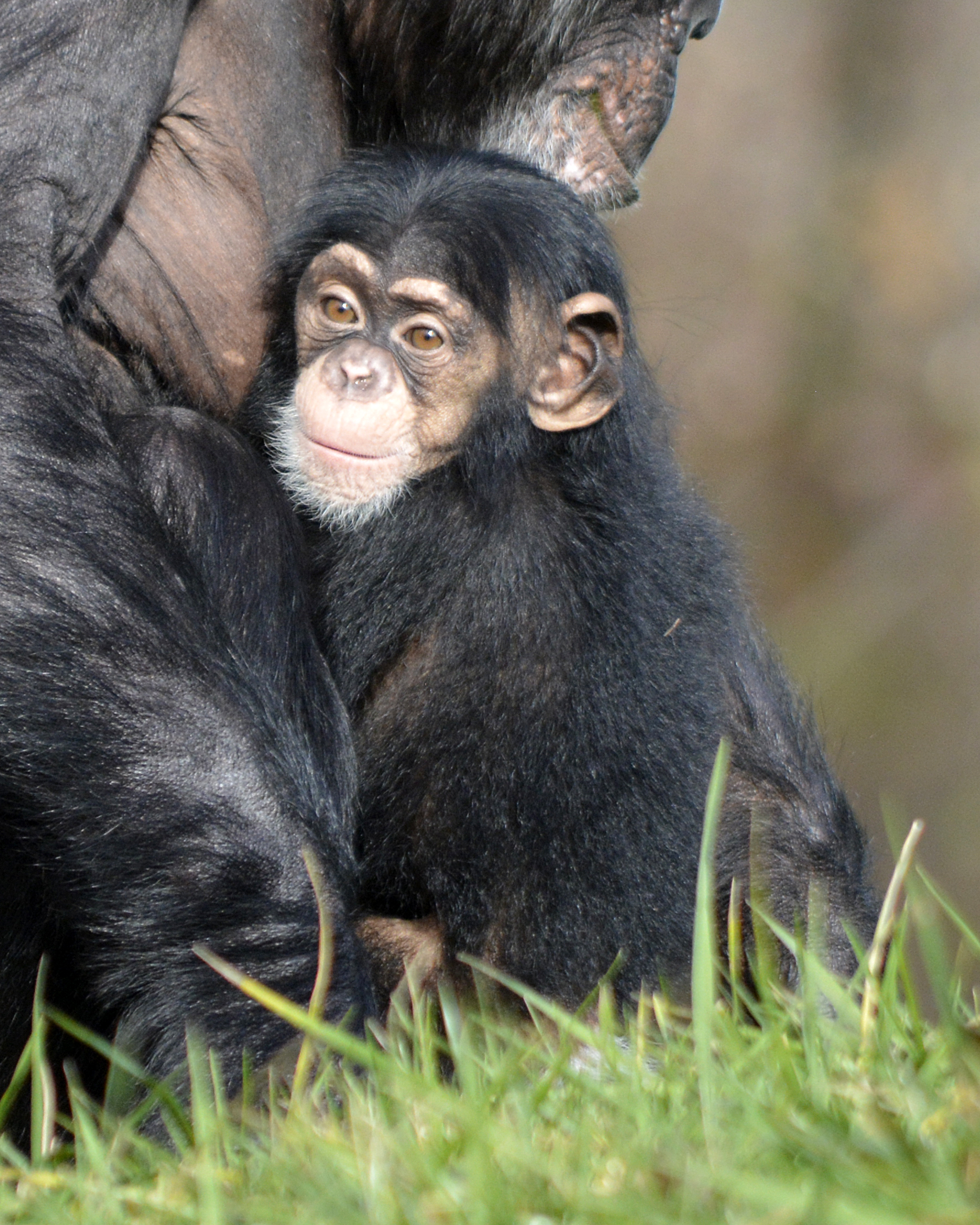
Animal care staff recently noticed two new white teeth peeking out through the gums of infant chimpanzee Jane. Now 6 months old, when the baby yawns, she reveals six pearly whites. As Jane wakes up, laying on her mom Abby’s chest, she stretches out her spindly legs, releases her grip on her mother’s hair and looks around. Everything in her world is something new to explore and we’ve already started to see Jane’s curious and intelligent nature.

Jane took her first steps tentatively. Holding on to Abby with one hand for support, she tried to reach forward to grab onto something sturdy to balance herself. It took the little one about a week to be coordinated and confident enough to move her foot to take a step, but after that she was ready to explore! Climbing was her next big feat. At first, she held onto Abby for extra support but she soon was ready to reach new heights without mom’s help. Each day, Jane would venture a little bit higher and test out her strength and balance by letting go of one of her hands.

The rest of the troop is still enamored with their newest addition. Many individuals can be seen sitting near Abby and grooming her, just to get a closer look at their youngest member. Occasionally, with her stumbling walk, Jane will reach out her hand to them to greet them, a chimpanzee communication she has learned from watching her mom and others. Some of the chimpanzees are gentle with her and will lightly place a hand onto Jane’s back while she sits between the adults or gently, with one finger, touch the top of her head. Abby is popular in the troop now that she is carrying a little one on her chest as all of the other chimpanzees want to spend time around Jane.

While others admire the little girl without touching, her half-sister Zuhura is overjoyed to have a young playmate. It’s clear Zuhura cannot wait until Jane gets older and can follow her around the habitat and play. Still young herself at age 5, Zuhura can be a little rough when she plays with her youngest sister. When Jane seems to have had enough, Abby disciplines her granddaughter (Zuhura) with a quick grunt and shake of her hand, which tells her to stop.

Play is an important part of a young chimpanzee’s life as they learn important skills for when they reach adulthood, such as running, climbing, wrestling and displaying. Play bouts also teach young chimpanzees social skills such as dominance, submission, confidence and reconciliation. So, although sometimes Zuhura can appear to be rough with Jane, don’t worry! Jane is learning new behaviors from this playtime and if you look closely, you might even see both of them laughing just like human children do. For now, Abby is always just an arm’s reach away in case Jane needs support or to get away from her stronger, older sister.

Jane has also started to pick up objects such as sticks, tiny handfuls of bedding, pieces of primate chow and orange peels that Abby discards. Every item she picks up seems to promptly go to her mouth for inspection or to use as a teething toy. Animal care staff use a small plastic spoon used to feed mashed bananas and baby food to Jane each meal. Occasionally, Abby shares small bites of her own produce. Romaine lettuce appears to be Jane’s new favorite, as she typically takes the whole piece from her mother’s mouth and although she’s not yet consuming it, she shreds it and bites it into tiny pieces for Abby to forage for when Jane is through with it. Although Jane is sampling food items, she still nurses and relies on her mother as her primary source of nutrition.

In the coming months, Jane will be more easily visible as she will transition to being carried on Abby’s back and venture a little further away from her mom, but not yet out of reach. If you’re lucky, you’ll spot Jane playing with her sisters, Zuhura and Akira, 7, or see the elder chimpanzees gently grooming her. The newest chimpanzee has brought much excitement to the troop and she continues to grow in size and personality every day.

– Melissa Thueme is a mammal supervisor for the Detroit Zoological Society.
Notes from the Field: Eurasian Otter Conservation Continues in Armenia

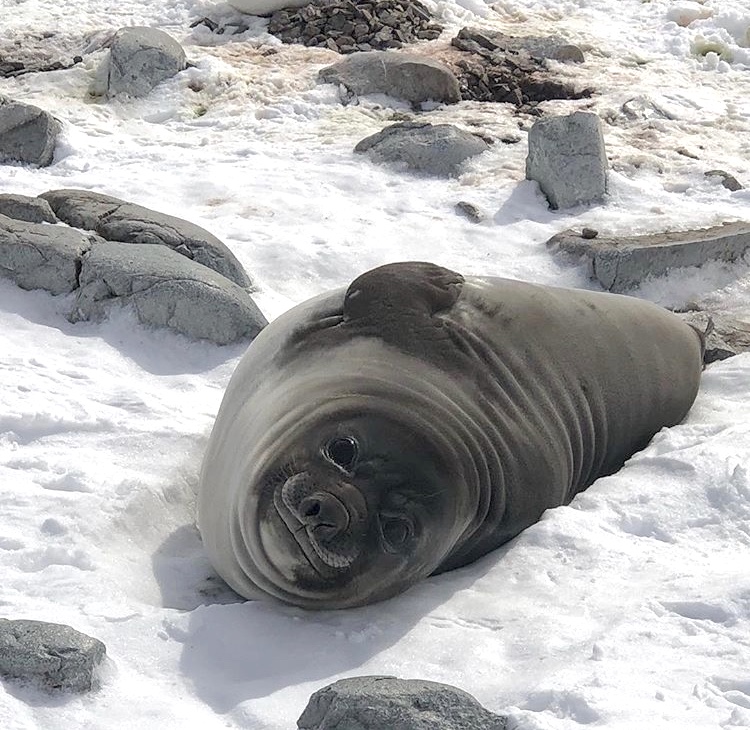
The Detroit Zoological Society’s (DZS) latest wildlife conservation initiative, preserving endangered Eurasian otters, continued with an expedition to Armenia in late 2018. Their status in this country has declined dramatically in recent years while numbers have also fallen in neighboring Azerbaijan and Iran.

Our first goal of the project is to understand where the otter population currently stands throughout the regions of Armenia that contain separate river systems, which provide suitable habitats for otters. These 13 systems – called watersheds – don’t always show signs of otters inhabiting them, so the DZS is working to identify and prioritize which of those locations are best suited for the preservation of this species.

On our first expedition in June, we discovered that the otter populations the southcentral region of Armenia were significantly greater than expected. If these conclusions are accurate, it would be rare but exciting news in conservation work.

We returned in December and traveled to watershed areas in north and central Armenia to confirm the presence and relative abundance of otters in these regions During these investigations, we confirmed reports of otter conflict with humans in the area. Otters were found to be eating the trout in fish farms that would eventually be reintroduced to Lake Sevan as part of a native species restocking project.

Surveys conducted on foot of the areas near Arpi Lake National Park and Dilijan National Park showed signs of the presence of otters, including tracks, feces and other indicators such as partially eaten fish. These surveys, along with interviews with local residents, suggest that hunting by humans has also led to the decline of otters in the area.

Additionally, photographs downloaded from our trail camera along the Arpa River revealed not only otters, but illegal fishermen. Proof of this activity will help us greatly in making a case to establish a protected area. In addition to documenting illegal fishing in these areas, which depletes otter food sources, we’ve also documented illegal otter trapping efforts. We hope that if this illegal activity can be stopped, migration of otters from neighboring populations will help restore their numers in the area.

Plans for 2019 include reviewing additional trail camera images from Arpi Lake National Park, and surveying the remaining watersheds in Armenia. After completing this work, we will be able to provide a robust update on the status of otters in this country. With that information, we can continue to explore options to set up sustainable protected areas, as well as develop local education programs to enhance otter conservation in these important areas.

– Paul Buzzard, Ph.D., is the field conservation officer for the Detroit Zoological Society.

Resolve to Go Green

With the dawn of a new year comes a host of resolutions being set – exercise more, eat healthier, trim the budget, purge the closets. As you set your goals for 2019, consider the planet and what you can do to protect wildlife and wild places. We invite you to join us on our award-winning Green Journey to create a more sustainable future and kick some of these habits to the curb this year.

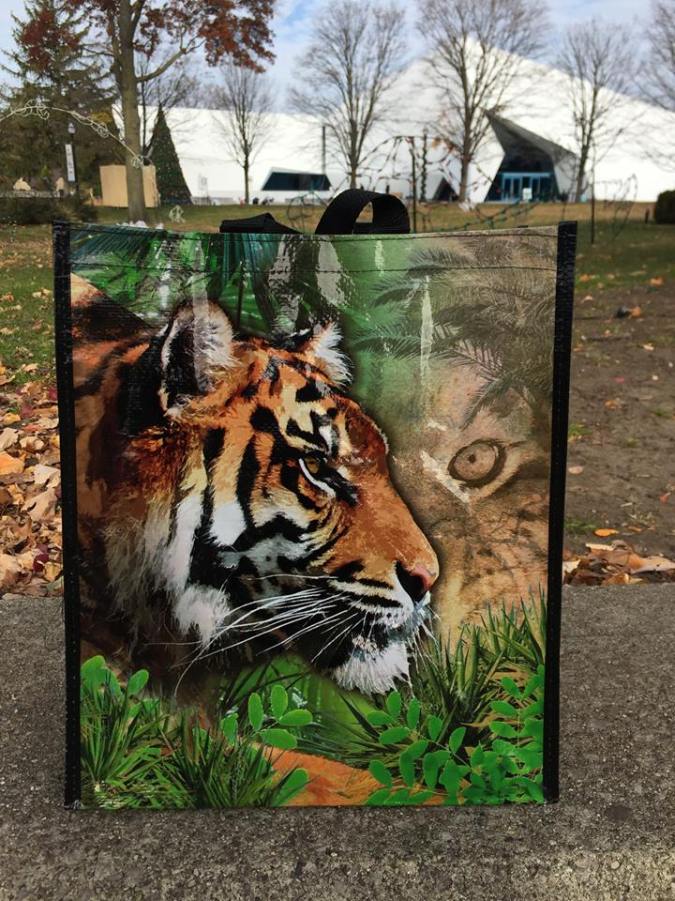
  • Plastic bags are sooo last year: More than 100 billion plastic bags are used by consumers in the U.S. every year and they can take up to 1,000 years to break down in landfills. That’s a lot of unnecessary plastic waste. Many cities, such as Seattle and San Francisco, have banned plastic bags altogether or require a fee to use them. For those of us living elsewhere, let’s make a pact to just say no. Many grocery and retail stores offer inexpensive reusable totes – they’re sturdier and stronger than plastic bags, so they won’t break from the bottom when carrying your haul. We no longer provide plastic bags at Detroit Zoo gift shops, but we offer wildlife-themed bags for a nominal fee. Stop by Zoofari Market on your next visit and pick one up! 

  • Can the single-use coffee cup: You don’t have to cross the coffee stop off your morning routine – just change the container. Single-use plastic and cardboard coffee cups often end up tossed in the trash, and they have a plastic waterproof lining on the inside that makes them difficult to recycle. The solution is easy – and will save you money. A one-time purchase of a reusable mug or thermos helps the environment every time you stop for coffee and leave that cardboard cup on the counter. Many coffee shops, such as Starbucks, offer a discount for bringing your own reusable cup. What’s better than being green while saving green?
  • Save water one drop at a time: From brushing our teeth to doing the dishes, bathing our bodies and washing our clothes, we’re consuming water at a rapid rate. But there are small steps we can take every day to reduce our water usage, such as turning off the tap while brushing our teeth or reducing shower time by a couple minutes. A standard showerhead uses 2.5 gallons of water per minute, so any time you shave off your shower is less water down the drain. Shorter showers will save money on your water bill, too.

  • Ditch those receipts: More often than not, stores will give you the option to choose if you’d like your receipt printed or emailed to you. Printed receipts often end up tossed in the trash, crumpled at the bottom of a purse or wrinkled in our wallets. Let’s save paper – and the environment – by passing on the printed receipts this year.

New Year’s resolutions don’t have to be hard-to-attain goals – small steps taken every day can have a huge impact on the world around us. Learn more about what you can do – and the strides we’re taking, too.

Families Find Joy at the Detroit Zoo During Stressful Times

Research tells us that when children experience major life stressors, such as domestic violence or homelessness, they can begin to shut down and stop taking in information. The Detroit Zoological Society has begun a new outreach campaign with our evening program, Nocturnal Adventures, that offers the opportunity for private groups to explore the Detroit Zoo through guided tours, activities and storytelling in a more personal setting.

More than 220 individuals who are coping with difficult life circumstances have had the opportunity to share a positive experience together during these private evenings at the Zoo through our partnerships with HAVEN, Turning Point, First Step, the Coalition on Temporary Shelter and the Macomb County Rotating Emergency Shelter Team. It is our hope that by fostering a sense of wonder and wow for the natural world within these children and their guardians, we can bring them some peace and even joy during their otherwise stressful and challenging times.

The program is made possible through a Kellogg Foundation grant, and includes transportation, dinner, a tour of the Zoo and an education program that focuses on the stories of rescued animals who have found sanctuary at the Detroit Zoo. These animals have either suffered injury in the wild or come from unfortunate circumstances requiring intervention and oftentimes specialized care. Toward the end of the evening, there is a craft activity for the children and then the family is able to sit around a bonfire and make s’mores together.

It’s important that we provide this opportunity for these families to visit the Zoo in a safe and less stressful environment. Each visit – which they may not have otherwise had the chance to have – allows these families to spend time together in nature and make observations of the magnificent animals who live at the Zoo.

We look forward to what the future will bring as we continue to build relationships within our community.

– Carla Van Kampen is a curator of education for the Detroit Zoological Society.
10-Year-old Wins First Humane Youth Award

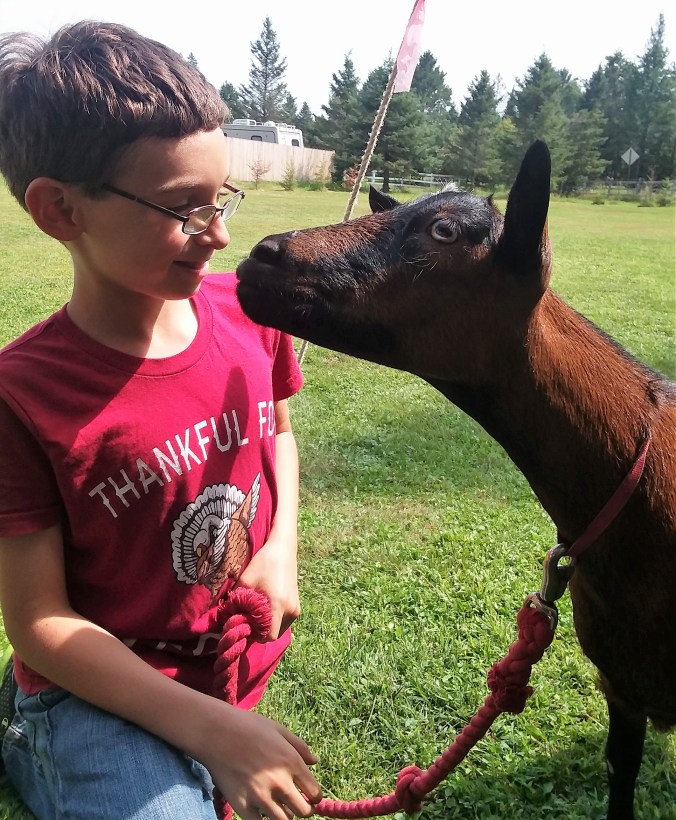
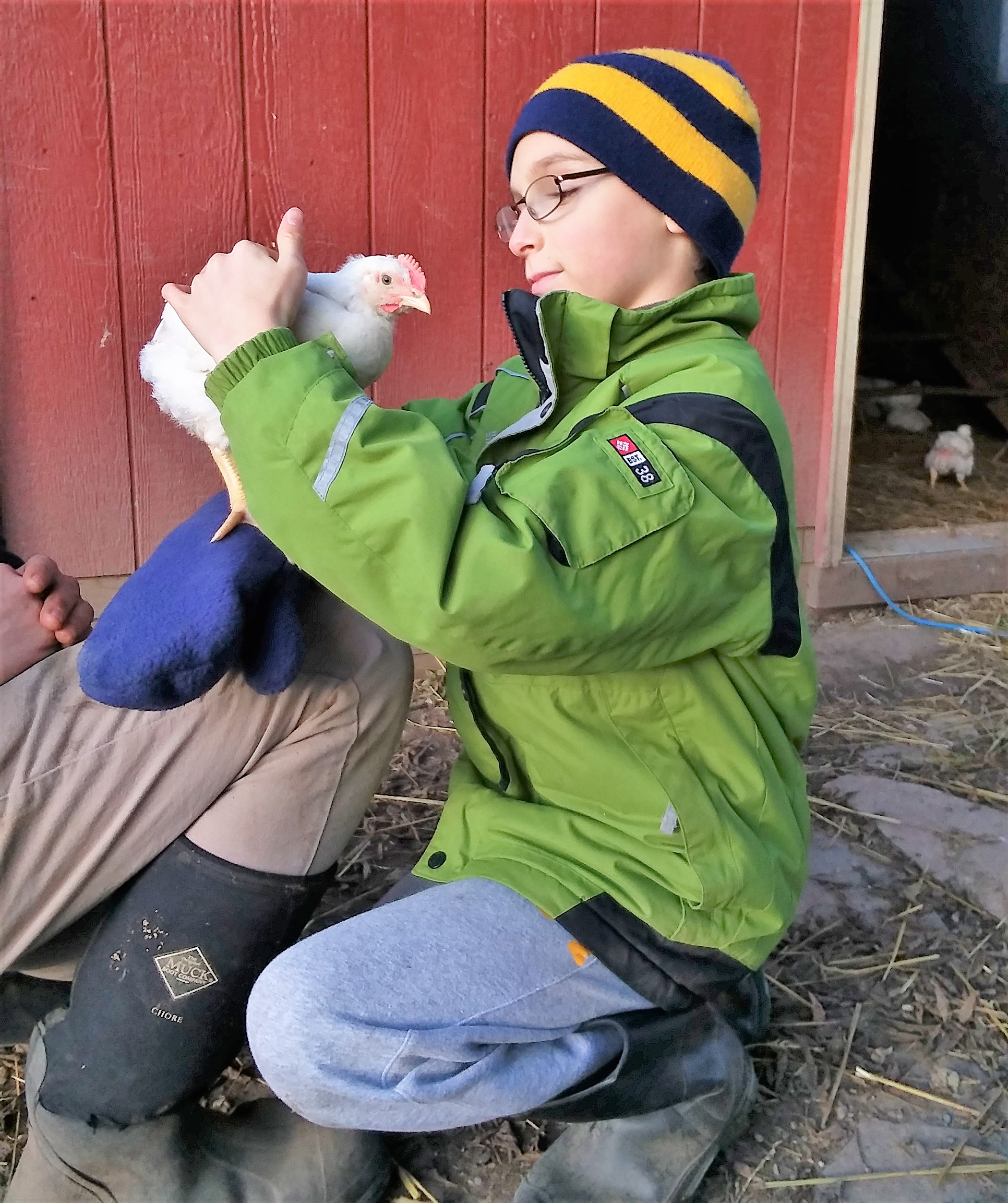
We are thrilled to announce that 10-year-old animal advocate Henry Plummer of Negaunee, Michigan, is our first Detroit Zoological Society Humane Youth Award winner.

Henry was nominated for the award by staff at SASHA Farm, a sanctuary and safe haven for farm animals in Manchester, Michigan. They were so impressed by Henry’s commitment to protecting wildlife and engaging his community to join his efforts, which included a birthday fundraising campaign for SASHA Farm.

The DZS’s Humane Youth Award was made possible by the Berman Endowment for Humane Education as an opportunity to highlight the work of young individuals whose compassion for animals has made an impact in their communities. In addition to his support for SASHA Farm, Henry maintains a vegan lifestyle, engages his friends in animal advocacy and raises money for animal welfare organizations. He is helping people help animals, which is the mission of the DZS’s Berman Academy for Humane Education, as well as this inaugural award.

The Academy accomplishes this goal through education, community workshops and outreach, providing people with information and tools to make knowledgeable decisions on how to walk softly and treat the Earth’s creatures gently. It is through the Academy that the Detroit Zoological Society is able to continue to support the work with SASHA Farms that Henry began, through a donation on Henry’s behalf.

We, along with many of Henry’s references, see so much potential in him, and know that he will continue to have a positive impact on the lives of animals in the future.

If you know a young person in your community who has spearheaded their own initiatives to create awareness for animal issues and foster empathy within their communities, help us celebrate them by submitting a nomination on their behalf.

– Carla Van Kampen is a curator of education for the Detroit Zoological Society.
Animal Welfare: A Red Panda’s-Eye View

There are many questions I’d like to ask animals. In the case of the red pandas who live at the Detroit Zoo, one question would have to do with their newly expanded and renovated digs. Ash, Ravi and Ta-shi have moved into the Holtzman Wildlife Foundation Red Panda Forest, where so much work has been done to ensure they will enjoy this wonderful habitat.

It would be nice if we could channel our internal Dr. Doolittle and simply ask them what they think, but what would be the fun in that? Since we don’t share a common language with red pandas, our challenge is to figure out what they are telling us using means other than traditional human communication. To determine the impact of the Red Panda Forest on the well-being of the three red pandas, Detroit Zoological Society staff are conducting behavioral observations on each one of them as they explore their home.

Red pandas are endangered and native to Asia’s high-altitude temperate forests. With 50 percent of their natural range in the eastern Himalayas, they are well-suited to the cold temperatures and snow we experience in Michigan. Red pandas use their long, bushy tails for both balance (as they traverse tree canopies) and protection from the elements. Although they are a carnivore species, they are actually leaf-eaters, with bamboo comprising the primary component of their diet in the wild. They are also crepuscular, meaning they are most active early in the morning and later in the day, with their natural breeding season during the late winter months.

Detroit Zoological Society staff have been caring for red pandas for several decades. This experience proved invaluable when designing the new features in their habitat. The Red Panda Forest incorporates tall, natural trees to create a complex arboreal pathway, as well as a flowing stream and misting areas. One of the really cool aspects of the habitat is the suspension bridge that brings us eye-level with the pandas when they are in the tree canopy. Not only does this offer us a great view of the pandas, but it will also allow us to gain a better understanding of what they are experiencing. What does the world look and sound like from that height? Part of promoting good welfare for an animal is to be sensitive to their perception of the word around them.

We look forward to uncovering how the three red pandas use their new habitat, including how each one differs in their behavior and preferences. Knowing this enables us to create opportunities for each of them to thrive. We hope you check out the Holtzman Wildlife Foundation Red Panda Forest during your next visit to the Detroit Zoo and see this incredible new space for yourself.

– Dr. Stephanie Allard is the director of animal welfare for the Detroit Zoological Society and oversees the Center for Zoo and Aquarium Animal Welfare and Ethics.

Notes from the Field: Studying Penguins in the Falkland Islands

Detroit Zoological Society (DZS) staff are in the Falkland Islands for the third consecutive year to conduct scientific studies on penguin populations. The DZS collaborates with Falkland Conservation (FC) to monitor remote and inaccessible islands with nesting penguin colonies.

DZS staff members are visiting sites that are not a part of the current monitoring network and where penguin censuses haven’t been conducted in years – even decades. The goal of this component of the program is to establish baseline population data, with subsequent visits on a rotating schedule.

This year, the DZS is also working to assess the status of the health of the penguins at two different locations: Berkeley Sound in the east Falklands, where there is heavy shipping activity; and Dunbar in the west Falklands, which has a limited occurrence of industrial shipping and oil activity. The two study sites are separated not only by distance, but also by the prevailing ocean currents, which run in opposite directions.

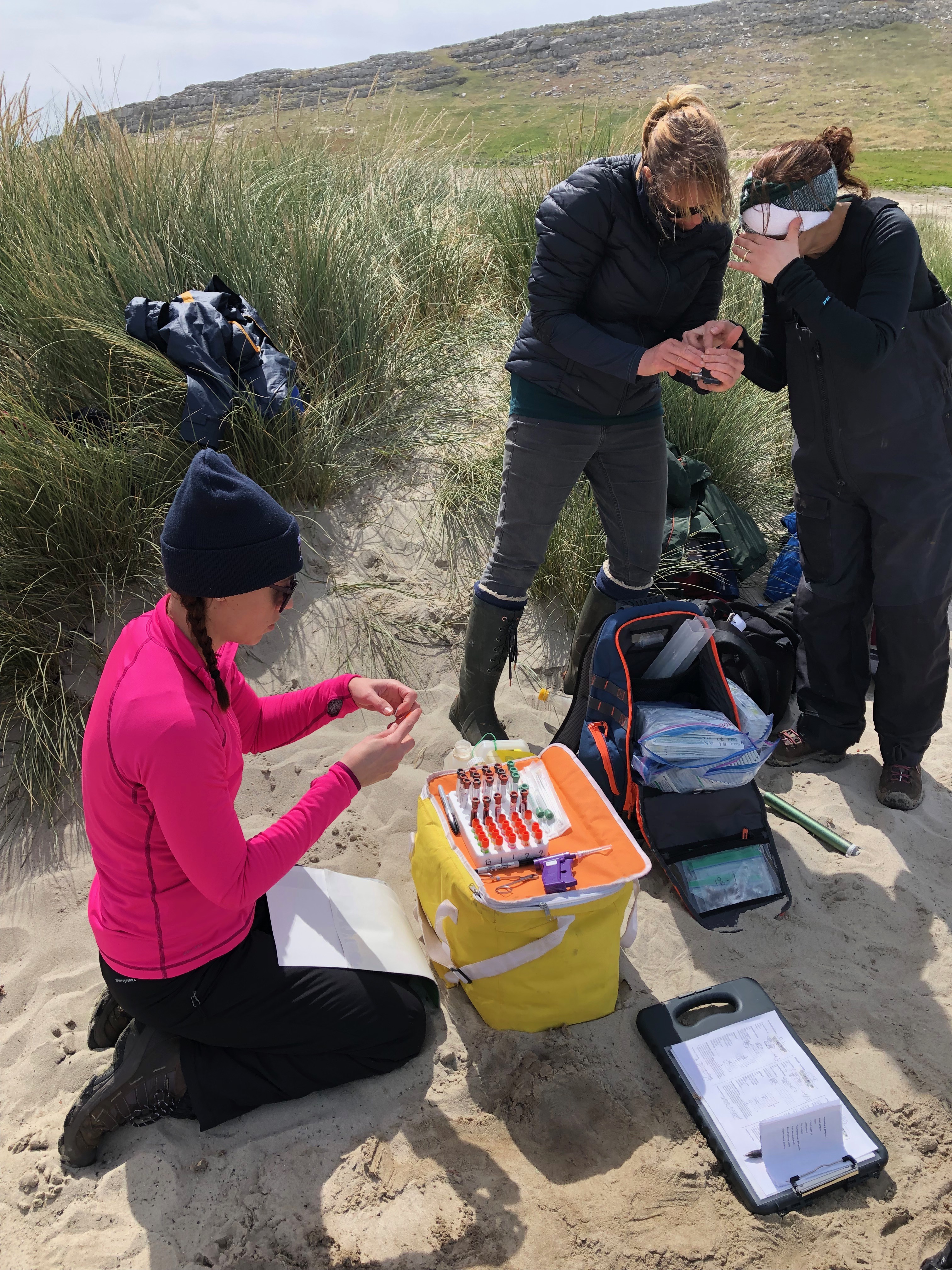
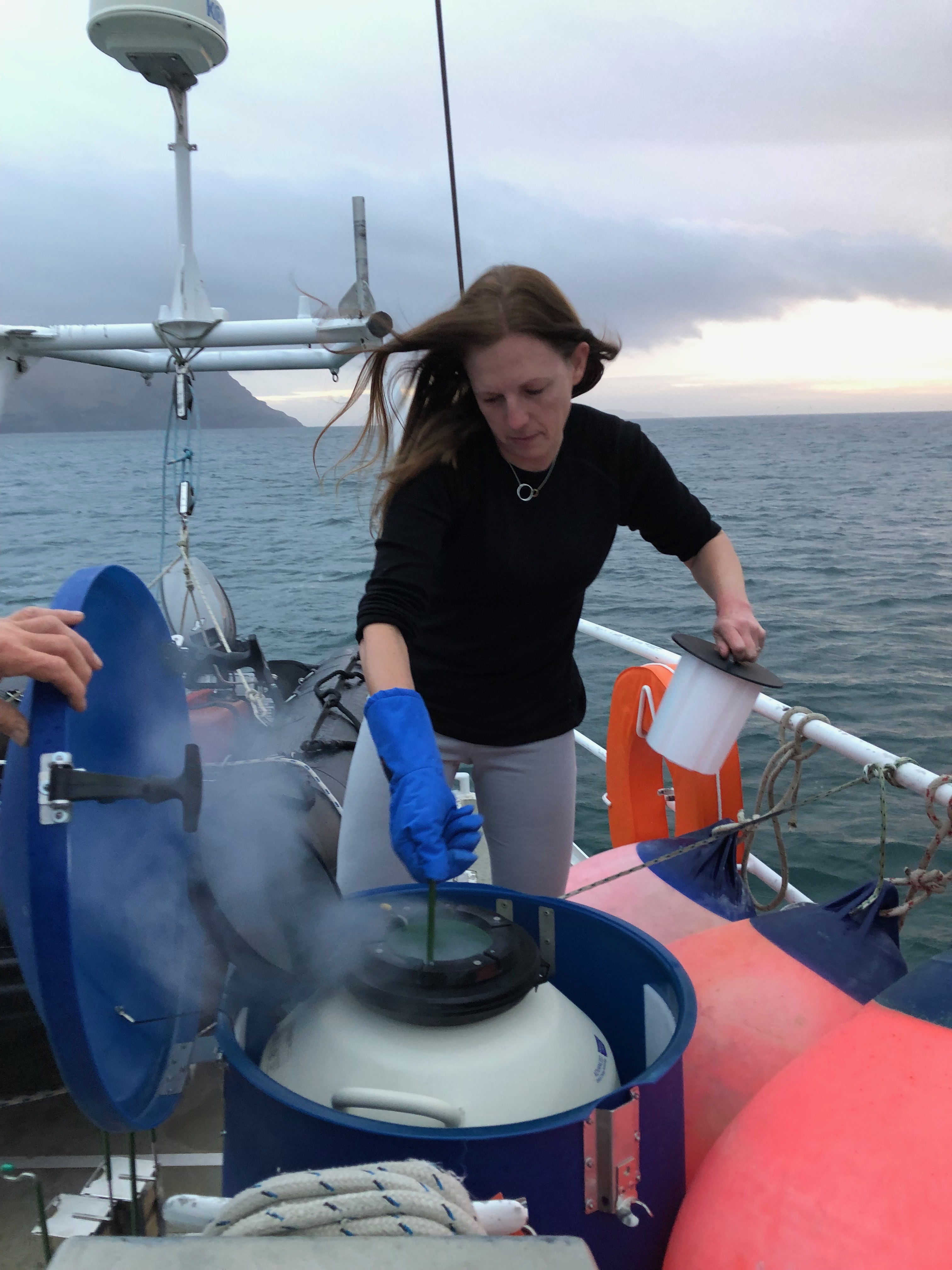
DZS veterinary and bird department staff are taking blood samples from approximately 100 gentoo and rockhopper penguins for disease surveillance, stress hormones and toxicology testing. Not only will the information gathered provide us with a view of the current health status of the penguin colonies in those two areas, but the information also establishes a baseline level of data that will be valuable in the event of future hydrocarbon exploration.

Visiting these sites is logistically challenging – the trip from Detroit to Dunbar included four flights and more than 50 hours of travel time. Once in Dunbar, our staff were met by the expedition ship that sailed to the island nesting sites. Access to the internet is limited and we have only received preliminary reports back from the field team, but so far, the health assessment research is going well.

Stay tuned for detailed reports from the Falkland Islands field team.

– Tom Schneider is the curator of birds for the Detroit Zoological Society.
Creating Environmental Stewards in the Amazon

Imagine if you were a teacher and your outdoor classroom was the Amazon rainforest. Endless biodiversity of every species of plant and animal you can imagine exists just a step outside your classroom walls. However, your teacher preparation was at a university in a city, and you have no idea where to begin teaching about ecology beyond what you’ve read in a teacher prep textbook. On top of these challenges, the only way to reach the community you’ve been assigned to work in is to take a boat down the Amazon River. The trip takes several hours, which means you’re only home on weekends and rarely have an opportunity to learn with or connect to other teachers.

Such is the case for the dedicated employees of CONAPAC, the Civil Association for Conservation of the Peruvian Amazon Environment, which was formed in July 1990 by a group of teachers, forestry engineers, and employees of the travel operator Explorama Lodges in Iquitos, Peru. Registered with the Peruvian government, its purpose is the conservation of the Peruvian Amazon primary rainforest. Though the staff is small, it serves those most in need of education and other tools for sustainable living in the rainforest, with the help of Explorama Lodges. The Detroit Zoological Society (DZS) has been a partner in this important conservation and education program for nearly 20 years.

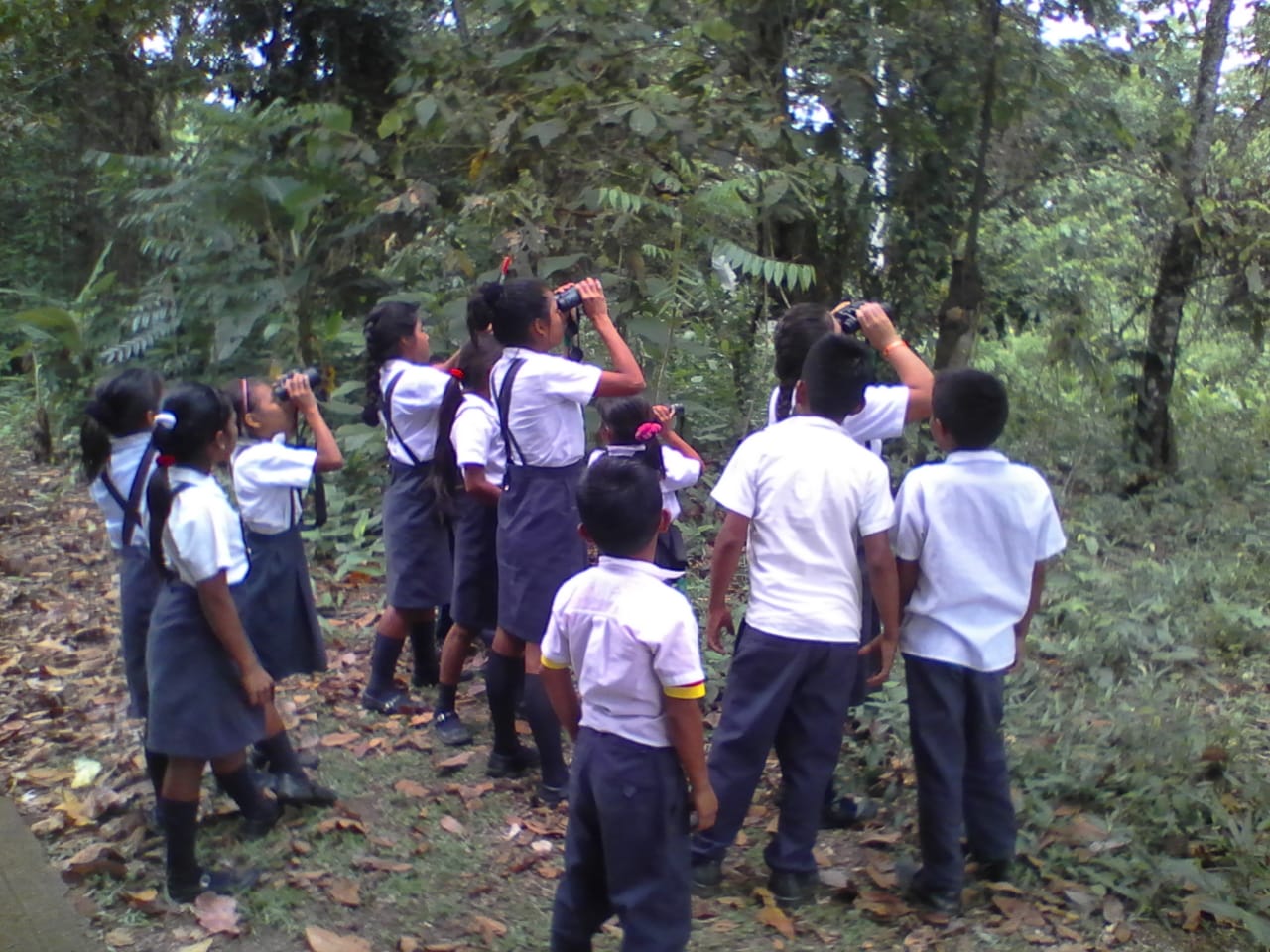
As part of the services and support CONAPAC provides partner communities, an annual teacher workshop brings educators in these rural, remote communities together to learn. Earlier this year, Karen Purcell from the Cornell Lab of Ornithology returned for the second time to provide professional development for these teachers. Fluent in Spanish and passionate about birds, she delivers dynamic, hands-on workshops that demonstrates what teachers can do with their students by having the teachers do it with her. Guides from Explorama Lodges, who are also bird experts, assisted by guiding the teachers to understand how binoculars work, how they add excitement to bird observation, and how to identify common species.

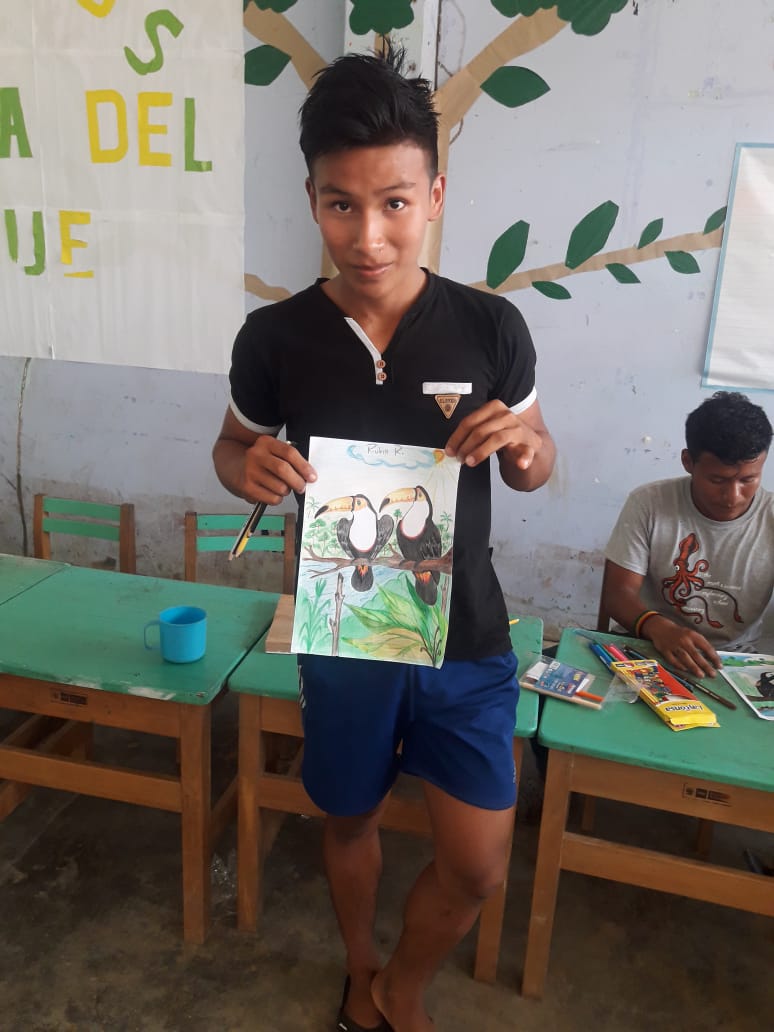
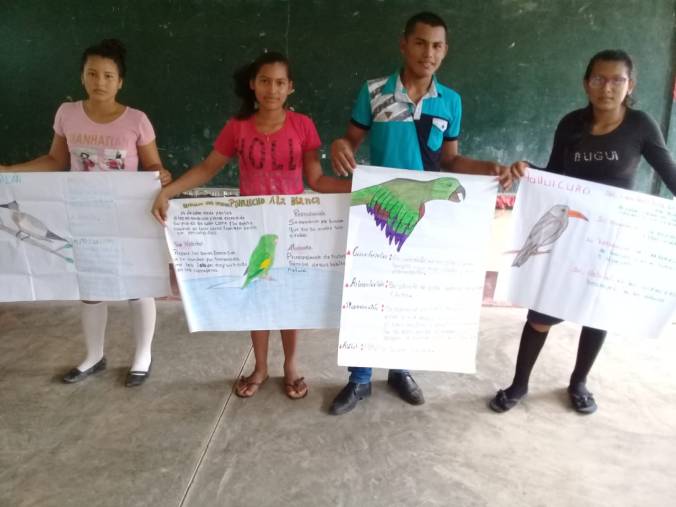
Karen created a safe place for the teachers to share their attitudes towards birds, addressing common misconceptions and dispelling myths and legends that often cause people to dislike or even dispatch birds. She prepared them to be citizen scientists, gathering and sharing data on the species they see most in theircommunities. The teachers continue to document their successes and encourage one another through a massive group chat in WhatsApp. While there may not be internet access in these communities, almost all the teachers have a cell phone that has service and a means to charge the phone by generator or solar panel collected energy. Not a week goes by without a teacher posting photos of his or her students looking for birds, drawing them, building replica nests or some other activity. Karen and the team from CONAPAC are all on the group chat, documenting the progress in real time of how the workshop content is being implemented.

In early November, DZS staff returned to the rainforest to assist with end-of-the-year evaluations in each community. Teams of CONAPAC staff, Iquitos Board of Education representatives, local environmental experts and DZS staff traveled to each community to ensure school supplies are being utilized, children and teachers are attending school regularly, and that the teachers are implementing their skills and concepts shared with them during the workshops. The artwork, poems, field work and skits that the communities shared with the teams provided solid evidence that the spring workshops were a tremendous success.

Professional development is an essential part of any profession. The CONAPAC teacher workshops are a vital part of creating the next generation of environmental stewards, providing teachers and students the information and passion needed for protecting the rainforest for generations to come. This year’s workshop was supported through the generous financial support of JBQ Charitable Foundation and Explorama Lodges.  An international donor-base further provides financial support to provide annual teacher and student school supplies. To learn more or to participate in these efforts, visit https://detroitzoo.org/support/give/adopt-a-school/.

– Claire Lannoye-Hall is a curator of education for the Detroit Zoological Society.