Detroit Public Schools’ Student Scholars Prepare for Future in Detroit Zoo Program

This summer, the Eugene and Marcia Applebaum Family Foundation generously provided the opportunity for seven students from Detroit Public Schools to become part of the Applebaum Scholars Education Program. The goal of this program was to prepare high-achieving youth for successful experiences in college and work through a 10-day experience at the Detroit Zoo. Students were selected after submitting an essay demonstrating their passion for animals; they were also recommended by their teachers.
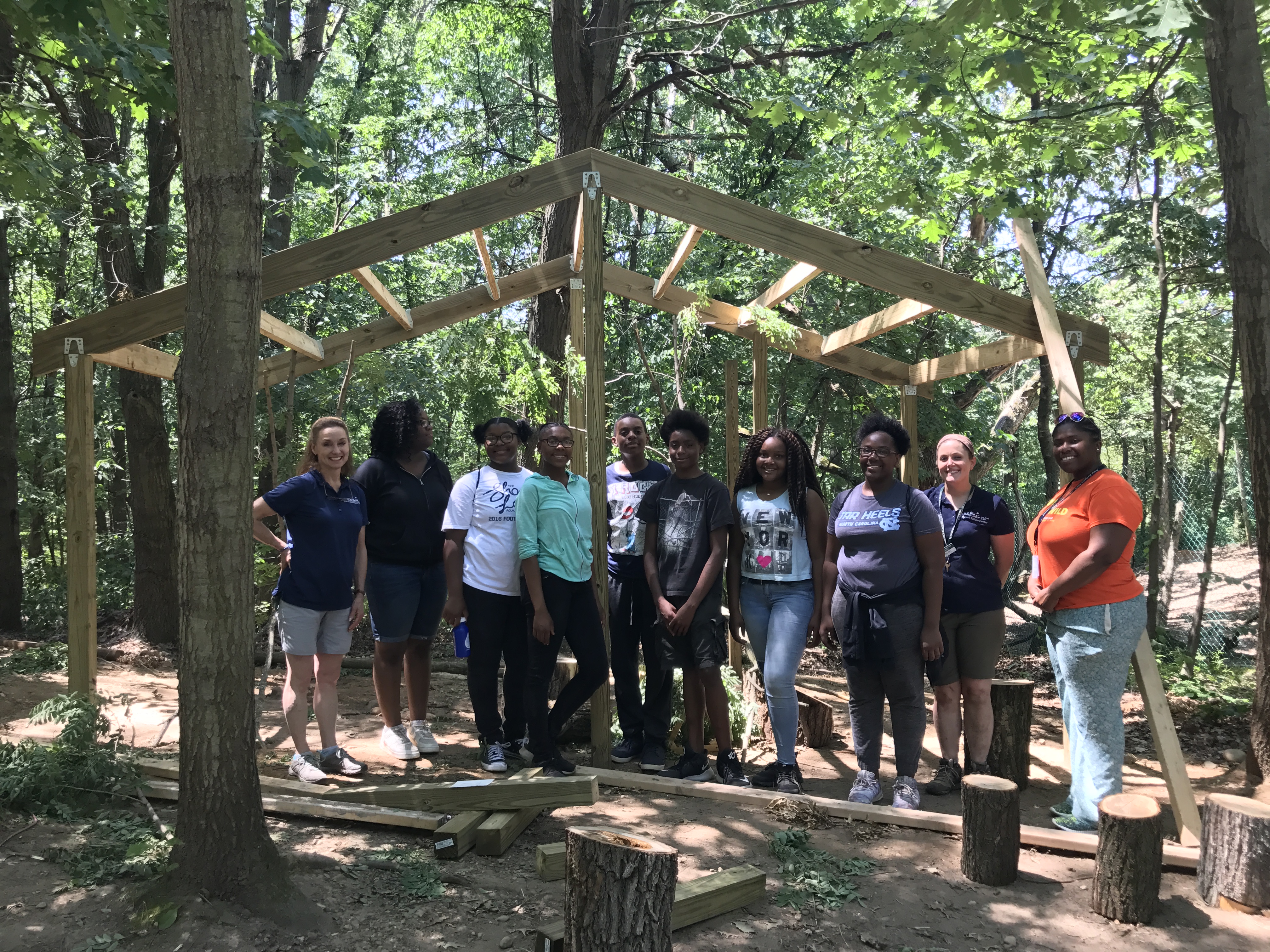
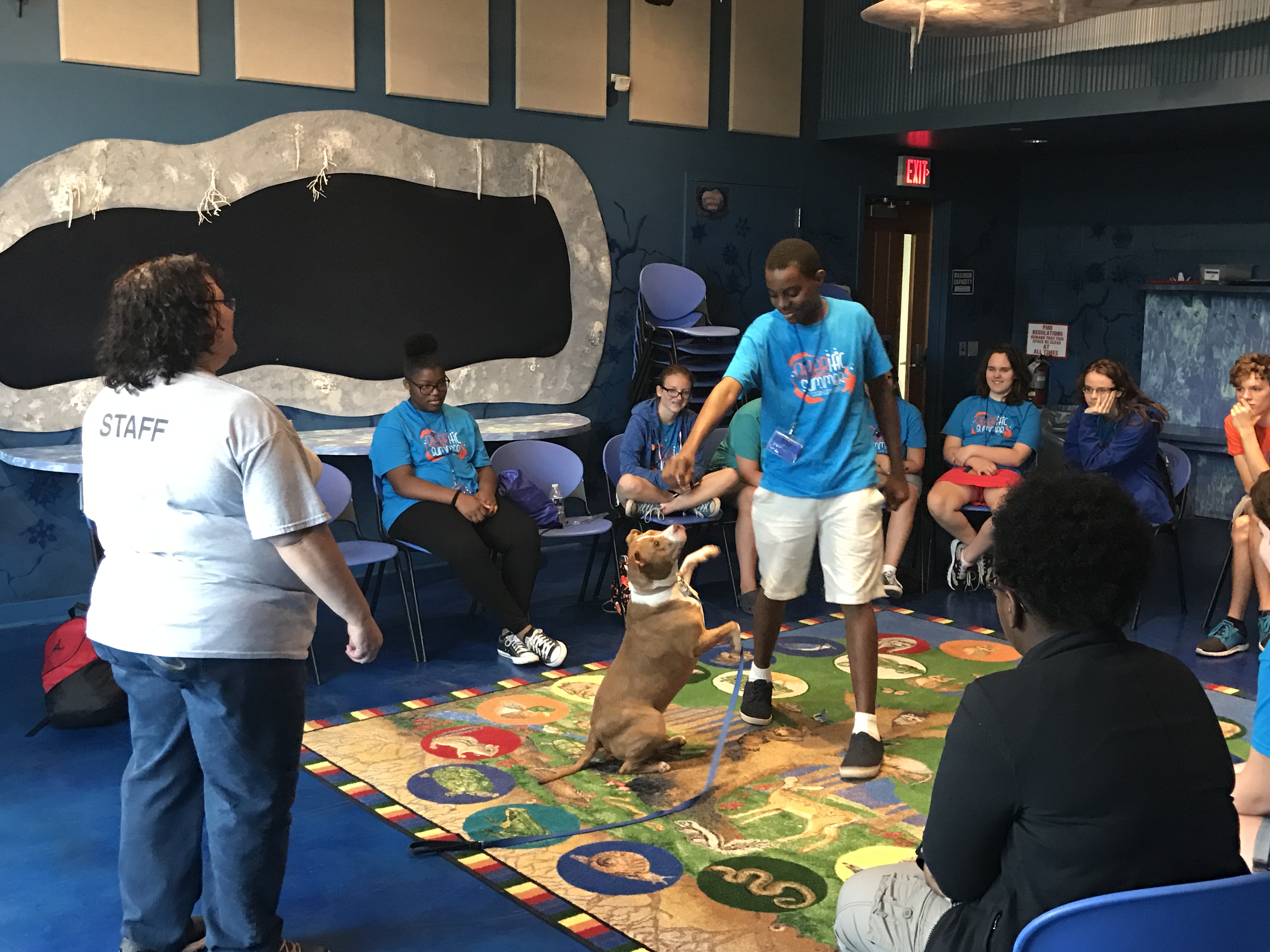
The first few days included an introduction to animal welfare through a variety of skill-building activities, including building a habitat for a crow living at the Howell Nature Center. The scholars then joined other high school students taking part in our Summer Safari Camp – Animal Welfare Workshop. During this experience, the Detroit Zoological Society’s Center for Zoo Animal Welfare and education staff worked alongside youth to facilitate experiences that allowed them to learn about behavior from the perspective of an animal. Students crawled through the anteater habitat to see how an anteater sees and climbed in a bucket truck to view the surroundings from the vantage point of a giraffe. A training demonstration with a rescue dog was so impactful that one student shared her plans to apply what she’d learned toward training her own dog at home. The campers were then asked to make presentations with recommendations on how to improve the lives of animals that live at the Detroit Zoo, using the animal welfare knowledge they’d developed during their observations and camp experience.
In the final two days of the program, the Applebaum Scholars focused specifically on college readiness. They toured Wayne State University (WSU) and met with advisors, receiving scholarships because of the visit and related activities. WSU advisors then joined the students at the Detroit Zoo on their last day to provide a workshop on SAT preparedness, college application practice and financial aid assistance.

During the culminating ceremony, the student scholars shared stories of their experiences and showed deep gratitude to the Applebaum Family for the opportunity. We look forward to witnessing these scholars grow into successful young men and women.

– Carla Van Kampen is a curator of education for the Detroit Zoological Society.
Habitat Expansions Benefit Animal Welfare

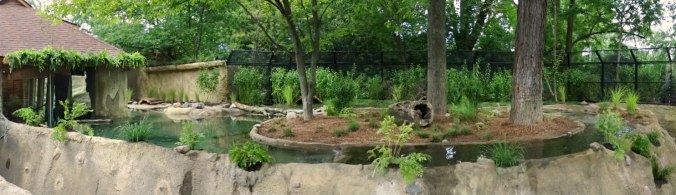
You may have noticed some changes at the Detroit Zoo recently, with construction occurring at many animal habitats. We recently unveiled the expansion of the Edward Mardigian Sr. River Otter Habitat, which tripled the outdoor space available to the North American river otters, complete with a flowing stream and a sandy beach. We’ve also been working on improving the giraffe habitat by adding much needed additional outdoor space and doubling the size of the indoor area. This past spring, Homer the Hoffman’s two-toed sloth moved to newly remodeled digs near the rhinos, and we’re currently renovating his former home in the National Amphibian Conservation Center to provide a more spacious habitat for the Japanese giant salamanders.

Sometimes, as was the case with the Polk Penguin Conservation Center and the Cotton Family Wolf Wilderness, we have the ability to design and build new habitats from the ground up. In other instances, we are able to take habitats that already contain many features that benefit the animals and expand upon them to provide even more space and complexity. In both situations, we begin with the knowledge we have about individual animals and how they interact with their environments.

For example, we know that otters are semi-aquatic. Staff at the Center for Zoo Animal Welfare have observed the animals engaged in a variety of water-related behaviors. When it came time to design the expansion of their habitat, it was very important that we incorporate features that would enable them to enjoy the water even more. It’s easy to see how much time they spend in the new stream, now making the most of both deep and shallow areas of water. And the island portion of the habitat enhances their opportunities to interact with various substrates and amplifies the overall complexity of their space.

As we move forward, we will continue to improve the habitats we provide for the animals that call the Detroit Zoo home, ensuring that they are stimulating and naturalistic. We are always a work in progress, keeping the welfare of the animals as our top priority. Up next are the tigers and several species of reptiles in the Holden Reptile Conservation Center. As we continue to learn about and understand the needs of the animals in our care – both the individuals and the species – we can make better choices that result in great spaces for them to live in.

– Dr. Stephanie Allard is the director of animal welfare for the Detroit Zoological Society and oversees the Center for Zoo Animal Welfare.

Greenprint: Team Spirit Empowers Sustainable Business Practices

Reducing our ecological footprint, creating a more sustainable future and protecting wildlife and wild places – these are initiatives that are near and dear to the staff and board of the Detroit Zoological Society (DZS). Guided by the Greenprint, a strategic plan for operations at the Detroit Zoo and Belle Isle Nature Center, our goal is to inspire others to join us on our Green Journey as we continuously look for ways to live and operate in more sustainable ways. To accomplish this, we started from within.

The DZS Green Team was founded in 2002 – before the Greenprint was even conceived – to help minimize the ecological footprint of our operations and to educate staff and visitors about choices that enable us to live a more Earth-friendly lifestyle. Being a part of the team is voluntary; it is comprised of representatives from every DZS department who share their commitment, expertise and time to make the Zoo a greener place for staff, visitors, animals and the planet. The Green Team was a strong advocate for development of Greenprint goals and objectives and has been instrumental in carrying out those policies and procedures.

Because of our passion and accomplishments in these areas, we have become a regional leader in sustainable business practices.

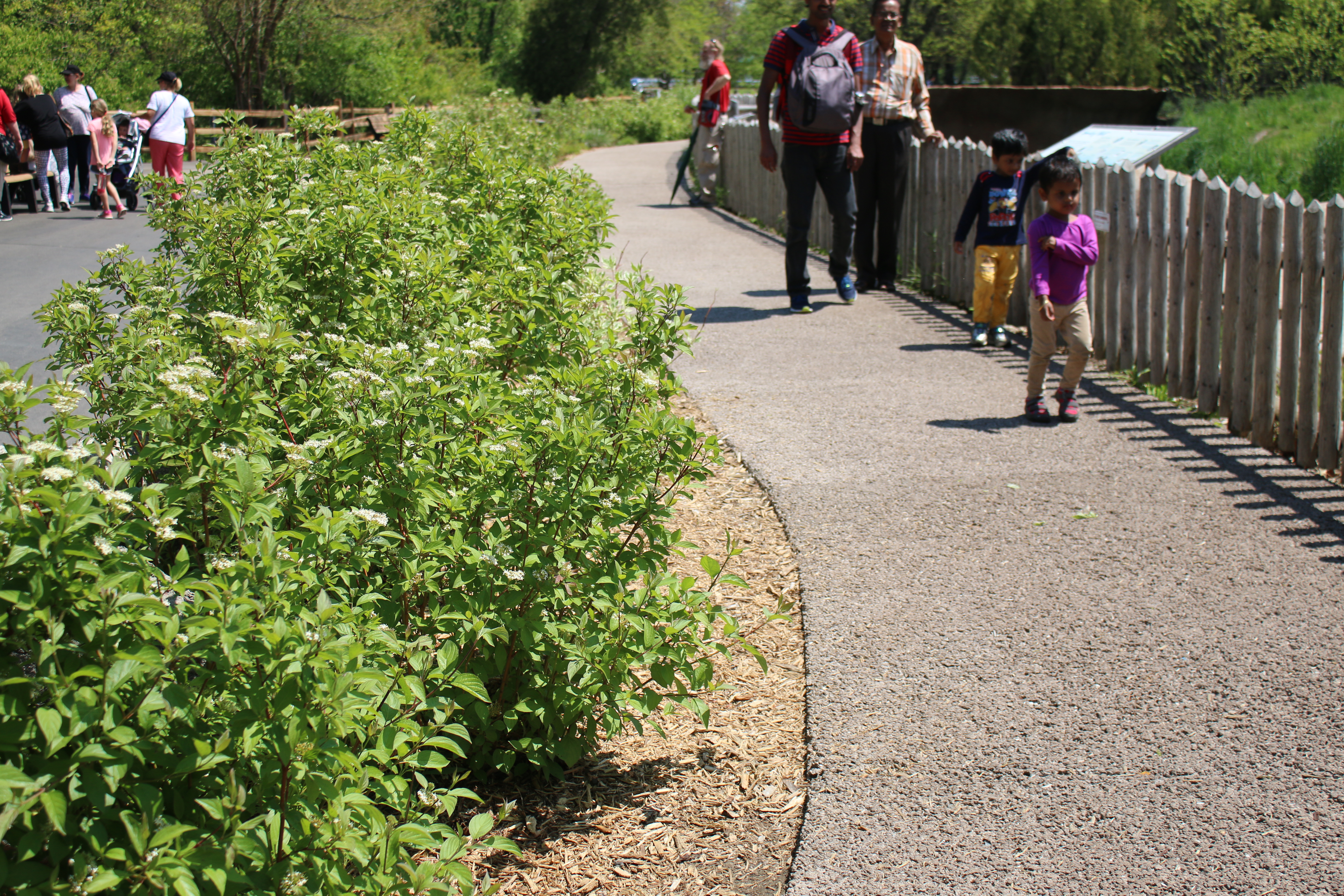
Recent initiatives include building an anaerobic digester, which will annually convert 500 tons of animal manure and organic food waste into a methane-rich gas that will power the Zoo’s animal hospital. We are also keeping 60,000 plastic bottles out of the waste stream annually by no longer selling bottled water – previously the No. 1 seller at Zoo concessions. As part of this effort, we have free refillable filtered water stations throughout the Zoo and offer affordable reusable water bottles for guests. We also encourage visitors to purchase wildlife-themed reusable bags at our gift shops as we no longer provide plastic bags for purchases. We’ve incorporated permeable pavement into new visitor walkways and a parking lot, reducing storm water runoff and filtering pollutants. These are just a few of the steps we’ve taken on our Green Journey thus far.

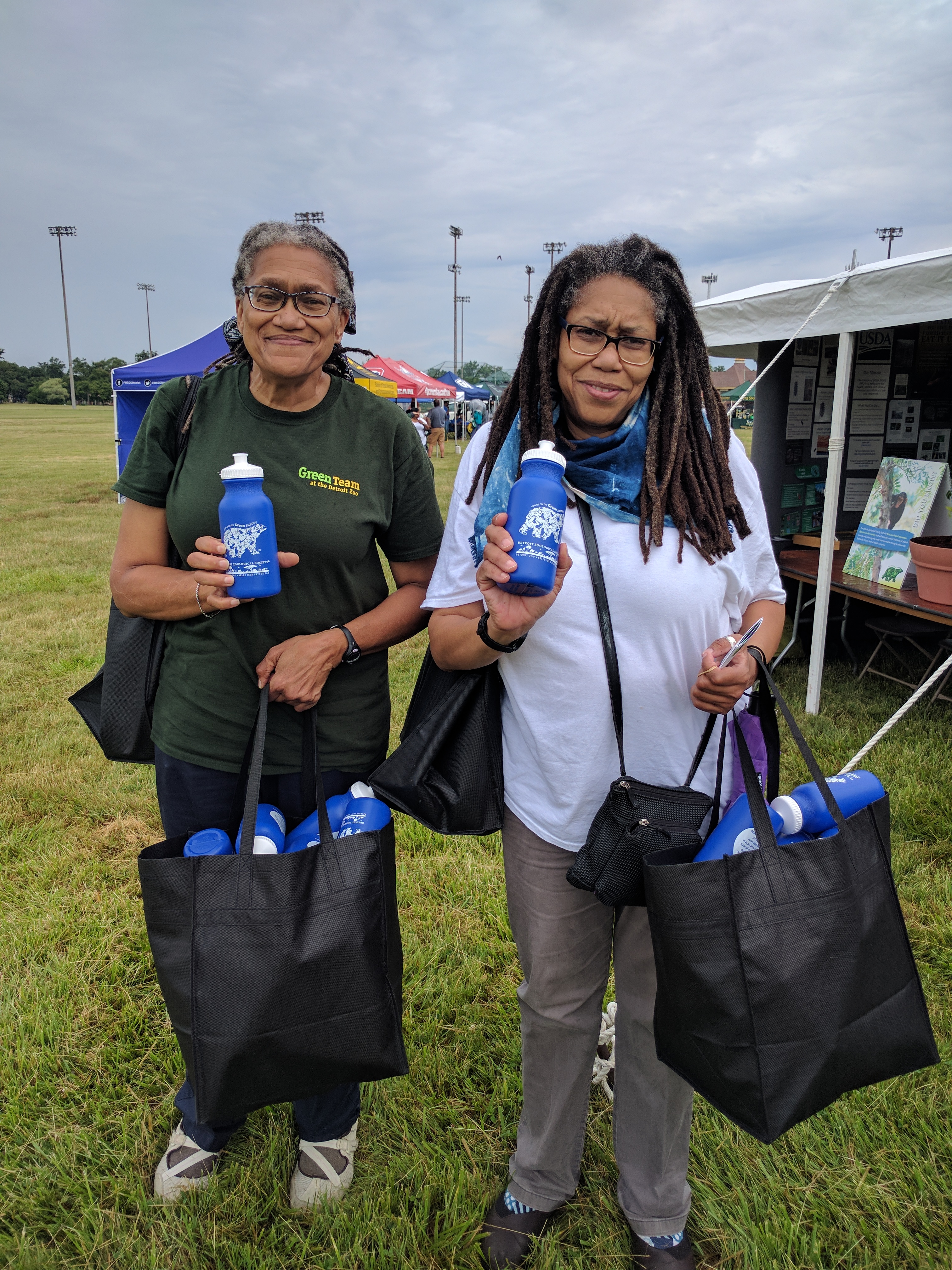
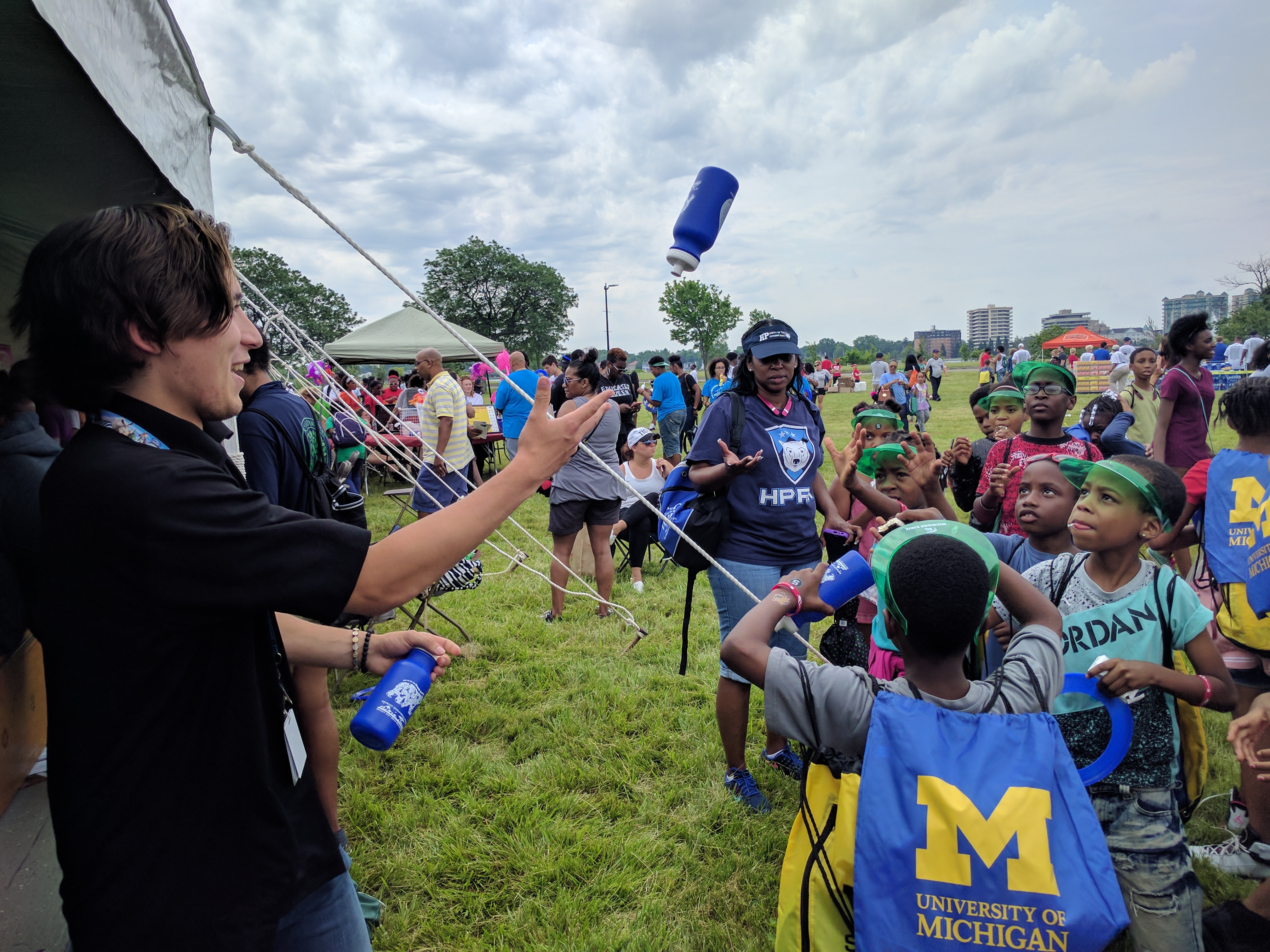
Green Team members have assisted with projects ranging from educating Zoo visitors about the anaerobic digestion process to sorting trash at zero-waste events. Staff recently volunteered at the 2017 Metro Detroit Youth Day on Belle Isle, which drew more than 37,000 attendees. The Green Team educated participating children on the value of using a refillable water bottle in order to reduce plastic waste in Michigan. More than 4,000 Detroit Zoo refillable water bottles were given to the children during this event, thanks to a generous grant by the Fred A. and Barbara M. Erb Family Foundation.

DZS staff feel so strongly about plastic reduction that we have incorporated this initiative within many of our events. Our annual 5K/10K/Fun Walk, Run Wild for the Detroit Zoo, was one of the first races in the country to eliminate bottled water – instead, refillable bottles filled with fresh, chilled water are provided to participants after the race. Assistance from our Green Team was invaluable as we worked to accomplish this important sustainable task. Prior to the 2016 event, volunteers filled more than 4,200 water bottles for the racers. We are gearing up for the 2017 event on Sunday, September 10 – registration is open. Run Wild raises critical funds for the Ruth Roby Glancy Animal Health Complex and veterinary care for the animals at the Detroit Zoo.

– Rachel Handbury is the manager of sustainability for the Detroit Zoological Society and oversees the Greenprint initiatives.

Uncovering Turtle Personalities

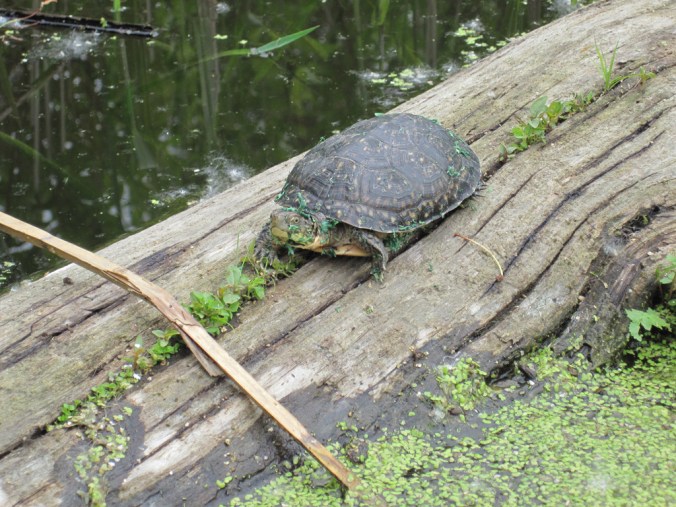
Several years ago, we developed a project through the Detroit Zoological Society’s (DZS’s) Center for Zoo Animal Welfare to determine if we could identify specific personality traits in Blanding’s turtles. That’s right – turtles! Personality has been linked to survivorship in a number of species, and as the DZS is actively involved in conservation efforts with the Blanding’s turtle – a species of special concern in the state of Michigan – we wanted to learn more. Two personality traits emerged from our research: aggressiveness and exploration, with individuals ranging from low to high in either category. We also discovered that a connection exists between these traits and how Blanding’s turtles fare in the wild.

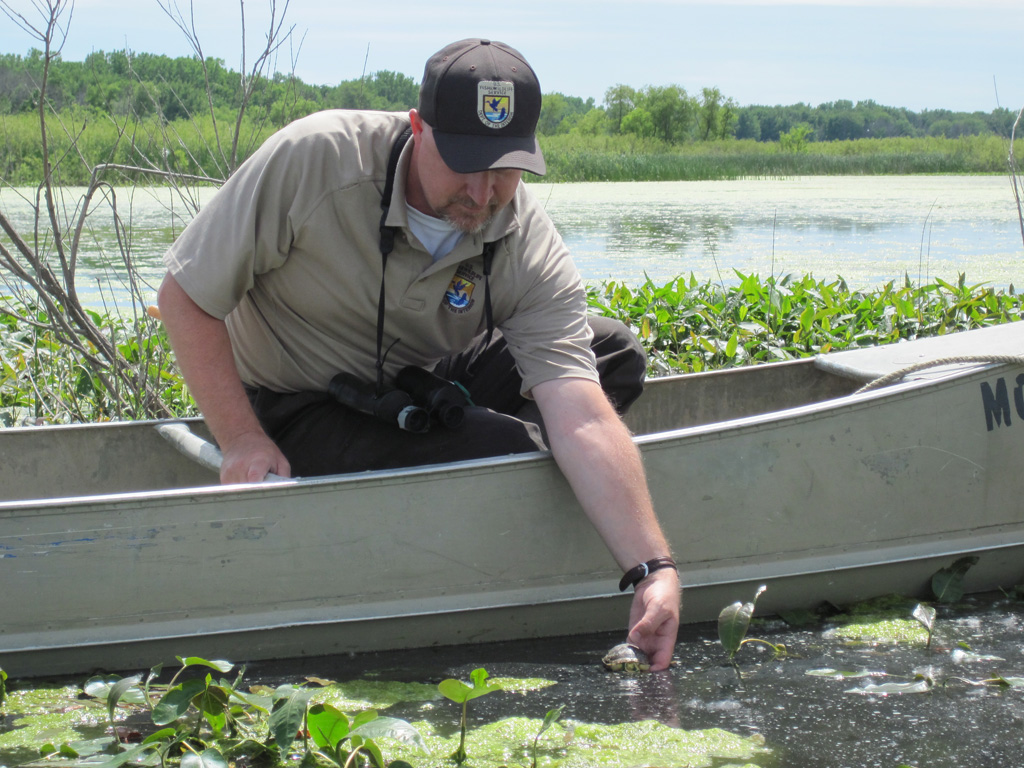
Researchers have been monitoring the population of Blanding’s turtles in Michigan for several years and making efforts to ensure their numbers don’t drop any further. Female Blanding’s turtles typically lay eggs this time of year, and they often travel rather long distances to find suitable nesting grounds. This certainly puts them at risk, especially as road mortality is one of the major threats they face. When baby turtles hatch, they must find their way back to water, which leaves them vulnerable to predation. The DZS became involved in a head-starting program for this species in 2011. This means that eggs are incubated at the Detroit Zoo and the hatchlings are allowed to grow up safely until they reach a certain size, at which point they are released back into the wild.

We used a series of behavioral tests to uncover specific personality traits, including what is often referred to as the mirror test. A mirror is placed in the testing space and the turtle can choose to approach it and to interact with it. As amazing as turtles are, they cannot recognize themselves in a mirror and hence perceive their reflection to be another turtle. By examining their reaction, we definitely saw each turtle as an individual. Some were reluctant to approach, some were uninterested, some were trying to interact gently, and some were very adamant that there was only room for one turtle in the pond!

Once we identified the personality traits, we wanted to understand what links there may be between personality and the turtles’ behavior and survival once released into their natural habitat. Field researchers from the University of Michigan-Flint tracked the turtles post-release for two years and shared their data with us.

Based on our analyses, turtles that demonstrated high exploration had better survival rates than those who scored low in exploration. During the first year, turtles that were more aggressive traveled further from their release site, but over the entire course of the tracking period, turtles that were more exploratory traveled the most. Turtles that were rated as more aggressive and exploratory were found basking more often. Turtles will rest in the sun to help thermoregulate. This helps them to be more energetically efficient, but being exposed may put them at higher risk of predation. The different personalities therefore behave in different ways that amount to a trade-off in risks and benefits.

Finally, all turtles, regardless of personality, showed a distinct preference for areas vegetated with cattails. Given this demonstrated preference, we now know that this type of habitat might really benefit turtles in future releases.

– Stephanie Allard, Ph.D., is the director of animal welfare for the Detroit Zoological Society and oversees the Center for Zoo Animal Welfare.

Notes from the Field – Wolf/Moose Research Continues on Isle Royale

The Detroit Zoological Society’s (DZS’s) ongoing involvement in the important conservation project Wolves & Moose of Isle Royale – the longest continuous study of any predator-prey system in the world – continued with a recent expedition to this remote island.


Isle Royale is located in the frigid waters of Lake Superior. At more than 40 miles long, it is the largest island in the largest of the Great Lakes. This national park is also home to a population of wolves and moose – moose first came in the early 1900s and wolves joined in the 1940s after crossing an “ice bridge” from Canada. For more than five decades, researchers have studied the lives of these animals and their fluctuating populations in order to better understand the ecology of predation and in turn, gain a better sense of our relationship with nature.


I recently traveled to Isle Royale with David Anthony, a DZS education specialist, to conduct research for this project. We took the ferry from Grand Portage, Minnesota to the Windigo Ranger Station on the southwest end of the island – the opposite side from where we conducted fieldwork in 2016.


Because ice bridges form more rarely between Isle Royale and Canada due to the changing climate, the wolf population at this location has dropped to only two closely related individuals. The Wolf-Moose Project currently focuses on how the moose population is responding to reduced wolf predation and how the forest is responding to the increased moose population. While there is a proposal to reintroduce more wolves, it is a complicated issue in part because Isle Royale is also a national park. The National Park Service is expected to decide on this proposal this fall.


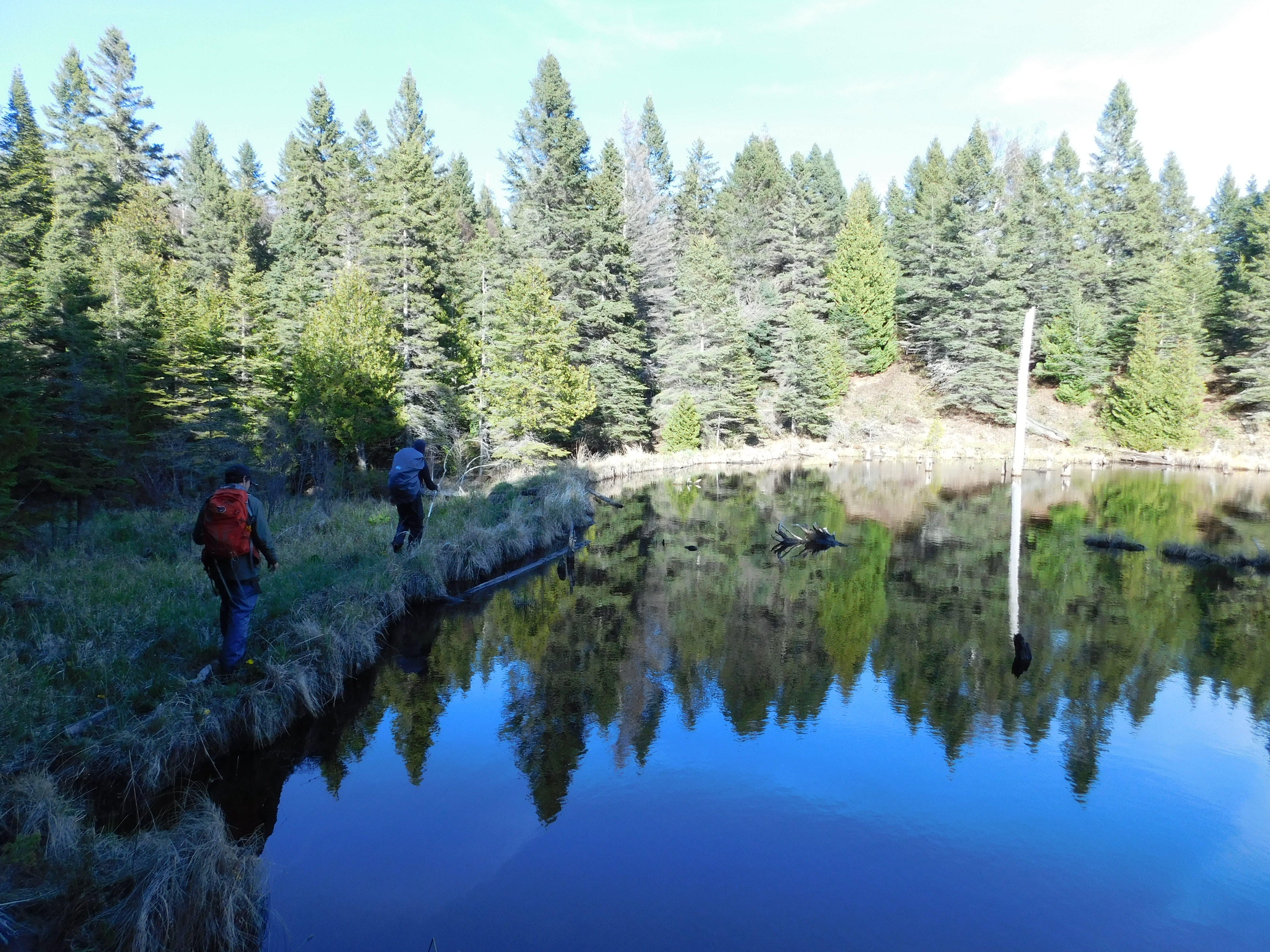
Once we arrived at Windigo, we donned our heavy backpacks in a light rain for a 5-mile hike to our first camp, which was situated next to a large beaver pond. It was a cold, rainy night and rather unpleasant, but it was a relief that the next day was sunny and we were able to dry out our clothes and equipment.

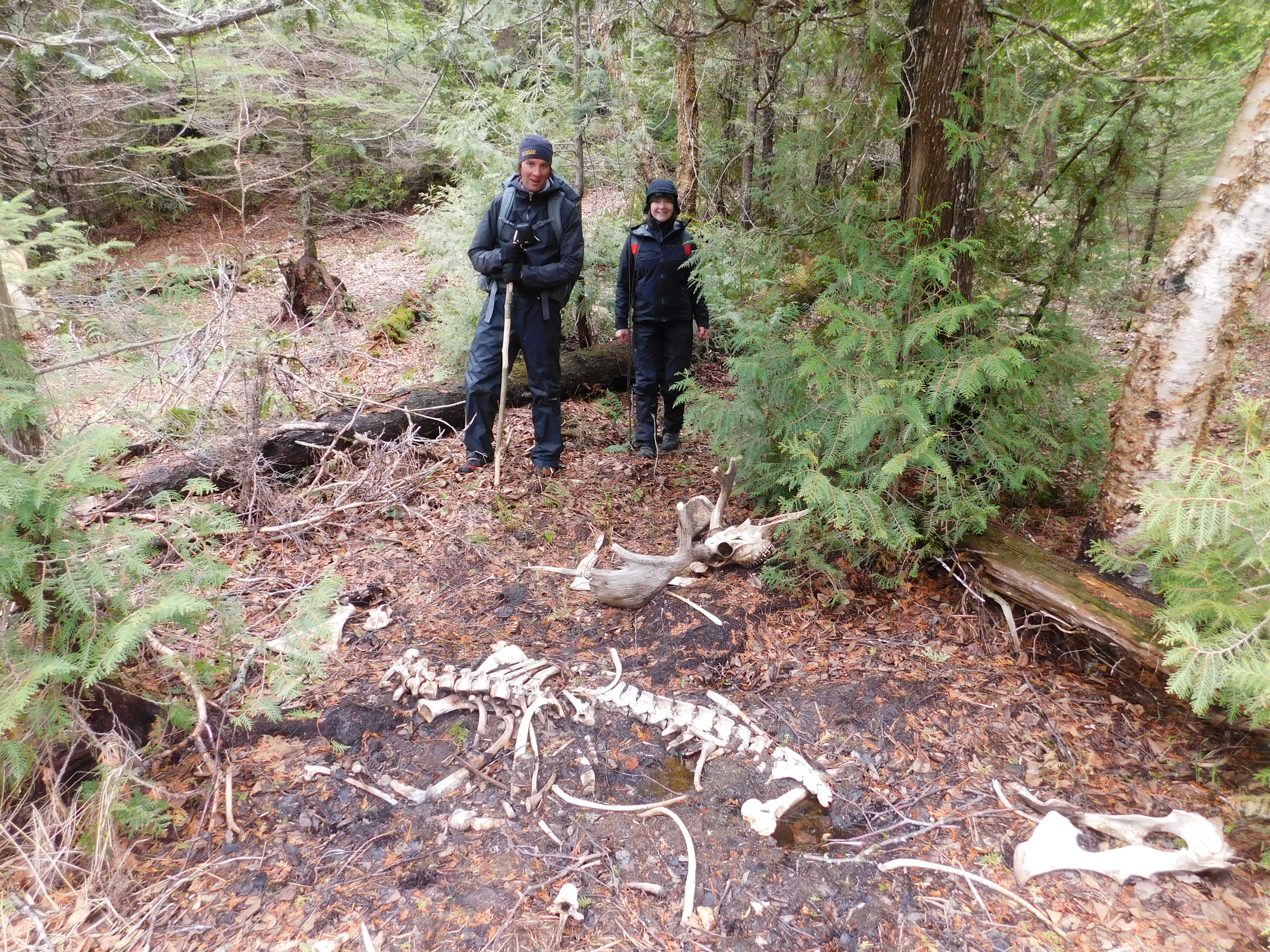
We hiked 2-3 miles each day, carefully looking for moose bones in the dense forest, traveling up and down ridges and through swamps. On our first full day in the field, we located a nearly complete skeleton with an antlered skull. The skulls and teeth were an especially successful find, because when cut into a cross section, the rings of dentin in the teeth can be counted to age the moose – similar to counting tree rings – which provides important information on the moose population. The bones are also examined for signs of chewing by wolves as well as signs of arthritis – many moose at Isle Royale live longer and are more prone to developing arthritis than moose in areas with more predators.

 With this information, we then try to surmise the cause and time of death to learn more about when wolves were still predating or scavenging moose. Our team also documented the harmful effects moose are having on Isle Royale’s fir trees. Moose rely on the relatively soft fir tree needles for food during the winter, and in many areas, they have continually browsed the tops of fir trees so they stay short and cannot reproduce. With taller, reproducing fir trees becoming scarce on the island, the over-browsing of the short fir trees is a serious concern.


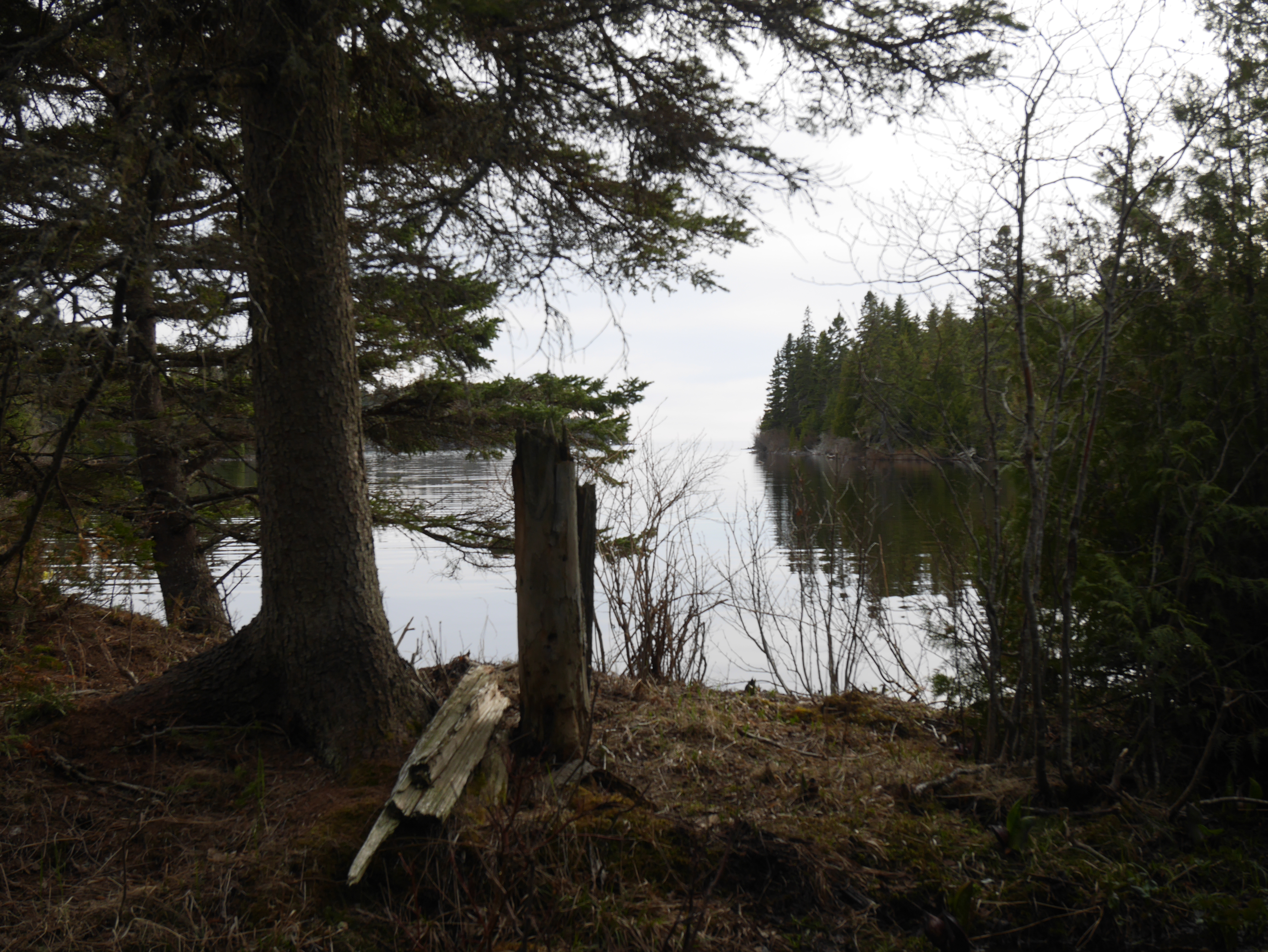
After several days, we hiked to our next camp on the shore of a sheltered harbor on Lake Superior. This site was situated next to an active beaver lodge that kept us up at night with tail slapping and the “kerplunk” of beavers diving under water. On our next trek, we found another, even larger antlered skull, and there was more clear evidence of wolf predation – or at least scavenging – with chewed-up leg bones found dragged away to shady trees nearby.

As we wrapped up our journey, we connected with another group of researchers exploring a different part of the island; both teams returned with moose bones and teeth for examination, marking a very successful field expedition.

Share this: Facebook  |  Twitter  |  Permalink Hide options

– Paul Buzzard, Ph.D., is the field conservation officer for the Detroit Zoological Society.

Help us Protect a Billion Birds from Untimely Deaths

Every year, thousands of avid birders flock to important birding areas in the state of Michigan, hoping to see or hear a few of the millions of birds that are migrating to their breeding grounds. Birds migrate north to their breeding grounds mid-March through May; they then migrate south to their wintering grounds mid-August through October. Unfortunately, many migratory birds will meet an untimely death by colliding with window glass or other manmade structures; a phenomenon known as a bird collision or bird strike. It has been estimated that up to 1 billion bird-collision deaths occur every year in the U.S., according to the American Bird Conservancy. As humans continue to build structures that feature glass, the threat of increases in bird collisions will also continue.

Birds and humans have a different visual system. Glass is not visible to birds, and it becomes a deadly invisible barrier they are unable to avoid. Oftentimes as a result, birds will fly directly into windows, causing fatal injuries. In some cases, a bird will fly away after the collision, but it will likely succumb to its injuries elsewhere.

The good news is that there are many things we can do to prevent collision. Keep your windows dirty! Yes, dirty windows are good for birds. You can also use dark blinds on windows and keep your blinds shut. Consider moving plants away from windows without blinds to help prevent birds from trying to land on those plants. You can also move bird feeders: either place them within 3 feet of windows or more than 30 feet away from windows to prevent collisions. There are also a variety of window films that reduce reflection on the outside of windows; ABC (American Bird Conservancy) BirdTape can be hung vertically (4 inches apart), or horizontally (2 inches apart). The most common patterns on windows are spaced in a 4 inch by 4 inch, 4 inch by 2 inch or 2 inch by 2 inch pattern, the latter being the most effective. Companies and homeowners can also build Bird-friendly buildings by incorporating specially designed bird collision glass, and even minimizing the use of glass.

The Detroit Zoological Society believes it is important to take care of all birds, not just those that are cared for by the Zoo. The DZS has been committed to tracking and preventing bird collisions on Zoo grounds since 2013. All newly hired employees are required to attend an orientation program which includes how to recognize and report bird collisions to their supervisors. Bird department personnel also work to prevent bird strikes in a number of ways including the utilization of ABC BirdTape, custom CollidEscape window film and Feather Friendly dots.

The Polk Penguin Conservation Center and Buddy’s Pizza have specially designed “fritted” glass, and ORNILUX Bird Protection Glass was used in the giraffe building expansion. Detroit Zoo visitors have access to educational flyers and displays about bird collisions at various locations throughout the Zoo.

The Detroit Zoo would like to encourage the community to take preventative measures to protect wild birds from colliding with windows in their homes, schools and businesses. Also, participating in The Detroit Audubon Society’s“Project Safe Passage Great Lakes,” members of the community and property managers of high-rise buildings, apartments, and condominiums can turn off all building lights at night on unoccupied floors and spaces; lights left on in buildings overnight are a major cause of nighttime collisions that kill millions of birds.

We appreciate everyone who makes an effort to help protect wild birds!

– Bonnie Van Dam is the associate curator of birds for the Detroit Zoological Society.

Porous Pavement Protects Sewer Systems

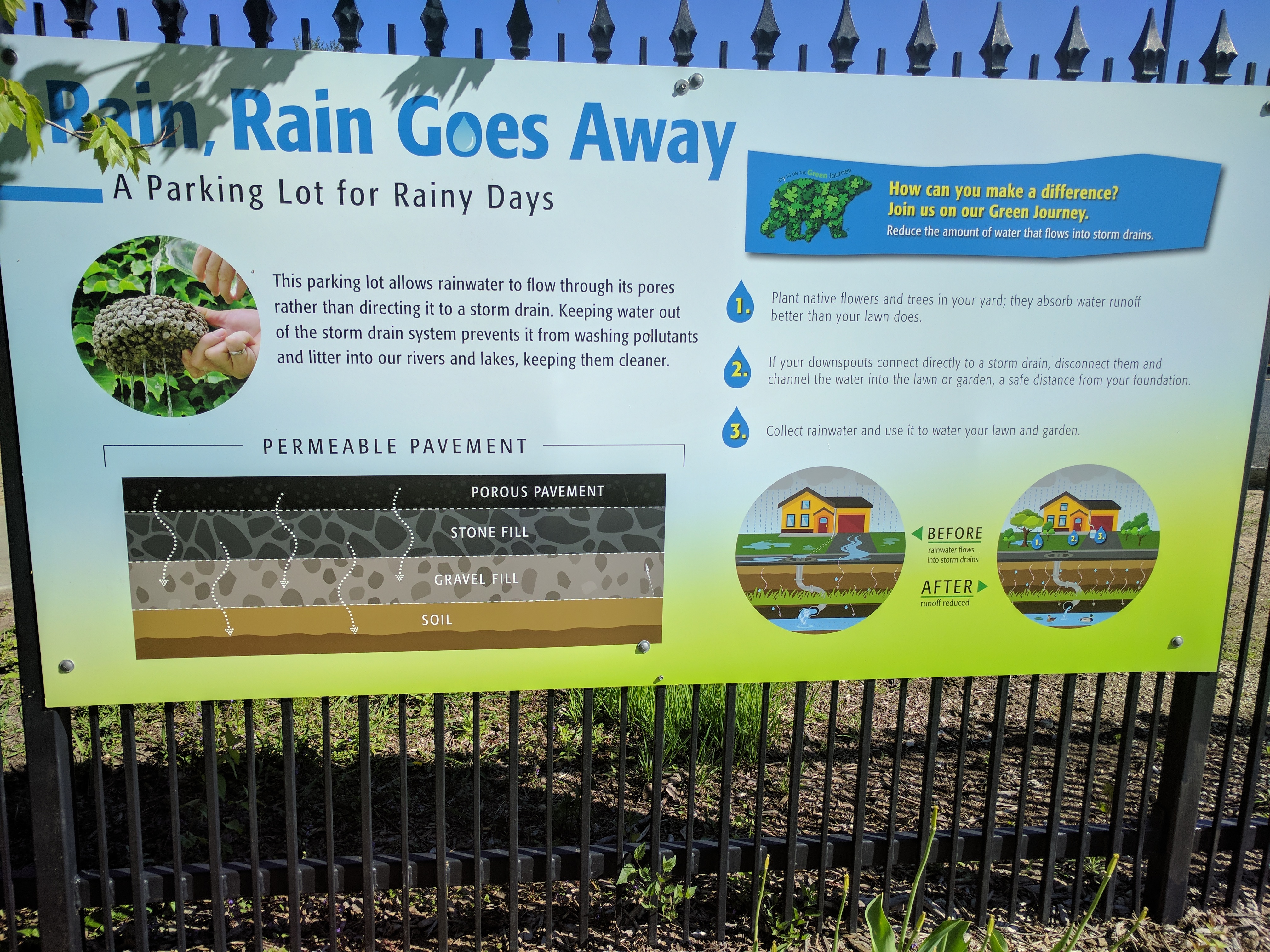
Observe storm water disappear right before your eyes through the environmentally beneficial phenomenon known as permeable pavement. Constructed of porous materials, it allows for the passage and filtration of water. While “normal” asphalt and concrete tend to be a less expensive option, permeable pavement has many benefits that help our environment, making it a better – and greener – alternative. During heavy rainfall, sewer systems tend to get overwhelmed and may result in flooding, along with basement backups and polluted waste water. To combat this, the porous material captures the runoff and filters out any pollutants. This collection of rainwater also helps to recharge groundwater and reduce surface temperatures, which is extremely beneficial to the surrounding ecosystems.

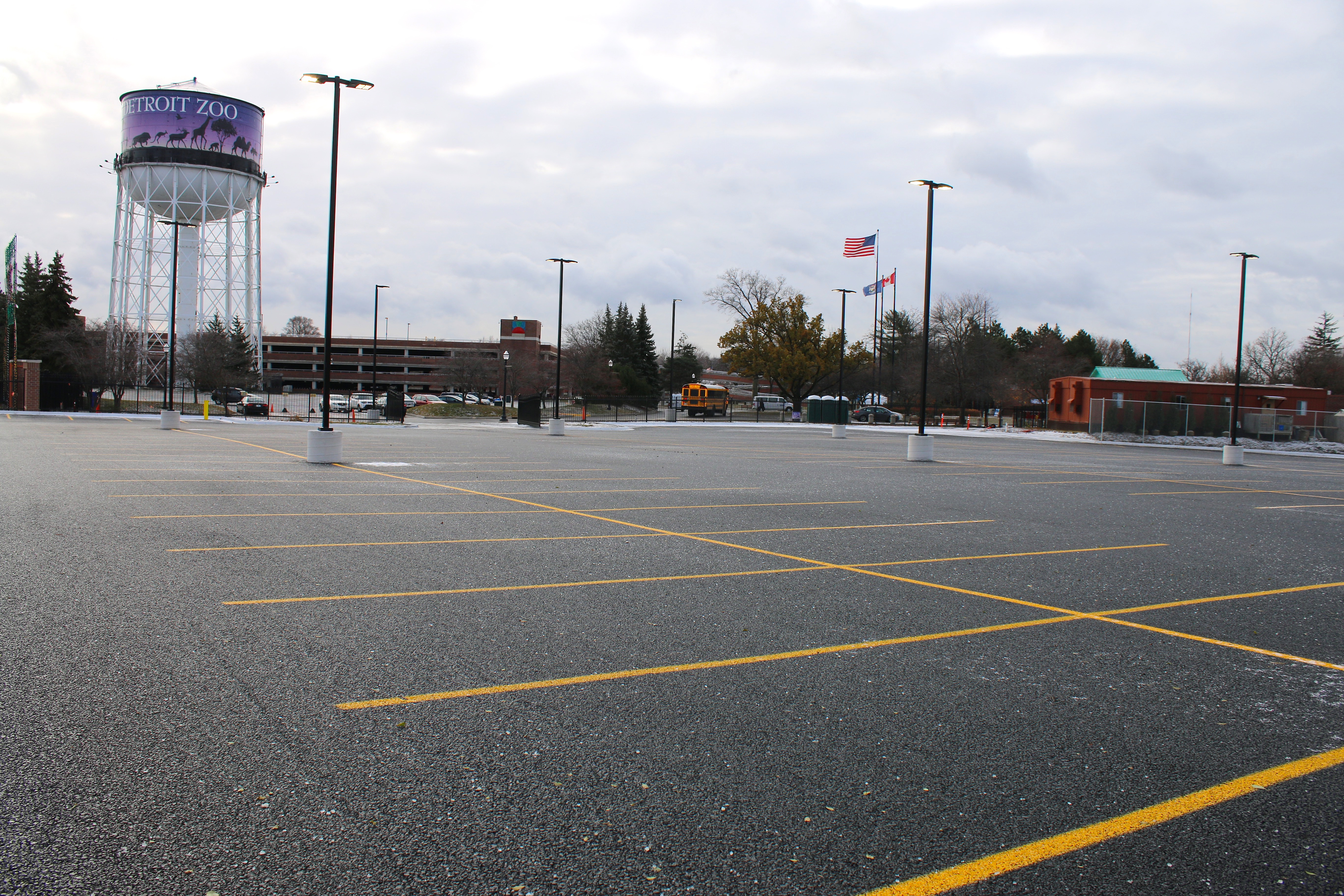
The Detroit Zoological Society (DZS) is paving the way for a more sustainable environment by utilizing this progressive green design. We first implemented permeable pavement at the Detroit Zoo in 2015 with the construction of the Cotton Family Wolf Wilderness, which features visitor walkways made with porous material. As we continue to improve the infrastructure at the Zoo, we are incorporating permeable pavement within our design plans, such as a parking lot we constructed in 2016 near the main entrance with 215 additional spaces, as well as a new visitor walkway outside the Edward Mardigian Sr. River Otter Habitat added in 2017.

Join us on our Green Journey! By implementing sustainable storm water infrastructures, we can help relieve the influx of water into the sewer system. Try disconnecting your downspouts and channel the water into your lawn or garden, plant a rain garden with native Michigan flowers and/or harvest rain water – these are all cost-effective ways you can help too.

– Rachel Handbury is the manager of sustainability for the Detroit Zoological Society.

Understanding Cardiac Health in Great Apes

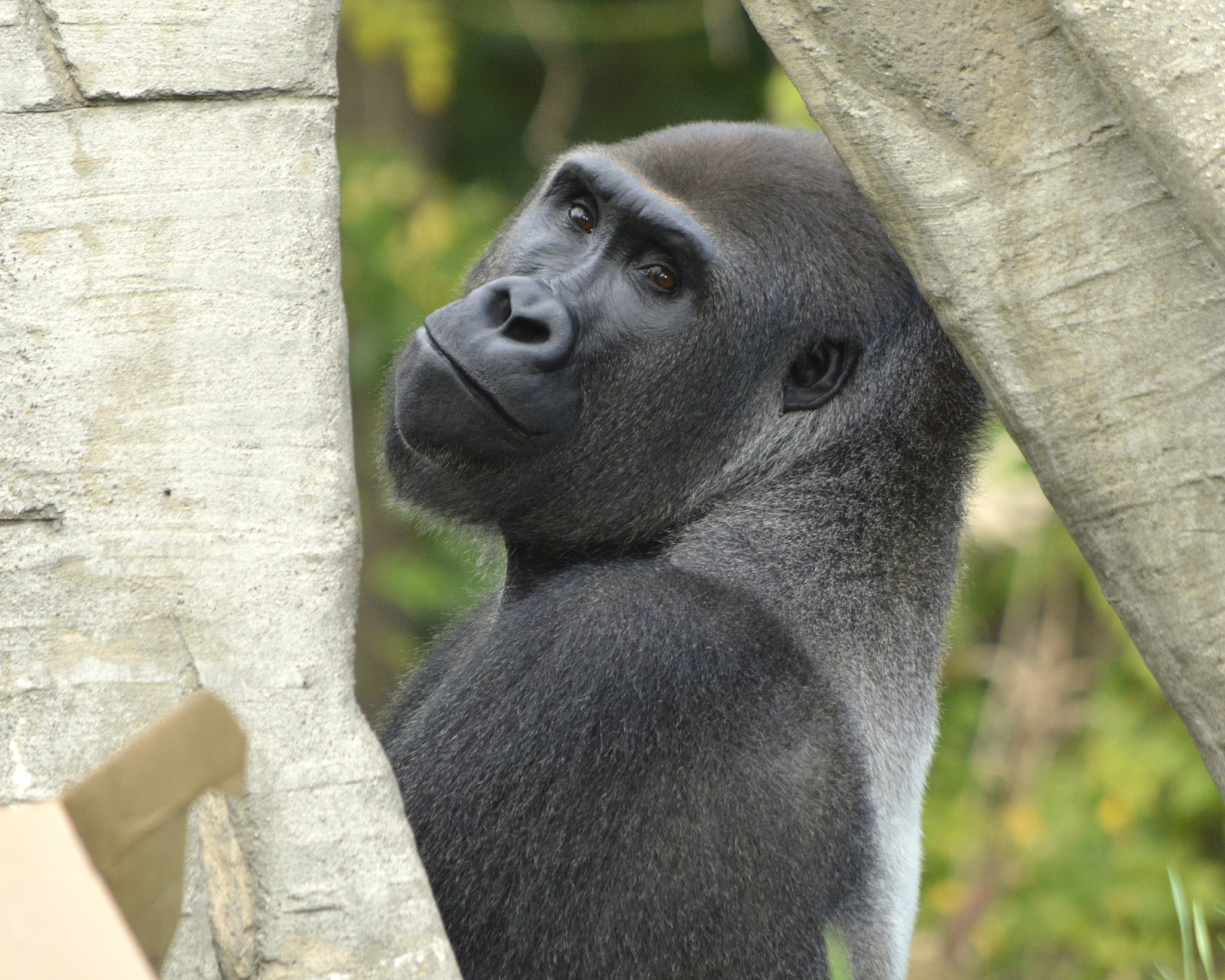
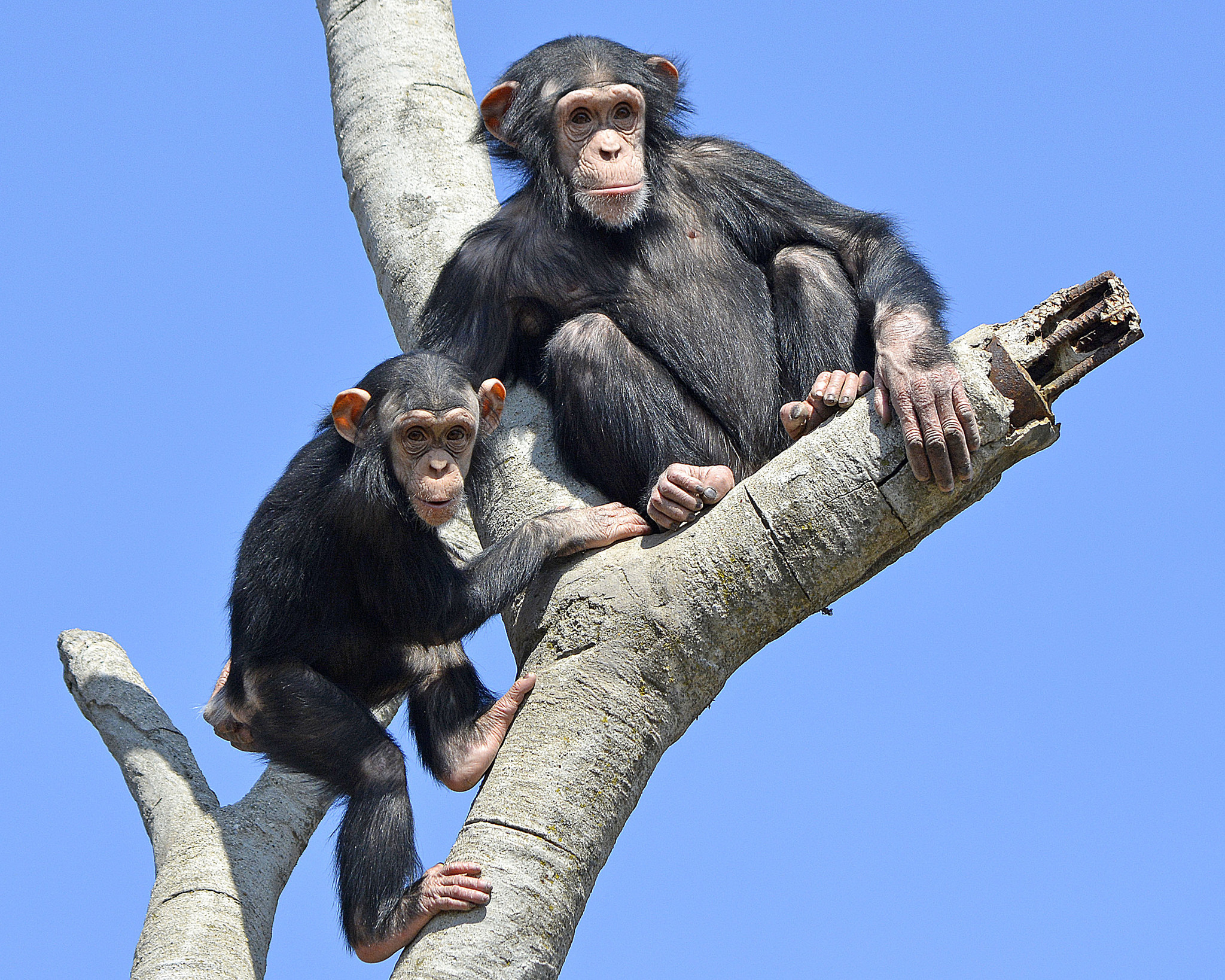
Cardiovascular disease isn’t just the leading cause of death for humans, it is also a health issue faced by great apes. These majestic creatures – chimpanzees, gorillas, orangutans and bonobos – share 98 percent of human DNA. As is the case with humans, it is apparent that we need to investigate and understand the cardiac health of these animals.

Fifteen years ago, the Great Ape Heart Project (GAHP) began to form in order to address this responsibility – two zoo veterinarians, a human cardiologist and a veterinary epidemiologist put their heads together around the topic. Early on, they recognized the critical need for a multidisciplinary approach to investigate and understand cardiovascular disease in these special animals. In the years since, they have enlisted the help of a number of passionate and hard-working medical experts and scientists – the team now consists of zoo veterinarians, human and veterinary cardiologists, ultrasonographers, human and veterinary pathologists, epidemiologists, nutritionists, geneticists and zookeepers. They use clinical, pathologic and research strategies to aid in the understanding and treatment of cardiac disease in all of the ape species, with the ultimate goal of reducing mortality and improving the health and welfare of captive great apes.

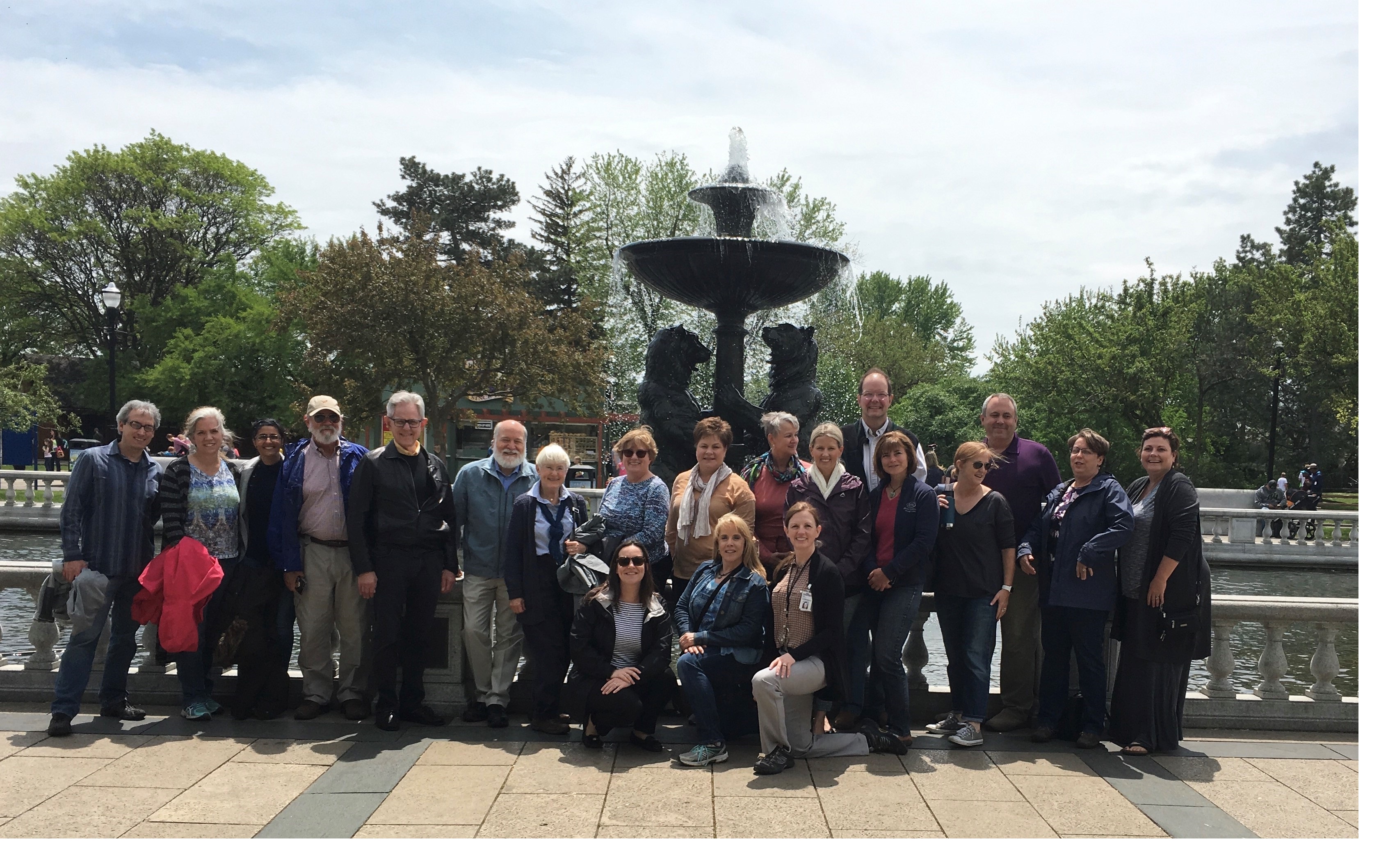
Members of this project recently convened at the Detroit Zoo for what was the largest working group meeting the GAHP has held to date.

Much progress has been made over the years – with generous funding from Zoo Atlanta and the Institute of Museum and Library Services, the GAHP has been able to hire a project manager to move their initiatives forward and coordinate the development of an extensive database to store the information needed to unravel this complicated health issue. A website has been developed, containing all of the information needed for veterinarians to understand how to contribute to the project and provide feedback about their patients. Additionally, normal cardiac parameters for gorillas and chimps have been established, which is an important step toward early recognition and treatment. Human and veterinary pathologists have worked together to improve tissue collection techniques and agree upon the terminology used to discuss findings. Together, they’ve been able to identify aspects of heart disease that are shared between great apes and humans, and this has helped inform future directions for research.

This team has demonstrated that a small group of very committed people can make tremendous strides toward improving the health and well-being of animals in our care. At the Detroit Zoo, we’ve been at the forefront of research, using implantable loop recorders to understand the impact of cardiac arrhythmia on heart disease in chimpanzees and gorillas.

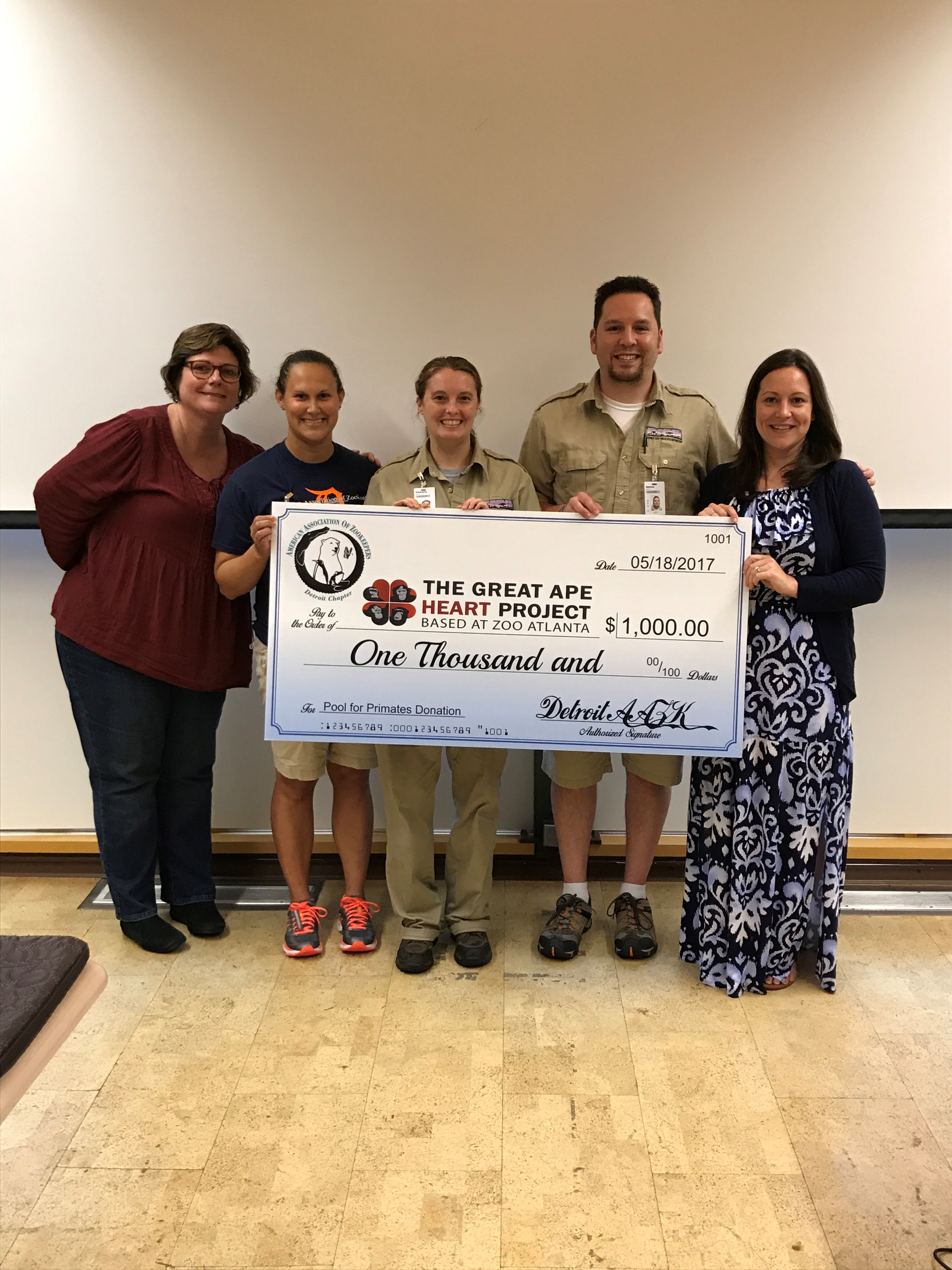
A thousand dollars in proceeds from our recent Pool for Primates fundraising event was donated to the GAHP by the Detroit chapter of the American Association of Zoo Keepers, Inc. The Detroit Zoological Society is committed to contributing to this important work and ensuring that great apes worldwide live longer, healthier lives.

– Dr. Ann Duncan is the director of animal health for the Detroit Zoological Society and oversees the Ruth Roby Glancy Animal Health Complex.

Experience a Story of Survival

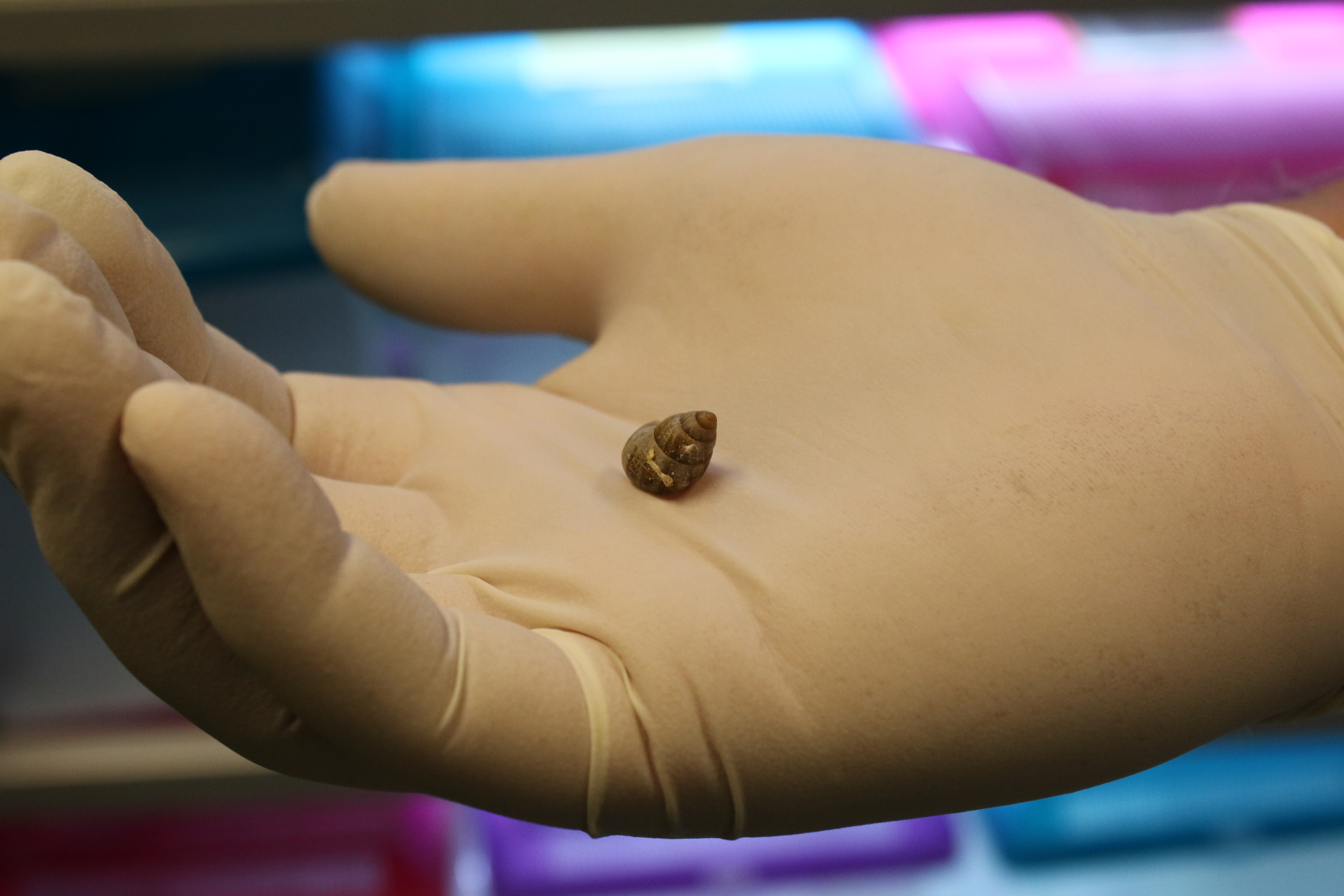
Nearly three decades ago, a tiny Tahitian land snail called the Partula nodosa was declared extinct in the wild – only 26 individual snails remained. In a final attempt to save the species from being completely wiped from the Earth, those 26 snails were sent to the Detroit Zoo as part of a cooperative breeding program.

Animal care staff worked carefully to provide the best possible living conditions for the snails while focusing on their successful reproduction, which eventually resulted in the rescue and recovery of the species. Thirty years later, there are now more than 6,000 individuals living in North American zoos, all descendants from the original group that came to the Detroit Zoo. In the last two years, 160 of these snails have been sent to Tahiti for reintroduction in the wild.

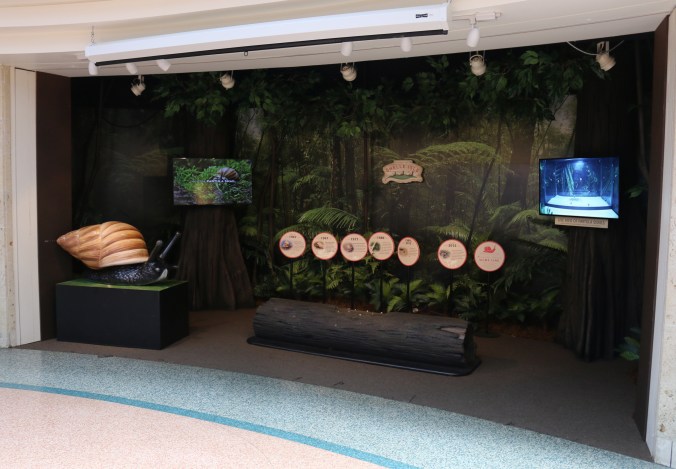
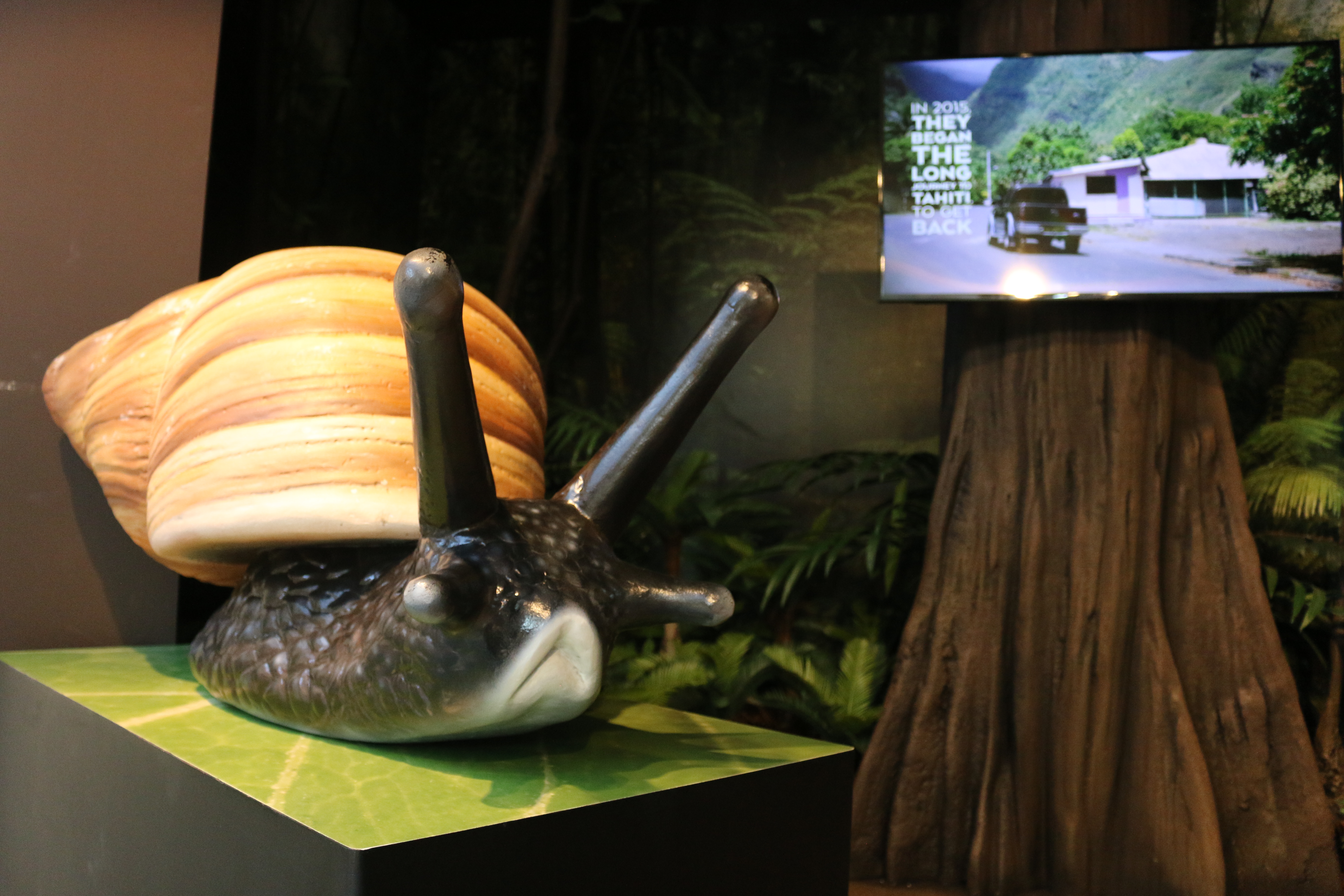
Visitors to the Detroit Zoo can become a part of this story at Shelle Isle, an exhibit in the Wildlife Interpretive Gallery that features the conservation story of these tiny mollusks. Guests are transported to the Tahitian rainforest, surrounded by tropical plants. A short video tells the snails’ story from a stable population in the first half of the 20th century to their sharp decline in the late 1970s, when an attempt to protect farmers’ crops from African land snails went awry and the Florida rosy wolf snails that were introduced to control the population preferred to eat the Partulid snails. The video also includes footage from the release of the Detroit-bred snails in Tahiti in 2015. Guests are invited to feel the shell of a giant replica of the Partula nodosa and more closely observe its structure and form. A second monitor has a live camera feed into the p. nodosa habitat in a behind-the-scenes area at the Detroit Zoo, giving guests a glimpse of the snails’ daily lives.

A favorite feature in this space is a large, “fallen” log where tiny, exact replica snails sit. Two magnifying glasses attached to the log allow visitors to get a close view of these tiny creatures. Many of them have a yellow number painted on their shell, which represents the way the snails are tagged by scientists before being released in Tahiti in order to monitor their movements and survival. The few that don’t have numbers painted on them are meant to demonstrate the successful reproduction in the wild that researchers have already observed, and the project’s continued success.

For us, an important part of this story is that it focuses not on a charismatic megavertebrate, but on a species that is not well-known, isn’t found on nursery walls or represented in the rows of stuffed animals on a toy store shelf. Conservation is not a beauty contest; all animals are important and the Detroit Zoological Society (DZS) works tirelessly to conserve species large and small – including the tiniest and slimiest of snails. By supporting the DZS, you are a critical part of this important work.

– Claire Lannoye Hall is a curator of education for the Detroit Zoological Society.
Greenprint: Hosting Eco-Friendly Celebrations

Americans amass 258 million tons of garbage annually, according to the Environmental Protection Agency. And while 35 percent of that is recycled or composted, the remaining 169 million tons of trash ends up in landfills – the breakdown of which creates toxic gases that pollute our air and water and contribute to global warming. An even more staggering statistic is that in Michigan, only 15 percent of waste produced annually is recycled – far less than the national average.

We can all take steps in our daily lives to reduce the amount of waste we are creating. At the Detroit Zoo, we no longer sell bottled water or provide plastic bags at zoo concessions. We’re converting 500 tons of animal manure annually into energy to power our animal hospital. And we are working toward a lofty goal of becoming an entirely waste-free zoo – which is not an easy task.

It’s all a part of this journey we’re on – our Green Journey – to create a more sustainable future and protect the wildlife and wild places around us. We encourage you to join us. Download our Shades of Green guide and learn what actions you can take to lighten your impact on the Earth.

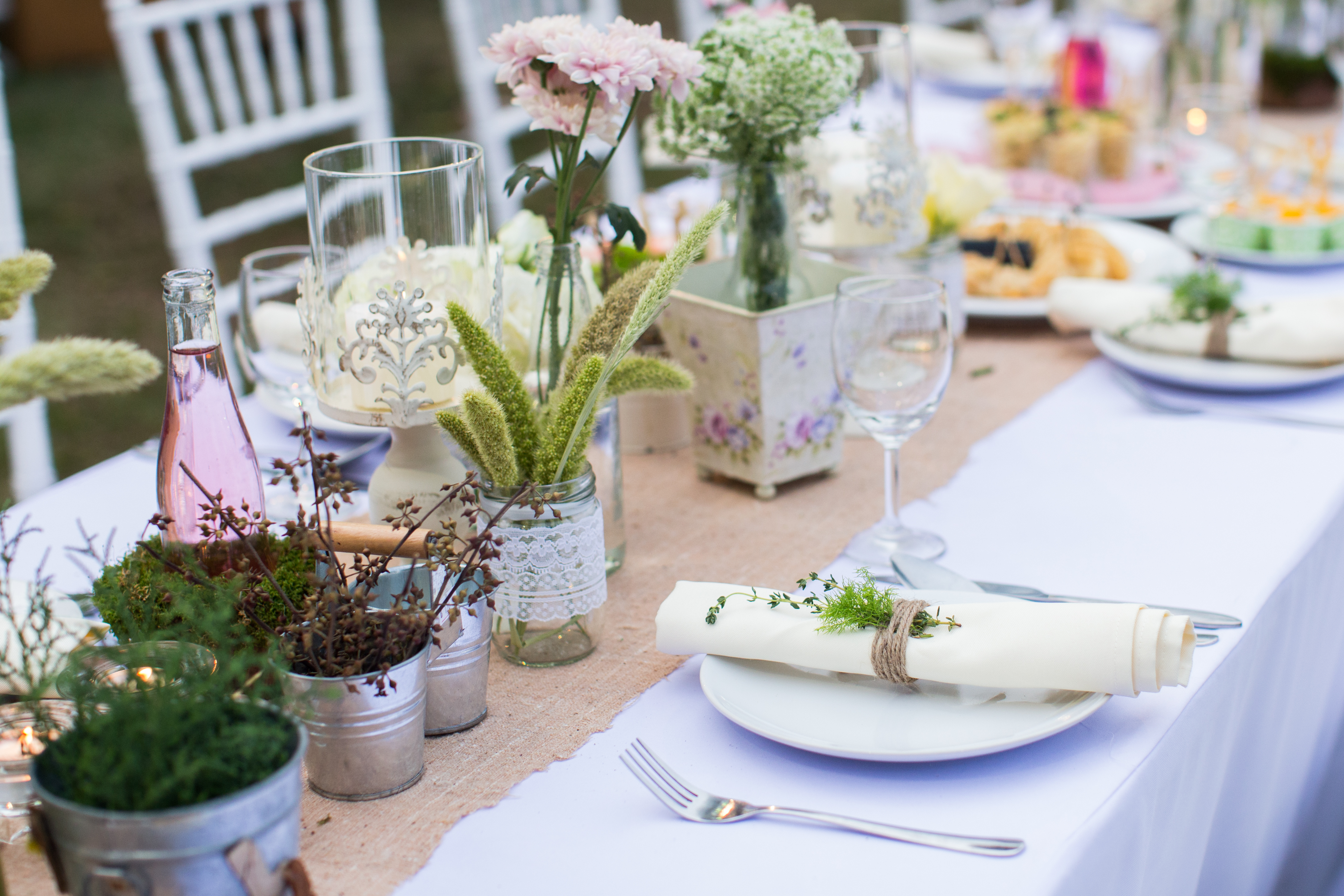
With summer upon us, barbecues, picnics and pool parties are in full swing as we enjoy the beautiful weather. But oftentimes with these events, we generate a great deal of waste. Disposable paper plates and paper napkins are common, as are disposable plastic cups and cutlery. By reducing cleanup time, the event becomes easier on the host; however, the waste becomes significant. Consider holding a waste-free event and ask your guests to embrace the effort.

Here are some tips for hosting a zero-waste event:

  • Decorate with flowers and plants, which can be composted when the event is over.
  • Use cloth napkins that are easy to launder.
  • Serve food with reusable dishes and cutlery.
  • For a unique party favor, go to a second-hand store and purchase vintage-inspired plateware and encourage guests to take their plate home.
  • Forget the red solo cups; use glasses and purchase an erasable marker to write guests’ names on their glass.
  • Consider composting. If you do, be sure to educate your guests on what items can be composted before they scrape the food. Also, if they know the goal is to be waste-free, they may be more conscientious of how much food they put on their plate.
  • Get creative and have fun with it – zero-waste parties can be beautiful, along with being greener!

Portions of our annual 21-and-older fundraising gala, Sunset at the Zoo – this Friday, June 16 – are going to be waste-free. Guests will receive a commemorative glass with their champagne welcome that they can use throughout the evening as they sample drinks and dishes from more than 50 restaurants and distributors and enjoy live entertainment. Reusable bags and our Shades of Green guide will also be gifted to guests. In addition, food waste generated from the event will be composted in our anaerobic digester. This is all a part of this year’s theme of “Green is the New Black” – which celebrates our award-winning sustainability initiatives. But Sunset at the Zoo is more than just a great party – it raises funds that are critical to supporting the Detroit Zoological Society and our mission of Celebrating and Saving Wildlife.

– Rachel Handbury is the manager of sustainability for the Detroit Zoological Society.