Out of the Shadows: Celebrating International Dark Sky Week

Many of our older guests at the Detroit Zoo and Belle Isle Nature Center can likely remember a time when they looked up and saw a sea of stars peppered across the night sky, clear enough to count the constellations.

Today, things are different. As populations and industry have grown, artificial light has seeped into our night sky to the point where many of the younger generation have never seen a truly dark sky.

This month, the Detroit Zoological Society (DZS) is raising awareness around this unfortunate phenomenon by helping our guests understand how they can protect our naturally dark night skies — and, in turn, help the animals we all know and love.

April 22-30 is International Dark Sky Week hosted by the International Dark-Sky Association (IDA). The IDA’s main goal is to fight against light pollution, which is the inappropriate or excessive use of artificial light. Research from the IDA and other institutions indicates light pollution can have serious environmental consequences for wildlife, the climate and human health.

How does light pollution harm your favorite animals?

Some of the most devastating impacts of light pollution have been to animals and their habitats. For an example, look no further than sea turtles. Though this species lives in the ocean, sea turtles hatch at night on the beach, with hatchlings finding their way to the water by detecting the bright horizon over the ocean. Artificial lights have been known to confuse hatchlings and draw them away from the water and away from survival. In the U.S. alone, millions of sea turtles die this way each year.

Closer to home, light pollution can have a harmful effect on bird populations. Birds who hunt or migrate at night use light from the moon and stars to guide their way. Artificial lights cause these birds to wander off course and into cities, where they are met with dangerous terrain. Once attracted to illuminated areas, birds collide with the glass of needlessly lit buildings and towers. According to the IDA, millions of birds die this way each year. Additionally, migratory birds depend on cues from properly timed seasonal schedules. Light pollution can cause these birds to migrate too early or too late and miss ideal climate conditions for nesting, foraging and other behaviors.

Outside of these two species, the effect of light pollution on wildlife can be subtler but no less harmful. Nocturnal animals have had their nighttime environments radically altered by light pollution, taking away the darkness prey species use for protection and confusing animals such as frogs and toads, who use nighttime croaking as part of their breeding rituals.

Artificial lights have been shown to disrupt normal nocturnal behaviors, causing inference with breeding and decreasing animal populations, according to the IDA. The worst part? Researchers are only just beginning to understand the ways light pollution has harmed animals and their environments.

What is the Detroit Zoological Society (DZS) doing about light pollution?

DZS and Belle Isle Nature Center staff strongly believe in the importance of nurturing, celebrating and protecting the night sky everywhere. While Belle Isle will likely never be fully dark due to its proximity to the city, we do everything we can to preserve the island’s nighttime darkness and protect local wildlife.

The DZS is a partner with the Metro Detroit Nature Network, now known as SEMI Wild, which in 2017 signed the Urban Conservation Treaty for Migratory Birds, designating Metro Detroit an Urban Bird Treaty area. Among other things, the treaty promotes bird conservation through Lights Out programs. These programs, of which we are enthusiastic supporters, implement dark sky policies encouraging organizations and individuals to turn off or reduce interior and exterior lights during spring and fall migration to help provide safe passage to migratory birds — potentially saving the lives of thousands of our feathered friends in the Detroit area each year.

Another way we continue to protect dark skies is through community education and promoting programs that educate the public about the natural night sky and what the average person can do to fight light pollution.

This International Dark Sky Week, tune into the Detroit Zoo Facebook page to see multiple posts about dark skies, their connection to wildlife and how the DZS is celebrating the week.

You can also join us from 8:30 to 10:30 p.m. Saturday, May 7 for Statewide Astronomy Night. The Wayne State University Planetarium at the Belle Isle Nature Center will be hosting a free, outdoor-only event, where guests can observe the night sky through a variety of telescopes and binoculars. Wayne State presenters will also be on hand to offer tours of the constellations and conduct exciting demonstrations. The Nature Center will also host an installment of its Nature at Night series, where you can learn all about how local nocturnal animals navigate a nighttime world.

What can you do to fight light pollution?

While the problem of light pollution can seem insurmountable, every little action taken can make a big difference. Here are three things you can do at home and in your community to support naturally dark skies:

• Eliminate unnecessary indoor lighting. Unused lights — particularly in empty office buildings at night – should be turned off.

Make the switch to shielded outdoor lighting. Outdoor lighting should be shielded and directed downward, where it can illuminate the ground rather than contaminate the night sky.

Research and spread the word! Visit the IDA website to learn about light pollution and the organization’s efforts to preserve dark skies. Then become an advocate for them! Talk to your friends and family to raise awareness around light pollution and help them understand why they should make changes to protect the night sky.

If we all take steps to reduce light pollution in our own homes and neighborhoods, there is a chance that one day future generations — and their furriest friends — will be able to look up and lose count of the stars scattered across the dark night sky.

Amy Greene is the nature centers director for the DZS.
‘Otterly’ Amazing: Learning to Care for the Detroit Zoo’s Newest Marine Mammals

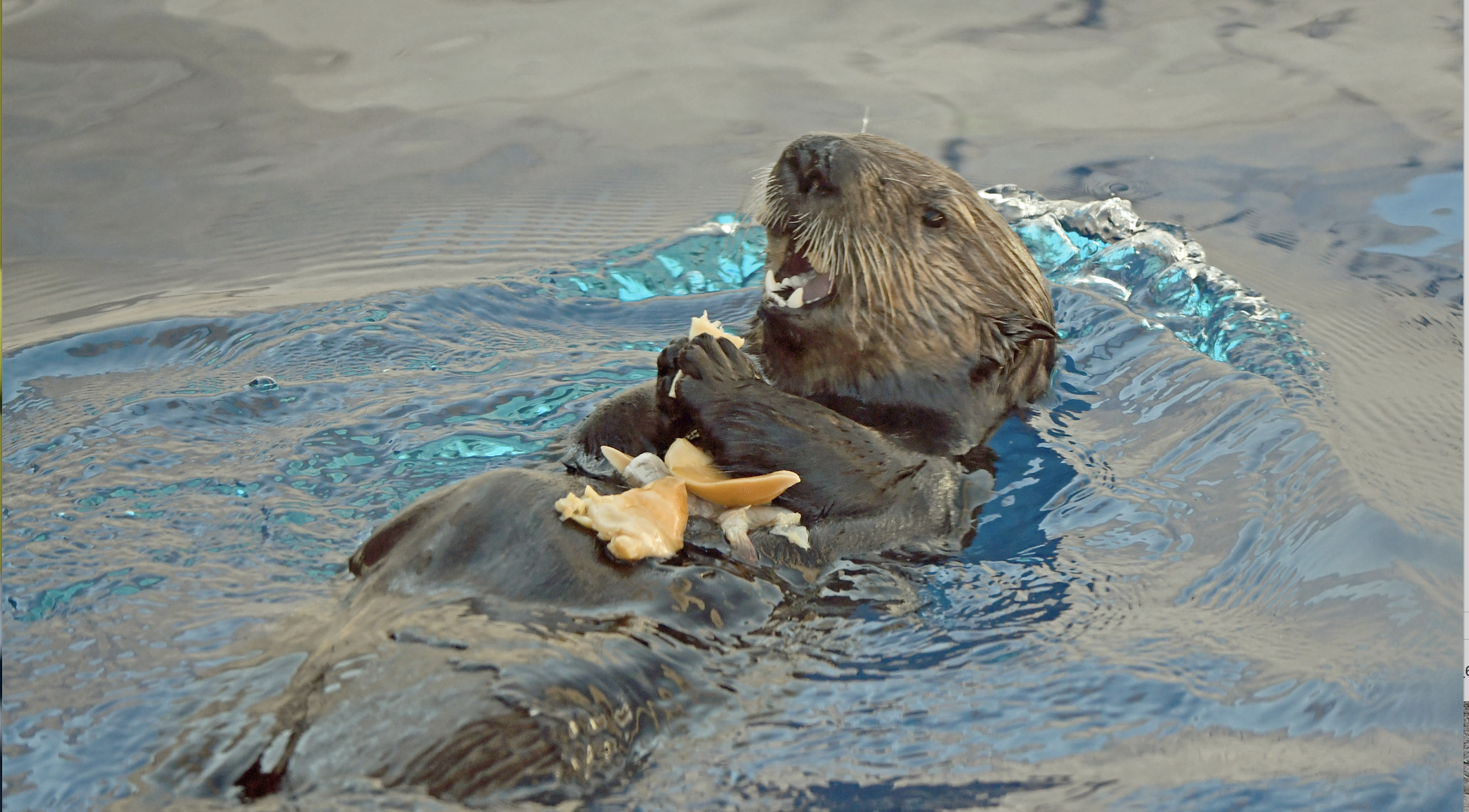
It’s the season of sea otters at the Detroit Zoo! Over the coming weeks, Dr. Ann Duncan, director of animal health for the Detroit Zoological Society, will be sharing updates about two of the Zoo’s newest inhabitants, Ollie and Monte. Read on to learn more about some of our favorite marine mammals!

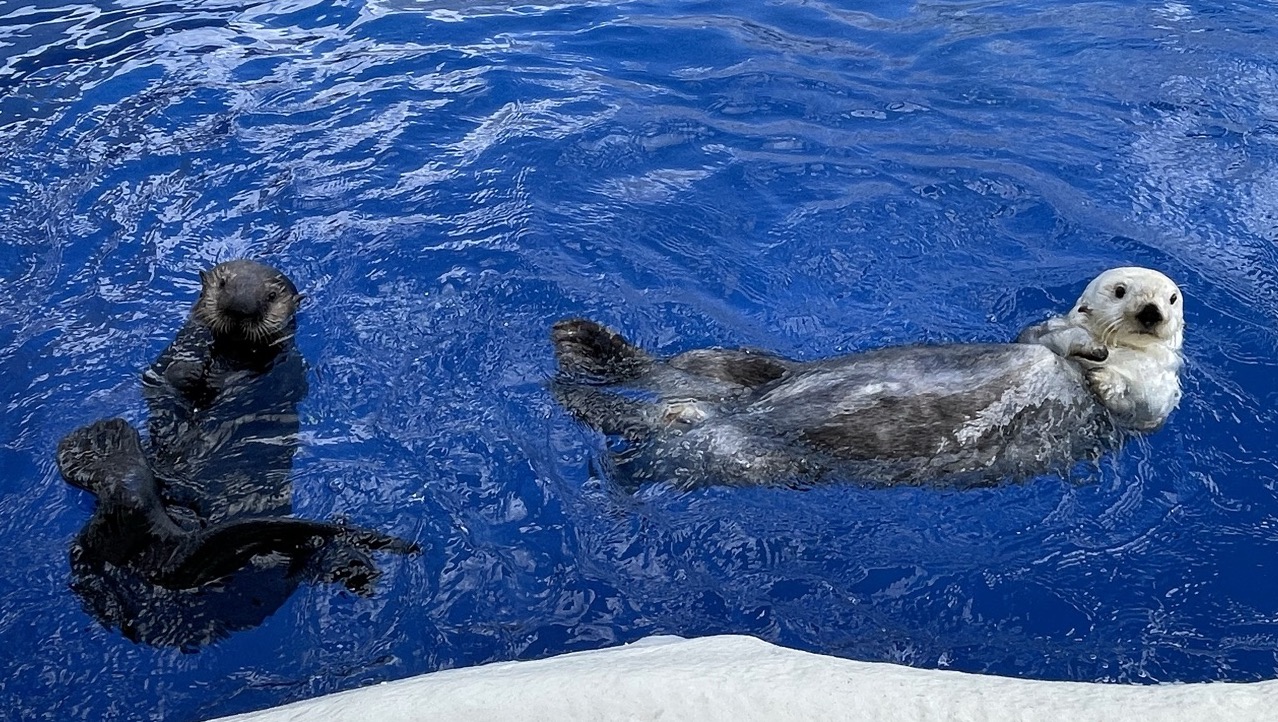
A year ago, Detroit Zoological Society (DSZ) animal care staff was busy renovating a habitat at the Arctic Ring of Life to become home for two rehabilitated sea otters, female Ollie and male Monte.

As the DZS had not cared for sea otters in the past, the veterinary staff was busy learning about the animals’ unique anatomical and physiological features and medical needs so we could provide the very best care. We reached out to veterinary colleagues experienced in sea otter medicine and were able to take part in online learning opportunities. We also gathered and read the literature describing typical sea otter medical problems and treatment. 

Sea otters Monte and Ollie moved together to the Detroit Zoo in June 2021.

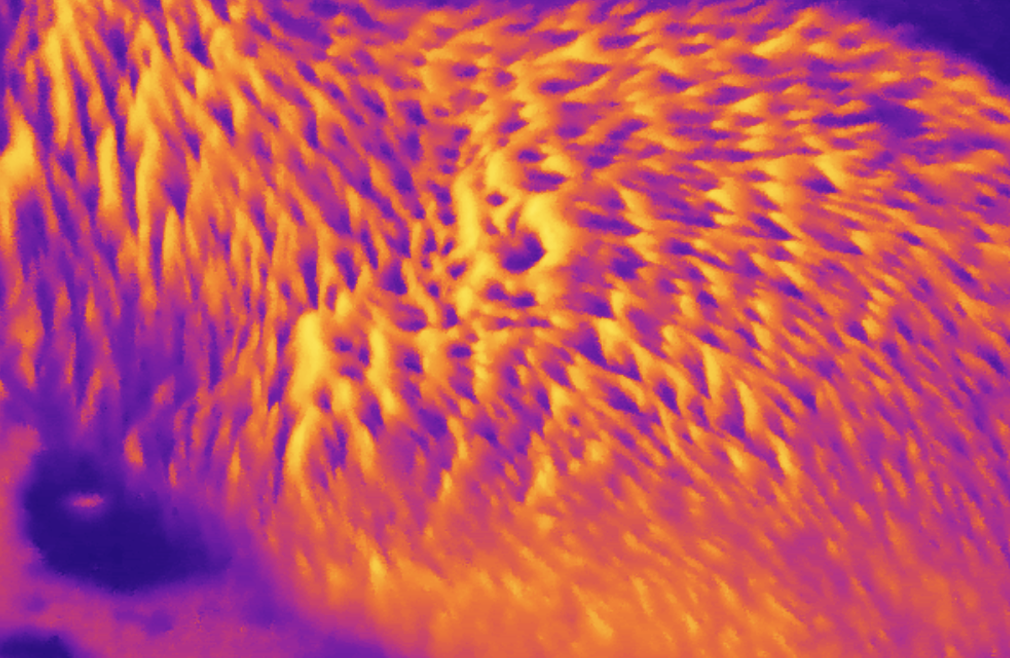
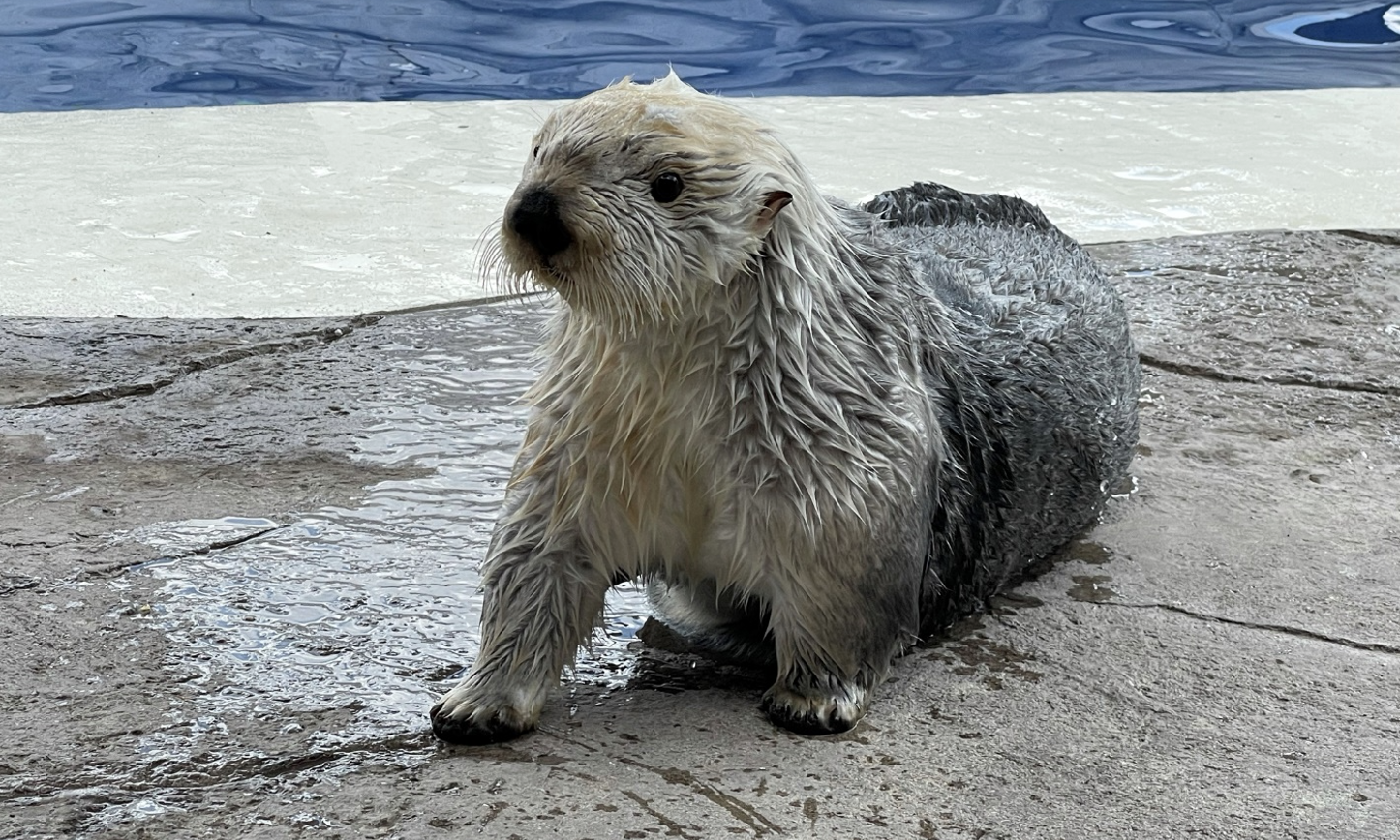
Sea otters have several interesting adaptations, and caring for them is quite different from caring for similar animals, like North American river otters. Sea otters are in the water almost all the time, and when at the surface, they float on their backs. Unlike other marine mammals, sea otters don’t have fat under the skin for insulation. They instead rely on a unique hair coat and high metabolic rate. They have the thickest hair coat of any mammal — more than a million hairs per square inch! The hairs have tiny scales that interlock to form a dense, felt-like barrier that traps air and keeps the skin from becoming wet. This special coat is maintained by fastidious grooming, and when sea otters are not foraging or sleeping, you can usually observe them using their forepaws, flippers and tongues to care for their coat. Without a healthy coat, sea otters will lose heat to the water and cannot survive. When drawing blood, performing surgery or doing ultrasound, we avoid clipping any hair so that there won’t be a window for heat loss. Since the arrival of Monte and Ollie, we have regularly taken images of their hair coats using a thermal camera to look for any areas of irregular heat loss. So far, they have been perfect!

Thermal image of hair coat – Ollie, left side March 10, 2022.

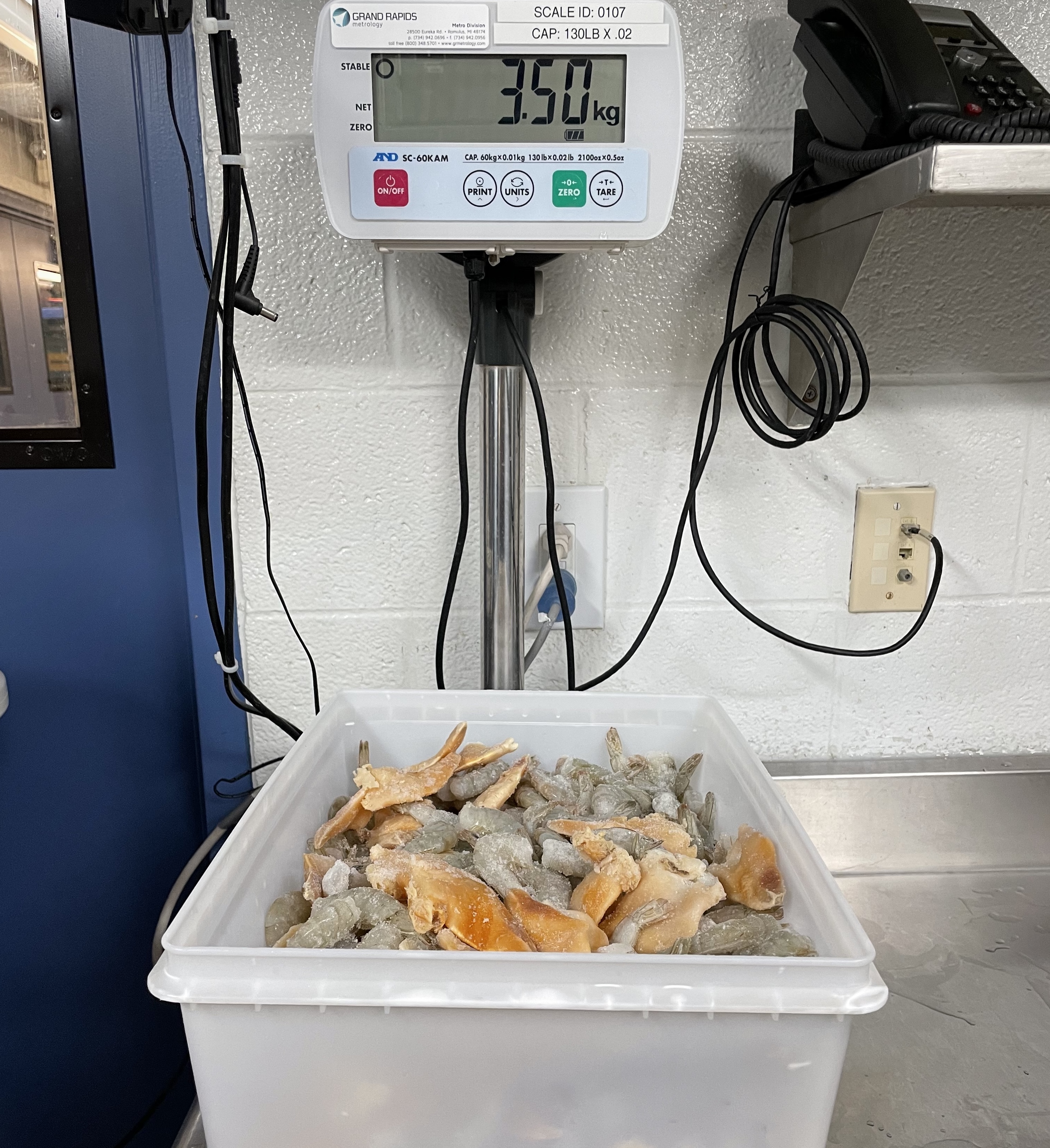
The metabolic rate of sea otters is eight times higher than the standard metabolic rate of similarly-sized terrestrial mammals, and they forage as often as every four hours and eat about 20 to 25 percent of their body weight in food each day. To meet these needs, we feed our sea otters at the zoo six times each day. Digestion of food generates heat and is an important strategy for maintaining body temperature while in cold ocean waters. We analyze the nutrient and energy contents of all the food items we feed to our sea otters and weigh them frequently to make sure they are meeting these high energy demands. 

The amount of food the sea otters eat in one day.

Sea otter skin is very loose, and they have two loose pouches of skin near their arm pits that they can use for storing and carrying food and other items. 

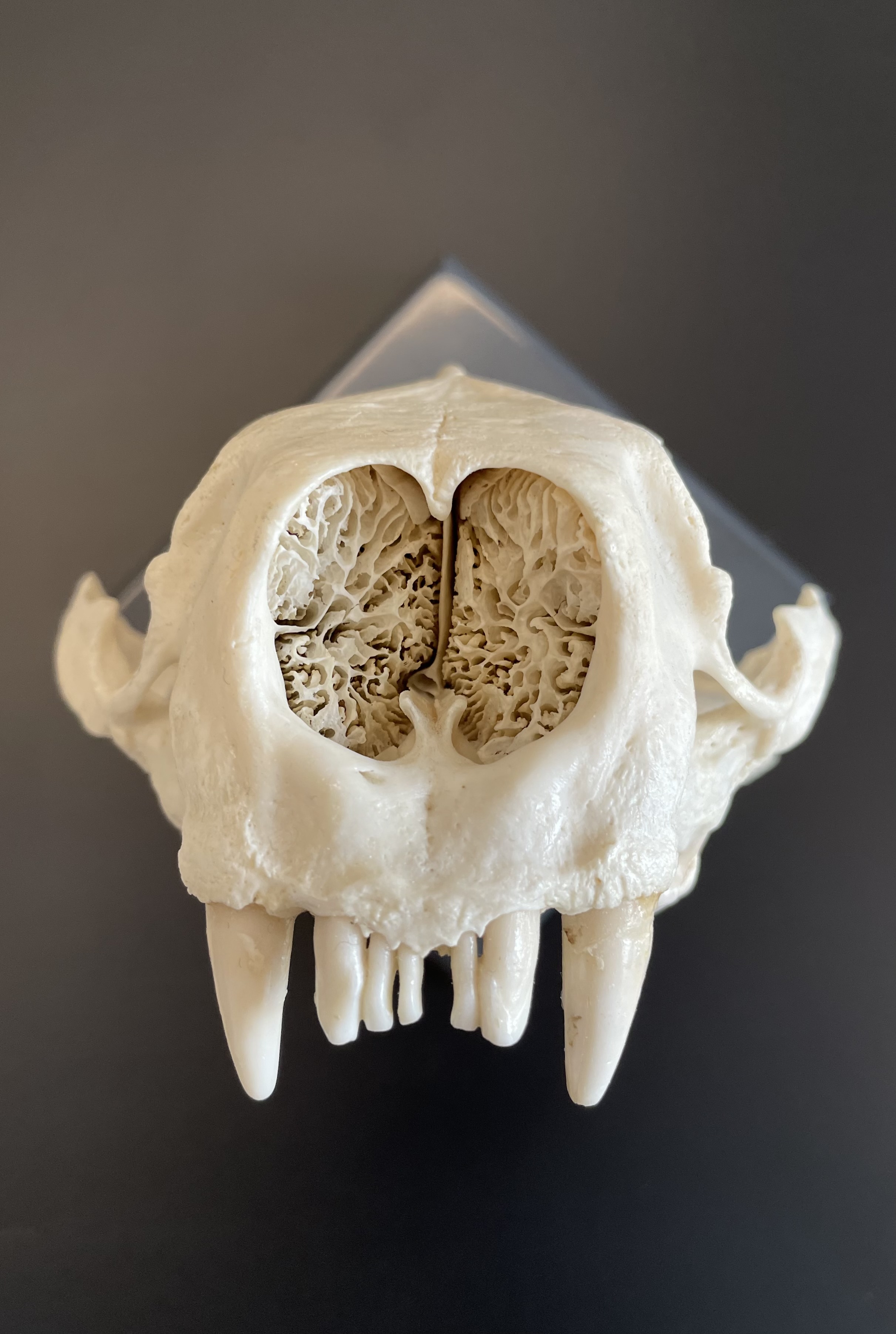
Nasal turbinates increase the surface area for warming inhaled air as it enters sea otters’ bodies.

Sea otters don’t have the best vision, but their eyes are uniquely adapted to allow them to see well both above and below water. Their ability to accommodate in this way is three times higher than reported in any other mammal.  Sea otters close their ears and nostrils when diving. Their noses contain a complex labyrinth of turbinates that serves to increase the surface area for warming inhaled air as it enters the body and allows otters to have an excellent sense of smell. 

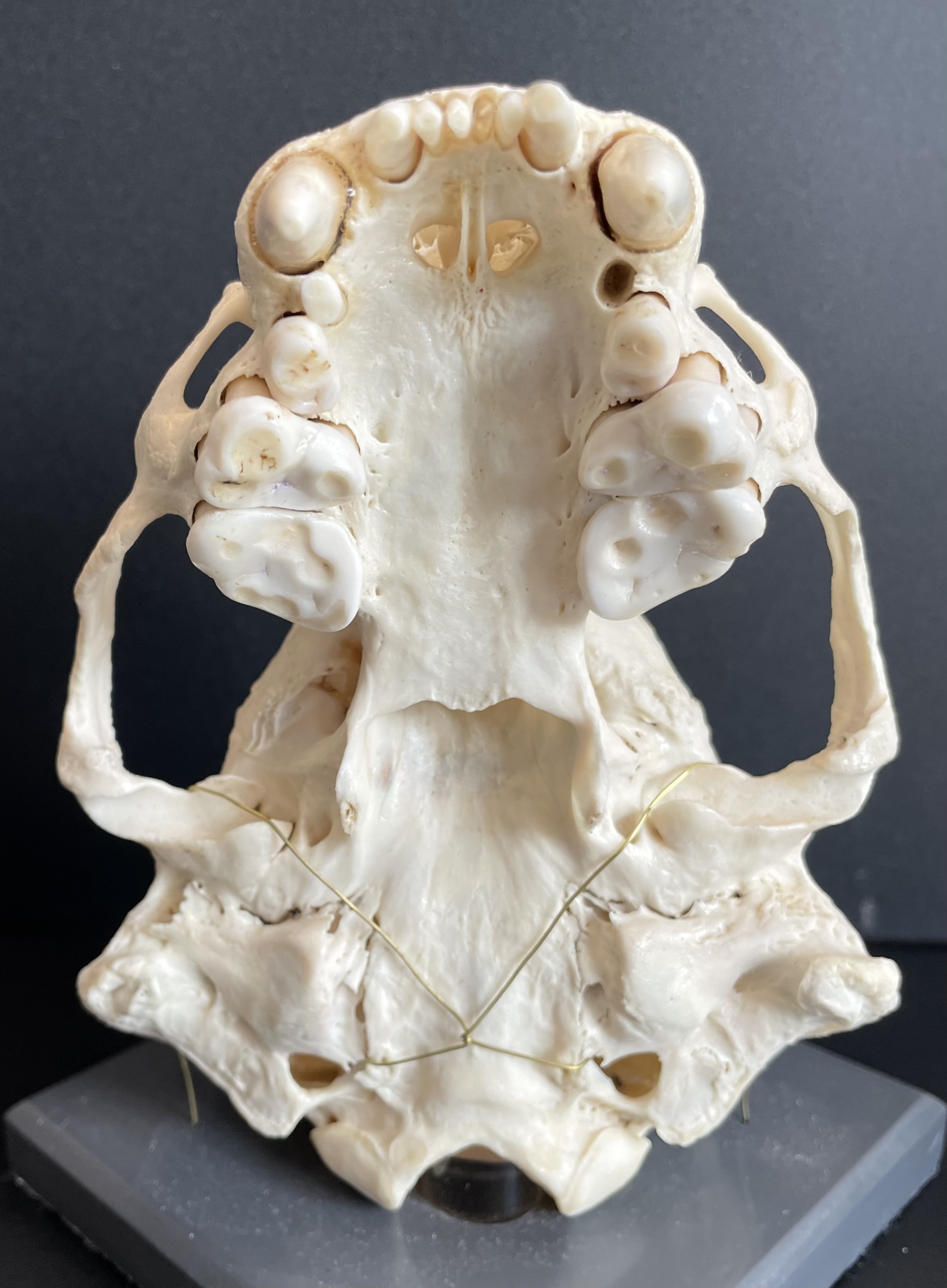
Sea otters’ teeth are uniquely designed to scrape food out of the shells of their prey.

Males are larger than females, weighing up to 100 pounds, compared to 75 pounds for females. Their lower incisor teeth are chisel shaped and protrude so they can be used to scrape food out of the shells of their prey. Their molars and premolars are wide and flat, perfectly shaped for crushing hard foods like clams and sea urchins.     

Male sea otter Monte showing off his impressive incisors.

My favorite sea otter adaptation is that they are cute! Sure, from a veterinary perspective, they are interesting, but they are also absolutely adorable. It’s impossible to watch them swim and interact without smiling, and it’s easy to want to do everything possible to help them thrive. All sea otters in human care have a medical condition that jeopardizes their ability to survive in the wild. I am proud of the Detroit Zoo for making a commitment to support the rescue and rehabilitation of stranded or injured sea otters by providing a long-term home for those who cannot be released. While we currently only care for Monte and Ollie, we have the space and resources to offer safe refuge for additional animals when needed in the future. 

Female Ollie was found stranded in Santa Cruz, California in 2010 when she was approximately two weeks old.

Stay tuned for my next blog, where I’ll describe a recent trip to the Monterey Bay Aquarium for sea otter medicine boot camp. There, I was trained firsthand how to restrain and perform anesthesia on these beautiful and unique animals.

– Dr. Ann Duncan is the director of animal health for the Detroit Zoological Society.

Welcoming the Great Ape Heart Project with Open Arms!

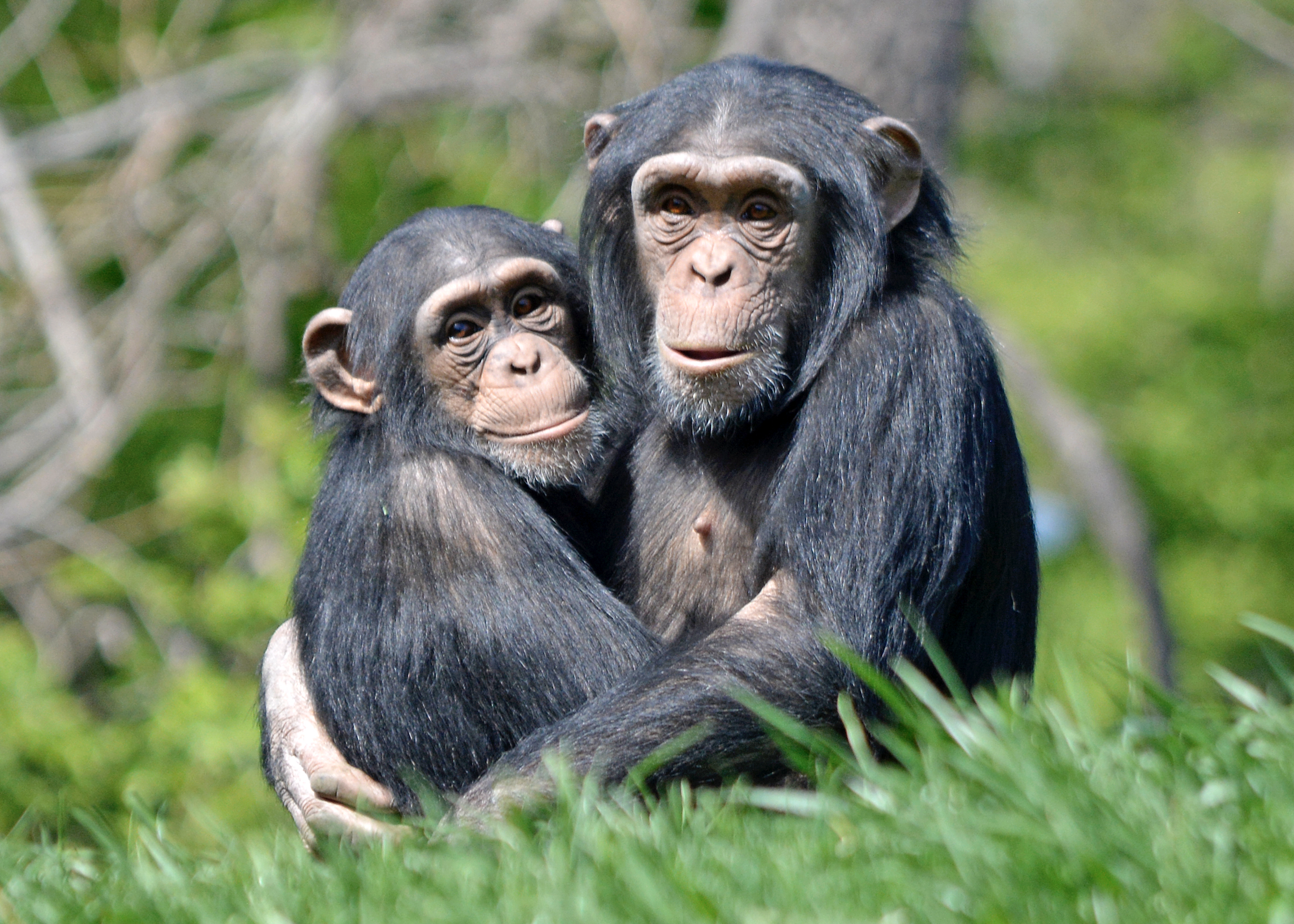
This photo of chimpanzees Zuhura and Akira was taken by Roy Lewis.

Earlier this month, we announced that the Great Ape Heart Project has officially moved to the Detroit Zoo!

Since 2010, the GAHP has dedicated time to understanding and treating heart disease in great apes. Much like it is for humans, heart disease is the leading cause of death observed among great apes in zoos.

“The Great Ape Heart Project was created to address a specific need in the zoological community,” said Dr. Hayley W. Murphy, director emeritus of the GAHP and executive director/CEO of the Detroit Zoological Society (DZS). “It’s critical to investigate, diagnose and treat heart disease among great apes. The information that comes from this international, multi-institutional project saves lives around the world.”

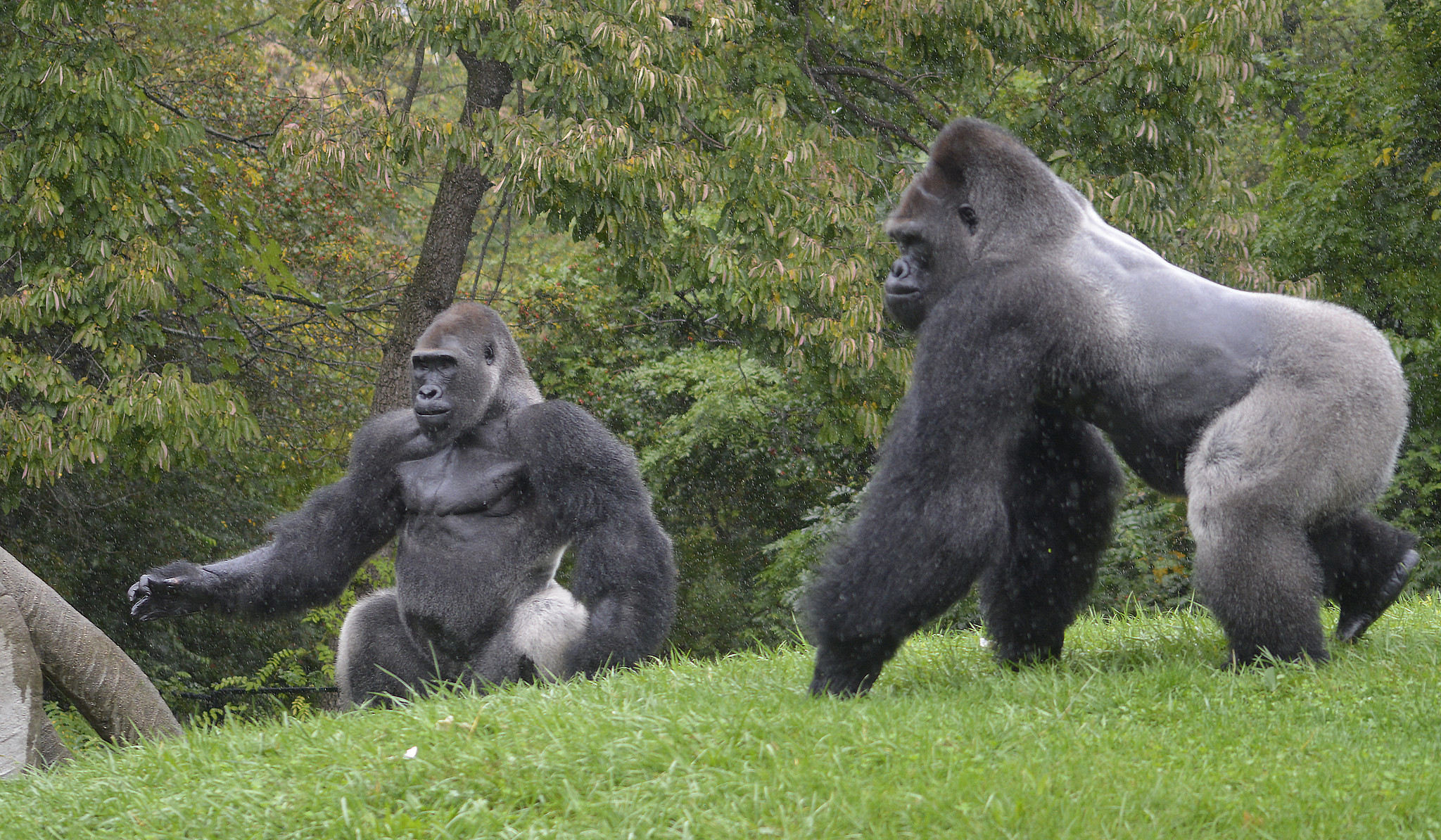
This photo of gorillas Kongo and Pende was taken by Roy Lewis.

Originally based at Zoo Atlanta, this collaborative project was founded to create a centralized database that analyzes cardiac data, generates reports and coordinates cardiac-related research.

“For more than a decade, the project has maintained a hub for researchers that includes more than 90% of the individual great apes in institutions that are accredited by the Association of Zoos and Aquariums (AZA). The project allows participants to compare and contrast data from nearly 80 institutions,” said Dr. Marietta Danforth, director of the GAHP. “Prior to this move, Detroit was like a second home for us because we had so many fruitful meetings here at the Zoo. It’s exciting to have it be our home base now.”

The GAHP received the prestigious 2020 Research Award from the AZA. The award recognizes achievements in advancing scientific research among accredited zoos and aquariums throughout the U.S.

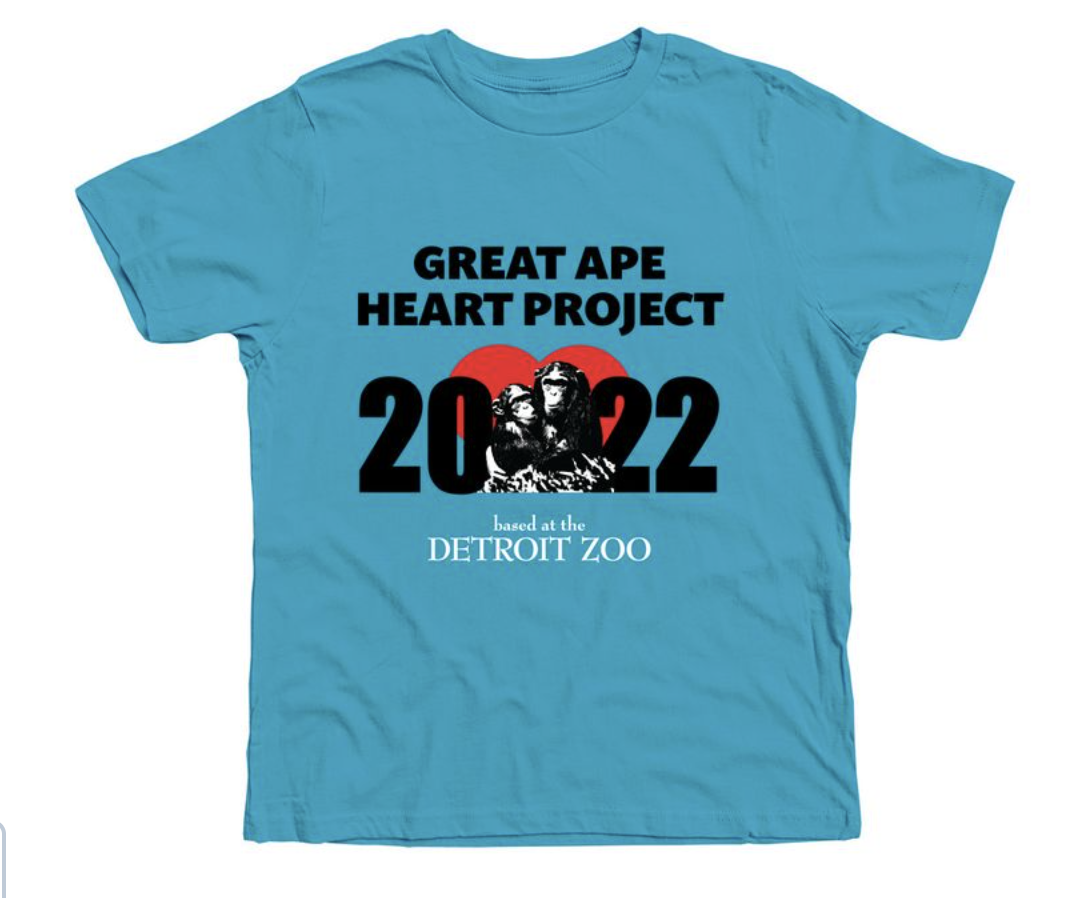
In honor of Heart Month, we are selling GAHP shirts here: bonfire.com/GAHP2022. All proceeds will help prevent, diagnose and treat heart disease in great apes. This year’s design features two chimpanzees who live at the Detroit Zoo, Zuhura and Akira

An Enriching Experience: My Time as an Animal Welfare Intern

By Bailey Brocco

What do gorilla hormones, water monitor tongue flicking, penguin swimming duration and aardvark habitat use all have in common? They are all studied by staff at the Center for Zoo and Aquarium Animal Welfare and Ethics (CZAAWE) as indicators of animal welfare! Animal welfare refers to the mental, physical and emotional state of an animal throughout their lifetime. Animals can’t talk to tell us how they’re feeling, but that doesn’t mean they can’t communicate. Just like humans, animals behave differently under different circumstances. There are many non-verbal indicators that animals may use to communicate their needs and well-being. Their posture, eating habits, social interactions, space use, hormone levels and much more can all serve as clues to tell us how they are doing. CZAAWE staff are dedicated to assessing and improving the welfare of all the animals at the Detroit Zoo and Belle Isle Nature Center. My name is Bailey, and I am a senior at Oakland University majoring in biology. This fall, I was fortunate to join CZAAWE as an intern and dive into what it really means to study animal welfare.

At any given time, CZAAWE is conducting research across a number of species. Each project requires its own special training, as different taxa have their own species-specific behaviors used to evaluate their wellbeing. As an intern for CZAAWE, I contributed to multiple ongoing welfare projects. I worked on projects involving aardvarks, gorillas, polar bears, a water monitor, San Esteban Island chuckwallas, penguins and red kangaroos. Each group of animals had their own ethogram, a reference describing their behaviors, which made each study a unique experience. I might record several different behaviors in the span of a minute when observing the aardvarks, but only one behavior within ten minutes for the chuckwallas. Each project varied not just in terms of the behaviors we monitored, but the questions we asked. For the kangaroos, we focused on their interactions with novel enrichment in different areas of the habitat, while we investigated the degree of visibility in the resident chuckwallas.

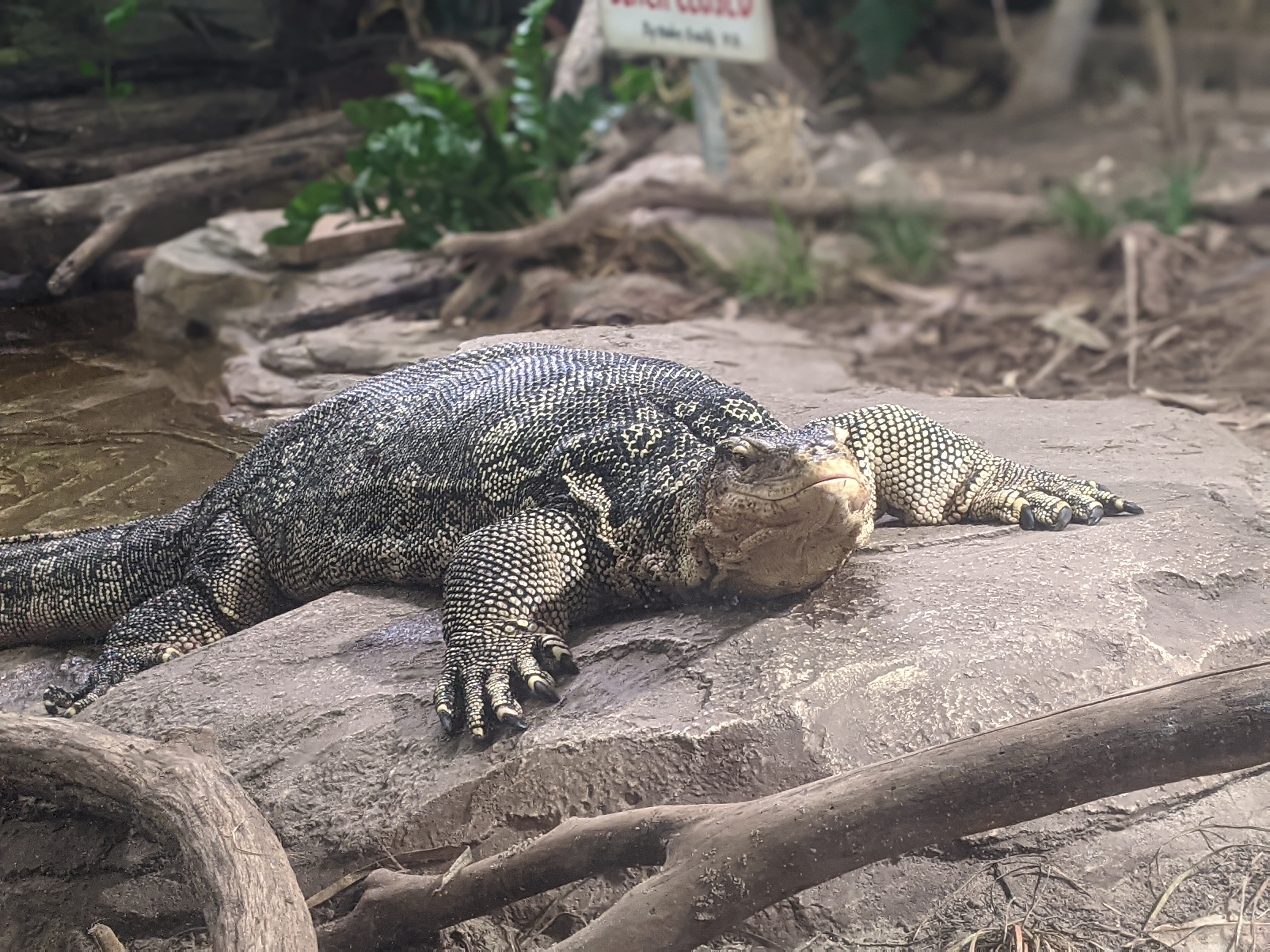
Solair a water monitor

Even though a study might include an entire group of animals, animal welfare is measured at the individual level. The Detroit Zoological Society’s campuses are home to thousands of animal residents, which means taking each of their individual needs, personalities and behaviors into account. The aardvarks are a great example. Aardvarks are nocturnal animals, so it is difficult to observe them during the day. Instead, we study their behavior using camera footage collected during the night when they are active. I really enjoyed my time watching them because of how different each one is. Baji, the only male in the group, is very social and inquisitive. Roxaane is the oldest female and more laid back. She enjoys sleeping, but she’s also very food driven. What is usual and expected for one individual might be uncommon for another. While observing animal behavior is very important (and fun), it is only one of many ways to assess animal welfare. 

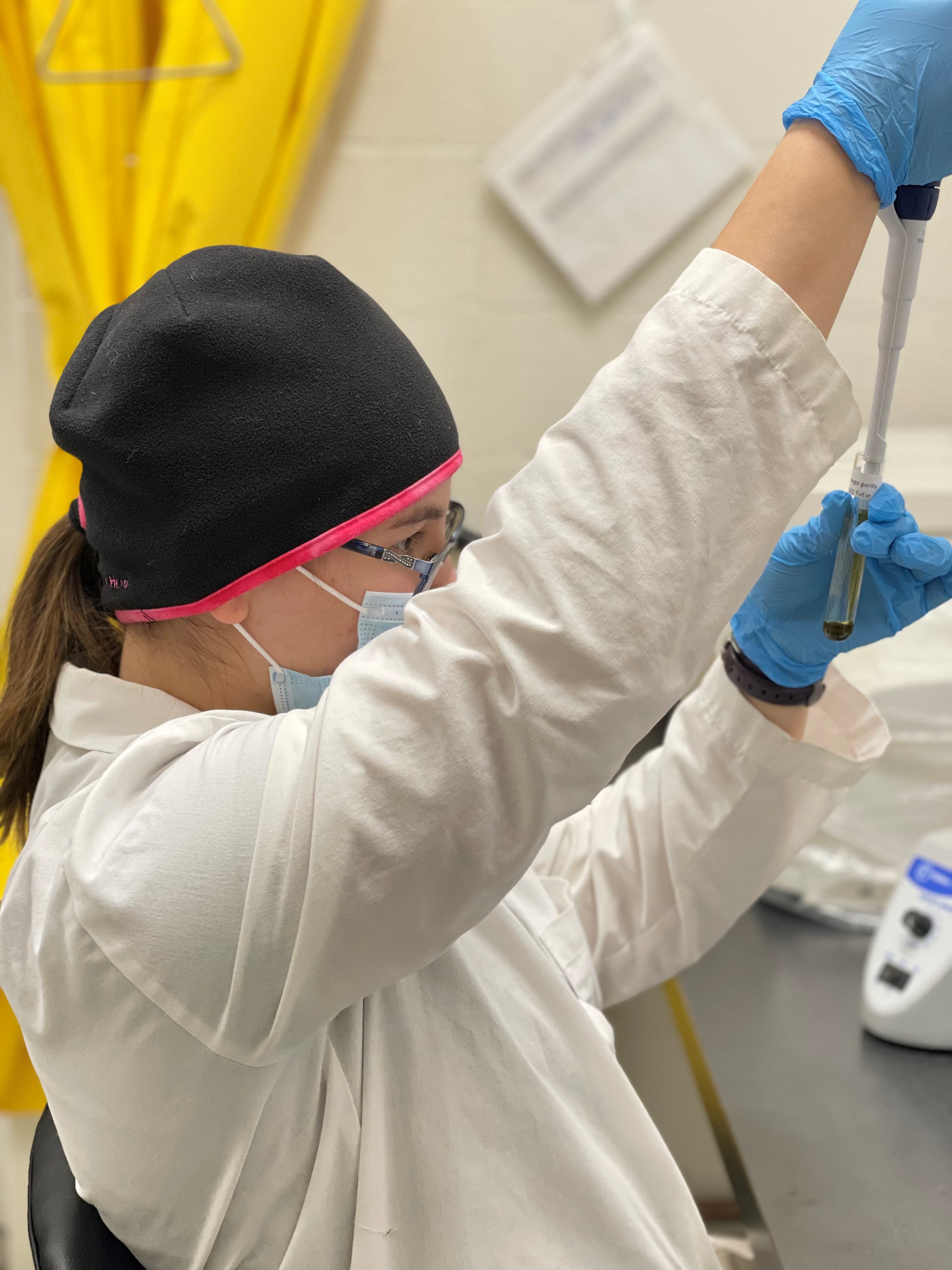
Another important indicator of welfare is hormones. Hormones offer some insight into the physiological state of an individual. There are many ways to measure hormones, but one of the least invasive ways is through the collection of fecal samples. Part of my time here has been spent crushing gorilla and polar bear fecal samples and learning how to extract hormones from them in CZAAWE’s Endocrinology Lab. This state-of-the-art lab is completely dedicated to gathering and processing data on hormones and other biomarkers that offer insight into animal well-being. Although it may not sound very glamorous, being able to analyze fecal samples in a lab is a privilege that not many other zoos have. Using both behavioral and hormonal indicators allows us to paint a more comprehensive picture of animal welfare.

Intern Bailey Brocco

Zoo staff don’t just collect data, they have to process it too. The raw data that is gathered needs to be cleaned and analyzed so it can be used to inform new and beneficial management strategies. In the beginning, cleaning data and organizing it on the computer seemed very daunting to me. However, with some training and practice, I have come to really appreciate this skill. Collecting data is important, but it’s useless if it can’t be analyzed, interpreted and shared. CZAAWE needs to clearly communicate its findings to the many different departments at the Zoo. The ability to concisely organize the data into summaries is just as essential as the rest of work this department performs. I’m grateful that I’ve been able to practice honing these skills.

With new breakthroughs in technology and research, the field of welfare is always growing and evolving. It’s incredibly important to continue to stay up to date on new findings and add to the body of knowledge when we can. CZAAWE has published many of its own studies and findings to contribute to the current knowledge available. Additionally, CZAAWE keeps an online Resource Center, which you can access on their website, full of the most up-to-date research relating to the wellbeing of animals. I spent quite a bit of time searching for new research to add to that database. It was incredible to see the different research people are conducting all over the world in the attempt to learn more about the wonderful animals in our care. 

Every animal is precious, and it is our job to ensure that each and every one of them is not just surviving, but thriving. There is always a lot of work to be done when it comes to ensuring the wellbeing of animals, but welfare scientists work hard to promote the best lives possible for animals. I’m so grateful for the amazing opportunity I was given in interning here at the Detroit Zoo. It has been really eye-opening to see, and participate in, every step of studying welfare. I have a much better understanding of how the process works from conception, to collection and finally to distribution. I have learned so much in the time I’ve spent already, and I’m excited for all the adventures yet to come!            

An Evening of Learning and Bonding for Families in Need

Throughout the COVID-19 pandemic, we have all struggled to grasp the new normal. It has brought new challenges and complicated old ones, yet we continue to push through. The pandemic is especially challenging for people already facing extremely stressful situations, like homelessness and domestic violence. Research indicates that even short respites of spending time in a safe, enjoyable experience can provide much needed relief and reprieve. 

This year, the Detroit Zoological Society hosted several private programs called Nocturnal Adventures. These evening programs catered to more than 270 individuals who are dealing with significant hardship. This positive experience is provided through our partnerships with HAVEN, Turning Point, First Step, the Coalition on Temporary Shelter and the Macomb County Rotating Emergency Shelter Team. The program includes transportation to and from the Detroit Zoo, dinner, a guided evening tour of the Zoo and an education program that focuses on the stories of rescued animals who have found sanctuary at the Detroit Zoo. 

The evening starts with dinner. The meal is shared between the DZS staff, volunteers and our guests. This community building aspect is an opportunity to get to know each other while sharing a meal. We all have more in common than we may first assume and the conversations that evolve are both heartwarming and enjoyable. 

The tour that follows is led by DZS volunteers and education staff. As they lead guests through the Zoo, they share stories of the animals who have found sanctuary after challenging experiences. Many of the animals have suffered injuries in the wild and can no longer survive on their own without human care. Some have come from private ownership where proper care or habitat space was not available. As a result, the animals required urgent intervention and oftentimes specialized care. They are stories of new beginnings and hope.  

Toward the end of the evening, a craft activity provides all participants the opportunity to choose two plants and to decorate a pot for each. The participants can choose to keep and care for both, or to give one to someone. Caring for another living thing and giving are both learned skills. Regularly being on the receiving end of care and support can be taxing on a person, which makes having the opportunity to give or care for something an important element. Taking care of a plant also reinforces that an individual’s choices and actions matter. If the plant isn’t cared for in a manner that meets its basic needs, the plant won’t survive. However, if thoughtfully tended to, the plant will thrive. 

The evenings conclude with the opportunity for participants, staff and volunteers to make s’mores together over a fire pit. This simple, albeit sticky and sweet, ending is a chance to reflect on the evening, share a few more stories and look forward to new beginnings. 

The programs are made possible by dedicated funding from the Detroit Zoological Society and generous donations from the Kellogg Foundation and the Butzel Long Law Firm, an institution deeply involved in Detroit and southeast Michigan for more than 165 years.   

In addition to their financial support, volunteers from Butzel Long had the opportunity to help at a recent event. “We are very happy to have partnered with the Detroit Zoo on the Nocturnal Adventures program. It is our pleasure and honor to give back to our communities, to partner with great institutions like the Detroit Zoo and to do our small part to help those who need it,” said Paul Mersino, attorney and counselor of Butzel Long Law Firm.To support the Detroit Zoological Society’s commitment to providing educational programs for the community, visit detroitzoo.org/support/give/detroit-zoo-fund/.

– Claire Lannoye-Hall is the director of education and D’Nae Hearn is an education specialist for the Detroit Zoological Society.

Learn About the Wolf-Moose Project on Isle Royal

The Detroit Zoological Society’s top-notch education staff are always hard at work creating original lessons and content for students and families in metro Detroit and beyond. DZS educational offerings teach students to have empathy for wildlife while providing science, technology, engineering and math experiences – particularly for students who are underrepresented in or lack equal access to high-quality STEM learning. In one highly-popular six-part DZS offering, students practice science from the perspective of professional conservationists researching moose and wolves on Isle Royale.

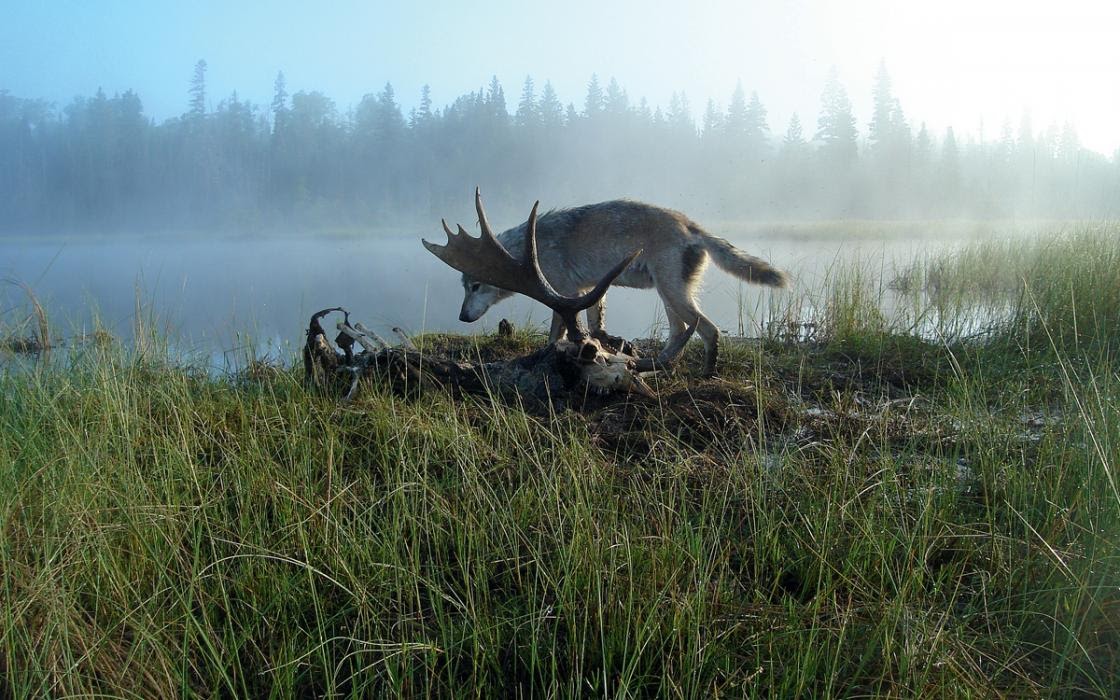
Isle Royale is part of an archipelago in Lake Superior, an island ecosystem that supports plant and animal life through harsh winters and mild summers. It is also home to the longest-running research project dedicated to a predator-prey relationship in the world. Called the Wolf-Moose Project, the study has documented and analyzed the moose and wolf populations living on the island since 1958, investigating the complex and dynamic relationships between predators and prey while considering humans’ role in the changing ecosystem. 

The Detroit Zoological Society (DZS) supports the work on Isle Royale financially and by sending staff to participate in this study through an annual Moosewatch expedition.  DZS-led Moosewatch teams spend just over a week hiking throughout the island to look for Moose that have passed away. If they find one, they will collect specific bones for the study. Analyzing the bones can provide insight into how the moose died – whether from old age, disease, lack of food or predation from wolves. This information is critical to understanding the health of the ecosystem. 

To bring this powerful story to life for school-age youth, DZS educators created a six-module course for middle and high school students. The on-demand, online learning experience addresses science, literacy and math standards through an interrupted case-study model. In this framework, course participants take on the role of a wildlife biologist who has been tasked with examining data, historical information and other evidence to make an assessment of the health of the island ecosystem. 

Photo taken by Jennifer Harte of Renner at the Detroit Zoo.

Drawing on this information, participants make a recommendation to either continue relocating wolves from the mainland to the islands, in an attempt to slow the rapidly growing moose population, or to let the current populations remain as they are, allowing nature to take its course. The experience is designed to help participants consider the perspectives of several key stakeholders, including conservationists, research scientists and the animals themselves. 

After submitting a recommendation for wolf population management, participants can schedule a time to meet with a Detroit Zoological Society staff member, who can answer questions, provide information about the wolves who live at the Detroit Zoo, and share stories about our conservation work. Several staff have participated in the annual Moosewatch program on Isle Royale and can provide first-hand accounts of the island. There is a charge for this virtual meeting with DZS staff, but the rest of the course is free. 

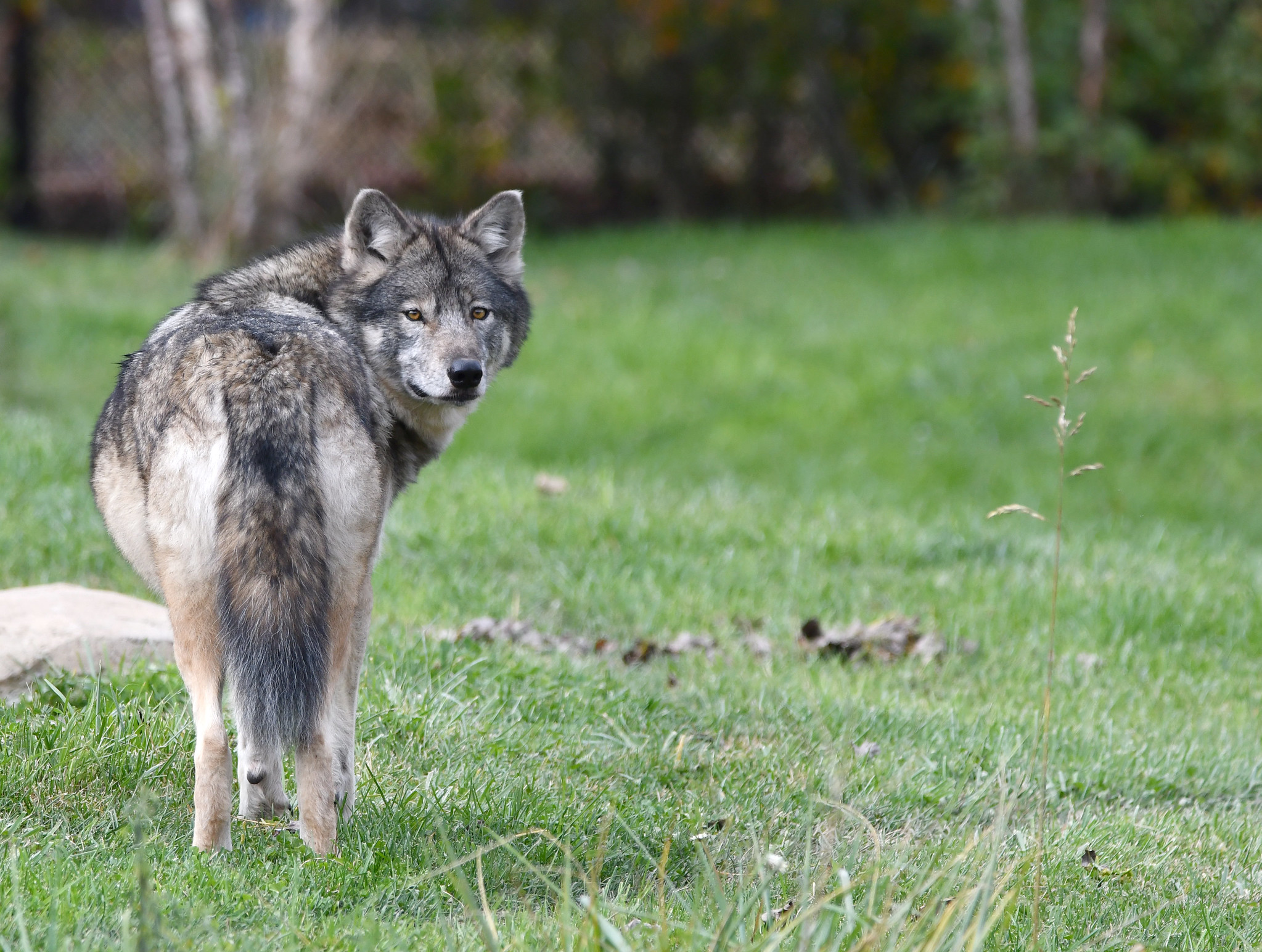
Gray wolves and humans have a long and complicated relationship. Wolves have been portrayed as villains, both in the media and literature, for generations. The reality is that all animals have an important role in their respective ecosystems, and it is our responsibility to find ways to coexist peacefully. The study on Isle Royale has provided a tremendous amount of information that has challenged our knowledge of predator and prey relationships, and how dynamic they are. This course provides an opportunity for students to learn about these relationships on Isle Royale by making use of real data and experiences – and while building critical skills they will need as our future leaders and decision makers.

Launch the course.

– Claire Lannoye-Hall is the director of education for the Detroit Zoological Society.


Join us in Supporting Legislation that will Protect Pets

As temperatures continue to rise in Michigan, we are reminded of the danger in leaving dogs in cars. On an 85-degree day, the temperature inside a car can rise to more than 100 degrees in under 10 minutes, even if the sky is cloudy and the windows are cracked. As a result, dogs can suffer heat-related illnesses and may die before help has a chance to arrive.

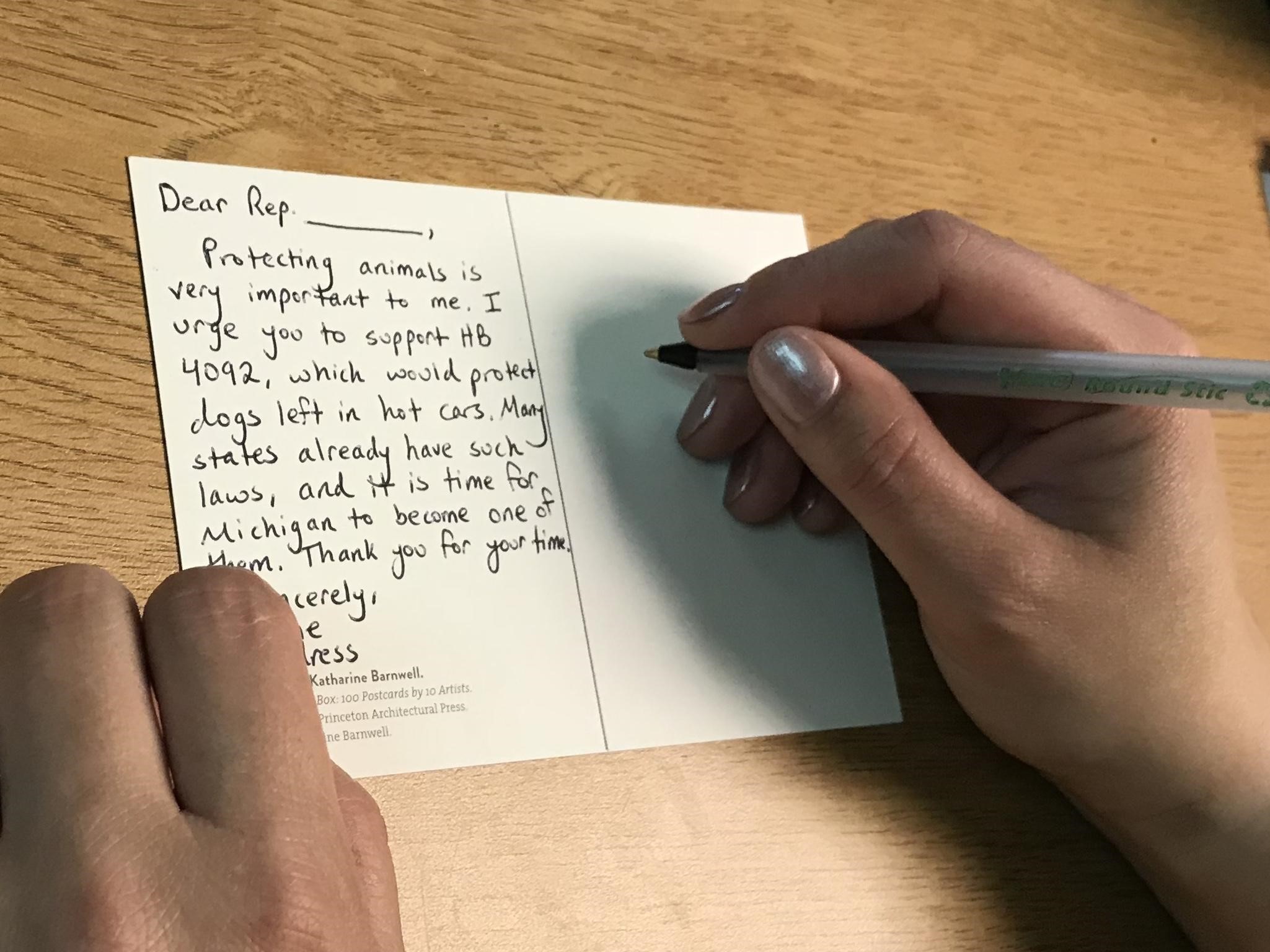
Unfortunately, Michigan does not currently protect those who directly intervene if they see a dog suffering in a hot car. House Bill 4092 would give immunity from criminal prosecution to those who forcibly enter a vehicle to rescue an animal. Many states have such laws, but we are not yet one of them. We encourage members of the community to contact your state representative and urge them to support this legislation. This bill can not only save lives, but protect those who stand up to help.

The Detroit Zoological Society recently hosted our bi-annual Meet Your Best Friend at the Zoo, the nation’s largest off-site animal adoption event, in partnership with the Michigan Humane Society. Our staff shared with attendees the dangers of leaving pets in cars and thankfully, most of them were already aware of this and the importance of calling the police if they witness this occurring. Many wanted to know how else they could help, and we provided postcards and contact information for each of their state representatives, as well as sample messaging to support House Bill 4092. We collected and distributed 165 postcards from this event.

The DZS’s Berman Academy for Humane Education exists to help people help animals. One way we do this is by providing opportunities for community members to take action in ways that have positive, lasting impacts on animals.

You can look up your state representative and their contact information here. We also encourage you to consider writing to your elected officials about other legislation that affects animals – you can find an updated list of Michigan and federal legislation here.

– Dr. Stephen Vrla is the curator of humane education for the Detroit Zoological Society and oversees the Berman Academy for Humane Education.

Kindergartners Detail Good “Zoo Manners” for Guests

It is important for young people to know their voice matters – even as young as 5 years old. At this age, they are at an important developmental stage as they develop self-awareness, are reflective of their own emotions, and begin to recognize emotions in others. It’s an important time to build empathy skills and reverence towards all living beings.

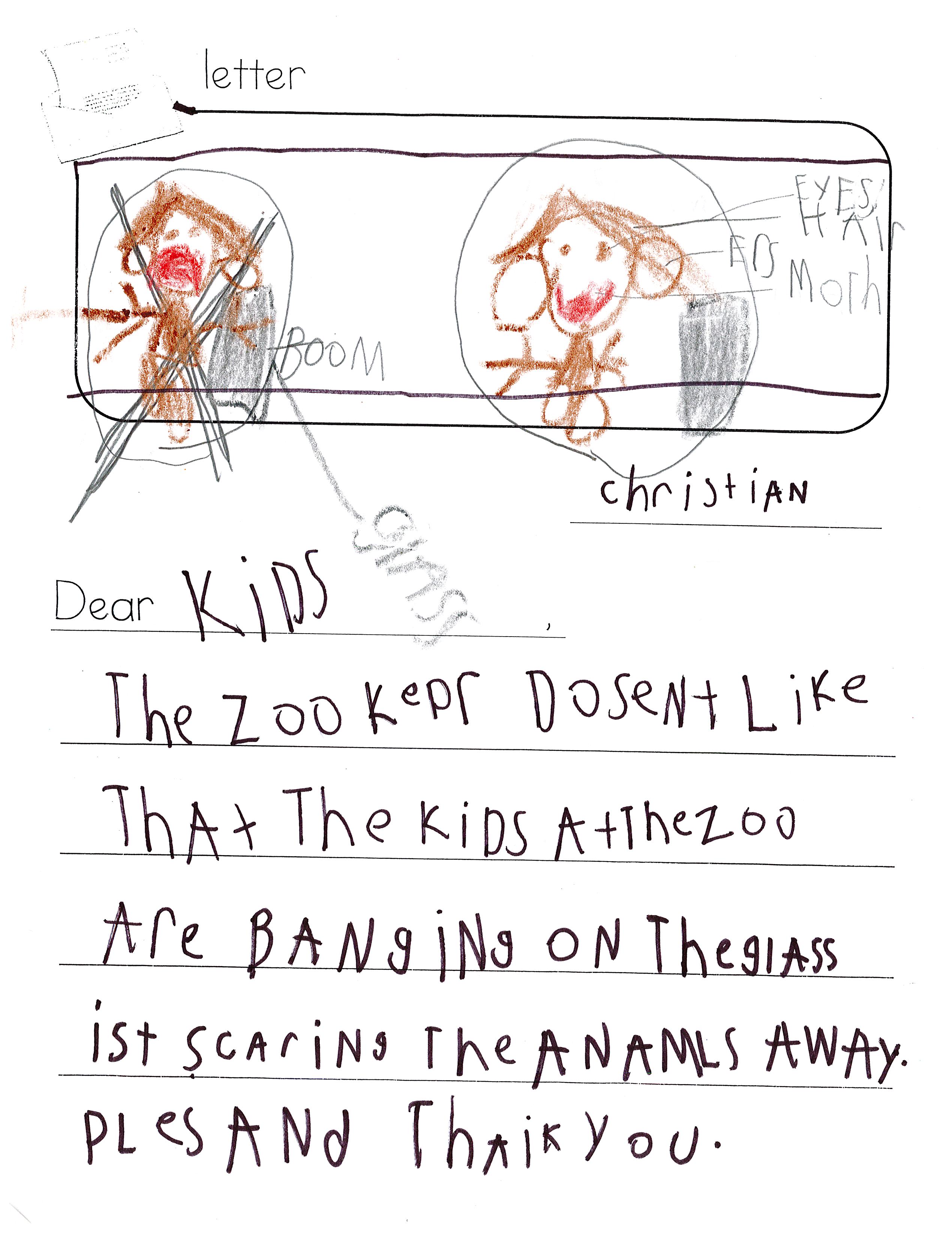
The Detroit Zoological Society received a note from the kindergarten teachers at Bemis Elementary in Troy as they were preparing for a trip to the Detroit Zoo. The teachers were wrapping up a unit on persuasive writing with their students and wanted to provide an authentic writing assignment that would combine literacy skills with their upcoming trip, so they asked their students to brainstorm visitor behaviors that can have a positive or negative impact on the environment and the well-being of the animals at the Zoo.

The class compiled a list of behaviors that could negatively impact animals, including tapping on the glass of habitats in the Holden Reptile Conservation Center or the National Amphibian Conservation Center, not properly disposing of recycling and trash, feeding or chasing peafowl, and straying from public paths. Each student chose a topic and wrote a letter, drew a poster or crafted a petition to persuade all visitors to take care of the Zoo.

Once the letters, petitions and posters were complete, the students recorded a short video sharing why they chose their topic and showcasing their final pieces. They brought all of their work with them when they visited the Zoo. Each of their petitions was read, their drawings admired and their delightful phonetic spelling was decoded.

In addition to practicing persuasive writing skills, the students arrived ready to spend the day enjoying the habitats while acting as ambassadors for the Zoo. The teachers’ mentorship was instrumental in this process. They provided a supportive environment that the students could learn and grow in, ultimately empowering the students to take action.

The Detroit Zoological Society celebrates all young people working towards a better future for all living beings. If you know of a young person who is making a positive difference in their community, we encourage you to nominate them for the Detroit Zoological Society Humane Youth Award to recognize their work. Nominations are open through August 1, 2019. Learn more and submit a nomination here.

– Claire Lannoye Hall is a curator of education for the Detroit Zoological Society.

Preparing the Next Generation of Wildlife Protectors

As a leader in conservation work across six continents, the Detroit Zoological Society (DZS) is saving animals from extinction. Dedicated DZS professionals work year-round to support this important work, fueled by a passion to protect and preserve wildlife and wild places for future generations. Our animal care staff have an obvious role in this important work, but every staff member has a meaningful part.

Each year, close to 20,000 students and teachers participate in programs and experiences designed to inspire the next generation of wildlife protectors. The learning experiences engage participants with hands-on activities as they build essential process skills and meet classroom curriculum requirements while encouraging them to join us in our mission of Celebrating and Saving Wildlife. A great example of this type of programming is our Conservation Project Learning Labs, which includes programs designed for school groups that feature DZS conservation work. The Conservation Project: Panamanian Golden Frog Learning Lab for upper elementary and middle school students is one of the most requested school programs we offer.

When the students arrive for this program, staff greet them by welcoming them to “Panama”. A brief introduction covers what a Species Survival Plan is and how the DZS works with other zoos and aquariums across the country to ensure the survival of selected species, many of which are threatened or endangered. Panamanian golden frogs have not been found in the wild in more than 10 years, making the populations being raised in zoos and aquariums a lifeline for the species to exist. The students have important work to do during their visit: They’re responsible for determining the best site in Panama to release Panamanian golden frogs into their native habitat.

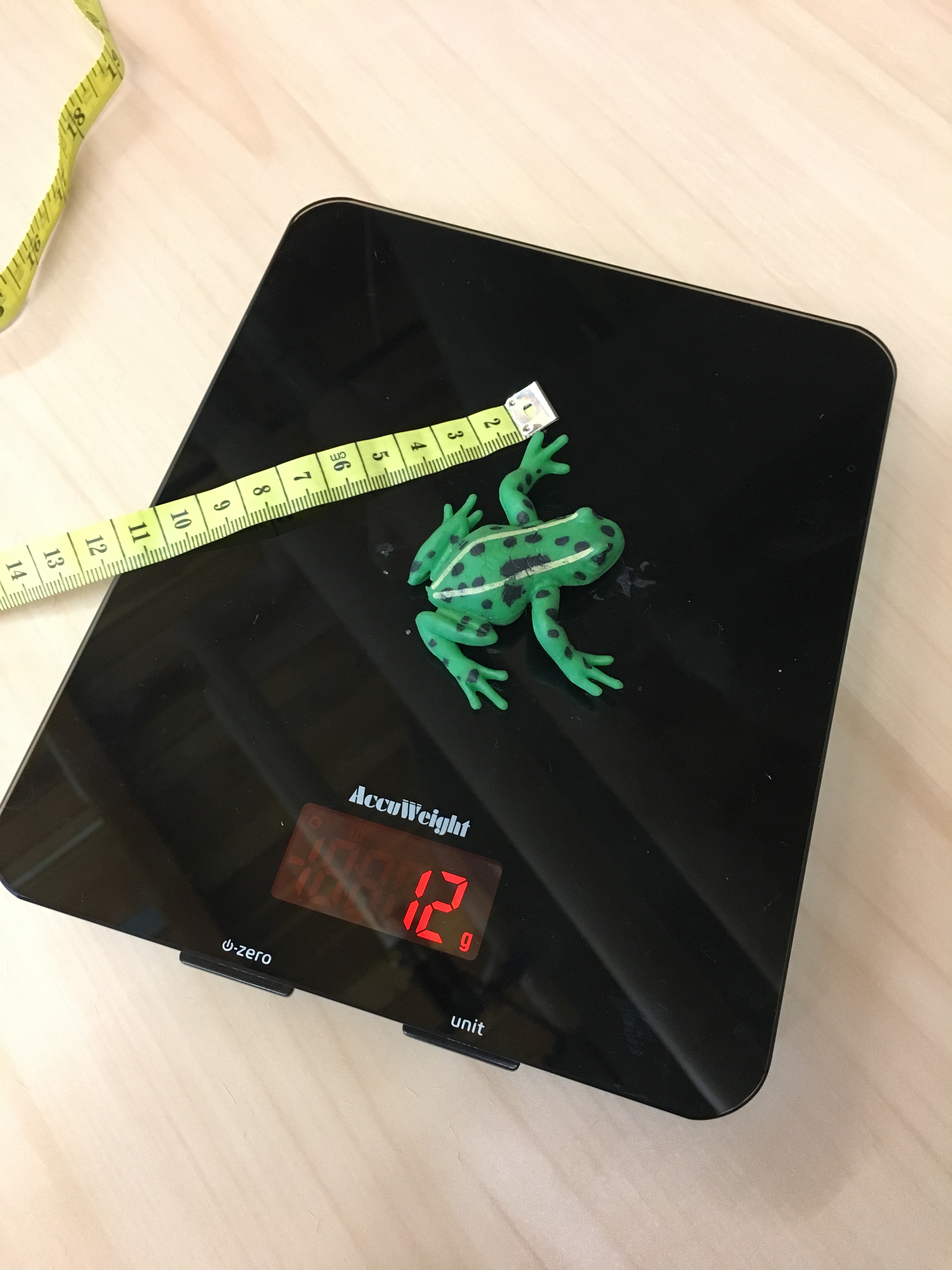
The students rotate through a series of stations to emulate how professional wildlife ecologists work in the field. Simulated habitats planted in large containers allow students to test water quality from a running stream, check for signs of human activity in the area, and swab plants and rocks in the model to check for diseases that would impact the frogs’ health. The students collect and record data at each potential release site, then move on to “assess the health” of rubber frogs by weighing and measuring each one as animal care staff would. At the final station, the students decide which of the three sites frogs should be released at based on the data they collected.

Programs that allow participants to see themselves as scientists and practice skills through realistic, hands-on activities create experiences to remember. The students walk away empowered and inspired to become future wildlife advocates. To review a complete list of programs available for school groups, visit https://detroitzoo.org/education/teachers-and-schools/learning-labs/.

– Claire Lannoye-Hall is a curator of education for the Detroit Zoological Society.

Turn Your Backyard into a Wildlife Sanctuary

As spring finally arrives, our neighborhoods are quickly coming back to life after a long winter’s slumber. Each morning we wake up to birds singing outside our windows and wildlife stirring from their winter hideouts as they venture out in search of food and companionship. We have an important role in their success as we own and care for much of the space they call home.

Our yards are becoming increasingly important sanctuaries for native wildlife. With open spaces quickly dwindling to new subdivisions, commercial buildings and parking lots, there is little left for the species who have always lived here. By sharing our backyards with birds, pollinators, small mammals, amphibians and reptiles, we’re keeping the ecosystem intact and benefiting all species, including ourselves.

Birds, amphibians and bats all help keep the insect population in control, making our summer afternoons more enjoyable without constantly swatting away mosquitos and other winged nuisances. Pollinators, such as bees and butterflies, provide us with beautiful flowers and are responsible for fertilizing crops, ultimately producing one out of every three bites of food we eat. Snakes eat insects and small rodents, keeping populations in control and out of our sheds, garages and homes. To keep these natural systems in balance, we need to minimize our impact on their daily routines.

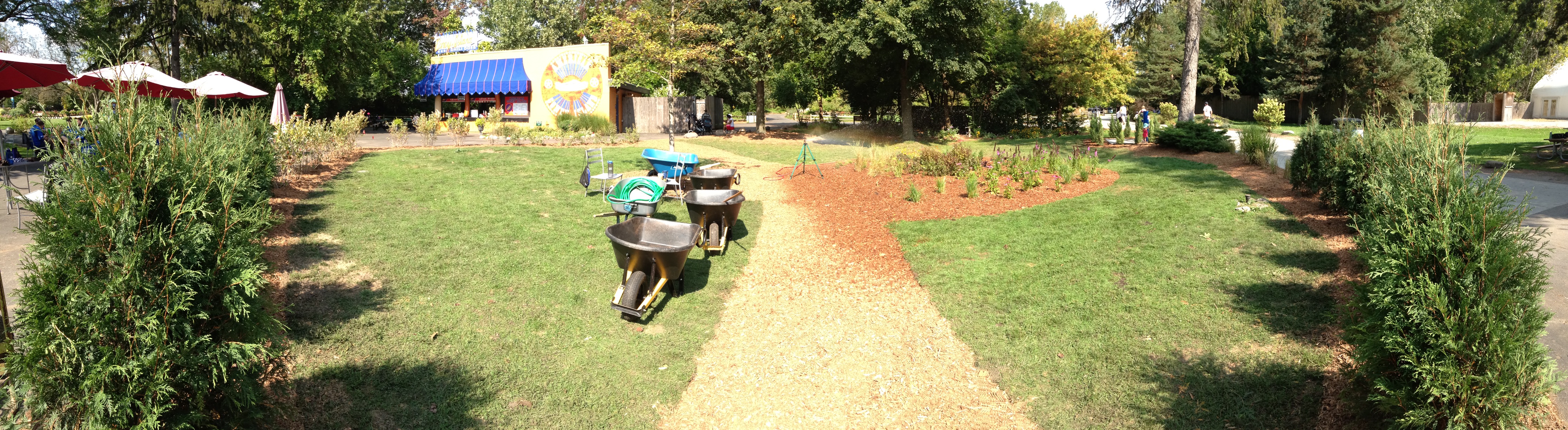
It’s relatively easy to create an oasis for wildlife while we continue to enjoy our outdoor space. Last spring, DZS staff planned and prepared a Backyards for Wildlife site near the Detroit Zoo’s American Coney Island to demonstrate how simple projects in our backyards can have a positive impact for wildlife. Volunteers from the Ford Motor Company helped to plant a variety of native flowers, grasses and shrubs in the area, and laid a wood chip path to lead guests into the space, which will soon be full of blooming flowers and busy pollinators.

In preparation for GreenFest on April 27, the site will be enhanced with signage that suggests simple things homeowners can do in their yards. These tips include:

Install rain barrels on downspouts. Collecting rain to irrigate lawns and gardens can save homeowners as much as $35 a month on summer water bills.

Keep your cat indoors to save songbirds. Wildlife biologists estimate that as many as one in every 10 songbirds are killed by domestic cats. Keeping cats indoors may also prevent the spread of many feline illnesses.

Install a bat house. Before you call an exterminator to spray for unwanted mosquitos, consider installing a bat house. A bat can eat up to a thousand mosquitos in a single evening!

Build a birdhouse. A birdhouse can be a fun project to build and paint with children. It will provide a safe shelter for birds raising their young.

Incorporate native plants in your landscape. Native plants require less water and care than introduced species, they come back year-after-year and are important food sources for birds, butterflies and other pollinators. Even if you live in an apartment and only have a balcony, a potted plant or small window box can provide many of these same benefits to native wildlife. For suggestions on where to buy native plants, visit https://detroitzoo.org/who/ and select the “Certify Your Habitat” dropdown.

Our Backyards for Wildlife site is a place for learning and enjoyment for humans, and a great example of how our personal choices can make a positive difference for our non-human neighbors. Join us at GreenFest on April 27, to learn more as we celebrate Earth Day with demonstrations from our Green Team, conservation education, citizen science projects and exhibits by local conservation groups.

– Claire Lannoye-Hall is a curator of education for the Detroit Zoological Society.