Education: Playing with Nature

Claire Lannoye-Hall is a curator of education for the Detroit Zoological Society.

In a day and age when kids and families are spending more screen time than outdoor time, the Detroit Zoological Society is working on a project to create an outdoor space your kids won’t be able to pass up!

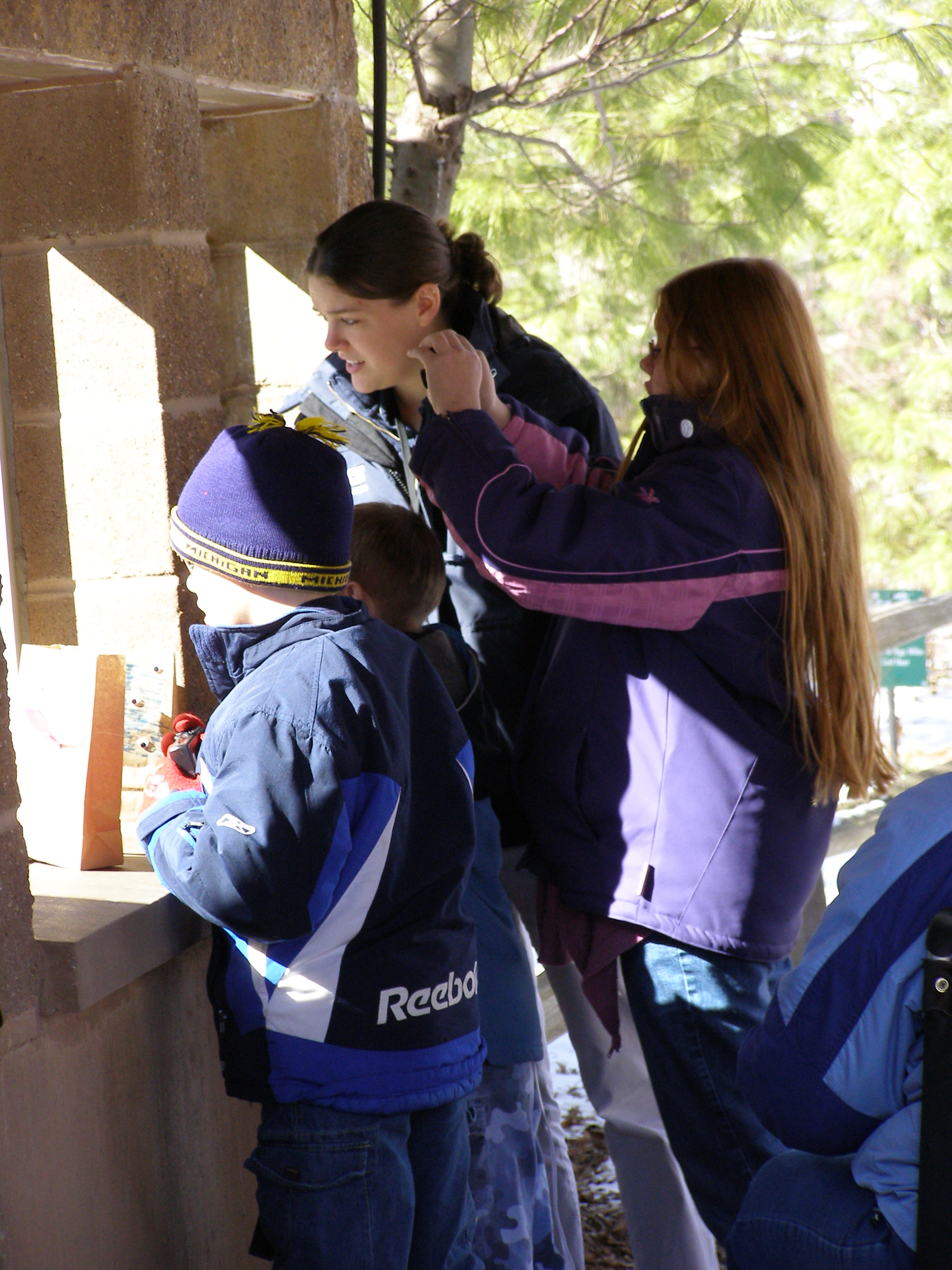
The previous play areas at the Detroit Zoo were both retired over the past two years and a new play structure was installed in the Main Picnic Grove. Our landscape team has done a tremendous job of enhancing and adding to the play area by landscaping with native plants and installing log steppers, toad stools and climbing rocks for kids to play on.Photo by Stephen Bernard
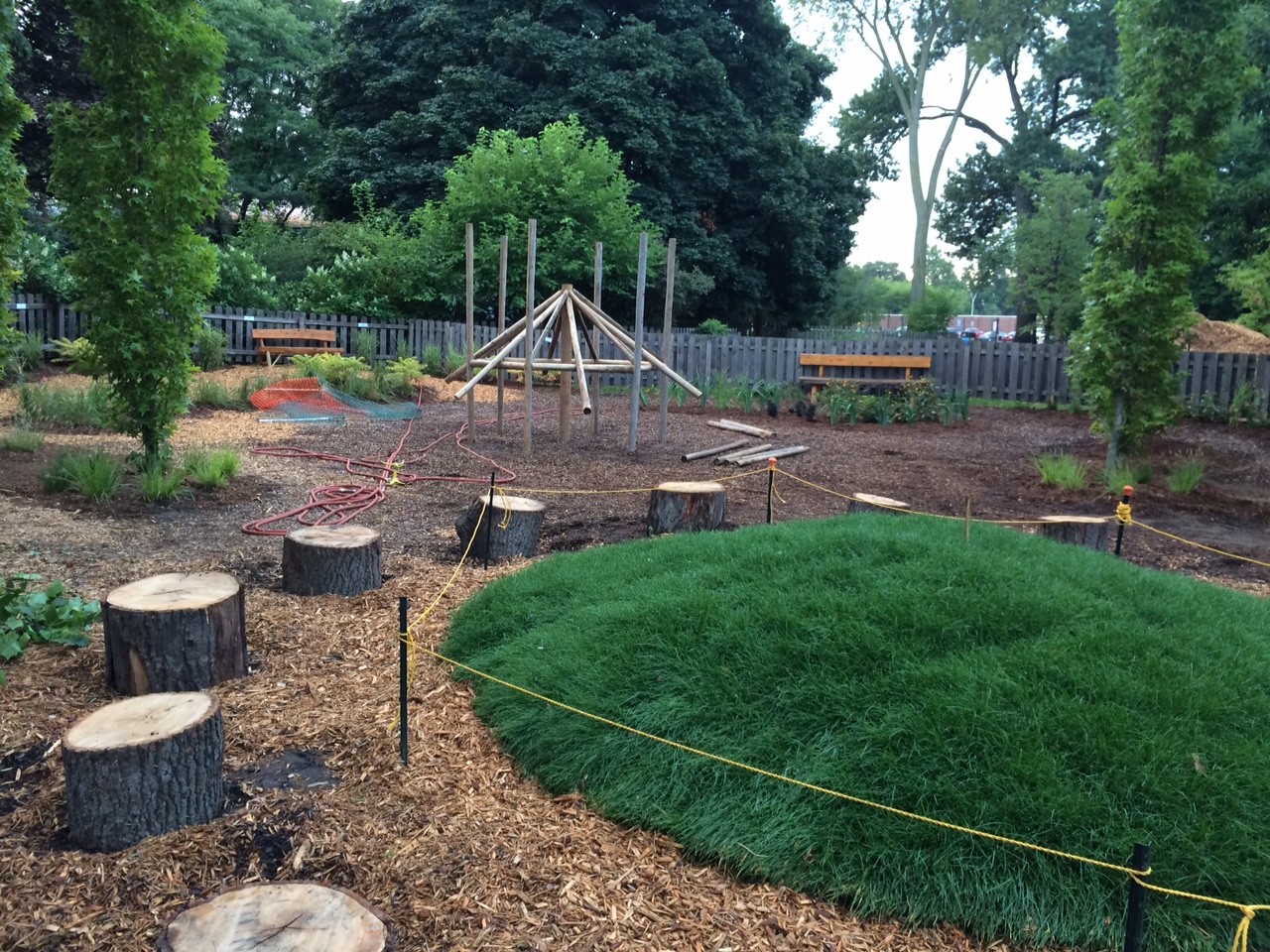
The adventure will continue as we include more natural play opportunities in the area directly east of the play structure. Kids will be able to climb through a spider web, relax in a giant bird nest, crawl through animal burrows and engage in imaginative play throughout the area. Native flowers and trees provide shady spots and smaller pockets for kids to have quiet areas to play in while parents can still easily keep an eye on all the activity from the comfort of benches.Photo by Ashley Boylan

We’re really excited about this new play space and we hope you’ll visit us early this fall to experience all it has to offer!

– Claire Lannoye-Hall
Education: Below the Surface of the Wetlands

Claire Lannoye-Hall is the curator of education for the Detroit Zoological Society.

Ever wonder what might be lurking below the water’s surface? Turns out, there’s much more in there than you might think!

The Cotton Family Wetlands has been providing guests with the opportunity to immerse themselves in a wetland habitat since 2012. The more than 200 feet of Trex decking walkways of the boardwalk (made from recycled plastic grocery bags and reclaimed hardwood) cross the 1.7-acre pond and wetland to bring us to the heart of this incredibly diverse habitat.

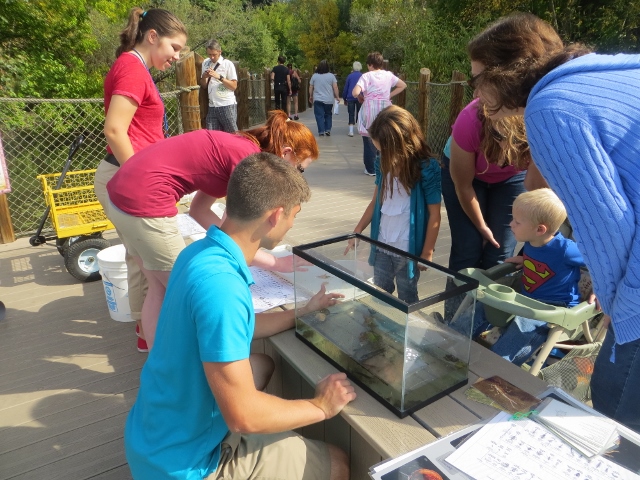
Native fish, frogs, turtles and birds are relatively easy to spot. However, some inhabitants require a closer look. The wetland is teeming with macroinvertebrates – organisms without backbones that live in water habitats. Our Volunteen Zoo Corps has been providing opportunities for guests to observe these incredible creatures through carefully collected water samples from the benthic zone of the wetland. The benthic zone is the lowest level of a body of water. Everything that is collected is returned directly to where it came from at the end of each shift.

Macroinvertebrates are present in pretty much all natural bodies of water. They are bioindicator species, meaning that some species are especially sensitive to changes in their habitat. We can count which species we find and know the general health of a body of water if the more sensitive species are present or absent. Our wetland happens to be in great shape, with a very diverse group of macroinvertebrates.

If you’re interested in learning more, there are several citizen science groups where you can join in on group studies. Friends of the Rouge is a local group that schedules benthic sampling a couple of times a year and recruits volunteers to help: http://therouge.org/fotrprograms/benthic-macroinvertebrate-sampling/.

Our Volunteens will be on the boardwalk during MemberFest and several weekends between now and early October if you would like to explore the Zoo wetland residents. For more information about how to join our Volunteen Zoo Corps Program, visit: http://www.detroitzoo.org/Volunteers/volunteering-detroit-zoo.

– Claire Lannoye Hall

Education: Protect the Pollinators

Claire Lannoye-Hall is a Curator of Education for the Detroit Zoological Society.

Summer vacation is upon us and we can’t wait for you to visit the Detroit Zoo. There are so many new things happening here – the wolves are exploring their new habitat and the dinosaurs are beckoning from the trail.

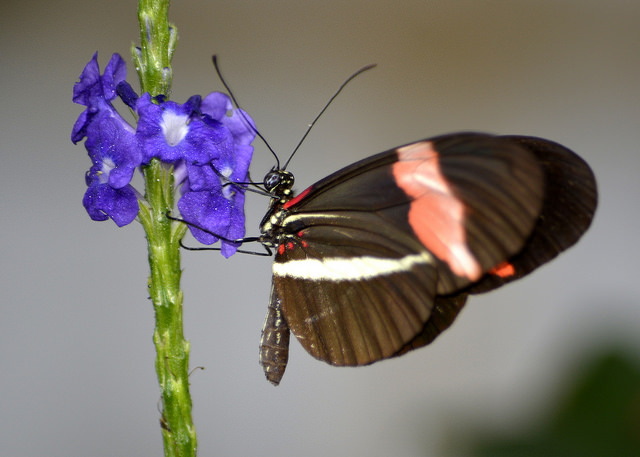
While the summer offers many great Butterfly - Roy Lewisopportunities to visit the Zoo, it also brings out bees, butterflies and other pollinators, which are very important to the environment. They help flowers bloom and fruits and vegetables grow. Without them, there wouldn’t be food for us or for the animals to eat. Fortunately, we can help them in a few simple ways.

Start by avoiding the use of pesticides and herbicides. While they may keep the weeds away and your grass a little bit greener, they are devastating to pollinator populations. Consider pulling weeds by hand or using an organic alternative such as mulch or hot water to eliminate weeds.

Honey BeeYou can also plant a pollinator garden. Native plants are easy to find, easy to take care of and are great for pollinators. For southeast Michigan, try lupine, bee balm, coneflower or cardinal flower. Bees and butterflies will likely find your garden first, but if you’re lucky, hummingbirds may stop by, too! For more suggestions on what to plant, visit: http://pollinator.org/guides.htm.

Monarch butterflies are of special concern due to habitat loss. Here at the Zoo, we have special gardens called “Monarch Waystations” that are certified by Monarch Watch, a nonprofit organization. The plants in these gardens provide food and shelter for monarchs throughout metamorphosis and as they travel to and from their overwintering grounds in Mexico. Next time you’re at the Zoo, look for one of these gardens and see if there are any Monarch butterflies visiting. You can find out more about creating your own certified waystation by visiting: http://www.monarchwatch.org/waystations.

Finally, you can help scientists by making observations and collecting data. Scientists need to know how many and what kinds of pollinators are in your backyard. Becoming a citizen scientist is easier than you might think. Visit some of the sites here for more information: http://pollinatorlive.pwnet.org/teacher/citizen.php.

We look forward to seeing you at the Zoo this summer!

– Claire Lannoye-Hall

Education: Compassionate Speech

Lisa Forzley is the Humane Education Manager for the Detroit Zoological Society.

The Detroit Zoological Society’s Berman Academyfor Humane Education was created to help people help animals – we provide people with information and tools to make knowledgeable decisions on how to walk softly and treat the Earth’s creatures gently. The Academy is the only one of its kind in any zoo, and is the lens through which all of our education initiatives and activities are developed.Berman Academy for Humane Education

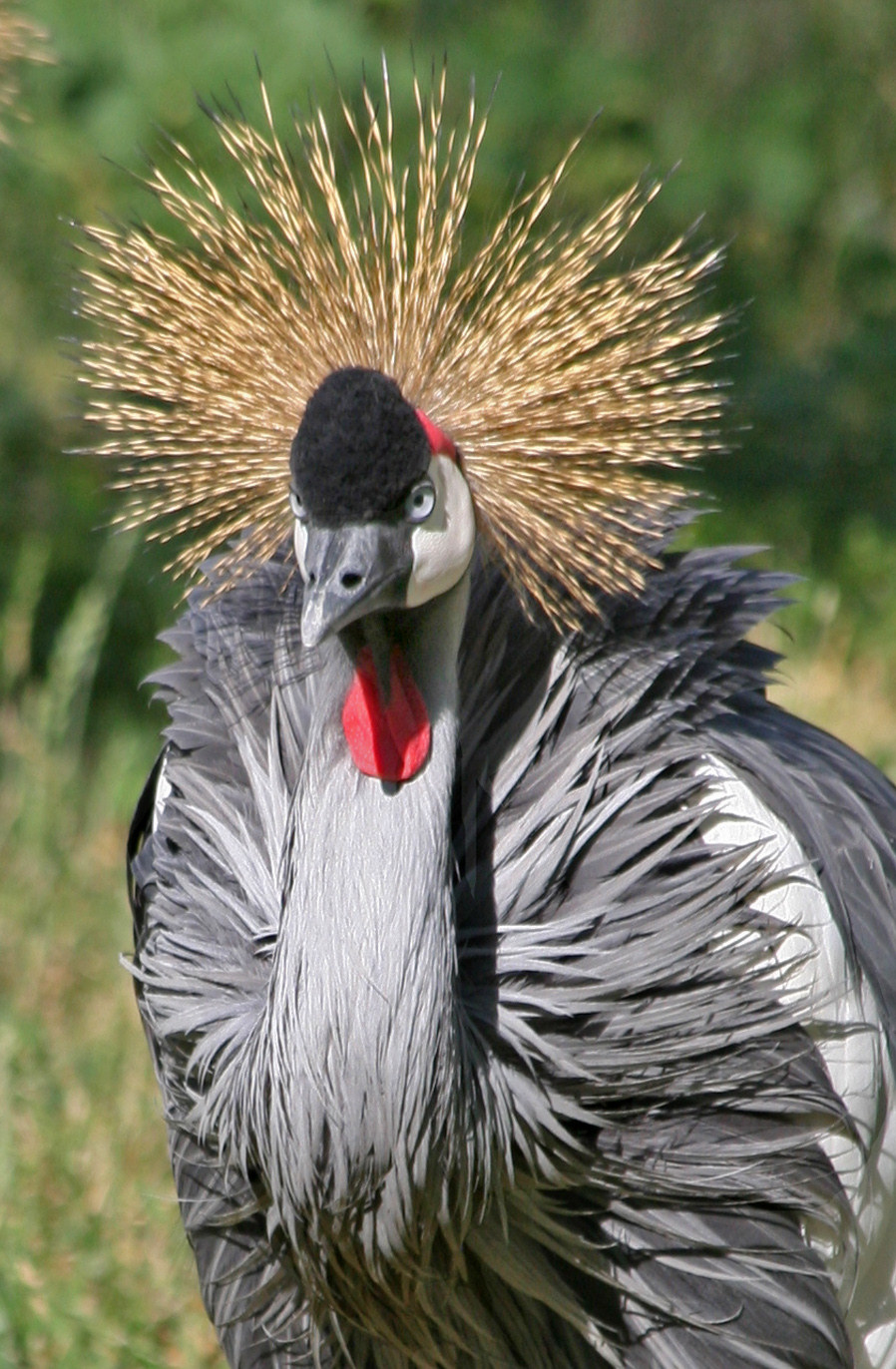
One of the tools we use is compassionate speech. I coined this phrase a number of years ago when in the midst of a staff meeting, I said to a colleague, “Great! We can kill two birds with one stone.” No sooner had the words come out of my mouth that I realized my language didn’t reflect my desire to be kind to animals. I felt there must be a nicer way to state that I wanted to accomplish two tasks simultaneously. This was the beginning of my determination to be more mindful of what I say.Gray-Crowned Crane - Carol Hunt

Humor me for a moment. Fill in as many of the following blanks as you can:
• More than one way to skin a _____.
• Grab the ____ by its horns.
• He’s such a ____ brain.
• I need to try something out. Will you be my ____ ____?
• There’s no point in beating a dead ____.
• You can’t teach an old ____ new tricks.
• That’s the straw that broke the ____ back.
• She was scared, so she ____ out.

Camels - Suren and Humphrey - Roy LewisHow’d you do? You probably found that you know most, if not all, of the phrases. This just reiterates that we often utter these idioms without thinking about their underlying meaning. Let’s work together to create new cultural norms. For example, “kill two birds with one stone” can become “feed two birds with one hand”, and “more than one way to skin a cat” can become “more than one way to pet a cat”.


What ideas do you have to help promote more compassionate speech? Share your ideas with us in the comment section below.

– Lisa Forzley

Education: Adopt-a-School in Peru

Claire Lannoye-Hall is a Curator of Education for the Detroit Zoological Society.

The ecological health of the world’s tropical Peru - Clairerainforests are vital to the balance of the global environment. Rainforests have been called the lungs of the earth, cleaning the air we breathe. The area is rich in biodiversity and culture, and supporting the people who know the rainforest best from living there for generations places them in an unparalleled position to protect the natural resources that they depend on for their way of life.  By empowering these communities to live sustainably amongst these resources, they become protectors of this essential region.

One of the keys to creating change in the world is access to education and current information. The Detroit Zoological Society has long been a partner in the Amazon Rainforest Adopt-A-School Program to provide school supplies and support to people living in the rural areas of Peru to strengthen education. With this education comes empowerment and responsibility to live sustainably in this vital region.

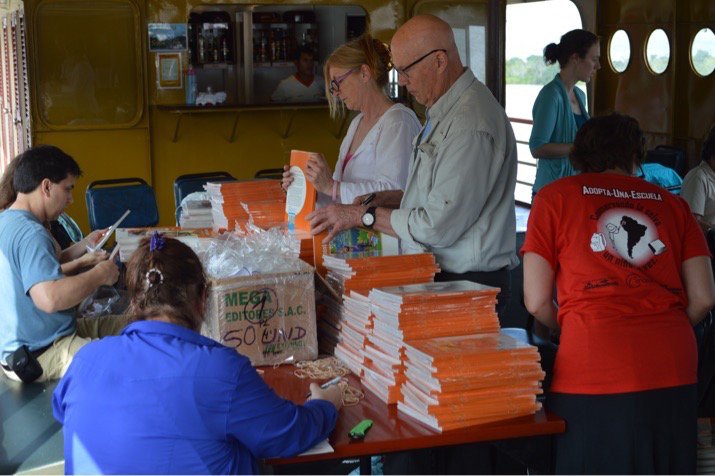
Peru - Claire 3I and another member of our education department have returned to Peru this spring to deliver school supplies to more than 3,000 children and teachers. Each child will receive several notebooks, pens, pencils, a folder, ruler and pencil sharpener. Each school receives a single set of books and basic school supplies like glue, construction paper and markers, and physical education materials like soccer balls and volleyballs.

The school supplies are purchased in Peru - Claire 2Peru with money donated by individuals and organizations from around the world. A group of about 20 people travel with us to deliver all the supplies in a single week. These generous individuals pay their travel costs and make a donation to the program that helps support operational costs.

The program was started almost 25 years ago by Amazon Explorama Lodges and CONAPAC, a Peruvian NGO. The DZS has been an integral partner since 1999.

To follow our daily diary of our trips to Peru, visit: adoptaschool.edublogs.org

– Claire Lannoye Hall

Education: Family Dose of Vitamin Z

Claire Lannoye-Hall is the Curator of Education for the Detroit Zoological Society.

One of the most frequently heard comments during our summer camp check-in is from parents who are wishing they could attend camp with their children. After all, who wouldn’t want to spend more time getting to know the animals and discovering more about the world around us?

Our team got together and brainstormed Education: Family Programs at the Detroit Zoowhat we love to share about the Detroit Zoo with our families and friends. The result is an amazing line-up of programs that we are ready to reveal: Beginning later this month, Friday nights will become Family Fun Nights! We want to showcase everything the Zoo has to offer and provide a heightened sense of wonder through stories, activities and experiences. Knowledgeable staff members will accompany families as they travel through the Zoo, exploring what happens in the evening after the Zoo closes and everyone else heads home. Each Family Fun Night will include a hike through the Zoo, hands-on activities, a snack and an opportunity to meet Zoo staff.

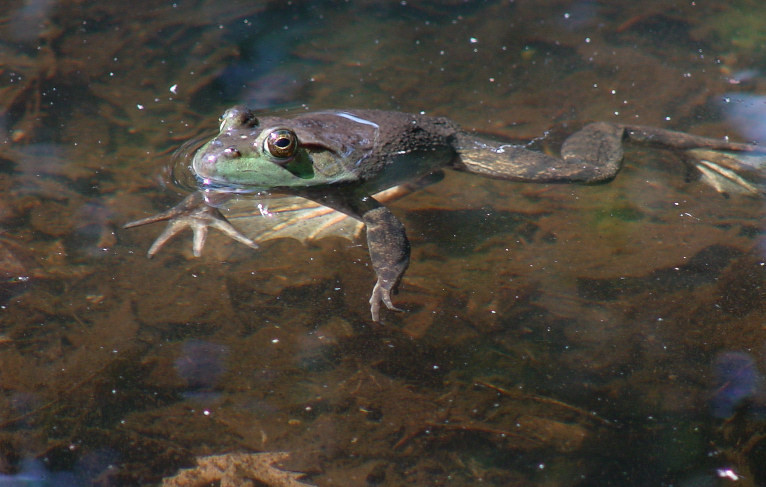
Frog - Detroit Zoo Family Education ProgramsIn March, we’ll learn about frog calls and visit the amphibians in the National Amphibian Conservation Center, then hike through the wetlands to listen for early spring arrivals. We hope families will go home and listen for frogs and toads in their own backyards for the rest of the spring.

In April, we’ll prowl for owls as one of our bird experts will join us to search for wild owls while visiting some of the Zoo’s resident birds along the way.

There are several more programs from May to September to enjoy. Check out all the great topics we have to offer!

– Claire Lannoye-Hall