Greenprint: Becoming a Zero-Waste Organization

The Detroit Zoological Society (DZS) is gearing up for our ambitious goal of becoming a zero-waste organization by 2020! We are currently performing waste and recycling audits to have a better understanding on where we stand. This process is causing us to re-think our consumption and how we can develop a more closed-loop approach, which means that zero waste is created.

One major challenge we will have here at the Detroit Zoo is trying to get our 1.3 million visitors on board with this effort. There’s no better way to do that than to share the new five “R’s”, which is the brainchild of Zero Waste Home.

  • REFUSE – Start by evaluating the items you consume and if they are truly needed – things like bottled water, plastic bags, and paper towels/napkins at home.
  • REDUCE – Purchase goods only when absolutely necessary. At the Zoo we’re replacing less sustainable lighting with LED lighting, which helps us with energy costs, but also reduces the quantity of light bulbs we use.
  • REUSE – Find a creative second life for as many items as possible, even if it’s something that is easy to recycle. It’s always better to reuse a product first – Pinterest has a treasure-trove of ideas for upcycling, many of which are fun for kids.
  • RECYCLE – Always recycle plastic, metal, paper and glass. If you don’t have a curbside option, the state of Michigan has a resource for drop-off locations near you. In addition, recycling and donation bins are popping up all across the state for clothing, books, and even electronics recycling.
  • ROT – Ask your neighborhood recycler if they have composting available or start a compost pile in your backyard.

One extra “R” developed by the DZS Greenprint is REPLENISH — find ways to give back. This could involve anything from joining an adopt-a-beach program or volunteering to help an environmental nonprofit. You can also donate to the Detroit Zoological Society to support our mission of Celebrating and Saving Wildlife.

Join us on our Green journey!

Beth Wallace is the manager of sustainability for the Detroit Zoological Society.

Greenprint: Detroit Zoo is the Greenest Zoo

This year, the Detroit Zoological Society (DZS) celebrated its 13th year of strategic planning around green efforts. Lucky 13 has proven to be our year, as we’ve just been awarded the 2015 Green Award – top honors – by the Association of Zoos & Aquariums for our sustainability initiatives. This national award recognizes that being green also makes good business practice and directly contributes to the conservation of the natural world.

This honor came on the heels of the DZS completing our bottled water phase-out effort, which is helping to keep more than 60,000 single-use plastic bottles out of landfills and the environment. Over the last three years, the DZS has also invested more than $3 million into energy efficiency projects, which results in utility costs savings of nearly $275,000 annually.

The year ahead is even more exciting as we are currently breaking ground to build the first dry biodigester in Michigan, and the first zoo-based system in the country. This biodigester will compost more than 400 tons of animal waste and organic food waste while capturing methane to be used as a renewable energy source to help power the Zoo’s animal hospital.

We are also getting our feet wet (or in this case keeping them dry) with permeable pavement sidewalks and parking lots, which diverts storm water from our sewer systems to prevent flooding and sewer overflows into our rivers and lakes.

And perhaps most exciting, we will open the new Polk Penguin Conservation Center in early 2016, which will represent our most sustainable construction work to date and will provide more than 80 penguins of four species with a state-of-the-art habitat while creating a critical discussion around climate change. The entire building is being designed to meet goals of LEED and components of the Living Building Challenge, with renewable and recycled materials, daylight harvesting through solar tubes, as well as water filtration systems helping us reach net-zero water use.

Join us on our Green Journey!

Beth Wallace is the manager of sustainability for the Detroit Zoological Society.

Greenprint: Lessons from the Storm

Beth Wallace is the manager of sustainability for the Detroit Zoological Society.

One year ago this month, the metro Detroit area went through some of the worst flooding in recent history when a sudden storm dumped more than 4.5 inches of rain on the region, overwhelming sewer systems and causing an estimated $1.1 billion worth of damage.

Heavy rains like this record-breaking event can have serious impacts on infrastructure – sewer overflows, pollution runoff and flooding. The Detroit Zoo experienced major flood damage during this storm, which forced us to close for a day as we evaluated systems and began cleanup efforts and repairs. It became apparent that we needed to find a better way to manage large rain events, so we started to incorporate a form of green infrastructure, called porous pavement, into major projects.

Pervious paving

Porous pavement is a material that encourages water to percolate through the surface into the ground for natural absorption. By incorporating this surface throughout the Zoo, we’re encouraging more natural absorption of water into the environment, which lessens our need for irrigation. It also prevents excess water from entering the Detroit sewer system. In addition, we have chosen a permeable surface that is light in color to reduce our urban heat island effect – a phenomenon whereby a warmer envelope of air exists over urbanized areas due to human activity – which will decrease ambient temperature to improve air quality and the health of nearby plants.Pervious pavement

Porous pavement can be in the form of brick pavers, gravel, porous concrete or even recycled rubber or glass. When you visit the new Cotton Family Wolf Wilderness, notice the colorful pathways of porous pavement. In addition, once the Polk Penguin Conservation Center opens in early 2016, the nearby parking lot will be made with porous material.

Join us on this green journey – next time you consider resurfacing your driveway or pathways, consider this application to help lessen your impact on the environment.

– Beth Wallace

Greenprint: Three Easy Ways to Celebrate Earth Day

Beth Wallace is the Manager of Sustainability for the Detroit Zoological Society.

We work hard to celebrate the Earth Detroit Zoological Society Greenprint logoyear-round through the Detroit Zoological Society’s Greenprint initiative, and with Earth Day approaching, we are hoping you’ll join us on our green journey! Below is a list of actions we plan to take at the Zoo that we invite you to consider in your own lives:

Plant a tree at your home, or at a nearby park. This fun activity provides your family with a memorial and a tradition to follow for decades while giving back to the environment. Did you know that a single tree can absorb 10 pounds of air pollutants a year, and produces nearly 260 pounds of oxygen? That’s enough to support two people!

Spring clean with eco-friendly cleaning options both inside and out. Switch your surface cleaners to non-toxic and environmentally sensitive products that are better for the Earth and your family. For yard clean up, consider creating a compost pile or mulching leaves. And if you plan to minimize the clutter in your home, donate your products to a local organization and always try to recycle what you aren’t able to donate.

Join us for GreenFest on April 18 and 19, which is free with Zoo admission. Those who bring in an old cell phone for recycling receive a discount on admission – tickets are only $8 per person for each cell phone donated. The Zoo-wide celebration includes earth-friendly crafts, an endangered species scavenger hunt, zookeeper talks and exhibits by local conservation groups.

Follow the Detroit Zoo on Facebook, Twitter and Instagram, and share with us what you and your family do to celebrate Earth Day!

– Beth Wallace

Greenprint: Wild for Zero Waste

Beth Wallace is the Detroit Zoological Society’s manager of sustainability.

On Valentine’s Day, we celebrated our love for the environment at the Detroit Zoo with a debut of our zero-waste efforts during Love Gone Wild.

This event served as a great starting point for our ultimate goal of becoming zero-waste Zoo-wide by 2020. When all was said and done, we diverted more than 300 pounds of product from the landfill and made a long-term investment into reusable products that will help us on our green journey.

We followed the philosophy of the three R’s (reduce, reuse, recycle) as we planned the event. We made sure that everything purchased had the opportunity to be reused or recycled, and evaluated where we could reduce our consumption.

Here are some ways we reshaped our thinking to have a successful event:
• We ditched disposable and focused on reusable. In lieu of paper plates and plastic cups, we invested in china, used cloth napkins and did away with things like stir sticks and straws.
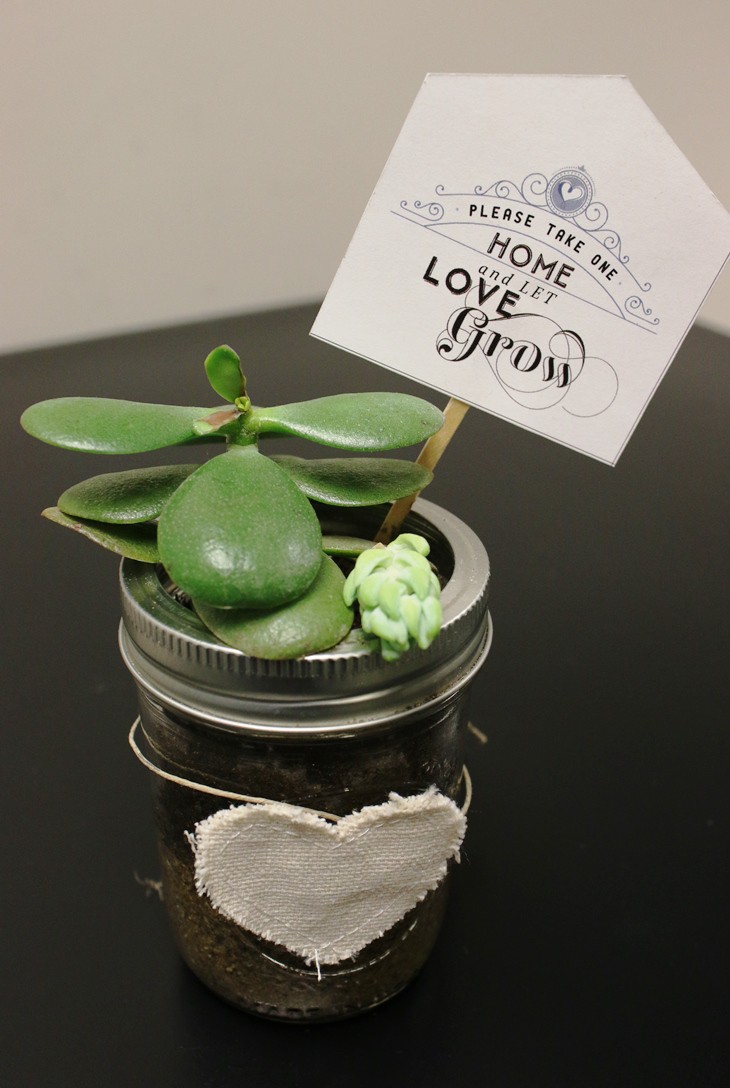
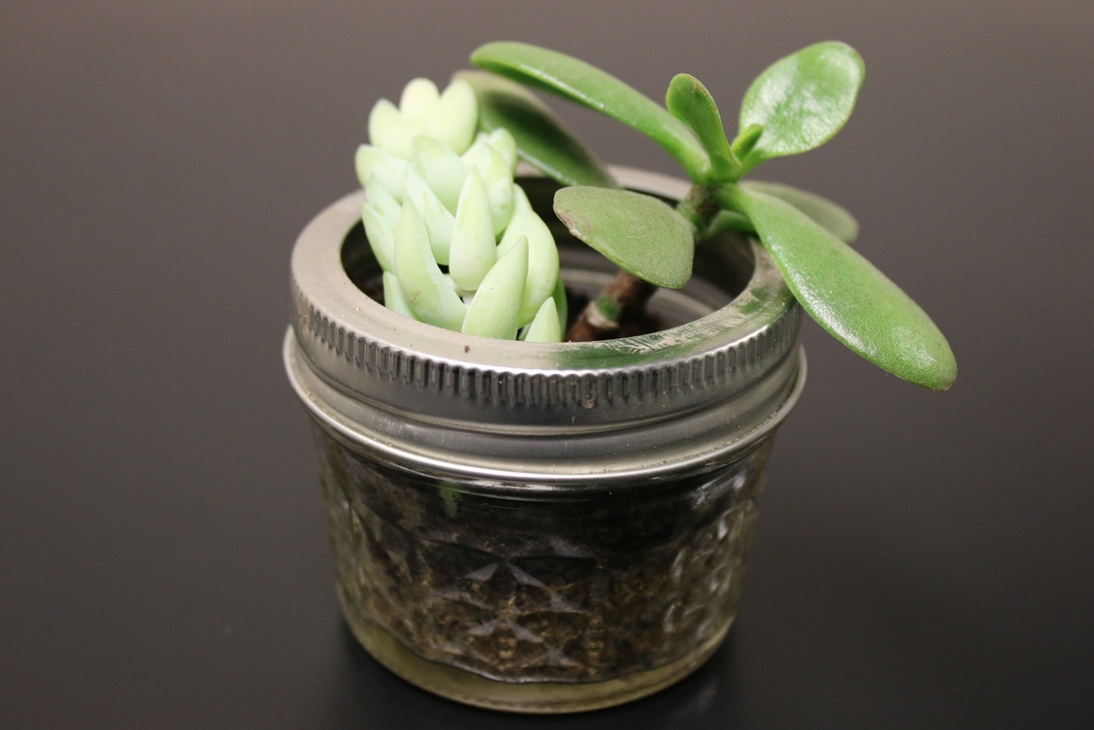
• Succulent centerpieces. Instead of cut flower displays, members of the Zoo’s Green Team hand-made succulent planters that our guests could take home as gifts. The plants consisted of cuttings from the Zoo’s Greenhouse; upcycled mason jars served as planters, and the dirt was actually compost made from animal waste.
• Menu management. The feast we served our guests was a specially designed menu with compost-friendly options to ensure that nothing went to waste. The little waste we did have was food we could not compost.

We are working to create waste-free zones on Zoo grounds and at future events – we will take what we learned during Love Gone Wild to ensure their success. We hope you will join us on this green journey. Consider this: Try going waste-free in your home or work for just one day and leave us a comment about what you discovered.

– Beth Wallace

Succulent - small

Greenprint: Three Stars for Arctic Café

Beth Wallace is the Manager of Sustainability for the Detroit Zoological Society.

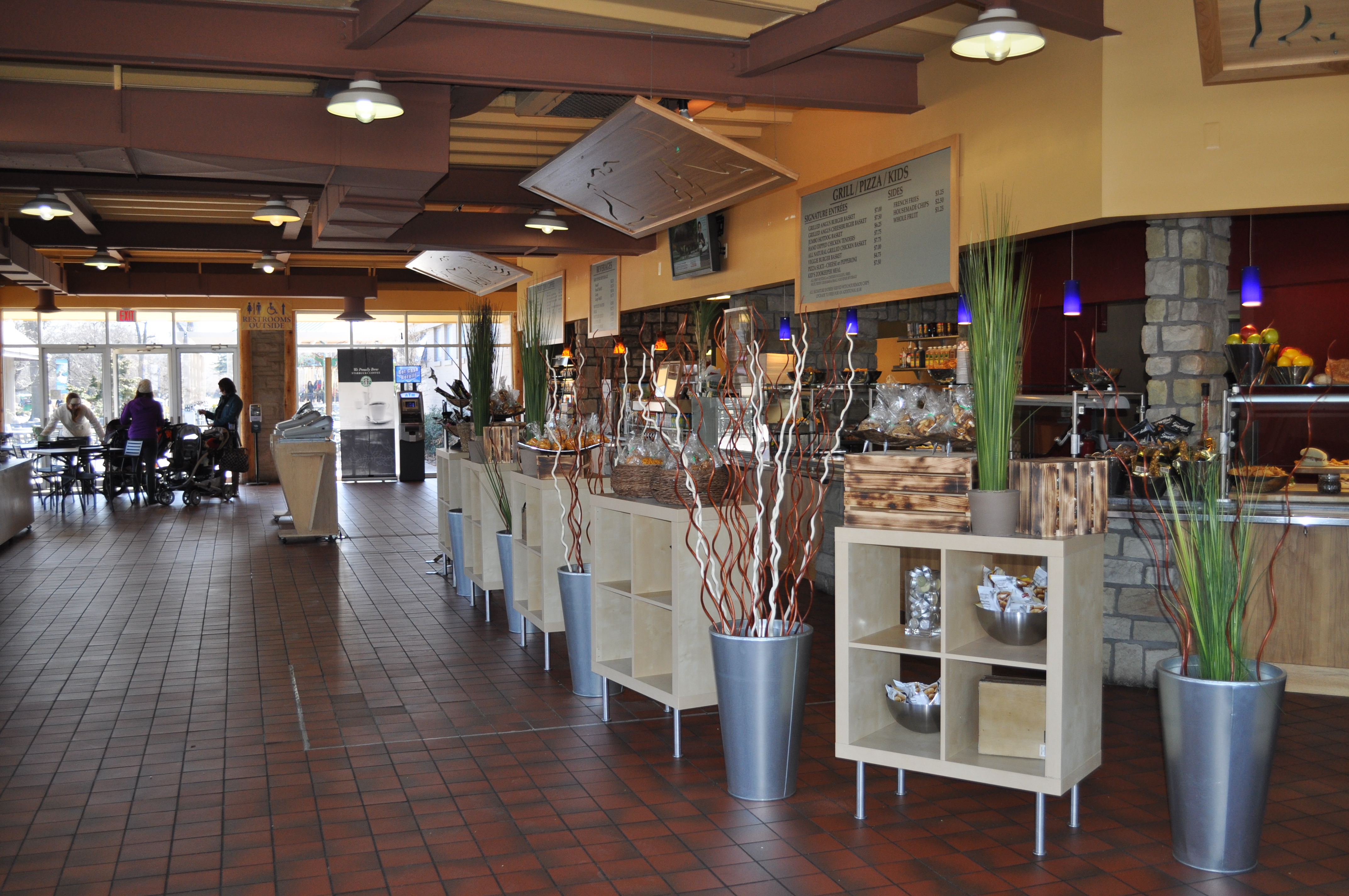
The Detroit Zoo’s Arctic Café has earned a three star-rating from the Green Restaurant Association!

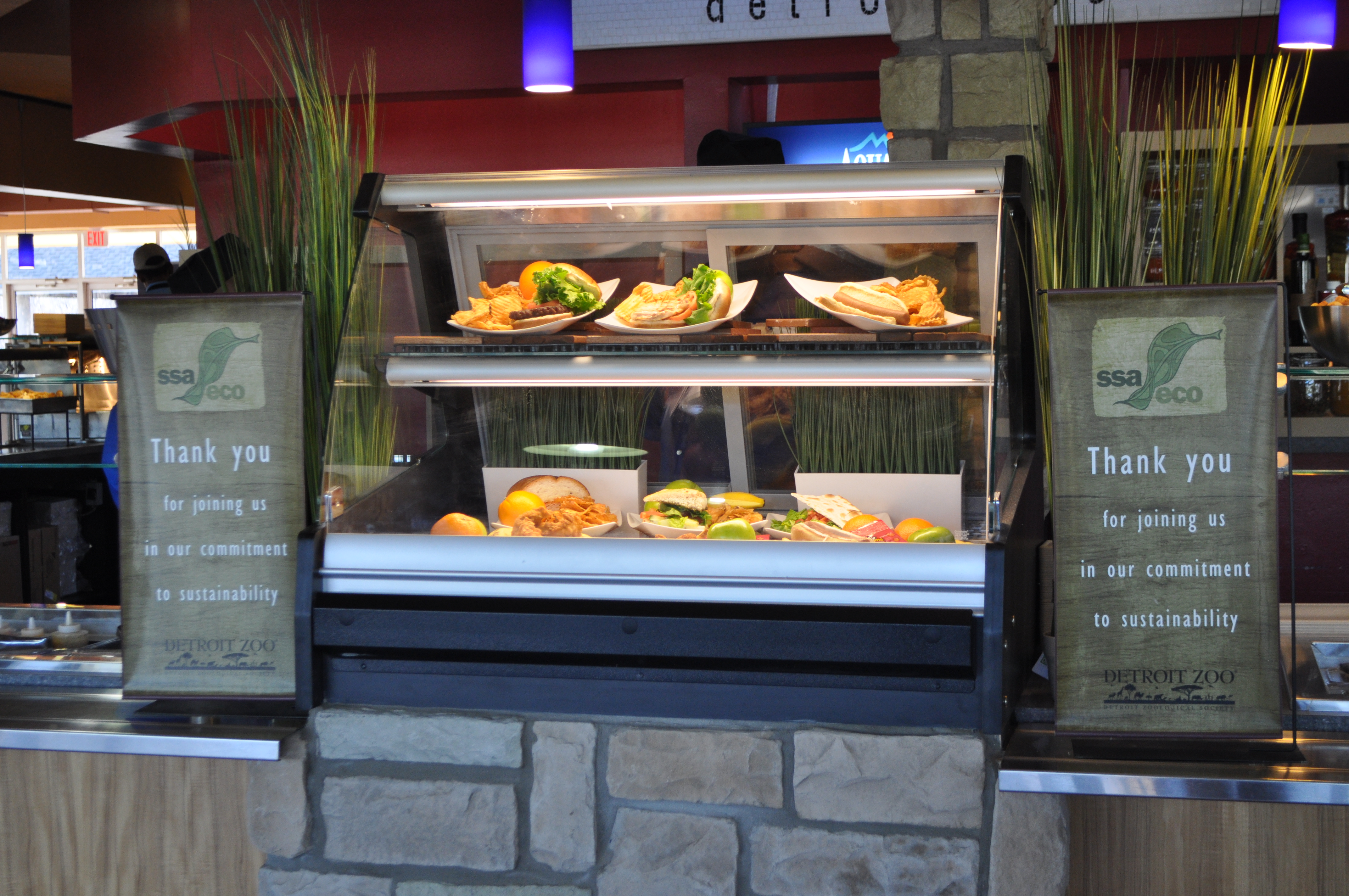
To achieve this recognition, our partners 073at Service Systems Associates revitalized an older building into a green paradise by incorporating more eco-friendly practices, from increasing our organic food options and managing water usage with low-flow features to using cutlery made from potato starch and soybean oil and upgrading to energy-efficient heating and cooling.

Green RestaurantThe Arctic Café is one of only a handful of zoo restaurants in the country to obtain this green certification, and we’re already well on our way to achieving the fourth and final star.

Changes we made in the Artic Café that you can make at home:

  • Energy Efficiency: Change 106out incandescent lighting to CFL or LED to decrease your energy usage and save money on your monthly bills.
  • Water Efficiency: Cut your water use in half by adding low-flow screens to your current water fixtures or, as you replace old systems, upgrade to all low-flow water fixtures.
  • Reduction in Waste: Contact your local curbside collection company, or your landlord, to see what kind of recycling and compost services they offer. Sometimes companies will add additional options once they hear customers have interest.
  • Sustainable Food: Consider locally grown and organic foods first. This helps the local economy and minimizes your carbon footprint.

080Are there things you’ve already done in your home to lessen your environmental footprint? Tell us your experience; was it what you expected, surprisingly easy or a big money saver?

Learn more about our green journey.

– Beth Wallace