Zoo veterinarians use a range of vaccines developed for use in domestic animals to protect the species in our care. We use vaccines developed for use in domestic pigs to protect our warthogs, vaccines developed for horses to protect our zebras and vaccines developed for ferrets to protect our red pandas. We use human vaccines to protect our chimpanzees and gorillas against measles and polio virus.

We are very happy to report that in late July we received shipment of a vaccine specifically made to protect susceptible zoo animals against infection with COVID-19. The vaccine was developed by veterinary pharmaceutical company Zoetis, and is being donated to 70 zoos and a dozen other wildlife organizations in the United States.
During the course of the pandemic, the human and veterinary medical community has been working diligently to understand how coronavirus affects both human and animal health. At the Zoo, we have taken a number of measures to minimize the potential for infection in animals considered susceptible, and we have been fortunate that no animals in our care have contracted COVID- 19. Gorillas, lions, tigers and otters have become infected at other zoos in the United States.
All of the animal care staff working with these susceptible species has been vaccinated against COVID-19, and we continue to use masks and gloves to minimize spread of infection. Despite this, we worry that supporting the health of an infected tiger or chimpanzee would be much more challenging than a dog or cat, and are extremely grateful to be able to provide vaccine protection against serious illness.
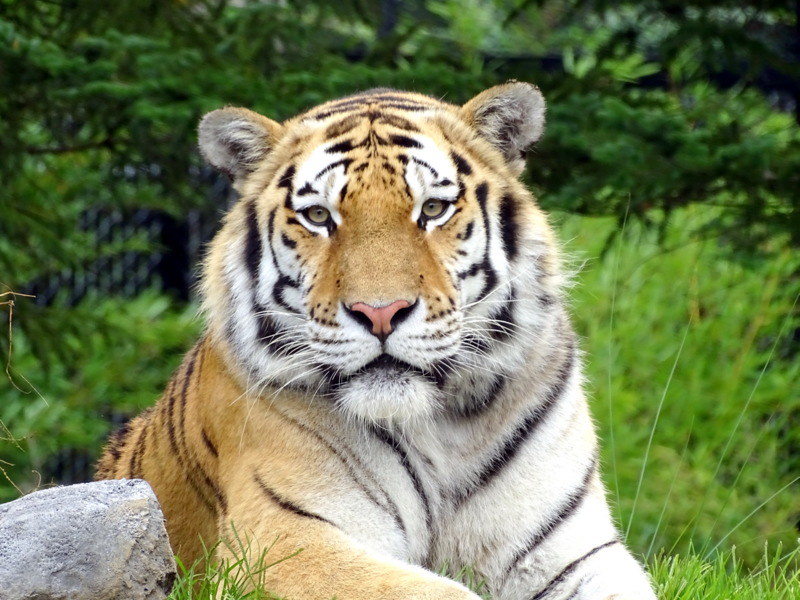
Over the course of the last few weeks, we have been vaccinating the gorillas, chimpanzees, tigers, lions, North American river otters, sea otters and wolverines in our care with this new vaccine. Each animal will receive two shots, three weeks apart, the same as is recommended for people. None of the vaccinated animals have shown any signs of feeling under the weather after their first vaccine, and we continue to monitor everyone carefully for adverse effects.
– Dr. Ann Duncan is the director of animal health for the Detroit Zoological Society.


 worked with our talented education department to offer this very special Summer Safari Camp experience. During this particular weeklong camp, the students learn about zoo medicine in general, hear stories about the babies we’ve cared for in our nursery, and practice placing a bandage on a limb (of a stuffed animal). They also spend some time in our laboratory to see how blood, urine, feces and other samples can provide valuable information about an individual’s health.

 population. To conduct this research, the martens are captured in what are known as Hav-A-Heart traps – which are humane traps that close in such a way that they do not harm the animal. The traps are set carefully to ensure that martens have a nice snug spot. We cover each trap with pine needles and leaves for warmth and nest building, and put large pieces of bark on top to protect them from rain and snow. We also place meat bait and grapes in each trap so that they have a snack and a source of water.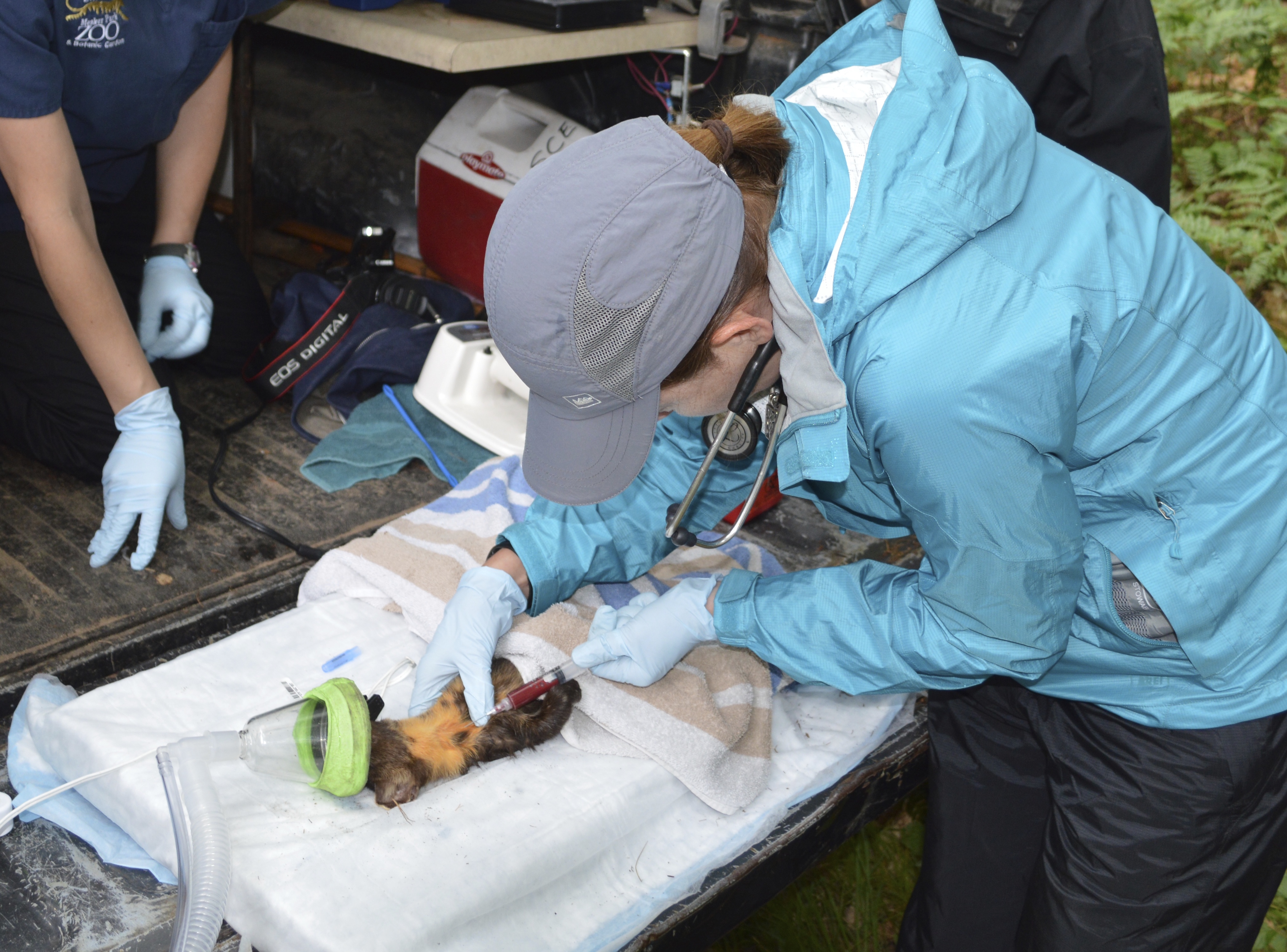
 Detroit Zoological Society Blog