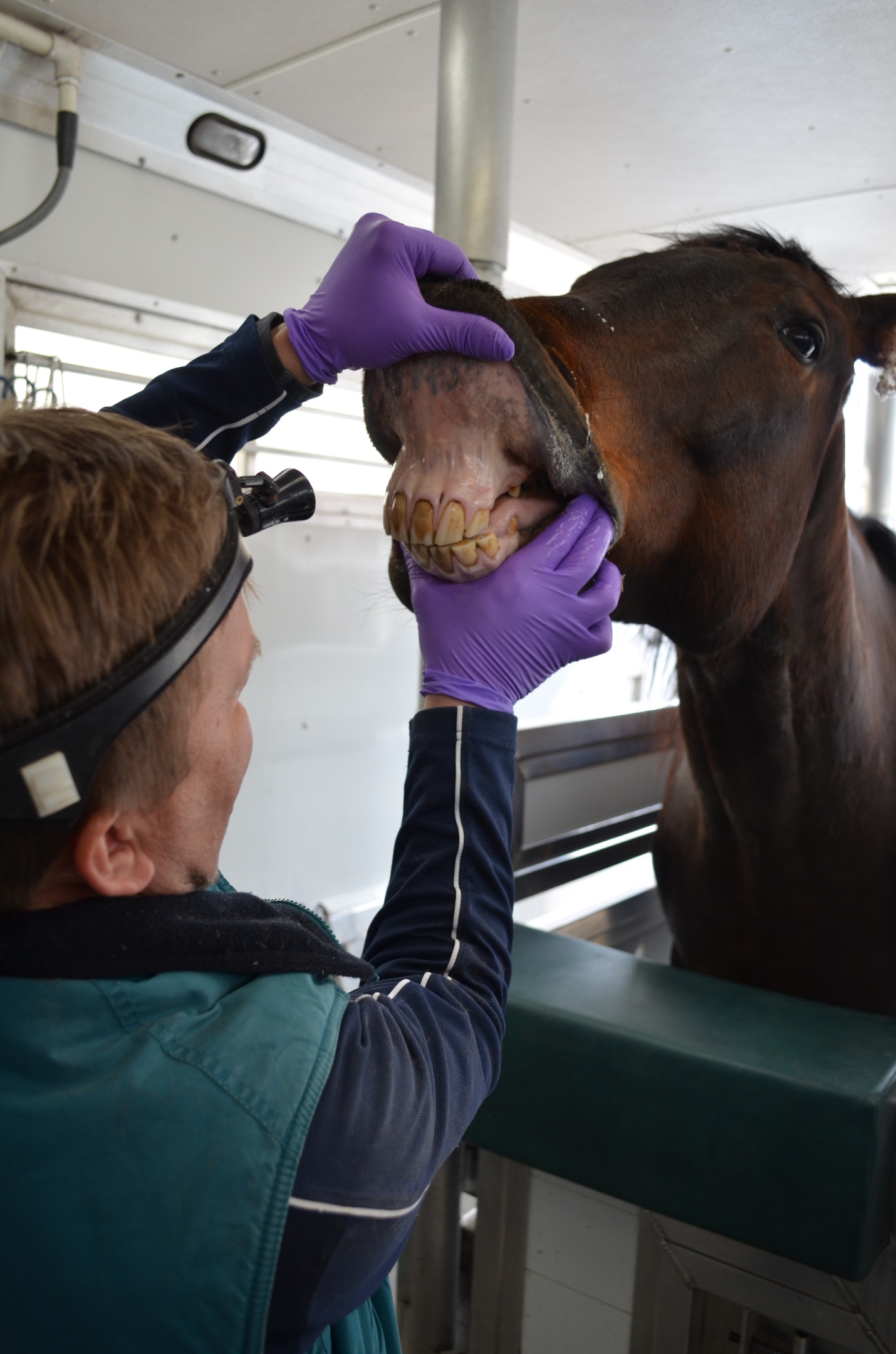
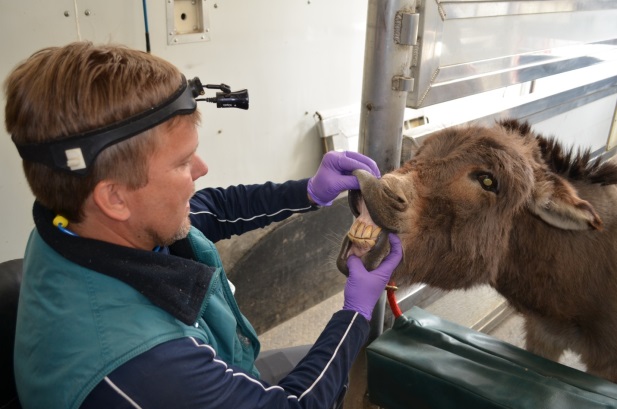
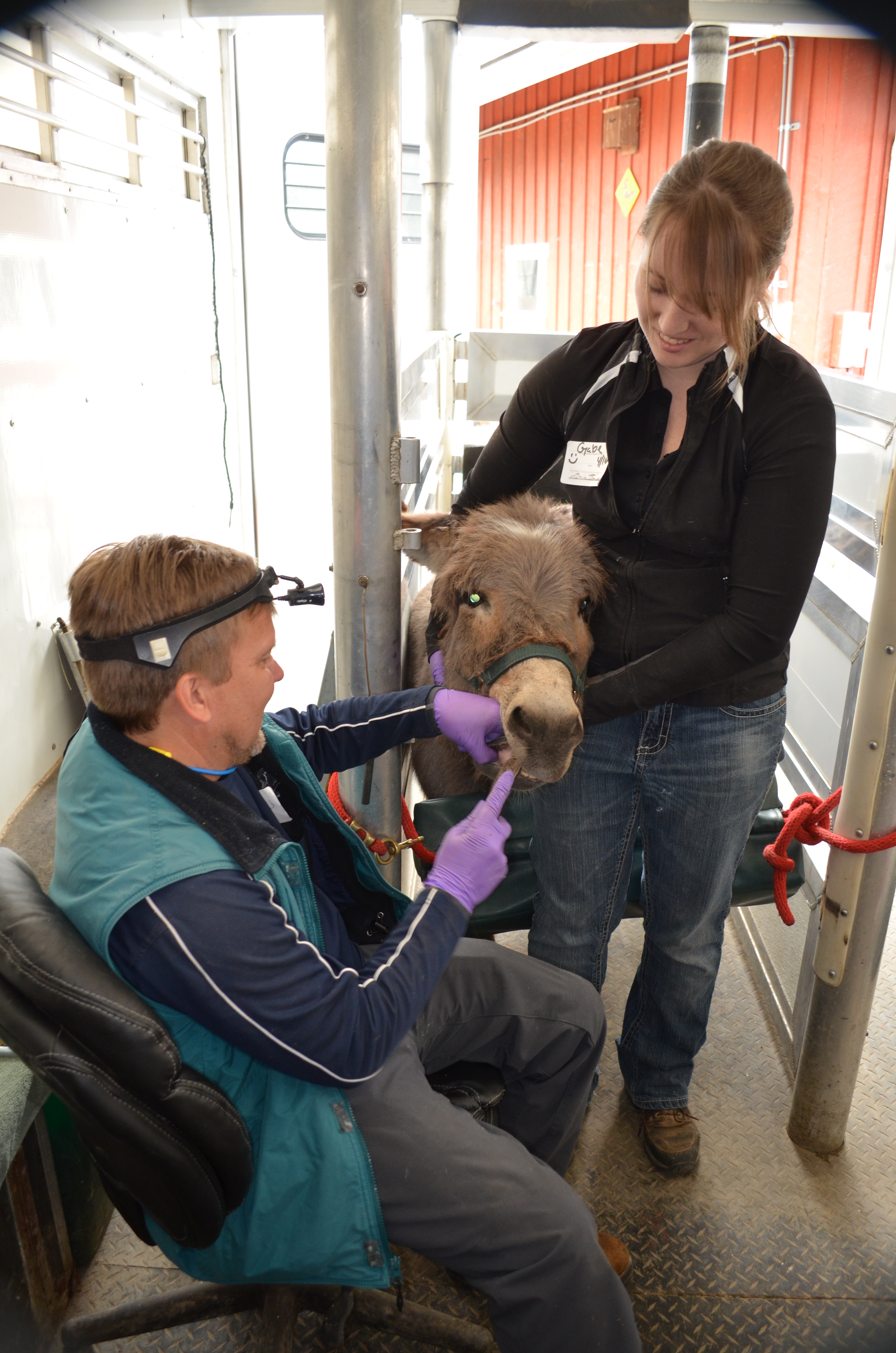
Dentistry is a very important component of veterinary care for the animals at the Detroit Zoo. Many of the animals here live longer than their wild counterparts, so ensuring that they have healthy teeth throughout their lifetime is a priority.
Dental issues can have a big impact on comfort and the overall well-being of an animal. We sometimes find that if an animal is showing a decrease in appetite or is experiencing weight loss or other problems, they ultimately have underlying dental problems. Whenever we do an exam on an animal, we are sure to carefully examine the teeth for problems and to scale and polish them to remove tartar or plaque. If we see problems or areas of concern, we take skull or dental radiographs to look for problems under the gum line, just like you experience during your routine dental visits.
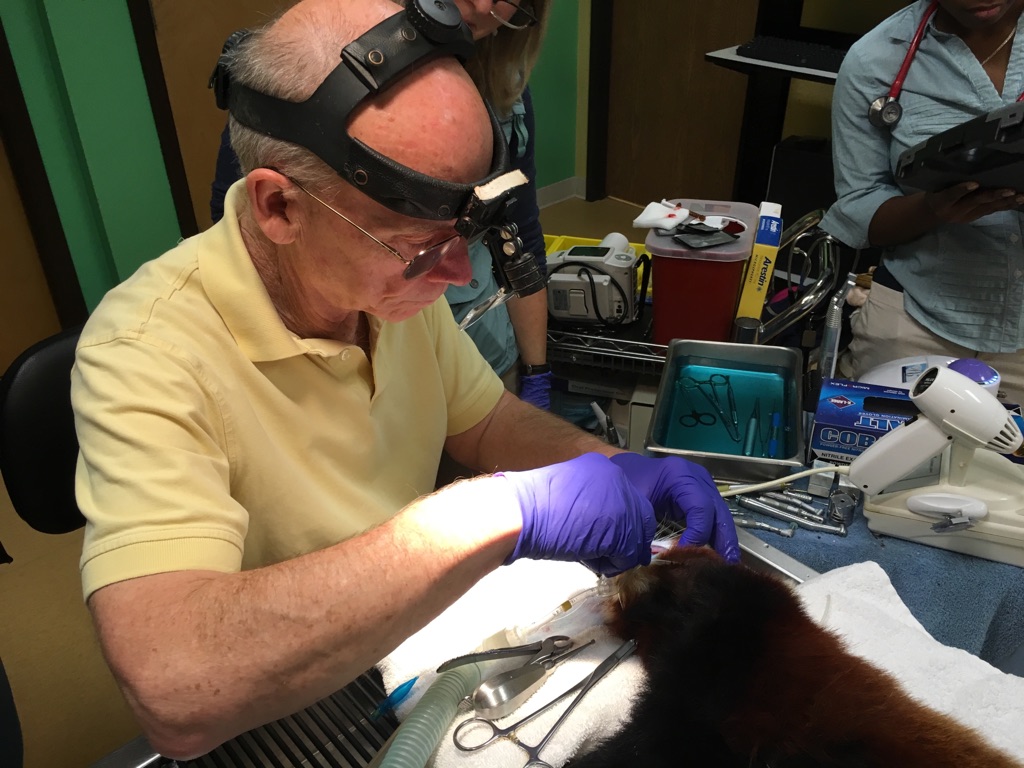
Recently, one of our zookeepers noticed that a red panda was not opening his mouth fully when taking in food items such as grapes. We examined him under anesthesia three times over a short period, and despite anticipating a dental issue, we were unable to find any areas of concern during examination and radiographs. We collected diagnostic samples and treated him with antibiotics and anti-inflammatory and pain medications. Each time, the problem improved and then recurred. When the red panda started having problems most recently, we decided to transport him to a nearby veterinary specialty practice for a CT scan. This advanced imaging technique took only about 20 minutes, and was able to clearly delineate an area of infection underneath one of his upper molars. Usually dental issues can be pinpointed with regular radiographs, but in this case diagnosis proved extra challenging.

We made arrangements to transport the red panda to a board certified veterinary dentist, Dr. Ben Colmery at Dixboro Veterinary Dental and Medical Center in Ann Arbor. Dr. Colmery was able to remove the problem tooth, which allowed the infection to drain clear of the area. Within days, the red panda was opening his mouth wide to eat all of his food items and seemed much more comfortable.

Every member of the Zoo’s veterinary staff helped during one or more of the red panda’s examinations and treatment. This case demonstrates how teamwork, persistence, and assistance from outside experts can lead to a great outcome for our treasured animal patients. I’m thankful for the assistance that we receive from our veterinary colleagues, and proud of the great work that we do in the Ruth Roby Glancy Animal Health Complex!
– Dr. Ann Duncan is the chief veterinarian for the Detroit Zoological Society and oversees the Ruth Roby Glancy Animal Health Complex at the Detroit Zoo.
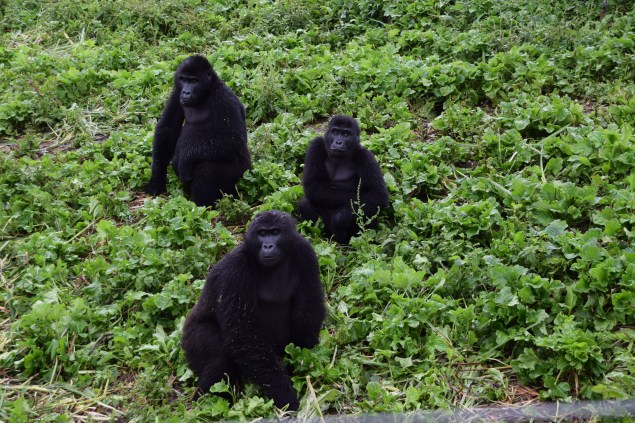 GRACE is the world’s only facility that cares for highly endangered Grauer’s gorillas (Gorilla beringei graueri) that have been rescued by wildlife authorities after being illegally captured by poachers and traders. Grauer’s gorillas are endemic to this region and only 5,000 remain in the wild. There are currently 14 gorillas being cared for at GRACE, ranging from 3-14 years of age. At GRACE, a dedicated Congolese staff provides daily care, including a diet that includes local fruits and vegetation training for important animal management behaviors and treatment for medical problems. Caretakers also monitor the group while they enjoy a 24-acre forest, which is the largest gorilla enclosure in the world. The Detroit Zoo entered into partnership with GRACE in 2014, and as the Chair of GRACE’s Board, Detroit Zoological Society CEO and Executive Director Ron Kagan has provided and facilitated important support to the project. Most recently, he secured funding for a new night house enclosure that is currently under construction.
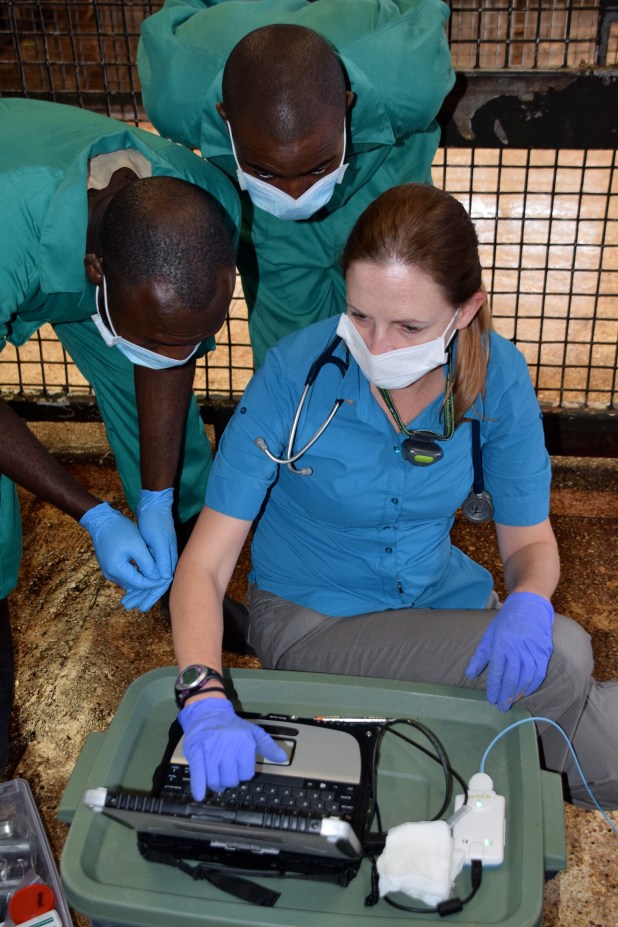
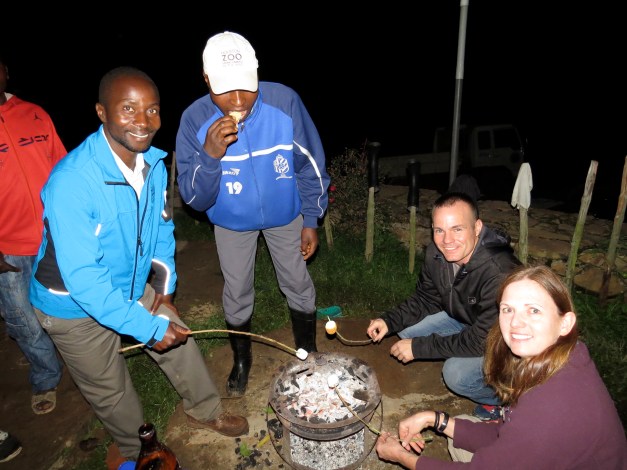
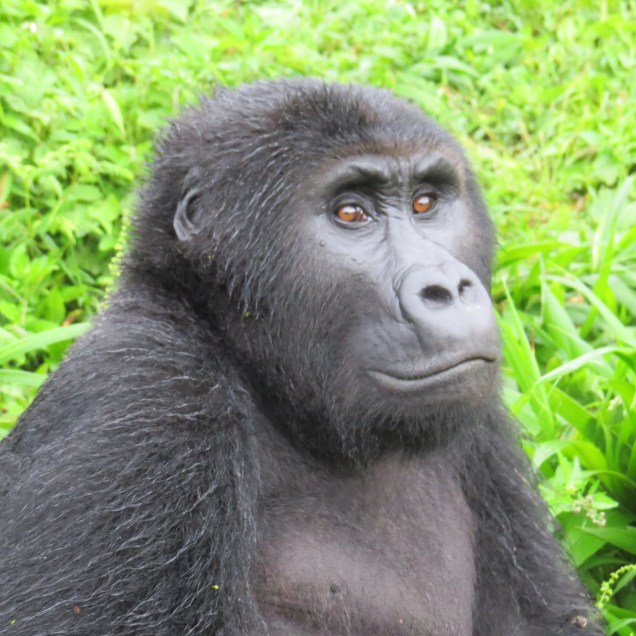 I traveled to the Congo with three staff members from Disney’s Animal Kingdom, including a veterinarian who led the team, a veterinary technician and a husbandry expert. Our goal for the eight days at GRACE was to perform examinations on 12 of the 14 gorillas – this has never been done before anywhere in the world, and it was important that we do all we could during these exams to learn about the health problems they may face.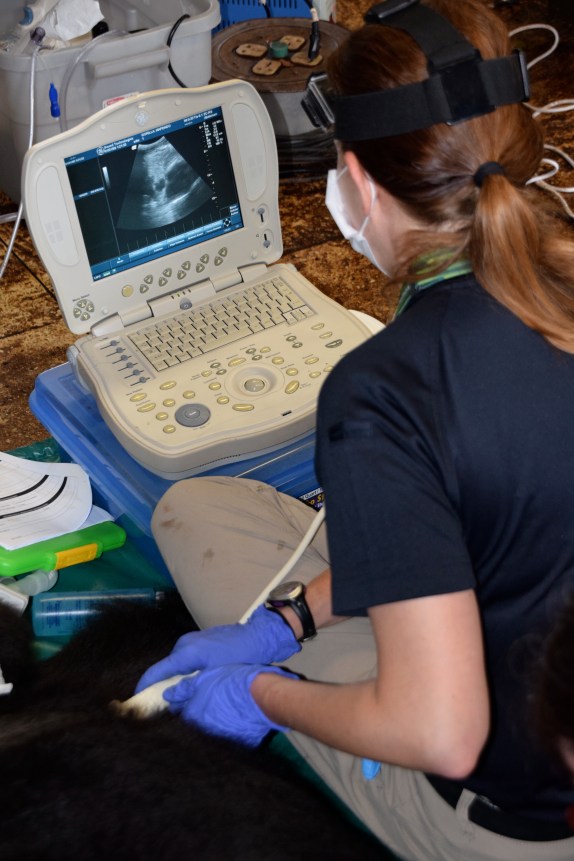
 I am very thankful to the Detroit Zoological Society for providing me with the opportunity to travel to the Congo, and honored to be able to serve the people and gorillas of GRACE.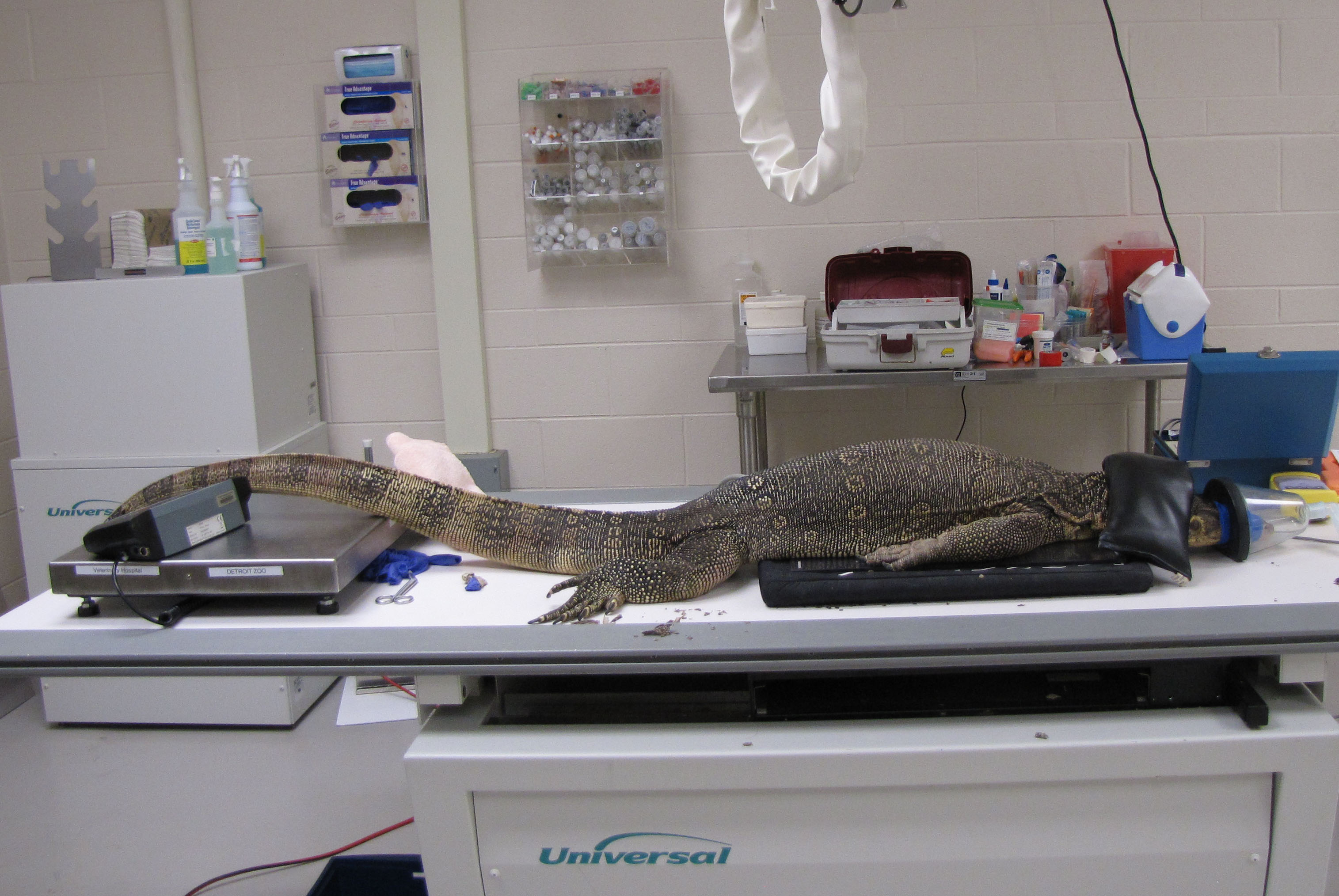

 Detroit Zoological Society Blog