Camp is Back at the Belle Isle Nature Center!

Winter Nature Camp recently took place at the Belle Isle Nature Center.

Authored by Luke Grange, senior education specialist at the Belle Isle Nature Center.

“Can we write on this?” 

The campers looked hopefully at the butcher paper-covered tables and cups of markers. When they were told that indeed the markers were for drawing on the tables, they happily got to work drawing, signing their names and making their mark. 

This was the scene at the Belle Isle Nature Center’s Winter Nature Camp on Jan. 3. Those campers had just arrived at the Nature Center’s first camp since 2019. The campers didn’t seem to mind the layoff as they drew rainbows, birds and the odd video game character as they got to know one another before breaking up into age groups to go explore outside.

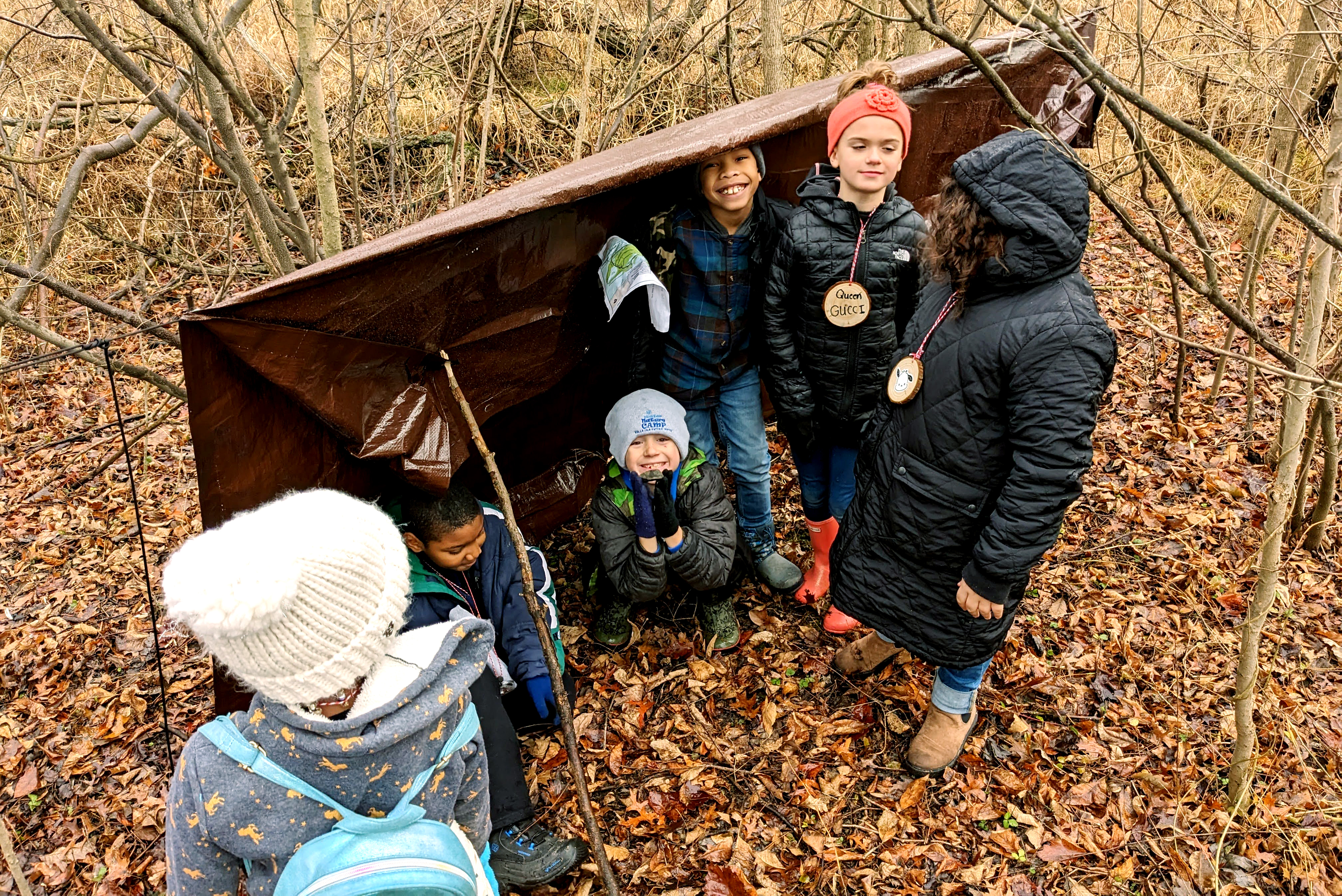
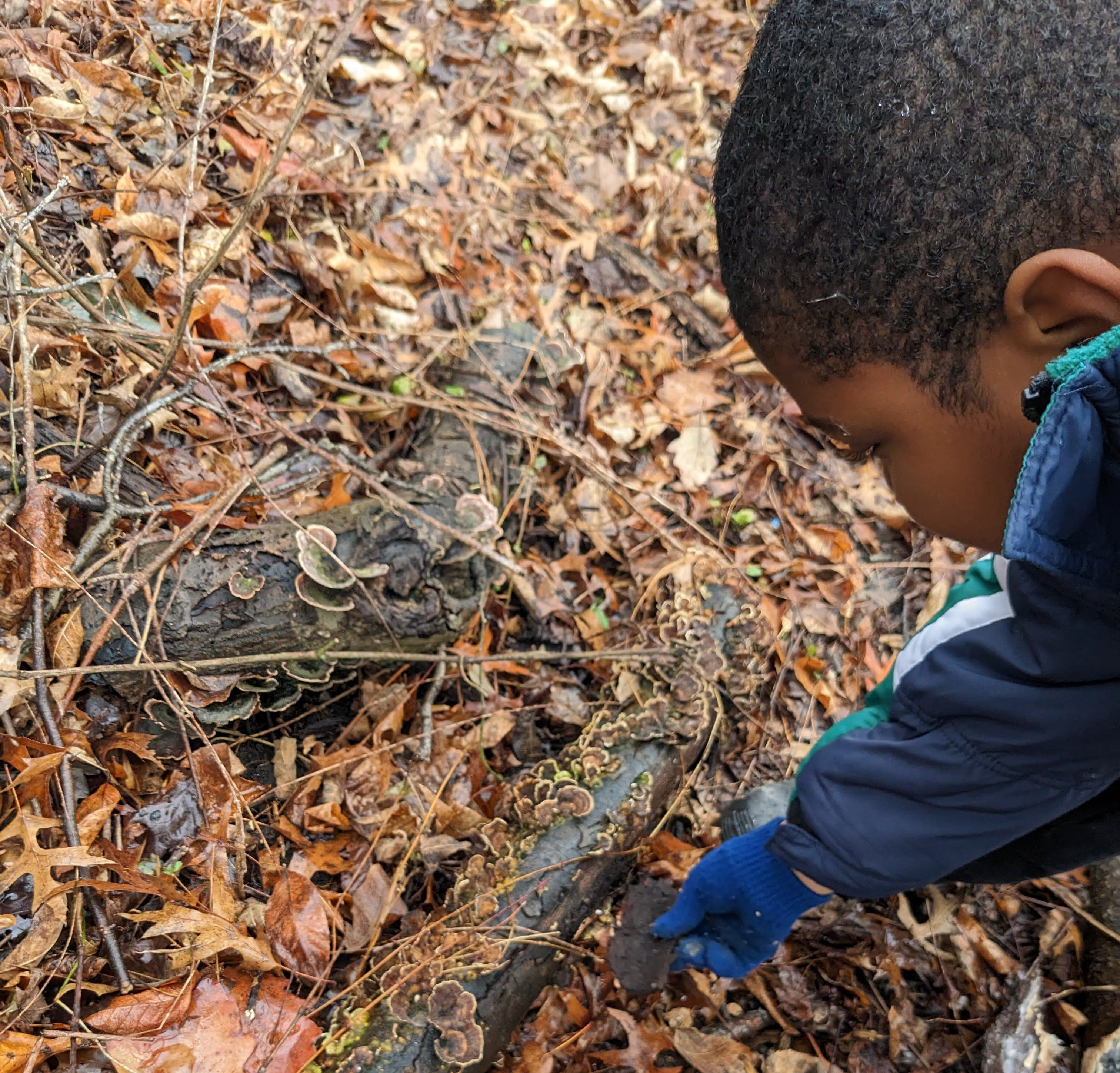
The Belle Isle Nature Center’s habitats and interactive exhibits celebrate places in the city where you can connect with the natural world. Similarly, campers experienced both the natural and man-made portions of Belle Isle ― walking on top of deer prints and under willow trees to explore the rarely seen inside of a covered footbridge. Fire hydrants poked up from alongside the trails like steel mushrooms as raptors flew overhead.

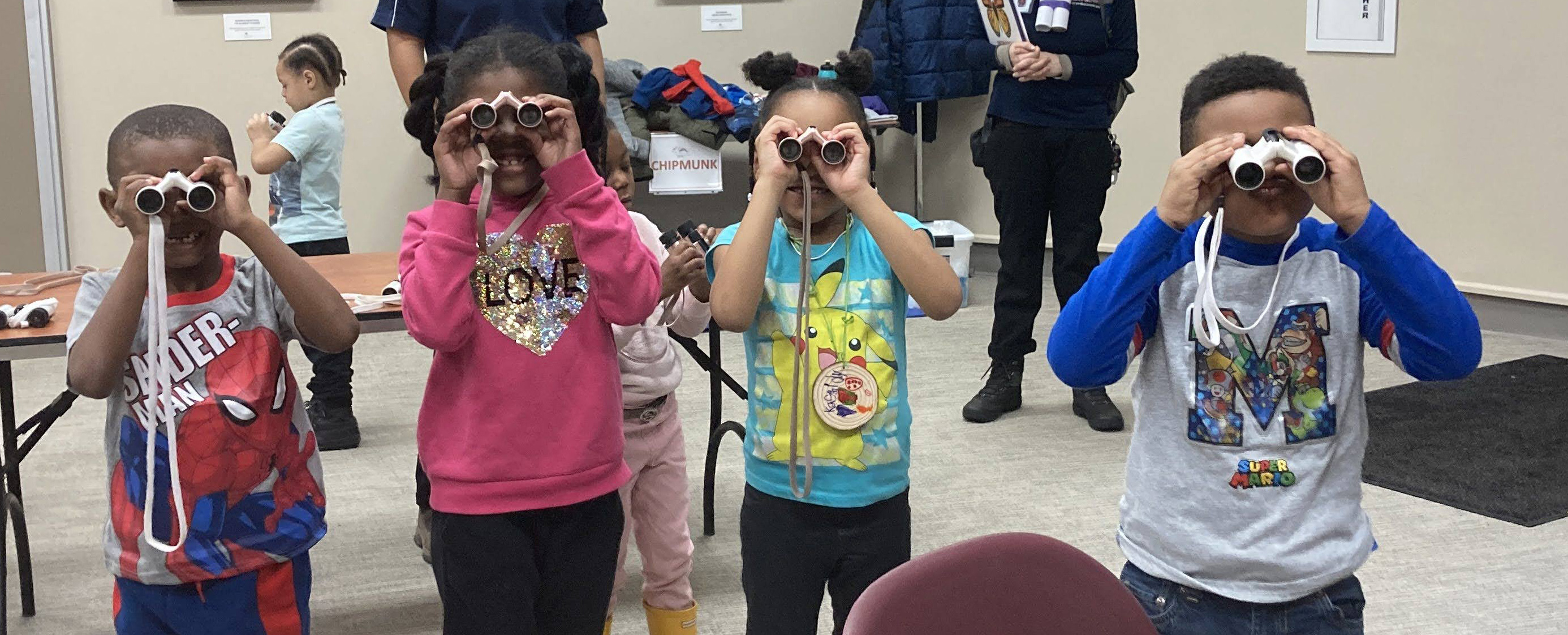
Campers loved building their beginner birding skills at Winter Nature Camp. Brittany Leick, program coordinator of the Detroit Audubon, assisted Winter Nature campers in learning to identify seven local, colorful birds and then practicing how to use binoculars. Campers also visited the bird viewing window and learned about the ultraviolet patterns inside the glass that the Belle Isle Nature Center installed to help make the windows bird safe. Campers then got to paint their own bird shapes to put on their windows at home.
The new Belle Isle Nature Center was thoroughly enjoyed by campers. Children visited the young learner’s space to act as ants and move giant seeds and dirt throughout the tunnels. They experienced life in the pollinator hallway as a bumblebee, seeing the normally invisible UV patterns that flowers advertise to insects. Each day, the campers would find something new to do in the space.

At the end of the week, campers were asked to draw their favorite camp activities. Almost everyone mentioned spending time out in nature with the new friends they made. As they had made their mark on the tables over the course of the week, adding to their drawings with each meal and snack, campers had made their own mark with the friendships they had formed.
Registration for Winter Nature Camp was done through community partners in Detroit. A waiting list was used for any remaining spots. Summer Nature Camp enrollment will happen the same way and is coming soon! Stay connected with the Belle Isle Nature Center website for updates.

The Belle Isle Nature Center is located at 176 Lakeside Dr., Detroit. 
Stay tuned to the Belle Isle Nature Center’s website for more camp opportunities!

Foster Empathy While Spending Time Indoors

The days may be shorter, the weather colder, and our lives might be spent mostly indoors during this time of the year, but it can still be a valuable, educational time for families. There are a number of activities we can do with our children to follow and support the Detroit Zoological Society’s humane education goals of fostering empathy for others and developing respect for wildlife and wild places.

Empathy is the ability to understand another person or animal’s experience from their perspective. It’s being able to place yourself in some else’s shoes/paws and mirror what they are feeling which, in turn, is known to increase positive social behaviors. While it can be innate for some of us, empathy is actually a learned behavior.

One way to help nurture empathy in children is through stories, which can help them process thoughts and information. Stories allow us to put on different hats, try out new experiences, think through future actions and develop our moral compass – all of which can be done from the comfort of our own home.

We do this in a number of our humane education programs offered by the Detroit Zoological Society. We share experiences of people helping animals and books that enable us to explore the world around us from an animal’s perspective. Even after a story has been read, there’s still an opportunity to continue building empathy by taking action.

For example, you could read “Stranger in the Woods”, a beautiful picture book about local wildlife, and then build a wildlife-friendly snowperson by incorporating decorations that can feed animals. Examples include a carrot nose, potato eyes, a birdseed scarf, etc.

After reading “How to Heal a Broken Wing”, a book about helping an injured bird who flew into a window, you could make window decals to prevent bird collisions. You could also learn how to humanely deter ants from your home after reading “Hey Little Ant”, a book that sheds light on an ant’s perspective. Fostering empathy in children can start at a young age. Together, we can help instill values of walking softly and treating the Earth’s creatures gently.

– Carla Van Kampen is a curator of education for the Detroit Zoological Society.

Animal Welfare: Shelter from the (Winter) Storm

Baby, its cold outside! The New Year brought some very low temperatures to our area, which can be a challenge for humans and non-human animals alike. Detroit Zoological Society staff take a number of measures to ensure each animal living at the Detroit Zoo and Belle Isle Nature Center is comfortable year-round, including when temperatures dip into the negatives.

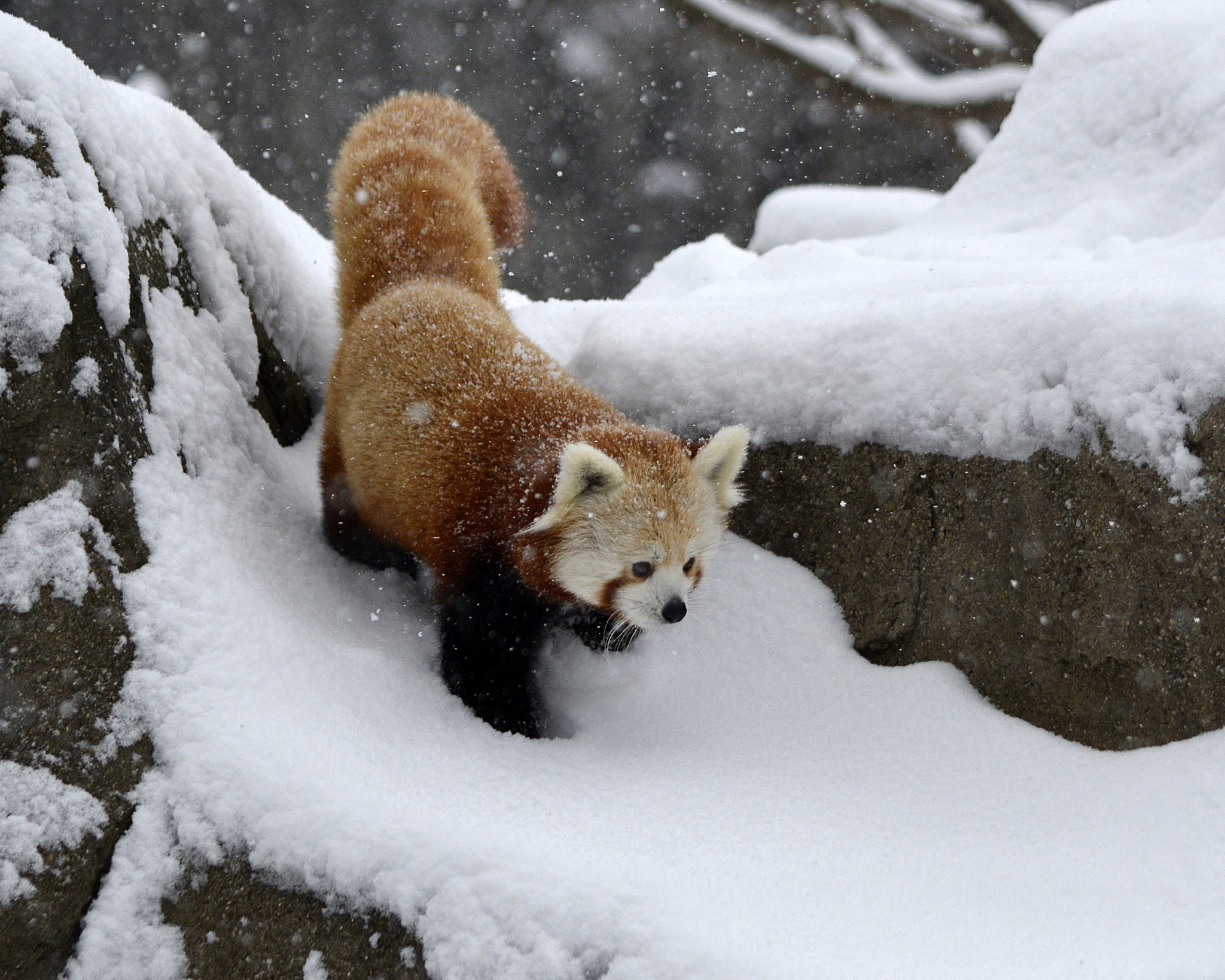
For some animals, this may mean spending time in behind-the-scenes areas where the temperature is controlled and any impacts of snowfall are removed. Cold-tolerant species, such as the red pandas or the Amur tiger, have the option to enjoy the winter weather or remain inside if they choose – this is part of what allows them to experience great welfare.

In many cases, we also make modifications to habitats to create heated areas and wind shelters – for example, the lions have heated rocks they’re often seeing lounging on – and we often add extra bedding materials to various habitats as well. This way, animals that are less comfortable being inside a building can still “find shelter from the storm”. These different options allow all of the animals to enjoy their home in the same way our heating systems, fireplaces and warm blankets keep us comfortable.

We should be thinking about these things for the animals who share our homes as well. Spending time outside needs to be done more cautiously in very cold weather, even for our furry friends. As domesticated species, they are not as well equipped to deal with harsh weather as wild animals are. There are many steps you can take to protect your companion animals from the cold, even if they do spend time outside.

Winter weather in Michigan often makes us appreciate the other seasons of the year, but there is still much to be enjoyed (and this is coming from someone who moved here from Florida!). We are still treated to beautiful, sunny days as fresh snow blankets everything around us. The 125 acres of the Detroit Zoo offer a great opportunity for us to experience the wonder of winter and marvel in the beauty of wildlife.

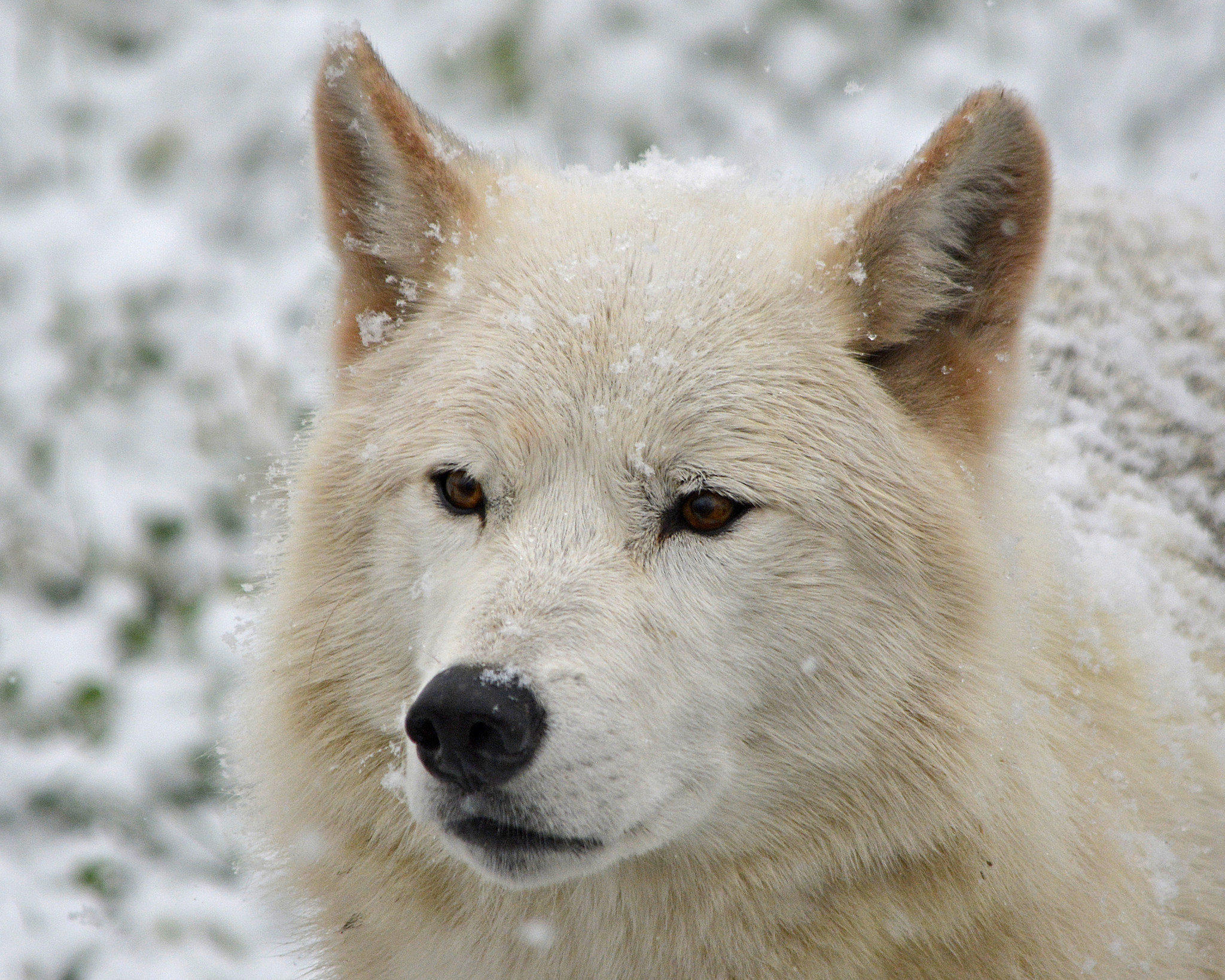
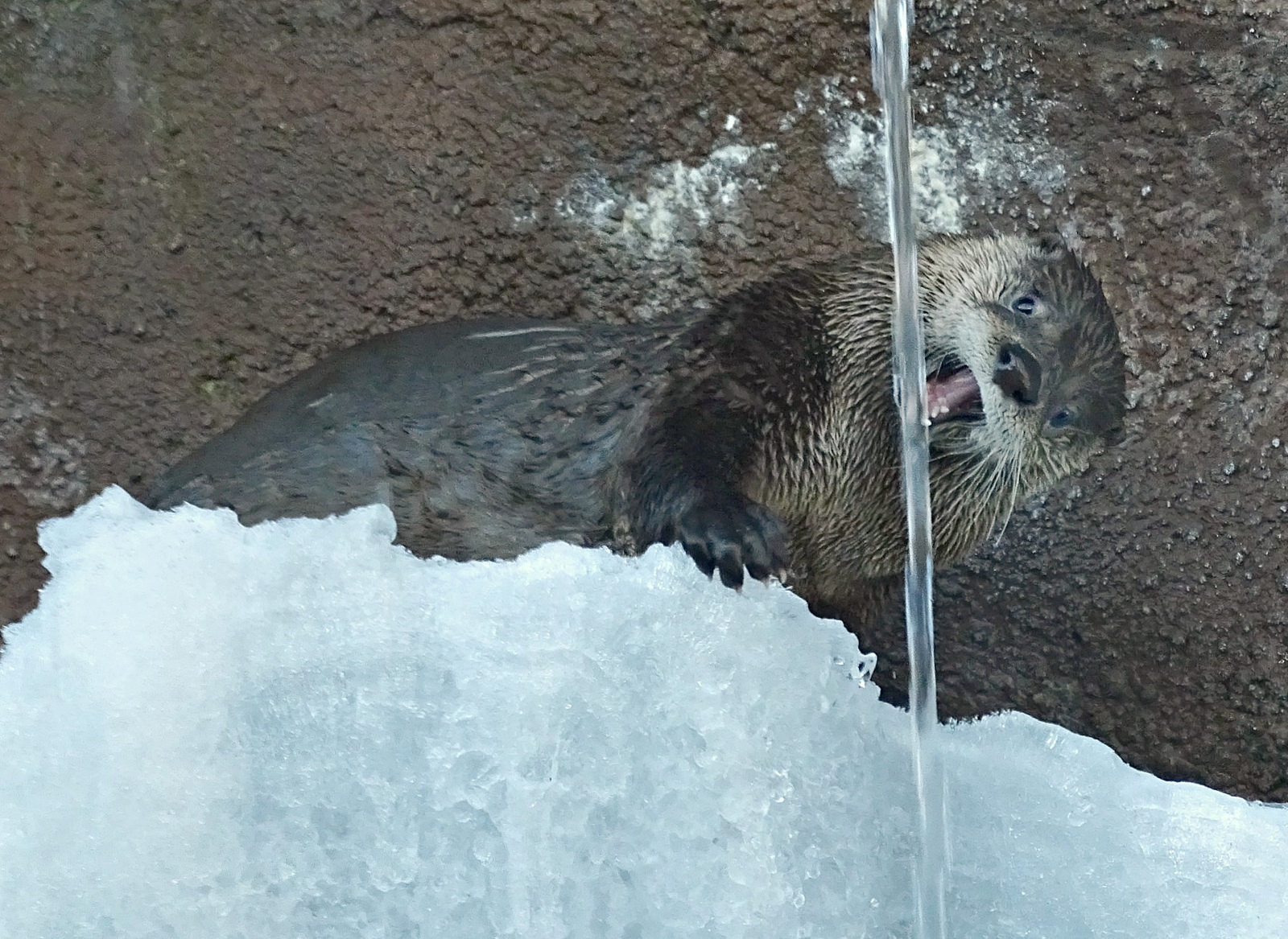
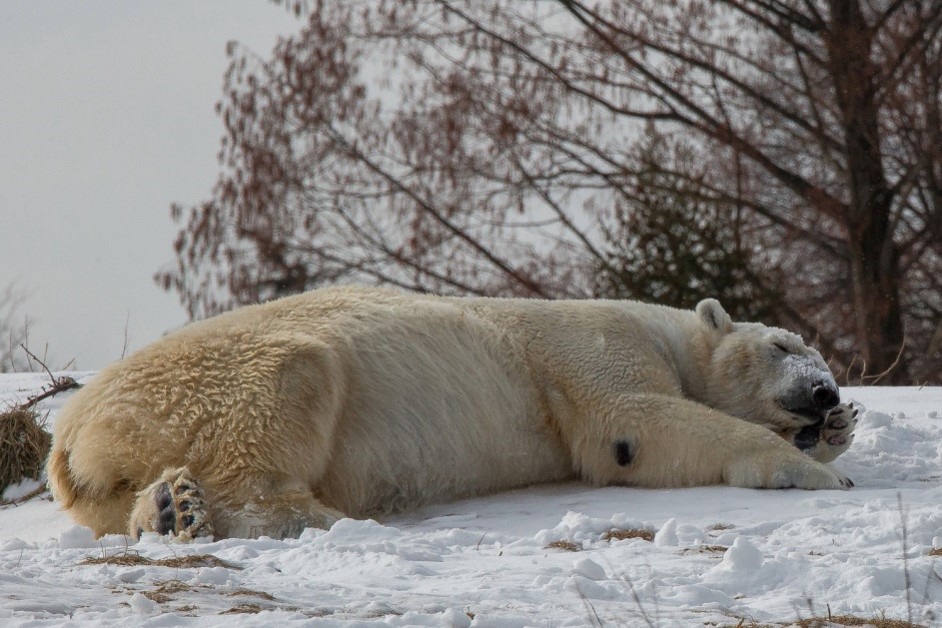
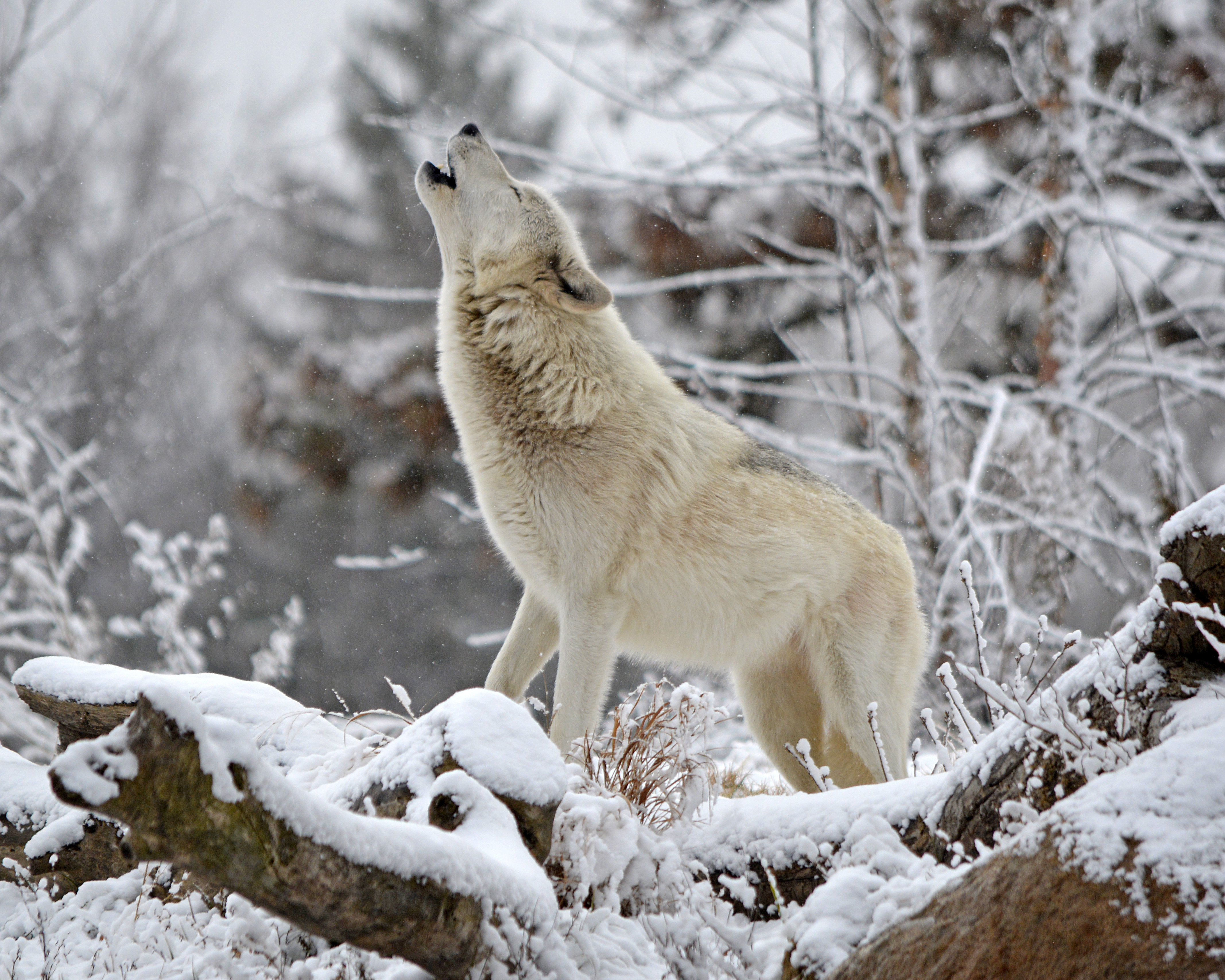
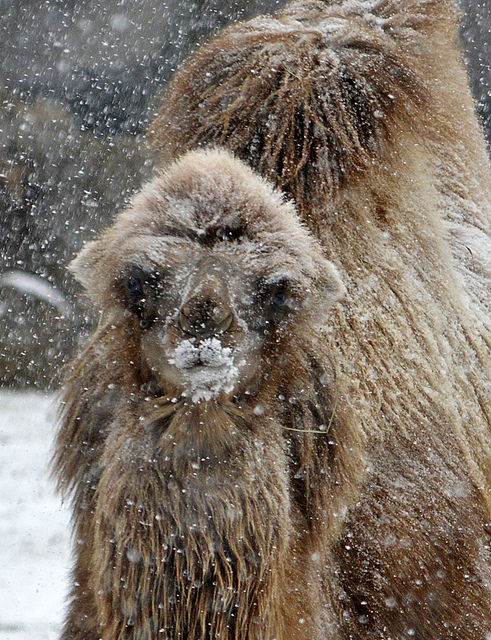
Many of the animals at the Detroit Zoo make the most of the cold weather, including the Japanese macaques (aptly also called snow monkeys), bison, otters, polar bears, wolves and bald eagles. You can also see animals including the giraffes, rhinos, gorillas and chimpanzees from viewing areas inside their buildings. The Free-Flight Aviary, Butterfly Garden, National Amphibian Conservation Center and Holden Reptile Conservation Center are great places to spend some time indoors during your visit. And although the Polk Penguin Conservation Center provides a more Antarctic climate for its feathery occupants, it also offers visitors a nice break from the blustery outdoors this time of year. Be sure to catch the Wildlife Photographer of the Year exhibition in the Ford Education Center too – 100 winning images from the world’s largest and most prestigious wildlife photography competition. Come out and experience all of this for yourself – the Detroit Zoo is open all winter long!

– Dr. Stephanie Allard is the director of animal welfare for the Detroit Zoological Society and oversees the Center for Zoo Animal Welfare and Ethics.

Veterinary Care: The Detroit Zoo in Winter

The days have grown shorter and the temperatures colder over the last few weeks. During these chilly months of the year, I am often asked the question, “Does the zoo close during the winter?” The answer is “No!”, but things do change for both the people and the animals during the winter. The Detroit Zoo is open to visitors every day except Thanksgiving, Christmas and New Year’s Day, and all of the animals at the Zoo remain here year-round and need daily care. We have at least one veterinarian and one veterinary technician at the Zoo every day, including holidays. In fact, the winter remains a very busy time for the veterinary staff.

Many of the animals are able to enjoy the cooler temperatures of winter. Some animals that experience much warmer temperatures in the wild are able to grow heavier hair coats and acclimate to a Michigan winter. But even for these, enjoying time outside is always a choice – we keep the doors open so the animals can come inside whenever they choose. We also modify diets during the winter months. Some animals need more calories to keep themselves warm, and hoofstock and other herbivorous animals need access to more hay and browse to replace the pasture and plants they enjoy during the summer. For extra fun, we bring the snow indoors for some of the animals to enjoy. The chimpanzees especially love to play in snow mounds that we bring indoors.

During the winter, there are often fewer visitors in the Zoo, and this has some advantages. Moving a 275-pound tiger to the hospital for radiographs and an examination is a challenging task at any time of the year. We use a large Sprinter van to transport our patients, and a second van to transport the people needed to lift and move them into the hospital. When possible, we always prefer to move large patients around the Zoo on days when we have fewer guests. There are also patients that prefer cooler temperatures. Over the last two years, we have been transporting penguins one at a time to the hospital for examinations under anesthesia. So far, we’ve examined more than 50 penguins! The habitat at the Polk Penguin Conservation Center is kept at a brisk 40 degrees Fahrenheit, so the winter months are a perfect time of year to move penguins to the hospital and keep them comfortable during the process.

Winter is a great time to visit the Zoo. The Polk Penguin Conservation Center offers a new experience every time I visit, and some days you can enjoy moments of near solitude with the penguins. The red pandas and Japanese macaques are especially active at this time of year, and a fresh snowfall transforms the zoo into a truly beautiful place.

You can also experience the magic of winter during our evening Wild Lights event, featuring 5 million lights and activities for guests of all ages. We all have more than four months of winter to enjoy/endure. I find the best way to get through the winter is to get outside and enjoy it! So, I’ve rummaged through my office closet for my winter hat and gloves, started wearing my long underwear, and I am embracing the winter season! Hope to see you at the Zoo!

– Dr. Ann Duncan is the Director of Animal Health for the Detroit Zoological Society and oversees the Ruth Roby Glancy Animal Health Complex.