Detroit Zoo Hosts First International HAZWOPER Training

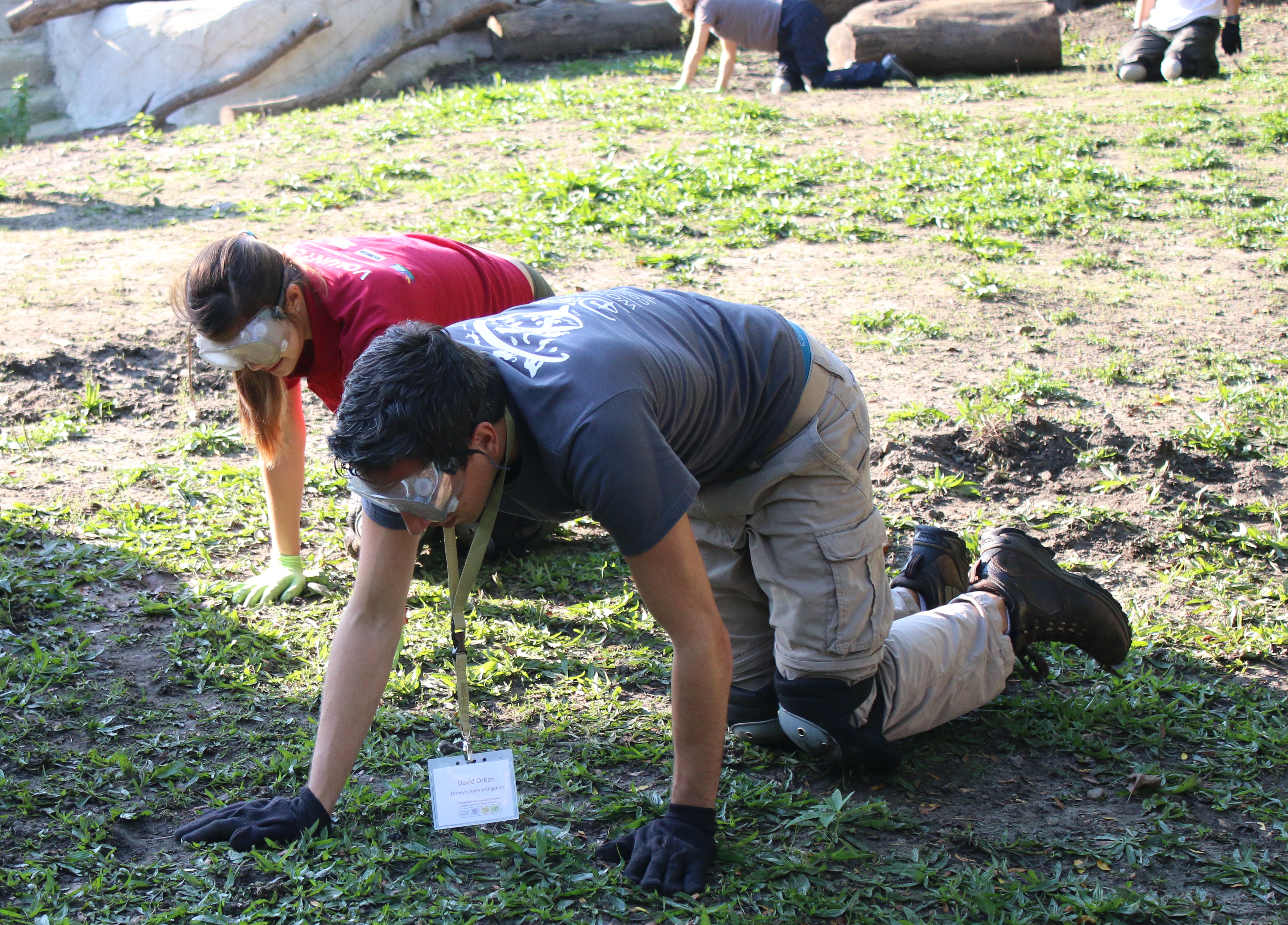
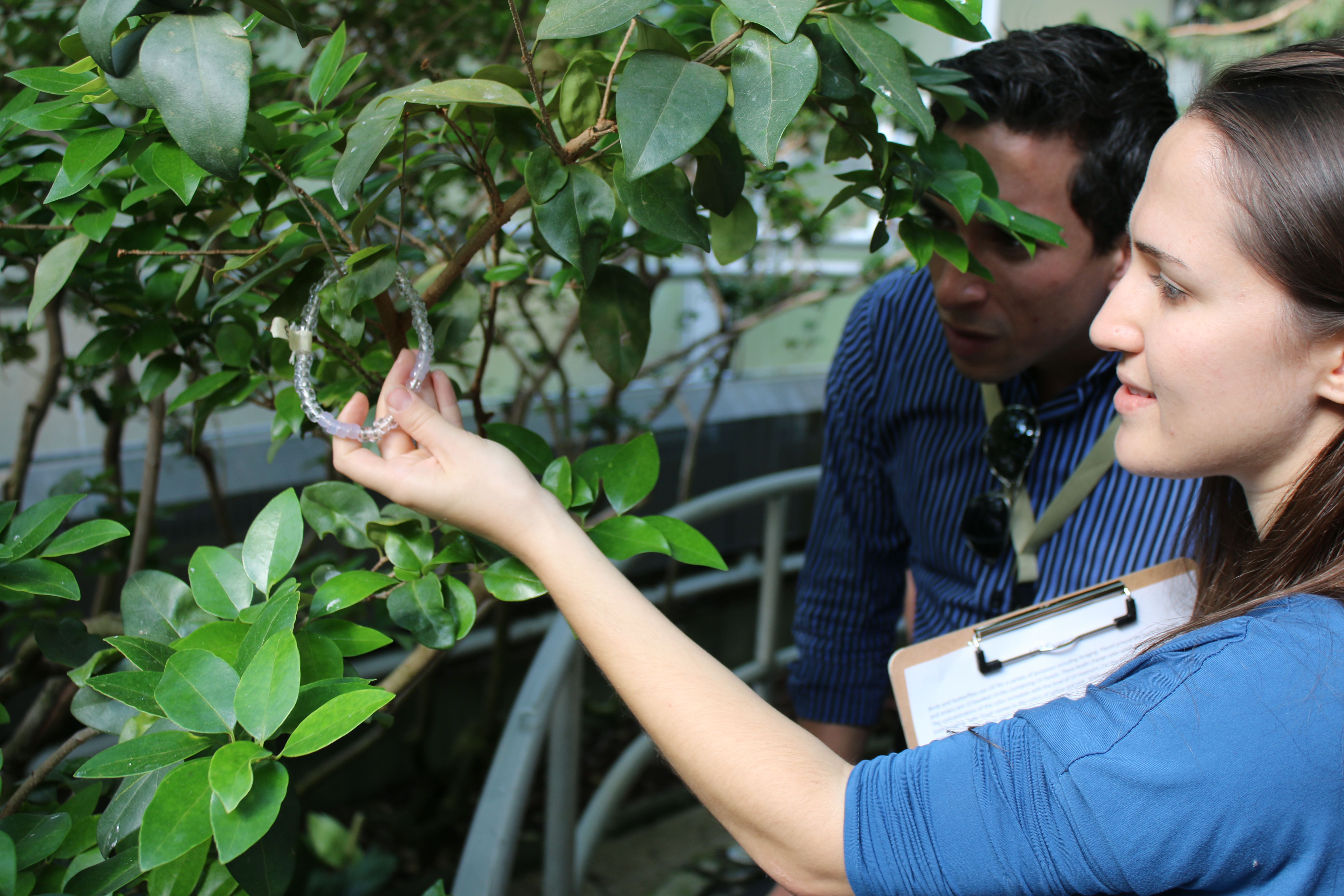
The Detroit Zoo recently hosted the first international Hazardous Waste Operations and Emergency Response (HAZWOPER) training, facilitated by the Alaska Sea Life Center of Seward, Alaska. Part of the Detroit Zoological Society’s (DZS’s) dedication to conservation includes annual training for DZS staff in HAZWOPER, which allows them to be prepared to respond immediately and help save wildlife affected by oil spills and other environmental emergencies locally, nationally and internationally.

The first international HAZWOPER training included 10 DZS staff members and eight other individuals from zoos accredited by the Association of Zoos & Aquariums (AZA). Currently, there are only 90 individuals from 50 AZA institutions who have this level of training, which included a two-day classroom course, an eight-hour online course on the nationally recognized Incident Command System, and an environmental disaster drill. The eventual goal of AZA and the Alaska Sea Life Center is to develop regional emergency centers across the country.
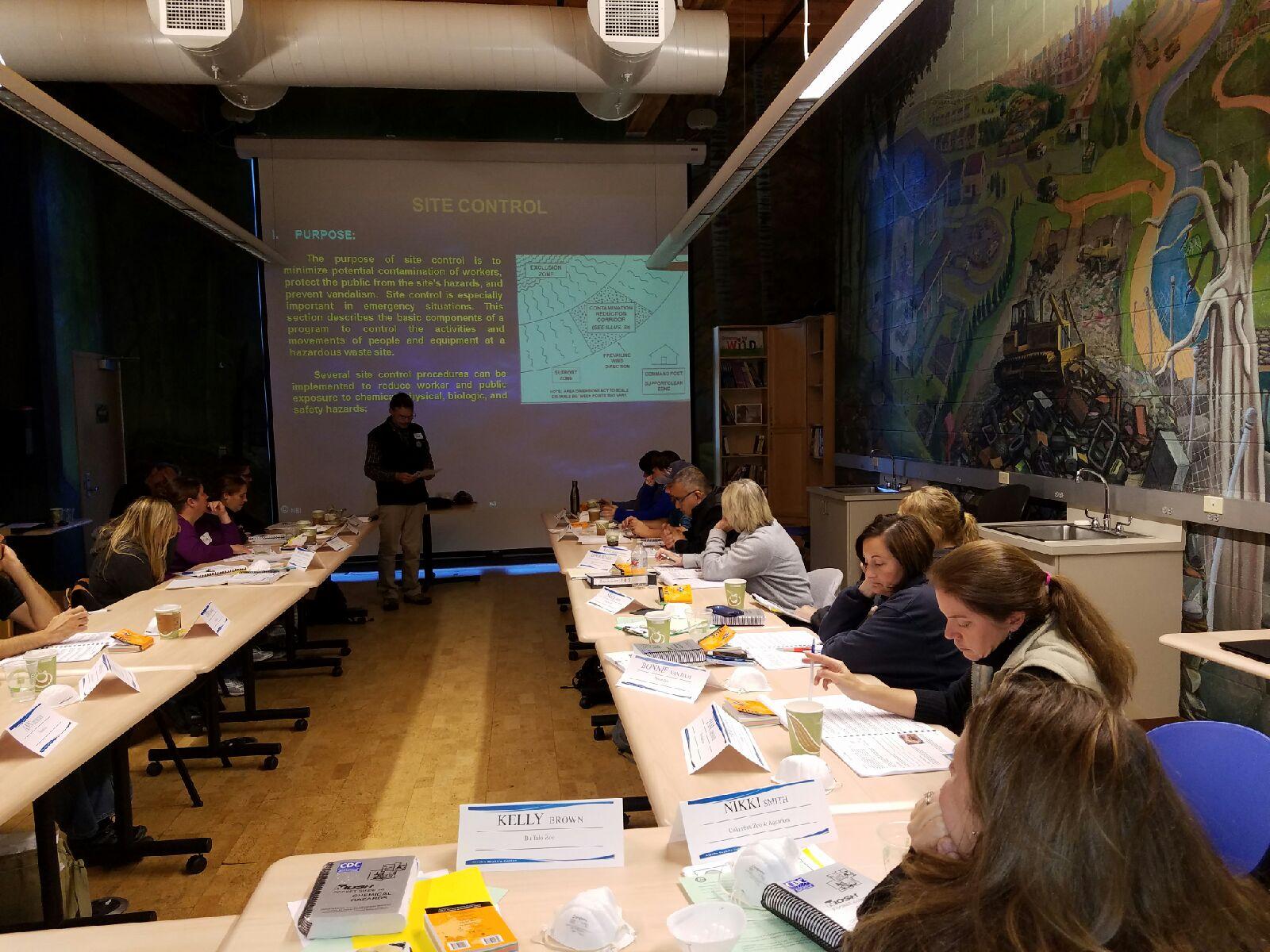
DZS staff has responded to three significant oil spills, providing assistance with the rehabilitation of several species and tens of thousands of animals.

Deepwater Horizon/BP
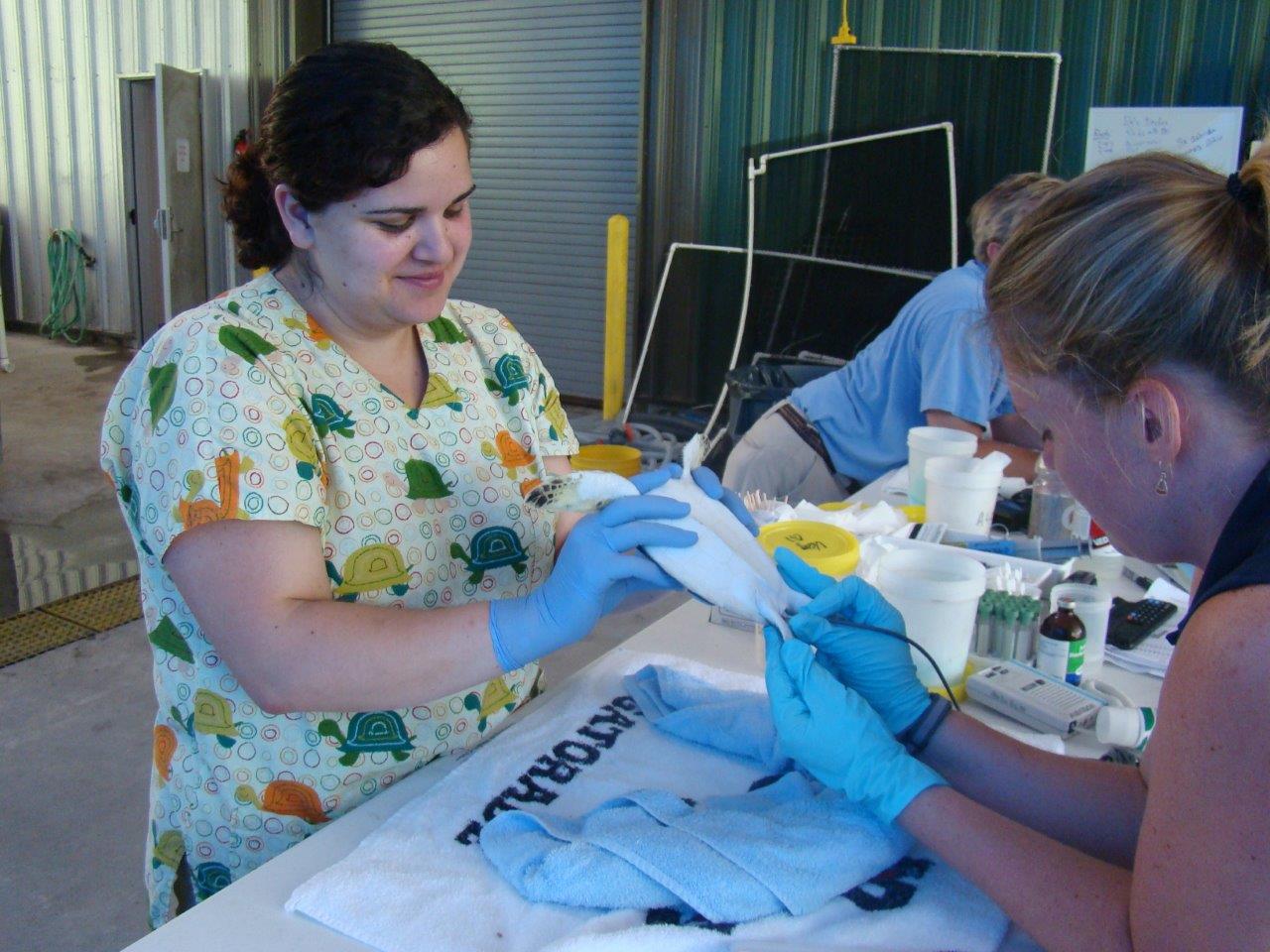
The largest marine oil spill in history took place in the Gulf of Mexico in April 2010 when the Deepwater Horizon oil rig exploded and the BP pipe leaked an estimated 2.2 million gallons of crude oil into the Gulf every day for nearly three months. This oil spill affected 400 different species of wildlife, including 8,000 birds, 1,100 sea turtles and 109 mammals. DZS Veterinary Technician Amanda Dabaldo traveled to New Orleans in July 2010 to assist with the recovery efforts.
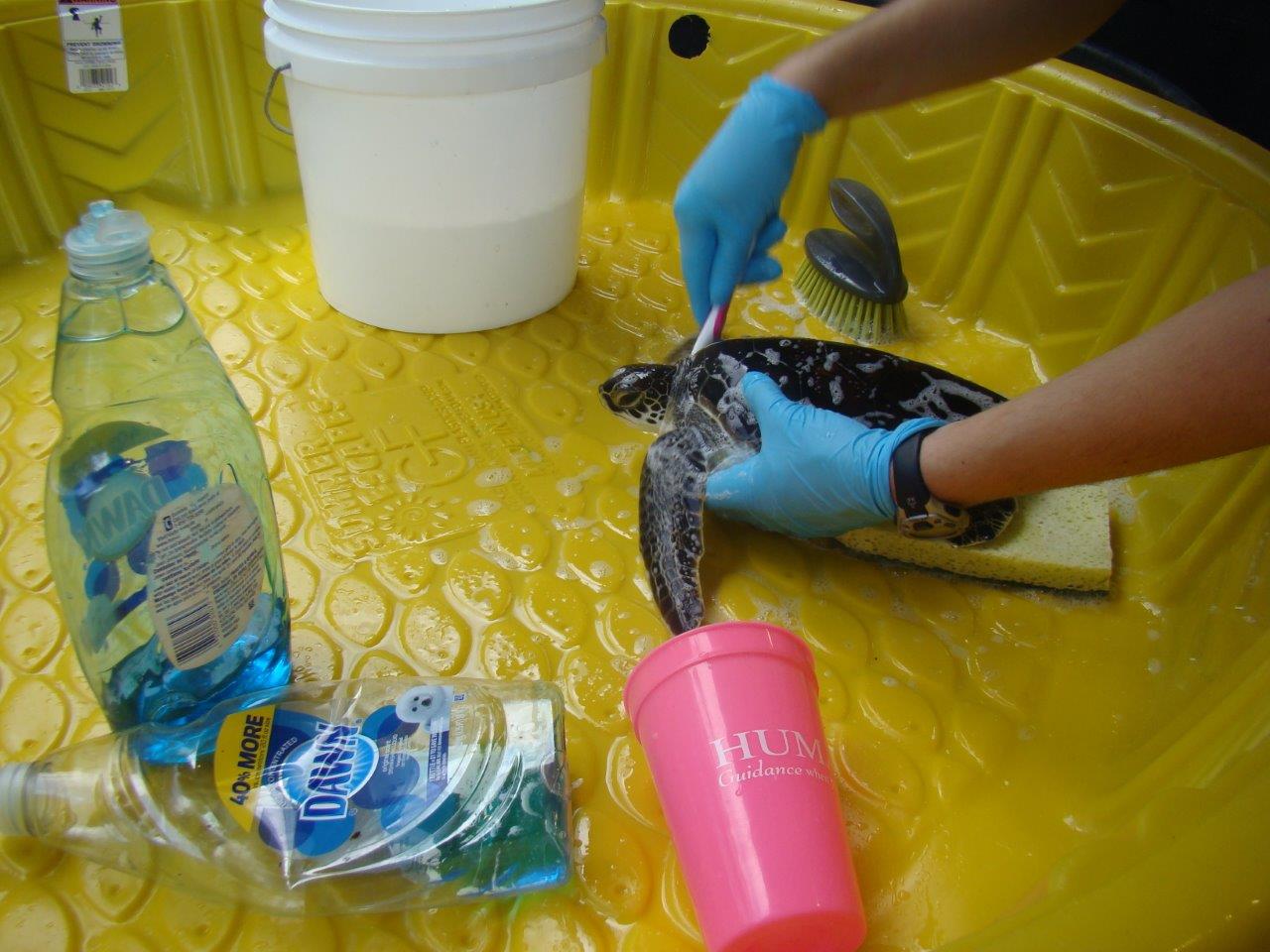
Amanda spent two weeks working with the Audubon Nature Institute providing medical care for more than 140 juvenile sea turtles.
Enbridge
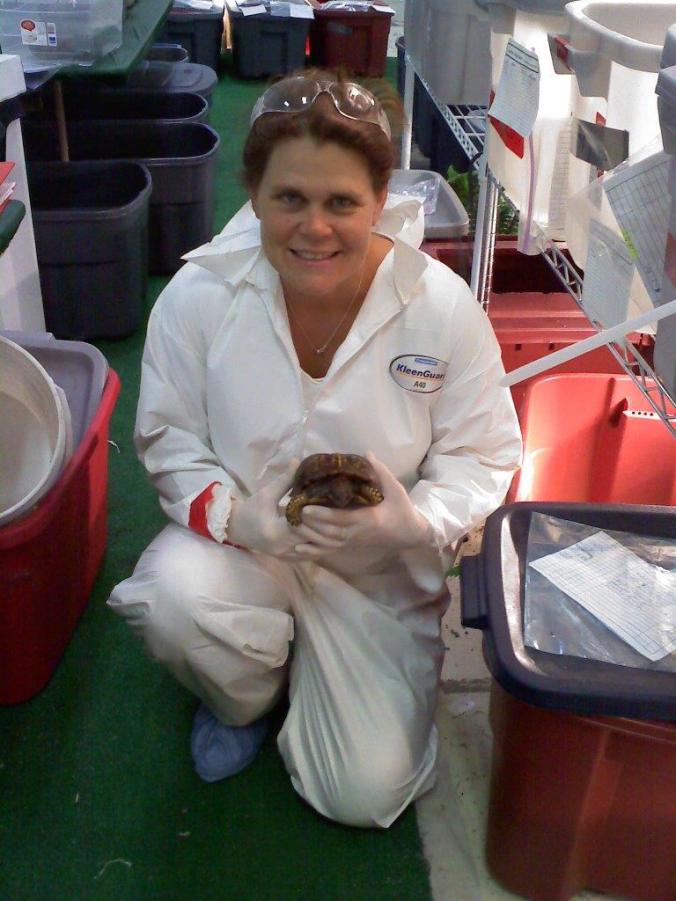
The Enbridge Oil Spill occurred in July 2010, when a broken pipeline leaked oil along 25 miles of river between Marshall and Battle Creek, Mich. An estimated one million gallons of oil affected thousands of animals including birds, mammals and reptiles – turtles were most affected. The Detroit Zoo, along with other AZA zoos including the Toledo Zoo, Binder Park Zoo, Fort Wayne Children’s Zoo, Potter Park Zoo and the John Ball Zoo, partnered with teams such as Focus Wildlife, TriMedia Environmental and Engineering Services LLC, the Michigan Department of Natural Resources and Environment, and the U.S. Fish and Wildlife Service to set up a rehabilitation center in Marshall. Nine DZS staff members spent more than 600 hours between August and October 2010, providing daily care for frogs and turtles.
hazwoper-8

Treasure
In June 2000, the oil freighter Treasure sank off the coast of Cape Town, South Africa and 1,300 tons of fuel oil spilled near the largest colonies of African penguins.
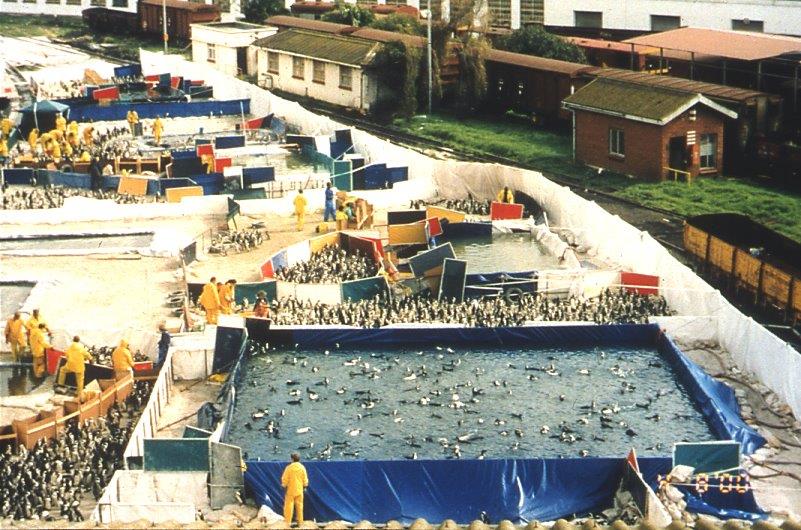
 

Forty percent of the penguin population was affected by this oil spill; 19,000 of the birds had oiled feathers and went through the rehabilitation process, 3,300 chicks that were abandoned were reared and released; and about 19,500 birds were air-lifted and taken several miles up the coast and released.
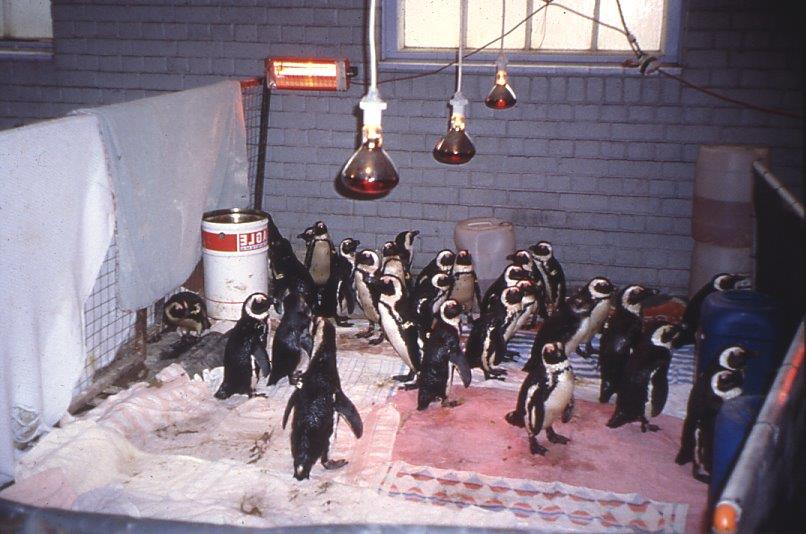
 

Two DZS penguin keepers, Jessica Jozwiak and Bonnie Van Dam each spent three weeks assisting with this project.
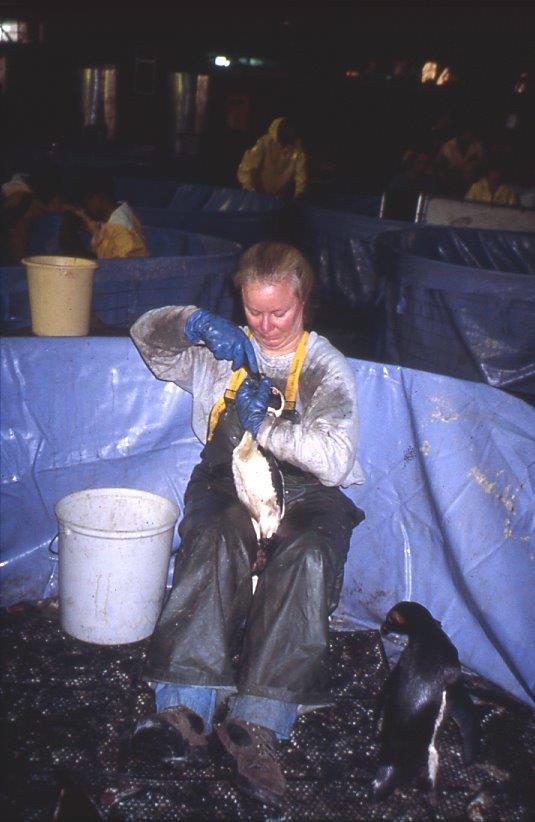
– Bonnie Van Dam is the associate curator of birds for the Detroit Zoological Society.

Animal Welfare: Promoting Natural Foraging Behaviors

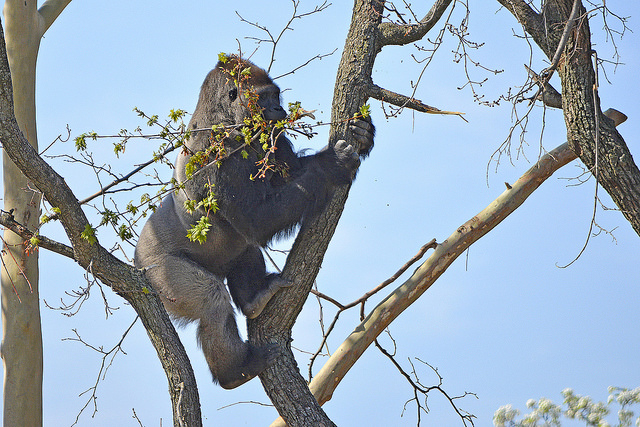
If you’re like me, you enjoy watching the leaves change colors, but maybe not having to rake and bag them! Trees and leaves serve an important purpose at the Detroit Zoo, and in this case, we refer to them as browse. Browse is vegetation such as twigs, young shoots and other fibrous and leafy materials that animals can consume.

Diets for animals living in zoos are formulated in much the same way as for the animals that share our homes.  A lot of research goes into the composition of each diet and ensuring it meets the nutritional requirements of that species.  What the process doesn’t take into consideration is the act of finding, manipulating and processing food to ensure it is ready for consumption.

Adding complexity and opportunities to display species-typical behaviors can contribute towards animals experiencing good welfare.  One method of doing so is through the promotion of natural foraging behaviors. Providing animals with browse is a great way to do this for many species, and this resource helps us create welfare-enhancing opportunities for the animals.

Having fresh browse may seem simple during the spring and summer months, but what about when the leaves start falling?  Several years ago, we worked with a wonderfully supportive local company to procure a commercial freezer at a reduced cost, which allows us to store browse, ensuring a steady supply throughout the winter months.  We have had the assistance of volunteers, including students from Madonna University, who help us with the packing process to make sure we have as much as will fit in the freezer. We also use space in the Zoo’s greenhouses to grow additional plants, such as bamboo.

Although browse is a natural way to encourage foraging behaviors, it can also help to stimulate other behaviors such as nesting, and provides novel elements in an animal’s environment.  These natural elements are important to the animals and further the Detroit Zoological Society’s animal welfare efforts.

– Dr. Stephanie Allard is the director of animal welfare for the Detroit Zoological Society and oversees the Center for Zoo Animal Welfare.

Greenprint: Wild (and Efficient) Lights

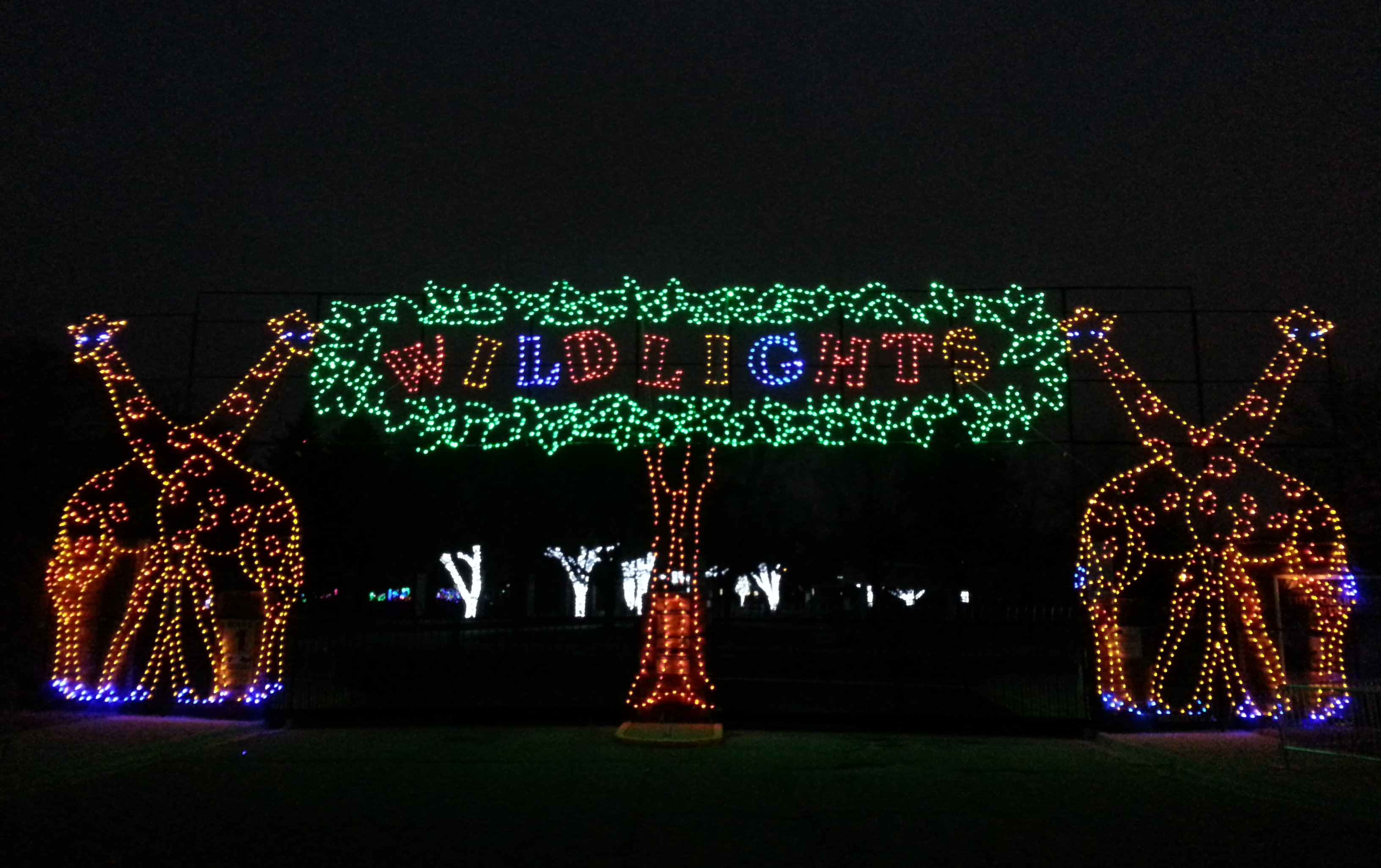
As the holidays draw near, Wild Lights at the Detroit Zoo is now in full glow – more than 5 million LED lights are illuminating buildings, trees and more than 200 animal sculptures in an impressive display over 29 nights.

While this event lights up the night sky, efficient energy use is still paramount at the Detroit Zoo. All of the lights used to decorate the Wild Lights path are light-emitting diodes (LEDs), which consume 80 to 90 percent less energy than incandescent bulbs and last for up to 100,000 hours, versus just 3,000 hours for incandescents. This is a solid economic investment that reduces the amount of energy used, saves money (prices for LEDs have come down in the last couple of years), and their durability leads to a decreased number of holiday lights that end up in landfills.

For those who are considering making the switch, Home Depot and Lowes both offer recycling programs for old holiday lights. In addition, we’re offering an opportunity for Wild Lights attendees to bring in their old lights for recycling in the events pavilion at the Detroit Zoo.

tw_or_holiday_led_light_trade_in

Over the last three years, the Detroit Zoological Society has invested more than $3 million into energy efficiency projects, which results in utility costs savings of nearly $275,000 annually. Most recently, DTE Energy provided the Zoo with an energy-use assessment in order to further explore additional energy-reduction measures.

While Wild Lights uses energy, the LED lighting means it is 80 to 90 percent less wattage than it would with incandescent lighting. This is important because during these shorter, darker days, holiday lights make everything magical and well, brighter!

– Rachel Handbury is the manager of sustainability for the Detroit Zoological Society.

Veterinary Care: Cutting-edge Technologies in Amphibian Conservation

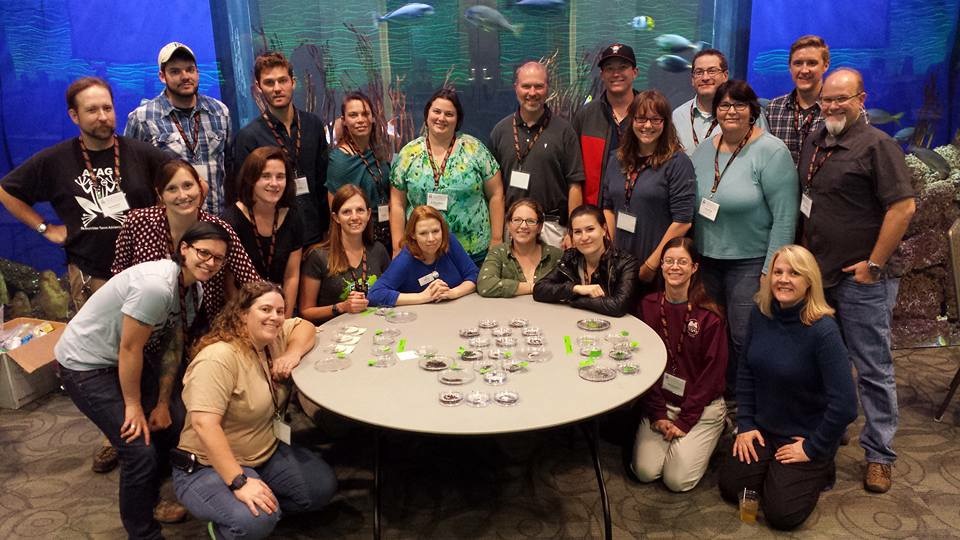
Last week I was able to attend a very exciting advanced conservation training course to learn assisted reproductive technologies (ART) in amphibians. The meeting was hosted by the Omaha Zoo, and was offered by the Amphibian Taxon Advisory Group (ATAG). I was one of a small group of zoo and conservation scientists invited to learn cutting-edge technologies that have the potential to have a tremendous impact on the conservation of endangered amphibians.

At the Detroit Zoo, we’ve been using hormone treatments to help with reproduction in Wyoming toads and Puerto Rican crested toads for more than 10 years. Recently, Dr. Andy Kouba from Mississippi State University has been able to modify these treatments for use in other species, and to develop techniques for collecting eggs and sperm for in-vitro fertilization (IVF). Two years ago, I traveled to his laboratory to learn these techniques for dusky gopher frogs, and within a few months we became the third zoo to reproduce amphibians via IVF.

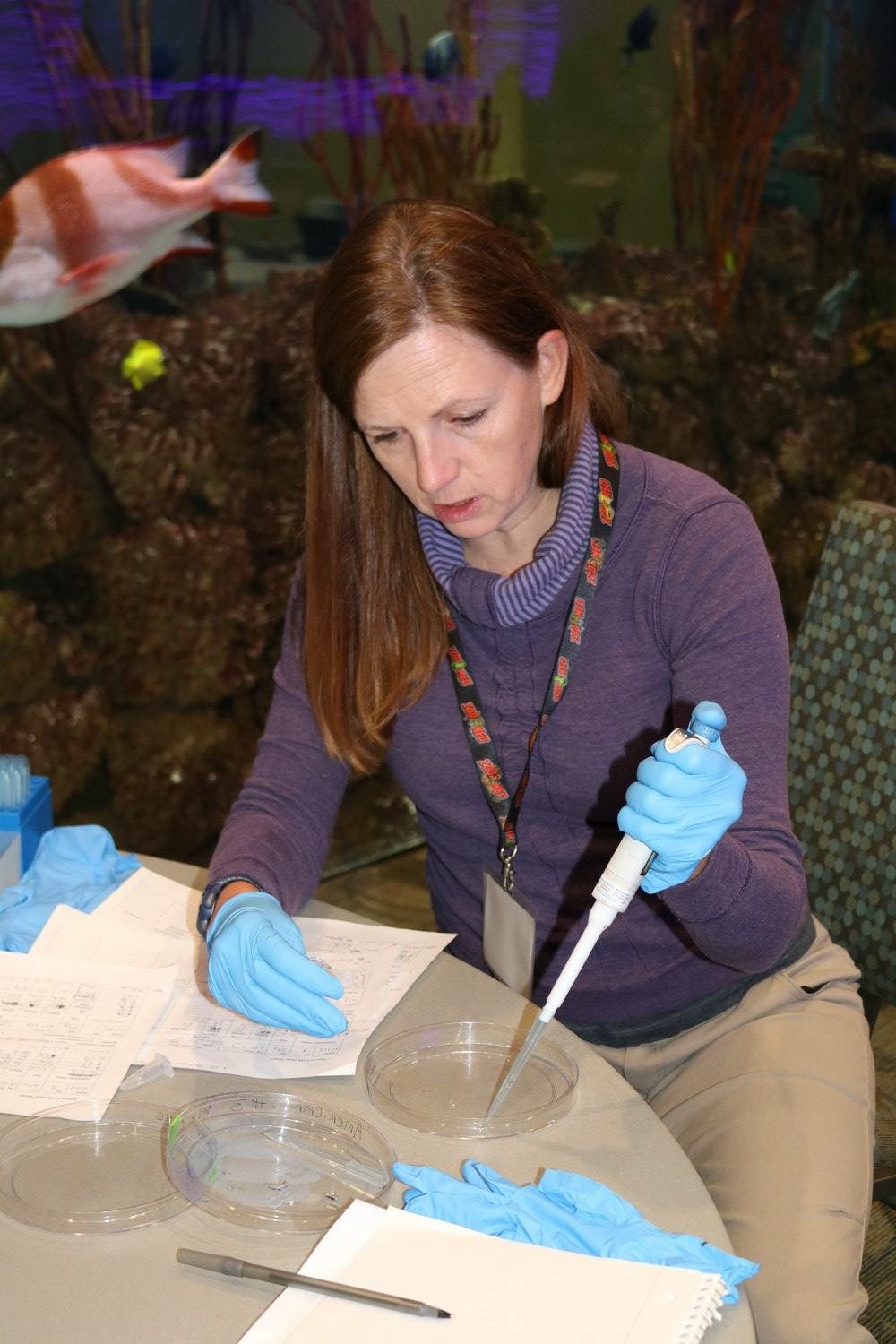
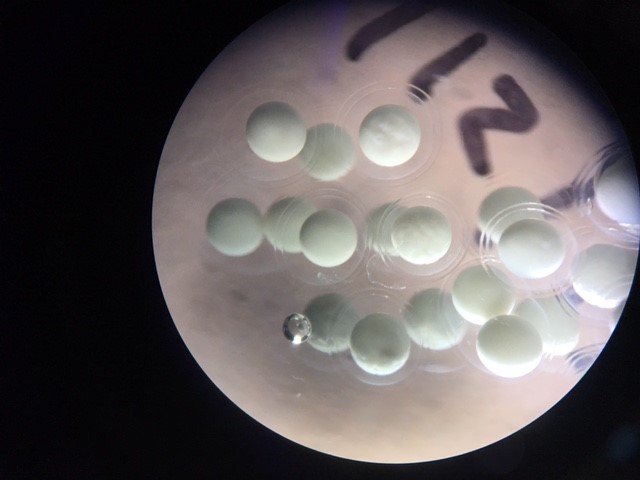
The goal of the ART course was to provide in-depth information concerning reproduction in frogs, toads and salamanders. This course was taught by Dr. Kouba and two of his colleagues, and represented the first time that husbandry staff, veterinarians and conservation researchers have come together to discuss assisted reproductive technologies. The attendees brought together a wealth of knowledge, and experiences working with hellbender salamanders, Chinese giant salamanders, Oregon-spotted frogs and others. We talked about the impacts of hibernation, temperature, humidity and social cues on reproduction, and the challenges we have encountered in the past. We learned about the historic use of hormones in amphibians, and how this information can be adapted to new species. We also learned how to gently collect spermic urine from male amphibians, and to stimulate females to lay eggs. We learned how to examine developing tadpoles under a microscope, and cyroperservation techniques for sperm. We also learned how to use ultrasound to monitor egg development in females. During the week, we put these skills to practice, and were able to produce fertilized eggs from Puerto Rican crested toads, American toads, tiger salamanders and Asian black spiny toads (for the first time!).

At the Detroit Zoo, we have number of very endangered species of amphibians, including some that have never or only rarely reproduced outside of the wild. Over the next few months, we will be able to start using cryopreservation to save genetics from these critically endangered species. The skills learned at the ART course will allow us to continue to be leaders in amphibian conservation, and to hopefully successfully breed Japanese giant salamanders, giant waxy tree frogs, and other endangered species at the National Amphibian Conservation Center.

– Dr. Ann Duncan is the director of animal health for the Detroit Zoological Society and oversees the Ruth Roby Glancy Animal Health Complex.

Greenprint: Anaerobic Digester Nears Completion

The Detroit Zoological Society (DZS) is pioneering an effort to turn waste into energy.

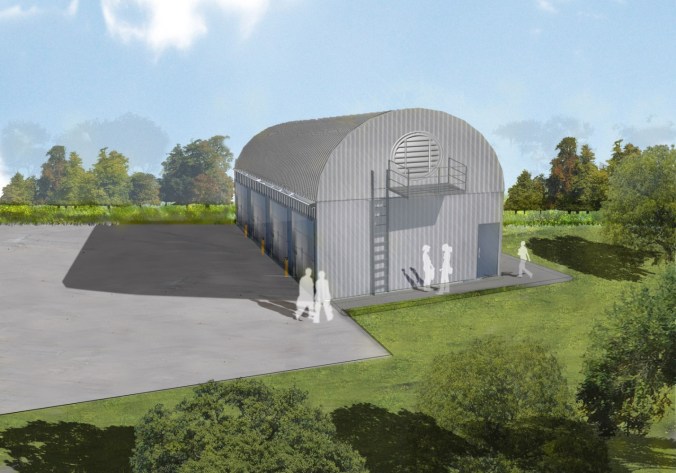
We are nearing completion of construction on our anaerobic digester, a system that will convert more than 400 tons of animal manure into renewable energy to power the Detroit Zoo’s Ruth Roby Glancy Animal Health Complex. The compost byproduct will be used on the gardens throughout the Zoo’s 125 acres, as well as donated to community gardens.

biodigester-rendering-image

No other zoo in the country has an anaerobic digester – the Detroit Zoo is the first to build and implement this system. Thus, a significant amount of research has gone into the planning, design and construction. The DZS has working closely with Michigan State University – graduate students recently completed a survey to determine the biogas potential of animal waste produced at the Zoo, as well as the increase of biogas production with the addition of food scraps. This provides the DZS with a good estimate of future methane generation. Not only is the methane generation great for the Zoo, because we will be able to power the animal hospital with renewable energy; but the methane that would have been released into the environment – which contributes to climate change as a greenhouse gas – will be reduced.


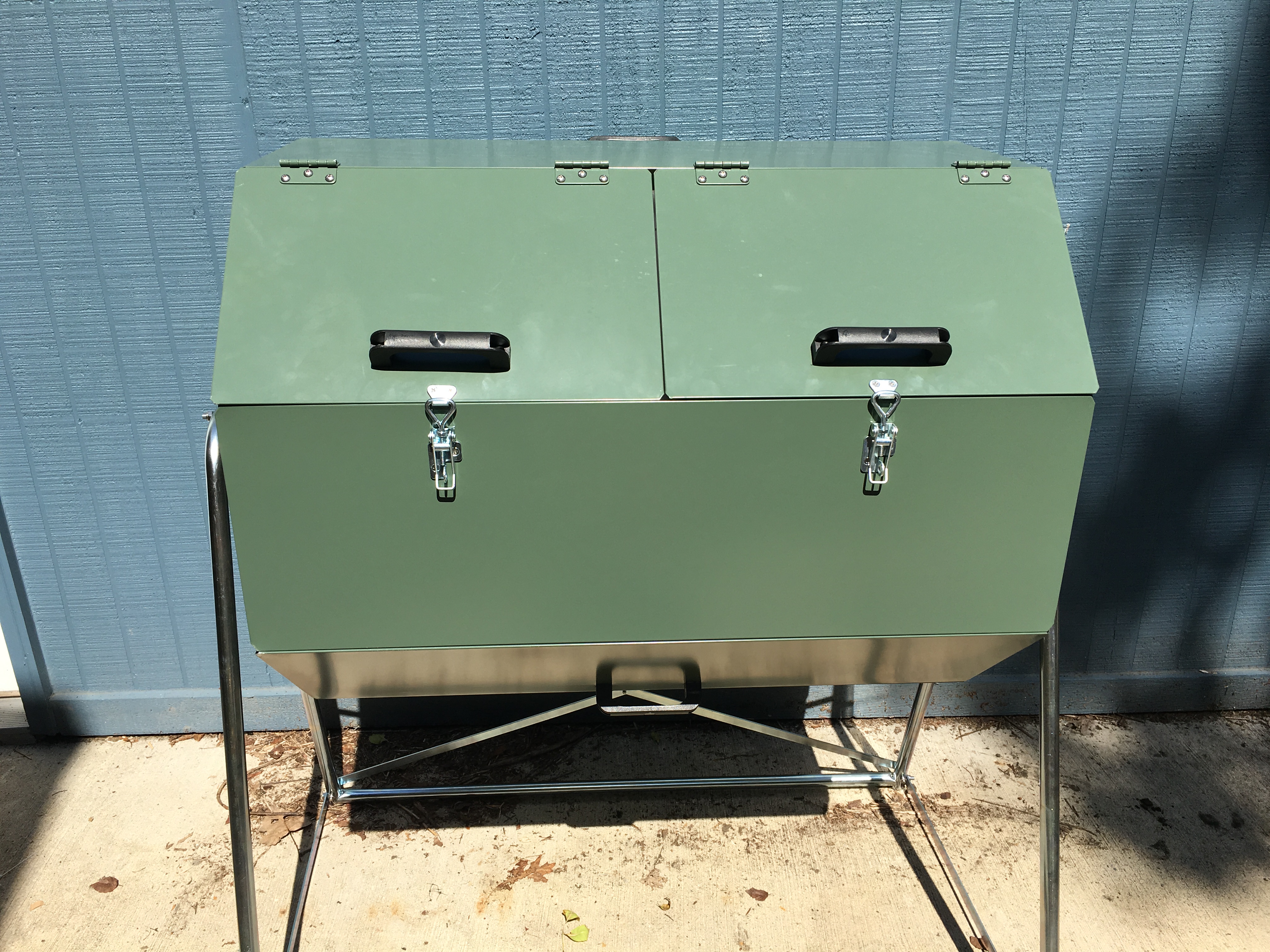
The excitement of composting waste is spreading over the Zoo. Animal care staff at the National Amphibian Conservation Center recently installed a batch-style composter in order to compost amphibian bedding and employee food waste – the resulting product will be used in the gardens surrounding Amphibiville.

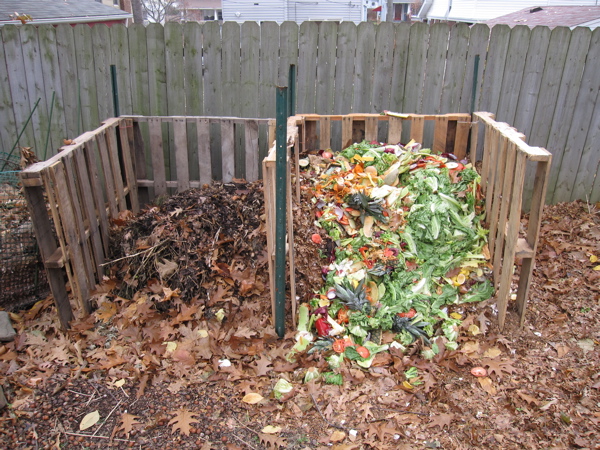
Batch-style composters are relatively inexpensive and can be implemented in most backyards.  Those with large backyards could consider building their own composting area using wood pallets. The EPA offers great tips for composting at home on their website: https://www.epa.gov/recycle/composting-home.

We’d love to hear about your experiences with composting! Share your stories with us in the comments below.

– Rachel Handbury is the manager of sustainability for the Detroit Zoological Society.

Make a Difference at the Zoo

Saturday, October 22 is National Make a Difference Day and we’re celebrating with our incredible volunteer corps at the Detroit Zoo. From 10 a.m. to 2 p.m., guests can take part in a scavenger hunt as well as family-friendly hands-on activities to celebrate how volunteers make a difference at the Zoo.

Make a Difference for Birds

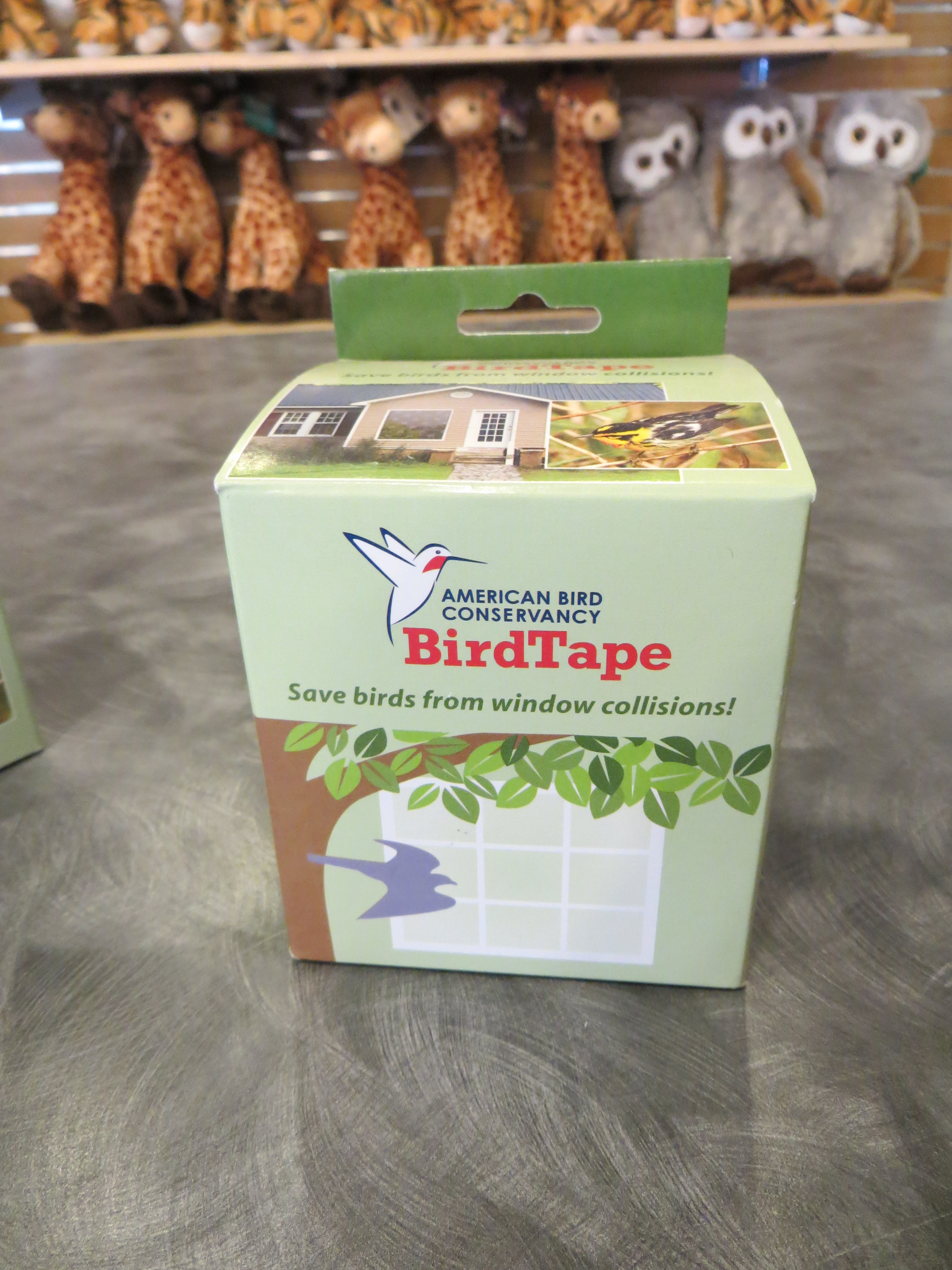
Guests can cut out window decals that help to prevent bird strikes, which kill millions of birds in the U.S. every year. One can be taken home and one will be left for use at the Zoo (while supplies last). Information will be available on other ways to help birds using items such as window tape, screens and paint.

Make a Difference for the Planet

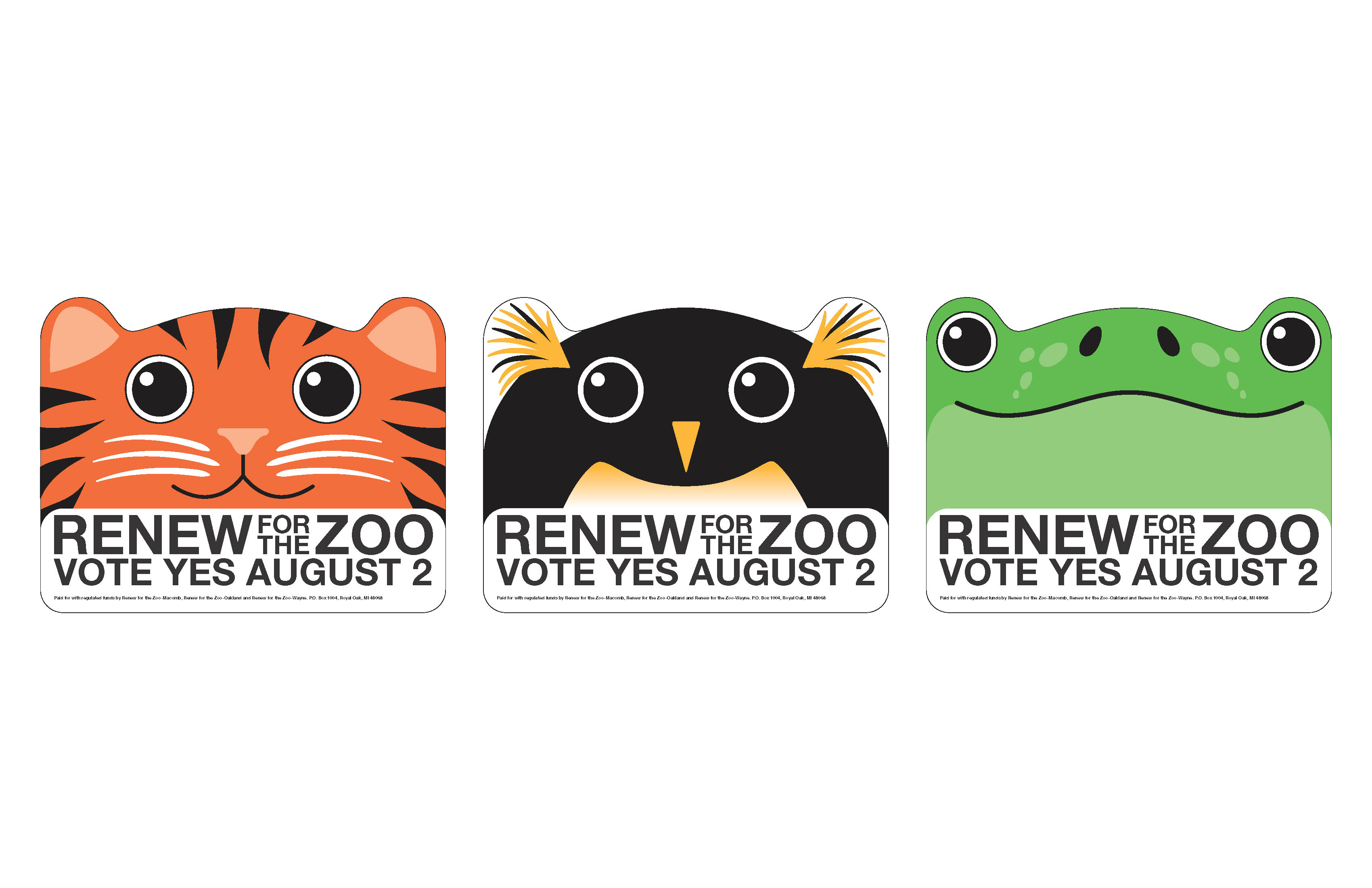
Recycled T-shirts will be available for guests to turn into tote bags. Leftover millage signs (the ones with the cute animal faces) will be available to turn into journal covers, bulletin boards and other creative uses guests can find for them (while supplies last). Recycling plastic materials such as these signs helps keep them from winding up in landfills where they don’t disintegrate.

Volunteer Scavenger Hunt

Upon arriving at the Zoo, guests will be offered to take a “discovery tour”. This tour will direct visitors to locations around the Zoo where they will meet volunteers on duty and learn about what they do. Guests who complete the tour, fill out a form and turn it in at the Ford Education Center will be entered into a drawing for two tickets to Wild Lights – six winners will be drawn at 2 p.m. Guests will also receive a token item for participating. Guests who chose to do so may also include their email address on their scavenger hunt form in order to receive more information about either the teen or adult volunteer programs for Spring 2017. Volunteer Services staff will be on hand to collect the scavenger hunt forms and talk more about volunteer opportunities at the Zoo.

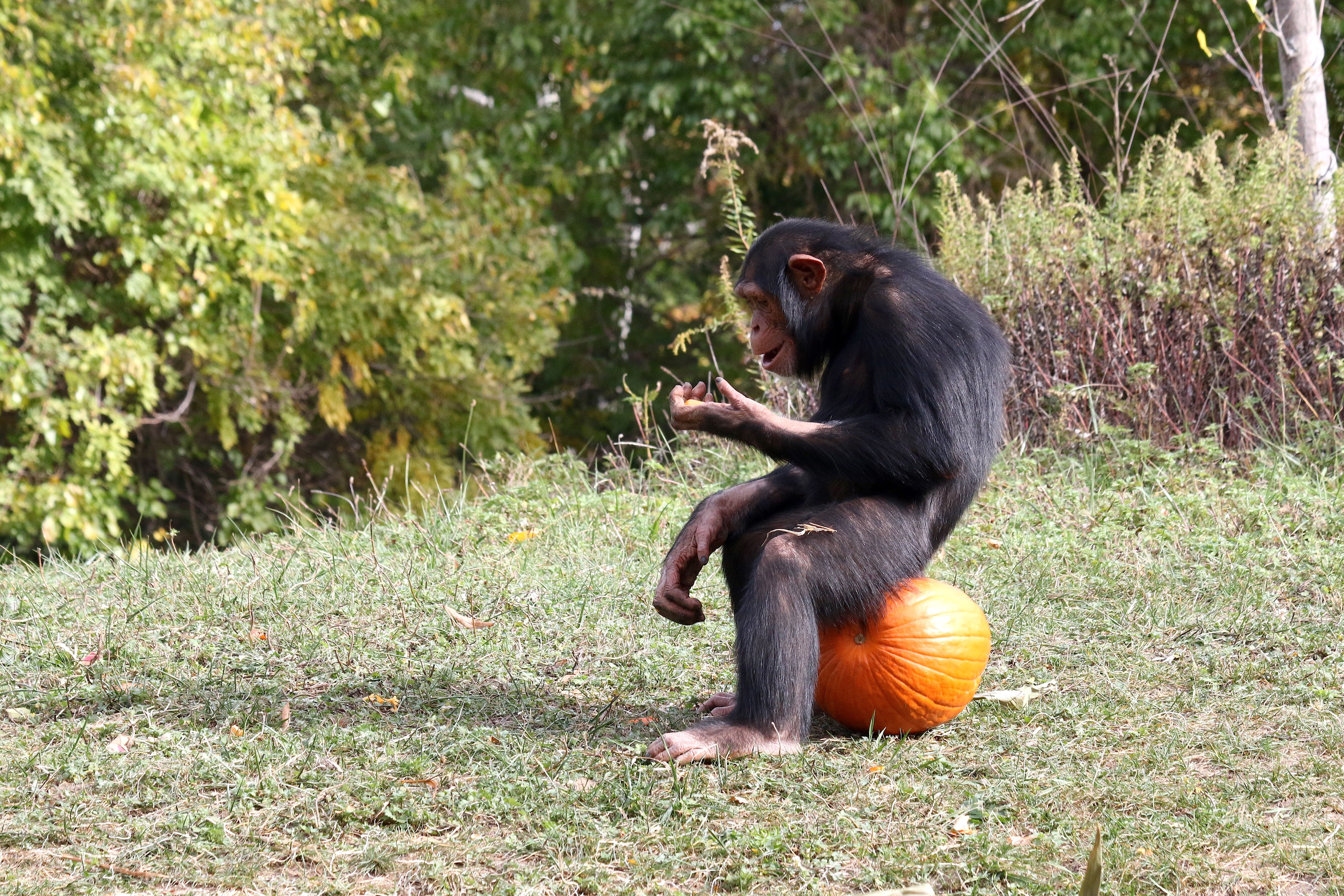
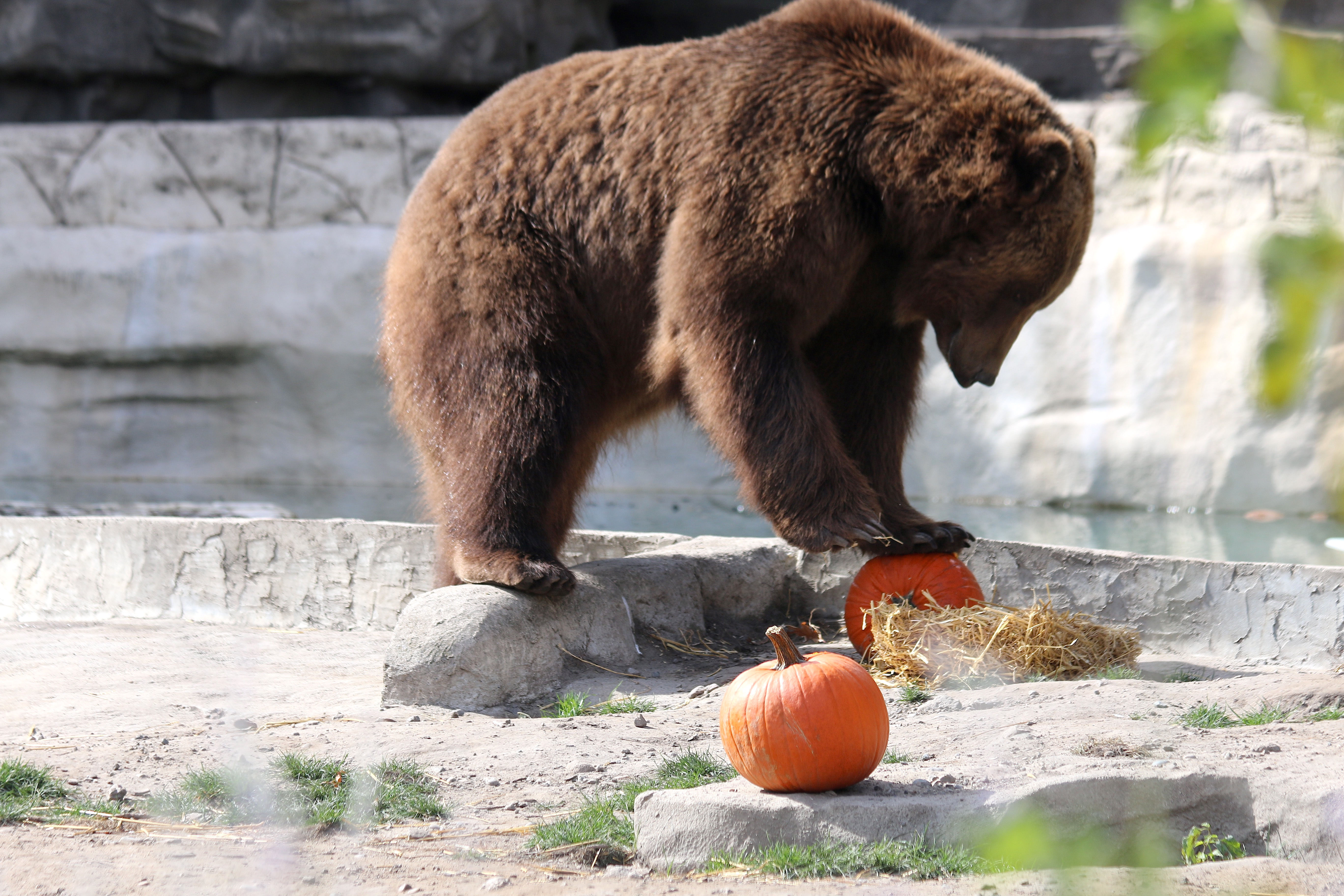
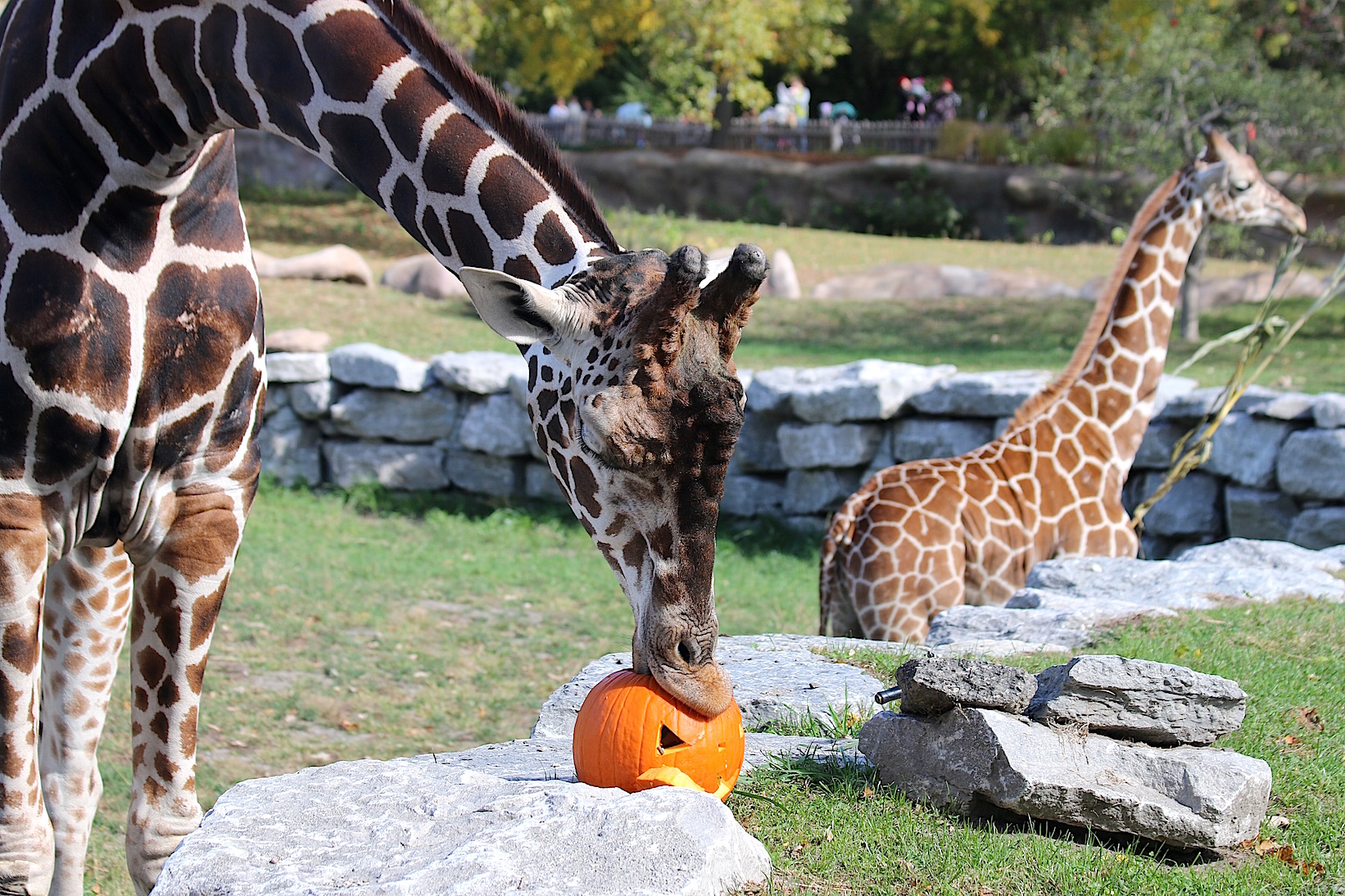
We hope you join us and learn more about our fabulous volunteers and how you too can make a difference! Also taking place this day is our encore Smashing Pumpkins event, when animals including the chimpanzees, polar bears, giraffes and “grizzly boys” are given Halloween goodies to eat, play with, roll around and smash. Learn more and view the schedule here.

Education: Making Less Harmful Choices

Every day we make choices. We decide what to wear, what to eat and which products to use. Each of these actions has an impact with implications we may not immediately think about.

We can consider the impact of our decisions by exploring two questions:

  • What are the effects of this item or activity on animals?
  • Are there any alternatives that may be less harmful or even provide some benefit?

As an example, let’s take a moment to explore coltan. You might not even be aware of its existence, but you likely use it on a daily basis. Coltan, an ore, is an essential component of our smart phones and many other electronic devices that we use, including laptops and game consoles. Unfortunately, the mining of coltan is having devastating effects on the habitat of endangered gorillas and other wildlife living in the Democratic Republic of the Congo (DRC). While it is mined in different areas of the world, a good portion of the world’s reserves are found in and around the DRC.

So what can we do? We can’t avoid using it, but here are a few things to consider:

  • Pass on the opportunity to get a free upgrade unless your cell phone is no longer in good working order
  • Opt to fix your electronics, if possible, rather than buy new
  • Consider buying refurbished electronics
  • Always responsibly recycle your electronics so that the coltan can be used again

When we take a moment to examine the products we’re purchasing, it enables us to make the best choice possible for people, animals and the planet. This enables us to make knowledgeable decisions on how to walk softly and treat the Earth’s creatures gently. Every action we take to help the Earth and its inhabitants is something to be celebrated!

– Lisa Forzley is a curator of education for the Detroit Zoological Society and oversees the Berman Academy for Humane Education.

Animal Welfare: Engaging Animals with Smashing Pumpkins

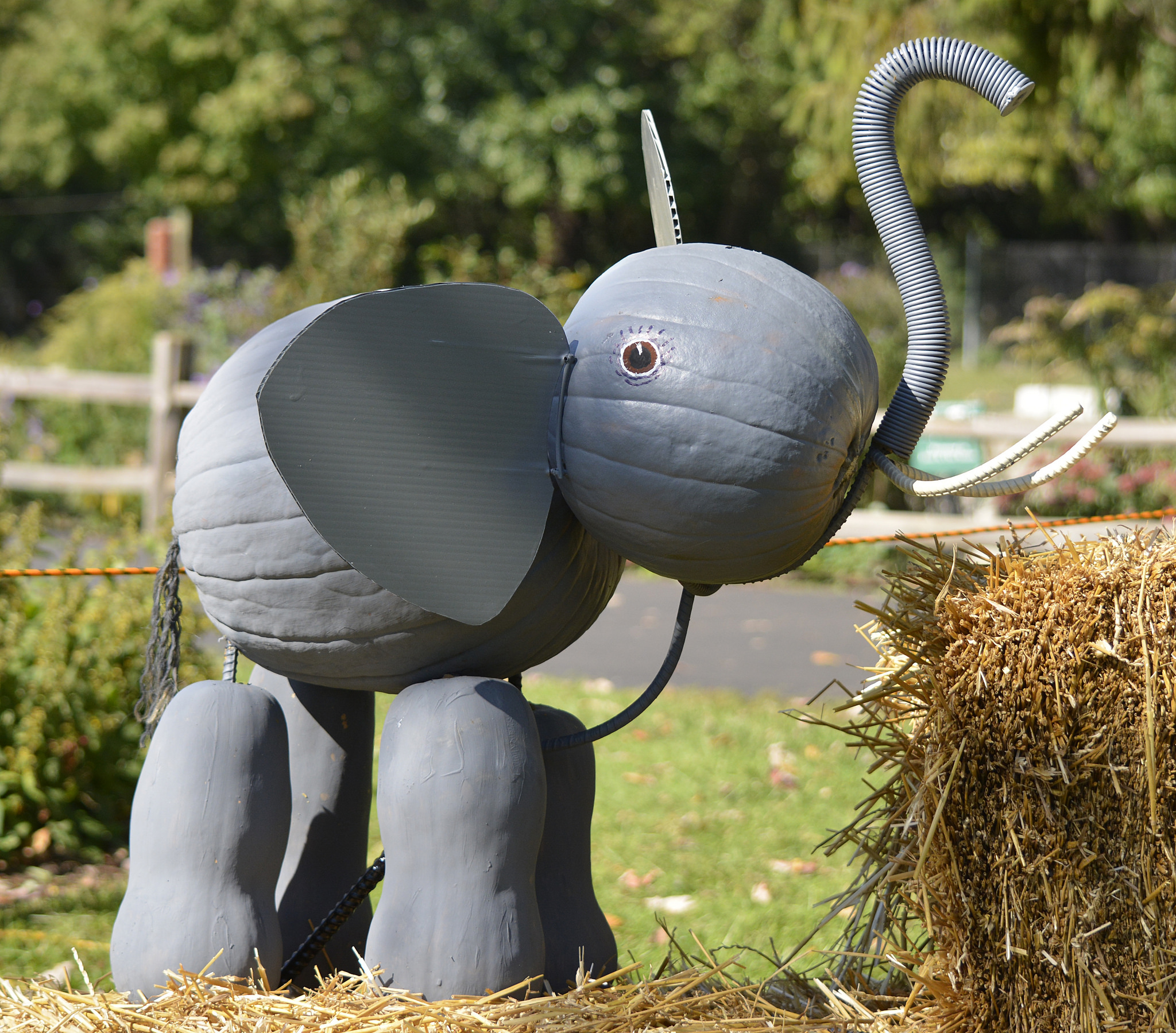
Pumpkins are everywhere this time of year, from front porches to spiced lattes. At the Detroit Zoo, you may notice pumpkins and gourds decorating the grounds, immersing visitors in the feeling of fall and generating excitement for Zoo Boo.

You may also see them in animal habitats, where they serve a different purpose. The Detroit Zoological Society is committed to ensuring that each animal experiences great welfare, and this involves providing animals with engaging and stimulating opportunities. We work hard to create habitats that enable animals to display species-typical behaviors such as foraging for their food. Providing additional opportunities to interact with the environment, referred to as environmental enrichment, is one important part of that work to increase complexity and novelty.

Each animal can choose whether to interact with these features – the ability to make choices is a critical factor in positive welfare. Furthermore, this can result in a greater diversity of behaviors, another indicator of positive welfare. Pumpkins are given out whole or are carved to hide other edible items, and placed in different locations for various species, all depending on the behaviors we are trying to encourage. While pumpkins and other seasonal items are a fun way to accomplish this during the Halloween season, the animals residing at the Detroit Zoo are provided with enriching activities daily by their dedicated zookeepers.

The public is invited to share in this experience and observe the animals eating, playing with, tearing apart and smashing their seasonal goodies during Smashing Pumpkins on Wednesday, October 12 and Saturday, October 22.


– Dr. Stephanie Allard is the director of animal welfare for the Detroit Zoological Society and oversees the Center for Zoo Animal Welfare.

Animal Welfare: Workshop Draws Zoo Staff from Around the Globe

In many parts of the world, October means the start of cooler weather and fall celebrations. For the staff of the Detroit Zoo’s Center for Zoo Animal Welfare, it also means the arrival of participants in our annual workshop, “From Good Care to Great Welfare”. This year marks the fifth time we have held the workshop and this time around, we are joined by animal care professionals from the U.S., Montreal, Guatemala and Singapore.

We are spending five days discussing what animal welfare is, and how to assess and improve it in zoos.  The central theme of better understanding how animals in zoos and aquariums experience the world is woven through the lectures, activities and projects.

This message is key, as providing animals with what they need to thrive is dependent on each individual’s perception of their environment, both social and physical. We must create an awareness of the sensory abilities of other species, how environmental factors impact them, and the responsibility we all have to ensuring positive animal welfare.

The workshop is an exciting time for all of us, as we get to know people from around the globe committed to advancing animal welfare and as a result, enhance our own ability to impact the wellbeing of animals living in zoos and aquariums.

– Dr. Stephanie Allard is the director of animal welfare for the Detroit Zoological Society and oversees the Center for Zoo Animal Welfare.

String Holiday Lights Like a Pro

Looking to hang your lights like an expert this holiday season? Take a cue from the man who strings millions every year at the Detroit Zoo. Steven Greening, technical supervisor for the Detroit Zoological Society, leads the team that sets up more than five million LED lights in preparation for Wild Lights at the Detroit Zoo. Buildings, trees and more than 200 animal sculptures become illuminated as a spectacular holiday treat for hundreds of thousands of guests during 29 nights in November and December.

While lighting up the Zoo is far more intensive than decorating the average home – Steven’s team began their work in August – the tips he shares can apply to anybody, no matter the scale.

  • Stretch out light strands before hanging them. This allows the wires to naturally unwind and unkink, and ensures that the lights stay in place all season.
  • Mix white lights and colorful lights. Eye-catching white lights can be used to emphasize certain features in a landscape. Steven suggests buying the same color lights from the same source, as LED bulb colors can vary greatly between manufacturers.
  • Keep tension on light strands when wrapping tree trunks and limbs. When the temperature changes, loosely-wrapped wires can fall and look messy. Keep the spacing even and maintain it over the whole tree.
  • Reach new heights. Attach a BBQ fork to the end of an extendable painter’s pole to help reach tree canopies without using a ladder.
  • Maximize the space. If your existing landscaping includes lights aimed at bushes or trees, try using colored bulbs or lenses that match the holiday lights used. It will make the trees or bushes look fuller without using as many lights.
  • Most importantly, always follow safe practices on ladders and roofs. Don’t use staples to attach lights, don’t overload circuits and keep all electrical connections dry. Be sure lights are plugged in to a grounded outlet.

Wild Lights at the Detroit Zoo will be held from 5:30 to 9 p.m. on November 18-20 and 25-27; and December 1-4, 8-11, 15-23, and 26-31. Tickets are $10 in advance or $13 at the gate and will be available online for Members starting on October 1 and for the general public starting on October 15 at http://detroitzoo.org/events/zoo-events/wild-lights.

Carousel rides and photos with Santa Claus will be available for purchase, and a 10-minute adaptation of the animated classic Rudolph the Red-Nosed Reindeer will be featured at the Wild Adventure Zone 4-D Theater. This film will only be played during Wild Lights and tickets are $5 per person, ages 2 and up. In addition, the Wildlife Photographer of the Year exhibition will be on display in the Ford Education Center.

rudolph