Education: Adopt-A-School in Peru

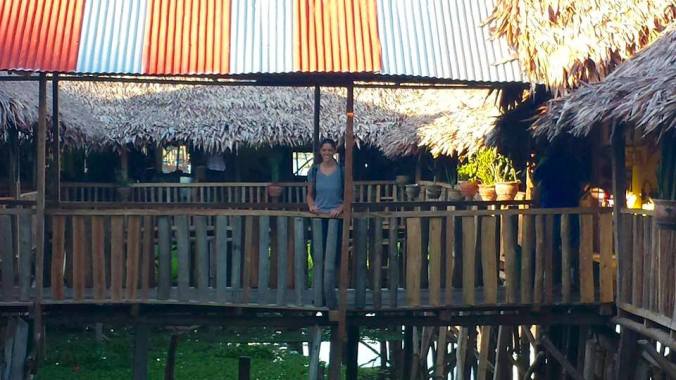
Most days don’t start with a walk through a construction site and a “mototaxi” ride to get into the office, but today it did. It also included watching an iguana outside of the office window as it rested against the tree branch soaking in the Amazonian heat.

Currently, I am in Iquitos, Peru, preparing for evaluations in 53 rural communities along the Amazon and Napo Rivers. This is part of our Adopt-A-School program that the Detroit Zoological Society (DZS) supports in conjunction with an organization called Conservacion de la Naturaleza Amazonica del Peru, A.C. (CONAPAC), based out of Iquitos.
carla

We work together to bring conservation awareness to these communities as well as provide opportunities for education. Each spring, the DZS leads groups of volunteers down to Peru to deliver school supplies to these communities. In the fall, as the schools wrap up their school year, we send DZS staff to attend these evaluations to check in with communities on how well they are using their supplies, how well the students are learning and how well they are maintaining the environment around their communities. That’s what DZS Education Specialist Adam Dewey and I are here to accomplish.

Although I’ve attended the school deliveries in the past, this is my first opportunity to be here for the evaluation component. I’m looking forward to seeing what the communities look like without the festivities that the school supply deliveries bring. We will see students in school, see how they learn and all that they’ve been able to accomplish this past year. We will talk with leaders within the program to see how well they’ve maintained and supported the service projects that have been completed within their communities. We will also see the new water filtration systems in use in each of the schools. Clean drinking water has been an additional project for CONAPAC, and one that has helped to keep children in these communities healthy, so I am especially looking forward to seeing this in action.

Soon, we will be heading down the river to rustic lodges in beautifully remote areas, where hot water isn’t an option, and electricity is only found in the dining hall. I am looking forward to being immersed in the rainforest for the next two weeks, spending time in these communities and visiting with the amazing people that live here. Check back soon to hear more about the program and our upcoming adventures in the communities!

– Carla Van Kampen is a curator of education for the Detroit Zoological Society.
Animal Welfare: Using Infrared Thermography to Assess Well-Being

It is hard enough for us, as humans, to understand how others are feeling. But imagine how difficult it is for us to know how animals are experiencing the world around them from an emotional standpoint. Other species perceive the world very differently than we do and cannot communicate with us using words.

Finding new ways to assess the emotional lives of animals is critical to advancing our understanding of animal welfare. It is also incredibly important to develop methods that are non-invasive, thereby not affecting the animals during the process. Infrared thermography is a potential way for us to do this.

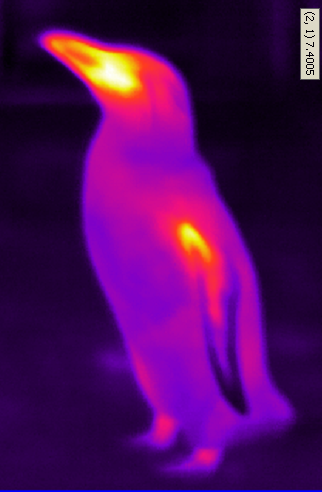
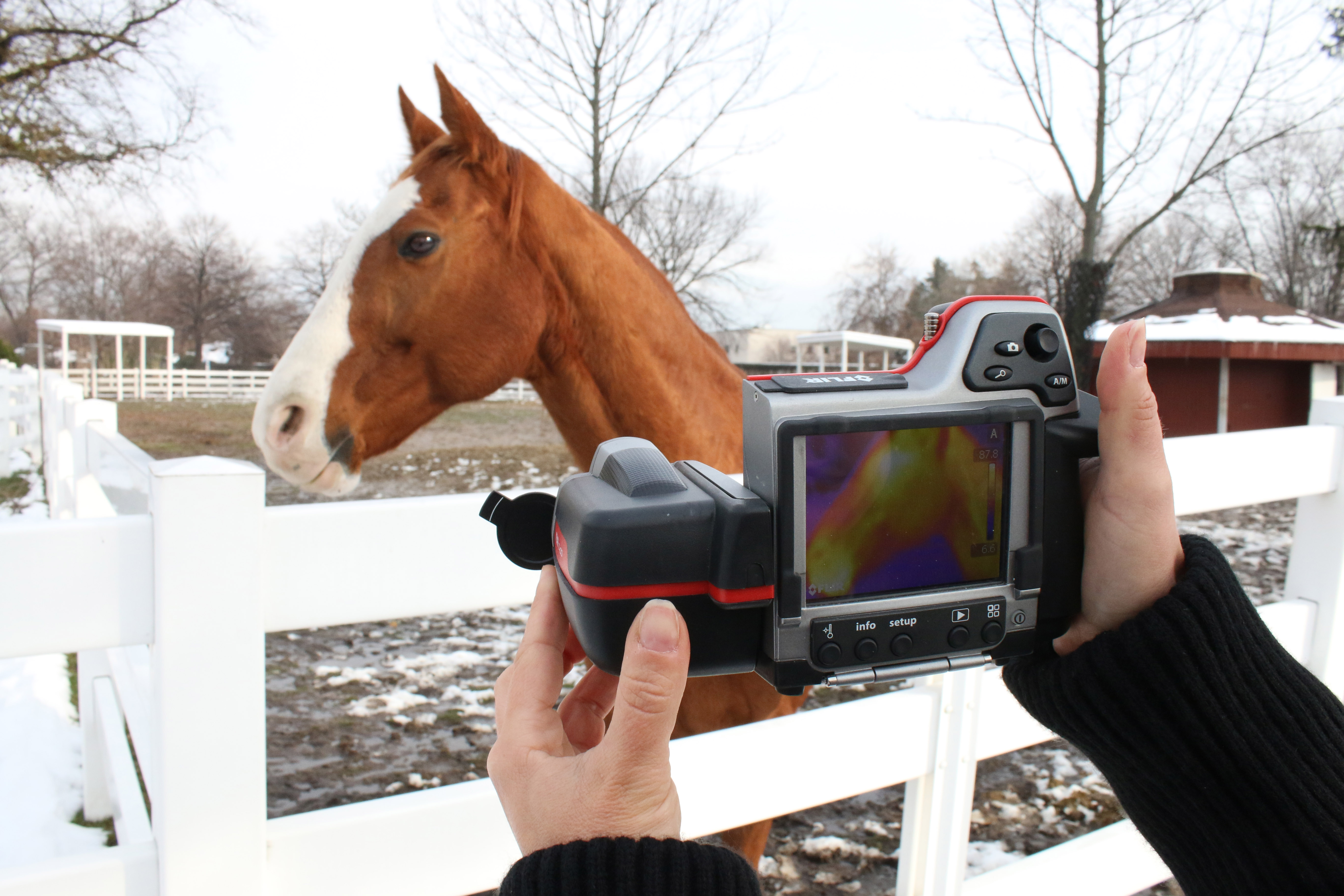
Infrared thermography (IRT) is technology that uses a camera to remotely measure the temperature of an object. The images, called thermograms, show different colors to represent various temperatures, and this allows measurement to be taken without having to touch the object. It has been used in a variety of ways including in buildings and in diagnostic medicine in both humans and animals. Some scientists have also been using it to help assess aspects of animal welfare.

Animal welfare encompasses the physical, psychological and emotional experience of an animal. It is important to use measures that look at all of those components to understand how an individual animal is faring. The body’s response to certain things, such as stress and positive experiences, can have an impact on temperature. This means that in some cases, changes in the temperature of body parts, such as the eyes, can tell us how an animal is responding to an event.

– Dr. Stephanie Allard is the director of animal welfare for the Detroit Zoological Society and oversees the Center for Zoo Animal Welfare.


Greenprint: Upcycling Straw to Save Dogs in Detroit

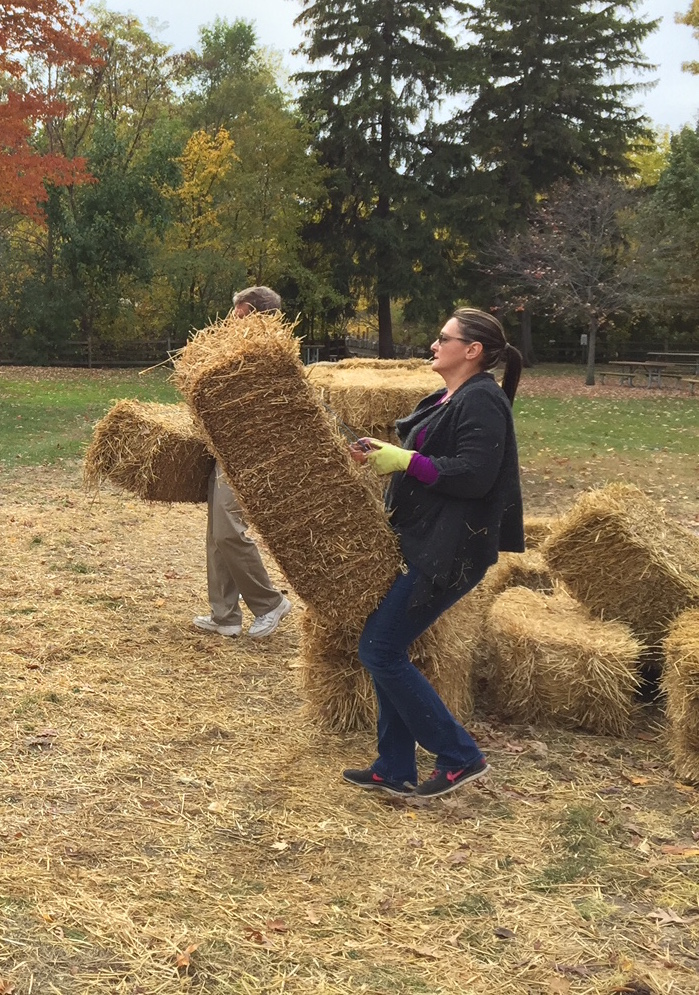
For the third year in a row, the Detroit Zoo’s Green Team has partnered with a Detroit dog rescue called C.H.A.I.N.E.D. (Continue Helping Animals in Need & Educating Dog owners) to upcycle bales of straw from our annual Halloween celebration, Zoo Boo. This year, we also began a partnership with Dog Aid. We donated more than 150 dry bales of straw to these organizations this week, which will be used throughout the winter to insulate outdoor shelters for dogs left outside by their owners.

Both organizations also take the time to properly educate pet owners on the risk of leaving pets outdoors in the winter, and in some cases they will rescue animals they believe are in dangerous situations.

By simply donating these bales of straw for reuse, the Zoo is greatly extending the useful life of this material, while potentially saving a dog’s life. Additionally, C.H.A.I.N.E.D and Dog Aid are able to redirect the approximately $700 they are saving on straw between them that can be used to purchase other supplies, such as dog food.

In addition, the Zoo donated any remaining bales of straw that might have been exposed to the elements to Detroit Dirt for composting.

This effort reduces waste while also educating the public, both of which are elements of our Greenprint initiative. Among the many steps on our Green Journey, the Zoo has a bold goal to be zero waste by 2020. We are continuing to develop important partnerships like these in order to be successful on our journey.

We would love to know how you’re upcycling fall decorations at your house. Follow the Detroit Zoo on Pinterest to learn more about the different ways to upcycle, such as turning your fall pumpkins into birdfeeders.

– Beth Wallace is the manager of sustainability for the Detroit Zoological Society.

Education: Humane Horticulture with Children’s Village

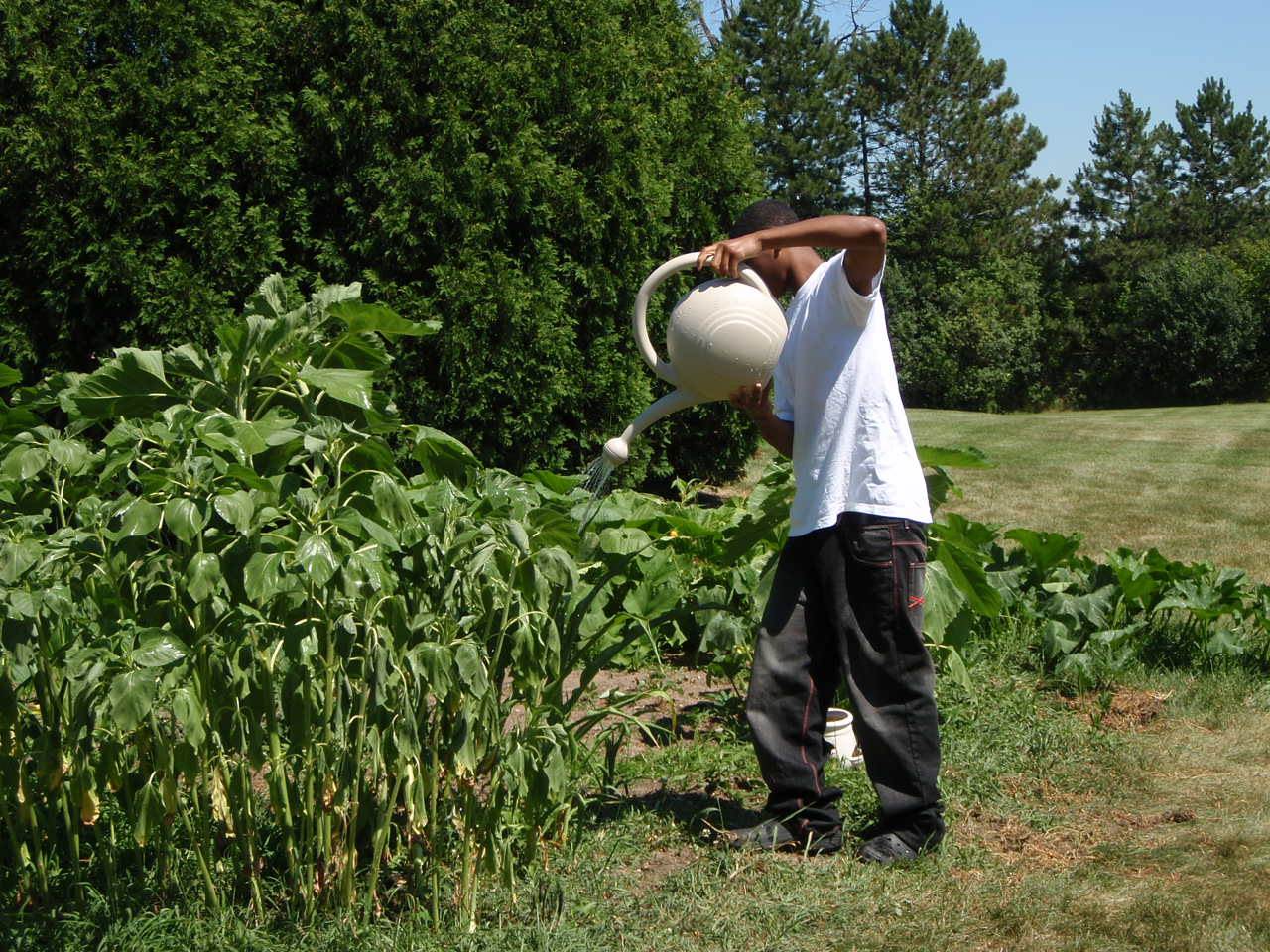
For more than six years, the Detroit Zoological Society’s Berman Academy for Humane Education has led a gardening program with Oakland County Children’s Village that helps to instill reverence and respect for wildlife and wild places with the 12-17-year-old boys residing there. Children’s Village provides a safe, structured environment for youth that includes secure detention, residential treatment and shelter care services. While there are approximately 16 to 20 teens that participate in the garden program at any given time, the resident population changes regularly, so we’ve had the opportunity to work with hundreds of boys through the course of this program.

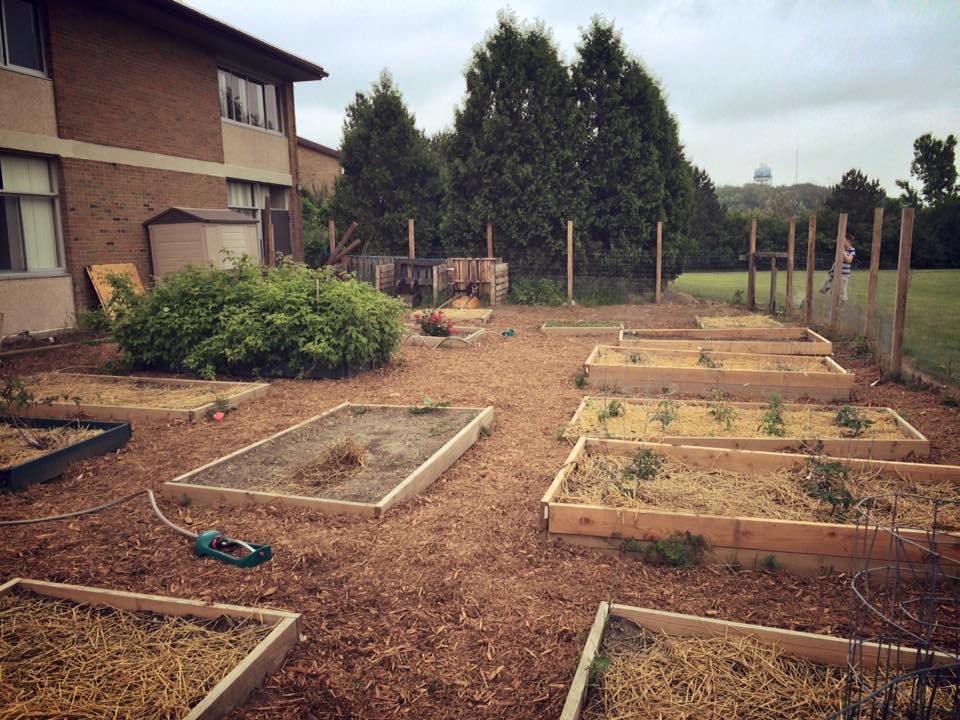
The boys implement the garden from start to finish, and I work right alongside them with Claire Lannoye-Hall, a DZS curator of education. We incorporate a number of projects throughout the year, in addition to cultivating a fruitful harvest. A lot of emphasis is placed on how we can humanely interact with the wildlife that we find in and around the garden, which includes implementing measures that humanely deter wildlife from eating our cherished produce. For example, we’ve built a fence, made wind chimes out of discarded DVDs, and used cayenne pepper flakes to discourage the resident groundhog from nibbling on our plants. The young gardeners learn to avoid some conventional deterrents that are not humane, like predator urines for example, as the urine is often harvested from animals that reside on fur farms in deplorable conditions.

While this program mainly takes place in the summer months, we still visit the boys on a regular basis throughout the rest of the year. It’s important for us to have a consistent presence – for the boys to know that they can depend on us showing up. One of our favorite winter projects is making fleece toys for dogs that reside in local shelters. After the boys finish, I deliver the toys and take pictures of the dogs having fun with their new playthings. The boys take great delight in seeing the pictures and knowing they’ve brought some joy to these pups. Another project we’ve done for the past few years is making Valentine’s Day cards for pediatric patients at Children’s Hospital of Michigan, using pressed flowers from our garden. It’s quite heartwarming to see how thoughtful the boys are when crafting their messages and designing the cards. Our projects are often centered around being kind to others, as there’s research that shows when you’re kind to someone else, it helps to foster empathy within.

One of our favorite projects is our photography project in which the boys take pictures of the garden and surrounding area. It’s amazing to see them take a picture of a bee resting on a sunflower that they’ve planted from seed or a tiny tree frog climbing on the side of a raised bed that they made with their own hands. There’s a lot of delight and wonder that comes from observing nature from behind the lens of a camera.

As you can imagine, our garden program is always one of the highlights of my week. I look forward to see how it continues to unfold in years to come.

Lisa Forzley is the humane education manager for the Detroit Zoological Society and oversees the Berman Academy for Humane Education.

Greenprint: Becoming a Zero-Waste Organization

The Detroit Zoological Society (DZS) is gearing up for our ambitious goal of becoming a zero-waste organization by 2020! We are currently performing waste and recycling audits to have a better understanding on where we stand. This process is causing us to re-think our consumption and how we can develop a more closed-loop approach, which means that zero waste is created.

One major challenge we will have here at the Detroit Zoo is trying to get our 1.3 million visitors on board with this effort. There’s no better way to do that than to share the new five “R’s”, which is the brainchild of Zero Waste Home.

  • REFUSE – Start by evaluating the items you consume and if they are truly needed – things like bottled water, plastic bags, and paper towels/napkins at home.
  • REDUCE – Purchase goods only when absolutely necessary. At the Zoo we’re replacing less sustainable lighting with LED lighting, which helps us with energy costs, but also reduces the quantity of light bulbs we use.
  • REUSE – Find a creative second life for as many items as possible, even if it’s something that is easy to recycle. It’s always better to reuse a product first – Pinterest has a treasure-trove of ideas for upcycling, many of which are fun for kids.
  • RECYCLE – Always recycle plastic, metal, paper and glass. If you don’t have a curbside option, the state of Michigan has a resource for drop-off locations near you. In addition, recycling and donation bins are popping up all across the state for clothing, books, and even electronics recycling.
  • ROT – Ask your neighborhood recycler if they have composting available or start a compost pile in your backyard.

One extra “R” developed by the DZS Greenprint is REPLENISH — find ways to give back. This could involve anything from joining an adopt-a-beach program or volunteering to help an environmental nonprofit. You can also donate to the Detroit Zoological Society to support our mission of Celebrating and Saving Wildlife.

Join us on our Green journey!

Beth Wallace is the manager of sustainability for the Detroit Zoological Society.

Greenprint: Detroit Zoo is the Greenest Zoo

This year, the Detroit Zoological Society (DZS) celebrated its 13th year of strategic planning around green efforts. Lucky 13 has proven to be our year, as we’ve just been awarded the 2015 Green Award – top honors – by the Association of Zoos & Aquariums for our sustainability initiatives. This national award recognizes that being green also makes good business practice and directly contributes to the conservation of the natural world.

This honor came on the heels of the DZS completing our bottled water phase-out effort, which is helping to keep more than 60,000 single-use plastic bottles out of landfills and the environment. Over the last three years, the DZS has also invested more than $3 million into energy efficiency projects, which results in utility costs savings of nearly $275,000 annually.

The year ahead is even more exciting as we are currently breaking ground to build the first dry biodigester in Michigan, and the first zoo-based system in the country. This biodigester will compost more than 400 tons of animal waste and organic food waste while capturing methane to be used as a renewable energy source to help power the Zoo’s animal hospital.

We are also getting our feet wet (or in this case keeping them dry) with permeable pavement sidewalks and parking lots, which diverts storm water from our sewer systems to prevent flooding and sewer overflows into our rivers and lakes.

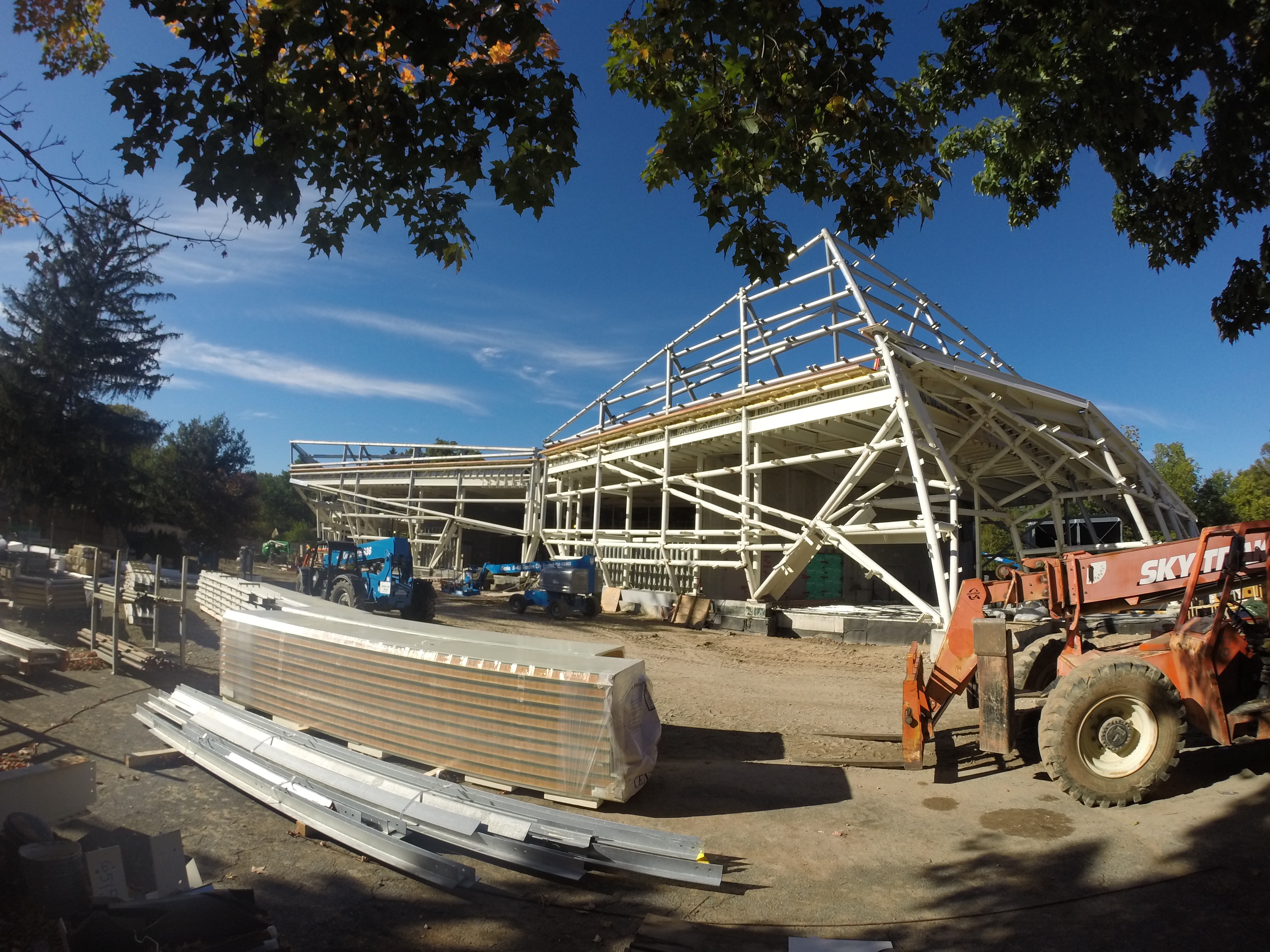
And perhaps most exciting, we will open the new Polk Penguin Conservation Center in early 2016, which will represent our most sustainable construction work to date and will provide more than 80 penguins of four species with a state-of-the-art habitat while creating a critical discussion around climate change. The entire building is being designed to meet goals of LEED and components of the Living Building Challenge, with renewable and recycled materials, daylight harvesting through solar tubes, as well as water filtration systems helping us reach net-zero water use.

Join us on our Green Journey!

Beth Wallace is the manager of sustainability for the Detroit Zoological Society.

Animal Welfare: What is a Warthog Thinking?

The Detroit Zoological Society’s Center for Zoo Animal Welfare (CZAW) has been hosting workshops to train other professionals around the world to assess and improve animal welfare each year since 2012. In that time, more than 50 people have come to the Detroit Zoo to learn more about the ways in which animals are impacted by living in captive settings, and how to address the challenges they face. This year is no different. Another class is here spending five days with us and participating in lectures, discussions, group projects and exercises in the Zoo.

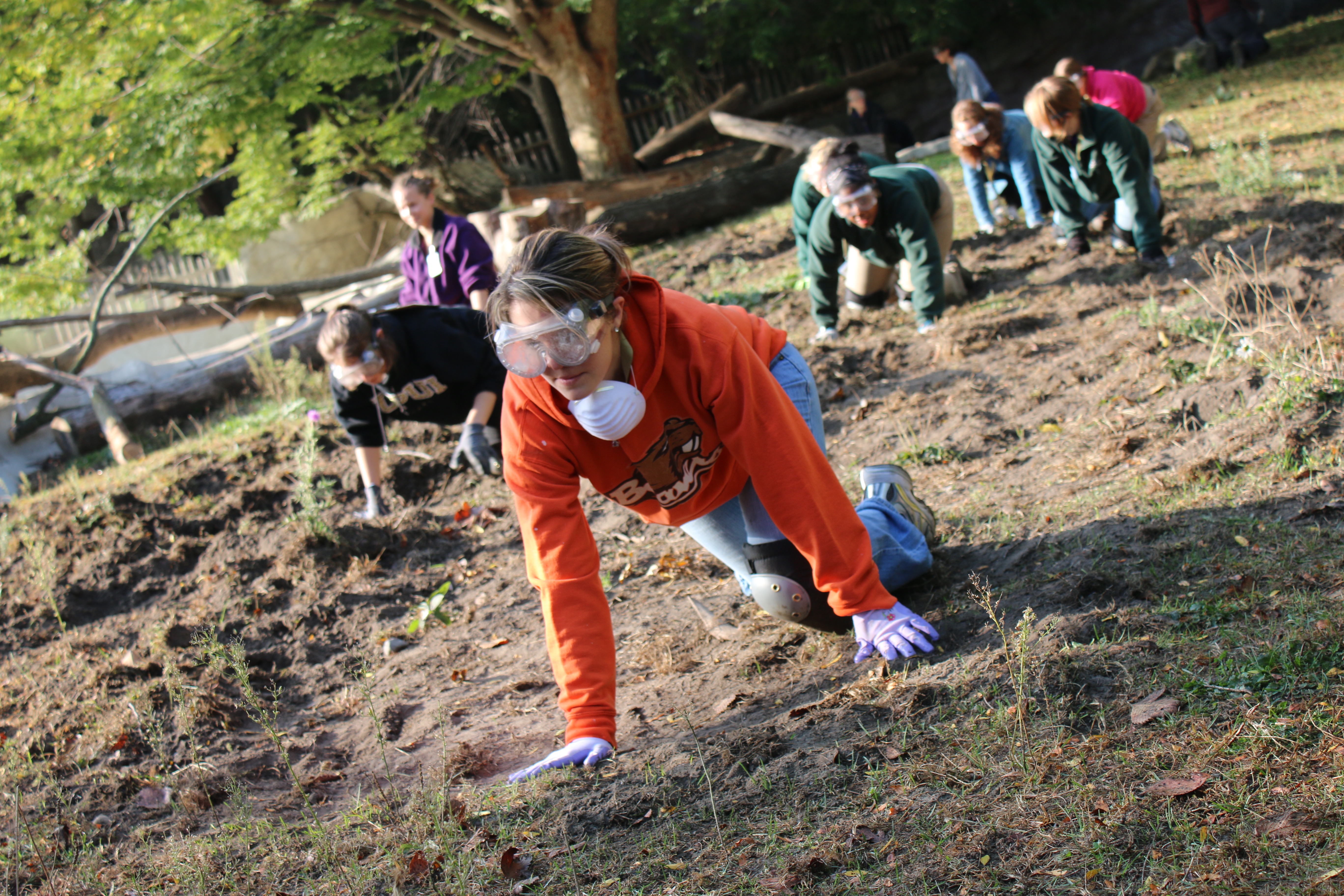
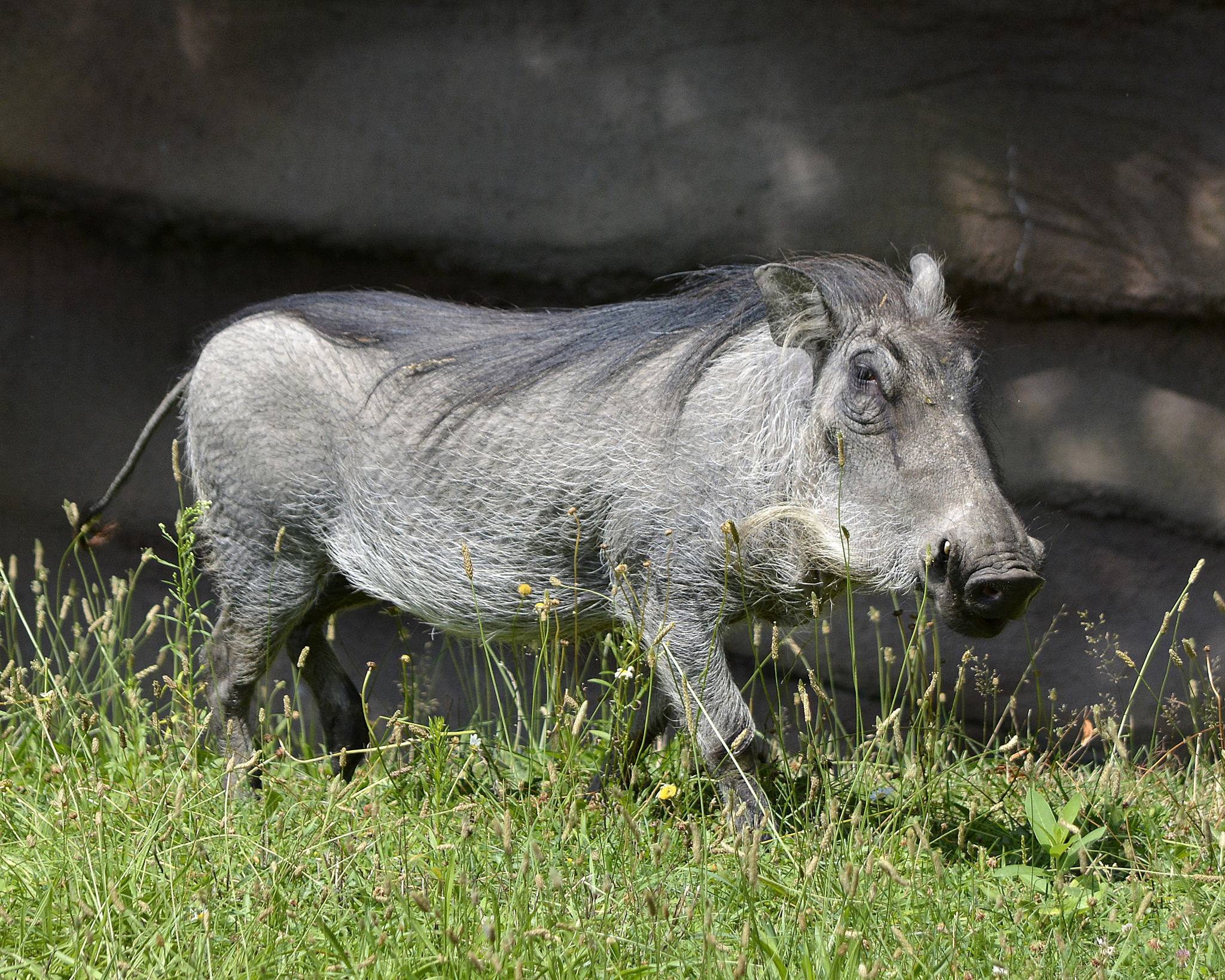
One of the most fun and impactful activities might sound a little silly. We ask the participants to walk around the warthog habitat, first as a human, then as a “warthog”! Every species – and really every individual –experiences the world in different ways. When they are being warthogs, the participants crawl around while wearing goggles that occlude their vision. This is to simulate what it might be like for a warthog living in the habitat, as they rely less on vision than humans do, and to allow each person to get a better sense of how different the world is from the perspective of another species. Once we start to ask ourselves how the animals experience the world we have created for them, we can truly begin to understand what is working for them and what may need to be improved.

Warthog - Roy LewisOne of the goals of CZAW is to provide animal welfare training, and although it is a whirlwind of activity, it is incredibly rewarding for our staff. Not only do we get to meet others who have the same desire to improve the welfare of the animals for which they care, but we get to play a part in helping them to make animal welfare a priority at their own institutions.

Dr. Stephanie Allard is the director of animal welfare for the Detroit Zoological Society and oversees the Center for Zoo Animal Welfare.

Notes From the Field: Snow Leopards in the Tien Shan Mountains

Paul Buzzard, Ph.D., is the director of conservation for the Detroit Zoological Society.
Greetings from Urumqi,

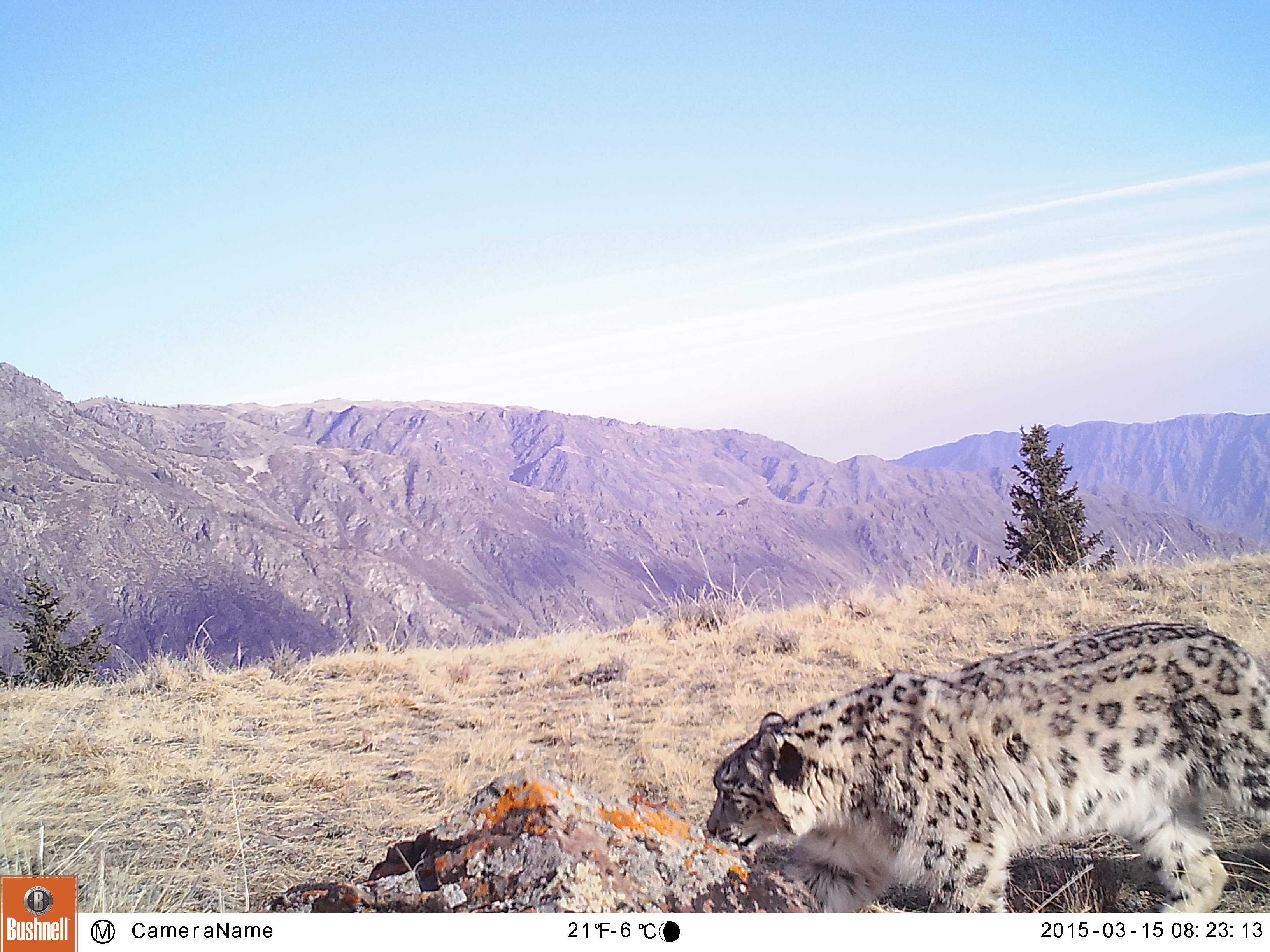
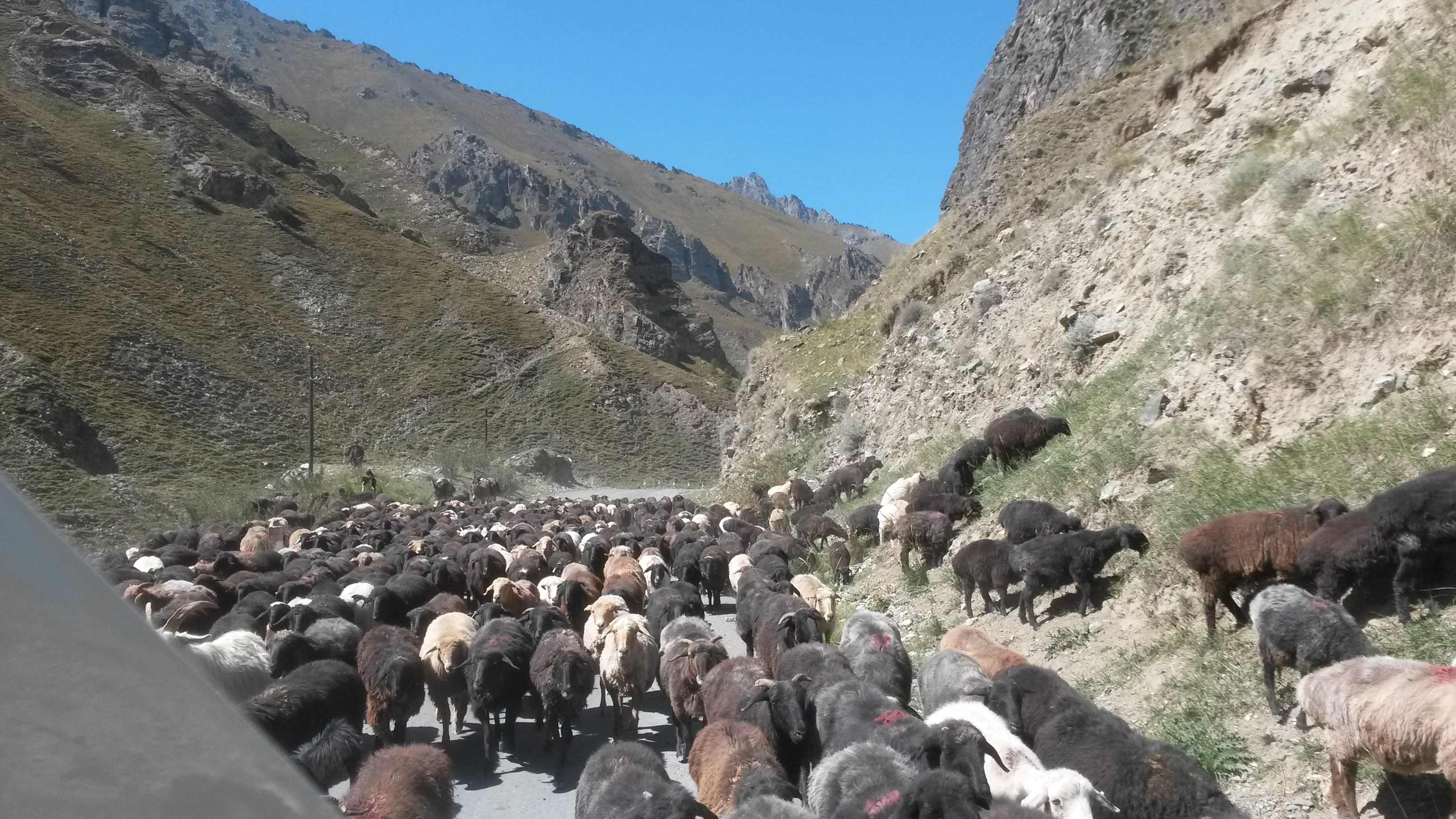
I am in the Xinjiang province of northwest China, continuing a project that focuses on the conservation of snow leopards. In this project, the Detroit Zoological Society (DZS) is working with Chinese colleagues to learn more about the current status of snow leopards in the Tien Shan Mountains, a need highlighted in the most recent conservation plan of the Snow Leopard Network. We are using trail cameras and interviews with herders to assess the population size of snow leopards and their potential prey, such as ibex. Eventually, we hope to use this information to set up protected areas. We also try to learn about threats to leopard conservation from human-leopard conflict. This conflict arises when leopards kill livestock, such as sheep, and herders retaliate by killing leopards.

We set 20 trail cameras last December, and checked them in March before setting another 30 cameras. These cameras were checked again in July, and there were more than 400 pictures of snow leopards from 35 cameras as well as pictures of other carnivores, including wolves and foxes and potential prey such as ibex and red deer. This time, I returned to China with several objectives. First, I wanted to download the pictures and begin analysis to see how many leopards were represented in the pictures. I also wanted to visit for the first time the field site south of Urumqi, the capital of Xinjiang. Finally, I was also very keen to check on progress in setting up protected areas.

As for my first objective, there were some great pictures. In fact, several cameras had pictures of more than one individual leopard. For example, there was a picture of a leopard spraying rock with urine and another leopard investigating it afterwards. There was also a picture of a leopard visiting a vulture nest.   There were no eggs or hatchlings in the nest, but it was very interesting to see that a leopard could even access such a difficult to reach site. There were at least two individuals on other cameras as well, but it is still necessary for more analysis to see how many more individual leopards are present to estimate population densities.

It was also very interesting to visit for the first time the study site 50 miles south of Urumqi. Unfortunately, at this time there was little wildlife because it was a very busy time with herders moving their flocks down from summer pastures. But it was nice to learn that there was little human-leopard conflict here unlike at field sites to the west. In fact, the herders accept some leopard predation on their livestock somewhat like the price of doing business, while other herders are much more concerned with the bottom line and don’t put up with leopard predation, which is an interesting cultural distinction.

I was also very happy to complete a report with our Chinese colleagues for submission to the Chinese government. The report proposes establishing eight protected areas in the eastern Tien Shan Mountains, and our camera data were a critical component. A similar report for the western Tien Shan Mountains is forthcoming.

– Dr. Paul Buzzard

Education: Making Thoughtful Pet Choices

Lisa Forzley is the humane education manager for the Detroit Zoological Society and oversees the Berman Academy for Humane Education.

The Detroit Zoological Society frequently Photo by Kurt Schwarzreceives calls from people who have purchased an exotic animal such as an iguana or a parrot and have discovered that they are unable or unwilling to provide the specialized – and often expensive – care the animal needs. In 2014, we received 84 phone calls or emails regarding reptiles alone! We hear comments such as, “I didn’t know that a parrot could live to be almost 100 years old” or “I had no idea that an iguana could grow to be more than 5 feet long.”

Unfortunately, the ever-growing exotic pet trade creates situations that significantly compromise the animals’ welfare and result in people turning to the Detroit Zoo for help. Although we wish we could provide sanctuary for all animals in need, we are unable to accept them in nearly all cases.

Making a good pet choice is important – both for you and for the animal you will potentially be bringing into your home. Here are a few questions to get you started before adopting an animal:

  • Am I able to meet the animal’s physical and psychological needs for his or her entire life?
  • Do I have the time and the money needed to properly take care of this animal?
  • Do local ordinances or laws prohibit owning this kind of animal?
  • Will my veterinarian be able to provide his or her medical care?
  • How much am I able to spend on veterinary costs?
  • What will I do if there is a problem?
  • Will this animal get along with animals that are already in my home?

Remember that dogs and cats have changed over several thousand years of living with humans and are the best nonhuman companions for us. Humane societies and rescue organizations are great resources to find a dog or cat for your family. If you’re ready to adopt, join us this weekend at Meet Your Best Friend at the Zoo, one of the nation’s largest off-site companion animal adoption events, where hundreds of dogs, cats, puppies and kittens will be available for immediate adoption to loving homes. You can also visit http://www.petfinder.com to find rescue organizations located nearby. They’ll be able to support you in finding the perfect companion animal for your family!

– Lisa Forzley

Animal Welfare: Preventing Bird Strikes

Stephanie Allard, Ph.D., is the director of animal welfare for the Detroit Zoological Society and oversees the Center for Zoo Animal Welfare.

Getting to see nature up close and personal Photo by Patti Truesdellis amazing – especially birds, which many of us are able to do from the comfort of our homes. I love to bird watch, and I have bird feeders at my house, as I’m sure many of you do. I enjoy seeing birds as they fly around, forage for food, interact with each other, and raise their young. We have bird feeders at the Detroit Zoo and Belle Isle Nature Zoo as well, which attract many airborne visitors.

We have to be vigilant, however, because we want to protect these incredible species as we invite them to join us in our outdoor spaces. Millions of birds are killed each year in the U.S. alone because of structures that are built by humans, and among the main culprits are windows. They let in light and they provide us with views, but they also confuse birds and create a very dangerous situation.

Humans and birds have very different visual systems, and what appears to us like a see-through barrier does not look that way to birds. The glass appears invisible to them and often acts as a reflective mirror. Because they can’t see the glass, birds will often fly into a window. This is a deadly phenomenon known as “bird strike”.

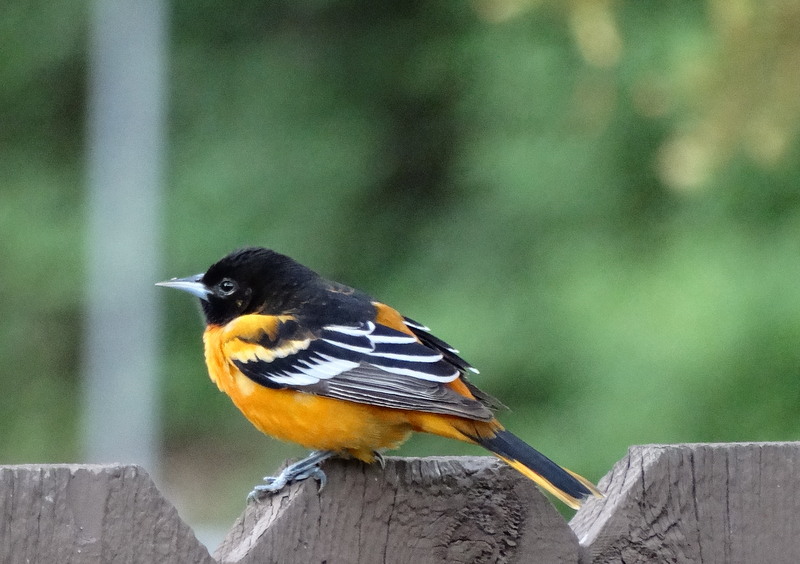
Photo by Patti TruesdellWindows are not a new threat for birds; however, this serious animal welfare and conservation issue does not get as much attention as it should. There are programs designed to bring attention to bird strikes and reduce the impact on birds, including the Lights Out program. There are also individuals who have devoted their careers and lives to the issue, such as Dr. Daniel Klem Jr., an ornithology professor from Muhlenberg College who spoke about his decades of work on this topic at the third International Symposium on Animal Welfare hosted by the Detroit Zoological Society and our Center for Zoo Animal Welfare in November of 2014.

The great news is that there are things we Photo by Jennie Millercan all do to help prevent birds from suffering. We can put up bird silhouettes on our windows (you will see many on the windows throughout the Zoo), or reflective tape. There is even special film and glass that can be installed that takes advantage of the fact that birds see in the ultraviolet range so that windows that seem clear to us are now seen by birds as real barriers. Photo by Jennie MillerIf you have bird feeders, don’t put them further away from your windows than 3 feet. This means that birds can come enjoy the food, but won’t gain enough momentum to harm themselves if they take off towards any windows. Use your blinds if you have them – this also lets birds know that they can’t fly through.

We truly have the ability to make a difference in the lives of individual birds that share the world with us, and in turn, help protect their species.

– Dr. Stephanie Allard