Claire Lannoye-Hall is the curator of education for the Detroit Zoological Society.
Ever wonder what might be lurking below the water’s surface? Turns out, there’s much more in there than you might think!
The Cotton Family Wetlands has been providing guests with the opportunity to immerse themselves in a wetland habitat since 2012. The more than 200 feet of Trex decking walkways of the boardwalk (made from recycled plastic grocery bags and reclaimed hardwood) cross the 1.7-acre pond and wetland to bring us to the heart of this incredibly diverse habitat.
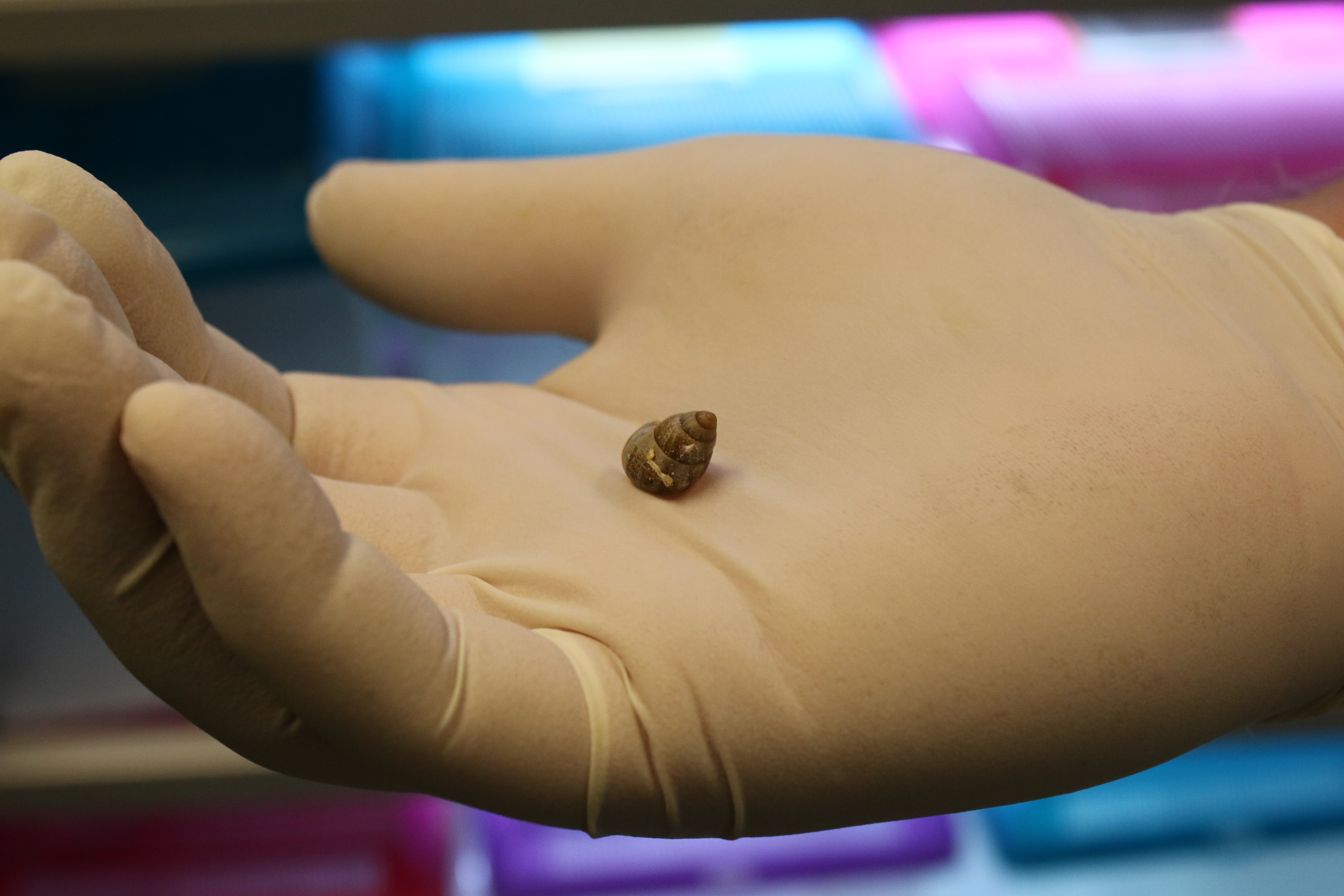
Native fish, frogs, turtles and birds are relatively easy to spot. However, some inhabitants require a closer look. The wetland is teeming with macroinvertebrates – organisms without backbones that live in water habitats. 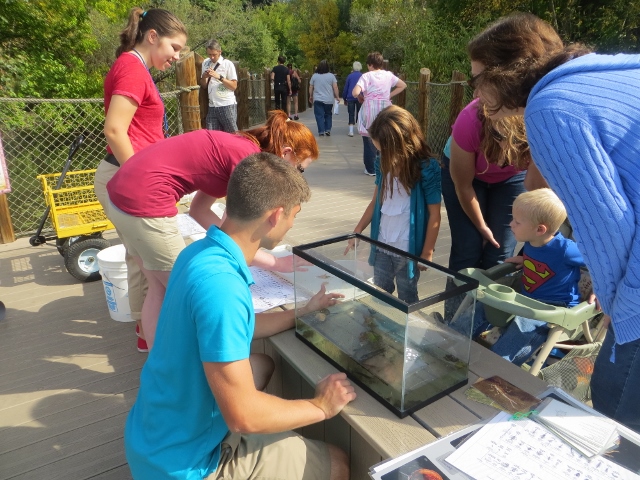 Our Volunteen Zoo Corps has been providing opportunities for guests to observe these incredible creatures through carefully collected water samples from the benthic zone of the wetland. The benthic zone is the lowest level of a body of water. Everything that is collected is returned directly to where it came from at the end of each shift.
Macroinvertebrates are present in pretty much all natural bodies of water. They are bioindicator species, meaning that some species are especially sensitive to changes in their habitat. We can count which species we find and know the general health of a body of water if the more sensitive species are present or absent. Our wetland happens to be in great shape, with a very diverse group of macroinvertebrates.
If you’re interested in learning more, there are several citizen science groups where you can join in on group studies. Friends of the Rouge is a local group that schedules benthic sampling a couple of times a year and recruits volunteers to help: http://therouge.org/fotrprograms/benthic-macroinvertebrate-sampling/.
Our Volunteens will be on the boardwalk during MemberFest and several weekends between now and early October if you would like to explore the Zoo wetland residents. For more information about how to join our Volunteen Zoo Corps Program, visit: http://www.detroitzoo.org/Volunteers/volunteering-detroit-zoo.
– Claire Lannoye Hall

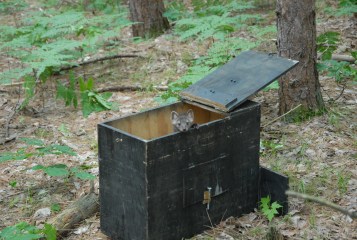 population. To conduct this research, the martens are captured in what are known as Hav-A-Heart traps – which are humane traps that close in such a way that they do not harm the animal. The traps are set carefully to ensure that martens have a nice snug spot. We cover each trap with pine needles and leaves for warmth and nest building, and put large pieces of bark on top to protect them from rain and snow. We also place meat bait and grapes in each trap so that they have a snack and a source of water.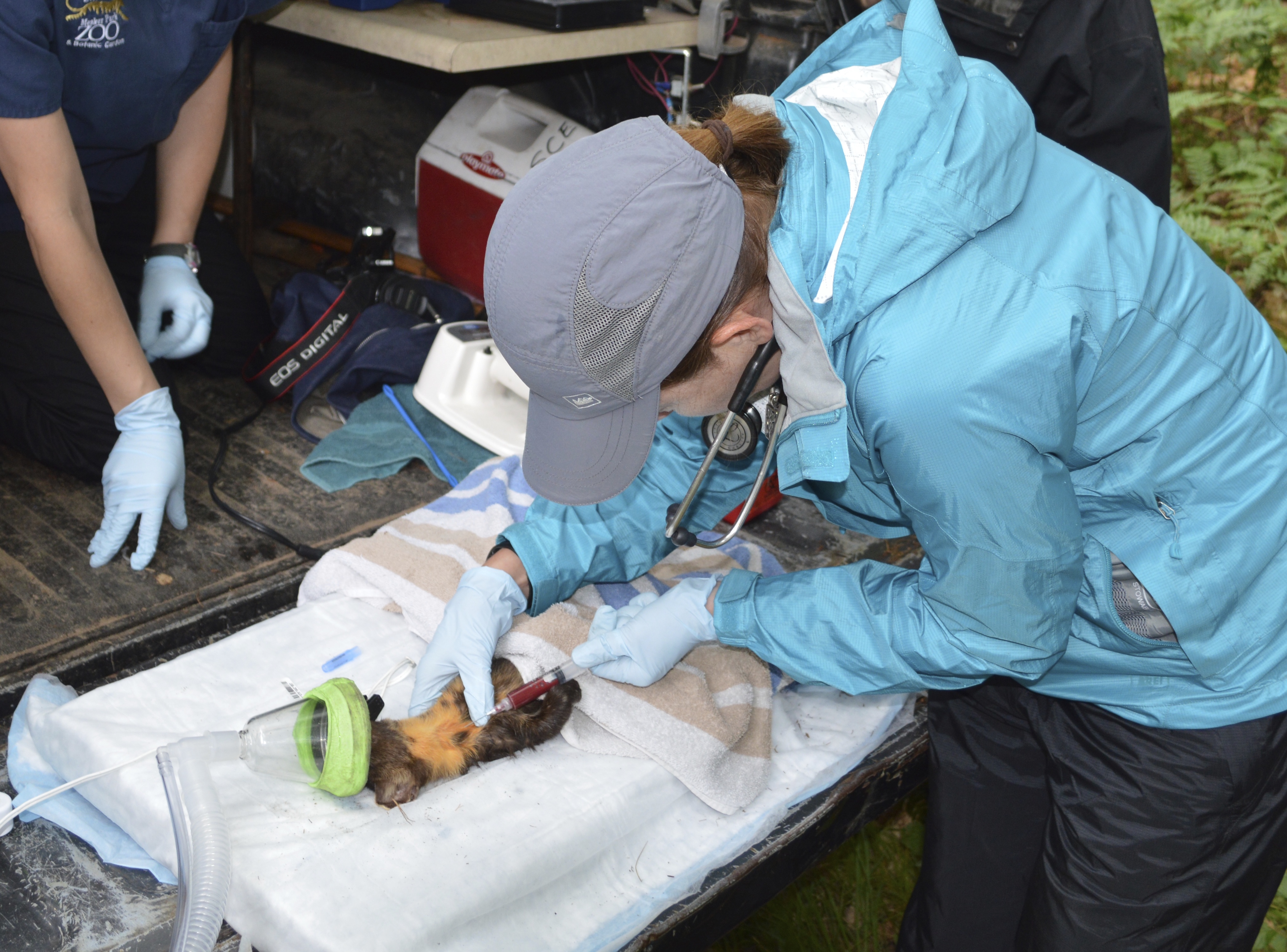


 As part of its
 How’d you do? You probably found that you know most, if not all, of the phrases. This just reiterates that we often utter these idioms without thinking about their underlying meaning. Let’s work together to create new cultural norms. For example, “kill two birds with one stone” can become “feed two birds with one hand”, and “more than one way to skin a cat” can become “more than one way to pet a cat”.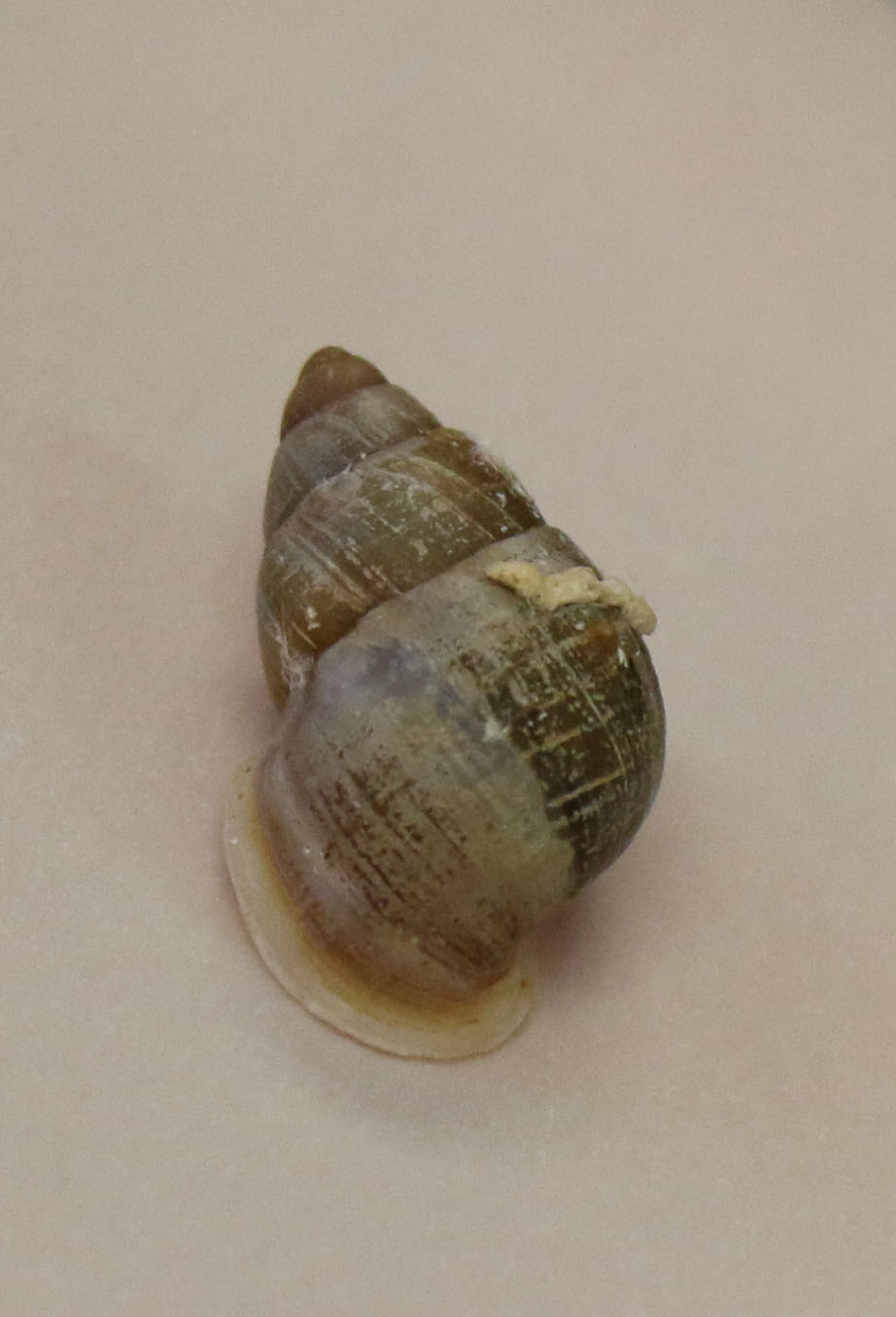
 Detroit Zoological Society Blog