Animal Welfare: Through the Looking Glass

Stephanie Allard, Ph.D., is the Director of Animal Welfare for the Detroit Zoological Society and oversees the Center for Zoo Animal Welfare.

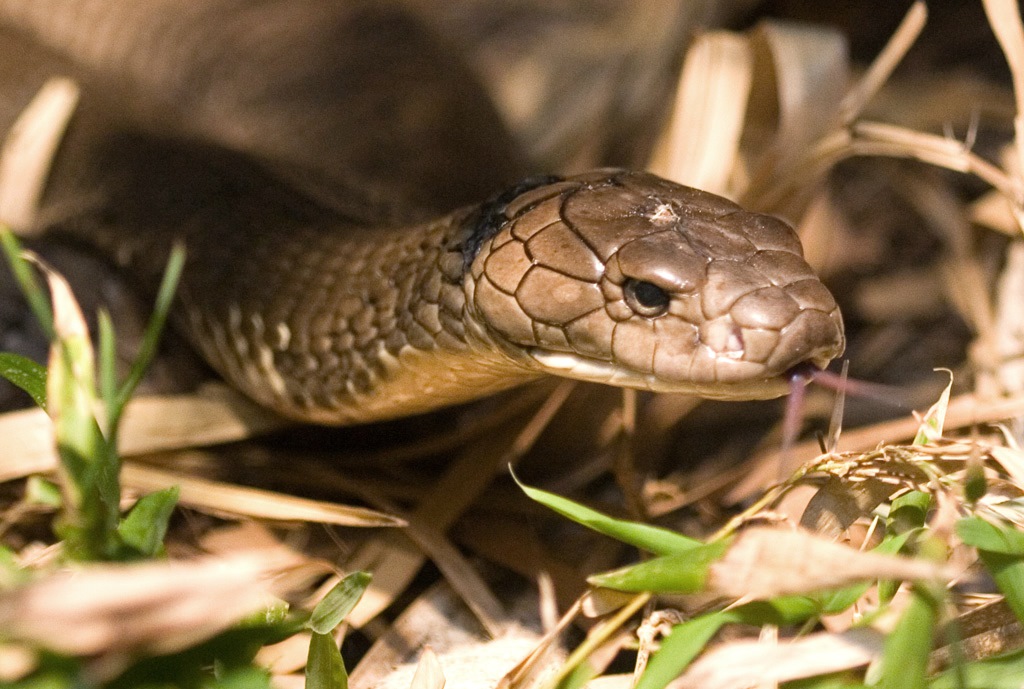
Glass enclosures like those in the Holden Reptile Conservation Center at the Detroit Zoo are designed to provide visitors with less obstructed views of the animals and bring them even closer. These clear barriers can also easily lend themselves to direct contact by both the visitors and the animals – visitors can press their hands and faces right up to the glass, and even knock or bang on the glass. As it appears to be a common occurrence in zoos and aquariums, it’s important to us that we understand what effect, if any, that this visitor behavior has on the animals.King Cobra - Jeff Jundt
While this topic has not been well researched thus far, the Center for Zoo Animal Welfare at the Detroit Zoo is in the midst of a study designed to determine if there is an impact on the welfare of reptiles when visitors knock on the glass of their enclosures.

We first wanted to determine if there were specific enclosures or species that were being targeted by visitors, and we learned that this was not the case. Next, we want to determine if there is a behavioral response by the animals to the visitors interacting with the glass. We recorded video footage of the individuals before and after visitors interacted with the glass of the enclosure. We are currently comparing that behavioral data to other data collected at times during which there were no visitor interactions.
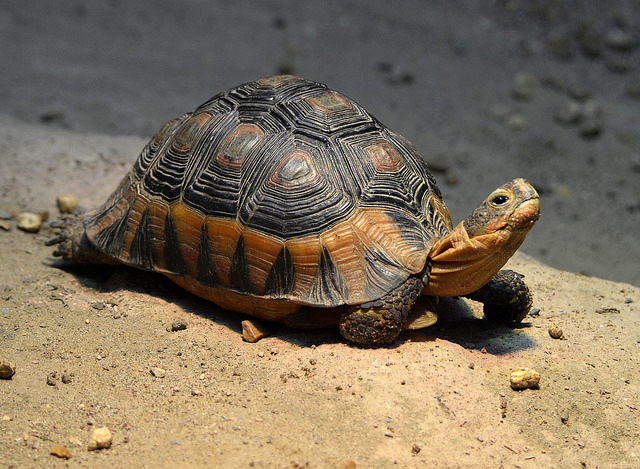
Tortoise - Roy LewisBased on what is known about reptiles, we may find in this study less behavioral evidence of their reactions to their environment. But an important thing to keep in mind is that just because we can’t see a reaction, it doesn’t mean the individual animal isn’t affected.

Therefore, the final phase of this study will attempt to look for any changes in hormone levels – specifically corticosterone, which is the reptile and avian equivalent to cortisol in humans – during times with little to no visitor interactions and those with more. This part will be a bit trickier, as the means by which we collect hormone information non-invasively in mammals – by measuring levels in feces or saliva, for example – is not as easily done with reptiles. We are excited by the challenge however, as the welfare of every animal is important, including the ones that people might not relate to as easily.

– Dr. Stephanie Allard

Education: Adopt-a-School in Peru

Claire Lannoye-Hall is a Curator of Education for the Detroit Zoological Society.

The ecological health of the world’s tropical Peru - Clairerainforests are vital to the balance of the global environment. Rainforests have been called the lungs of the earth, cleaning the air we breathe. The area is rich in biodiversity and culture, and supporting the people who know the rainforest best from living there for generations places them in an unparalleled position to protect the natural resources that they depend on for their way of life.  By empowering these communities to live sustainably amongst these resources, they become protectors of this essential region.

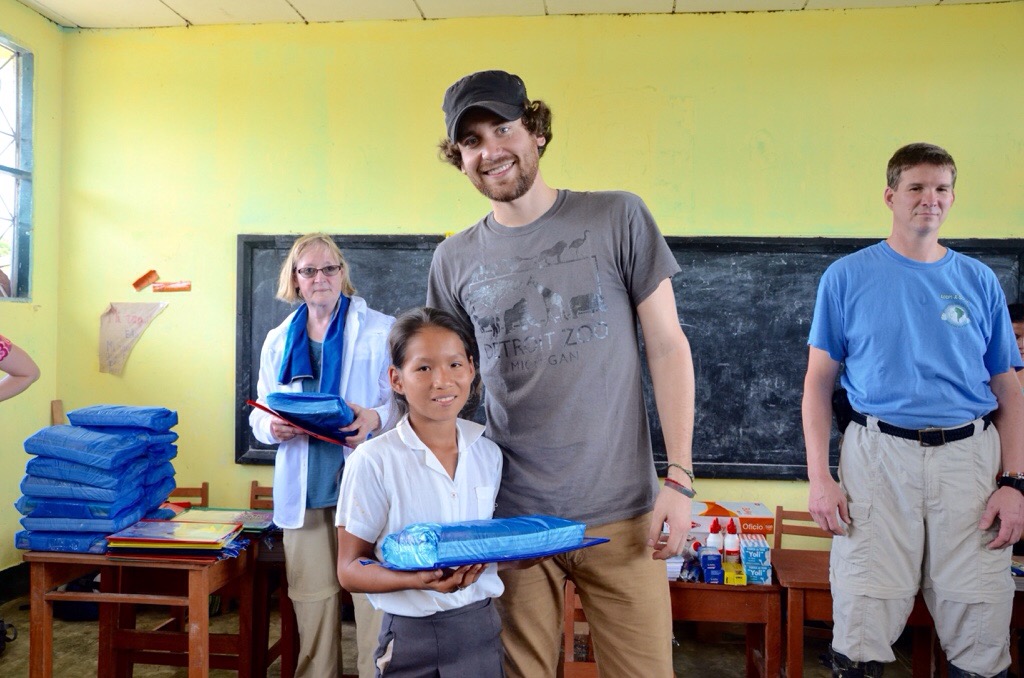
One of the keys to creating change in the world is access to education and current information. The Detroit Zoological Society has long been a partner in the Amazon Rainforest Adopt-A-School Program to provide school supplies and support to people living in the rural areas of Peru to strengthen education. With this education comes empowerment and responsibility to live sustainably in this vital region.

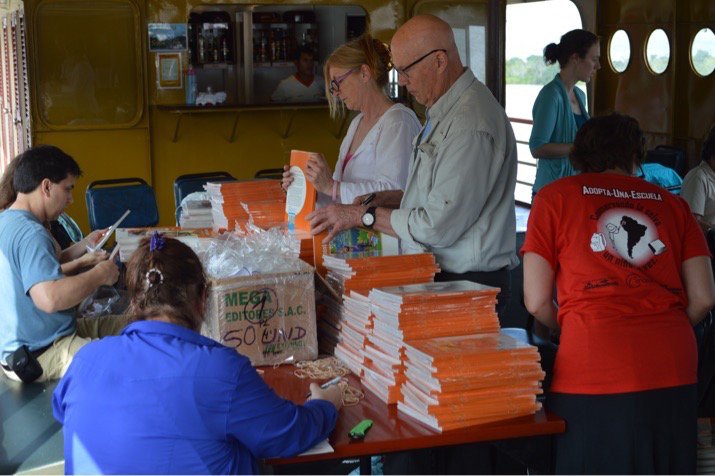
Peru - Claire 3I and another member of our education department have returned to Peru this spring to deliver school supplies to more than 3,000 children and teachers. Each child will receive several notebooks, pens, pencils, a folder, ruler and pencil sharpener. Each school receives a single set of books and basic school supplies like glue, construction paper and markers, and physical education materials like soccer balls and volleyballs.

The school supplies are purchased in Peru - Claire 2Peru with money donated by individuals and organizations from around the world. A group of about 20 people travel with us to deliver all the supplies in a single week. These generous individuals pay their travel costs and make a donation to the program that helps support operational costs.

The program was started almost 25 years ago by Amazon Explorama Lodges and CONAPAC, a Peruvian NGO. The DZS has been an integral partner since 1999.

To follow our daily diary of our trips to Peru, visit: adoptaschool.edublogs.org

– Claire Lannoye Hall

Veterinary Care: A Visit from the Equine Dentist

Dr. Ann Duncan is the Chief Veterinarian for the Detroit Zoological Society.

At the Ruth Roby Glancy Animal Health Complex, we often rely on outside medical specialists to help our veterinary team provide the best care to the animals at the Detroit Zoo. We have regular visits from veterinary ophthalmologists, veterinary and human cardiologists, veterinary surgeons and dentists.

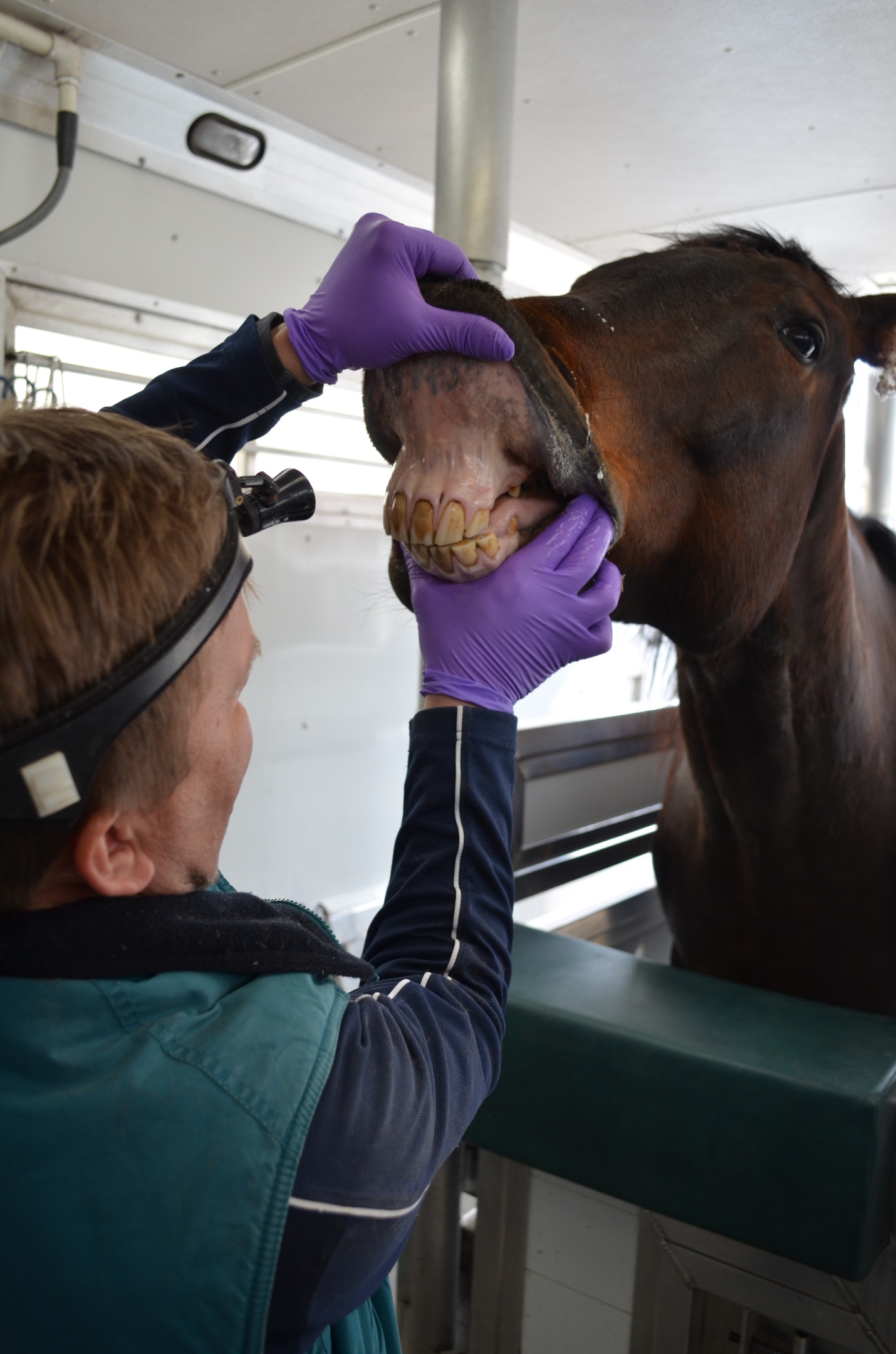
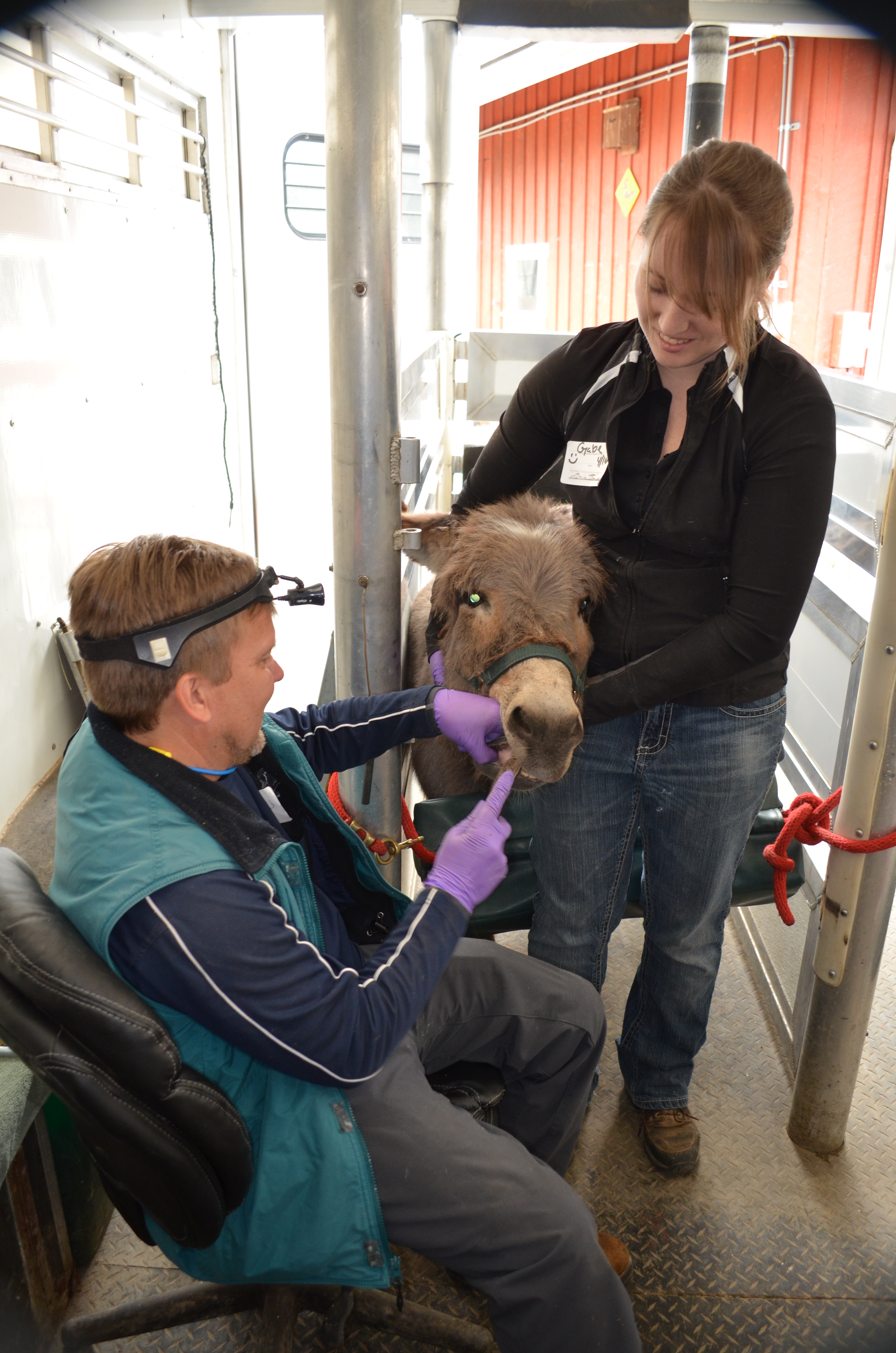
This week, we had a visit from Dr. Tom Johnson, an equine dentist who delivers excellent dental care to horse patients throughout Lower Michigan and beyond. He has been invited to lecture and share his knowledge all over the world, and has developed special tools to help make his work more effective and precise. Dr. Johnson and I first met while we were classmates at Michigan State University’s College of Veterinary Medicine and we have stayed in touch ever since. I first asked for his assistance in 1998 when our geriatric Shetland pony, Snowflake, started losing weight. During her exam, we noticed that she had developed an abscessed tooth. After we removed the tooth and floated – that is, filed down the sharp edges on – her remaining teeth, she gained weight and lived for many more years. We realized during this exam that Dr. Johnson had the expertise and tools to provide better dental care than we are able to provide. Ever since then, we’ve called on Dr. Johnson to examine our rescued thoroughbred race horses and miniature donkeys. He has also helped us address dental issues in Przewalski’s horses and guanacos.

Dr. Johnson has a specially designed trailer that he brings on grounds when he examines our domestic horses. Each patient is given a sedative, and then walked into the trailer. Once inside the trailer, Dr. Johnson has access to the tools he needs to complete an exam, including a head-mounted light source and dental scalers. This year, we are pleased that horses Trio and Buster had no issues of concern and required only routine trimming and cleaning.

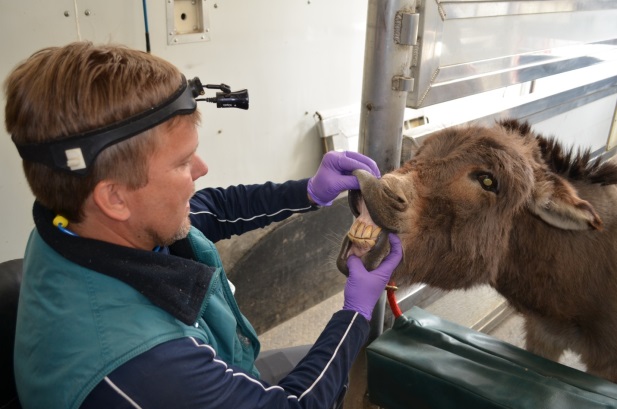
Miniature donkeys are known to have dental problems, so we were pleased that Giovanni also looked very good, though Knick-Knack had a molar that had broken in half, allowing food to collect at the center. Dr. Johnson worked for over an hour to carefully loosen the tooth, and was able to successfully remove it.

Before today, there were no signs that Knick-Knack had a dental problem. She was eating all of her food and showing no signs of discomfort. Left untreated, her tooth may have become abscessed, which would have been painful for her. We are very glad to have caught this problem early – we know that providing timely medical care improves animals’ health and welfare.

– Ann Duncan

Notes from the Field: Blood Moon in Peru

Hola mis amigas y amigos!

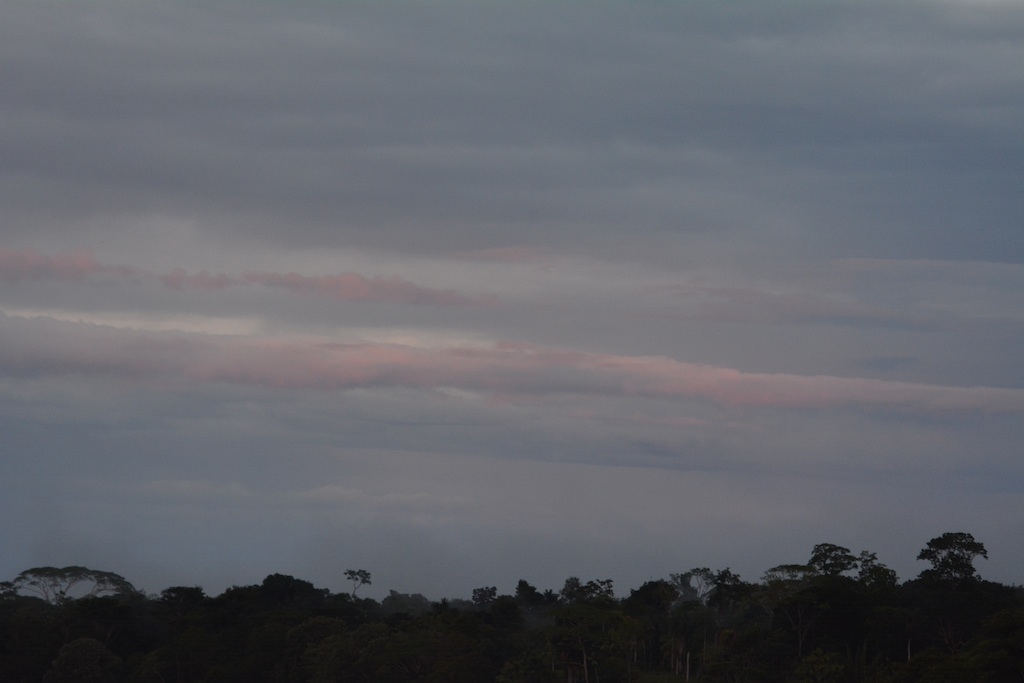
I’m nearing my last days in Peru but I couldn’t have ended on a more delightful note – the lunar eclipse was amazing!  We had a late night observing frogs the evening before and slept a couple of hours before we were back out on the river at 3 a.m.  The morning began with clear skies and the moonBlood Moon was completely visible until 5 a.m., when clouds came in and threatened to ruin our view. We waited for them to dissipate, but it never completely happened.  About 5:50 a.m., we couldn’t see anything so we ended up using a compass to determine where the moonset should occur and watched.  All of it paid off as the reddish hue was projected beautifully for about 30 seconds! The next one isn’t until September, so I was very grateful to have seen this one.

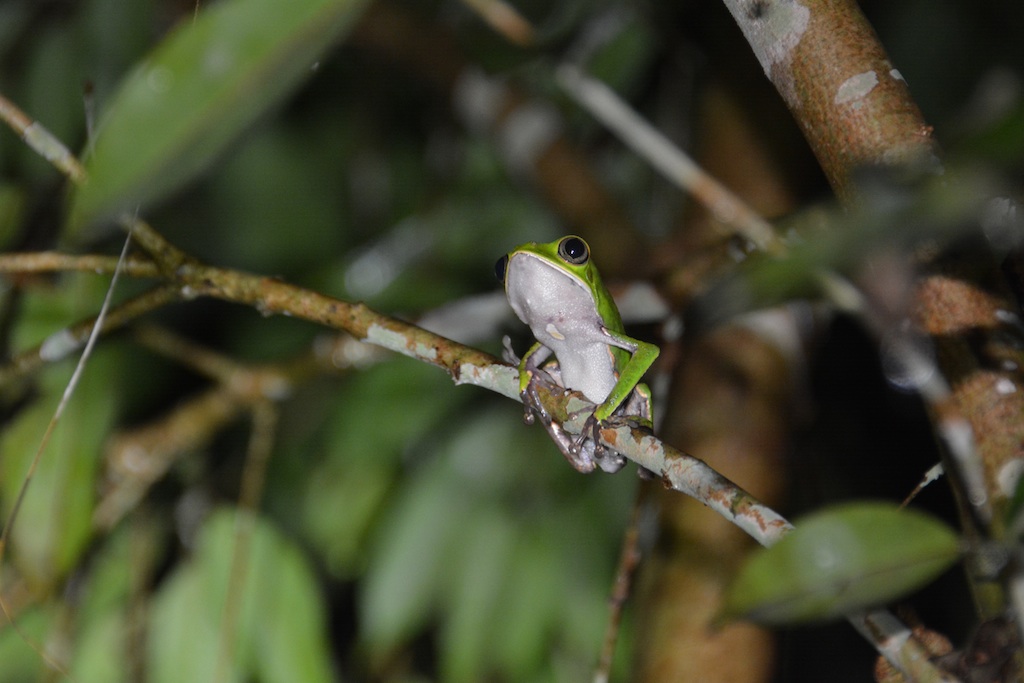
Marcy - PeruThroughout the remainder of the day, we had several electrical storms making for a beautiful night. Once the weather subsided, everything was out in full force: frogs, insects and birds were all calling. One of my favorites here are the Phyllodmedusa species, basically long-legged tree frogs. They are stunning and very interesting to watch as they navigate high in the canopy.

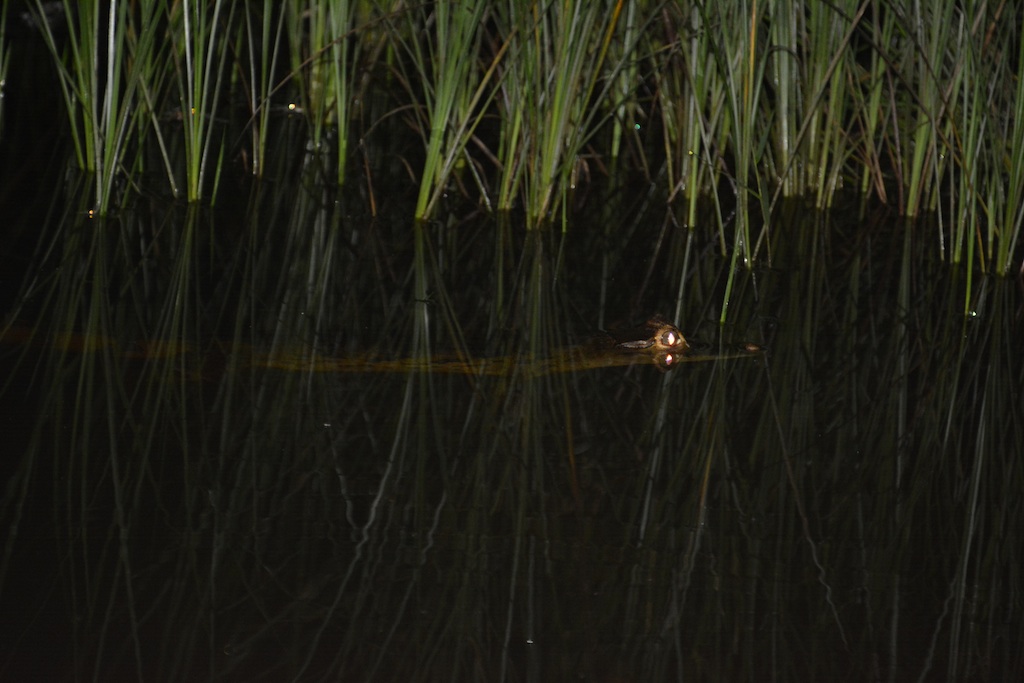
Caiman

Sometimes observations aren’t easy – when you hear calls there is always a strong desire to find what you are listening to. This occasionally leads to us sharing the water with other animals that are also looking for what is calling – more for a feast then to admire its beauty and log for data collection. Although the storms came back, we were still able to squeeze in another four hours of observations before having to call it quits for the night.

Early the next morning, we awoke to the pleasant call of other early risers (or late nighters).  A wonderful way to wrap up another season!  Until next time… Saludos!

– Marcy Sieggreen

Editor’s note: Marcy Sieggreen was the curator of amphibians for the Detroit Zoological Society from 2008 until her passing in 2016. The Detroit Zoological Society established the Sieggreen Amphibian Conservation Fund in Marcy’s memory to continue to advance the work she so passionately championed.

Animal Welfare – Blanding’s Turtles

Stephanie Allard, PhD. is the Director of Animal Welfare for the Detroit Zoological Society and oversees the Center for Zoo Animal Welfare.

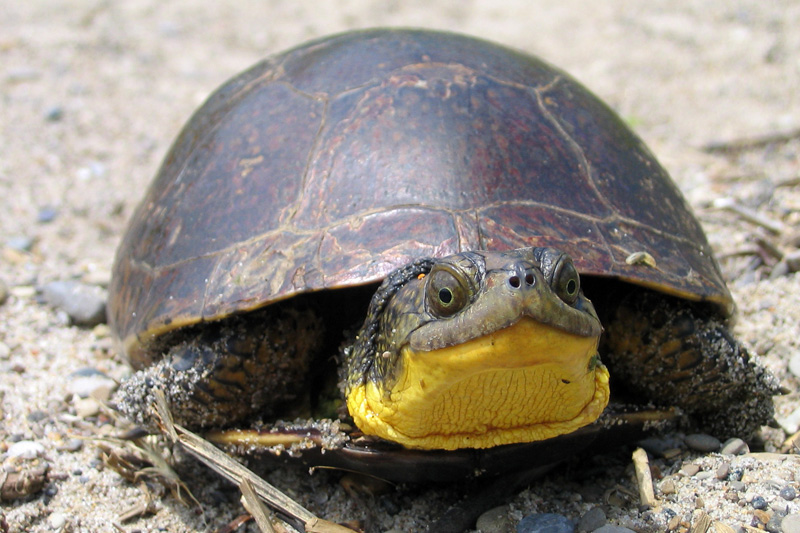
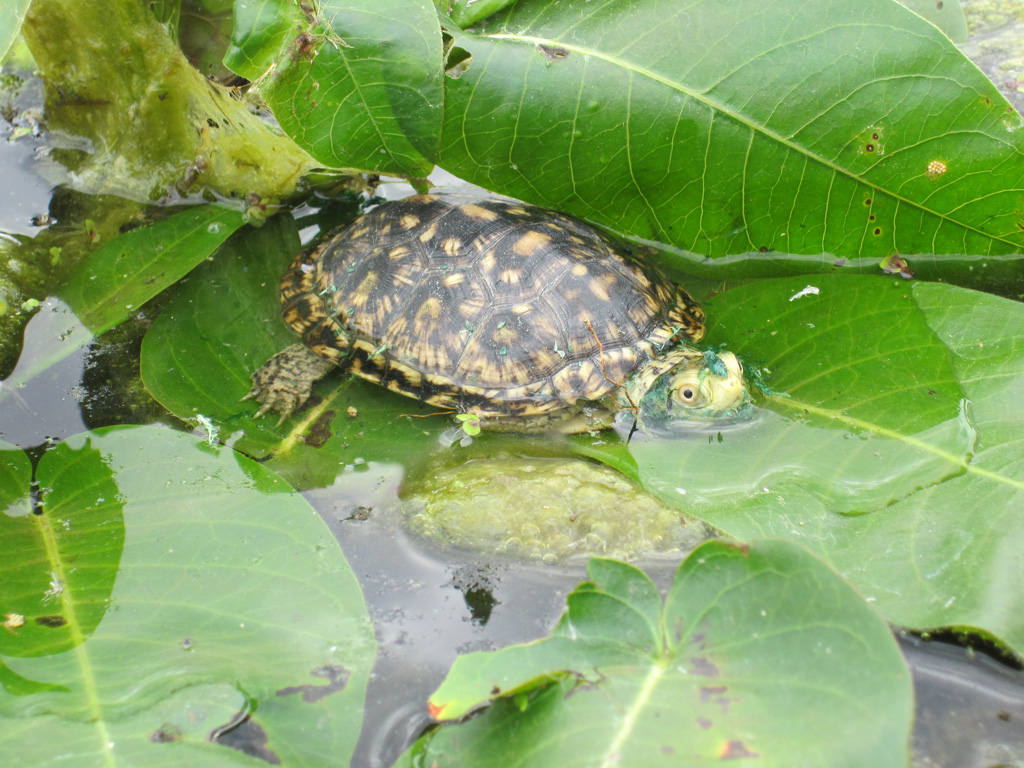
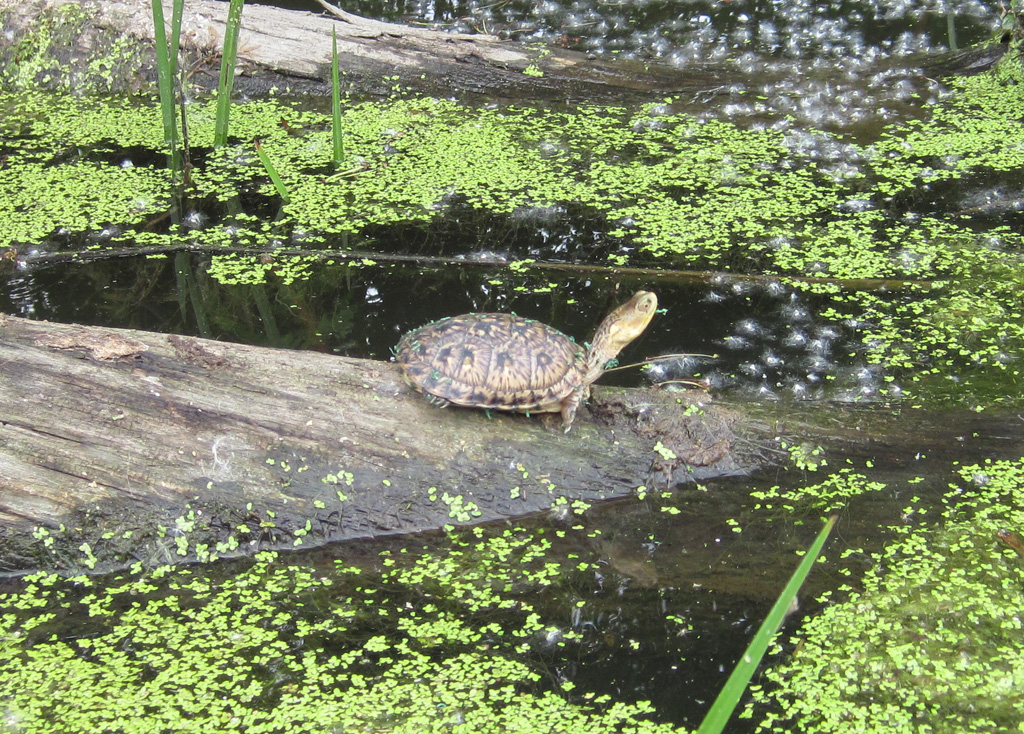
Part of the Detroit Zoological Society’s (DZS) mission is to demonstrate leadership in wildlife conservation and animal welfare. This includes taking a compassionate approach to conservation projects. Often, conservation actions, such as programs that reintroduce animals into wild habitats, are more focused on protecting species or populations, and this can come at a cost to Blanding's turtleindividual animals. For some species, personality traits may be linked to survival success when animals are returned to the wild. Therefore, we designed a study to look for personality traits in Blanding’s turtles, a species of special concern in the state of Michigan that the DZS has been helping to reintroduce into the wild.

In this study, turtles are hatched and raised at the Detroit Zoo and are released when they reach a size that would make them less likely to be killed and eaten by raccoons and other predators. Some of the turtles are fitted with GPS trackers prior to being released so their movements can be followed.

Blanding's turtleThe goal of the personality project was twofold: First, we hoped to uncover personality traits in the turtles, as little animal personality research has focused on reptiles. The 24 turtles selected to wear trackers underwent simple behavioral tests to determine how likely they were to explore, acquire food, and how they responded to seeing themselves in a mirror which can tell us about their reaction to other turtles. Preliminary results of the behavioral tests suggest that several personality traits may be present in the turtles, including boldness and exploration.

Blanding's turtleThe next step will be to use the information shared with us by the field biologists to see if personality traits had any impact on how well each turtle did during the year following their release. This kind of information could help to make the best possible decisions when deciding where to release individual turtles in order to maximize their success in returning to the wild.

– Dr. Stephanie Allard
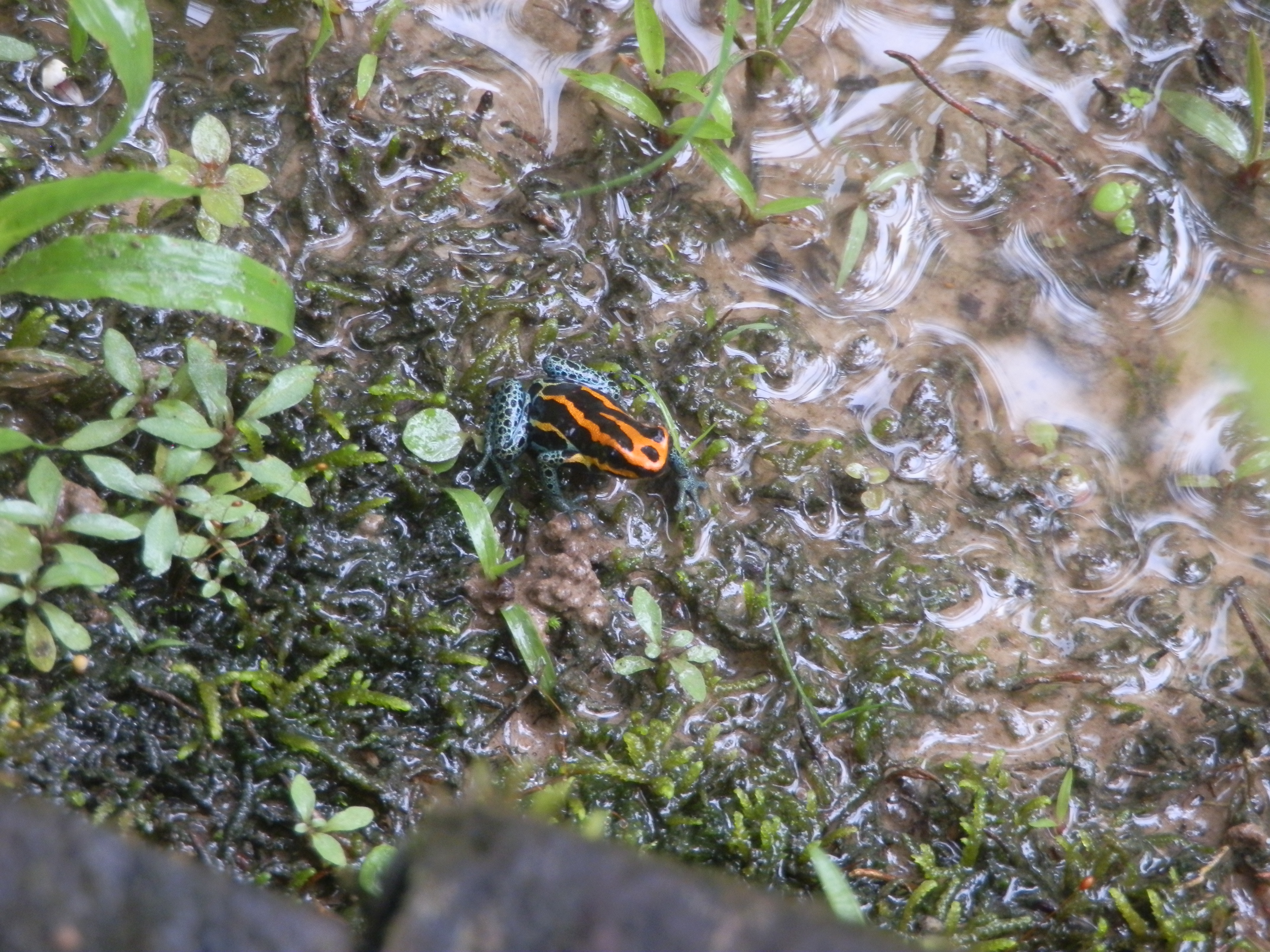
Notes from the Field: Amphibians in Peru

Hola mis amigas y amigos!

I am still in Peru, though my colleague, Paul Buzzard, director of conservation for the Detroit Zoological Society, has returned home. This time of year is high water season, which means that everything is a little different, as animals seek out and share the only dry areas that they can find. This includes snakes, which means they tend to be closer to human living spaces. It’s important to us that we educate people about snakes and explain why they are an important part of the ecosystem. We want to impart that snakes are not to be feared, but rather respected.

The high water doesn’t seem to be negatively affecting anything; however, it is still rising at a steady pace, nearing that of the historical levels set in 2012. Amphibians seem content and in mass abundance near islands that we regularly monitor. When I was here in November, I noticed that few amphibians were seen during the day.  This time, in one of the areas that we frequent, we saw many during the day and very few at night. We also noticed very few insects, which is good for us but bad when you are looking for frogs. It’s hard to narrow down what may be the cause, since so many were found during the daytime.

This weekend there will be a partial eclipse, which is the first one I will experience in the last six years of my travels here. I am looking forward to observing any change in behavior or patterns amphibians may show. Stay tuned… buenas noches!

-Marcy Sieggreen

Editor’s note: Marcy Sieggreen was the curator of amphibians for the Detroit Zoological Society from 2008 until her passing in 2016. The Detroit Zoological Society established the Sieggreen Amphibian Conservation Fund in Marcy’s memory to continue to advance the work she so passionately championed.

Notes from the Field – Bats and Frogs in Peru Part II

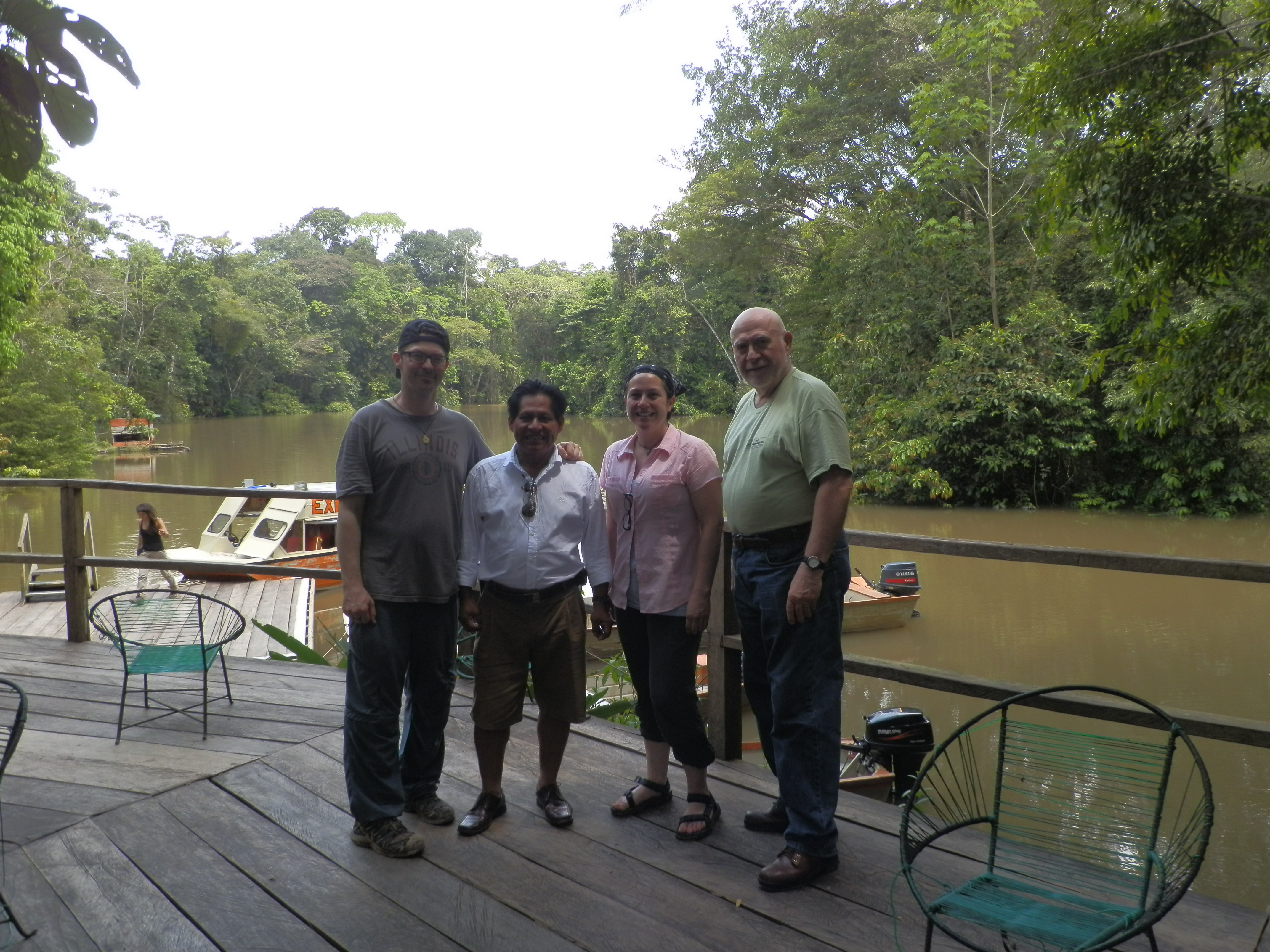
Buenos dias from Lima, Peru.  I’ve been here for two weeks with the Detroit Zoological Society’s curator of amphibians, Marcy Sieggreen, to visit the sites being used for our amphibian conservation studies and to investigate the potential for bat conservation projects. It’s been a wonderful and productive trip.

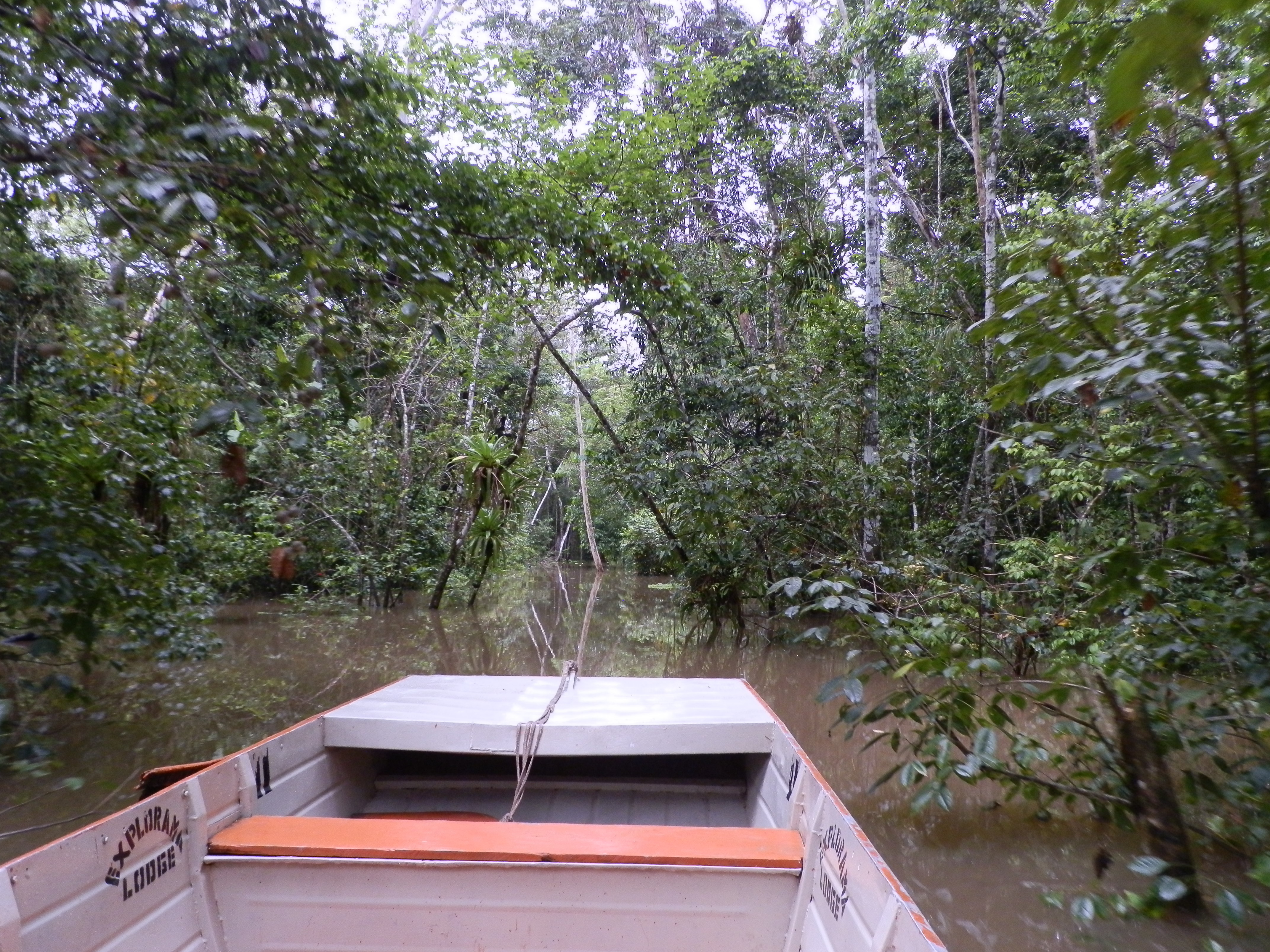
One of our last trips into the rivers and flooded forests started with a little drama but thankfully ended well:  It was 6 a.m. and the sun was rising when Marcy and I climbed into the dug-out canoe with our local guide. These dug-out canoes are carved out of single tree trunks, and they ride very low in the water. I also knew from previous experience that these canoes often let in a little bit of water. But this was a little more than “a little” and right after we left the dock, I informed our guide that a pretty steady stream of water was coming in. He and Marcy laughed and told me to finish my coffee and start bailing out water, which I promptly did. But as the water rose to several inches, we decided it best to turn around and made it back before a morning swim with the piranhas.

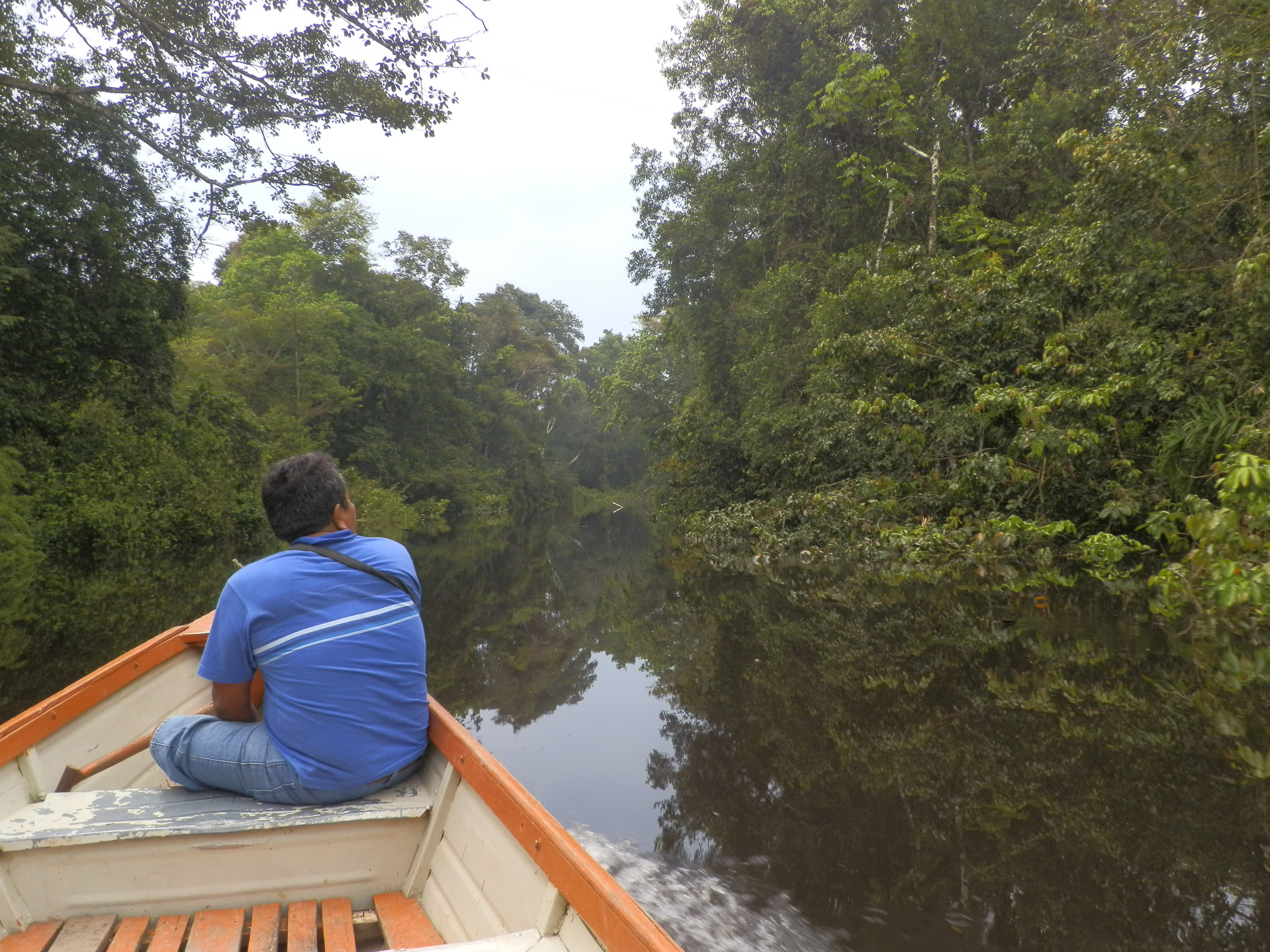
We soon found another boat and continued our trip into the forest and observed squirrel monkeys and dusky titi monkeys feeding in the trees. Since I’d already seen both the saddle-backed and black-mantled tamarin monkeys, I was thrilled to see a total of four monkey species during the trip. I also consistently saw new bird species such as the hoatzin – interestingly, the young chicks have claws to climb in trees. We also saw a variety of other interesting wildlife such as tree iguanas, snakes, and three-toed sloths.

I had the chance to join Marcy on some boat trips just after sunset to look for frogs at the edge of rivers/lakes and in floating vegetation. We saw so many that Marcy could barely keep up her documentation as we called out the frogs we saw.  We saw some fishing bats on these trips too.

I also had the chance to meet with a Peruvian bat researcher to discuss a potential collaboration in bat conservation projects.  We had a great meeting, and I think there will be opportunities to get baseline data on bat diversity and the importance of bats as seed dispersers.

– Paul Buzzard, Ph.D., is the Director of Conservation for the Detroit Zoological Society.

Editor’s note: Marcy Sieggreen was the curator of amphibians for the Detroit Zoological Society from 2008 until her passing in 2016. The Detroit Zoological Society established the Sieggreen Amphibian Conservation Fund in Marcy’s memory to continue to advance the work she so passionately championed.

Notes from the Field: Bats and Frogs in Peru

Buenos dias from northeastern Peru. Paul and Marcy in PeruI’ve been here for several days with Marcy Sieggreen, the Detroit Zoological Society’s Curator of Amphibians, to investigate the potential for bat conservation projects and to see the sites being used for our amphibian conservation studies. There was a quick turn around from my work with snow leopards in China – I left Detroit less than a week after returning from the chilly mountains of China, so I was looking forward to the 80-degree temperatures of the tropics. I was thrilled to visit Peru for the first time, and it’s been a wonderful and productive trip thus far.

Our first stop was the city of Iquitos on the banks of the Amazon River to meet with a Peruvian researcher. We had a very productive meeting discussing the potential for bat baseline inventories and the availability of weather data. These data on temperature, rainfall and other factors will be essential to better understanding changes in the amphibian diversity.

Next, we headed up the Amazon and Napo Rivers. Although bats are the focus of my trip, it was great to have the opportunity to see pink river dolphins. Because it is the high water season we were able to visit the flooded forest to see an overwhelming diversity of birds including Amazonian umbrella birds, kingfishers, toucans and even ospreys which also live in Michigan.

Bats seem to be common here, flying in our rooms and flying by our faces on night walks to find frogs and toads. During these night walks I have definitely gained a new respect for the work of amphibian researchers. I am used to walking transects slowly – perhaps 1 kilometer per hour to sight monkeys or look for deer and/or carnivore tracks or scat. But the amphibian pace seemed glacial at first – at a clip of 1 kilometer in four or five hours – because the well-camouflaged frogs and toads are hard to find.

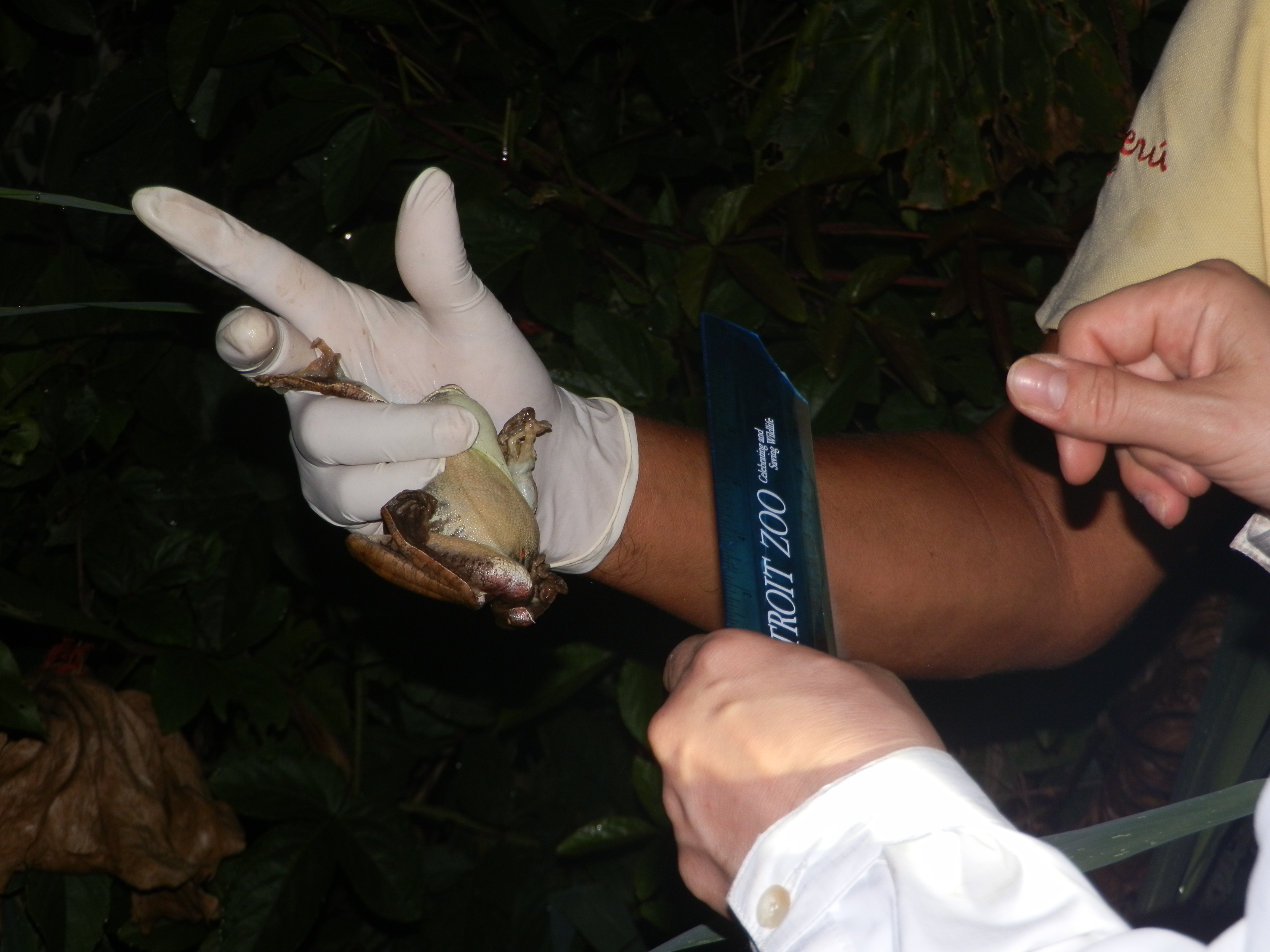
When a frog or toad is found, the delicate dance begins. My task is to catch the squirmy frog and hold it ever-so-gently so Marcy can rub a cotton swab on its belly and feet to test for chytrid fungus – a fungus that has been devastating amphibian populations in many parts of the world.

Between frog finds we can enjoy the incredible diversity of tarantulas and other spiders as well as insects such as katydids, walking sticks and even a beetle that lights up like a lightning bug.

I’ll be here for several more days, visiting more sites and searching for frogs in the flooded forests. I’m also meeting with a Peruvian bat researcher about the potential for future collaboration before returning to Detroit.

Hasta luego!

– Paul Buzzard, Ph.D., is the Director of Conservation for the Detroit Zoological Society.

Editor’s note: Marcy Sieggreen was the curator of amphibians for the Detroit Zoological Society from 2008 until her passing in 2016. The Detroit Zoological Society established the Sieggreen Amphibian Conservation Fund in Marcy’s memory to continue to advance the work she so passionately championed.

Education: Family Dose of Vitamin Z

Claire Lannoye-Hall is the Curator of Education for the Detroit Zoological Society.

One of the most frequently heard comments during our summer camp check-in is from parents who are wishing they could attend camp with their children. After all, who wouldn’t want to spend more time getting to know the animals and discovering more about the world around us?

Our team got together and brainstormed Education: Family Programs at the Detroit Zoowhat we love to share about the Detroit Zoo with our families and friends. The result is an amazing line-up of programs that we are ready to reveal: Beginning later this month, Friday nights will become Family Fun Nights! We want to showcase everything the Zoo has to offer and provide a heightened sense of wonder through stories, activities and experiences. Knowledgeable staff members will accompany families as they travel through the Zoo, exploring what happens in the evening after the Zoo closes and everyone else heads home. Each Family Fun Night will include a hike through the Zoo, hands-on activities, a snack and an opportunity to meet Zoo staff.

Frog - Detroit Zoo Family Education ProgramsIn March, we’ll learn about frog calls and visit the amphibians in the National Amphibian Conservation Center, then hike through the wetlands to listen for early spring arrivals. We hope families will go home and listen for frogs and toads in their own backyards for the rest of the spring.

In April, we’ll prowl for owls as one of our bird experts will join us to search for wild owls while visiting some of the Zoo’s resident birds along the way.

There are several more programs from May to September to enjoy. Check out all the great topics we have to offer!

– Claire Lannoye-Hall