
Authored by Cameron Kniffen, Curator of Education for the Detroit Zoologocial Society.
The Arctic is a delicate and intricate ecosystem that supports many species, such as polar bears and seals, who depend on the annual ice cover for hunting and resting. Additionally, the ice cover helps to reflect heat energy from the sun, which is crucial in preventing the oceans from warming too quickly.
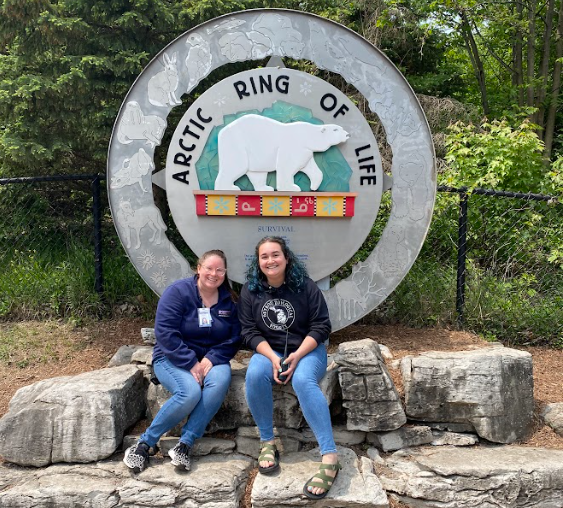
I, Cameron Kniffen (curator of education), and Bethany Wilson (education specialist) are embarking on a summit to Manitoba, Canada, in October as part of the PBI Climate Alliance Program. Our aim is to gain a deeper understanding of the impact of climate change on the Arctic ecosystems and polar bear populations on the Hudson Bay. This opportunity is possible through a strong partnership with Polar Bears International (PBI) and the National Network for Ocean and Climate Change Interpretation (NNOCCI). By observing the effects of climate change on arctic sea ice and polar bear populations at Hudson Bay, our team will bring home first-hand experiences from time spent with local knowledge holders, scientists, and experts that will contribute to further engagement in this critical field.
The Arctic ecosystem is a complex and interconnected web of life, with sea ice playing a critical role as the foundation of the food chain. It is often said that sea ice is to the Arctic ecosystem as the soil is to the forest. Channels formed in the sea ice by the expulsion of salt from the freezing process create a habitat for algae, the base of the food chain in Arctic waters. Tiny organisms, like zooplankton, feed on the algae and other larger species, like Arctic cod, feed on them. Seals, in turn, feed on Arctic cod, and polar bears prey on seals. Polar bears rely on sea ice to catch their primary prey, seals, as they can out-swim polar bears underwater, but bears have the advantage on top of the ice, using it to stalk their next meal.

In addition to the crucial role that sea ice plays in the Arctic food chain, it is also vital for transportation and access to food for people living in the North. Sea ice has a global impact, acting like a global air conditioner, reflecting the sun’s light and heat back into space and helping to cool the planet. As Arctic sea ice declines in extent and thickness due to human-caused climate warming, the planet absorbs more heat, which can disrupt the climate system, leading to more frequent and extreme weather events around the world.
Today, there is thinner seasonal ice in some parts of the Arctic instead of the thicker, multi-year ice that used to be more common. This young ice is much more vulnerable to rapid melting and moves more easily, resulting in a treadmill-like effect for polar bears trying to find their next meal or mate. The last 15 years have had the lowest 15 sea ice extents in the satellite record, and the amount of old, thick sea ice is the lowest it has ever been. Studies show that Arctic open-water periods are projected to lengthen dramatically by 2,100 without action to reduce heat-trapping emissions. Longer open-water periods would greatly reduce the polar bear’s ability to hunt during these months, impact ice seal abundance and affect people and wildlife around the world.

Despite the threats, it’s not too late to save Arctic sea ice. Studies show there is no tipping point, and the ice will rebound if we work together now to shift away from fossil fuels, replacing them with renewable energy sources like solar and wind. Not only will this help reduce the carbon emissions that are causing the planet to warm and the sea ice to melt, but it will also create jobs, strengthen the economy and improve the overall environment and our health. We all have a role to play in safeguarding the future of Arctic sea ice, and there are many ways to get involved, from reducing head-trapping gasses in our atmosphere to advocating for policies that support renewable energy. By working together, we can protect the Arctic ecosystem and the countless species that depend on it, including ourselves. There are some easy ways to introduce yourself to the fight against climate change:
• Support climate-conscious policies and legislation: Speak up for Arctic sea ice. Urge officials to support renewable energy-cut emissions, and protect the ecosystem. Write, call, and attend meetings to make your voice heard.
• Raise awareness and spread the word! Spreading awareness about the significance of Arctic sea ice can contribute to preserving the Earth’s climate. Share reliable information and news with others through social media and conversations to encourage collective action.
• Adopt sustainable lifestyle choices: Switching to a plant-based diet or cutting back on meat reduces our environmental impact. The livestock industry contributes to greenhouse gas emissions, but sustainable dietary choices can help stabilize Arctic sea ice.
• Support research and conservation organizations such as Polar Bears International (PBI), the National Network for Ocean and Climate Change Interpretation (NNOCCI), the Institute for Tribal Environmental Professionals (ITEP) and more. Support Arctic research and conservation by donating time or resources to organizations working to prevent climate change and protect Arctic sea ice.
As part of Polar Bears International’s Arctic Ambassador Center Network, the DZS is committed to protecting polar bears and their habitat. This summit is an important step towards understanding the impact of climate change on polar bears and the Arctic ecosystem, enabling the DZS to play a vital role in mitigating the effects of climate change on polar bears and their habitat.
Our expedition to Manitoba, Canada and involvement in the PBI Climate Alliance Program are critical steps toward understanding the impact of climate change on polar bears and the Arctic ecosystem. The partnership between the DZS, PBI and NNOCCI demonstrates the power of collaboration and knowledge-sharing in promoting conservation and sustainable practices. By working together, researchers, educators and community members can pool their resources and expertise to develop innovative solutions that will enable us all to safeguard the future of our planet.
Together, we can ensure the continued health and well-being of oceanic ecosystems and the species that rely on them, including polar bears.
 Detroit Zoological Society Blog