Build Empathy for Local Wildlife with Remote Cameras

An important aspect of humane education is building students’ empathy for other animals, including wildlife. One method of building empathy for wildlife is providing experiences that allow people to observe the animals firsthand. At the Detroit Zoo, guests have many opportunities to watch exotic wildlife in expansive, naturalistic habitats. However, people’s opportunities to observe local wildlife can be more limited. Deer, raccoons and other animals may share our local environment, but some of them are nocturnal and tend to be inactive when most people are active. Other animals are fearful of humans and try to avoid contact.

To address this challenge, Detroit Zoological Society (DZS) educators are adopting a technology commonly used by conservation researchers: remote cameras. Remote cameras allow researchers to record images and videos of wildlife without the need to be physically present to press a button. While researchers use these images to monitor wildlife populations, humane educators can also use them to give students a look at the local wildlife who may be hard to spot. These experiences can help students empathize with their animal neighbors.

City Critters is just one of the programs where DZS educators are using remote cameras. In this program, DZS educators train preservice teachers to lead humane education lessons to elementary school students. The 45-minute lessons include an activity in which the students analyze images from a network of remote cameras in Detroit parks, operated by the University of Michigan’s Applied Wildlife Ecology (AWE) Lab. By analyzing these images, the students learn about the raccoons, opossums, squirrels, geese and other wildlife who share their local environment. Remote cameras are also incorporated into The Humane Education Horticulture Program. In this program, DZS educators have helped students at Oakland County Children’s Village install remote cameras in a nearby forest and wetland so they can identify the wildlife in the area. Over the past month, the cameras have recorded images of many animals, including rabbits and deer.
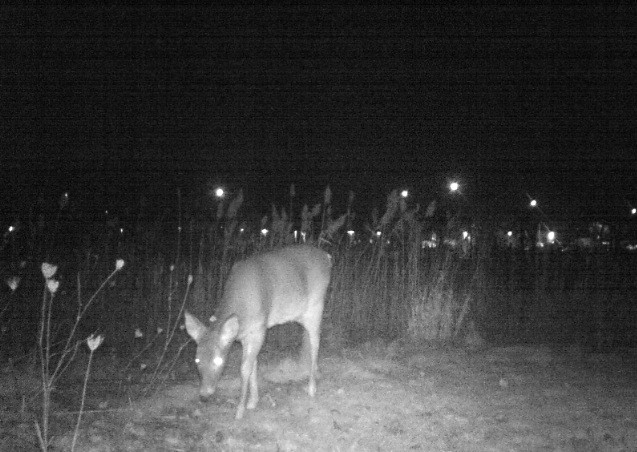
MOULTRIE DIGITAL GAME CAMERAAn image of a white-tailed deer recorded near Oakland County Children’s Village

By observing images and videos of local wildlife, students learn more about these animals’ experiences. For example, they may learn that rabbits are most active in the early morning, or that deer often raise their heads when they are feeding. Over time, students may also come to see themselves as members of a more-than-human community. For instance, the students at Children’s Village are now noting other signs of wildlife on their campus, including tracks, scat and vocalizations.

You can use remote cameras to build empathy for local wildlife, too! One option is to participate in Michigan ZoomIN, a public science project in which people can help researchers at the AWE Lab analyze images from their remote camera network. For more information about the project, click here: zooniverse.org/projects/michiganzoomin/michigan-zoomin. Another option is to purchase a remote camera and install it in your backyard. You can find a wide range of cameras for sale online or at your local sporting goods store. If you install a remote camera in your backyard, be sure not to bait it with food or other attractants. Baiting cameras is not necessary, and it can harm the animals.

– Stephen Vrla and Claire Lannoye-Hall are curators of education for the Detroit Zoological Society.
DreamNight – A Night to Remember

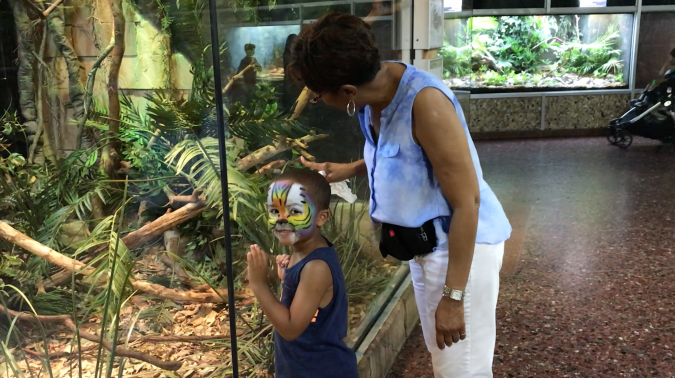
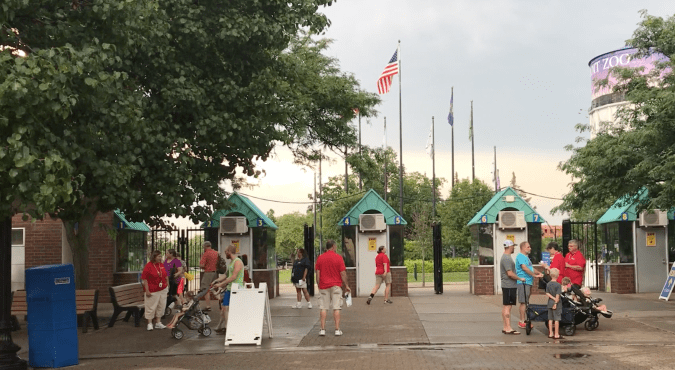
The Detroit Zoological Society hosted more than 500 guests for DreamNight, a private nighttime event for families that include a child with special needs or chronic illnesses. The goal of this event was to provide an opportunity for families to spend time, all together, in a stress-free environment. This was the first event of its kind held at the Detroit Zoo, and we were delighted with the reception of the event as well as the outcome.

Screen Shot 2019-08-12 at 2.55.10 PM

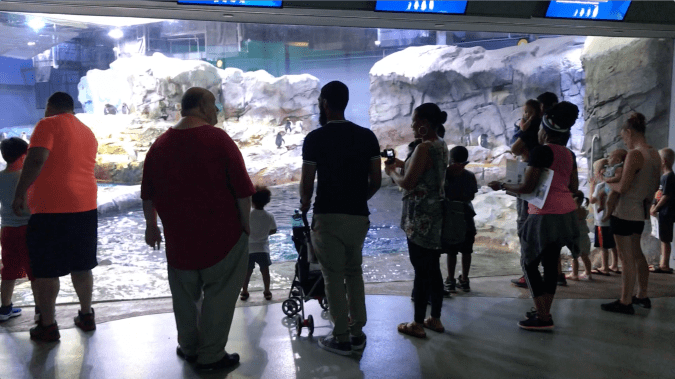
DreamNight brought families to the Zoo from around Michigan and parts of Canada. Excited and happy faces emerged as guests walked through the front gates. Without the crowds, many were able to make observations of the animals and experience the Zoo, without being overwhelmed. Penguins were a huge favorite with kids and adults alike. Some children needed the quieter buildings to enjoy the animals who live in the Polk Penguin Conservation Center, National Amphibian Conservation Center or Arctic Ring of Life.

Screen Shot 2019-08-12 at 2.56.46 PM

We saw looks of pure joy as children, for the first time, watched penguins swimming. Parents showed relief on their faces as they observed their children watching the animals or exploring the hands-on opportunities. Entire families explored activities together  ̶̶  talking and playing through their shared experiences. We were also grateful for an excited group of staff and volunteers, ready and willing to support each family as they explored the Zoo.

dreamnight picture.jpg

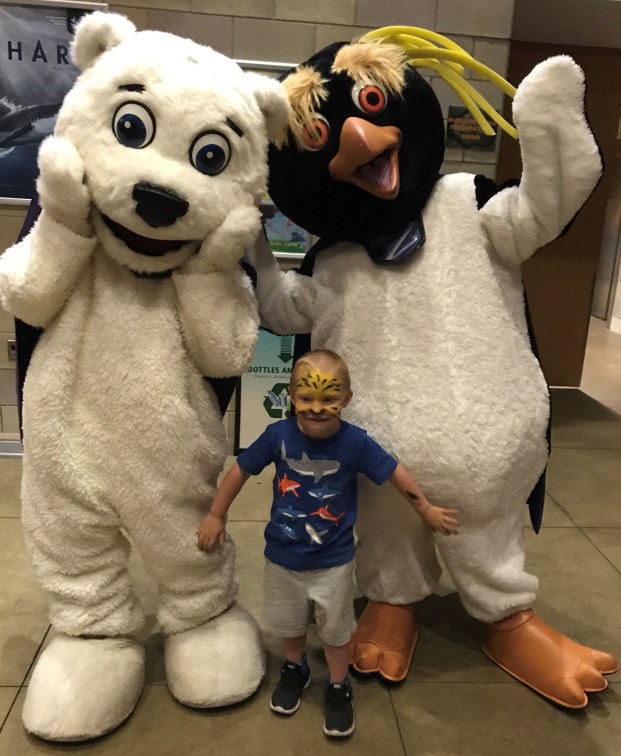
Throughout the event, families enjoyed dinner, courtesy of Service Systems Associates (SSA), our catering partner, who donated a vast majority of the food and labor for the evening. Stations with hands-on activities were spread throughout the Zoo, which invited guests to explore butterfly wings with handheld microscopes or play with sand in front of the camel habitat or weigh out food for an otter’s diet. Face painting, donated by Kaman’s Art Studio, was also available for all who attended. Our Zooper Hero mascots celebrated with us, and were loved by the families in attendance. Many children danced along to the music from a live band and watched a sensory-friendly version of the 4-D movie in the theater.

Screen Shot 2019-08-12 at 2.57.07 PM

We had an amazing time meeting these wonderful families and getting to know them. The Detroit Zoological Society strives every day to ensure that our entire community is welcomed within our organization. We have recently been certified through the The KultureCity® Sensory Inclusive™ program, which helps us to think strategically about how we can prepare guests before they arrive and provide a positive experience while they are here. Staff and volunteers have participated in training to be aware of our guests needs and learn strategies for supporting them during their visits. Sensory-friendly bags, which contain headphones, fidget items and a feeling thermometer, are available to be checked out to use throughout the Detroit Zoo and Belle Isle Nature Center. We look forward to hosting future events like DreamNight and ensuring that all families can experience the Detroit Zoo.

– Carla Van Kampen is a curator of education for the Detroit Zoological Society.
Conservation through Education in the Amazon Rainforest

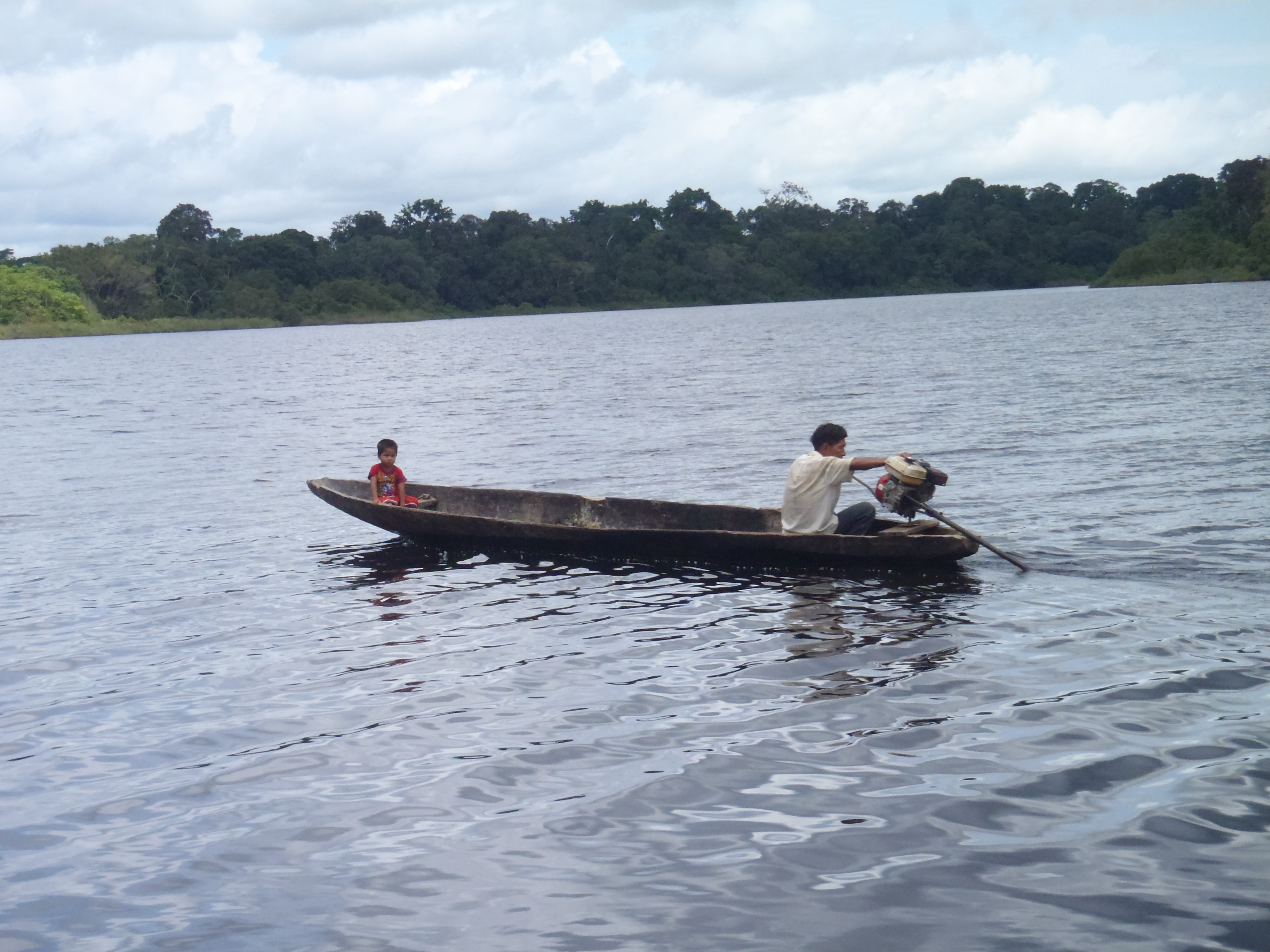
The Amazon rainforest is home to tens of thousands of species of animals and plants, making it one of the most biodiverse and beautiful places on Earth. The Amazon and Napo rivers curve through the dense jungle, providing vital resources for the people who live there, including the only means of transportation in an area with no roads. Raising a family in a remote village, surrounded by the rainforest and the bounty and perils it holds, is incredibly challenging – ensuring children have access to an education is an almost insurmountable task.

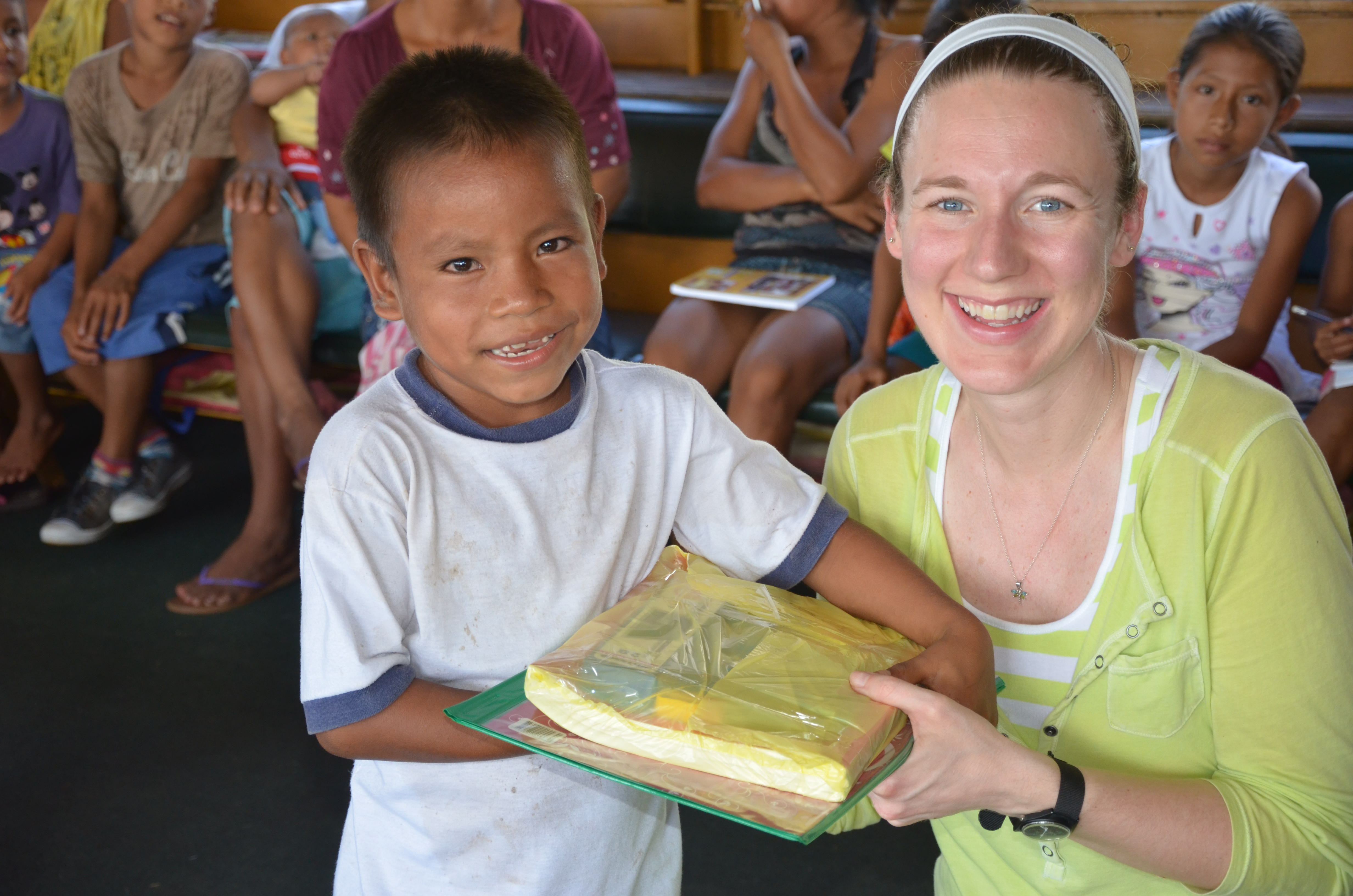
The Peruvian government provides a school building and teachers for each community, but school supplies for the classroom and each student are the responsibility of the families to provide. The financial burden of traveling to a city by boat from the remote communities and purchasing the supplies is too much for families to bear.

This spring marked the 20th year the Detroit Zoological Society (DZS) has partnered with Conservacion de la Naturaleza Amazonica del Peru, A.C. (CONAPAC), a Peruvian non-profit, to protect and conserve the Amazon rainforest through education. The Adopt-A-School program is an essential piece in this partnership, providing school supplies to children who live in remote areas of the rainforest and annual teacher workshops that incorporate rainforest ecology and conservation into the curriculum. In exchange for the school supplies and teacher support, communities sign an agreement with CONAPAC to live sustainably in the rainforest, using the natural resources in ways that will protect them for generations to come.

For the last three years, the teacher workshops focused on rainforest birds and their important role in a healthy ecological system. Karen Purcell, a Project Leader at the Cornell Lab of Ornithology in New York, works with a talented team of ornithologists and educators to create materials that are relevant to the teachers and students in the Amazon rainforest. She facilitates the workshops personally, working with the teachers to model how to use the materials with students.

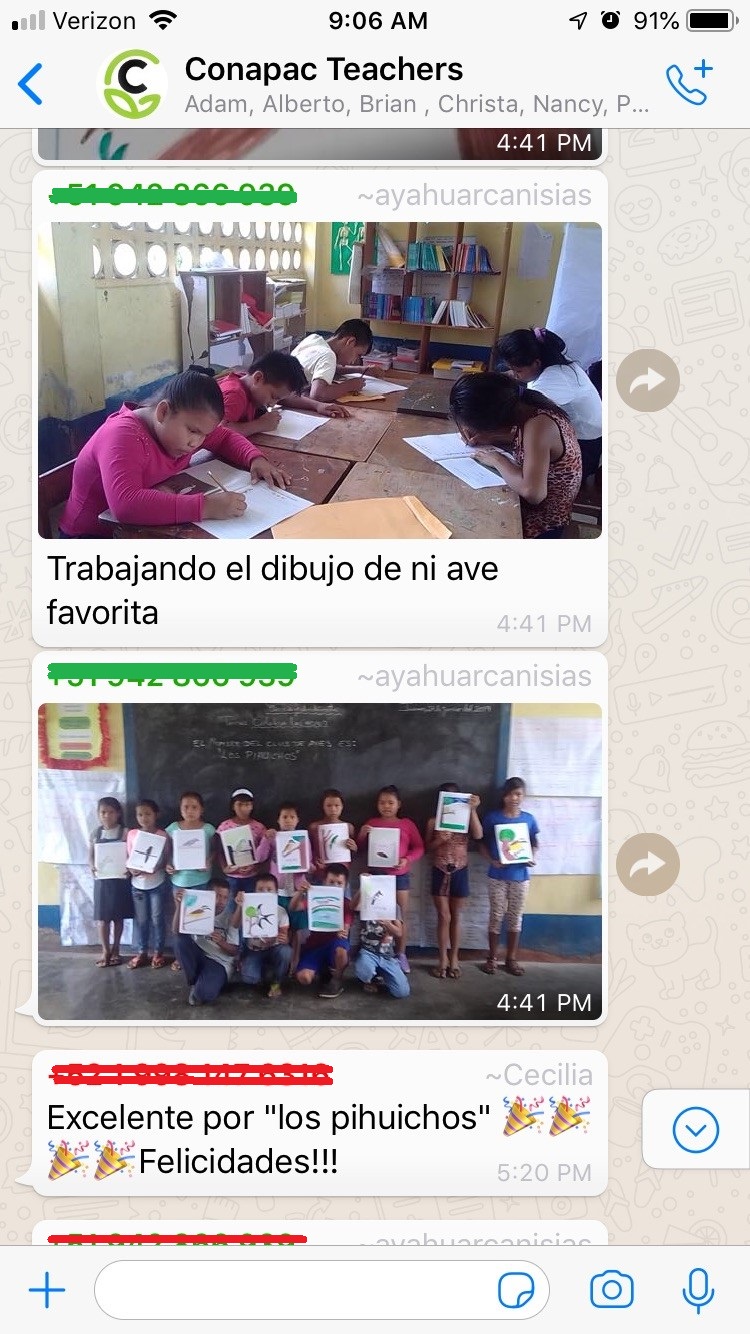
After the workshops, the teachers keep in touch with each other and key staff at Cornell, CONAPAC and the DZS through WhatsApp, a free messaging software for mobile devices. The teachers share photos and notes of how they implement the curriculum, encouraging each other and providing a steady stream of documentation on their commitment to preparing the next generation of rainforest advocates and stewards.

You can help support this program and the important work we’re doing in the Amazon rainforest by donating to the Adopt-A-School program. A donation of $425 provides a year’s worth of school supplies for a classroom and a donation of $50 supports an individual student for a year. To donate, visit https://detroitzoo.org/support/give/adopt-a-school/. Each spring, the DZS invites volunteers to help with the delivery of school supplies and to assist in community service projects in the rainforest. To express interest in participating or sign-up for the 2021 trip, visit https://detroitzoo.org/about/travel-programs/amazon-travel-program/.

– Claire Lannoye-Hall is a curator of education for the Detroit Zoological Society.
Join us in Supporting Legislation that will Protect Pets

As temperatures continue to rise in Michigan, we are reminded of the danger in leaving dogs in cars. On an 85-degree day, the temperature inside a car can rise to more than 100 degrees in under 10 minutes, even if the sky is cloudy and the windows are cracked. As a result, dogs can suffer heat-related illnesses and may die before help has a chance to arrive.

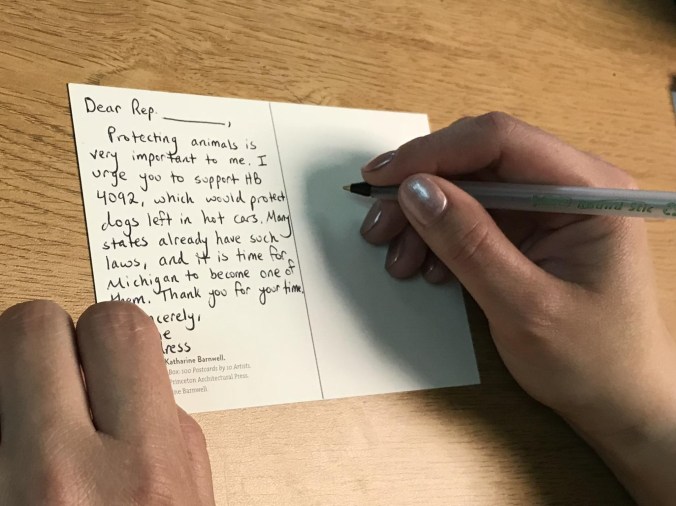
Unfortunately, Michigan does not currently protect those who directly intervene if they see a dog suffering in a hot car. House Bill 4092 would give immunity from criminal prosecution to those who forcibly enter a vehicle to rescue an animal. Many states have such laws, but we are not yet one of them. We encourage members of the community to contact your state representative and urge them to support this legislation. This bill can not only save lives, but protect those who stand up to help.

The Detroit Zoological Society recently hosted our bi-annual Meet Your Best Friend at the Zoo, the nation’s largest off-site animal adoption event, in partnership with the Michigan Humane Society. Our staff shared with attendees the dangers of leaving pets in cars and thankfully, most of them were already aware of this and the importance of calling the police if they witness this occurring. Many wanted to know how else they could help, and we provided postcards and contact information for each of their state representatives, as well as sample messaging to support House Bill 4092. We collected and distributed 165 postcards from this event.

The DZS’s Berman Academy for Humane Education exists to help people help animals. One way we do this is by providing opportunities for community members to take action in ways that have positive, lasting impacts on animals.

You can look up your state representative and their contact information here. We also encourage you to consider writing to your elected officials about other legislation that affects animals – you can find an updated list of Michigan and federal legislation here.

– Dr. Stephen Vrla is the curator of humane education for the Detroit Zoological Society and oversees the Berman Academy for Humane Education.

Kindergartners Detail Good “Zoo Manners” for Guests

It is important for young people to know their voice matters – even as young as 5 years old. At this age, they are at an important developmental stage as they develop self-awareness, are reflective of their own emotions, and begin to recognize emotions in others. It’s an important time to build empathy skills and reverence towards all living beings.

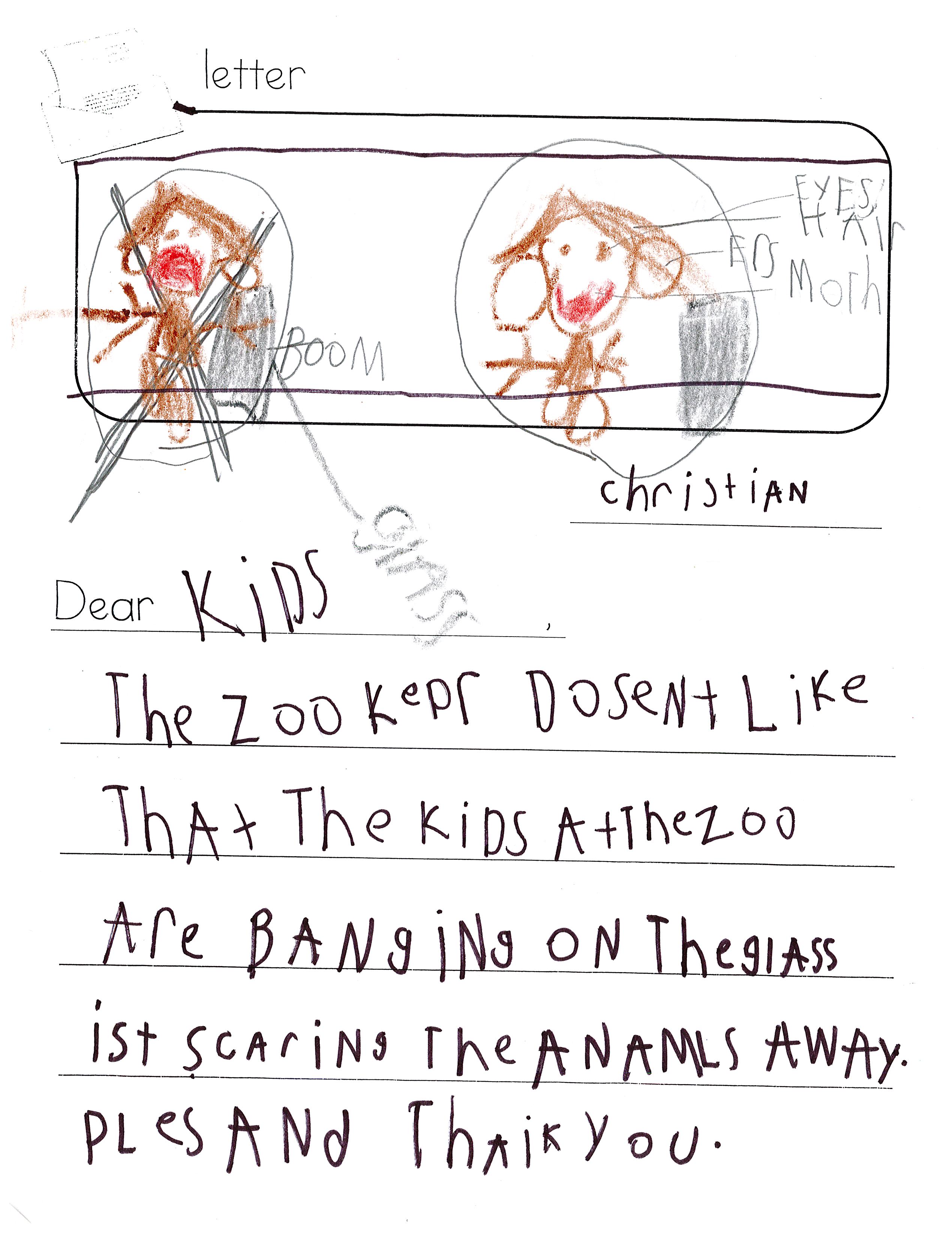
The Detroit Zoological Society received a note from the kindergarten teachers at Bemis Elementary in Troy as they were preparing for a trip to the Detroit Zoo. The teachers were wrapping up a unit on persuasive writing with their students and wanted to provide an authentic writing assignment that would combine literacy skills with their upcoming trip, so they asked their students to brainstorm visitor behaviors that can have a positive or negative impact on the environment and the well-being of the animals at the Zoo.

The class compiled a list of behaviors that could negatively impact animals, including tapping on the glass of habitats in the Holden Reptile Conservation Center or the National Amphibian Conservation Center, not properly disposing of recycling and trash, feeding or chasing peafowl, and straying from public paths. Each student chose a topic and wrote a letter, drew a poster or crafted a petition to persuade all visitors to take care of the Zoo.

Once the letters, petitions and posters were complete, the students recorded a short video sharing why they chose their topic and showcasing their final pieces. They brought all of their work with them when they visited the Zoo. Each of their petitions was read, their drawings admired and their delightful phonetic spelling was decoded.

In addition to practicing persuasive writing skills, the students arrived ready to spend the day enjoying the habitats while acting as ambassadors for the Zoo. The teachers’ mentorship was instrumental in this process. They provided a supportive environment that the students could learn and grow in, ultimately empowering the students to take action.

The Detroit Zoological Society celebrates all young people working towards a better future for all living beings. If you know of a young person who is making a positive difference in their community, we encourage you to nominate them for the Detroit Zoological Society Humane Youth Award to recognize their work. Nominations are open through August 1, 2019. Learn more and submit a nomination here.

– Claire Lannoye Hall is a curator of education for the Detroit Zoological Society.
Experience our Digital Animal Observation Trek

The Detroit Zoo is widely known for its expansive and naturalistic habitats. From the 4-acre Great Apes of Harambee to the 4-acre Arctic Ring of Life, these spaces provide the animals with plenty of room to roam and to demonstrate natural behaviors that enhance their well-being.

It is because of this that the viewing experience for guests is similar to what it’s like when observing animals in the wild. It requires patience and an understanding of our animal welfare philosophy to ensure the individuals in our care have choice and control over how and where they spend time in their habitat. A variety of viewing areas are incorporated into the habitats’ design for guests to have the chance to walk around and observe the animals’ behaviors throughout the entirety of the space.

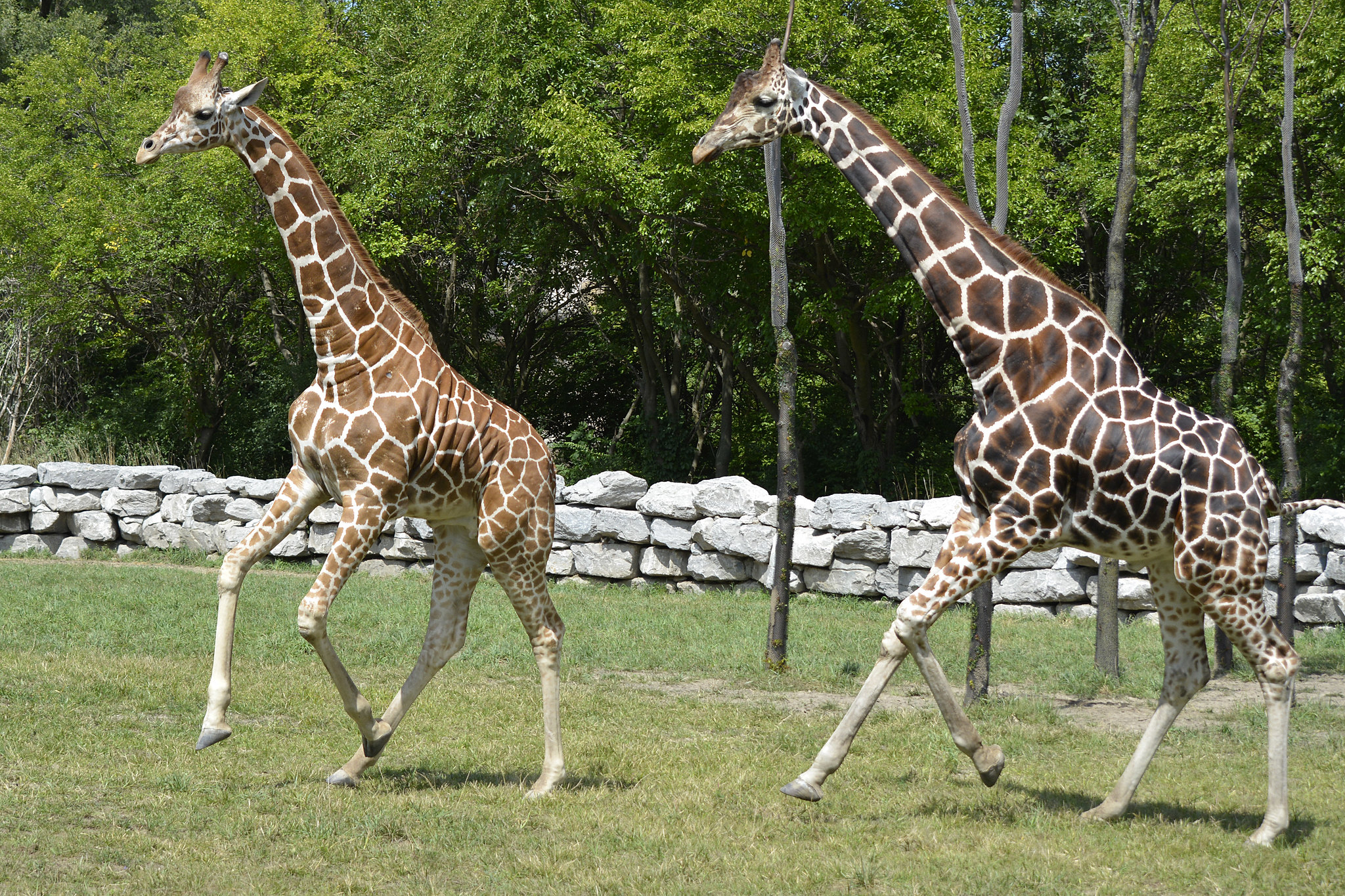
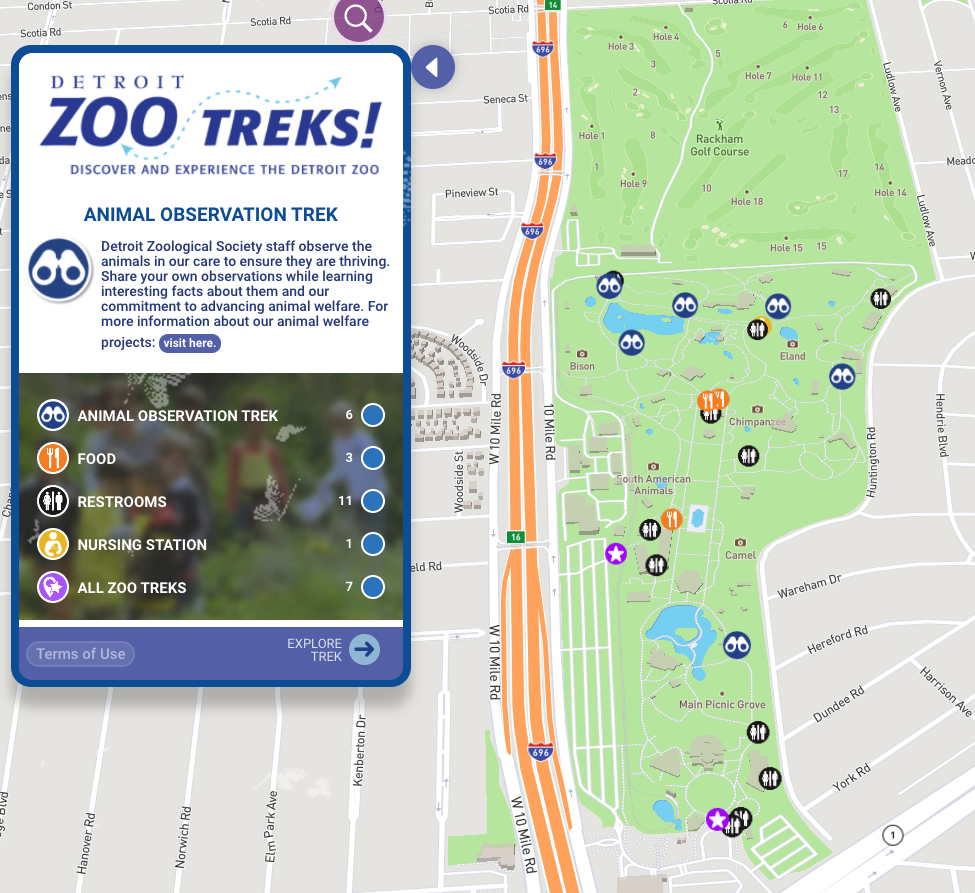
We also give guests curated suggestions of how to explore the Zoo in different ways through our interactive mobile map system called Detroit Zoo Treks. Guests can choose among several timed treks, a Fitness Trek, one that focuses on our wildlife conservation and animal rescue work, one that highlights our award-winning sustainability initiatives, and the new Animal Observation Trek. This latest trek provides visitors an opportunity to share their observations of animals with Detroit Zoological Society staff through simple surveys that can be completed on a mobile device. The digital trek currently features six animals: otters, lions, giraffes, kangaroos, wolves and eagles. As guests visit each of their habitats, they can access the survey and indicate if the animal is currently in view.

If the animal is visible, guests are asked to share what behaviors they observe the animal engaged in. After submitting their observations, information on how to distinguish between individual animals is shared through the system. If an animal is not viewable, guests are then prompted to look for signs of where the animal may have been previously spending time in the space. When the survey is submitted, a tip on where the animals prefer to spend their time in the habitat is shared to help guests observe them on their next visit. All of the survey results are recorded and shared with DZS staff, which is added to their own research and observations about where and how the animals are choosing to spend their time.

The Detroit Zoo Treks are based on a map of the Zoo and include important locations such as rides and attractions, concessions, restrooms and other guest amenities. To participate in the Animal Observation Trek on your next trip to the Zoo, visit www.dzoo.org/trek and select your digital adventure.

Preparing the Next Generation of Wildlife Protectors

As a leader in conservation work across six continents, the Detroit Zoological Society (DZS) is saving animals from extinction. Dedicated DZS professionals work year-round to support this important work, fueled by a passion to protect and preserve wildlife and wild places for future generations. Our animal care staff have an obvious role in this important work, but every staff member has a meaningful part.

Each year, close to 20,000 students and teachers participate in programs and experiences designed to inspire the next generation of wildlife protectors. The learning experiences engage participants with hands-on activities as they build essential process skills and meet classroom curriculum requirements while encouraging them to join us in our mission of Celebrating and Saving Wildlife. A great example of this type of programming is our Conservation Project Learning Labs, which includes programs designed for school groups that feature DZS conservation work. The Conservation Project: Panamanian Golden Frog Learning Lab for upper elementary and middle school students is one of the most requested school programs we offer.

When the students arrive for this program, staff greet them by welcoming them to “Panama”. A brief introduction covers what a Species Survival Plan is and how the DZS works with other zoos and aquariums across the country to ensure the survival of selected species, many of which are threatened or endangered. Panamanian golden frogs have not been found in the wild in more than 10 years, making the populations being raised in zoos and aquariums a lifeline for the species to exist. The students have important work to do during their visit: They’re responsible for determining the best site in Panama to release Panamanian golden frogs into their native habitat.

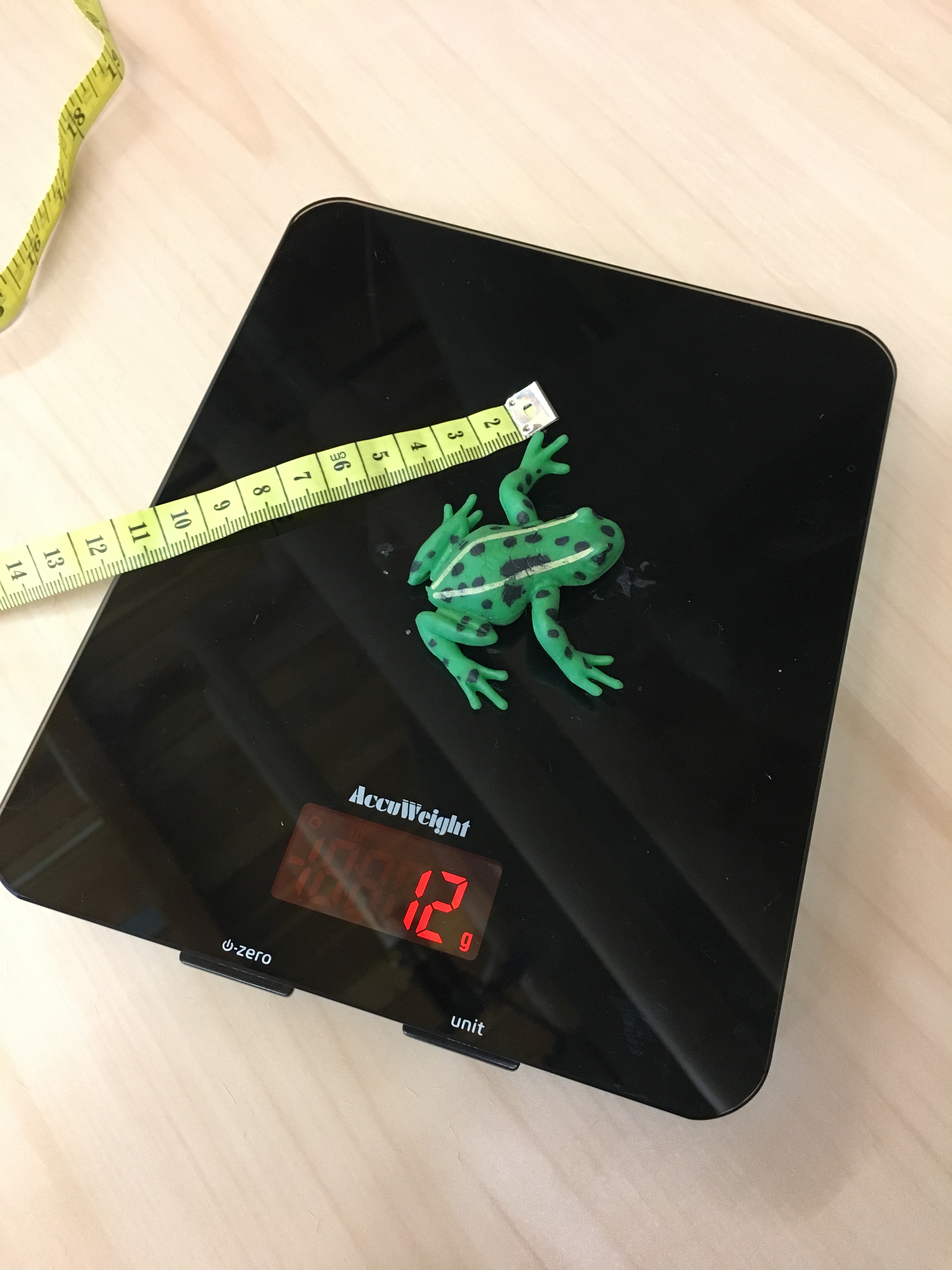
The students rotate through a series of stations to emulate how professional wildlife ecologists work in the field. Simulated habitats planted in large containers allow students to test water quality from a running stream, check for signs of human activity in the area, and swab plants and rocks in the model to check for diseases that would impact the frogs’ health. The students collect and record data at each potential release site, then move on to “assess the health” of rubber frogs by weighing and measuring each one as animal care staff would. At the final station, the students decide which of the three sites frogs should be released at based on the data they collected.

Programs that allow participants to see themselves as scientists and practice skills through realistic, hands-on activities create experiences to remember. The students walk away empowered and inspired to become future wildlife advocates. To review a complete list of programs available for school groups, visit https://detroitzoo.org/education/teachers-and-schools/learning-labs/.

– Claire Lannoye-Hall is a curator of education for the Detroit Zoological Society.
Turn Your Backyard into a Wildlife Sanctuary

As spring finally arrives, our neighborhoods are quickly coming back to life after a long winter’s slumber. Each morning we wake up to birds singing outside our windows and wildlife stirring from their winter hideouts as they venture out in search of food and companionship. We have an important role in their success as we own and care for much of the space they call home.

Our yards are becoming increasingly important sanctuaries for native wildlife. With open spaces quickly dwindling to new subdivisions, commercial buildings and parking lots, there is little left for the species who have always lived here. By sharing our backyards with birds, pollinators, small mammals, amphibians and reptiles, we’re keeping the ecosystem intact and benefiting all species, including ourselves.

Birds, amphibians and bats all help keep the insect population in control, making our summer afternoons more enjoyable without constantly swatting away mosquitos and other winged nuisances. Pollinators, such as bees and butterflies, provide us with beautiful flowers and are responsible for fertilizing crops, ultimately producing one out of every three bites of food we eat. Snakes eat insects and small rodents, keeping populations in control and out of our sheds, garages and homes. To keep these natural systems in balance, we need to minimize our impact on their daily routines.

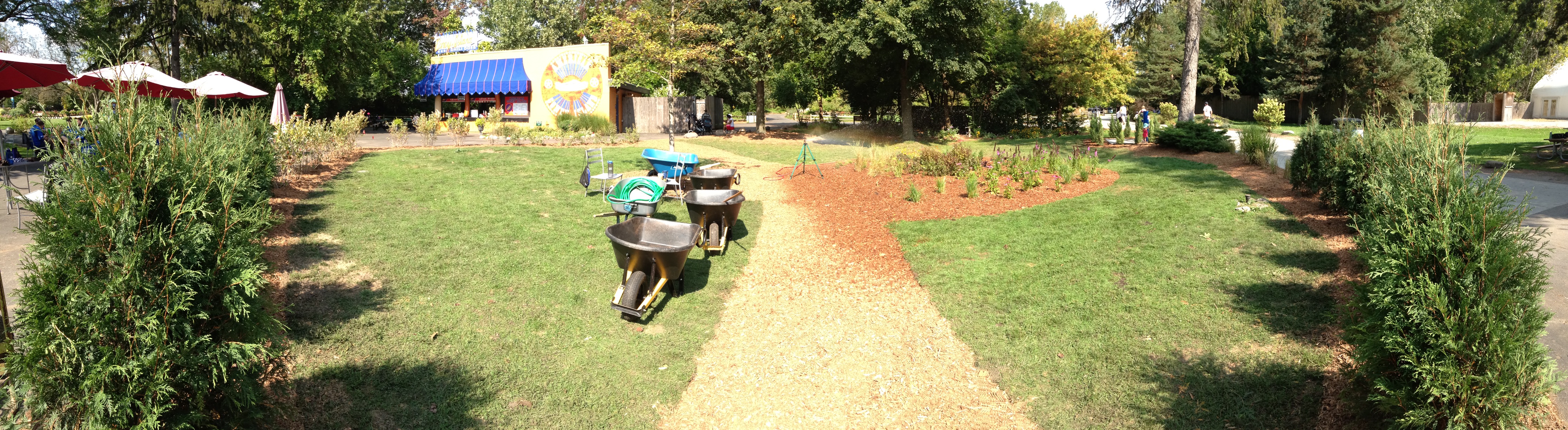
It’s relatively easy to create an oasis for wildlife while we continue to enjoy our outdoor space. Last spring, DZS staff planned and prepared a Backyards for Wildlife site near the Detroit Zoo’s American Coney Island to demonstrate how simple projects in our backyards can have a positive impact for wildlife. Volunteers from the Ford Motor Company helped to plant a variety of native flowers, grasses and shrubs in the area, and laid a wood chip path to lead guests into the space, which will soon be full of blooming flowers and busy pollinators.

In preparation for GreenFest on April 27, the site will be enhanced with signage that suggests simple things homeowners can do in their yards. These tips include:

Install rain barrels on downspouts. Collecting rain to irrigate lawns and gardens can save homeowners as much as $35 a month on summer water bills.

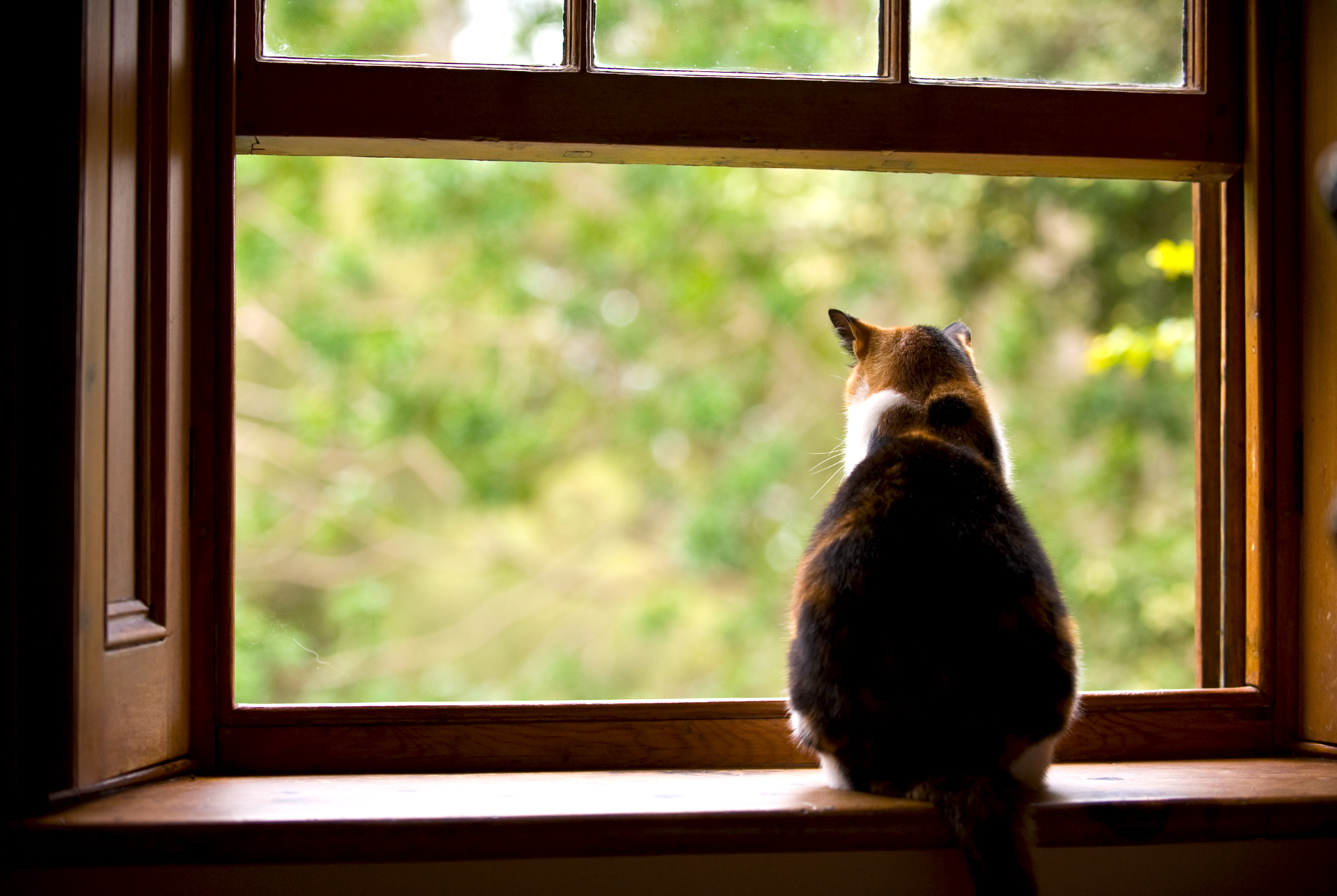
Keep your cat indoors to save songbirds. Wildlife biologists estimate that as many as one in every 10 songbirds are killed by domestic cats. Keeping cats indoors may also prevent the spread of many feline illnesses.

Install a bat house. Before you call an exterminator to spray for unwanted mosquitos, consider installing a bat house. A bat can eat up to a thousand mosquitos in a single evening!

Build a birdhouse. A birdhouse can be a fun project to build and paint with children. It will provide a safe shelter for birds raising their young.

Incorporate native plants in your landscape. Native plants require less water and care than introduced species, they come back year-after-year and are important food sources for birds, butterflies and other pollinators. Even if you live in an apartment and only have a balcony, a potted plant or small window box can provide many of these same benefits to native wildlife. For suggestions on where to buy native plants, visit https://detroitzoo.org/who/ and select the “Certify Your Habitat” dropdown.

Our Backyards for Wildlife site is a place for learning and enjoyment for humans, and a great example of how our personal choices can make a positive difference for our non-human neighbors. Join us at GreenFest on April 27, to learn more as we celebrate Earth Day with demonstrations from our Green Team, conservation education, citizen science projects and exhibits by local conservation groups.

– Claire Lannoye-Hall is a curator of education for the Detroit Zoological Society.
Detroit Zoological Society Spreads Cheer at Local Hospitals

The Detroit Zoological Society (DZS) has provided regular programming for children at local hospitals for a number of years. The monthly, hands-on activities provide a welcome distraction from short or long hospital stays as young patients receive treatment at both Beaumont Children’s Hospital in Royal Oak and Detroit Medical Center Children’s Hospital of Michigan in Detroit. With a goal of reaching as many pediatric patients as possible, and thanks to generous donations from DZS guests, staff and volunteers, we are sharing a new experience with these children that is filling hospital activity rooms with smiling faces.

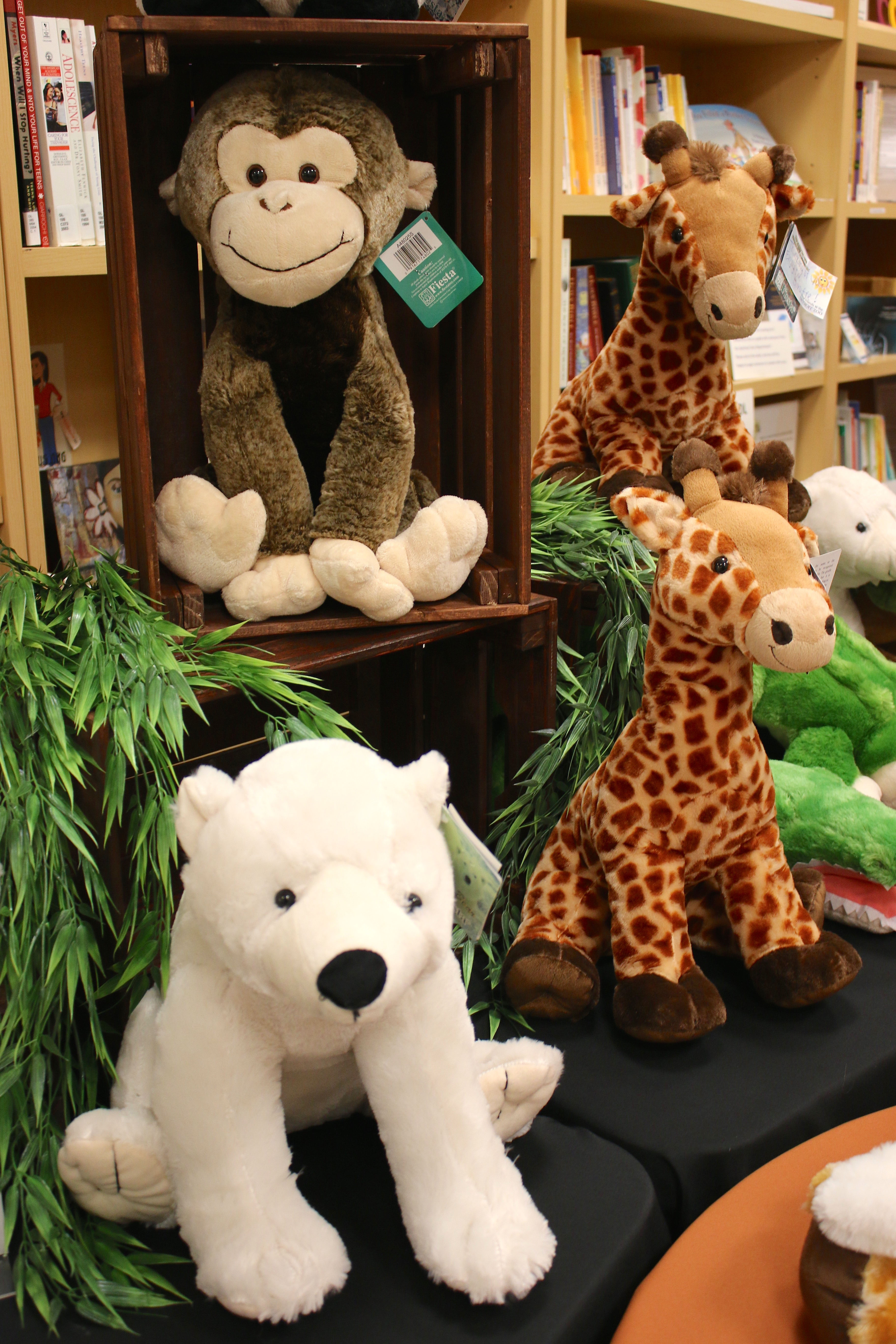
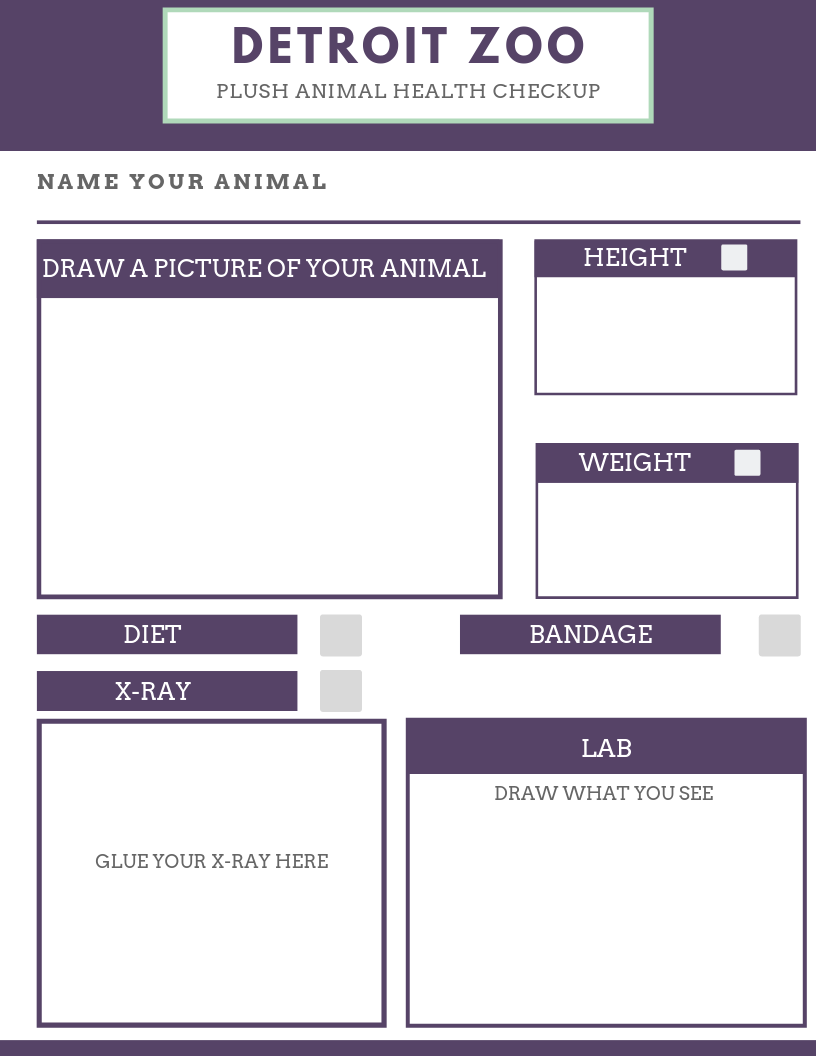
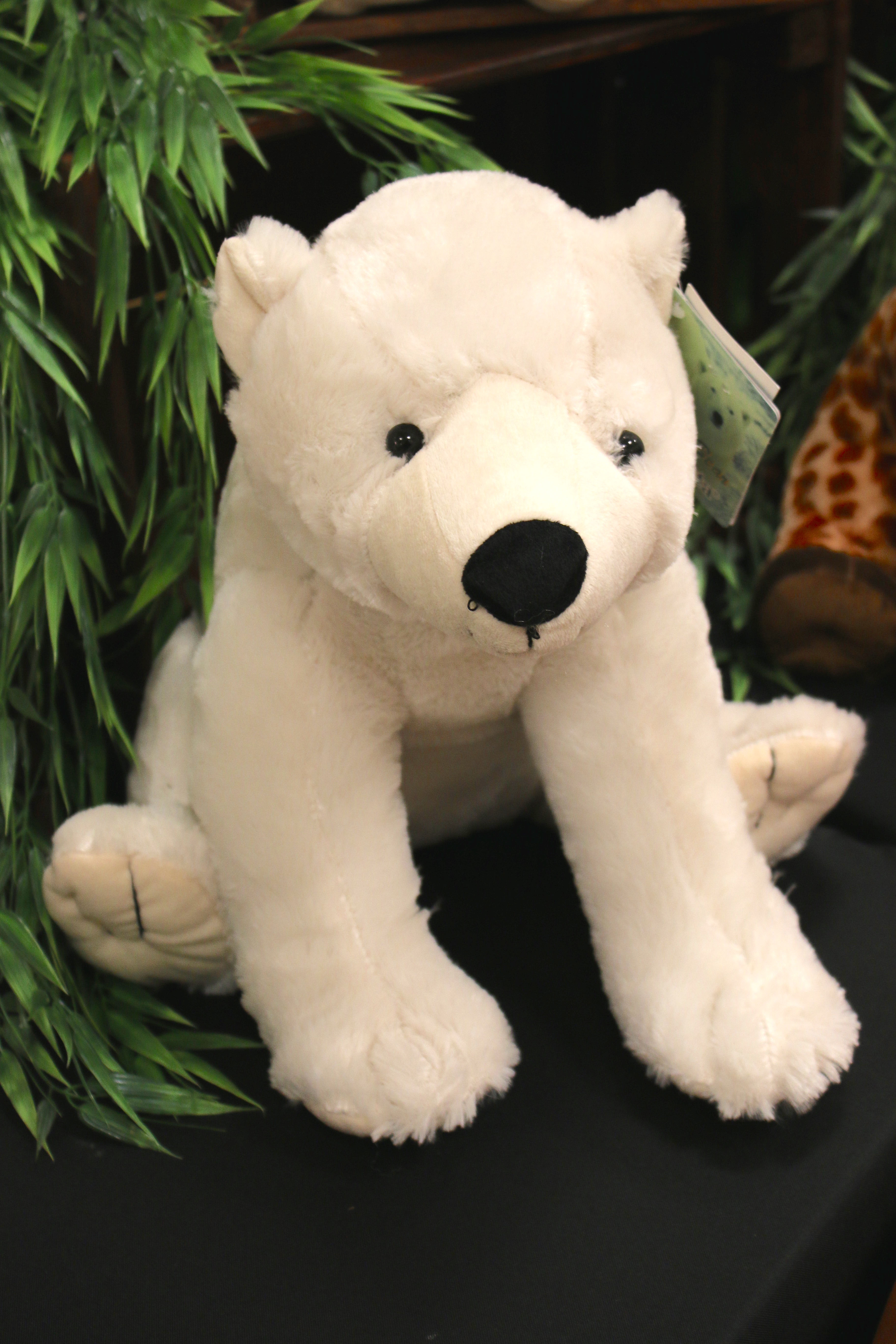
This interactive experience allows them to step into the role of a veterinarian or wildlife conservationist. As children enter the room, they have the opportunity to choose and “adopt” a plush animal. They take the animal through a series of health check-ups, including weighing, measuring, food preparation and X-ray review, carefully charting the information they collect. At the end of the examination, the child is able to keep the plush animal as a forever friend.


The stations are intentionally designed to be flexible and meet the diverse needs of each child. If a patient does not want to or is unable to move from station to station, the activities can be easily brought to them. The experience can be shortened or lengthened depending on the interest and stamina of each child. The activities can also be made more challenging for older children or simplified for younger patients.

The process of completing the animals’ health check-ups provides an opportunity for hospital staff to communicate with patients about their own treatment. Physical therapy and patient aide staff are also able to take advantage of these activities to help patients move from station to station.

The plush animals have been available for purchase at a discounted price in the Detroit Zoo’s gift shop, Zoofari Market, since 2014. The philanthropic idea was the brainchild of employees of Service Systems Associates, which operates the Zoo’s concessions and retail services.

Our pediatric hospital programs are creating memorable moments for children during their hospital stays, which can be a difficult time for many. Because of those who have so generously donated to this program, we are able to make a real difference in their lives.

– Carla Van Kampen is a curator of education for the Detroit Zoological Society.

Foster Empathy While Spending Time Indoors

The days may be shorter, the weather colder, and our lives might be spent mostly indoors during this time of the year, but it can still be a valuable, educational time for families. There are a number of activities we can do with our children to follow and support the Detroit Zoological Society’s humane education goals of fostering empathy for others and developing respect for wildlife and wild places.

Empathy is the ability to understand another person or animal’s experience from their perspective. It’s being able to place yourself in some else’s shoes/paws and mirror what they are feeling which, in turn, is known to increase positive social behaviors. While it can be innate for some of us, empathy is actually a learned behavior.

One way to help nurture empathy in children is through stories, which can help them process thoughts and information. Stories allow us to put on different hats, try out new experiences, think through future actions and develop our moral compass – all of which can be done from the comfort of our own home.

We do this in a number of our humane education programs offered by the Detroit Zoological Society. We share experiences of people helping animals and books that enable us to explore the world around us from an animal’s perspective. Even after a story has been read, there’s still an opportunity to continue building empathy by taking action.
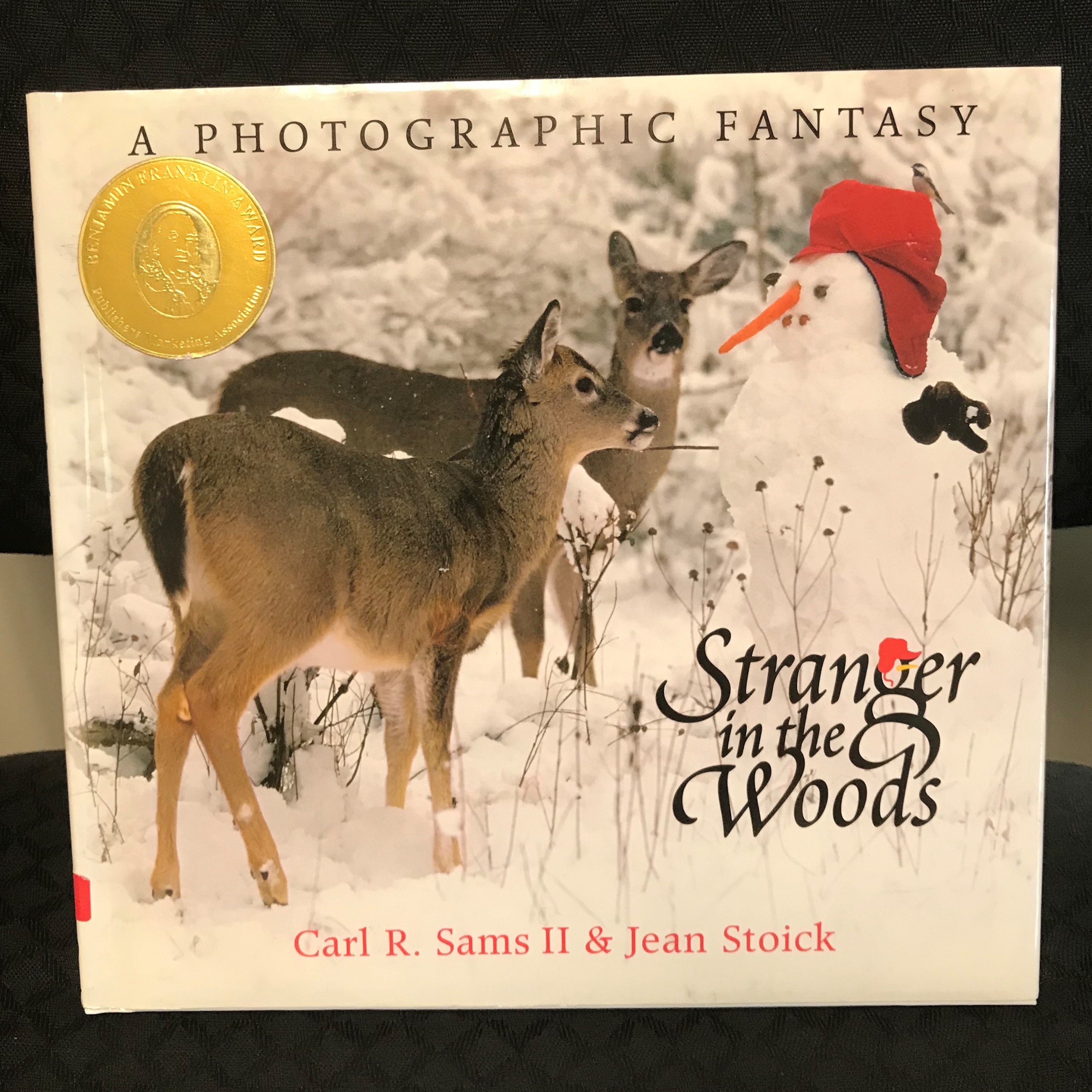
For example, you could read “Stranger in the Woods”, a beautiful picture book about local wildlife, and then build a wildlife-friendly snowperson by incorporating decorations that can feed animals. Examples include a carrot nose, potato eyes, a birdseed scarf, etc.

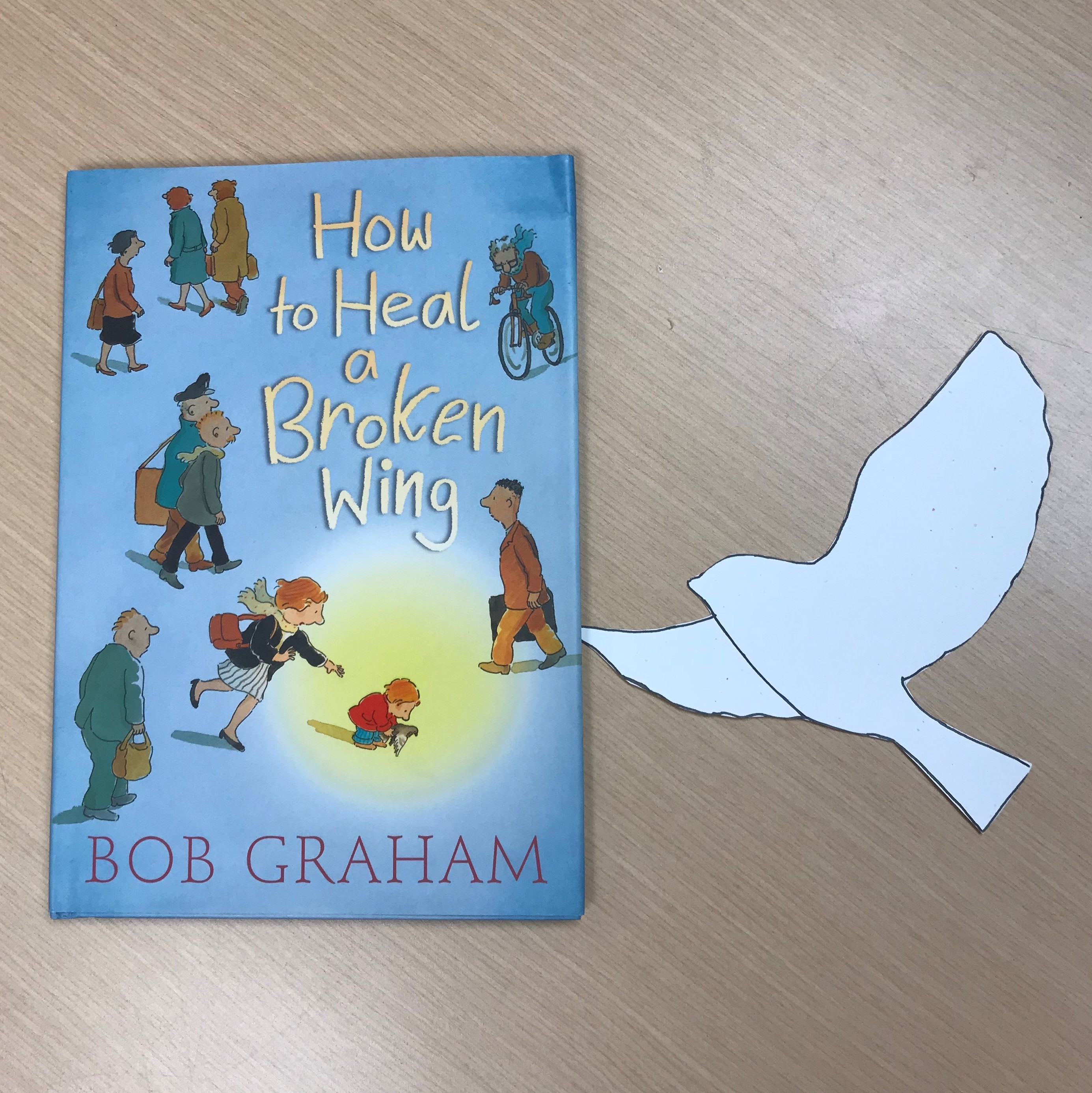
After reading “How to Heal a Broken Wing”, a book about helping an injured bird who flew into a window, you could make window decals to prevent bird collisions. You could also learn how to humanely deter ants from your home after reading “Hey Little Ant”, a book that sheds light on an ant’s perspective. Fostering empathy in children can start at a young age. Together, we can help instill values of walking softly and treating the Earth’s creatures gently.

– Carla Van Kampen is a curator of education for the Detroit Zoological Society.