Detroit Zoological Society Delivers Free Virtual Learning Programs During Pandemic

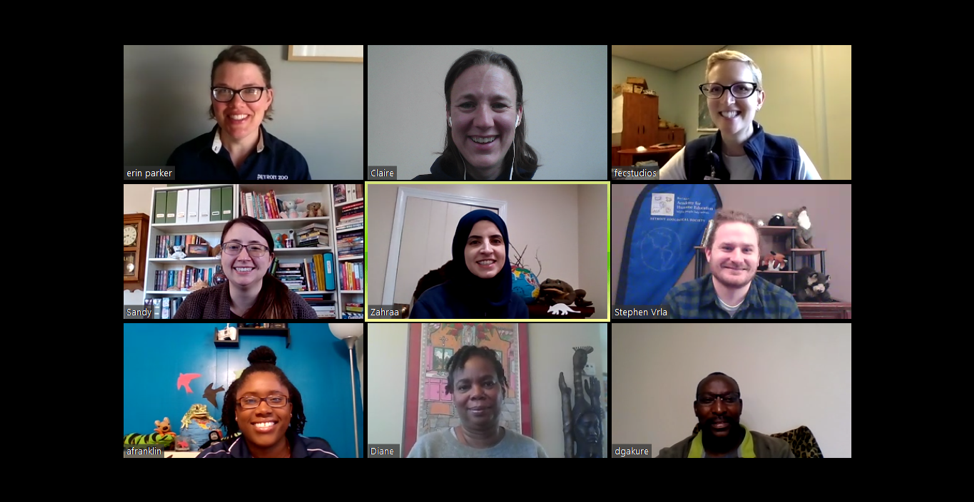
When we made the decision to temporarily close the Detroit Zoo and Belle Isle Nature Center in mid-March due to the COVID-19 pandemic, we knew we had to find a way to stay connected with our wonderful community. The Detroit Zoological Society (DZS) education team took on the challenge, pivoting to deliver virtual programs.

Since mid-March, our team has produced more than 150 free virtual learning programs to help students, families and lifelong learners continue to explore wildlife conservation, animal welfare, environmental sustainability and humane education.

While we continue to hold lessons on Facebook Live, you can also find the videos on our Virtual Vitamin Z Youtube channel. We also have a new online tool that allows you to search for lessons, including activities, based on grade levels and subjects.

Even though we have since reopened the Detroit Zoo to visitors by reservation, we are still working to reach more of our community through digital means. The DZS education team is also working on Summer Virtual Ventures and producing longer lesson plans for people throughout Michigan.

Check out a sample of some of the team’s virtual learning programs below:

Learn about Partula nodosa snails and how the Detroit Zoological Society brought them back from the brink of extinction. 

Discover what rhinos Jasiri and Tamba were up to during the shutdown.

Visit the penguins in the Penguinarium and learn how water plays a critical role in their well-being.
Did you hear? The black-crowned night herons that roost at the Detroit Zoo are back.
Join David for a Wildlife Adventure Story about zebras. 
Sandy has a sneak peek of our DZS summer programming.

Thank you for all of your support and encouragement. We hope to continue to provide enriching lessons for our community and beyond. 

– Alexandra Bahou is the communications manager for the Detroit Zoological Society.

Welcome Back to Your Zoo — A Note from Ron Kagan


There’s nothing quite like taking a leisurely walk around the Detroit Zoo to admire the gardens, the sunshine and the incredible animals who live here.

But now the experience is better — because the experience has you.

The Detroit Zoological Society team has been working around the clock to make sure all of our guests have a safe and enjoyable visit. After all, you deserve a little relaxation, a chance to explore and reconnect with loved ones.

RESERVATIONS

In addition to adding new time and date slots for members each day, we have now opened up reservations on our website to the general public for visits starting Friday. Check back often, as new slots will open up regularly!

SAFETY GUIDELINES

As we monitor the first few days of our reopening, we are also reviewing our guidelines. We will continue to revise our safety guidelines as warranted. You can visit detroitzoo.org/health to learn more before planning your visit.

NEW ARRIVALS

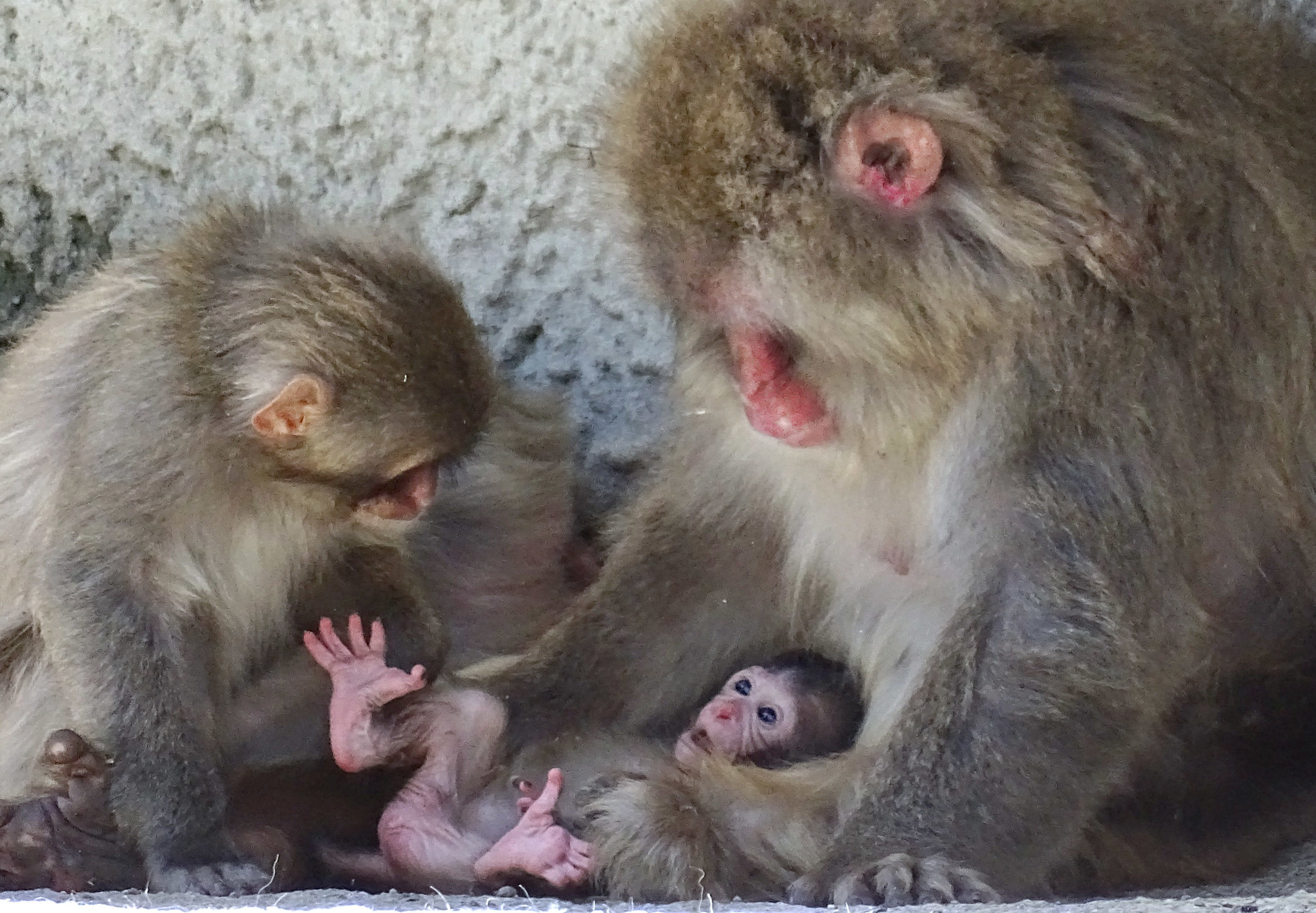
Of course, spring is always an exciting time to introduce you to new arrivals at the Detroit Zoo. We are thrilled to share the news of the birth of a Japanese macaque. The baby was born on June 3 to parents Carmen and Haru. As you can see, big sister Hana seems very interested in her new sibling.

PT new baby

We are also happy to see the arrival of new prairie dog pups, and they are quite an adorable sight as they scurry in and out of their underground tunnels.

49989950532_b26d7aa5b8_k

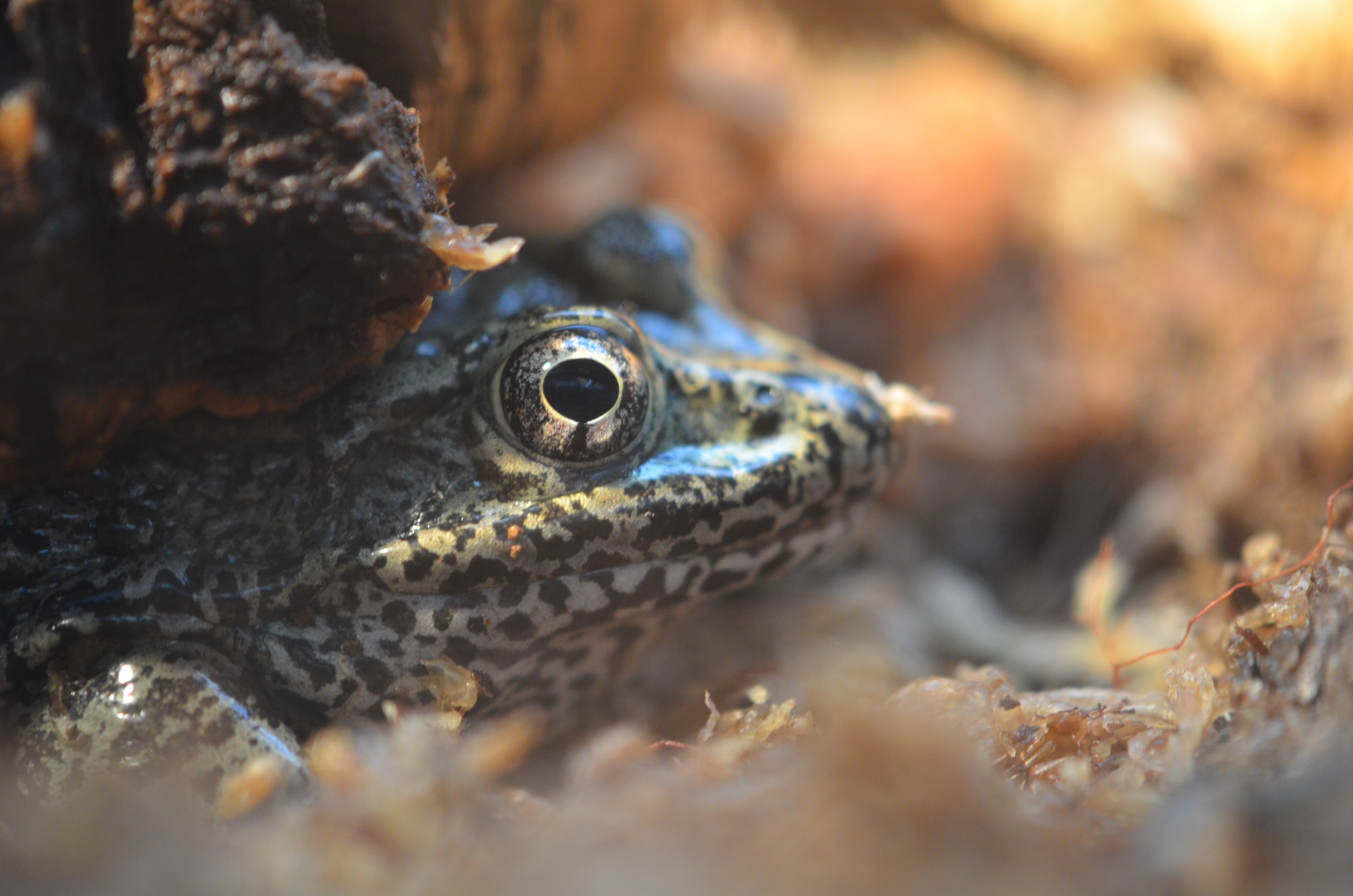
Also of note is the successful breeding of more than 170 dusky gopher frogs at the Zoo’s National Amphibian Conservation Center. In an effort to help restore this critically endangered amphibian, the frogs will be released into the wild in Mississippi this week.

Gopher frog

We (and our reservations system) have been overwhelmed by your support, and we remain grateful for all of your thoughtful feedback and engagement.

Welcome back to your Zoo.

I hope to see you during your next visit,

Ron Kagan
Executive Director and CEO
Detroit Zoological Society

We’re Eagerly Getting Ready for Your Visit – A Note from Ron Kagan

49664419377_28b6be47e6_k

The Detroit Zoological Society (DZS) is ready for you to rediscover the peaceful, safe and special Zoo you love, potentially as early as Monday, June 8.

While we’re still awaiting clarification on whether the Detroit Zoo is permitted to reopen on that day, we want you to know that your Zoo experience will be a little different from how it was pre-COVID-19. What isn’t these days?! But that just means we’re doing our job well to keep you safe. Initially, we will be limiting the capacity of guests within the Detroit Zoo. You might be pleased to know that members will have the first few days of reopening to themselves.

Masks are in this year, so wear yours. Every person who enters our grounds will be expected to accept and support the shared responsibility of keeping themselves, our guests, and staff (and the animals who live here, too!) safe. We all have a very important part to play.

The DZS team is doing daily walkthroughs of the grounds, making sure nothing is missed in our new safety protocols. Expect a detailed step-by-step guide on the new Detroit Zoo experience in the days ahead. There are some fun new twists!

As mentioned in a previous message, the DZS has extended all existing memberships by two months. The members’ annual meeting has been postponed. We don’t yet have a new date, but we plan to relay that information soon. Importantly, if you’d like to help support the DZS, please consider renewing your membership here or giving a gift to help with Zoo operations as we’ve lost millions in revenue over the past two months. Many of you have sent support over the past weeks. We are so appreciative!

In an effort to reduce possible risks to children in our community and because we cannot afford to properly staff due to millions in lost revenue, the Detroit Zoological Society has had to cancel this year’s in-person Safari Camps. The DZS education department will continue to provide enriching virtual content to help children continue to learn and grow this summer. If you’ve already signed your child up to participate in this year’s Safari Camps, you can choose to move your reservation to next year, donate your reservation to the DZS or get a full refund. Contact Customer Care at info@dzs.org for more information. We appreciate your understanding and look forward to welcoming kids back to camp soon!

In the meantime, if you are looking to bring a slice of the Zoo to you, the Zoofari Market has gone digital! Explore our online shop to find a great selection of eco-friendly products, stylish apparel, unique souvenir keepsakes and new animal-inspired face masks.

I know we’re all craving to reconnect, both with each other and with nature, and the Detroit Zoological Society is looking forward to providing the community with an outdoor reprieve from the stress of the past few months.

See you soon,

Ron Kagan
Executive Director and CEO
Detroit Zoological Society

Planning for the Future — A Note from Ron Kagan

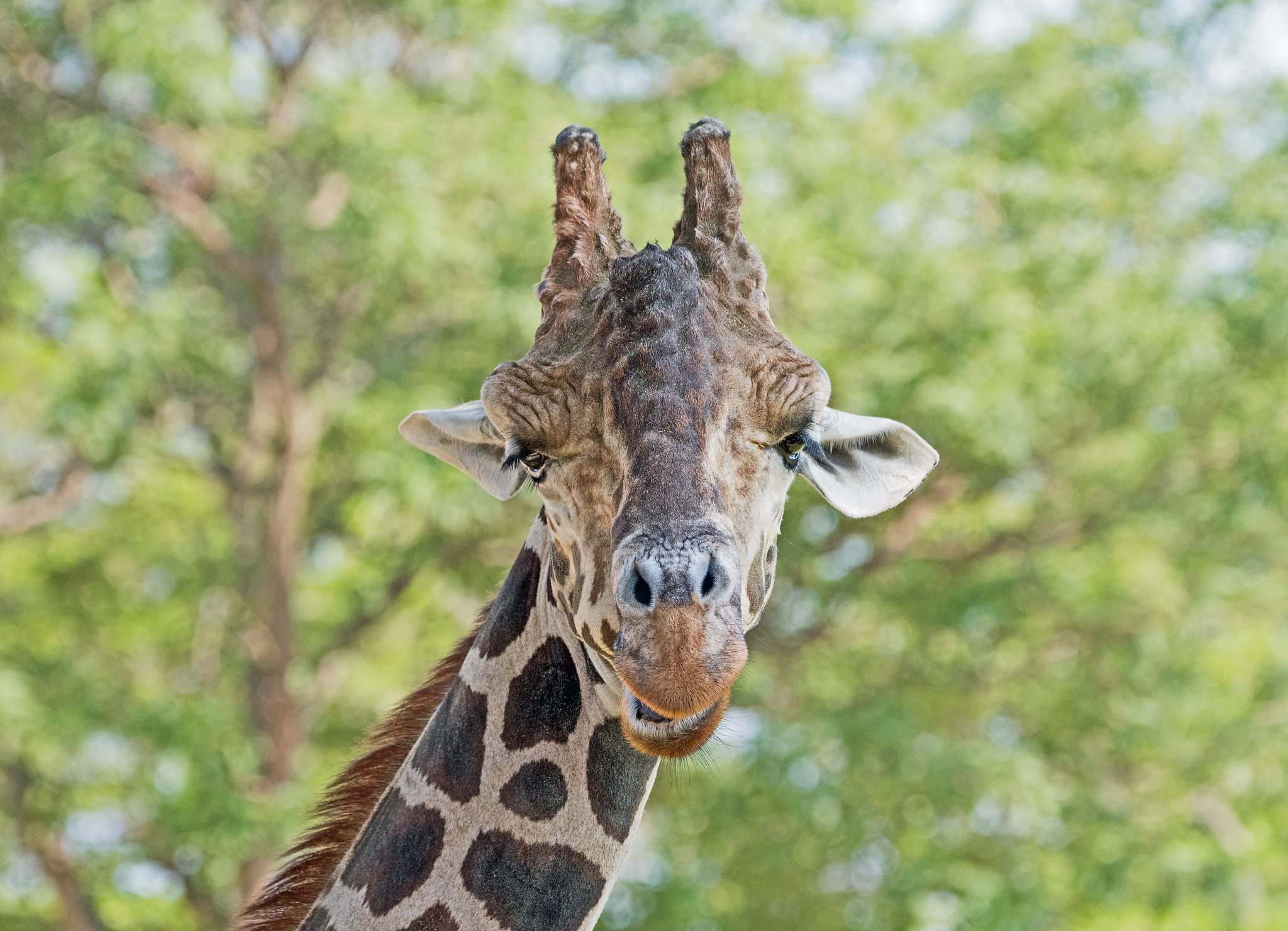
giraffe

We know you miss visiting nature’s wonders at the Detroit Zoo and Belle Isle Nature Center, and we miss hosting you as you explore, enjoy and learn. Looking to the future, the Detroit Zoological Society (DZS) is planning for a reopening as soon as it’s legal and safe to welcome you back.

The DZS continues to monitor scientific data, consult experts about both human and wildlife health issues, and listen to you and your suggestions about safety measures for our eventual reopening. If you’d like to add your voice to our survey, we’d greatly appreciate your input.

Social distancing, limited and timed entry, and strict, constant cleaning protocols are just a sample of what you can expect when you return. For us, it will be and has always been, safety before revenue. Limiting capacity will further hurt our revenue stream at the height of the summer season, but it is paramount that we do everything we can to keep our guests and animals safe. We will adhere to clear, sensible policies and count on you to accept shared responsibility so we can keep each other, and the animals who live here, safe.

We have received questions about membership extensions, Zoo Camps and other events. We can say that original programs and events pre-COVID-19 will not be the same. The DZS is working hard to develop alternate and engaging solutions for events and camp experiences, and we will share more details soon on all fronts. The DZS has automatically extended existing memberships for two months.

No words can adequately express our sincere gratitude to the community during this time. The thoughtful letters, calls, posts and donations are very much appreciated. Thank you. We hope you are healthy and able to get out and enjoy nature on those beautiful, warm days (between the fleeting snowflakes) that our Michigan spring allows.

Be well,

Ron Kagan
Executive Director and CEO
Detroit Zoological Society

Don’t Worry: The Animals at the Detroit Zoo Are Receiving Great Care!

As all of us continue to figure out how to navigate our daily lives during the coronavirus pandemic, people are reaching out to make sure their friends and families are doing OK and not feeling too isolated or overwhelmed.  I’ve had a number of people ask about how the animals at the Detroit Zoo are faring, particularly given the news from the Bronx Zoo about the big cats who tested positive for COVID-19.

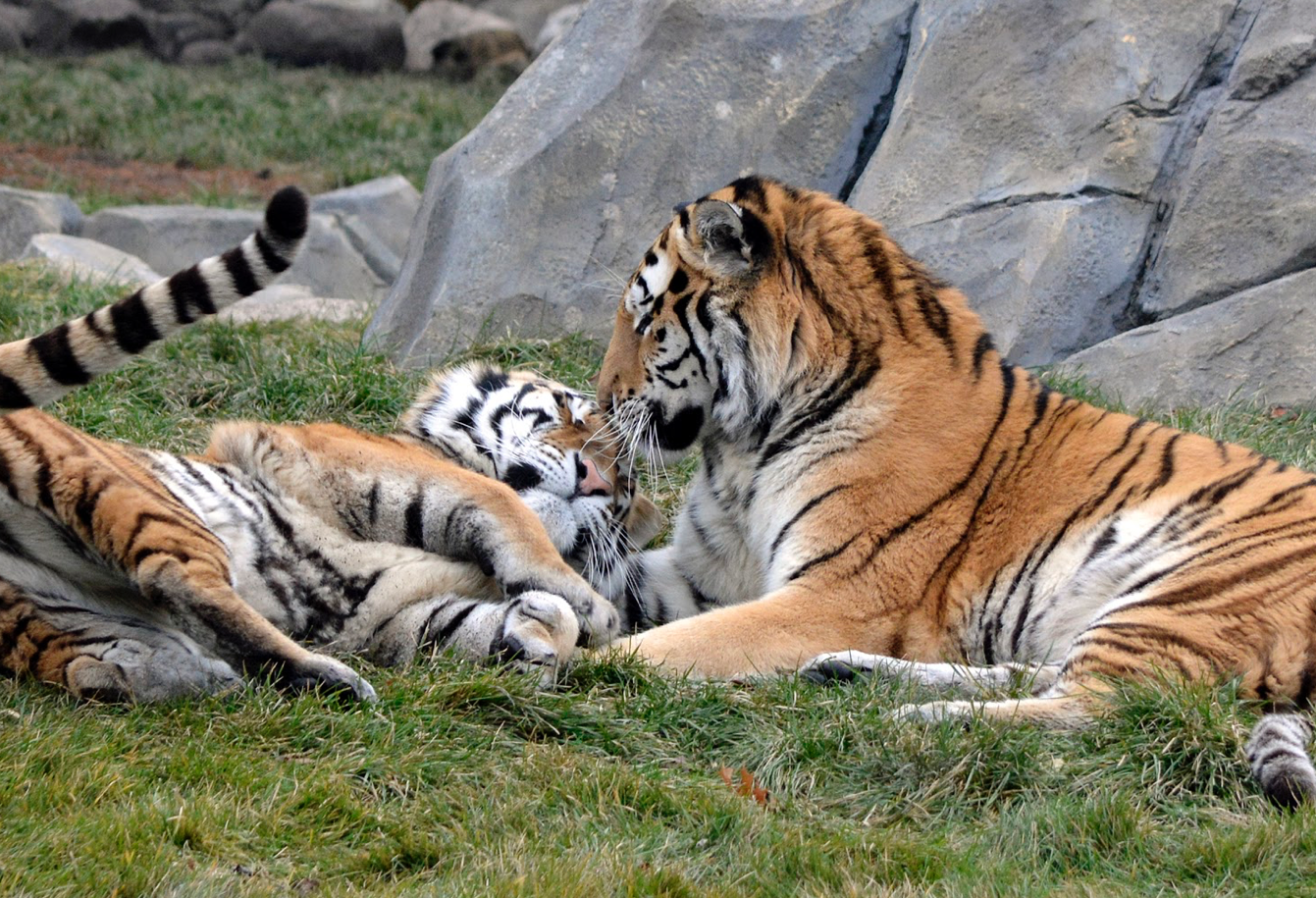
The Detroit Zoological Society (DZS) animal care and veterinary teams continue to ensure that the animals at the Zoo and Belle Isle Nature Center are well cared for and healthy.  We’ve made a lot of changes in our procedures to help prevent the spread of coronavirus among people and animals. Before the first human case was confirmed in Michigan, the DZS was already using masks and gloves and keeping our distance when caring for the animals we considered most vulnerable to COVID-19 infection: the monkeys, lemurs and great apes.  When it was determined that tigers and lions at the Bronx Zoo had shown symptoms of COVID-19, we immediately expanded our preventive strategies to include a number of carnivore species.

So far, none of the animals at the Detroit Zoo have shown symptoms to indicate a possible COVID-19 infection.  We are also very happy to hear that the animals at the Bronx Zoo are improving and expected to fully recover.  The DZS stays in touch with zoo and wildlife colleagues across the country and overseas. We are also connected with our One Health partners in Michigan, modifying our animal care protocols as soon as new information becomes available to keep the animals who live here healthy.  Meanwhile, our staff is grateful to be healthy and able to do the important work of caring for these beautiful creatures.  We are monitoring animals carefully, continuing to provide preventative veterinary care such as giving vaccinations, treating to prevent heartworm, and providing care for animals with critical health problems if needed.

As the signs of spring emerge at the Zoo, it’s hard not feel sad that we can’t share the beauty of the daffodils and budding trees with guests.

When the time is right, we very much look forward to seeing all of you at the Detroit Zoo once again.

In the meantime, be well.

– Dr. Ann Duncan is the director of animal health for the Detroit Zoological Society and oversees the Ruth Roby Glancy Animal Health Complex.

Honoring Earth Day: A Note from Ron Kagan

The devastating COVID-19 pandemic has impacted all of us greatly. At such a somber time, it can be really hard to navigate our new (temporary) normal, let alone remember special days. But, today is important; today is Earth Day.

shutterstock_1610295256 (1)

While most of us are missing friends and family and much of our regular daily life, some have found a new friend in nature. Others have always remained aware and in love with Mother Nature. This current isolation has allowed many of us time to reflect on things that might have otherwise been taken for granted and gone unnoticed: a squirrel nesting in a tree (isn’t it strange how most people hate rats, but think squirrels are adorable?!), a ray of sunshine between snowflakes (we live in Michigan, after all), or an early spring flower blossoming. Earth has always been a source of wonder and joy for humans. Now we have the time to really pay attention to it.

This Earth Day, we celebrate the planet that we’re fortunate to call home. Even through the turmoil of a pandemic, the Earth is what unites us and grounds us. It’s the ultimate, and literal, common ground.

Through the work of the Detroit Zoological Society (DZS), we encourage people to be mindful of their impact on others, human and non-human alike. At our core, we believe that we have both a responsibility and a great opportunity to be helpful, bringing both awareness and solutions to environmental issues. Many of these issues, human and non-human generated, inevitably result in consequences that harm both the natural world and the human experience.

At DZS, we love the natural world. We study it, we save it and we celebrate it. While the pandemic is everyone’s number one fight right now, as it should be, once we are through this battle, we must not lose sight of the need to fight for our planet. Since the beginning, we humans have pushed forward, sometimes pursuing our desires and needs without always fully considering the consequences and problems that could follow. We have dramatically changed — and in some places destroyed — landscapes, released chemicals into our air and water, left plastic to wrap the planet and too often treated animals and nature as disposable. It’s as if we think Earth is bestowed with infinitely replenishable “assets.”

We have the chance to correct the course if we act. With less of us driving cars and with the recent dramatic reduction in factory emissions, we have seen significantly cleaner air over many cities. What a difference. This is a vivid illustration of how important renewable energy is to our health and to the planet’s health.

So when you’re outside, find time to connect with nature. Look and listen; soak it in. And when the world moves out of this public health crisis, I hope we will all remember that our safe place is nature. We should do everything possible to make it healthy.

With gratitude,

Ron Kagan
Executive Director and CEO
Detroit Zoological Society

Share Your Love of Sustainability with Your Sweetheart

Screen Shot 2020-02-07 at 4.54.46 PM

Whether you like chocolate or candy, Valentine’s Day is a great excuse to share many delicious treats with your loved ones. There’s just one problem: not all of these treats are created equal when it comes to sustainability. Many food products, including a large amount of candy, contains an ingredient that has major effects on wildlife: palm oil.

Palm oil is a vegetable oil derived from the fruit of oil palm. It is used in a wide variety of products, especially in food and cleaning supplies. One positive aspect of palm oil is that less land is required to create the same yield as other vegetable oils. However, the demand for this product has become so high that land is being deforested at a very rapid rate to create space for these plantations. This deforestation is a direct contributor to habitat loss for many species, and it is estimated that the palm oil industry impacts 193 species with concerning conservation statuses. Among those impacted are species like orangutans, rhinos and tigers. Specifically, scientists believe that the 17% decline observed in the Sumatran subspecies of tiger over the past 20 years is heavily due to deforestation for palm oil plantations.

So, what qualifies as sustainable palm oil? The Roundtable on Sustainable Palm Oil (RSPO) is a group formed to maintain standards and certify organizations producing and sourcing sustainable palm oil. There are several RSPO-certified producers that have committed to stopping certain industry actions to create better practices for both wildlife and people. These new standards call for transparency, the elimination of deforestation and better working conditions for laborers. By making these commitments, producers and organizations can work together to create a demand for sustainably sourced palm oil in our everyday products.

Consider the following actions to decrease the demand for unsustainable palm oil:

Support sustainable companies. Buy food, such as your Valentine’s Day candy, and other products from companies that source their palm oil from sustainable farms.

Screen Shot 2020-02-07 at 4.42.53 PM

Make your voice heard. Did you notice a certain company was not committed to using sustainable palm oil? Write them a letter to share your concerns and encourage more environmentally conscious operations. Our consumer voice can be quite impactful.

Create homemade gifts. Make a batch of cookies or chocolate-covered strawberries to gift instead of purchasing something from the store. Not only are you showing someone you care, but you can ensure that each ingredient used is a sustainable one.

Marissa Ratzenberger is a sustainability coordinator for the Detroit Zoological Society


Reusing is Always in Style

Clothing Donation
With changing seasons and styles, you may be digging through dressers only to find clothing that has not been worn in months. If you decide to create more space in your closet, what happens to your unwanted clothing? Even though items may seem outdated or worn, they have a much longer life than one might think. In most cases, clothing items can be reused in multiple capacities, so hold off on sending them out with the trash.

According to the U.S. Environmental Protection Agency (EPA), roughly 8.9 million tons of clothing and footwear are sent to landfills with clothing being one of the world’s fastest growing waste streams. Not only can clothing become a material waste issue, but the production of textiles is a heavy contributor to greenhouse gas emissions, equating to roughly 1.2 billion tons of carbon per year. The average car could drive for over 260 million years to match the annual carbon footprint of the fashion industry.

Global textile production is also one of the largest consumers of water, both in the growth and processing of clothing materials. According to media reports, it takes roughly 2,000 gallons of water to create only one pair of jeans. This figure is over six times the amount of water that the average family uses per day. Water is also needed to dye clothing, which can often be discarded into waterways, polluting habitats.

For ideas on how to reduce textile waste, please consider the following actions:

  • Rethink fashion. Fast fashion is the production of clothing in high quantities with low quality materials to meet the latest trend. When purchasing new clothing, choose timeless pieces that will have a longer lifespan.
  • Recycle apparel. Donate unwanted clothing to a local charity. Not only is donating our clothing an action that reduces our impact on landfills, but it also provides resources to communities in need.
  • Reuse clothing. Consider purchasing some or all of your clothes from secondhand stores. Not only will you support the clothing reuse cycle, but your fashion will always be unique and you save money.
  • Repurpose items. If you do not want to part with your old t-shirt, consider repurposing it for a different use. Old textiles are great for use as household cleaning rags. Clothing can also be disassembled and turned into other items like headbands, napkins and scarves. Search some DIY projects and get creative!

    If you are interested in donating your clothing, there are several organizations that have local drop-off sites, including Goodwill and The Salvation Army. There are also organizations — like Simple Recycling and the Military Order of the Purple Heart — that pick up donations from your home. Research your local donation organizations and help decrease your clothing waste impact.  

Marissa Ratzenberger is a sustainability coordinator for the Detroit Zoological Society

A Blossoming Friendship: Ta-Shi Teaches Keti Manners

Is there anything sweeter than making a new friend? Keti and 14-year-old Ta-Shi have become quite the dynamic duo in recent weeks.

IMG_2461

Keti, who is the offspring of 4-year-old mother, Ash, and 3-year-old father, Ravi, was hand-reared after birth by Detroit Zoological staff. Ash was a young first-time mother and a bit unsure of how to properly care for her newborn. It’s not unusual for this to occur; zoo babies do occasionally have to be cared for by staff for various reasons.

After four months of close observation in the DZS nursery, Keti was encouraged to play and learn on her own in a grassy habitat adjacent to the Holtzman Wildlife Foundation Red Panda Forest.

IMG_2487

Keti quickly became confident in her abilities — and then it was time for another first: a grand introduction.

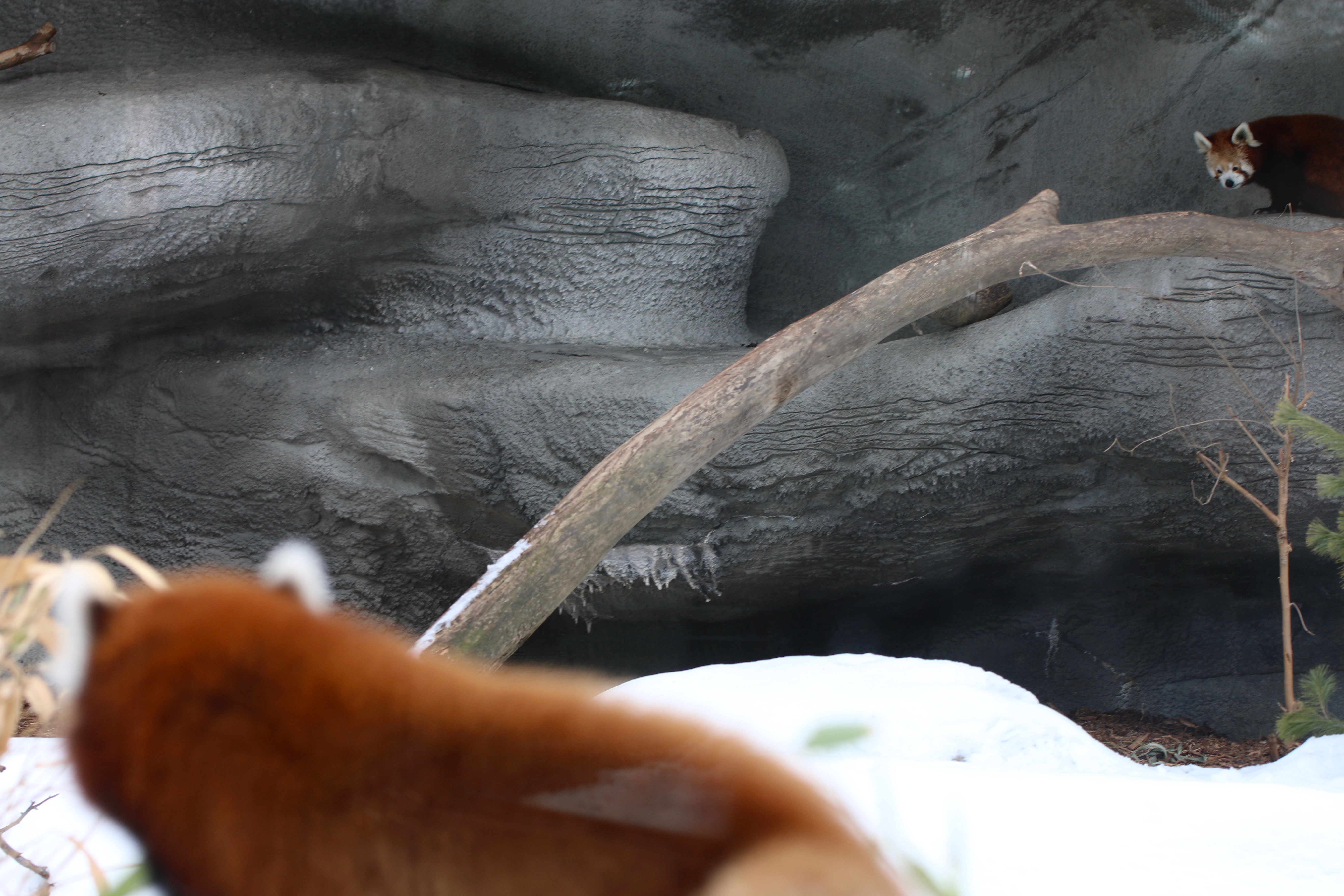
Recently, Keti was introduced to Ta-Shi in the grassy habitat. Ta, who has reared cubs multiple times, appeared curious and switched on her maternal instincts during her first meeting with the now 6-month-old. Keti seemed incredibly eager to be around another red panda and quickly took to Ta.

IMG_2498

A good companion and mentor, Ta is teaching Keti her manners — and, in a way, helping her potty train. In the wild, red pandas go to the bathroom in a specific area, similar to how a cat uses a litter box. Ta has now shown Keti where the “bathroom” is located.

The pair appear to be getting along well and last week, they were even caught snuggling.

Keti and Ta will eventually be moved to the Holtzman Wildlife Foundation Red Panda Forest to join neighbors, Ash and Ravi.

Ash and Ravi are approaching breeding season, so Keti will remain separated from them as this is the normal period when red panda babies leave their mothers in the wild.

In other words, Keti will get to spend even more quality time with her new faithful friend.

IMG_2414
-Alexandra Bahou is communications manager for the Detroit Zoological Society

Meet Keti, An Adorable Baby Red Panda

Visitors to the Detroit Zoo are always excited when they are able to see baby animals.  Babies are adorable, and are often playful and fun to watch.  Chimpanzee Jane is no exception – she is now 15 months old and can be seen climbing in the trees in her habitat and encouraging the older chimps to play with her. Hana, a female Japanese macaque, is only 5 months old, but is already moving away from her mother and exploring the rocks and branches of her habitat.

It’s not always possible for zoo babies to be cared for by their mothers for various reasons, and occasionally animal care staff have to step in and assist.  When this happens, babies are often cared for in the animal hospital nursery, where they can be given the intensive care they need to grow and thrive.  In the nursery, veterinary and zookeeper staff caregivers can provide round-the-clock feeding and attention.

7-11-19

Over the years, we have had the pleasure of caring for a number of adorable babies, but in my opinion our current nursery resident – a female red panda cub – is arguably the most adorable animal in Detroit Zoo history.  She was born July 6, and weighed 112 grams (around 4 ounces), a good weight for a red panda cub.  While the cub’s mother Ash was pregnant, she allowed us to ultrasound her abdomen while she happily ate treats, so we knew she was pregnant with a single cub that was growing well.  Ash delivered the baby with no problems, and showed the newborn lots of attention, but this was her first pregnancy, and she didn’t have all of the skills needed to raise the cub.  Red panda cubs have been hand-reared at several zoos, including the Detroit Zoo, and we had prepared in advance to care for the panda cub, just in case.  A hand-rearing manual that compiles collective experiences of zoo professionals was used to determine the formula and feeding schedule and help to develop a care plan.

7-11-19 bottle

The cub was placed in an incubator that provided a warm, humidified environment, and was given round-the-clock care.  Her formula was offered in a small bottle with a nipple used for premature human babies, and during her first days she was given only 3-4 milliliters at a time. At each feed, we used a warm, moistened cotton ball to stimulate her to urinate and defecate.  We fed her eight times each day, and by one week she had gained 19 grams.  By two weeks, she only needed to be fed seven times a day and had nearly doubled her birth weight.  When she was a few weeks old, we were concerned that she might have a respiratory infection, but since then she has remained healthy and has continued to grow and become more curious about her environment.  At 5 weeks old, we warmed up the nursery room and moved her to a covered playpen so she could have room to move and play with toys.  A month later she was ready to be moved to an even larger area, and to be given access to climbing structures, bamboo to chew and manipulate, and bowls of formula mixed with adult diet.  She was given the name Keti, meaning “girl” in Nepali, and her caretakers spent time with her each day, encouraging her to climb and explore.

6 weeks

Keti is now more than half the size of an adult red panda, and spends time outside in an area designed to encourage her to play and practice her climbing skills.  She is also becoming acclimated to the colder temperatures.  Eventually she will be moved to a habitat where visitors can watch her continue to grow and get experience climbing and traveling at greater heights.  When proficient, she will be ready to join Ash, dad Ravi and grandma Ta-Shi in the Holtzman Wildlife Foundation Red Panda Forest.


– Dr. Ann Duncan is the director of animal health for the Detroit Zoological Society and oversees the Ruth Roby Glancy Animal Health Complex.