Notes from the Field: Penguin Conservation Work Begins in the Falklands

When I was told that more people have landed on the moon than on North Island in the Falklands, I was thrilled that I would be able to join those lucky few. Though it may be just a tiny speck on the map in the south Atlantic Ocean, the Falklands are a new horizon for penguin conservation.

Detroit Zoo penguin keeper Charlie Ramsey and I headed to this remote island for a December 2016 expedition on behalf of the Detroit Zoological Society’s (DZS) extensive worldwide wildlife conservation efforts. We joined officials from Falklands Conservation (FC) to conduct baseline population surveys of southern rockhopper penguins, black-browed albatross and other sea birds and wildlife on North Island and five other islands nearby that were recently acquired by FC.
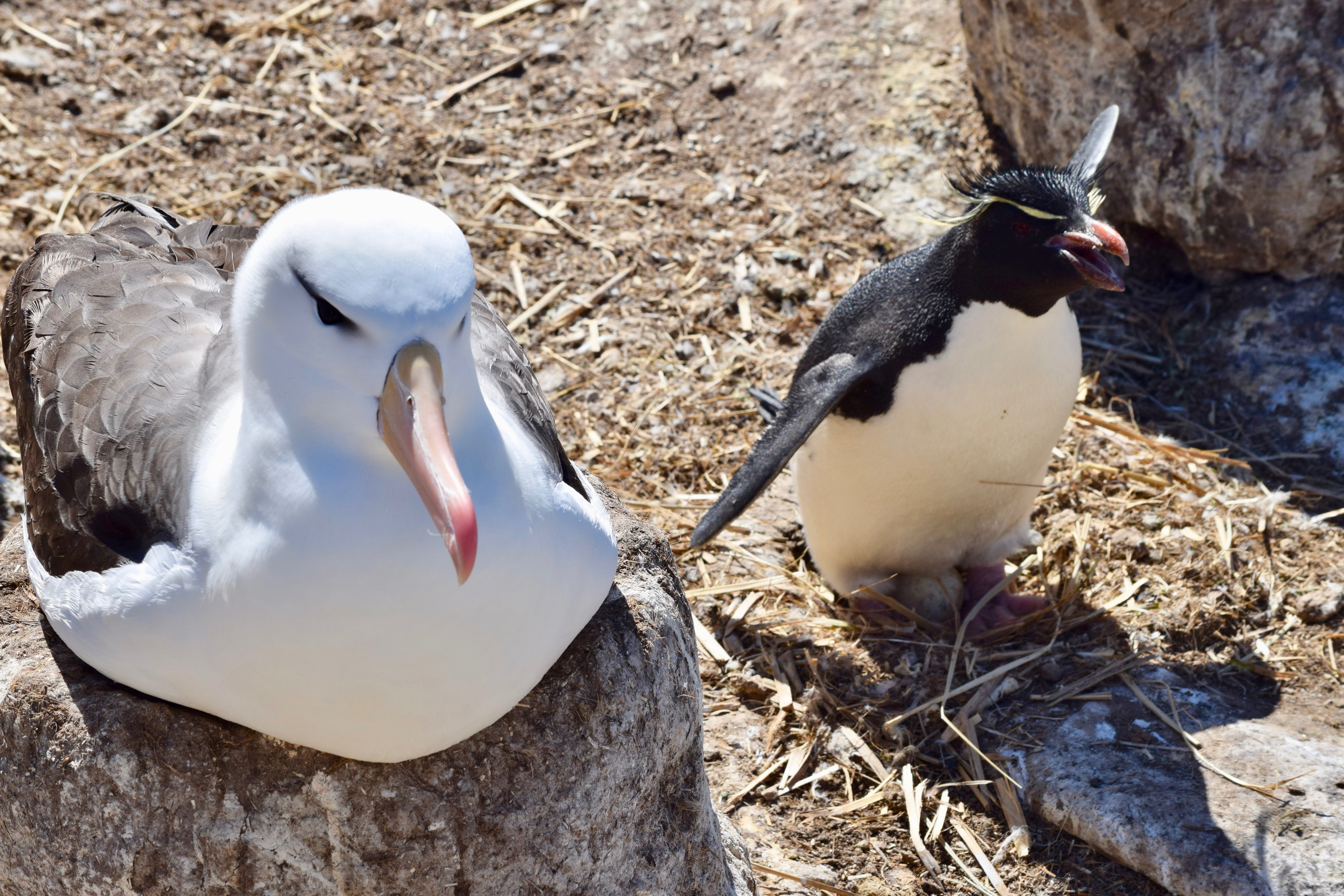
The DZS has partnered with Falklands Conservation for several years, and with the recent opening of the Polk Penguin Conservation Center, working with this organization directly in the field was a natural next step. The Falklands are critically important for several species of penguins that are also found at the Detroit Zoo, such as rockhoppers, gentoo and king penguins – but threats are looming from oil extraction and increasing ecotourism. It is thus essential to establish marine protected areas, and the DZS is working with Falklands Conservation reach this goal.

To get to our destination, we first flew to Punta Arenas, Chile, then to Stanley, the capital of the Falkland Islands, where we hopped on a small six-person airplane to Weddell Island and then boarded the ship, Le Sourire, for a four-hour trip to the western edge of the Falklands. Over the calm seas, our journey was highlighted by dolphins playing in the ship’s wake, and as we approached North Island I could see why so few people had ever landed there. In addition to the sheer cliff faces, the only landing spot was occupied by sea lions. We had to scramble up the rock face and then work through thick tussock grass where the animals were resting. I had been warned not to get between sea lions and the ocean, and as they barreled down to the water after being disturbed, I could see why.
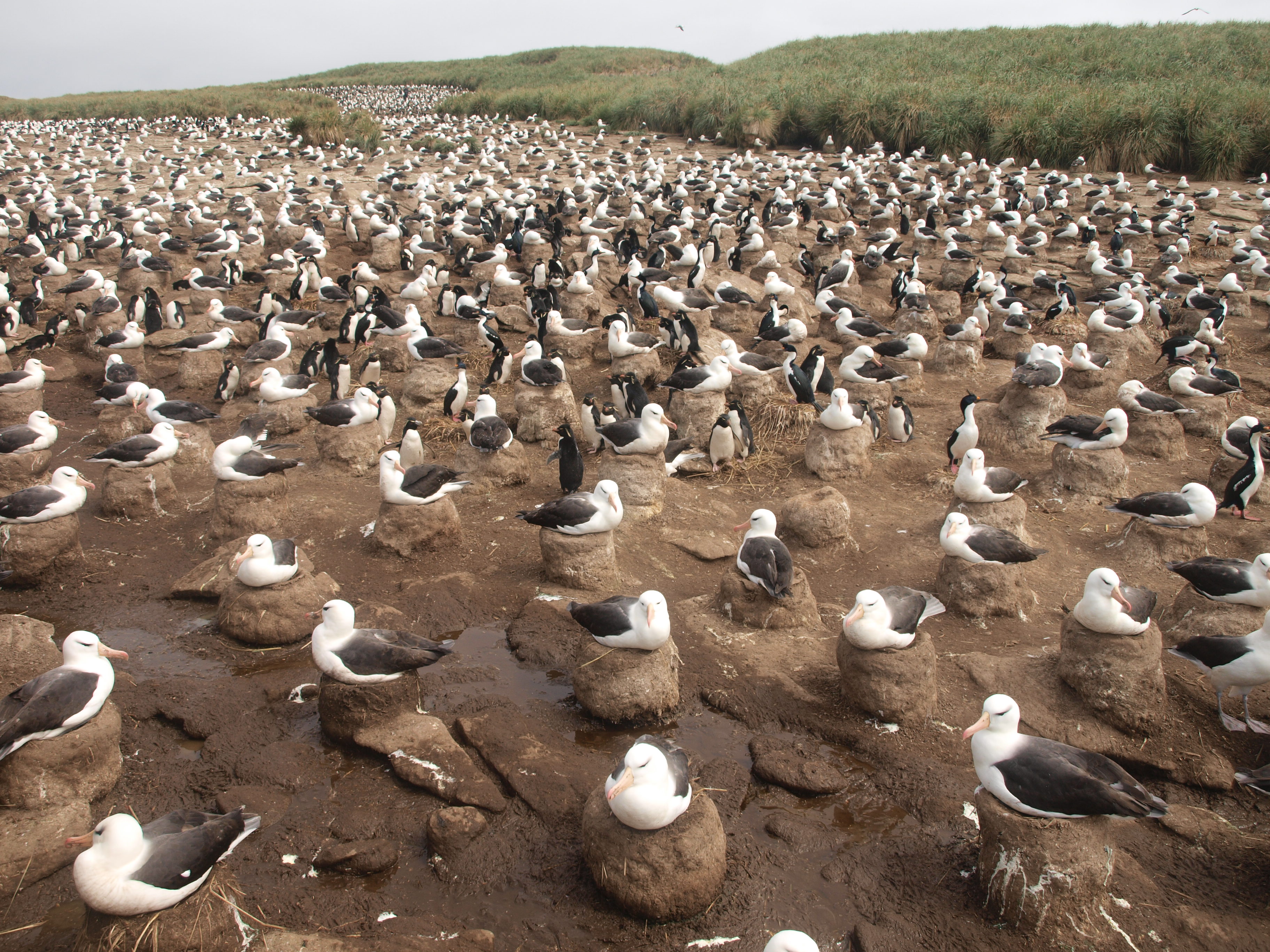
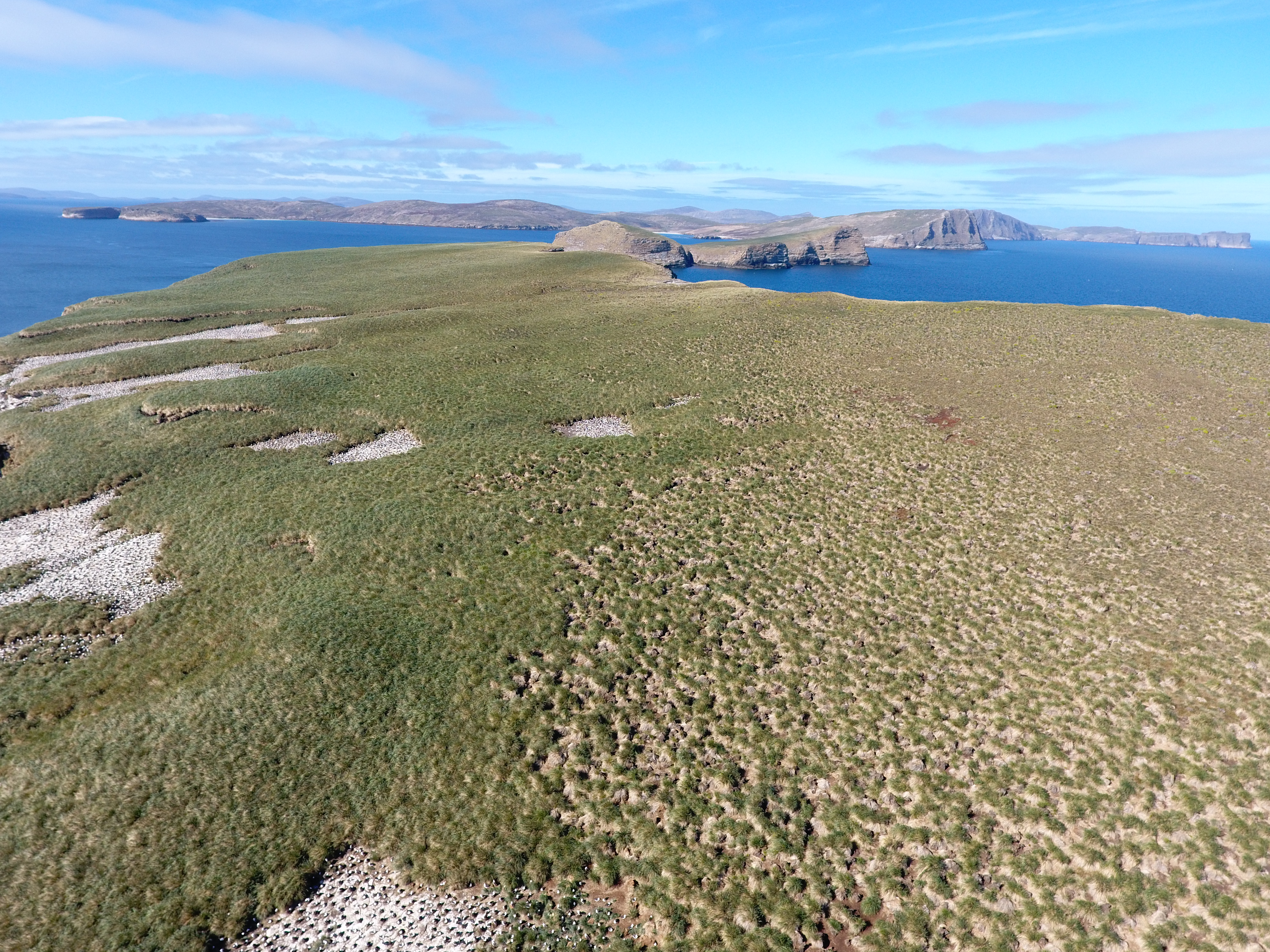
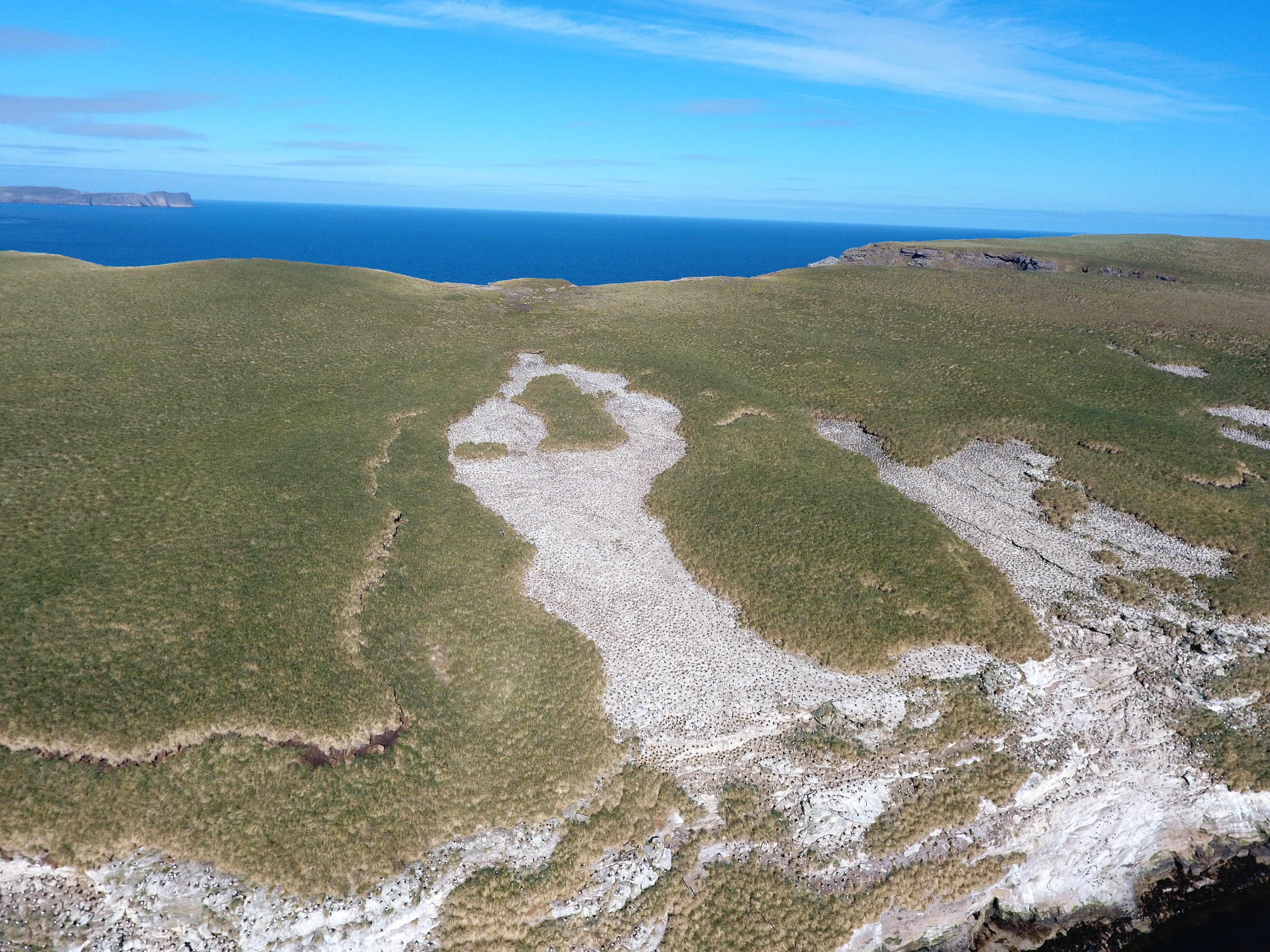
We safely arrived at the first penguin and albatross colony. In addition to gathering albatross fecal samples and penguin feathers for diet analyses, we also wanted to test how well a drone could be used for population surveys of the colonies. Charlie expertly flew the drone up to 275 yards high and at distances over 875 yards away, capturing incredible images of the colonies that were close enough to count individual birds and far enough away to see additional colonies over the whole island. The drone proved a very cost-efficient way to survey the island and shots of the cliff sides also helped the folks with Falklands Conservation to better appreciate how much they were being used by nesting birds.
G

North Island was the focus of our expedition because it has not been grazed by sheep or cattle and remains relatively pristine. We also used the drone to assess the recovery of tussock grass on three other FC islands which varied greatly in condition. One had been only lightly grazed and tussock remained in dense stands as at North Island while the others were quite barren with tussock only starting to recover. Facilitating this recovery is one of the primary focuses of Falklands Conservation, and pictures from the drone will provide valuable metrics for comparison.
By the third day at sea, the weather had become more typical for the Falklands, with periods of relative calm interrupted by hail squalls. The rough seas prevented a return flight from Weddell Island so instead, we headed north to the ship owner’s farm near Dunbar. This proved fortuitous because the next day as the weather calmed a bit, we were able to observe two large colonies of gentoo penguins before the flight back to Stanley. We also had the opportunity to visit the rescue center which cares for oiled penguins. At the moment, the center only cares for a few penguins at a time but with increased oil development planned in the area, the number of oiled birds needing proper cleaning and rehabilitation is sure to increase. The Detroit Zoological Society is a leader in oil emergency responses, and with potential disasters looming in the Falklands, there may be opportunities for us to partner with FC in the future, using our training, experience and expertise in this area in addition to conducting further research.

– Paul Buzzard, Ph.D., is the Director of Conservation for the Detroit Zoological Society.

Take Part in the Detroit Zoo’s FrogWatch USA Conservation Program

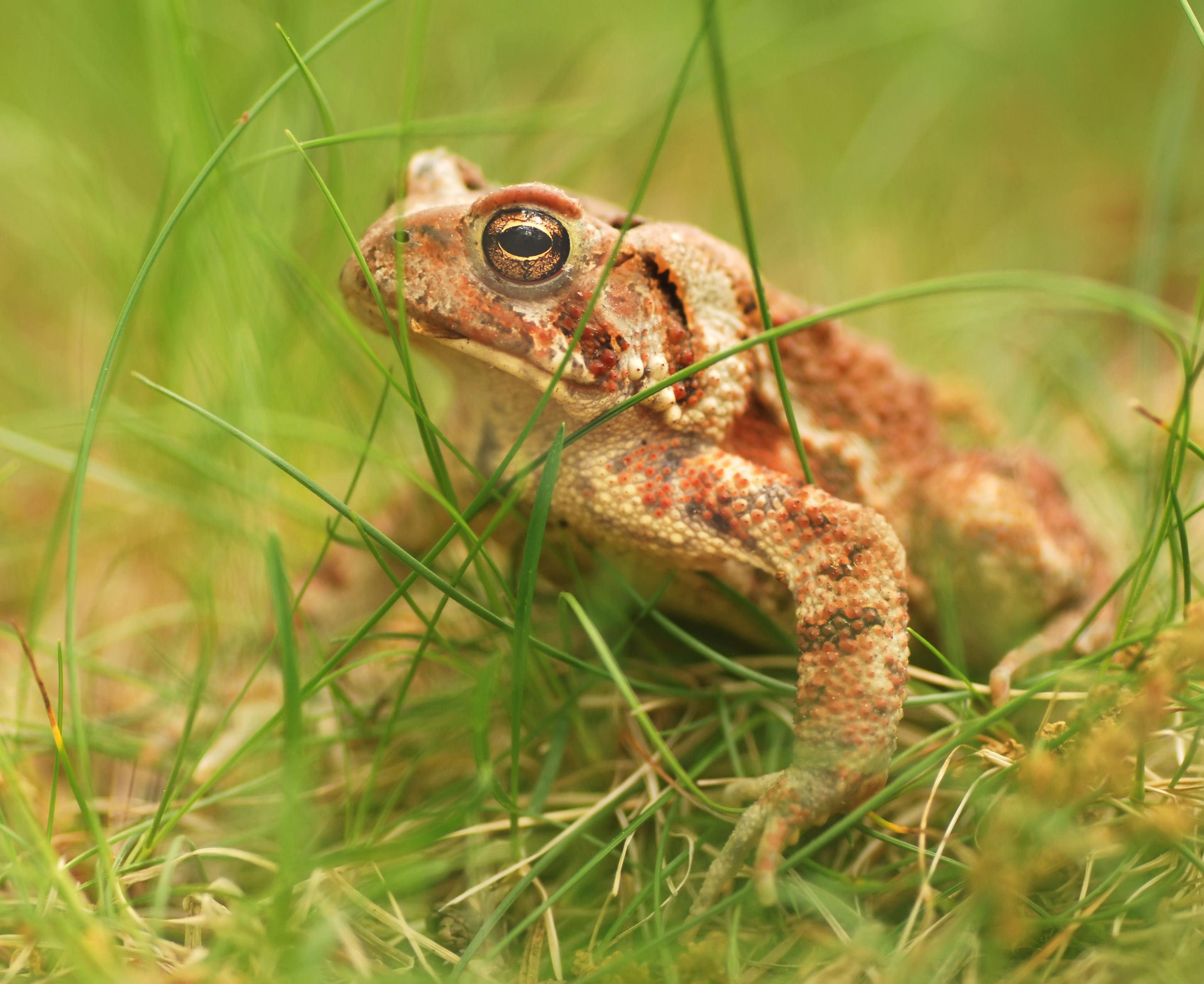
By late winter and early spring, many people are looking forward to warmer weather, longer days and the fun the coming months will bring. I also look forward to this time of year, not only because of the warmer temperatures, but also the rains of spring and the wonderful creatures that will wake from their long, winter hibernation.

I am, of course, referring to frogs and toads! Here in southeast Michigan, most amphibians depend on rain to help them get “in the mood” for the breeding season. Soon after moving from deep winter to early spring, frogs and toads will make their presence known in full chorus, emitting sounds that also help to protect them from predators.

In 2011, the Detroit Zoological Society began hosting a local FrogWatch USA chapter to collect data on the frogs and toads living in the tri-county area. FrogWatch USA is an amphibian conservation and citizen science program managed by the Association of Zoos & Aquariums (AZA). Citizen science programs teach volunteers to collect data using the same protocol and methods, so all data can be can be counted as part of a scientific research project. One scientist working alone could never collect the amount of information a group of citizen scientists can.

There are currently 144 chapters of FrogWatch USA held throughout the U.S. and data has been collected since 1998. Training classes are primarily taught at AZA institutions, but may also be offered at nature centers, museums or colleges. The project focuses on frogs and toads – both amphibians and some of the most sensitive creatures on the planet. They are also indicators of a wetland’s health – if something toxic or lethal invades the wetlands where they live, they will be the first species to become sick, die or disappear.

All monitoring is done outdoors, so it gives volunteers the opportunity to spend time outside in the wetlands and natural areas of their community. Monitoring helps provide important information from each site, such as the diversity, population size and health of the particular frog or toad species that is present; whether or not there are rare or invasive species in the area, and what the overall health of the wetland is. Knowing what species are present at a sight can even help improve the management and protection of a wetland and all species living there.

Four-hour volunteer training sessions are offered at the Detroit Zoo just prior to the frog and toad breeding season, which is just about to begin. Each session includes:

  • An overview of what amphibians are and why they are valuable to the environment
  • Descriptions and key characteristics of the types of wetlands found in Michigan where frogs and toads may be found
  • Information about the locations of monitoring sites and the ability for participants to register
  • An explanation of the monitoring protocols that volunteers will use in the field
  • Information about how to identify the 14 native Michigan frog and toad species by their breeding calls (Identifying a species by its breeding call is by far the best part of the process. Even though it may be a bit challenging at first, surveying by ear is easy on both the surveyor and the frogs and toads, and it can be a lot of fun.)

Once training is complete, a volunteer’s first priority is to find and register for a site to monitor.  While most volunteers come in already knowing where they want to survey, some do not and we help them find locations in the area. Some sites are in backyards where frogs have been heard for years and others are in wetlands seen from afar and believed to be full of amphibians. Once the nighttime temperature is above 35 degrees Fahrenheit, volunteers can monitor at their sites throughout the FrogWatch season, typically February to August, at most twice a week.

Monitoring must take place at least 30 minutes after sunset. Darkness not only brings more amphibians to life but it also puts the noisy daytime animals, such as birds, to sleep. Whether volunteers have hiked into a wetland via a trail full of crunching leaves or are sitting on their back porch as quiet as can be, everyone must allow at least two minutes for the creatures around them to acclimate to their presence. Immediately after two minutes have passed, volunteers will listen for exactly three minutes to identify each species they hear. At the end of three minutes, the monitoring session is complete.

Monitoring the same site year after year is a great way to keep track of the health of frogs, toads and wetlands. If we lose amphibians, we lose a very precious resource and some really amazing creatures.

I hope you can attend one of the FrogWatch USA training sessions coming up at the end of this month, in February and in March. It is a fun and easy amphibian conservation program that anyone can take part in! Click here for more information: https://detroitzoo.org/press-release/leap-conservation-joining-frogwatch/

– Rebecca Johnson is the associate curator of amphibians for the Detroit Zoological Society and works in the National Amphibian Conservation Center.

Notes from the Field: Detroit Zoo Continues to Save Once-Extinct Snail Species

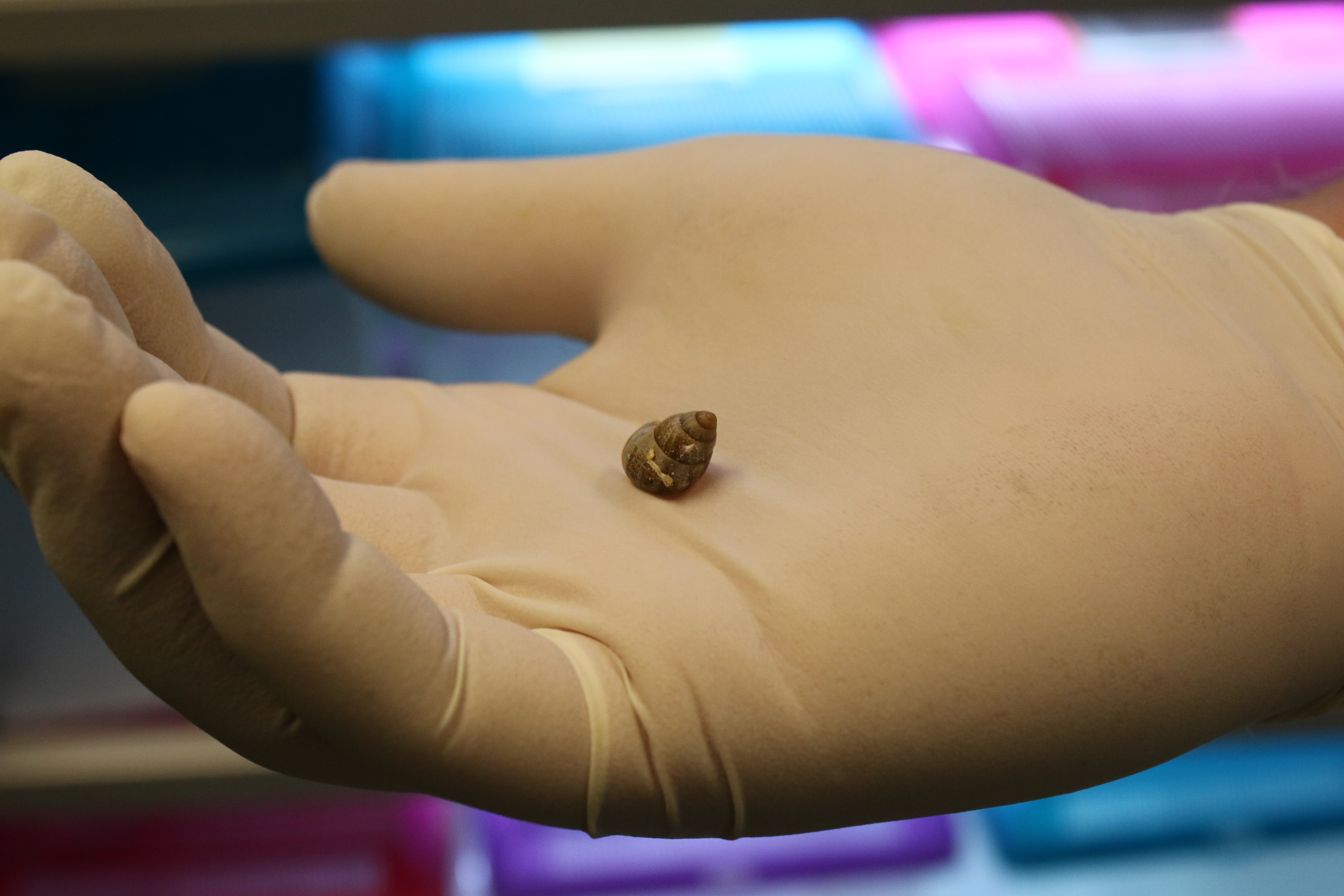
The Detroit Zoological Society (DZS) is continuing to bolster the wild population of a species of Tahitian land snail called Partula nodosa, which we are credited with saving from extinction. At one point, all the P. nodosa in the world lived at the Detroit Zoo as part of a breeding program that began in 1989 after the species had been declared extinct in the wild. Last summer, 100 of these snails were carefully packaged before embarking on a journey to the tropical island of Tahiti. Last month, an additional 60 snails began their voyage, departing the Detroit Zoo on a path first to the Netherlands before their eventual release into the wilds of the South Pacific.

P. nodosa were once found across Tahiti and other south Pacific islands among more than 125 different species of land snails. These beautifully striped snails were important in the ceremonial jewelry and decorations of native islanders, and the snails served as an ideal study group to learn more about the evolution of diversity.

Much of the Partulid snail diversity was lost because of a botched attempt at what is known as “biological control”, or the control of a pest by the introduction of a natural enemy or predator. In 1967, giant African land snails were introduced to Tahiti and other south Pacific islands to serve as a source of protein for local people. However, some African snails escaped, bred very rapidly, and began eating farmers’ crops, threatening the local economy. To control the African snails, Florida rosy wolf snails were introduced a decade later, but the wolf snails preferred to eat the Partulid snails, which caused the extinction of many of the Partulid species.

For nearly three decades, the DZS has been breeding these snails in a behind-the-scenes area as part of a collaborative effort with other zoos. The project began in 1989 with 115 Tahitian land snails of five different species – while the DZS focused its efforts on P. nodosa, other zoos began working on the others. Our program led to the rescue and recovery of the species – currently there are 4,000 individuals living in North American zoos, all descendants from the Detroit Zoo’s original small group.

Paul Buzzard, Ph.D., is the Director of Conservation for the Detroit Zoological Society.

Detroit Zoo Honored with International Conservation Award

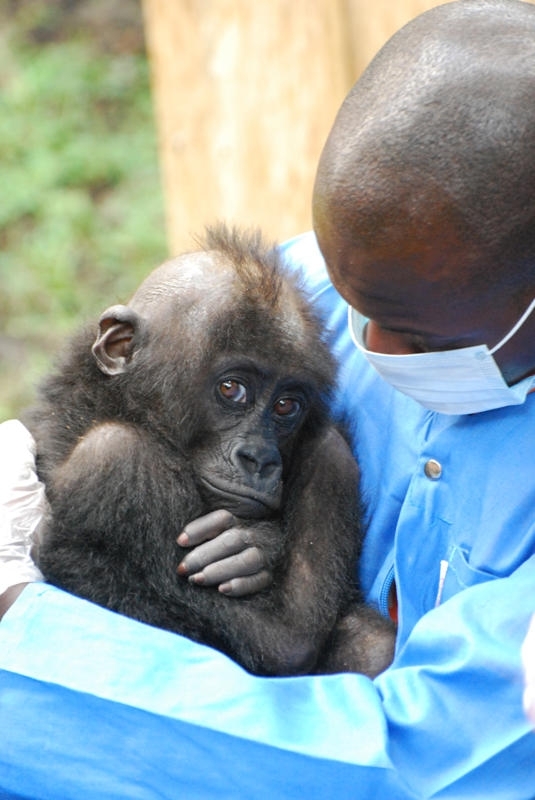
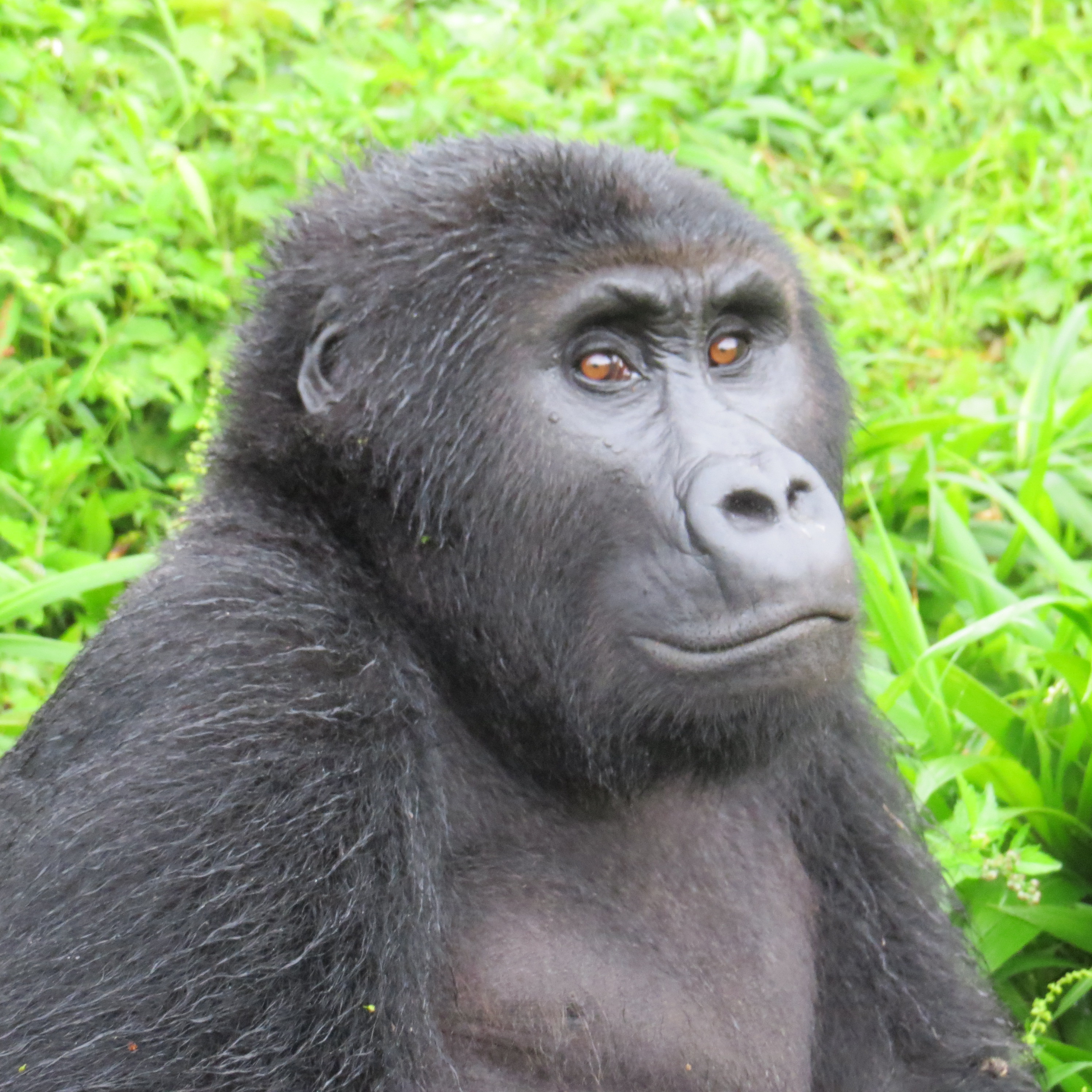
The Detroit Zoo was recently honored along with eight other zoos with the 2016 International Conservation Award from the Association of Zoos & Aquariums (AZA) for our work with the Gorilla Rehabilitation and Conservation Education (GRACE) Center. Located in the Democratic Republic of Congo, GRACE is dedicated to rescuing orphaned Grauer’s gorillas, which are among the most critically endangered primates in the world. As the conservation and preservation of wildlife is paramount to the mission of the Detroit Zoological Society (DZS), we couldn’t be more proud of this partnership or of this achievement.

Sadly, the Grauer’s gorilla is endangered due to widespread habitat destruction, poaching and threats associated with the ever-growing human population, caused in part by regional conflicts and government unrest. However, GRACE bravely fights against this, taking in the gorillas that have been separated from their birth families and/or confiscated from illegal trading. The rescued animals are provided nutrition and medical care as they explore the facility’s 370 acres – the largest gorilla enclosure in the world – situated within a 1,235-acre forested area of Central Africa. The hope – and the goal – is that these majestic animals will also learn the skills necessary for an eventual return to the wild.


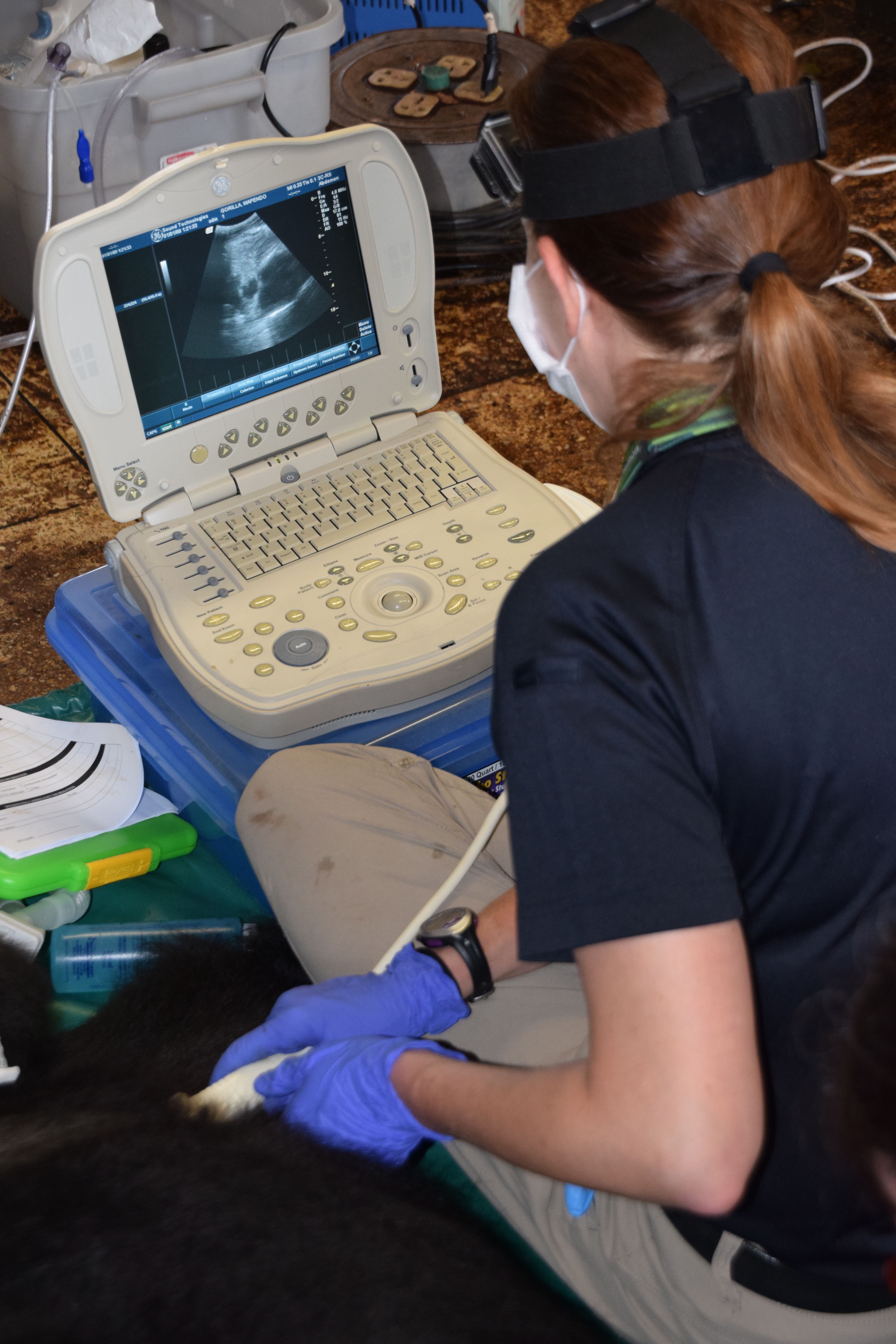
Founded in 2009, GRACE is overseen by a dedicated board of directors, which includes Ron Kagan, DZS CEO and executive director, who has also served as board chair. In addition to Ron’s valuable leadership, the DZS’s involvement with GRACE has also included financial and staff support. In 2015, Ron helped secure funds for a new night house enclosure for the gorillas. Also that year, DZS Director of Animal Health Dr. Ann Duncan traveled to the Congo to perform health examinations on 12 gorillas, which had never been done before.

This amazing conservation, welfare and humane education initiative is a wonderful collaboration of important organizations working together with a very special Congolese community to ensure that this population of extremely endangered gorillas survives.

The AZA’s International Conservation Award annually recognizes accredited AZA institutions and conservation partners that make efforts to restore habitats, preserve species and support biodiversity.  Our zoo partners who join us in receiving this award include the Los Angeles Zoo, Utah’s Hogle Zoo, Jacksonville Zoo and Gardens, Nashville Zoo, Houston Zoo, Dallas Zoo, Sedgwick County Zoo and Disney’s Animal Kingdom.

We are looking forward to continuing our partnership with GRACE and dedicating our efforts to ensure the safety of the beloved Grauer’s gorilla for generations to come. This partnership is arguably the most exciting, unique and promising conservation, welfare and humane education initiative the Detroit Zoological Society has ever been involved with.

Education: Teaching in the Amazon

The Amazon rainforest is an incredible place, the subject of countless novels and stories. Discovered, explored and exploited for generations, millions of people call this biodiverse and globally important region home. The area is often referred to as the “lungs of the earth” as the plethora of plant life grabs carbon dioxide out of the atmosphere and replaces it with life-essential oxygen. In partnership with a Peruvian non-profit organization, CONAPAC, the Detroit Zoological Society (DZS) is preserving the rainforest, one child at a time.

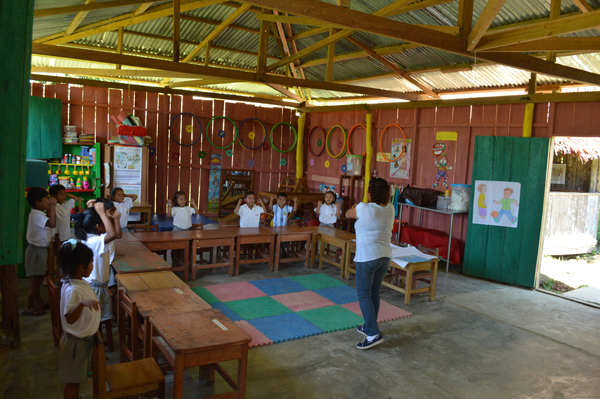
The DZS has partnered with CONAPAC since 1999, supporting children and teachers in rural areas of the rainforest. Each spring, more than 3,000 students and teachers receive a year’s worth of basic school supplies, purchased with money donated by individuals from all over the world. To complement the supplies, all teachers are required to attend a professional development workshop to enhance their teaching skills and increase student literacy.

This year, the teacher workshops were held in the city of Indiana, in Loreto, Peru, during the last week of June. I attended the workshops to observe first-hand what the investment of time, energy and resources was producing. I was incredibly impressed. This year there were two sets of workshops; one for teachers working in communities on the Amazon, the other for teachers who are working in the communities off the Napo River and its tributaries. The non-profit organization, El Conocimiento Se Comparte (which roughly translates to ‘the sharing of knowledge’), facilitated the content of the workshops on mathematics, reading comprehension and linguistics.

El Conocimiento Se Comparte is a U.S. entity, composed of four siblings who were born and raised in Peru. All four moved to the U.S. as adults to pursue their individual careers. Their goal is to share their talent and passion for teaching with a broad audience, including their home country of Peru. The CONAPAC team coordinated the location and logistical aspects of the workshop, and the El Conocimiento Se Comparte group brought their passion and talent.

For the most part, I was a participant of the workshop proceedings. I sat through each session, gleaning as much information as I could, completely immersed in the native language and enjoying every moment of it. I watched as teachers engaged with one another and with the presenters, asking for more explanation when necessary, inquiring about specific student needs and adaptations, and taking copious notes every step of the way.

Over the course of the next month or two, the board of education in the region will visit the teachers in their schools to observe if they have implemented the new teaching strategies. If they have, they will be eligible for a certificate, which could earn them a raise or a future promotion. When the CONAPAC and the DZS team conducts end-of-year evaluations in November, we’ll also be looking for signs that teachers have implemented the strategies and report back to our donors and the team.

The conservation work in the Amazon continues to be incredibly rewarding, yet also challenging. By providing the opportunity for an education based in conservation, we are empowering the next generation of children who call the rainforest home to protect the ecologically vital ecosystem.

For more information on the Amazon Rainforest Adopt-A-School program, including how to participate in annual deliveries or to support a school financially, visit http://detroitzoo.org/support/give/ or email clannoyehall@dzs.org.

– Claire Lannoye-Hall is a curator of education for the Detroit Zoological Society.
Veterinary Care: Suiting up as a Whooping Crane

My job as a veterinarian for the Detroit Zoological Society (DZS) often has its surprises; for example, one time I discovered that some species of frog turn from bright green to dark green as they become anesthestized. Typically the surprises are the interesting and sometimes unbelievable things I learn about animals. But sometimes what I do during the day is not what I thought I’d be doing when I woke up that morning – like wearing a full-size whooping crane costume and spending a day in a field with some lost birds.

A few weeks ago, the DZS bird department was contacted by the International Crane Foundation, which is based in Baraboo, Wisconsin. They’d been tracking four yearling whooping cranes that were raised at the foundation and were newbies to the whole migration thing. The cranes had made their way to the Midwest from Florida but were thought to have been blown off course on their way back to Wisconsin by a storm that came across Lake Michigan. It was their first year migrating back on their own – who could blame them?

After locating the birds near a cornfield in Michigan, the staff at the Crane Foundation needed a veterinarian’s health certificate stating that the cranes were healthy enough to travel back to Wisconsin. They reached out to the DZS. I jumped in a car with our curator and associate curator of birds and headed about an hour north of the Detroit Zoo into an area where houses were few and far between and the landscape was mostly farm fields. There, we met up with the staff from the Crane Foundation and witnessed four beautiful juvenile cranes come in for a landing just on the opposite side of the pond from us. Unfortunately, “just on the opposite side of the pond” was about 1,500 feet away, and a determination of good health cannot be made from that distance. The next thing I knew, I was handed a pair of binoculars … and a crane costume. Yes; a crane costume!

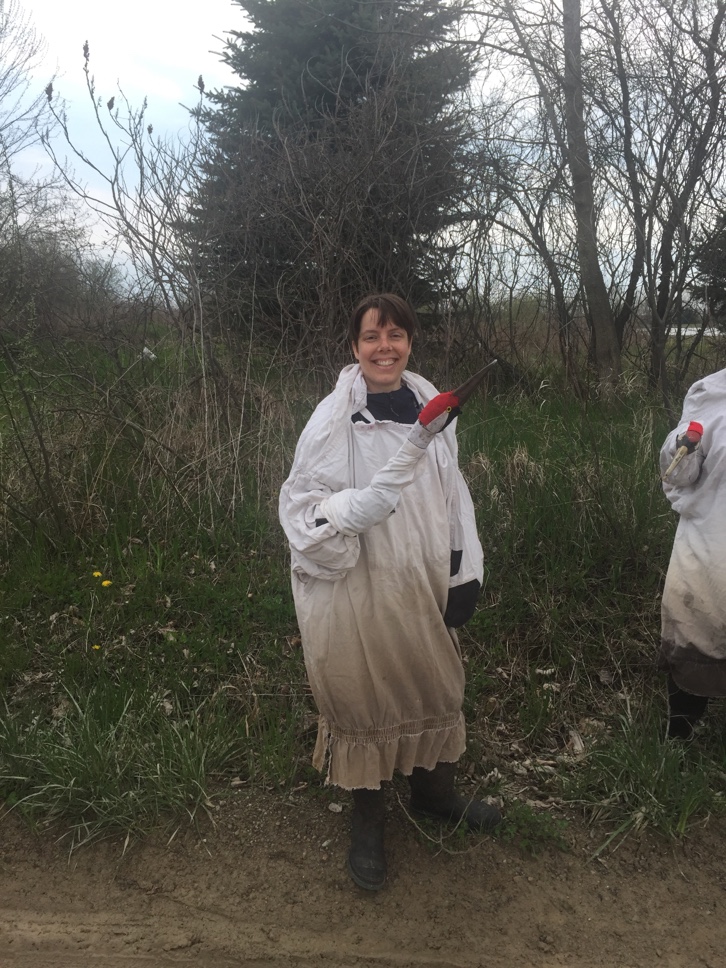
You see, whooping cranes are highly endangered, and would in fact be extinct in North America if it weren’t for the captive rearing program headed up by the International Crane Foundation. The goal of the program is to create a sustainable wild population of whooping cranes, and this only works if the crane chicks are reared by “cranes”. Thus, human “parents” will dress up in crane costumes – the human body is covered in white, like the white feathering of the crane, and the human hand holds a replica of a crane head, complete with a functional beak, which teaches the chicks how to “be” a crane.

So on this particular day, I found myself meandering across a cornfield in rural Michigan, stopping to “graze” every few minutes, preen my “feathers” and survey my surroundings alongside my fellow “crane”, one of the Crane Foundation staff members. Not long after we started our way across the field, the four juveniles began to notice us and they took interest. Gradually, they made their way over, two moving through the shallow pond while the other two came around the pond’s perimeter. In less than 30 minutes, I was face to face – or rather, beak to beak – with four amazing whooping cranes. Their beautiful yellow eyes sized me up as I looked for any signs of illness, but I found none. After I’d visited with each crane and felt assured of their health, I simply enjoyed the awe — and surprise — of unexpectedly having the opportunity to spend a few brief moments so close to these incredible birds.

– Dr. Sarah Woodhouse is a veterinarian for the Detroit Zoological Society and works in the Ruth Roby Glancy Animal Health Complex at the Detroit Zoo.

Amphibian Conservation: Saving the Panamanian Golden Frog

The Panamanian golden frog (Atelopus zeteki) is a unique and beautiful amphibian from the highlands of Panama. This yellow or orange and black “frog” is actually a type of toad that walks more than it hops. It resides in areas near fast-moving streams and rivers in the mountainous forests within the country. The International Union for Conservation of Nature (IUCN) lists the Panamanian golden frog as Critically Endangered, which is one step before becoming Extinct.

In the wild they are believed to be in such low numbers that they may no longer be able to sustain as a wild population; in fact, no one has seen a Panamanian golden frog in the wild for quite some time. Massive population decreases are believed to be caused by chytrid fungus, habitat destruction, the exotic animal trade and sedimentation of egg-laying sites in rivers and streams. Now, they exist mostly in captive zoo breeding populations.

One of these breeding populations has been housed in a bio-secure room at the Detroit Zoo’s National Amphibian Conservation Center for 16 years, and has contributed several years of offspring to the Panamanian Golden Frog Species Survival Plan (SSP). SSPs are cooperative management programs through the Association of Zoos & Aquariums (AZA) that aim to reproduce, genetically manage and possibly reintroduce endangered animals into the wild with the assistance of other wildlife management organizations. In addition to its active role in the SSP, the Detroit Zoological Society (DZS) employs several other strategies to conserve the Panamanian golden frog in the wild. At this time, there is nowhere identified in the wilds of Panama to safely release captive-bred tadpole or juvenile golden frogs to the wild.

Breeding the Panamanian golden frog in captivity involves understanding the complex conditions found in their wild habitat. They have an interesting life cycle from courtship to final metamorphosis. In the wild, males of this species will perch on rock outcroppings or on top of large leaves that overhang or are near a flowing stream or river. The males then begin to call, thrusting out the vocal sacs on their throats as they produce a low trill vocalization meant to alert females to their presence as well as warn other males to stay away. Since these animals breed and live in close proximity to the loud sound of rushing water, their low-toned vocalizations can be very difficult to hear. For this reason, golden frogs have evolved a type of sign language they can use to communicate to mates as well as rivals. These amphibians have the ability to execute a “wave” using their front legs to take the place of their hard-to-hear vocalization when conditions around the stream are noisy. This type of communication is known as semaphore behavior.

Once a pair of golden frogs has successfully mated in the wild, the female will deposit up to several thousand small round white eggs underneath a rock in a steam or river and away from direct sunlight. This is done because the white eggs lack pigment entirely and would be adversely harmed by the ultra violet (UV) radiation from the sun. This same issue has to be addressed at the Detroit Zoo. The animals are bred inside aquariums in a specially modified room just for this species. After the breeding pairs are chosen for the year, the animals are placed together in an aquarium. Prior to the onset of the “wet season,” misting cycles within the frogs’ habitat are coordinated to simulate the “dry season,” giving the frogs a sense of seasonality, which helps stimulate them to breed. If eggs are laid in the aquarium, amphibian staff must protect the eggs from the naturalistic UV lighting over the breeding tanks by wrapping black trash bags around the aquarium. This simulates total darkness, which allows the light-sensitive eggs to develop unharmed. Once eggs develop pigment, the trash bags can be removed.

Eventually, the eggs develop and a small black and yellow tadpole emerges from the egg casing. These tadpoles are very well adapted to living in fast, flowing stream environments with strong mouthparts which assist them in clinging to the rocks in turbulent water as they scrape away at algae and the microorganisms they depend on for food. At the Detroit Zoo, we reproduce the golden frog food source by smearing a wet algae mix on small plastic food plates and allowing the mixture to dry. Once the algae is dry, the plates are placed in the water and the tadpoles move over and around the plate, scraping off the food with their specialized mouthpart. After several weeks, the tadpoles metamorphose into fully formed little toadlets, which are turquoise green and black in color, a color phase that camouflages them in while living in a forest habitat. They eventually turn mostly yellow or orange and black upon reaching adulthood.

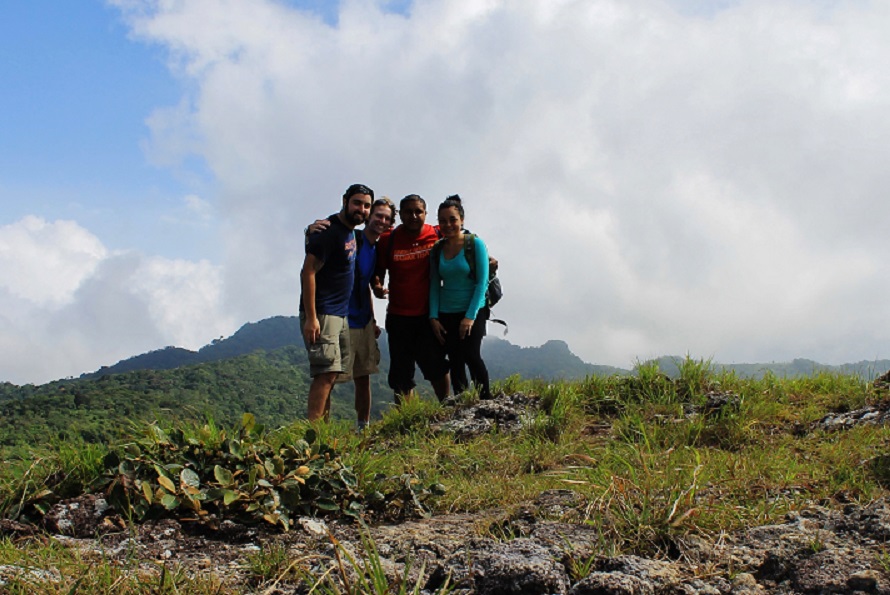
Along with the extensive breeding program, conserving the Panamanian golden frog involves reaching out to the communities where these animals live and educating the public. In 2015, I assisted the staff at a small conservation center in El Valle, Panama, called the El Valle Amphibian Conservation Center (EVACC). This center is dedicated to breeding, exhibiting and educating the public on Panama’s native amphibians. While in Panama, I assisted EVACC with their amphibian exhibits and breeding programs. The DZS is also becoming involved in developing educational materials to better educate an already sympathetic public about conserving their environment and this important amphibian. Recently, DZS Curator of Education Claire Lannoye-Hall has been appointed as the SSP Education Advisor for the Panamanian Golden Frog SSP. Within this role, the Detroit Zoo will be instrumental in developing educational programs and cultural awareness within Panama.

The Panamanian golden frog holds a special place in the Panamanian culture. Signifying good luck, the golden frog can be seen on lottery tickets and in gift shops all around the country. The history of this little amphibian within Panama can be illustrated by the presence of “rana dorada” or golden frog, in some of the petroglyphs within the country dating back to pre-European contact. Perhaps those ancient artists were hoping for a little luck as they etched images of this mystical amphibian into the rocks of the cloud forest. Hopefully, with a little of that same luck and continued dedication from the Detroit Zoological Society and its conservation partners, the Panamanian golden frog will not disappear from history for good.

– Mark Vassallo is an amphibian department zookeeper for the Detroit Zoological Society, and works in the National Amphibian Conservation Center at the Detroit Zoo.

Notes from the Field: Recovering American Martens

The Detroit Zoological Society (DZS) is continuing its efforts on an American marten conservation project in the Manistee National Forest. This spring, I was given the exciting opportunity to assist collaborators from Grand Valley State University and Busch Gardens on this project. Martens are small, weasel-like carnivores that became extirpated (locally extinct) from the lower peninsula of Michigan in the early 1900s because of habitat loss and unregulated trapping. Martens were reintroduced back to the Manistee Forest more than 30 years ago, and since 2013, veterinary and animal care staff from the DZS have been helping to study the success of the marten reintroduction by looking at animal health, kit survival and habitat use. This work involves collecting martens in live traps and then anesthetizing them in order to perform physical exams and collect samples of blood, hair, urine and feces. The DZS uses Hav-A-Heart traps, humane traps that close in such a way that they do not harm the animal. The traps are set carefully to ensure that martens have a nice snug spot. We cover each trap with pine needles and leaves for warmth and nest building, and ensure the martens have a snack and a source of water. The collected samples are then tested for disease. The project also uses GPS and radio tracking collars to gather information on marten habitat use and determines which forest types they prefer.

My time spent in Manistee involved daily morning checks of approximately 30-40 live traps for martens. If a marten is in a trap, it is then transported to the bed of a pickup truck in order to induce anesthesia and be examined. Special care is taken to monitor the marten’s body temperature to be sure that it does not become too hot or too cold during the procedure, and after samples are collected, a GPS collar may be placed on the marten to track habitat use. When the procedure is complete, the marten recovers in a small, dark wooden box until it is stable enough to be released. Once stable, a staff member opens a little door on the box and the marten runs off back into the forest. This entire process usually takes about 30 minutes from beginning to end.

During my time assisting with the project, I spent many hours riding down narrow, bumpy and winding two-track forest trails. Some of these trails were quite precarious, but travelling them gave me the opportunity to see migrating birds, deer, a porcupine and even a black bear! We were able to collect samples from four martens and place GPS collars on three of those four, dramatically increasing the amount of data collected on marten habitat use. These GPS collars were purchased with financial support from the DZS, and the data will be used in collaboration with the U.S. Forest Service to decide how the forest can best be managed to facilitate recovery of the marten population. It was thrilling to be a part of this project and I am thankful to the DZS for allowing me this opportunity.

– Erica Campbell is a veterinary technician for the Detroit Zoological Society and works in the Ruth Roby Glancy Animal Health Complex at the Detroit Zoo.

Notes from the Field: Monitoring the Eastern Massasauga Rattlesnake

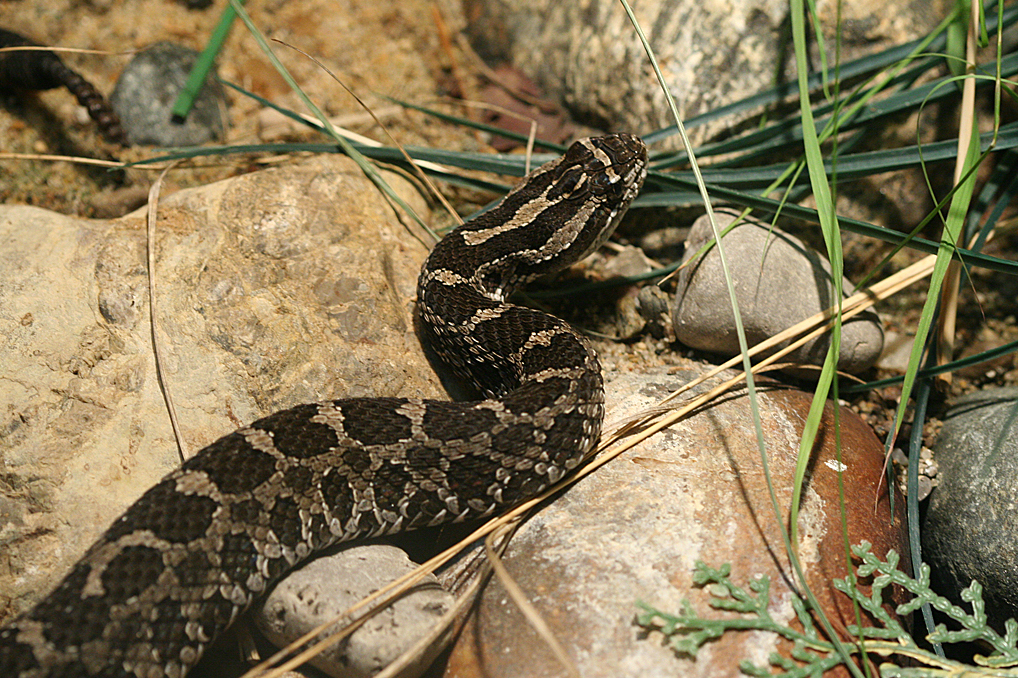
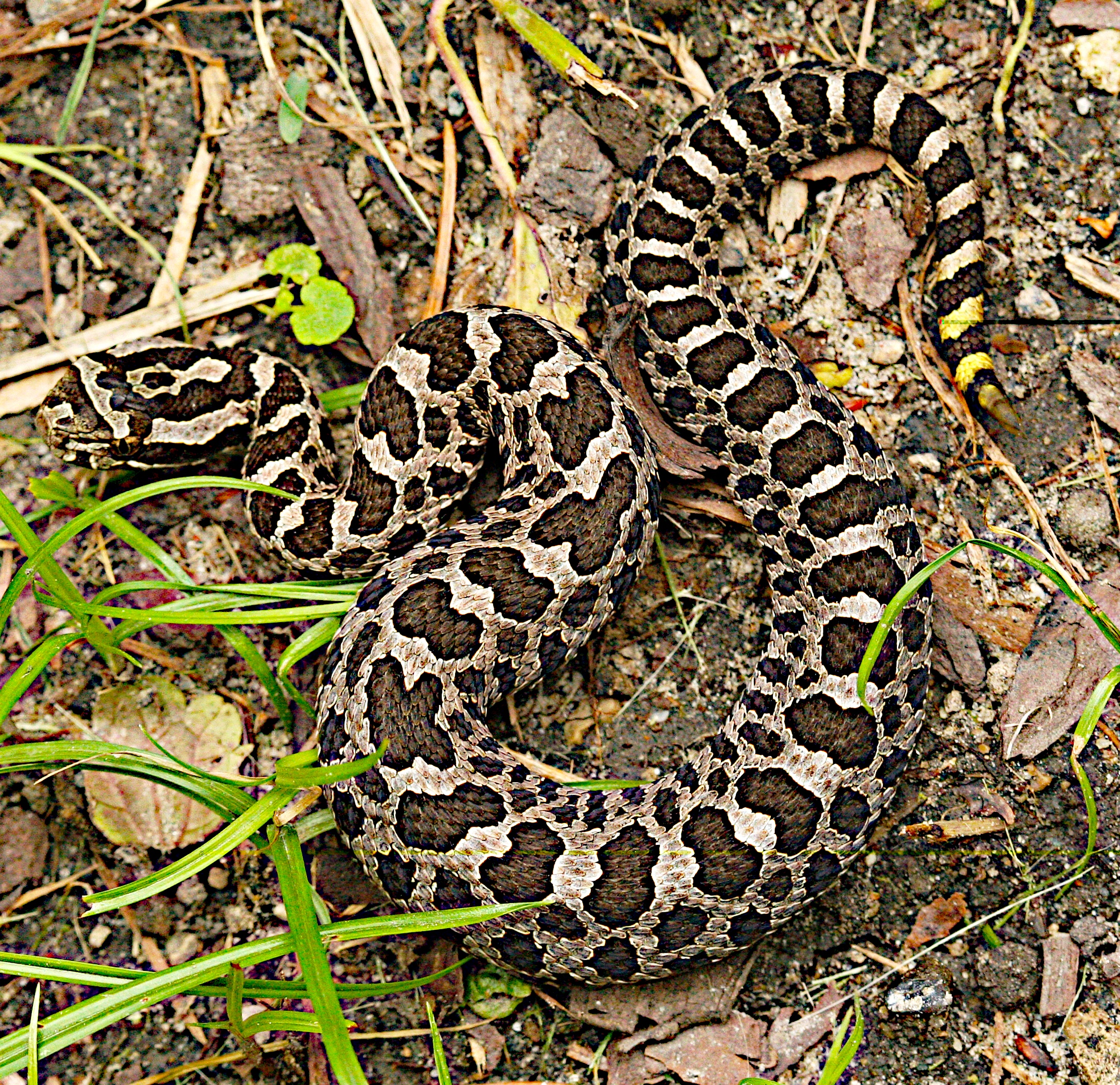
The Detroit Zoological Society (DZS) leads the Eastern massasauga rattlesnake Species Survival Plan (SSP), which is a comprehensive management plan through the Association of Zoos & Aquariums (AZA) that works to ensure the sustainability of healthy, genetically diverse and demographically varied captive animal populations. The DZS is also one of several organizations within the AZA that participates in a long-term study of a particular population of Eastern massasauga rattlesnakes in Michigan.

The Eastern massasauga rattlesnake is the mitten state’s only venomous viper, and is listed in Michigan as a species of special concern, which means it is threatened or endangered throughout its range. This SSP is a special one because each year, representatives from participating zoos attend a meeting in conjunction with an “in situ” study, which means that it takes place in the field.

This year marked our eighth monitoring a particular population of Eastern massasauga rattlesnakes in the southwest part of the state, and it was our best year to date – we found more than 100 snakes! This includes snakes that were found in previous years as well as newly identified individuals. The process involves gathering information on each snake in the field and then taking it to a lab where it is weighed and measured. We also determined if it is a male or a female and if female, whether it is pregnant (massasaugas give birth to live young). If the snake has never been found before, it is marked with a transponder tag – similar to those implanted in your pet dog or cat – so we can scan the animal and take measurements if it is found in the future. After the information has been gathered in the lab, the snake is then returned to the exact location where it was found.

Monitoring a seemingly healthy population over time gives us insight into natural fluctuations of the population size, male-to-female sex ratio, individual growth rates and reproductive success. As years goes by, the data will also begin to tell us life history data such as longevity of the species and how old animals remain reproductively active. All of this information assists the AZA zoos in how they manage the captive population as well as the state departments of natural resources in their management of the wild populations and the lands on which they are found.

– Jeff Jundt is the curator of reptiles for the Detroit Zoological Society and oversees the Holden Reptile Conservation Center at the Detroit Zoo.

Notes from the Field: Wolf-Moose Project on Isle Royale

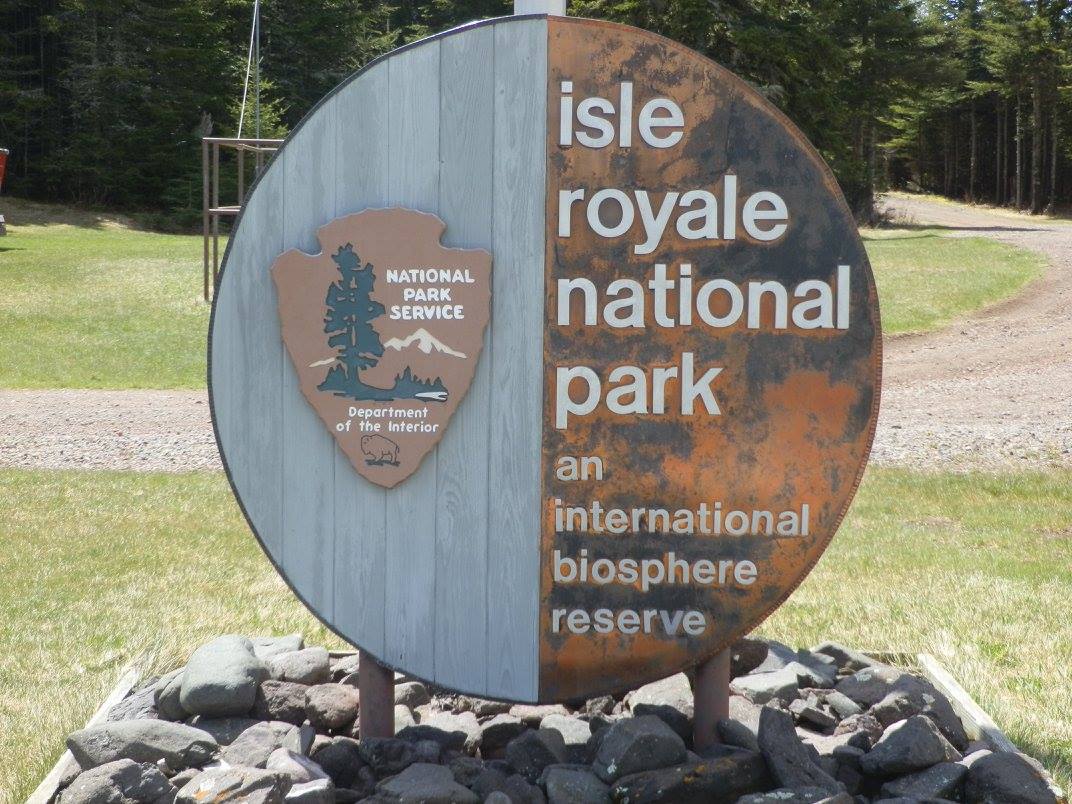
Isle Royale is a remote wilderness island in northern Michigan, and at more than 40 miles long, it is the largest island in the largest Great Lake: Lake Superior.

I recently spent some time on Isle Royale working on a conservation research project called the Wolves and Moose of Isle Royale, along with Brian Manfre, a mammal department supervisor for the Detroit Zoological Society. Moose first came to Isle Royale in the early 1900s; wolves joined in the 1940s after crossing an “ice bridge” from Canada. For more than 50 years, the wolf-moose research project has studied the predator-prey dynamics of these species, making it the longest continuous study of any predator-prey system in the world. I was very eager to see the island and participate in the work first-hand.

Unfortunately, the wolf population at Isle Royale has dropped to only two closely related individuals, and the project now focuses on how the moose population is responding to reduced wolf predation. There is a proposal to reintroduce more wolves, but this is a complicated issue, in part because Isle Royale is also a National Park. The National Park Service will decide on this proposal in the fall of 2017.

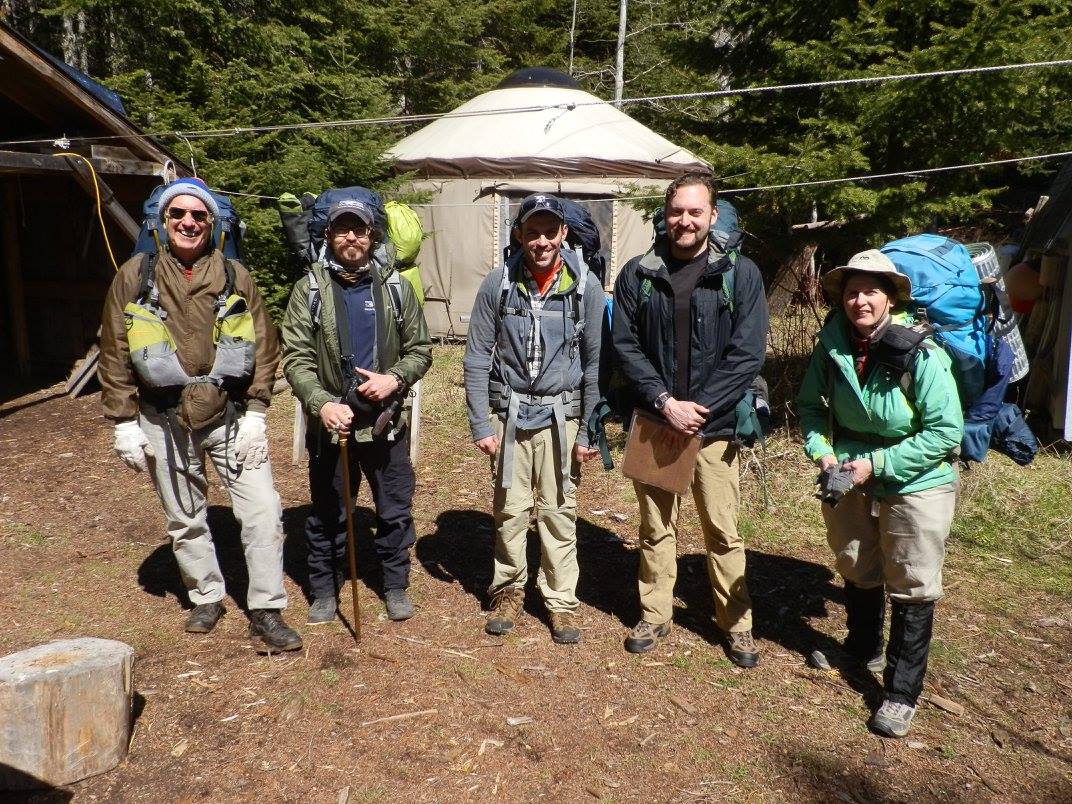
Brian and I were joined by eight others working on this project. In addition to looking for moose bones to study the moose population, our team would also be investigating the presence of wolves at two previously used wolf dens. We set off together on a four-hour ferry ride from Copper Harbor to Isle Royale, and reported to the Bangsund cabin, an old fishing cabin that was built in 1926 and has served as the base for the project since 1959. We loaded our backpacks with hearty camp fare such as oatmeal, cheese, peanut butter and other supplies for the week, and then took a short boat ride to our departure site. After a 2-mile hike, we set up the first camp.

We camped at several different sites on the shores of Lake Superior and several inland lakes, and soon got into a routine of cooking, cleaning and filtering drinkable water at the camps. We were fortunate to have very pleasant weather. There was frost one of the first nights, but later in the week it warmed up enough for black flies to pester us.

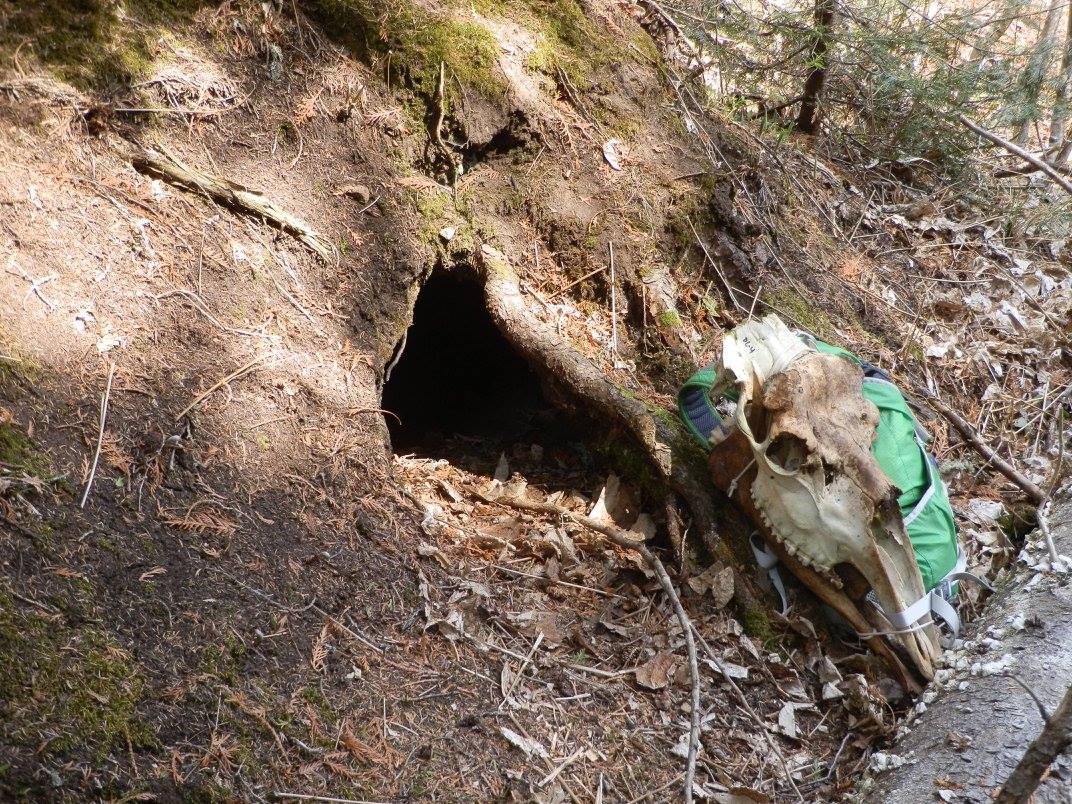
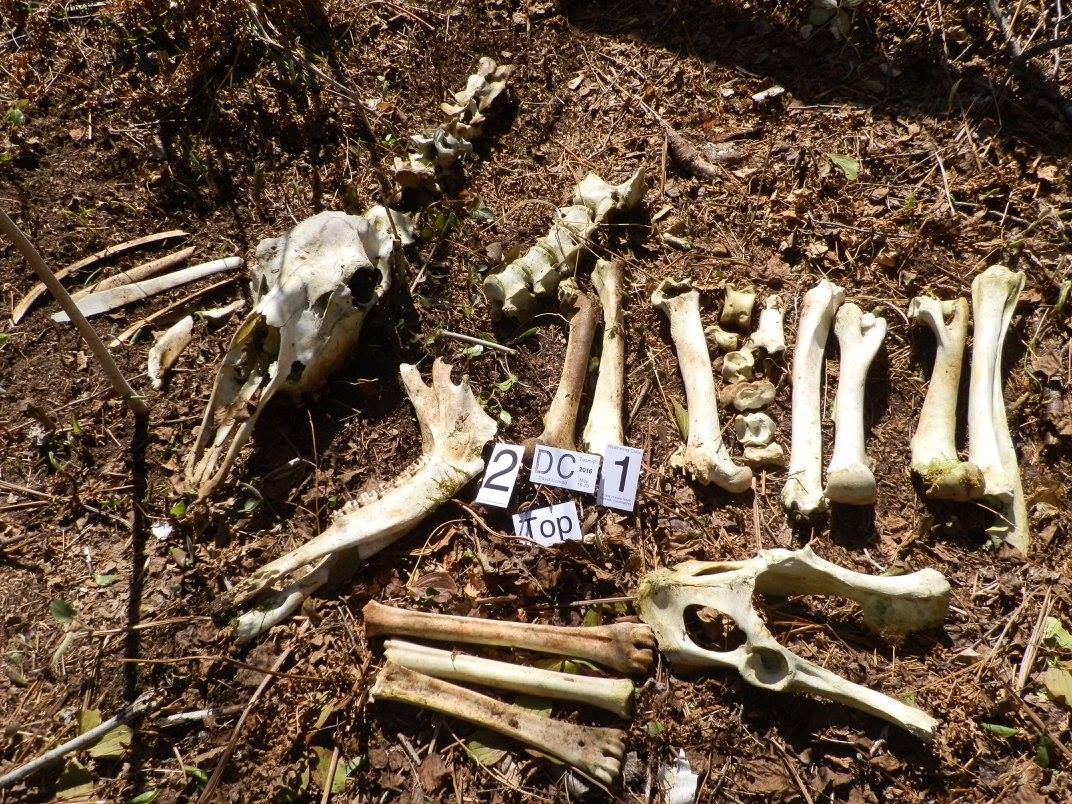
On a usual day, we would hike 2-3 miles on-trail and then walk another 3-5 miles off-trail more slowly looking for moose bones. It was difficult at times, as we were going through dense forest, up and down ridges and through swamps. When a moose bone was spotted the requisite, “Bone!” was shouted out, and everyone would converge on the site to look for more bones. We were happy to find any bones at all, but skulls and teeth were especially prized. When cut in a cross section, the rings of dentin in the teeth can be counted to estimate the age of the moose – similar to counting tree rings – which can provide important information on the moose population. We can also examine vertebrae for signs of arthritis: Many of the moose at Isle Royale have been found to live longer and develop more arthritis than moose in areas with more predators. While it was a thrill to find these moose remains and evidence of wolves chewing on the bones, it was even more exciting to visit the old wolf dens. Unfortunately, there was no evidence of recent wolf use but we did find approximately one-week-old wolf feces along a trail nearby.

After a week, we returned to the Bangsund cabin with heavier packs than we left with, as they’d been loaded with moose skulls and other bones. We enjoyed a shower via bucket and ladle and then feasted on lasagna, wild rice casserole and a very welcome salad. We told stories and sang songs – it was a fitting celebration for a meaningful contribution to the project.

If you’re interested in participating in the wolf-moose study, visit this website.

– Paul Buzzard, Ph.D., is the director of conservation for the Detroit Zoological Society.