Notes from the Field: To the Moon and Back

Hello from the U.S. Palmer Station! The weather has been behaving and we were able to have a very productive week. Because of the warmer temperatures in Antarctica this time of year, some long-distance travelers from the north came to visit us – a group of more than 100 arctic terns have made their way down for the summer.
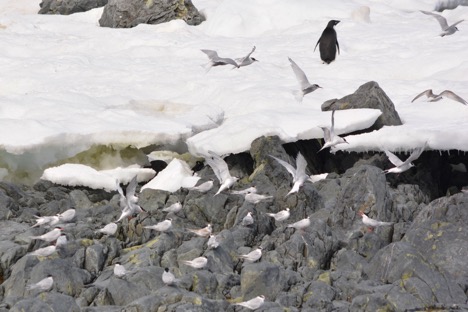
The arctic tern is an incredible bird that only weighs as much as a small apple yet it migrates farther than any animal on Earth. They breed in the Arctic during the northern summer and they travel to the Antarctic for the austral summer to feed in the rich waters of the Southern Ocean. They will travel some 45,000 miles every year and may live for decades. This bird lives a full life; it flies the distance to the moon three times over. It is absolutely inspiring watching these weary travelers make it down here, knowing they were at the top of the world just a few months ago.

Back in Michigan, the Detroit Zoological Society helps conserve two different species of tern – black terns and common terns. The DZS has worked with other agencies to develop and maintain a new nesting site for common terns, which have become quite uncommon along the Detroit River over the last 50 years. We are also working with the National Audubon Society and the Michigan Department of Natural Resources, looking at nesting success of black terns in the St. Clair Flats. Black terns are suffering population decline across their range and we are committed to learning more about their life history in order to reverse this trend and protect the species.
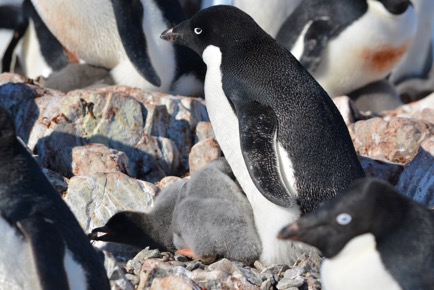
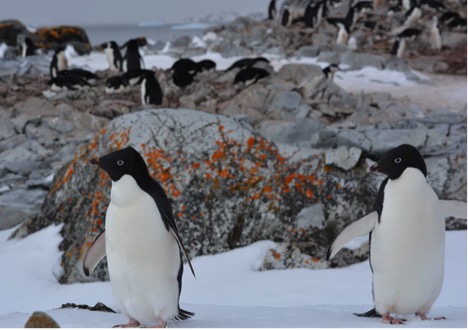
Besides the arctic terns, we have been very busy studying the local birdlife. The Adelie penguin colonies seem to show some variation with regard to what stage of development the chicks are in. Some of the chicks are getting huge and the nests are getting crowded as many proud parents have two chicks growing well. That being said, the noise level continues to climb and the colonies are starting to become messy! It does appear that the chicks pick up bad habits at a very young age (stealing rocks from the neighbors).
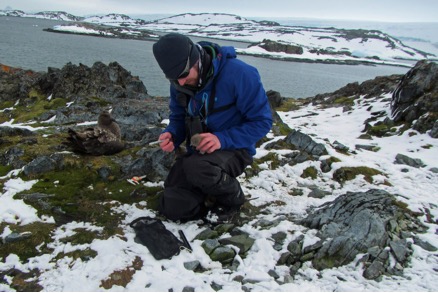
The brown skua chicks continue to hatch and grow as well. We have been measuring their beaks and routinely weighing them, tracking their growth. The parents can be a little feisty, but overall they tolerate us well. The chicks are beginning to run around and explore, which can make it tougher for us to find them.

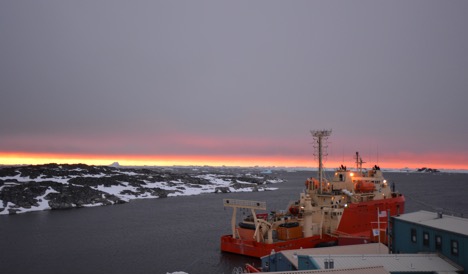
As the days of this incredible journey continue to pass, the northern hemisphere has started to tilt back toward the sun and our days are shortening a touch. It’s still pretty much always light out, but it’s getting slightly easier to see the sun set.
Have a great week; I will report back soon!

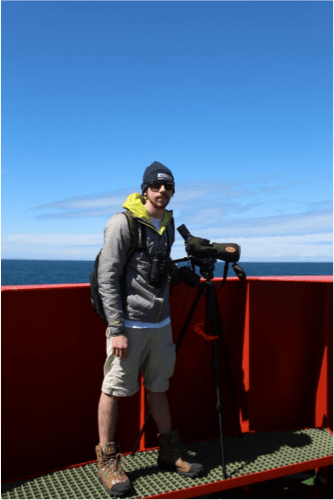
– Matthew Porter is a bird department zookeeper for the Detroit Zoological Society and is spending the next few months at the U.S. Palmer Station in Antarctica for a rare and extraordinary scientific opportunity to assist a field team with penguin research.
Notes from the Field: Peeping Penguins and Spyhopping Whales in Antarctica

Happy New Year from 64°46’27” S, 64°03’15” W!

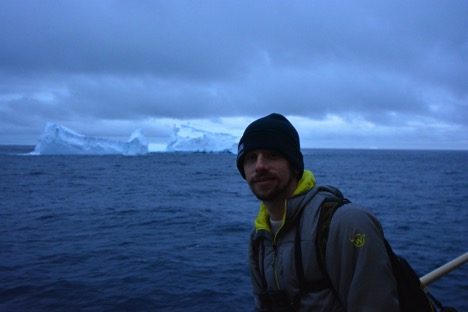
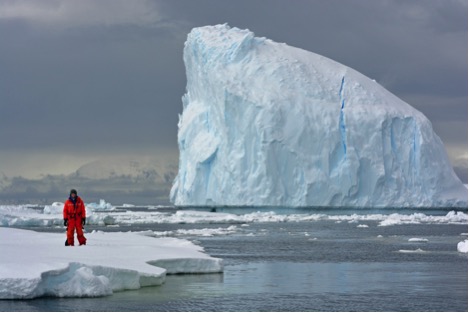
In Antarctica this time of year, the nights are very short – the sun sets around midnight and rises at 2 a.m., so it never really gets dark. As the days pass, many icebergs drift by and their variation and beauty leave me in awe. From small to huge, they come in any shape you could imagine and they express a variety of whites and blues.

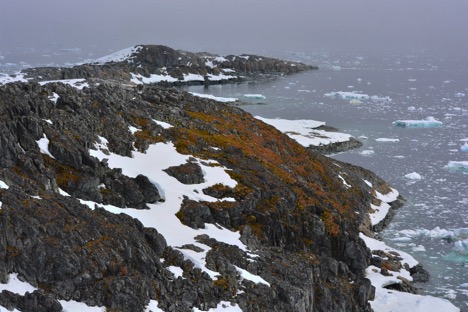
It is snowing a bit less, and the islands are starting to melt down a bit, which exposes the rocky cliffs and reveal a variety of different lifeforms. Antarctic hair grass is one of only two species of flowering plant found in Antarctica, and mosses and lichens paint the rocks on the islands in greens, yellows, oranges and more. Lichens are organisms made up of a symbiotic (or mutually beneficial) relationship of a fungus paired with algae and/or cyanobacteria.

This nice break in the weather allowed us to make our way further south to conduct a survey of gentoo penguins. This species of penguin is the third largest in the world and there are currently around 300,000 breeding pairs worldwide. Where we are right now is on the southern extent of their range. It’s exciting to see this particular species in the wild, as gentoos are one of the four species of penguins at the Detroit Zoo. And while I’ve been in Antarctica, 20 additional gentoo penguins arrived at the Zoo as we prepare for the opening of the Polk Penguin Conservation Center in April.

Our team split up into groups and together we achieved a full survey of gentoo nests on the island. Most of the birds are incubating two eggs each in nests formed out of rocks. The sun peeked out of the clouds and lit up the sky as we marched from colony to colony.

We also had some excitement as we were counting Adelie penguin colonies when we heard some faint peeping noises. The next generation of these amazing black and white birds had just started to hatch. A couple of lucky parents had very young chicks so small the gray downy bird could fit on your hand. We could see that many more birds were about to hatch as well – multiple eggs had externally pipped, which means that the chick has cracked or put a hole through the eggshell. Very soon the colonies will become incredibly noisy and messy! In the coming weeks, we will see the parent’s inexhaustible efforts as they travel back and forth from the ocean to the nest to feed and raise their young.

As is the case with many bird species, the chicks of Antarctica have to grow extremely quickly. Because the summer season (providing warmth and abundant food) is short, the young birds must grow quickly and prepare for migration or become ready to brave the harsh winter.

Brown skuas are also starting to hatch and soon the giant petrels will as well. We have been doing a lot of monitoring of the giant petrels and have identified almost all of the breeding pairs in our study area that have eggs. The giant petrels take turns incubating, with one bird at the nest, while the other bird goes foraging. Once we get the first parent’s band number, we wait about a week to let the birds switch roles. Then we can get the other parent’s band number while it is incubating the egg. All of these hatching chicks should keep us very busy in the upcoming weeks.

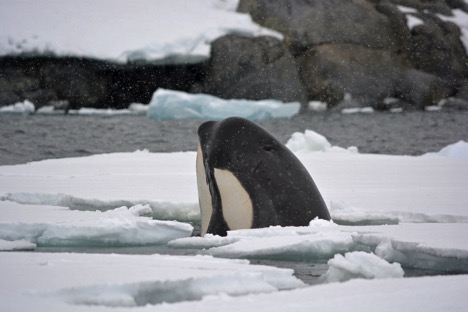
Throughout our travels, we have been keeping our eyes open and are listening for blow spouts as humpback whales are usually in the area this time of year. Over the past weeks, we have had a few sightings of minke whales and we had a pod of orcas come by right in front of Palmer Station. The orcas were popping their heads up out of the water looking for seals on the ice floes. This behavior is known as “spyhopping”. It was incredible watching these iconic, powerful animals work the inlet by station.


Thanks for reading; I will report back soon!

– Matthew Porter is a bird department zookeeper for the Detroit Zoological Society and is spending the next few months at the U.S. Palmer Station in Antarctica for a rare and extraordinary scientific opportunity to assist a field team with penguin research.
Notes from the Field: ‘Iced in’ at the Palmer Station in Antarctica

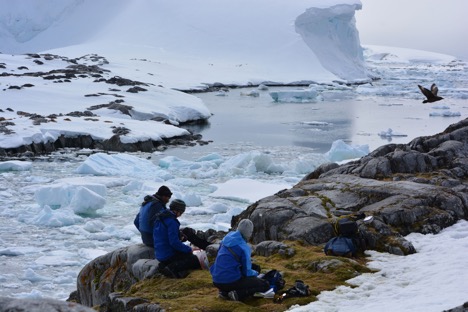
With the right wind, the harbor can go from totally clear to completely packed with large pieces of ice and glacier chunks within just a few hours, icing us in at the Palmer Station. When this occurs, we have to wait for the winds to change before we can work to clear the ice out. Being stuck at Palmer for a couple days was no problem though; it gave us time to catch up on data and paperwork and we were able to hike to a cove to do some fieldwork with southern giant petrels.

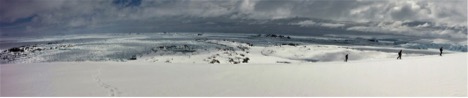
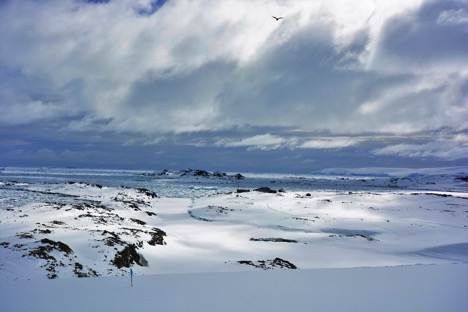
Land travel requires a lot of gear and also snowshoes, which we outfitted ourselves with before walking out into the “backyard” of the Palmer Station. We hiked up to the top of the glacier, where the views were absolutely breathtaking.

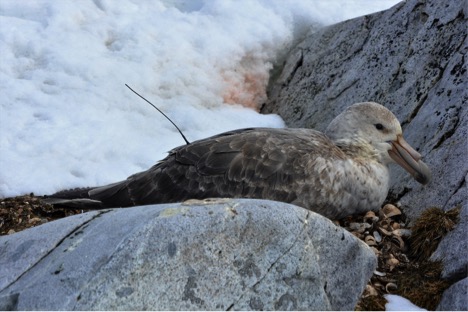
We walked around an inlet and back down the glacier over to a couple spits of land where southern giant petrels, Antarctic terns, and kelp gulls can be found. Giant petrels can have a wingspan of almost 7 feet and their eye colors vary from light to very dark, with every individual having its own unique color pattern. Many of these majestic and often very gentle birds have been banded throughout the years, and we were able to retrieve identification numbers from several of them, which will aid in the study of these birds. We were also able to outfit one of the birds with a transmitter to collect data on where the bird is travelling.

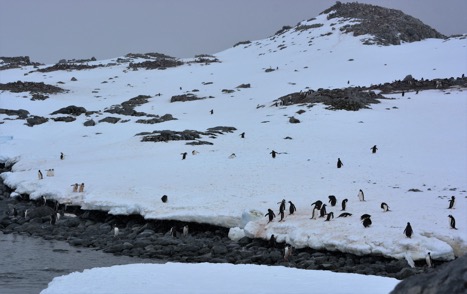
Finally, the winds shifted direction and we were able to travel by boat to continue our island fieldwork. We spent a lot of time catching up on censuses of Adelie penguin colonies – much to our excitement, many were full of parents incubating eggs! One humorous mainstay is the elephant seals that hang out around the station. Most mornings when exiting the building, there are multiple elephant seals present, which I’m told isn’t so common from year to year. We have to watch where we walk and keep our distance, giving the proper respect and privacy to all the local wildlife. In Antarctica, there are treaties and conservation acts to follow with regard to viewing wildlife, which is a good reminder of how we should treat all wildlife and wild places, no matter where we are in the world.

Thanks for reading; I will report back soon!

– Matthew Porter is a bird department zookeeper for the Detroit Zoological Society and is spending the next few months at the U.S. Palmer Station in Antarctica for a rare and extraordinary scientific opportunity to assist a field team with penguin research.
Notes from the Field: Passion for Peru

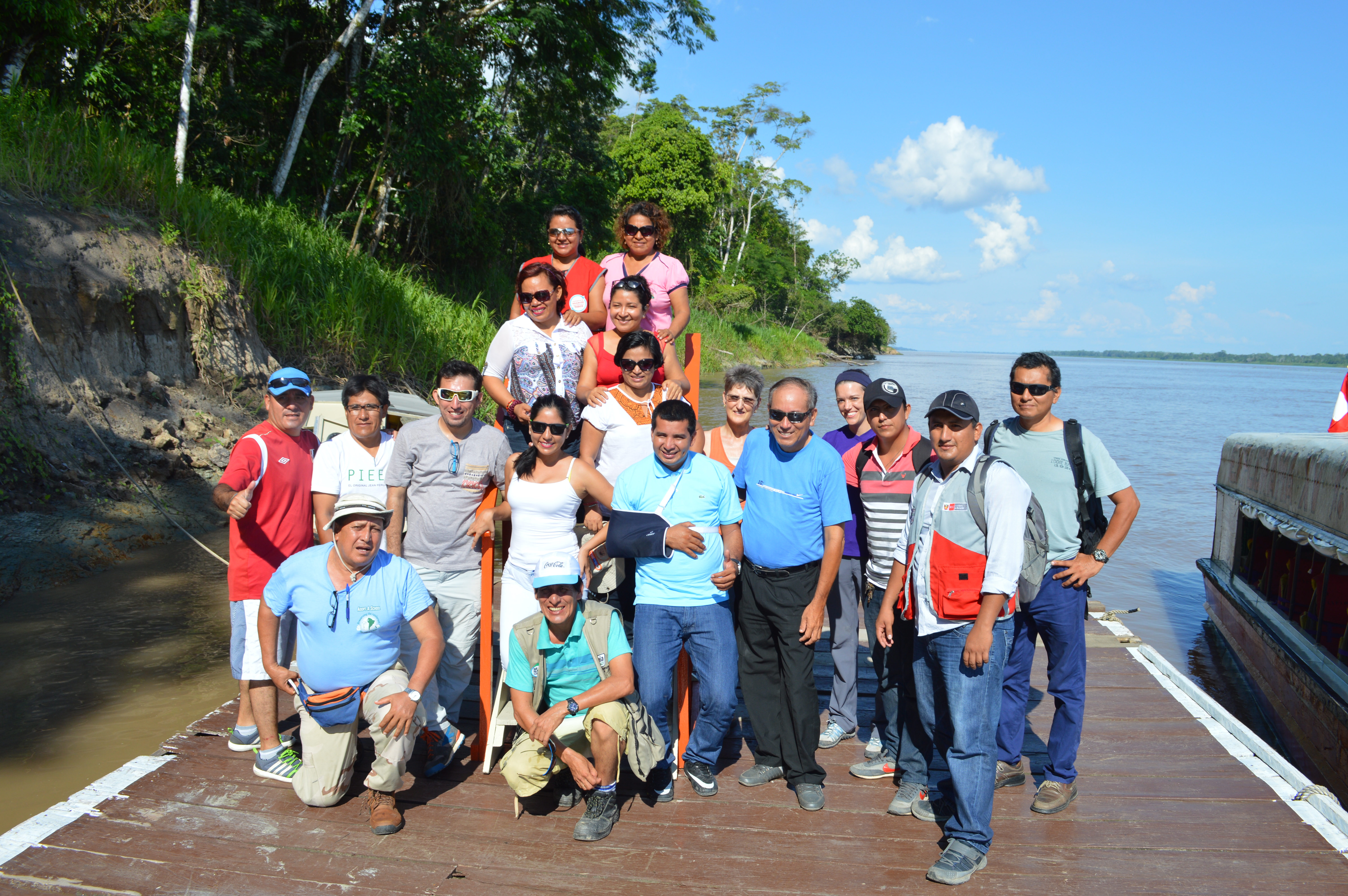
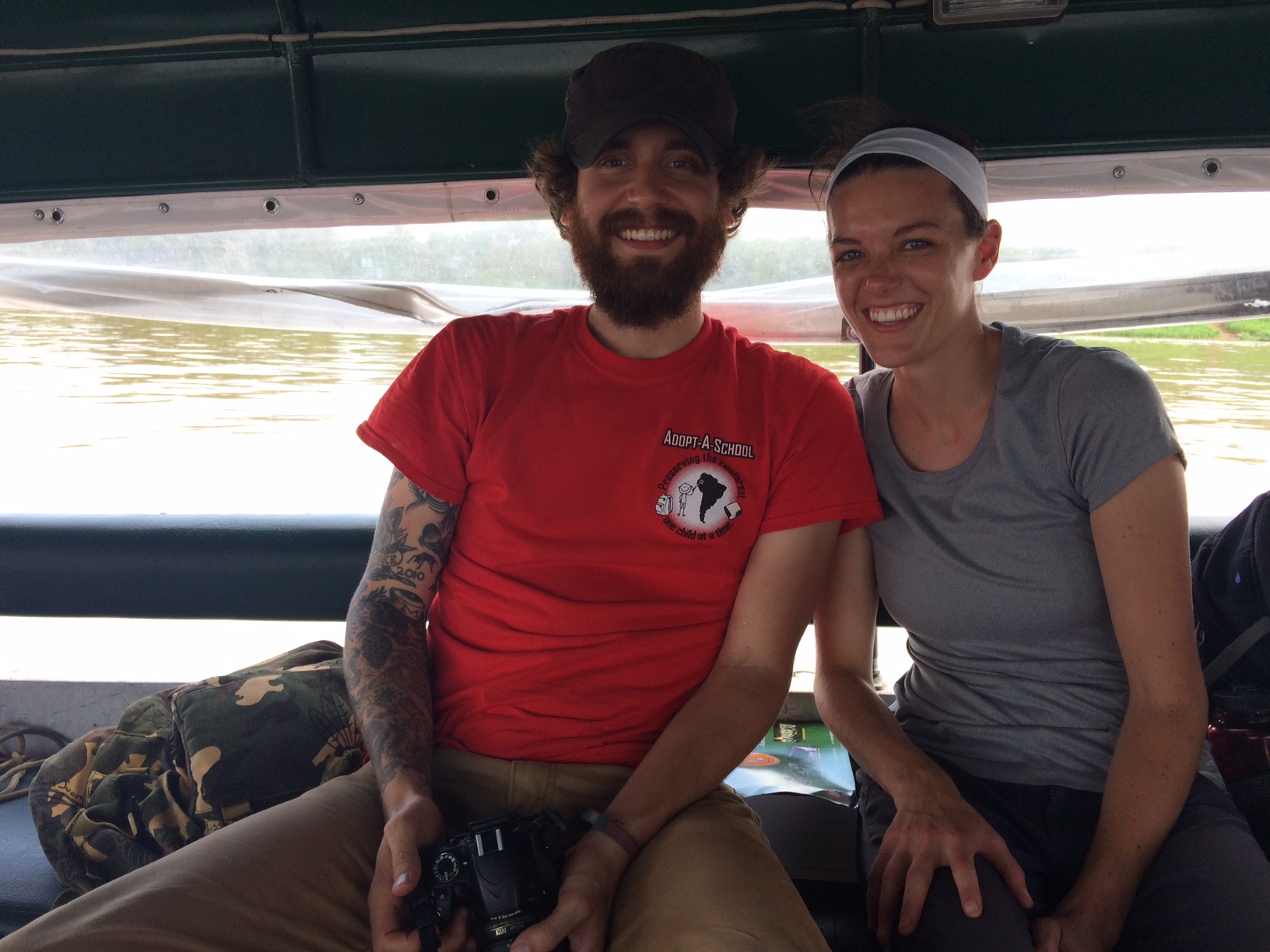
The fall trip to the Peruvian Amazon as part of the Detroit Zoological Society’s Adopt-A-School program has come to a close. Over the course of two weeks, our team of 21 staff members and volunteers were able to visit all 53 communities involved in the program. Even though each of these communities is facing challenges, they have shown their commitment to protecting the rainforest. The families clearly see the value of their children’s education.

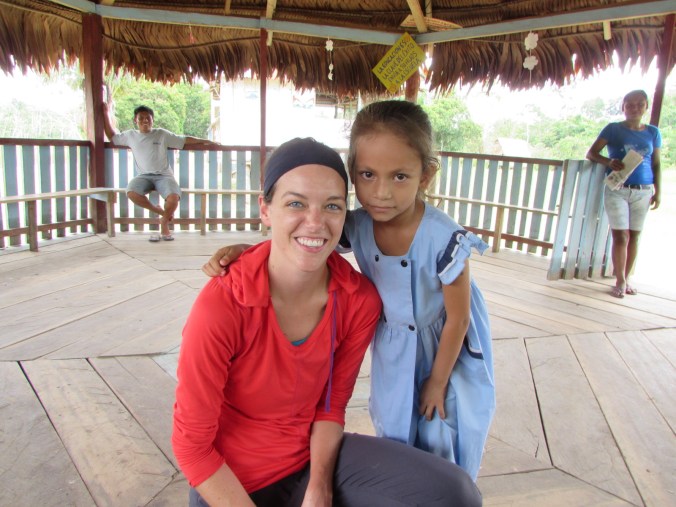
To accomplish the evaluation for all the Adopt-A-School communities in a two-week period, we rely on volunteers from the city of Iquitos. Volunteerism is not a common practice in Peruvian culture; however the concept is growing. The volunteers this year included people in the fields of education, environmental sustainability and agriculture. The team was enthusiastic and dedicated, which was evidenced by the smiles of the children and hugs from community leaders. Their passion shined in the schools where they sang songs, told jokes and played games to help ensure students were comfortable with them before the evaluations began.

Volunteers support this program throughout the year, and now that the evaluations are complete, we are beginning to focus on our plans for next year. The Adopt-A-School program would not be able to function without the support of our volunteers from around the world. Without them and their contributions, we wouldn’t be able to deliver the donated school supplies to the communities at the beginning of the Peruvian school year. Our program volunteers contribute financially through a mandatory trip donation as well as providing their physical support and presence while they are in Peru.

If you’d like experience these beautiful places and meet some incredible people, consider volunteering with the Adopt-A-School program and join us in our travels to the rainforest in the spring: http://conapac.org/2016AmazonRainforestiBookletShort.pdf. If traveling to the Amazon is not for you, and you would like to contribute in a different way, please find a link to donate here: http://detroitzoo.org/support/give/adopt-a-school/.

– Carla Van Kampen is a curator of education for the Detroit Zoological Society. The Adopt-A-School program provides donated educational materials and supplies for schools in rural Amazonia. The DZS has partnered with Conservacion de la Naturaleza Amazonica del Peru (CONAPAC) in this conservation and education program since 1999.

Notes from the Field: Antarctica Fieldwork Begins

The first day in the field was an absolute dream come true for me. After an early breakfast and an intense look at the weather, we collected our gear and got dressed for a day of fieldwork. We dressed in layers to protect ourselves from the harsh environment and the potentially soaking boat ride. During my time in Antarctica, we will travel by boat to many islands to study different colonies of birds. The weather can change in a heartbeat, with strong winds bringing rough seas and treacherous ice drifts, so we need to be prepared.

We headed out to a nearby island, which has multiple colonies of Adelie penguins. We tied up the boat and proceeded to count birds and collect data. I was speechless staring at a colony of these penguins and the pure beauty of nature – some birds were working on building nests out of rocks and others already had eggs – Adelie penguins generally lay a clutch of two. It is fascinating watching the birds work on their nests and interact within the colony.

Another bird of note in this region is the brown skua, a good-sized bird that will nest up on rocky ledges around the penguin colony. They often lurk on the edges of the colony waiting for an opportunity to steal eggs. Their strategy works well and they certainly get their fair share of Adelie eggs.

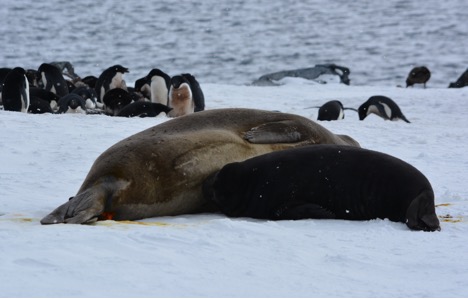
Near another Adelie colony, we spotted a southern elephant seal nursing her pup. There are many southern elephant seals in the area – the females weigh close to a ton while full grown males may weigh as much as 4 or 5 tons! Antarctica is a magical place that surrounds you with beautiful, pristine nature.

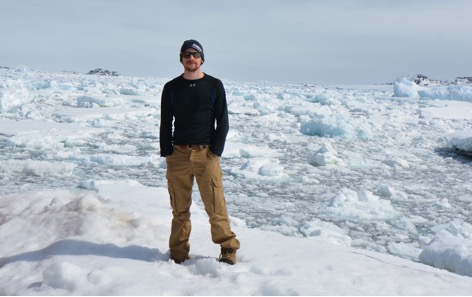
Throughout the week we have visited multiple islands surveying the birds and taking data. The conditions have been good with temperatures around freezing, with snow and rain mixed in. Thankfully the high winds tend to hold off until the evening, allowing us to get our work done. While I’m known at the Detroit Zoo for wearing shorts year-round, here I am wearing pants. What can I say – it’s Antarctica!

Thanks for reading; I will report back soon!

– Matthew Porter is a bird department zookeeper for the Detroit Zoological Society and is spending the next few months at the U.S. Palmer Station in Antarctica for a rare and extraordinary scientific opportunity to assist a field team with penguin research.
Notes from the Field: Visiting Schools Along the Napo River in Peru

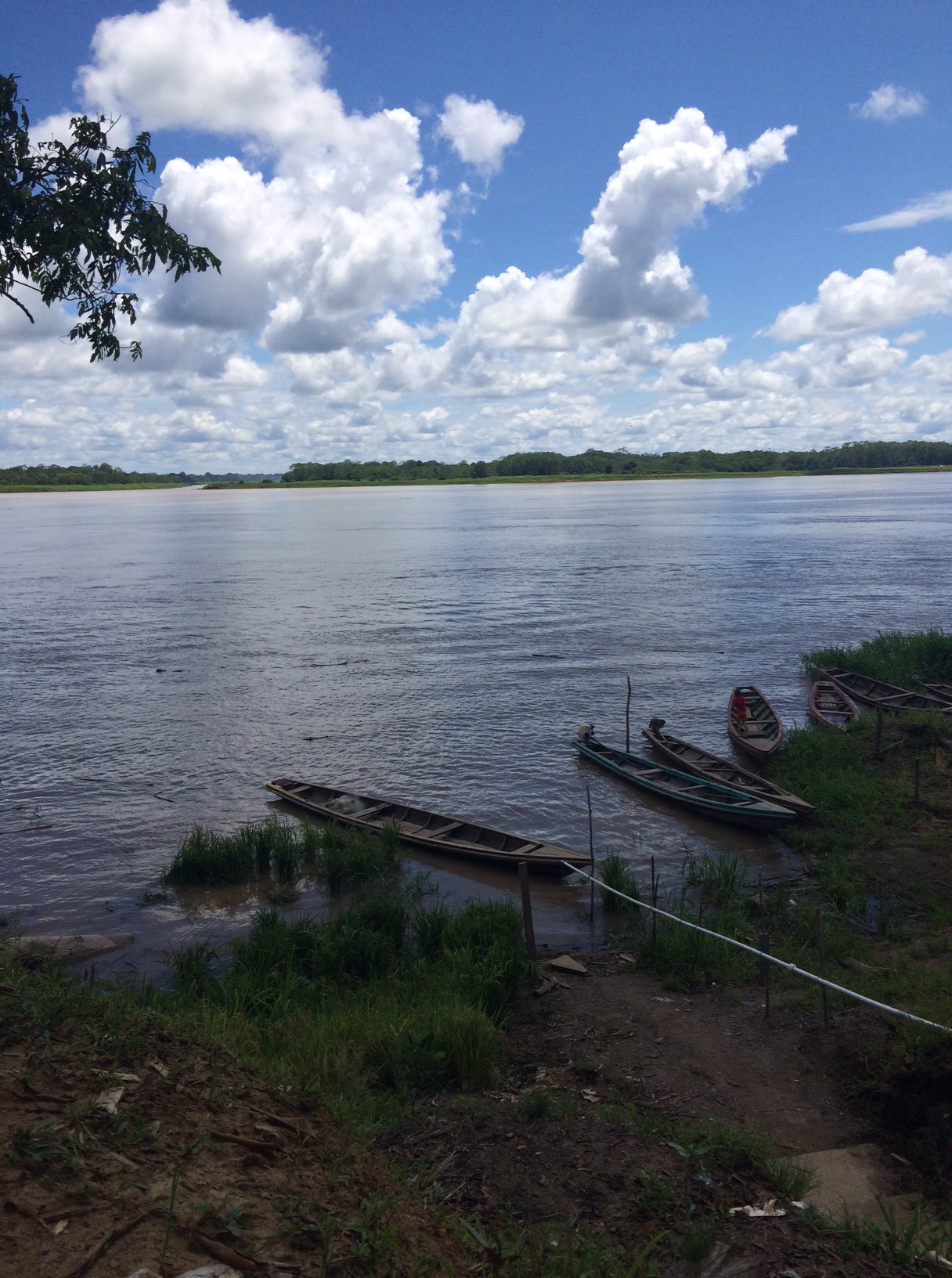
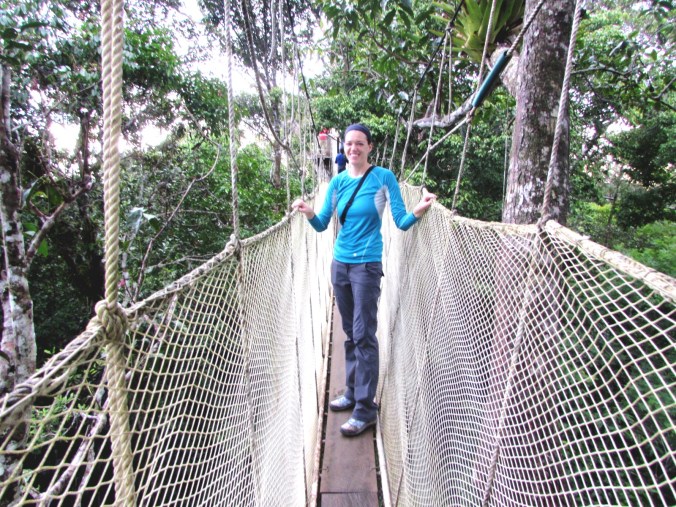
We’ve traded in the “mototaxis” for boats as we moved from Iquitos into the rainforest at Explorama’s Explornapo Lodge along the Napo River in Peru. It’s interesting – when you look straight down at the water, it is a milky shade of brown, but when looking further out, the reflection of the clouds and blue sky give the impression that the Amazon River is actually blue, which it is not. The scenery is green and lush, as we expect, but now that the water level is lower, we can see how aggressive it is when the river rises. We know how fierce yet resilient nature can be. The mud is sculpted like artwork in places high above the current water line. In many places, green plants have taken over the steep mud cliffs, growing where water stands for months of the year. Birds are flying around checking out the water below, and there is a sense of tranquility from the wind and noise from the boat as we travel from place to place.

carla blog entry 2

All of this boat travel means that we’ve completed the first week of evaluations, having visited 29 schools as part of the Detroit Zoological Society’s Adopt-A-School program. We can’t all visit each of these communities in this time frame, so we spread out and meet up every night for a recap of what is happening in each community. Common issues that come up revolve mostly around water. Due to flooding, some schools weren’t able to hold classes for up to four months of this school year. Some don’t have enough time to grow crops between the flooding, and almost all communities are having trouble with proper trash disposal. Being here in the rainforest and immersed in this environment leads me to question what is the best solution for this situation. There aren’t garbage boats that come through these communities to pick up trash, so what are they expected to do with it? This is one of the reasons why this program is so important – we focus on education, including education about sustainability and preservation of the environment.

I’ve enjoyed visiting many communities this week, but Canal Pinto was one of the most impactful experiences for me. It was obvious the two teachers in the community had everything under control. You could tell by looking at the students, the classrooms, and their interactions with students that this community was in good hands. As I looked around the beautiful kindergarten classroom, I noticed something that I hadn’t seen elsewhere. Recycled plastic bottles, cut and painted, neatly labeled with student names. Inside each cup was a toothbrush. Hanging on the shelf next to each toothbrush was a washcloth. The students are learning to take care of themselves and to reuse items they have around them. This shows these children – at a very early age – the importance of helping to conserve items and take care of themselves, hopefully habits that will help them and the environment for years to come.

carla blog entry 2 - 2

We have a few days left of reviews before we head home. We will be soaking in the heat and humidity while we can before coming back to the much cooler north. Adios for now!

– Carla Van Kampen is a curator of education for the Detroit Zoological Society. The Adopt-A-School program provides donated educational materials and supplies for schools in rural Amazonia. The DZS has partnered with Conservacion de la Naturaleza Amazonica del Peru (CONAPAC) in this conservation and education program since 1999. For more information, or to donate to the program, visit: http://detroitzoo.org/support/give/adopt-a-school/

Notes from the Field: Arriving in Antarctica

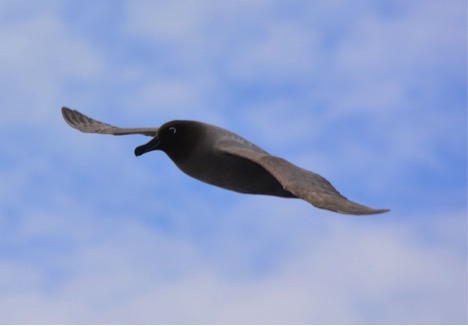
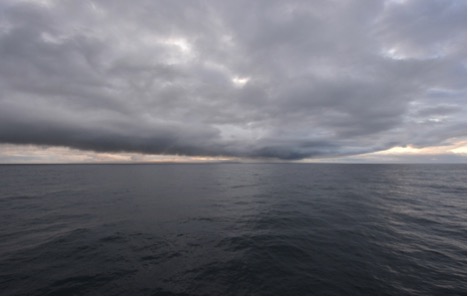
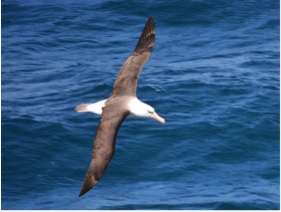
Reporting back from blue water. We experienced some rain, but only light winds as we sailed through the infamous Drake Passage, offering us the “Drake lake” not the “Drake shake”! Throughout the Passage, many more feathered companions greeted us including Wilson’s storm petrels, slender-billed prions, light-mantled albatross and more. The light-mantled albatross is a majestic flyer that glided around our boat effortlessly.

antarctica 1

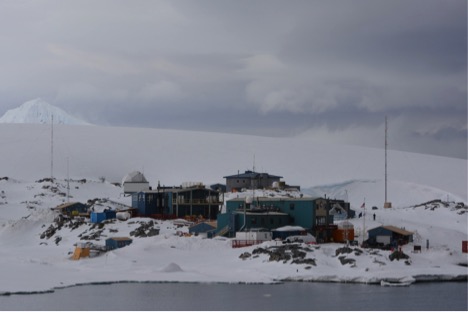
During our fourth evening on the boat, icebergs and pieces of ice started to consistently drift by while the rain changed to snow. We were getting close! By early afternoon on day five, the boat entered the 16-mile-long Neumayer Channel, which is a breathtakingly gorgeous passage. We cruised through incredible snow-covered cliffs, while icebergs of varying beautiful hues of blue floated past us. A couple ghost-like snow petrels made an appearance. Snow petrels are a pure white bird with black eyes and a black beak and are found in southern Georgia and Antarctica. We eventually passed Port Lockroy, which has a British research base and the nearest post office. Then, in the clearing as the clouds parted slightly, we could see a small collection of buildings: the U. S. Palmer Station and my home for the next couple of months.

Antarctica 2

A handful of gentoo penguins came to the edge of the ice to greet us while we were landing the boat. It was nice to feel the hard ground under our feet after the wonderful five-day voyage. Since we landed in the evening, we hung out for a while at the station, meeting the very friendly current residents and then headed back to the boat for the night. The following morning, we got right to work unloading our gear, followed by a half-day of orientation. After orientation, I found my way down to a small hut, which is known as the “birders” office. The “birders” is a station nickname for our group that does bird research. I am joining three fantastic, expert field biologists to do field work/research on gentoo, adelie, and chinstrap penguins, southern giant-petrels, brown skuas and more. Much of the work involves long-term ecological studies and is associated with figuring out the bird’s relationship to and impact from climate change. This work is overseen and guided by the principal investigator, the world-renowned polar ecologist Dr. Bill Fraser, who also consulted with the Detroit Zoological Society (DZS) on the design of the new Polk Penguin Conservation Center, a spectacular facility under construction at the Detroit Zoo.

antarctica 3.jpg

Also while I’m down here, I will be able to absorb knowledge that can be brought back to the Detroit Zoo’s already expert penguin staff. Conservation and animal welfare are priorities of the DZS and this incredible opportunity will allow us to continue to improve the already excellent welfare we ensure for animals. The Detroit Zoo, home to the Center for Zoo Animal Welfare, is known internationally for our animal welfare program, and we are always challenging ourselves and our industry to continue improving. Starting tomorrow, I will jump into the field and will report back soon. Thank you for reading!

– Matthew Porter is a bird department zookeeper for the Detroit Zoological Society and is spending the next few months at the U.S. Palmer Station in Antarctica for a rare and extraordinary scientific opportunity to assist a field team with penguin research.
Notes from the Field: Saving the Wyoming Toad

For the past few summers, I have traveled to Laramie, Wyoming for the Wyoming Toad Species Survival Plan (SSP) meeting, which is an effort by the Association of Zoos & Aquariums (AZA) to cooperatively manage species populations within accredited zoos and aquariums.

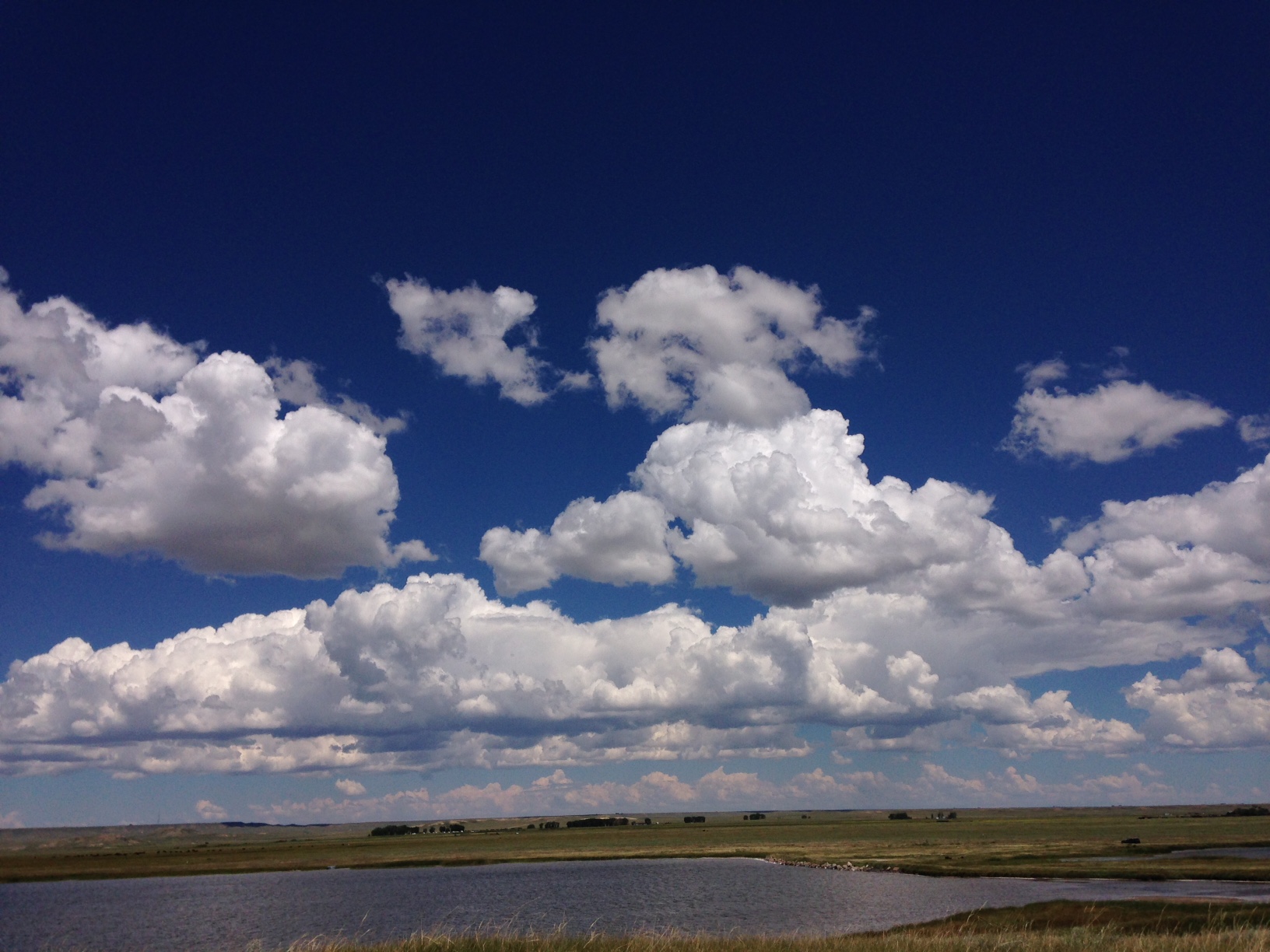
First, I fly into the Denver International Airport, which is followed by a 140-mile road trip to Laramie. The trip is full of spectacular views of mountains, canyons, vast plains, huge clouds and pronghorn antelopes. Sometimes I drive the distance alone but this year I made the trip with three colleagues from different zoos. Each of us is a representative for our respective institution, all sharing the same goal of saving one of North Americas most endangered amphibians, the Wyoming toad.

After a stop for groceries and gas, we arrived at our destination for the next five days – a cabin in this remote area of Wyoming. We’re joined there by most of the other members of the SSP – this year, 10 people stayed at the cabin. Most of us have known each other for some time, so sleeping together in a room full of triple-layered bunk beds seems like a week at camp with old pals. But it’s far more than summer camp – we take part in discussions and updates on a number of important topics such as husbandry, health, management, fieldwork and research on this toad.

The next morning, representatives from the U.S. Fish and Wildlife Service (USFWS) arrived along with the AZA SSP coordinator to begin the meetings. Besides the zoos and aquariums involved, there are two USFWS facilities in Wyoming that hold, breed and release the toads. Many important topics are discussed with the last being choosing captive breeding pairs for 2016.

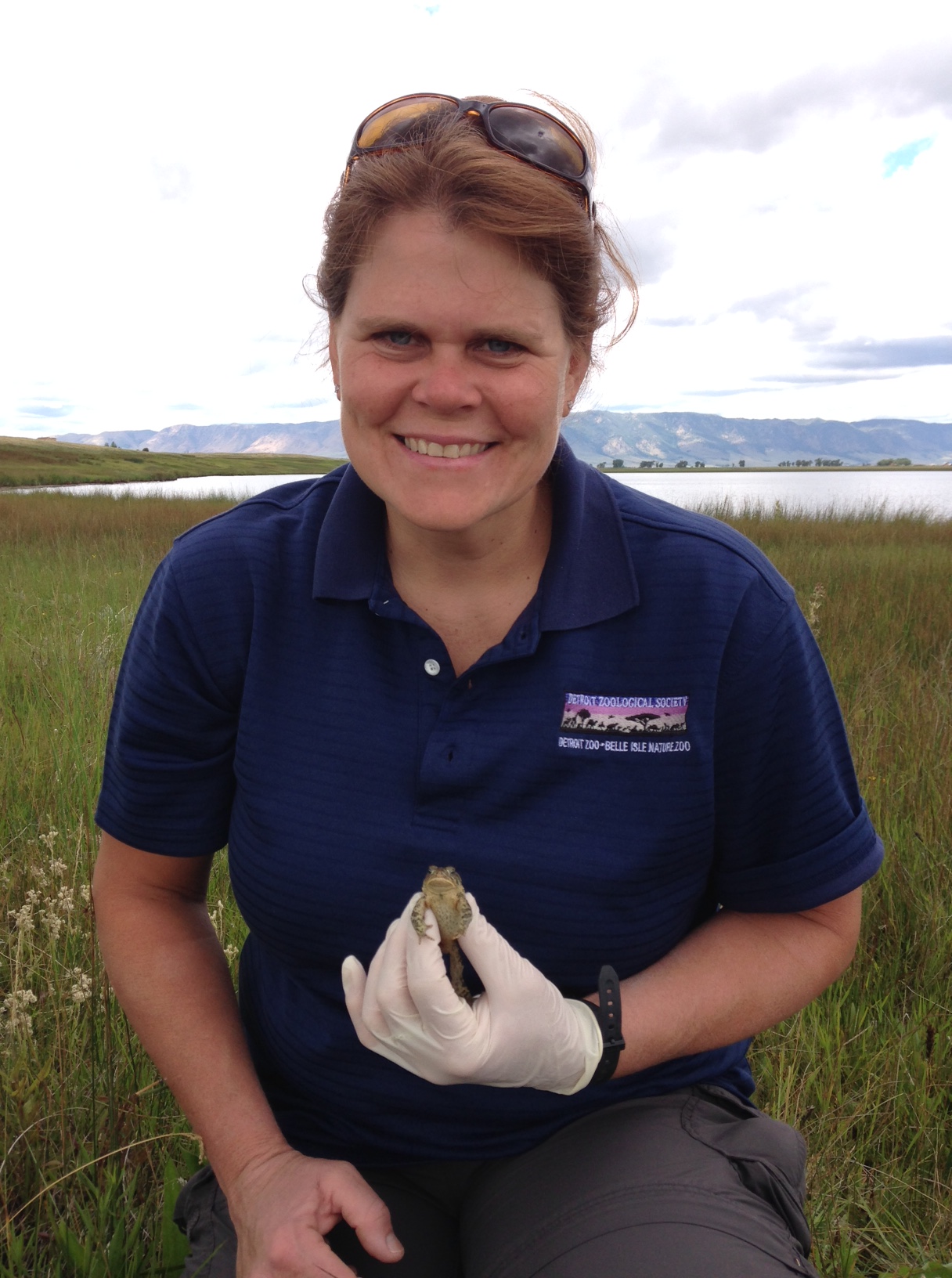
The Detroit Zoological Society (DZS) breeds these critically endangered Wyoming toads at the National Amphibian Conservation Center (NACC). Since 2001, the DZS has released more than 6,500 Wyoming toads into the wild as tadpoles, toadlets and adults. In 2007, the Detroit Zoo earned the highest honor on the AZA’s list of the Top 10 wildlife conservation success stories for that year.

The population of toads is maintained in special bio-secure off-exhibit rooms of the NACC. We have enough room to breed four pairings each year, and any tadpoles produced by the pairings are shipped out to Wyoming for release into protected wetlands in efforts to create self-sustaining populations.

Like each of the organizations present, I brought detailed notes on every adult toad in our resident population so that the best pairs could be chosen. Captive Wyoming toads need to be of ideal weight and health to take part in a month-long hibernation, followed by a June breeding event. Through the AZA, there is an identified “studbook keeper” who matches toads pairs that are least related and most likely to produce offspring that will be the most genetically fit.

On the second day in Laramie, we received training for the USFWS field surveys. Field surveys are done three times during the warmer months of the year around Mortenson Lake. This lake is the last known area the Wyoming toad lived before it was removed from the wild to protect the species from extinction. It is also the site of past and present releases of captive-produced tadpoles and toadlets. Present-day releases are more protected and provide several topics for research. Members of the SSP have been assisting with the mid-summer field surveys for more than five years and the training is just the beginning of a two- to three-day process to see how many Wyoming toads can be found around the lake.

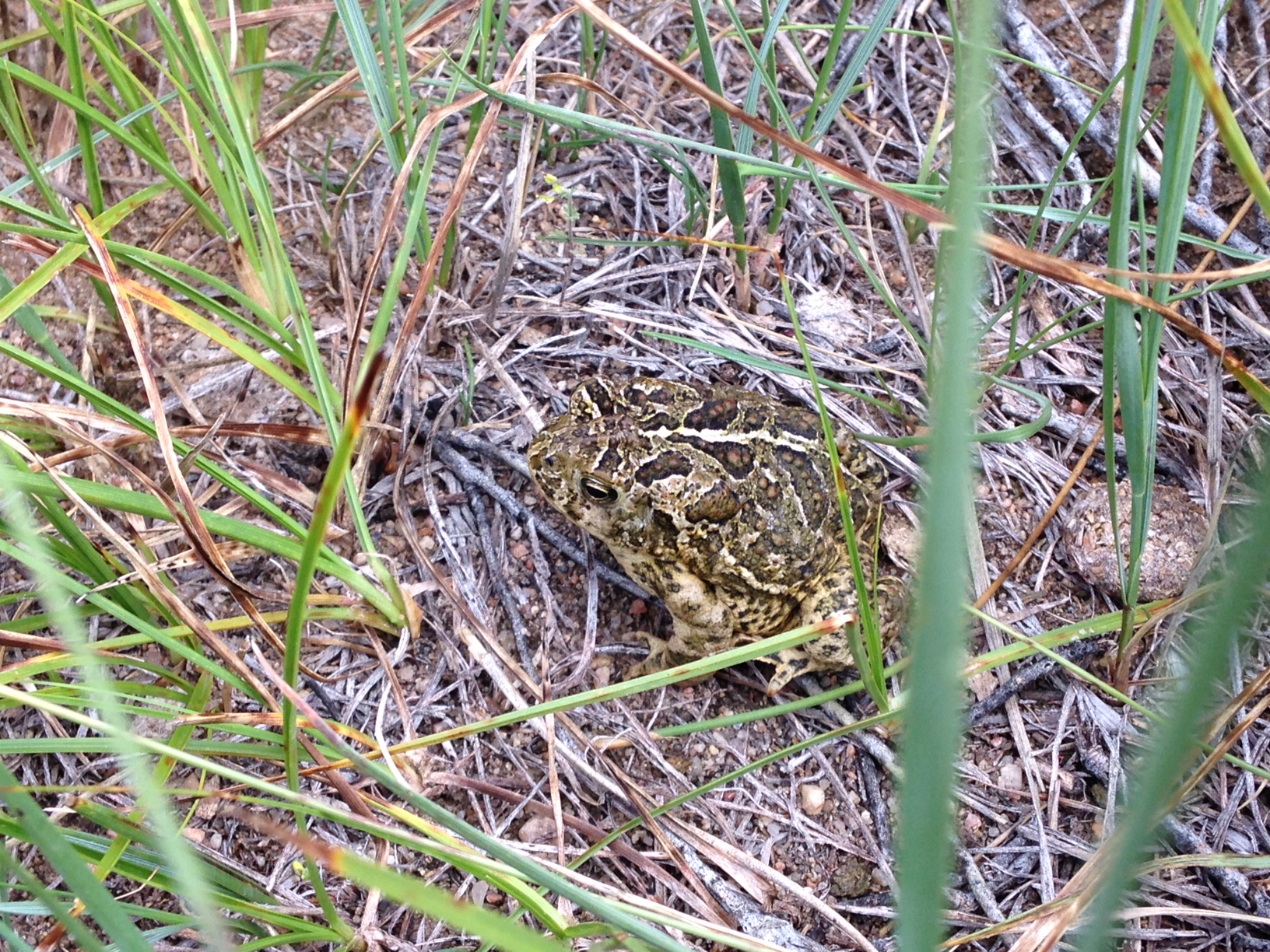
The third and fourth day of my stay is spent almost entirely out in the field surveying for toads around the lake. Teams of two or three people carry backpacks full of equipment for data collection. Each plot must be surveyed in a specific allotted amount of time and by walking in an S-shaped pattern. Toads can be found hiding under grass, sitting on hard-packed sandy areas or swimming near the shore of the lake. If a toad is located, the timer is stopped, and data collection starts. Toads are photographed for identification, weighed, swabbed for disease testing and, if large enough, “microchipped”. It is particularly exciting when an older toad or a toad with an existing microchip is found. This usually means the toad has survived one or more very cold winters and may potentially breed in the lake.

Weeks later, back at the Detroit Zoo, I receive the compiled results of the survey. This year, we located and collected data on 224 toads – 129 toadlets that were captive-born and released into the lake this spring; 29 toads that were captive-born, released last year and survived the winter; 33 adult females and 33 adult males. Until next July, go toads!

– Rebecca Johnson is the associate curator of amphibians for the Detroit Zoological Society.

Notes from the Field: The Journey to Antarctica

Seven weeks ago, I was asked by the Detroit Zoological Society to travel to Antarctica for part of the “austral summer”, which is the time period from November through March in the southern hemisphere, for a rare and extraordinary opportunity to assist a field team with penguin research. Before leaving, I had to pass rigorous medical testing, losing a couple of wisdom teeth along the way. Over the next few weeks, I acquired gear and packed everything I would have for the next three months into two 50-pound bags.

With bags in hand, I headed to Detroit Metropolitan Airport to begin the long, 7,500-mile journey. I traveled from Detroit to Dallas to Santiago, Chile and finally landed in Punta Arenas, Chile, some 25 hours later. Punta Arenas is a very windy but beautiful city with the Andes in the background and the Straights of Magellan winding along the coast.

The following day, I moved onto the Laurence M. Gould, a 230-foot Antarctic research and supply boat, which will be my home for the next week. We then set sail for the U.S. Palmer station. I woke up the next morning with the boat slowly rolling, as we traveled south down the east coast of South America in the Atlantic Ocean. We have been greeted with numerous Magellanic penguin sightings.

Throughout the day, we continued south towards the infamous Drake Passage. We will enter the Drake with our fingers crossed, as it is known to have some of the roughest waters in the world. Once we arrive at the Palmer Station, I will join the “Seabird” team, which is a division of the Long Term Ecological Research (LTER) studies in the Antarctic Peninsula. Here I will assist with the annual austral summer research for projects headed by the world-renowned polar ecologist and penguin expert Dr. Bill Fraser and his wife, Donna Patterson-Fraser. Bill and Donna are incredible, experienced scientists who have spent years studying Antarctic birds, climate change and how they relate.

Our typical day will start by getting up early and watching the weather. As long as conditions look promising, we will get in a zodiac and drive to one of the many smaller islands located around the Palmer Station, where we will study the birds. Most of our study subjects will be gentoo, chinstrap and Adelie penguins as well as southern giant petrels. Throughout the summer, we will examine diet, population numbers, breeding and more.

Back on the boat, there has been a lot of wildlife around us. Dolphins swim through the ocean while birds cruise around us. Cape petrels, southern fulmars, black-browed albatrosses, and many more have gracefully glided alongside the boat. We are just passing the tip of South America, headed for the Drake Passage. Wish us luck and calm seas! The next time I report back, we should be on land at the Palmer Station.

– Matthew Porter is a bird department zookeeper for the Detroit Zoological Society and is traveling to the U.S. Palmer Station in Antarctica for a rare and extraordinary scientific opportunity to assist a field team with penguin research.
Education: Adopt-A-School in Peru

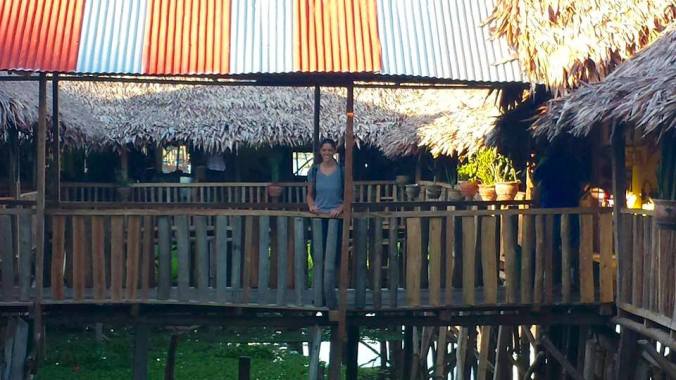
Most days don’t start with a walk through a construction site and a “mototaxi” ride to get into the office, but today it did. It also included watching an iguana outside of the office window as it rested against the tree branch soaking in the Amazonian heat.

Currently, I am in Iquitos, Peru, preparing for evaluations in 53 rural communities along the Amazon and Napo Rivers. This is part of our Adopt-A-School program that the Detroit Zoological Society (DZS) supports in conjunction with an organization called Conservacion de la Naturaleza Amazonica del Peru, A.C. (CONAPAC), based out of Iquitos.

carla

We work together to bring conservation awareness to these communities as well as provide opportunities for education. Each spring, the DZS leads groups of volunteers down to Peru to deliver school supplies to these communities. In the fall, as the schools wrap up their school year, we send DZS staff to attend these evaluations to check in with communities on how well they are using their supplies, how well the students are learning and how well they are maintaining the environment around their communities. That’s what DZS Education Specialist Adam Dewey and I are here to accomplish.

Although I’ve attended the school deliveries in the past, this is my first opportunity to be here for the evaluation component. I’m looking forward to seeing what the communities look like without the festivities that the school supply deliveries bring. We will see students in school, see how they learn and all that they’ve been able to accomplish this past year. We will talk with leaders within the program to see how well they’ve maintained and supported the service projects that have been completed within their communities. We will also see the new water filtration systems in use in each of the schools. Clean drinking water has been an additional project for CONAPAC, and one that has helped to keep children in these communities healthy, so I am especially looking forward to seeing this in action.

Soon, we will be heading down the river to rustic lodges in beautifully remote areas, where hot water isn’t an option, and electricity is only found in the dining hall. I am looking forward to being immersed in the rainforest for the next two weeks, spending time in these communities and visiting with the amazing people that live here. Check back soon to hear more about the program and our upcoming adventures in the communities!

– Carla Van Kampen is a curator of education for the Detroit Zoological Society.