Notes from the Field: Passion for Peru

The fall trip to the Peruvian Amazon as part of the Detroit Zoological Society’s Adopt-A-School program has come to a close. Over the course of two weeks, our team of 21 staff members and volunteers were able to visit all 53 communities involved in the program. Even though each of these communities is facing challenges, they have shown their commitment to protecting the rainforest. The families clearly see the value of their children’s education.
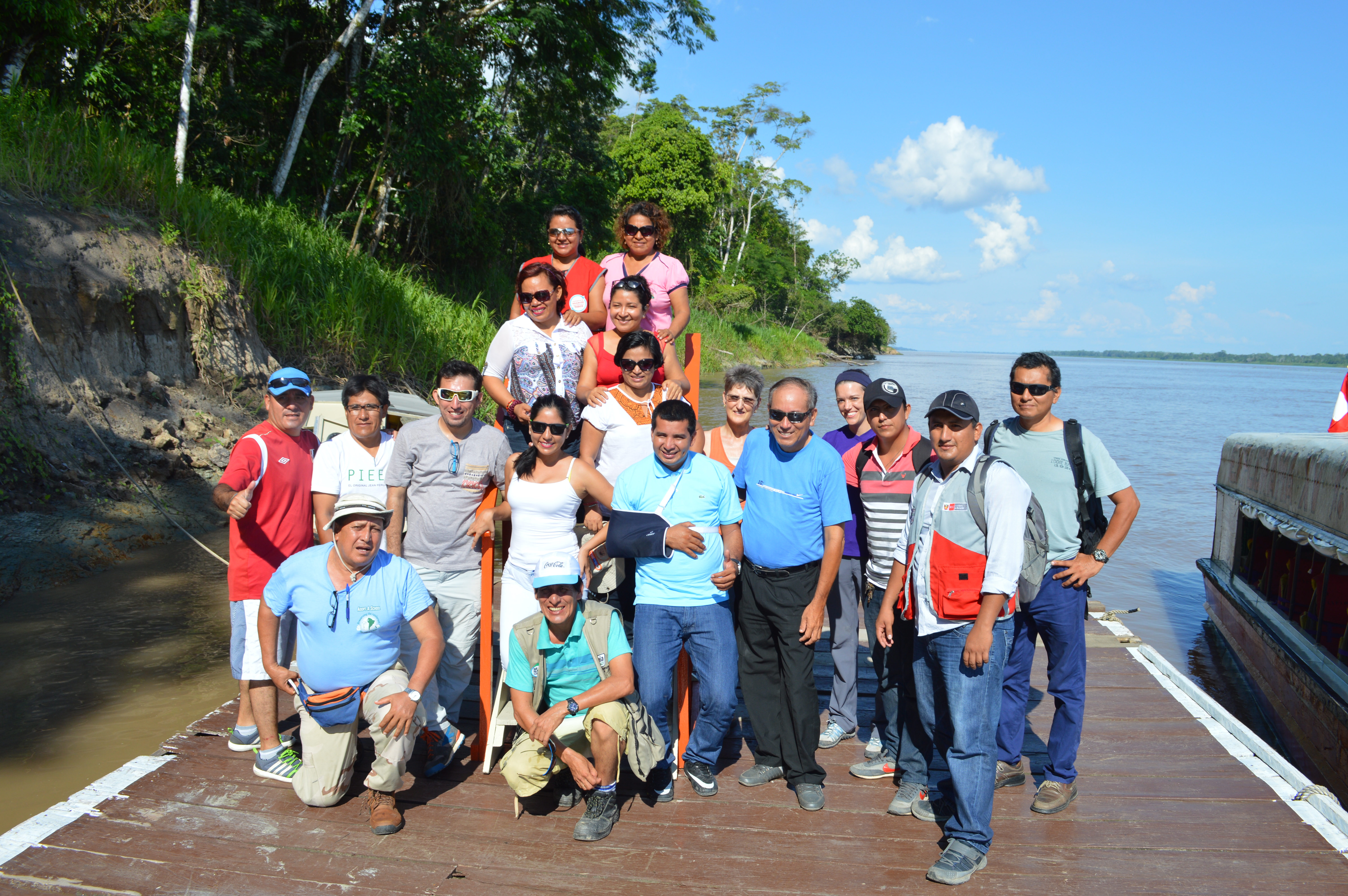
To accomplish the evaluation for all the Adopt-A-School communities in a two-week period, we rely on volunteers from the city of Iquitos. Volunteerism is not a common practice in Peruvian culture; however the concept is growing. The volunteers this year included people in the fields of education, environmental sustainability and agriculture. The team was enthusiastic and dedicated, which was evidenced by the smiles of the children and hugs from community leaders. Their passion shined in the schools where they sang songs, told jokes and played games to help ensure students were comfortable with them before the evaluations began.

Volunteers support this program throughout the year, and now that the evaluations are complete, we are beginning to focus on our plans for next year. The Adopt-A-School program would not be able to function without the support of our volunteers from around the world. Without them and their contributions, we wouldn’t be able to deliver the donated school supplies to the communities at the beginning of the Peruvian school year. Our program volunteers contribute financially through a mandatory trip donation as well as providing their physical support and presence while they are in Peru.

If you’d like experience these beautiful places and meet some incredible people, consider volunteering with the Adopt-A-School program and join us in our travels to the rainforest in the spring: http://conapac.org/2016AmazonRainforestiBookletShort.pdf. If traveling to the Amazon is not for you, and you would like to contribute in a different way, please find a link to donate here: http://detroitzoo.org/support/give/adopt-a-school/.
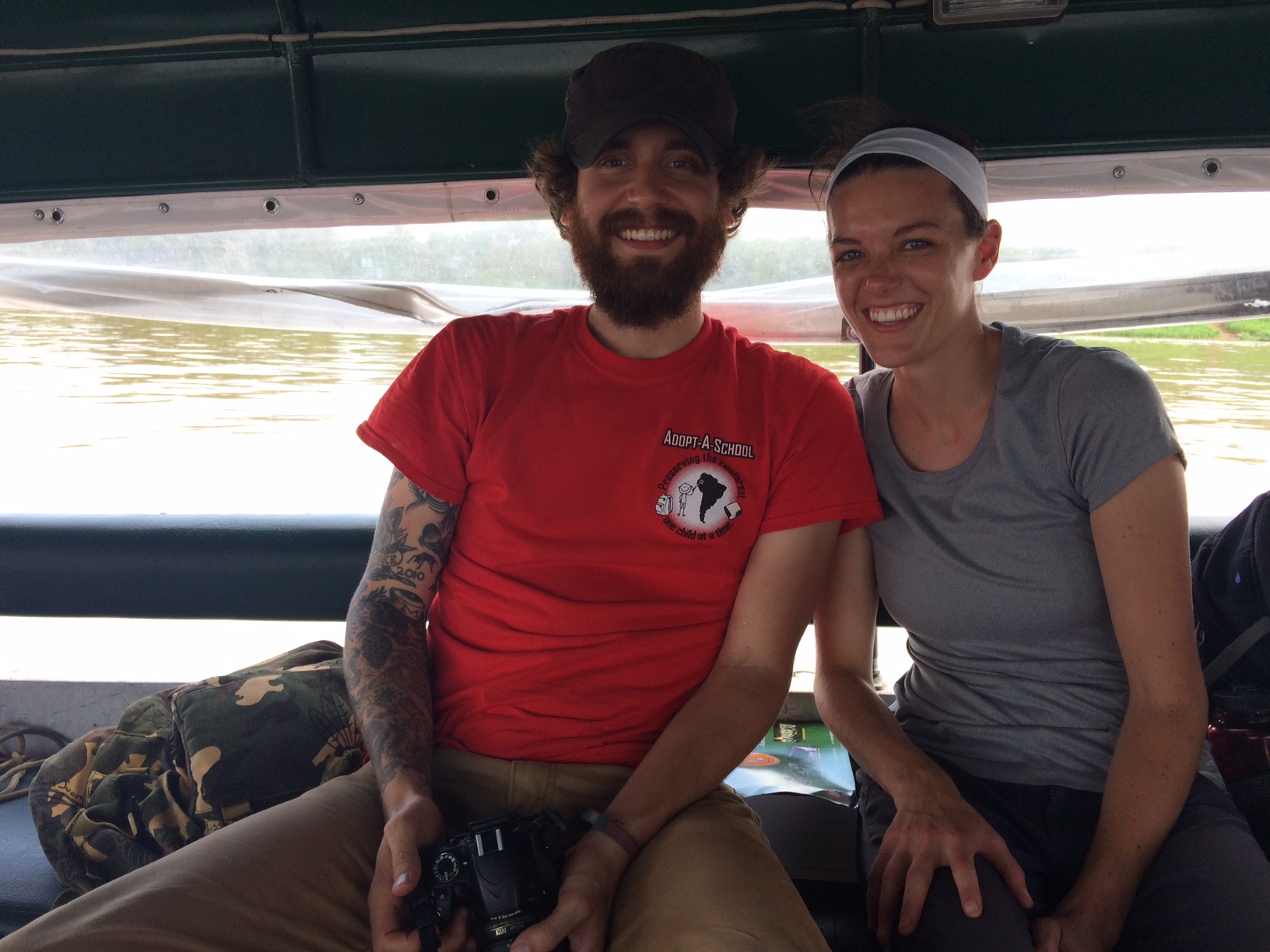
– Carla Van Kampen is a curator of education for the Detroit Zoological Society. The Adopt-A-School program provides donated educational materials and supplies for schools in rural Amazonia. The DZS has partnered with Conservacion de la Naturaleza Amazonica del Peru (CONAPAC) in this conservation and education program since 1999.
Notes from the Field: Saving the Wyoming Toad

For the past few summers, I have traveled to Laramie, Wyoming for the Wyoming Toad Species Survival Plan (SSP) meeting, which is an effort by the Association of Zoos & Aquariums (AZA) to cooperatively manage species populations within accredited zoos and aquariums.

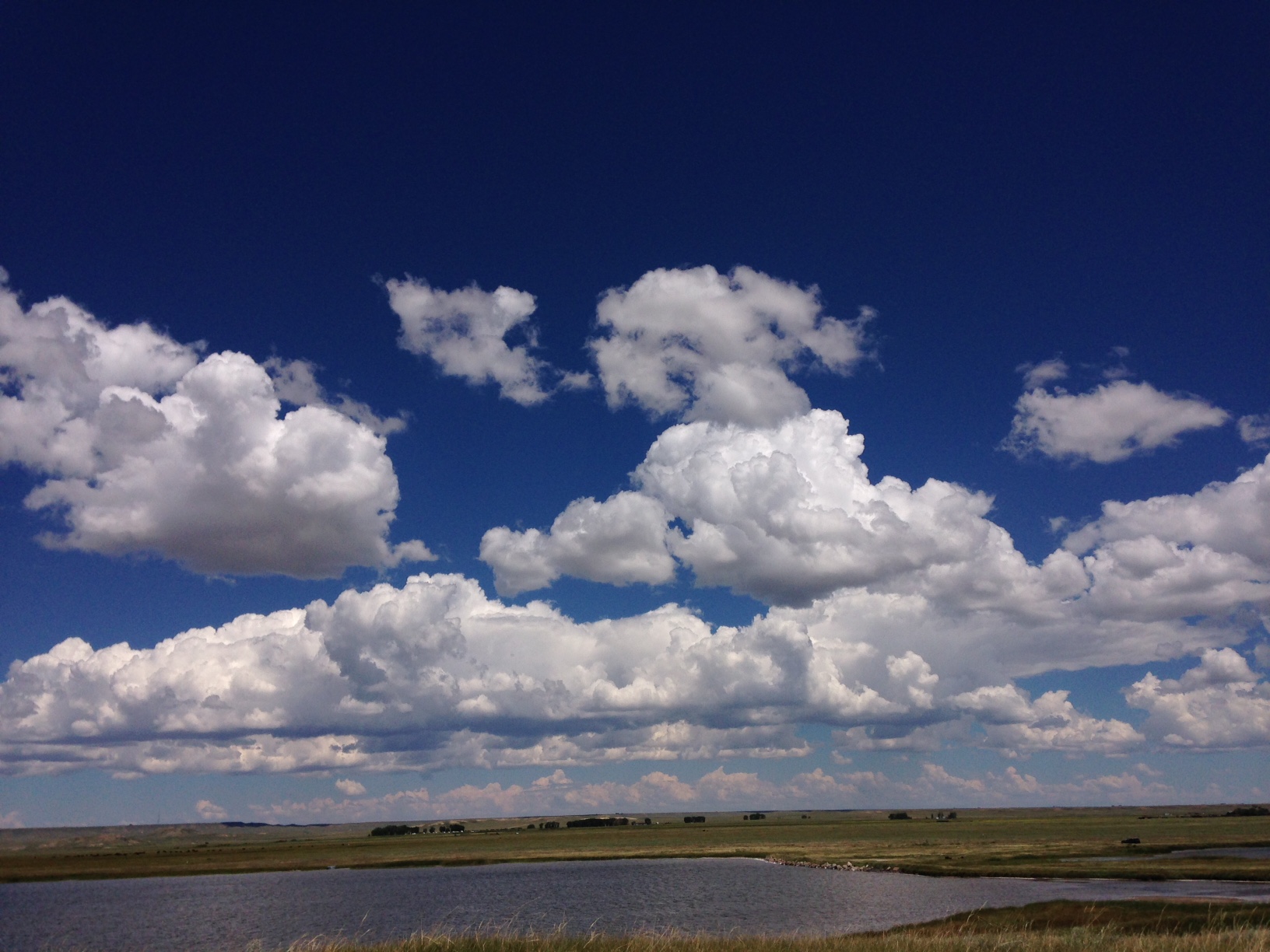
First, I fly into the Denver International Airport, which is followed by a 140-mile road trip to Laramie. The trip is full of spectacular views of mountains, canyons, vast plains, huge clouds and pronghorn antelopes. Sometimes I drive the distance alone but this year I made the trip with three colleagues from different zoos. Each of us is a representative for our respective institution, all sharing the same goal of saving one of North Americas most endangered amphibians, the Wyoming toad.

After a stop for groceries and gas, we arrived at our destination for the next five days – a cabin in this remote area of Wyoming. We’re joined there by most of the other members of the SSP – this year, 10 people stayed at the cabin. Most of us have known each other for some time, so sleeping together in a room full of triple-layered bunk beds seems like a week at camp with old pals. But it’s far more than summer camp – we take part in discussions and updates on a number of important topics such as husbandry, health, management, fieldwork and research on this toad.

The next morning, representatives from the U.S. Fish and Wildlife Service (USFWS) arrived along with the AZA SSP coordinator to begin the meetings. Besides the zoos and aquariums involved, there are two USFWS facilities in Wyoming that hold, breed and release the toads. Many important topics are discussed with the last being choosing captive breeding pairs for 2016.

The Detroit Zoological Society (DZS) breeds these critically endangered Wyoming toads at the National Amphibian Conservation Center (NACC). Since 2001, the DZS has released more than 6,500 Wyoming toads into the wild as tadpoles, toadlets and adults. In 2007, the Detroit Zoo earned the highest honor on the AZA’s list of the Top 10 wildlife conservation success stories for that year.

The population of toads is maintained in special bio-secure off-exhibit rooms of the NACC. We have enough room to breed four pairings each year, and any tadpoles produced by the pairings are shipped out to Wyoming for release into protected wetlands in efforts to create self-sustaining populations.

Like each of the organizations present, I brought detailed notes on every adult toad in our resident population so that the best pairs could be chosen. Captive Wyoming toads need to be of ideal weight and health to take part in a month-long hibernation, followed by a June breeding event. Through the AZA, there is an identified “studbook keeper” who matches toads pairs that are least related and most likely to produce offspring that will be the most genetically fit.

On the second day in Laramie, we received training for the USFWS field surveys. Field surveys are done three times during the warmer months of the year around Mortenson Lake. This lake is the last known area the Wyoming toad lived before it was removed from the wild to protect the species from extinction. It is also the site of past and present releases of captive-produced tadpoles and toadlets. Present-day releases are more protected and provide several topics for research. Members of the SSP have been assisting with the mid-summer field surveys for more than five years and the training is just the beginning of a two- to three-day process to see how many Wyoming toads can be found around the lake.

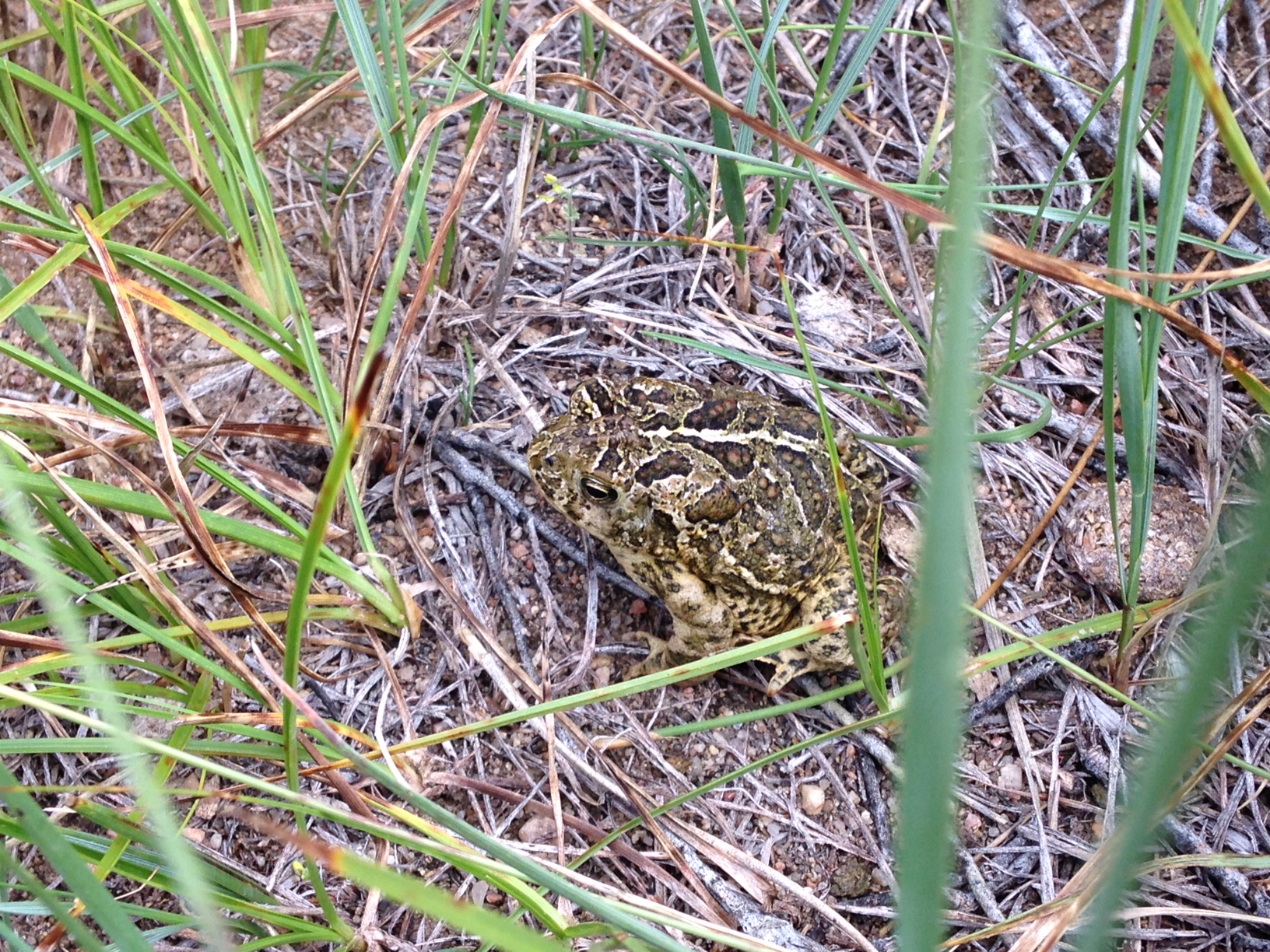
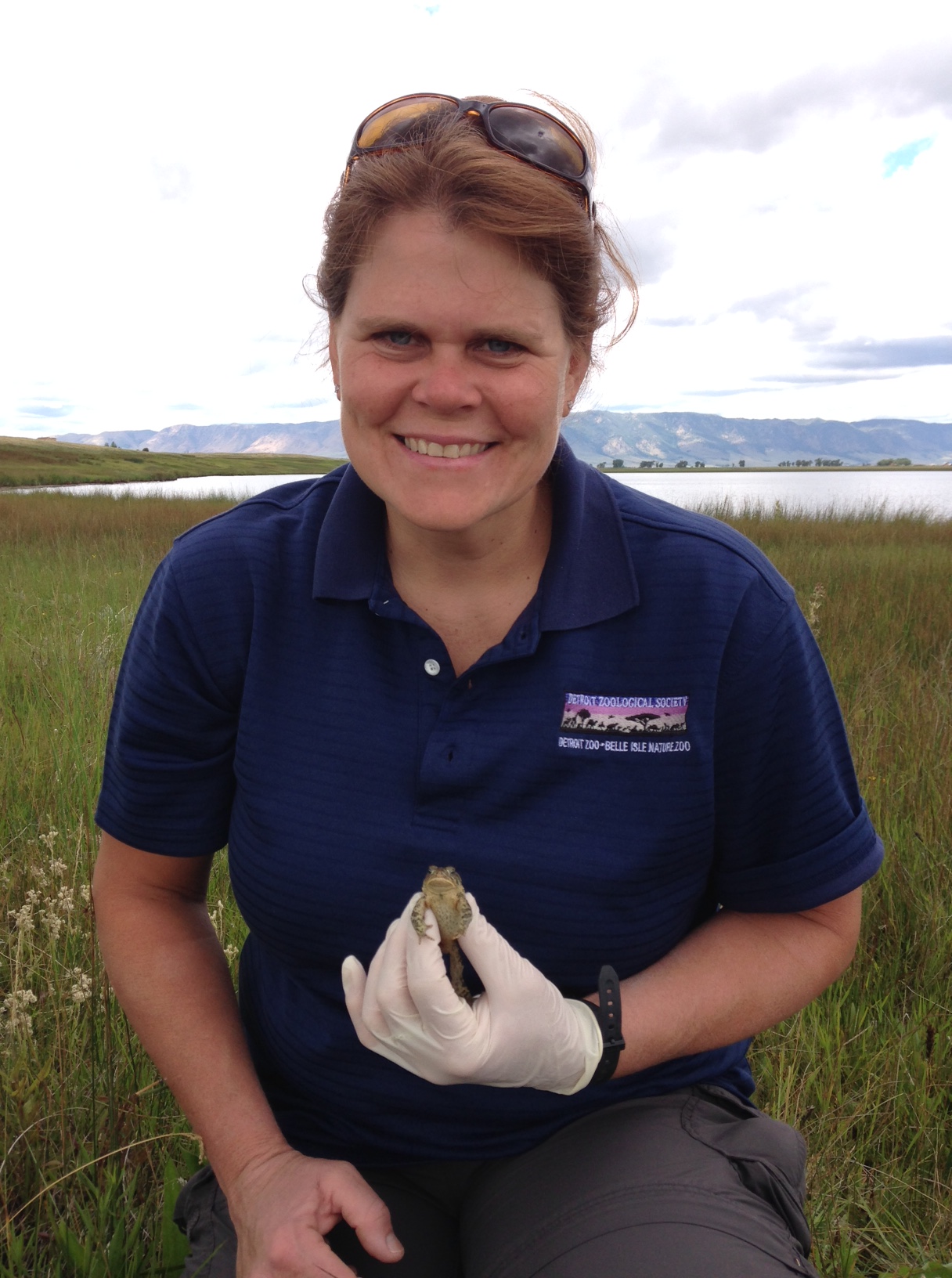
The third and fourth day of my stay is spent almost entirely out in the field surveying for toads around the lake. Teams of two or three people carry backpacks full of equipment for data collection. Each plot must be surveyed in a specific allotted amount of time and by walking in an S-shaped pattern. Toads can be found hiding under grass, sitting on hard-packed sandy areas or swimming near the shore of the lake. If a toad is located, the timer is stopped, and data collection starts. Toads are photographed for identification, weighed, swabbed for disease testing and, if large enough, “microchipped”. It is particularly exciting when an older toad or a toad with an existing microchip is found. This usually means the toad has survived one or more very cold winters and may potentially breed in the lake.

Weeks later, back at the Detroit Zoo, I receive the compiled results of the survey. This year, we located and collected data on 224 toads – 129 toadlets that were captive-born and released into the lake this spring; 29 toads that were captive-born, released last year and survived the winter; 33 adult females and 33 adult males. Until next July, go toads!

– Rebecca Johnson is the associate curator of amphibians for the Detroit Zoological Society.

Notes From the Field: Silence in the Amazon

Hola mis amigas y amigos!

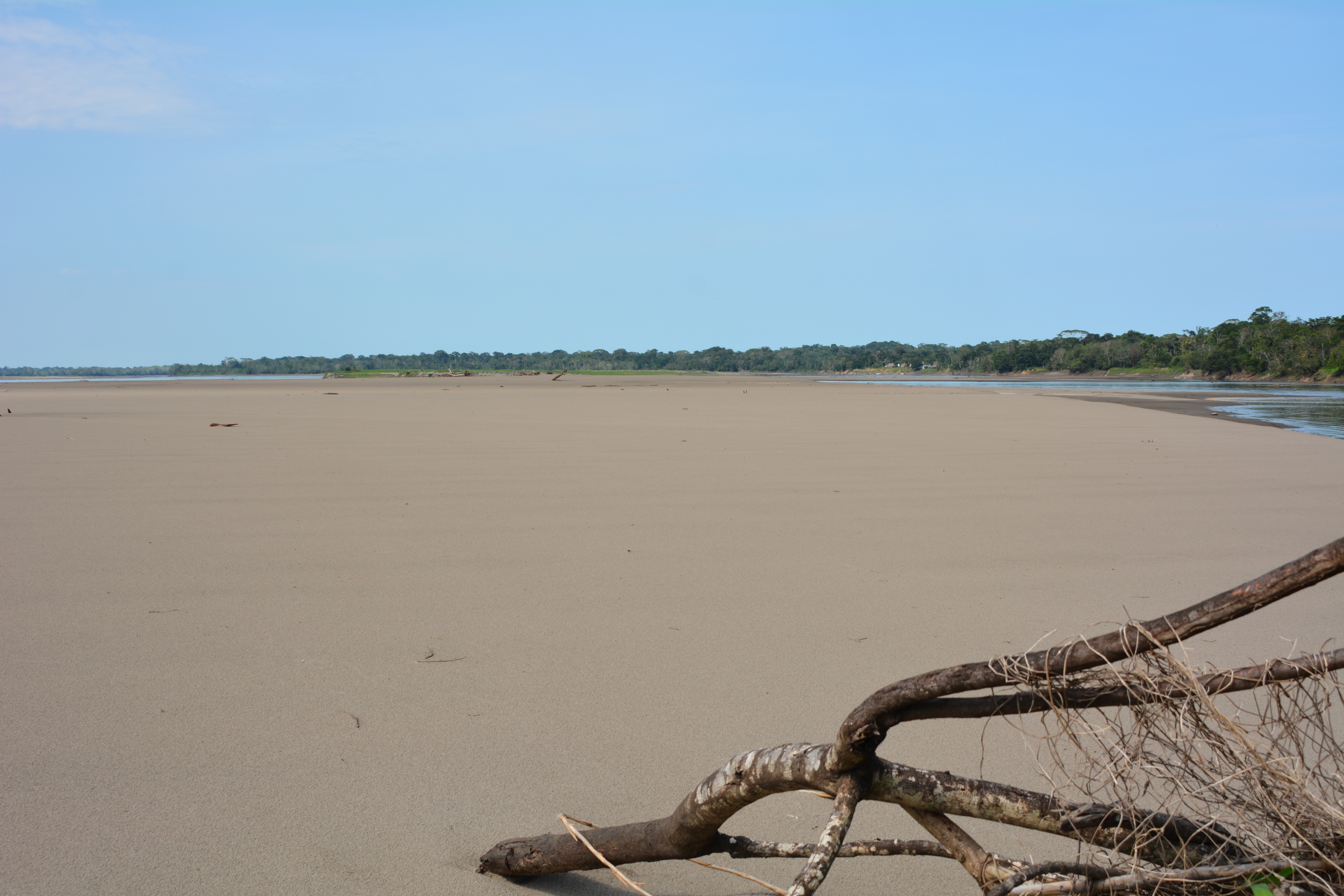
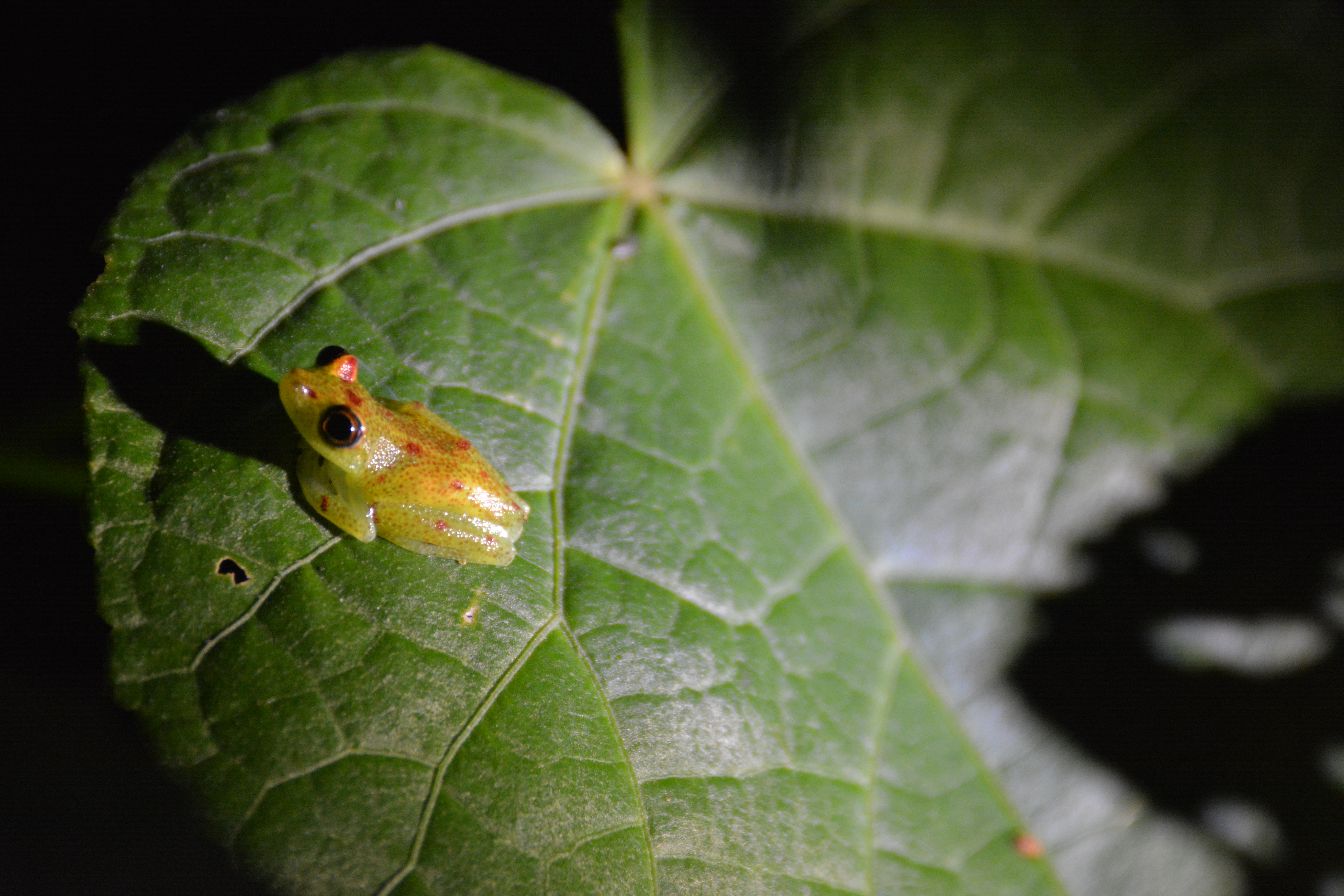
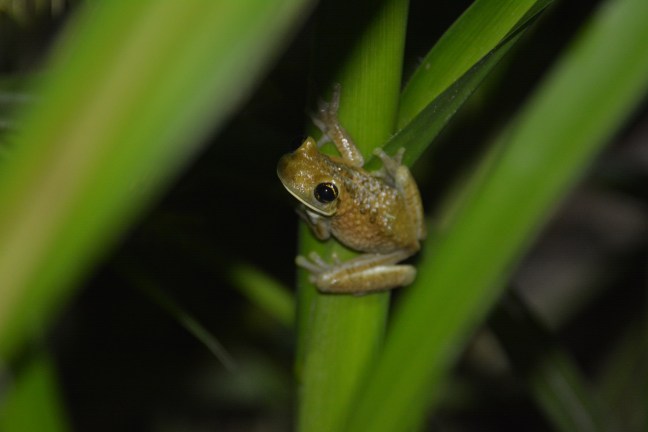
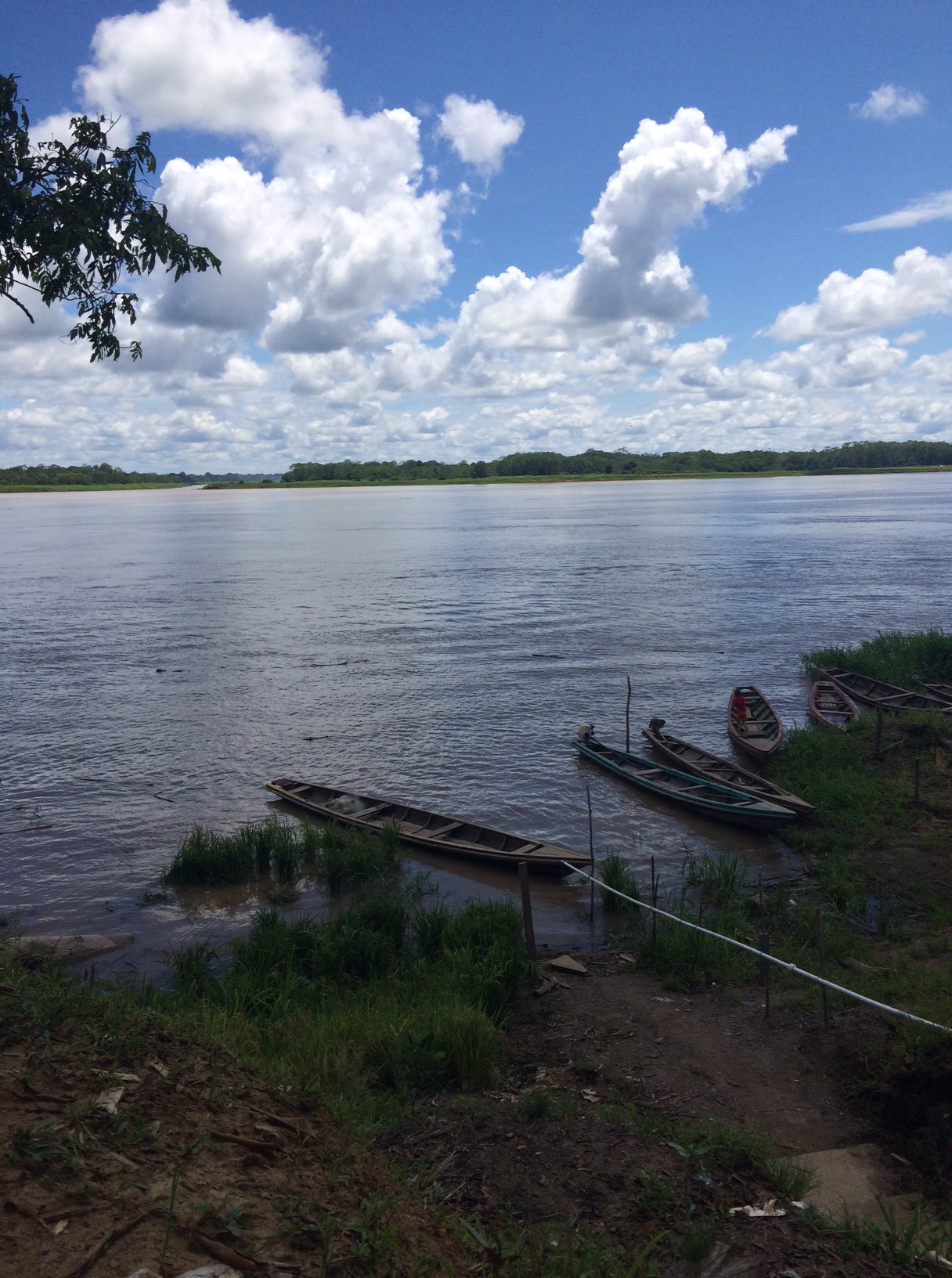
This has been an interesting trip indeed! We can normally get pretty close to the island of Purawa by boat, but this time, we ended up walking on what looked like a desert a mile long! When we finally got to the “green” part, it was equally as dry. We cut a path with a machete for the evening hike and waited for the sun to disappear. We saw some species of amphibians, but none that we would’ve hoped or expected to see. This island is uninhabited and usually has not only a large number of amphibians, but also a lot of different species. We often see an abundance of tree frogs and many smaller species perched in the grasses along the smaller ponds. This time there were almost no tree frogs and only a handful of toads.

Days later, we made plans to meet with the Amazon Amphibian Protectors Club and take them out on a night hike. We have been working with these students for close to five years, and they have such a lovely appreciation for amphibians now, spreading the word to other students in their school. They are always thrilled to participate in an evening trip to learn about amphibians and potentially see different species than what they normally would. We chose an island that was close by the school and looked promising. The children found several toads until the professor announced that she heard rain. It took quite some time to get back to the boat and by then we were experiencing heavy rain and thunder. As we drove back to the school, several fish jumped in our boat. They were similar to what we have as sunfish or bluegill, and small and flat enough that I could toss them back into the water as quickly as they flew into the boat. I was thrilled I could toss them all back, but I may have been the only one that was.I am a third of the way into my travels and have seen and heard less than I would have expected. I have tried to record in the evenings so I can determine if there are other species present. I place a digital recording device in an area where I can already hear calls, so that I can record and download the sounds
later. One night, there was silence – complete silence for what seemed like an hour though it turned out to be only 10 minutes. That is an unusual sound in the rainforest – hearing nothing at all. Lightning and thunder came on quickly, which may explain the brief silence. I was curious before but am now very interested to see what the remainder of the week will be like.

Buenos noches!

– Marcy Sieggreen is the curator of amphibians for the Detroit Zoological Society and is doing fieldwork in Peru, studying amphibians in the lower elevations of the Amazon River to see how they are faring with increased human populations and impacts in their habitats.

Editor’s note: Marcy Sieggreen was the curator of amphibians for the Detroit Zoological Society from 2008 until her passing in 2016. The Detroit Zoological Society established the Sieggreen Amphibian Conservation Fund in Marcy’s memory to continue to advance the work she so passionately championed.

Animal Welfare: Using Infrared Thermography to Assess Well-Being

It is hard enough for us, as humans, to understand how others are feeling. But imagine how difficult it is for us to know how animals are experiencing the world around them from an emotional standpoint. Other species perceive the world very differently than we do and cannot communicate with us using words.

Finding new ways to assess the emotional lives of animals is critical to advancing our understanding of animal welfare. It is also incredibly important to develop methods that are non-invasive, thereby not affecting the animals during the process. Infrared thermography is a potential way for us to do this.

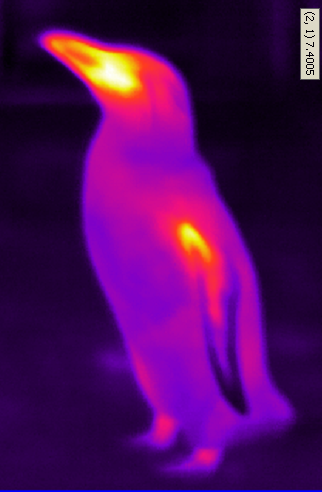
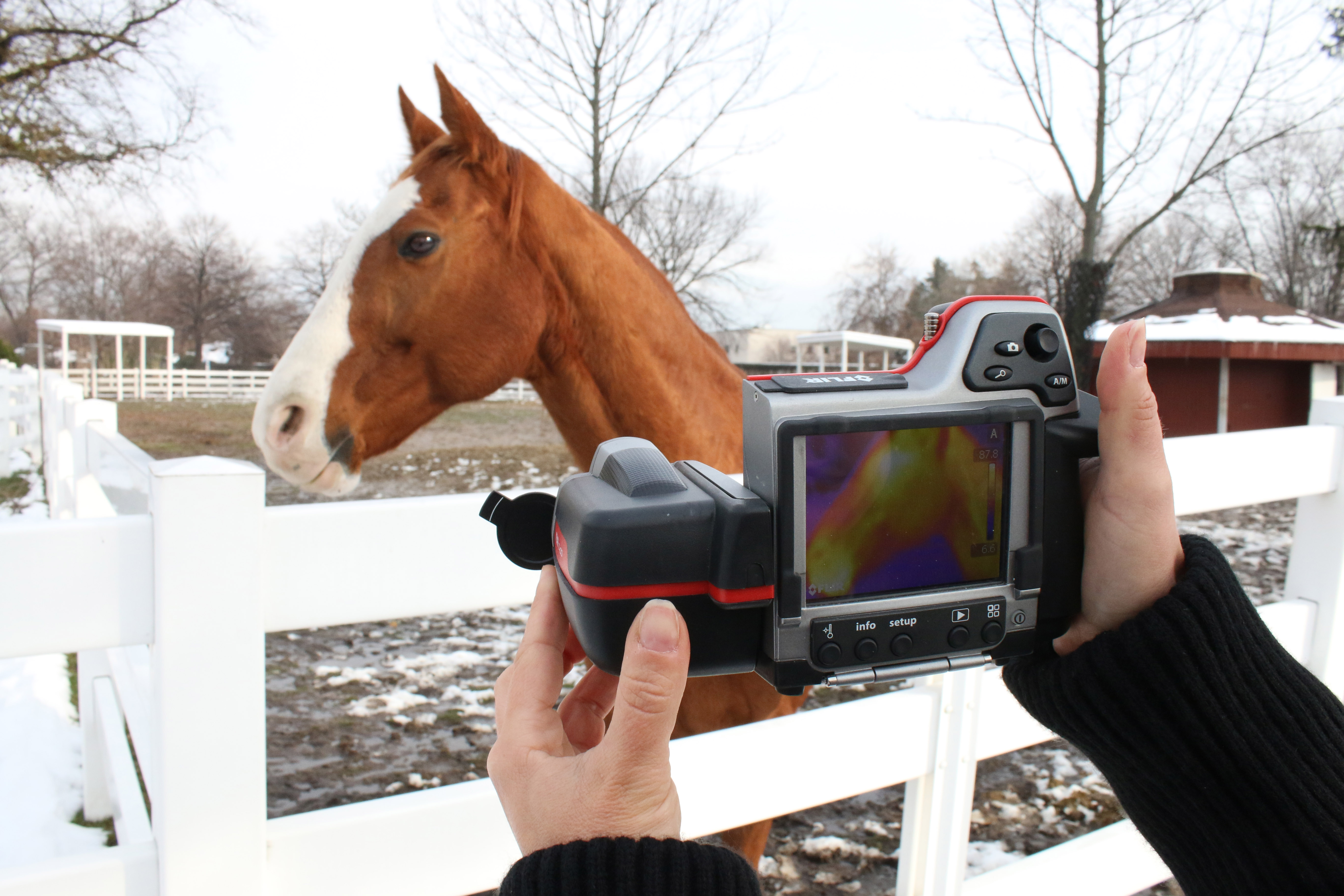
Infrared thermography (IRT) is technology that uses a camera to remotely measure the temperature of an object. The images, called thermograms, show different colors to represent various temperatures, and this allows measurement to be taken without having to touch the object. It has been used in a variety of ways including in buildings and in diagnostic medicine in both humans and animals. Some scientists have also been using it to help assess aspects of animal welfare.

Animal welfare encompasses the physical, psychological and emotional experience of an animal. It is important to use measures that look at all of those components to understand how an individual animal is faring. The body’s response to certain things, such as stress and positive experiences, can have an impact on temperature. This means that in some cases, changes in the temperature of body parts, such as the eyes, can tell us how an animal is responding to an event.

– Dr. Stephanie Allard is the director of animal welfare for the Detroit Zoological Society and oversees the Center for Zoo Animal Welfare.


Notes from the Field: Two Weeks in the Panamanian Jungle

Recently, I found myself trekking through the jungle, holding a machete, in search of the perfect piece of wood. This wasn’t a typical day of work for me with the Detroit Zoological Society (DZS) – I’m usually found in the National Amphibian Conservation Center (NACC) at the Detroit Zoo, changing filters, cleaning misting lines and feeding tadpoles. But on this particular day, I was in El Valle, Panama, a small town situated in the valley of an extinct volcano; the historic home to the Panamanian golden frog (Atelopus zeteki), a species that is critically endangered in the wild.

The DZS has maintained a breeding population of Panamanian golden frogs at the NACC since the year 2000 as part of the Association of Zoos and Aquariums’ Species Survival Plan, a cooperative management program that ensures genetically healthy, diverse and self-sustaining populations of threatened and endangered species. Since I personally care for and breed this delicate species at the Detroit Zoo, it was truly awe-inspiring for me to travel to Panama; to see and experience the tropical cloud forest habitat that was home to the golden frog until the late 1950s, when the last sightings were reported in the area.

Like many amphibian population declines worldwide, the threat to the Panamanian golden frog is a multi-pronged, human-induced sucker punch of climate change, de-forestation and over-collection for the pet trade. Also, a very serious parasitic fungus known as Batrachochytrium dendrobatidis or “chytrid Bd” [ki-trid] became present in the area. This fungus thrives in the environment of a cloud forest and caused a dramatic decline in amphibians through the region.

Despite the thrill of viewing some amazing wildlife on our walk through the Panamanian jungle, I wasn’t there to enjoy the scenery. My purpose in traveling to El Valle was to assist the limited staff at the El Valle Amphibian Conservation Center (EVACC), a small conservation center dedicated to breeding and researching the country’s most endangered amphibians, as well as educating the community in Panama about the amphibians in the area.

For two weeks, I trained the staff at EVACC on habitat design and maintenance. I shared techniques for designing water features, drilling enclosures for bulkhead placement and “propping” habitats – gathering supplies like logs, plants and rocks to create a naturalistic environment. One day was dedicated to removing and replacing an old “roof ” of a habitat planned for golden frogs, which was the size of a living room. Other days involved finding things like sticks, logs and foliage to prop the habitats, and since all of the animals were from the surrounding area, most of what we were collecting could be found and disinfected within the grounds of the conservation center.

The EVACC’s newly designed habitats would be playing an important role in the “Golden Frog Day” in El Valle, a celebration of the magical amphibian that once lived and thrived among the misty forests of the mountains. Without public support in its country of origin, there could be no future for this animal. With newly renovated habitats and the beauty of this vibrantly colored amphibian, visitors to the center can begin to understand the value of this species and the power it holds as members of the community work to conserve it.

A true reward for all of this hard work and training came several days after leaving Panama, when I received an email from EVACC staff informing me that they had drilled their first tank and were using techniques that I taught them to install a new waterfall feature. While I had ditched my machete and my head lamp, no longer needing to trek into the jungle for my work with the Panamanian golden frogs at the Detroit Zoo, I know that the work we are doing some 4,000 miles away from their home is just as critical to the survival of this incredible species.

– Mark Vassallo is an amphibian department zookeeper for the Detroit Zoological Society.