Veterinary Care: Dental Health in Exotic Animals

Dentistry is a very important component of veterinary care for the animals at the Detroit Zoo. Many of the animals here live longer than their wild counterparts, so ensuring that they have healthy teeth throughout their lifetime is a priority.

Dental issues can have a big impact on comfort and the overall well-being of an animal. We sometimes find that if an animal is showing a decrease in appetite or is experiencing weight loss or other problems, they ultimately have underlying dental problems. Whenever we do an exam on an animal, we are sure to carefully examine the teeth for problems and to scale and polish them to remove tartar or plaque. If we see problems or areas of concern, we take skull or dental radiographs to look for problems under the gum line, just like you experience during your routine dental visits.
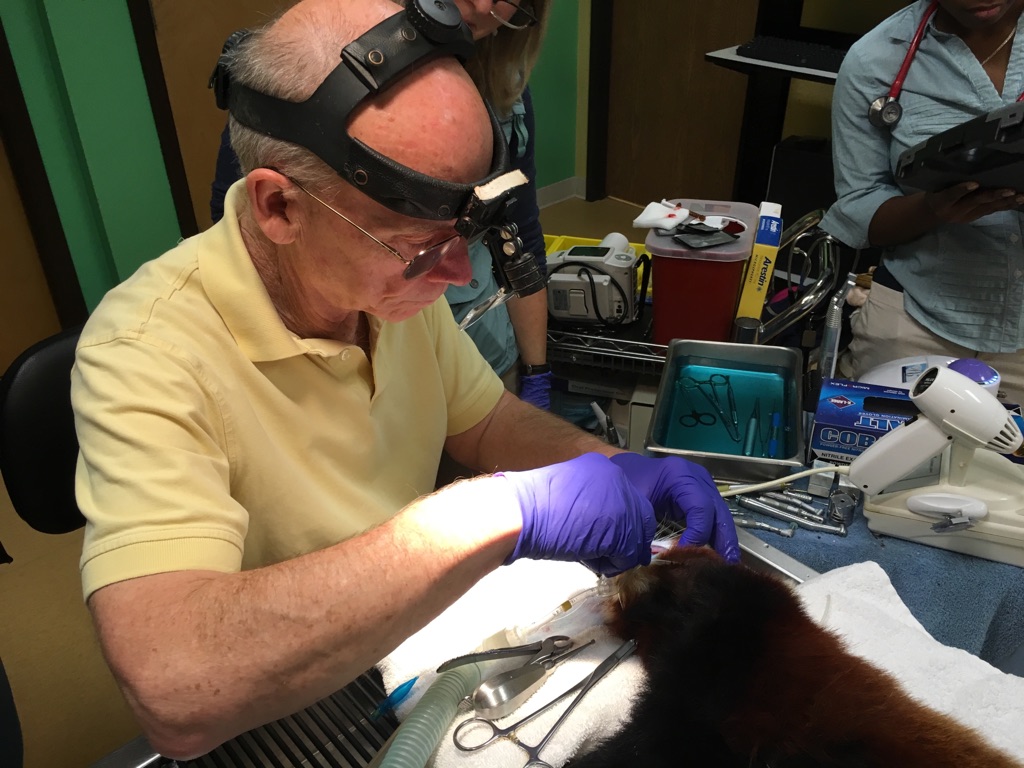
Recently, one of our zookeepers noticed that a red panda was not opening his mouth fully when taking in food items such as grapes. We examined him under anesthesia three times over a short period, and despite anticipating a dental issue, we were unable to find any areas of concern during examination and radiographs. We collected diagnostic samples and treated him with antibiotics and anti-inflammatory and pain medications. Each time, the problem improved and then recurred. When the red panda started having problems most recently, we decided to transport him to a nearby veterinary specialty practice for a CT scan. This advanced imaging technique took only about 20 minutes, and was able to clearly delineate an area of infection underneath one of his upper molars. Usually dental issues can be pinpointed with regular radiographs, but in this case diagnosis proved extra challenging.

We made arrangements to transport the red panda to a board certified veterinary dentist, Dr. Ben Colmery at Dixboro Veterinary Dental and Medical Center in Ann Arbor. Dr. Colmery was able to remove the problem tooth, which allowed the infection to drain clear of the area. Within days, the red panda was opening his mouth wide to eat all of his food items and seemed much more comfortable.

Every member of the Zoo’s veterinary staff helped during one or more of the red panda’s examinations and treatment. This case demonstrates how teamwork, persistence, and assistance from outside experts can lead to a great outcome for our treasured animal patients. I’m thankful for the assistance that we receive from our veterinary colleagues, and proud of the great work that we do in the Ruth Roby Glancy Animal Health Complex!

– Dr. Ann Duncan is the chief veterinarian for the Detroit Zoological Society and oversees the Ruth Roby Glancy Animal Health Complex at the Detroit Zoo.

Animal Welfare: Residency Program Advances Mission

The Detroit Zoological Society’s Center for Zoo Animal Welfare acts as a resource for knowledge about animal welfare, and in many cases, this includes providing training to others in various ways.

One such way is through our residency program. Residencies offer individuals the opportunity to better understand animal welfare and how to apply scientific principles in order to assess it. Residents are recent college graduates who join our team for a period of six months, during which they assist with data collection on various welfare-related research initiatives and conduct their own independent project designed to provide us with more information about how animals are doing. Past residents have examined such concepts as the impact of underwater complexity on North American river otters, how temperature and social relationships affect how Japanese macaques use their habitat, and the effect of varying how food is presented on the behavior of the king brown snake.

We currently have two brand-new residents working with us, and we are so excited to have them join the team. They will be helping to collect data on the penguin welfare project we are currently working on as we prepare for the opening of the Polk Penguin Conservation Center; using video recordings of what the aardvarks are doing at night so we can have a better idea of how they spend their time and what environmental features they might prefer, and focusing on assessing the welfare of one of the species at the Zoo as part of an independent project. The information they gather will help us to figure out if the animals are thriving, and if any changes could result in even better welfare.

We are glad to be able to provide these kinds of educational opportunities to aspiring animal welfare professionals. Not only does this enable us to undertake even more welfare-related projects here at the Detroit Zoo, which helps to expand the existing body of knowledge about animal welfare, but it also promotes the advancement of animal welfare as these residents go on to the next part of their career.

– Dr. Stephanie Allard is the director of animal welfare for the Detroit Zoological Society and oversees the Center for Zoo Animal Welfare.

Notes from the Field: The Journey to Antarctica

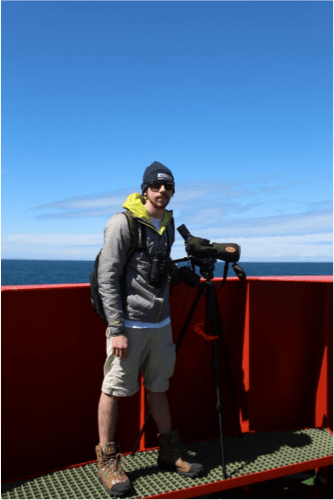
Seven weeks ago, I was asked by the Detroit Zoological Society to travel to Antarctica for part of the “austral summer”, which is the time period from November through March in the southern hemisphere, for a rare and extraordinary opportunity to assist a field team with penguin research. Before leaving, I had to pass rigorous medical testing, losing a couple of wisdom teeth along the way. Over the next few weeks, I acquired gear and packed everything I would have for the next three months into two 50-pound bags.

With bags in hand, I headed to Detroit Metropolitan Airport to begin the long, 7,500-mile journey. I traveled from Detroit to Dallas to Santiago, Chile and finally landed in Punta Arenas, Chile, some 25 hours later. Punta Arenas is a very windy but beautiful city with the Andes in the background and the Straights of Magellan winding along the coast.

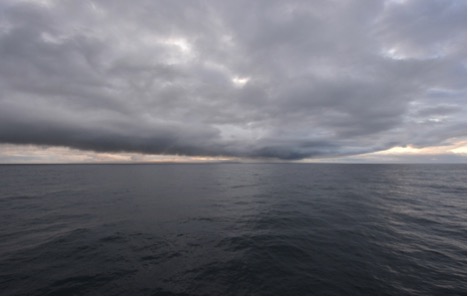
The following day, I moved onto the Laurence M. Gould, a 230-foot Antarctic research and supply boat, which will be my home for the next week. We then set sail for the U.S. Palmer station. I woke up the next morning with the boat slowly rolling, as we traveled south down the east coast of South America in the Atlantic Ocean. We have been greeted with numerous Magellanic penguin sightings.

Throughout the day, we continued south towards the infamous Drake Passage. We will enter the Drake with our fingers crossed, as it is known to have some of the roughest waters in the world. Once we arrive at the Palmer Station, I will join the “Seabird” team, which is a division of the Long Term Ecological Research (LTER) studies in the Antarctic Peninsula. Here I will assist with the annual austral summer research for projects headed by the world-renowned polar ecologist and penguin expert Dr. Bill Fraser and his wife, Donna Patterson-Fraser. Bill and Donna are incredible, experienced scientists who have spent years studying Antarctic birds, climate change and how they relate.

Our typical day will start by getting up early and watching the weather. As long as conditions look promising, we will get in a zodiac and drive to one of the many smaller islands located around the Palmer Station, where we will study the birds. Most of our study subjects will be gentoo, chinstrap and Adelie penguins as well as southern giant petrels. Throughout the summer, we will examine diet, population numbers, breeding and more.

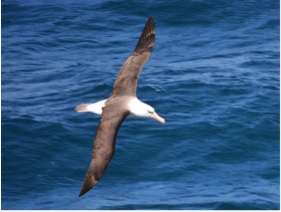
Back on the boat, there has been a lot of wildlife around us. Dolphins swim through the ocean while birds cruise around us. Cape petrels, southern fulmars, black-browed albatrosses, and many more have gracefully glided alongside the boat. We are just passing the tip of South America, headed for the Drake Passage. Wish us luck and calm seas! The next time I report back, we should be on land at the Palmer Station.

– Matthew Porter is a bird department zookeeper for the Detroit Zoological Society and is traveling to the U.S. Palmer Station in Antarctica for a rare and extraordinary scientific opportunity to assist a field team with penguin research.

Education: Adopt-A-School in Peru

Most days don’t start with a walk through a construction site and a “mototaxi” ride to get into the office, but today it did. It also included watching an iguana outside of the office window as it rested against the tree branch soaking in the Amazonian heat.

Currently, I am in Iquitos, Peru, preparing for evaluations in 53 rural communities along the Amazon and Napo Rivers. This is part of our Adopt-A-School program that the Detroit Zoological Society (DZS) supports in conjunction with an organization called Conservacion de la Naturaleza Amazonica del Peru, A.C. (CONAPAC), based out of Iquitos.

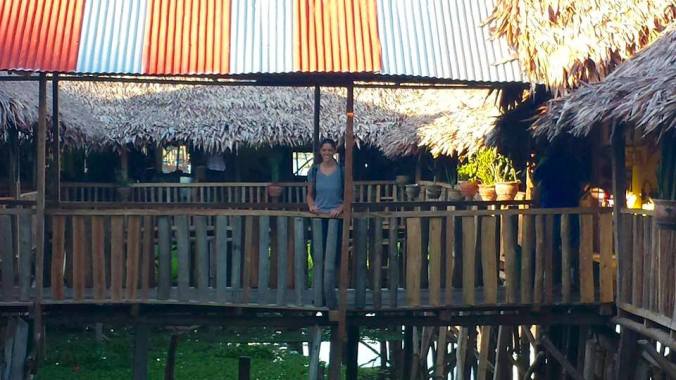
carla

We work together to bring conservation awareness to these communities as well as provide opportunities for education. Each spring, the DZS leads groups of volunteers down to Peru to deliver school supplies to these communities. In the fall, as the schools wrap up their school year, we send DZS staff to attend these evaluations to check in with communities on how well they are using their supplies, how well the students are learning and how well they are maintaining the environment around their communities. That’s what DZS Education Specialist Adam Dewey and I are here to accomplish.

Although I’ve attended the school deliveries in the past, this is my first opportunity to be here for the evaluation component. I’m looking forward to seeing what the communities look like without the festivities that the school supply deliveries bring. We will see students in school, see how they learn and all that they’ve been able to accomplish this past year. We will talk with leaders within the program to see how well they’ve maintained and supported the service projects that have been completed within their communities. We will also see the new water filtration systems in use in each of the schools. Clean drinking water has been an additional project for CONAPAC, and one that has helped to keep children in these communities healthy, so I am especially looking forward to seeing this in action.

Soon, we will be heading down the river to rustic lodges in beautifully remote areas, where hot water isn’t an option, and electricity is only found in the dining hall. I am looking forward to being immersed in the rainforest for the next two weeks, spending time in these communities and visiting with the amazing people that live here. Check back soon to hear more about the program and our upcoming adventures in the communities!

– Carla Van Kampen is a curator of education for the Detroit Zoological Society.

Veterinary Care: Gorillas in the Congo

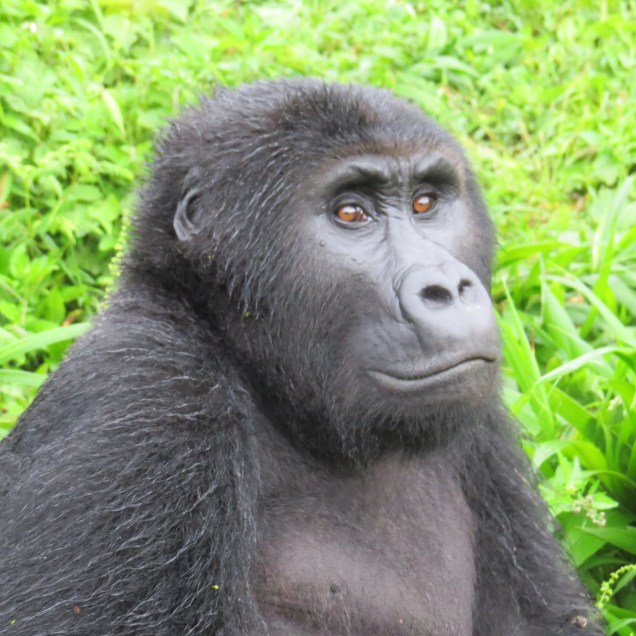
Last month, I was able to experience something that was truly a dream come true. For my entire career, I’ve longed to travel to the home country of a species I care for at the Detroit Zoo, and contribute directly to the health and welfare of that species. In October, I travelled to the Gorilla Rehabilitation and Conservation Education Center (GRACE), which is located in the Kasugho region of North Kivu, in the eastern Democratic Republic of Congo (DRC).

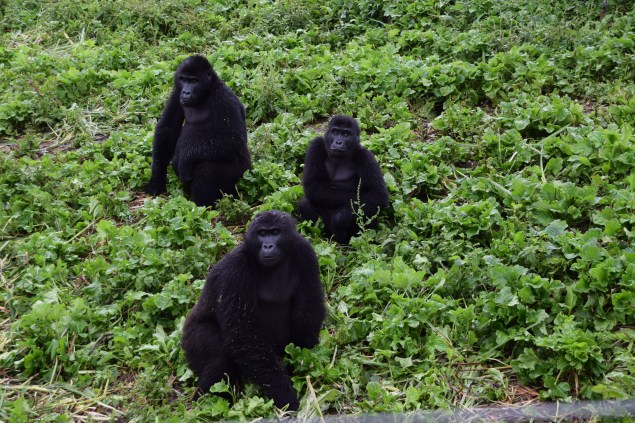
GRACE is the world’s only facility that cares for highly endangered Grauer’s gorillas (Gorilla beringei graueri) that have been rescued by wildlife authorities after being illegally captured by poachers and traders. Grauer’s gorillas are endemic to this region and only 5,000 remain in the wild. There are currently 14 gorillas being cared for at GRACE, ranging from 3-14 years of age. At GRACE, a dedicated Congolese staff provides daily care, including a diet that includes local fruits and vegetation training for important animal management behaviors and treatment for medical problems. Caretakers also monitor the group while they enjoy a 24-acre forest, which is the largest gorilla enclosure in the world. The Detroit Zoo entered into partnership with GRACE in 2014, and as the Chair of GRACE’s Board, Detroit Zoological Society CEO and Executive Director Ron Kagan has provided and facilitated important support to the project. Most recently, he secured funding for a new night house enclosure that is currently under construction.

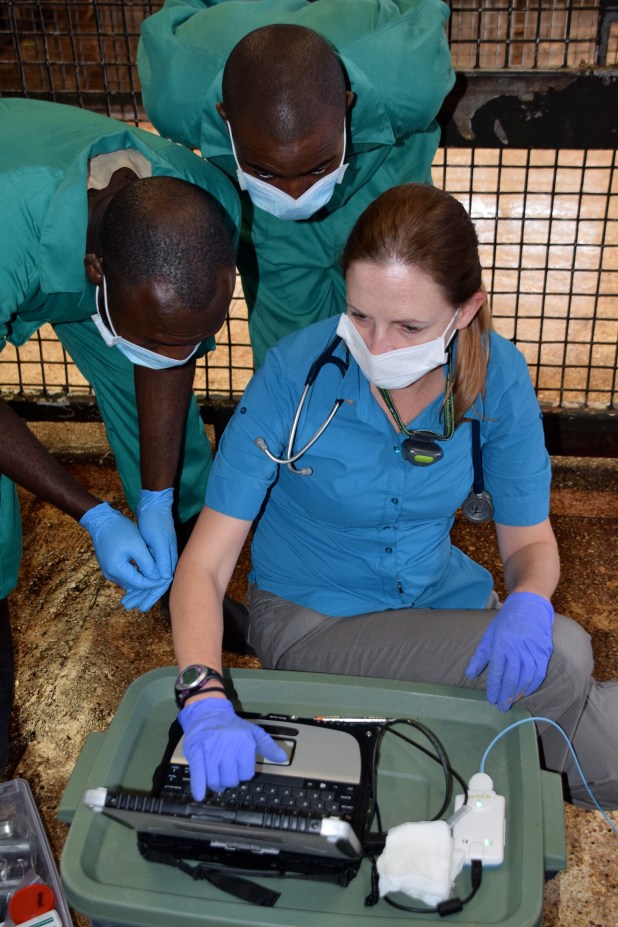
I traveled to the Congo with three staff members from Disney’s Animal Kingdom, including a veterinarian who led the team, a veterinary technician and a husbandry expert. Our goal for the eight days at GRACE was to perform examinations on 12 of the 14 gorillas – this has never been done before anywhere in the world, and it was important that we do all we could during these exams to learn about the health problems they may face.

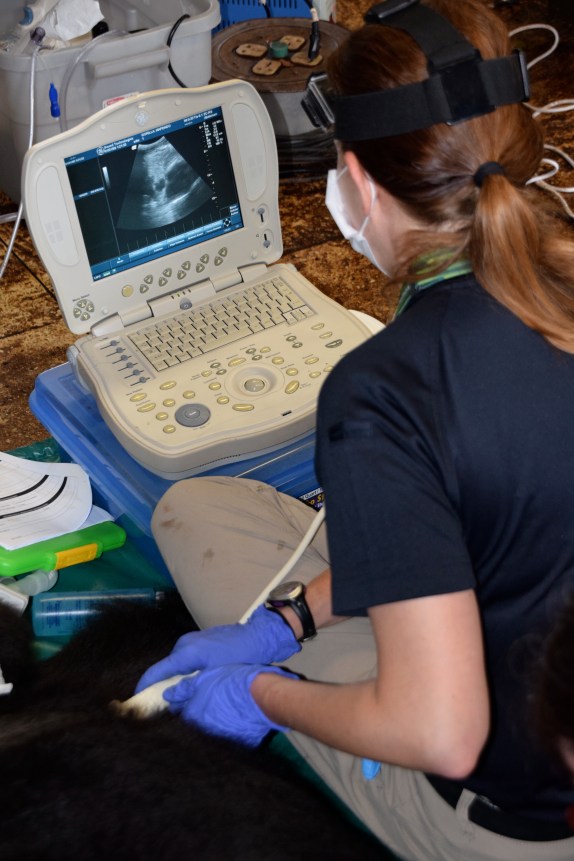
The objectives were to conduct physical wellness exams to make sure the gorillas are healthy and to build capacity within the GRACE staff. Most orphaned gorillas suffer from malnutrition and are in poor shape when they first come into human care, and examinations under anesthesia allow a thorough exam to be performed and blood to be collected for testing. During the procedures we worked closely with staff members to demonstrate techniques and discuss observations. The team also transported several diagnostic tools to the site for the exams. A veterinarian from Gorilla Doctors in Rwanda brought a portable X-ray machine and took images of several animals that have had orthopedic injuries in the past. The veterinarian at Disney was able to secure the loan of a portable dental X-ray unit that we used to take radiographs of the teeth to ensure that normal adult teeth are forming below the visible baby teeth. A recently donated ultrasound machine was used to perform cardiac exams on the gorillas as well. With all of these diagnostics being performed, it was especially important that we work efficiently as a team – we discussed our exam plans and responsibilities before each procedure, and worked very well together. During the afternoons, we provided lectures to the staff at GRACE, and shared information about dental health, heart disease and training for important behaviors that allow care to be provided. The staff is very appreciative of opportunities for learning and improvement, and was a very attentive and interactive audience.

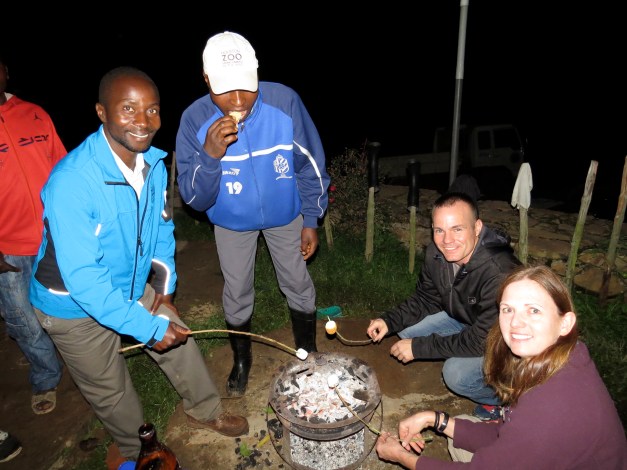
In all, my trip to GRACE was one of the most amazing experiences I have ever had. The people at GRACE were very welcoming and gracious and greeted us with a ceremony that included a traditional song and dance prepared just for our team. We were able to observe the gorillas in their forest enclosure, which is the closest I’ve come to seeing them in the wild, and a very special experience. It was wonderful to work with a group of people so committed to the care of these amazing animals. Everyone had to work very hard to allow these health checks to happen, and at the end of week, we celebrated with a party and shared the very American dessert “s’mores” with the staff. I am very thankful to the Detroit Zoological Society for providing me with the opportunity to travel to the Congo, and honored to be able to serve the people and gorillas of GRACE.

– Dr. Ann Duncan is the chief veterinarian for the Detroit Zoological Society and oversees the Ruth Roby Glancy Animal Health Complex at the Detroit Zoo.
Animal Welfare: Using Infrared Thermography to Assess Well-Being

It is hard enough for us, as humans, to understand how others are feeling. But imagine how difficult it is for us to know how animals are experiencing the world around them from an emotional standpoint. Other species perceive the world very differently than we do and cannot communicate with us using words.

Finding new ways to assess the emotional lives of animals is critical to advancing our understanding of animal welfare. It is also incredibly important to develop methods that are non-invasive, thereby not affecting the animals during the process. Infrared thermography is a potential way for us to do this.

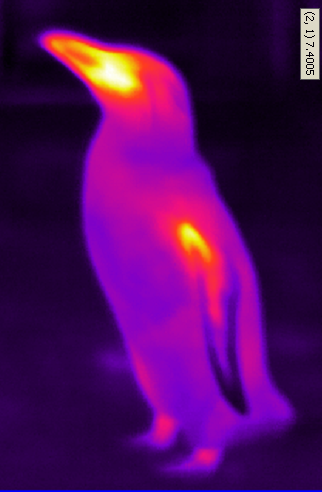
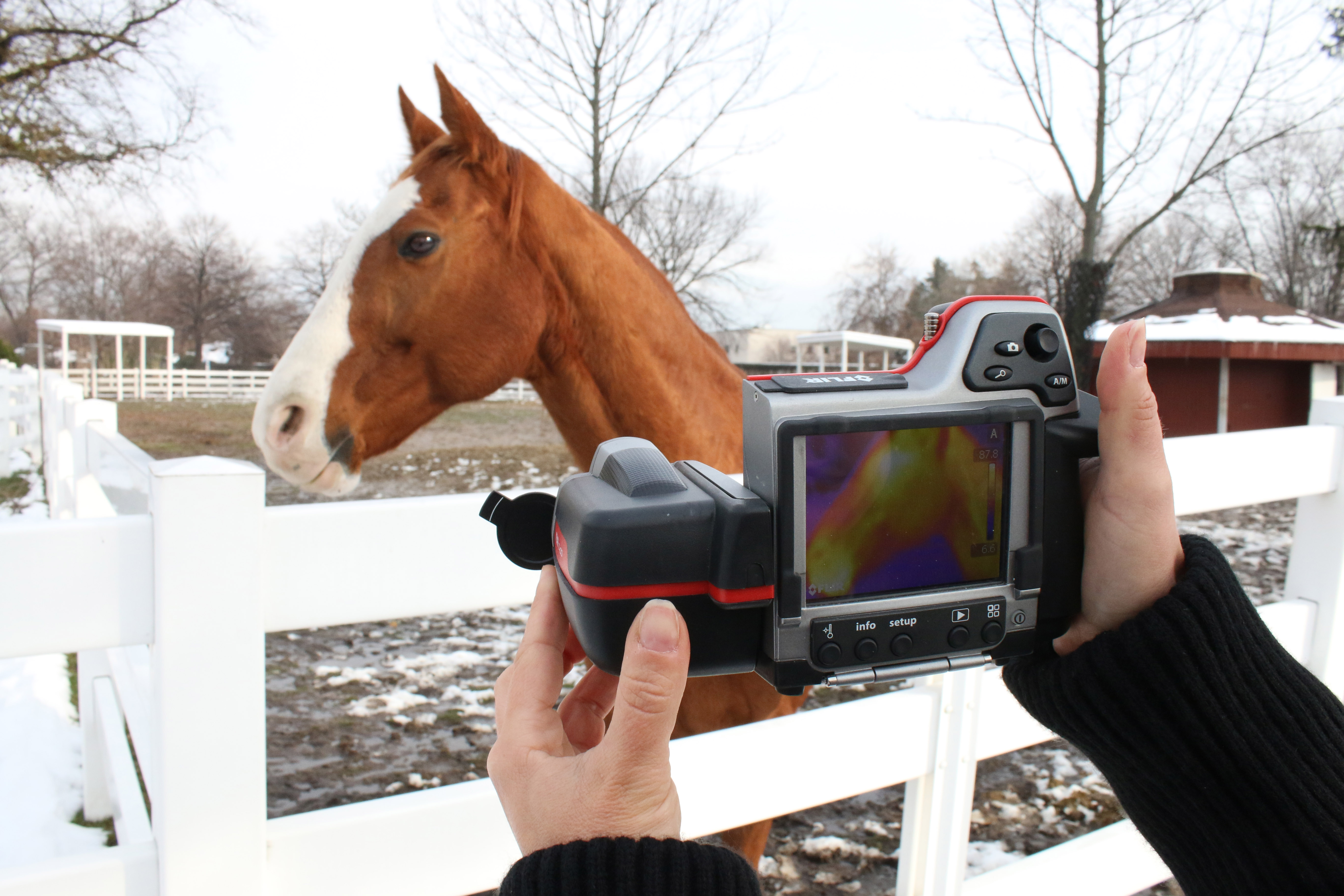
Infrared thermography (IRT) is technology that uses a camera to remotely measure the temperature of an object. The images, called thermograms, show different colors to represent various temperatures, and this allows measurement to be taken without having to touch the object. It has been used in a variety of ways including in buildings and in diagnostic medicine in both humans and animals. Some scientists have also been using it to help assess aspects of animal welfare.

Animal welfare encompasses the physical, psychological and emotional experience of an animal. It is important to use measures that look at all of those components to understand how an individual animal is faring. The body’s response to certain things, such as stress and positive experiences, can have an impact on temperature. This means that in some cases, changes in the temperature of body parts, such as the eyes, can tell us how an animal is responding to an event.

– Dr. Stephanie Allard is the director of animal welfare for the Detroit Zoological Society and oversees the Center for Zoo Animal Welfare.


Animal Welfare: What is a Warthog Thinking?

The Detroit Zoological Society’s Center for Zoo Animal Welfare (CZAW) has been hosting workshops to train other professionals around the world to assess and improve animal welfare each year since 2012. In that time, more than 50 people have come to the Detroit Zoo to learn more about the ways in which animals are impacted by living in captive settings, and how to address the challenges they face. This year is no different. Another class is here spending five days with us and participating in lectures, discussions, group projects and exercises in the Zoo.

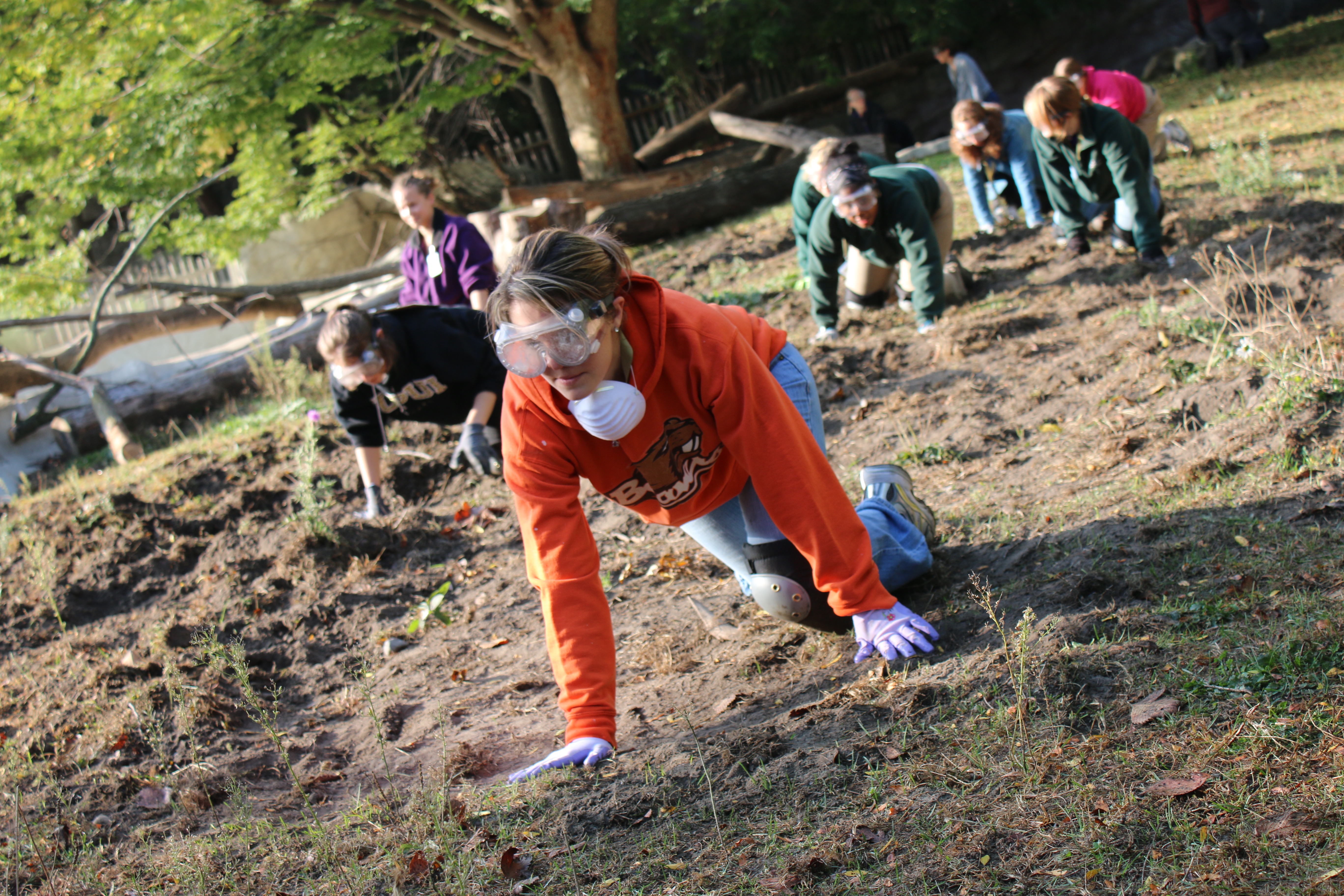
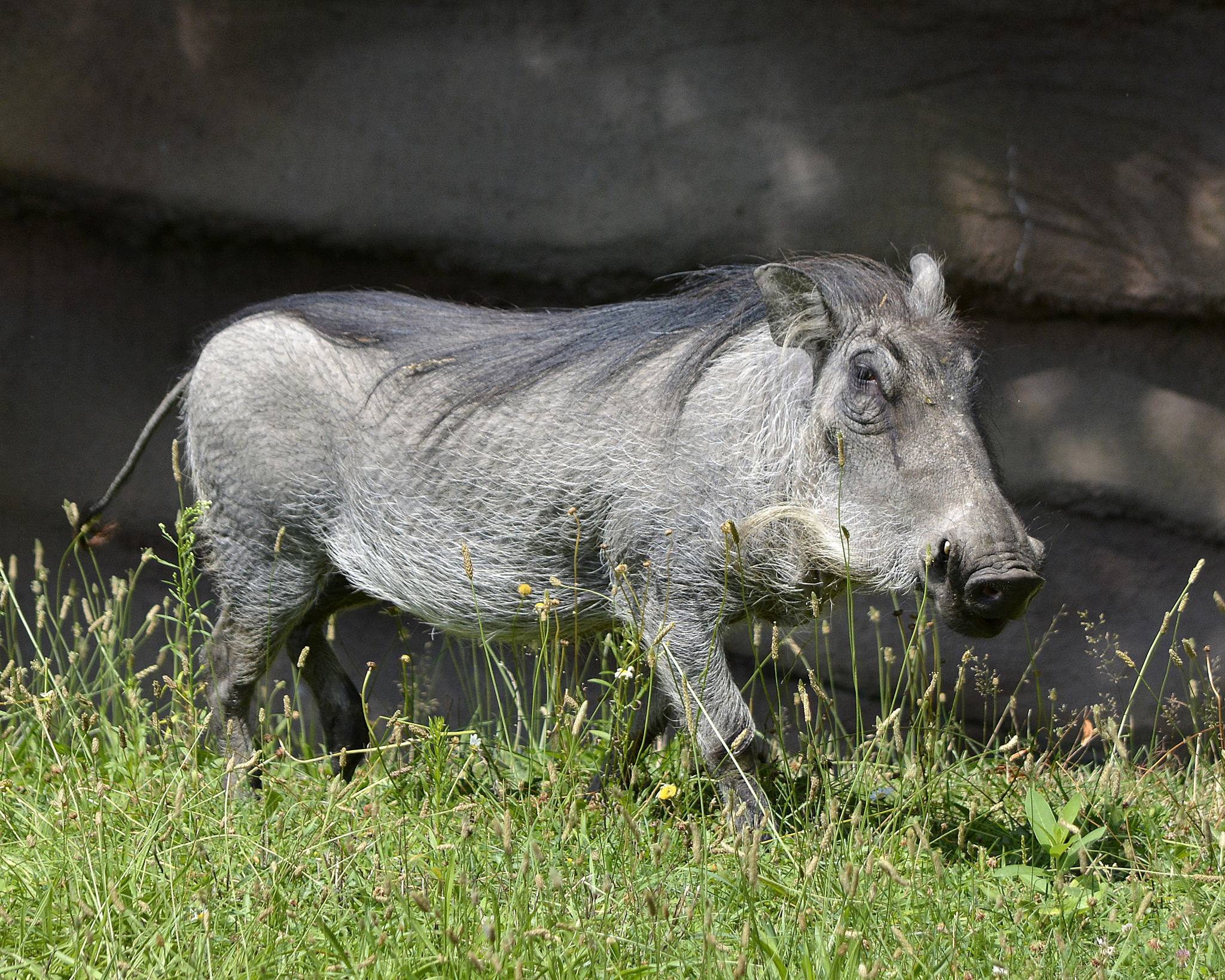
One of the most fun and impactful activities might sound a little silly. We ask the participants to walk around the warthog habitat, first as a human, then as a “warthog”! Every species – and really every individual –experiences the world in different ways. When they are being warthogs, the participants crawl around while wearing goggles that occlude their vision. This is to simulate what it might be like for a warthog living in the habitat, as they rely less on vision than humans do, and to allow each person to get a better sense of how different the world is from the perspective of another species. Once we start to ask ourselves how the animals experience the world we have created for them, we can truly begin to understand what is working for them and what may need to be improved.

Warthog - Roy LewisOne of the goals of CZAW is to provide animal welfare training, and although it is a whirlwind of activity, it is incredibly rewarding for our staff. Not only do we get to meet others who have the same desire to improve the welfare of the animals for which they care, but we get to play a part in helping them to make animal welfare a priority at their own institutions.

Dr. Stephanie Allard is the director of animal welfare for the Detroit Zoological Society and oversees the Center for Zoo Animal Welfare.

Education: Making Thoughtful Pet Choices

Lisa Forzley is the humane education manager for the Detroit Zoological Society and oversees the Berman Academy for Humane Education.

The Detroit Zoological Society frequently Photo by Kurt Schwarzreceives calls from people who have purchased an exotic animal such as an iguana or a parrot and have discovered that they are unable or unwilling to provide the specialized – and often expensive – care the animal needs. In 2014, we received 84 phone calls or emails regarding reptiles alone! We hear comments such as, “I didn’t know that a parrot could live to be almost 100 years old” or “I had no idea that an iguana could grow to be more than 5 feet long.”

Unfortunately, the ever-growing exotic pet trade creates situations that significantly compromise the animals’ welfare and result in people turning to the Detroit Zoo for help. Although we wish we could provide sanctuary for all animals in need, we are unable to accept them in nearly all cases.

Making a good pet choice is important – both for you and for the animal you will potentially be bringing into your home. Here are a few questions to get you started before adopting an animal:

  • Am I able to meet the animal’s physical and psychological needs for his or her entire life?
  • Do I have the time and the money needed to properly take care of this animal?
  • Do local ordinances or laws prohibit owning this kind of animal?
  • Will my veterinarian be able to provide his or her medical care?
  • How much am I able to spend on veterinary costs?
  • What will I do if there is a problem?
  • Will this animal get along with animals that are already in my home?

Remember that dogs and cats have changed over several thousand years of living with humans and are the best nonhuman companions for us. Humane societies and rescue organizations are great resources to find a dog or cat for your family. If you’re ready to adopt, join us this weekend at Meet Your Best Friend at the Zoo, one of the nation’s largest off-site companion animal adoption events, where hundreds of dogs, cats, puppies and kittens will be available for immediate adoption to loving homes. You can also visit http://www.petfinder.com to find rescue organizations located nearby. They’ll be able to support you in finding the perfect companion animal for your family!

– Lisa Forzley

Veterinary Care: Martens in Manistee

Dr. Ann Duncan is the chief veterinarian for the Detroit Zoological Society.

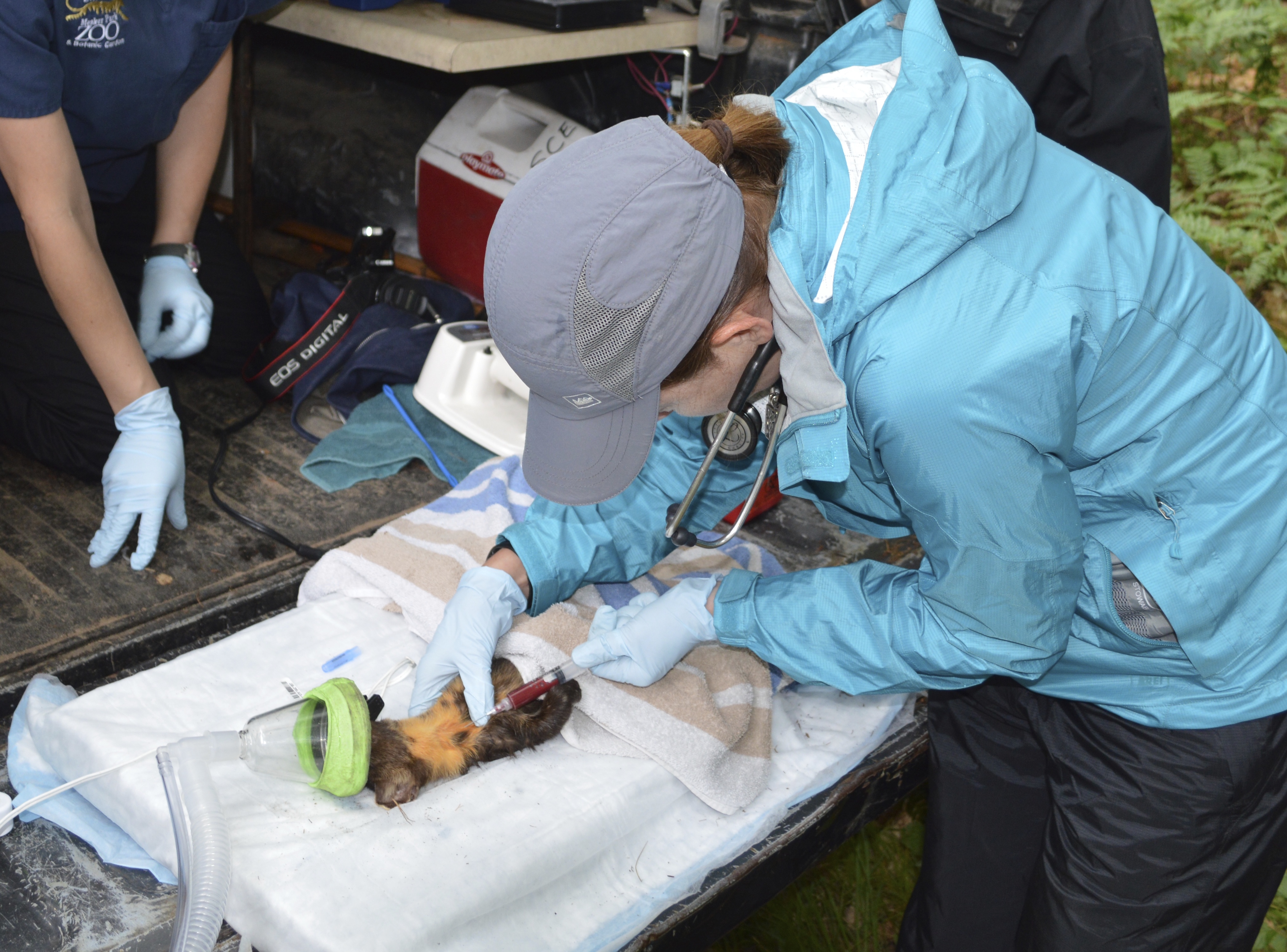
One of my favorite things to do is assist with work in the field. It is very rewarding to be able to use our veterinary expertise to help animals succeed in their natural habitat. This month, I and Dr. Wynona Shellabarger each had the opportunity to spend a few days near Manistee in northern Michigan, assisting with health assessments of free-ranging martens.

The American pine marten (Martes Americana) is an important carnivore species that was originally found throughout most of our state. Habitat loss and overhunting led marten populations to drop to zero by the early 1900s. In 1986, the U.S. Forest Service and Michigan Department of Natural Resources reintroduced 36 martens into the Manistee National Forest. Early monitoring of the released animals indicated that the population was not expanding as expected. Professor Paul Keenlance from Grand Valley State University has been leading research efforts to better understand this group’s habitat range and preferences, breeding success, and the distribution of their young, known as kits.

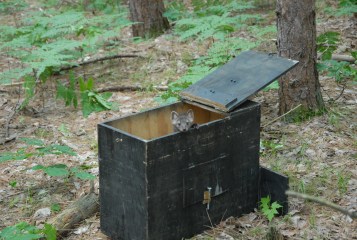
His research team is also working to better understand what they eat and to determine the degree of genetic diversity. The Detroit Zoological Society’s (DZS) participation is in support of the work Dr. Maria Spriggs from Busch Gardens is leading to assess the overall health of the Ann Duncan - Martenpopulation. To conduct this research, the martens are captured in what are known as Hav-A-Heart traps – which are humane traps that close in such a way that they do not harm the animal. The traps are set carefully to ensure that martens have a nice snug spot. We cover each trap with pine needles and leaves for warmth and nest building, and put large pieces of bark on top to protect them from rain and snow. We also place meat bait and grapes in each trap so that they have a snack and a source of water.
Our visit this spring marked our fifth trip to the field site. A typical day in the field starts at 7 a.m. because we want to make sure that any martens that have been captured do not have to wait long. Each trap is marked on a map with GPS coordinates and we drive from one trap to the next. Empty traps are restocked with bait and grapes as needed.

Ann Duncan - martenIf we catch a marten, things get very exciting. Each marten is given anesthetic gas with a face mask to allow an examination. During the procedure, we measure several parameters to ensure that anesthesia is safe and smooth. We measure body temperature to make sure martens are not too cold or hot. Next, we collect a body weight, perform a thorough physical exam, check the teeth to determine age and check for ticks and fleas. We collect urine, feces and hair samples, and collect blood for an overall health panel and to determine exposure to viruses. Lastly, each marten is fitted with a GPS collar. The DZS provides GPS collars that are able to provide a location every 15 minutes to an hour for many months.

During a typical week, we usually catch between five and 10 martens. Each capture expands our understanding of these amazing creatures. The information that has been gathered so far has lead to changes in the management of the forest in which they live, and will be used to inform decisions about marten protection in the future.

– Dr. Ann Duncan

Greenprint: Poo at the Zoo

Beth Wallace is the Manager of Sustainability for the Detroit Zoological Society.

Have you ever wondered what happens with all of the poo at the Detroit Zoo? With more than 2,600 animals in residence, you can probably imagine that a staggering amount of manure is generated – nearly 500 tons each year, in fact.

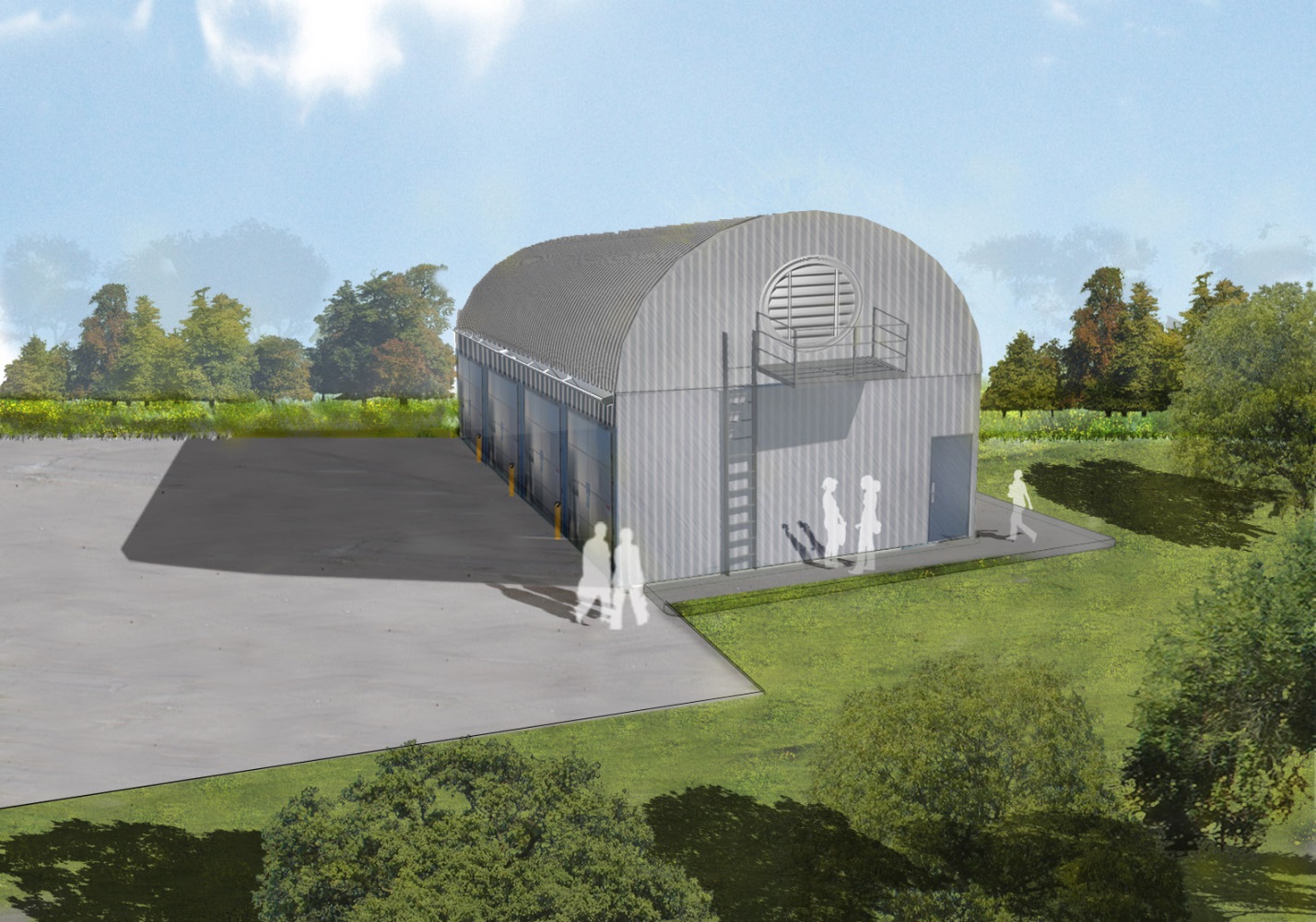
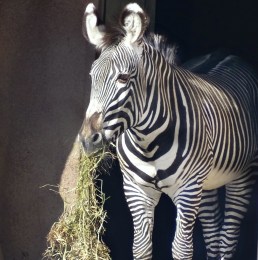
Patti Truesdell - ZebraAs part of its Greenprint initiative, the Detroit Zoological Society has plans to build a biodigester that will convert all of our animal manure – and other organic waste – into soil, biogas and organic liquid fertilizer. This will be the first anaerobic digester at any zoo in the U.S. and we need your support to make this project a dung deal.

How the system works:

  • Every week we will collect manure from each of our animal habitats.
  • The manure will then be placed in one of the four biodigester holding chambers. All four chambers will be sealed shut when product is not being moved.
  • Once a chamber is completely full, we will spray it with microorganisms, air-tight seal the chamber and essentially bake the material for 30-60 days.
  • While the product breaks down, methane is released and captured in a biogas bag above. The Zoo will then run that biogas to a generator at the nearby animal hospital, which will be used as a renewable energy source.
  • Once the material has completed its cycle, our landscaping team will then utilize the remaining soil and organic fertilizer throughout our 125 gardens.

Detroit Zoo BiodigesterThe biodigester will not only provide the Zoo with a full-circle approach to waste management, but it will also demonstrate to our region a practical, waste-to-energy system that could be replicated by many businesses in the area, including microbrews, farmers markets and even schools.

While we are well on our way to meeting our funding goals, we still need a little help to make this project a reality. To show your support, please visit our crowdfunding site, at Patronicity.com/DetroitZoo.


– Beth Wallace