Animal Welfare: Positive Interactions Between Humans and Animals

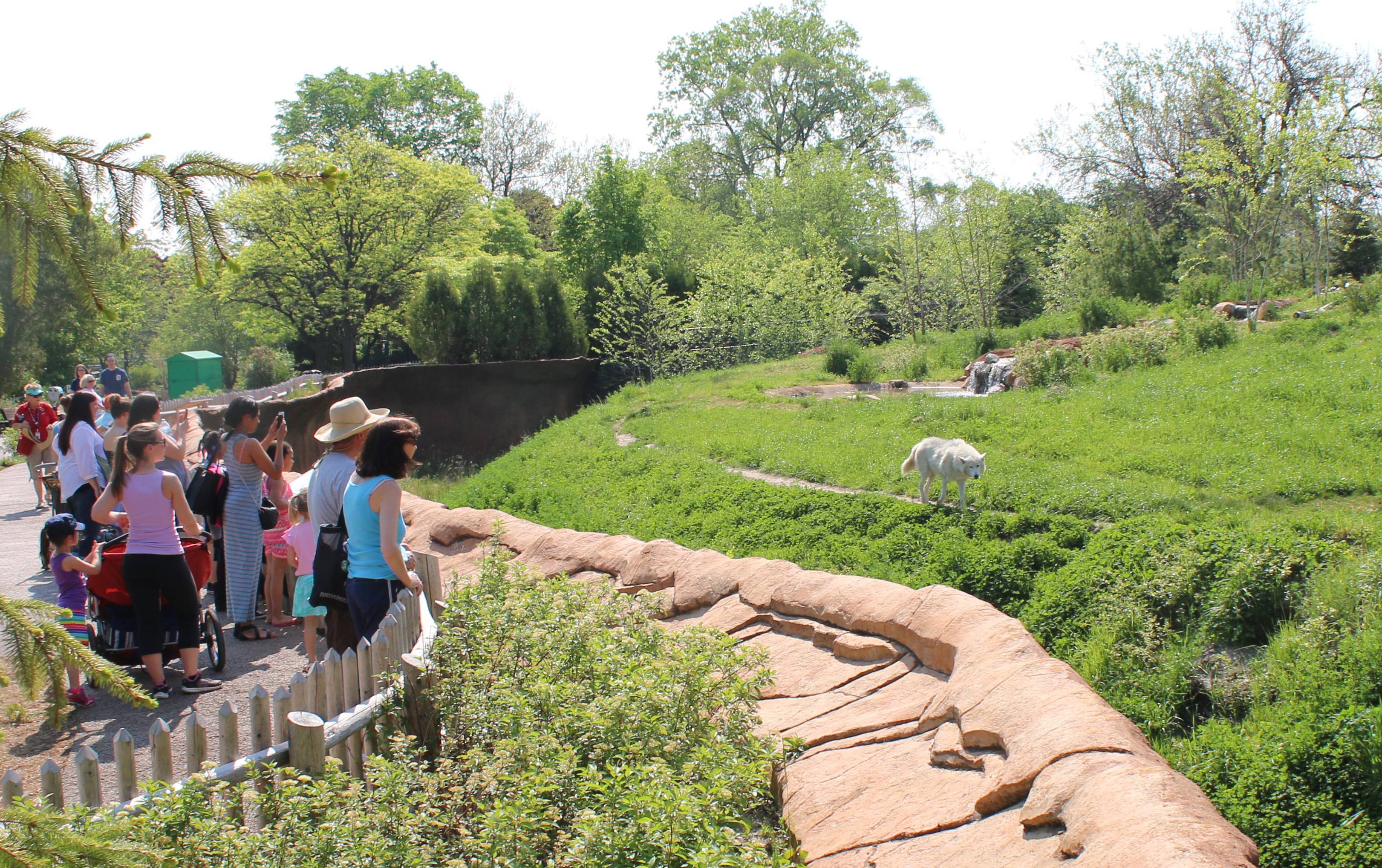
Humans and animals interact in different ways, and in a zoo setting, these kinds of interactions take many forms. The animals interact with the zookeepers who care for them, the animal welfare researchers who monitor them, the zoo staff who work around them, and the visitors who come to see them.

Depending on the situation, interactions with humans can be viewed by the animals as negative, neutral or positive and over time, if a certain type is most prevalent, can result in a corresponding relationship between animals and humans.

One important factor that influences the type of relationship that develops is how animals perceive humans, which is influenced by what species they are, their individual temperaments and past experiences. Some species, and some individuals, are more fearful of humans and will avoid them as much as possible. Others may see humans as something of interest. However, our behavior when we are around them can still influence how they are feeling, and if our actions are perceived as a threat or something that creates stress, the animal’s experience becomes negative.
The work zookeepers do is so critical to ensuring animals living in zoos experience good welfare. They create positive interactions through actions like feeding and positive reinforcement training, and this helps to establish positive relationships. Having these positive relationships with the humans with whom they interact the most can help the animals to be more comfortable in situations that could be stressful.

Understanding how we impact animals through our actions is incredibly important. We are ultimately responsible for ensuring each individual animal at the zoo has great welfare and we can take steps to do just that. Each one of us can treat every animal we encounter, whether it be at the zoo, in our neighborhoods and in our homes with respect, appreciating that they have needs and that our behavior can affect them.
When you visit the zoo, enjoy watching the animals living their lives, know that they are sensitive to what is happening around them, and share the same sense of awe and privilege I feel knowing that my actions can help them feel comfortable and safe.

– Dr. Stephanie Allard is the director of animal welfare for the Detroit Zoological Society and oversees the Center for Zoo Animal Welfare.

Education: Animal Nightlife

As the summer sun rises and sets, animals notice. Many of the animals that live at the Detroit Zoo are diurnal, meaning they are most active during the day. Gorillas, chimpanzees, butterflies, squirrels and camels are examples of animals that are most active during the day. As the sun sets, they prefer to settle in and sleep the night away.

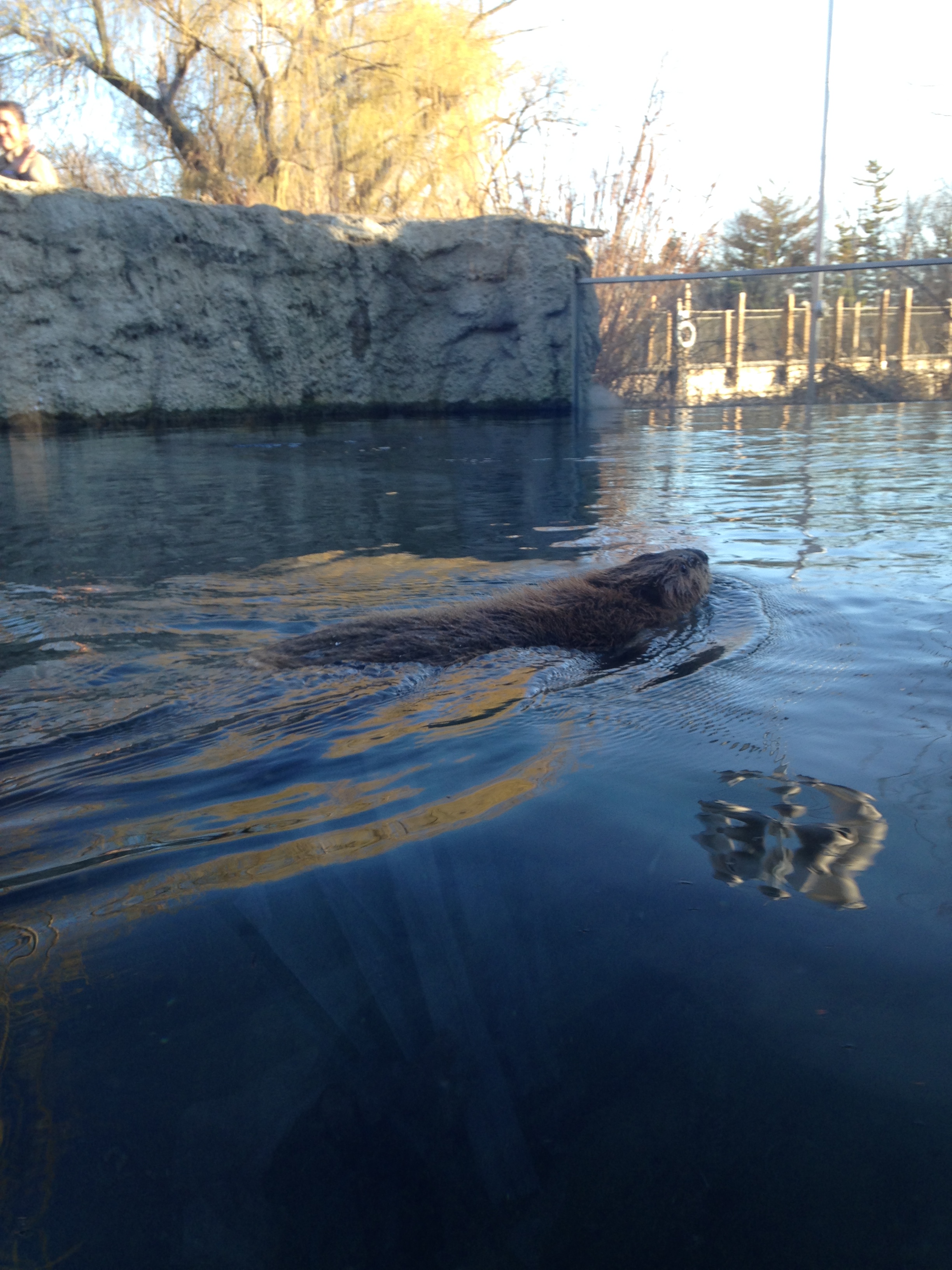
Nocturnal animals include owls, bats, beavers, aardvarks and crickets, to name a few. That’s why you can hear crickets singing during summer nights and why most of us don’t see owls and bats hunting in the dark skies. Nocturnal animals have special adaptations such as enhanced hearing, eyesight and/or sense of smell that help them navigate after dark to find their prey.

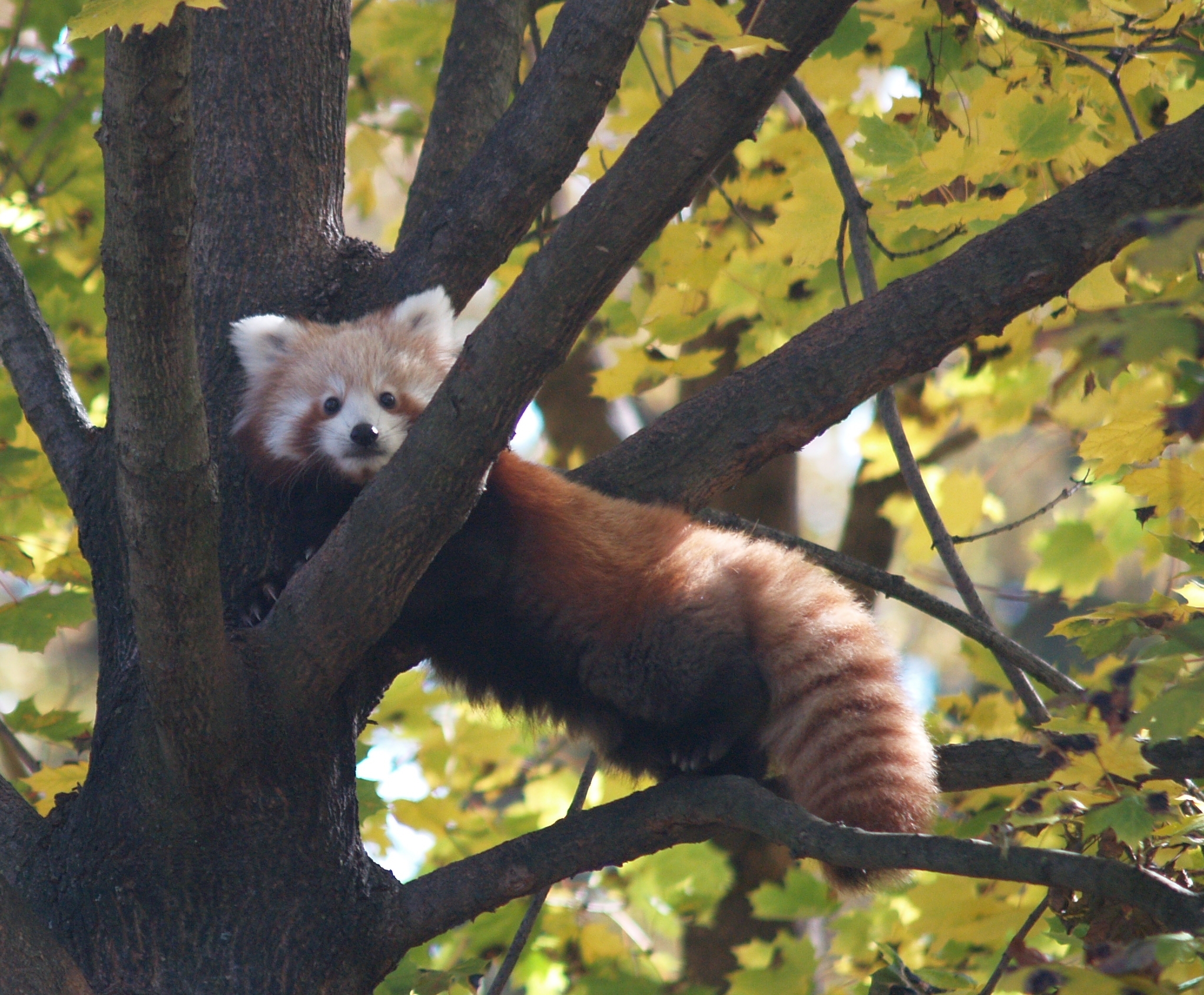
Some animals are crepuscular, meaning they prefer to be active in the twilight hours of dawn and dusk. Deer, red pandas, fireflies and many moths prefer the cooler hours of the day, venturing out while many larger predators aren’t as active.

The Detroit Zoo follows a diurnal schedule; it’s open when humans are most active during the daytime hours. However, there are opportunities for glimpses into the animal dusk- and nightlife. Wild Summer Nights are held on Wednesday evenings in July and August. The Zoo is open until 8 p.m., featuring crepuscular and nocturnal animals, and live bands in the Main Picnic Grove. Youth in first through sixth grades can sign up to participate in Twilight Trails, the Summer Safari Camp evening adventure, to explore animals at dusk and participate in citizen science studies of fireflies or investigate animal adaptations.


You can also explore crepuscular and nocturnal animal life in your own backyard or neighborhood. Watch for fireflies as the sun sets, or rabbits as they search for food in your lawn. Hang a white sheet and shine a light on it, come back an hour later and see what insects have landed on it.

Enjoy the warm summer evenings and all the amazing things they have to offer!

– Claire Lannoye Hall is a curator of education for the Detroit Zoological Society.

Animal Welfare: What, How and Why

I have written a number of blog entries on the animal welfare research projects we are conducting through the Detroit Zoological Society’s Center for Zoo Animal Welfare, and how collaborations enable us to move forward with many of the initiatives we undertake. Let’s now go back to the basics and explore what animal welfare is, how we go about evaluating the welfare of individual animals, and why this is fundamentally important.

The Association of Zoos & Aquariums’ Animal Welfare Committee defines animal welfare as an animal’s collective physical, mental and emotional states over a period of time, and is measurable on a continuum from good to poor. Although there are a number of other definitions available, the main factors remain consistent: Welfare is measured at the level of the individual animal, it encompasses all aspects of an animal’s life, and it can change over the course of time. The goal for anyone working with and around animals is to ensure that they each experience good welfare.

Going back many decades, people have long been concerned with the welfare of animals. In the 1960s, the Five Freedoms model was developed, originally as a means to assess the welfare of farm animals. This model states that animals should experience freedom from thirst, hunger and malnutrition, freedom from discomfort, freedom from pain, injury and disease, freedom from fear and distress, and freedom to express normal behavior. Since its initial development, this model has been applied in a variety of settings, including in zoos. However, the Five Freedoms model can be improved upon, as it is focused on minimizing negative states rather than also promoting positive welfare. Additionally, some of what is stated can be counter-productive to an animal’s survival. For example, if an animal never experiences thirst, then it may never drink, and this would not be a good thing. Therefore, the absolute freedom from some of the experiences is not even feasible. Rather, the important factor is ensuring that the resources necessary to perform the associated behaviors are available.

More recently, the Five Domains model was created, which delineates how nutrition, physical health, behavior and the environment (both physical and social) feed into an animal’s emotional state. The outcome is the individual’s welfare status. For example, if an animal is hungry but does not have access to food, this will result in a feeling of hunger, which will be a negative factor in the overall welfare status of that animal. If an animal is able to express natural behaviors, he or she will experience satisfaction, which is a positive emotion and contributes to positive welfare. All physical influences are taken into consideration as well as how they impact the internal, emotional state of the animal, in order to assess overall well-being.

Assessing welfare is a complex process that requires an understanding of the needs of a species and an individual as well as experience with scientific methods. It also typically includes multiple types of measures such as behavioral and physiological indicators. One can begin by evaluating what is made available to an animal, such as the physical space, the type of food presented and the social opportunities provided. This kind of assessment is known as a resource-based assessment, as it focuses on what we provide to the animals. To truly understand how an animal is faring, however, we also need to understand how they respond to their environment, and as such, conduct animal-based assessments. In our case, we usually observe how animals are interacting with their physical environment, with one another if they are a social species, and we utilize various physiological measures such as body condition, overall health and even hormone levels.

In order to ensure animals living in zoos are thriving, we need to understand what matters to them and that requires us to figure out how to “ask” them. Using existing methods and developing new ones to assess welfare is critical if we are to make evidence-based decisions for caring for animals. By letting animals tell us what is working and what needs to be improved, we are making their welfare a priority, and this is the ultimate responsibility we have to each and every animal living in the care of humans.

– Dr. Stephanie Allard is the director of animal welfare for the Detroit Zoological Society and oversees the Center for Zoo Animal Welfare.
Veterinary Care: The Evolution of Zoo Vet Resources

I’ve been a practicing zoo veterinarian for 25 years; the last 20 of which have been spent here at the Detroit Zoo. Things have changed so much over the years, especially as it relates to the resources that are available to zoo and wildlife veterinarians as well as the technology we use to share information.

My first “real” job as a zoo veterinarian was at the Potawatomi Zoo in Indiana. I was the zoo’s first full-time veterinarian, and had to build the veterinary programs from scratch. I was a brand-new vet, full of ideas, and the only one at the zoo. It was a fun challenge and I had a lot to learn.

It was a very different time. When I first started I didn’t have a computer that was my own – I shared a very old model with our animal staff that did not have an internet connection. There was no email available back then; in order to reach out to someone for feedback or advice, you had to talk to them on a phone (that was connected to the wall!) The internet was not yet flush with information about zoo medicine, and most publications had to be rooted out of university libraries or actually found on your bookshelf.

So I made a lot of phone calls, talked to people at meetings, eventually sent a lot of emails, and connected with people on “listserves”. Some of my most valuable connections were within a group called the Midwest Regional Zoo Vets. This group started gathering soon after I started working in Indiana, and I very happily joined their ranks. It was a small group at first; five to seven people meeting to talk about anesthesia challenges and vaccine programs and sharing a spaghetti dinner made together in the hospital kitchen. I was the newest, youngest veterinarian in the group and found it invaluable to have this group as a resource.

Things have changed over the years. Electronic resources and connections make it much easier to keep the latest research at our fingertips and obtain feedback from other experts in our field. Despite all these resources, it’s still incredibly valuable to gather together and talk about the challenges we face. I’m happy to report that the Midwest Regional Zoo Vet group is still going strong after more than 23 years, and for most of these I’ve been the organizer and chairperson. We meet twice each year, rotating our locations between a dozen zoos in Ohio and the surrounding states. We have been able to maintain the intimacy of those first, small, cozy meetings, even though our last meeting was 30 members strong.

We talk about all kinds of things, from parasites to grief management, nutrition to radiology. We also often share clinical cases and invite outside experts to join in on the discussion. We talk about the cases that stump us, share our amazing success stories, and discuss our failures. There is no question that can’t be asked, no problem too trivial. I always learn so much more than I expect at our meetings – it’s fantastic! Zoo veterinarians are some of the most generous, dedicated people I know, and bringing my colleagues together to help provide the best possible medical care to animals is extremely rewarding. I’m proud to be part of a profession that feels like family!

– Dr. Ann Duncan is the Director of Animal Health for the Detroit Zoological Society and oversees the Ruth Roby Glancy Animal Health Complex.

Humane Education: Helping Animals in Need

As animal lovers, when we come across an animal in need of help, we want to take action. But when we find an injured or orphaned critter, often times we’re not sure what to do.

Here at the Detroit Zoological Society, we receive emails and calls throughout the year from people who want to aid local wildlife. Although we wish we could provide sanctuary for all animals in need, we are unable to do so in nearly all cases. But we think it’s wonderful that so many people want to assist these sentient beings, so we’ve compiled a list of helpful resources.

The following links contain contact information for reputable organizations and rehabilitators that are able to provide support. Download the app and jot down the phone numbers found in the links. You can keep a copy on hand so that the information is available should a need arise.

  • Animal Help Now App – Find contact information for nearby emergency wildlife assistance across the U.S., including wildlife rehabilitators, rescues and veterinarians.
  • All Species Kinship Wildlife Hotline – (877) 596-7776

Remember if you come upon an animal that you think needs help, don’t address the situation without first reaching out to a professional for his or her advice. If ever you’re in doubt, call an expert.

– Lisa Forzley is a curator of education for the Detroit Zoological Society and oversees the Berman Academy for Humane Education. Learn more about the Academy, which was created to help people help animals and offers a broad range of engaging programs, at http://detroitzoo.org/education/humane-education.

Animal Welfare: Educational Partnerships that Improve Animal Well-Being

In a number of instances, the work we do to enhance the welfare of the animals at the Detroit Zoo is a result of collaboration and partnerships. One such partnership is with Madonna University. Students enrolled in a class that is part of the humane education curriculum join us each semester to undertake projects that will benefit the animals.

We work with animal care staff to select projects suited to each species and the students are responsible for learning about that species to better understand the impact that their project will have on the animals’ welfare. The students are divided into three groups and each group is assigned a particular project. The groups work with mentors from the Life Sciences division and over the course of several weeks, complete their project. On the last day, all of the students get the chance to see the results of all of the projects in order to gain more appreciation of the various ways in which we can positively impact animals living in the care of humans.

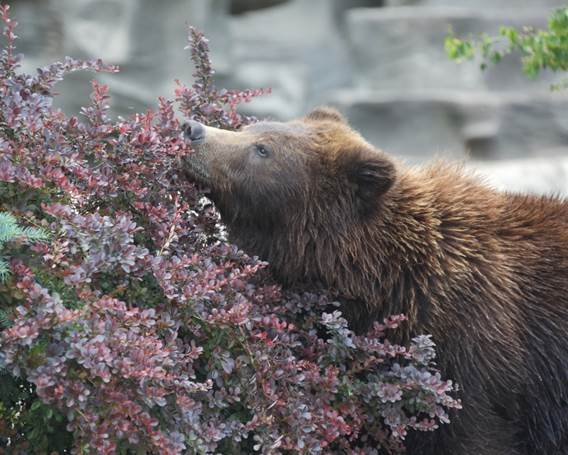
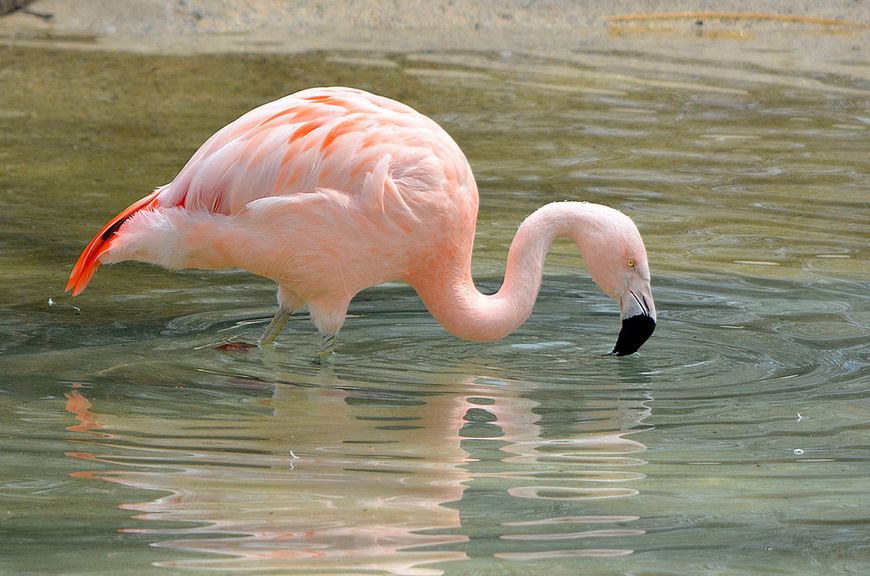
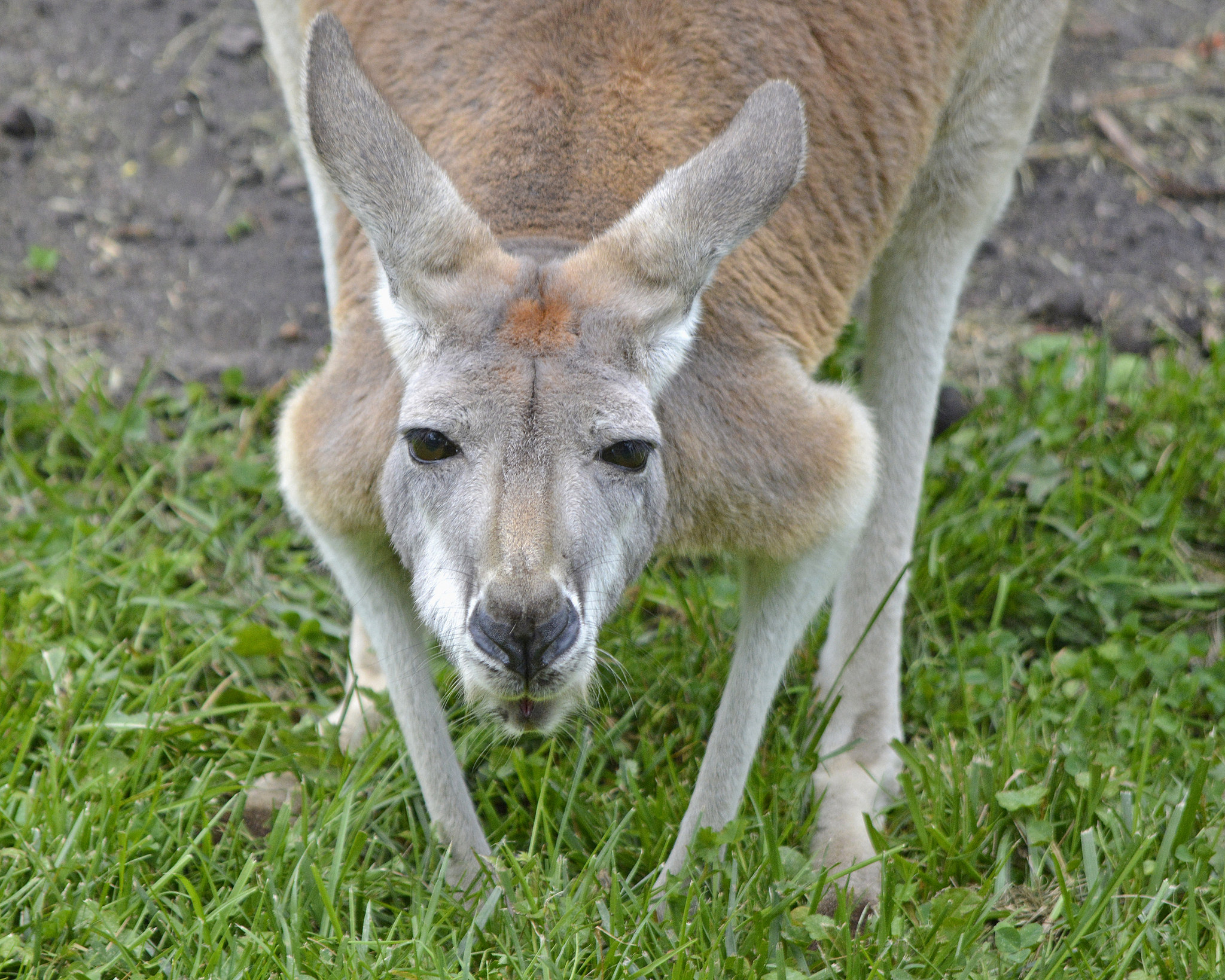
Over the course of the last few years, the Madonna University students have participated in projects benefiting warthogs, amphibians, giraffes, gorillas, reptiles, rhinos and birds living in the Free-Flight Aviary, to name a few. This year, the students will help us to modify habitats for giant anteaters, flamingos and kangaroos and wallabies in the Australian Outback Adventure. This will involve the creation of nesting areas for the flamingos, as well as planting shrubs for the anteaters and kangaroos in order to add more complexity to their environments and create additional areas of shade. These types of modifications are important to ensure that animals encounter novelty and have more opportunities to display species-typical behaviors.

This wonderful partnership is an example of how the Detroit Zoo provides educational and inspirational opportunities for students and is always finding ways to design engaging habitats for the animals.

– Dr. Stephanie Allard is the Director of Animal Welfare for the Detroit Zoological Society and oversees the Center for Zoo Animal Welfare.

Amphibian Conservation: Species in Crisis

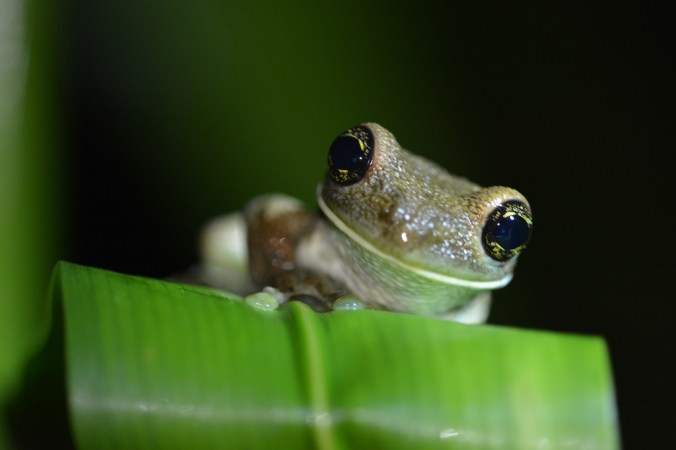
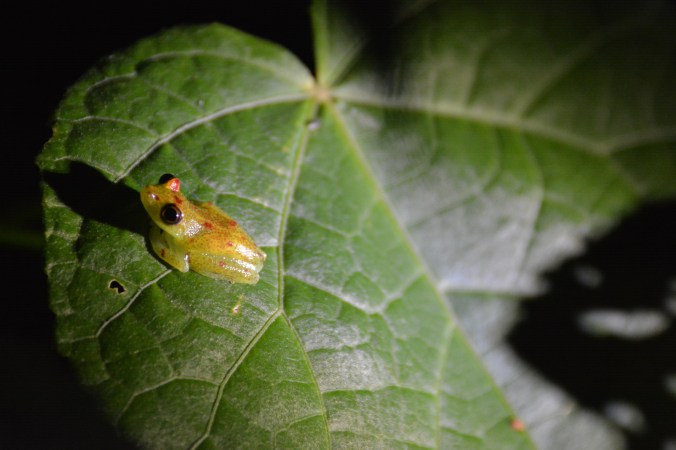
Let’s focus our attention on the smallest residents living at the Detroit Zoo: amphibians. No other class of vertebrates has the ability to adapt and evolve as quickly in our ever-changing planet as amphibians. They have used every reproductive strategy and developed life stages influenced by environmental factors; they can be colorful, camouflaged and cryptic, regenerate limbs, and have been on Earth for the last 200 million years.

Marcy Blog 4

Currently, amphibians are the most threatened group of animals in the world with 40 percent of all species at risk. This crisis is considered the greatest extinction event in history; it’s also the Earth’s sixth mass biological extinction. While previous mass extinctions have been driven by natural planetary transformations or catastrophic asteroid strikes, the current die-off can be associated directly with human activity. This epoch started when human activities began having a significant impact on the Earth’s ecosystems.

The Detroit Zoological Society (DZS) participates in Global Assessments, which provide a comprehensive inventory of the conservation status of biological species as well as a critical dataset for evaluating the health of key elements of biodiversity and identifying threats to their survival. Newly described species emerge yet extinctions are occurring at an even faster rate. Climate change is the most dramatic cause of declines, and it affects amphibians both directly and indirectly, as reproduction is dependent on temperatures and seasonal transitions. Low pond levels expose embryos to more ultra violet (UV) light and UVB radiation is harmful to many species. The shorter periods and earlier opportunities for breeding ultimately reduce the chances of success. Amphibians are also dependent upon water, which makes them vulnerable to desecration when ponds dry too quickly. But since amphibians rely on the environment, they also are excellent storytellers. They can help us determine where pollutants are and if there is misuse of habitat.

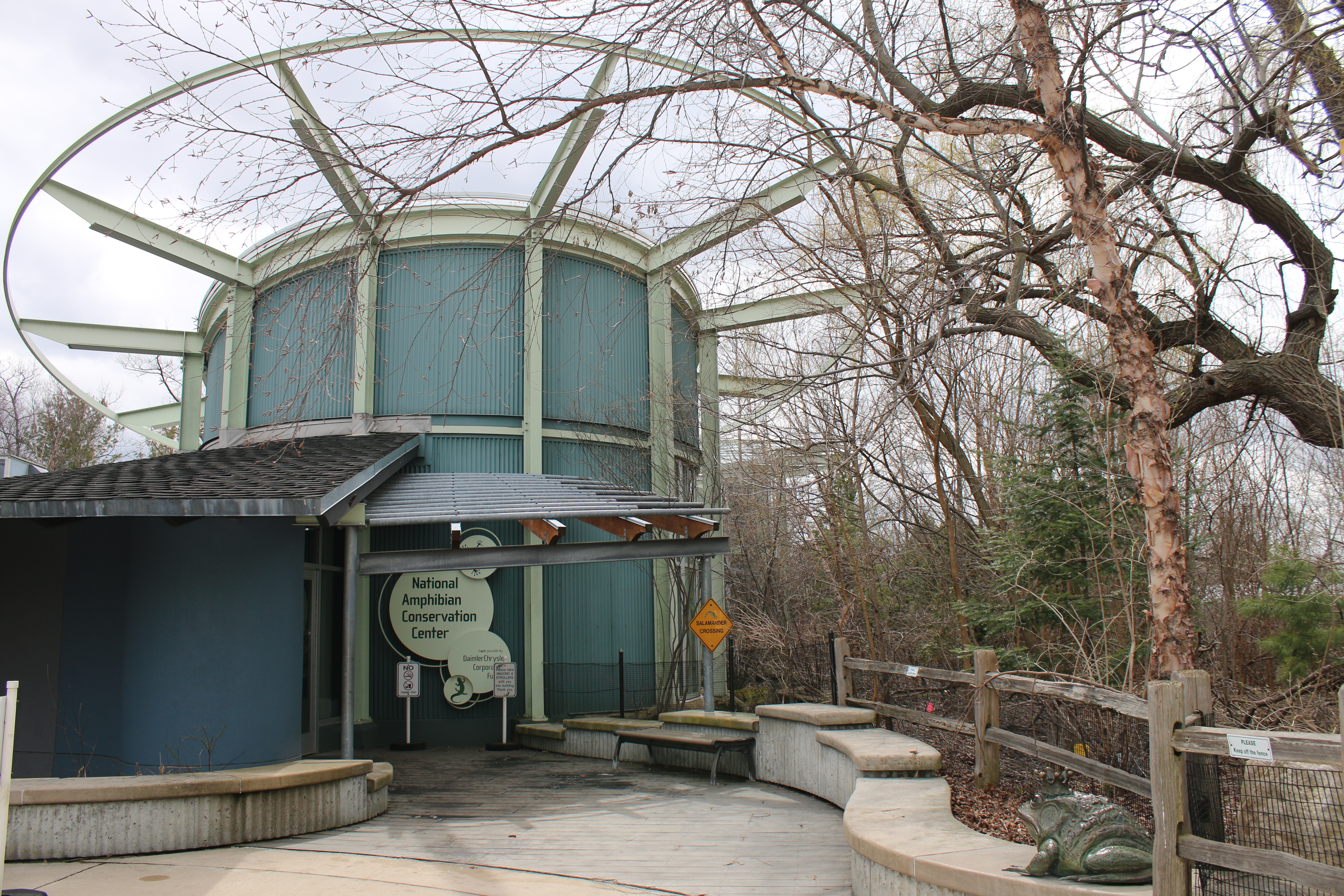
When the National Amphibian Conservation Center (NACC) opened at the Detroit Zoo in 2001, it was the first major facility dedicated entirely to conserving and exhibiting amphibians. The award-winning, state-of-the-art amphibian center is home to a spectacular diversity of frogs, toads, salamanders, newts and caecilians, many of which are the subjects of field research and part of cooperative management programs called Species Survival Plans (SSP). Amphibians selected for an SSP are generally threatened, endangered and sometimes even extinct in the wild. The DZS is actively involved in many of these programs, including for the Wyoming toad, Puerto Rican crested toad, Panamanian golden frog, crawfish frog and Mississippi gopher frog. Some amphibians bred at the Detroit Zoo have been released into the wild to boost endangered populations, and others require us maintaining a “captive assurance population” because due to factors in the wild, they cannot be released just yet. When it’s safe for these species to return to their native homes, we have a population ready to release. We have specially designed, bio-secure rooms that can hold each of these species so they won’t be exposed to other amphibians or anything else that may be harmful when they are released.

In addition to maintaining our captive amphibian population and our efforts in cooperative breeding programs, DZS staff participates in several field projects and research programs, offers citizen science training and provides support for wildlife rescues, including those from the exotic pet trade.

– Marcy Sieggreen is the curator of amphibians for the Detroit Zoological Society and oversees the National Amphibian Conservation Center at the Detroit Zoo.

Editor’s note: Marcy Sieggreen was the curator of amphibians for the Detroit Zoological Society from 2008 until her passing in 2016. The Detroit Zoological Society established the Sieggreen Amphibian Conservation Fund in Marcy’s memory to continue to advance the work she so passionately championed.

Education: What is a Species Survival Plan?

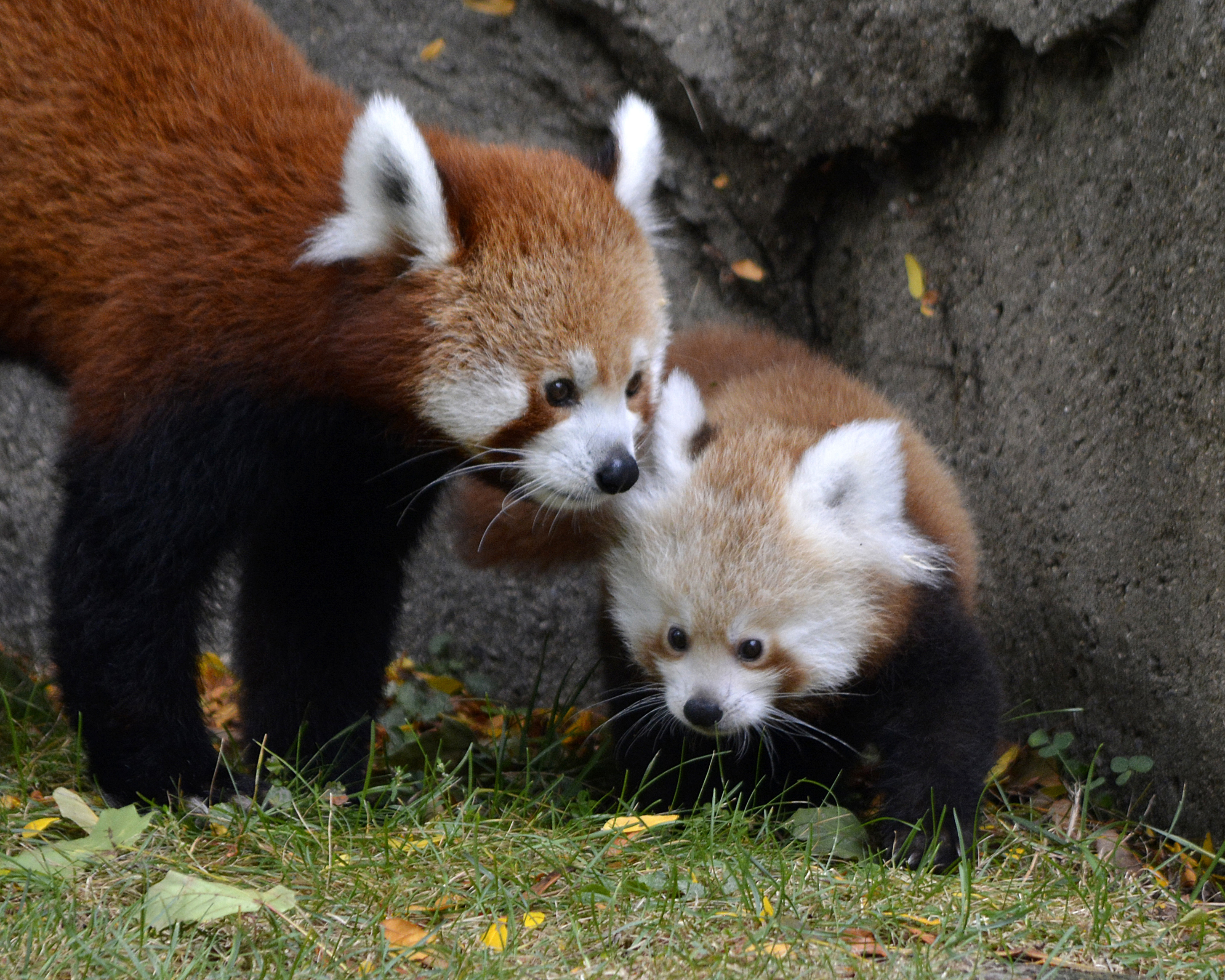
Red pandas Ta-Shi and Shifu have produced several adorable cubs at the Detroit Zoo, most recently little Tofu. North American river otters Whisker and Lucius have sired a couple pups and reticulated giraffes Kivuli and Jabari are well known for their now 13-foot-tall calf Mpenzi. Pairings like these and the offspring that follows are not by chance; each is carefully planned out and managed through what is known as a Species Survival Plan (SSP).

The 230 accredited zoological institutions that comprise the Association of Zoos & Aquariums (AZA) work together through these cooperative management programs to ensure genetically healthy, diverse and self-sustaining populations of threatened and endangered species. More than 450 species are apart of an SSP throughout zoological institutions in North America, overseen through a comprehensive population management system, which includes a Studbook and a Breeding and Transfer Plan. Each of these identifies population management goals and makes recommendations to ensure the sustainability of a healthy, genetically diverse and demographically varied animal population.

The Detroit Zoo has individuals from 98 of these species under its care, including 38 birds, 30 mammals, 24 reptiles, four amphibians, one fish and one invertebrate. Many of these species are animals that require immediate attention to save the remaining wild populations. Our cooperative breeding efforts have proven extremely successful – for example, the Detroit Zoo has been credited with restoring the population of a Tahitian land snail called partula nodosa, once extinct in the wild. Additionally, in May of last year, 22,571 Puerto Rican crested toad tadpoles bred at the Detroit Zoo were released into the wild of Cabo Rojo, Puerto Rico. In 2014, a record 3,945 Wyoming toad tadpoles bred at the Detroit Zoo were released into the wild. This long-running effort was previously recognized as No. 1 on the AZA’s list of the Top 10 wildlife conservation success stories.

AZA institutions and partners work together to carefully monitor SSP species both in the wild and in zoo populations. Organizations will often move SSP animals to other zoos and aquariums so they can mate with individuals to ensure a long-term healthy future for the species. Breeding recommendations are made with consideration given to each animal’s social and biological needs as well as transfer feasibility.

Be sure to look for the SSP logo on animal signage as you explore the Detroit Zoo on your next visit. Each time you see the logo, you’ll know that there are countless individuals working at zoos, aquariums and in the field around the world to do everything we can to save and rebuild the remaining populations of these species.

Animal Welfare: Observing Natural Behaviors in Antarctica

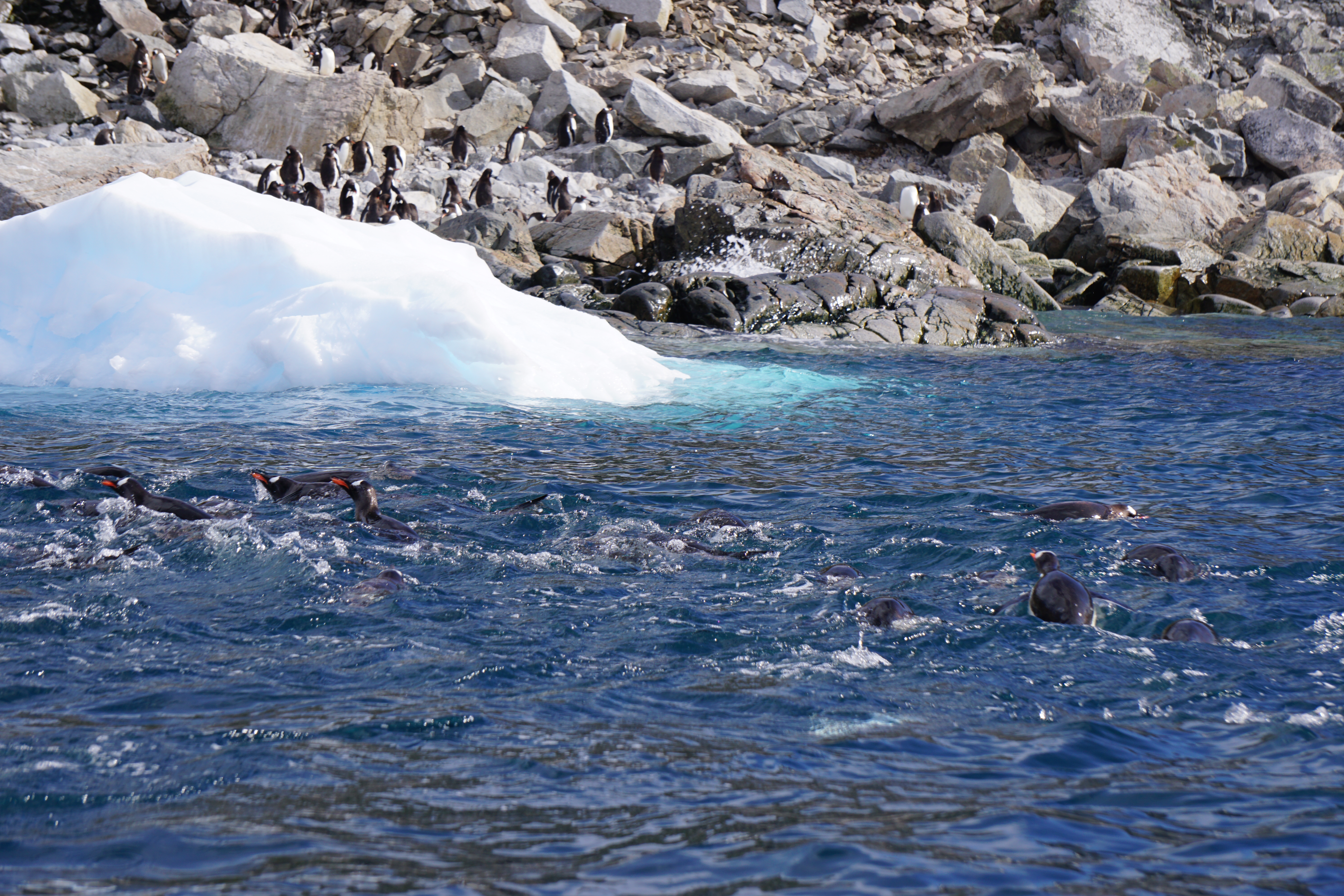
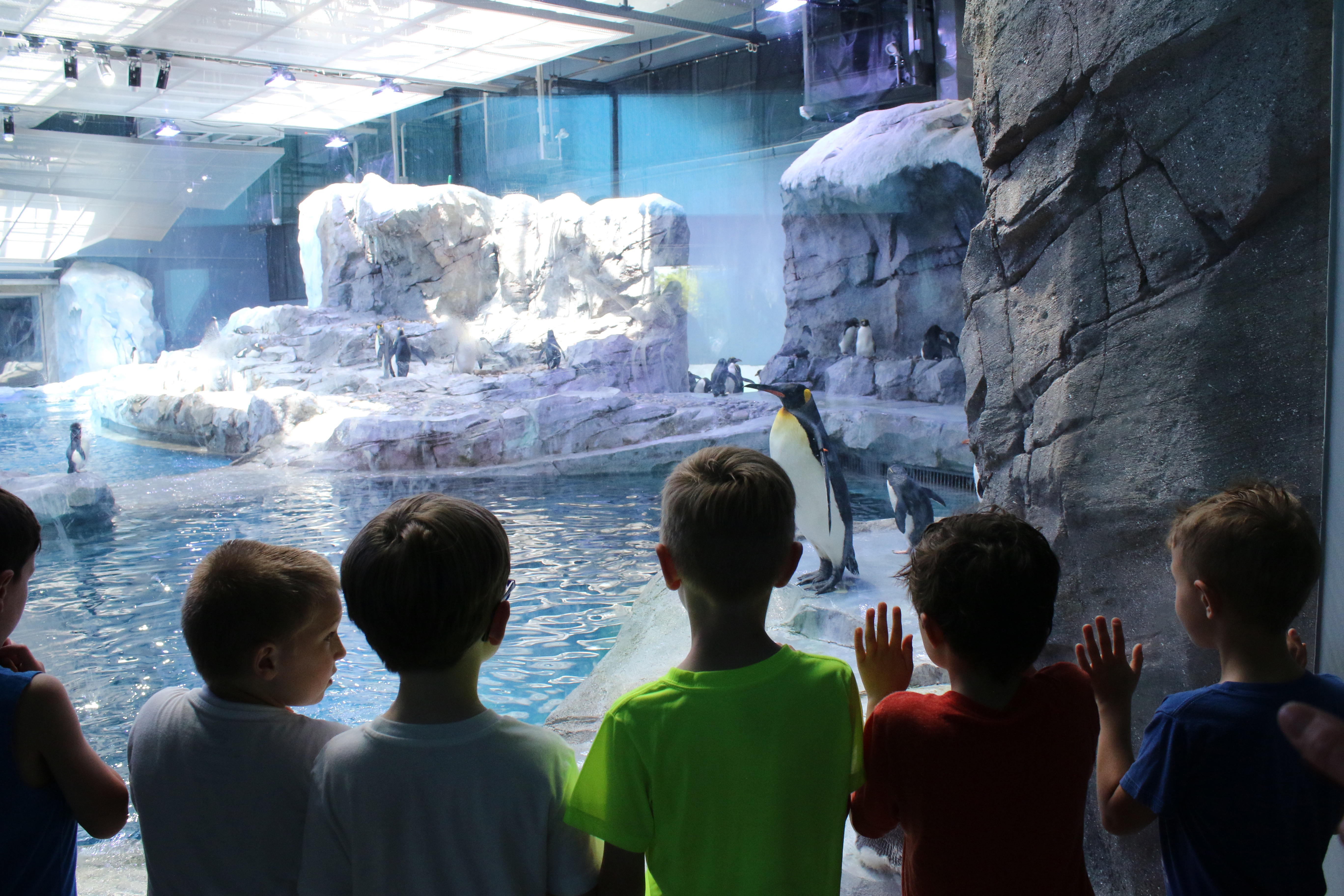
Watching a penguin “fly” through the water is breathtaking. In this medium, they are agile, fast and truly awesome. Having the opportunity to see penguins porpoising in Antarctica was incredible, as this is a behavior we don’t often get to see in a captive setting. They reach high speeds and shoot in and out of the water to traverse long distances, at times avoiding predators, and at times being the predators. This is one of the reasons why, from an animal welfare perspective, the new Polk Penguin Conservation Center, with its 326,000-gallon, 25-foot-deep pool, is such an exciting endeavor. This expansive water feature will allow the penguins to display even more of their natural swimming behaviors, minus the predatory dangers, of course!

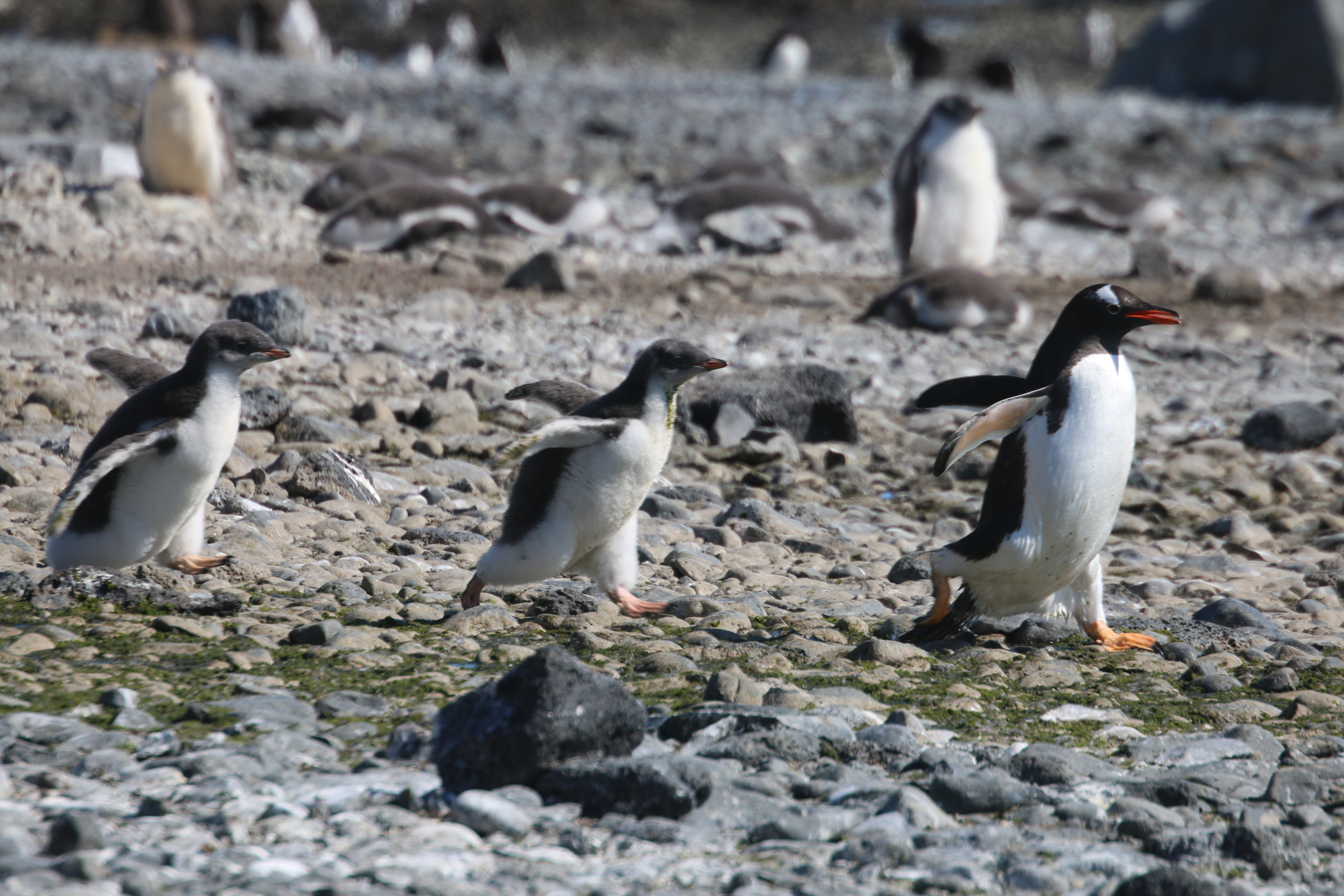
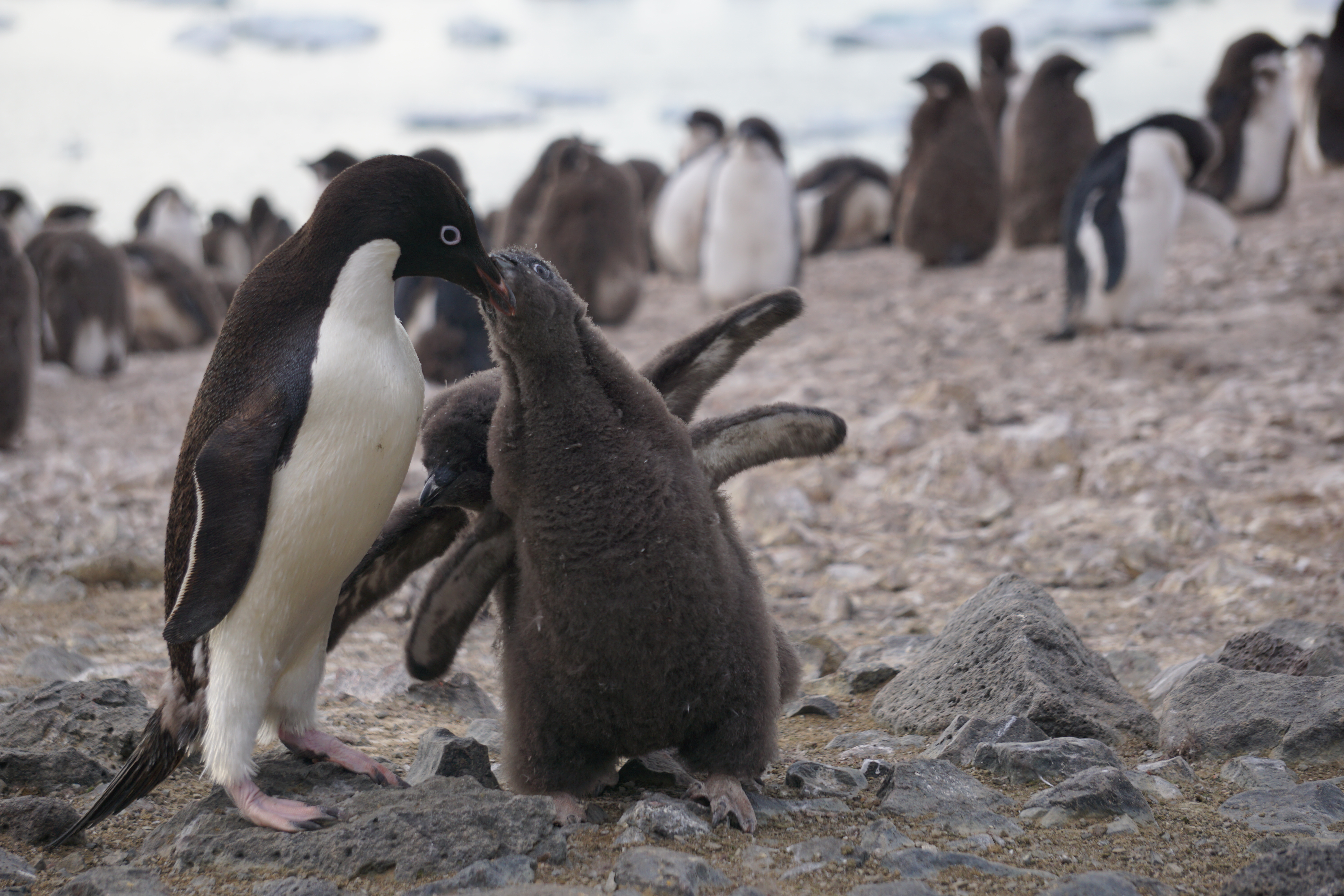
Watching a penguin walk on land is a somewhat different experience. They amble around, seemingly less acclimated to solid ground. Having now observed three species of penguins in their natural habitat, I can tell you that despite how they might appear, they are good climbers, managing to navigate over rocky, unstable and slippery terrain to gain access to nesting sites and hungry chicks. They can even move rather quickly, as demonstrated when they are attempting to wean their hungry chicks, who will often run after their parents while begging for more food.

I spent a lot of time observing the penguins at the various colonies we visited while in Antarctica, very similar to what the dedicated staff, residents, interns and volunteers of the Center for Zoo Animal Welfare do right here at the Detroit Zoo. For the gentoos, chinstraps and Adelie penguins we saw, this is the time of year during which they are still spending more time on land, as chicks are getting ready to fledge. I was able to focus on parent-offspring interactions, as well as how young penguins interact with one another in groups referred to as crèches. This is a critical time in the youngsters’ lives, as they prepare to leave the only home they have known so far. I was also able to focus on the type of environmental features that the penguins encounter, and how they interact with them. I was even able to test out our infrared thermography camera to look at temperature gradients between penguins at different population densities.

Having the opportunity to observe animals in their natural surroundings is extremely helpful when you are attempting to understand their needs and determining how to best meet them. You gain a very different appreciation for the challenges they are faced with, and it really makes you think about the level of complexity that comprises any environment. I am incredibly fortunate to have had such an opportunity, and I’m looking forward to sharing what I have I learned for the benefit of the penguins living at the Detroit Zoo. This is the type of care with which we need to approach habitat design, as well as how we assess the welfare of individual animals. A penguin’s natural habitat is full of challenges, both physical and social, but they are challenges that the animals are equipped to deal with. We should be searching for ways to ensure animals living in zoos have the right kind of stimulation – the right kind of challenges – if we want to see them thrive.

– Dr. Stephanie Allard is the director of animal welfare for the Detroit Zoological Society and oversees the Center for Zoo Animal Welfare.

Education: My Heart is Like a Zoo

February is the perfect month to share one of our favorite children’s books: “My Heart is Like a Zoo”, by Michael Hall. This book is cleverly illustrated with colorful animals that are composed of heart shapes, and we’ve used it to facilitate a variety of activities through the Detroit Zoological Society’s education department. Most recently, our team prototyped an activity based on the book’s illustrations to use in our monthly programming at local pediatric hospitals. Staff or volunteers will read the book and talk about the animals, shapes and colors, depending on the age of the audience.

After reading the book, the children are provided heart shapes made from construction paper. They are various sizes, colors and configurations. The children can use the hearts we provide or create their own as they construct animals out of the shapes. The activity builds spatial relations, pattern building, color blending and fine motor skills.

The young men at Children’s Village, a juvenile detention facility we work with year-round, use the book as inspiration as they create Valentine’s Day cards for children at local pediatric hospitals. We bring a variety of paper with us and the boys create animals out of the heart shapes for the front of the card. On the inside they write thoughtful messages for the recipients. Providing opportunities for these young men to think about other people in a compassionate way and make a positive impact through something they’ve created leaves a lasting impression on them.

“My Heart is Like a Zoo” is available at most area libraries to borrow or at local bookstores if you’d like to bring it home forever. We hope you enjoy it as much as we do!

– Claire Lannoye-Hall is a curator of education for the Detroit Zoological Society.