Detroit Zoo Hosts First International HAZWOPER Training

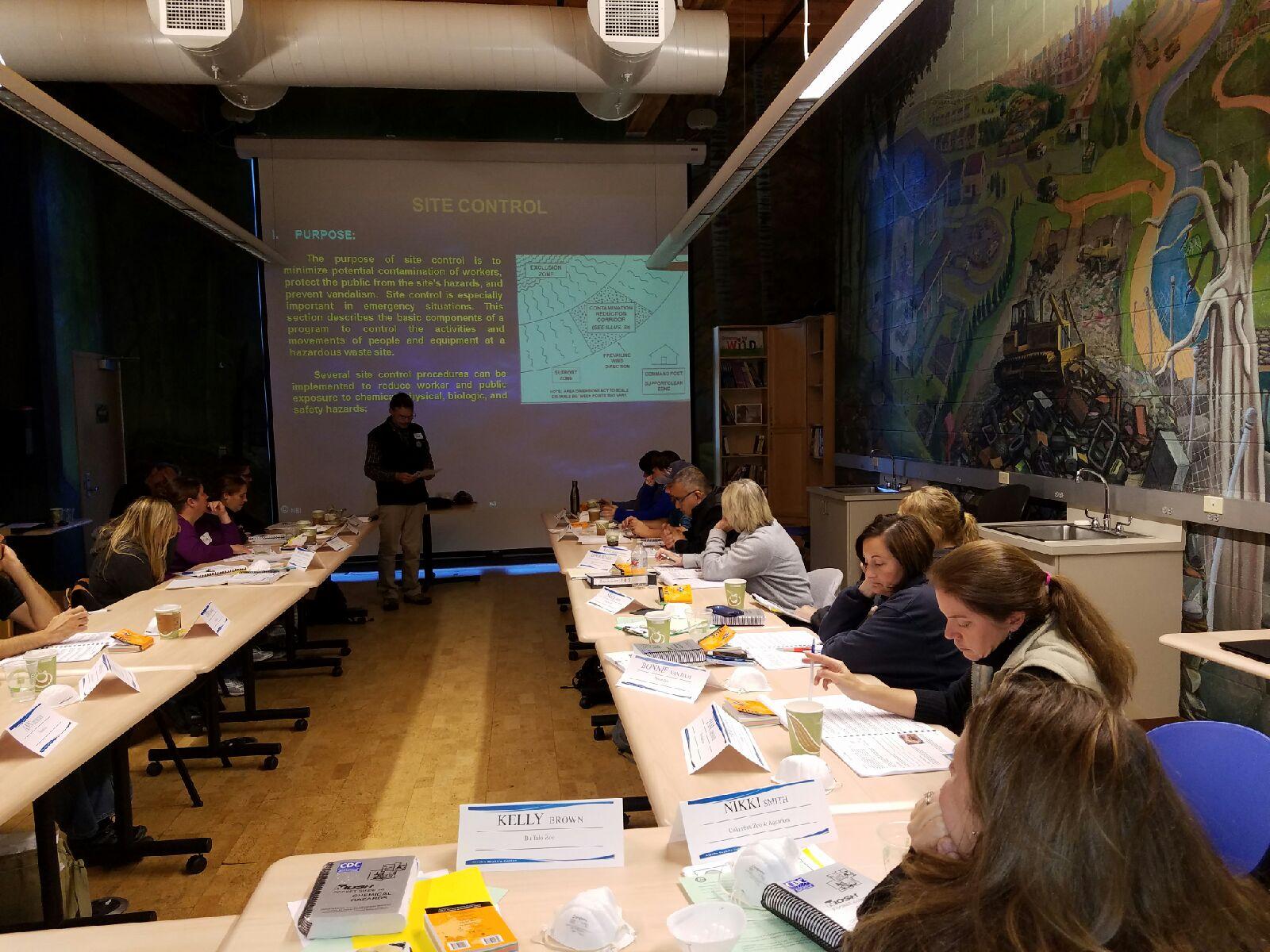
The Detroit Zoo recently hosted the first international Hazardous Waste Operations and Emergency Response (HAZWOPER) training, facilitated by the Alaska Sea Life Center of Seward, Alaska. Part of the Detroit Zoological Society’s (DZS’s) dedication to conservation includes annual training for DZS staff in HAZWOPER, which allows them to be prepared to respond immediately and help save wildlife affected by oil spills and other environmental emergencies locally, nationally and internationally.

The first international HAZWOPER training included 10 DZS staff members and eight other individuals from zoos accredited by the Association of Zoos & Aquariums (AZA). Currently, there are only 90 individuals from 50 AZA institutions who have this level of training, which included a two-day classroom course, an eight-hour online course on the nationally recognized Incident Command System, and an environmental disaster drill. The eventual goal of AZA and the Alaska Sea Life Center is to develop regional emergency centers across the country.
DZS staff has responded to three significant oil spills, providing assistance with the rehabilitation of several species and tens of thousands of animals.

Deepwater Horizon/BP
The largest marine oil spill in history took place in the Gulf of Mexico in April 2010 when the Deepwater Horizon oil rig exploded and the BP pipe leaked an estimated 2.2 million gallons of crude oil into the Gulf every day for nearly three months. This oil spill affected 400 different species of wildlife, including 8,000 birds, 1,100 sea turtles and 109 mammals. DZS Veterinary Technician Amanda Dabaldo traveled to New Orleans in July 2010 to assist with the recovery efforts.
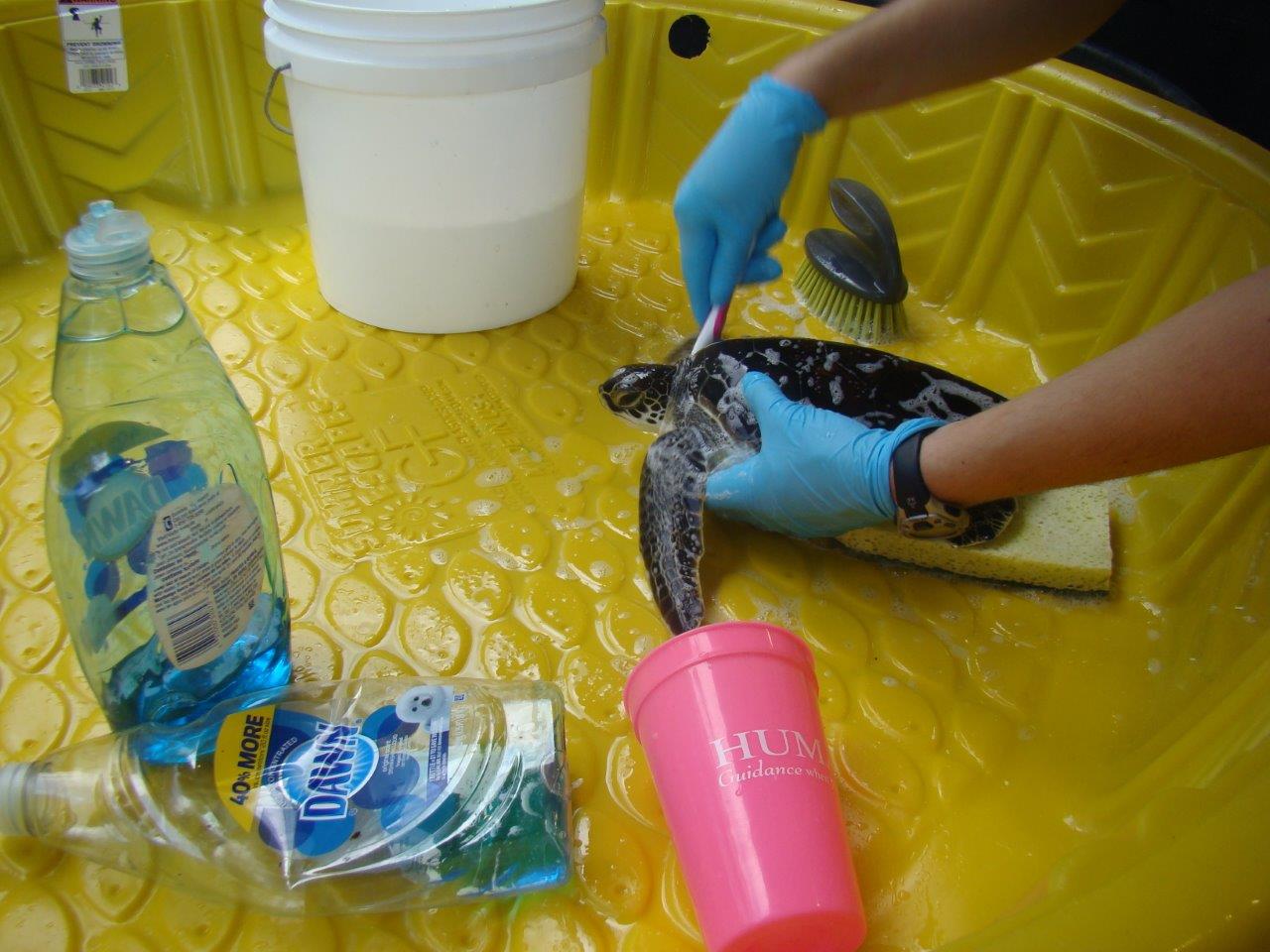
Amanda spent two weeks working with the Audubon Nature Institute providing medical care for more than 140 juvenile sea turtles.
Enbridge
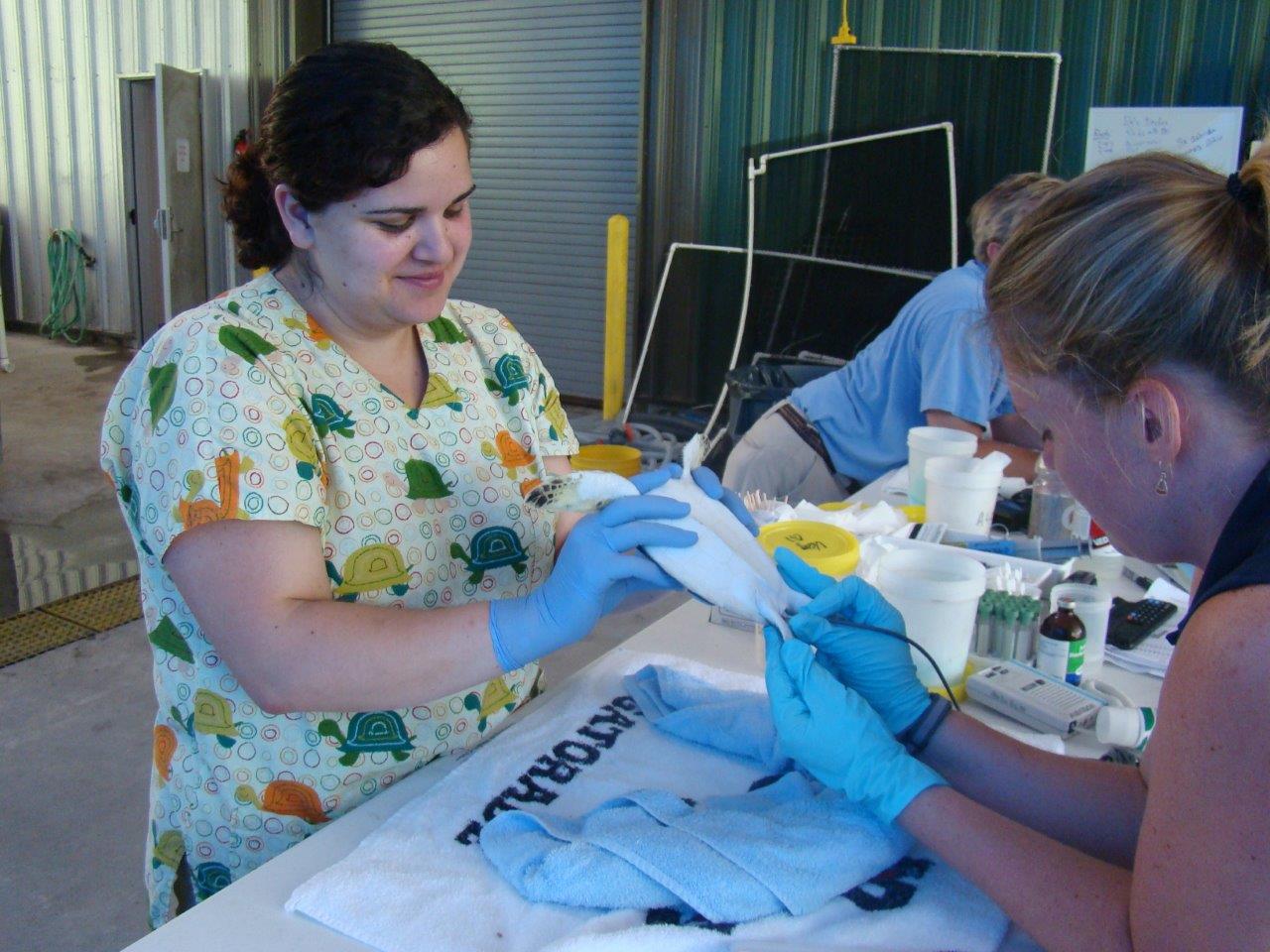
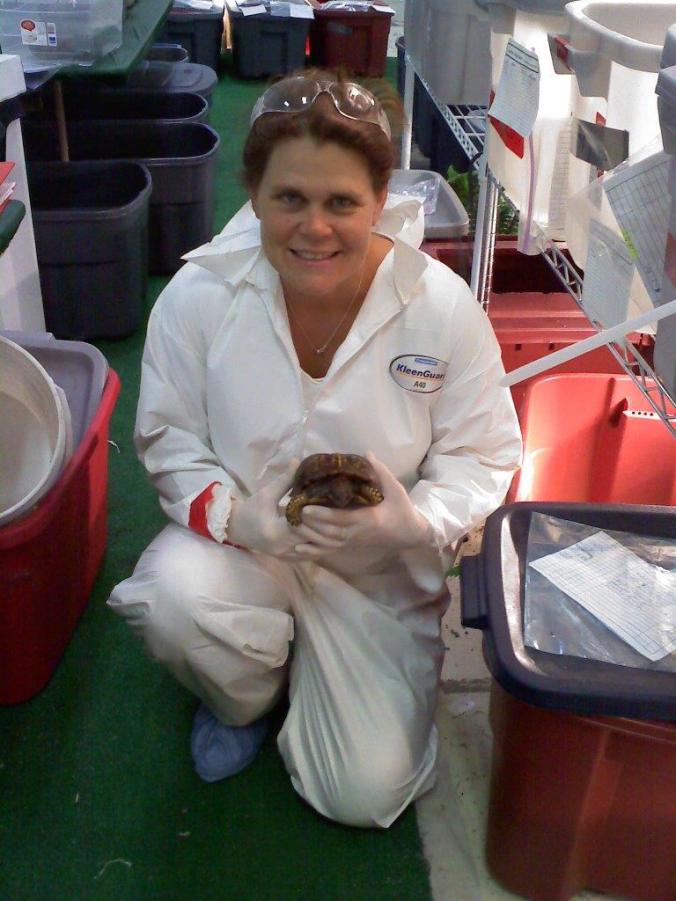
The Enbridge Oil Spill occurred in July 2010, when a broken pipeline leaked oil along 25 miles of river between Marshall and Battle Creek, Mich. An estimated one million gallons of oil affected thousands of animals including birds, mammals and reptiles – turtles were most affected. The Detroit Zoo, along with other AZA zoos including the Toledo Zoo, Binder Park Zoo, Fort Wayne Children’s Zoo, Potter Park Zoo and the John Ball Zoo, partnered with teams such as Focus Wildlife, TriMedia Environmental and Engineering Services LLC, the Michigan Department of Natural Resources and Environment, and the U.S. Fish and Wildlife Service to set up a rehabilitation center in Marshall. Nine DZS staff members spent more than 600 hours between August and October 2010, providing daily care for frogs and turtles.
hazwoper-8

Treasure
In June 2000, the oil freighter Treasure sank off the coast of Cape Town, South Africa and 1,300 tons of fuel oil spilled near the largest colonies of African penguins.
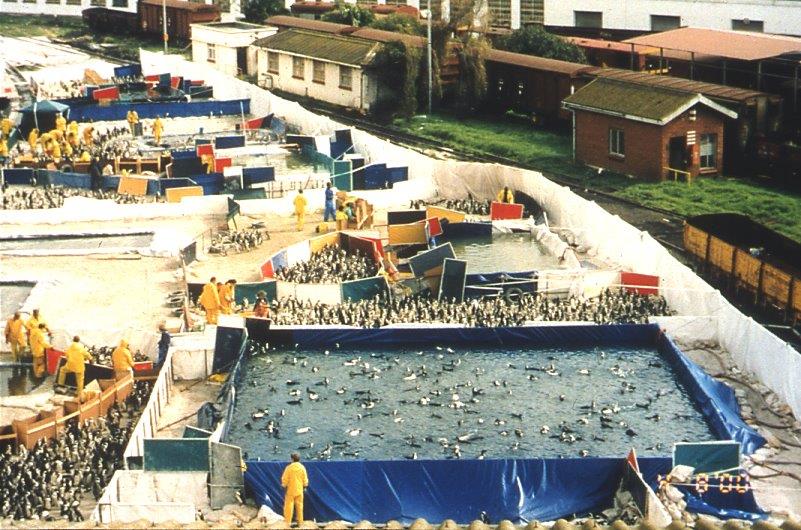
 

Forty percent of the penguin population was affected by this oil spill; 19,000 of the birds had oiled feathers and went through the rehabilitation process, 3,300 chicks that were abandoned were reared and released; and about 19,500 birds were air-lifted and taken several miles up the coast and released.
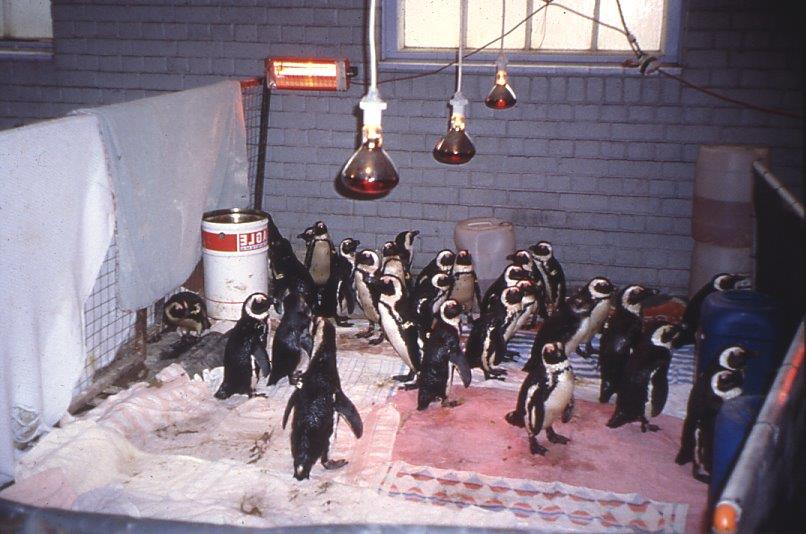
 

Two DZS penguin keepers, Jessica Jozwiak and Bonnie Van Dam each spent three weeks assisting with this project.
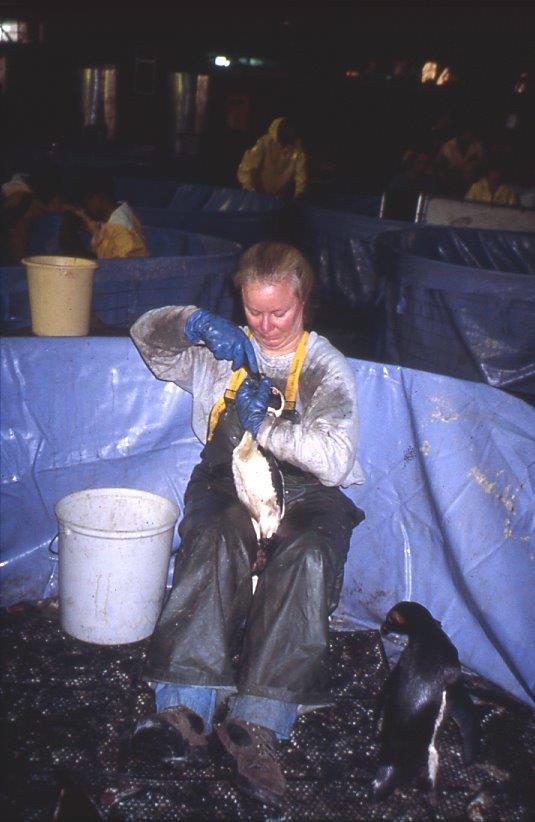
– Bonnie Van Dam is the associate curator of birds for the Detroit Zoological Society.
Animal Welfare: Educational Partnerships that Improve Animal Well-Being

In a number of instances, the work we do to enhance the welfare of the animals at the Detroit Zoo is a result of collaboration and partnerships. One such partnership is with Madonna University. Students enrolled in a class that is part of the humane education curriculum join us each semester to undertake projects that will benefit the animals.

We work with animal care staff to select projects suited to each species and the students are responsible for learning about that species to better understand the impact that their project will have on the animals’ welfare. The students are divided into three groups and each group is assigned a particular project. The groups work with mentors from the Life Sciences division and over the course of several weeks, complete their project. On the last day, all of the students get the chance to see the results of all of the projects in order to gain more appreciation of the various ways in which we can positively impact animals living in the care of humans.

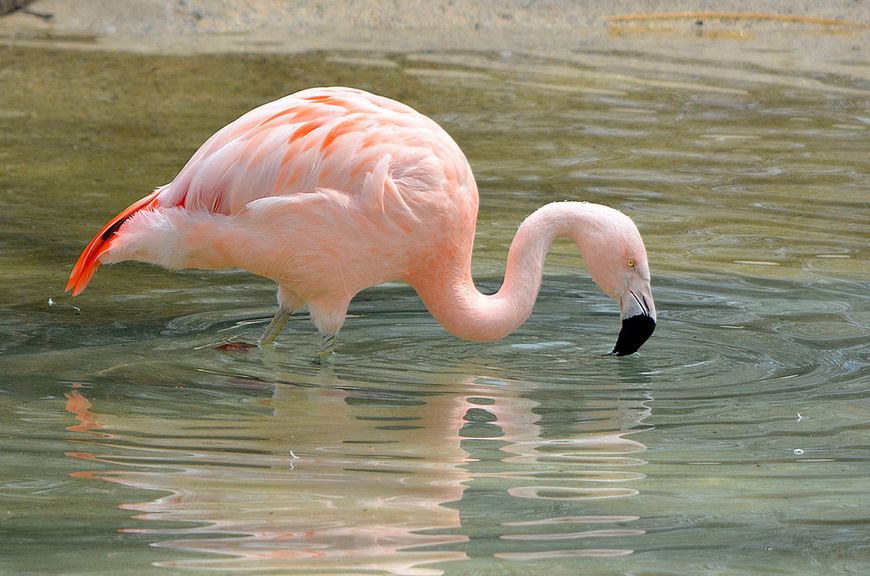
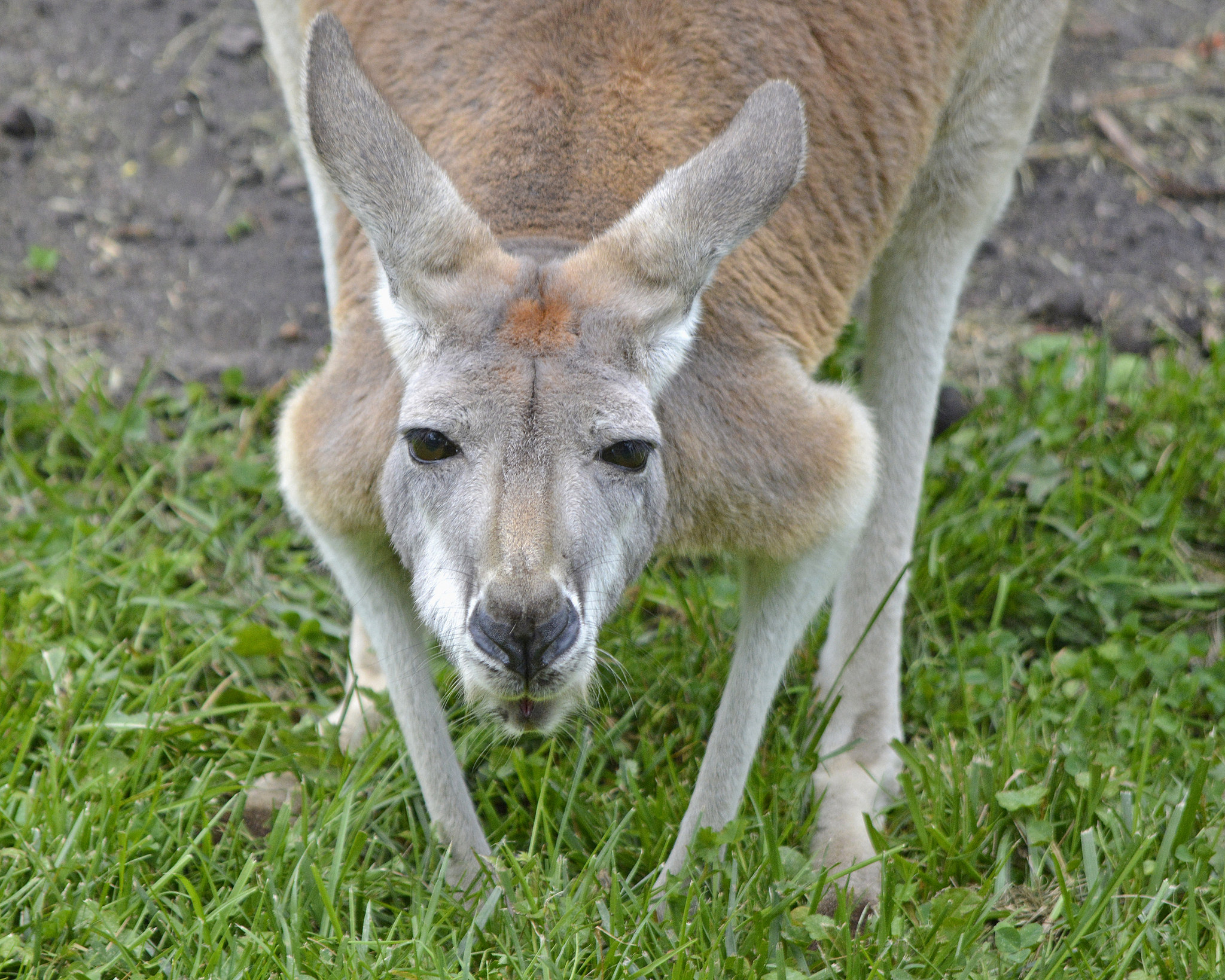
Over the course of the last few years, the Madonna University students have participated in projects benefiting warthogs, amphibians, giraffes, gorillas, reptiles, rhinos and birds living in the Free-Flight Aviary, to name a few. This year, the students will help us to modify habitats for giant anteaters, flamingos and kangaroos and wallabies in the Australian Outback Adventure. This will involve the creation of nesting areas for the flamingos, as well as planting shrubs for the anteaters and kangaroos in order to add more complexity to their environments and create additional areas of shade. These types of modifications are important to ensure that animals encounter novelty and have more opportunities to display species-typical behaviors.

This wonderful partnership is an example of how the Detroit Zoo provides educational and inspirational opportunities for students and is always finding ways to design engaging habitats for the animals.

– Dr. Stephanie Allard is the Director of Animal Welfare for the Detroit Zoological Society and oversees the Center for Zoo Animal Welfare.

Education: What is a Species Survival Plan?

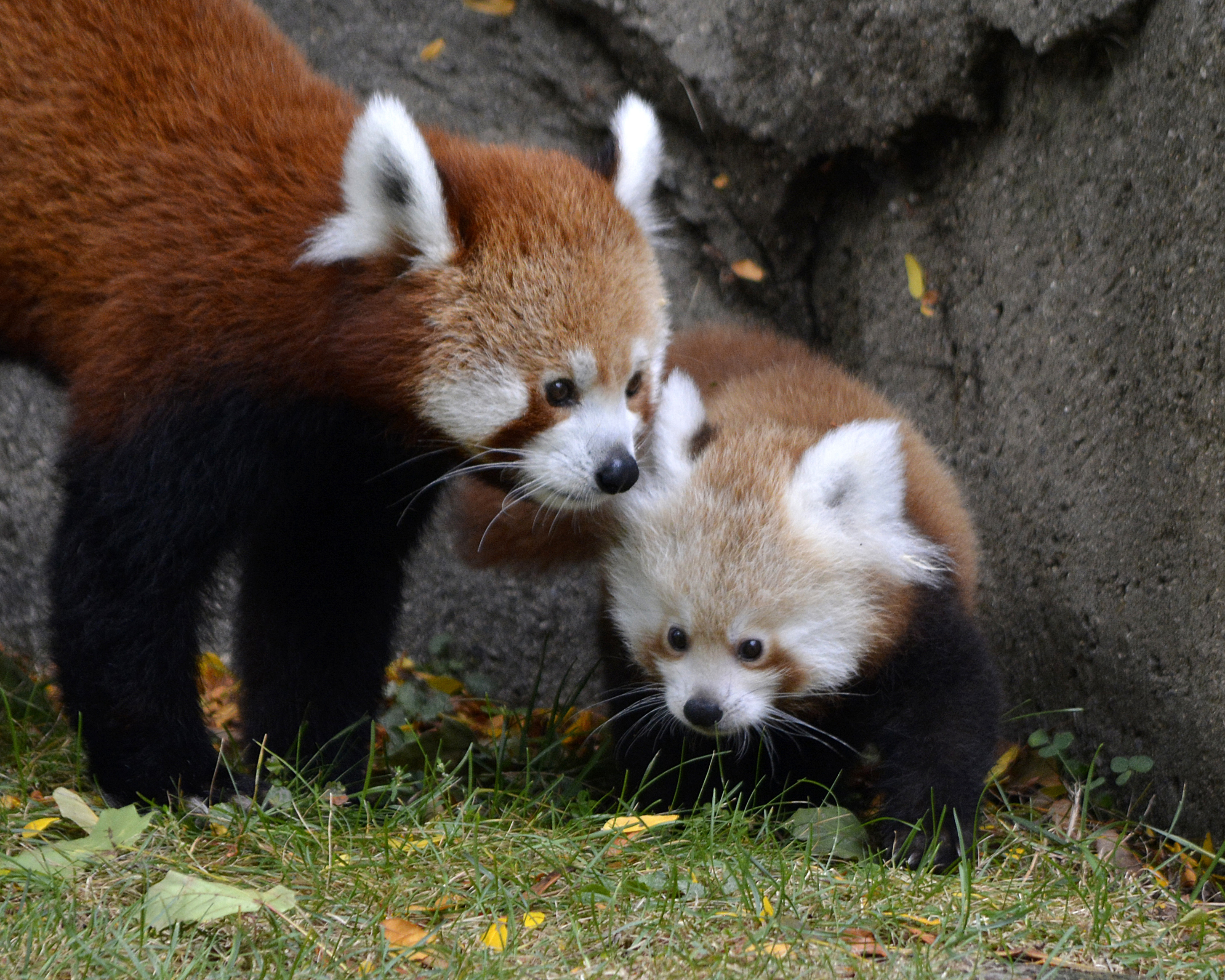
Red pandas Ta-Shi and Shifu have produced several adorable cubs at the Detroit Zoo, most recently little Tofu. North American river otters Whisker and Lucius have sired a couple pups and reticulated giraffes Kivuli and Jabari are well known for their now 13-foot-tall calf Mpenzi. Pairings like these and the offspring that follows are not by chance; each is carefully planned out and managed through what is known as a Species Survival Plan (SSP).

The 230 accredited zoological institutions that comprise the Association of Zoos & Aquariums (AZA) work together through these cooperative management programs to ensure genetically healthy, diverse and self-sustaining populations of threatened and endangered species. More than 450 species are apart of an SSP throughout zoological institutions in North America, overseen through a comprehensive population management system, which includes a Studbook and a Breeding and Transfer Plan. Each of these identifies population management goals and makes recommendations to ensure the sustainability of a healthy, genetically diverse and demographically varied animal population.

The Detroit Zoo has individuals from 98 of these species under its care, including 38 birds, 30 mammals, 24 reptiles, four amphibians, one fish and one invertebrate. Many of these species are animals that require immediate attention to save the remaining wild populations. Our cooperative breeding efforts have proven extremely successful – for example, the Detroit Zoo has been credited with restoring the population of a Tahitian land snail called partula nodosa, once extinct in the wild. Additionally, in May of last year, 22,571 Puerto Rican crested toad tadpoles bred at the Detroit Zoo were released into the wild of Cabo Rojo, Puerto Rico. In 2014, a record 3,945 Wyoming toad tadpoles bred at the Detroit Zoo were released into the wild. This long-running effort was previously recognized as No. 1 on the AZA’s list of the Top 10 wildlife conservation success stories.

AZA institutions and partners work together to carefully monitor SSP species both in the wild and in zoo populations. Organizations will often move SSP animals to other zoos and aquariums so they can mate with individuals to ensure a long-term healthy future for the species. Breeding recommendations are made with consideration given to each animal’s social and biological needs as well as transfer feasibility.

Be sure to look for the SSP logo on animal signage as you explore the Detroit Zoo on your next visit. Each time you see the logo, you’ll know that there are countless individuals working at zoos, aquariums and in the field around the world to do everything we can to save and rebuild the remaining populations of these species.

Veterinary Care: New Penguin Facility is a Veterinarian’s Dream Come True

Anyone who has visited the Detroit Zoo’s Penguinarium probably knows that it is impossible to escape the charm of the penguin. I have been caring for penguins at the Detroit Zoo for more than 20 years, and can attest to this firsthand. I find them to be exceptionally interesting and charismatic animals, and even after all these years, I enjoy every visit to the Penguinarium immensely. More than a few penguins have stolen my heart over the years.

Generally speaking, penguins are strong, feisty birds that rarely develop health problems. In recent years, the penguin flock at the Detroit Zoo has become older, and we have treated penguins for a variety of age-related medical problems. In the course of this work, we realized that there were gaps in the scientific literature concerning penguin health. As a result, we focused our efforts on gaining a better understanding of some of the most important conditions, including cataracts, melanoma and bumblefoot. Our animal health and life sciences departments and the Center for Zoo Animal Welfare all share the same long-term goal of better understanding how we can provide an environment that allows penguins to thrive and maintain the best possible health and welfare.

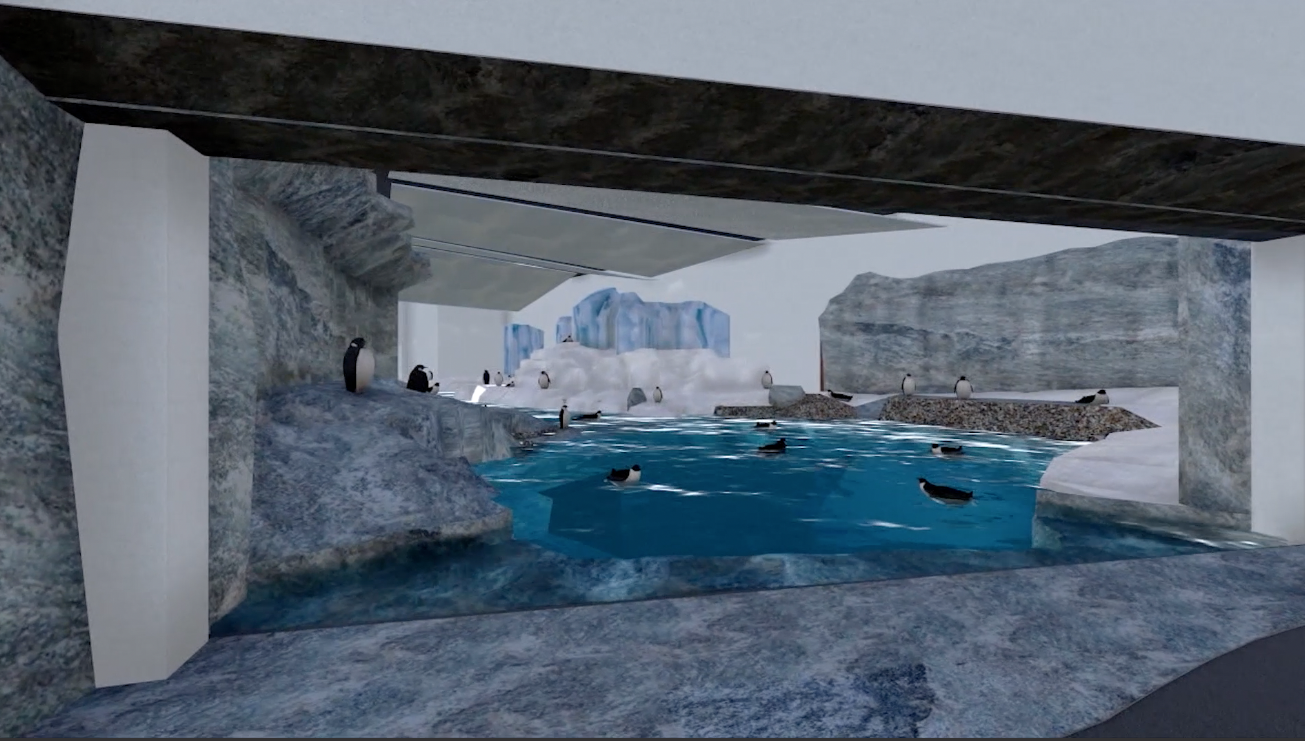
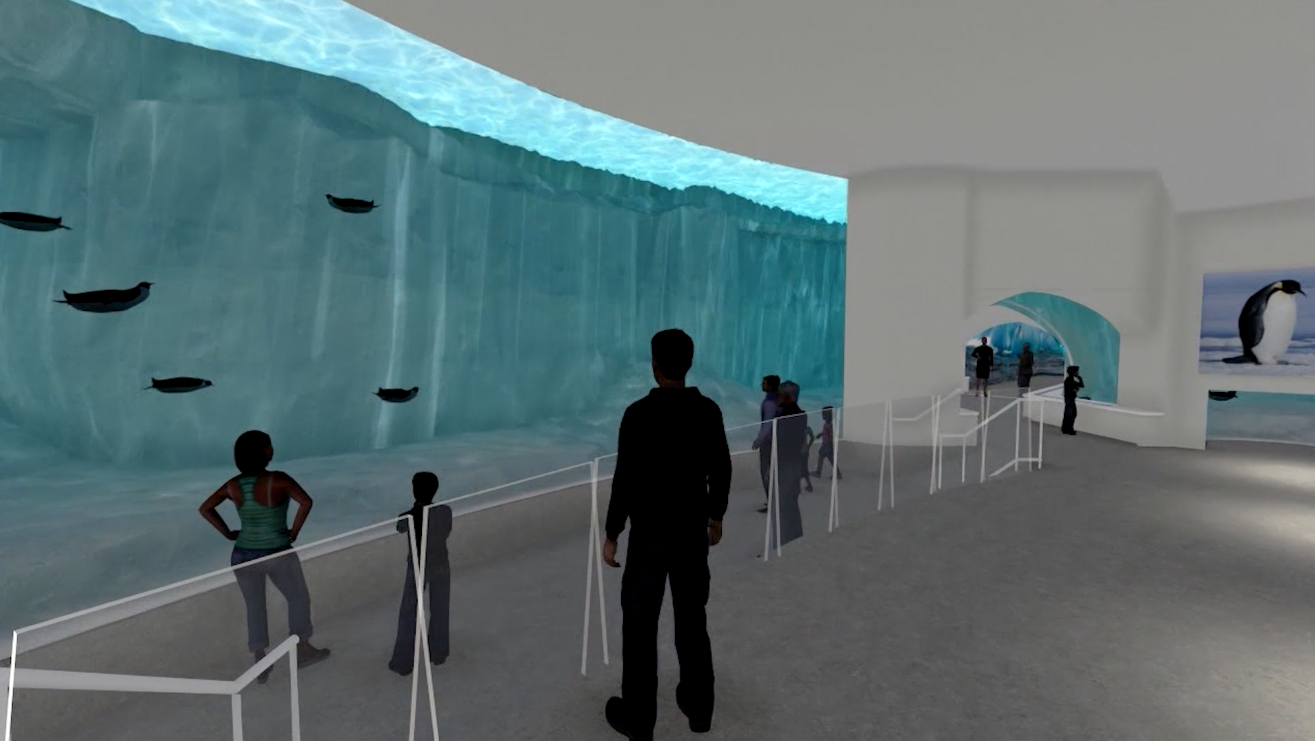
The new Polk Penguin Conservation Center is a penguin veterinarian’s dream come true. We feel so fortunate to have been able to use our expanded knowledge of penguin health to inform the design of their new home. Every aspect of the habitat is designed to meet their unique needs:

  • The lighting in the new habitat provides a much wider spectrum of wavelengths, with more ultraviolet light and improved nighttime lighting in the red wavelength ranges. The lighting intensity capacity is greatly increased, and can be adjusted to mimic seasonal variation.
  • The flooring has been designed to enhance foot health and prevent development of bumblefoot lesions. In some places, the floor is coated with a resinous material to provide cushioning, and in other areas the flooring has variable rocky textures, mimicking conditions seen in Antarctica.
  • The penguins will have an enormous pool for swimming, and a swim channel that will allow them to circumnavigate the entire habitat. This will result in increased activity levels and opportunities for natural porpoising and diving behaviors and will help them avoid weight gain.
  • The water filtration system is state-of-art, and will include an ozonation capacity and improved water filtration.
  • The air quality will be significantly improved, providing 100% air exchange and improved air filtering.
  • The nesting areas are designed to be easy to clean and allow better chick-rearing success.
  • We will also have more places to temporarily hold animals needing special attention during illness or quarantine, and fold-down stainless steel exam tables for veterinary exams and procedures.


Over the years, we have been able to provide treatment and loving care to a number of very special penguin patients and have had a lot of success: We’ve helped chicks who have gotten off to a rough start, restored vision to a number of geriatric penguins with cataracts and significantly reduced the incidence of bumblefoot. Despite these successes, our greatest measure of achievement is in the medical problem that is avoided altogether. We constantly strive to prevent issues from developing, through carefully designed diets, vaccination and parasite prophylaxis, disease surveillance and excellent care. The Polk Penguin Conservation Center is a big stride forward toward this goal, and we thank the community for their support of this exciting project. Thank you for helping us provide the best possible care to our penguin family.

– Dr. Ann Duncan is the Director of Animal Health for the Detroit Zoological Society and oversees the Ruth Roby Glancy Animal Health Complex.

Notes from the Field: Antarctica’s Influence on Penguin Habitat Design

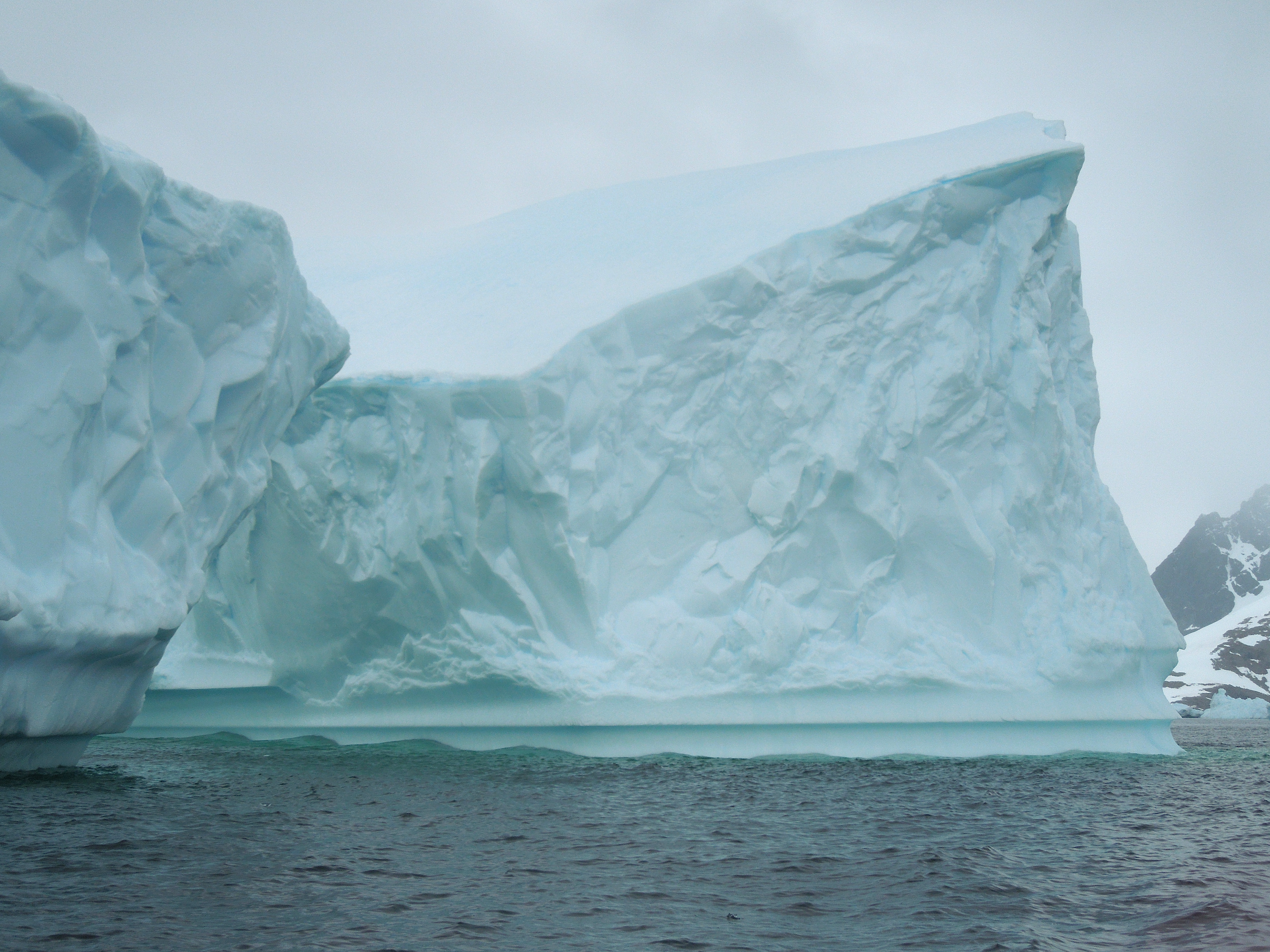
As I walk to and from my office every day at the Detroit Zoo, I watch the Polk Penguin Conservation Center taking shape and I revel in its beauty. Now, after returning from an expedition to Antarctica, I marvel in how the design of the building truly resembles the tabular icebergs found there.

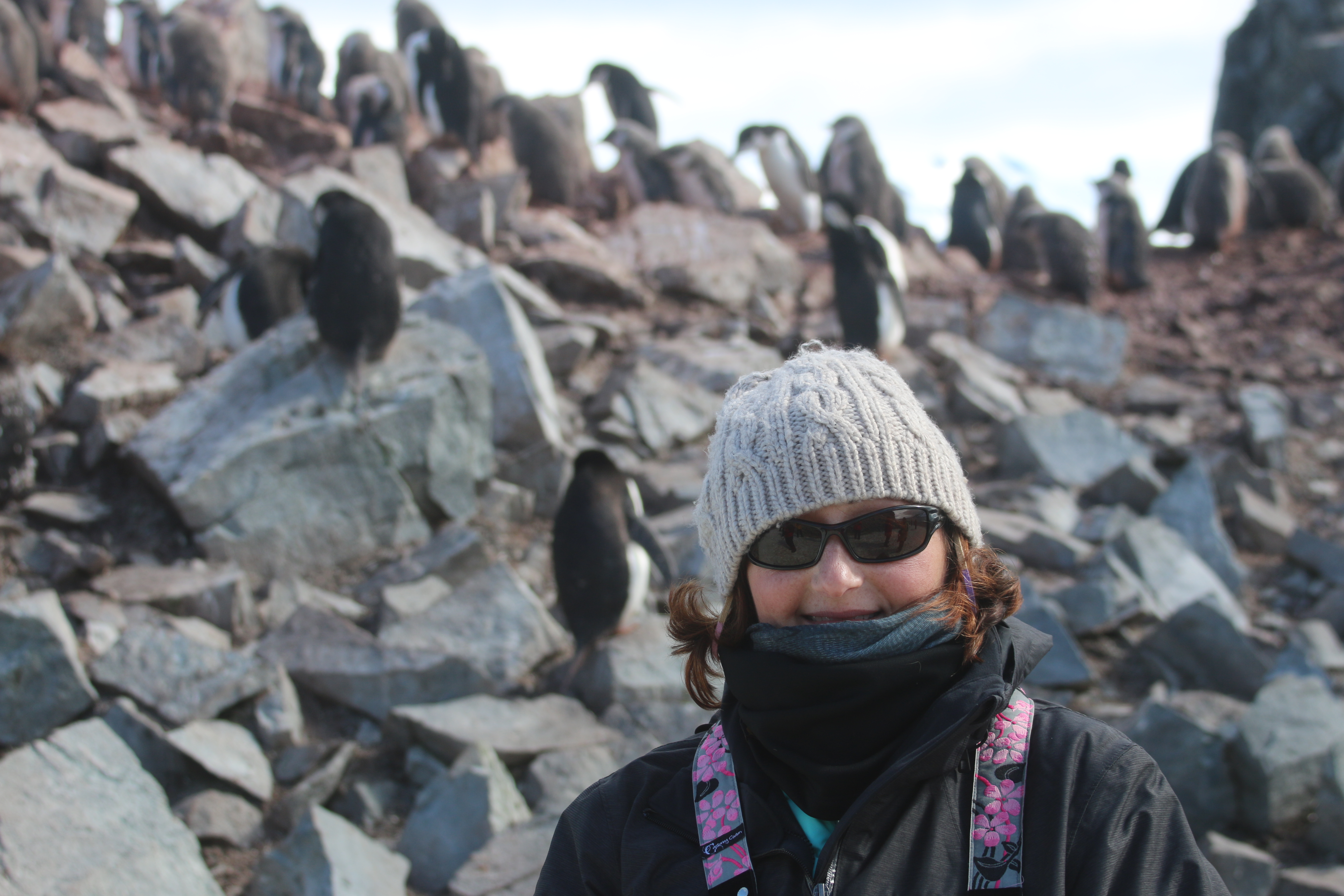
As the Detroit Zoological Society’s associate curator of birds with 22 years of experience working with penguins, I felt right at home in Antarctica – between the overwhelming smell of penguin guano, the sound of penguin chicks vocalizing and the pitter-patter of penguin feet as they walked to and from their nests. It was awe inspiring to witness their natural behaviors, from lying on the ice if they were too hot to collecting rocks for nesting to porpoising in and out of the water while foraging for food.

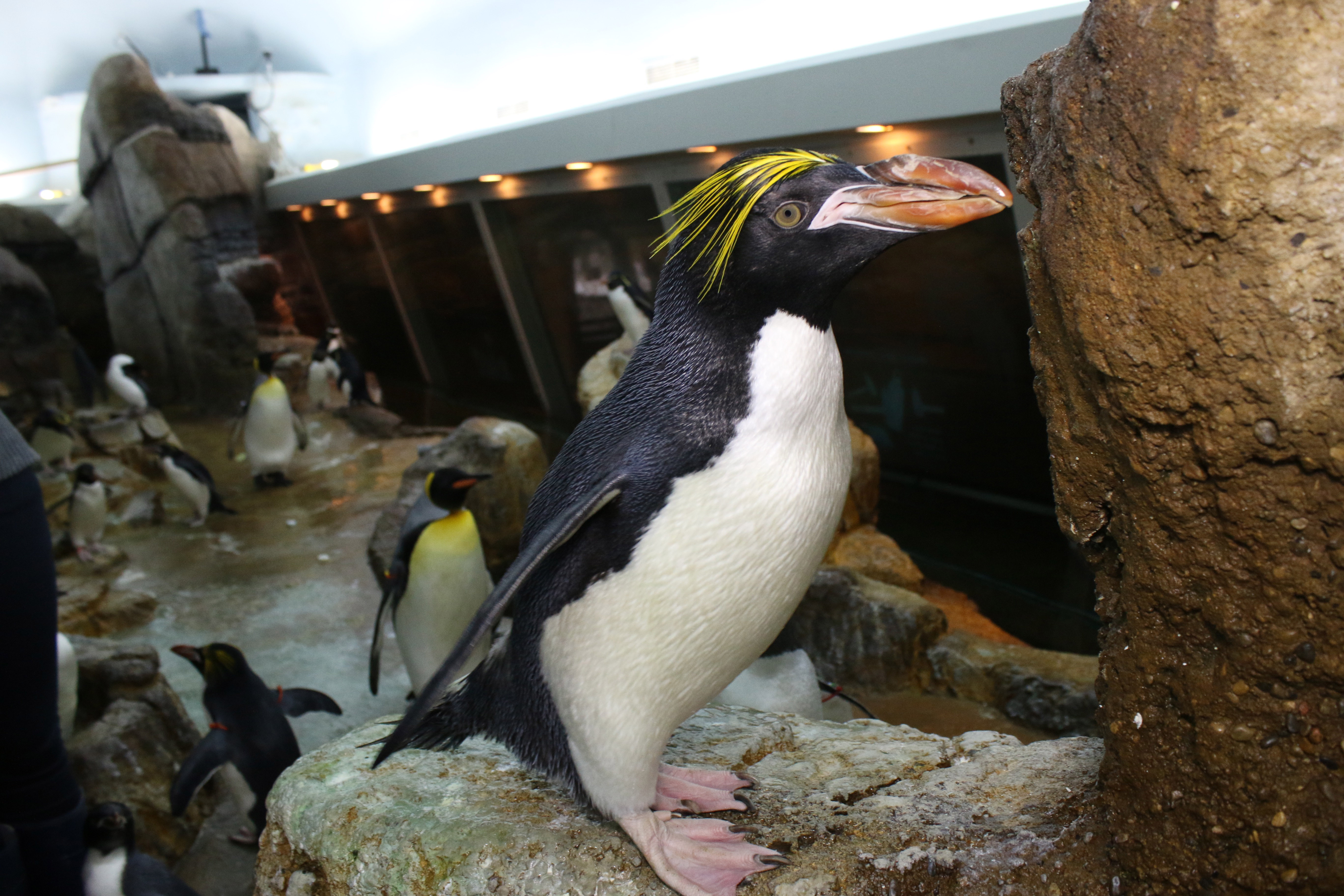
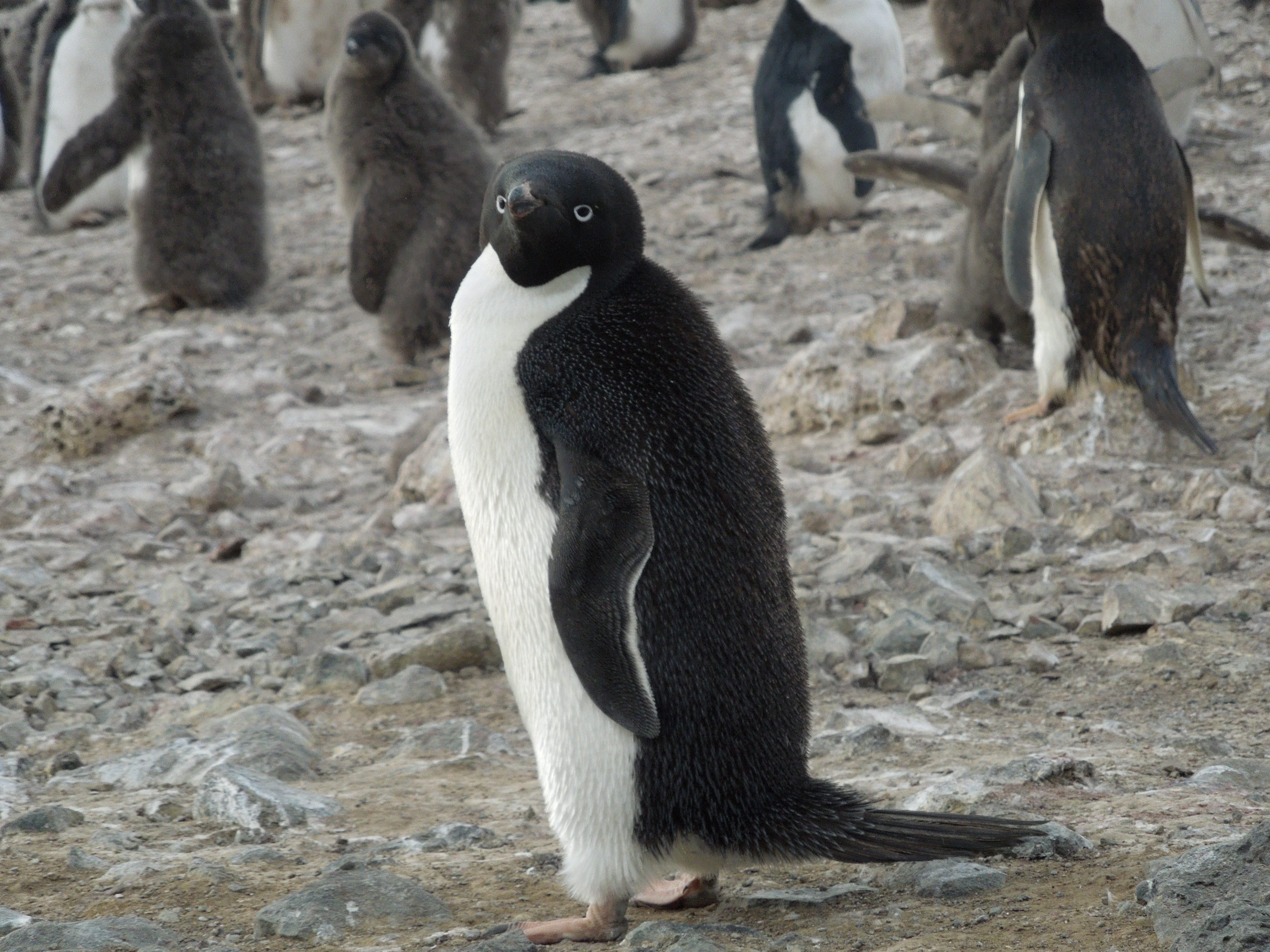
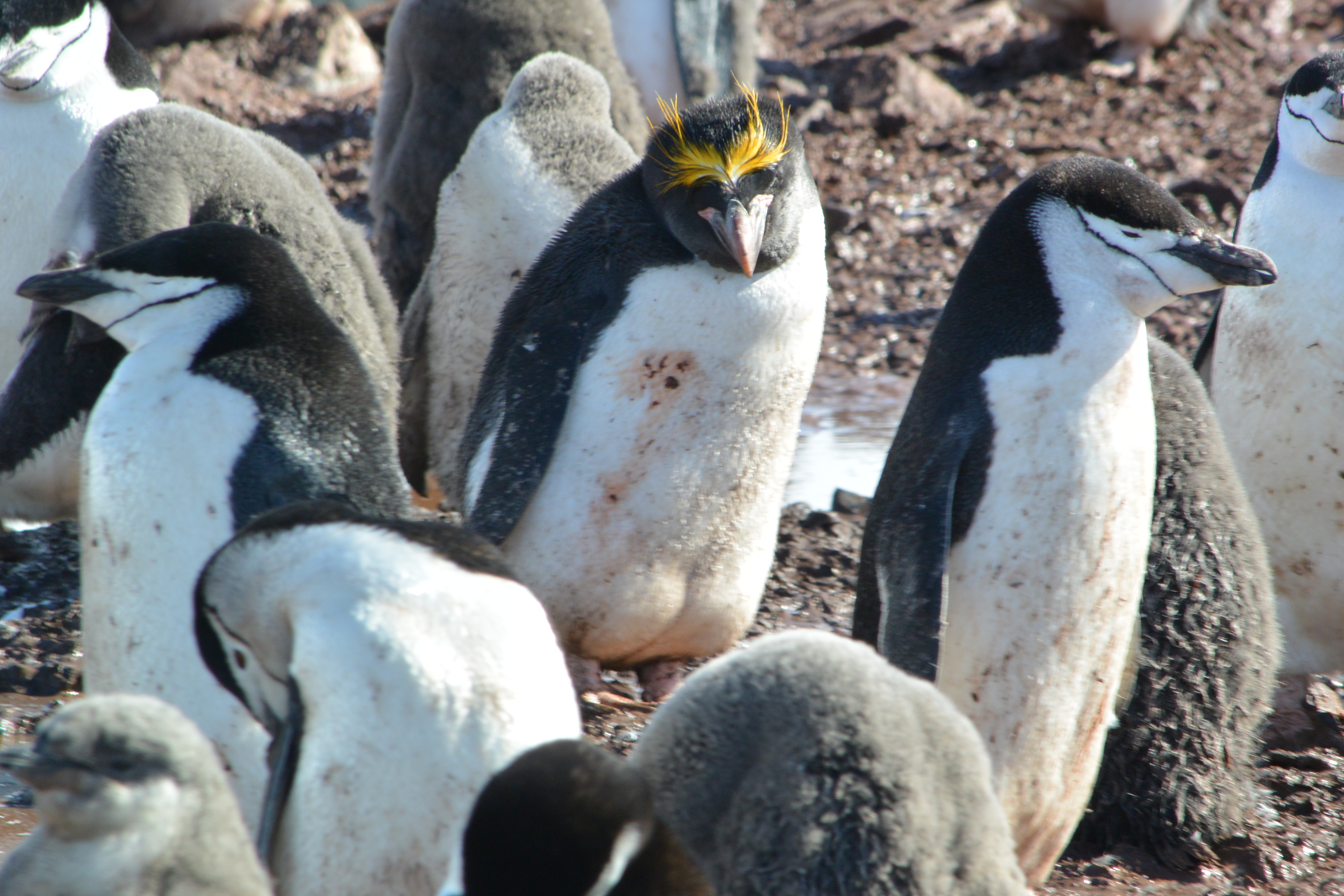
While designing a new habitat for the penguins at the Detroit Zoo, we consider all of these things and provide opportunities for the aquatic birds to exhibit these behaviors. It was fascinating to observe penguins tobogganing – lying on their bellies and moving through the snow with their flippers – a form of transportation for penguins in a hurry. We were also fortunate to see many chicks near fledging – parents were returning from the sea with full bellies of food for their chicks, and some chicks were taking their first swim in the water. I knew we would encounter three species of penguins – Adelies, gentoos and chinstraps – but I was astounded to see the one lone macaroni penguin that lives amongst a colony of chinstrap penguins.

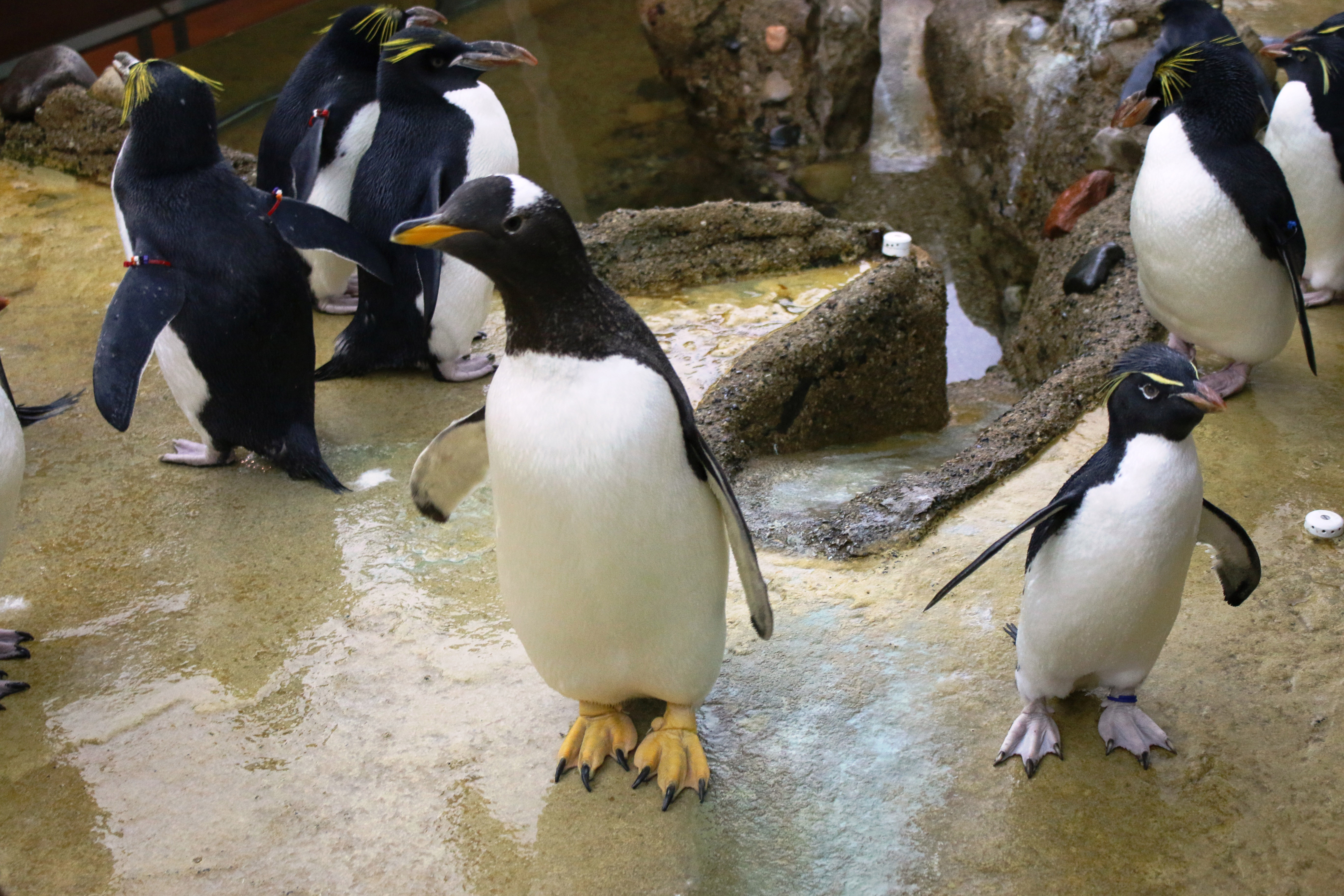
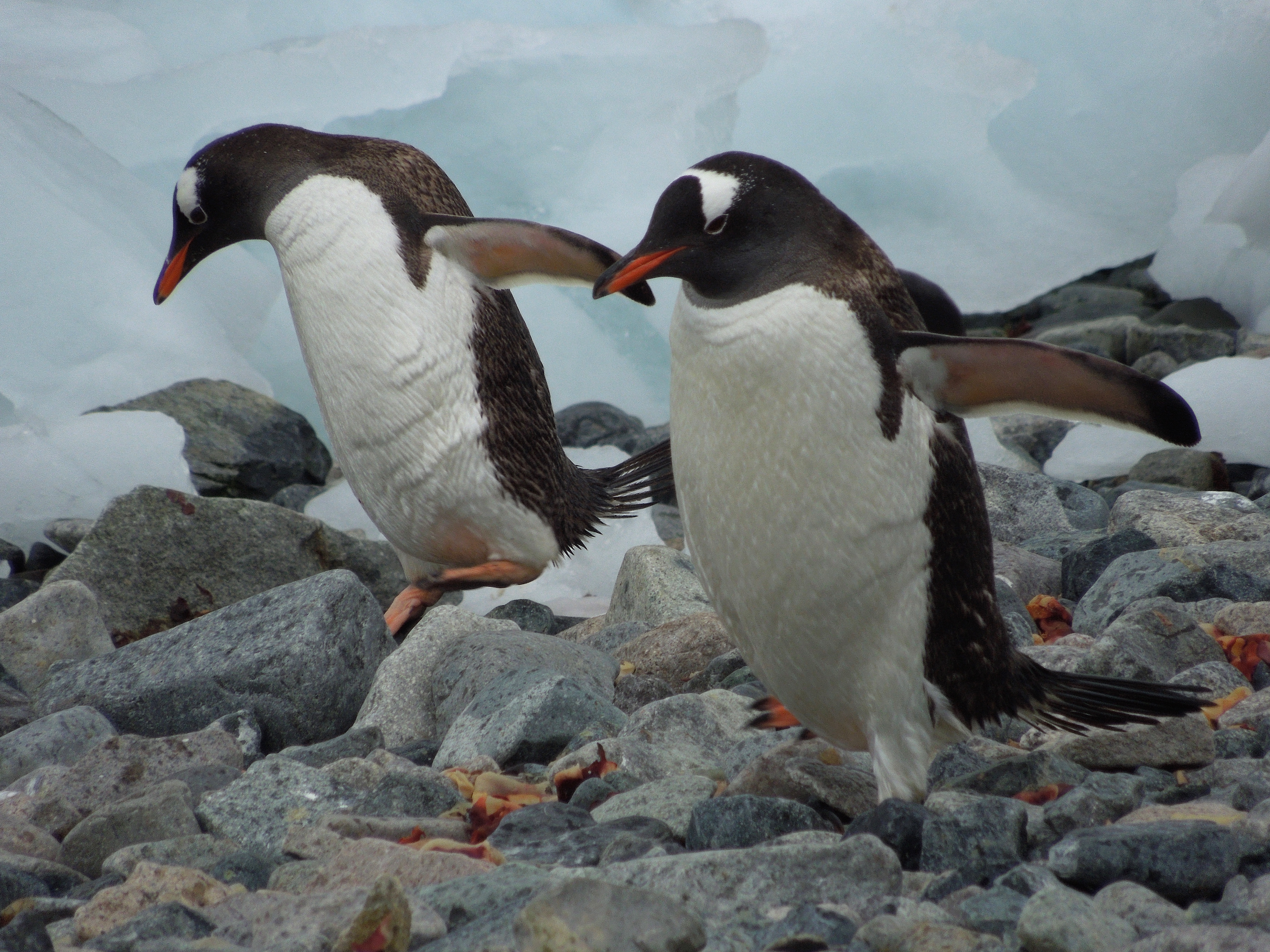
Observing thousands of gentoos was a highlight of the trip, as it is a fairly new species to the Detroit Zoo, and the 20 gentoo penguins currently in quarantine at the Zoo will be a wonderful addition to the penguin population here.

These observations of how penguins spend their time in the wild will directly influence the home we provide for penguins at the Detroit Zoo. We can include more rocks in the penguins’ habitat, offer a variety of nesting materials other than rocks, provide hills of snow for climbing – not just for standing on – and we can let the penguins choose their nesting site, even if we think there is a better location.

Wonderful conversations transpired among animal care staff, veterinarians and researchers – including world-renowned polar ecologist and penguin expert Dr. Bill Fraser and his wife Donna Patterson-Fraser – all of us sharing our observations and questions with each other about what we were seeing in the field. One of our final destinations was to the U.S. Palmer Station to pick up Matthew Porter, a bird department zookeeper for the Detroit Zoological Society. He has been assisting the “Seabird” field team, a division of the Long Term Ecological Research Network, focusing on penguin research for the last few months. Matthew – and those of us on this expedition – will be sharing the wealth of knowledge we have gained from this experience with staff and guests at the Detroit Zoo.

– Bonnie Van Dam is the associate curator of birds for the Detroit Zoological Society.
Notes from the Field: Saying Goodbye to Antarctica

In what seems like the blink of an eye, this incredible journey at the bottom of the Earth has come to an end as I write to you back home at the Detroit Zoo. Three months ago, I flew to Chile, sailed across the Drake Passage and landed on Anvers Island in Antarctica. My home became the U. S. Palmer Station where I joined the expert field team of Polar Oceans Research Group.

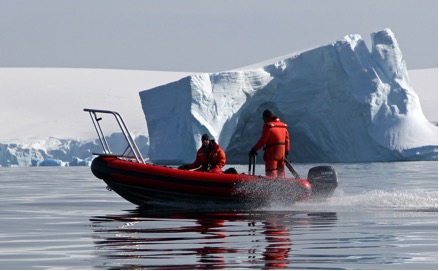
We zodiac’ed around the local waters through wind, snow, and ice day after day, traversing the stunning landscape to study penguins, skuas, southern giant petrels, and more. Through the quick Antarctic summer, we travelled to many rocky islands, watching the birds lay eggs and diligently incubate them to hatching. Then the dedicated parents brooded their chicks, foraging often to find krill, fish, and more to feed their downy kin in an effort to raise them to maturity.

In my final days of observation, the birds continued to grow. The Adelie chicks lost most if not all of their down and are were almost ready to hop in the Southern Ocean for their first swim. The chinstraps were just behind them, but the gentoos were still downy, with a little more time to grow before hitting the chilly waters. The brown skua chicks were running all over the place as their primary flight feathers were quickly developing. The southern giant petrel parents were regularly leaving their chicks alone at the nest while they went out in search of food.

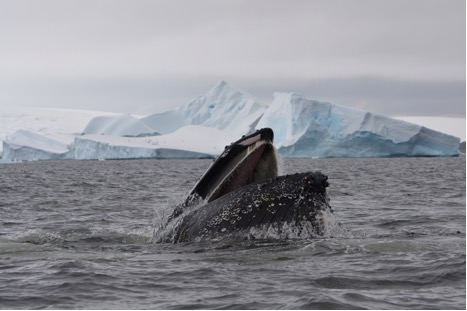
As we studied the birds, we had to watch out for the many fur seals that had joined the neighborhood, as they do around this time every year. We also saw a couple more humpback whales in the area. One playful individual made quite a commotion on the surface and was repeatedly lunge-feeding, devouring lots of krill.

Antarctica is now a part of me, and a very special part of our world. The Antarctic peninsula is one of the fastest changing places as the world’s environment changes. It will take a worldwide effort to help our planet, but every conscious decision you make to respect, recycle, and conserve will help turn the tides. I am so proud to be a part of our Detroit Zoological Society. Please walk with us down the path of sustainability. Thank you for reading and joining me on this extraordinary journey.
– Matthew Porter is a bird department zookeeper for the Detroit Zoological Society who spent the last few months at the U.S. Palmer Station in Antarctica for a rare and extraordinary scientific opportunity to assist a field team with penguin research.

Notes from the Field: Growing up in Antarctica

Greetings from Anvers Island! The front of the U.S. Palmer Station doesn’t usually have many icebergs, but this summer, the waters around the station have become something of an iceberg parking lot. The last few days have been breezy with a couple inches of summer snow, but that has not stopped us from making our rounds. Throughout the area, the seabirds are busy raising demanding chicks while humpback whales are swimming by.

The south polar skuas are just starting to hatch and we are seeing their chicks on a couple of the islands. The brown skua chicks have grown significantly. Their primary flight feathers are starting to come in and they are becoming more challenging to measure. The sneaky youngsters are often hiding behind rocks away from the nest. They are quick on their feet and run from us when we approach. The ages of the southern giant petrel chicks vary with some newly hatched and others barely fitting under their brooding parent because they’ve grown so much. Often as we walk by, we’ll see a fuzzy white head sticking out under mom or dad.

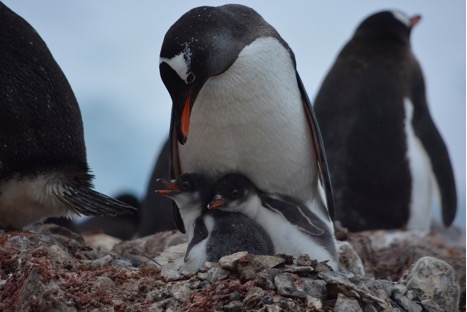
All of the penguin chicks are growing rapidly but the gentoo chicks are the smallest, with many still fairly young. These chicks are very cute; their beaks already show orange and somehow the young birds manage to stay very clean.


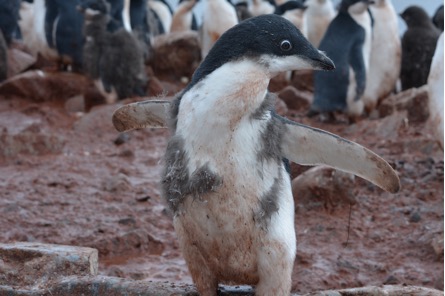
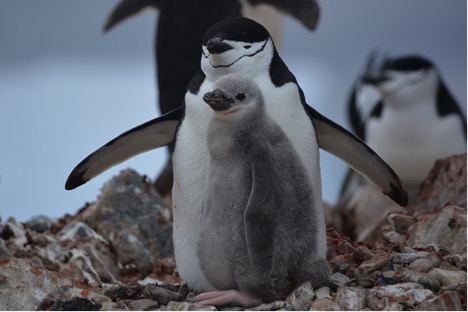
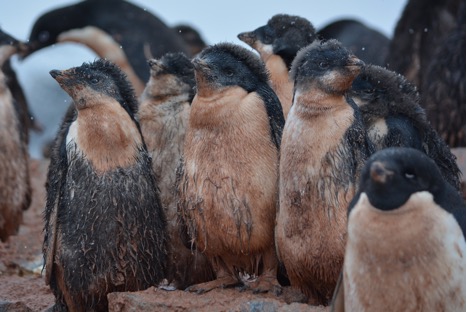
The chinstrap chicks are also tidy-looking and have grown significantly. The Adelie colonies are thinning out as the parents are spending more time out foraging. Their extremely messy chicks are forming groups called crèches. At this stage, the young birds are really starting to grow up and are willing to venture away from their nest to hang out with other chicks. The oldest chicks are in the process of molting their down and many look quite funny. They are partially covered in down with some of their first molt showing. This next generation of penguins is developing quickly, which is important as the quick Antarctic summer is flying by.

As I reflect on this wonderful journey, I continue to marvel at the purity of Antarctica’s environment. Please try your best to respect the environment wherever you are and leave behind the smallest footprint you can. We share an incredibly beautiful world and it’s all of our responsibility to protect it.

Thank you for reading.

– Matthew Porter is a bird department zookeeper for the Detroit Zoological Society and has spent the last few months at the U.S. Palmer Station in Antarctica for a rare and extraordinary scientific opportunity to assist a field team with penguin research.

Notes from the Field: ‘Iced in’ at the Palmer Station in Antarctica

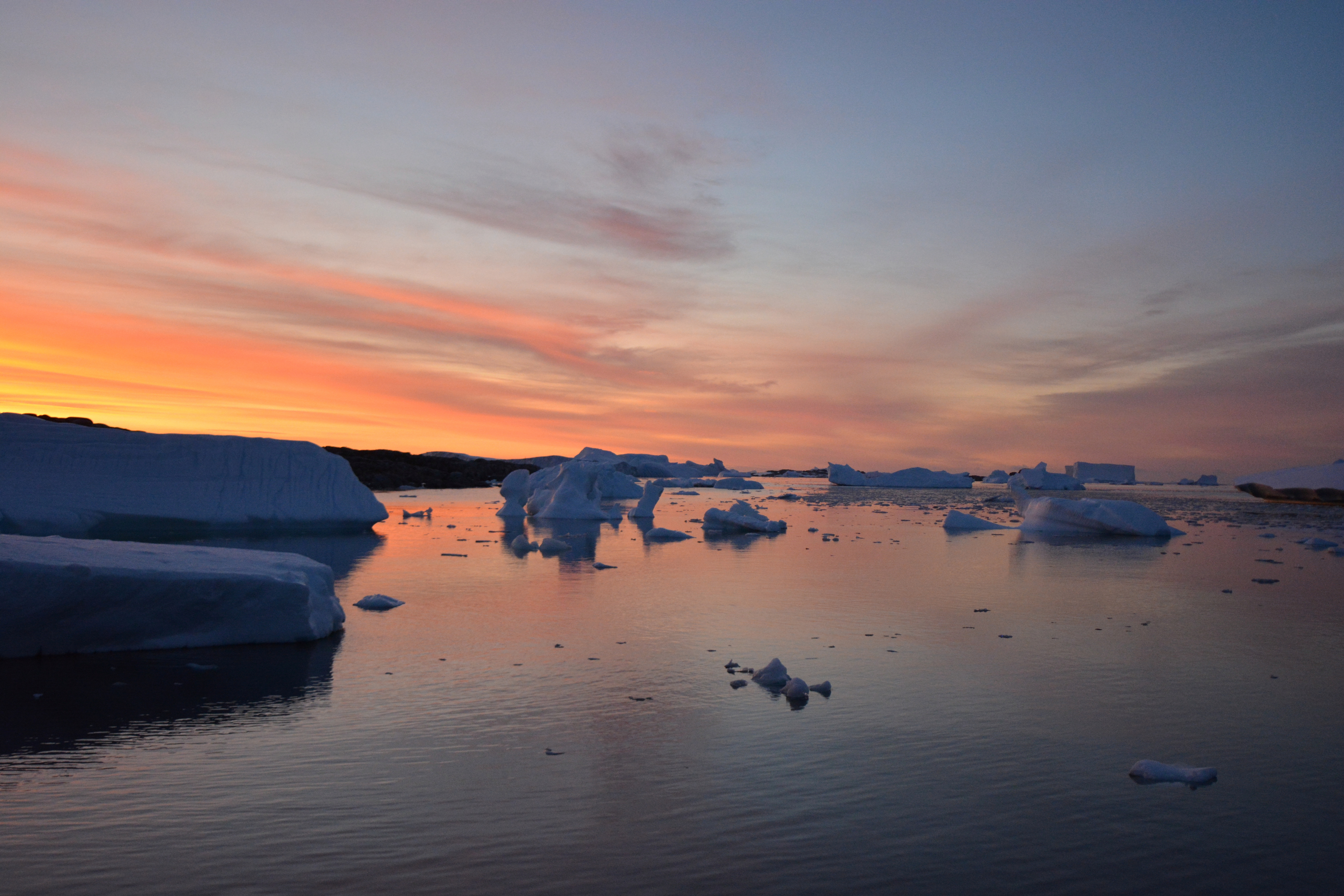
With the right wind, the harbor can go from totally clear to completely packed with large pieces of ice and glacier chunks within just a few hours, icing us in at the Palmer Station. When this occurs, we have to wait for the winds to change before we can work to clear the ice out. Being stuck at Palmer for a couple days was no problem though; it gave us time to catch up on data and paperwork and we were able to hike to a cove to do some fieldwork with southern giant petrels.

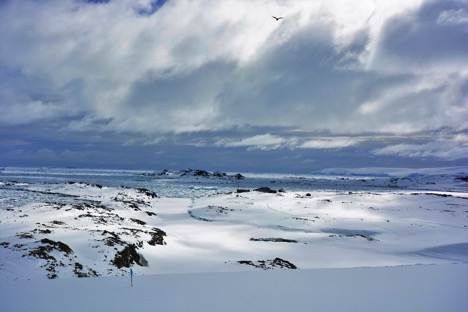
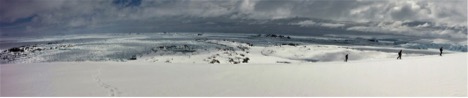
Land travel requires a lot of gear and also snowshoes, which we outfitted ourselves with before walking out into the “backyard” of the Palmer Station. We hiked up to the top of the glacier, where the views were absolutely breathtaking.

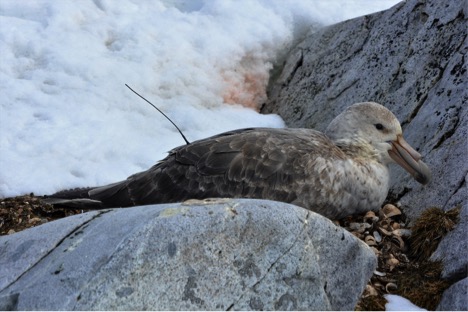
We walked around an inlet and back down the glacier over to a couple spits of land where southern giant petrels, Antarctic terns, and kelp gulls can be found. Giant petrels can have a wingspan of almost 7 feet and their eye colors vary from light to very dark, with every individual having its own unique color pattern. Many of these majestic and often very gentle birds have been banded throughout the years, and we were able to retrieve identification numbers from several of them, which will aid in the study of these birds. We were also able to outfit one of the birds with a transmitter to collect data on where the bird is travelling.

Finally, the winds shifted direction and we were able to travel by boat to continue our island fieldwork. We spent a lot of time catching up on censuses of Adelie penguin colonies – much to our excitement, many were full of parents incubating eggs! One humorous mainstay is the elephant seals that hang out around the station. Most mornings when exiting the building, there are multiple elephant seals present, which I’m told isn’t so common from year to year. We have to watch where we walk and keep our distance, giving the proper respect and privacy to all the local wildlife. In Antarctica, there are treaties and conservation acts to follow with regard to viewing wildlife, which is a good reminder of how we should treat all wildlife and wild places, no matter where we are in the world.

Thanks for reading; I will report back soon!

– Matthew Porter is a bird department zookeeper for the Detroit Zoological Society and is spending the next few months at the U.S. Palmer Station in Antarctica for a rare and extraordinary scientific opportunity to assist a field team with penguin research.

Notes from the Field: Antarctica Fieldwork Begins

The first day in the field was an absolute dream come true for me. After an early breakfast and an intense look at the weather, we collected our gear and got dressed for a day of fieldwork. We dressed in layers to protect ourselves from the harsh environment and the potentially soaking boat ride. During my time in Antarctica, we will travel by boat to many islands to study different colonies of birds. The weather can change in a heartbeat, with strong winds bringing rough seas and treacherous ice drifts, so we need to be prepared.

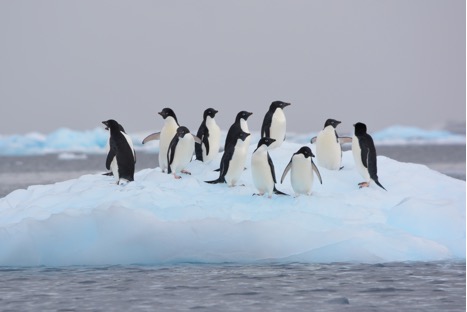
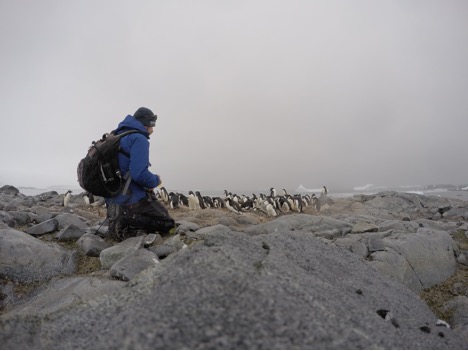
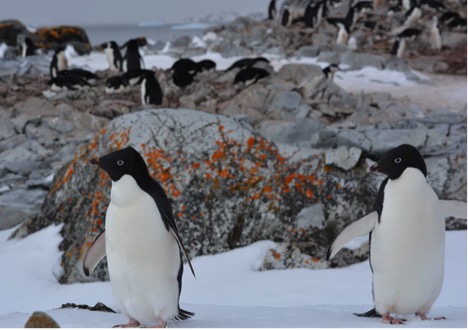
We headed out to a nearby island, which has multiple colonies of Adelie penguins. We tied up the boat and proceeded to count birds and collect data. I was speechless staring at a colony of these penguins and the pure beauty of nature – some birds were working on building nests out of rocks and others already had eggs – Adelie penguins generally lay a clutch of two. It is fascinating watching the birds work on their nests and interact within the colony.

Another bird of note in this region is the brown skua, a good-sized bird that will nest up on rocky ledges around the penguin colony. They often lurk on the edges of the colony waiting for an opportunity to steal eggs. Their strategy works well and they certainly get their fair share of Adelie eggs.

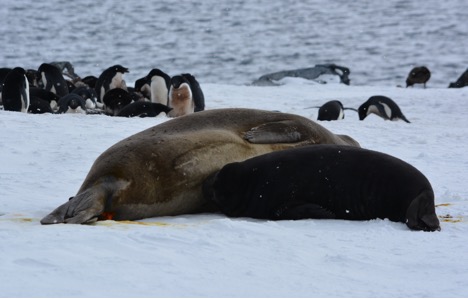
Near another Adelie colony, we spotted a southern elephant seal nursing her pup. There are many southern elephant seals in the area – the females weigh close to a ton while full grown males may weigh as much as 4 or 5 tons! Antarctica is a magical place that surrounds you with beautiful, pristine nature.

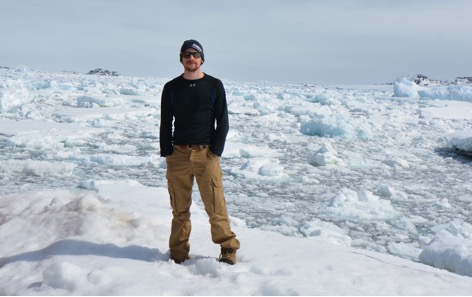
Throughout the week we have visited multiple islands surveying the birds and taking data. The conditions have been good with temperatures around freezing, with snow and rain mixed in. Thankfully the high winds tend to hold off until the evening, allowing us to get our work done. While I’m known at the Detroit Zoo for wearing shorts year-round, here I am wearing pants. What can I say – it’s Antarctica!

Thanks for reading; I will report back soon!

– Matthew Porter is a bird department zookeeper for the Detroit Zoological Society and is spending the next few months at the U.S. Palmer Station in Antarctica for a rare and extraordinary scientific opportunity to assist a field team with penguin research.

Notes from the Field: Arriving in Antarctica

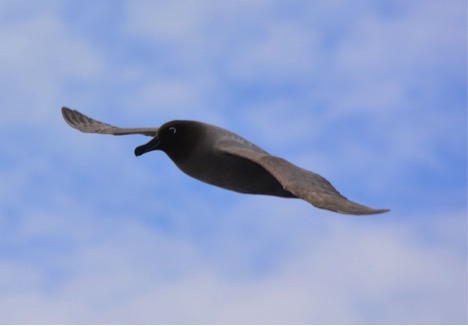
Reporting back from blue water. We experienced some rain, but only light winds as we sailed through the infamous Drake Passage, offering us the “Drake lake” not the “Drake shake”! Throughout the Passage, many more feathered companions greeted us including Wilson’s storm petrels, slender-billed prions, light-mantled albatross and more. The light-mantled albatross is a majestic flyer that glided around our boat effortlessly.

antarctica 1

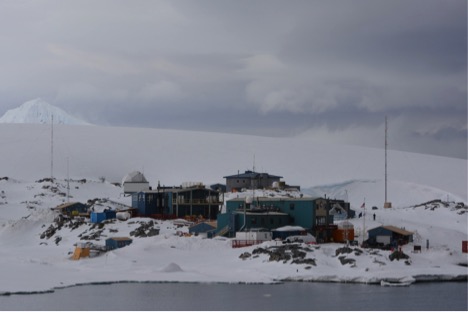
During our fourth evening on the boat, icebergs and pieces of ice started to consistently drift by while the rain changed to snow. We were getting close! By early afternoon on day five, the boat entered the 16-mile-long Neumayer Channel, which is a breathtakingly gorgeous passage. We cruised through incredible snow-covered cliffs, while icebergs of varying beautiful hues of blue floated past us. A couple ghost-like snow petrels made an appearance. Snow petrels are a pure white bird with black eyes and a black beak and are found in southern Georgia and Antarctica. We eventually passed Port Lockroy, which has a British research base and the nearest post office. Then, in the clearing as the clouds parted slightly, we could see a small collection of buildings: the U. S. Palmer Station and my home for the next couple of months.

Antarctica 2

A handful of gentoo penguins came to the edge of the ice to greet us while we were landing the boat. It was nice to feel the hard ground under our feet after the wonderful five-day voyage. Since we landed in the evening, we hung out for a while at the station, meeting the very friendly current residents and then headed back to the boat for the night. The following morning, we got right to work unloading our gear, followed by a half-day of orientation. After orientation, I found my way down to a small hut, which is known as the “birders” office. The “birders” is a station nickname for our group that does bird research. I am joining three fantastic, expert field biologists to do field work/research on gentoo, adelie, and chinstrap penguins, southern giant-petrels, brown skuas and more. Much of the work involves long-term ecological studies and is associated with figuring out the bird’s relationship to and impact from climate change. This work is overseen and guided by the principal investigator, the world-renowned polar ecologist Dr. Bill Fraser, who also consulted with the Detroit Zoological Society (DZS) on the design of the new Polk Penguin Conservation Center, a spectacular facility under construction at the Detroit Zoo.

antarctica 3.jpg

Also while I’m down here, I will be able to absorb knowledge that can be brought back to the Detroit Zoo’s already expert penguin staff. Conservation and animal welfare are priorities of the DZS and this incredible opportunity will allow us to continue to improve the already excellent welfare we ensure for animals. The Detroit Zoo, home to the Center for Zoo Animal Welfare, is known internationally for our animal welfare program, and we are always challenging ourselves and our industry to continue improving. Starting tomorrow, I will jump into the field and will report back soon. Thank you for reading!

– Matthew Porter is a bird department zookeeper for the Detroit Zoological Society and is spending the next few months at the U.S. Palmer Station in Antarctica for a rare and extraordinary scientific opportunity to assist a field team with penguin research.