Notes From the Field: Conserving Common Terns

Paul Buzzard, Ph.D., is the director of conservation for the Detroit Zoological Society.

Since 2007, the Detroit Zoological Society Photo by Cher Fajardohas been working to restore the population of common terns on the Detroit River, and more recently on Lake St. Clair. DZS staff monitor, improve and create suitable nesting habitats respectively on Grosse Ile, Belle Isle and the restored lighthouses on Lake St. Clair through a partnership with the Save Our South Channel Lights organization. Each year, staff members also attach colored leg bands to common tern chicks to monitor their movements in the Great Lakes.
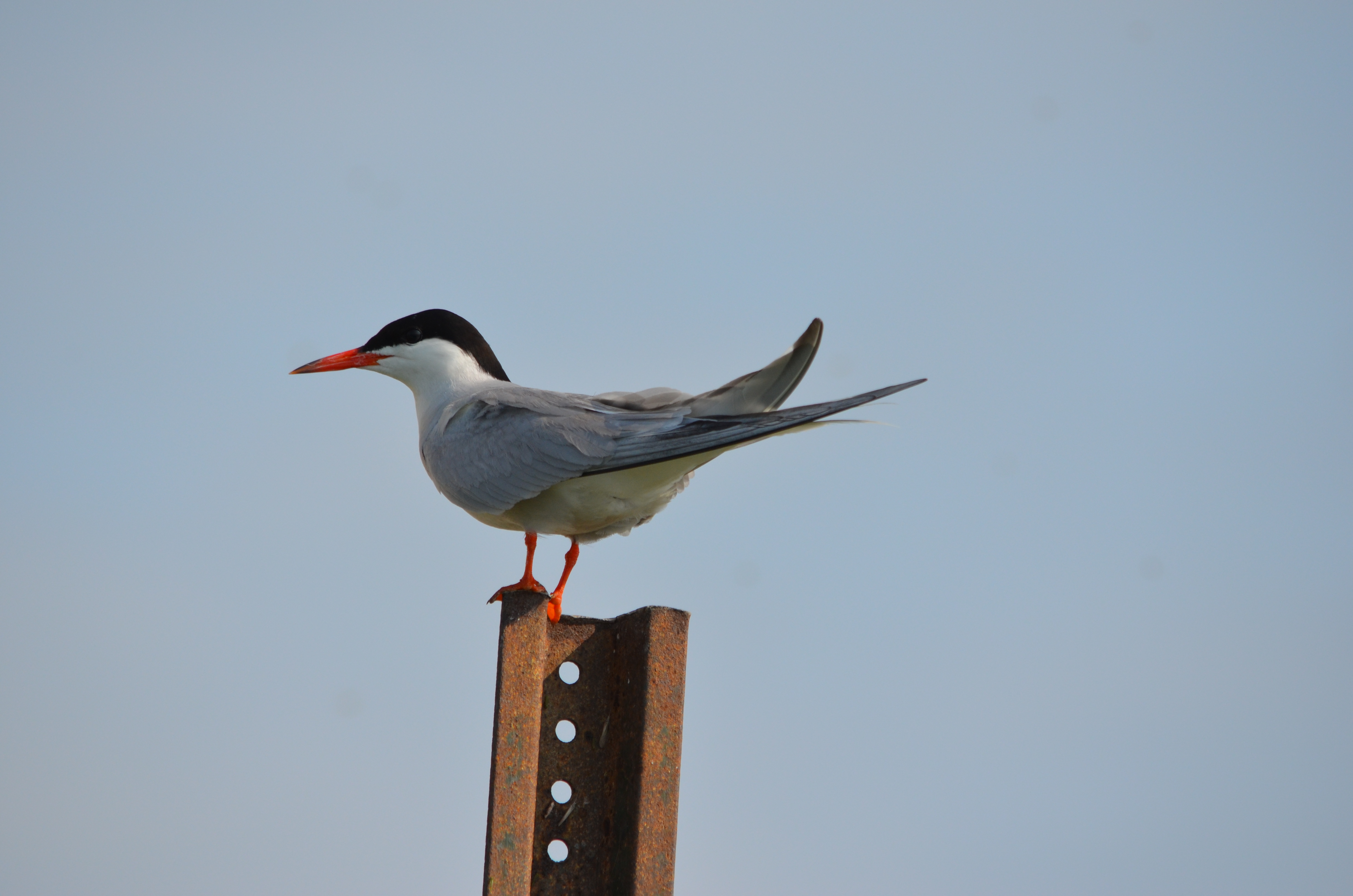
Photo by Cher FajardoIn early July, several staff members successfully attached leg bands to more than 30 chicks at one of the lighthouses on Lake St. Clair. Gathering the flightless chicks is a hazardous time for staff as the adult terns swoop down to protect their young. Amid the squawking adult terns, DZS staff quickly and gently placed several chicks at a time into small holding corrals. Other staff then attached leg bands promptly and efficiently to avoid undue discomfort to the chicks. The chicks were then released close to where they were collected to avoid additional stress. A total of 118 chicks have been banded by DZS staff over the last two years.

This year, with water levels especially high Photo by Cher Fajardoin the Great Lakes, some common tern nesting sites have been flooded out. Thus, the nesting sites at the Lake St. Clair lighthouse and also on Belle Isle are particularly important. DZS staff have improved the habitat at both of these areas by clearing vegetation and, in the case of the Belle Isle colony, establishing a predator-proof fence. So far this season, two common tern chicks have fledged (reached sub-adulthood) at Belle Isle. In addition, the first chick from Belle Isle was banded. In the past several years, only one common tern chick has fledged at Belle Isle.

This year’s high water has also delayed the life cycles of many animals – including common terns – and more than 100 eggs still remained to hatch when we banded the first chicks on July 1. DZS staff will continue banding and monitoring to enhance common tern conservation.

– Paul Buzzard

Veterinary Care: Return of the Osprey

Dr. Ann Duncan is the Chief Veterinarian for the Detroit Zoological Society.

In 1998, the Detroit Zoological Society (DZS) Ospreystarted providing veterinary assistance as part of a collaborative effort to reintroduce ospreys, a fish-eating raptor, to southeastern Michigan. The Department of Natural Resources, Kensington Metropark, the DZS and DTE worked together to help this majestic species return to the area after being impacted by use of the pesticide DDT. Ospreys had historically been found in our area, but there were no known nesting pairs in southeast Michigan when the project was initiated.

Between 1998 and 2007, osprey chicks were brought down from northern Michigan, raised in elevated platforms on lakes and released at Kensington Metropark, Berry County and Stony Creek Metropark. All chicks were banded so that they could be identified by a network of volunteers and biologists devoted to their monitoring and recovery. At the end of the summer, these chicks then migrated to their winter grounds in South America and, after reaching maturity returned to the place in southeastern Michigan where they fledged, or began flying and feeding on their own. The first chick returned in 2002, and numbers have increased steadily since that time.

This year, there are more than 30 nesting pairs in southeast Michigan, most choosing to nest in cell towers. There is now a self-sustaining population of ospreys in the southern half of the Lower Peninsula. Beginning last year, funding was secured to fit a few of the chicks with backpack transmitters that send a GPS signal and allow the birds’ migration patterns to be tracked.

Ospreys - Banding at KensingtonThe DZS was initially involved in helping to feed and care for the chicks in the towers; we spent time monitoring the chicks in their nests and providing food, nutritional supplements and veterinary care. Now that we are no longer moving osprey chicks from northern Michigan, our involvement is limited to conducting exams and collecting blood samples for health monitoring and gender determination of the chicks produced by our now resident ospreys.

Over the years, the chicks have generally been incredibly healthy and robust. A few have been slightly dehydrated and some have had parasites, but none have had serious medical issues. It’s been incredibly rewarding to be a part of this successful reintroduction program. The biologists and volunteers involved in this effort are talented and dedicated to the success of this wonderful native Michigan bird.

– Dr. Ann Duncan


Veterinary Care: Martens in Manistee

Dr. Ann Duncan is the chief veterinarian for the Detroit Zoological Society.

One of my favorite things to do is assist with work in the field. It is very rewarding to be able to use our veterinary expertise to help animals succeed in their natural habitat. This month, I and Dr. Wynona Shellabarger each had the opportunity to spend a few days near Manistee in northern Michigan, assisting with health assessments of free-ranging martens.

The American pine marten (Martes Americana) is an important carnivore species that was originally found throughout most of our state. Habitat loss and overhunting led marten populations to drop to zero by the early 1900s. In 1986, the U.S. Forest Service and Michigan Department of Natural Resources reintroduced 36 martens into the Manistee National Forest. Early monitoring of the released animals indicated that the population was not expanding as expected. Professor Paul Keenlance from Grand Valley State University has been leading research efforts to better understand this group’s habitat range and preferences, breeding success, and the distribution of their young, known as kits.

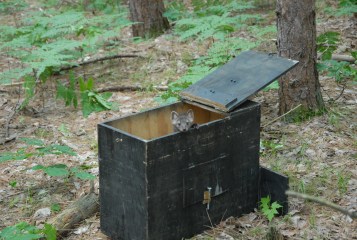
His research team is also working to better understand what they eat and to determine the degree of genetic diversity. The Detroit Zoological Society’s (DZS) participation is in support of the work Dr. Maria Spriggs from Busch Gardens is leading to assess the overall health of the Ann Duncan - Martenpopulation. To conduct this research, the martens are captured in what are known as Hav-A-Heart traps – which are humane traps that close in such a way that they do not harm the animal. The traps are set carefully to ensure that martens have a nice snug spot. We cover each trap with pine needles and leaves for warmth and nest building, and put large pieces of bark on top to protect them from rain and snow. We also place meat bait and grapes in each trap so that they have a snack and a source of water.
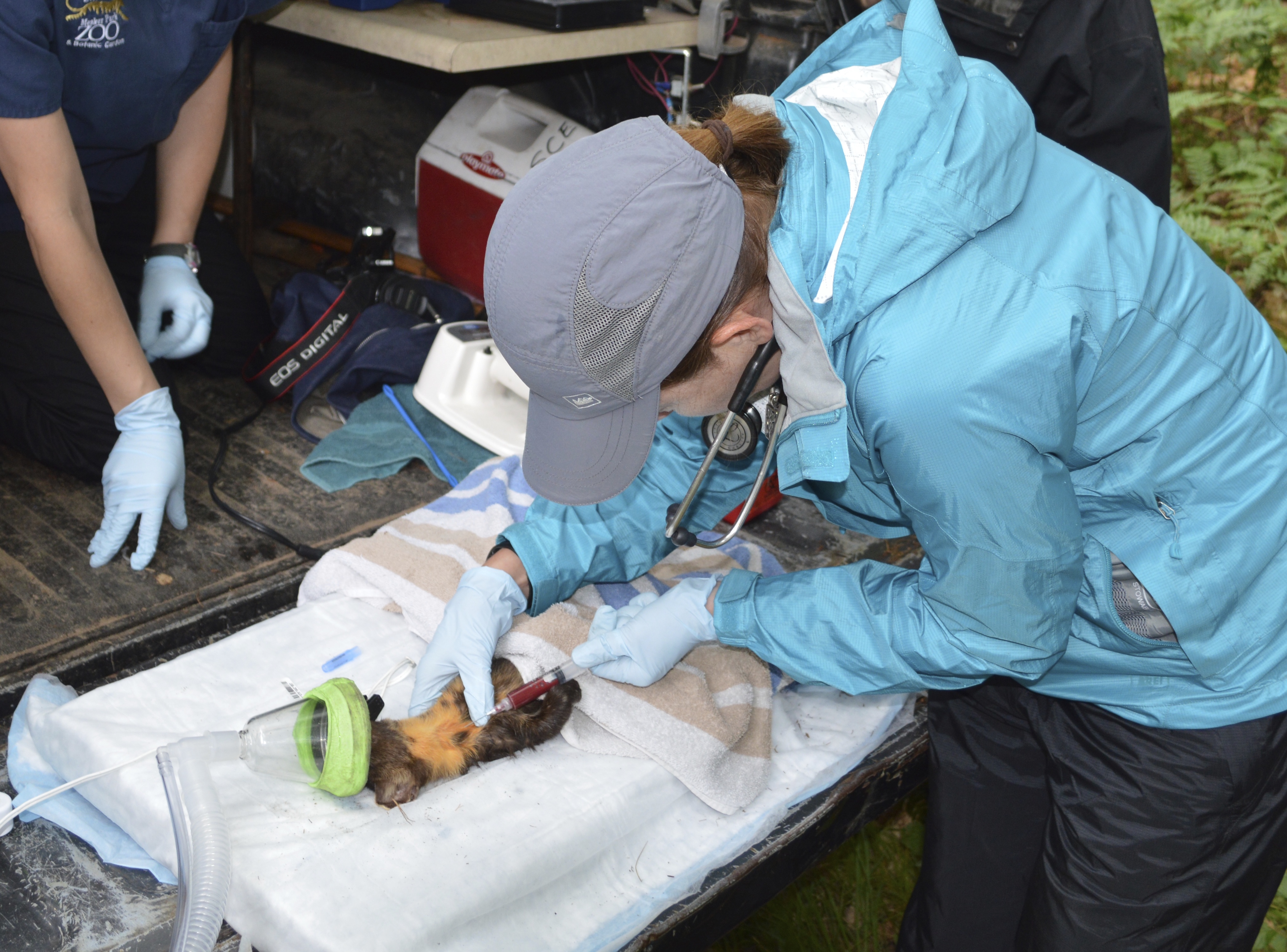
Our visit this spring marked our fifth trip to the field site. A typical day in the field starts at 7 a.m. because we want to make sure that any martens that have been captured do not have to wait long. Each trap is marked on a map with GPS coordinates and we drive from one trap to the next. Empty traps are restocked with bait and grapes as needed.

Ann Duncan - martenIf we catch a marten, things get very exciting. Each marten is given anesthetic gas with a face mask to allow an examination. During the procedure, we measure several parameters to ensure that anesthesia is safe and smooth. We measure body temperature to make sure martens are not too cold or hot. Next, we collect a body weight, perform a thorough physical exam, check the teeth to determine age and check for ticks and fleas. We collect urine, feces and hair samples, and collect blood for an overall health panel and to determine exposure to viruses. Lastly, each marten is fitted with a GPS collar. The DZS provides GPS collars that are able to provide a location every 15 minutes to an hour for many months.

During a typical week, we usually catch between five and 10 martens. Each capture expands our understanding of these amazing creatures. The information that has been gathered so far has lead to changes in the management of the forest in which they live, and will be used to inform decisions about marten protection in the future.

– Dr. Ann Duncan

Notes from the Field: Saving the Partula Snail

Paul Buzzard, Ph.D., is the Director of Conservation for the Detroit Zoological Society.

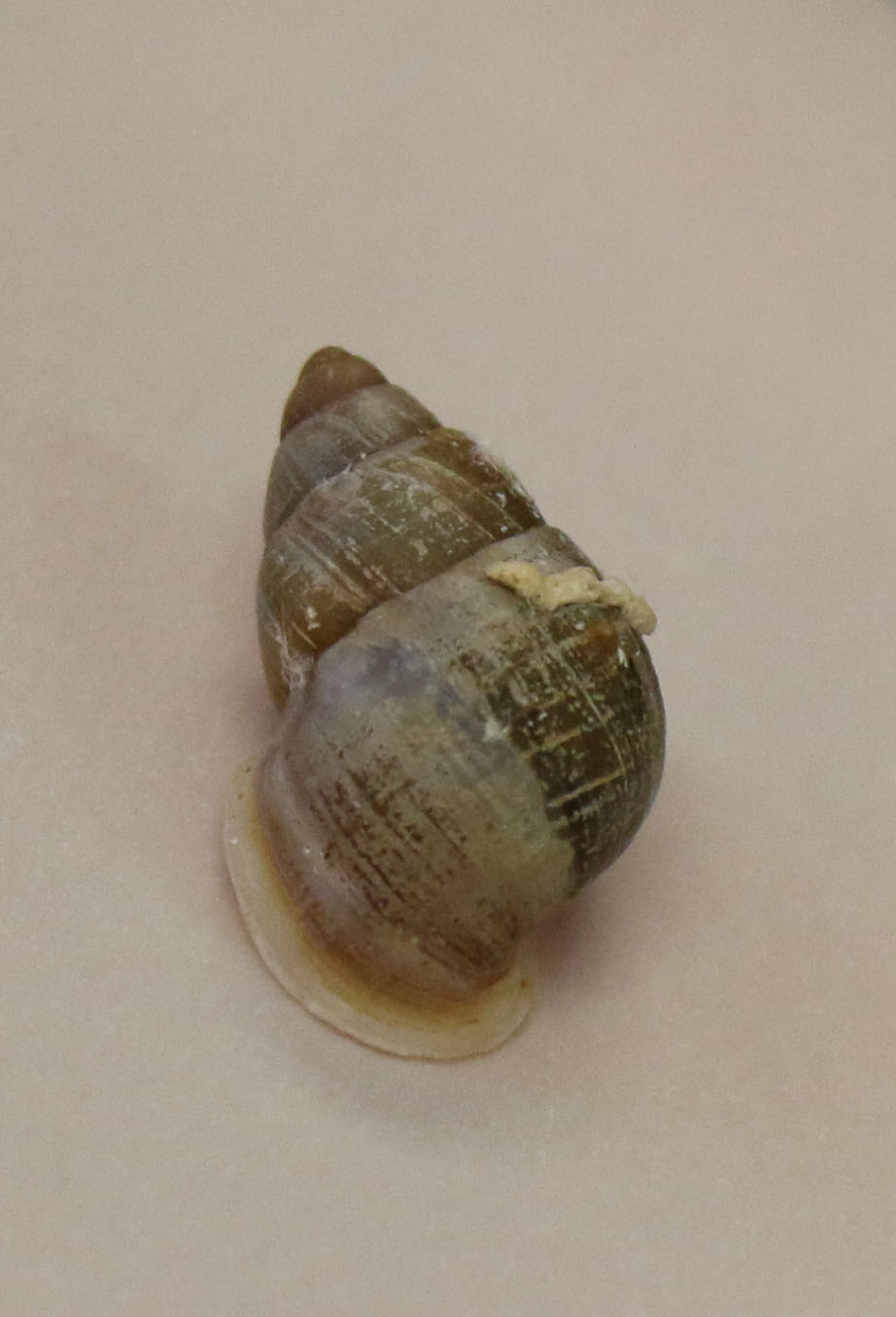
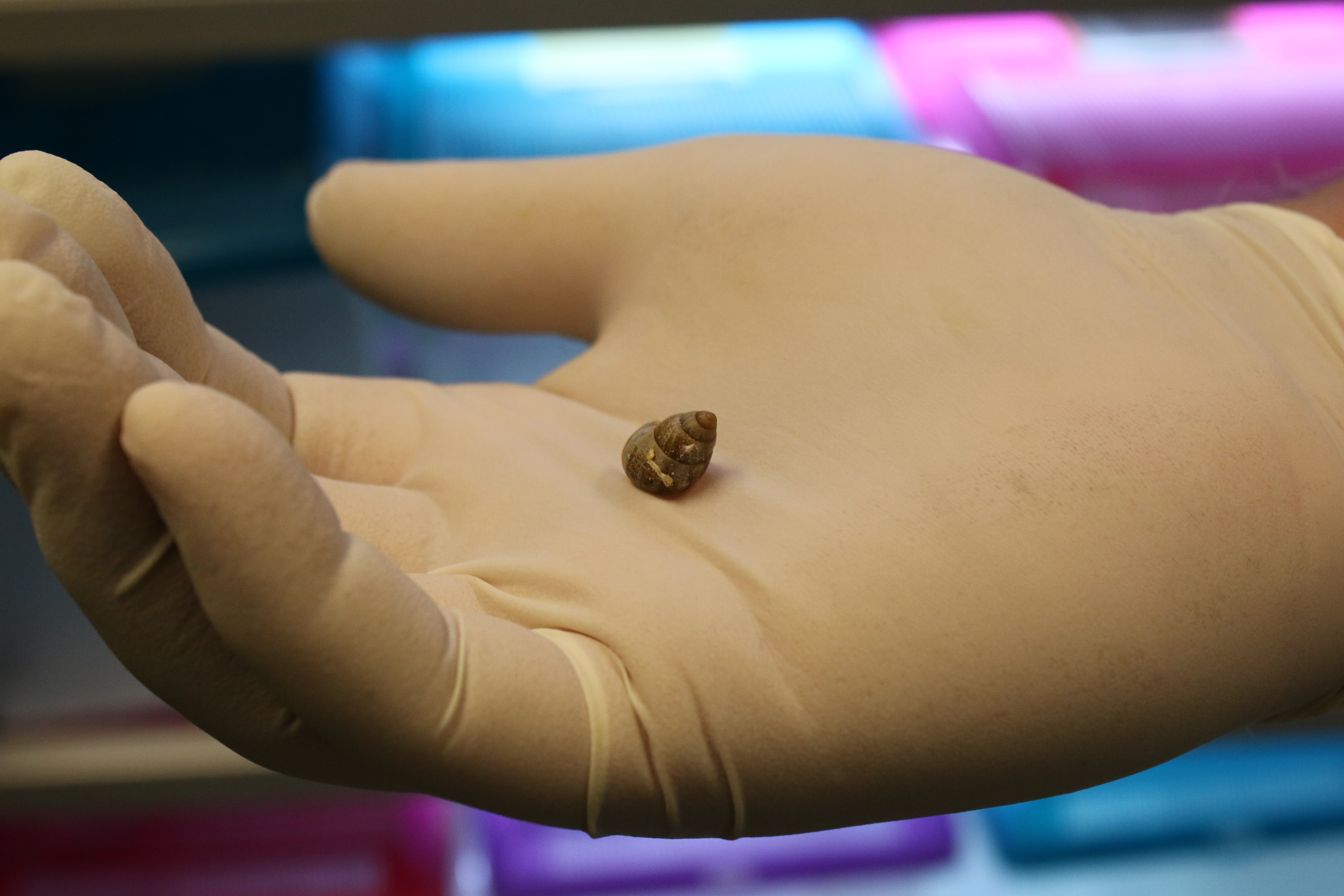
For nearly three decades, the Detroit Zoological Society (DZS) has been breeding a species of Tahitian land snails called Partula nodosa in an off-exhibit area as part of a collaborative effort credited with saving the species from extinction. Recently, 100 of these snails were carefully packaged and delivered to Detroit Metropolitan Airport to embark on a very special trip, returning the species to the tropical island of Tahiti in the south Pacific.Partula Snail - Jennie Miller

Beginning in 1989 as a project with 115 Tahitian land snails of five different species, the DZS focused its efforts on one species, P. nodosa. At one point all the P. nodosa in the world lived at the Detroit Zoo. Our efforts and successful breeding of the snails resulted in the rescue and recovery of the species – currently there are 6,000 individuals living in North American zoos, all descendants from the Detroit Zoo’s original small group.

P. nodosa snails are interesting because along with other Partulid snails, they were once found across Tahiti and other south Pacific islands in a dazzling array of more than 125 different species. These beautifully striped snails were important in the ceremonial jewelry and decorations of native islanders, and the snails served as an ideal study group to learn more about the evolution of diversity.

Partula Snail - Jennie MillerMuch of the Partulid snail diversity was lost however, because of a botched attempt at what is known as “biological control”, or the control of a pest by the introduction of a natural enemy or predator. In 1967, giant African land snails were introduced to Tahiti and other south Pacific islands to serve as a source of protein for local people. However, some African snails escaped, bred very rapidly, and began eating farmers’ crops, threatening the local economy. To control the African snails, Florida rosy wolf snails were introduced a decade later, but the wolf snails preferred to eat the Partulid snails, which caused the extinction of many of the Partulid species.

Thankfully, before complete extinction, P. nodosa snails were placed at several zoos including the Detroit Zoo, where they’ve been maintained off-exhibit in a collaborative effort of the Bird, Reptile and Amphibian departments. Now that the captive population has grown sufficiently and a protected area has been established on Tahiti, we can officially say that this species has been saved.

– Paul Buzzard

Notes from the Field: Blood Moon in Peru

Hola mis amigas y amigos!

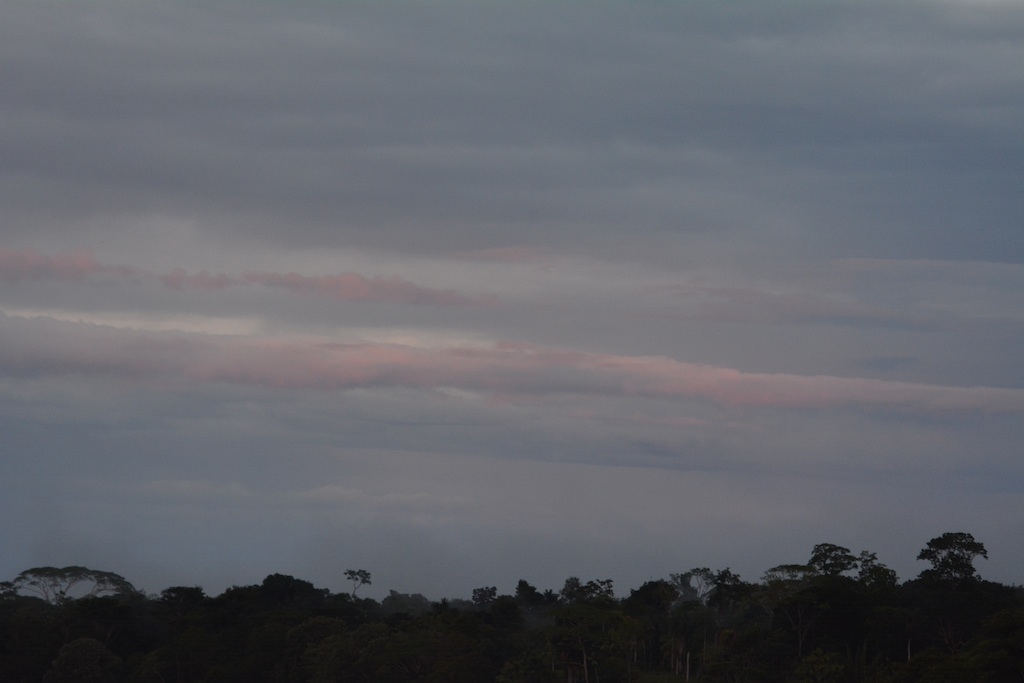
I’m nearing my last days in Peru but I couldn’t have ended on a more delightful note – the lunar eclipse was amazing!  We had a late night observing frogs the evening before and slept a couple of hours before we were back out on the river at 3 a.m.  The morning began with clear skies and the moonBlood Moon was completely visible until 5 a.m., when clouds came in and threatened to ruin our view. We waited for them to dissipate, but it never completely happened.  About 5:50 a.m., we couldn’t see anything so we ended up using a compass to determine where the moonset should occur and watched.  All of it paid off as the reddish hue was projected beautifully for about 30 seconds! The next one isn’t until September, so I was very grateful to have seen this one.

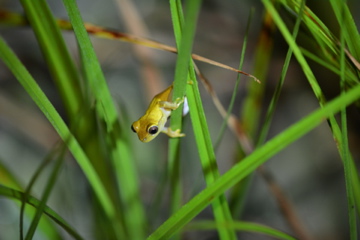
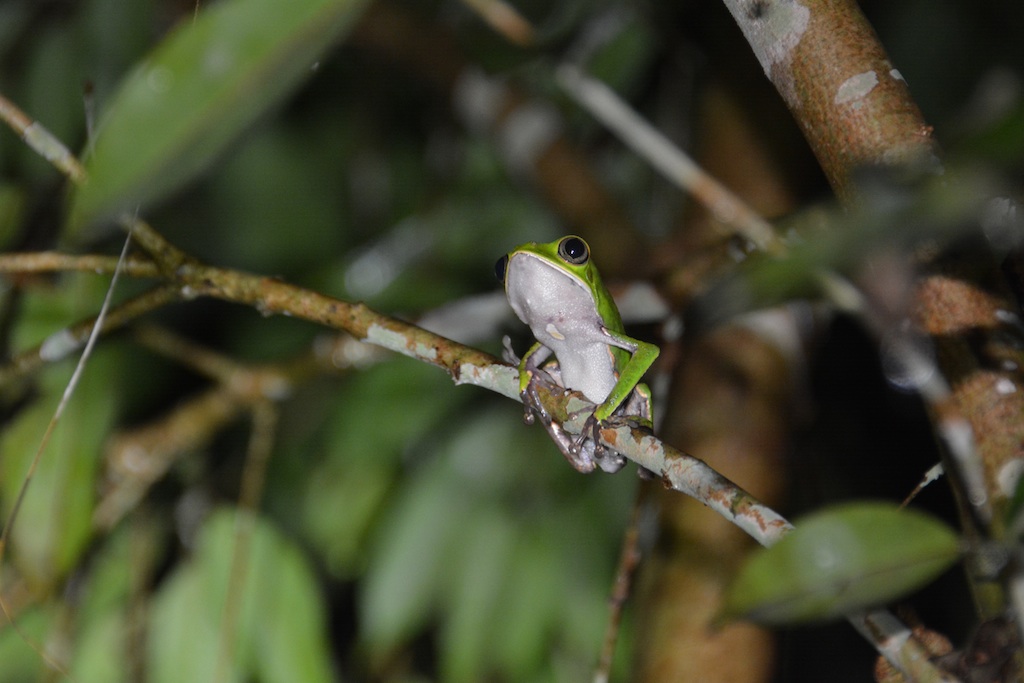
Marcy - PeruThroughout the remainder of the day, we had several electrical storms making for a beautiful night. Once the weather subsided, everything was out in full force: frogs, insects and birds were all calling. One of my favorites here are the Phyllodmedusa species, basically long-legged tree frogs. They are stunning and very interesting to watch as they navigate high in the canopy.

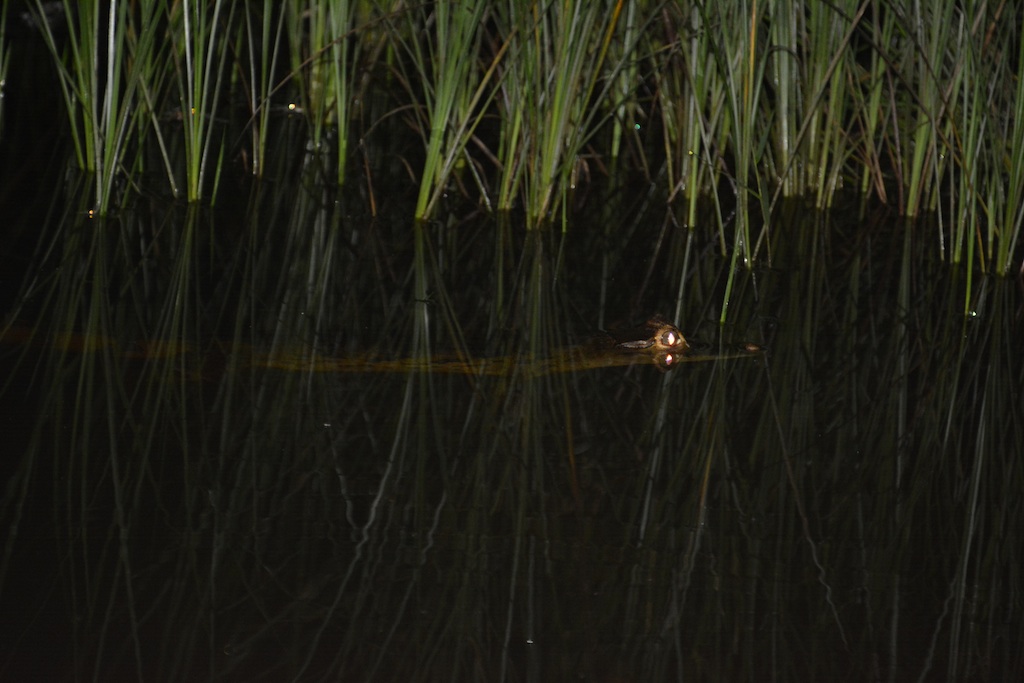
Caiman

Sometimes observations aren’t easy – when you hear calls there is always a strong desire to find what you are listening to. This occasionally leads to us sharing the water with other animals that are also looking for what is calling – more for a feast then to admire its beauty and log for data collection. Although the storms came back, we were still able to squeeze in another four hours of observations before having to call it quits for the night.

Early the next morning, we awoke to the pleasant call of other early risers (or late nighters).  A wonderful way to wrap up another season!  Until next time… Saludos!

– Marcy Sieggreen

Editor’s note: Marcy Sieggreen was the curator of amphibians for the Detroit Zoological Society from 2008 until her passing in 2016. The Detroit Zoological Society established the Sieggreen Amphibian Conservation Fund in Marcy’s memory to continue to advance the work she so passionately championed.

Animal Welfare – Blanding’s Turtles

Stephanie Allard, PhD. is the Director of Animal Welfare for the Detroit Zoological Society and oversees the Center for Zoo Animal Welfare.

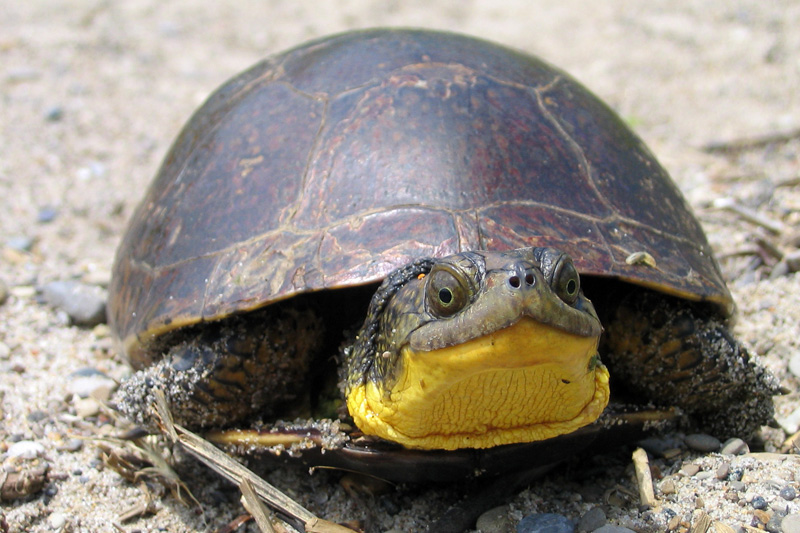
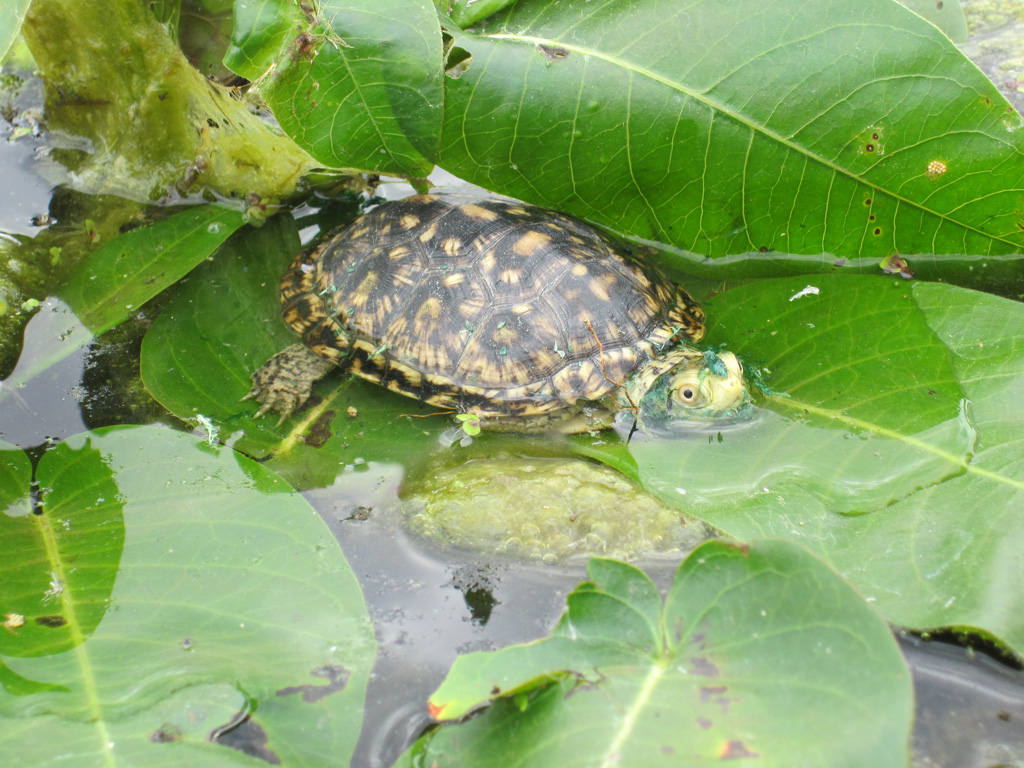
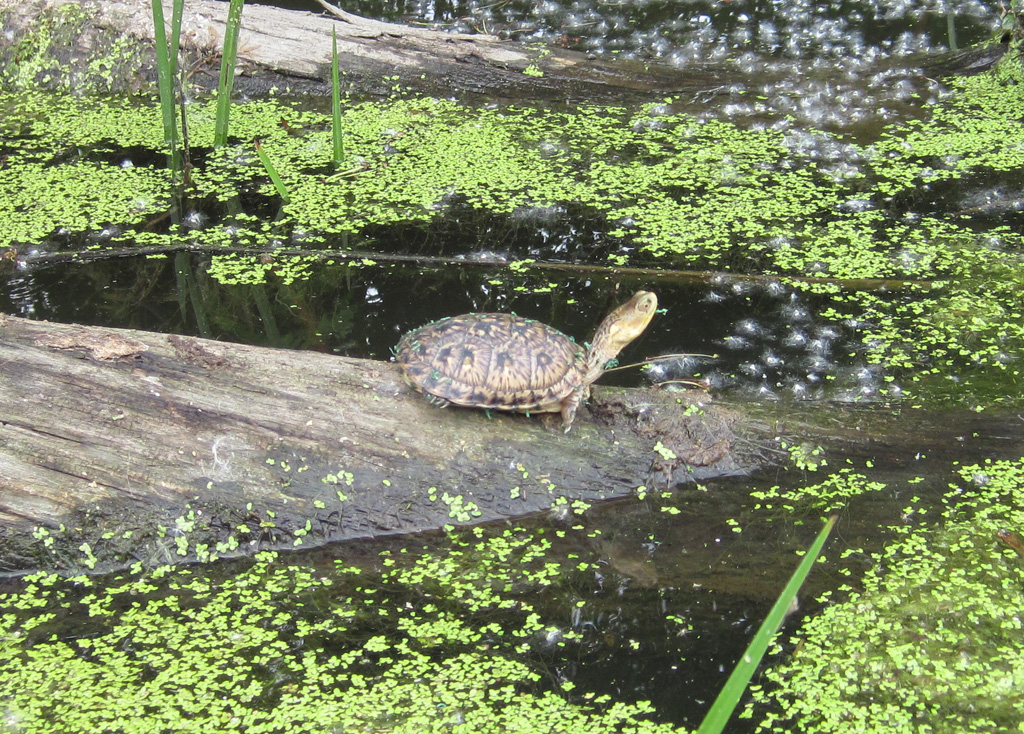
Part of the Detroit Zoological Society’s (DZS) mission is to demonstrate leadership in wildlife conservation and animal welfare. This includes taking a compassionate approach to conservation projects. Often, conservation actions, such as programs that reintroduce animals into wild habitats, are more focused on protecting species or populations, and this can come at a cost to Blanding's turtleindividual animals. For some species, personality traits may be linked to survival success when animals are returned to the wild. Therefore, we designed a study to look for personality traits in Blanding’s turtles, a species of special concern in the state of Michigan that the DZS has been helping to reintroduce into the wild.

In this study, turtles are hatched and raised at the Detroit Zoo and are released when they reach a size that would make them less likely to be killed and eaten by raccoons and other predators. Some of the turtles are fitted with GPS trackers prior to being released so their movements can be followed.

Blanding's turtleThe goal of the personality project was twofold: First, we hoped to uncover personality traits in the turtles, as little animal personality research has focused on reptiles. The 24 turtles selected to wear trackers underwent simple behavioral tests to determine how likely they were to explore, acquire food, and how they responded to seeing themselves in a mirror which can tell us about their reaction to other turtles. Preliminary results of the behavioral tests suggest that several personality traits may be present in the turtles, including boldness and exploration.

Blanding's turtleThe next step will be to use the information shared with us by the field biologists to see if personality traits had any impact on how well each turtle did during the year following their release. This kind of information could help to make the best possible decisions when deciding where to release individual turtles in order to maximize their success in returning to the wild.

– Dr. Stephanie Allard

Notes from the Field: Amphibians in Peru

Hola mis amigas y amigos!

I am still in Peru, though my colleague, Paul Buzzard, director of conservation for the Detroit Zoological Society, has returned home. This time of year is high water season, which means that everything is a little different, as animals seek out and share the only dry areas that they can find. This includes snakes, which means they tend to be closer to human living spaces. It’s important to us that we educate people about snakes and explain why they are an important part of the ecosystem. We want to impart that snakes are not to be feared, but rather respected.

The high water doesn’t seem to be negatively affecting anything; however, it is still rising at a steady pace, nearing that of the historical levels set in 2012. Amphibians seem content and in mass abundance near islands that we regularly monitor. When I was here in November, I noticed that few amphibians were seen during the day.  This time, in one of the areas that we frequent, we saw many during the day and very few at night. We also noticed very few insects, which is good for us but bad when you are looking for frogs. It’s hard to narrow down what may be the cause, since so many were found during the daytime.

This weekend there will be a partial eclipse, which is the first one I will experience in the last six years of my travels here. I am looking forward to observing any change in behavior or patterns amphibians may show. Stay tuned… buenas noches!

-Marcy Sieggreen

Editor’s note: Marcy Sieggreen was the curator of amphibians for the Detroit Zoological Society from 2008 until her passing in 2016. The Detroit Zoological Society established the Sieggreen Amphibian Conservation Fund in Marcy’s memory to continue to advance the work she so passionately championed.

Notes from the Field – Bats and Frogs in Peru Part II

Buenos dias from Lima, Peru.  I’ve been here for two weeks with the Detroit Zoological Society’s curator of amphibians, Marcy Sieggreen, to visit the sites being used for our amphibian conservation studies and to investigate the potential for bat conservation projects. It’s been a wonderful and productive trip.

One of our last trips into the rivers and flooded forests started with a little drama but thankfully ended well:  It was 6 a.m. and the sun was rising when Marcy and I climbed into the dug-out canoe with our local guide. These dug-out canoes are carved out of single tree trunks, and they ride very low in the water. I also knew from previous experience that these canoes often let in a little bit of water. But this was a little more than “a little” and right after we left the dock, I informed our guide that a pretty steady stream of water was coming in. He and Marcy laughed and told me to finish my coffee and start bailing out water, which I promptly did. But as the water rose to several inches, we decided it best to turn around and made it back before a morning swim with the piranhas.

We soon found another boat and continued our trip into the forest and observed squirrel monkeys and dusky titi monkeys feeding in the trees. Since I’d already seen both the saddle-backed and black-mantled tamarin monkeys, I was thrilled to see a total of four monkey species during the trip. I also consistently saw new bird species such as the hoatzin – interestingly, the young chicks have claws to climb in trees. We also saw a variety of other interesting wildlife such as tree iguanas, snakes, and three-toed sloths.

I had the chance to join Marcy on some boat trips just after sunset to look for frogs at the edge of rivers/lakes and in floating vegetation. We saw so many that Marcy could barely keep up her documentation as we called out the frogs we saw.  We saw some fishing bats on these trips too.

I also had the chance to meet with a Peruvian bat researcher to discuss a potential collaboration in bat conservation projects.  We had a great meeting, and I think there will be opportunities to get baseline data on bat diversity and the importance of bats as seed dispersers.

– Paul Buzzard, Ph.D., is the Director of Conservation for the Detroit Zoological Society.

Editor’s note: Marcy Sieggreen was the curator of amphibians for the Detroit Zoological Society from 2008 until her passing in 2016. The Detroit Zoological Society established the Sieggreen Amphibian Conservation Fund in Marcy’s memory to continue to advance the work she so passionately championed.

Notes from the Field: Bats and Frogs in Peru

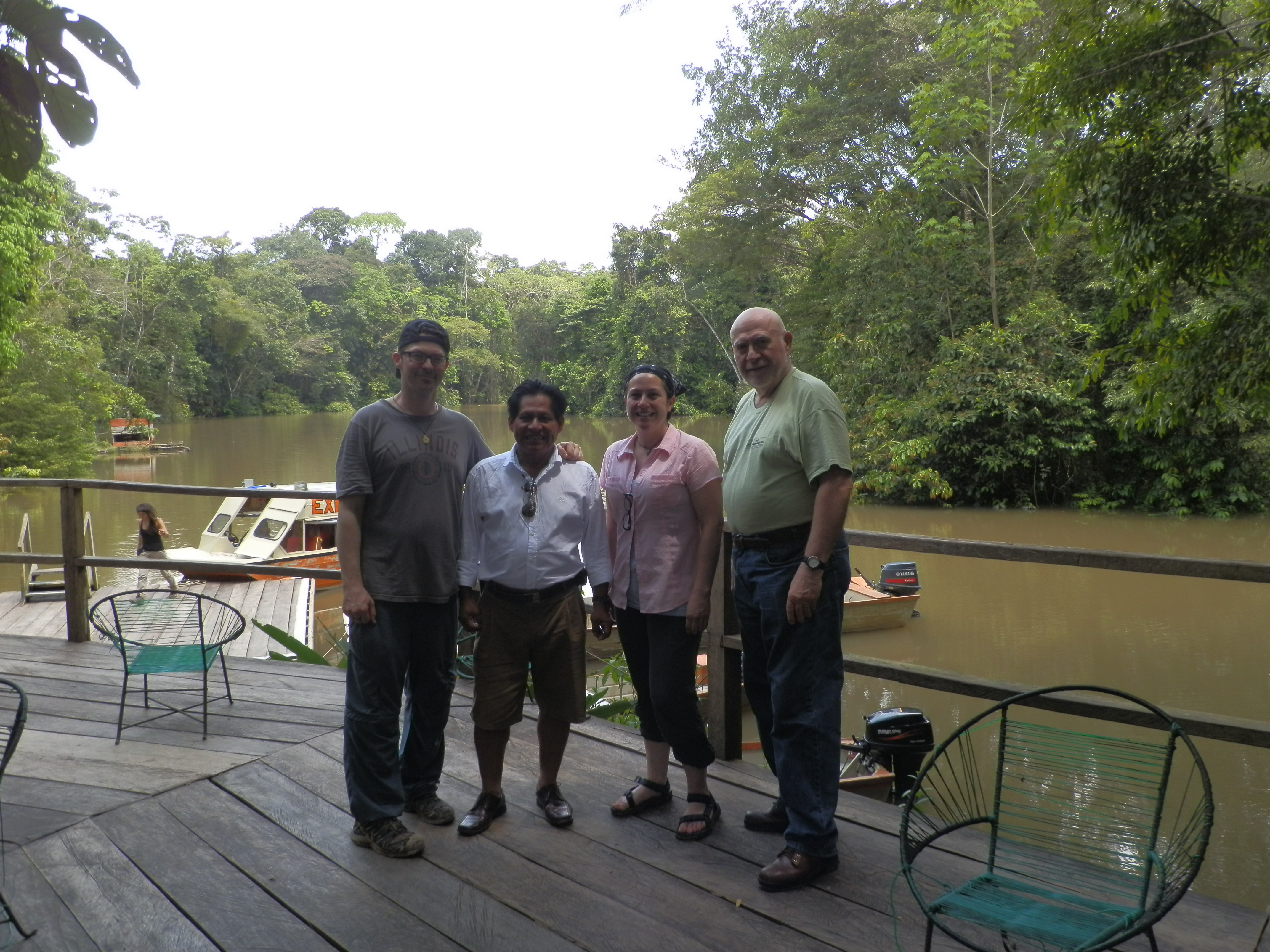
Buenos dias from northeastern Peru. Paul and Marcy in PeruI’ve been here for several days with Marcy Sieggreen, the Detroit Zoological Society’s Curator of Amphibians, to investigate the potential for bat conservation projects and to see the sites being used for our amphibian conservation studies. There was a quick turn around from my work with snow leopards in China – I left Detroit less than a week after returning from the chilly mountains of China, so I was looking forward to the 80-degree temperatures of the tropics. I was thrilled to visit Peru for the first time, and it’s been a wonderful and productive trip thus far.

Our first stop was the city of Iquitos on the banks of the Amazon River to meet with a Peruvian researcher. We had a very productive meeting discussing the potential for bat baseline inventories and the availability of weather data. These data on temperature, rainfall and other factors will be essential to better understanding changes in the amphibian diversity.

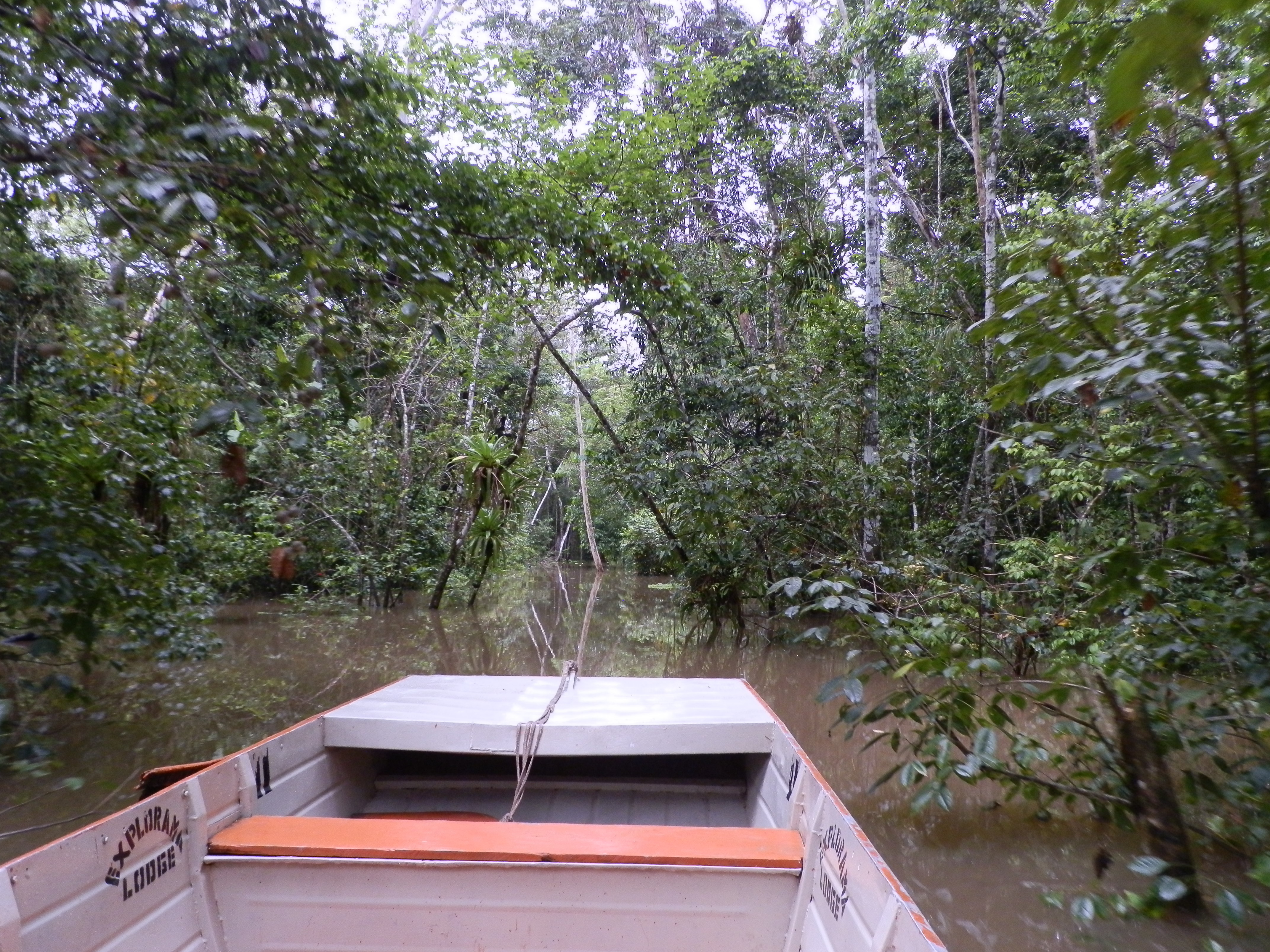
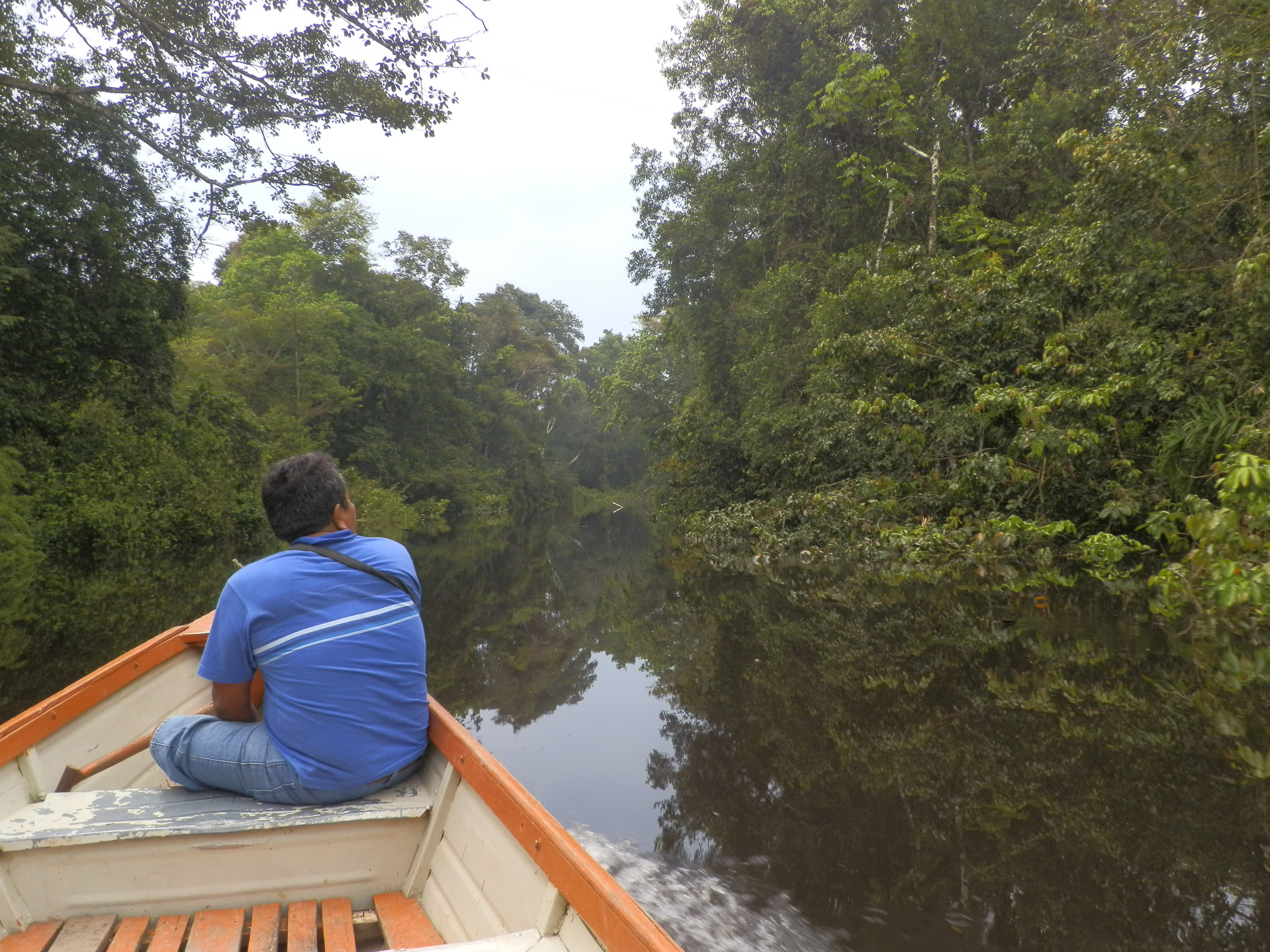
Next, we headed up the Amazon and Napo Rivers. Although bats are the focus of my trip, it was great to have the opportunity to see pink river dolphins. Because it is the high water season we were able to visit the flooded forest to see an overwhelming diversity of birds including Amazonian umbrella birds, kingfishers, toucans and even ospreys which also live in Michigan.

Bats seem to be common here, flying in our rooms and flying by our faces on night walks to find frogs and toads. During these night walks I have definitely gained a new respect for the work of amphibian researchers. I am used to walking transects slowly – perhaps 1 kilometer per hour to sight monkeys or look for deer and/or carnivore tracks or scat. But the amphibian pace seemed glacial at first – at a clip of 1 kilometer in four or five hours – because the well-camouflaged frogs and toads are hard to find.

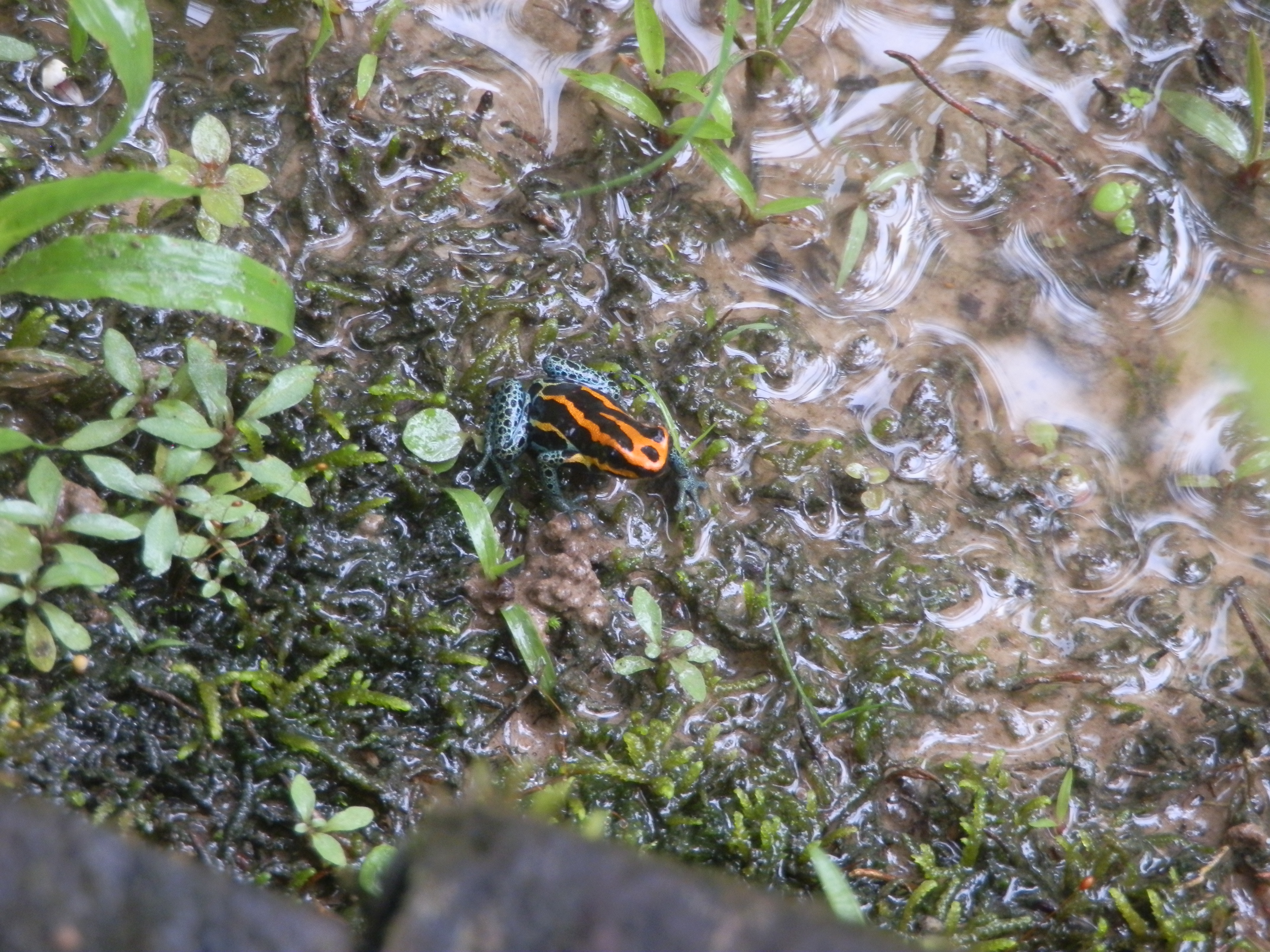
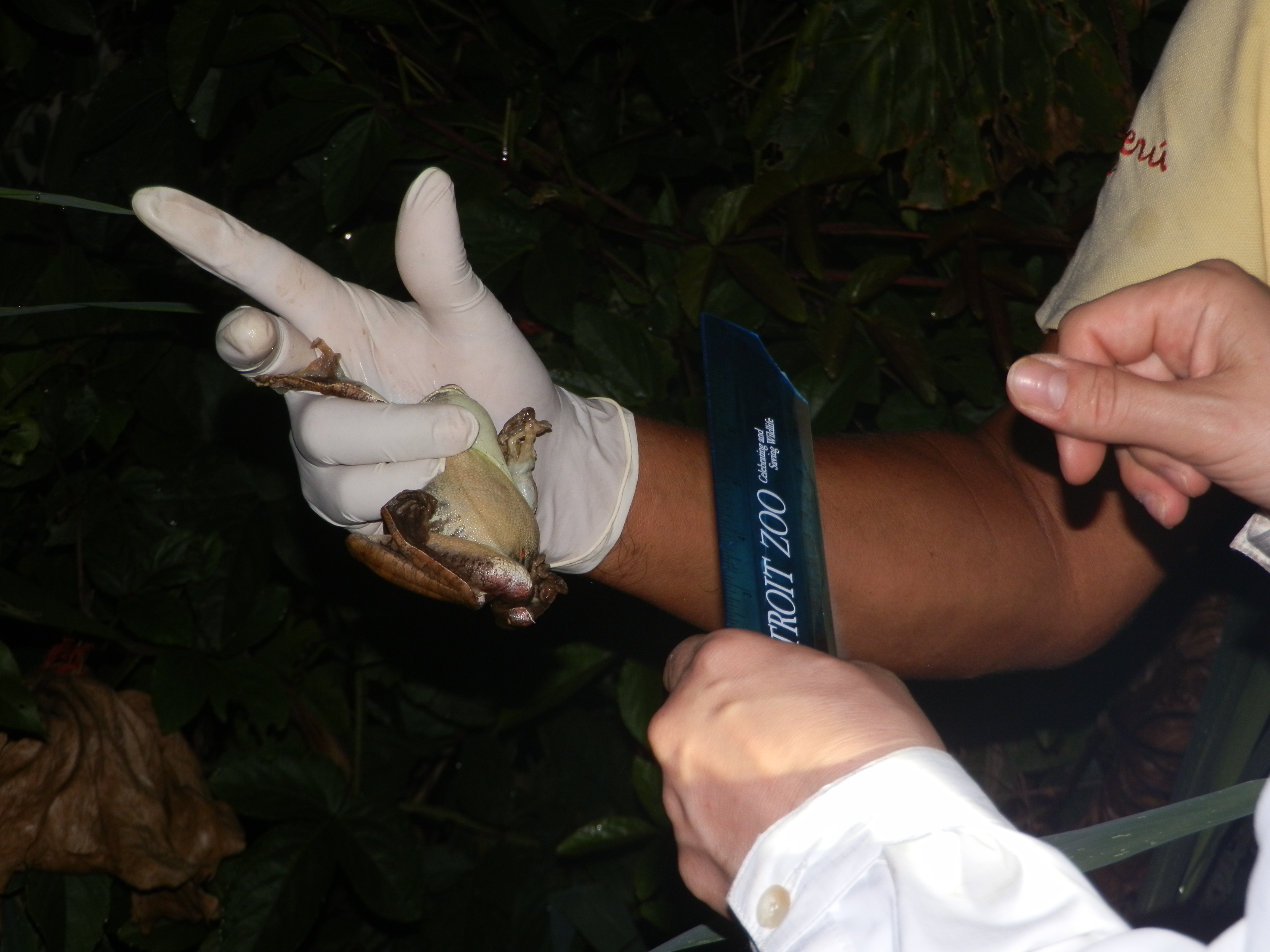
When a frog or toad is found, the delicate dance begins. My task is to catch the squirmy frog and hold it ever-so-gently so Marcy can rub a cotton swab on its belly and feet to test for chytrid fungus – a fungus that has been devastating amphibian populations in many parts of the world.

Between frog finds we can enjoy the incredible diversity of tarantulas and other spiders as well as insects such as katydids, walking sticks and even a beetle that lights up like a lightning bug.

I’ll be here for several more days, visiting more sites and searching for frogs in the flooded forests. I’m also meeting with a Peruvian bat researcher about the potential for future collaboration before returning to Detroit.

Hasta luego!

– Paul Buzzard, Ph.D., is the Director of Conservation for the Detroit Zoological Society.

Editor’s note: Marcy Sieggreen was the curator of amphibians for the Detroit Zoological Society from 2008 until her passing in 2016. The Detroit Zoological Society established the Sieggreen Amphibian Conservation Fund in Marcy’s memory to continue to advance the work she so passionately championed.

Greenprint: Three Easy Ways to Celebrate Earth Day

Beth Wallace is the Manager of Sustainability for the Detroit Zoological Society.

We work hard to celebrate the Earth Detroit Zoological Society Greenprint logoyear-round through the Detroit Zoological Society’s Greenprint initiative, and with Earth Day approaching, we are hoping you’ll join us on our green journey! Below is a list of actions we plan to take at the Zoo that we invite you to consider in your own lives:

Plant a tree at your home, or at a nearby park. This fun activity provides your family with a memorial and a tradition to follow for decades while giving back to the environment. Did you know that a single tree can absorb 10 pounds of air pollutants a year, and produces nearly 260 pounds of oxygen? That’s enough to support two people!

Spring clean with eco-friendly cleaning options both inside and out. Switch your surface cleaners to non-toxic and environmentally sensitive products that are better for the Earth and your family. For yard clean up, consider creating a compost pile or mulching leaves. And if you plan to minimize the clutter in your home, donate your products to a local organization and always try to recycle what you aren’t able to donate.

Join us for GreenFest on April 18 and 19, which is free with Zoo admission. Those who bring in an old cell phone for recycling receive a discount on admission – tickets are only $8 per person for each cell phone donated. The Zoo-wide celebration includes earth-friendly crafts, an endangered species scavenger hunt, zookeeper talks and exhibits by local conservation groups.

Follow the Detroit Zoo on Facebook, Twitter and Instagram, and share with us what you and your family do to celebrate Earth Day!

– Beth Wallace