Amphibian Conservation: Saving the Panamanian Golden Frog

The Panamanian golden frog (Atelopus zeteki) is a unique and beautiful amphibian from the highlands of Panama. This yellow or orange and black “frog” is actually a type of toad that walks more than it hops. It resides in areas near fast-moving streams and rivers in the mountainous forests within the country. The International Union for Conservation of Nature (IUCN) lists the Panamanian golden frog as Critically Endangered, which is one step before becoming Extinct.

In the wild they are believed to be in such low numbers that they may no longer be able to sustain as a wild population; in fact, no one has seen a Panamanian golden frog in the wild for quite some time. Massive population decreases are believed to be caused by chytrid fungus, habitat destruction, the exotic animal trade and sedimentation of egg-laying sites in rivers and streams. Now, they exist mostly in captive zoo breeding populations.

One of these breeding populations has been housed in a bio-secure room at the Detroit Zoo’s National Amphibian Conservation Center for 16 years, and has contributed several years of offspring to the Panamanian Golden Frog Species Survival Plan (SSP). SSPs are cooperative management programs through the Association of Zoos & Aquariums (AZA) that aim to reproduce, genetically manage and possibly reintroduce endangered animals into the wild with the assistance of other wildlife management organizations. In addition to its active role in the SSP, the Detroit Zoological Society (DZS) employs several other strategies to conserve the Panamanian golden frog in the wild. At this time, there is nowhere identified in the wilds of Panama to safely release captive-bred tadpole or juvenile golden frogs to the wild.

Breeding the Panamanian golden frog in captivity involves understanding the complex conditions found in their wild habitat. They have an interesting life cycle from courtship to final metamorphosis. In the wild, males of this species will perch on rock outcroppings or on top of large leaves that overhang or are near a flowing stream or river. The males then begin to call, thrusting out the vocal sacs on their throats as they produce a low trill vocalization meant to alert females to their presence as well as warn other males to stay away. Since these animals breed and live in close proximity to the loud sound of rushing water, their low-toned vocalizations can be very difficult to hear. For this reason, golden frogs have evolved a type of sign language they can use to communicate to mates as well as rivals. These amphibians have the ability to execute a “wave” using their front legs to take the place of their hard-to-hear vocalization when conditions around the stream are noisy. This type of communication is known as semaphore behavior.

Once a pair of golden frogs has successfully mated in the wild, the female will deposit up to several thousand small round white eggs underneath a rock in a steam or river and away from direct sunlight. This is done because the white eggs lack pigment entirely and would be adversely harmed by the ultra violet (UV) radiation from the sun. This same issue has to be addressed at the Detroit Zoo. The animals are bred inside aquariums in a specially modified room just for this species. After the breeding pairs are chosen for the year, the animals are placed together in an aquarium. Prior to the onset of the “wet season,” misting cycles within the frogs’ habitat are coordinated to simulate the “dry season,” giving the frogs a sense of seasonality, which helps stimulate them to breed. If eggs are laid in the aquarium, amphibian staff must protect the eggs from the naturalistic UV lighting over the breeding tanks by wrapping black trash bags around the aquarium. This simulates total darkness, which allows the light-sensitive eggs to develop unharmed. Once eggs develop pigment, the trash bags can be removed.

Eventually, the eggs develop and a small black and yellow tadpole emerges from the egg casing. These tadpoles are very well adapted to living in fast, flowing stream environments with strong mouthparts which assist them in clinging to the rocks in turbulent water as they scrape away at algae and the microorganisms they depend on for food. At the Detroit Zoo, we reproduce the golden frog food source by smearing a wet algae mix on small plastic food plates and allowing the mixture to dry. Once the algae is dry, the plates are placed in the water and the tadpoles move over and around the plate, scraping off the food with their specialized mouthpart. After several weeks, the tadpoles metamorphose into fully formed little toadlets, which are turquoise green and black in color, a color phase that camouflages them in while living in a forest habitat. They eventually turn mostly yellow or orange and black upon reaching adulthood.

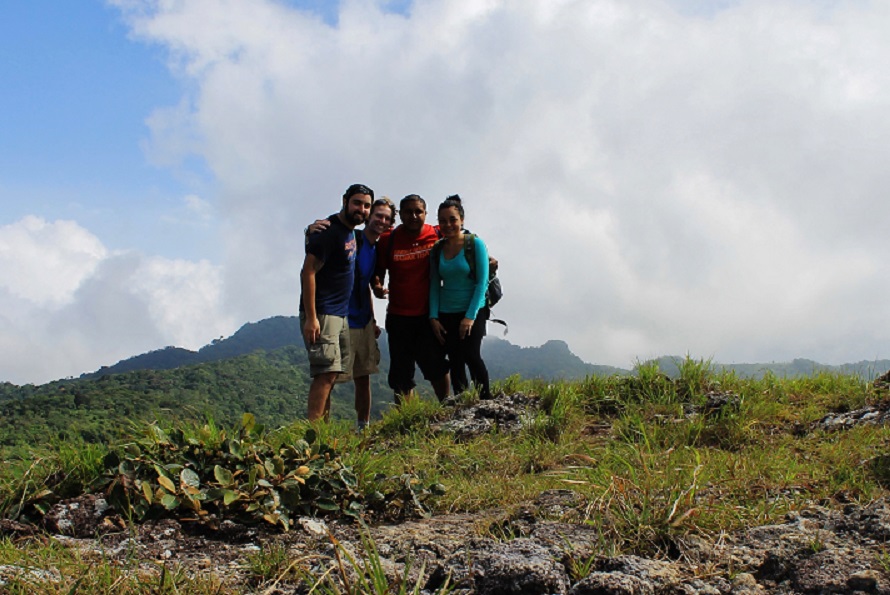
Along with the extensive breeding program, conserving the Panamanian golden frog involves reaching out to the communities where these animals live and educating the public. In 2015, I assisted the staff at a small conservation center in El Valle, Panama, called the El Valle Amphibian Conservation Center (EVACC). This center is dedicated to breeding, exhibiting and educating the public on Panama’s native amphibians. While in Panama, I assisted EVACC with their amphibian exhibits and breeding programs. The DZS is also becoming involved in developing educational materials to better educate an already sympathetic public about conserving their environment and this important amphibian. Recently, DZS Curator of Education Claire Lannoye-Hall has been appointed as the SSP Education Advisor for the Panamanian Golden Frog SSP. Within this role, the Detroit Zoo will be instrumental in developing educational programs and cultural awareness within Panama.
The Panamanian golden frog holds a special place in the Panamanian culture. Signifying good luck, the golden frog can be seen on lottery tickets and in gift shops all around the country. The history of this little amphibian within Panama can be illustrated by the presence of “rana dorada” or golden frog, in some of the petroglyphs within the country dating back to pre-European contact. Perhaps those ancient artists were hoping for a little luck as they etched images of this mystical amphibian into the rocks of the cloud forest. Hopefully, with a little of that same luck and continued dedication from the Detroit Zoological Society and its conservation partners, the Panamanian golden frog will not disappear from history for good.

– Mark Vassallo is an amphibian department zookeeper for the Detroit Zoological Society, and works in the National Amphibian Conservation Center at the Detroit Zoo.

Notes from the Field: Recovering American Martens

The Detroit Zoological Society (DZS) is continuing its efforts on an American marten conservation project in the Manistee National Forest. This spring, I was given the exciting opportunity to assist collaborators from Grand Valley State University and Busch Gardens on this project. Martens are small, weasel-like carnivores that became extirpated (locally extinct) from the lower peninsula of Michigan in the early 1900s because of habitat loss and unregulated trapping. Martens were reintroduced back to the Manistee Forest more than 30 years ago, and since 2013, veterinary and animal care staff from the DZS have been helping to study the success of the marten reintroduction by looking at animal health, kit survival and habitat use. This work involves collecting martens in live traps and then anesthetizing them in order to perform physical exams and collect samples of blood, hair, urine and feces. The DZS uses Hav-A-Heart traps, humane traps that close in such a way that they do not harm the animal. The traps are set carefully to ensure that martens have a nice snug spot. We cover each trap with pine needles and leaves for warmth and nest building, and ensure the martens have a snack and a source of water. The collected samples are then tested for disease. The project also uses GPS and radio tracking collars to gather information on marten habitat use and determines which forest types they prefer.

My time spent in Manistee involved daily morning checks of approximately 30-40 live traps for martens. If a marten is in a trap, it is then transported to the bed of a pickup truck in order to induce anesthesia and be examined. Special care is taken to monitor the marten’s body temperature to be sure that it does not become too hot or too cold during the procedure, and after samples are collected, a GPS collar may be placed on the marten to track habitat use. When the procedure is complete, the marten recovers in a small, dark wooden box until it is stable enough to be released. Once stable, a staff member opens a little door on the box and the marten runs off back into the forest. This entire process usually takes about 30 minutes from beginning to end.

During my time assisting with the project, I spent many hours riding down narrow, bumpy and winding two-track forest trails. Some of these trails were quite precarious, but travelling them gave me the opportunity to see migrating birds, deer, a porcupine and even a black bear! We were able to collect samples from four martens and place GPS collars on three of those four, dramatically increasing the amount of data collected on marten habitat use. These GPS collars were purchased with financial support from the DZS, and the data will be used in collaboration with the U.S. Forest Service to decide how the forest can best be managed to facilitate recovery of the marten population. It was thrilling to be a part of this project and I am thankful to the DZS for allowing me this opportunity.

– Erica Campbell is a veterinary technician for the Detroit Zoological Society and works in the Ruth Roby Glancy Animal Health Complex at the Detroit Zoo.

Notes from the Field: Monitoring the Eastern Massasauga Rattlesnake

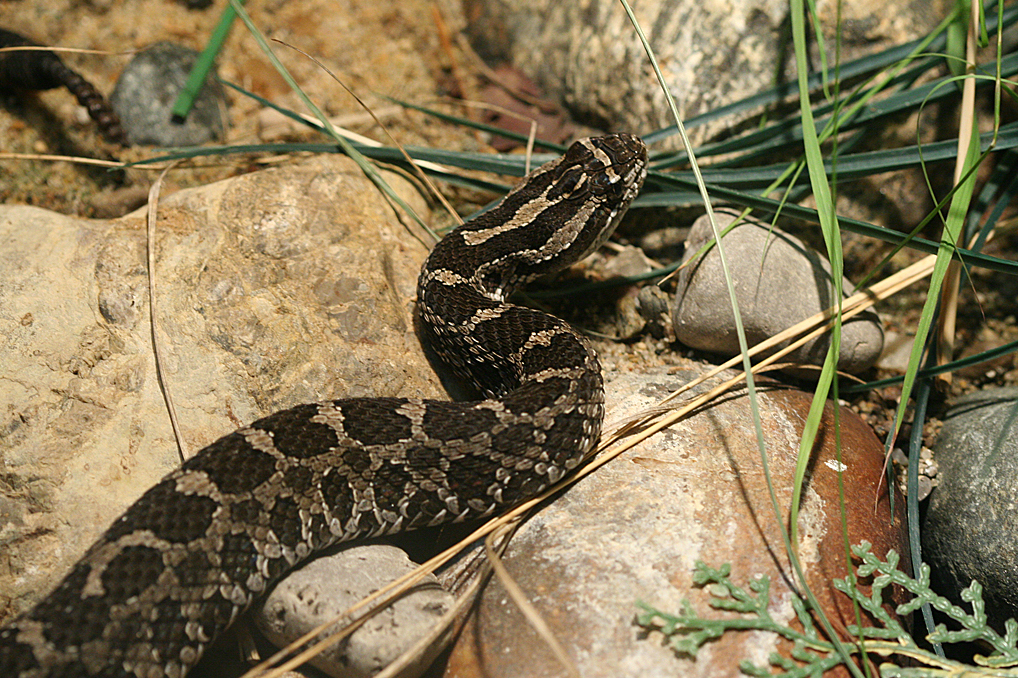
The Detroit Zoological Society (DZS) leads the Eastern massasauga rattlesnake Species Survival Plan (SSP), which is a comprehensive management plan through the Association of Zoos & Aquariums (AZA) that works to ensure the sustainability of healthy, genetically diverse and demographically varied captive animal populations. The DZS is also one of several organizations within the AZA that participates in a long-term study of a particular population of Eastern massasauga rattlesnakes in Michigan.

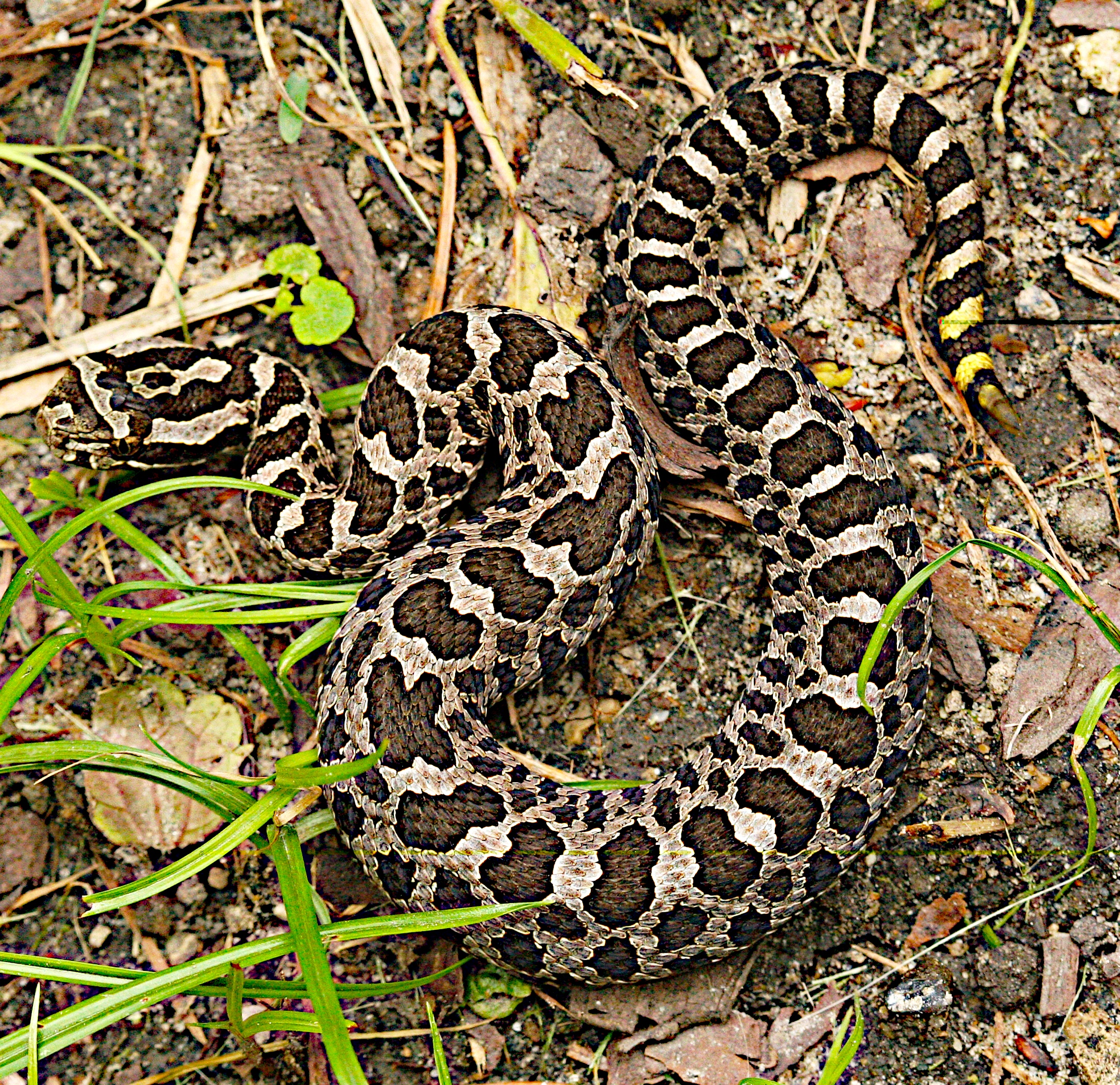
The Eastern massasauga rattlesnake is the mitten state’s only venomous viper, and is listed in Michigan as a species of special concern, which means it is threatened or endangered throughout its range. This SSP is a special one because each year, representatives from participating zoos attend a meeting in conjunction with an “in situ” study, which means that it takes place in the field.

This year marked our eighth monitoring a particular population of Eastern massasauga rattlesnakes in the southwest part of the state, and it was our best year to date – we found more than 100 snakes! This includes snakes that were found in previous years as well as newly identified individuals. The process involves gathering information on each snake in the field and then taking it to a lab where it is weighed and measured. We also determined if it is a male or a female and if female, whether it is pregnant (massasaugas give birth to live young). If the snake has never been found before, it is marked with a transponder tag – similar to those implanted in your pet dog or cat – so we can scan the animal and take measurements if it is found in the future. After the information has been gathered in the lab, the snake is then returned to the exact location where it was found.

Monitoring a seemingly healthy population over time gives us insight into natural fluctuations of the population size, male-to-female sex ratio, individual growth rates and reproductive success. As years goes by, the data will also begin to tell us life history data such as longevity of the species and how old animals remain reproductively active. All of this information assists the AZA zoos in how they manage the captive population as well as the state departments of natural resources in their management of the wild populations and the lands on which they are found.

– Jeff Jundt is the curator of reptiles for the Detroit Zoological Society and oversees the Holden Reptile Conservation Center at the Detroit Zoo.
Notes from the Field: Wolf-Moose Project on Isle Royale

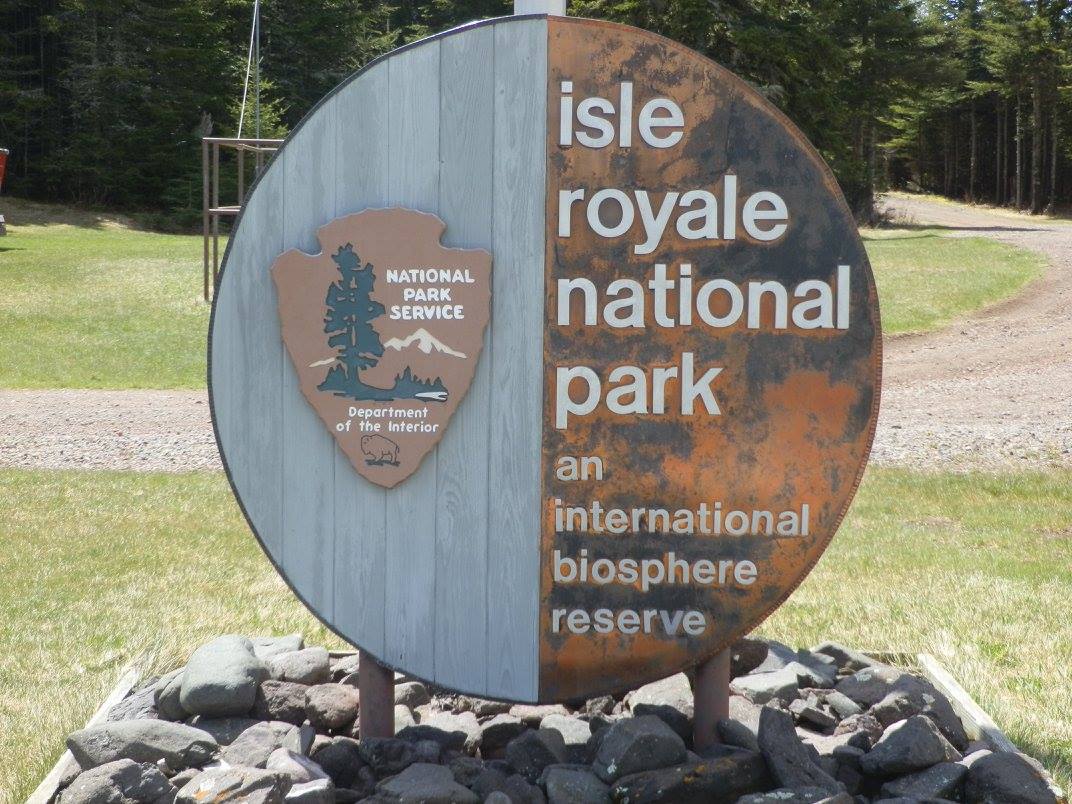
Isle Royale is a remote wilderness island in northern Michigan, and at more than 40 miles long, it is the largest island in the largest Great Lake: Lake Superior.

I recently spent some time on Isle Royale working on a conservation research project called the Wolves and Moose of Isle Royale, along with Brian Manfre, a mammal department supervisor for the Detroit Zoological Society. Moose first came to Isle Royale in the early 1900s; wolves joined in the 1940s after crossing an “ice bridge” from Canada. For more than 50 years, the wolf-moose research project has studied the predator-prey dynamics of these species, making it the longest continuous study of any predator-prey system in the world. I was very eager to see the island and participate in the work first-hand.

Unfortunately, the wolf population at Isle Royale has dropped to only two closely related individuals, and the project now focuses on how the moose population is responding to reduced wolf predation. There is a proposal to reintroduce more wolves, but this is a complicated issue, in part because Isle Royale is also a National Park. The National Park Service will decide on this proposal in the fall of 2017.

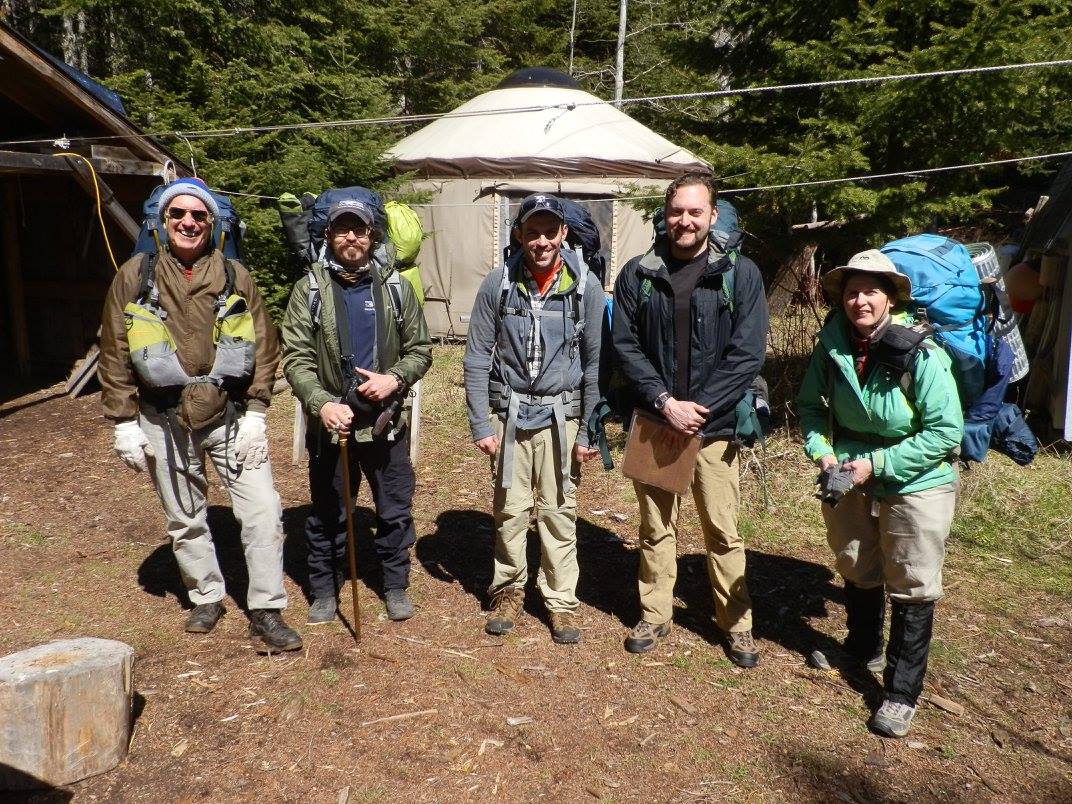
Brian and I were joined by eight others working on this project. In addition to looking for moose bones to study the moose population, our team would also be investigating the presence of wolves at two previously used wolf dens. We set off together on a four-hour ferry ride from Copper Harbor to Isle Royale, and reported to the Bangsund cabin, an old fishing cabin that was built in 1926 and has served as the base for the project since 1959. We loaded our backpacks with hearty camp fare such as oatmeal, cheese, peanut butter and other supplies for the week, and then took a short boat ride to our departure site. After a 2-mile hike, we set up the first camp.

We camped at several different sites on the shores of Lake Superior and several inland lakes, and soon got into a routine of cooking, cleaning and filtering drinkable water at the camps. We were fortunate to have very pleasant weather. There was frost one of the first nights, but later in the week it warmed up enough for black flies to pester us.

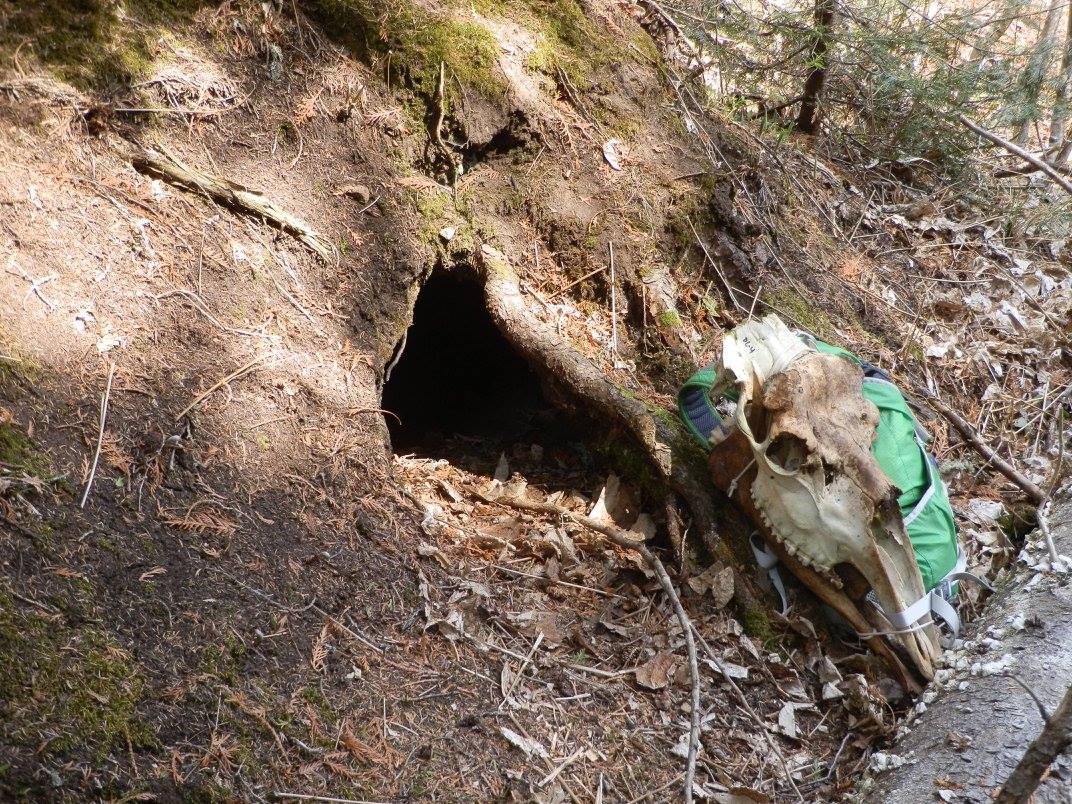
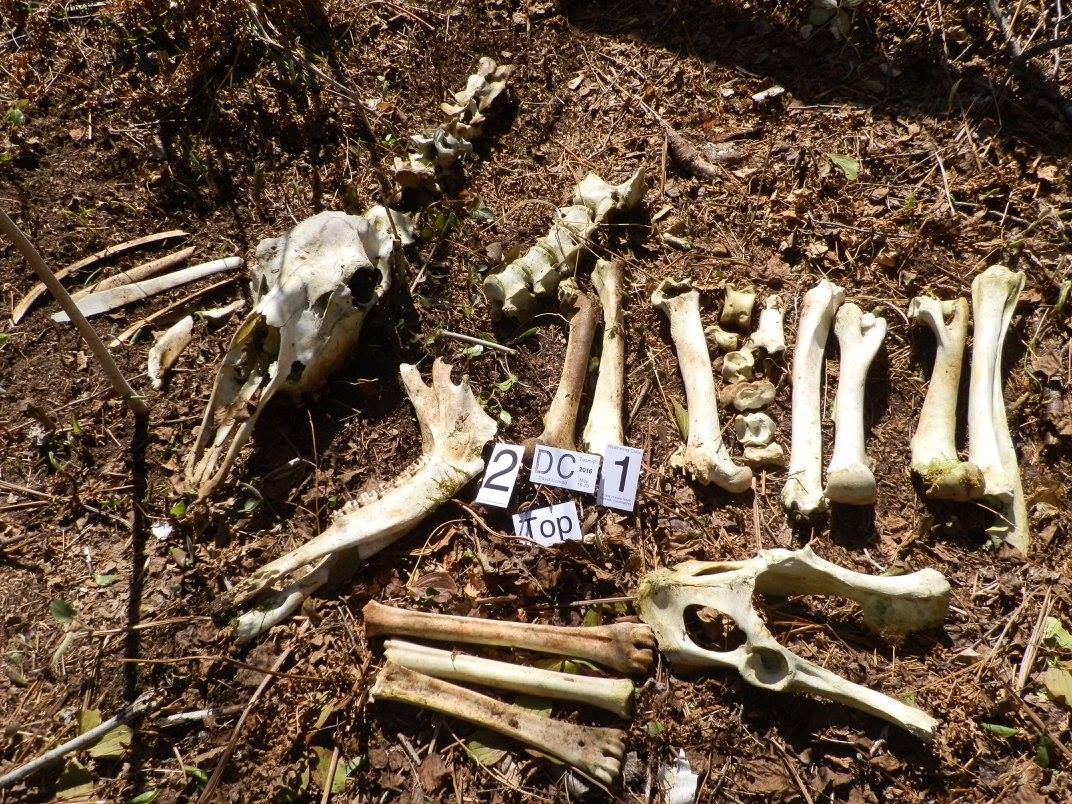
On a usual day, we would hike 2-3 miles on-trail and then walk another 3-5 miles off-trail more slowly looking for moose bones. It was difficult at times, as we were going through dense forest, up and down ridges and through swamps. When a moose bone was spotted the requisite, “Bone!” was shouted out, and everyone would converge on the site to look for more bones. We were happy to find any bones at all, but skulls and teeth were especially prized. When cut in a cross section, the rings of dentin in the teeth can be counted to estimate the age of the moose – similar to counting tree rings – which can provide important information on the moose population. We can also examine vertebrae for signs of arthritis: Many of the moose at Isle Royale have been found to live longer and develop more arthritis than moose in areas with more predators. While it was a thrill to find these moose remains and evidence of wolves chewing on the bones, it was even more exciting to visit the old wolf dens. Unfortunately, there was no evidence of recent wolf use but we did find approximately one-week-old wolf feces along a trail nearby.

After a week, we returned to the Bangsund cabin with heavier packs than we left with, as they’d been loaded with moose skulls and other bones. We enjoyed a shower via bucket and ladle and then feasted on lasagna, wild rice casserole and a very welcome salad. We told stories and sang songs – it was a fitting celebration for a meaningful contribution to the project.

If you’re interested in participating in the wolf-moose study, visit this website.

– Paul Buzzard, Ph.D., is the director of conservation for the Detroit Zoological Society.

Amphibian Conservation: Crawfish Frogs in Crisis

What is the best way to repurpose a basement in one of the buildings at the Detroit Zoo? Turn it into an amphibian’s paradise!

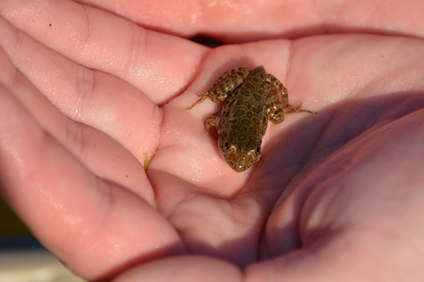
Amphibians across the globe are in crisis, with populations declining rapidly due to climate change, habitat destruction and a disease called the chytrid fungus. In an effort to reverse this trend for the crawfish frog (Lithobates areolatus), which is listed as Endangered in the state of Indiana, the Detroit Zoological Society (DZS) partnered with the U.S. Fish and Wildlife Service, the Department of Natural Resources and staff at Indiana University. In 2013 these entities began a repatriation project, which is an effort to return a species to its natural habitat. This involved the collection of egg masses from grasslands in Indiana, which were then transported to the Detroit Zoo, where staff raised them until they were almost froglets before releasing them back into the wild.

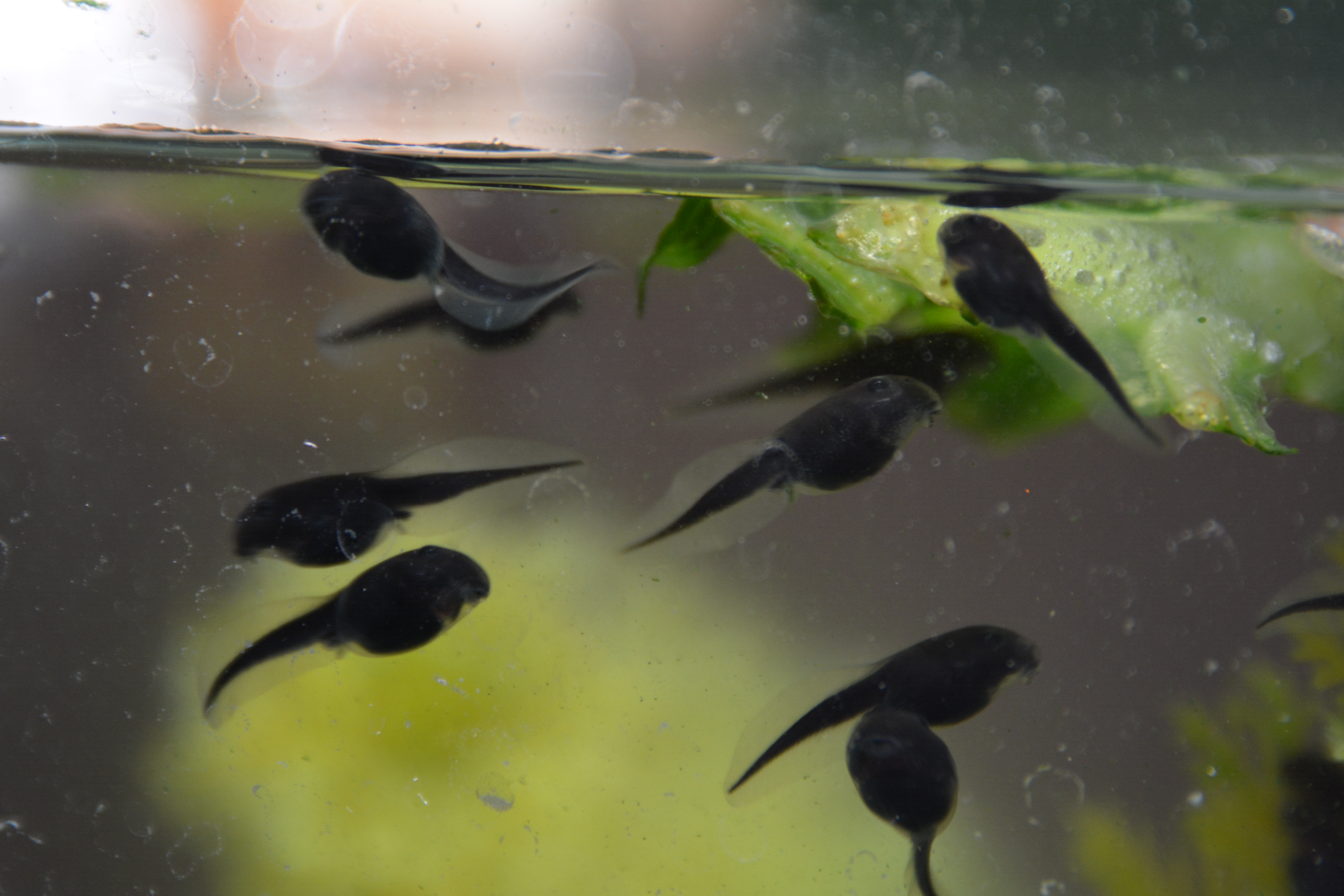
The crawfish frog can lay egg masses with as many as 5,000 eggs. That might make one wonder how these animals could be endangered, right? Well, even if all of those eggs hatched into tadpoles, less than one percent of those tadpoles would ever make it out of the water. Tadpoles are an easy prey for a wide variety of animals including birds, fish, mammals, frogs and even larger tadpoles. And even fewer tadpoles would make it far enough into adulthood to breed. This shows how vulnerable the tadpole stage is in a frog’s life, which is why we focused our efforts on this stage.

We knew what we needed to do, but where is there enough room for thousands of tadpoles at the Detroit Zoo? How about right under the noses of Jasiri and Tamba, two Southern white rhinos! Not directly under them, since 12,000 pounds of rhino would be harmful to a tadpole, but rather in the basement of their indoor habitat. It took a lot of hard work from staff, but the space was eventually turned into a fantastic temporary home for crawfish frog tadpoles. Some of their luxury items include manufactured ponds with an automatic rain system, spotlights and temperature control systems – and of course, plenty of food.

In April, the crawfish frog egg mass is transported from Indiana to the Detroit Zoo in a cooler. We take this egg mass right down to the basement where it is placed in water. In a couple of weeks, tadpoles start to emerge, which are then counted and moved into long pond-like pools. We raise these newly hatched tadpoles for about three months, with the amphibian department staff feeding and cleaning them daily. It takes hours to care for the tadpoles each day, but it is all worth it in the end when they are driven back to Indiana and released. The total number of tadpoles varies from year to year, but since this project started in 2013, the DZS has released a total of 10,411 tadpoles back into the wild.

While wild tadpoles have less than a one percent chance of survivability, we were able raise that to an astounding 99 percent in 2014 and 2015 for these “basement” tadpoles. That’s because they don’t need to worry about predators, disease, lack of food or pollution. This lets them get a good head start on life – but we don’t make it too easy for them. Otherwise, they wouldn’t know what to do once they got back to the wild. So before they fully metamorphose – or turn into frogs – they are taken back to Indiana and released into the ponds. Since some frogs lead a “double life” – aquatic and terrestrial – they are able to finish their aquatic life stage in enclosed repatariums, or screened-in containers, that allow protection before they are released as full frogs in the environment in which they will live. This method works well and provides exposure to the environment they will be living in before they become too accustomed to the luxury of the rhino basement.

The DZS crawfish frog conservation project requires long hours, but it is also the best time of the year as a member of the amphibian department staff. Seeing how the DZS can make a positive impact on this species and the ecosystem is very rewarding.

– Michael Andrus is an amphibian department zookeeper for the Detroit Zoological Society and works in the National Amphibian Conservation Center at the Detroit Zoo.

Amphibian Conservation: Wyoming Toads Prepare for Breeding

A pair of small gold eyes peers out from under a mass of sphagnum moss. In a day or two, this warty creature will complete its climb out from the depths of the sandy soil where he has spent the last 30 days sleeping and “chilling” at a cool 38 degrees. Along with seven other individuals of this species, he will awaken due to an increase in temperature and light. By the time the temperature reaches 74 degrees, he will have completely removed himself from the soil and be sitting atop it, hopefully alongside his companion, a slightly larger female. In the week that follows, events these two small cold-blooded creatures will go through could lead to producing thousands of their species in a matter of hours due to their “explosive” nature.

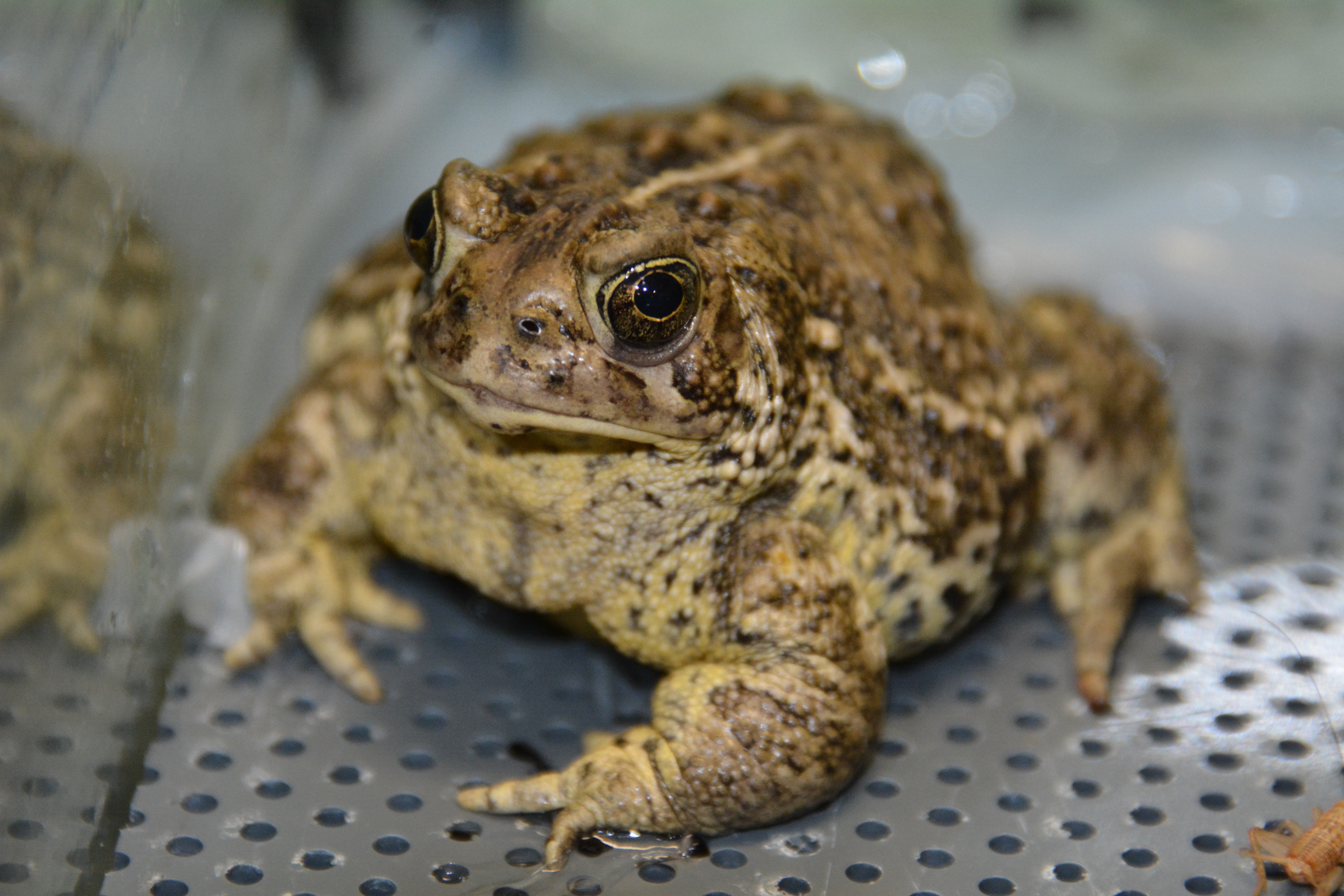
The Wyoming toad (Anaxyrus baxteri) is one of North America’s most endangered species and one of the amphibians we work with as part of a Species Survival Plan (SSP) at the Detroit Zoo’s National Amphibian Conservation Center.  This toad’s wild populations began declining in the 1970s, and by the 1980s was listed as an Endangered Species by the International Union for the Conservation of Nature (IUCN). Possible causes for the population decline are use of aerial pesticides to eliminate mosquitoes, habitat manipulation, and disease in the form of the amphibian chytrid fungus. Realizing a decline was occurring, the last remaining toads were collected and by 1994, all remaining wild-born Wyoming toads were believed to be entirely in captivity. The IUCN now describes the Wyoming toad as extinct in the wild, meaning any toad currently found in the wild has come from captive breeding, in which the Detroit Zoological Society (DZS) has been actively involved.

The Wyoming toad SSP is managed by the Association of Zoos and Aquariums (AZA). The DZS has been a member of this conservation program since 1995 and since 2001 has sent a total of 6,505 tadpoles and toadlets to the wild. All Wyoming toads are the responsibility of the U.S. Fish and Wildlife Service (USFWS), so members of the AZA work closely with them to follow all USFWS permit guidelines for keeping them in captivity. The goal of any captive breeding program is to produce healthy offspring for release into the wild with the goal of rebuilding them into a self-sustaining population. Each toad in captivity is identified and tracked, which helps to pair toads that will produce the most genetically diverse and healthy offspring. Breeding pairs of toads are chosen almost a year in advance so toads have plenty of time to move from one zoo to another to create the breeding pairs.

Although not as well known as Jabari and Kivuli, the giraffe couple at the Detroit Zoo, Wyoming toads Butler and Beverly are a very important couple of toads. They are part of a “bio-secure” population and will never be seen by the public, which ensures they will not accidentally release diseases, known or unknown, into the wild via their offspring. They are held with four other pairs of Wyoming toads in a special room away from all other amphibians, so they will remain free of diseases that could otherwise be found in species not native to the western region of North America.

At the AZA’s recommendation, Butler arrived at the Detroit Zoo last October to be paired with Beverly, who arrived in 2012. Both are now 3 years old, which is about middle aged for a Wyoming toad. In early April, they were placed together into a thermostat-controlled “hibernaculum”, which is used to cool the toads, simulating the hibernation period a wild Wyoming toad would go through during the winter. The toads are kept cooled for about a month to help prepare them for breeding; eggs or sperms may develop and mature as a result of this cooling. The toads are given plenty of sandy soil to bury down into and sleep in just as they would have in the wild, and the Zoo’s animal care staff checks in on them weekly to make sure they are doing well.

At the end of May, the temperature in the hibernaculum will be increased to 70 degrees Fahrenheit and the toads will begin to awaken. Once they have climbed out from the soil, we will place them back into regular husbandry for a few days where they will continue to warm up and eat. Recordings of male toads calling are played during this time to condition toads further for breeding. Within a few days of emerging from hibernation, Butler and Beverly will be placed into a breeding chamber with 2-3 inches of water. The pair will hopefully go into “amplexus” within a few hours, which happens when the male positions himself on top of the female using his front legs and squeezes her, encouraging her to lay eggs. He fertilizes the eggs as she lays them, usually in the dark, overnight. Butler and Beverly should lay thousands of eggs, which is typical of toad species. Described as “explosive breeders”, the more eggs they can lay the better the chance offspring have of surviving the elements, diseases and predators. Since this is a captive breeding, we can help the thousands of eggs that Butler and Beverly produce survive into strong, healthy tadpoles.

Approximately two to three weeks after eggs have hatched into thousands of hungry tadpoles, arrangements are made with the USFWS to ship the tadpoles to Wyoming, where they will be released into protected wetlands. These tadpoles will add to those previously produced in captivity sent yearly by the zoos that participate in this program and the USFWS.

The wetlands are monitored during the spring and summer as part of yearly field surveys done to track the health and population of the toads. This year we hope that Butler, Beverly and the three other pairs of Wyoming toads at the Detroit Zoo are able to contribute thousands of healthy tadpoles to the wild population.

– Rebecca Johnson is the associate curator of amphibians for the Detroit Zoological Society.

Notes from the Field: Surveying Mudpuppies; Rain, Snow or Shine

We battled frigid temperatures as we entered the ice-filled water wearing insulated waders for protection against the elements.

This dramatic introduction sounds like the start of an exciting adventure story in some far-off place, but it actually describes some of the unbelievable conditions right here in Michigan where you can find one of the most fascinating creatures – the common mudpuppy (Necturus maculosus maculosus).

This four-legged, fully aquatic amphibian can be found in rivers, lakes and ponds throughout the midwestern U.S., including the waters of the Detroit River. The Detroit Zoological Society (DZS) is actively engaged in many field conservation projects, including surveying the common mudpuppy around Belle Isle. Our amphibian department has conducted surveys since 2009 as a way to learn more about the overall health and population of the salamanders found in the area. Fieldwork for the project is conducted twice monthly at two different sites, and it is never to be done alone; due to the danger posed by the elements, there must always be two people working on the survey. Depending on the weather conditions, surveys at times are limited to collecting water samples; other times it can involve trapping and processing mudpuppies.

Listed as Least Concern by the International Union of the Conservation of Nature (IUCN), little is known about the true population size of mudpuppies – not just in Michigan but also throughout its entire range. Even though this aquatic salamander has a pair of lungs, it uses blood red, feathery gills located on the sides of its head to gain oxygen from the water. It has a rather flat body and wide head and it uses its tail to move through the water. Mudpuppies prefer to hide under rocks and logs during the day and forage on aquatic insects, crayfish and fish.

Like all amphibians, mudpuppies are valuable indicators of wetland and habitat health. Since water and air move freely in and out of an amphibian’s permeable skin, they will be the first creatures to become sick or even die from the pollutants or toxins found in the habitat, warning us of any impending problems.

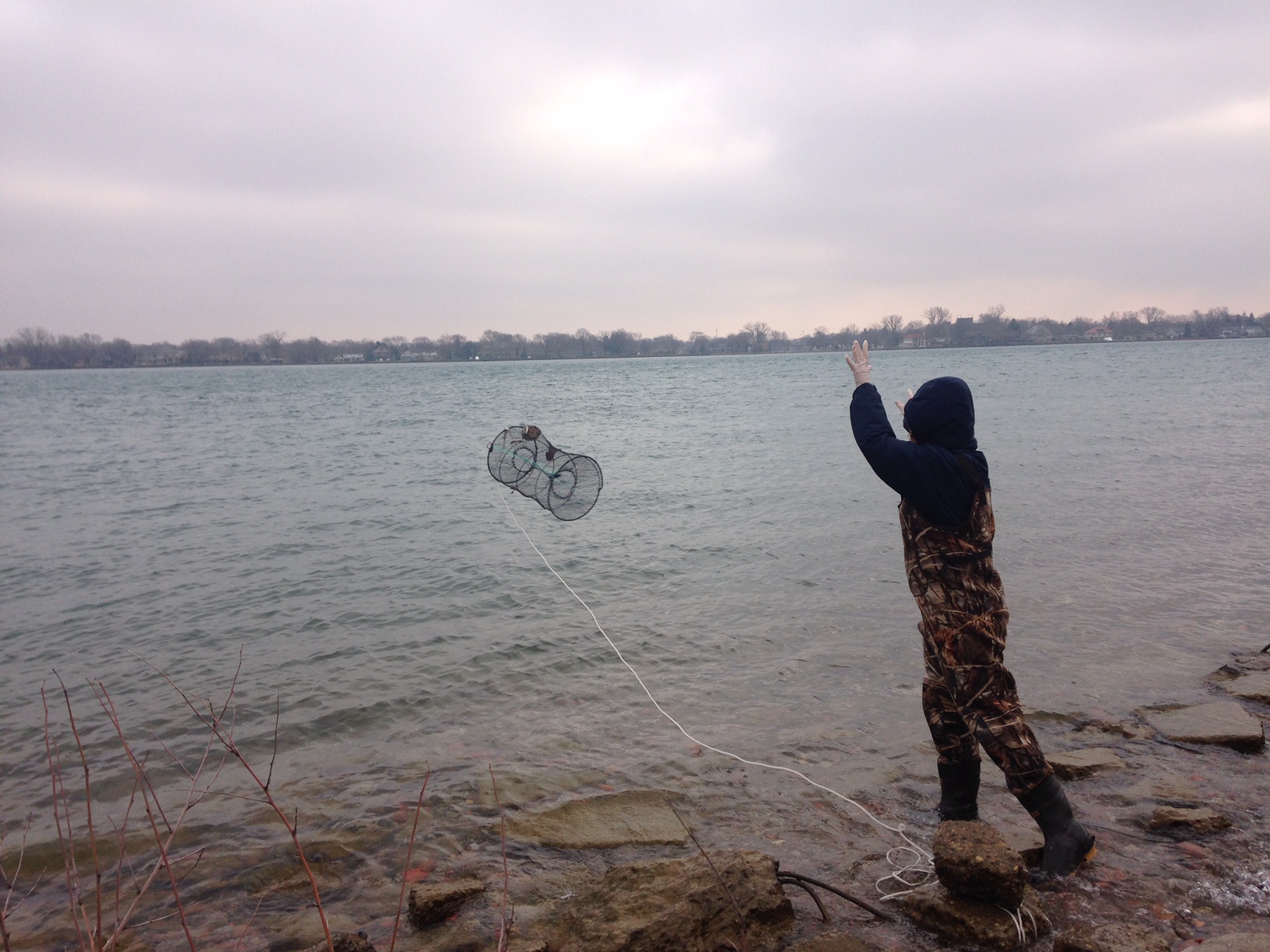
Fieldwork and data collection for this project is typically a two-day process. On Day 1, we are in the field collecting water samples and data on the weather, and also setting traps. To capture mudpuppies, we use small collapsible minnow traps that we weigh down to the bottom of the river and bait with frozen smelt. We tie the traps to the shoreline so they won’t be lost in the current of the river. We leave them overnight to allow the mudpuppies plenty of time in their undisturbed habitat to wander in, where they will remain until our return the following day.

The water samples we collect are taken back to our water quality lab where we can conduct more scientific tests. Keeping track of the water quality of the Detroit River is just as important as the data collected on the mudpuppies themselves. A database of this information will help us notice if severe changes have occurred in the water over time.

On Day 2, we return to the field to collect the traps as well as information on any mudpuppies captured overnight.

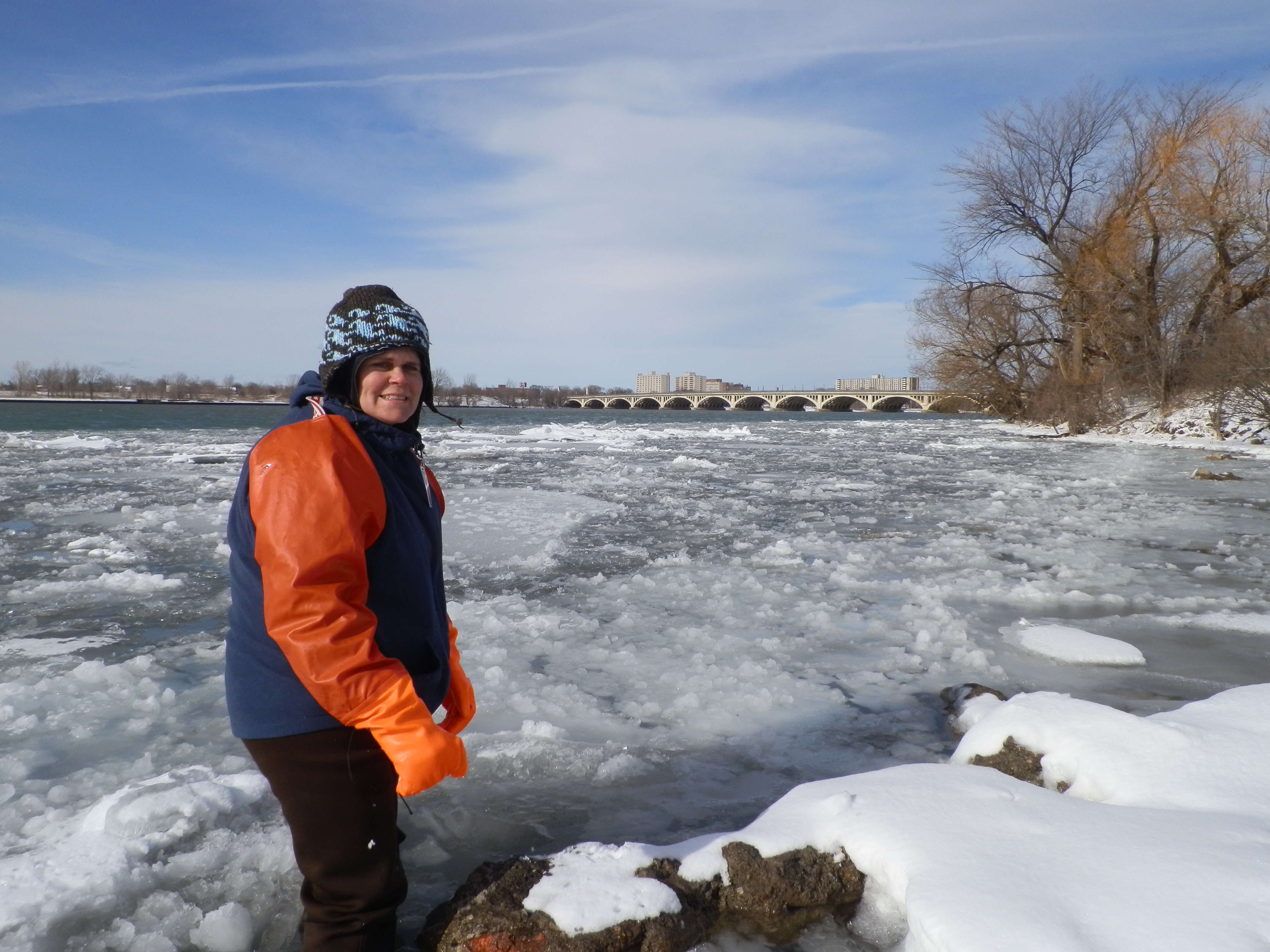
In the winter, the coast of Belle Isle can be quite treacherous. On one particular day in March, we faced some challenges as ice floes had moved into the shore overnight and were covering the traps we’d placed the day before. I was accompanied by two of the DZS’s most seasoned field researchers: Paul Buzzard, the director of conservation, and Marcy Sieggreen, curator of amphibians. Wearing insulated chest waders and long gauntlet-style gloves for protection against the icy waters, we did some ice stomping and managed to locate and recover all the traps we’d set.

Turned out we had captured one mudpuppy, so we proceeded to gather additional data – information from the animal, weather conditions and the water. We needed to take great care to keep the mudpuppy in the water at all times; in the winter this protects the skin and gills from freezing and in the warmer days of spring, summer and autumn it protects from the heat. We take measurements, weight and pictures of the animal, and if the salamander is healthy and large enough, a small transponder is implanted in the side of the tail to help with identification if recaptured. As quickly as possible, the mudpuppy is returned to the water in the area where we found it.

On Day 2, if conditions are favorable, we also use a digital boroscope to survey the site further. A boroscope, or a “plumber’s camera” as it’s sometimes called, is a camera at the end of a flexible 5-foot-long cable connected to a video screen. We use it to peek under rocks and logs in search of mudpuppies. This tool is a non-invasive way to learn about what else is living in the river.

As we continue with these surveys, we are exploring what other things the data we collect can show us from further analysis. We also plan to return to surveying areas off the coast off the island of Grosse Ile, which are also known to have a population of mudpuppies.

– Rebecca Johnson is the associate curator of amphibians for the Detroit Zoological Society.

Marcy Sieggreen was the curator of amphibians for the Detroit Zoological Society from 2008 until her passing in 2016. The Detroit Zoological Society established the Sieggreen Amphibian Conservation Fund in Marcy’s memory to continue to advance the work she so passionately championed.

Education: Penguin Center offers Wealth of Learning Opportunities

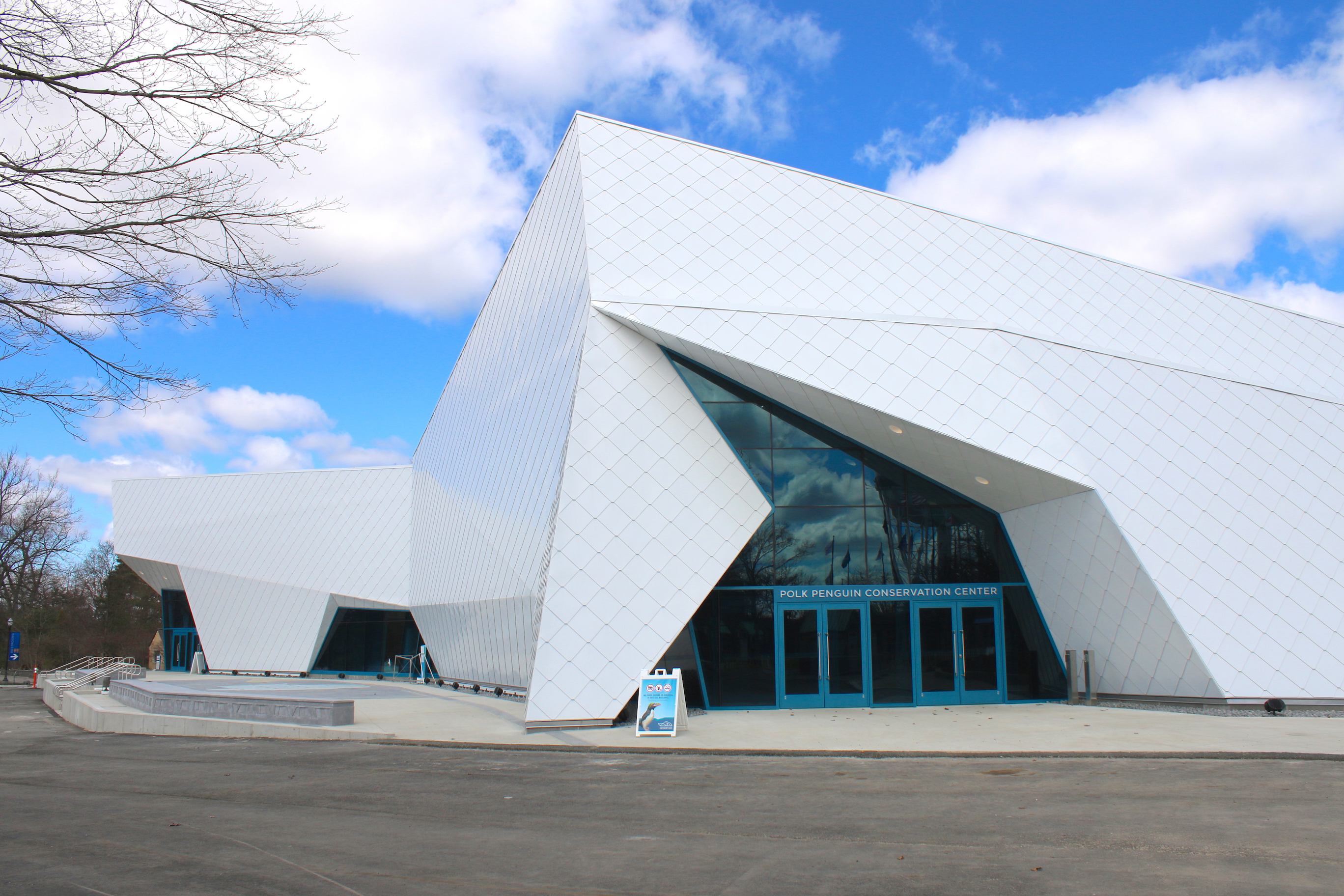
The Polk Penguin Conservation Center is not only a state-of-the-art facility for penguins – the largest of its kind in the world – but it also contains a wealth of educational information about Antarctic explorers, modern-day researchers, and the incredible, fragile ecosystems at the bottom of the Earth.

During a visit to this incredible facility, visitors first enter the South American Gallery and are “met” by Sir Ernest Shackleton and the crew of his legendary ship, the Endurance. Shackleton led the ill-fated 1914 expedition to complete a transcontinental crossing of Antarctica. The endeavor became a survival story when his ship became trapped, and eventually crushed, by ice in the Weddell Sea. A dock scene tells the incredible survival story of the Endurance crew.

As you descend the entrance ramps and venture further into the penguin center, you “board” Shackleton’s Endurance and cross the Drake Passage to Antarctica. You may be met with a calm sea at day, a starlit night sky or the Drake’s notorious rough seas. Continuing down the ramps, you cross the Antarctic Convergence, which occurs when the moist air above the Atlantic, Pacific and Indian Oceans meet the frigid air above the Southern Ocean. The mixing of warm and cold air causes the moisture to condense and create fog. As you make your way below deck, portholes show glimpses of Antarctic wildlife including orcas, krill and leopard seals.

After passing through the acrylic underwater tunnels and the Underwater Gallery, the path brings you to a world of ice. Spotlight on Science showcases the research of world-renowned polar ecologist and penguin expert Dr. Bill Fraser, head of the Polar Oceans Research Group, and the importance of sea ice for the Antarctic ecosystem. Food sources for many species in the Antarctic region require sea ice for survival. Understanding these ecological changes caused by the shifting formation of sea ice can help us protect ecosystems in the future.

Across the cavernous room, Ice Core Investigations allows guests to explore ice cores, an important tool in uncovering the history of the Earth’s climate. Ice cores are drilled and excavated from thousands of years of compressed snow that has turned to ice. The air pockets trapped between layers serve as a record of what gasses filled the atmosphere over time, allowing us to compare different periods of climate history.

Watch for calving glaciers as you climb the stairs to the Antarctic Gallery. A glacier is a very large piece of ice that is pulled across land by gravity like a slow conveyor belt. Reaching the ocean, ice breaks off from the rest of the glacier and falls into the sea during a process known as calving.

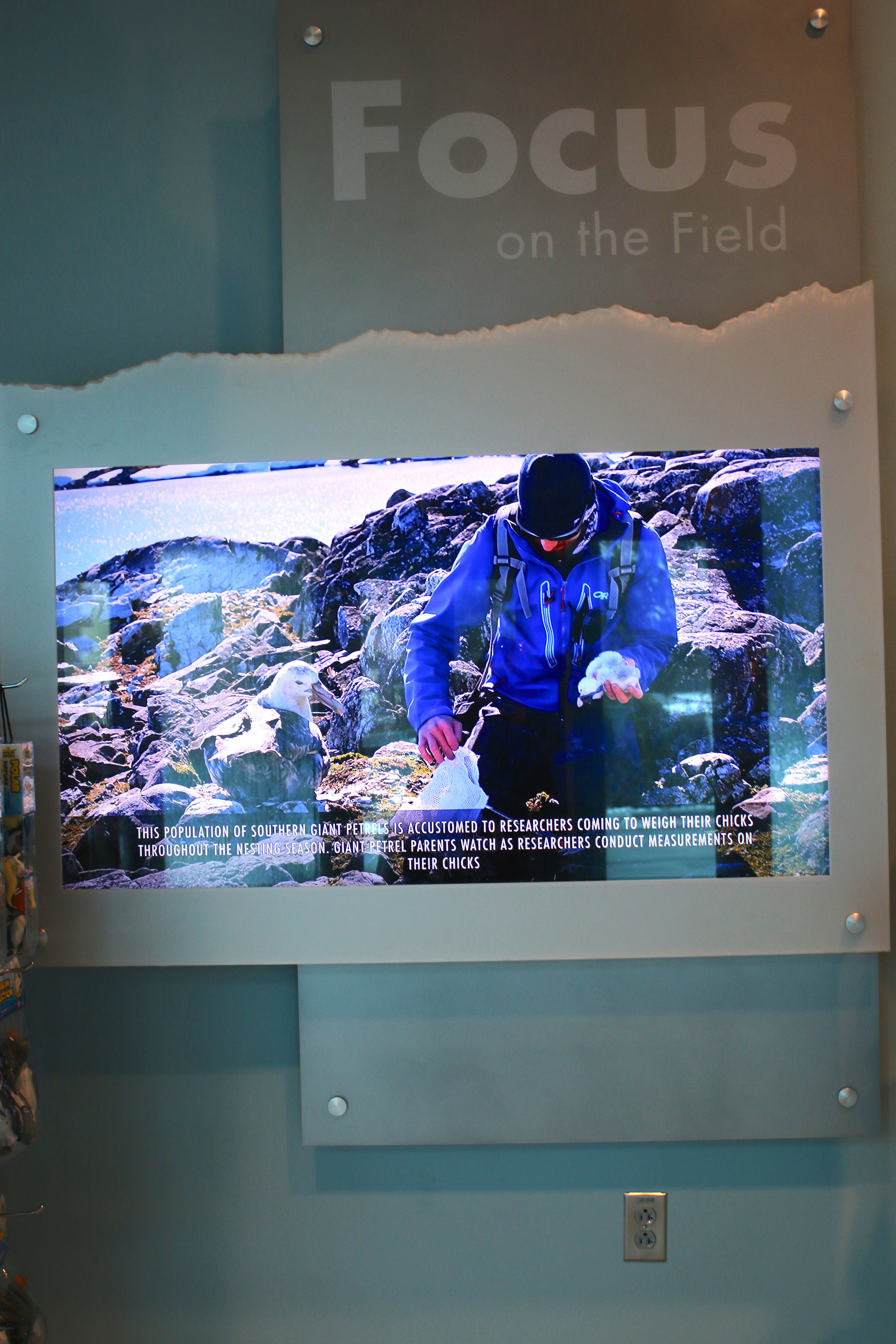
Just outside the Drake Passage Gift Shop, Focus on the Field features the Detroit Zoological Society’s own Matthew Porter, a bird department zookeeper who had the rare and extraordinary opportunity to spend the 2015-2016 austral summer doing field work for the Polar Oceans Research Group in Antarctica. Matthew studied adélie penguins, chinstrap penguins, gentoo penguins, brown skuas, south polar skuas and southern giant petrels.

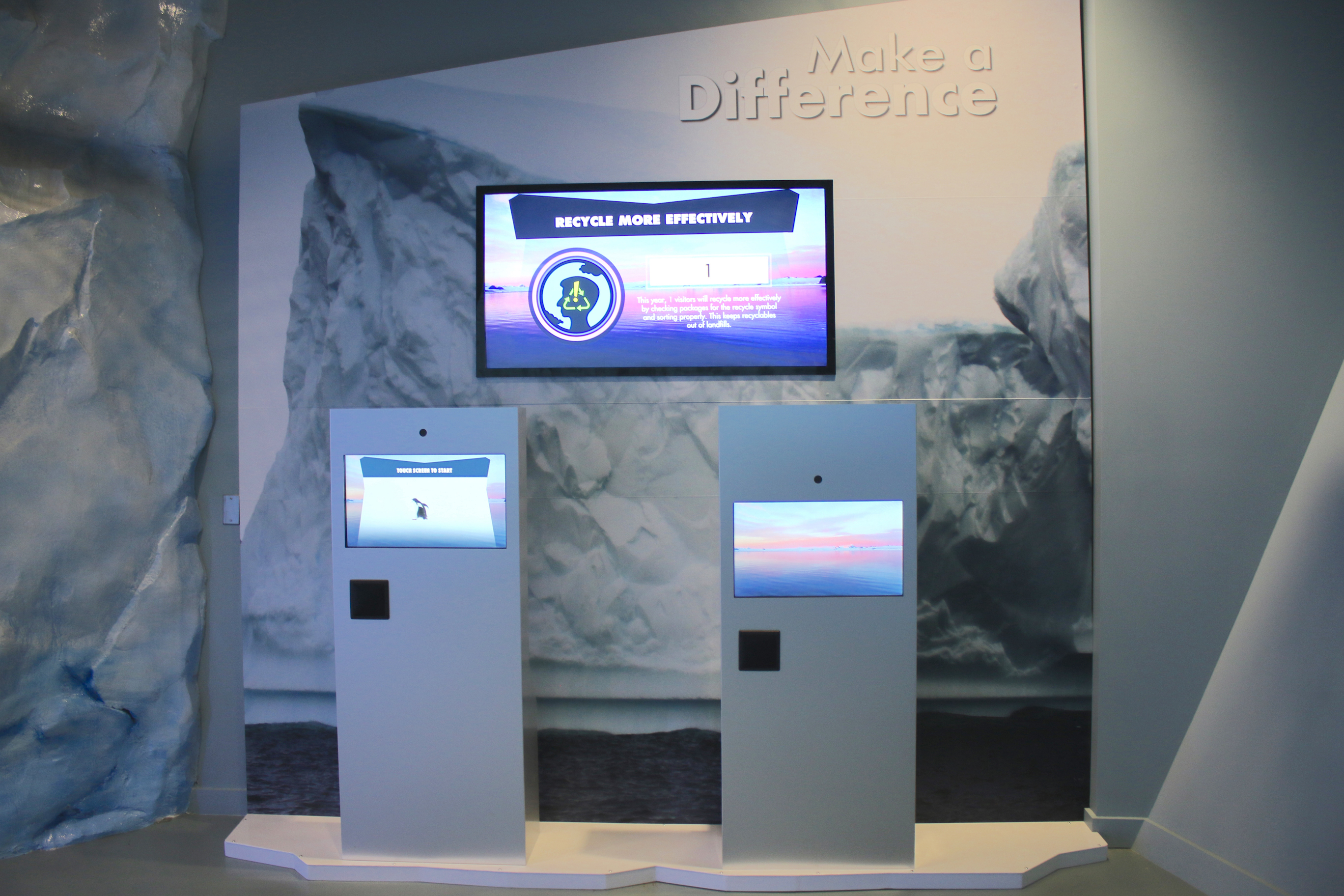
Learning about the Antarctic ecosystem while journeying through Polk Penguin Conservation Center may compel you to want to help in some way. Before exiting the penguin center, visitors have the opportunity to Make a Difference in the Antarctic Gallery. The Make a Difference kiosks guide you in finding ways to help. Whether it is buying your groceries locally, changing your home lighting to energy-efficient light bulbs, or riding your bicycle to work, you can make a difference with every step you take. The machines allow for you to take a picture of yourself, which is then placed onto a digital card that includes your pledge as well as facts about sustainability and the hashtag #MakeADifference. The digital card is emailed to you, with the option of also posting to social media sites to share with your friends and family.

All those who pass through the Polk Penguin Conservation Center have the ability and opportunity to join us in our mission of Celebrating and Saving Wildlife and leave a lasting, positive impact on the Earth.

– Claire Lannoye-Hall is a curator of education for the Detroit Zoological Society.

Veterinary Care: Ultrasound Exams for Frogs

Spring is in the air, and as I hike and bike the trails in southeast Michigan I find myself excited to be immersed in the lovely chorus of spring peepers and tree frogs as they prepare for this year’s breeding season. This also means it won’t be long until it is amphibian breeding season at the Detroit Zoo! Each year, the veterinary team works closely with our amphibian staff to provide support for our amphibian breeding programs. Our curators and keepers set up special breeding areas and adjust the temperature, light cycles, humidity and water access to simulate conditions in the wild and encourage natural breeding. They even set up simulated rainfall and play tape-recorded sounds of breeding calls collected from the wild.

Even with all of this, some of our endangered amphibians need a little more help to breed successfully.   At the Detroit Zoo, we have over a decade of experience administering special hormones to Wyoming toads and Puerto Rican crested toads to help with breeding. We have been very successful with these programs; two years ago the amphibian staff sent 3,914 Wyoming toad tadpoles to Wyoming and last year they sent 22,571 Puerto Rican crested toad tadpoles to Puerto Rico for release into their native habitat. This is important work and we are proud to be able to help.

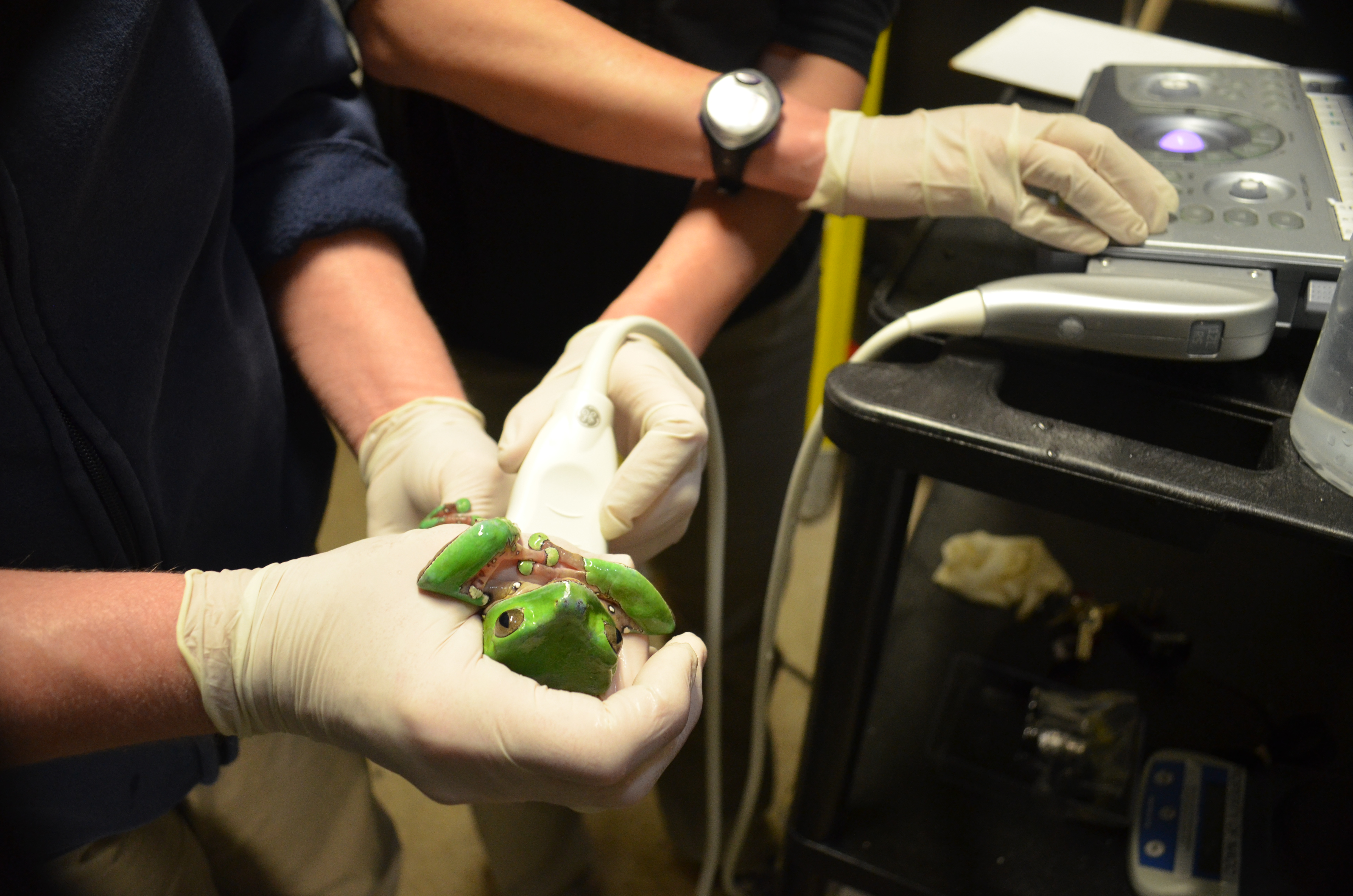
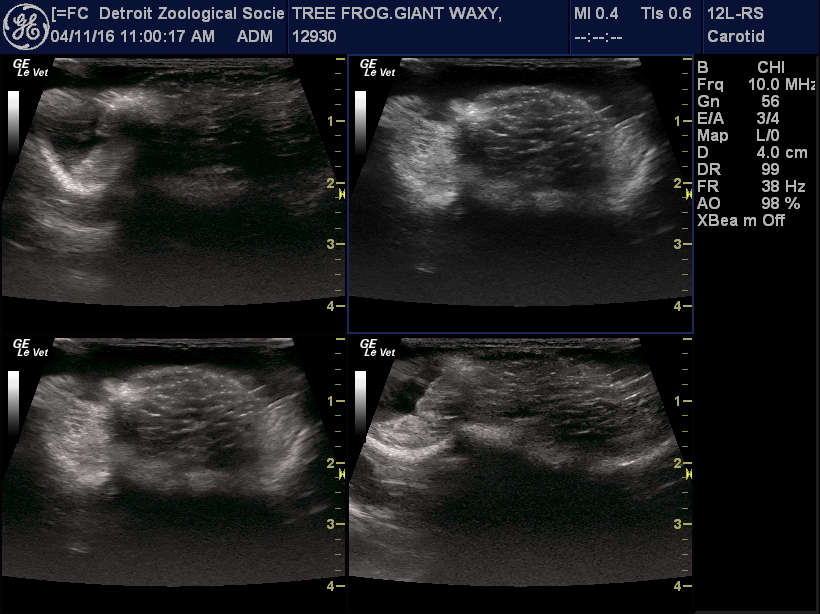
As zoo husbandry staff and amphibian reproductive experts have gained expertise, it has become clear that not all amphibians respond the same way to changes in their environment and established hormone protocols. Two years ago, we purchased a high frequency ultrasound probe, and we have found that we can monitor the appearance of the ovaries and follicles as they develop and mature within female frogs and toads. This provides a very powerful tool for understanding the impact of the husbandry and hormone treatments that we apply, and will allow us to establish assisted reproduction methods for other endangered species.

This season we have some exciting things planned, and have started the early work to check the females we are hoping to breed. Last week, we performed ultrasound exams on our three female giant waxy tree frogs, and were able to see that they are all developing large, follicle-filled ovaries. Based on the appearance of the follicles, we think that they will be ready to breed in the next few weeks to a month.

This week, we will be conducting ultrasound exams on our endangered Mississippi gopher frog females. Once we see their degree of follicle development, we’ll be able to plan a hormone and husbandry strategy for this year’s breeding season. Hopefully we will have exciting news to share in the coming months!

– Dr. Ann Duncan is the Director of Animal Health for the Detroit Zoological Society and oversees the Ruth Roby Glancy Animal Health Complex.

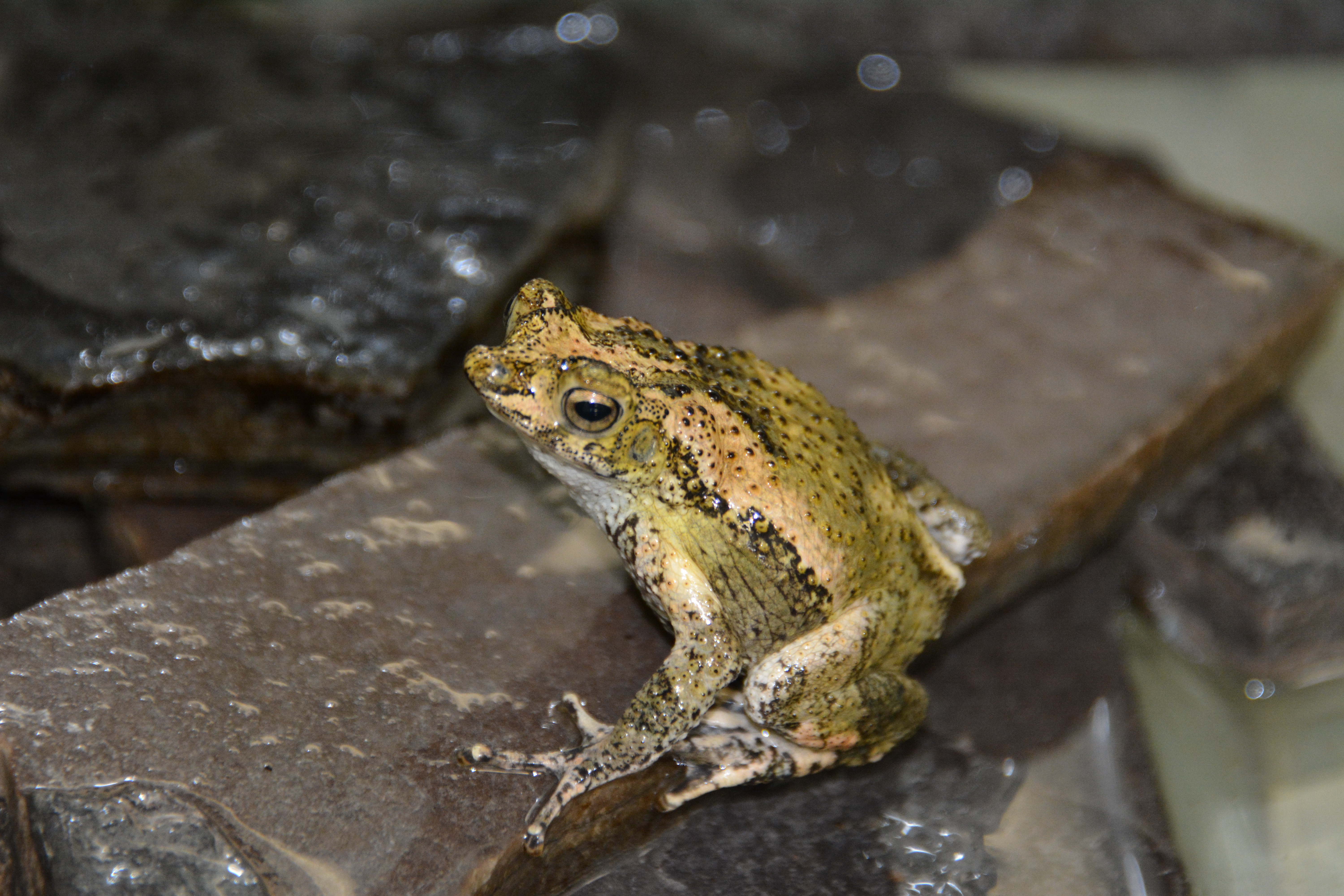
Amphibian Conservation: Breeding Puerto Rican Crested Toads

April is an important time for the Detroit Zoological Society’s amphibian conservation programs. Three of the four animals we work with at the National Amphibian Conservation Center (NACC) that are a part of Species Survival Plans (SSP) are preparing to take part in precisely planned and scheduled breeding events. The outcome is the release of captive-born offspring into the wild to aid in the increase of their populations.

First up for the season is the Puerto Rican crested toad, Peltophryne lemur. The PRC toad, as we like to call them, has been part of a well-managed SSP since 1984. Habitat loss and competition from the invasive cane or marine toad (Rhinella marina) are believed to have been primary causes for the toad’s decline. Listed as critically endangered by the International Union of the Conservation of Nature (IUCN), collaborative efforts by the Associations of Zoos and Aquariums, U.S. Fish and Wildlife Service and the Puerto Rico Department of Natural and Environmental Resources have aided the recovery of this toad in the wild. More than 300,000 captive-bred tadpoles produced by 20 zoos have been released to the wild since 1982. Since the year 2000, the Detroit Zoological Society has produced more than 45,000 tadpoles for this program. In 2015, three clutches of eggs laid produced 22,571 tadpoles for release – the largest amount the Detroit Zoo had ever sent. Ongoing research and the creation and protection of pond habitats have also assisted in the recovery of this toad in its natural habitat.

You may be wondering what it takes to produce thousands of tadpoles from toads half the size of the palm of your hand. The breeding season starts with the assignment of four breeding pairs from the SSP. Each toad in captivity is identified and tracked using a studbook. Specialized software chooses pairs of toads that will produce the most genetically diverse offspring. By mid-March, we know who these eight toads are and we can begin preparing them for breeding.

Each toad must be easily identifiable – if you think all toads look alike you’ll be surprised to know that wart patterns and throat markings are very unique, although reading glasses are sometimes needed to make the proper ID. Toads are conditioned by slightly cooling and drying their environments out for a month-long period. A thermostat-controlled refrigeration unit keeps the toads cooled precisely at 66 degrees Fahrenheit. While the toads are “sleeping”, their primary zookeeper works diligently on preparing the breeding tanks where the pairs will breed and the eggs will develop. At this same time, veterinarians prepare a schedule of specialized breeding hormones that will further assist in ensuring that eggs are laid and fertilization happens at the right moment.

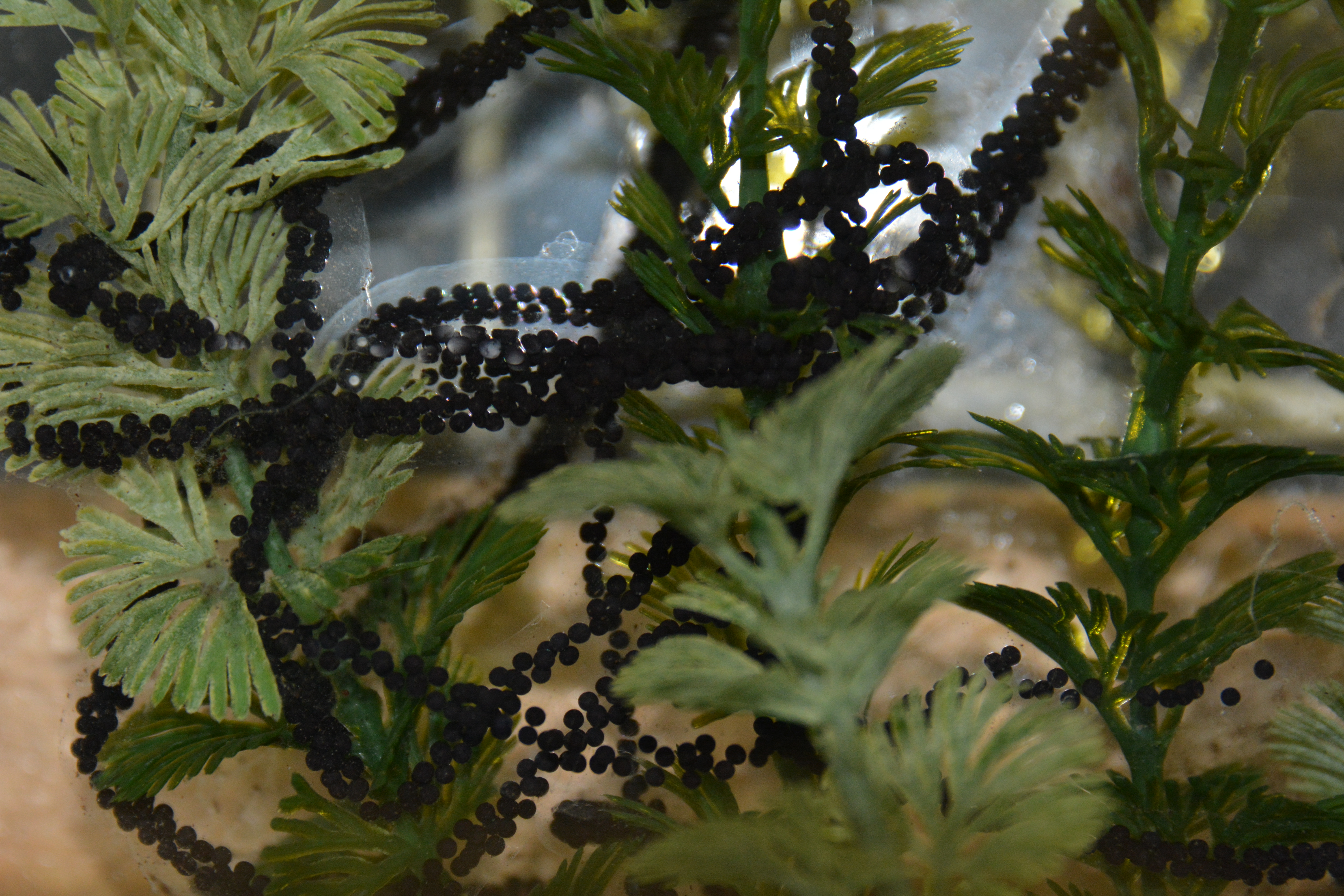
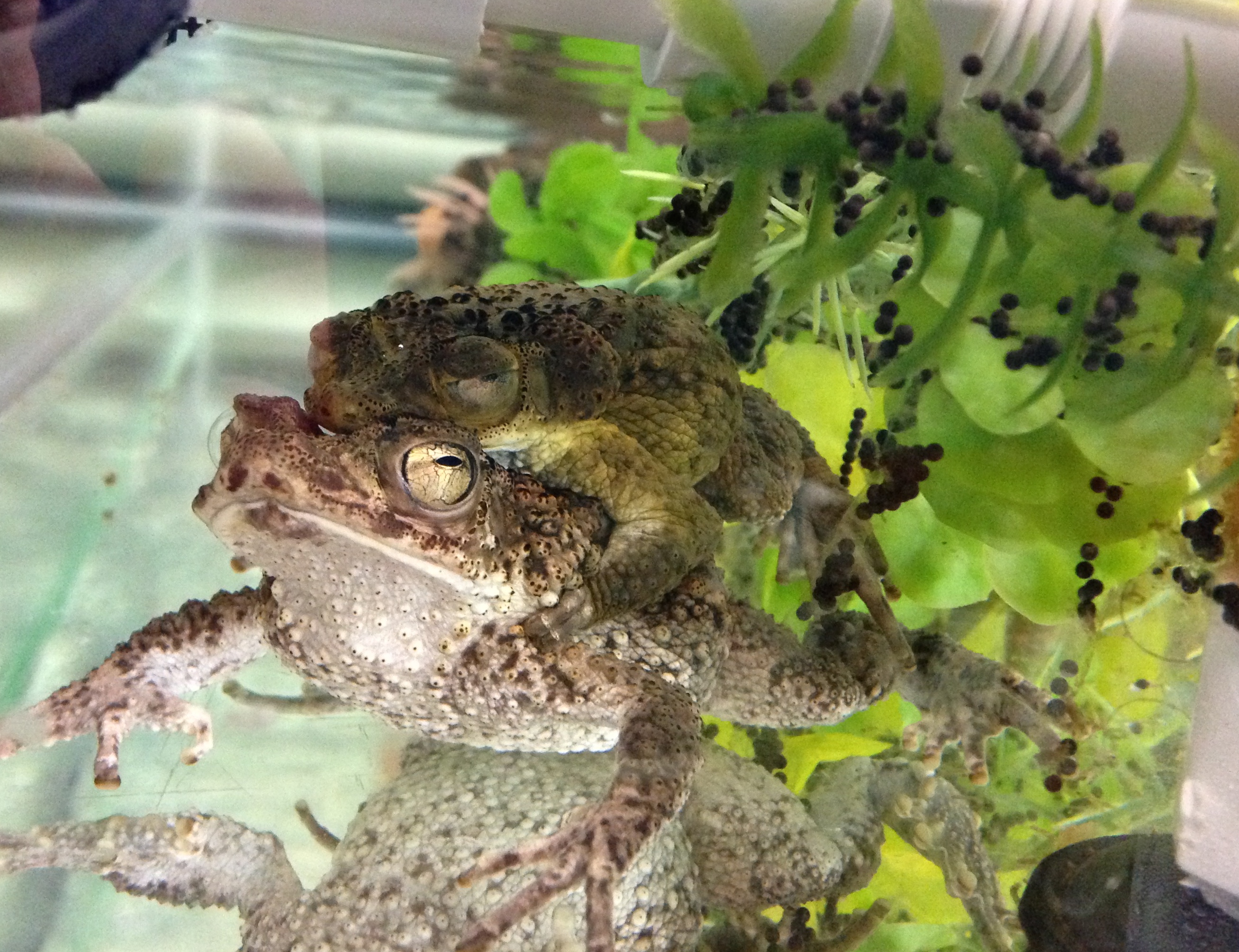
Upon their exit from cooling, they return to normal husbandry to warm up and eat for a few days. Breeding calls of male toads are played to encourage breeding behaviors. Males are first to go into the breeding tanks, followed hours later by the females. If all the preparation works, pairs of toads will be in amplexus – which happens when a male is positioned on top of a female and he squeezes her to encourage egg-laying – before we leave for the evening, followed by a morning of tanks full of eggs.

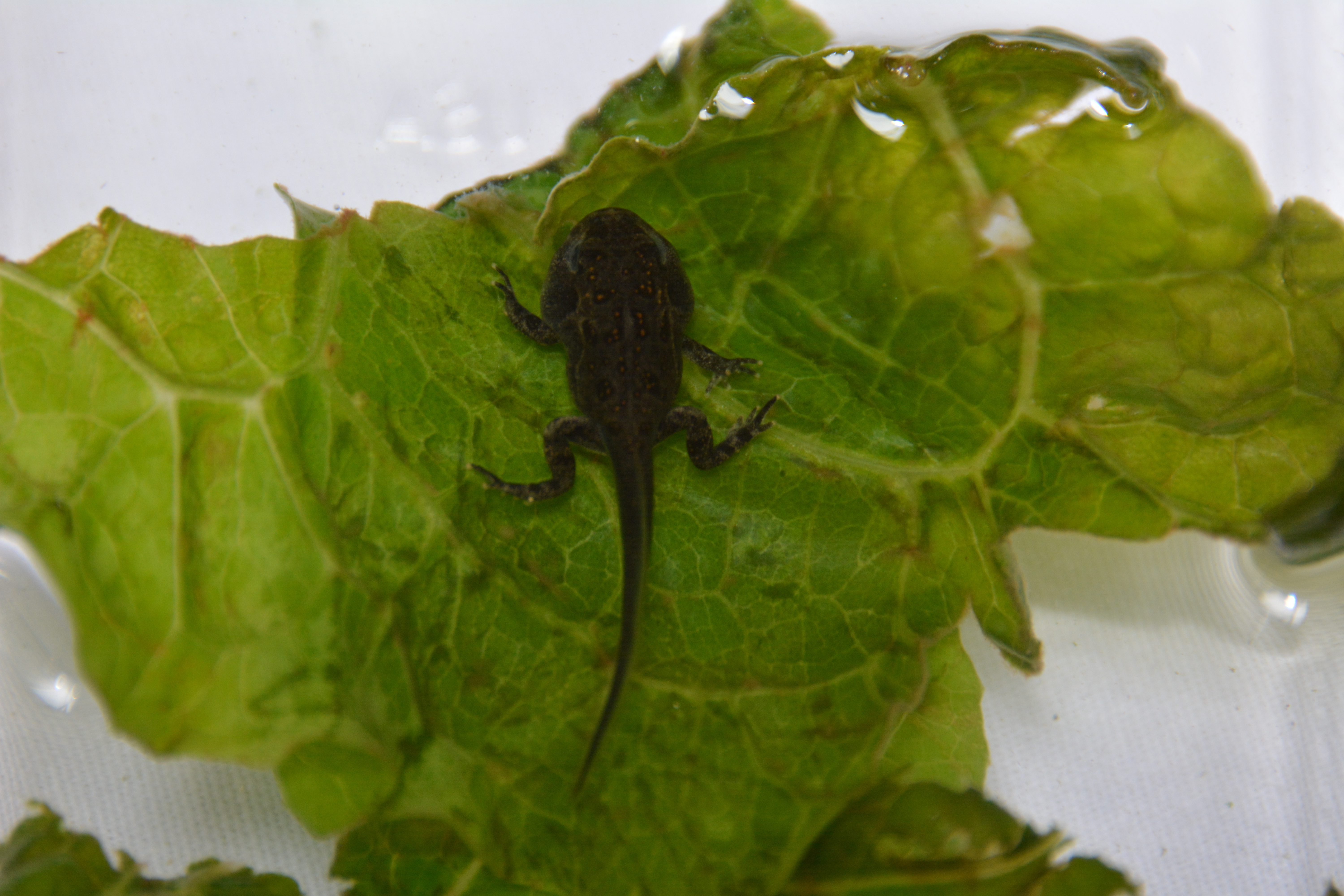
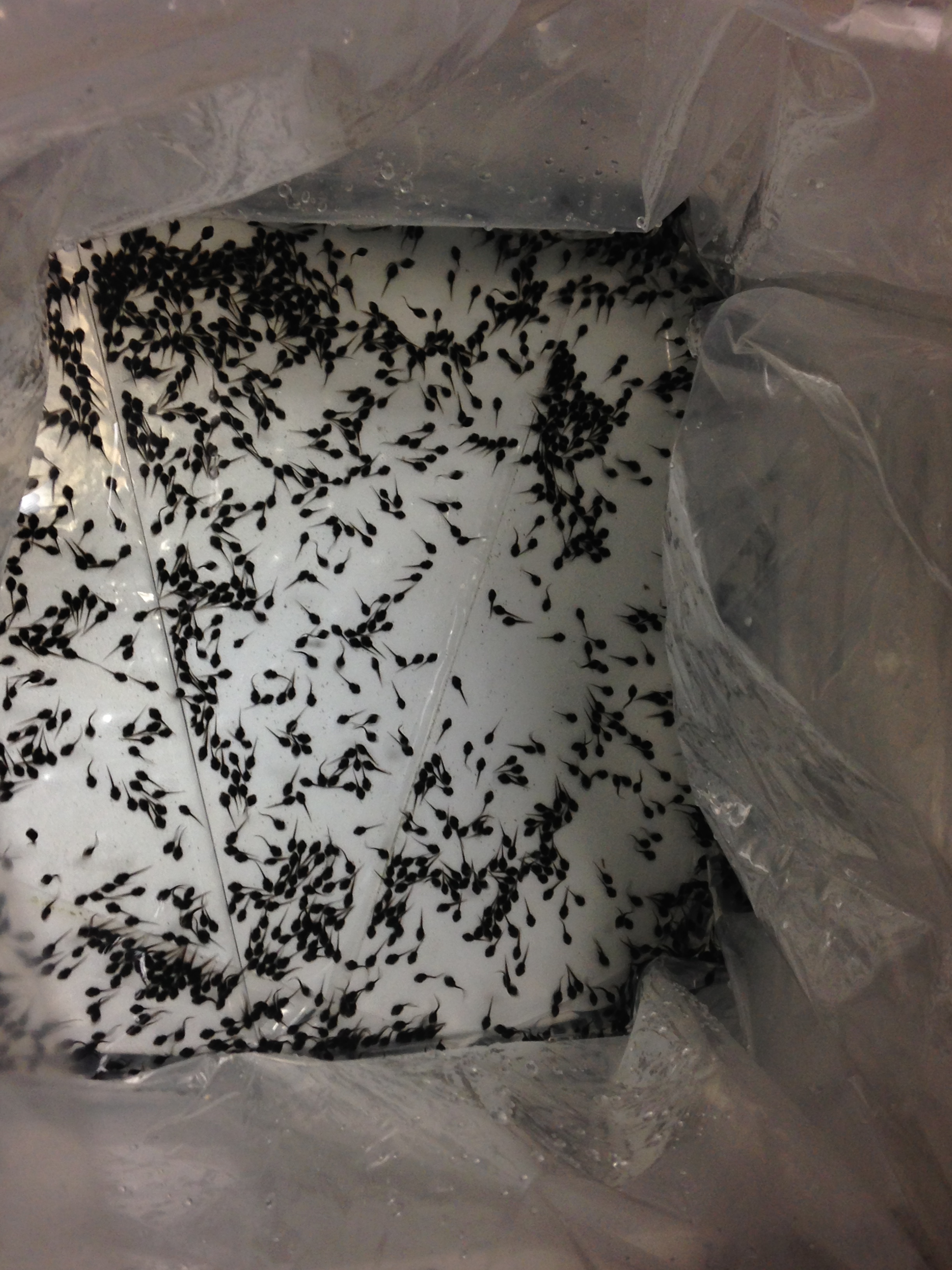
It takes two to three days for eggs to hatch and another couple of days for tadpoles to begin swimming around and actively eating. Tadpoles can be some of the hungriest creatures you will ever encounter. Keepers spend the next 10 days keeping them fully fed by offering them algae pellets, powdered diets and romaine lettuce sometimes three times a day. At the same time, all those foraging tadpoles create a lot of waste, so keepers spend the rest of their time keeping their water clean with frequent water changes.

During all of this, we keep a very important date in the backs of our minds – the last big event in our PRC toad breeding season. Any facility that breeds the PRC toad needs to ship them to Puerto Rico for release on the same date. The release of the tadpoles is timed with the season in which the tads would grow and develop the best in the wild. Tadpoles also need to be shipped at a certain age, before they get too big and begin to develop appendages.

Amphibian staff can spend well over 24 hours collectively counting and packing the tadpoles into Styrofoam-protected shipping boxes. Heavy-duty fish shipping bags are used, doubled up and filled with oxygen to keep tadpoles healthy and safe on their trip to Puerto Rico. Approximately 24 hours later, they will reach their new home in a pond located in a well-protected forest in Puerto Rico. As they develop and grow, they will add to the wild population and one day, hopefully, participate in creating many more thousands of tadpoles!

Rebecca Johnson is the associate curator of amphibians for the Detroit Zoological Society.