Education: Making Less Harmful Choices

Every day we make choices. We decide what to wear, what to eat and which products to use. Each of these actions has an impact with implications we may not immediately think about.

We can consider the impact of our decisions by exploring two questions:

  • What are the effects of this item or activity on animals?
  • Are there any alternatives that may be less harmful or even provide some benefit?

As an example, let’s take a moment to explore coltan. You might not even be aware of its existence, but you likely use it on a daily basis. Coltan, an ore, is an essential component of our smart phones and many other electronic devices that we use, including laptops and game consoles. Unfortunately, the mining of coltan is having devastating effects on the habitat of endangered gorillas and other wildlife living in the Democratic Republic of the Congo (DRC). While it is mined in different areas of the world, a good portion of the world’s reserves are found in and around the DRC.

So what can we do? We can’t avoid using it, but here are a few things to consider:

  • Pass on the opportunity to get a free upgrade unless your cell phone is no longer in good working order
  • Opt to fix your electronics, if possible, rather than buy new
  • Consider buying refurbished electronics
  • Always responsibly recycle your electronics so that the coltan can be used again

When we take a moment to examine the products we’re purchasing, it enables us to make the best choice possible for people, animals and the planet. This enables us to make knowledgeable decisions on how to walk softly and treat the Earth’s creatures gently. Every action we take to help the Earth and its inhabitants is something to be celebrated!

– Lisa Forzley is a curator of education for the Detroit Zoological Society and oversees the Berman Academy for Humane Education.

Animal Welfare: Engaging Animals with Smashing Pumpkins

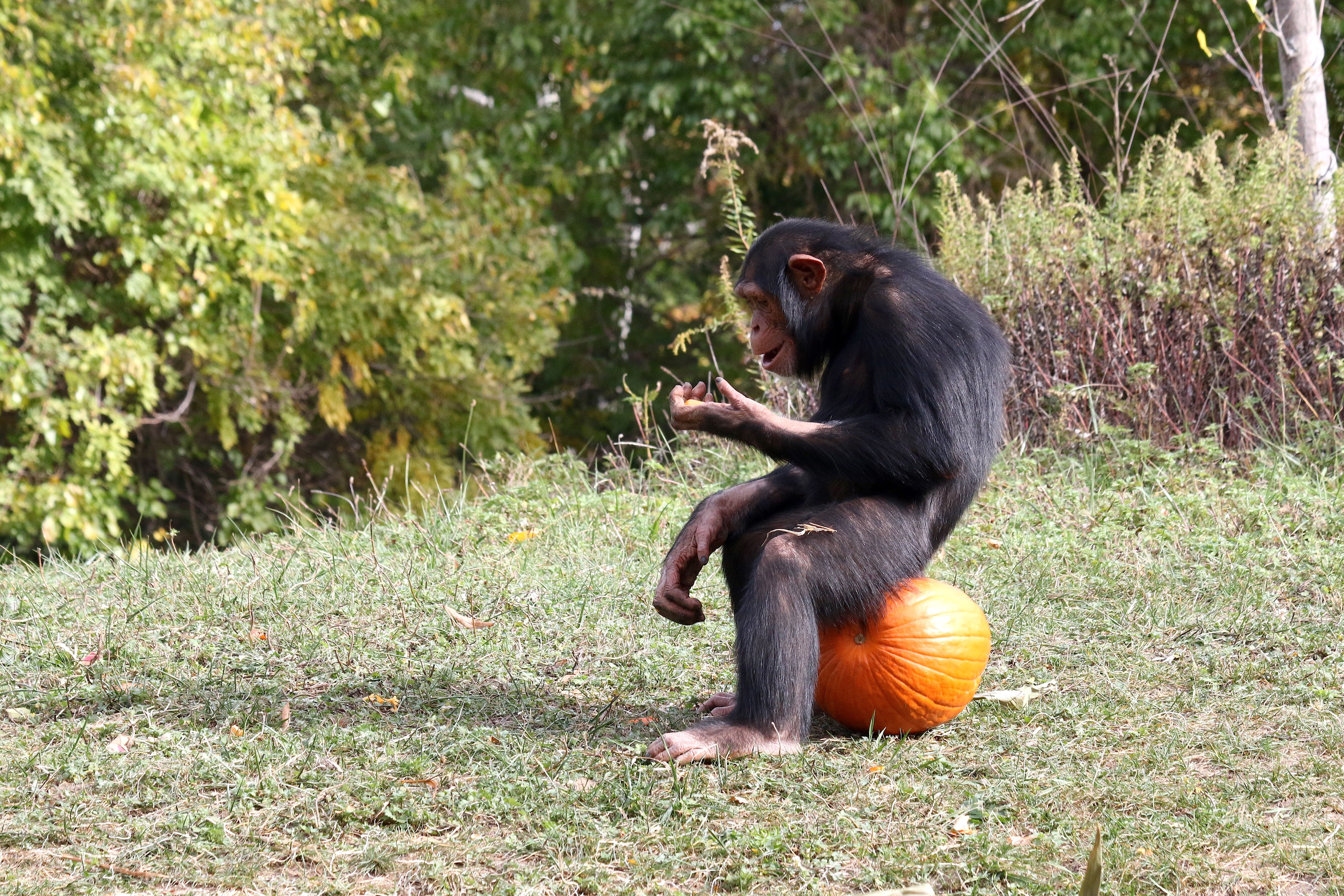
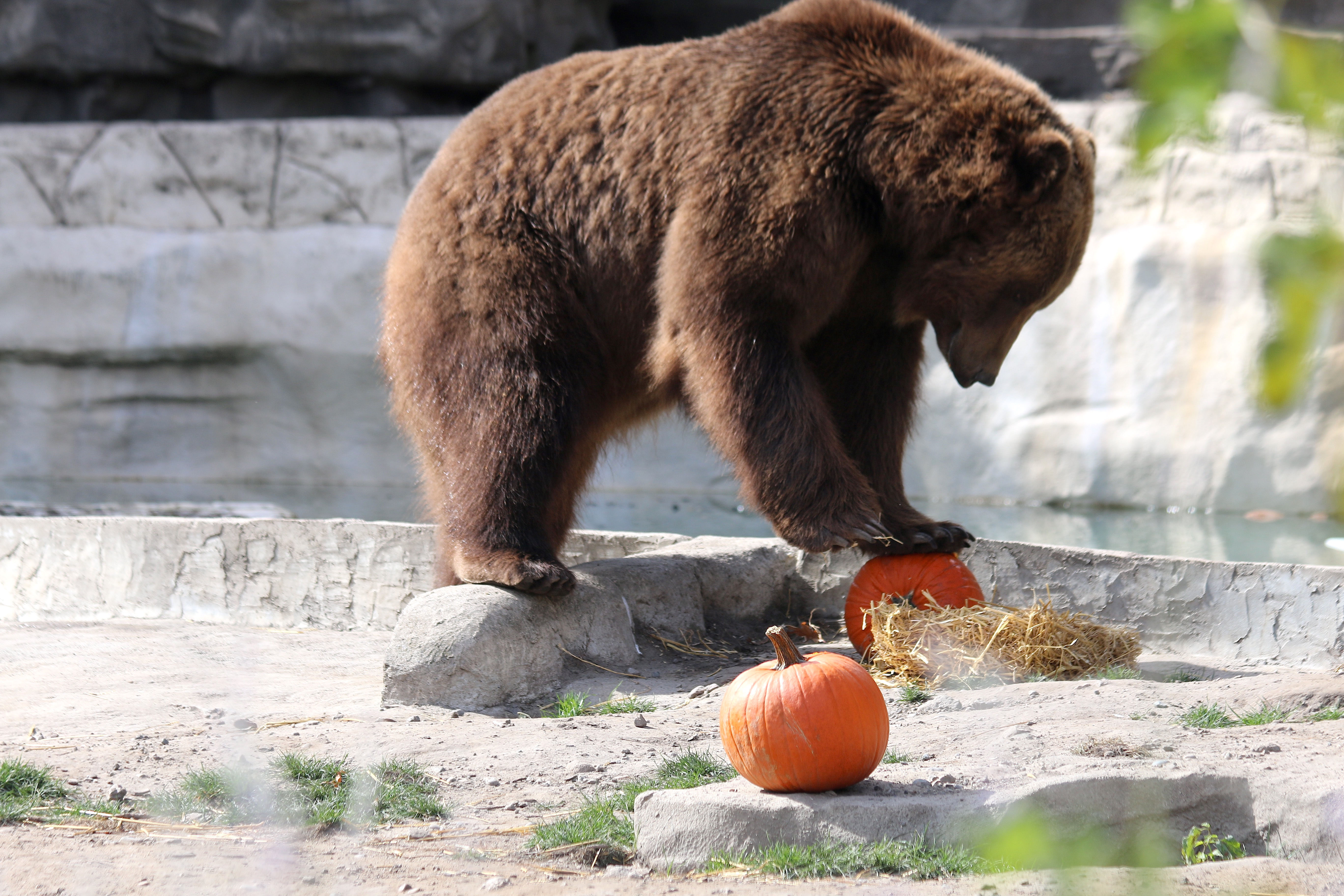
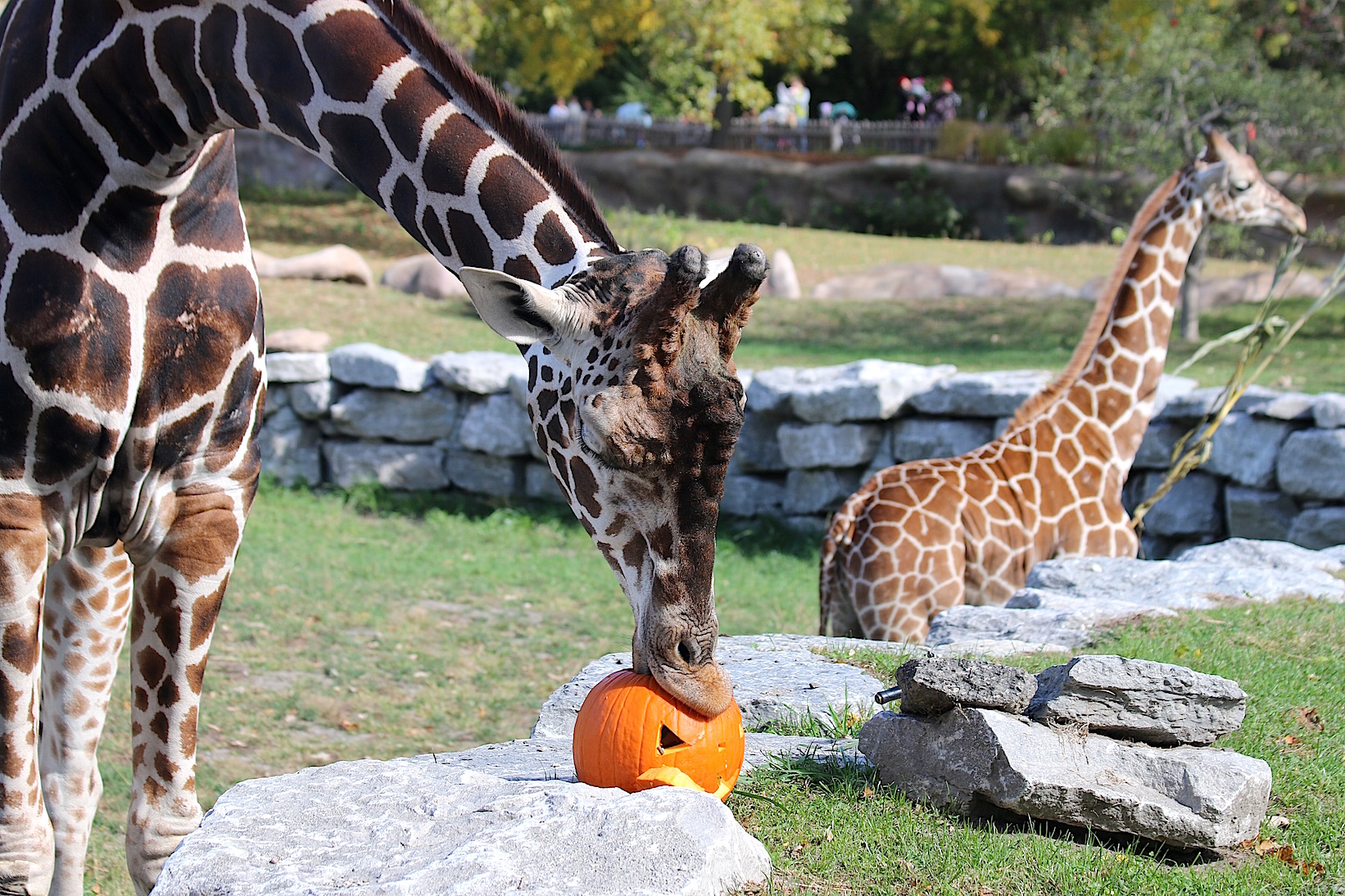
Pumpkins are everywhere this time of year, from front porches to spiced lattes. At the Detroit Zoo, you may notice pumpkins and gourds decorating the grounds, immersing visitors in the feeling of fall and generating excitement for Zoo Boo.

You may also see them in animal habitats, where they serve a different purpose. The Detroit Zoological Society is committed to ensuring that each animal experiences great welfare, and this involves providing animals with engaging and stimulating opportunities. We work hard to create habitats that enable animals to display species-typical behaviors such as foraging for their food. Providing additional opportunities to interact with the environment, referred to as environmental enrichment, is one important part of that work to increase complexity and novelty.

Each animal can choose whether to interact with these features – the ability to make choices is a critical factor in positive welfare. Furthermore, this can result in a greater diversity of behaviors, another indicator of positive welfare. Pumpkins are given out whole or are carved to hide other edible items, and placed in different locations for various species, all depending on the behaviors we are trying to encourage. While pumpkins and other seasonal items are a fun way to accomplish this during the Halloween season, the animals residing at the Detroit Zoo are provided with enriching activities daily by their dedicated zookeepers.

The public is invited to share in this experience and observe the animals eating, playing with, tearing apart and smashing their seasonal goodies during Smashing Pumpkins on Wednesday, October 12 and Saturday, October 22.


– Dr. Stephanie Allard is the director of animal welfare for the Detroit Zoological Society and oversees the Center for Zoo Animal Welfare.

Animal Welfare: Workshop Draws Zoo Staff from Around the Globe

In many parts of the world, October means the start of cooler weather and fall celebrations. For the staff of the Detroit Zoo’s Center for Zoo Animal Welfare, it also means the arrival of participants in our annual workshop, “From Good Care to Great Welfare”. This year marks the fifth time we have held the workshop and this time around, we are joined by animal care professionals from the U.S., Montreal, Guatemala and Singapore.

We are spending five days discussing what animal welfare is, and how to assess and improve it in zoos.  The central theme of better understanding how animals in zoos and aquariums experience the world is woven through the lectures, activities and projects.

This message is key, as providing animals with what they need to thrive is dependent on each individual’s perception of their environment, both social and physical. We must create an awareness of the sensory abilities of other species, how environmental factors impact them, and the responsibility we all have to ensuring positive animal welfare.

The workshop is an exciting time for all of us, as we get to know people from around the globe committed to advancing animal welfare and as a result, enhance our own ability to impact the wellbeing of animals living in zoos and aquariums.

– Dr. Stephanie Allard is the director of animal welfare for the Detroit Zoological Society and oversees the Center for Zoo Animal Welfare.

String Holiday Lights Like a Pro

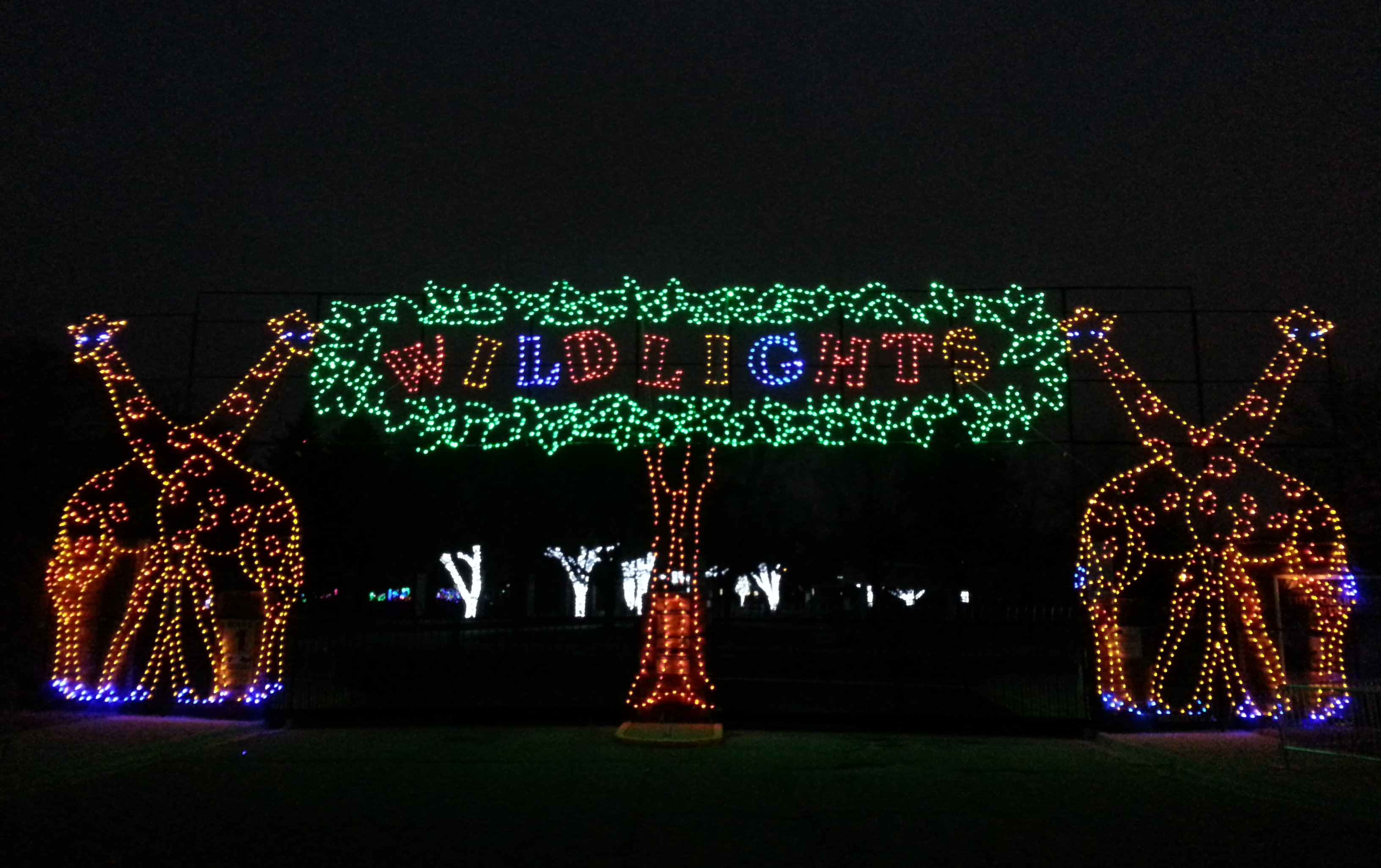
Looking to hang your lights like an expert this holiday season? Take a cue from the man who strings millions every year at the Detroit Zoo. Steven Greening, technical supervisor for the Detroit Zoological Society, leads the team that sets up more than five million LED lights in preparation for Wild Lights at the Detroit Zoo. Buildings, trees and more than 200 animal sculptures become illuminated as a spectacular holiday treat for hundreds of thousands of guests during 29 nights in November and December.

While lighting up the Zoo is far more intensive than decorating the average home – Steven’s team began their work in August – the tips he shares can apply to anybody, no matter the scale.

  • Stretch out light strands before hanging them. This allows the wires to naturally unwind and unkink, and ensures that the lights stay in place all season.
  • Mix white lights and colorful lights. Eye-catching white lights can be used to emphasize certain features in a landscape. Steven suggests buying the same color lights from the same source, as LED bulb colors can vary greatly between manufacturers.
  • Keep tension on light strands when wrapping tree trunks and limbs. When the temperature changes, loosely-wrapped wires can fall and look messy. Keep the spacing even and maintain it over the whole tree.
  • Reach new heights. Attach a BBQ fork to the end of an extendable painter’s pole to help reach tree canopies without using a ladder.
  • Maximize the space. If your existing landscaping includes lights aimed at bushes or trees, try using colored bulbs or lenses that match the holiday lights used. It will make the trees or bushes look fuller without using as many lights.
  • Most importantly, always follow safe practices on ladders and roofs. Don’t use staples to attach lights, don’t overload circuits and keep all electrical connections dry. Be sure lights are plugged in to a grounded outlet.

Wild Lights at the Detroit Zoo will be held from 5:30 to 9 p.m. on November 18-20 and 25-27; and December 1-4, 8-11, 15-23, and 26-31. Tickets are $10 in advance or $13 at the gate and will be available online for Members starting on October 1 and for the general public starting on October 15 at http://detroitzoo.org/events/zoo-events/wild-lights.

Carousel rides and photos with Santa Claus will be available for purchase, and a 10-minute adaptation of the animated classic Rudolph the Red-Nosed Reindeer will be featured at the Wild Adventure Zone 4-D Theater. This film will only be played during Wild Lights and tickets are $5 per person, ages 2 and up. In addition, the Wildlife Photographer of the Year exhibition will be on display in the Ford Education Center.

rudolph

Notes from the Field: Detroit Zoo Continues to Save Once-Extinct Snail Species

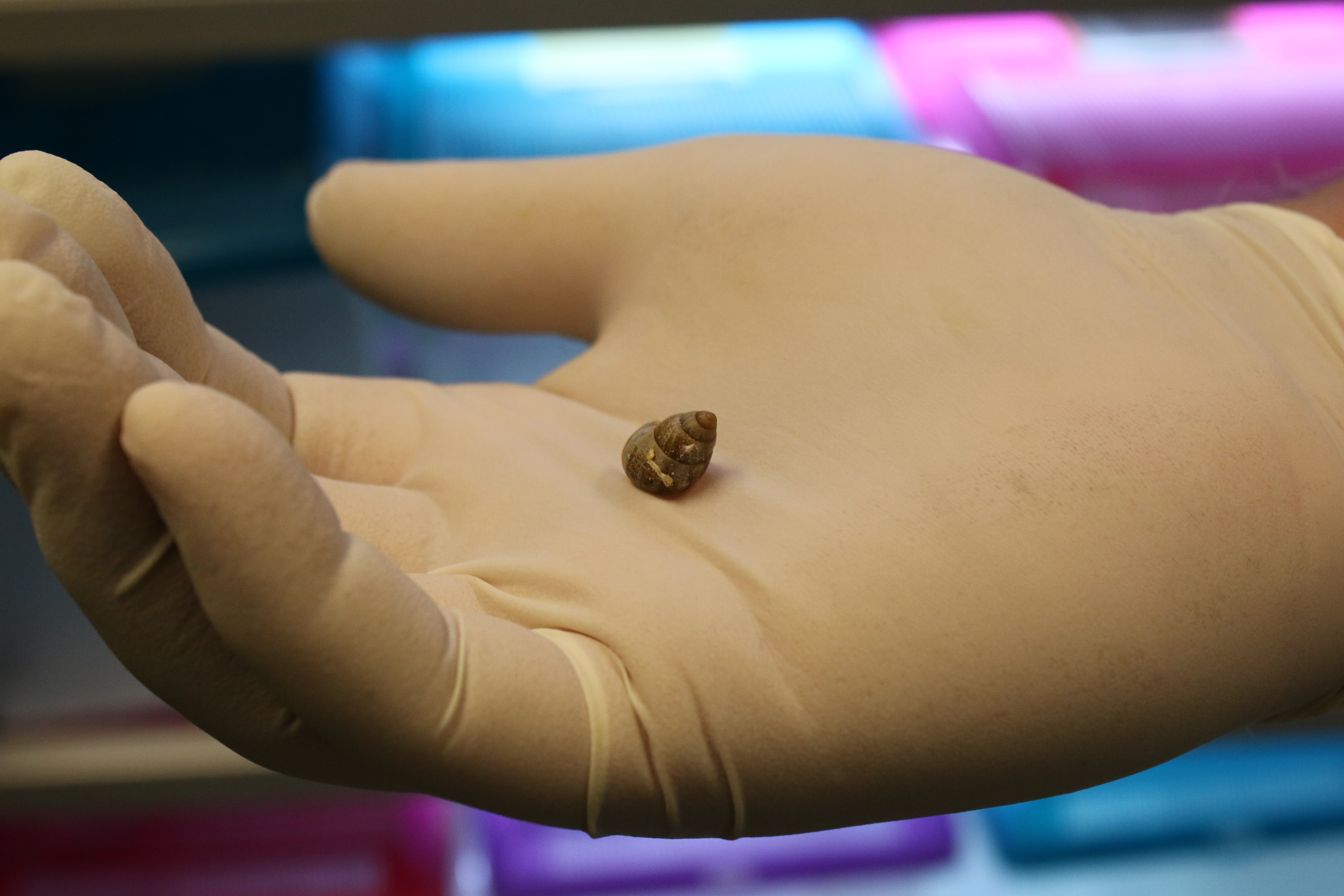
The Detroit Zoological Society (DZS) is continuing to bolster the wild population of a species of Tahitian land snail called Partula nodosa, which we are credited with saving from extinction. At one point, all the P. nodosa in the world lived at the Detroit Zoo as part of a breeding program that began in 1989 after the species had been declared extinct in the wild. Last summer, 100 of these snails were carefully packaged before embarking on a journey to the tropical island of Tahiti. Last month, an additional 60 snails began their voyage, departing the Detroit Zoo on a path first to the Netherlands before their eventual release into the wilds of the South Pacific.

P. nodosa were once found across Tahiti and other south Pacific islands among more than 125 different species of land snails. These beautifully striped snails were important in the ceremonial jewelry and decorations of native islanders, and the snails served as an ideal study group to learn more about the evolution of diversity.

Much of the Partulid snail diversity was lost because of a botched attempt at what is known as “biological control”, or the control of a pest by the introduction of a natural enemy or predator. In 1967, giant African land snails were introduced to Tahiti and other south Pacific islands to serve as a source of protein for local people. However, some African snails escaped, bred very rapidly, and began eating farmers’ crops, threatening the local economy. To control the African snails, Florida rosy wolf snails were introduced a decade later, but the wolf snails preferred to eat the Partulid snails, which caused the extinction of many of the Partulid species.

For nearly three decades, the DZS has been breeding these snails in a behind-the-scenes area as part of a collaborative effort with other zoos. The project began in 1989 with 115 Tahitian land snails of five different species – while the DZS focused its efforts on P. nodosa, other zoos began working on the others. Our program led to the rescue and recovery of the species – currently there are 4,000 individuals living in North American zoos, all descendants from the Detroit Zoo’s original small group.

Paul Buzzard, Ph.D., is the Director of Conservation for the Detroit Zoological Society.

Detroit Zoo Honored with International Conservation Award

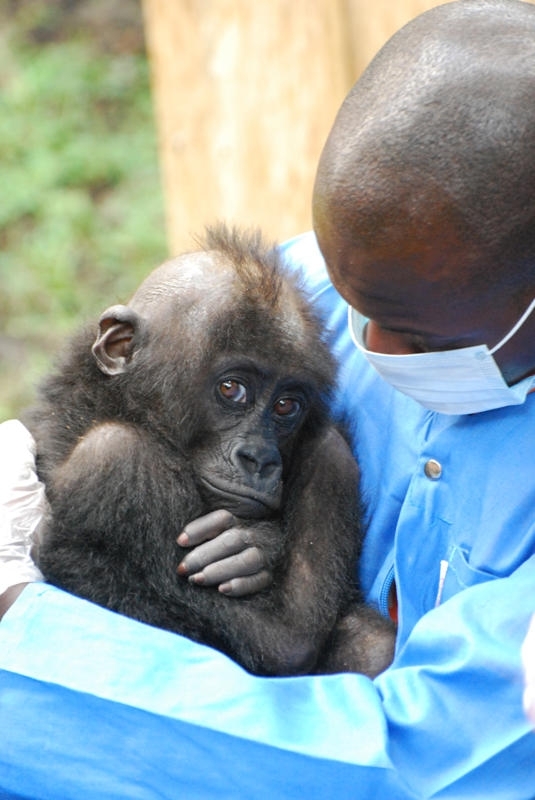
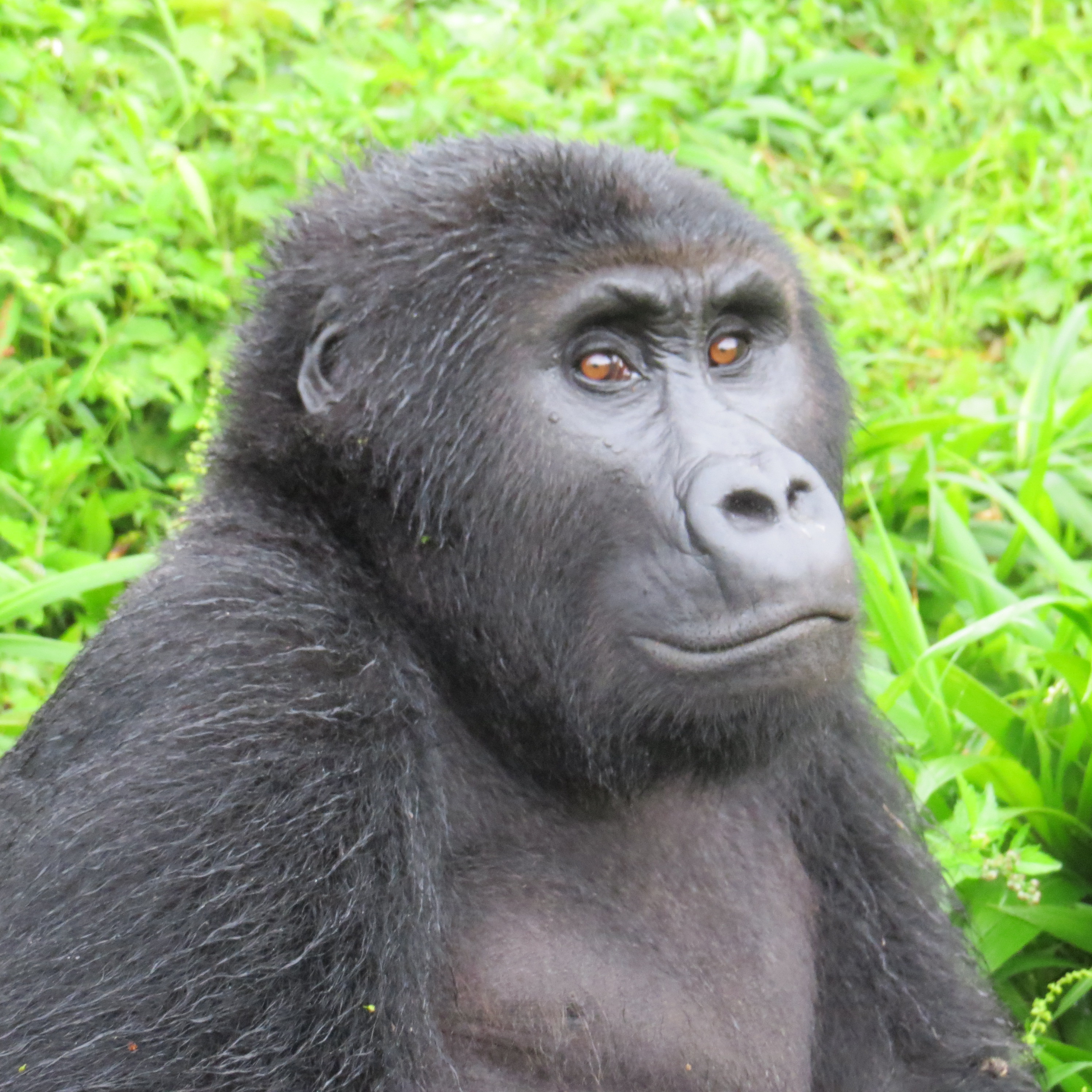
The Detroit Zoo was recently honored along with eight other zoos with the 2016 International Conservation Award from the Association of Zoos & Aquariums (AZA) for our work with the Gorilla Rehabilitation and Conservation Education (GRACE) Center. Located in the Democratic Republic of Congo, GRACE is dedicated to rescuing orphaned Grauer’s gorillas, which are among the most critically endangered primates in the world. As the conservation and preservation of wildlife is paramount to the mission of the Detroit Zoological Society (DZS), we couldn’t be more proud of this partnership or of this achievement.

Sadly, the Grauer’s gorilla is endangered due to widespread habitat destruction, poaching and threats associated with the ever-growing human population, caused in part by regional conflicts and government unrest. However, GRACE bravely fights against this, taking in the gorillas that have been separated from their birth families and/or confiscated from illegal trading. The rescued animals are provided nutrition and medical care as they explore the facility’s 370 acres – the largest gorilla enclosure in the world – situated within a 1,235-acre forested area of Central Africa. The hope – and the goal – is that these majestic animals will also learn the skills necessary for an eventual return to the wild.


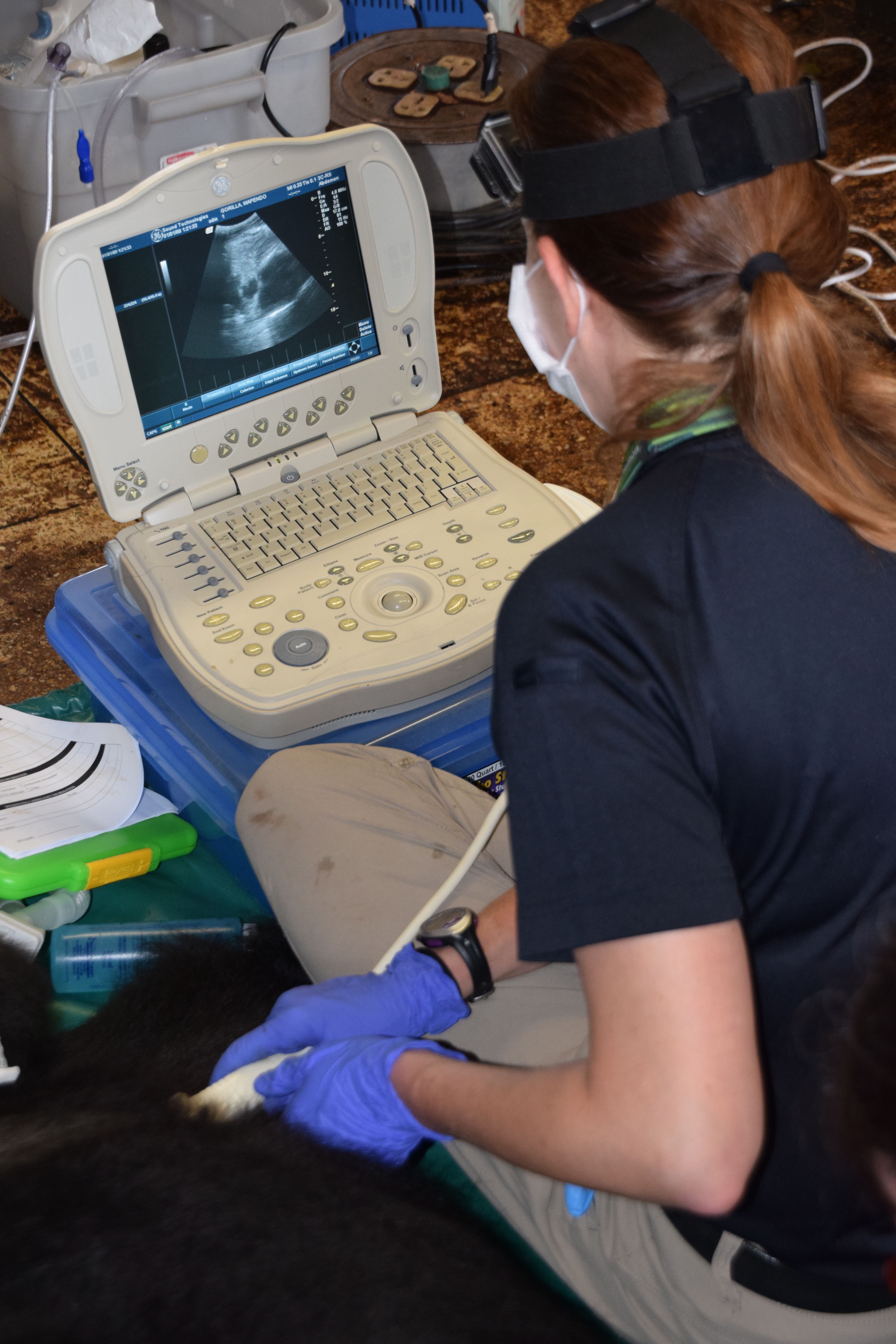
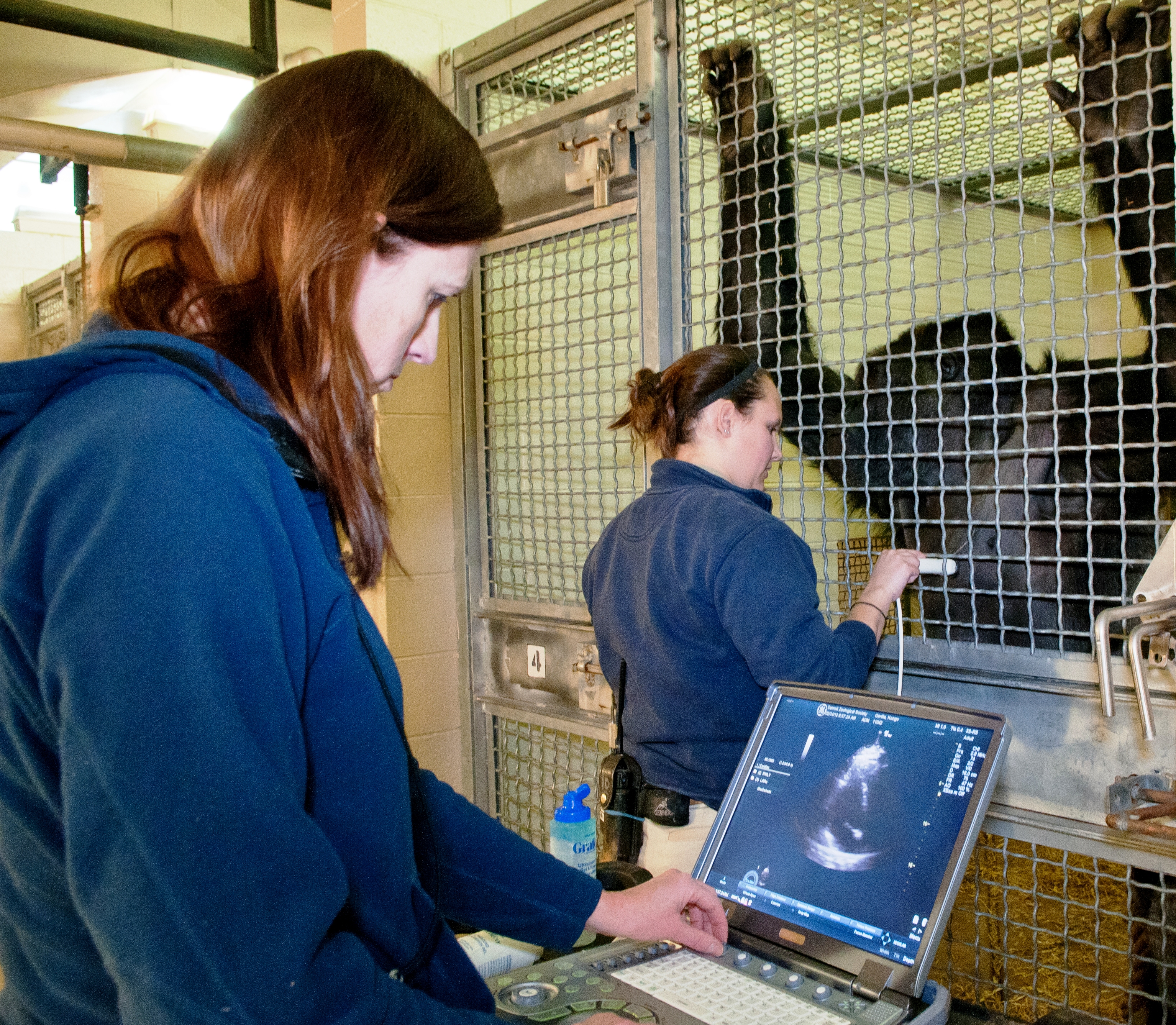
Founded in 2009, GRACE is overseen by a dedicated board of directors, which includes Ron Kagan, DZS CEO and executive director, who has also served as board chair. In addition to Ron’s valuable leadership, the DZS’s involvement with GRACE has also included financial and staff support. In 2015, Ron helped secure funds for a new night house enclosure for the gorillas. Also that year, DZS Director of Animal Health Dr. Ann Duncan traveled to the Congo to perform health examinations on 12 gorillas, which had never been done before.

This amazing conservation, welfare and humane education initiative is a wonderful collaboration of important organizations working together with a very special Congolese community to ensure that this population of extremely endangered gorillas survives.

The AZA’s International Conservation Award annually recognizes accredited AZA institutions and conservation partners that make efforts to restore habitats, preserve species and support biodiversity.  Our zoo partners who join us in receiving this award include the Los Angeles Zoo, Utah’s Hogle Zoo, Jacksonville Zoo and Gardens, Nashville Zoo, Houston Zoo, Dallas Zoo, Sedgwick County Zoo and Disney’s Animal Kingdom.

We are looking forward to continuing our partnership with GRACE and dedicating our efforts to ensure the safety of the beloved Grauer’s gorilla for generations to come. This partnership is arguably the most exciting, unique and promising conservation, welfare and humane education initiative the Detroit Zoological Society has ever been involved with.

Detroit Zoo Earns Top Honors for Customer Service Excellence

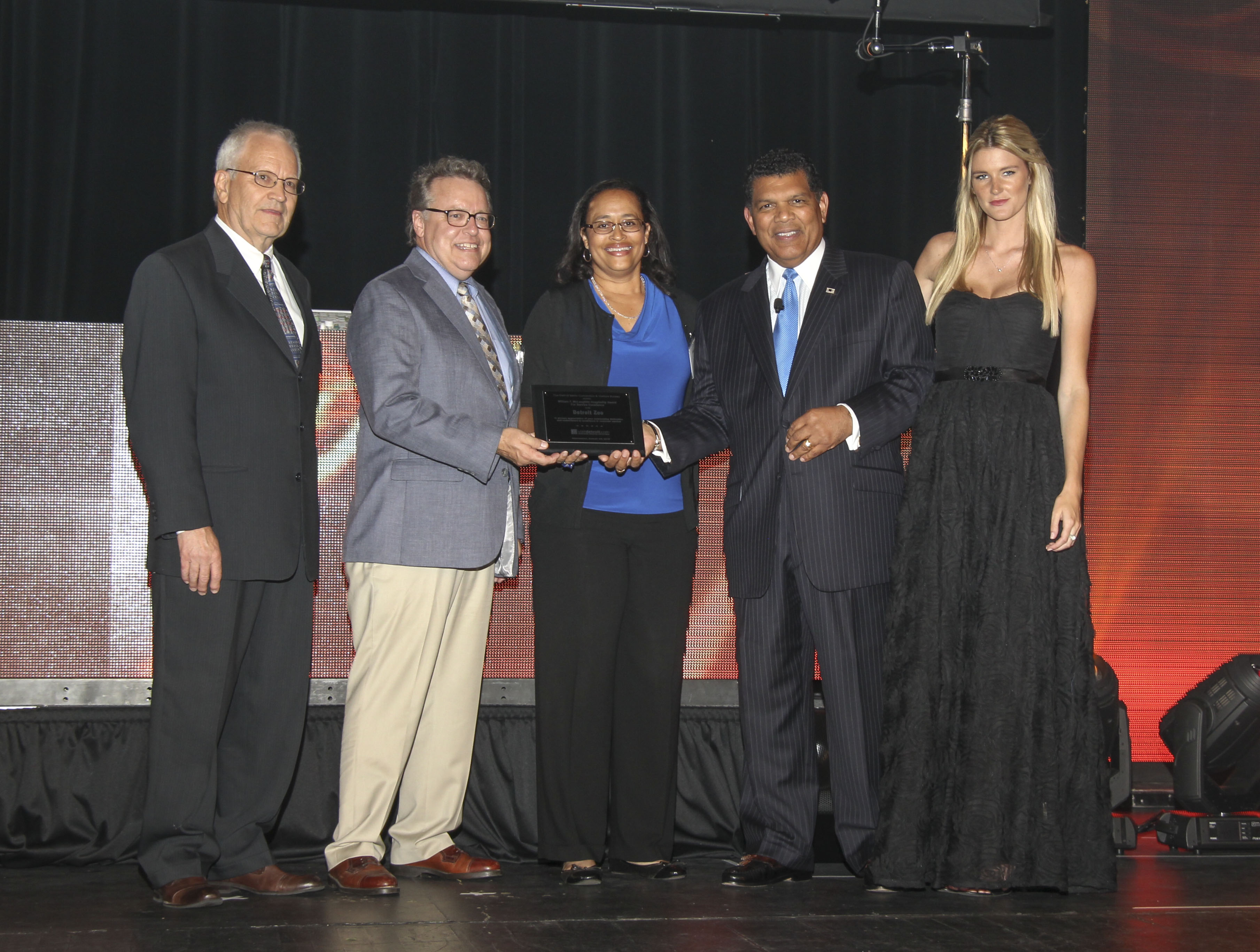
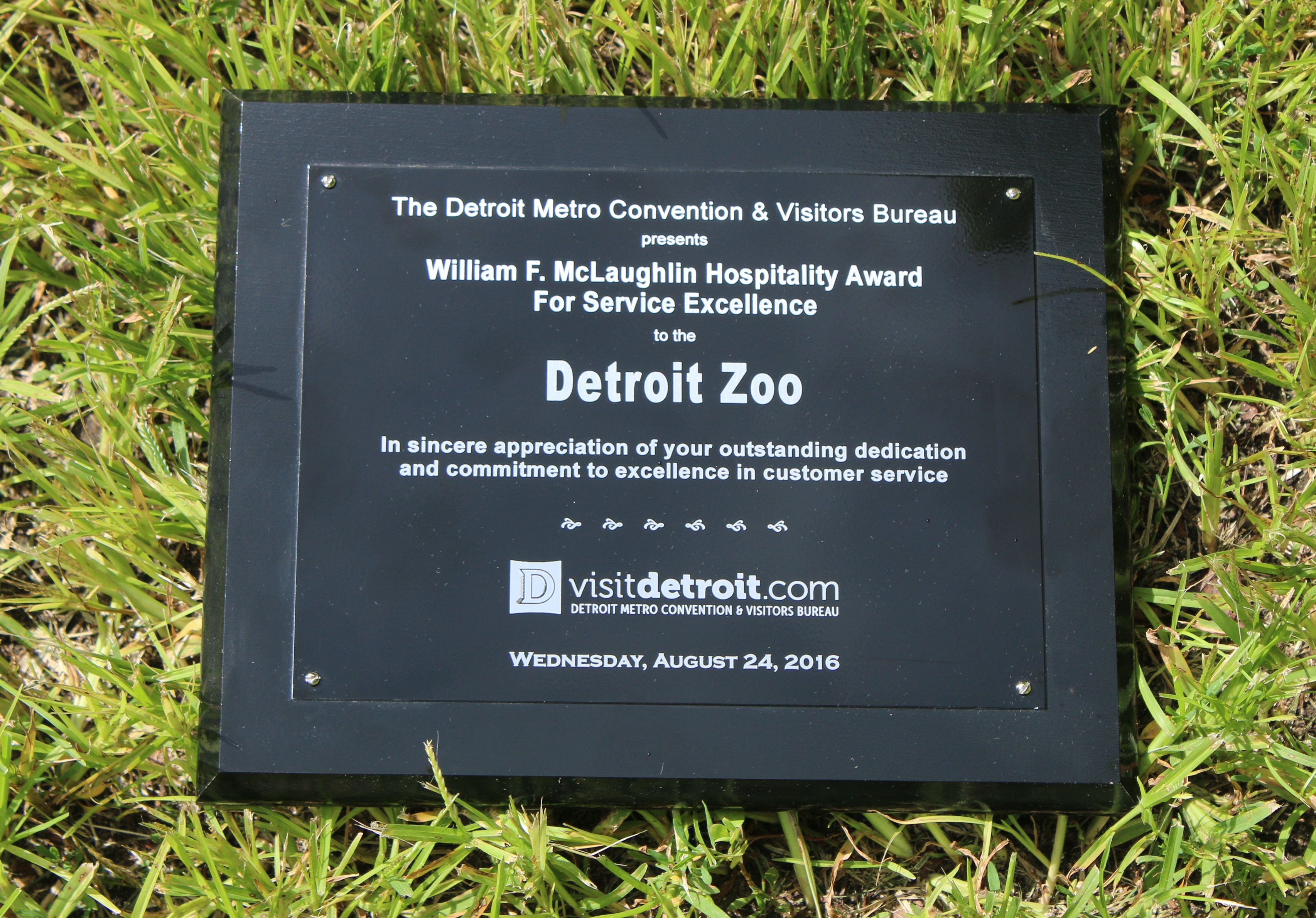
The Detroit Zoo recently received the prestigious William F. McLaughlin Hospitality Award for Service Excellence from the Detroit Metro Convention and Visitors Bureau. This is a great honor, as it is the only award in the state that recognizes customer service excellence in businesses. Detroit Zoological Society Chief Operating Officer Gerry VanAcker and Guest Relations Director Alexis Means accepted the award on behalf of the Zoo’s dedicated staff and volunteers.

The staff at the Zoo works hard on a daily basis to ensure that each and every guest has a pleasant visit. During employee training, staff learns the Zoo’s rules for great customer service.

Grin and greet within 8 feet. Smiles are contagious, so simply smiling and greeting guests can make an impact on their visit.

Be a good listener. Taking the time to listen to guests’ needs by asking questions and concentrating on what they’re saying makes them feel as if we care about their experience – and we do!

Make guests (as well as staff and volunteers) feel important. If possible, use their name and treat them as individuals. Find ways to compliment them, but be sincere. By generating good feelings about doing business with us, they will return again and again.

Always say “yes” – within reason. Look for ways to help visitors whenever possible. If they have a request, as long as it’s reasonable, we can help.

Know how to apologize. If something goes wrong, it’s easy to say “I’m sorry” and guests appreciate it. Try to remedy the situation and make sure the visitor knows what has been done. Even if they are having a bad day, there’s always something we can do to try and make them more comfortable.

Give more than expected. Because the future success of the Zoo lies in keeping visitors happy, we try to find ways to set ourselves apart from other institutions. Escorting guests to locations when asked for directions is one way we can stand out. Don’t just show…go!

Treat all employees and volunteers well. It’s not just the guests who enjoy feeling appreciated. When we feel good, we’re better at making our guests feel good!

Nature Play at the Belle Isle Nature Zoo

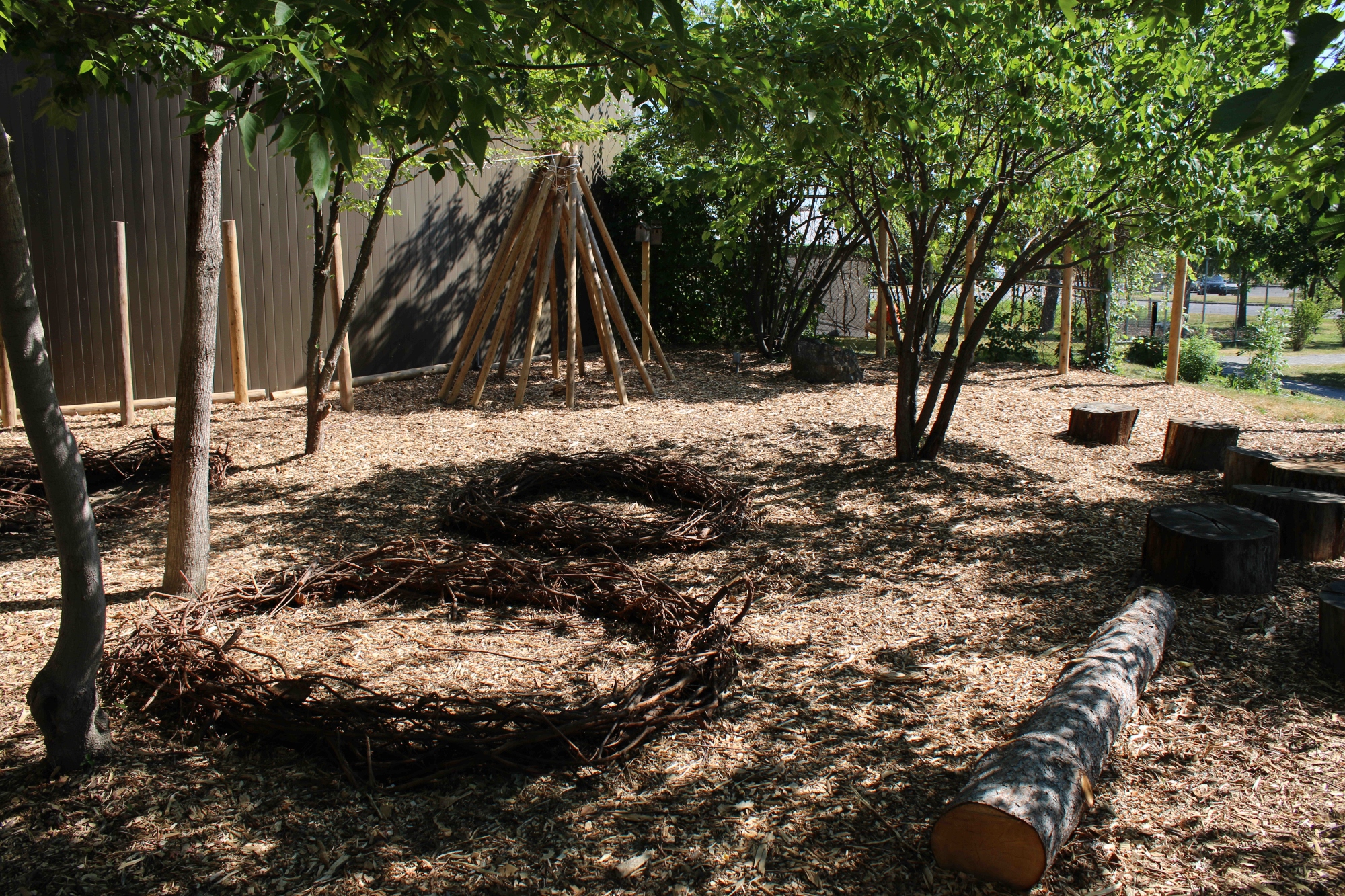
The Belle Isle Nature Zoo’s backyard is undergoing a transformation from au naturel to a natural playground area. While we believe it’s beneficial for our native flora and fauna to have natural places to grow wild and free, we also believe the same is true for local children!

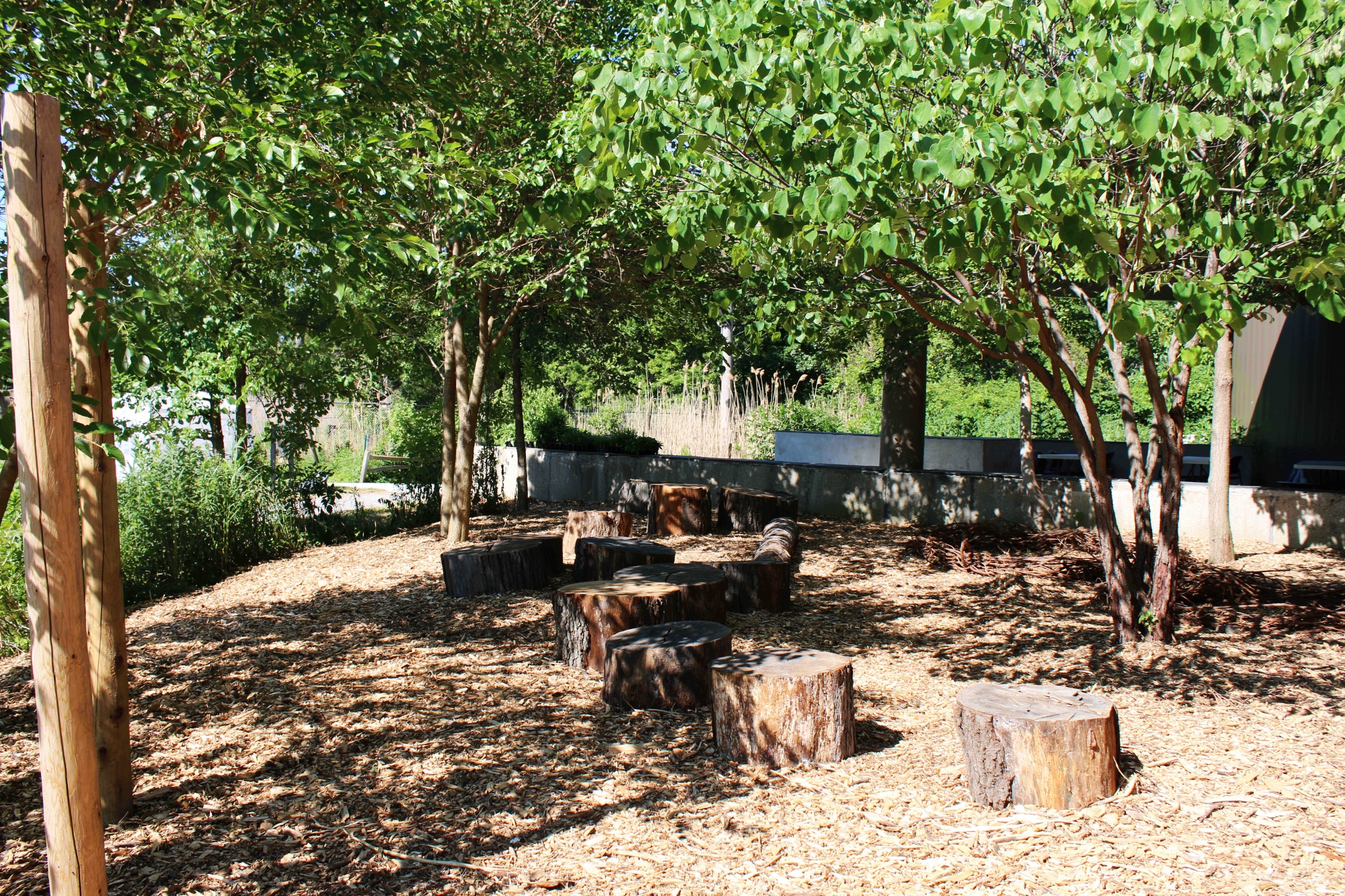
What began as an ordinary space with a lot of potential is becoming an extraordinary space with a lot of possibilities for families to stay and play. While the playground environment remains filled with natural materials, the area now provides an inviting opportunity for children to exercise their imaginations, develop a sense of exploration, and enjoy some physical activity outside. Physical, mental and social health benefits flourish as a result of time spent outdoors, and we are working on designing a space that will sustain and support our guests as well as our environment.

Loose items made from natural materials inspire creative play – a balance beam from a fallen log offers a challenge of skill and concentration of gross motor skills, and a trail of tree stumps is just right for hopping, skipping, or even to be rested upon by visitors of all ages. People-sized nests are constructed and stocked with nature’s toys: sand, pebbles, stones, and “tree cookies”, which are slices of tree branches just perfect for construction play. A wooden teepee stands tall, waiting for hide-and-seekers, pretend campouts and all the creative games our small guests with big imaginations may bring.

Sensory activities are also in the works: Natural looms will build fine motor skills with a chance to use plant material to weave designs. Bamboo chimes and natural drums will inspire our natural musicians to play to the rhythm of the seasons, and colorful textural elements will reflect the beautiful palette of the natural world.

As the occasional chipmunk scampers through the playground and the birds call out their daily activities, they are at home in the natural environment (we’ve left plenty of natural “wild” spaces for our non-human animal friends around here!). Our goal with this playground is to create an opportunity for children to cultivate a sense of comfort and connection in outdoor experiences. Playing outside in nature – with nature – can help children gain respect for their environment and better understand their own place in it. And while the natural play supports the development and strength of our children, the sense of ownership they develop stands to strengthen the future stewardship of our natural world, which is vital to the health and sustainability of our planet.

We invite you to visit the Belle Isle Nature Zoo to check out our natural playground work-in-progress, hop on some logs, feel the textures and hear the sounds of nature. Tell us what you think!

– Amy Greene is a curator of education for the Detroit Zoological Society and oversees the Belle Isle Nature Zoo.

Veterinary Care: Get Ready to Run Wild

This year marks the 20th anniversary of Run Wild for the Detroit Zoo, and we anticipate it will be bigger and better than ever. This is a fun, family-friendly fundraising event that encourages our friends and Members to enjoy a healthy dose of exercise – through either a 5K, 10K, Too Wild combo or Fun Walk. Run Wild is also a great way to support the health of the animals at the Zoo.

The race started as a unique collaboration between the Southeastern Michigan Veterinary Medical Association and the Detroit Zoological Society. During the first 10 years, proceeds from Run Wild were put toward a $1 million endowment dedicated to supporting the purchase of equipment for the Zoo’s Ruth Roby Glancy Animal Health Complex. Each year, the revenue from this endowment and proceeds from Run Wild are used to purchase and upgrade our diagnostic and treatment capabilities. This funding has allowed us to maintain cutting-edge health technologies in the Zoo. Over the years, we have purchased some very important equipment, including a two-headed teaching microscope, digital radiology, an ultrasound machine and a portable blood analyzer.
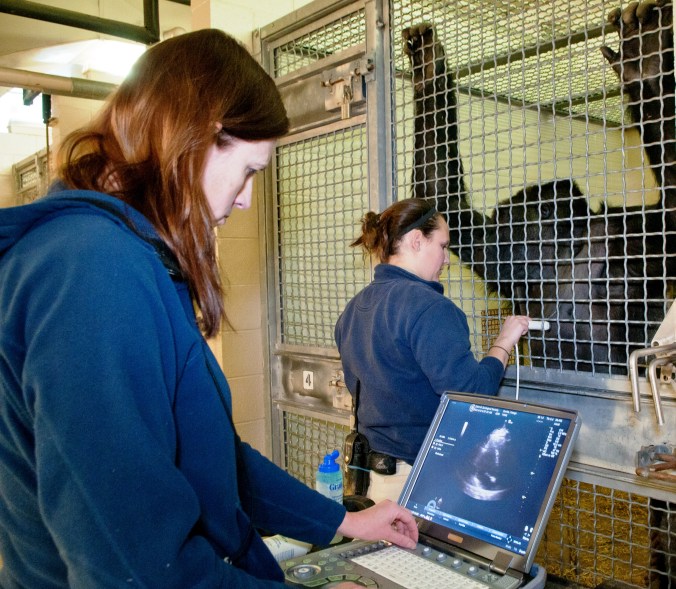
Last year we purchased a hand-held portable dental X-ray unit. Dental care is a very important component of our efforts to keep animals as healthy as possible. The new unit looks like a futuristic ray gun, and delivers a narrow beam of X-ray energy to a very small plate designed to be put inside the mouth of our patients. With this technology, we are able to take very detailed images of individual teeth or areas of concern, and to find dental problems early, before they become serious. The unit is small enough that it can easily be transported to our patients throughout the Zoo’s 125-acre grounds. We have used it to image teeth from wolverines to guanacos, lions and other animal patients of all shapes and sizes. We have even used it to take images of the bellies of frogs and toads!

Last year we also purchased a new patient monitoring tool called an EMMA (Emergency Mainstream Analyzer). This tiny piece of equipment provides us with very valuable information during anesthetic procedures. With each exhalation, the EMMA measures the amount of CO2 in the breath. Any change in body position or physiology that subtly compromises an animal’s ability to use oxygen is immediately known using this sensitive equipment. We use it for all of our procedures now, and find it invaluable.

I know this may all may sound very technical, but providing health care to the animals at the Zoo is a big job. The team at the Ruth Roby Glancy Animal Health Complex is very grateful to have the latest and greatest equipment to provide skilled and compassionate care. Join us for Run Wild, and know that you are supporting great care at your Zoo.

– Dr. Ann Duncan is the director of animal health for the Detroit Zoological Society and oversees the Ruth Roby Glancy Animal Health Complex.

Editor’s Note: New this year, all Run Wild participants will receive finisher medals! These medals feature a penguin to celebrate the Polk Penguin Conservation Center as well as an American flag ribbon to honor the anniversary of September 11. In addition to finisher medals, all participants will receive a reusable Detroit Zoo water bottle at the finish line. These bottles can be refilled at any of the free hydration stations on Zoo grounds, and there will be additional refilling stations available on race day. This is all part of our Green Journey to create a more sustainable future; last year we eliminated the sale of disposable water bottles at Detroit Zoo concessions, an effort that has kept 60,000 plastic bottles out of the waste stream.

Greenprint: Supporting Local Farmers

Summertime provides us with a great opportunity to visit farmers’ markets and purchase local fruits, vegetables or proteins such as fish and beef jerky. Buying from your local farmer allows you to support the regional agriculture industry as well as your community.

Food in the U.S. travels an average of 1,500 miles to get to your plate. All this shipping uses large amounts of natural resources (especially fossil fuels), which contributes to pollution and creates waste with extra packaging. Conventional agriculture uses more resources than sustainable agriculture and pollutes water, land and air with toxic by-products. Food at farmers’ markets has travelled shorter distances and is generally grown using methods that minimize the impact on the earth.

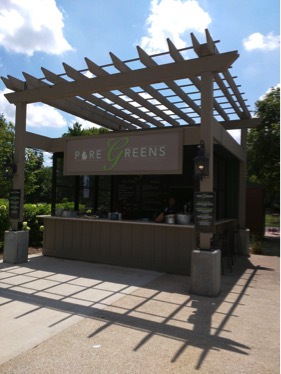
When buying from a large supermarket, only 18 cents of every dollar goes to the grower. Buying local cuts out the middleman and supports farmers in your community. The Detroit Zoo supports this mission by following a sustainable purchasing policy with an emphasis on locally made products. We recently opened Pure Greens, a 100 percent vegan café with all food purchased through Michigan farmers, supporting the state we live in.

A sustainable at-home option is to grow your own food in a garden. Even with limited space, a small pot on a porch can produce tomatoes or basil. At the Detroit Zoo, there is a garden devoted to the lizards and turtles that live in our Holden Reptile Conservation Center. A few of the edible flowering plants the reptiles enjoy are nasturtiums, marigolds, pansies and geraniums. You can view the garden during your trip to the Zoo; it is located on the south side of the Holden Reptile Conservation Center.

– Rachel Handbury is the manager of sustainability for the Detroit Zoological Society.