Notes from the Field: Eurasian Otter Conservation Continues in Armenia

The Detroit Zoological Society’s (DZS) latest wildlife conservation initiative, preserving endangered Eurasian otters, continued with an expedition to Armenia in late 2018. Their status in this country has declined dramatically in recent years while numbers have also fallen in neighboring Azerbaijan and Iran.

Our first goal of the project is to understand where the otter population currently stands throughout the regions of Armenia that contain separate river systems, which provide suitable habitats for otters. These 13 systems – called watersheds – don’t always show signs of otters inhabiting them, so the DZS is working to identify and prioritize which of those locations are best suited for the preservation of this species.

On our first expedition in June, we discovered that the otter populations the southcentral region of Armenia were significantly greater than expected. If these conclusions are accurate, it would be rare but exciting news in conservation work.
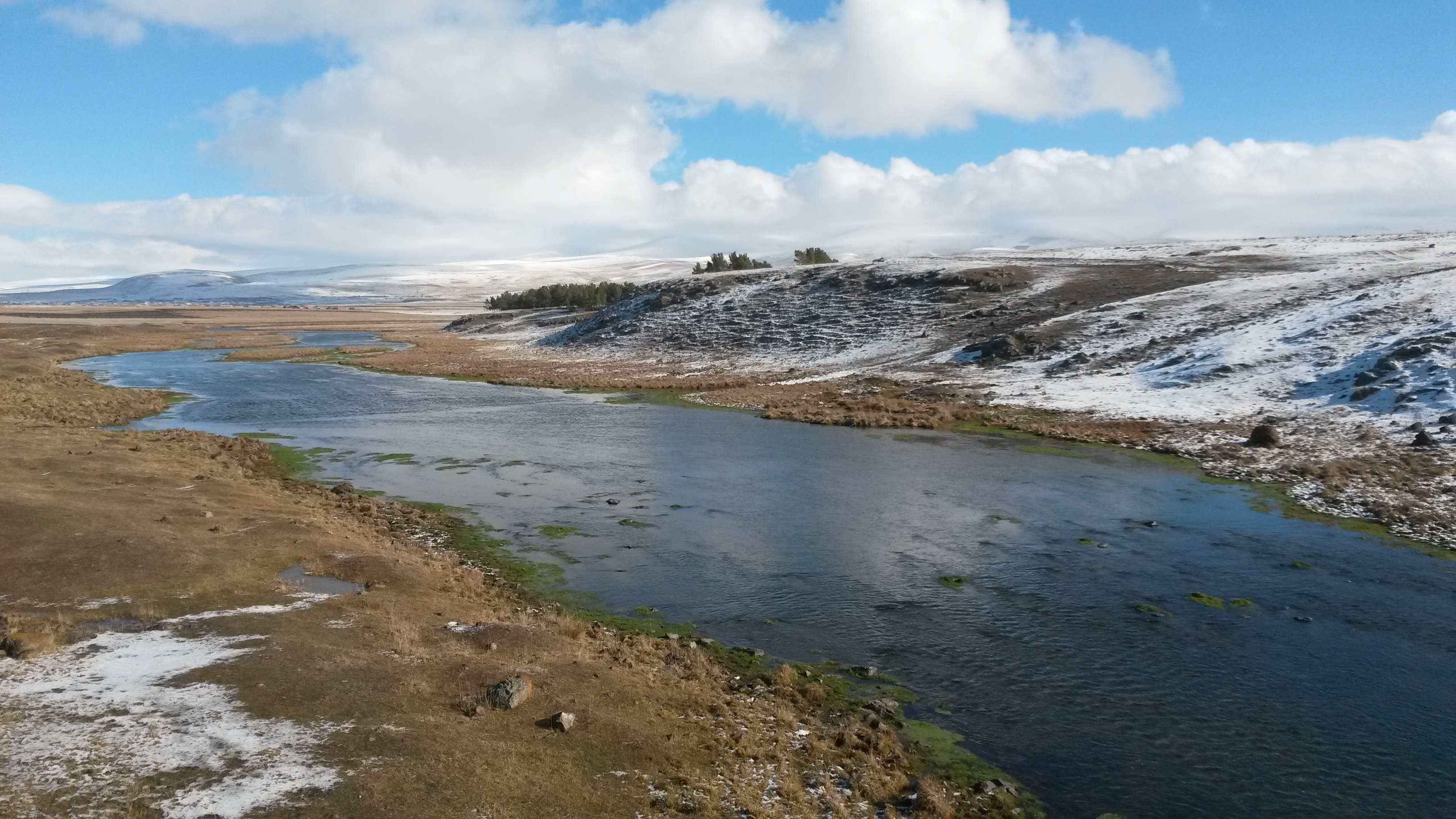
We returned in December and traveled to watershed areas in north and central Armenia to confirm the presence and relative abundance of otters in these regions During these investigations, we confirmed reports of otter conflict with humans in the area. Otters were found to be eating the trout in fish farms that would eventually be reintroduced to Lake Sevan as part of a native species restocking project.

Surveys conducted on foot of the areas near Arpi Lake National Park and Dilijan National Park showed signs of the presence of otters, including tracks, feces and other indicators such as partially eaten fish. These surveys, along with interviews with local residents, suggest that hunting by humans has also led to the decline of otters in the area.

Additionally, photographs downloaded from our trail camera along the Arpa River revealed not only otters, but illegal fishermen. Proof of this activity will help us greatly in making a case to establish a protected area. In addition to documenting illegal fishing in these areas, which depletes otter food sources, we’ve also documented illegal otter trapping efforts. We hope that if this illegal activity can be stopped, migration of otters from neighboring populations will help restore their numers in the area.

Plans for 2019 include reviewing additional trail camera images from Arpi Lake National Park, and surveying the remaining watersheds in Armenia. After completing this work, we will be able to provide a robust update on the status of otters in this country. With that information, we can continue to explore options to set up sustainable protected areas, as well as develop local education programs to enhance otter conservation in these important areas.

– Paul Buzzard, Ph.D., is the field conservation officer for the Detroit Zoological Society.
Resolve to Go Green

With the dawn of a new year comes a host of resolutions being set – exercise more, eat healthier, trim the budget, purge the closets. As you set your goals for 2019, consider the planet and what you can do to protect wildlife and wild places. We invite you to join us on our award-winning Green Journey to create a more sustainable future and kick some of these habits to the curb this year.

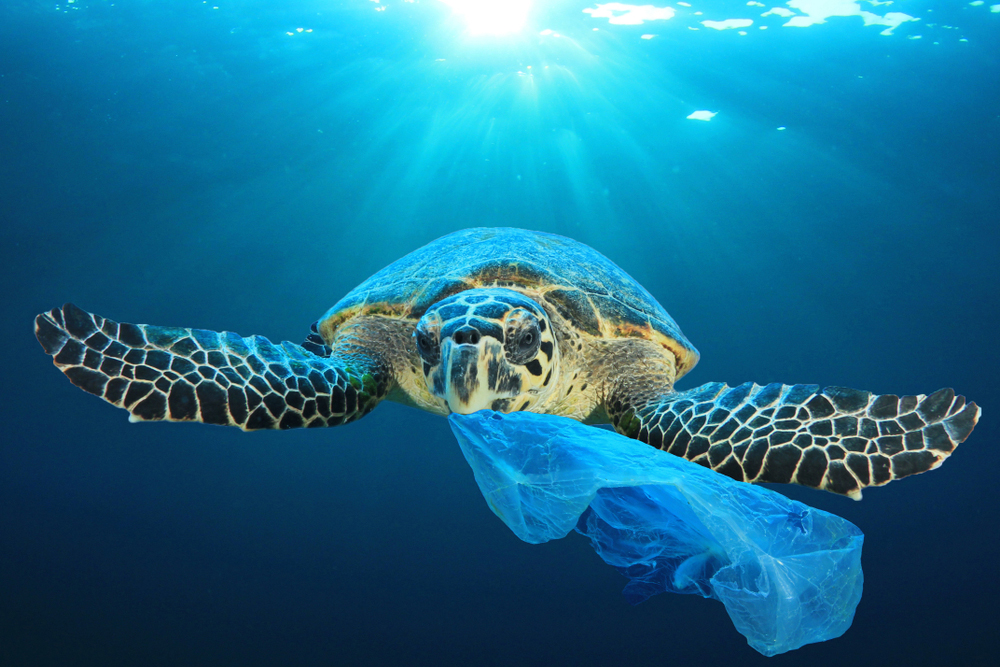
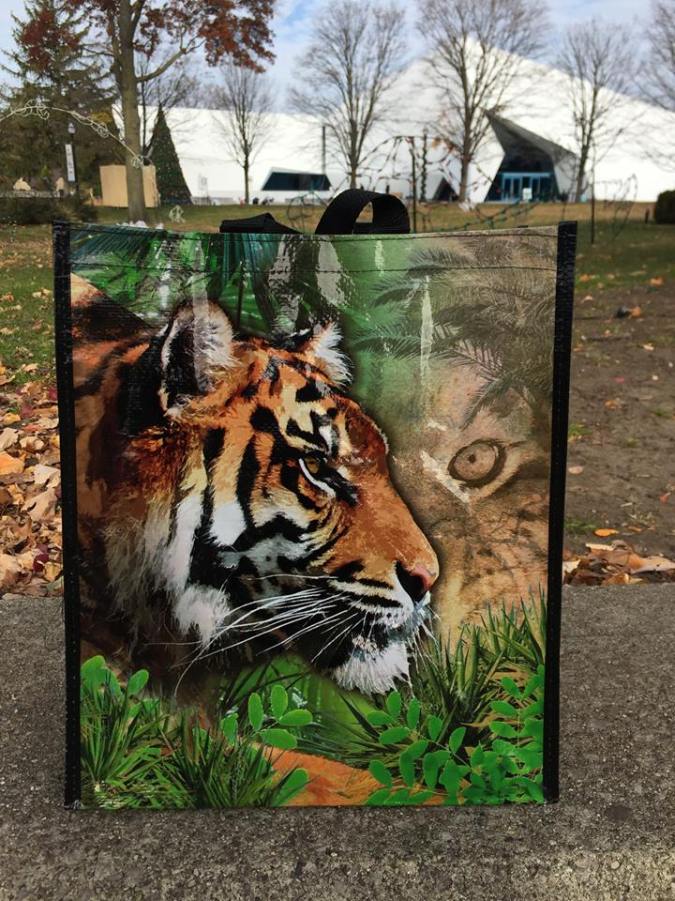
  • Plastic bags are sooo last year: More than 100 billion plastic bags are used by consumers in the U.S. every year and they can take up to 1,000 years to break down in landfills. That’s a lot of unnecessary plastic waste. Many cities, such as Seattle and San Francisco, have banned plastic bags altogether or require a fee to use them. For those of us living elsewhere, let’s make a pact to just say no. Many grocery and retail stores offer inexpensive reusable totes – they’re sturdier and stronger than plastic bags, so they won’t break from the bottom when carrying your haul. We no longer provide plastic bags at Detroit Zoo gift shops, but we offer wildlife-themed bags for a nominal fee. Stop by Zoofari Market on your next visit and pick one up! 

  • Can the single-use coffee cup: You don’t have to cross the coffee stop off your morning routine – just change the container. Single-use plastic and cardboard coffee cups often end up tossed in the trash, and they have a plastic waterproof lining on the inside that makes them difficult to recycle. The solution is easy – and will save you money. A one-time purchase of a reusable mug or thermos helps the environment every time you stop for coffee and leave that cardboard cup on the counter. Many coffee shops, such as Starbucks, offer a discount for bringing your own reusable cup. What’s better than being green while saving green?
  • Save water one drop at a time: From brushing our teeth to doing the dishes, bathing our bodies and washing our clothes, we’re consuming water at a rapid rate. But there are small steps we can take every day to reduce our water usage, such as turning off the tap while brushing our teeth or reducing shower time by a couple minutes. A standard showerhead uses 2.5 gallons of water per minute, so any time you shave off your shower is less water down the drain. Shorter showers will save money on your water bill, too.

  • Ditch those receipts: More often than not, stores will give you the option to choose if you’d like your receipt printed or emailed to you. Printed receipts often end up tossed in the trash, crumpled at the bottom of a purse or wrinkled in our wallets. Let’s save paper – and the environment – by passing on the printed receipts this year.

New Year’s resolutions don’t have to be hard-to-attain goals – small steps taken every day can have a huge impact on the world around us. Learn more about what you can do – and the strides we’re taking, too.

Families Find Joy at the Detroit Zoo During Stressful Times

Research tells us that when children experience major life stressors, such as domestic violence or homelessness, they can begin to shut down and stop taking in information. The Detroit Zoological Society has begun a new outreach campaign with our evening program, Nocturnal Adventures, that offers the opportunity for private groups to explore the Detroit Zoo through guided tours, activities and storytelling in a more personal setting.

More than 220 individuals who are coping with difficult life circumstances have had the opportunity to share a positive experience together during these private evenings at the Zoo through our partnerships with HAVEN, Turning Point, First Step, the Coalition on Temporary Shelter and the Macomb County Rotating Emergency Shelter Team. It is our hope that by fostering a sense of wonder and wow for the natural world within these children and their guardians, we can bring them some peace and even joy during their otherwise stressful and challenging times.

The program is made possible through a Kellogg Foundation grant, and includes transportation, dinner, a tour of the Zoo and an education program that focuses on the stories of rescued animals who have found sanctuary at the Detroit Zoo. These animals have either suffered injury in the wild or come from unfortunate circumstances requiring intervention and oftentimes specialized care. Toward the end of the evening, there is a craft activity for the children and then the family is able to sit around a bonfire and make s’mores together.

It’s important that we provide this opportunity for these families to visit the Zoo in a safe and less stressful environment. Each visit – which they may not have otherwise had the chance to have – allows these families to spend time together in nature and make observations of the magnificent animals who live at the Zoo.

We look forward to what the future will bring as we continue to build relationships within our community.

– Carla Van Kampen is a curator of education for the Detroit Zoological Society.
10-Year-old Wins First Humane Youth Award

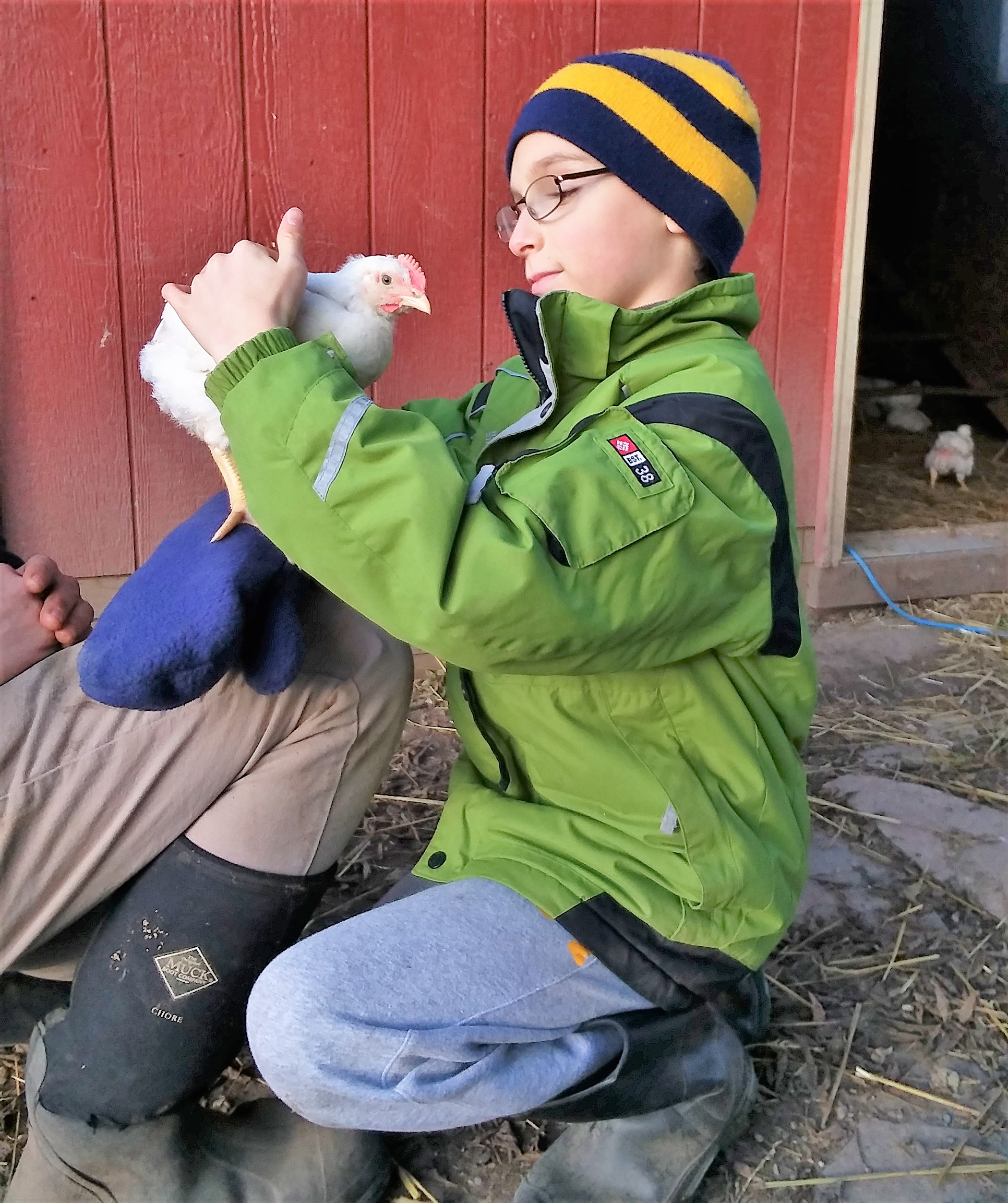
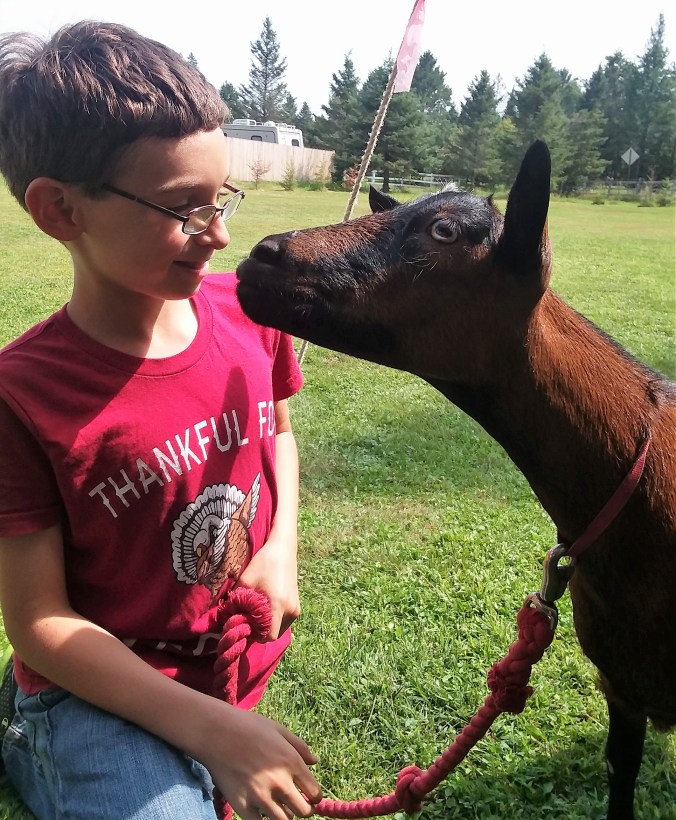
We are thrilled to announce that 10-year-old animal advocate Henry Plummer of Negaunee, Michigan, is our first Detroit Zoological Society Humane Youth Award winner.

Henry was nominated for the award by staff at SASHA Farm, a sanctuary and safe haven for farm animals in Manchester, Michigan. They were so impressed by Henry’s commitment to protecting wildlife and engaging his community to join his efforts, which included a birthday fundraising campaign for SASHA Farm.

The DZS’s Humane Youth Award was made possible by the Berman Endowment for Humane Education as an opportunity to highlight the work of young individuals whose compassion for animals has made an impact in their communities. In addition to his support for SASHA Farm, Henry maintains a vegan lifestyle, engages his friends in animal advocacy and raises money for animal welfare organizations. He is helping people help animals, which is the mission of the DZS’s Berman Academy for Humane Education, as well as this inaugural award.

The Academy accomplishes this goal through education, community workshops and outreach, providing people with information and tools to make knowledgeable decisions on how to walk softly and treat the Earth’s creatures gently. It is through the Academy that the Detroit Zoological Society is able to continue to support the work with SASHA Farms that Henry began, through a donation on Henry’s behalf.

We, along with many of Henry’s references, see so much potential in him, and know that he will continue to have a positive impact on the lives of animals in the future.

If you know a young person in your community who has spearheaded their own initiatives to create awareness for animal issues and foster empathy within their communities, help us celebrate them by submitting a nomination on their behalf.

– Carla Van Kampen is a curator of education for the Detroit Zoological Society.
Animal Welfare: A Red Panda’s-Eye View

There are many questions I’d like to ask animals. In the case of the red pandas who live at the Detroit Zoo, one question would have to do with their newly expanded and renovated digs. Ash, Ravi and Ta-shi have moved into the Holtzman Wildlife Foundation Red Panda Forest, where so much work has been done to ensure they will enjoy this wonderful habitat.

It would be nice if we could channel our internal Dr. Doolittle and simply ask them what they think, but what would be the fun in that? Since we don’t share a common language with red pandas, our challenge is to figure out what they are telling us using means other than traditional human communication. To determine the impact of the Red Panda Forest on the well-being of the three red pandas, Detroit Zoological Society staff are conducting behavioral observations on each one of them as they explore their home.

Red pandas are endangered and native to Asia’s high-altitude temperate forests. With 50 percent of their natural range in the eastern Himalayas, they are well-suited to the cold temperatures and snow we experience in Michigan. Red pandas use their long, bushy tails for both balance (as they traverse tree canopies) and protection from the elements. Although they are a carnivore species, they are actually leaf-eaters, with bamboo comprising the primary component of their diet in the wild. They are also crepuscular, meaning they are most active early in the morning and later in the day, with their natural breeding season during the late winter months.

Detroit Zoological Society staff have been caring for red pandas for several decades. This experience proved invaluable when designing the new features in their habitat. The Red Panda Forest incorporates tall, natural trees to create a complex arboreal pathway, as well as a flowing stream and misting areas. One of the really cool aspects of the habitat is the suspension bridge that brings us eye-level with the pandas when they are in the tree canopy. Not only does this offer us a great view of the pandas, but it will also allow us to gain a better understanding of what they are experiencing. What does the world look and sound like from that height? Part of promoting good welfare for an animal is to be sensitive to their perception of the word around them.

We look forward to uncovering how the three red pandas use their new habitat, including how each one differs in their behavior and preferences. Knowing this enables us to create opportunities for each of them to thrive. We hope you check out the Holtzman Wildlife Foundation Red Panda Forest during your next visit to the Detroit Zoo and see this incredible new space for yourself.

– Dr. Stephanie Allard is the director of animal welfare for the Detroit Zoological Society and oversees the Center for Zoo and Aquarium Animal Welfare and Ethics.

Notes from the Field: Studying Penguins in the Falkland Islands

Detroit Zoological Society (DZS) staff are in the Falkland Islands for the third consecutive year to conduct scientific studies on penguin populations. The DZS collaborates with Falkland Conservation (FC) to monitor remote and inaccessible islands with nesting penguin colonies.

DZS staff members are visiting sites that are not a part of the current monitoring network and where penguin censuses haven’t been conducted in years – even decades. The goal of this component of the program is to establish baseline population data, with subsequent visits on a rotating schedule.

This year, the DZS is also working to assess the status of the health of the penguins at two different locations: Berkeley Sound in the east Falklands, where there is heavy shipping activity; and Dunbar in the west Falklands, which has a limited occurrence of industrial shipping and oil activity. The two study sites are separated not only by distance, but also by the prevailing ocean currents, which run in opposite directions.

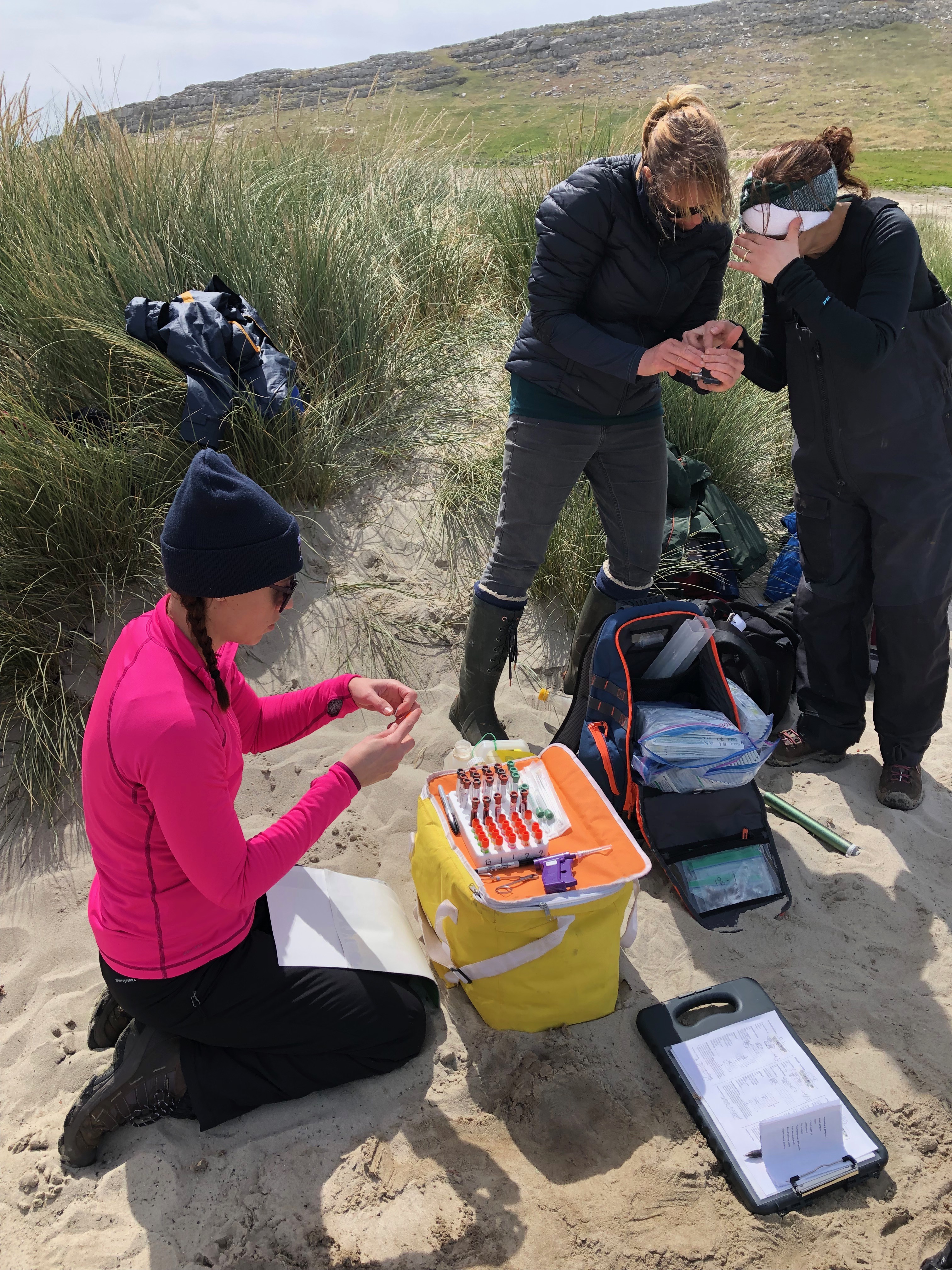
DZS veterinary and bird department staff are taking blood samples from approximately 100 gentoo and rockhopper penguins for disease surveillance, stress hormones and toxicology testing. Not only will the information gathered provide us with a view of the current health status of the penguin colonies in those two areas, but the information also establishes a baseline level of data that will be valuable in the event of future hydrocarbon exploration.

Visiting these sites is logistically challenging – the trip from Detroit to Dunbar included four flights and more than 50 hours of travel time. Once in Dunbar, our staff were met by the expedition ship that sailed to the island nesting sites. Access to the internet is limited and we have only received preliminary reports back from the field team, but so far, the health assessment research is going well.

Stay tuned for detailed reports from the Falkland Islands field team.

– Tom Schneider is the curator of birds for the Detroit Zoological Society.
Notes from the Field: Conducting Scientific Research in Antarctica

Hello from the bottom of the world!

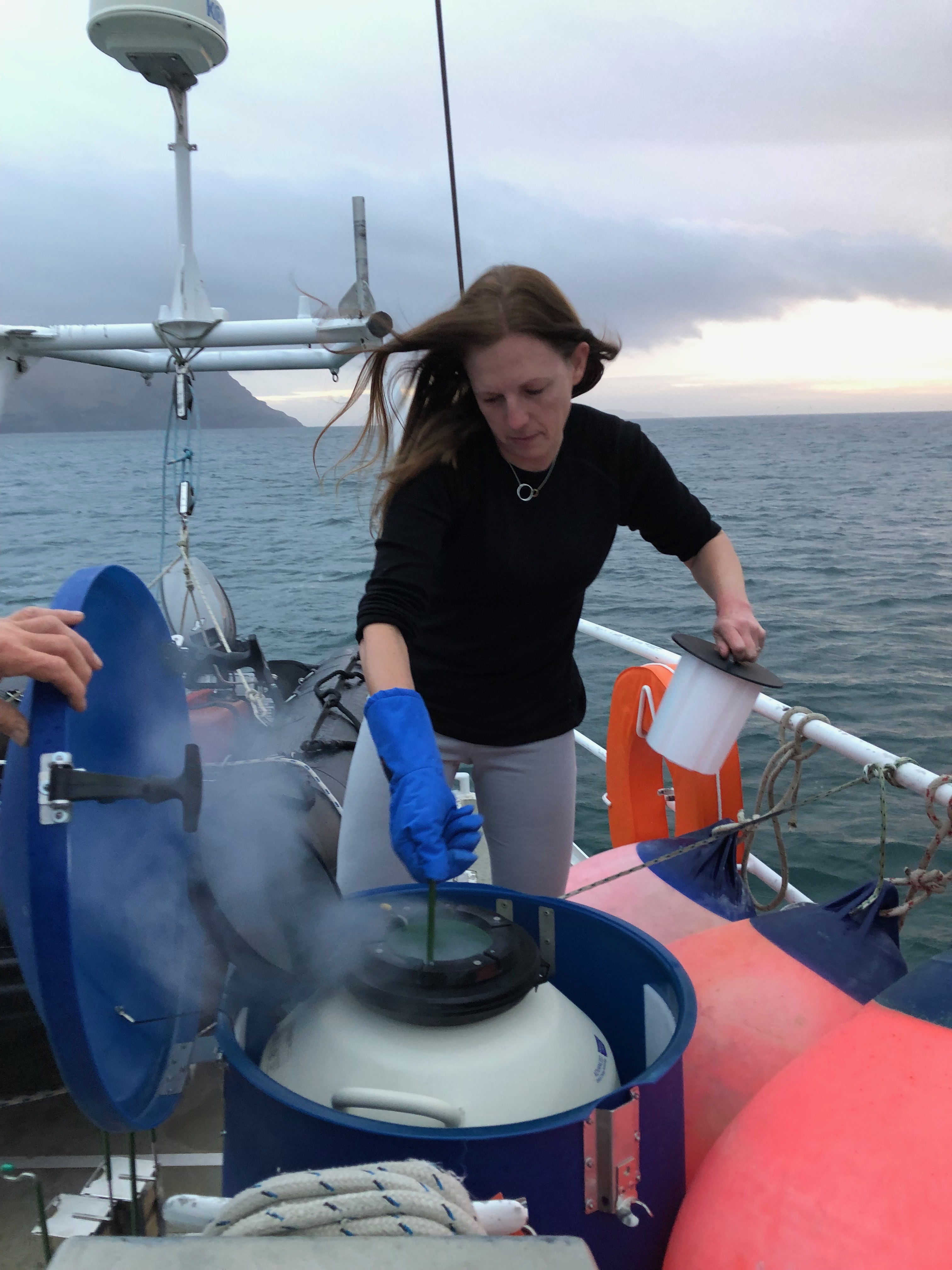
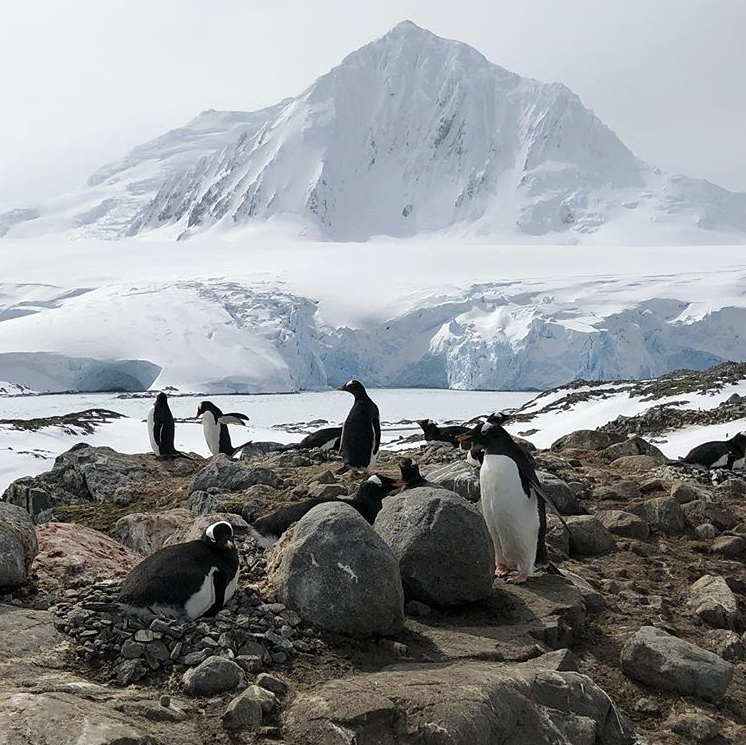
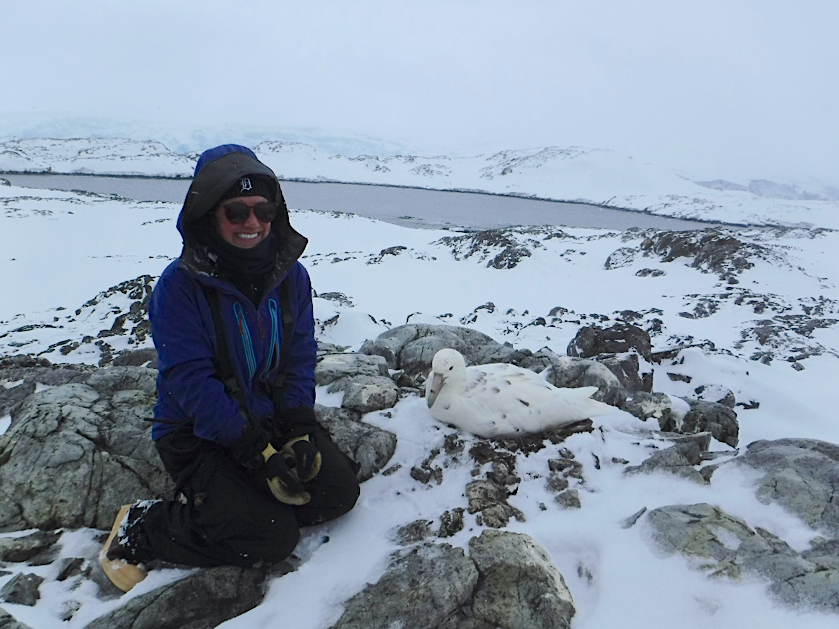
As a zookeeper who spends a lot of my time in an “arctic” environment in the Detroit Zoo’s Arctic Ring of Life, I never thought I’d be lucky enough to find myself on either pole and yet, here I am in Antarctica. The Detroit Zoological Society (DZS) is engaged in ongoing field conservation work here alongside the Polar Oceans Research Group, studying the populations of penguins and other seabirds. As part of this project, I joined the team at the U.S. Palmer Research Station on the Antarctic peninsula to live and work for a month during the austral summer.

The route from Detroit is through Punta Arenas, Chile and then aboard the Laurence M. Gould icebreaker supply ship for a four-day ride across the rough seas of the Drake Passage. It was well worth it as we passed icebergs and whales along the way. Other passengers on the ship included biologists, a welder, an artist, IT personnel and others who had various goals once they reached the White Continent. The DZS’s mission for the next month is to take part in a three-person team involved in a long-term ecological research project studying Antarctic seabirds.

Weather permitting, we spend each day taking small boat rides to various islands to conduct as much fieldwork as the conditions will allow. This includes counting various species of birds and marine mammals, attempting to read ID band numbers (placed by biologists on birds’ legs to be able to keep track of age and location over the years) and adding GPS tags to different animals to monitor their movement.

The animals here are so removed from human activity that some species can actually be approached very closely by researchers and not fly away. All of this work is coordinated by the principal investigators and founders of the Polar Oceans Research Group, Dr. Bill Fraser and Donna Patterson-Fraser. Dr. Fraser is a well-respected polar ecologist and consulted on the design of the Detroit Zoo’s Polk Penguin Conservation Center.

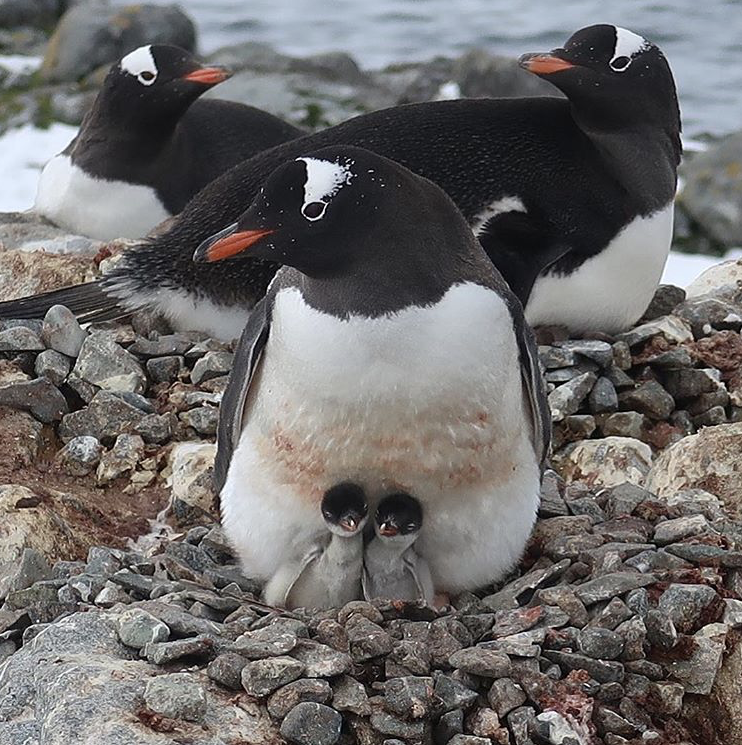
Our research is indicating how populations of seabirds are being altered as a result of the changing climate. For example, adélie penguin populations have declined 80 percent in the area near Palmer Station, while more ice-independent species are moving into the area, such as gentoo penguins (one of four species of penguin who live at the Zoo). I’m so grateful to be here representing the Detroit Zoological Society and studying these incredible wildlife species alongside brilliant biologists.

– Flo Yates is a zookeeper for the Detroit Zoological Society who is taking part in a rare and extraordinary opportunity to conduct scientific research in Antarctica during the austral summer.

Don’t Trash Your TV – Recycle it Instead

If you’re daunted by dusty DVD players, tossed-aside televisions or rejected radios taking up space in the basement, the Detroit Zoological Society (DZS) can help give them new life. The DZS is hosting its first-ever America Recycles Day electronics recycling event at the Detroit Zoo on Thursday, November 15.

Michigan’s recycling rate is among the lowest in the country at only 15 percent. Gov. Rick Snyder set a goal of doubling that number, which would get us closer to (but still below) the national average of 35 percent. People may be shocked when they hear how low we rank – especially when they know there’s so much more we can do.

Old electronics – including radios, printers, computers, televisions and cell phones – can be dropped off for recycling from 11 a.m. to 6 p.m. in the large 10 Mile Road parking lot near the gazebo on November 15. Sustainability talks will be held throughout the day to highlight the DZS’s award-winning initiatives and share important information about the impacts of waste on the environment.

For example, cell phone production – and its reliance on an ore found in Africa called coltan – is damaging wild habitats and decimating populations of gorillas and other animals. A 2:30 p.m. talk at the Great Apes of Harambee will dive deeper into how recycling old cell phones can help animals in the wild. Additional talks will be held at 11:30 a.m. near the guanaco habitat, where staff will discuss the DZS’s anaerobic digester and how it is annually turning 500 tons of animal waste into energy. A 1:30 p.m. talk at the Edward Mardigian Sr. River Otter Habitat will focus on plastic pollution and how the DZS is keeping 60,000 plastic bottles out of the waste stream annually by no longer selling bottled water. In addition, an activity in the underwater gallery of the Polk Penguin Conservation Center from 11 a.m. to 3 p.m. will highlight the dangers animals face due to plastic waste.

While the following items aren’t a part of our electronics recycling event and can’t be recycled curbside, here are some options you have to still help the environment:

  • Batteries: Batteries contain heavy metals and chemicals. Throwing them out with the trash can contaminate the soil and pollute water. Many hardware stores will accept your household batteries prevent them from ending up in landfills. You can even take an old car battery to your local auto parts store to be recycled, too. Earth 911 can help you find locations near you to bring your old batteries.
  • Running shoes: If your athletic shoes have seen better days, there are a few things you can do instead of tossing them in the trash. If they’re still in decent shape, you can donate them to your local thrift store or to One World Running. One World Running is a nonprofit organization that distributes lightly used running shoes to those in need all over the world. If your shoes are completely worn out, you can donate them to Nike’s Reuse-a-Shoe program by dropping them off at any Nike store. Through this program, your old shoes will be recycled into things such as running tracks, underlay material for basketball courts or padding for football goal posts. The shoes can be any brand to be donated to Reuse-a-Shoe.
  • Holiday lights: It’s almost that time of year – you know, the time to take out the holiday lights just to discover they don’t work anymore? If that’s the case, bring them to the Detroit Zoo during Wild Lights for free holiday light recycling. Or, you can ship them to Holiday LEDs and they will take the burnt-out bulbs off your hands! If you choose either of these methods, Holiday LEDs will provide you with a coupon for 15 percent off HolidayLEDs lights.

Even though America Recycles Day is celebrated once a year, it’s important to consider the world around us and what we can do to help in our daily lives.  Learn more about our award-winning commitment to sustainability here.

Animal Welfare: In the Dark – Aardvark Well-Being

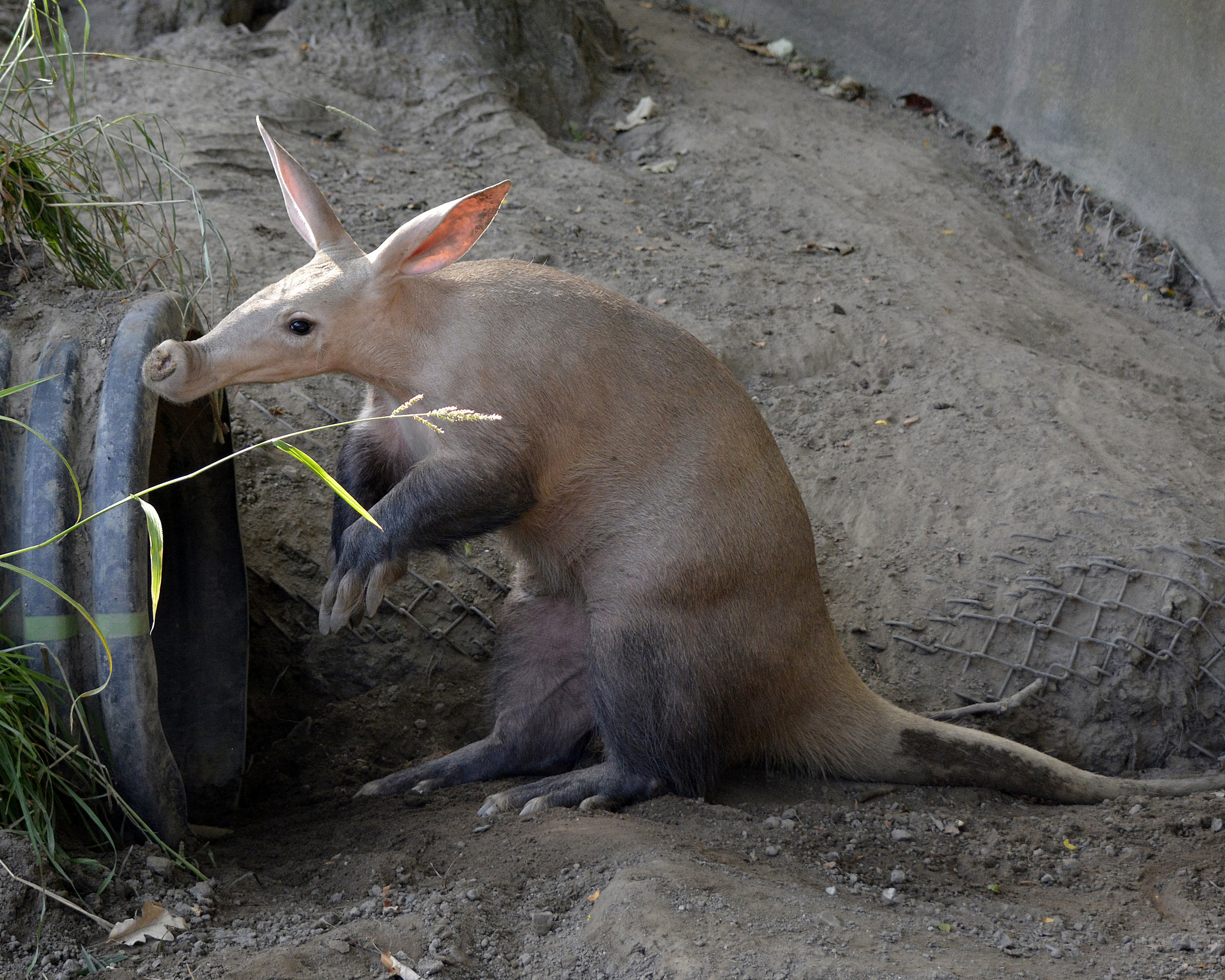
If you share your home with an animal companion, have you ever wondered what he or she does when you are not home? Some people install cameras that allow them to use their phones to take a peek at what their dog is up to, or where the cat is spending her time. We also wonder about what animals do at the Detroit Zoo when we are not here, and this is especially true for nocturnal animals who are most active when we are sleeping. Aardvarks are one of those species, and the Detroit Zoological Society has been using cameras to study their behavior.

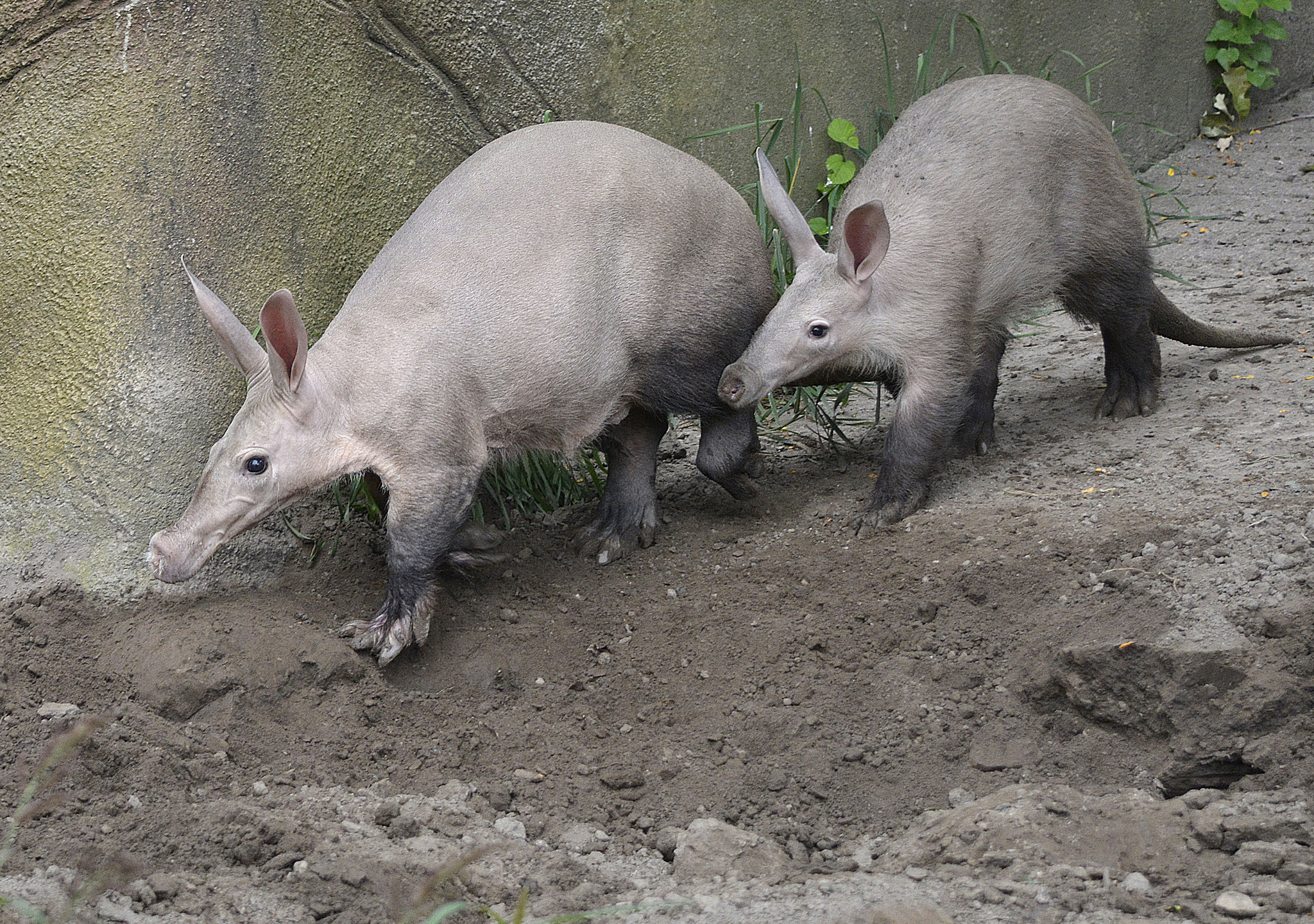
Aardvarks are native to sub-Saharan Africa, and not only are they primarily nocturnal, but they are also fossorial, meaning they dig and burrow underground. This makes them even more challenging to observe, as you can imagine! The four aardvarks who live at the Detroit Zoo are cared for by the night keeper unit, whose hours allow for expanded opportunities for animals, including those who are active later into the night. The staff come up with creative ideas to engage the aardvarks and stimulate natural behaviors.

We installed a number of infrared cameras in the habitat, allowing us to record what the aardvarks do and where they choose to spend their time. Initial research revealed that they had specific preferences, such as sleeping in culverts, which are reminiscent of underground burrows, and that their activity levels varied by individual. Roxaanne, one of the females, preferred to stay up much later than the others, for example. Additionally, we found that when the aardvarks engaged in more investigative behaviors, they had lower fecal glucocorticoid metabolite (FGM) concentrations. Decreased levels of FGMs have been correlated with lower stress levels and overall positive welfare. By taking behavior and hormones into account, we get a more comprehensive picture of the well-being of the aardvarks under different conditions.

Jennifer Hamilton, DZS animal welfare programs coordinator, worked with the animal care staff to develop a new project aimed to increase behavioral opportunities for the aardvarks, by specifically targeting more foraging and investigative behaviors. Jennifer and a small team of dedicated volunteers watched more than 220 hours of “aardvark television”. Talk about binge-watching reality TV! In addition to the behavioral data, the care staff once again collected daily fecal samples on each aardvark so that we could analyze them for FGMs.

Higher levels of investigative behaviors were again linked to lower levels of FGMs. This suggests that these types of behaviors are important for aardvarks and need to be encouraged. The behavior data also showed that foraging opportunities were used for longer periods of time when initially presented, but that investigative opportunities were used more as the night went on. As part of the project, the aardvarks were presented with seven opportunities once a week for eight weeks. We were able to confirm that the aardvarks did not lose interest over time, meaning that repeated interactions don’t bore them! Finally, the aardvarks’ use of the opportunities differed based on their location. The aardvarks have access to different spaces, which vary in their substrates and features. One of the spaces has a very large and deep dirt area, and the aardvarks spent less time engaged in the extra opportunities provided when in that habitat. This may be indicative of a flexible value system, with less value placed on additional opportunities when overall conditions may already be more stimulating. This is an important concept as we explore what type of choices are meaningful to animals and how to create environments that enable them to thrive.

– Dr. Stephanie Allard is the director of animal welfare for the Detroit Zoological Society and oversees the Center for Zoo and Aquarium Animal Welfare and Ethics.

Humane Education: Recognizing Youth Making a Difference

The Detroit Zoological Society (DZS) has a long history of helping animals. We trace our origins to a group of animals abandoned by a bankrupt circus that came through Detroit in 1883. Concerned citizens responded by generously giving food and money to provide for their care. Our commitment to Celebrating and Saving Wildlife is ongoing, magnified by the support of people in our community who are doing amazing things to help wildlife and wild places.

We want to celebrate the inspiring actions young people are taking to make a difference in the lives of animals. We want to recognize those who are spearheading their own initiatives, from creating awareness of animal issues to fostering empathy for animals through hands-on projects.

This year, to honor students in kindergarten through senior year of high school who are making a positive impact for animals, we are presenting the first annual Detroit Zoological Society Humane Youth Award. From now through November 5, 2018, you can nominate yourself or someone you know for this incredible honor. The nomination form can be found on our website. Nominees will be eligible for one of two categories: elementary school students or middle and high school students.

In 2001, the DZS created the Berman Academy for Humane Education with the focus of helping people help animals. One of the key tenets of humane education is that “we have a responsibility to consciously consider, respect, care for and protect all creatures and the environment”.

Our humane education programming extends far beyond the 125 acres of the Detroit Zoo. It focuses on building reverence and empathy for animals through hands-on, engaging experiences for guests and program participants and by providing opportunities for members of our communities to make informed, humane decisions in their everyday lives. Each and every one of us has the power to make choices and take action that positively impacts animals in large and small ways.

Learn more about the DZS’s humane education programs.