Veterinary Care: Gorillas in the Congo

Last month, I was able to experience something that was truly a dream come true. For my entire career, I’ve longed to travel to the home country of a species I care for at the Detroit Zoo, and contribute directly to the health and welfare of that species. In October, I travelled to the Gorilla Rehabilitation and Conservation Education Center (GRACE), which is located in the Kasugho region of North Kivu, in the eastern Democratic Republic of Congo (DRC).
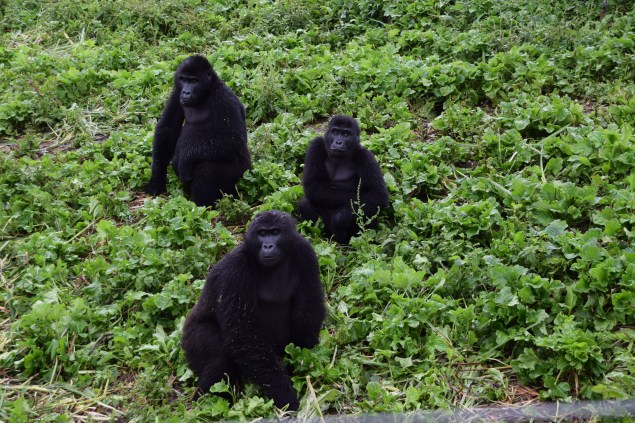
GRACE is the world’s only facility that cares for highly endangered Grauer’s gorillas (Gorilla beringei graueri) that have been rescued by wildlife authorities after being illegally captured by poachers and traders. Grauer’s gorillas are endemic to this region and only 5,000 remain in the wild. There are currently 14 gorillas being cared for at GRACE, ranging from 3-14 years of age. At GRACE, a dedicated Congolese staff provides daily care, including a diet that includes local fruits and vegetation training for important animal management behaviors and treatment for medical problems. Caretakers also monitor the group while they enjoy a 24-acre forest, which is the largest gorilla enclosure in the world. The Detroit Zoo entered into partnership with GRACE in 2014, and as the Chair of GRACE’s Board, Detroit Zoological Society CEO and Executive Director Ron Kagan has provided and facilitated important support to the project. Most recently, he secured funding for a new night house enclosure that is currently under construction.
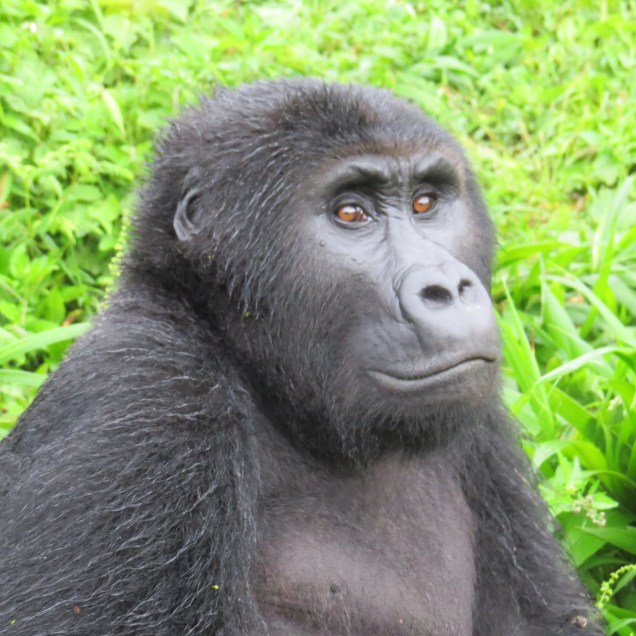
I traveled to the Congo with three staff members from Disney’s Animal Kingdom, including a veterinarian who led the team, a veterinary technician and a husbandry expert. Our goal for the eight days at GRACE was to perform examinations on 12 of the 14 gorillas – this has never been done before anywhere in the world, and it was important that we do all we could during these exams to learn about the health problems they may face.
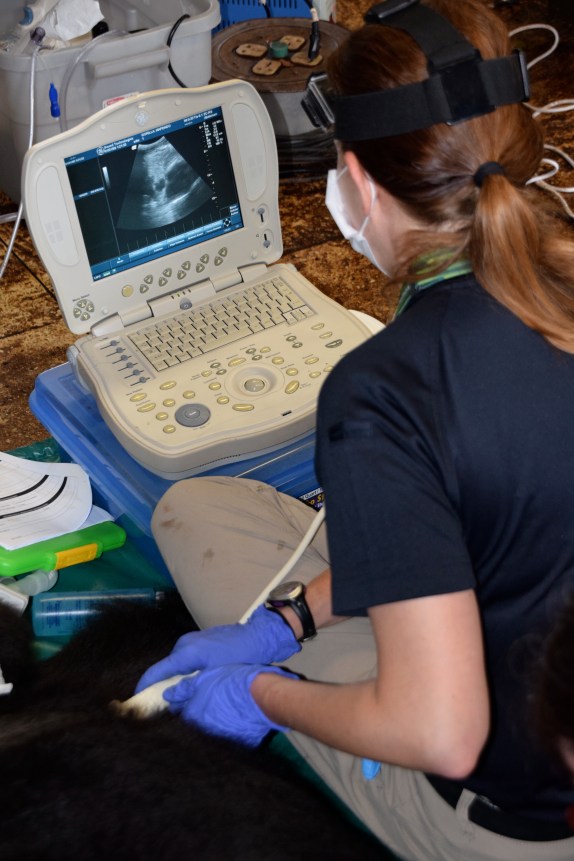
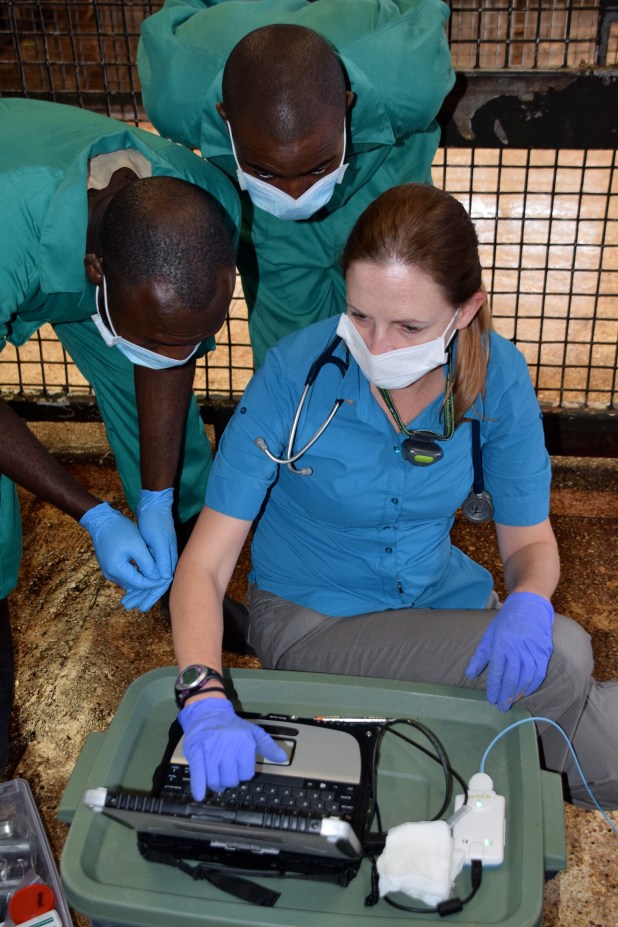
The objectives were to conduct physical wellness exams to make sure the gorillas are healthy and to build capacity within the GRACE staff. Most orphaned gorillas suffer from malnutrition and are in poor shape when they first come into human care, and examinations under anesthesia allow a thorough exam to be performed and blood to be collected for testing. During the procedures we worked closely with staff members to demonstrate techniques and discuss observations. The team also transported several diagnostic tools to the site for the exams. A veterinarian from Gorilla Doctors in Rwanda brought a portable X-ray machine and took images of several animals that have had orthopedic injuries in the past. The veterinarian at Disney was able to secure the loan of a portable dental X-ray unit that we used to take radiographs of the teeth to ensure that normal adult teeth are forming below the visible baby teeth. A recently donated ultrasound machine was used to perform cardiac exams on the gorillas as well. With all of these diagnostics being performed, it was especially important that we work efficiently as a team – we discussed our exam plans and responsibilities before each procedure, and worked very well together. During the afternoons, we provided lectures to the staff at GRACE, and shared information about dental health, heart disease and training for important behaviors that allow care to be provided. The staff is very appreciative of opportunities for learning and improvement, and was a very attentive and interactive audience.
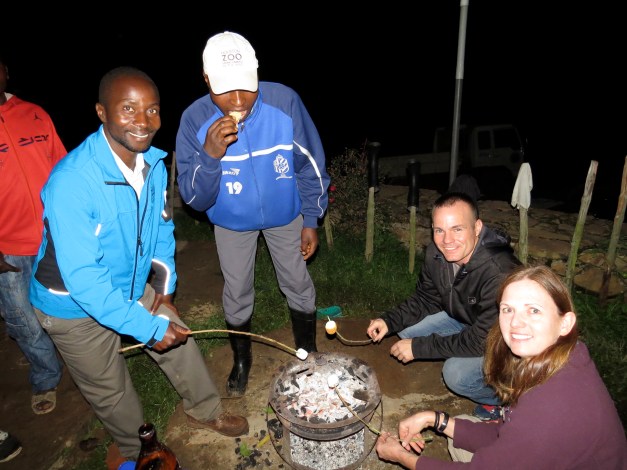
In all, my trip to GRACE was one of the most amazing experiences I have ever had. The people at GRACE were very welcoming and gracious and greeted us with a ceremony that included a traditional song and dance prepared just for our team. We were able to observe the gorillas in their forest enclosure, which is the closest I’ve come to seeing them in the wild, and a very special experience. It was wonderful to work with a group of people so committed to the care of these amazing animals. Everyone had to work very hard to allow these health checks to happen, and at the end of week, we celebrated with a party and shared the very American dessert “s’mores” with the staff. I am very thankful to the Detroit Zoological Society for providing me with the opportunity to travel to the Congo, and honored to be able to serve the people and gorillas of GRACE.
– Dr. Ann Duncan is the chief veterinarian for the Detroit Zoological Society and oversees the Ruth Roby Glancy Animal Health Complex at the Detroit Zoo.
Notes From the Field: Silence in the Amazon

Hola mis amigas y amigos!

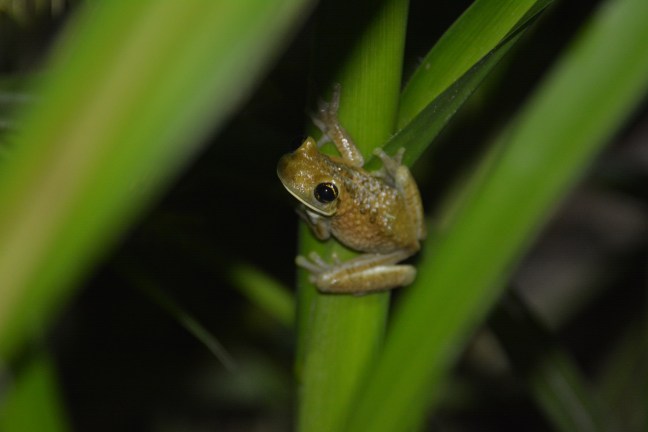
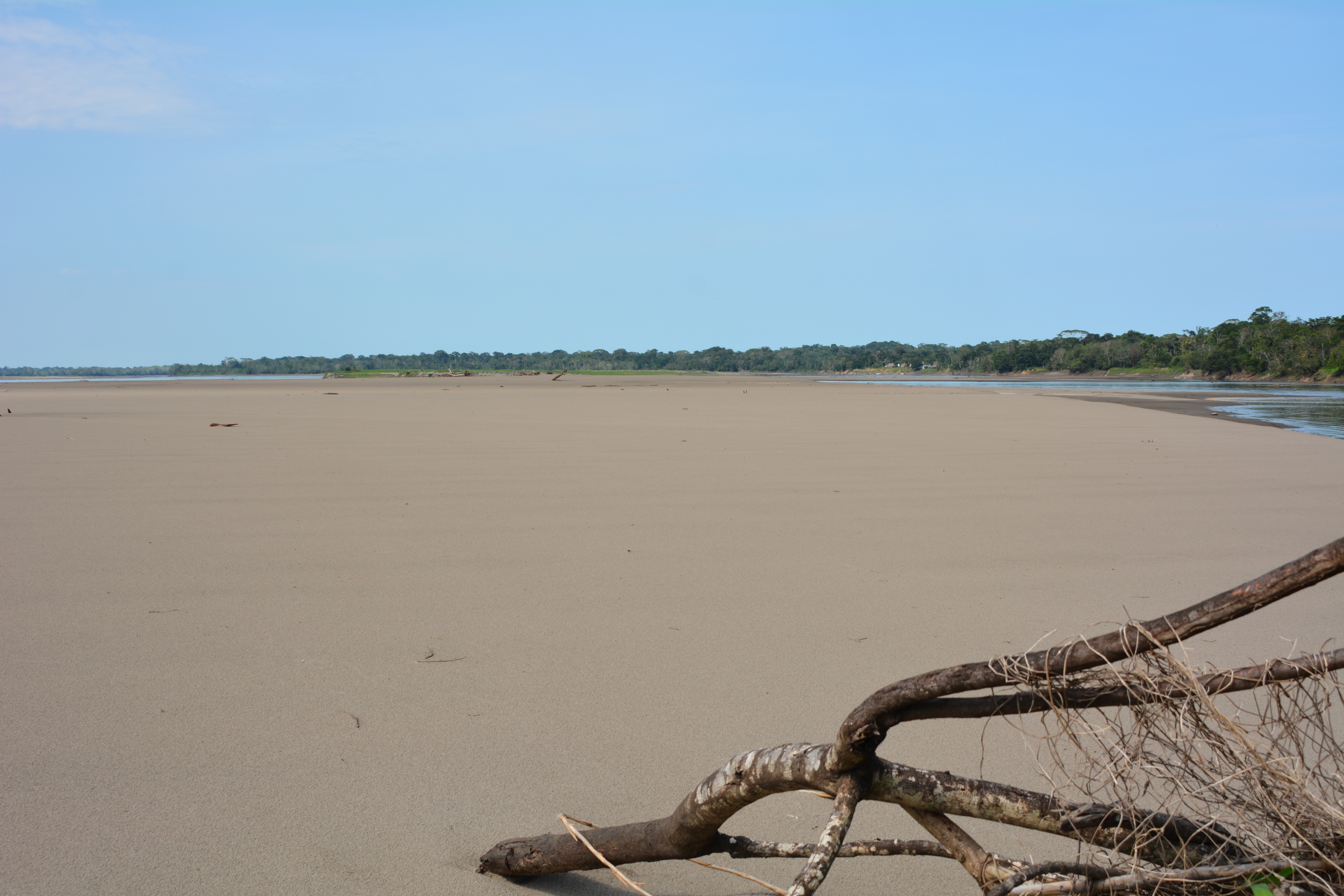
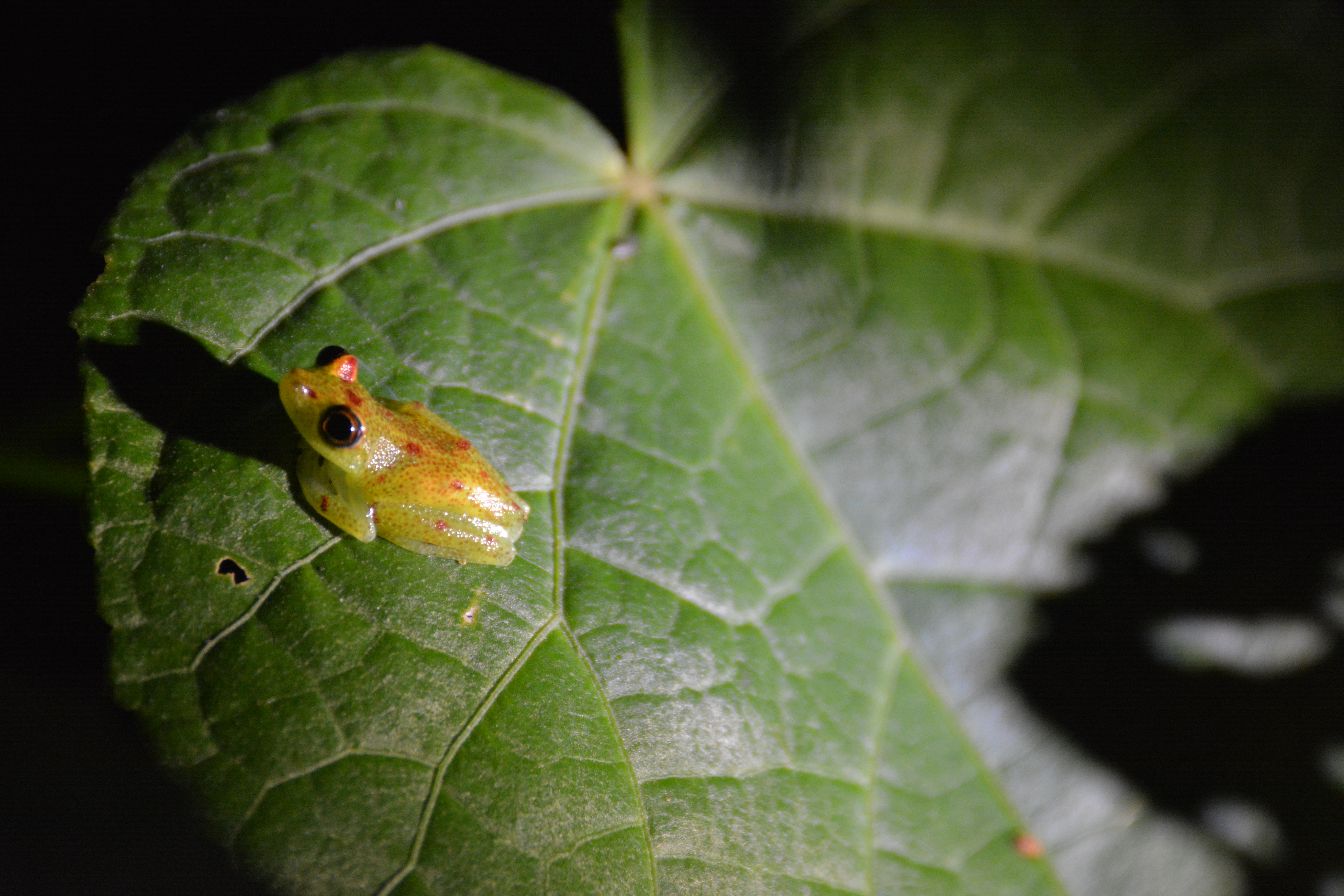
This has been an interesting trip indeed! We can normally get pretty close to the island of Purawa by boat, but this time, we ended up walking on what looked like a desert a mile long! When we finally got to the “green” part, it was equally as dry. We cut a path with a machete for the evening hike and waited for the sun to disappear. We saw some species of amphibians, but none that we would’ve hoped or expected to see. This island is uninhabited and usually has not only a large number of amphibians, but also a lot of different species. We often see an abundance of tree frogs and many smaller species perched in the grasses along the smaller ponds. This time there were almost no tree frogs and only a handful of toads.

Days later, we made plans to meet with the Amazon Amphibian Protectors Club and take them out on a night hike. We have been working with these students for close to five years, and they have such a lovely appreciation for amphibians now, spreading the word to other students in their school. They are always thrilled to participate in an evening trip to learn about amphibians and potentially see different species than what they normally would. We chose an island that was close by the school and looked promising. The children found several toads until the professor announced that she heard rain. It took quite some time to get back to the boat and by then we were experiencing heavy rain and thunder. As we drove back to the school, several fish jumped in our boat. They were similar to what we have as sunfish or bluegill, and small and flat enough that I could toss them back into the water as quickly as they flew into the boat. I was thrilled I could toss them all back, but I may have been the only one that was.I am a third of the way into my travels and have seen and heard less than I would have expected. I have tried to record in the evenings so I can determine if there are other species present. I place a digital recording device in an area where I can already hear calls, so that I can record and download the sounds
later. One night, there was silence – complete silence for what seemed like an hour though it turned out to be only 10 minutes. That is an unusual sound in the rainforest – hearing nothing at all. Lightning and thunder came on quickly, which may explain the brief silence. I was curious before but am now very interested to see what the remainder of the week will be like.

Buenos noches!

– Marcy Sieggreen is the curator of amphibians for the Detroit Zoological Society and is doing fieldwork in Peru, studying amphibians in the lower elevations of the Amazon River to see how they are faring with increased human populations and impacts in their habitats.

Editor’s note: Marcy Sieggreen was the curator of amphibians for the Detroit Zoological Society from 2008 until her passing in 2016. The Detroit Zoological Society established the Sieggreen Amphibian Conservation Fund in Marcy’s memory to continue to advance the work she so passionately championed.

Education: Compassion Footprint

“Every product, every action and every lifestyle decision can be a choice to harm less.” – Zoe Weil

Every day we make choices. We decide what to wear, what to eat and which products to use. Each of these actions has an impact with implications we may not immediately think about.

Much like we can minimize our ecological footprint and reduce our impact on the planet by making greener choices, we can also work to increase our compassion footprint by making kinder choices.

We can consider the impact of our decisions by exploring two questions:

  • What are the effects of this item or activity, both positive and negative, on animals and the environment?
  • Are there any alternatives that may be less harmful or even provide some benefit?

For example, upon examination, we discover that conventional coffee is grown in areas of the rainforest that have been “clear cut”, which means that the trees have all been removed, which negatively impacts ecosystems and inhabitants. Alternatively, shade-grown coffee is grown under the canopy layer of trees, which not only preserves native trees, this method also conserves habitat for many animals.

When we take a moment to examine the products we’re purchasing, it enables us to make the best choice possible for people, animals and the planet. This enables us to make knowledgeable decisions on how to walk softly and treat the Earth’s creatures gently.

Whether we choose to purchase cruelty-free products, adopt a companion animal or attend an animal-free circus, there are lots of ways to increase our compassion footprint. How have you expanded your compassion footprint by being kind to animals? Share your stories with us!

– Lisa Forzley is the humane education manager for the Detroit Zoological Society and oversees the Berman Academy for Humane Education.

Notes From the Field: Amphibian Diversity in Peru

Hola mis amigas y amigos!

My Peruvian friends have been telling me that the last few months have been very dry, so I had no idea what to expect upon my arrival. I was very surprised to see that the Amazon River was at least 30 or more feet lower than when I was here in March, which could potentially have a huge impact on what amphibians we see. Areas where there would normally be ponds could be completely dry. As you can imagine, I couldn’t wait to get out into the rainforest and see what may be waiting for us.

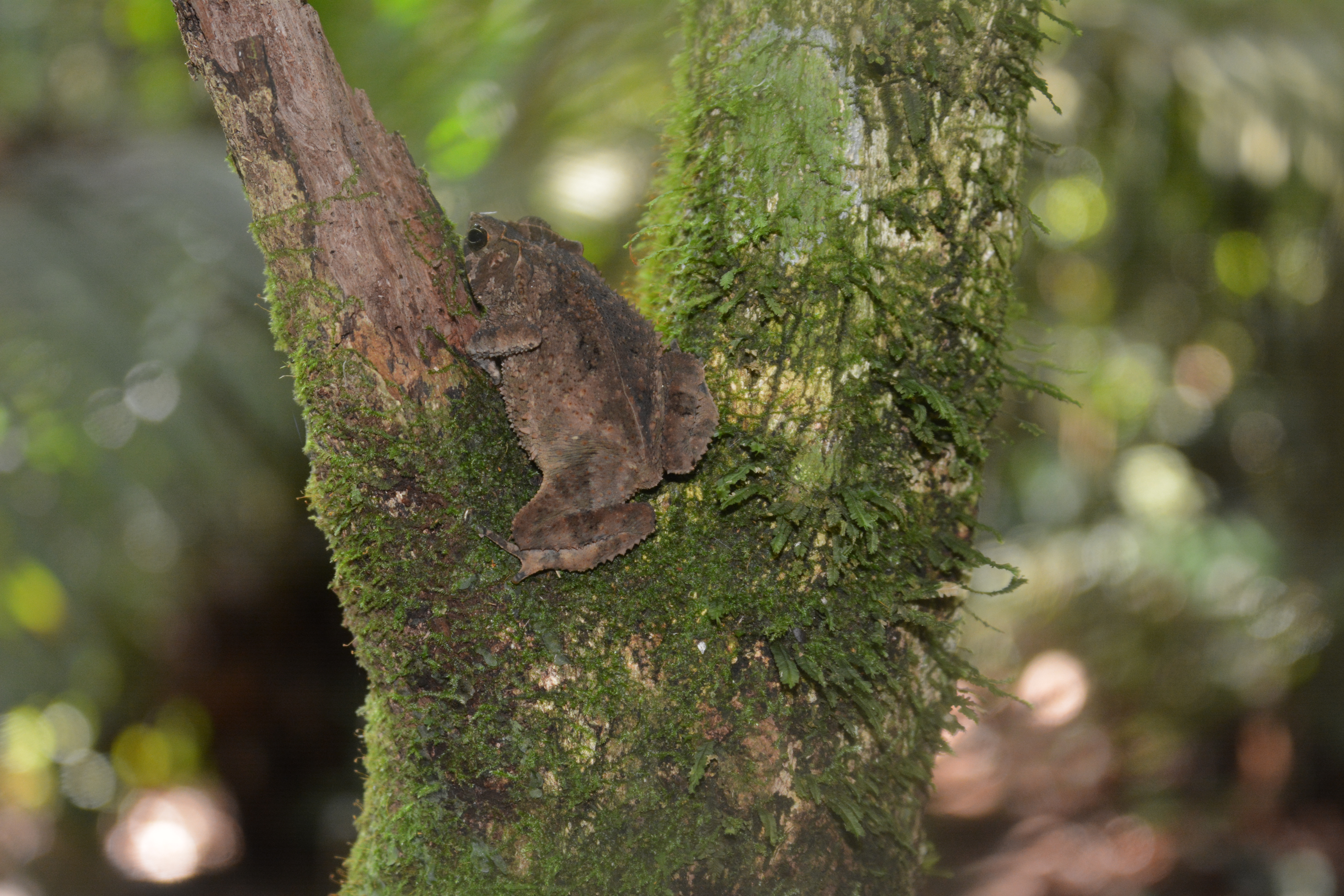
Unfortunately, my suspicions were accurate and amphibians were much harder to find than usual. Since we monitor some of the same areas year after year, I had a pretty good hunch on where and what I might find in certain areas. When we have time, we always check other areas but our priority is to first survey our research sites. Among many other pieces of data we have been collecting, we are looking at diversity and abundance of species – basically, what types of frogs and toads and how many. This year seems to be the most obvious change, likely, due to the dryness. The humidity levels even felt different – normally my skin stays moist but this time I was using lotion.So far, the most interesting or peculiar sighting was a toad that had climbed a tree. The toad, common to South America, was at least four feet off the ground with no visible easy climbing point. I can hardly wait to see what else we may find!

Buenos noches!

– Marcy Sieggreen is the curator of amphibians for the Detroit Zoological Society and is doing fieldwork in Peru, studying amphibians in the lower elevations of the Amazon River to see how they are faring with increased human populations and impacts in their habitats.

Editor’s note: Marcy Sieggreen was the curator of amphibians for the Detroit Zoological Society from 2008 until her passing in 2016. The Detroit Zoological Society established the Sieggreen Amphibian Conservation Fund in Marcy’s memory to continue to advance the work she so passionately championed.

Animal Welfare: Using Infrared Thermography to Assess Well-Being

It is hard enough for us, as humans, to understand how others are feeling. But imagine how difficult it is for us to know how animals are experiencing the world around them from an emotional standpoint. Other species perceive the world very differently than we do and cannot communicate with us using words.

Finding new ways to assess the emotional lives of animals is critical to advancing our understanding of animal welfare. It is also incredibly important to develop methods that are non-invasive, thereby not affecting the animals during the process. Infrared thermography is a potential way for us to do this.

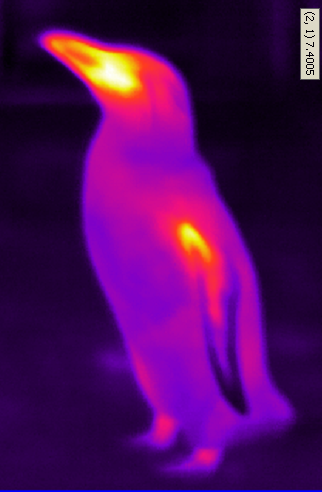
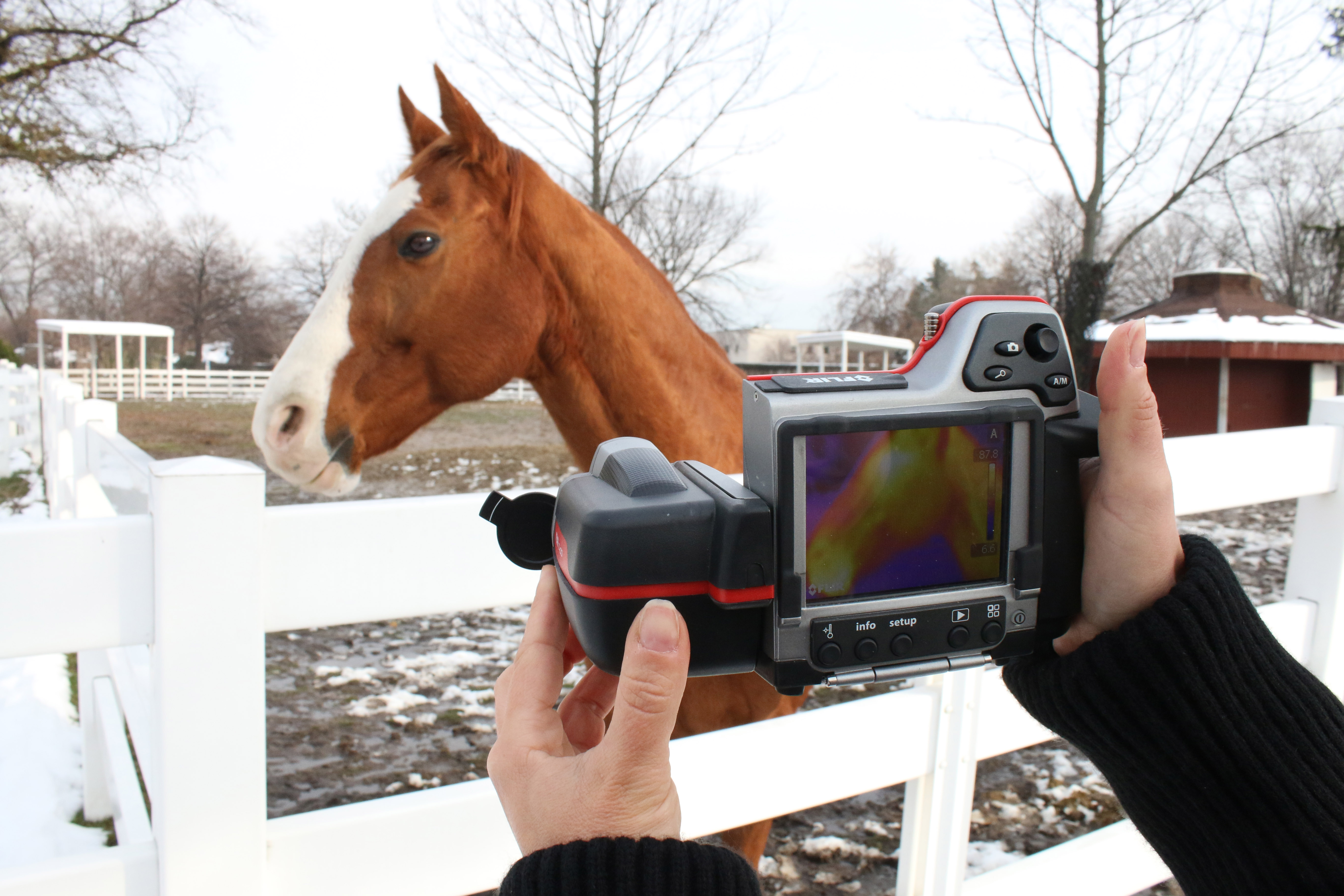
Infrared thermography (IRT) is technology that uses a camera to remotely measure the temperature of an object. The images, called thermograms, show different colors to represent various temperatures, and this allows measurement to be taken without having to touch the object. It has been used in a variety of ways including in buildings and in diagnostic medicine in both humans and animals. Some scientists have also been using it to help assess aspects of animal welfare.

Animal welfare encompasses the physical, psychological and emotional experience of an animal. It is important to use measures that look at all of those components to understand how an individual animal is faring. The body’s response to certain things, such as stress and positive experiences, can have an impact on temperature. This means that in some cases, changes in the temperature of body parts, such as the eyes, can tell us how an animal is responding to an event.

– Dr. Stephanie Allard is the director of animal welfare for the Detroit Zoological Society and oversees the Center for Zoo Animal Welfare.


Greenprint: Upcycling Straw to Save Dogs in Detroit

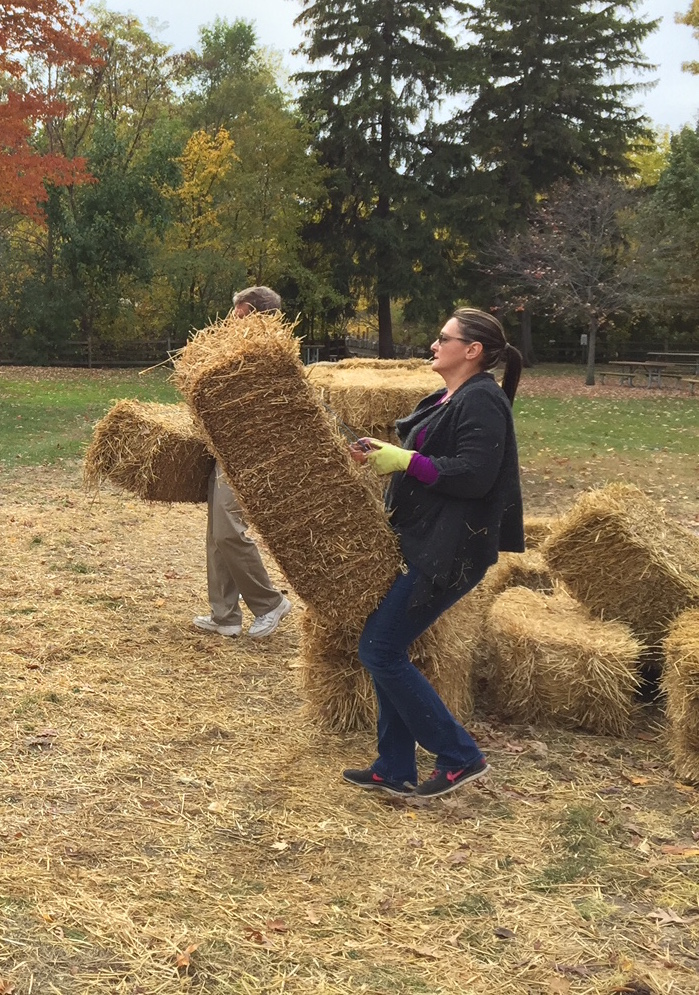
For the third year in a row, the Detroit Zoo’s Green Team has partnered with a Detroit dog rescue called C.H.A.I.N.E.D. (Continue Helping Animals in Need & Educating Dog owners) to upcycle bales of straw from our annual Halloween celebration, Zoo Boo. This year, we also began a partnership with Dog Aid. We donated more than 150 dry bales of straw to these organizations this week, which will be used throughout the winter to insulate outdoor shelters for dogs left outside by their owners.

Both organizations also take the time to properly educate pet owners on the risk of leaving pets outdoors in the winter, and in some cases they will rescue animals they believe are in dangerous situations.

By simply donating these bales of straw for reuse, the Zoo is greatly extending the useful life of this material, while potentially saving a dog’s life. Additionally, C.H.A.I.N.E.D and Dog Aid are able to redirect the approximately $700 they are saving on straw between them that can be used to purchase other supplies, such as dog food.

In addition, the Zoo donated any remaining bales of straw that might have been exposed to the elements to Detroit Dirt for composting.

This effort reduces waste while also educating the public, both of which are elements of our Greenprint initiative. Among the many steps on our Green Journey, the Zoo has a bold goal to be zero waste by 2020. We are continuing to develop important partnerships like these in order to be successful on our journey.

We would love to know how you’re upcycling fall decorations at your house. Follow the Detroit Zoo on Pinterest to learn more about the different ways to upcycle, such as turning your fall pumpkins into birdfeeders.

– Beth Wallace is the manager of sustainability for the Detroit Zoological Society.

Notes from the Field: Polar Bears in Alaska

Greetings from zip code 99747 in Kaktovik, Alaska!

Kaktovik lies on the far northeast coast of Alaska above the Arctic Circle and in the Arctic National Wildlife Refuge (ANWR). It is a whaling community with a long history of its people living in close proximity to polar bears. I traveled to Kaktovik in 2014 and again in 2015. This time I am fortunate to be joined by one of the Detroit Zoological Society’s (DZS) associate mammal curators, Betsie Meister, who has extensive experience with polar bears and oversees the Arctic Ring of Life, an expansive 4-acre habitat at the Detroit Zoo that is home to polar bears, seals and arctic foxes.

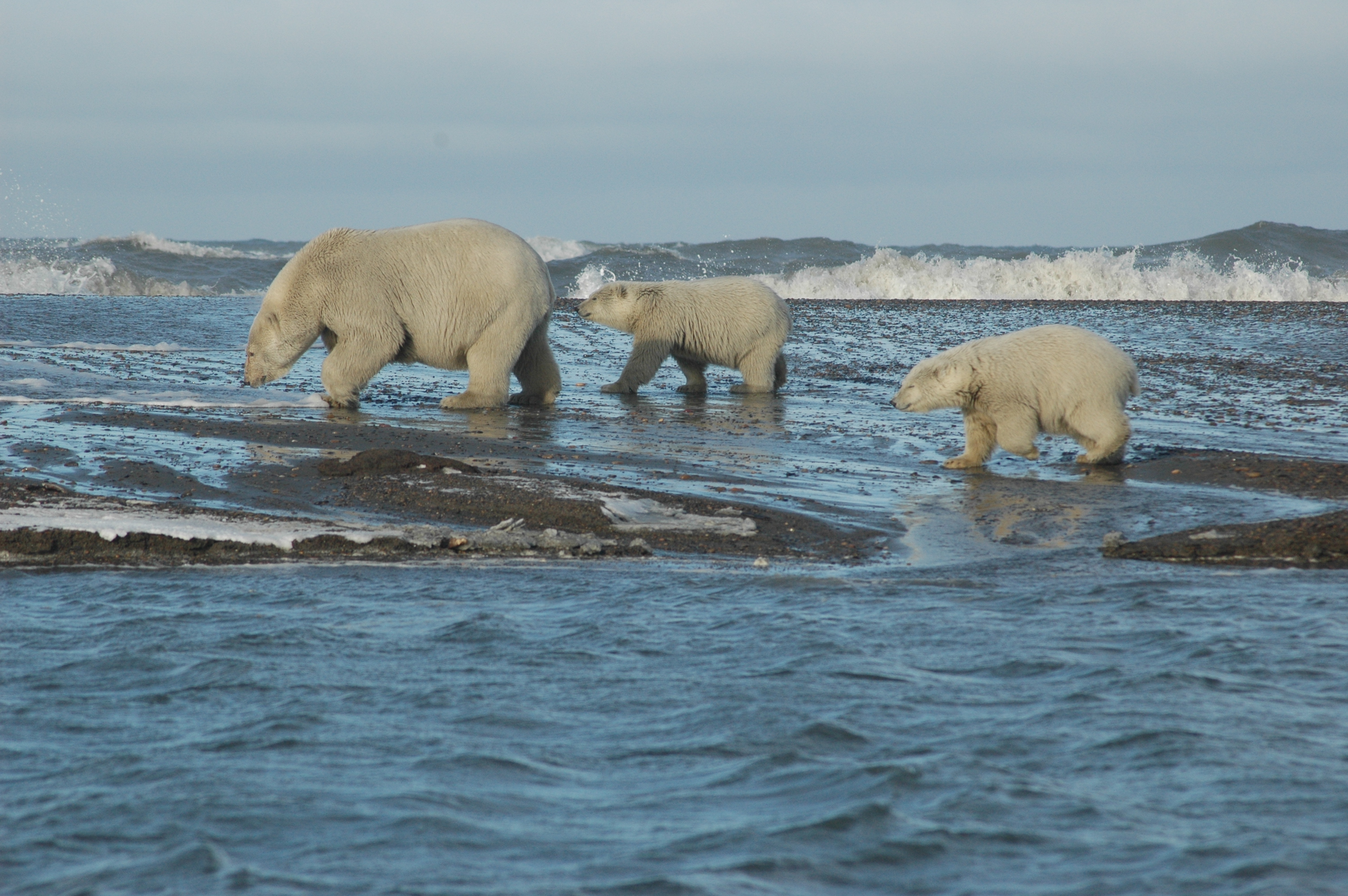
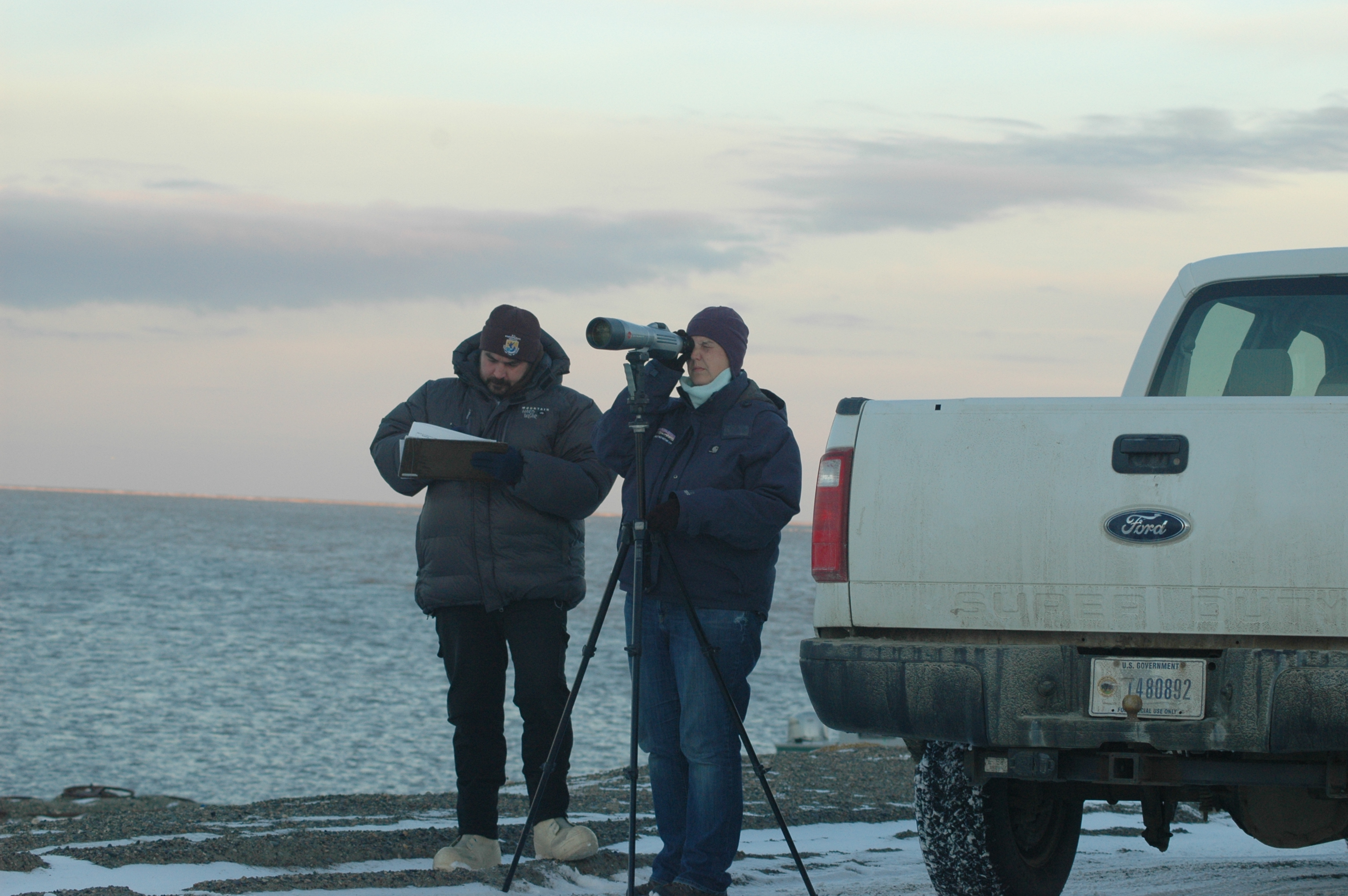
We are here to help colleagues with U.S. Geological Survey, U.S. Fish and Wildlife Service and ANWR to study changes in polar bear numbers, as well as polar bear behavior and use of resources in response to the changing climate. As the climate warms, the arctic summer is getting longer and sea ice is diminishing. Polar bears come off the sea ice usually in late August and spend September and a few weeks of October in the area around Kaktovik waiting for the sea ice to form again. Polar bears use the sea ice as their platform for hunting seals, which is the majority of their wild diet. Without access to the ice, the bears are forced to spend more time on land.

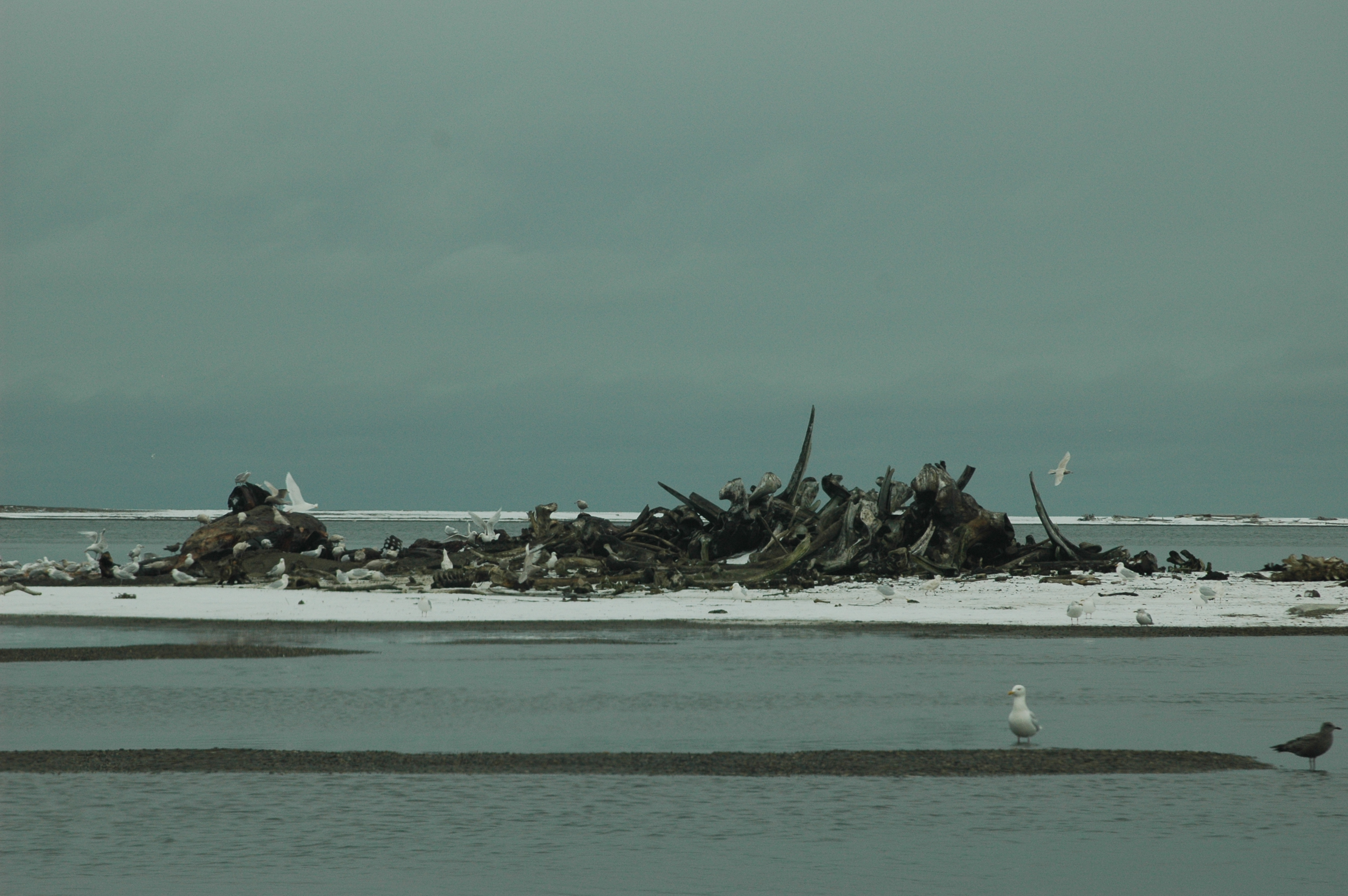
The Inupiat community of Kaktovik hunt bowhead whales every fall to store enough food for the winter. After processing the whales on the beach, the whale remains are taken about a mile and half to the edge of town and placed in the “bone pile”. Polar bears come to feast on the remains, which continue to be a strong attractant for weeks. Kaktovik, which is home to approximately 300 people year round, adds a population of polar bears numbering 15-40 and up to 80 in the late summer and fall. As a result, Kaktovik is becoming more and more popular with tourists from all over the world coming to see the polar bears.

The bears primarily stay on the barrier islands just outside of town, but there is a great potential for human-bear conflict, and the DZS is interested in seeing how Kaktovik handles the conflict. Usually, the bears are kept away with all-terrain vehicles (ATVs) and trucks, but sometimes more force is necessary. Shotguns loaded with “cracker shells” or bean bags are then used to keep the bears away. An important safety measure that has been established is the Polar Bear Patrol. This patrol drives around Kaktovik every night from 8 p.m. to 8 a.m. protecting the community from bears wandering into town. This year, there was more whale meat at the bone pile than last year, so bears seemed to stay near the pile and away from town. Last year, while I was in Kaktovik, an incident occurred when a bear consumed some dog food from underneath the house next to ours and entered another house to feed on seal blubber.

We came to Kaktovik a week earlier than last year hoping to also observe brown bears. Brown bears have also been affected by the warming climate. They are moving farther north and coming into more contact with polar bears, overlapping more in resource use and, in some places, even hybridizing with polar bears. At Kaktovik, both bear species have been observed feeding on the whale remains, and the DZS is interested in better understanding the overlap in resource use between these species. Unfortunately, no brown bears were seen this year during our time in Kaktovik, and locals informed us that only two or three brown bears had been seen this year.

Kaktovik is just one of the communities on Alaska’s North Slope that face unique circumstances with our Earth’s changing climate. The increased interaction with polar bears and brown bears is a fascinating situation and will become increasingly important for the management of both species. With continued monitoring of bears on the North Slope, the safety of both the public and the bears will remain the top priority of the community, and the DZS will assist in this effort.

– Paul Buzzard, Ph.D., is the director of conservation for the Detroit Zoological Society and Betsie Meister is the associate curator of mammals.

Education: Humane Horticulture with Children’s Village

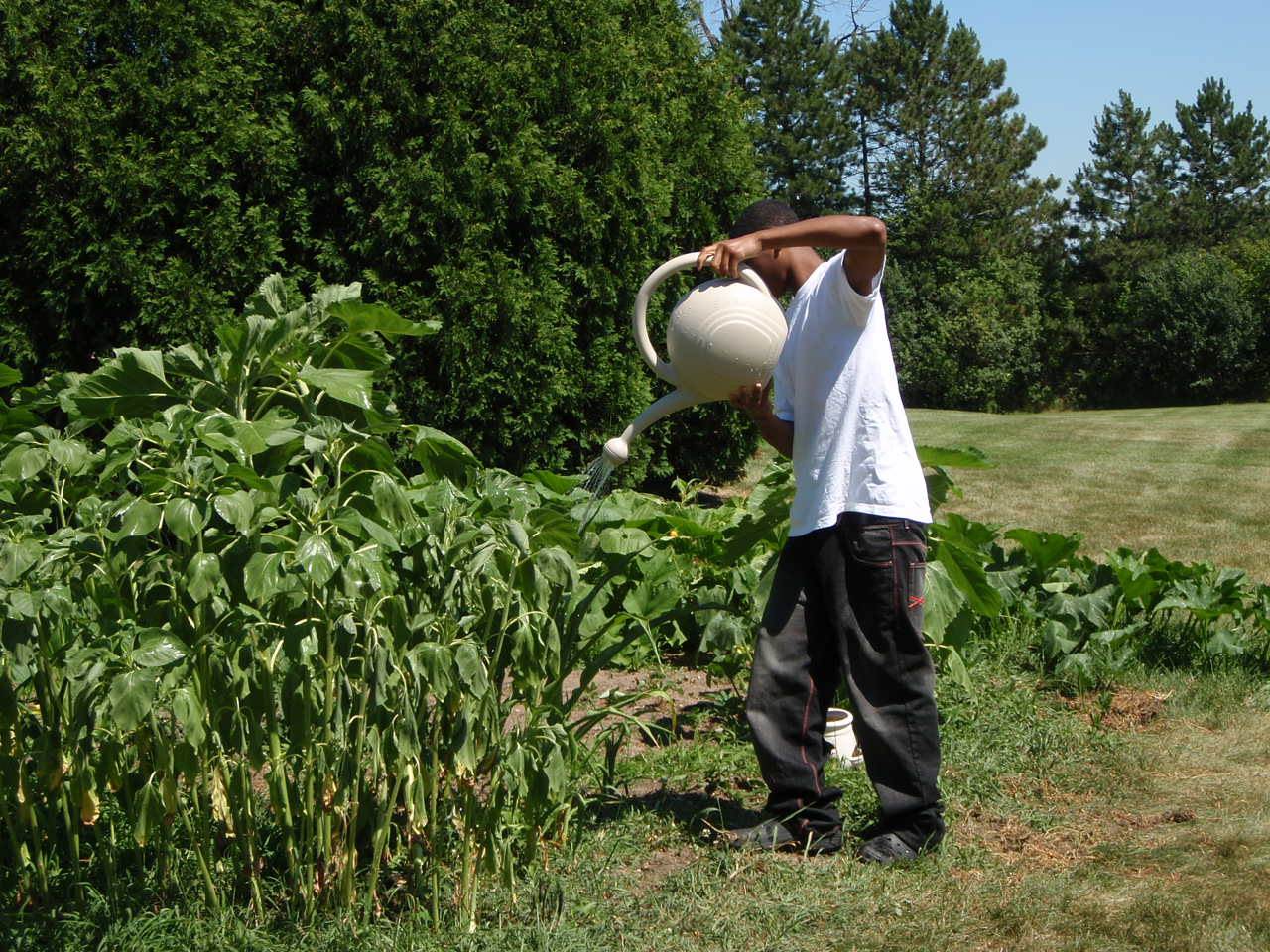
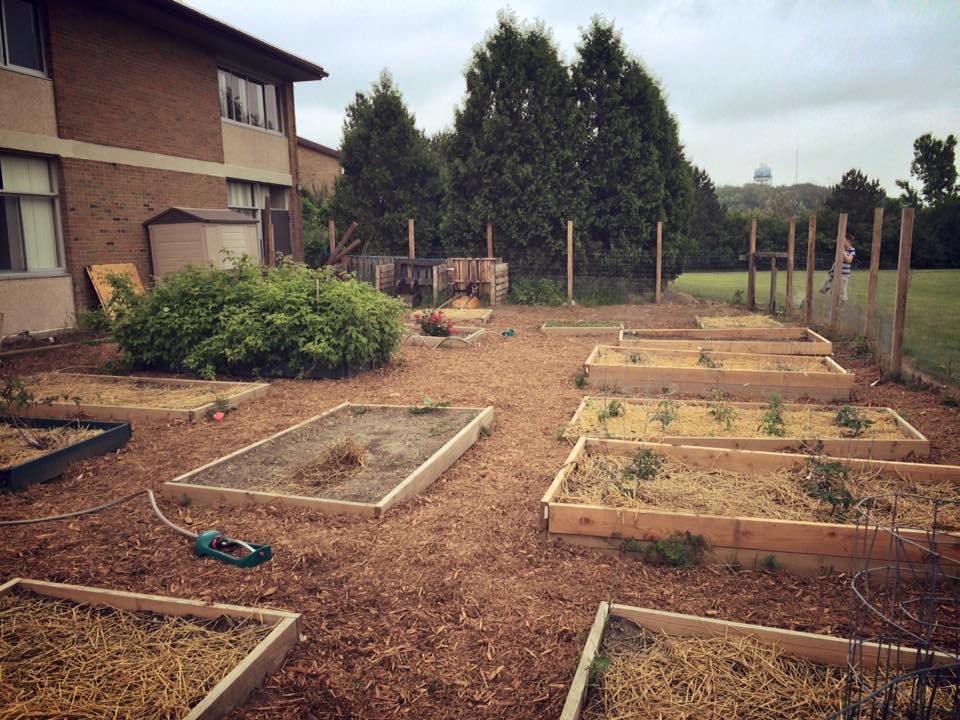
For more than six years, the Detroit Zoological Society’s Berman Academy for Humane Education has led a gardening program with Oakland County Children’s Village that helps to instill reverence and respect for wildlife and wild places with the 12-17-year-old boys residing there. Children’s Village provides a safe, structured environment for youth that includes secure detention, residential treatment and shelter care services. While there are approximately 16 to 20 teens that participate in the garden program at any given time, the resident population changes regularly, so we’ve had the opportunity to work with hundreds of boys through the course of this program.

The boys implement the garden from start to finish, and I work right alongside them with Claire Lannoye-Hall, a DZS curator of education. We incorporate a number of projects throughout the year, in addition to cultivating a fruitful harvest. A lot of emphasis is placed on how we can humanely interact with the wildlife that we find in and around the garden, which includes implementing measures that humanely deter wildlife from eating our cherished produce. For example, we’ve built a fence, made wind chimes out of discarded DVDs, and used cayenne pepper flakes to discourage the resident groundhog from nibbling on our plants. The young gardeners learn to avoid some conventional deterrents that are not humane, like predator urines for example, as the urine is often harvested from animals that reside on fur farms in deplorable conditions.

While this program mainly takes place in the summer months, we still visit the boys on a regular basis throughout the rest of the year. It’s important for us to have a consistent presence – for the boys to know that they can depend on us showing up. One of our favorite winter projects is making fleece toys for dogs that reside in local shelters. After the boys finish, I deliver the toys and take pictures of the dogs having fun with their new playthings. The boys take great delight in seeing the pictures and knowing they’ve brought some joy to these pups. Another project we’ve done for the past few years is making Valentine’s Day cards for pediatric patients at Children’s Hospital of Michigan, using pressed flowers from our garden. It’s quite heartwarming to see how thoughtful the boys are when crafting their messages and designing the cards. Our projects are often centered around being kind to others, as there’s research that shows when you’re kind to someone else, it helps to foster empathy within.

One of our favorite projects is our photography project in which the boys take pictures of the garden and surrounding area. It’s amazing to see them take a picture of a bee resting on a sunflower that they’ve planted from seed or a tiny tree frog climbing on the side of a raised bed that they made with their own hands. There’s a lot of delight and wonder that comes from observing nature from behind the lens of a camera.

As you can imagine, our garden program is always one of the highlights of my week. I look forward to see how it continues to unfold in years to come.

Lisa Forzley is the humane education manager for the Detroit Zoological Society and oversees the Berman Academy for Humane Education.

Greenprint: Becoming a Zero-Waste Organization

The Detroit Zoological Society (DZS) is gearing up for our ambitious goal of becoming a zero-waste organization by 2020! We are currently performing waste and recycling audits to have a better understanding on where we stand. This process is causing us to re-think our consumption and how we can develop a more closed-loop approach, which means that zero waste is created.

One major challenge we will have here at the Detroit Zoo is trying to get our 1.3 million visitors on board with this effort. There’s no better way to do that than to share the new five “R’s”, which is the brainchild of Zero Waste Home.

  • REFUSE – Start by evaluating the items you consume and if they are truly needed – things like bottled water, plastic bags, and paper towels/napkins at home.
  • REDUCE – Purchase goods only when absolutely necessary. At the Zoo we’re replacing less sustainable lighting with LED lighting, which helps us with energy costs, but also reduces the quantity of light bulbs we use.
  • REUSE – Find a creative second life for as many items as possible, even if it’s something that is easy to recycle. It’s always better to reuse a product first – Pinterest has a treasure-trove of ideas for upcycling, many of which are fun for kids.
  • RECYCLE – Always recycle plastic, metal, paper and glass. If you don’t have a curbside option, the state of Michigan has a resource for drop-off locations near you. In addition, recycling and donation bins are popping up all across the state for clothing, books, and even electronics recycling.
  • ROT – Ask your neighborhood recycler if they have composting available or start a compost pile in your backyard.

One extra “R” developed by the DZS Greenprint is REPLENISH — find ways to give back. This could involve anything from joining an adopt-a-beach program or volunteering to help an environmental nonprofit. You can also donate to the Detroit Zoological Society to support our mission of Celebrating and Saving Wildlife.

Join us on our Green journey!

Beth Wallace is the manager of sustainability for the Detroit Zoological Society.

Greenprint: Detroit Zoo is the Greenest Zoo

This year, the Detroit Zoological Society (DZS) celebrated its 13th year of strategic planning around green efforts. Lucky 13 has proven to be our year, as we’ve just been awarded the 2015 Green Award – top honors – by the Association of Zoos & Aquariums for our sustainability initiatives. This national award recognizes that being green also makes good business practice and directly contributes to the conservation of the natural world.

This honor came on the heels of the DZS completing our bottled water phase-out effort, which is helping to keep more than 60,000 single-use plastic bottles out of landfills and the environment. Over the last three years, the DZS has also invested more than $3 million into energy efficiency projects, which results in utility costs savings of nearly $275,000 annually.

The year ahead is even more exciting as we are currently breaking ground to build the first dry biodigester in Michigan, and the first zoo-based system in the country. This biodigester will compost more than 400 tons of animal waste and organic food waste while capturing methane to be used as a renewable energy source to help power the Zoo’s animal hospital.

We are also getting our feet wet (or in this case keeping them dry) with permeable pavement sidewalks and parking lots, which diverts storm water from our sewer systems to prevent flooding and sewer overflows into our rivers and lakes.

And perhaps most exciting, we will open the new Polk Penguin Conservation Center in early 2016, which will represent our most sustainable construction work to date and will provide more than 80 penguins of four species with a state-of-the-art habitat while creating a critical discussion around climate change. The entire building is being designed to meet goals of LEED and components of the Living Building Challenge, with renewable and recycled materials, daylight harvesting through solar tubes, as well as water filtration systems helping us reach net-zero water use.

Join us on our Green Journey!

Beth Wallace is the manager of sustainability for the Detroit Zoological Society.