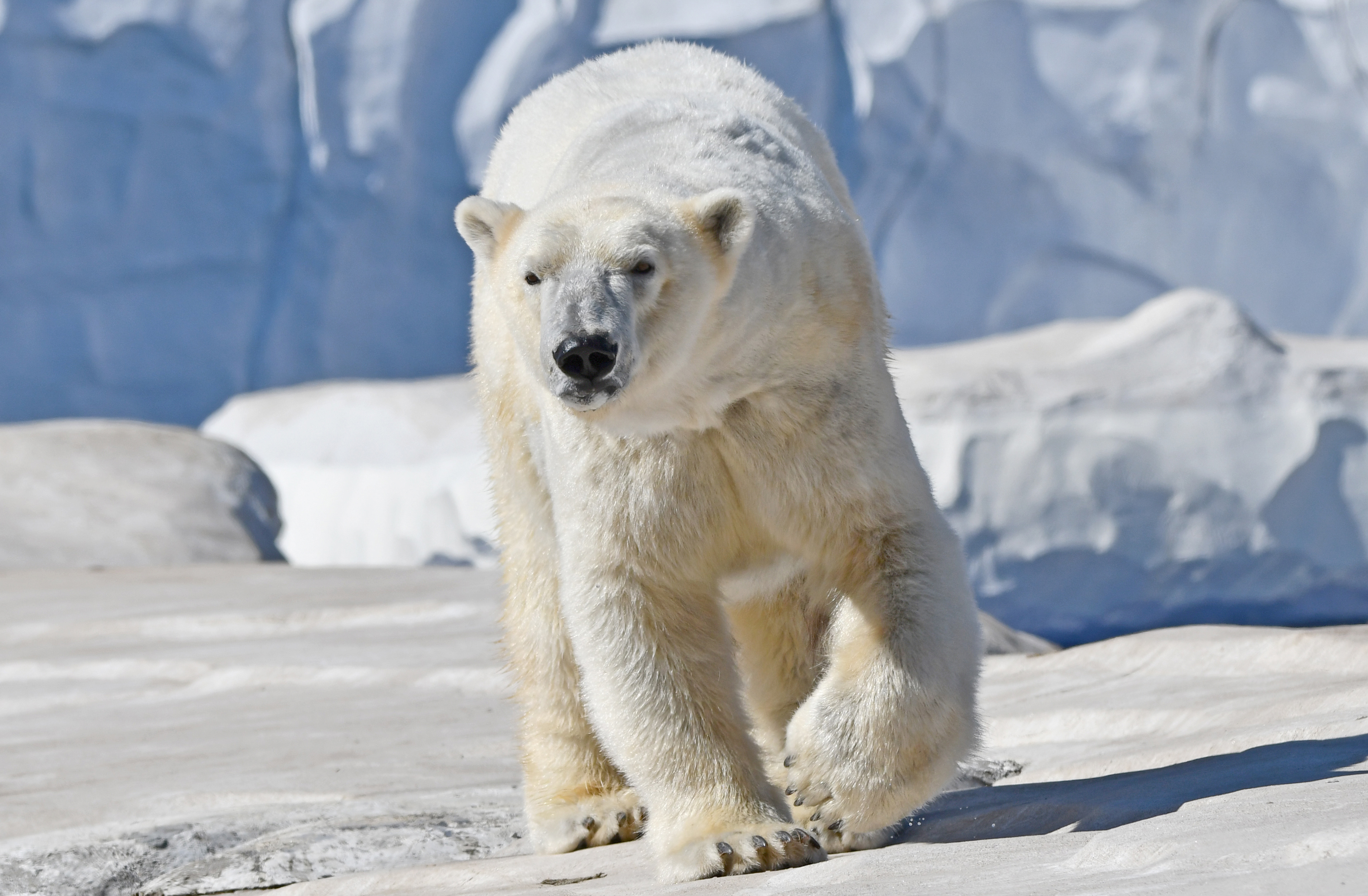
Polar Bear Denning: A Glimpse into Suka’s Cozy Retreat at the Detroit Zoo

Suka

Humans aren’t the only ones who enjoy cozying up inside when the fall chill takes over — so do some of the animals who call the Detroit Zoo home!

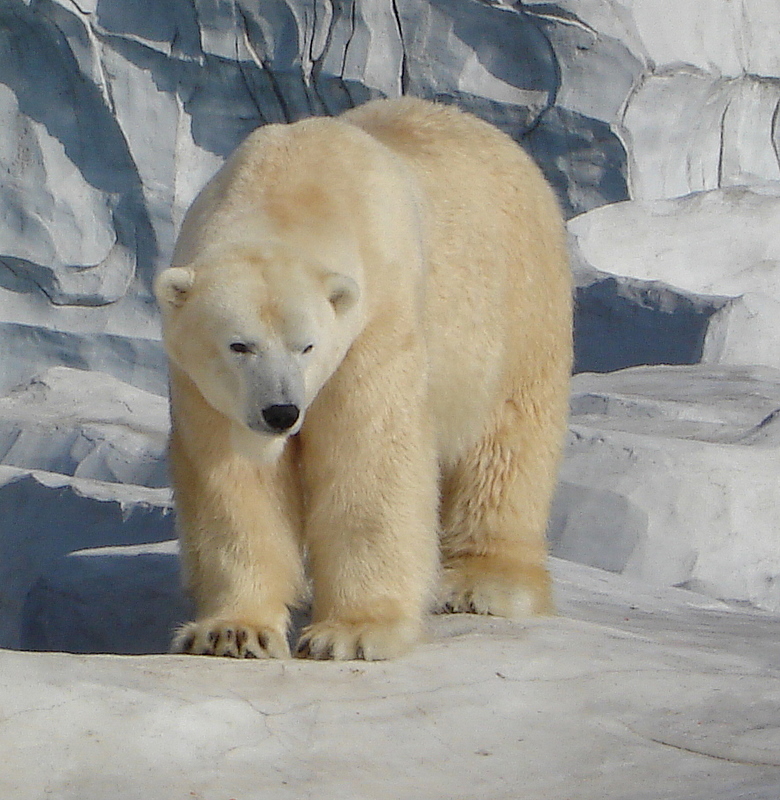
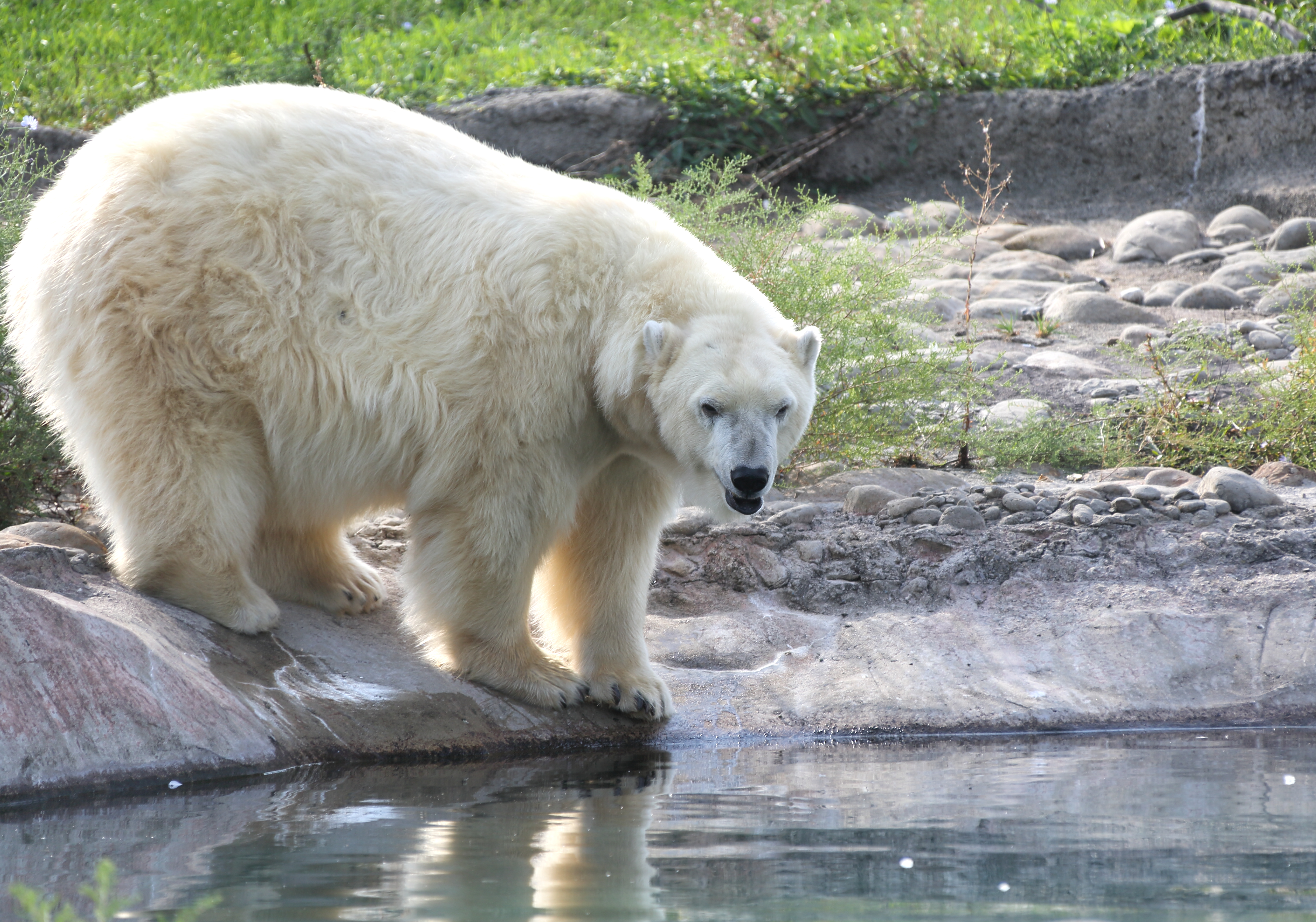
If you are visiting the Zoo this season, you may notice that Suka, a female polar bear, has not been as visible inside the Arctic Ring of Life habitat. But there’s no need to worry, her absence is for a heartwarming reason. This fall and winter, Suka will be nestled in her cozy den behind the scenes in hopes of welcoming a polar bear cub (or two!) into the world.

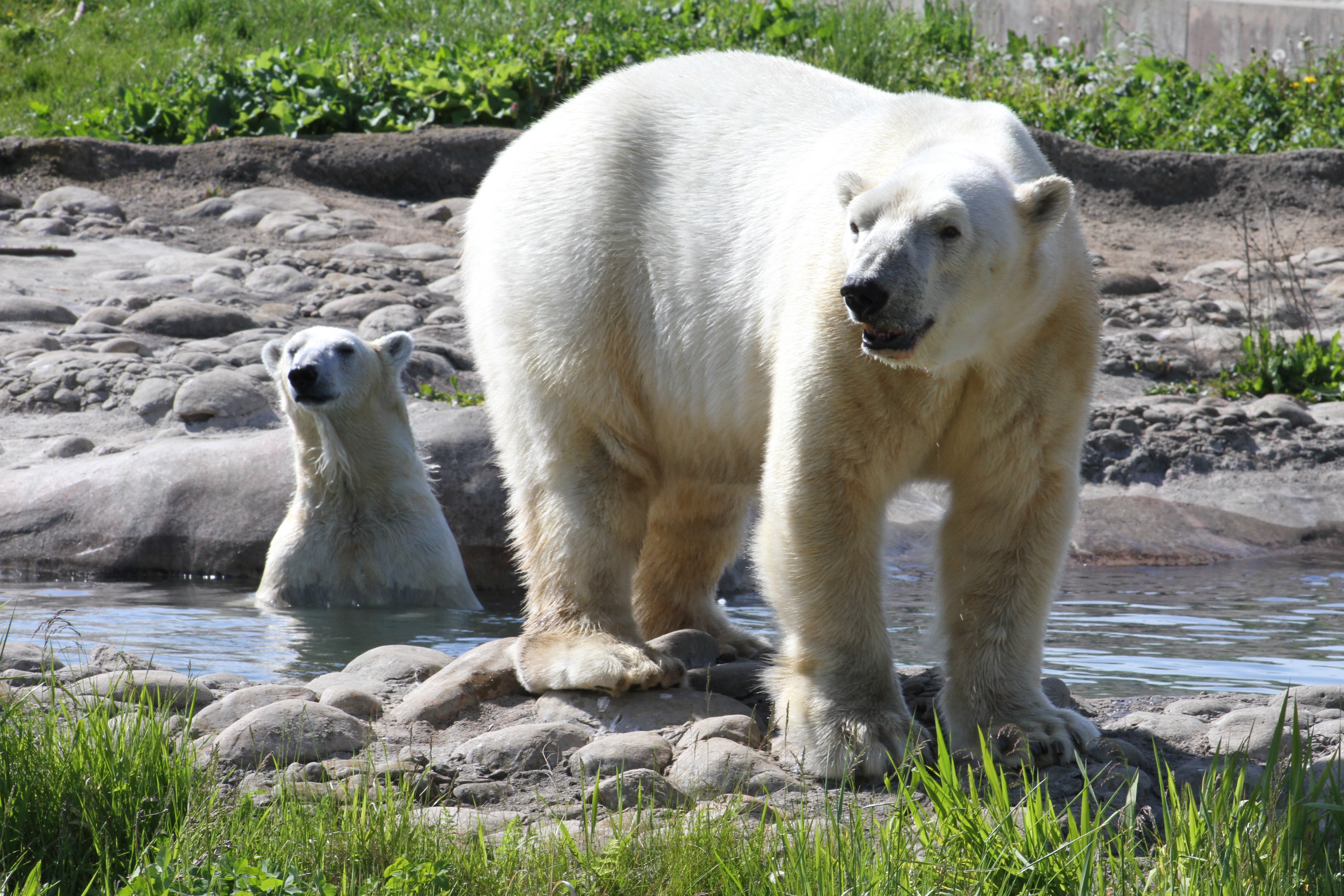
Last spring, Suka and her male counterpart, Nuka, were observed engaging in an important act of nature — breeding. This pair has successfully mated in the past, resulting in twins Astra and Laerke, who were born in 2020 and moved to the Point Defiance Zoo and Aquarium in June 2023. After their past success, experts with the Association of Zoos and Aquariums — an organization dedicated to animal well-being, conservation and the sustainable management of animal populations in human care — recommended that Suka and Nuka be paired together again. So far, all seems to be going well.

Suka and Nuka

It’s important to note that female polar bears will den whether or not they are pregnant. While we are hopeful Suka and Nuka’s union was successful, unfortunately, our staff has no way to confirm if Suka is indeed pregnant. Polar bear pregnancy tests don’t exist, and polar bear cubs are so tiny in the womb that they cannot be seen via ultrasound. Instead, our dedicated animal care team will be closely monitoring Suka for any subtle signs that might indicate an impending birth. We won’t know for sure if there are cubs on the way until November or December. 

To give this momma bear the best chance of success, Suka must remain undisturbed during her denning period. Denning is a critical phase in the life of a pregnant polar bear, where she seeks seclusion and tranquility to give birth and raise her cubs. Zoo staff is committed to providing Suka with a stress-free environment to ensure her comfort and well-being. Our team is hopeful that Suka will emerge from this denning season as the mother of some new cubs!

While Suka is cozied up in the bear den these next few months, visitors are encouraged to drop by and say “hi” to Nuka and the sea otters who call the Arctic Ring of Life home. And don’t forget to send Suka all your well wishes. 

Update as of January 2024: After months of rest and relaxation under the careful monitoring of our animal care team, Suka emerged from her den. Though we were hopeful for cubs, this was not the case. Suka is now acclimating to life outside the den and will not always be in sight. The team will monitor her closely to determine when she is ready to be reintroduced to male polar bear Nuka. We look forward to a winter full of polar bear fun with Suka and Nuka!

Suka with her past cub, Astra, who was born in 2020.

Animal Welfare: The Detroit Zoological Society to the Rescue

Eight years ago this month, Detroit Zoological Society staff took part in the largest animal rescue effort in the world. More than 26,000 animals were seized from an exotic animal dealer in Texas when it was discovered that animals at the dealer’s property were living in crowded, squalid conditions, many without access to adequate food, water and veterinary care. Leaders at People for the Ethical Treatment of Animals (PETA) contacted us to help. The conditions in Texas were so bad that for some animals, help came too late, but many – from small mammals to amphibians – came to live at the Detroit Zoo in habitats that would meet all of their needs. This significant effort to help animals is just one of many DZS animal rescue stories.

Prior to the historic Texas rescue, we’d previously worked with PETA to rescue polar bears traveling as part of a circus based out of Mexico. Bärle was one of those fortunate bears, and once she found her forever home at the Detroit Zoo, she enjoyed the comforts of her habitat in the 4-acre Arctic Ring of Life and gave birth to Talini, a female polar bear – now 12 – who is still living at the Zoo. Other rescued animals living at the Detroit Zoo include a lioness named Erin – who, along with two other lions, was rescued from a junkyard in Kansas – as well as several ring-tailed lemurs from three different rescues (including the Texas rescue described above). Forty of the amphibians rescued in Texas in 2009 are still living in the Detroit Zoo’s National Amphibian Conservation Center.

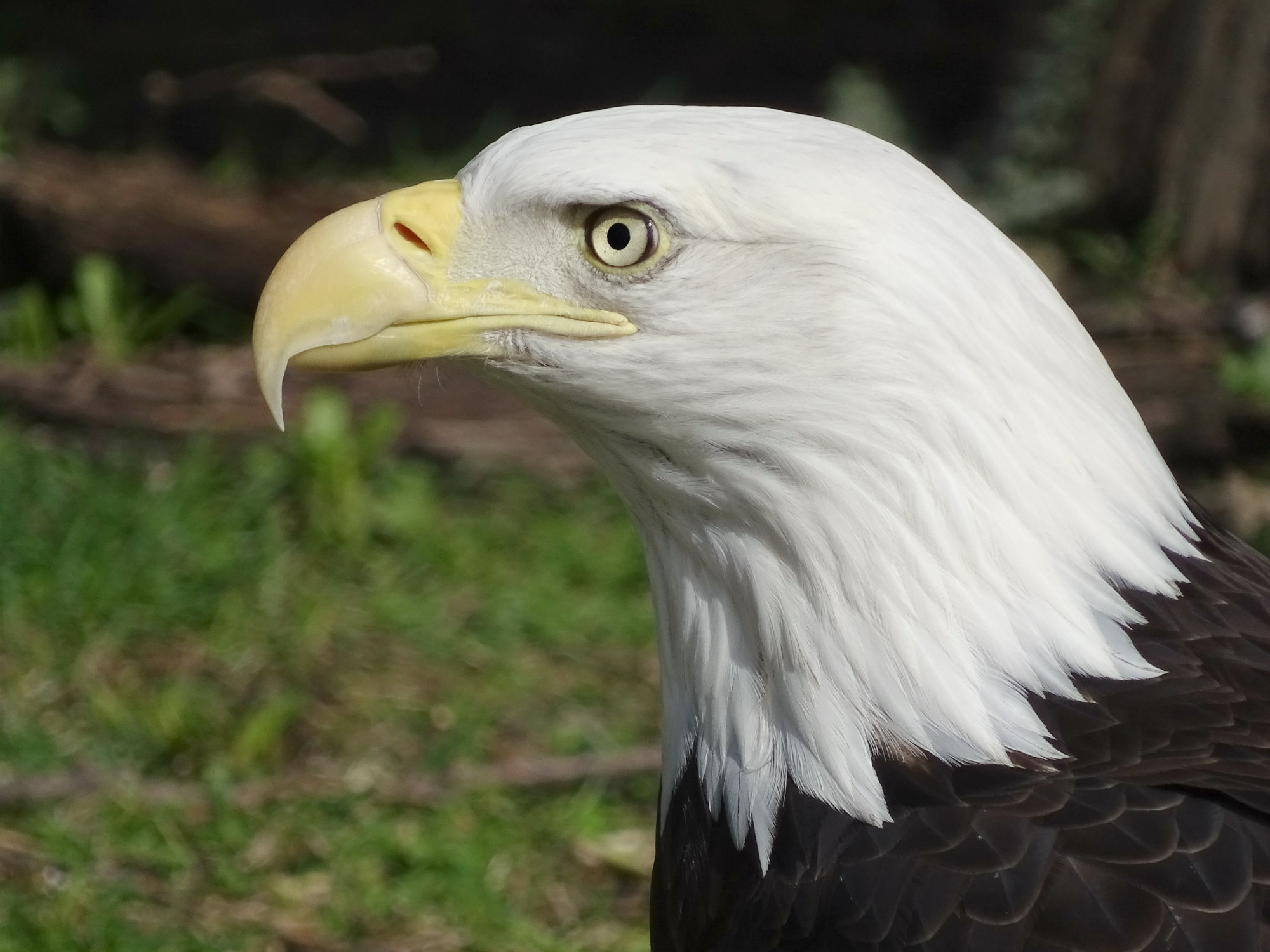
Not all of the animals we’ve helped rescue come from bad captive conditions. Sometimes, animals are found injured or otherwise unable to care for themselves. Such was the case for the three male grizzly bears, Mike, Thor and Boo, whose mother was killed by a poacher, leaving behind three cubs who were too young to be on their own. All five seals living in the Arctic Ring of Life were rescued from the wild after they were found on beaches and deemed unable to care for themselves, and the bald eagles at the Detroit Zoo suffered injuries in the wild that rendered them unable to fly. Without the Detroit Zoo, animals like these would likely not have a home, and could be euthanized.

A western pond turtle – an endangered species – was rescued in California and is now living in the Detroit Zoo’s Holden Reptile Conservation Center after a concerned citizen saw a Facebook post by a man who was intending to cook and eat the animal.

Animal welfare is at the core of the Detroit Zoological Society’s mission, and is reflected in our efforts to rescue animals. Requests to provide a life-long home for rescued animals are frequent. Such requests can place a strain on resources for zoological institutions, not all of which can accommodate them. We will continue to assist whenever possible, and we encourage you to come visit the rescued animals at the Detroit Zoo. To learn more and see how you can help, visit: https://thezoothatcould.detroitzoo.org/animal-welfare/

– Dr. Stephanie Allard is the director of animal welfare for the Detroit Zoological Society and oversees the Center for Zoo Animal Welfare and Ethics.

Celebrating International Polar Bear Day

Polar bears are iconic animals, known for their incredible ability to survive in one of the harshest environments on Earth. These marine mammals are the most carnivorous member of the bear family, with a diet consisting primarily of seals. They have a thick layer of fat and waterproof fur, providing insulation in the cold Arctic climate in which they live.

Sea ice is imperative for polar bear survival; they spend the majority of their lives on the ice, relying on it to find a mate, build a den and hunt for seals. In the last 30 years, scientists have seen a dramatic shift in ice within the Arctic Ocean. The amount of “old ice” – ice that stays throughout the summer – is significantly smaller than what it was 30 years ago. The seasonal sea ice is forming later in the year – and melting earlier – directly impacting polar bears’ ability to hunt. As a result, many polar bears aren’t able to build up the fat reserves they need for the summer when food sources aren’t plentiful, and they starve to death.

We know the climate is changing. As humans, we are using fossil fuels such as coal and gas to drive cars and use electricity. These fossil fuels release carbon dioxide into the atmosphere, which builds up and creates a blanket effect around the Earth, trapping in heat that would otherwise escape. This trapped heat is causing global climate change and is impacting many species, including polar bears.

On February 26 and 27, the Detroit Zoo will join others around the world in highlighting the challenges that polar bears are facing in the wild. International Polar Bear Day celebrates these majestic creatures while also encouraging the community to not only better understand the impact we have on the environment, but to join us in taking positive action that will help protect vulnerable species.

Each one of us has the power to make a difference. We can change our daily behaviors and use less energy by seasonally adjusting our thermostats, riding our bikes, carpooling with friends or turning off the lights. We can also scale these actions up to our schools or workplaces by encouraging others to join us in this endeavor. Celebrating International Polar Bear Day is a great reason to start, or to take things to the next level.

Our International Polar Bear Day will take place on February 26 and 27 from 11 a.m. to 3 p.m. The events will include zookeeper talks, educational activities and visits with the Zoo’s polar bear mascot. Talini and Nuka, the two polar bears who reside at the Zoo, will receive their usual treats at scheduled times (11:30 a.m., 1 p.m. and 2:30 p.m.) so guests can watch the bears enjoy them. This is not only a great time to visit the Zoo and the more than 2,000 animals living within our 125 acres, but it’s also a chance to learn more about how we can work together to save wildlife and wild places.

– Carla Van Kampen is a curator of education for the Detroit Zoological Society.