Amphibian Conservation: Saving the Panamanian Golden Frog

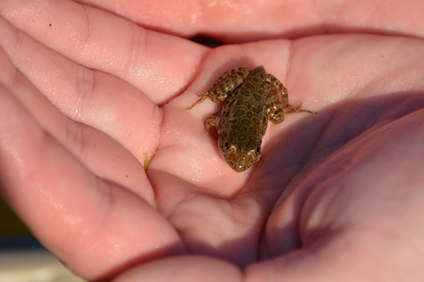
The Panamanian golden frog (Atelopus zeteki) is a unique and beautiful amphibian from the highlands of Panama. This yellow or orange and black “frog” is actually a type of toad that walks more than it hops. It resides in areas near fast-moving streams and rivers in the mountainous forests within the country. The International Union for Conservation of Nature (IUCN) lists the Panamanian golden frog as Critically Endangered, which is one step before becoming Extinct.

In the wild they are believed to be in such low numbers that they may no longer be able to sustain as a wild population; in fact, no one has seen a Panamanian golden frog in the wild for quite some time. Massive population decreases are believed to be caused by chytrid fungus, habitat destruction, the exotic animal trade and sedimentation of egg-laying sites in rivers and streams. Now, they exist mostly in captive zoo breeding populations.

One of these breeding populations has been housed in a bio-secure room at the Detroit Zoo’s National Amphibian Conservation Center for 16 years, and has contributed several years of offspring to the Panamanian Golden Frog Species Survival Plan (SSP). SSPs are cooperative management programs through the Association of Zoos & Aquariums (AZA) that aim to reproduce, genetically manage and possibly reintroduce endangered animals into the wild with the assistance of other wildlife management organizations. In addition to its active role in the SSP, the Detroit Zoological Society (DZS) employs several other strategies to conserve the Panamanian golden frog in the wild. At this time, there is nowhere identified in the wilds of Panama to safely release captive-bred tadpole or juvenile golden frogs to the wild.

Breeding the Panamanian golden frog in captivity involves understanding the complex conditions found in their wild habitat. They have an interesting life cycle from courtship to final metamorphosis. In the wild, males of this species will perch on rock outcroppings or on top of large leaves that overhang or are near a flowing stream or river. The males then begin to call, thrusting out the vocal sacs on their throats as they produce a low trill vocalization meant to alert females to their presence as well as warn other males to stay away. Since these animals breed and live in close proximity to the loud sound of rushing water, their low-toned vocalizations can be very difficult to hear. For this reason, golden frogs have evolved a type of sign language they can use to communicate to mates as well as rivals. These amphibians have the ability to execute a “wave” using their front legs to take the place of their hard-to-hear vocalization when conditions around the stream are noisy. This type of communication is known as semaphore behavior.

Once a pair of golden frogs has successfully mated in the wild, the female will deposit up to several thousand small round white eggs underneath a rock in a steam or river and away from direct sunlight. This is done because the white eggs lack pigment entirely and would be adversely harmed by the ultra violet (UV) radiation from the sun. This same issue has to be addressed at the Detroit Zoo. The animals are bred inside aquariums in a specially modified room just for this species. After the breeding pairs are chosen for the year, the animals are placed together in an aquarium. Prior to the onset of the “wet season,” misting cycles within the frogs’ habitat are coordinated to simulate the “dry season,” giving the frogs a sense of seasonality, which helps stimulate them to breed. If eggs are laid in the aquarium, amphibian staff must protect the eggs from the naturalistic UV lighting over the breeding tanks by wrapping black trash bags around the aquarium. This simulates total darkness, which allows the light-sensitive eggs to develop unharmed. Once eggs develop pigment, the trash bags can be removed.

Eventually, the eggs develop and a small black and yellow tadpole emerges from the egg casing. These tadpoles are very well adapted to living in fast, flowing stream environments with strong mouthparts which assist them in clinging to the rocks in turbulent water as they scrape away at algae and the microorganisms they depend on for food. At the Detroit Zoo, we reproduce the golden frog food source by smearing a wet algae mix on small plastic food plates and allowing the mixture to dry. Once the algae is dry, the plates are placed in the water and the tadpoles move over and around the plate, scraping off the food with their specialized mouthpart. After several weeks, the tadpoles metamorphose into fully formed little toadlets, which are turquoise green and black in color, a color phase that camouflages them in while living in a forest habitat. They eventually turn mostly yellow or orange and black upon reaching adulthood.

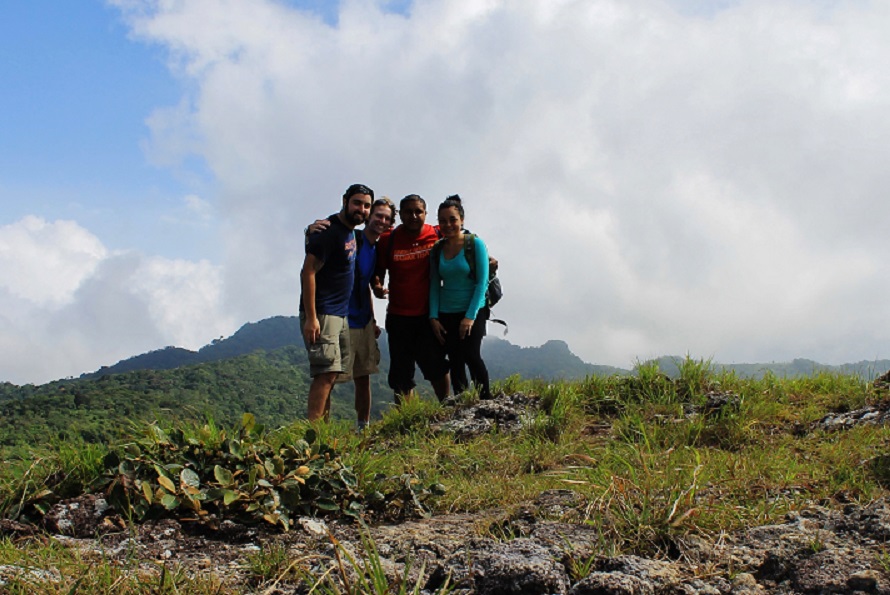
Along with the extensive breeding program, conserving the Panamanian golden frog involves reaching out to the communities where these animals live and educating the public. In 2015, I assisted the staff at a small conservation center in El Valle, Panama, called the El Valle Amphibian Conservation Center (EVACC). This center is dedicated to breeding, exhibiting and educating the public on Panama’s native amphibians. While in Panama, I assisted EVACC with their amphibian exhibits and breeding programs. The DZS is also becoming involved in developing educational materials to better educate an already sympathetic public about conserving their environment and this important amphibian. Recently, DZS Curator of Education Claire Lannoye-Hall has been appointed as the SSP Education Advisor for the Panamanian Golden Frog SSP. Within this role, the Detroit Zoo will be instrumental in developing educational programs and cultural awareness within Panama.
The Panamanian golden frog holds a special place in the Panamanian culture. Signifying good luck, the golden frog can be seen on lottery tickets and in gift shops all around the country. The history of this little amphibian within Panama can be illustrated by the presence of “rana dorada” or golden frog, in some of the petroglyphs within the country dating back to pre-European contact. Perhaps those ancient artists were hoping for a little luck as they etched images of this mystical amphibian into the rocks of the cloud forest. Hopefully, with a little of that same luck and continued dedication from the Detroit Zoological Society and its conservation partners, the Panamanian golden frog will not disappear from history for good.

– Mark Vassallo is an amphibian department zookeeper for the Detroit Zoological Society, and works in the National Amphibian Conservation Center at the Detroit Zoo.

Notes from the Field: Recovering American Martens

The Detroit Zoological Society (DZS) is continuing its efforts on an American marten conservation project in the Manistee National Forest. This spring, I was given the exciting opportunity to assist collaborators from Grand Valley State University and Busch Gardens on this project. Martens are small, weasel-like carnivores that became extirpated (locally extinct) from the lower peninsula of Michigan in the early 1900s because of habitat loss and unregulated trapping. Martens were reintroduced back to the Manistee Forest more than 30 years ago, and since 2013, veterinary and animal care staff from the DZS have been helping to study the success of the marten reintroduction by looking at animal health, kit survival and habitat use. This work involves collecting martens in live traps and then anesthetizing them in order to perform physical exams and collect samples of blood, hair, urine and feces. The DZS uses Hav-A-Heart traps, humane traps that close in such a way that they do not harm the animal. The traps are set carefully to ensure that martens have a nice snug spot. We cover each trap with pine needles and leaves for warmth and nest building, and ensure the martens have a snack and a source of water. The collected samples are then tested for disease. The project also uses GPS and radio tracking collars to gather information on marten habitat use and determines which forest types they prefer.

My time spent in Manistee involved daily morning checks of approximately 30-40 live traps for martens. If a marten is in a trap, it is then transported to the bed of a pickup truck in order to induce anesthesia and be examined. Special care is taken to monitor the marten’s body temperature to be sure that it does not become too hot or too cold during the procedure, and after samples are collected, a GPS collar may be placed on the marten to track habitat use. When the procedure is complete, the marten recovers in a small, dark wooden box until it is stable enough to be released. Once stable, a staff member opens a little door on the box and the marten runs off back into the forest. This entire process usually takes about 30 minutes from beginning to end.

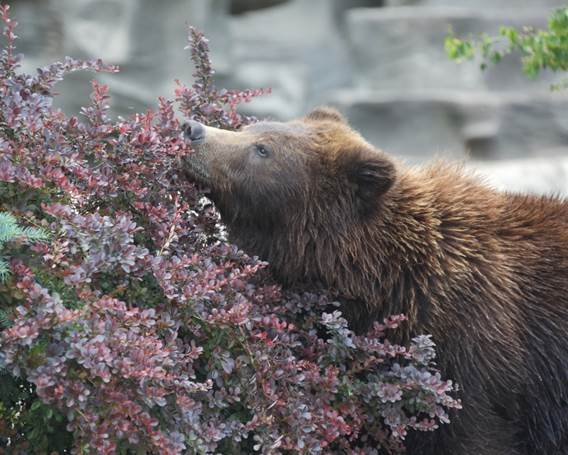
During my time assisting with the project, I spent many hours riding down narrow, bumpy and winding two-track forest trails. Some of these trails were quite precarious, but travelling them gave me the opportunity to see migrating birds, deer, a porcupine and even a black bear! We were able to collect samples from four martens and place GPS collars on three of those four, dramatically increasing the amount of data collected on marten habitat use. These GPS collars were purchased with financial support from the DZS, and the data will be used in collaboration with the U.S. Forest Service to decide how the forest can best be managed to facilitate recovery of the marten population. It was thrilling to be a part of this project and I am thankful to the DZS for allowing me this opportunity.

– Erica Campbell is a veterinary technician for the Detroit Zoological Society and works in the Ruth Roby Glancy Animal Health Complex at the Detroit Zoo.

On the Right Track: Detroit Zoo Trains Ride High

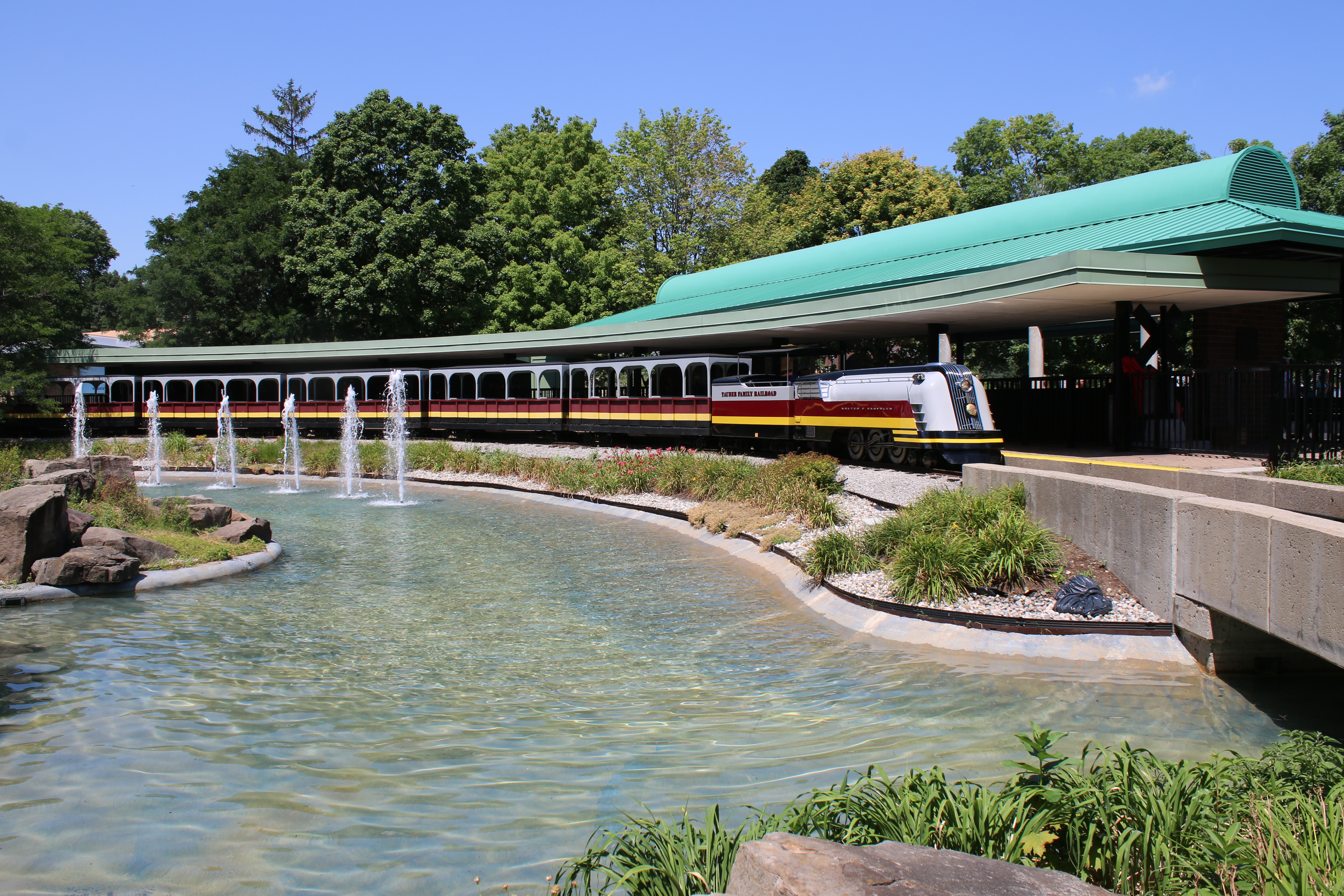
Thanks to racecars, airplanes and dogged determination, the Tauber Family Railroad trains are running like well-oiled – and greased-up – machines.

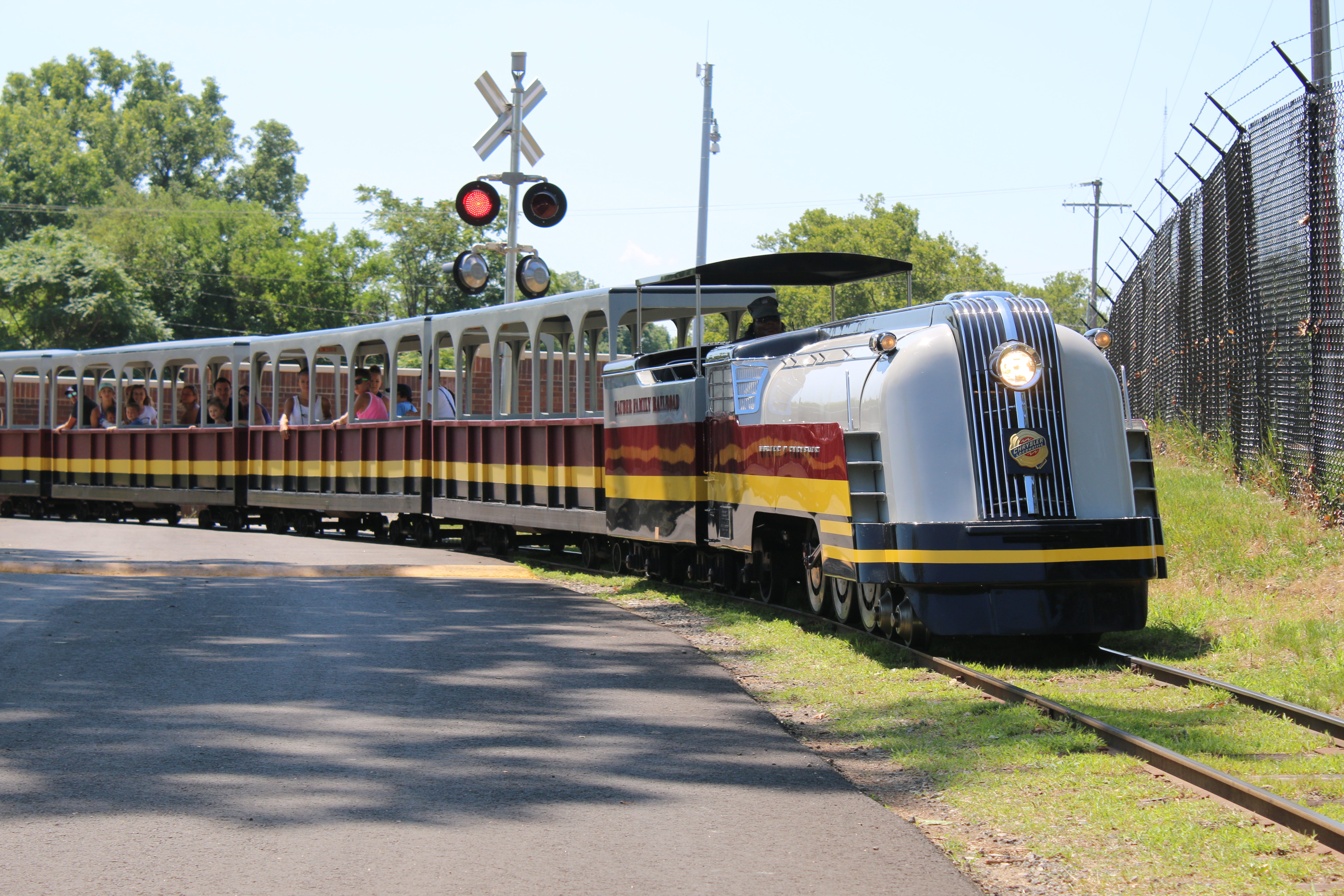
The Detroit Zoo’s Tauber Family Railroad has been a longtime favorite of guests of all ages. In 1931, three years after the Detroit Zoo opened its doors, the railroad system was donated by The Detroit News and it wasn’t long before riding the train became as much a part of going to the Zoo as seeing the animals.

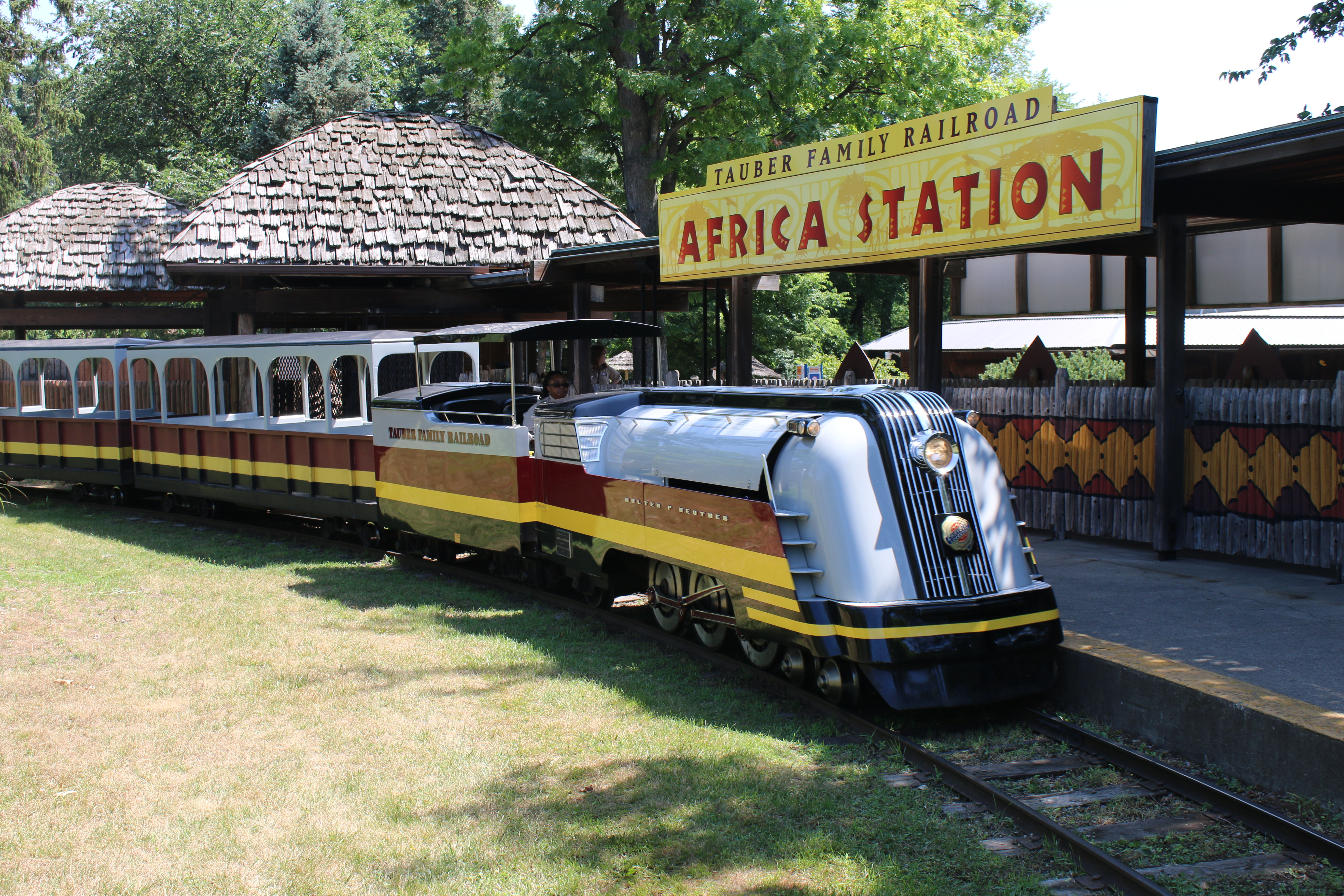
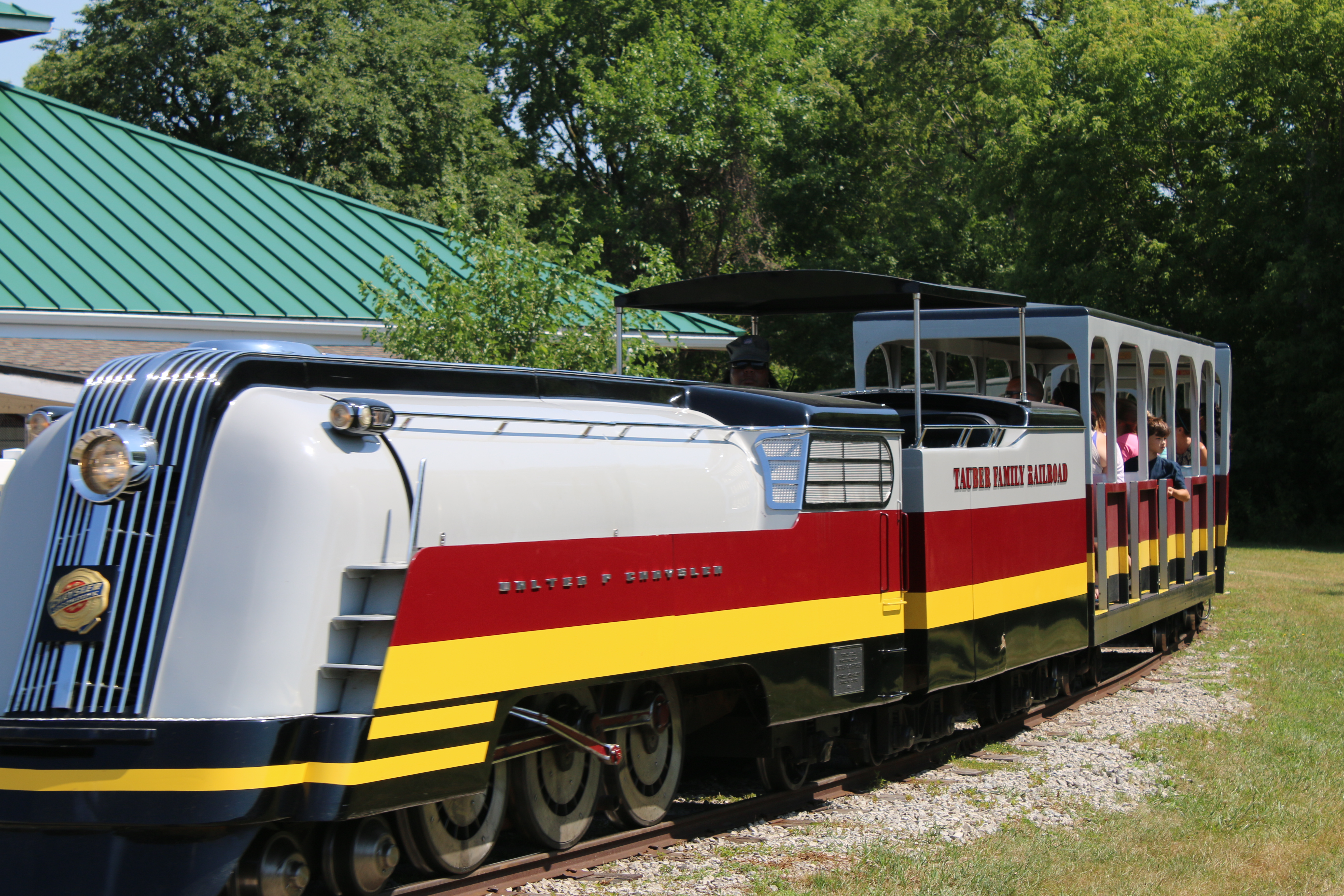
After serving an estimated 10 million riders, the original train was retired in 1949. In 1950, Chrysler donated three new trains, the Scripps, Reuther and Walter P. Chrysler. These trains – which the Detroit Zoo mechanics affectionately refer to as Scrippy, Ruthy and Wally – are still in use today, with rides offered daily from May to October, when the weather permits.

Running for eight hours a day, seven days a week will put a strain on any piece of equipment, let alone a machine that has been around since Harry Truman was in the White House. To accurately portray just how “experienced” the trains are, when they were donated, gas cost just $0.18 a gallon, Disneyland wouldn’t be opened for another five years, television viewers were a year away from being able to watch “I Love Lucy” and there were still only six hockey teams in the NHL.

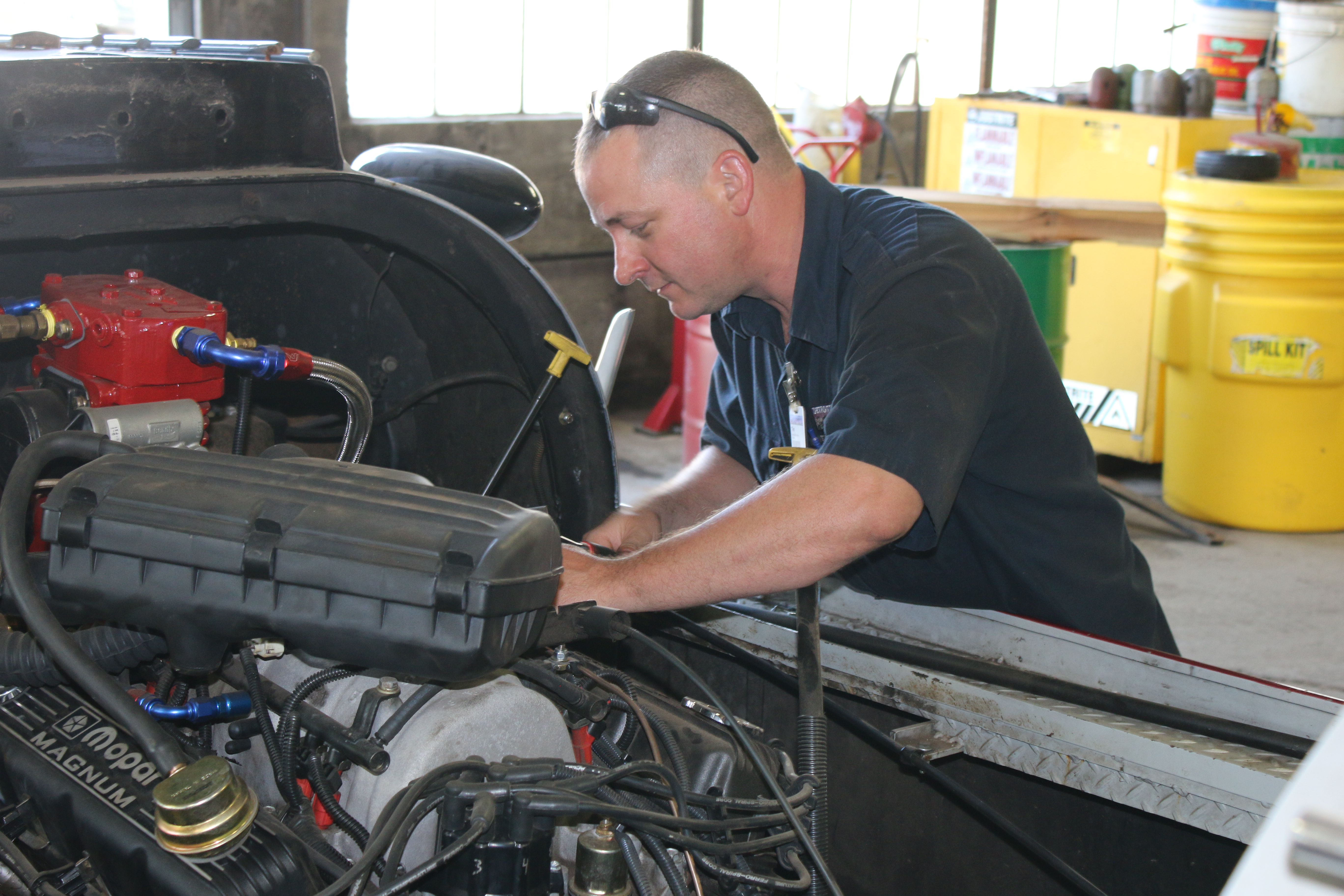
When Tim Wade was hired by the Detroit Zoological Society’s (DZS) maintenance department in 2014, the trains were known to be less than reliable, though still safe. In the short amount of time that Wade has been a part of the DZS family, he has changed the entire way that the trains are maintained and repaired. Previously, mechanics would rob parts from one train to ensure the other two were running; now Wade makes sure only the most dependable parts are being used. Wade and the DZS maintenance team, which also consists of Ben Fritsch, Alvin Dillard and Ross Urtel, have integrated new fleet maintenance practices into the upkeep of the train; ensuring that when Zoo guests want to ride the train, they can.

Because of the loads that these trains carry, there is a need for proper maintenance and repair. By bringing his technical expertise, as well as his racing background into his work on the trains, Wade has been able to improve the efficiency of the railroad system. Wade grew up racing cars, which meant needing to be both the engineer and the mechanic when it came to maintaining as well as enhancing the vehicles he was racing. Wade has been involved in the mechanical trade as long as he can remember. He says that he got his doggedness and dedication to quality from his father, who was an aviation mechanic.

Having never worked on a train before, Wade will be the first to admit that initially the task of maintaining the trains was a little overwhelming. This was when Wade decided that he should think of the trains as a racecar, and after that, improvements really started happening. His idea was to treat the trains as if they needed to finish an eight-hour race, and anything less than that would be unacceptable.

As a mechanic, most of Wade’s work is done behind the scenes, which he says suits him, as praise has never been important to him. However, if he is having a bad day, he says walking over to the Africa Train Station and seeing the families smiling, waving and enjoying their time at the Zoo gives him a real sense of pride knowing that his work has made a difference in their experience.

And a legacy has been born, as the mechanics take special joy in talking about the trains with those who could one day step into their shoes. The DZS education staff periodically brings kindergarten “World Travelers” to the maintenance shop to see the trains, meet their keepers and hear the tales of Wally, Scrippy and Ruthy.

Belle Isle Nature Zoo: Premier Pollinators in Action

The Belle Isle Nature Zoo is a facility operated by the Detroit Zoological Society that sits on a 5-acre site on Belle Isle surrounded by undisturbed forested wetlands. It provides year-round educational, recreational and environmental conservation opportunities for the community. The facility is free to the public, open daily in the summer, and there are a lot of wonderful opportunities to explore nature and wildlife at the Detroit Zoological Society’s campus on Belle Isle.

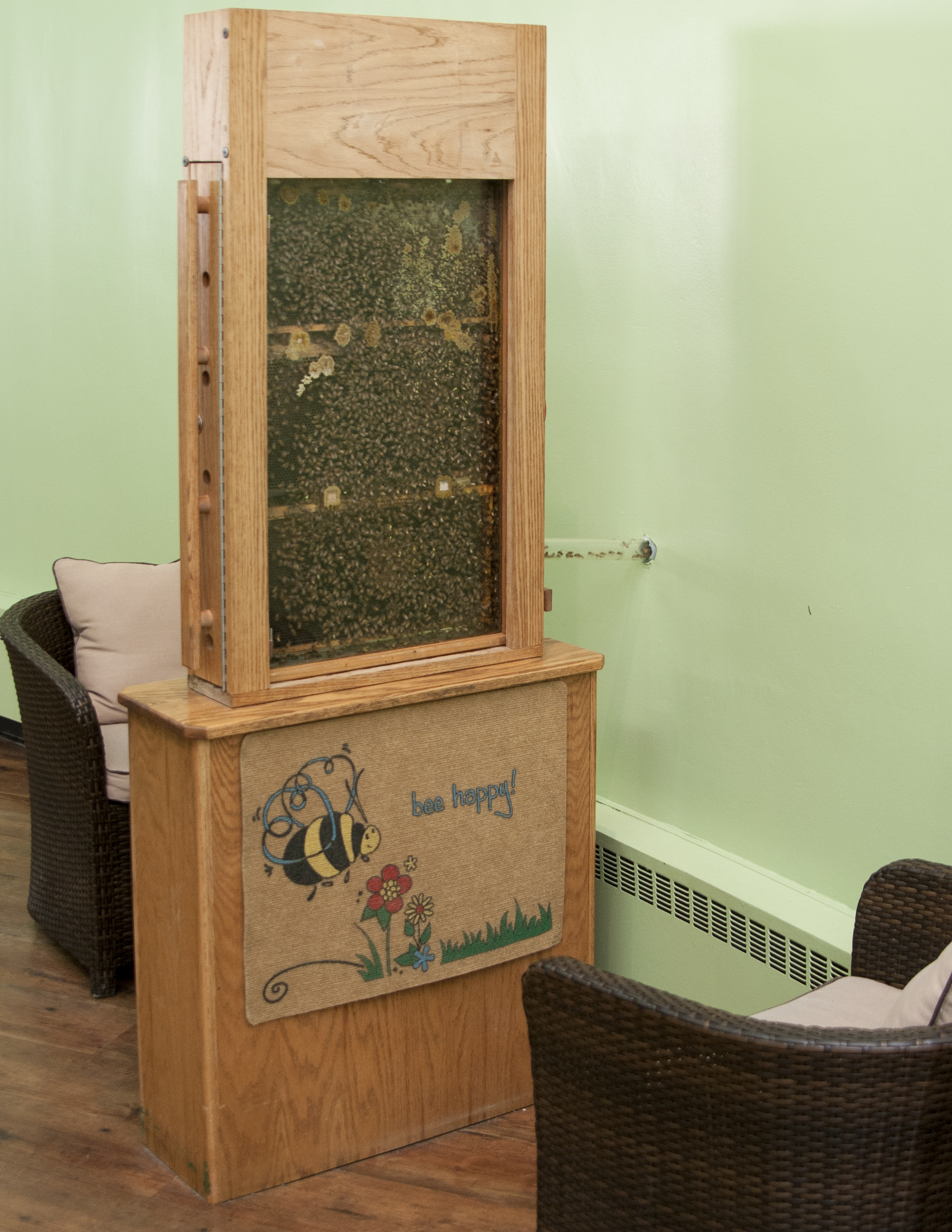
One of these fascinating features is the observation beehive, which provides a behind-the-scenes glimpse into the busy daily life of honeybees. Sealed tightly within a double-sided glass case, and with a tunnel providing the bees year-round access to the great outdoors, our hive invites guests to watch the bees do what they do best: work!

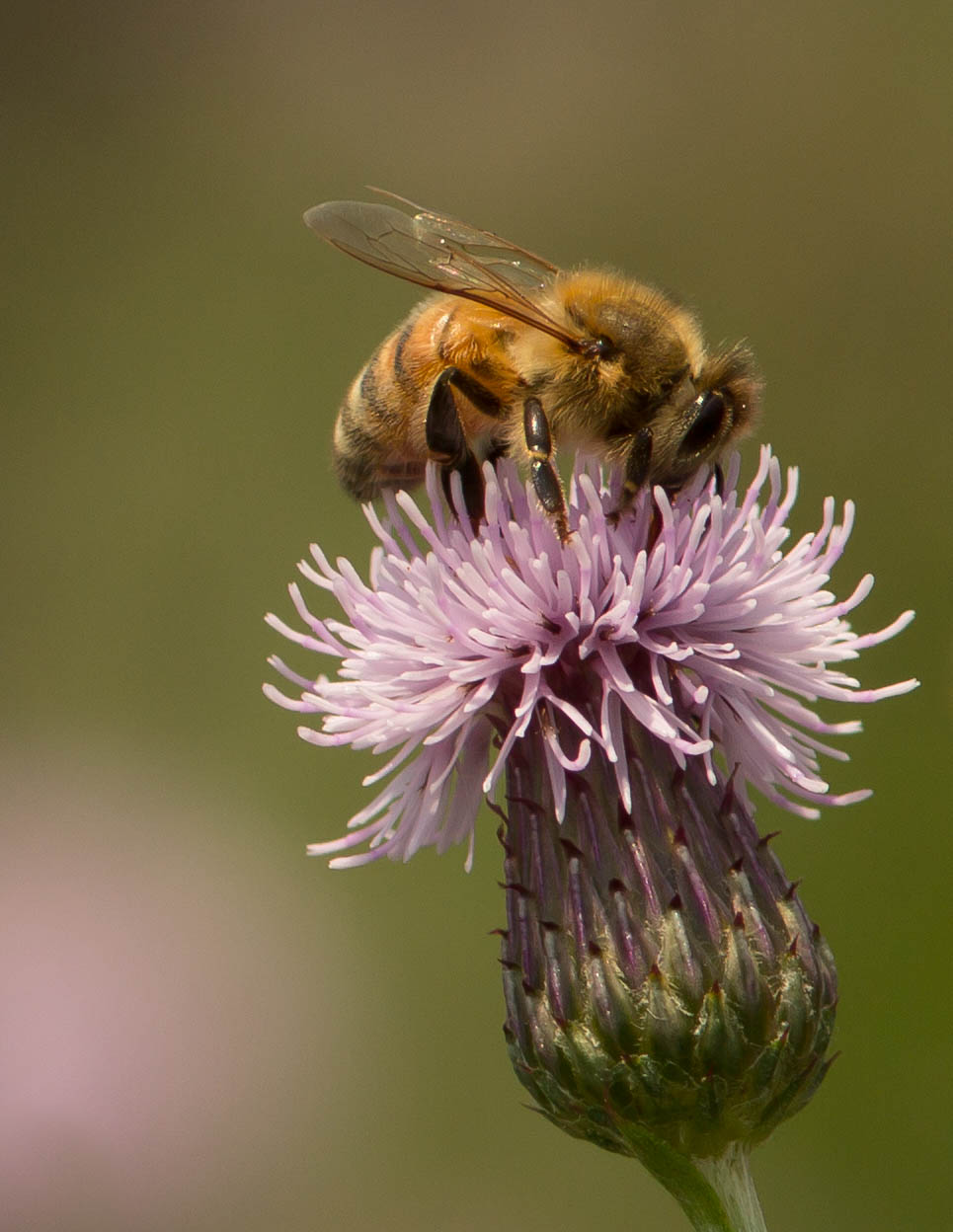
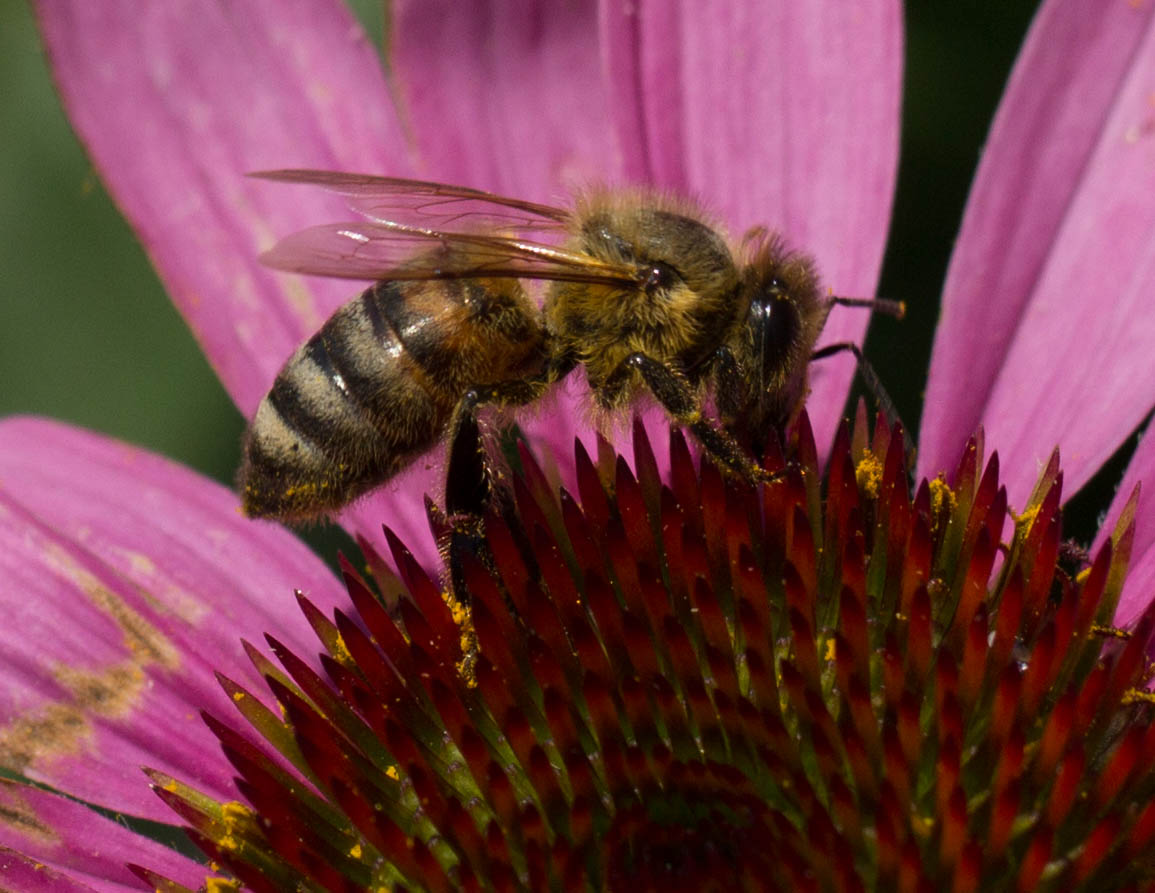
The work that the bees do is often more valuable than we realize. Bees are the most prolific pollinators in the natural world, due in part to their fuzzy bodies and faithfulness in buzzing to and from the same species of plant for an extended period. Pollination is the transfer of pollen from the male part of a plant or flower to the female part, which results in reproduction. In plants, one of the ways of producing offspring is by making seeds or fruit, and that surely benefits the rest of us! It has been stated that we can thank the bees for one out of every three bites of food we eat – and a lot of the good stuff, too, like fruits, vegetables, and even almonds. The pollination of bees also improves the production of the cotton plant, so not only do bees feed us, they clothe us, too!

We recently celebrated National Pollinator Week with our volunteer beekeeper, Steve Burt. He has been taking care of bees since 1974 and brings his passion for pollinators to Belle Isle. Steve maintains the health and wellness of our indoor observation beehive as well as our two outdoor beehives. With a little help from our productive honeybees, Steve bottled more than 40 pounds of delicious Belle Isle Nature Zoo honey last year!

The celebration of National Pollinator Week isn’t only for our gratitude for the fruits (and vegetables!) of the honeybees’ labor. It also helps us raise awareness to the some of the very serious challenges that honeybees are facing these days. Mites, viruses, diseases and especially certain pesticides are all contributing stressors to severe colony decline and death, often referred to as colony collapse disorder. A recent survey by the U.S. Department of Agriculture determined that beekeepers across the country lost more than 40 percent of their honeybee colonies between April 2014 and April 2015.

What can we do to help? We can plant nectar and pollen-bearing plants such as milkweed, goldenrod and aster, herbs including mint, chives, and oregano or fruits and vegetables like strawberries, cucumbers, broccoli and squash. We can encourage local governments and other volunteer groups to plant more pollinator-friendly plants in local spaces such as the areas along roadsides or within public parks. And if you have a bee problem, instead of bringing out a can of bug spray, call a beekeeper organization for species identification and useful advice.

And while you’re here at the Belle Isle Nature Zoo, you can watch our premier pollinators in action. Look for the worker bees dancing to communicate to the other bees where to find a new source of food outside. See if you can find the queen bee (identified by her larger size and a small white dot) laying eggs and being well-taken care of by her colony. You might even find some of the brood, also known as the egg, larva and pupa, or spot some stored honey in our beeswax honeycombs – a great sign that our helpful honeybees will be here for time to come!

There’s a lot of buzz about the upcoming Bee Fest event on National Honeybee Day at the Belle Isle Nature Zoo. This free event will feature demonstrations on how to build and maintain a bee-friendly garden, beekeeper talks, art, music, crafts and a bee costume parade! Buzz on over to Bee Fest on Saturday, August 20 from 10 a.m. to 5 p.m.

– Amy Greene is a curator of education for the Detroit Zoological Society and oversees the Belle Isle Nature Zoo. For more information about this facility, visit www.belleislenaturezoo.org.

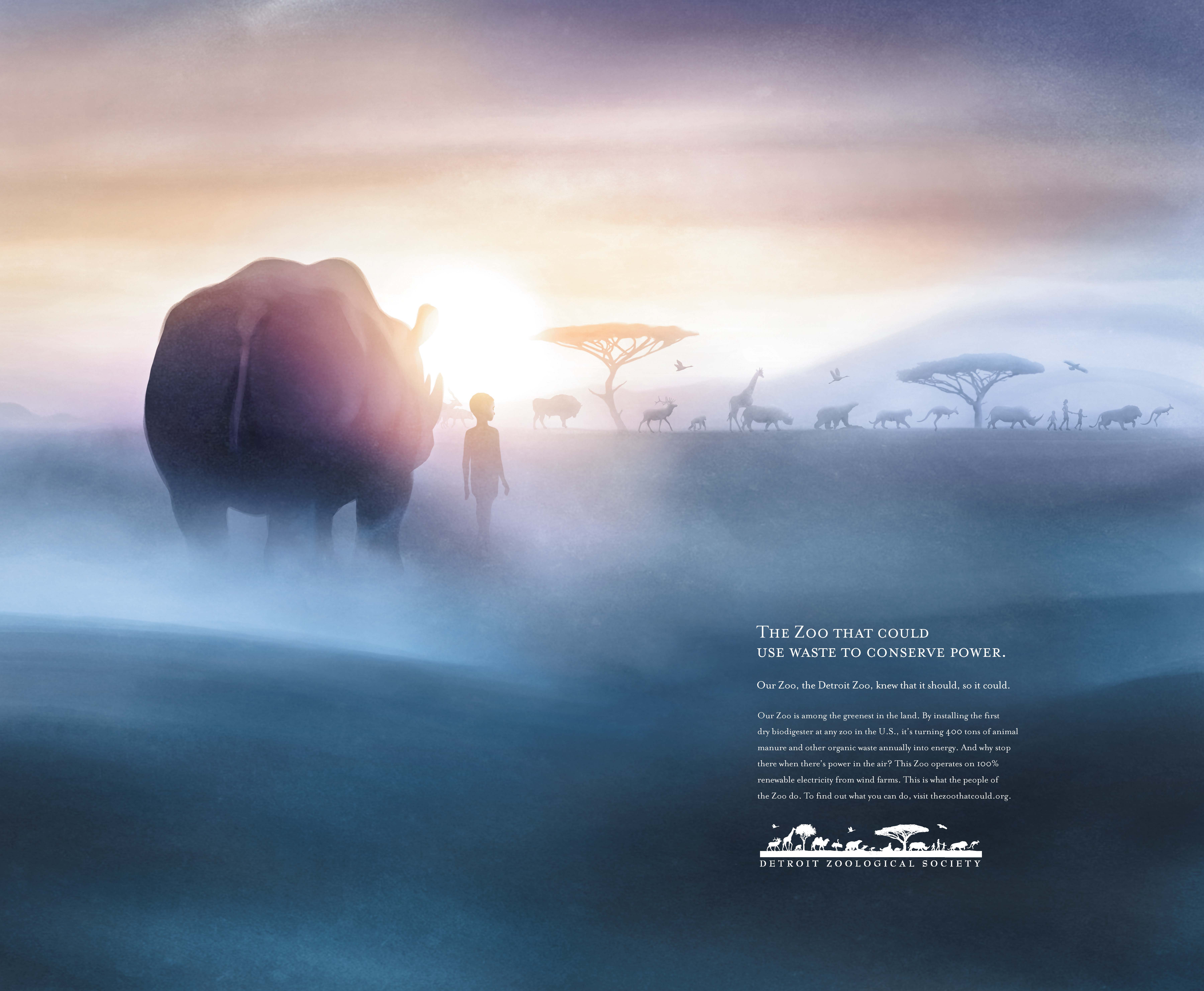
Greenprint: The Zoo That Could Conserve

Thinking globally.
Acting endlessly.
Who would?
Our Detroit Zoo.
Because it knew that it should, so it could.

The Detroit Zoological Society (DZS) recently launched a new marketing campaign that highlights the many things we do beyond the Detroit Zoo’s 125 acres to advance sustainability, wildlife conservation, animal welfare and education, as well as our impact on the community.

In ecology, sustainability is the capacity to endure; it is how biological systems remain diverse and productive indefinitely. The DZS’s Greenprint initiative was founded on the desire to lessen our ecological footprint. This unique, green roadmap guides our operations and is the plan by which we refine and improve our facilities and daily practices, develop new policies and programs and improve green literacy and action in our community.

Our extensive efforts in sustainability have received national recognition – we were named among the greenest Zoos in America by the Association of Zoos & Aquariums as well as the Best-Managed Nonprofit by Crain’s Detroit Business, focusing on our green initiatives.

The animals that we are dedicated to celebrating and saving serve as the motivation and inspiration for us to create a sustainable environment. As part of our efforts, we are offsetting our electricity use with 100% certified energy from U.S. Wind; constructing an anaerobic digester to compost more than 400 tons of animal waste annually to generate electricity that will power our animal hospital, and no longer selling bottled water in an effort to reduce plastic waste. We have also embarked upon an ambitious zero-waste initiative as part of our commitment to reducing landfill waste, thus reducing our Green House Gas (GHG) emissions.

We can all be part of the solution for habitat and resource conservation by keeping our precious wildlife habitats free of plastic waste. Currently, 1.8 billion plastic bags are used and discarded in America every week and an estimated one million birds, 100,000 turtles, and countless other sea animals die each year from ingesting plastic.

Small changes such as using reusable water containers and reusable bags have such a huge impact. Please join us on our Green Journey!

– Rachel Handbury is the manager of sustainability for the Detroit Zoological Society.

Education: Animal Nightlife

As the summer sun rises and sets, animals notice. Many of the animals that live at the Detroit Zoo are diurnal, meaning they are most active during the day. Gorillas, chimpanzees, butterflies, squirrels and camels are examples of animals that are most active during the day. As the sun sets, they prefer to settle in and sleep the night away.

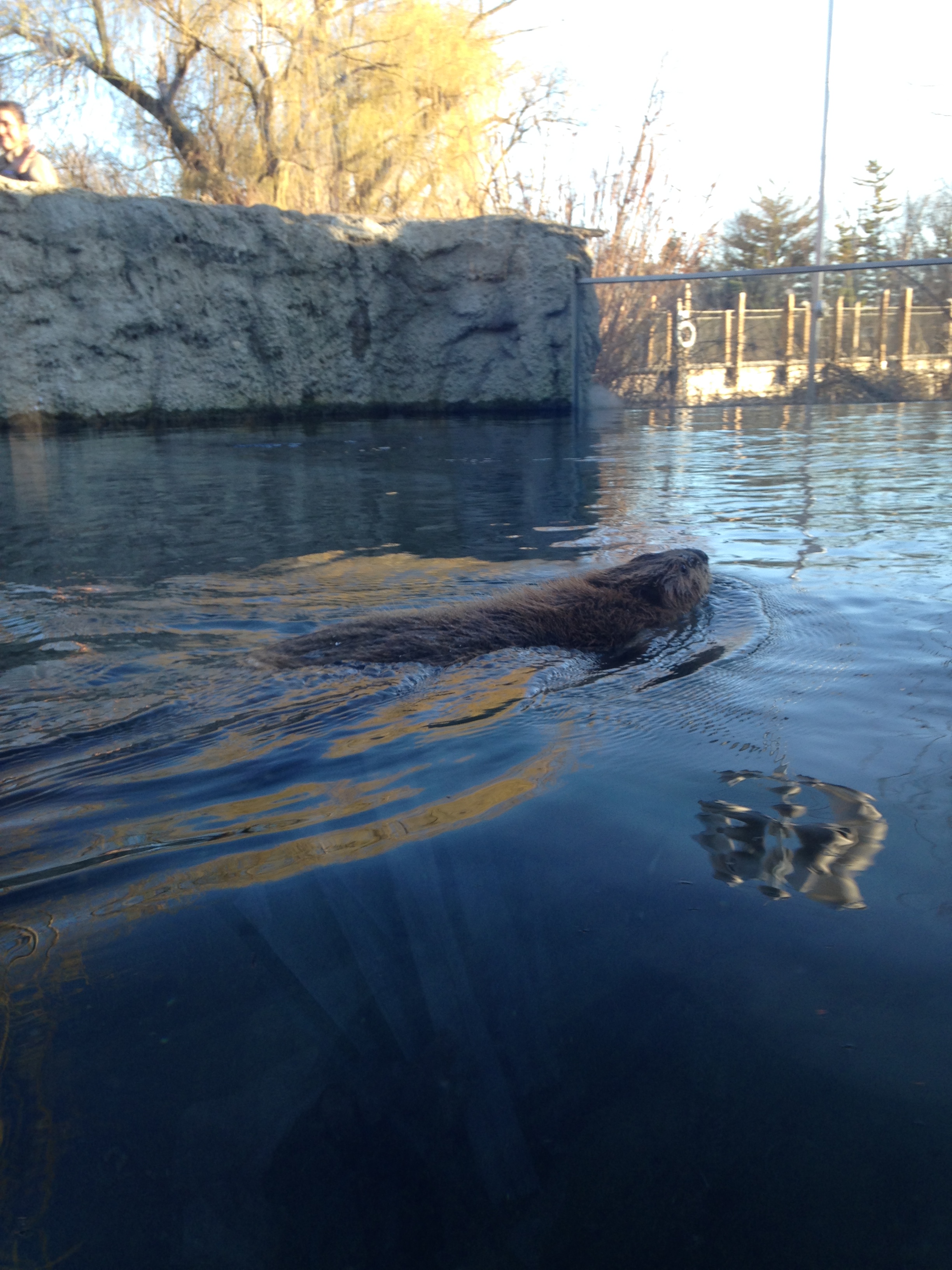
Nocturnal animals include owls, bats, beavers, aardvarks and crickets, to name a few. That’s why you can hear crickets singing during summer nights and why most of us don’t see owls and bats hunting in the dark skies. Nocturnal animals have special adaptations such as enhanced hearing, eyesight and/or sense of smell that help them navigate after dark to find their prey.

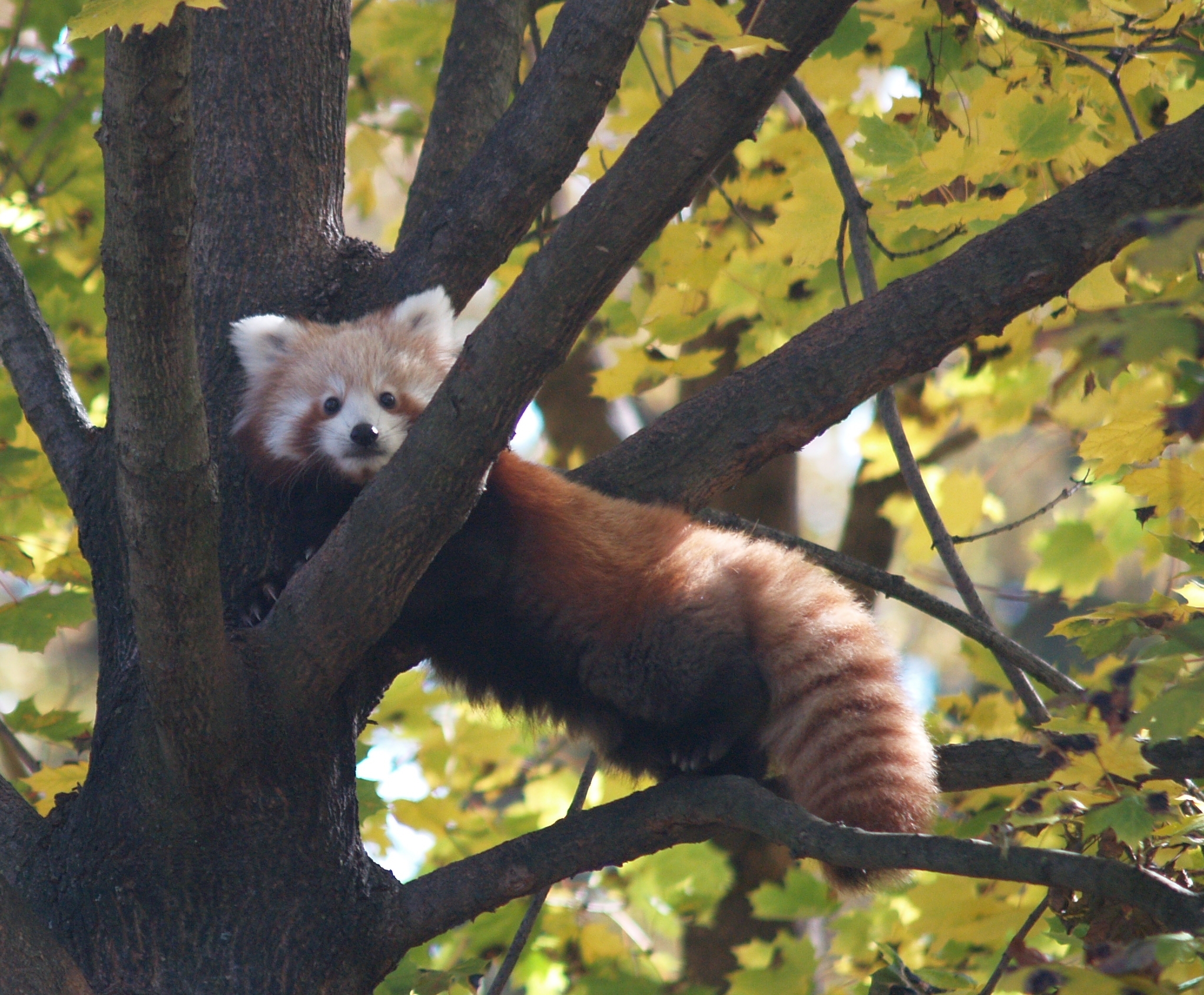
Some animals are crepuscular, meaning they prefer to be active in the twilight hours of dawn and dusk. Deer, red pandas, fireflies and many moths prefer the cooler hours of the day, venturing out while many larger predators aren’t as active.

The Detroit Zoo follows a diurnal schedule; it’s open when humans are most active during the daytime hours. However, there are opportunities for glimpses into the animal dusk- and nightlife. Wild Summer Nights are held on Wednesday evenings in July and August. The Zoo is open until 8 p.m., featuring crepuscular and nocturnal animals, and live bands in the Main Picnic Grove. Youth in first through sixth grades can sign up to participate in Twilight Trails, the Summer Safari Camp evening adventure, to explore animals at dusk and participate in citizen science studies of fireflies or investigate animal adaptations.


You can also explore crepuscular and nocturnal animal life in your own backyard or neighborhood. Watch for fireflies as the sun sets, or rabbits as they search for food in your lawn. Hang a white sheet and shine a light on it, come back an hour later and see what insects have landed on it.

Enjoy the warm summer evenings and all the amazing things they have to offer!

– Claire Lannoye Hall is a curator of education for the Detroit Zoological Society.

Notes from the Field: Monitoring the Eastern Massasauga Rattlesnake

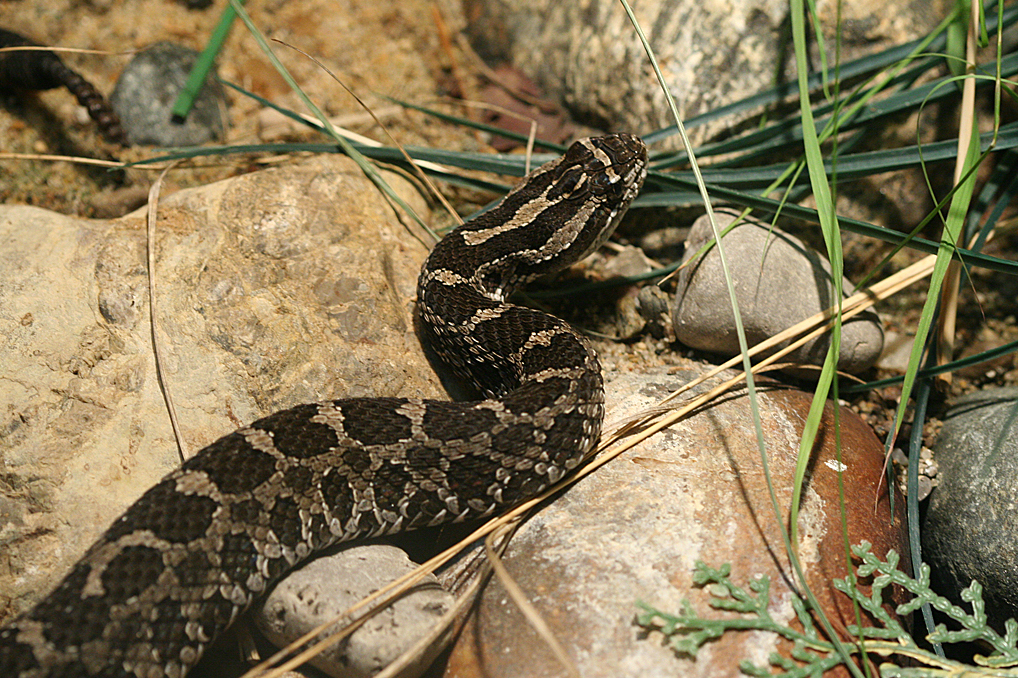
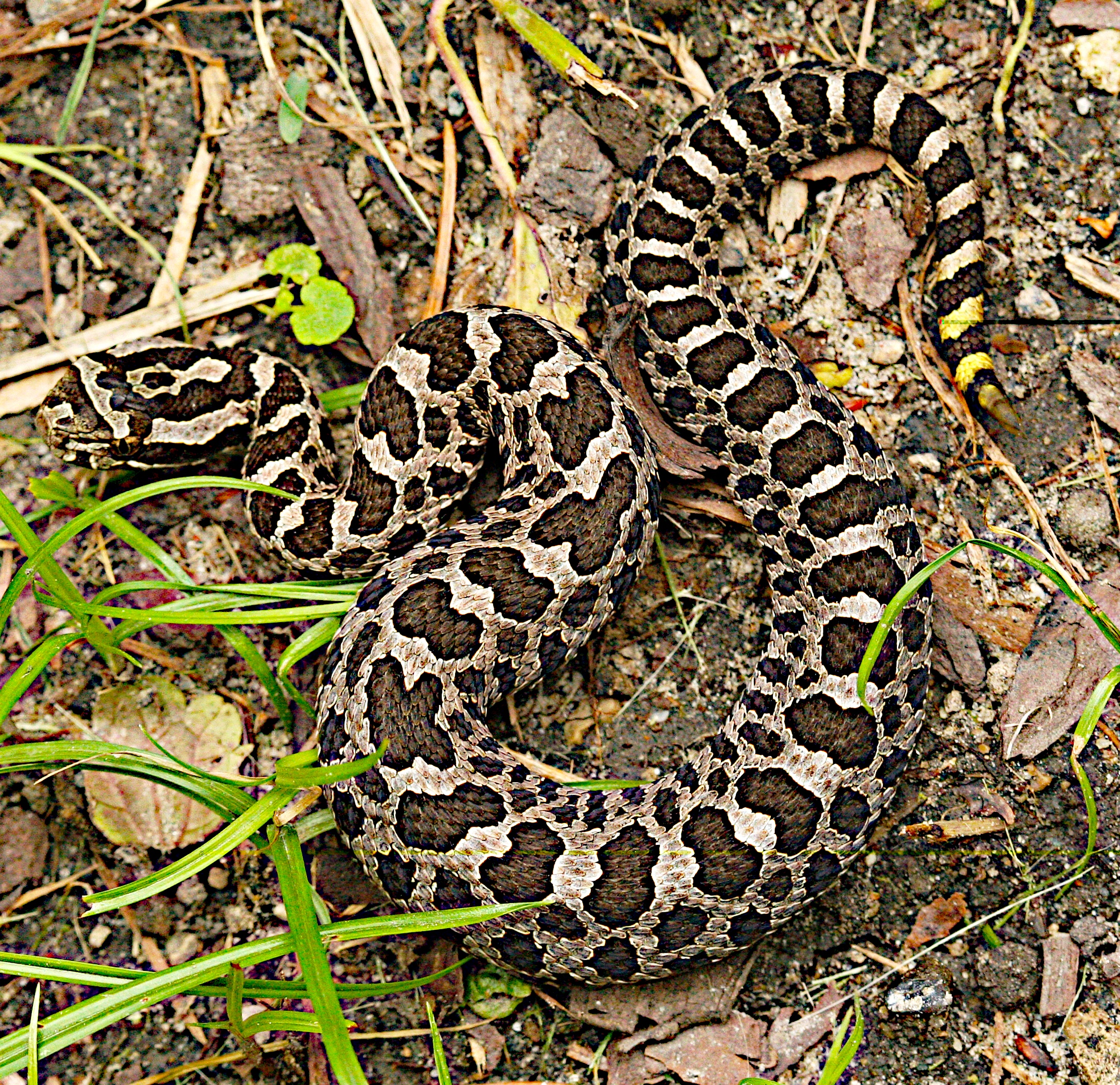
The Detroit Zoological Society (DZS) leads the Eastern massasauga rattlesnake Species Survival Plan (SSP), which is a comprehensive management plan through the Association of Zoos & Aquariums (AZA) that works to ensure the sustainability of healthy, genetically diverse and demographically varied captive animal populations. The DZS is also one of several organizations within the AZA that participates in a long-term study of a particular population of Eastern massasauga rattlesnakes in Michigan.

The Eastern massasauga rattlesnake is the mitten state’s only venomous viper, and is listed in Michigan as a species of special concern, which means it is threatened or endangered throughout its range. This SSP is a special one because each year, representatives from participating zoos attend a meeting in conjunction with an “in situ” study, which means that it takes place in the field.

This year marked our eighth monitoring a particular population of Eastern massasauga rattlesnakes in the southwest part of the state, and it was our best year to date – we found more than 100 snakes! This includes snakes that were found in previous years as well as newly identified individuals. The process involves gathering information on each snake in the field and then taking it to a lab where it is weighed and measured. We also determined if it is a male or a female and if female, whether it is pregnant (massasaugas give birth to live young). If the snake has never been found before, it is marked with a transponder tag – similar to those implanted in your pet dog or cat – so we can scan the animal and take measurements if it is found in the future. After the information has been gathered in the lab, the snake is then returned to the exact location where it was found.

Monitoring a seemingly healthy population over time gives us insight into natural fluctuations of the population size, male-to-female sex ratio, individual growth rates and reproductive success. As years goes by, the data will also begin to tell us life history data such as longevity of the species and how old animals remain reproductively active. All of this information assists the AZA zoos in how they manage the captive population as well as the state departments of natural resources in their management of the wild populations and the lands on which they are found.

– Jeff Jundt is the curator of reptiles for the Detroit Zoological Society and oversees the Holden Reptile Conservation Center at the Detroit Zoo.
Notes from the Field: Wolf-Moose Project on Isle Royale

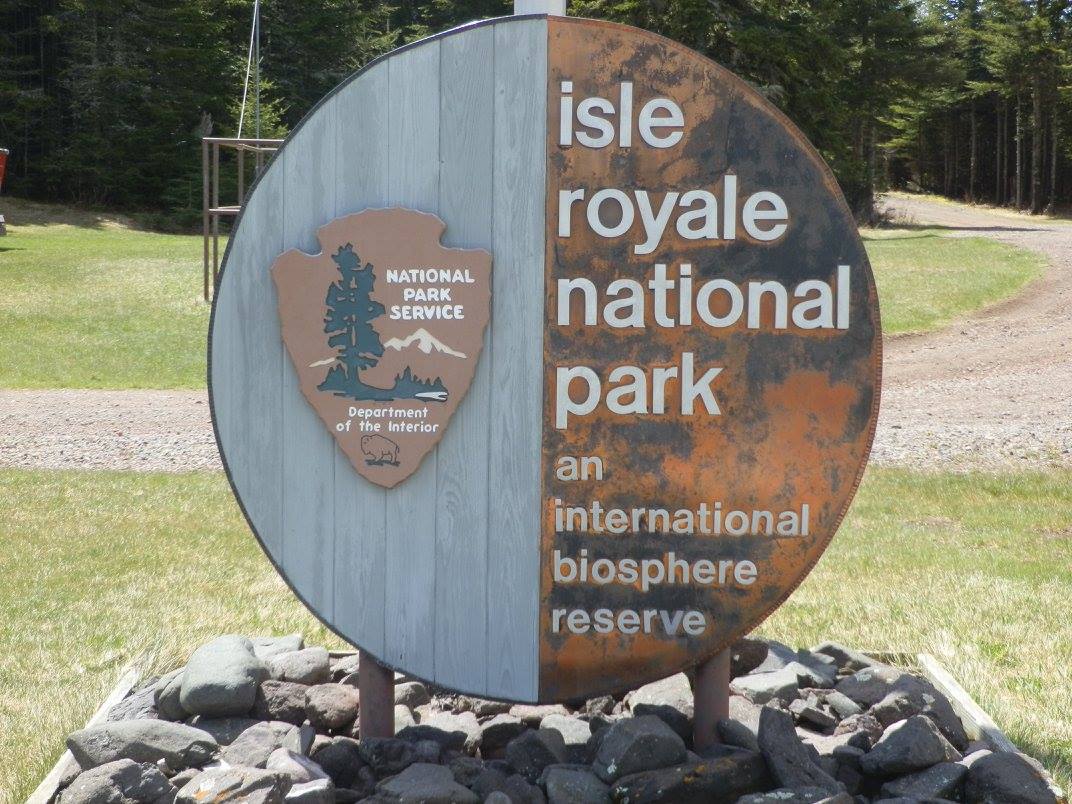
Isle Royale is a remote wilderness island in northern Michigan, and at more than 40 miles long, it is the largest island in the largest Great Lake: Lake Superior.

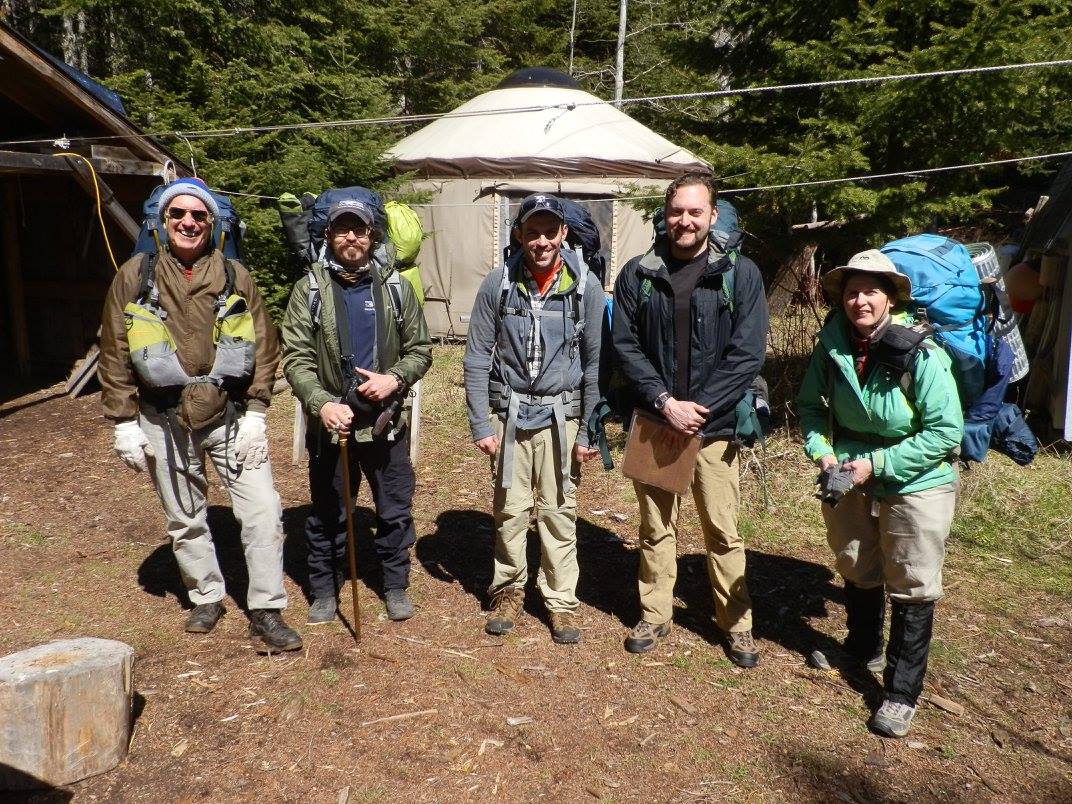
I recently spent some time on Isle Royale working on a conservation research project called the Wolves and Moose of Isle Royale, along with Brian Manfre, a mammal department supervisor for the Detroit Zoological Society. Moose first came to Isle Royale in the early 1900s; wolves joined in the 1940s after crossing an “ice bridge” from Canada. For more than 50 years, the wolf-moose research project has studied the predator-prey dynamics of these species, making it the longest continuous study of any predator-prey system in the world. I was very eager to see the island and participate in the work first-hand.

Unfortunately, the wolf population at Isle Royale has dropped to only two closely related individuals, and the project now focuses on how the moose population is responding to reduced wolf predation. There is a proposal to reintroduce more wolves, but this is a complicated issue, in part because Isle Royale is also a National Park. The National Park Service will decide on this proposal in the fall of 2017.

Brian and I were joined by eight others working on this project. In addition to looking for moose bones to study the moose population, our team would also be investigating the presence of wolves at two previously used wolf dens. We set off together on a four-hour ferry ride from Copper Harbor to Isle Royale, and reported to the Bangsund cabin, an old fishing cabin that was built in 1926 and has served as the base for the project since 1959. We loaded our backpacks with hearty camp fare such as oatmeal, cheese, peanut butter and other supplies for the week, and then took a short boat ride to our departure site. After a 2-mile hike, we set up the first camp.

We camped at several different sites on the shores of Lake Superior and several inland lakes, and soon got into a routine of cooking, cleaning and filtering drinkable water at the camps. We were fortunate to have very pleasant weather. There was frost one of the first nights, but later in the week it warmed up enough for black flies to pester us.

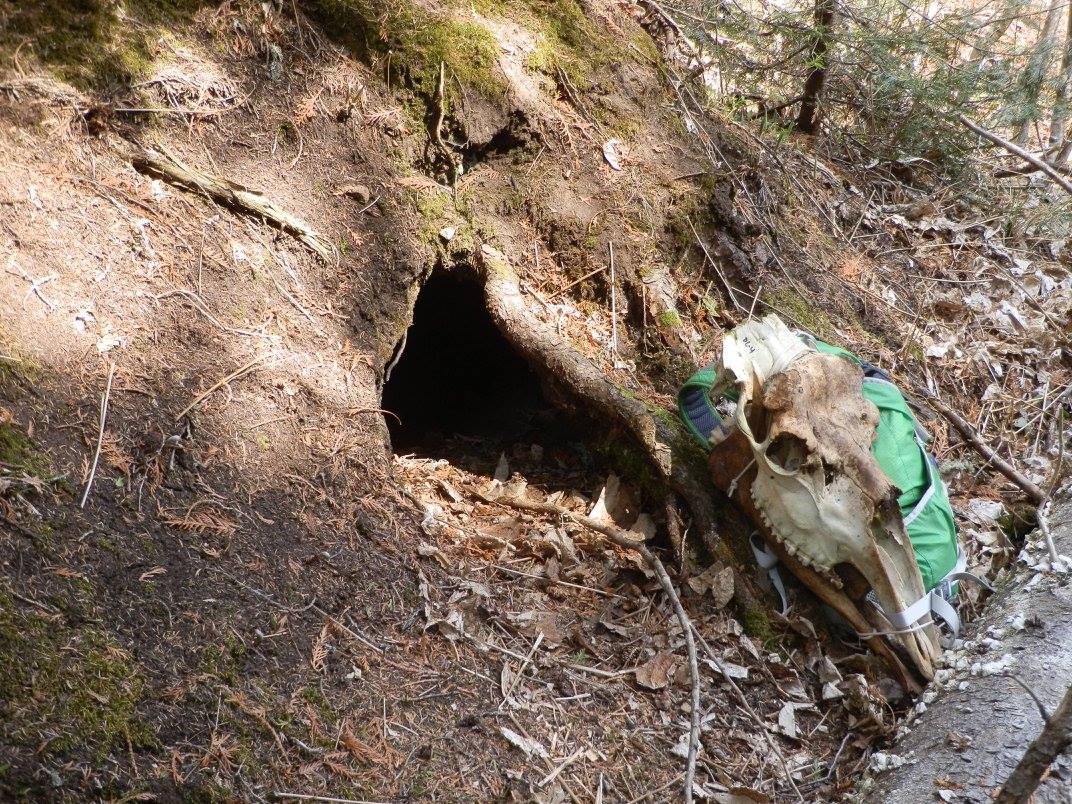
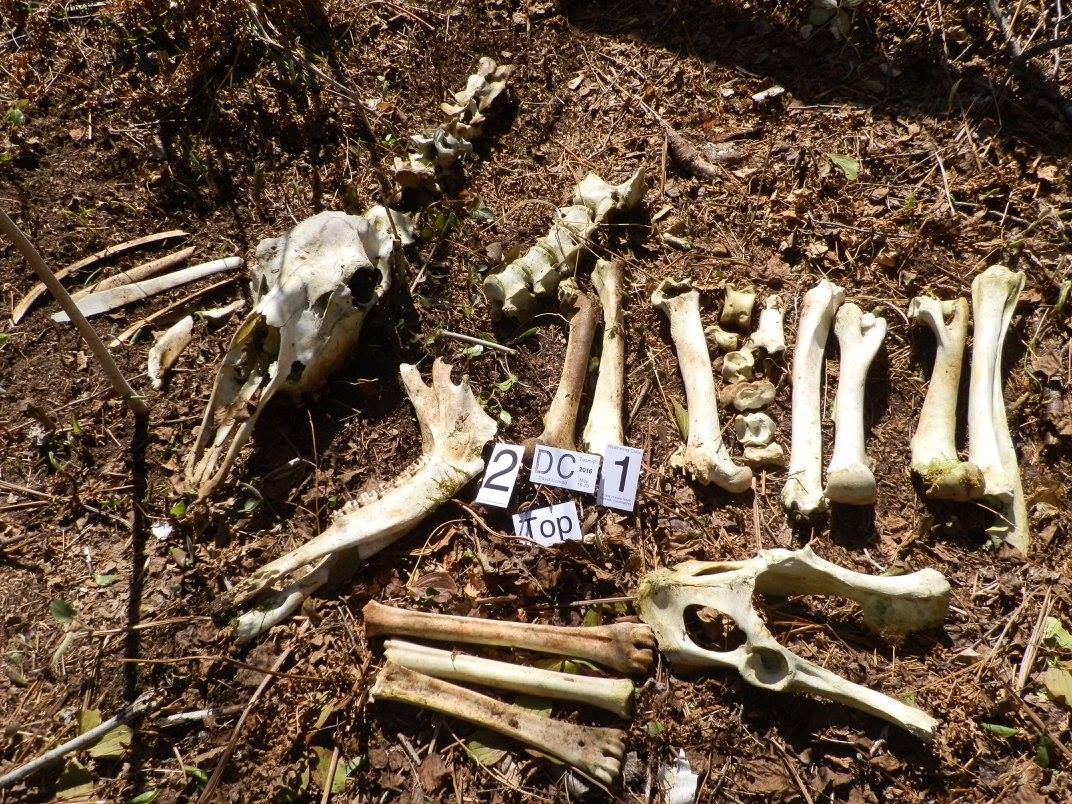
On a usual day, we would hike 2-3 miles on-trail and then walk another 3-5 miles off-trail more slowly looking for moose bones. It was difficult at times, as we were going through dense forest, up and down ridges and through swamps. When a moose bone was spotted the requisite, “Bone!” was shouted out, and everyone would converge on the site to look for more bones. We were happy to find any bones at all, but skulls and teeth were especially prized. When cut in a cross section, the rings of dentin in the teeth can be counted to estimate the age of the moose – similar to counting tree rings – which can provide important information on the moose population. We can also examine vertebrae for signs of arthritis: Many of the moose at Isle Royale have been found to live longer and develop more arthritis than moose in areas with more predators. While it was a thrill to find these moose remains and evidence of wolves chewing on the bones, it was even more exciting to visit the old wolf dens. Unfortunately, there was no evidence of recent wolf use but we did find approximately one-week-old wolf feces along a trail nearby.

After a week, we returned to the Bangsund cabin with heavier packs than we left with, as they’d been loaded with moose skulls and other bones. We enjoyed a shower via bucket and ladle and then feasted on lasagna, wild rice casserole and a very welcome salad. We told stories and sang songs – it was a fitting celebration for a meaningful contribution to the project.

If you’re interested in participating in the wolf-moose study, visit this website.

– Paul Buzzard, Ph.D., is the director of conservation for the Detroit Zoological Society.

Animal Welfare: What, How and Why

I have written a number of blog entries on the animal welfare research projects we are conducting through the Detroit Zoological Society’s Center for Zoo Animal Welfare, and how collaborations enable us to move forward with many of the initiatives we undertake. Let’s now go back to the basics and explore what animal welfare is, how we go about evaluating the welfare of individual animals, and why this is fundamentally important.

The Association of Zoos & Aquariums’ Animal Welfare Committee defines animal welfare as an animal’s collective physical, mental and emotional states over a period of time, and is measurable on a continuum from good to poor. Although there are a number of other definitions available, the main factors remain consistent: Welfare is measured at the level of the individual animal, it encompasses all aspects of an animal’s life, and it can change over the course of time. The goal for anyone working with and around animals is to ensure that they each experience good welfare.

Going back many decades, people have long been concerned with the welfare of animals. In the 1960s, the Five Freedoms model was developed, originally as a means to assess the welfare of farm animals. This model states that animals should experience freedom from thirst, hunger and malnutrition, freedom from discomfort, freedom from pain, injury and disease, freedom from fear and distress, and freedom to express normal behavior. Since its initial development, this model has been applied in a variety of settings, including in zoos. However, the Five Freedoms model can be improved upon, as it is focused on minimizing negative states rather than also promoting positive welfare. Additionally, some of what is stated can be counter-productive to an animal’s survival. For example, if an animal never experiences thirst, then it may never drink, and this would not be a good thing. Therefore, the absolute freedom from some of the experiences is not even feasible. Rather, the important factor is ensuring that the resources necessary to perform the associated behaviors are available.

More recently, the Five Domains model was created, which delineates how nutrition, physical health, behavior and the environment (both physical and social) feed into an animal’s emotional state. The outcome is the individual’s welfare status. For example, if an animal is hungry but does not have access to food, this will result in a feeling of hunger, which will be a negative factor in the overall welfare status of that animal. If an animal is able to express natural behaviors, he or she will experience satisfaction, which is a positive emotion and contributes to positive welfare. All physical influences are taken into consideration as well as how they impact the internal, emotional state of the animal, in order to assess overall well-being.

Assessing welfare is a complex process that requires an understanding of the needs of a species and an individual as well as experience with scientific methods. It also typically includes multiple types of measures such as behavioral and physiological indicators. One can begin by evaluating what is made available to an animal, such as the physical space, the type of food presented and the social opportunities provided. This kind of assessment is known as a resource-based assessment, as it focuses on what we provide to the animals. To truly understand how an animal is faring, however, we also need to understand how they respond to their environment, and as such, conduct animal-based assessments. In our case, we usually observe how animals are interacting with their physical environment, with one another if they are a social species, and we utilize various physiological measures such as body condition, overall health and even hormone levels.

In order to ensure animals living in zoos are thriving, we need to understand what matters to them and that requires us to figure out how to “ask” them. Using existing methods and developing new ones to assess welfare is critical if we are to make evidence-based decisions for caring for animals. By letting animals tell us what is working and what needs to be improved, we are making their welfare a priority, and this is the ultimate responsibility we have to each and every animal living in the care of humans.

– Dr. Stephanie Allard is the director of animal welfare for the Detroit Zoological Society and oversees the Center for Zoo Animal Welfare.

Amphibian Conservation: Crawfish Frogs in Crisis

What is the best way to repurpose a basement in one of the buildings at the Detroit Zoo? Turn it into an amphibian’s paradise!

Amphibians across the globe are in crisis, with populations declining rapidly due to climate change, habitat destruction and a disease called the chytrid fungus. In an effort to reverse this trend for the crawfish frog (Lithobates areolatus), which is listed as Endangered in the state of Indiana, the Detroit Zoological Society (DZS) partnered with the U.S. Fish and Wildlife Service, the Department of Natural Resources and staff at Indiana University. In 2013 these entities began a repatriation project, which is an effort to return a species to its natural habitat. This involved the collection of egg masses from grasslands in Indiana, which were then transported to the Detroit Zoo, where staff raised them until they were almost froglets before releasing them back into the wild.

The crawfish frog can lay egg masses with as many as 5,000 eggs. That might make one wonder how these animals could be endangered, right? Well, even if all of those eggs hatched into tadpoles, less than one percent of those tadpoles would ever make it out of the water. Tadpoles are an easy prey for a wide variety of animals including birds, fish, mammals, frogs and even larger tadpoles. And even fewer tadpoles would make it far enough into adulthood to breed. This shows how vulnerable the tadpole stage is in a frog’s life, which is why we focused our efforts on this stage.

We knew what we needed to do, but where is there enough room for thousands of tadpoles at the Detroit Zoo? How about right under the noses of Jasiri and Tamba, two Southern white rhinos! Not directly under them, since 12,000 pounds of rhino would be harmful to a tadpole, but rather in the basement of their indoor habitat. It took a lot of hard work from staff, but the space was eventually turned into a fantastic temporary home for crawfish frog tadpoles. Some of their luxury items include manufactured ponds with an automatic rain system, spotlights and temperature control systems – and of course, plenty of food.

In April, the crawfish frog egg mass is transported from Indiana to the Detroit Zoo in a cooler. We take this egg mass right down to the basement where it is placed in water. In a couple of weeks, tadpoles start to emerge, which are then counted and moved into long pond-like pools. We raise these newly hatched tadpoles for about three months, with the amphibian department staff feeding and cleaning them daily. It takes hours to care for the tadpoles each day, but it is all worth it in the end when they are driven back to Indiana and released. The total number of tadpoles varies from year to year, but since this project started in 2013, the DZS has released a total of 10,411 tadpoles back into the wild.

While wild tadpoles have less than a one percent chance of survivability, we were able raise that to an astounding 99 percent in 2014 and 2015 for these “basement” tadpoles. That’s because they don’t need to worry about predators, disease, lack of food or pollution. This lets them get a good head start on life – but we don’t make it too easy for them. Otherwise, they wouldn’t know what to do once they got back to the wild. So before they fully metamorphose – or turn into frogs – they are taken back to Indiana and released into the ponds. Since some frogs lead a “double life” – aquatic and terrestrial – they are able to finish their aquatic life stage in enclosed repatariums, or screened-in containers, that allow protection before they are released as full frogs in the environment in which they will live. This method works well and provides exposure to the environment they will be living in before they become too accustomed to the luxury of the rhino basement.

The DZS crawfish frog conservation project requires long hours, but it is also the best time of the year as a member of the amphibian department staff. Seeing how the DZS can make a positive impact on this species and the ecosystem is very rewarding.

– Michael Andrus is an amphibian department zookeeper for the Detroit Zoological Society and works in the National Amphibian Conservation Center at the Detroit Zoo.