Education: My Heart is Like a Zoo

February is the perfect month to share one of our favorite children’s books: “My Heart is Like a Zoo”, by Michael Hall. This book is cleverly illustrated with colorful animals that are composed of heart shapes, and we’ve used it to facilitate a variety of activities through the Detroit Zoological Society’s education department. Most recently, our team prototyped an activity based on the book’s illustrations to use in our monthly programming at local pediatric hospitals. Staff or volunteers will read the book and talk about the animals, shapes and colors, depending on the age of the audience.

After reading the book, the children are provided heart shapes made from construction paper. They are various sizes, colors and configurations. The children can use the hearts we provide or create their own as they construct animals out of the shapes. The activity builds spatial relations, pattern building, color blending and fine motor skills.

The young men at Children’s Village, a juvenile detention facility we work with year-round, use the book as inspiration as they create Valentine’s Day cards for children at local pediatric hospitals. We bring a variety of paper with us and the boys create animals out of the heart shapes for the front of the card. On the inside they write thoughtful messages for the recipients. Providing opportunities for these young men to think about other people in a compassionate way and make a positive impact through something they’ve created leaves a lasting impression on them.

“My Heart is Like a Zoo” is available at most area libraries to borrow or at local bookstores if you’d like to bring it home forever. We hope you enjoy it as much as we do!

– Claire Lannoye-Hall is a curator of education for the Detroit Zoological Society.
Notes from the Field: Growing up in Antarctica

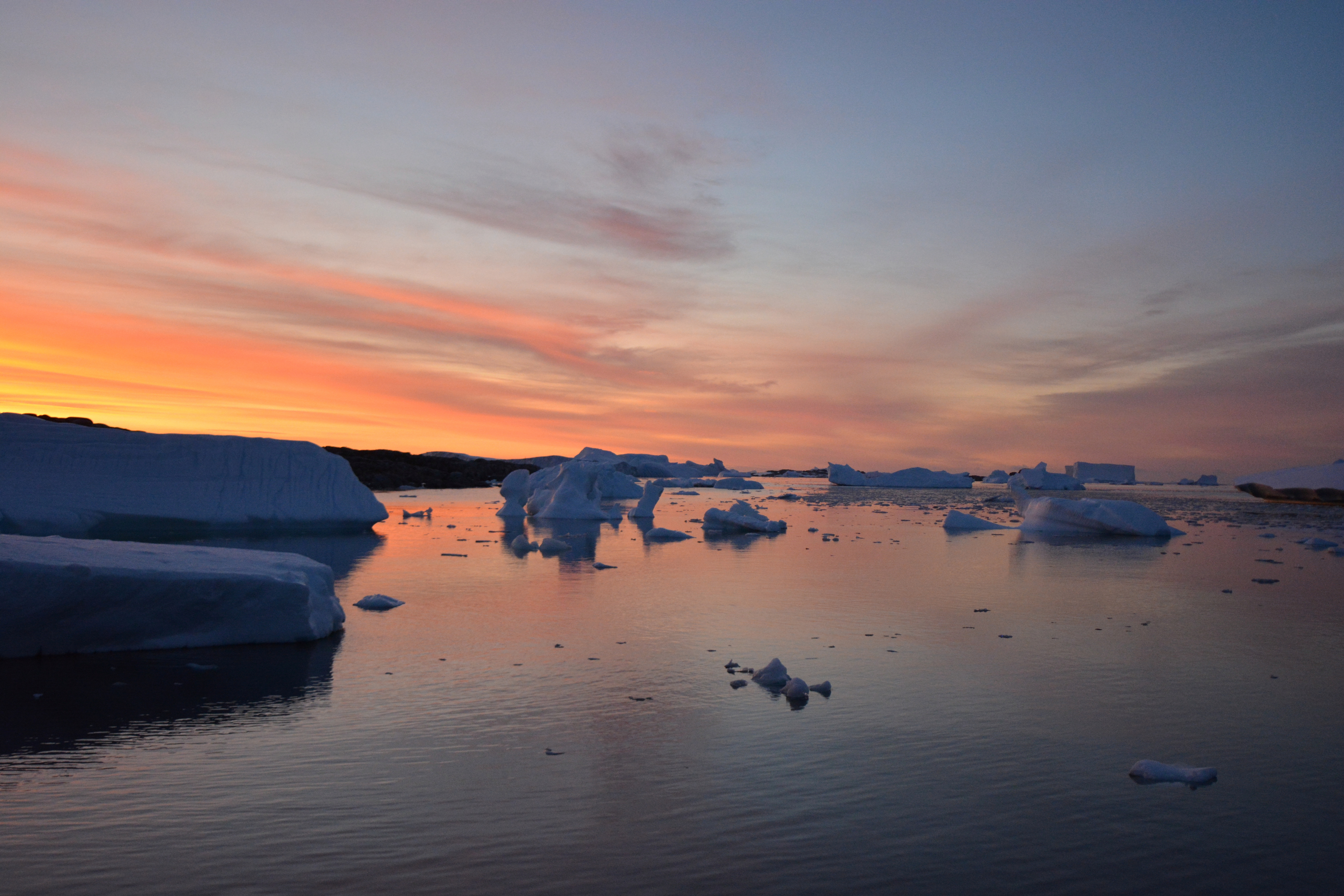
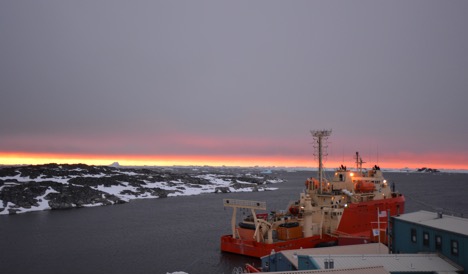
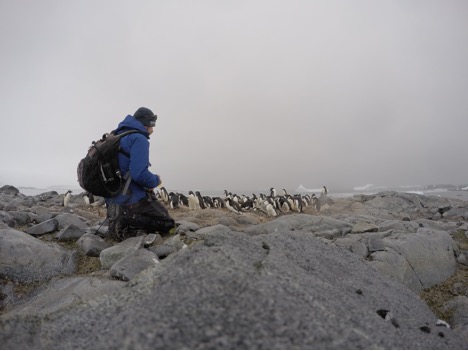
Greetings from Anvers Island! The front of the U.S. Palmer Station doesn’t usually have many icebergs, but this summer, the waters around the station have become something of an iceberg parking lot. The last few days have been breezy with a couple inches of summer snow, but that has not stopped us from making our rounds. Throughout the area, the seabirds are busy raising demanding chicks while humpback whales are swimming by.

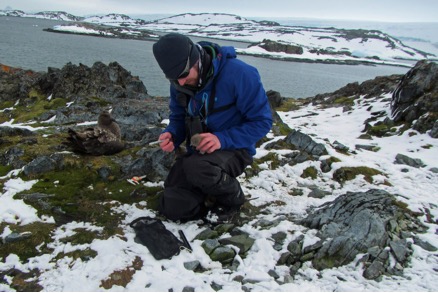
The south polar skuas are just starting to hatch and we are seeing their chicks on a couple of the islands. The brown skua chicks have grown significantly. Their primary flight feathers are starting to come in and they are becoming more challenging to measure. The sneaky youngsters are often hiding behind rocks away from the nest. They are quick on their feet and run from us when we approach. The ages of the southern giant petrel chicks vary with some newly hatched and others barely fitting under their brooding parent because they’ve grown so much. Often as we walk by, we’ll see a fuzzy white head sticking out under mom or dad.

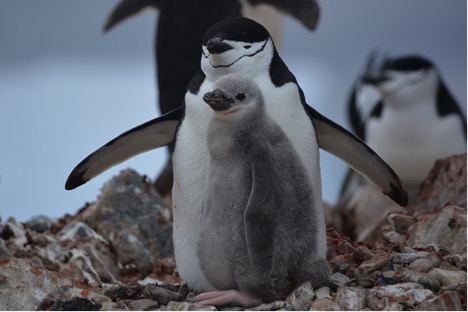
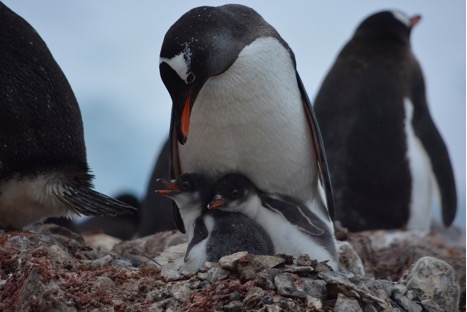
All of the penguin chicks are growing rapidly but the gentoo chicks are the smallest, with many still fairly young. These chicks are very cute; their beaks already show orange and somehow the young birds manage to stay very clean.


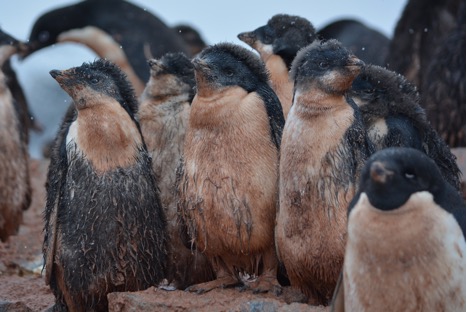
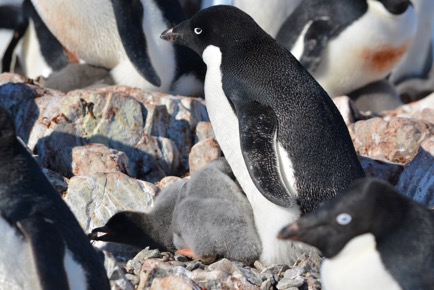
The chinstrap chicks are also tidy-looking and have grown significantly. The Adelie colonies are thinning out as the parents are spending more time out foraging. Their extremely messy chicks are forming groups called crèches. At this stage, the young birds are really starting to grow up and are willing to venture away from their nest to hang out with other chicks. The oldest chicks are in the process of molting their down and many look quite funny. They are partially covered in down with some of their first molt showing. This next generation of penguins is developing quickly, which is important as the quick Antarctic summer is flying by.

As I reflect on this wonderful journey, I continue to marvel at the purity of Antarctica’s environment. Please try your best to respect the environment wherever you are and leave behind the smallest footprint you can. We share an incredibly beautiful world and it’s all of our responsibility to protect it.

Thank you for reading.

– Matthew Porter is a bird department zookeeper for the Detroit Zoological Society and has spent the last few months at the U.S. Palmer Station in Antarctica for a rare and extraordinary scientific opportunity to assist a field team with penguin research.

Veterinary Care: Dental Health in Exotic Animals

Dentistry is a very important component of veterinary care for the animals at the Detroit Zoo. Many of the animals here live longer than their wild counterparts, so ensuring that they have healthy teeth throughout their lifetime is a priority.

Dental issues can have a big impact on comfort and the overall well-being of an animal. We sometimes find that if an animal is showing a decrease in appetite or is experiencing weight loss or other problems, they ultimately have underlying dental problems. Whenever we do an exam on an animal, we are sure to carefully examine the teeth for problems and to scale and polish them to remove tartar or plaque. If we see problems or areas of concern, we take skull or dental radiographs to look for problems under the gum line, just like you experience during your routine dental visits.

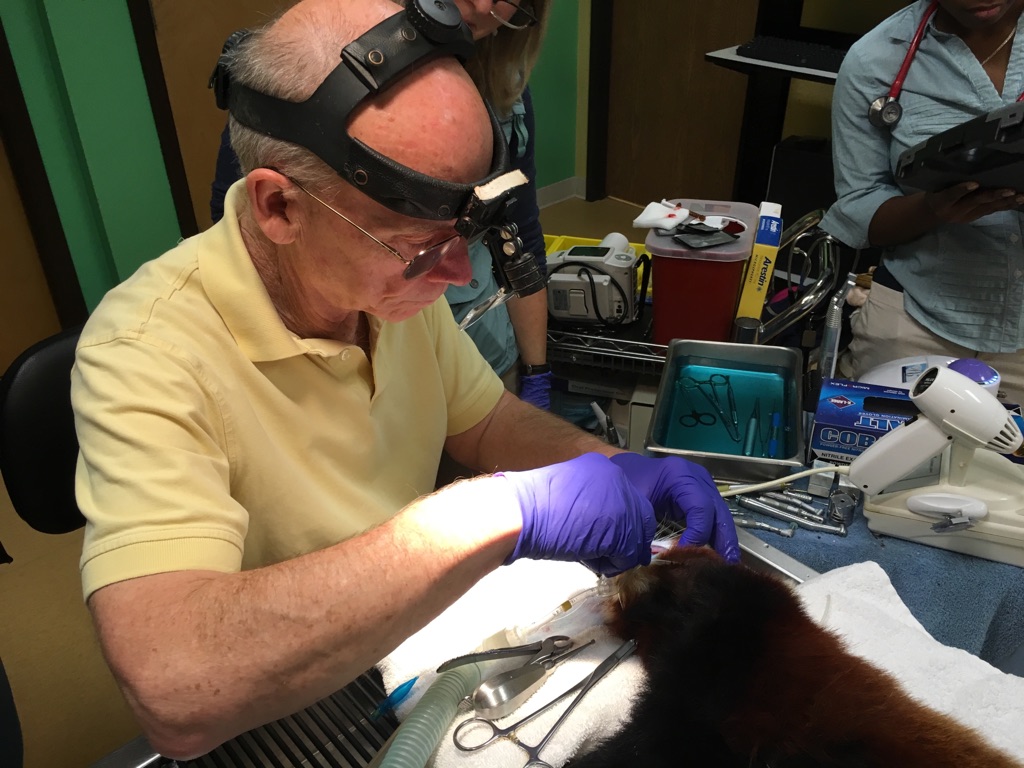
Recently, one of our zookeepers noticed that a red panda was not opening his mouth fully when taking in food items such as grapes. We examined him under anesthesia three times over a short period, and despite anticipating a dental issue, we were unable to find any areas of concern during examination and radiographs. We collected diagnostic samples and treated him with antibiotics and anti-inflammatory and pain medications. Each time, the problem improved and then recurred. When the red panda started having problems most recently, we decided to transport him to a nearby veterinary specialty practice for a CT scan. This advanced imaging technique took only about 20 minutes, and was able to clearly delineate an area of infection underneath one of his upper molars. Usually dental issues can be pinpointed with regular radiographs, but in this case diagnosis proved extra challenging.

We made arrangements to transport the red panda to a board certified veterinary dentist, Dr. Ben Colmery at Dixboro Veterinary Dental and Medical Center in Ann Arbor. Dr. Colmery was able to remove the problem tooth, which allowed the infection to drain clear of the area. Within days, the red panda was opening his mouth wide to eat all of his food items and seemed much more comfortable.

Every member of the Zoo’s veterinary staff helped during one or more of the red panda’s examinations and treatment. This case demonstrates how teamwork, persistence, and assistance from outside experts can lead to a great outcome for our treasured animal patients. I’m thankful for the assistance that we receive from our veterinary colleagues, and proud of the great work that we do in the Ruth Roby Glancy Animal Health Complex!

– Dr. Ann Duncan is the chief veterinarian for the Detroit Zoological Society and oversees the Ruth Roby Glancy Animal Health Complex at the Detroit Zoo.

Greenprint: Five Home Improvement Projects to Prioritize

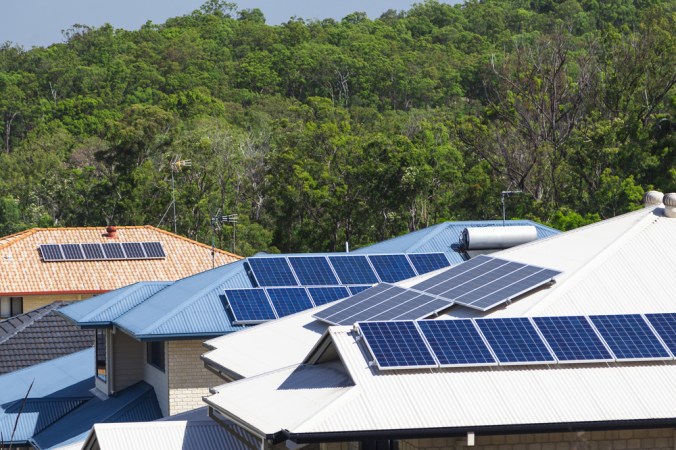
If you’re like me, you’ve already started a short list of home improvement projects to invest in with your 2015 tax return. Below is a list of five home improvement projects that you should prioritize because tax incentives are currently set to expire at the end of 2016. These projects will bring you short and long-term savings by increasing your energy efficiency as well as savings in the form of tax credits.

  • A new ‘Cool Roof’: By selecting a light colored roof material (metal or asphalt), you’re decreasing the amount of heat that’s absorbed by your home. You can also claim a tax credit that’s10% of the material cost up to $500.

solar cool roof

  • Replacing doors, windows or skylights: ENERGY STAR qualified materials will bring you savings in heating, cooling and lighting as well as a 10% tax credit up to $500 ($300 for windows).

skylight

  • Going Tankless: Heating water can account for 14-25% of your homes energy use. Investing in an energy efficient model will give you energy savings and a tax credit for up to $300 of the units cost.
  • Alternative Energy:  The most opportunistic investment is still with onsite renewables, such as geothermal, wind or solar with a tax credit up to 30% of the cost, with no upper limit. (Now through 2019)
  • Insulation: By increasing the insulation in your walls or attic, you will decrease your home heating and cooling costs as well as receive a 10% tax credit for the cost of the product, up to $500.

For all of these upgrades, you should be able to verify their qualification with your contractor or sales person.

For more information on energy efficient tax credits and incentives visit: Federal Tax Credits for Consumer Energy Efficiency or Energy Efficiency Tax Credits, Rebates and Financing: What Options Are Available for You?

– Beth Wallace is the manager of sustainability for the Detroit Zoological Society.

Notes from the Field: Island Hopping in Antarctica

This week started with our usual routines and turned into the best “fieldtrip” ever. We cruised through our work of counting penguins and weighing chicks and then we saw a wonderfully calm weather window. We had an extremely favorable, gentle forecast, which allowed us to make a special trip out to the Joubins – a special group of islands that our field team only has the opportunity to see once or twice a year because they are located outside of our boating limits. We packed two boats as a safety precaution and sailed westward.

The krill was thick and the ocean was pulsing with hungry predators. We spotted a humpback whale on our journey out, shortly followed by hundreds of crabeater seals and numerous penguins swimming around. Crabeater seals have very specialized teeth, which enable them to filter the ocean water while devouring krill. Some crabeaters were in the water while many others were laying on the large pieces of ice that drifted past us. There was even a leopard seal in the area, which could’ve been bad news for the “crabbies”. The much bigger leopard seals will eat crabeater seals given the right situation.

We made it to our first study island and were pleasantly greeted by Adelie, chinstrap, and gentoo penguins. This island was particularly fascinating with all three of these penguin species breeding together in the same colony. Many of the chicks were quite young but looked healthy.

Throughout the day, we continued to explore island after island, surveying nesting birds and taking in the unblemished beauty of this Antarctic paradise. As the day came to a close, we packed our boats and made the journey home through gentle seas safely back to the U.S. Palmer Station.

In our local area, the giant petrel eggs have been hatching and there are some excited parents! The chicks are darling fuzzy balls of fluff. Their cooperative parents take excellent care of them and allow us to do our measurements with no complaints. When we return the chicks, the parents snuggle them under the safety of their bodies.

The gentoo chicks are still small but growing quickly, and most of the Adelie chicks are huge. The Adelie parents are incredibly busy trying to keep the begging chicks full. During the upcoming weeks we should start to see the Adelie chicks venture away from their parents into little chick groups within the colony. They will also start to lose their down.


Thanks for reading; I will report back soon.

– Matthew Porter is a bird department zookeeper for the Detroit Zoological Society and is spending several months at the U.S. Palmer Station in Antarctica for a rare and extraordinary scientific opportunity to assist a field team with penguin research.

Animal Welfare: Residency Program Advances Mission

The Detroit Zoological Society’s Center for Zoo Animal Welfare acts as a resource for knowledge about animal welfare, and in many cases, this includes providing training to others in various ways.

One such way is through our residency program. Residencies offer individuals the opportunity to better understand animal welfare and how to apply scientific principles in order to assess it. Residents are recent college graduates who join our team for a period of six months, during which they assist with data collection on various welfare-related research initiatives and conduct their own independent project designed to provide us with more information about how animals are doing. Past residents have examined such concepts as the impact of underwater complexity on North American river otters, how temperature and social relationships affect how Japanese macaques use their habitat, and the effect of varying how food is presented on the behavior of the king brown snake.

We currently have two brand-new residents working with us, and we are so excited to have them join the team. They will be helping to collect data on the penguin welfare project we are currently working on as we prepare for the opening of the Polk Penguin Conservation Center; using video recordings of what the aardvarks are doing at night so we can have a better idea of how they spend their time and what environmental features they might prefer, and focusing on assessing the welfare of one of the species at the Zoo as part of an independent project. The information they gather will help us to figure out if the animals are thriving, and if any changes could result in even better welfare.

We are glad to be able to provide these kinds of educational opportunities to aspiring animal welfare professionals. Not only does this enable us to undertake even more welfare-related projects here at the Detroit Zoo, which helps to expand the existing body of knowledge about animal welfare, but it also promotes the advancement of animal welfare as these residents go on to the next part of their career.

– Dr. Stephanie Allard is the director of animal welfare for the Detroit Zoological Society and oversees the Center for Zoo Animal Welfare.

Education: Homeless dogs and cats benefit from Wild Lights crafts

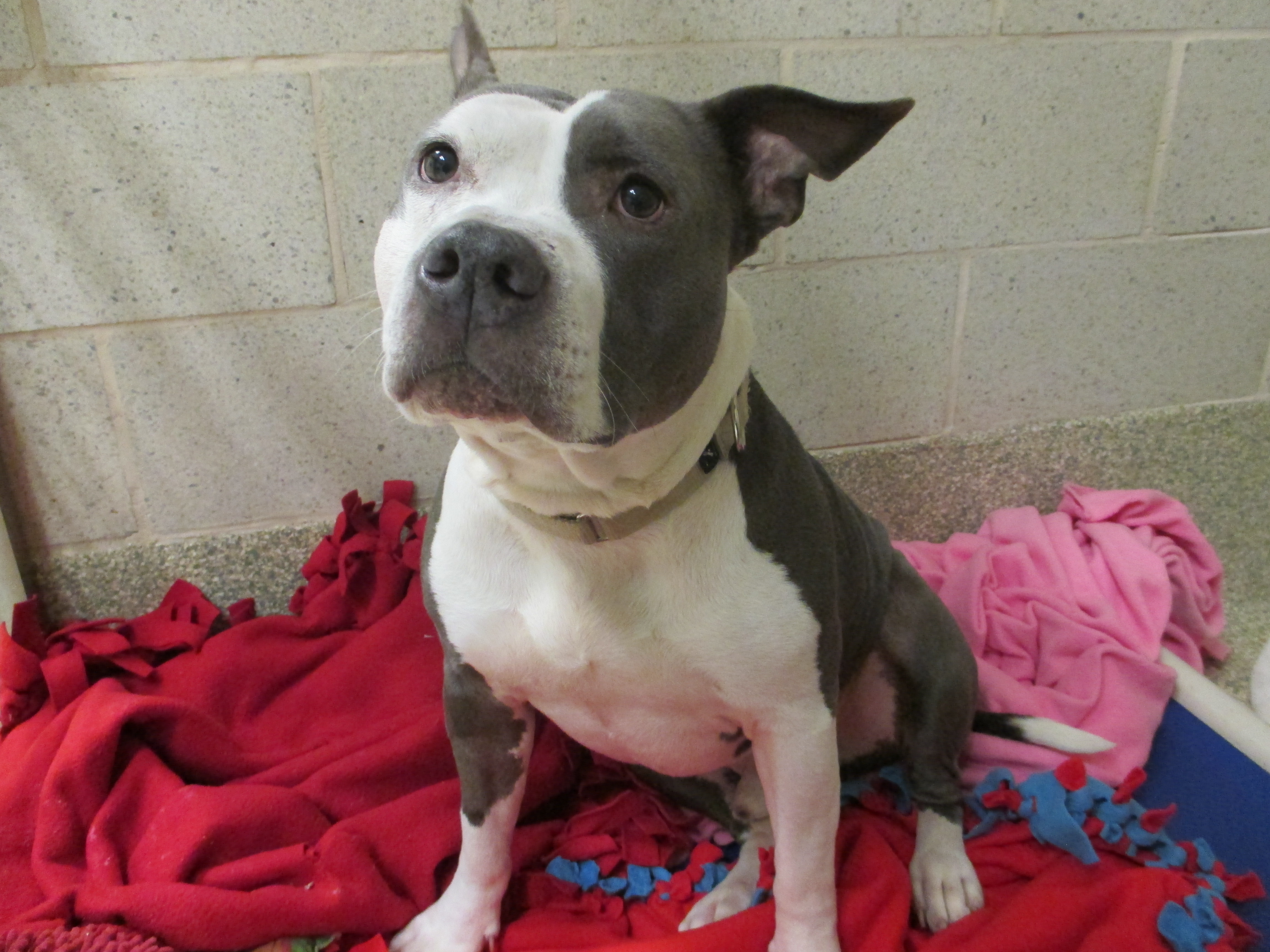
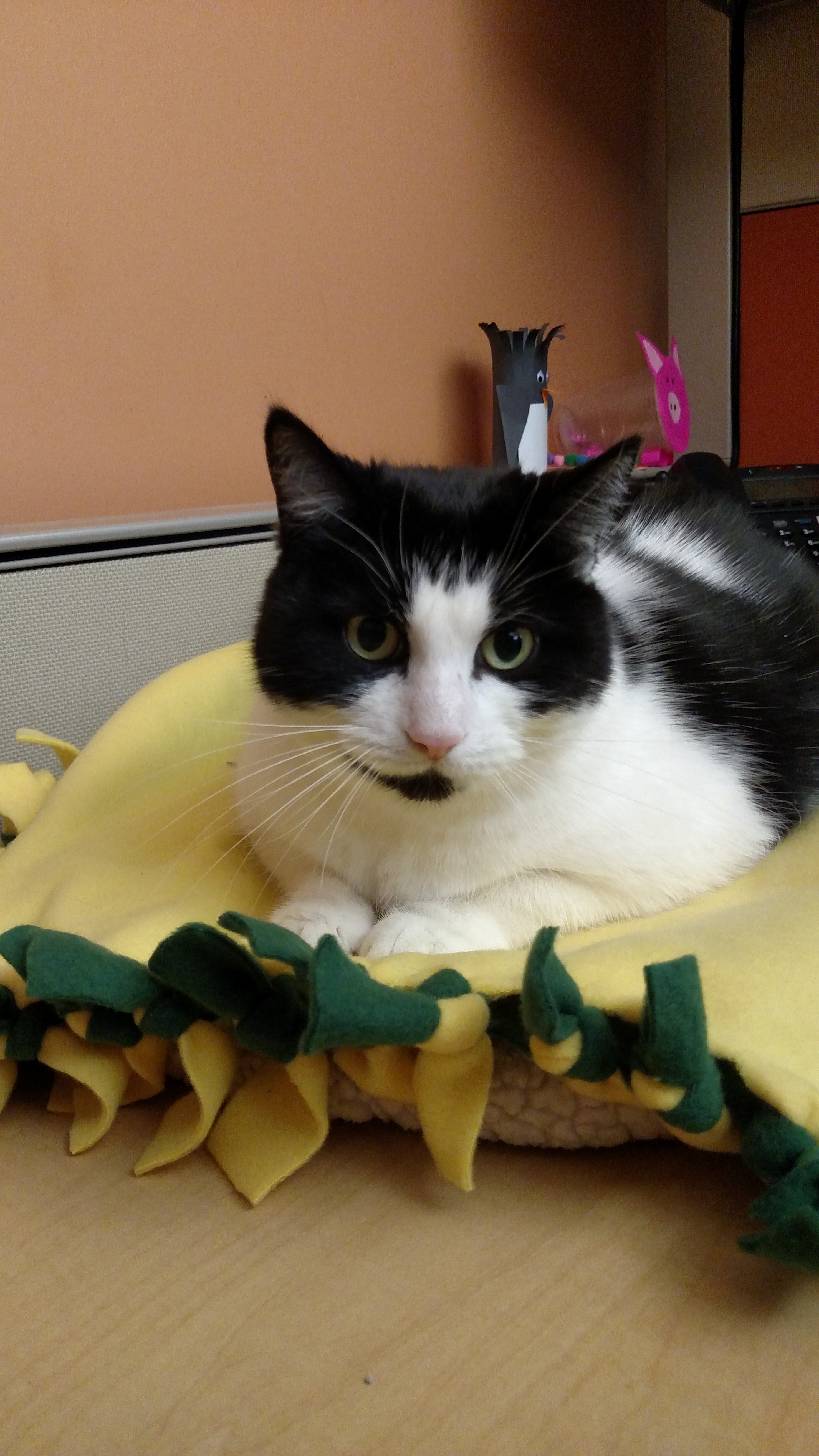
A big thank you to all who participated in our humane education craft during Wild Lights at the Detroit Zoo! We offered an opportunity for guests to make a fleece blanket or kitty play toy that would, in turn, be donated to local shelters. I’m happy to report that many homeless dogs and cats are currently benefitting from your generosity.

I recently dropped off eight large bags to the Humane Society of Huron Valley and many more will also be donated to the Michigan Humane Society in the coming weeks. Once the animals are adopted, their new guardians will be able to bring the blankets and toys home with them. This allows the companion animals to have something familiar in their new surroundings and can help with the transition into their forever families.

Our craft projects are purposefully designed. They are often centered around being kind to animals and the planet – not only does this instill a sense of joy, but there’s research that shows when you’re kind to others, it helps to foster empathy within.

Simple acts of kindness can make a big difference! Want to get started right now? You can find additional ideas on how to help animals at www.detroitzoo.org, www.hshv.org and www.michiganhumane.org.

– Lisa Forzley is the humane education manager for the Detroit Zoological Society and oversees the Berman Academy for Humane Education.

Notes from the Field: To the Moon and Back

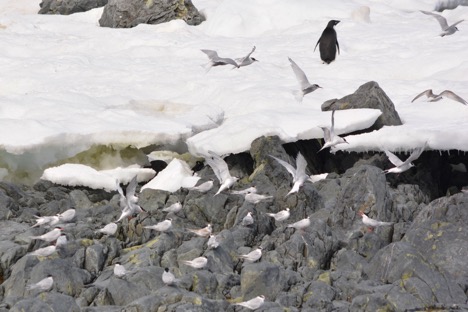
Hello from the U.S. Palmer Station! The weather has been behaving and we were able to have a very productive week. Because of the warmer temperatures in Antarctica this time of year, some long-distance travelers from the north came to visit us – a group of more than 100 arctic terns have made their way down for the summer.

The arctic tern is an incredible bird that only weighs as much as a small apple yet it migrates farther than any animal on Earth. They breed in the Arctic during the northern summer and they travel to the Antarctic for the austral summer to feed in the rich waters of the Southern Ocean. They will travel some 45,000 miles every year and may live for decades. This bird lives a full life; it flies the distance to the moon three times over. It is absolutely inspiring watching these weary travelers make it down here, knowing they were at the top of the world just a few months ago.

Back in Michigan, the Detroit Zoological Society helps conserve two different species of tern – black terns and common terns. The DZS has worked with other agencies to develop and maintain a new nesting site for common terns, which have become quite uncommon along the Detroit River over the last 50 years. We are also working with the National Audubon Society and the Michigan Department of Natural Resources, looking at nesting success of black terns in the St. Clair Flats. Black terns are suffering population decline across their range and we are committed to learning more about their life history in order to reverse this trend and protect the species.

Besides the arctic terns, we have been very busy studying the local birdlife. The Adelie penguin colonies seem to show some variation with regard to what stage of development the chicks are in. Some of the chicks are getting huge and the nests are getting crowded as many proud parents have two chicks growing well. That being said, the noise level continues to climb and the colonies are starting to become messy! It does appear that the chicks pick up bad habits at a very young age (stealing rocks from the neighbors).

The brown skua chicks continue to hatch and grow as well. We have been measuring their beaks and routinely weighing them, tracking their growth. The parents can be a little feisty, but overall they tolerate us well. The chicks are beginning to run around and explore, which can make it tougher for us to find them.

As the days of this incredible journey continue to pass, the northern hemisphere has started to tilt back toward the sun and our days are shortening a touch. It’s still pretty much always light out, but it’s getting slightly easier to see the sun set.

Have a great week; I will report back soon!

– Matthew Porter is a bird department zookeeper for the Detroit Zoological Society and is spending the next few months at the U.S. Palmer Station in Antarctica for a rare and extraordinary scientific opportunity to assist a field team with penguin research.

Notes from the Field: Visiting Schools Along the Napo River in Peru

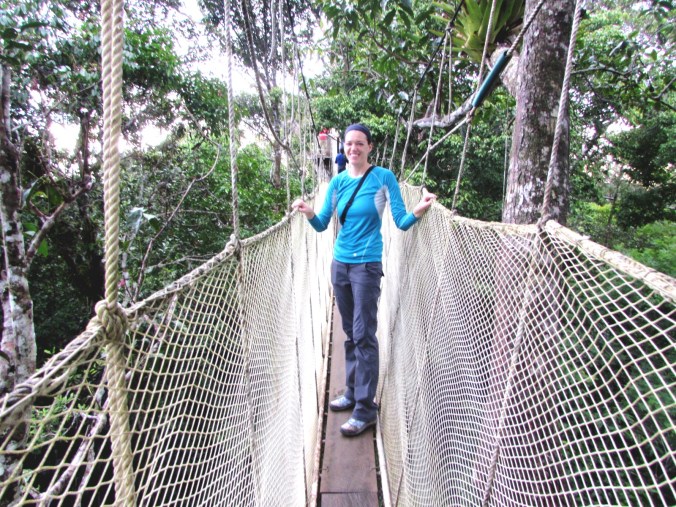
We’ve traded in the “mototaxis” for boats as we moved from Iquitos into the rainforest at Explorama’s Explornapo Lodge along the Napo River in Peru. It’s interesting – when you look straight down at the water, it is a milky shade of brown, but when looking further out, the reflection of the clouds and blue sky give the impression that the Amazon River is actually blue, which it is not. The scenery is green and lush, as we expect, but now that the water level is lower, we can see how aggressive it is when the river rises. We know how fierce yet resilient nature can be. The mud is sculpted like artwork in places high above the current water line. In many places, green plants have taken over the steep mud cliffs, growing where water stands for months of the year. Birds are flying around checking out the water below, and there is a sense of tranquility from the wind and noise from the boat as we travel from place to place.

carla blog entry 2

All of this boat travel means that we’ve completed the first week of evaluations, having visited 29 schools as part of the Detroit Zoological Society’s Adopt-A-School program. We can’t all visit each of these communities in this time frame, so we spread out and meet up every night for a recap of what is happening in each community. Common issues that come up revolve mostly around water. Due to flooding, some schools weren’t able to hold classes for up to four months of this school year. Some don’t have enough time to grow crops between the flooding, and almost all communities are having trouble with proper trash disposal. Being here in the rainforest and immersed in this environment leads me to question what is the best solution for this situation. There aren’t garbage boats that come through these communities to pick up trash, so what are they expected to do with it? This is one of the reasons why this program is so important – we focus on education, including education about sustainability and preservation of the environment.

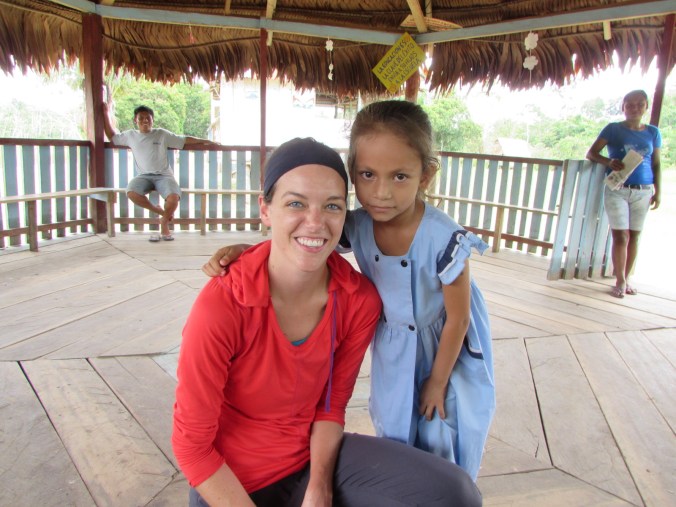
I’ve enjoyed visiting many communities this week, but Canal Pinto was one of the most impactful experiences for me. It was obvious the two teachers in the community had everything under control. You could tell by looking at the students, the classrooms, and their interactions with students that this community was in good hands. As I looked around the beautiful kindergarten classroom, I noticed something that I hadn’t seen elsewhere. Recycled plastic bottles, cut and painted, neatly labeled with student names. Inside each cup was a toothbrush. Hanging on the shelf next to each toothbrush was a washcloth. The students are learning to take care of themselves and to reuse items they have around them. This shows these children – at a very early age – the importance of helping to conserve items and take care of themselves, hopefully habits that will help them and the environment for years to come.

carla blog entry 2 - 2

We have a few days left of reviews before we head home. We will be soaking in the heat and humidity while we can before coming back to the much cooler north. Adios for now!

– Carla Van Kampen is a curator of education for the Detroit Zoological Society. The Adopt-A-School program provides donated educational materials and supplies for schools in rural Amazonia. The DZS has partnered with Conservacion de la Naturaleza Amazonica del Peru (CONAPAC) in this conservation and education program since 1999. For more information, or to donate to the program, visit: http://detroitzoo.org/support/give/adopt-a-school/
Notes from the Field: The Journey to Antarctica

Seven weeks ago, I was asked by the Detroit Zoological Society to travel to Antarctica for part of the “austral summer”, which is the time period from November through March in the southern hemisphere, for a rare and extraordinary opportunity to assist a field team with penguin research. Before leaving, I had to pass rigorous medical testing, losing a couple of wisdom teeth along the way. Over the next few weeks, I acquired gear and packed everything I would have for the next three months into two 50-pound bags.

With bags in hand, I headed to Detroit Metropolitan Airport to begin the long, 7,500-mile journey. I traveled from Detroit to Dallas to Santiago, Chile and finally landed in Punta Arenas, Chile, some 25 hours later. Punta Arenas is a very windy but beautiful city with the Andes in the background and the Straights of Magellan winding along the coast.

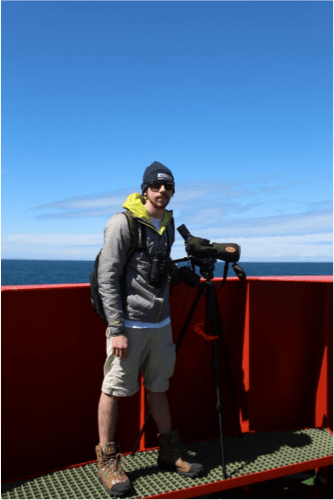
The following day, I moved onto the Laurence M. Gould, a 230-foot Antarctic research and supply boat, which will be my home for the next week. We then set sail for the U.S. Palmer station. I woke up the next morning with the boat slowly rolling, as we traveled south down the east coast of South America in the Atlantic Ocean. We have been greeted with numerous Magellanic penguin sightings.

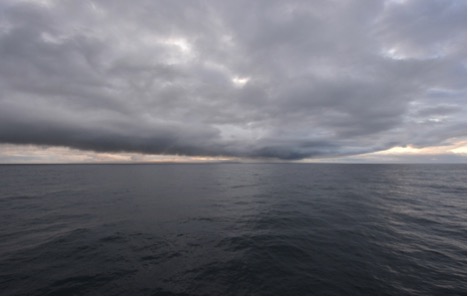
Throughout the day, we continued south towards the infamous Drake Passage. We will enter the Drake with our fingers crossed, as it is known to have some of the roughest waters in the world. Once we arrive at the Palmer Station, I will join the “Seabird” team, which is a division of the Long Term Ecological Research (LTER) studies in the Antarctic Peninsula. Here I will assist with the annual austral summer research for projects headed by the world-renowned polar ecologist and penguin expert Dr. Bill Fraser and his wife, Donna Patterson-Fraser. Bill and Donna are incredible, experienced scientists who have spent years studying Antarctic birds, climate change and how they relate.

Our typical day will start by getting up early and watching the weather. As long as conditions look promising, we will get in a zodiac and drive to one of the many smaller islands located around the Palmer Station, where we will study the birds. Most of our study subjects will be gentoo, chinstrap and Adelie penguins as well as southern giant petrels. Throughout the summer, we will examine diet, population numbers, breeding and more.

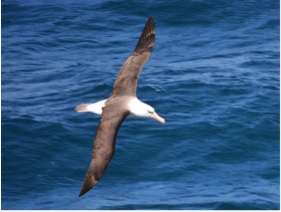
Back on the boat, there has been a lot of wildlife around us. Dolphins swim through the ocean while birds cruise around us. Cape petrels, southern fulmars, black-browed albatrosses, and many more have gracefully glided alongside the boat. We are just passing the tip of South America, headed for the Drake Passage. Wish us luck and calm seas! The next time I report back, we should be on land at the Palmer Station.

– Matthew Porter is a bird department zookeeper for the Detroit Zoological Society and is traveling to the U.S. Palmer Station in Antarctica for a rare and extraordinary scientific opportunity to assist a field team with penguin research.