Notes from the Field: Saving Seabirds in the Falkland Islands

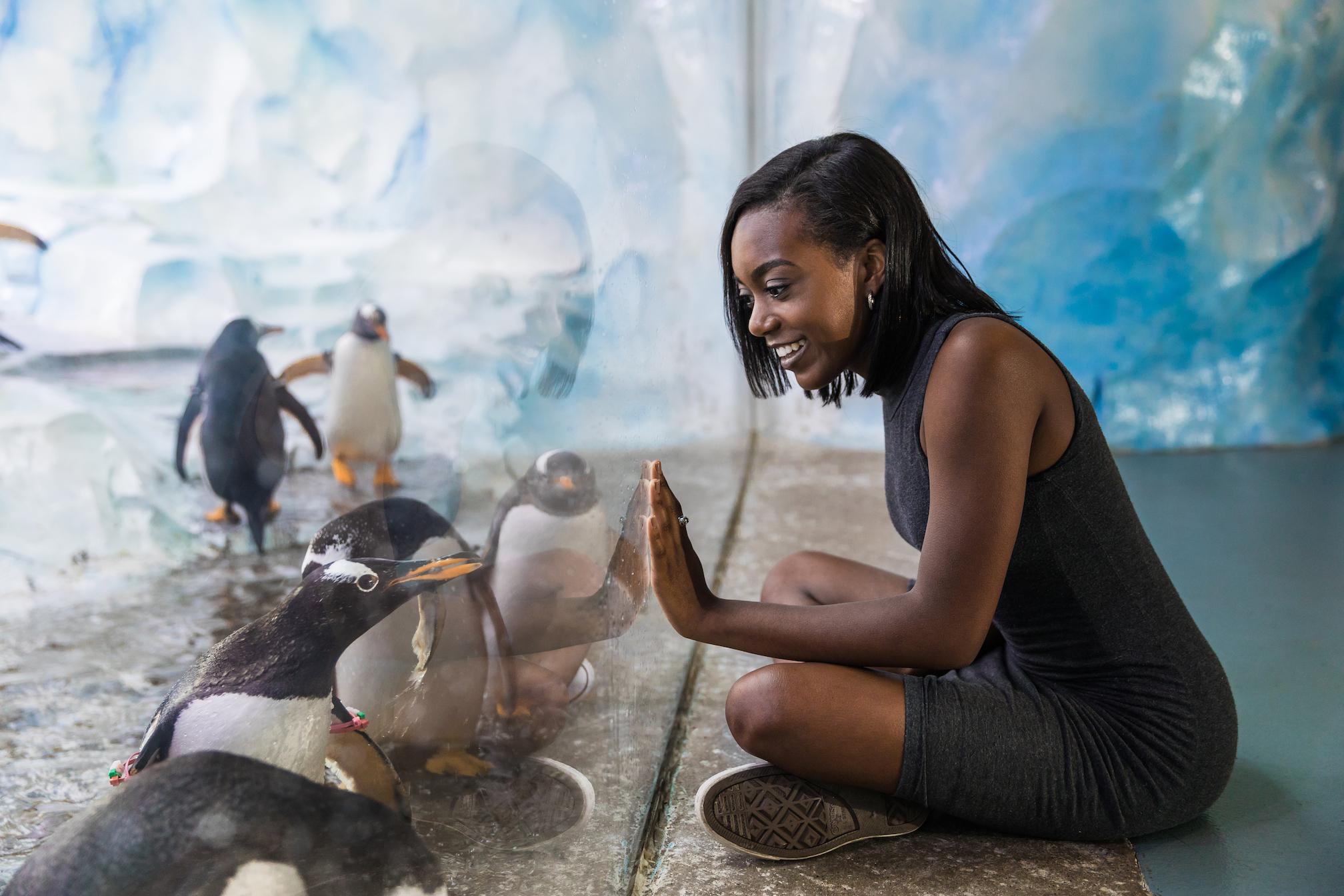
On a recent conservation expedition to the Falkland Islands – the Detroit Zoological Society’s (DZS’s) second in two years – I met with the governor of the islands and commissioner of the nearby South Georgia and South Sandwich islands, His Excellency Nigel Phillips CBE. We discussed the need and potential for penguin conservation work in the region, and the important role that the DZS can provide. Through our partnership with organizations such as Falklands Conservation (FC), which is working to conserve rockhopper, gentoo and king penguins – three species of penguins living in the Detroit Zoo’s Polk Penguin Conservation Center – and other seabirds, we can not only provide financial support but also scientific expertise in the field. Additionally, we teach, engage and inspire millions of Detroit Zoo visitors about these incredible animals, their plight in the wild, and what people can do to help.
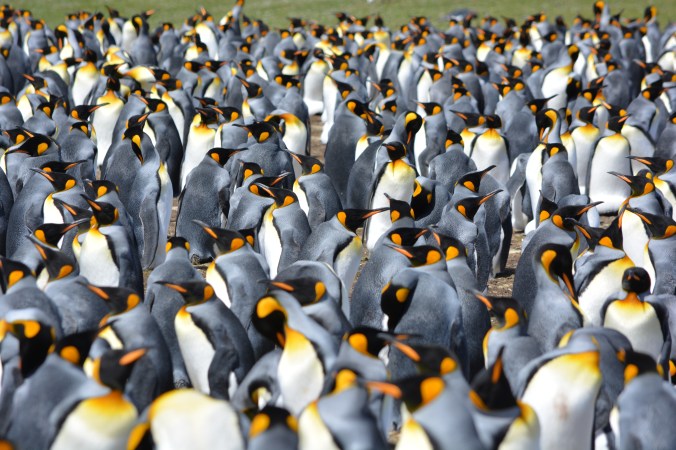
The Falkland Islands, located off the southern tip of South America, provide critical habitats for several species of penguins and other wildlife. However, threats are looming from oil extraction and increasing ecotourism, and it is essential to establish marine protected areas and assess the impacts ecotourism brings. On our recent expedition with Falklands Conservation, we set out to monitor the population of penguins and other seabirds living on several islands off the easternmost coast of the Falklands – some which had never been visited and others that had not been visited for more than 10 years. The islands were close to the military port near Stanley, the capital of the Falklands, but rather remote, and landing on some of them was quite difficult because of the sea swells and cliff faces. In fact, we weren’t able to land at all on one of the islands called The Mot, and instead used a drone to effectively document the birds’ habitat.
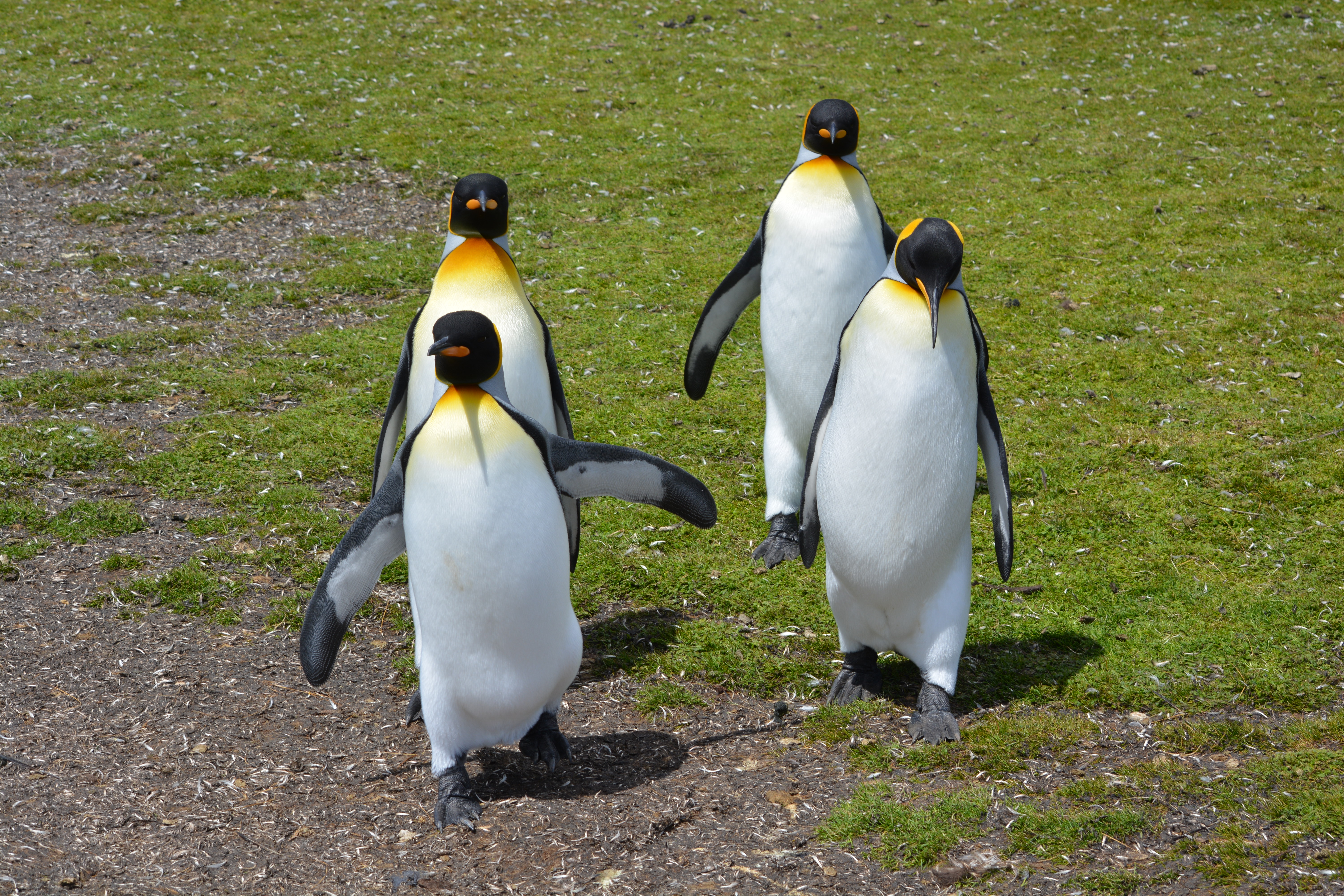
We made some important observations on these excursions. As the sun went down during our drone visit to The Mot, we noted the return of hundreds of sooty shearwater birds returning to their burrows. Shearwaters are a threatened pelagic sea bird and an important indicator of well-managed fisheries, so documenting the location of a new colony was significant. We also documented the first records of Cobb’s wren on another island, which are ground nesting birds endemic to the Falkland Islands and important indicators that the land is free of rats and mice. These rodents have been introduced to many of the islands and have devastated populations of Cobb’s wren and other ground nesting birds. Additionally, we were heartened to see that the habitat at another island, Motley, has recovered tremendously from earlier sheep grazing. The plant life on this island was diverse with rare flowers such as yellow orchids and hairy daisies. Gentoo penguins were also observed at Motley, so it is possible and promising that a previously observed gentoo colony nearby is expanding.
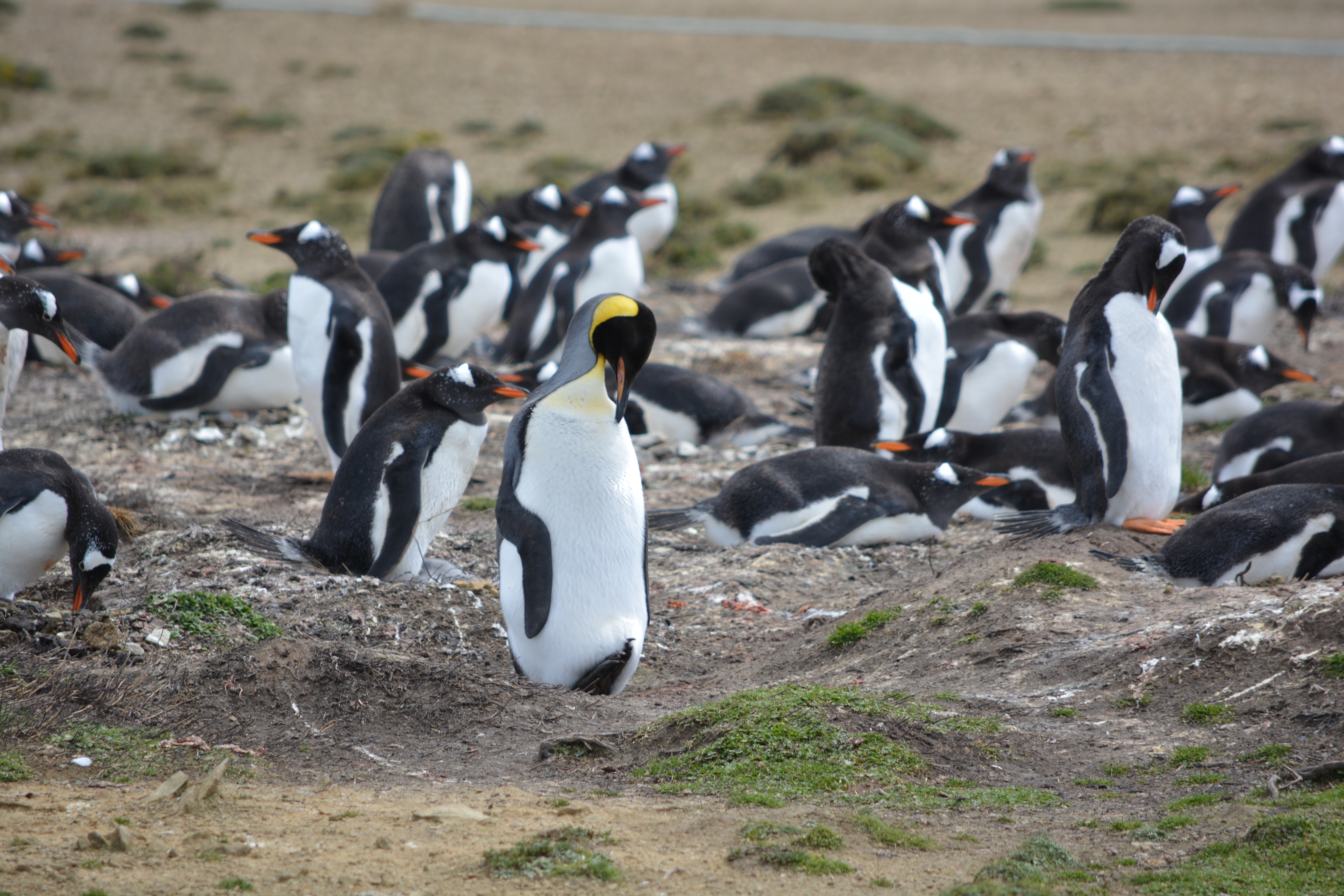
The DZS hopes to establish a long-term project site at the Falklands to analyze the impact of ecotourism on penguin breeding, health and welfare. Tom Schneider, the DZS’s curator of birds, and I investigated several potential sites that have king and/or gentoo penguin colonies. We also had the opportunity to visit the Seabird Rehabilitation Facility, which was designed to accommodate small-scale wildlife rescue efforts, often involving oiled penguins. With increased oil development on the horizon, the number of oiled birds needing proper cleaning and rehabilitation is sure to increase. The DZS has produced educational panels that will be displayed at the facility which detail its history, the impact of oil pollution on seabirds, the extensive process that goes into caring for oiled birds, and several success stories of birds who have recovered and been returned to the wild.

– Paul Buzzard, Ph.D., is the field conservation officer for the Detroit Zoological Society, which leads and supports wildlife conservation work on six continents.
Veterinary Care: What’s in Your Wallet?

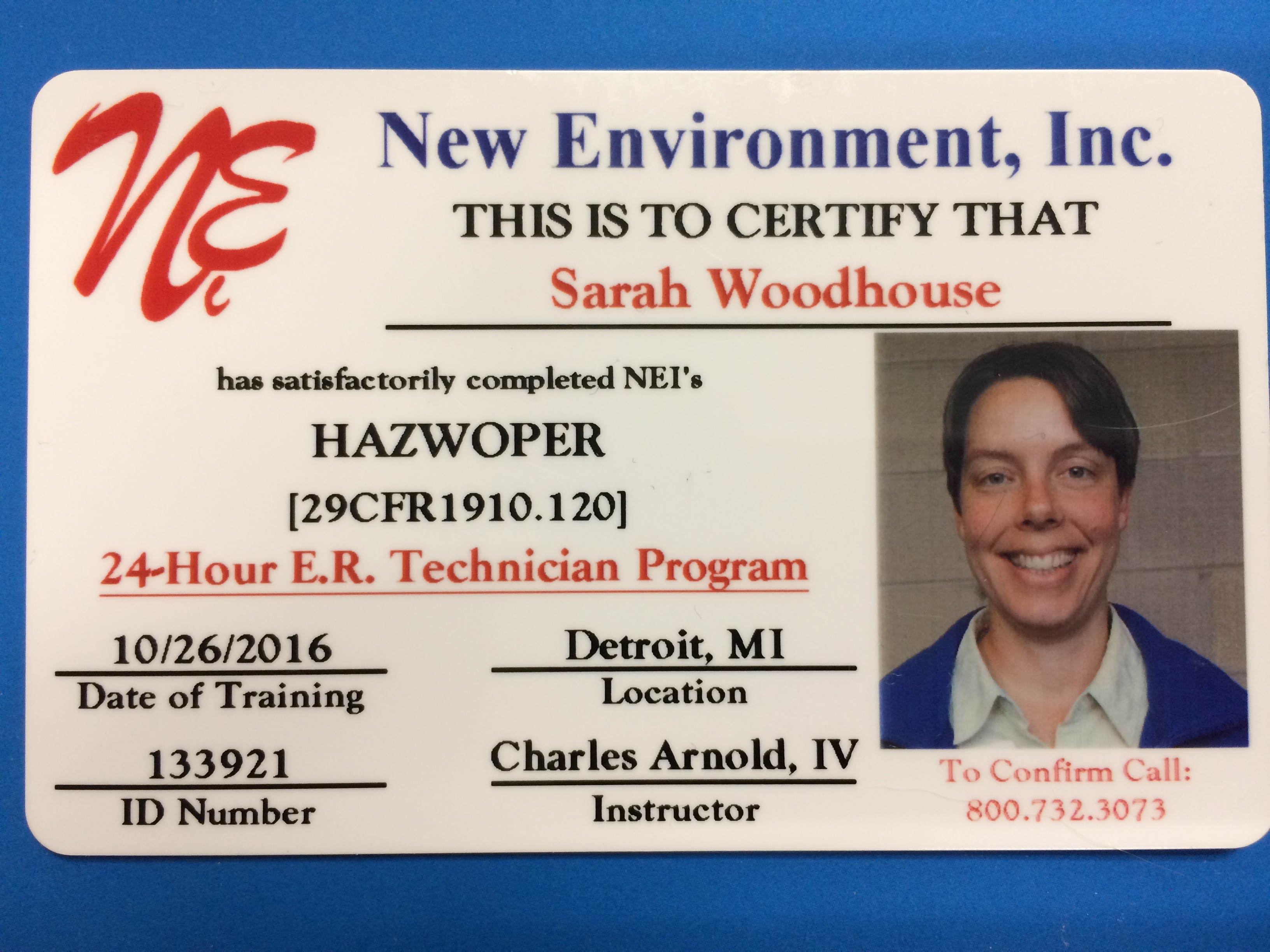
Among the items in my wallet is an identification card that says I am a certified Hazardous Waste Operations and Emergency Response (HAZWOPER) technician. As a zoo veterinarian, this certification is very important to me – and to the Detroit Zoological Society (DZS) – because it means that in the event of an environmental emergency anywhere in the world, I can be deployed to help. In addition to myself, two other DZS veterinarians, a veterinary technician and six animal care staff members carry these cards and have this expertise.

HAZWOPER training is required for anyone who may be working in situations with hazardous materials. A big example of this is oil, and all the other toxic chemicals involved in an oil spill. If an oil spill were to occur, and if there are animals affected, they will need care and treatment – which puts the people caring for them in harm’s way. HAZWOPER training is not only about the animals themselves – that is our area of expertise as trained animal health professionals – it is about all the other dangers humans could face while trying to save them.

As part of this training, we learn how to protect ourselves from all the things that could be harmful at a hazardous waste cleanup site. In addition to being exposed to many kinds of toxic chemicals and vapors that can be inhaled, we may also have to protect ourselves from heatstroke or frostbite. This training is required by the government in order for us to lend our expertise to help the animals because if one of us were to become ill or injured, it would only add to the challenges of an already difficult situation. It’s similar to the airplane safety measure of putting on your own oxygen mask before helping a child put on theirs – if those of us trying to help don’t keep ourselves safe first, it puts the animals at even greater risk.

HAZWOPER training is labor and time intensive and requires skilled instructors and specific materials. If an emergency were to happen today, one cannot wait weeks or months to undergo the training, because the animals need help now. When the Deepwater Horizon oil spill occurred in the Gulf of Mexico in 2010 – the largest marine oil spill in history – many veterinarians and other professionals trained in animal care wanted to help, but without HAZWOPER training, the government wouldn’t allow it. An estimated 2.2 million gallons of crude oil leaked into the Gulf every day for nearly three months. This oil spill affected 400 different species of wildlife, including 8,000 birds, 1,100 sea turtles and 109 mammals. This is exactly why we stay ready – we undergo an eight-hour refresher course annually in order to maintain our certification, which many of us do in our free time, outside of work hours. And because of this, one of the DZS’s veterinary technicians was able to travel to New Orleans that summer and assist with Deepwater recovery efforts.

Thankfully, we haven’t needed to respond to an environmental disaster in the past two years, and frankly, we’d like to keep it that way. But if the worst happens tomorrow and animals need our help, we’ll be on the next plane.

– Dr. Sarah Woodhouse is a veterinarian for the Detroit Zoological Society and works at the Ruth Roby Glancy Animal Health Complex at the Detroit Zoo.

Learn more about HAZWOPER training.

Animal Welfare: Shelter from the (Winter) Storm

Baby, its cold outside! The New Year brought some very low temperatures to our area, which can be a challenge for humans and non-human animals alike. Detroit Zoological Society staff take a number of measures to ensure each animal living at the Detroit Zoo and Belle Isle Nature Center is comfortable year-round, including when temperatures dip into the negatives.

For some animals, this may mean spending time in behind-the-scenes areas where the temperature is controlled and any impacts of snowfall are removed. Cold-tolerant species, such as the red pandas or the Amur tiger, have the option to enjoy the winter weather or remain inside if they choose – this is part of what allows them to experience great welfare.

In many cases, we also make modifications to habitats to create heated areas and wind shelters – for example, the lions have heated rocks they’re often seeing lounging on – and we often add extra bedding materials to various habitats as well. This way, animals that are less comfortable being inside a building can still “find shelter from the storm”. These different options allow all of the animals to enjoy their home in the same way our heating systems, fireplaces and warm blankets keep us comfortable.

We should be thinking about these things for the animals who share our homes as well. Spending time outside needs to be done more cautiously in very cold weather, even for our furry friends. As domesticated species, they are not as well equipped to deal with harsh weather as wild animals are. There are many steps you can take to protect your companion animals from the cold, even if they do spend time outside.

Winter weather in Michigan often makes us appreciate the other seasons of the year, but there is still much to be enjoyed (and this is coming from someone who moved here from Florida!). We are still treated to beautiful, sunny days as fresh snow blankets everything around us. The 125 acres of the Detroit Zoo offer a great opportunity for us to experience the wonder of winter and marvel in the beauty of wildlife.

Many of the animals at the Detroit Zoo make the most of the cold weather, including the Japanese macaques (aptly also called snow monkeys), bison, otters, polar bears, wolves and bald eagles. You can also see animals including the giraffes, rhinos, gorillas and chimpanzees from viewing areas inside their buildings. The Free-Flight Aviary, Butterfly Garden, National Amphibian Conservation Center and Holden Reptile Conservation Center are great places to spend some time indoors during your visit. And although the Polk Penguin Conservation Center provides a more Antarctic climate for its feathery occupants, it also offers visitors a nice break from the blustery outdoors this time of year. Be sure to catch the Wildlife Photographer of the Year exhibition in the Ford Education Center too – 100 winning images from the world’s largest and most prestigious wildlife photography competition. Come out and experience all of this for yourself – the Detroit Zoo is open all winter long!

– Dr. Stephanie Allard is the director of animal welfare for the Detroit Zoological Society and oversees the Center for Zoo Animal Welfare and Ethics.

Animal Welfare: The Detroit Zoological Society to the Rescue

Eight years ago this month, Detroit Zoological Society staff took part in the largest animal rescue effort in the world. More than 26,000 animals were seized from an exotic animal dealer in Texas when it was discovered that animals at the dealer’s property were living in crowded, squalid conditions, many without access to adequate food, water and veterinary care. Leaders at People for the Ethical Treatment of Animals (PETA) contacted us to help. The conditions in Texas were so bad that for some animals, help came too late, but many – from small mammals to amphibians – came to live at the Detroit Zoo in habitats that would meet all of their needs. This significant effort to help animals is just one of many DZS animal rescue stories.

Prior to the historic Texas rescue, we’d previously worked with PETA to rescue polar bears traveling as part of a circus based out of Mexico. Bärle was one of those fortunate bears, and once she found her forever home at the Detroit Zoo, she enjoyed the comforts of her habitat in the 4-acre Arctic Ring of Life and gave birth to Talini, a female polar bear – now 12 – who is still living at the Zoo. Other rescued animals living at the Detroit Zoo include a lioness named Erin – who, along with two other lions, was rescued from a junkyard in Kansas – as well as several ring-tailed lemurs from three different rescues (including the Texas rescue described above). Forty of the amphibians rescued in Texas in 2009 are still living in the Detroit Zoo’s National Amphibian Conservation Center.

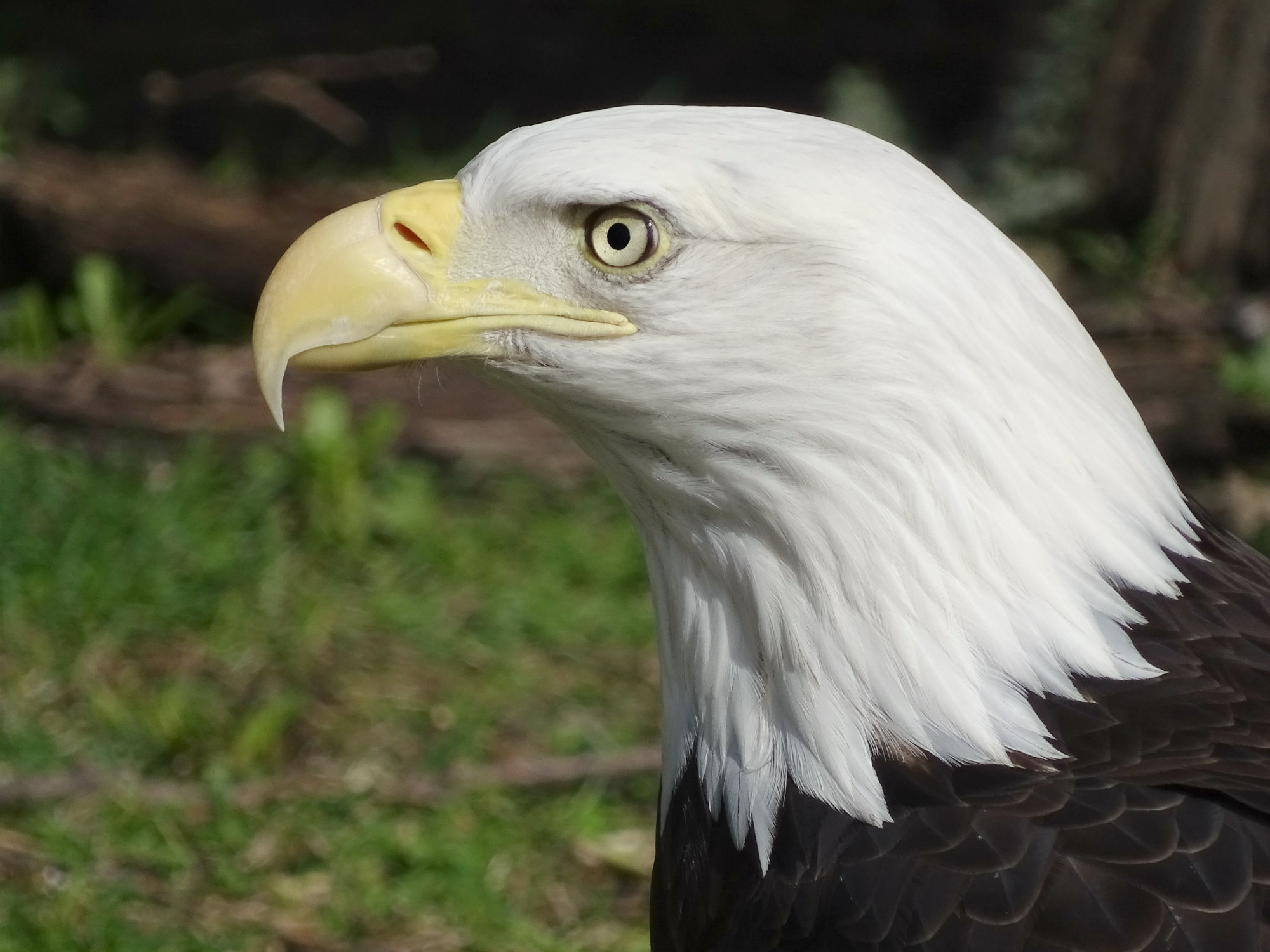
Not all of the animals we’ve helped rescue come from bad captive conditions. Sometimes, animals are found injured or otherwise unable to care for themselves. Such was the case for the three male grizzly bears, Mike, Thor and Boo, whose mother was killed by a poacher, leaving behind three cubs who were too young to be on their own. All five seals living in the Arctic Ring of Life were rescued from the wild after they were found on beaches and deemed unable to care for themselves, and the bald eagles at the Detroit Zoo suffered injuries in the wild that rendered them unable to fly. Without the Detroit Zoo, animals like these would likely not have a home, and could be euthanized.

A western pond turtle – an endangered species – was rescued in California and is now living in the Detroit Zoo’s Holden Reptile Conservation Center after a concerned citizen saw a Facebook post by a man who was intending to cook and eat the animal.

Animal welfare is at the core of the Detroit Zoological Society’s mission, and is reflected in our efforts to rescue animals. Requests to provide a life-long home for rescued animals are frequent. Such requests can place a strain on resources for zoological institutions, not all of which can accommodate them. We will continue to assist whenever possible, and we encourage you to come visit the rescued animals at the Detroit Zoo. To learn more and see how you can help, visit: https://thezoothatcould.detroitzoo.org/animal-welfare/

– Dr. Stephanie Allard is the director of animal welfare for the Detroit Zoological Society and oversees the Center for Zoo Animal Welfare and Ethics.

Humane Education: Do They Have a Choice?

People are often surprised to hear that the Detroit Zoological Society (DZS) does not include animals in any of our education programs – either on grounds or at community or school events. This is because programs like this – no matter how well orchestrated – can be stressful for exotic animals and can negatively impact their well-being. As a leader in animal welfare and the home of the Center for Zoo Animal Welfare and Ethics, the well-being of the animals is at the core of every decision we make.

Consider what it might be like for an animal to take part in a program with many excited children and adults nearby. Animals that are forced to be in programs often have to be physically restrained or manipulated and aren’t given a choice to opt out. The ability of an animal to make choices and to have an impact on his or her own life are fundamentally important to good welfare. As soon as the animal is handled, whether it is to put on a harness or to otherwise physically restrain him or her, any choice to participate is removed and the animal can either comply or resist, neither of which are positive choices. Additionally, regular handling of animals can actually result in a condition called learned helplessness. As the animals learn that they cannot avoid being restrained, carried around and touched, they simply stop reacting. This isn’t a sign of them being comfortable, but instead, that they have given up.

Animals used in such programs are often housed in smaller, less complex spaces and may have to be transported between venues for programs. These activities certainly impact the welfare of the individuals in a negative way. Additionally, the normal activity patterns of the animals are often disrupted, as performances are not scheduled based on their circadian rhythms (the natural daily cycles we experience that affect our physiology and behavior), and for some, such as nocturnal animals, these disruptions can have an even more drastic effect.

There are many ways in which humans and animals can interact, sometimes without any contact and sometimes more directly. Several of the animal habitats at the Detroit Zoo have been designed in such a way that visitors can be immersed in the experience without actually coming into contact with animals – this includes the Australian Outback Adventure, the Polk Penguin Conservation Center, the Polar Passage in the Arctic Ring of Life, the Butterfly Garden and the prairie dog habitat. We also offer two types of experiences that allow guests to directly interact with individual animals: the Giraffe Encounter and Mingle with the Macaronis.

Visitors at the Detroit Zoo have the opportunity to interact with animals in certain circumstances where each animal may choose whether to participate or not.

A very important distinction between these experiences and performance-type programs is that, at the Detroit Zoo, each animal has the choice to participate or not. This means that the animals have the opportunity to choose if they want to interact – and there are no negative consequences if they decline to participate – and they can control the amount of interaction and length of the encounter, with the option to leave at any time. Choice and control are critical to good welfare, in humans and non-humans alike.

Holding and presenting exotic animals like this also sends the message that we can do as we wish with these animals for our entertainment. This is a message we do not want to send. Promoting reverence and respect for all animals is important – for human and nonhuman species alike – and is an essential component of our mission. In addition, handling exotic animals and allowing others to interact with them may lead people to want one of their own. The experience could mislead people into thinking that exotic animals make good pets or companions.

The next time you see an animal being forced to perform or interact with people, ask yourself:

  • What does a day in the life of this animal look like?
  • What happens to the animal when he/she isn’t being shown?
  • Where did this animal come from originally?
  • How does he/she live? What does he/she do?
  • What is the lifetime care plan for this animal?
  • What is his/her ability to choose? Is the animal participating because he/she wants to?
  • What does the world look like from the animal’s perspective? Try to imagine the experience through their eyes, ears and nose.

Choosing not to participate in events or programs that force exotic animals to perform and interact with humans sends a powerful message. The DZS’s foundation of animal welfare and humane education ensures that we provide unique learning experiences without compromising the well-being of animals.

– Dr. Stephanie Allard is the director of animal welfare for the Detroit Zoological Society and oversees the Center for Zoo Animal Welfare and Ethics. Lisa Forzley is the curator of humane education for the Detroit Zoological Society and oversees the Berman Academy for Humane Education.

Animal Welfare: Sleep is Good for You – and for Animals Too!

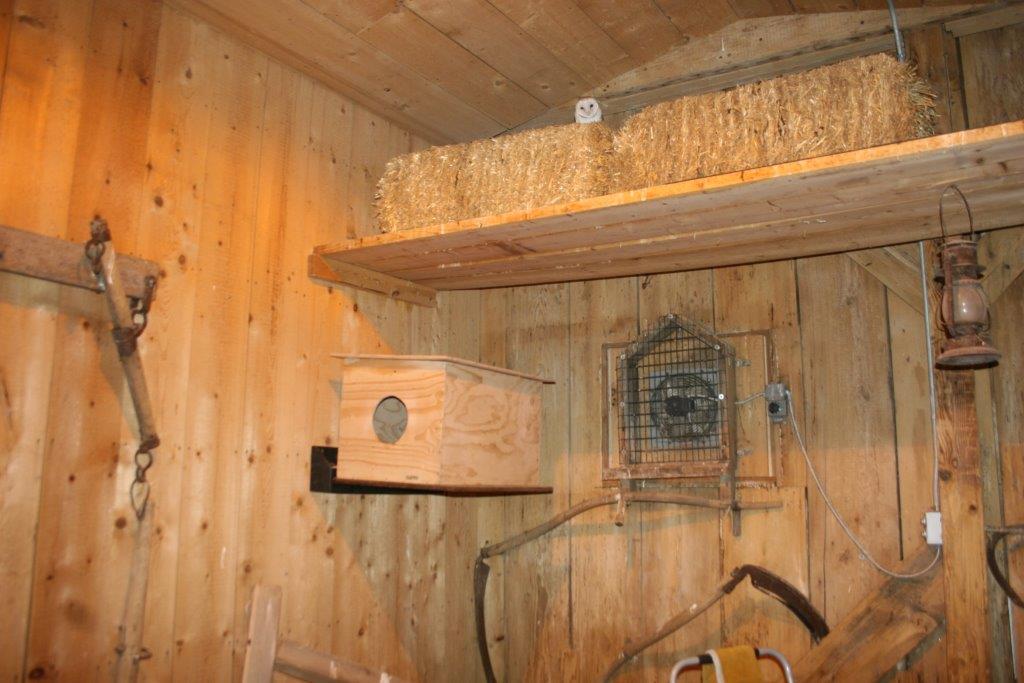
Staff from the Detroit Zoological Society’s Center for Zoo Animal Welfare and Ethics have been observing the barn owl living at the Detroit Zoo to study his sleep patterns. Jim’s home in the Barn is a popular spot for visitors – Thoroughbred horses, donkeys, steer and pigs also live there. And while barn owls are nocturnal, spending the majority of the daylight hours sleeping, the noises and activity in the Barn may cause mild disturbances during the owl’s normal sleep cycle. Jim has lived at the Detroit Zoo for many years and appears to be healthy and happy, but it is important that we look at other measures of welfare.

Sleep patterns and sleep quality have been proposed as animal welfare monitoring tools, as links between well-being and sleep have been documented in humans. If you have gone through stressful times in your life, you may have experienced poor quality sleep, perhaps waking up more often. Similar effects have been found in other animals, such as rats and chimpanzees. However, poor sleep itself can also have an impact on welfare. Rats whose sleep cycles were disturbed by routine caretaking activities were found to groom themselves less and engage in fewer enrichment-related behaviors.

Sleep research typically makes use of electroencephalograms (EEGs) – which use small sensors attached to the head to measure brain activity – as well as other types of devices, which, as you can imagine, could be disruptive and rather challenging to use with animals living in zoos. We are therefore using behavioral and endocrine measures as non-invasive means to assess the welfare of the barn owl in relation to environmental factors such as noise.

We made observations of the barn owl’s behavior multiple times each day, primarily focusing on body and head position and degree of eye closure. We also recorded noise levels and other environmental factors. Fecal samples are being analyzed in our endocrinology lab by Dr. Grace Fuller, manager of applied animal welfare science and Jennifer Hamilton, applied animal welfare programs coordinator, to look for any changes in hormone levels. The samples were collected on a daily basis by animal care staff and prepared for analysis by our dedicated volunteers, whose help is invaluable!

The barn owl’s behavior could indicate how well he is sleeping and if any external factors are contributing to his sleep patterns. The hormone analysis – along with data on his food consumption – will be a way for us to validate the behavioral information we gathered. If we understand how to measure sleep quality non-invasively, we can apply this methodology to other species and expand our toolkit to monitor animal welfare.

– Dr. Stephanie Allard is the director of animal welfare for the Detroit Zoological Society and oversees the Center for Zoo Animal Welfare and Ethics.

Veterinary Care: Performing Cardiac Ultrasounds on Anteaters

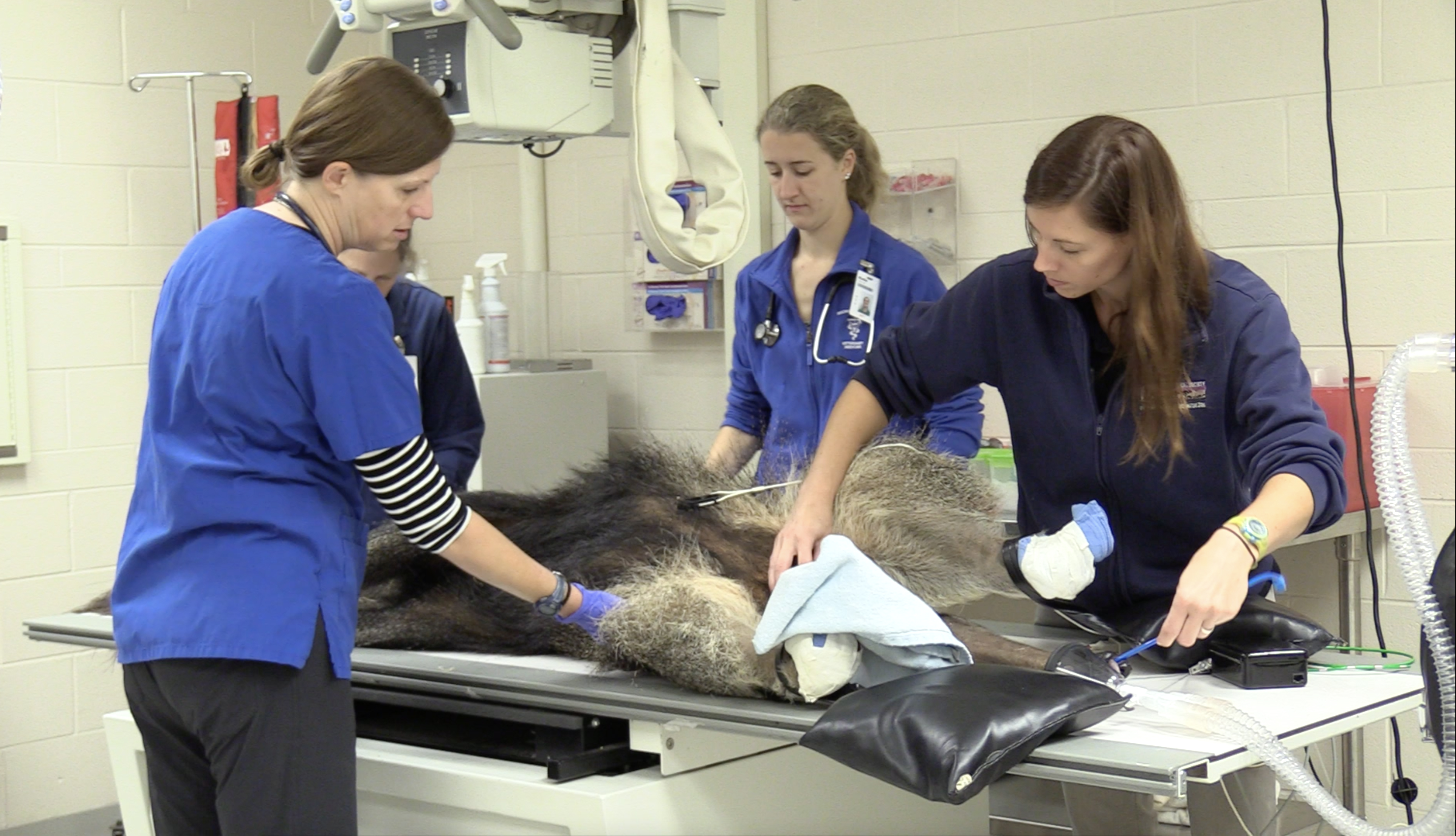
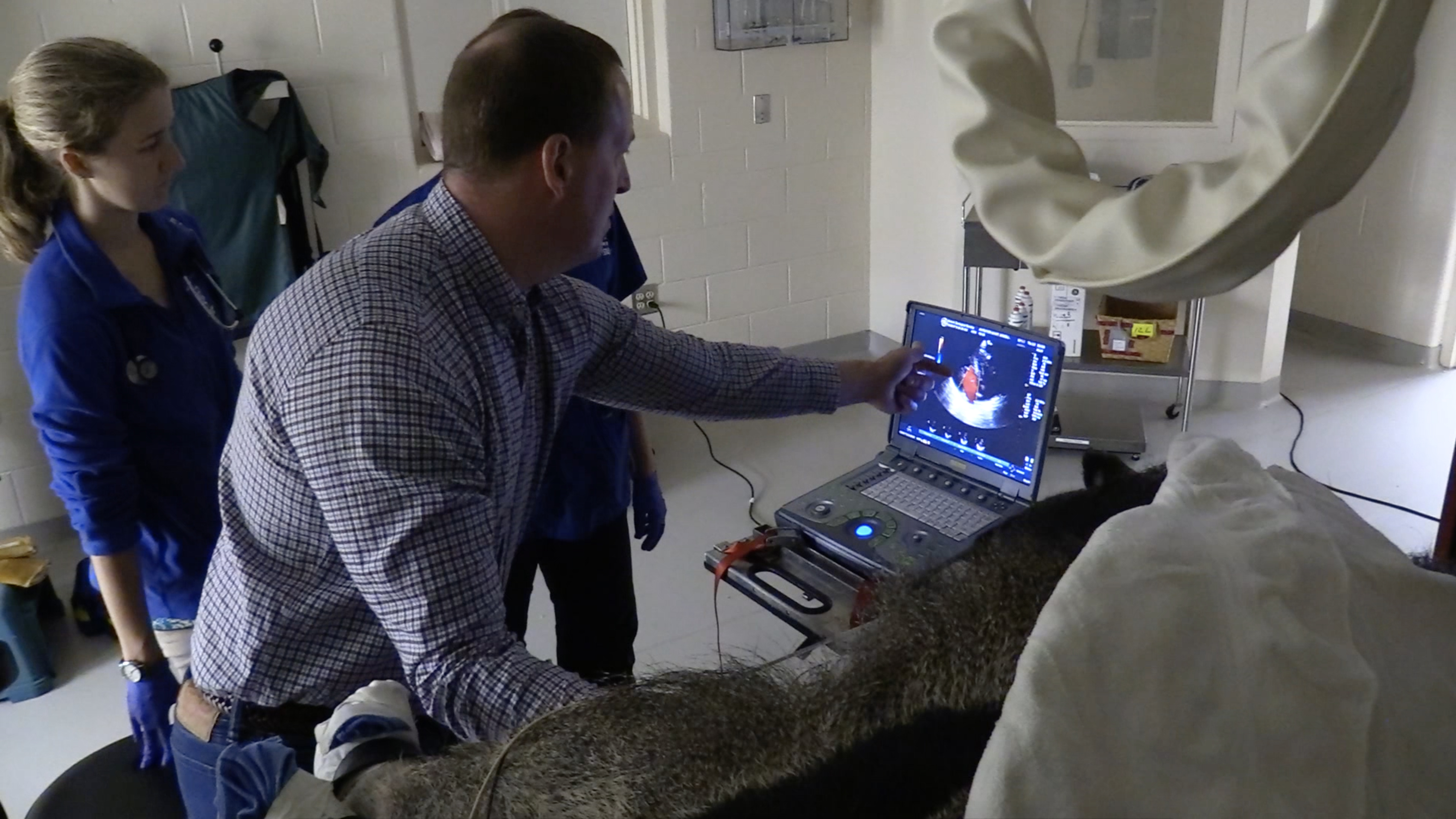
For the veterinarians at the Detroit Zoo’s Ruth Roby Glancy Animal Health Complex, animal patients come in all shapes and sizes, and we are responsible for investigating and solving all kinds of interesting medical conditions. Although we are experts in zoo medicine, we sometimes seek assistance from veterinary and human health experts, including Dr. Bill Brown, a board-certified veterinary cardiologist. While in his regular practice he examines mostly dogs and cats, he has been assisting us at the Zoo for more than 20 years, during which time he has examined seals, lions, binturongs, polar bears, yellow anacondas and a Hoffman’s two-toed sloth. We recently asked him to assist us in performing cardiac ultrasounds on a species that he had not examined before – giant anteaters.

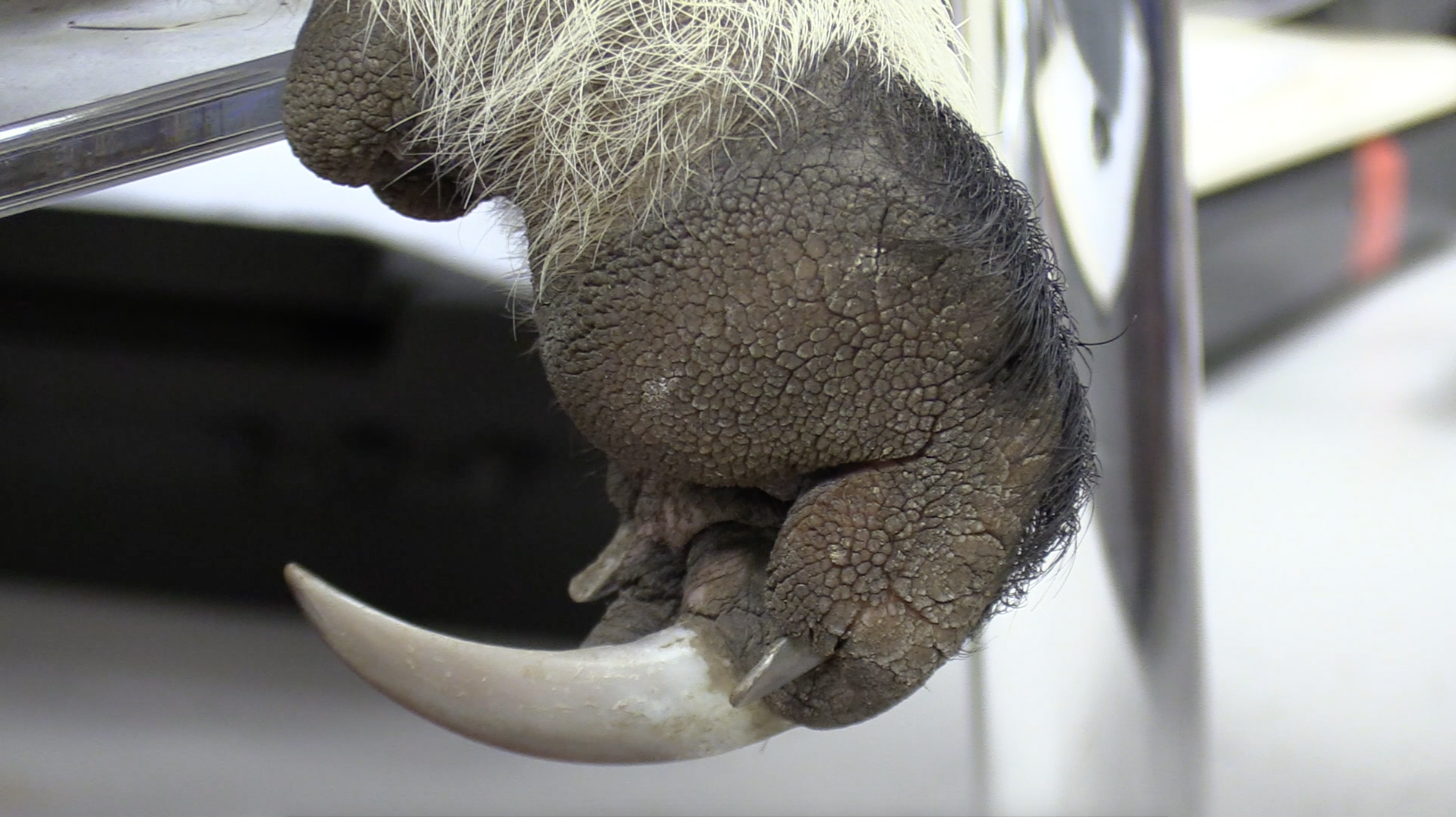
Giant anteaters are one of my favorite species. There are currently two females living at the Detroit Zoo, ages 21 (well beyond life expectancy) and 9. Anteaters are uniquely adapted to feed primarily on ants and termites, and have several interesting anatomical features. They have an elongated muzzle and a small mouth, which makes it impossible to pass an endotracheal tube into the trachea during exams. They also have no teeth and a very long (up to 18 inches!) slimy tongue, which they use to gather insects and pull them into their mouths. In order to do a full physical exam on an anteater, we need to use anesthesia. Their powerful front arms allow them to tear apart termite mounds quickly, so during these examinations, we cover their large, curved claws with towels and tape to ensure no one is injured should the anteater begin to move.

A recent survey of the 50 zoos caring for giant anteaters in North America showed that cardiac disease is one of the top five causes of illness in those aged 6-15 years. Young anteaters can also develop heart disease, and all ages can develop dilated cardiomyopathy (DCM). This condition results in an enlarged heart with thin chamber walls, and has been shown to occur in anteaters whose diet consists of inadequate levels of taurine. We have been aware of this nutritional need for years, and therefore structure the diets for the anteaters at the Detroit Zoo specifically to avoid DCM.

We perform cardiac ultrasounds during routine exams to visualize the anatomy and function of the heart. In the past, we have found that their narrow chest shape and broad ribs make it difficult to obtain the images we need, especially from the right side. Dr. Brown was able to obtain all of the standard views and measurements taken during a cardiac echocardiogram, and found that both anteaters have normal heart anatomy and function, which means that their heart valves are not leaky, and their chamber walls are normal in thickness.

– Dr. Ann Duncan is the director of animal health for the Detroit Zoological Society and oversees the Ruth Roby Glancy Animal Health Complex at the Detroit Zoo.

Notes from the Field: Project Launched to Monitor Wild Bats at Detroit Zoo

The Detroit Zoological Society (DZS) is going to bat for a misunderstood species.

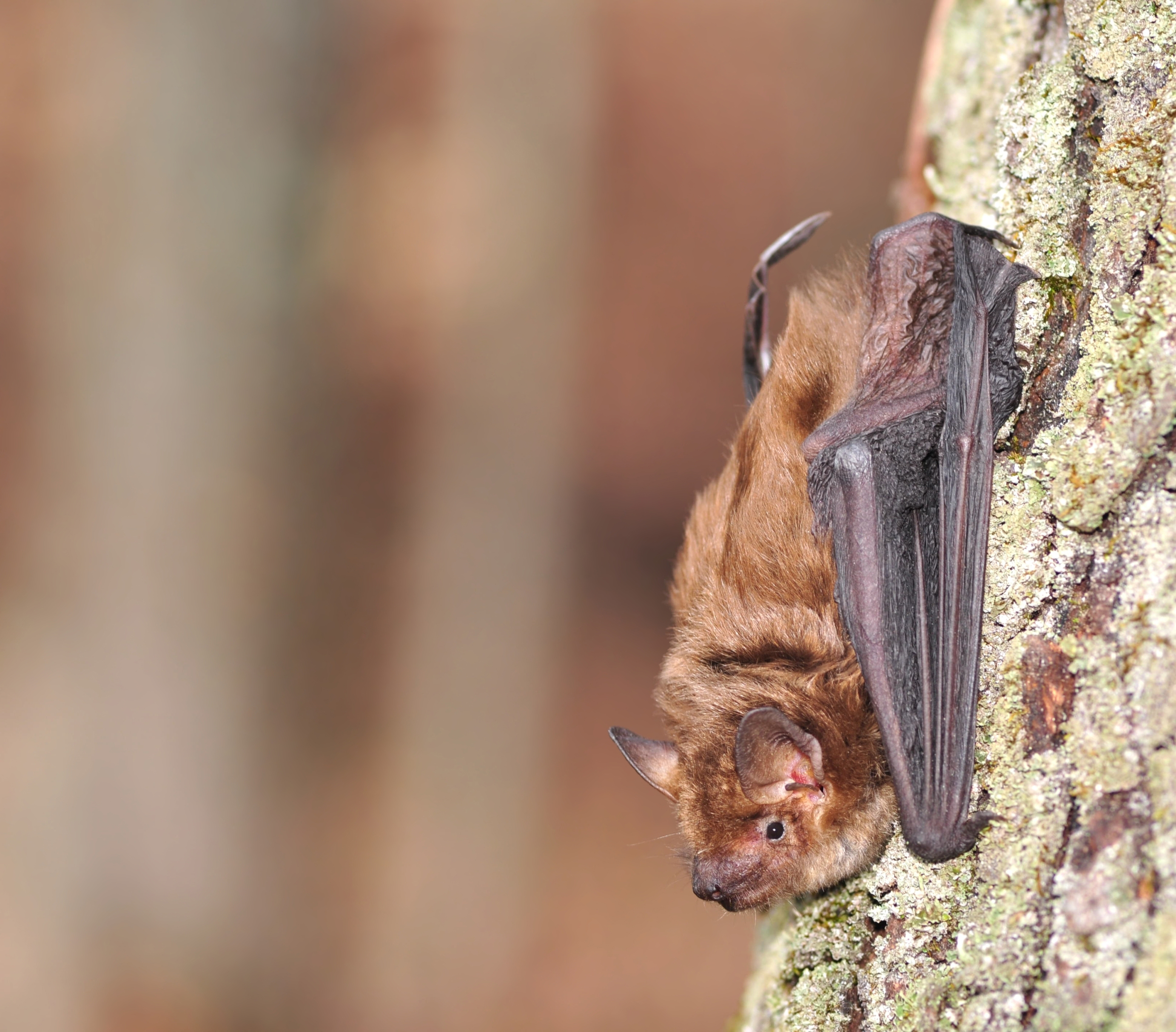
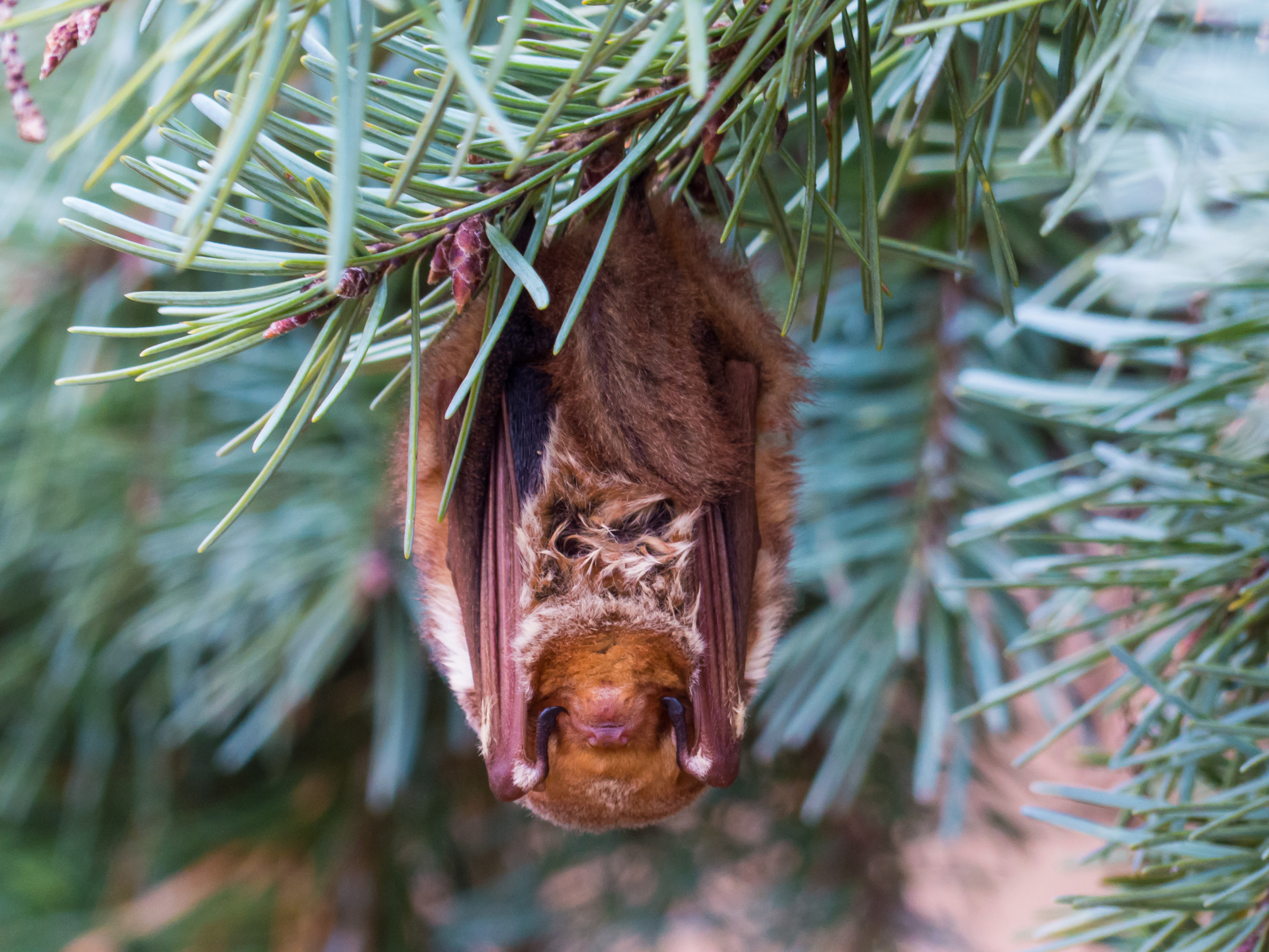
Contrary to what pop culture would have you believe, bats are critically important to the environment. They are considered to be essential pollinators in some parts of the world. They also help control populations of insects including mosquitos – which can spread diseases to humans and other animals – and moths, which can significantly damage crops.

In fact, bats are said to save U.S. farmers more than $3 billion a year in agricultural production, according to the National Fish and Wildlife Foundation (NFWF), which kicked off Bat Conservation Week (October 24-31) by announcing $1.36 million in grants to find a cure for a disease that is threatening several species of bats. Known as white-nose syndrome, this disease has wiped out more than 6 million bats in North America in the past decade.

The Detroit Zoological Society supports Bat Conservation International (BCI), one of the beneficiaries of the NFWF grant, which is not only working to conserve endangered species of bats, but also to preserve bat “hot spots” around the world and launch a global bat database for the more than 1,300 species of bats existing on the planet.

The DZS is committed to the conservation of bats, and supporting BCI is one part of a comprehensive plan. Staff is engaged in a bat monitoring project to determine which of the nine species of bats native to Michigan are using the Detroit Zoo as a wild habitat. An acoustic monitor senses the ultrasonic bat calls and creates a graph showing the frequency and characteristics of the calls. This system also changes the frequency so the calls can be heard by human ears. In addition to documenting which species are present, staff will also be able to determine what behaviors the bats are engaged in while making the calls, such as feeding or socializing. This project will also explore which species migrate from the Zoo during the winter.

Plans are also beginning to turn the former Penguinarium at the Detroit Zoo into a bat conservation center.

Animal Welfare: If You Build it, They Will Explore

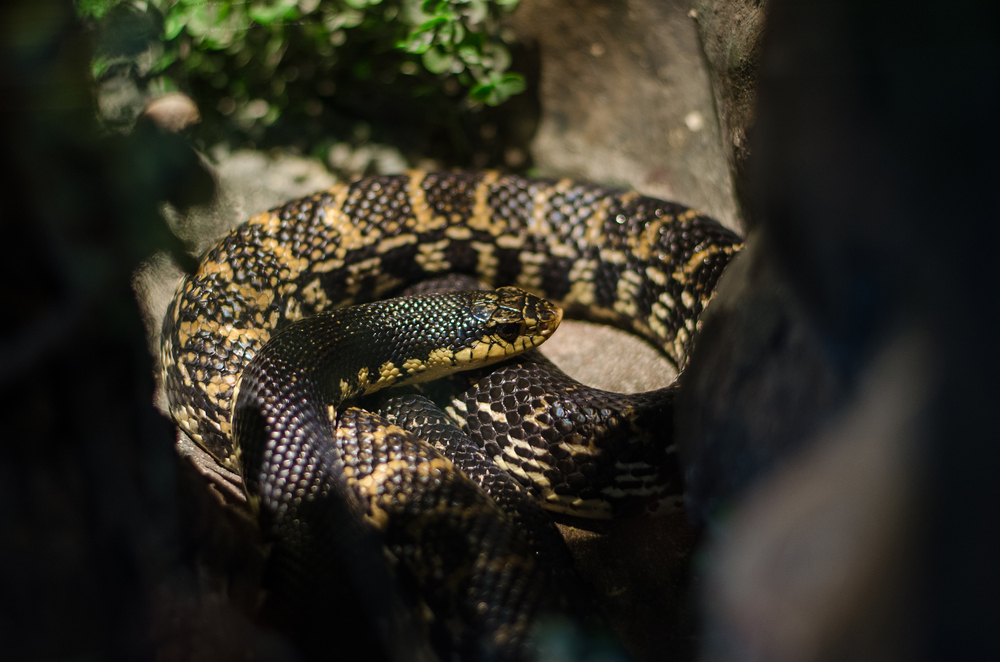
Juvenile Madagascar giant hognose snakes recently moved into new homes in the Detroit Zoo’s Holden Reptile Conservation Center and indicators measured showed this had positive welfare impacts.

Although Madagascar giant hognose snakes can grow to 6 feet in length, the individuals that live at the Detroit Zoo are still rather small, and have been living behind the scenes since they hatched two years ago. They have a distinctive upturned snout, which they use to burrow and search through leaf litter and other ground substrates in search of food and shelter. Several months ago, the reptile department created new, more naturalistic habitats for the snakes, providing them with additional opportunities to display species-typical behaviors.

These larger spaces were outfitted with multiple types of shelter and natural substrates such as sand, mulch and cork bark. Complex spaces with ample options for making choices can contribute to positive welfare and one of our recent residents at the Center for Zoo Animal Welfare and Ethics, Marisa Spain, decided to conduct a study examining the impact that these new habitats had on the snakes. Little attention has been given to the welfare of reptiles, and as such, less information is available about conditions in which they thrive than for mammals and birds. Marisa studied the snakes before and after they moved into the new spaces, spending hours recording their movements. In their new habitats, the Madagascar giant hognose snakes significantly increased their rates of tongue flicking, which is indicative of exploratory behavior. Similar increases have been seen in other reptile species and categorized as positive indicators of welfare. The snakes also increased how much time they spent burrowing, which is a species-typical behavior now better supported by their enhanced environment. The snakes exhibited more active behaviors in general, something we were hoping to see, as activity levels can indicate how engaged an animal is with its environment. The snakes also showed an increase in behavioral diversity, which is also being used as an indicator of positive welfare.

Overall, we were thrilled to see that the move to their new homes was a valuable change for the snakes. Reptiles perform activities for the same reasons other animals do; for example, to seek food, to explore and to find comfortable places to rest. Because of these welfare studies, we have a better understanding of how reptiles living in the care of humans are faring. All individual animals have welfare needs and while it is our responsibility to ensure those needs are met, it is also incredibly rewarding to see the animals thrive.

– Dr. Stephanie Allard is the director of animal welfare for the Detroit Zoological Society and oversees the Center for Zoo Animal Welfare and Ethics.

Education: Teenagers Learn Civic Responsibility at Detroit Zoo

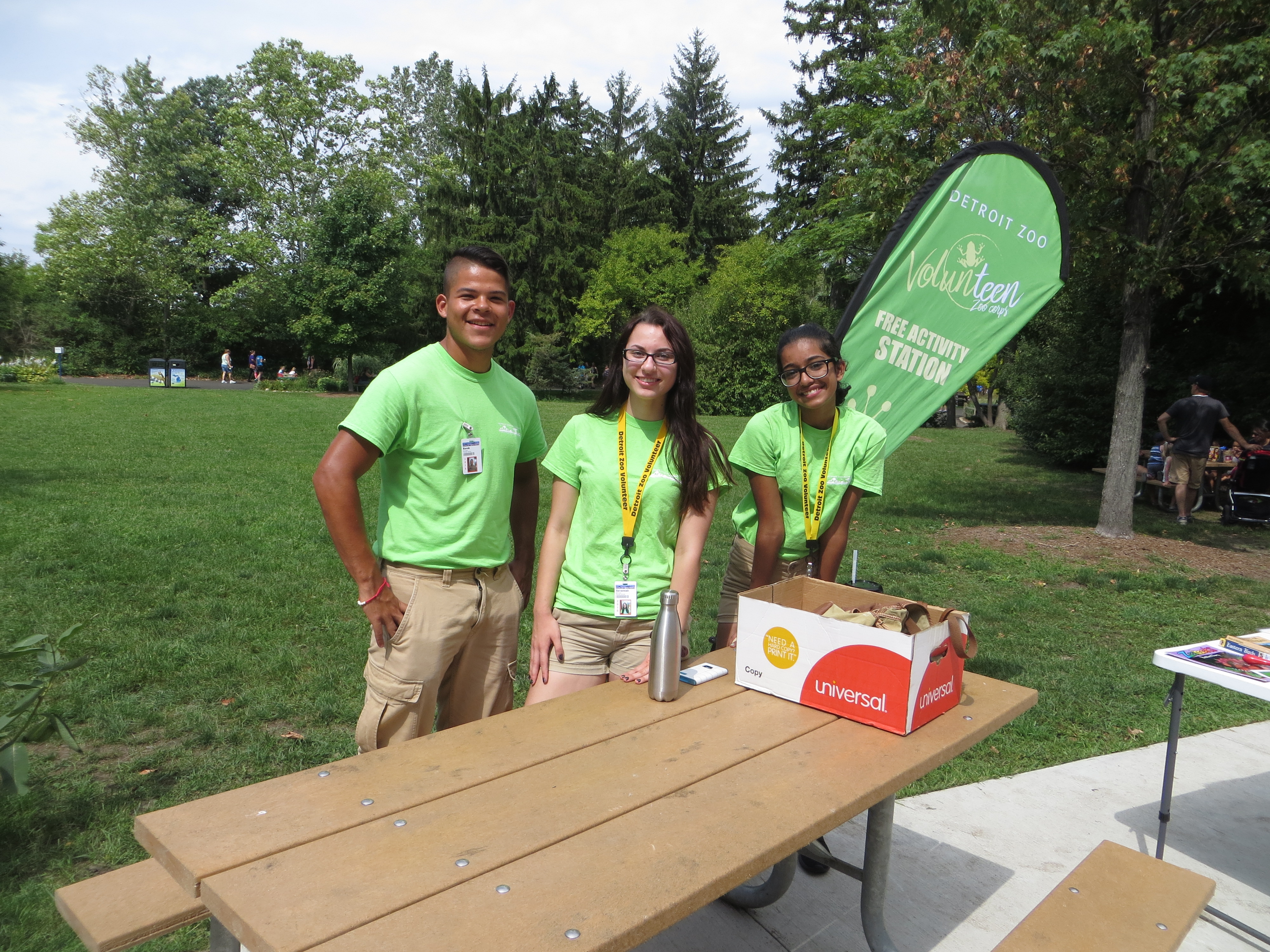
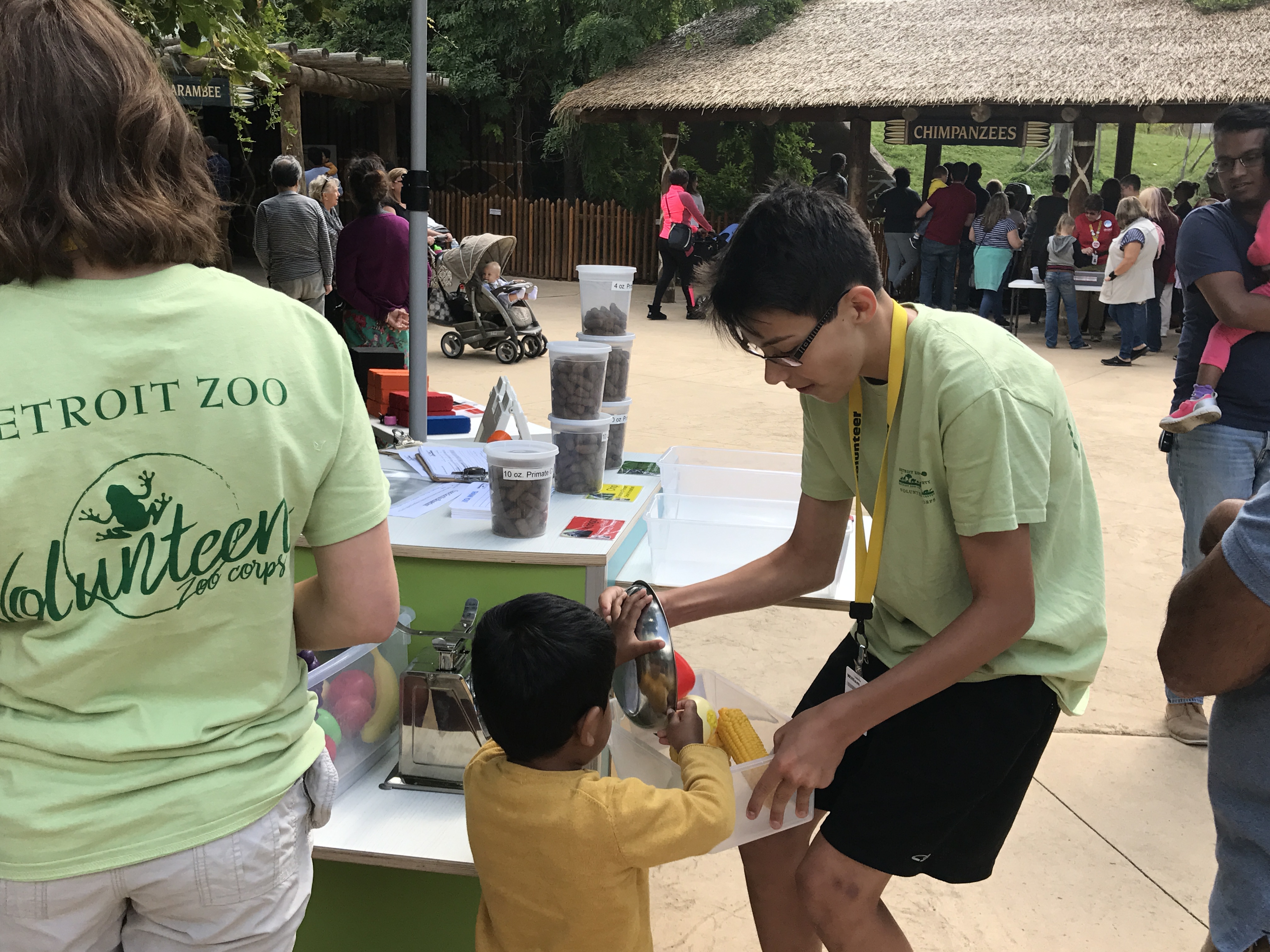
Volunteers at the Detroit Zoo and Belle Isle Nature Center play a hugely important role in our operations. They interact with visitors, pass on important stories about the animals that live here, share our mission of Celebrating and Saving Wildlife and facilitate experiences that engage our guests in creating a better tomorrow for all animals.

Our volunteer corps donates more than 100,000 hours of service every year. We have opportunities for individuals and groups 13 years of age and older to assist us during special events, to greet guests as they arrive at the Zoo and provide directions throughout our 125 acres, and to engage with visitors in areas including the Polk Penguin Conservation Center, the Wildlife Interpretive Gallery, the Australian Outback Adventure and the Arctic Ring of Life.

This past spring, we amped up our recruitment efforts for the Volunteen Corps, which resulted in our numbers tripling. This a fantastic opportunity for local teenagers to earn community service hours while gaining leadership experience and building communication skills in a professional work setting. Volunteering not only builds a teen’s resume by adding valuable skills and experience, but it helps develop a sense of civic responsibility. Volunteering at the Zoo also allows these students to spend time in nature while learning about animals and the environment and how we can all be great stewards of this planet. The Volunteens who’ve worked with us are highly engaged and enthusiastic about interacting with guests of all ages – especially children – and sharing all they have learned during their time here.

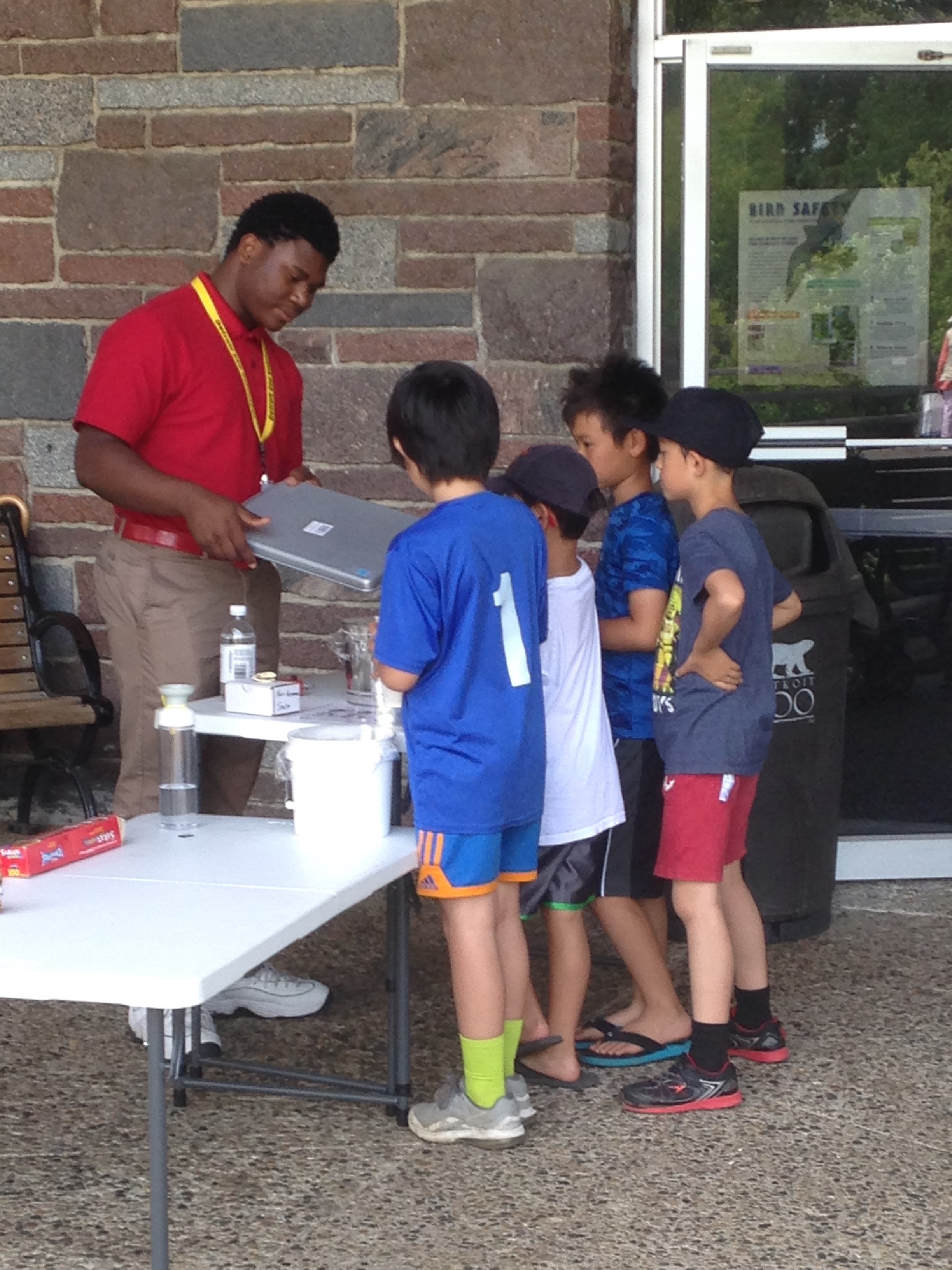
Fifteen thousand visitors have interacted with our more than 80 Volunteens since June. Many of those participated in a hands-on activity that explored how sound energy travels while sharing an important animal welfare message. Stationed just outside the entrance to the Holden Reptile Conservation Center, teens demonstrated how sound travels and allowed guests to try their hand at making sound waves move by sanding sugar on a taut plastic surface. The teens then skillfully steered the conversation toward the concept that tapping on the glass of the reptile habitats allows sound and vibrations to travel into the habitat space, possibly disturbing if not upsetting the animals that live on the other side.

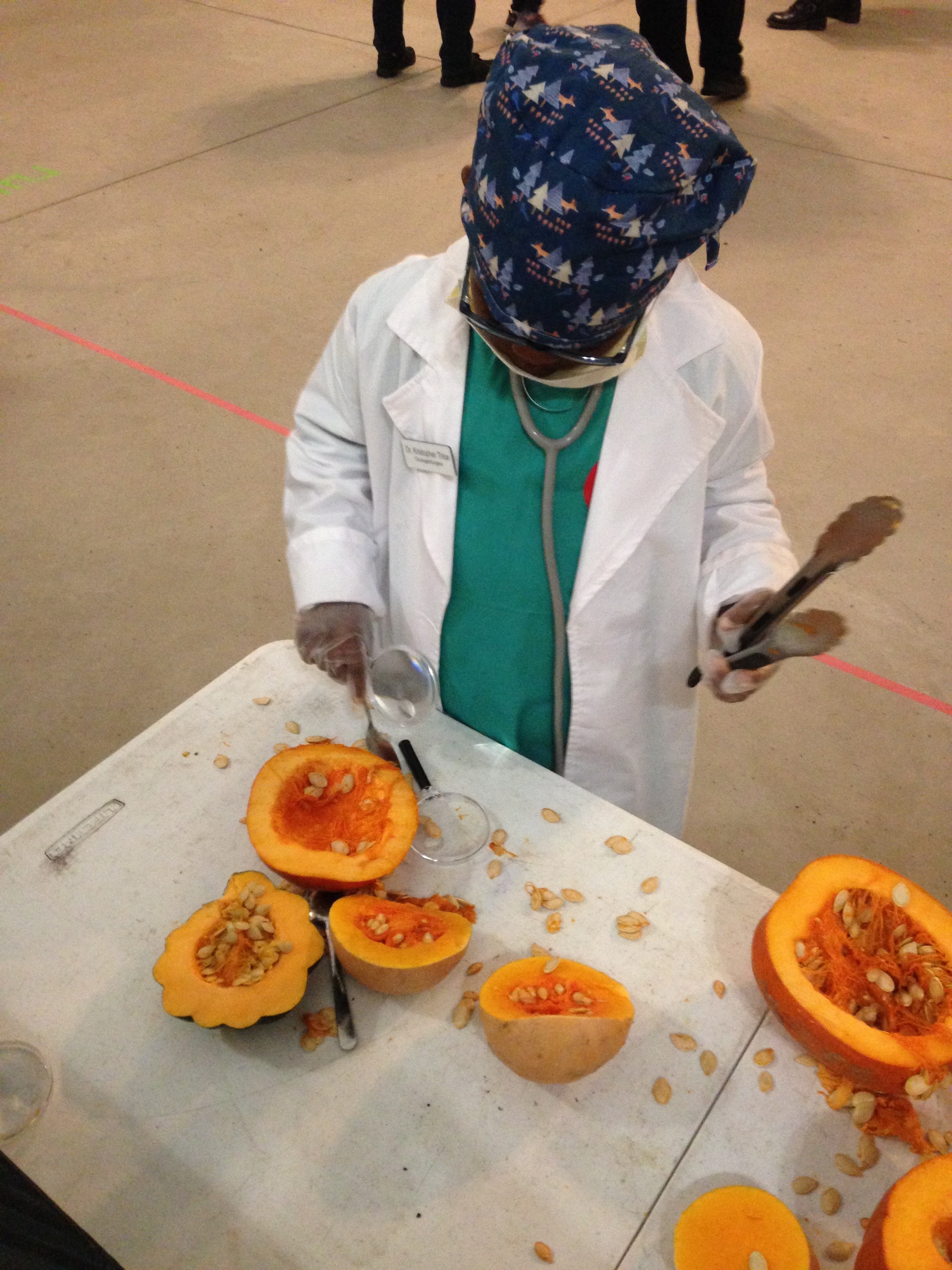
As the weather cools down, the Zoo Corps is helping us with Zoo Boo, our annual Halloween celebration held on weekends in October. The Spooky Science Laboratory is crawling with trick-or-treaters and our teen volunteers assist them as they explore pumpkin and squash guts, predict how many mosquitos a bat eats in a single night, and determine how neighborhood wildlife can do your pumpkin carving for you.


We are also working with our Zoo Corps to tell stories about our mission while building communication skills. A small cohort of teens participated in storytelling training and are sharing the real-life stories of animals that have been rescued by the Detroit Zoological Society as well as tales of wildlife conservation work we are involved in locally and internationally.

Starting in November, our teens will be doing science activities on Sunday evenings during our annual holiday celebration, Wild Lights. Hands-on activities will be sure to delight guests as they enjoy the more than five million lights illuminating buildings, trees and more than 230 animal sculptures.

If you know a teenager who would be interested in joining the Volunteen Zoo Corps, please encourage him or her to apply! We are currently recruiting teens for a mid-November training session. Learn more: https://detroitzoo.org/support/volunteer/

– Claire Lannoye-Hall is a curator of education for the Detroit Zoological Society.