Celebrating International Women’s Day by Honoring One of Our Own!

There is a genuine bond between Curator of Birds Bonnie Van Dam and the birds she works with.

“These animals pay just as much attention to us as we are paying to them, and I respect and love that,” Bonnie says as she reflects on the moment she found her true passion.

Bonnie started her career at the Detroit Zoo almost 30 years ago. Initially working with mammals, she was required to switch to working in the bird department, specifically the Penguinarium (which was then home to the penguins at the Detroit Zoo). This changed everything for her. She enjoyed the unique opportunity to interact with individual penguins and even saw the development of an incubation program that let her care for birds from egg to adult.

“Nobody doesn’t like a penguin,” Bonnie says. “They are just wonderful, wonderful animals!”
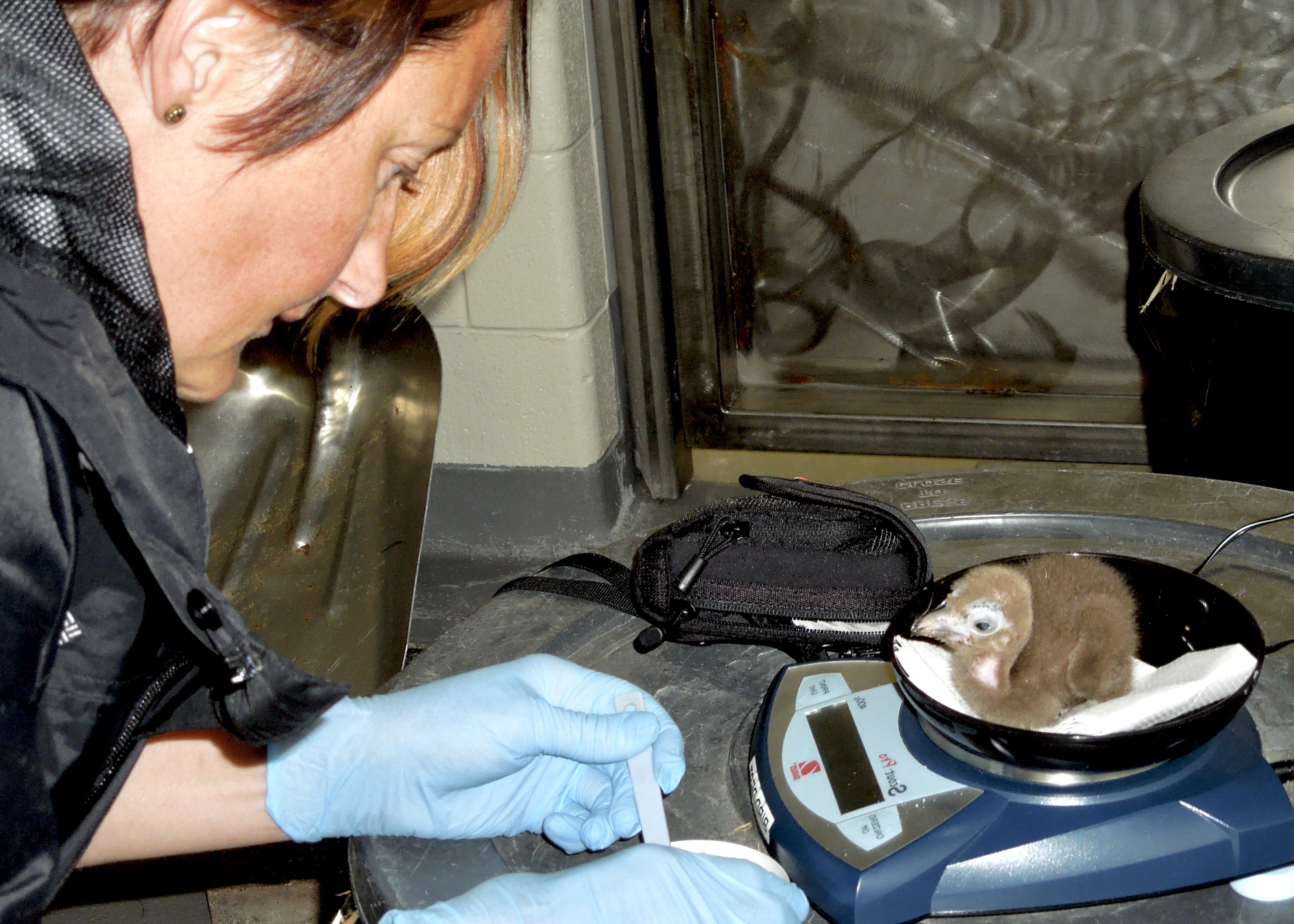
She continued her career working with other bird species and rose through the department’s ranks. Though men historically dominated the zookeeping field, Bonnie had a few great examples of women in leadership and saw room to grow. She helped usher in a time of change in zoos, where an emphasis was more heavily put on education, and the representation of men and women became balanced.

“Females have a different capacity for compassion and caring for and loving animals. Men do, too, but I think this is one reason we are seeing a trend of more women in this field,” Bonnie says. 

Bonnie’s most rewarding moments have centered around the DZS’s conservation efforts. She has worked to increase the piping plover population on Michigan shorelines from 17 breeding pairs to 80, which was vital to the species’ survival. In 2020, Bonnie and her team were tested with the challenges of COVID-19, but all came together. That turned out to be one of the program’s most successful years, rearing 39 chicks! Bonnie has also partnered with a vulture rescue in South Africa, where she saw birds she raised enter a wild breeding program.

As curator of birds, Bonnie is responsible for the entire bird department — along with the Detroit Zoological Society’s (DZS) conservation and SAFE programs, and her AZA commitments. However, she still finds time for her favorite part of her job – spending time with the birds.

“This is why I do it,” Bonnie says, reflecting as she shares stories of getting away from her desk and working with the cassowary and some of her favorite vultures. “You can be having a bad day or a rough month, but you can go and sit down with a penguin and have a one-on-one experience with the birds, and it makes everything all better.”

“Kassie the vulture is at Vulpro, and I’m so excited to see her!” Bonnie exclaims about an upcoming trip where she will assist in helping these critically endangered birds.

Bonnie is thrilled to see how women have made a place for themselves in the field of zookeeping — and in DZS leadership.

“I’m proud of my female zookeepers! They are very good and dedicated to all the birds, and I would love to see more and more females come up,” Bonnie says.

Bonnie shares this wisdom when advising the next generation of women zookeepers: “Get your background, get your degree, volunteer working with animals and don’t give up.”

The DZS is so fortunate to have trailblazers like Bonnie, who have made a real difference in the lives of countless birds and people at the Zoo.
Notes from the Field: Conducting Scientific Research in Antarctica

Hello from the bottom of the world!

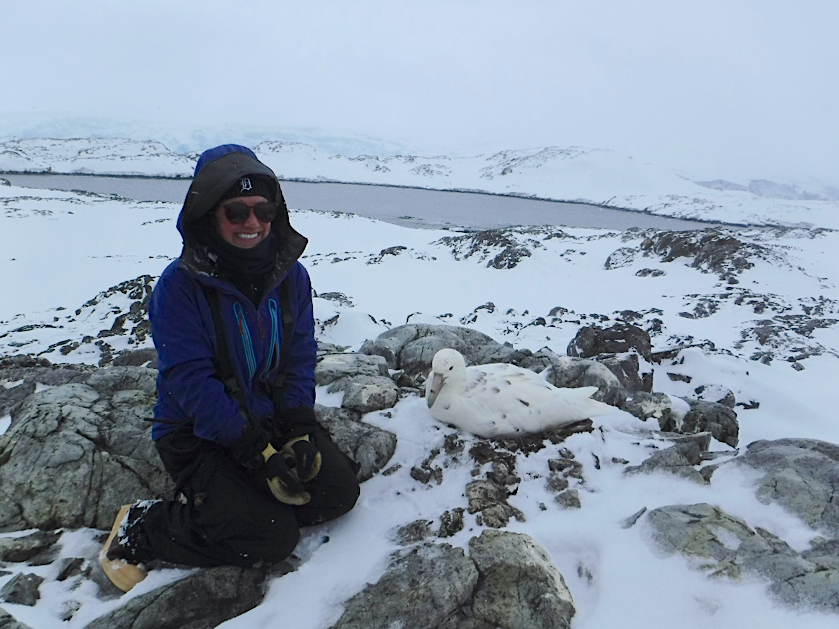
As a zookeeper who spends a lot of my time in an “arctic” environment in the Detroit Zoo’s Arctic Ring of Life, I never thought I’d be lucky enough to find myself on either pole and yet, here I am in Antarctica. The Detroit Zoological Society (DZS) is engaged in ongoing field conservation work here alongside the Polar Oceans Research Group, studying the populations of penguins and other seabirds. As part of this project, I joined the team at the U.S. Palmer Research Station on the Antarctic peninsula to live and work for a month during the austral summer.

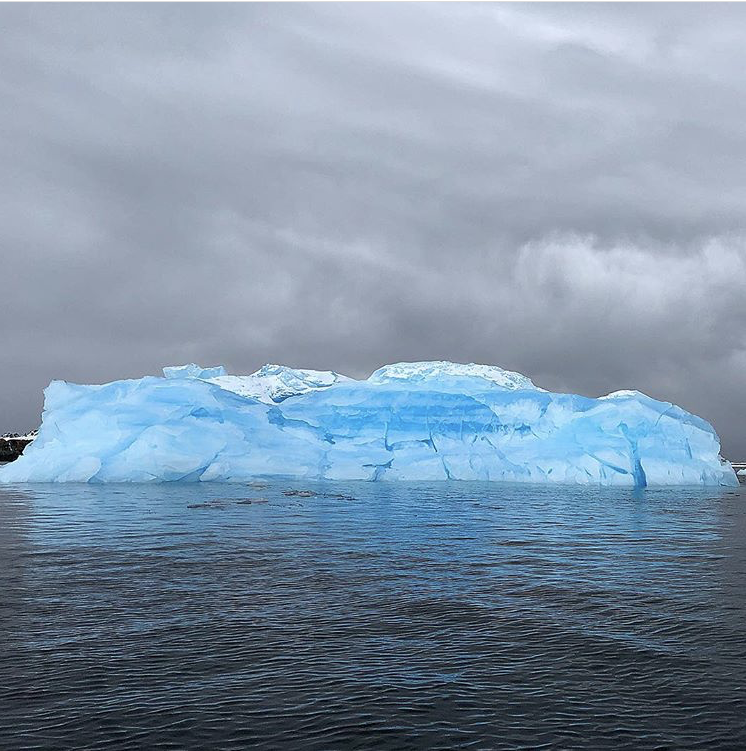
The route from Detroit is through Punta Arenas, Chile and then aboard the Laurence M. Gould icebreaker supply ship for a four-day ride across the rough seas of the Drake Passage. It was well worth it as we passed icebergs and whales along the way. Other passengers on the ship included biologists, a welder, an artist, IT personnel and others who had various goals once they reached the White Continent. The DZS’s mission for the next month is to take part in a three-person team involved in a long-term ecological research project studying Antarctic seabirds.

Weather permitting, we spend each day taking small boat rides to various islands to conduct as much fieldwork as the conditions will allow. This includes counting various species of birds and marine mammals, attempting to read ID band numbers (placed by biologists on birds’ legs to be able to keep track of age and location over the years) and adding GPS tags to different animals to monitor their movement.

The animals here are so removed from human activity that some species can actually be approached very closely by researchers and not fly away. All of this work is coordinated by the principal investigators and founders of the Polar Oceans Research Group, Dr. Bill Fraser and Donna Patterson-Fraser. Dr. Fraser is a well-respected polar ecologist and consulted on the design of the Detroit Zoo’s Polk Penguin Conservation Center.

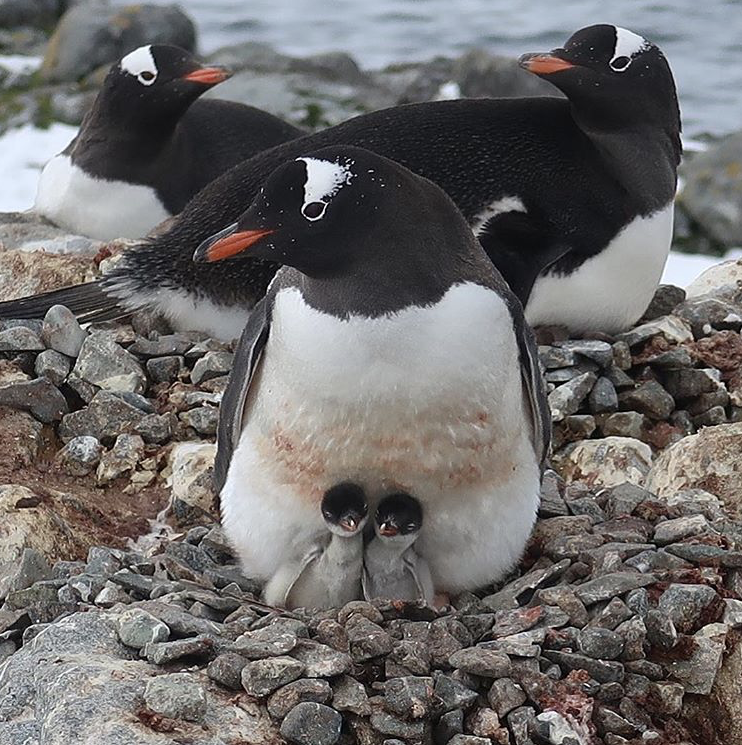
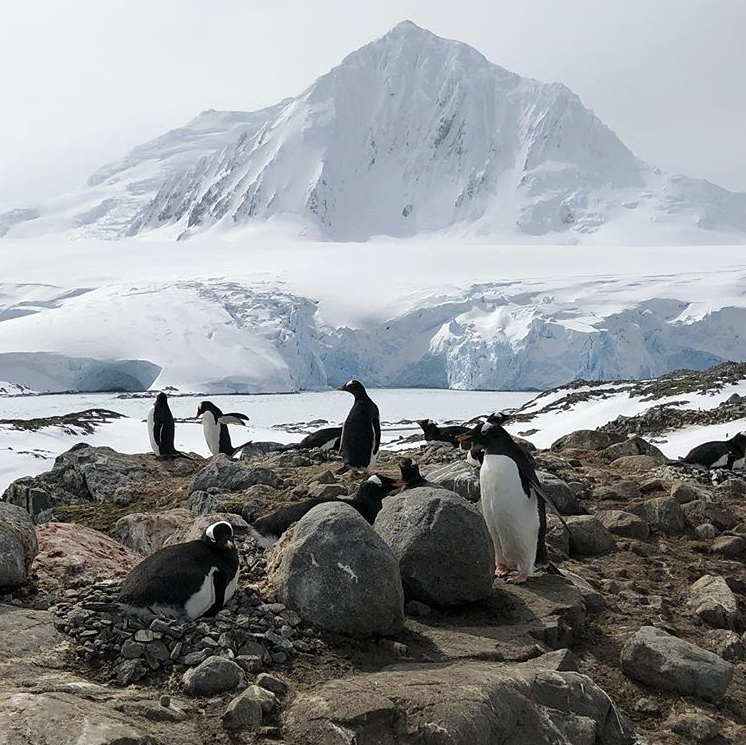
Our research is indicating how populations of seabirds are being altered as a result of the changing climate. For example, adélie penguin populations have declined 80 percent in the area near Palmer Station, while more ice-independent species are moving into the area, such as gentoo penguins (one of four species of penguin who live at the Zoo). I’m so grateful to be here representing the Detroit Zoological Society and studying these incredible wildlife species alongside brilliant biologists.

– Flo Yates is a zookeeper for the Detroit Zoological Society who is taking part in a rare and extraordinary opportunity to conduct scientific research in Antarctica during the austral summer.

Animal Welfare: Positive Interactions Between Humans and Animals

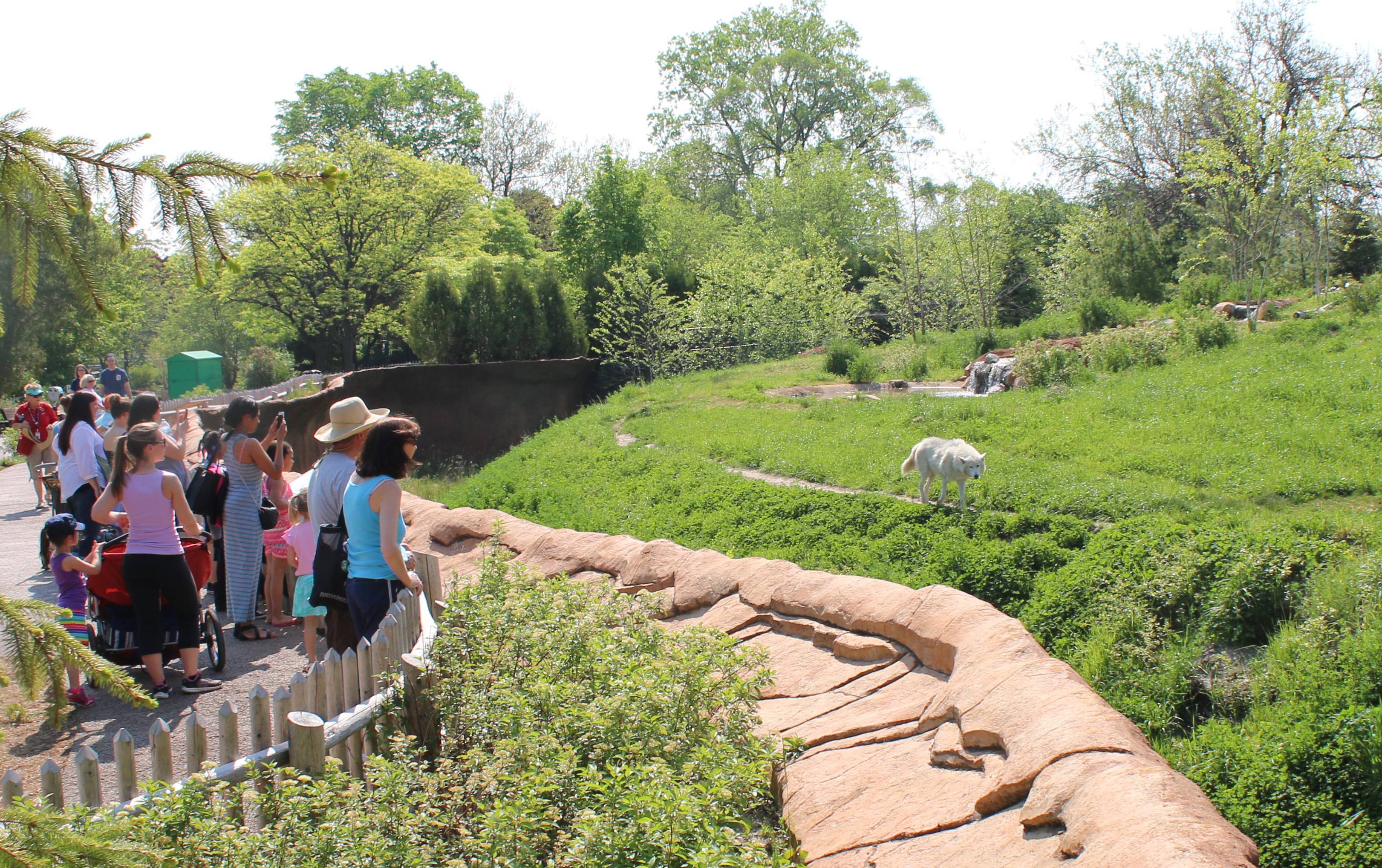
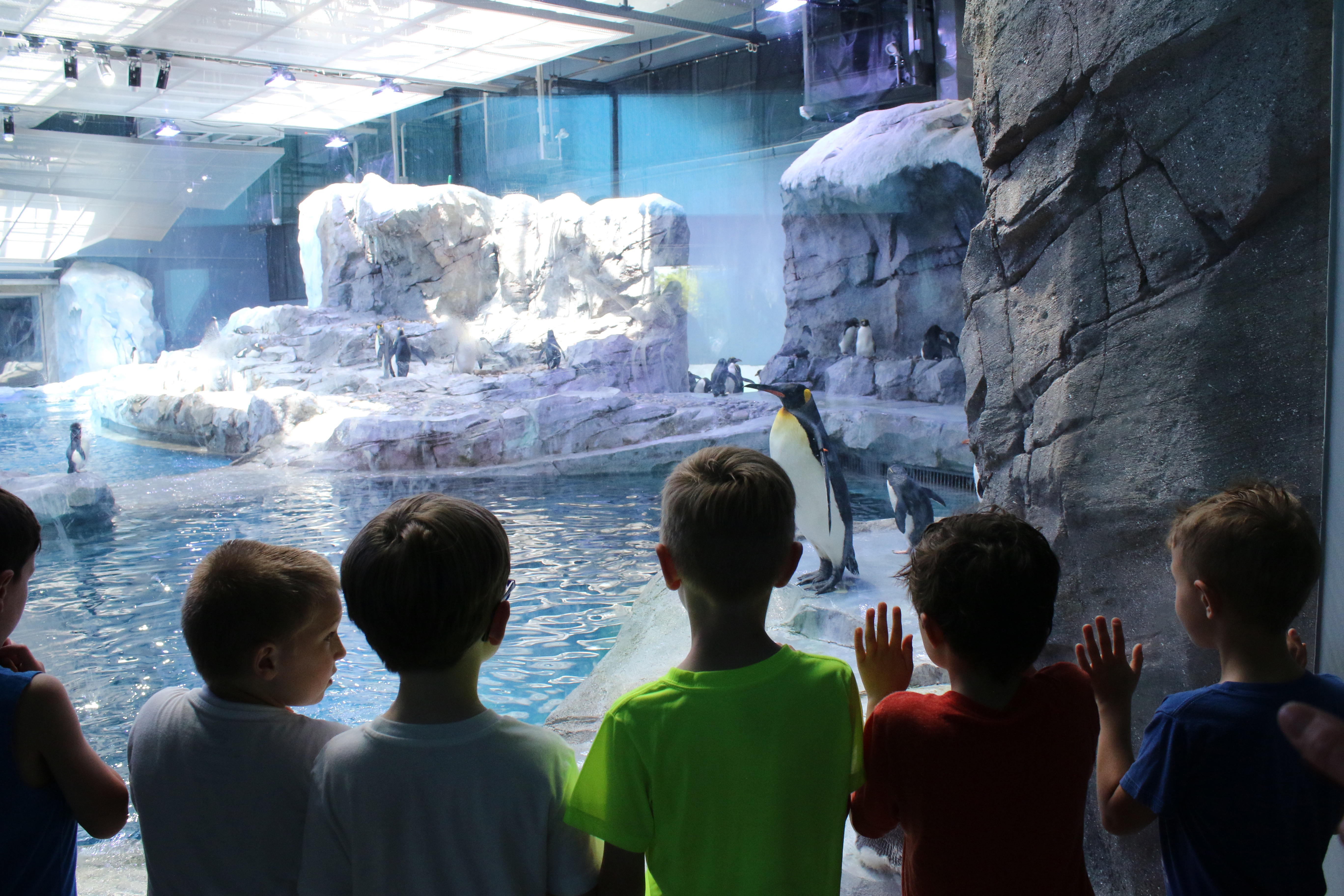
Humans and animals interact in different ways, and in a zoo setting, these kinds of interactions take many forms. The animals interact with the zookeepers who care for them, the animal welfare researchers who monitor them, the zoo staff who work around them, and the visitors who come to see them.

Depending on the situation, interactions with humans can be viewed by the animals as negative, neutral or positive and over time, if a certain type is most prevalent, can result in a corresponding relationship between animals and humans.

One important factor that influences the type of relationship that develops is how animals perceive humans, which is influenced by what species they are, their individual temperaments and past experiences. Some species, and some individuals, are more fearful of humans and will avoid them as much as possible. Others may see humans as something of interest. However, our behavior when we are around them can still influence how they are feeling, and if our actions are perceived as a threat or something that creates stress, the animal’s experience becomes negative.

The work zookeepers do is so critical to ensuring animals living in zoos experience good welfare. They create positive interactions through actions like feeding and positive reinforcement training, and this helps to establish positive relationships. Having these positive relationships with the humans with whom they interact the most can help the animals to be more comfortable in situations that could be stressful.

Understanding how we impact animals through our actions is incredibly important. We are ultimately responsible for ensuring each individual animal at the zoo has great welfare and we can take steps to do just that. Each one of us can treat every animal we encounter, whether it be at the zoo, in our neighborhoods and in our homes with respect, appreciating that they have needs and that our behavior can affect them.

When you visit the zoo, enjoy watching the animals living their lives, know that they are sensitive to what is happening around them, and share the same sense of awe and privilege I feel knowing that my actions can help them feel comfortable and safe.

– Dr. Stephanie Allard is the director of animal welfare for the Detroit Zoological Society and oversees the Center for Zoo Animal Welfare.

Notes from the Field: Antarctica Fieldwork Begins

The first day in the field was an absolute dream come true for me. After an early breakfast and an intense look at the weather, we collected our gear and got dressed for a day of fieldwork. We dressed in layers to protect ourselves from the harsh environment and the potentially soaking boat ride. During my time in Antarctica, we will travel by boat to many islands to study different colonies of birds. The weather can change in a heartbeat, with strong winds bringing rough seas and treacherous ice drifts, so we need to be prepared.

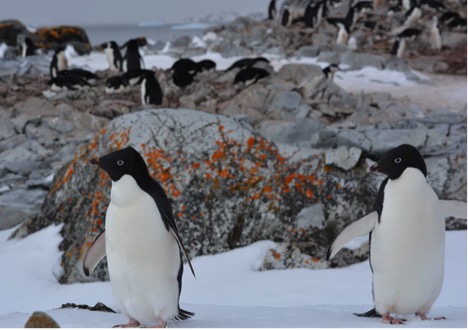
We headed out to a nearby island, which has multiple colonies of Adelie penguins. We tied up the boat and proceeded to count birds and collect data. I was speechless staring at a colony of these penguins and the pure beauty of nature – some birds were working on building nests out of rocks and others already had eggs – Adelie penguins generally lay a clutch of two. It is fascinating watching the birds work on their nests and interact within the colony.

Another bird of note in this region is the brown skua, a good-sized bird that will nest up on rocky ledges around the penguin colony. They often lurk on the edges of the colony waiting for an opportunity to steal eggs. Their strategy works well and they certainly get their fair share of Adelie eggs.

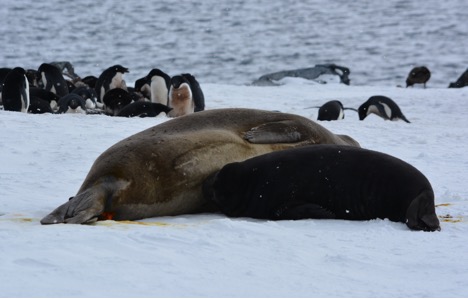
Near another Adelie colony, we spotted a southern elephant seal nursing her pup. There are many southern elephant seals in the area – the females weigh close to a ton while full grown males may weigh as much as 4 or 5 tons! Antarctica is a magical place that surrounds you with beautiful, pristine nature.

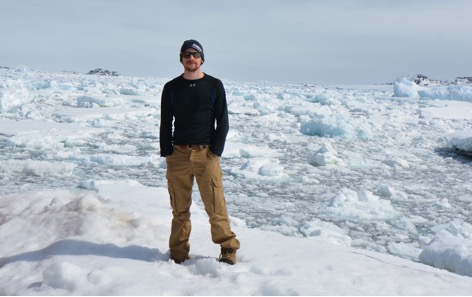
Throughout the week we have visited multiple islands surveying the birds and taking data. The conditions have been good with temperatures around freezing, with snow and rain mixed in. Thankfully the high winds tend to hold off until the evening, allowing us to get our work done. While I’m known at the Detroit Zoo for wearing shorts year-round, here I am wearing pants. What can I say – it’s Antarctica!

Thanks for reading; I will report back soon!

– Matthew Porter is a bird department zookeeper for the Detroit Zoological Society and is spending the next few months at the U.S. Palmer Station in Antarctica for a rare and extraordinary scientific opportunity to assist a field team with penguin research.