Animal Welfare: Inspiring the Next Generation

Do you know what it’s like to be a giant anteater? How about what the world looks and sounds like if you are an 18-foot tall giraffe? High school students taking part in the Detroit Zoological Society’s (DZS’s) animal welfare summer camps had the unique opportunity to experience just that.

Over two weeks, 31 students participated in activities based on the Center for Zoo and Aquarium Animal Welfare and Ethics’ “From Good Care to Great Welfare” workshop, which annually draws professional animal care staff from around the world. The goal of these immersive exercises is for the students to better understand the world from the perspective of another species.
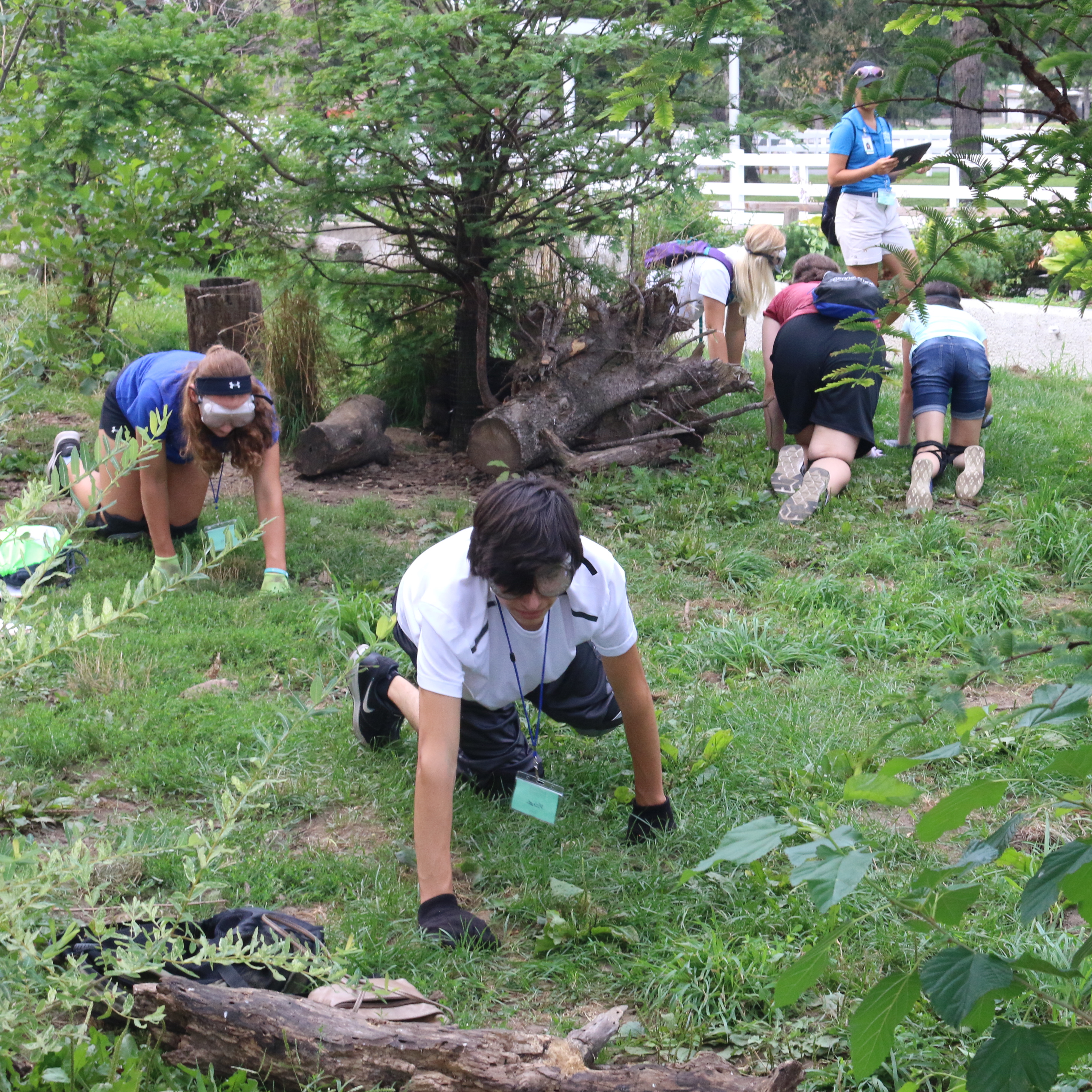
What we pay attention to in our everyday lives is based on what is meaningful to us. When we make an effort to put ourselves in the place of another being (or as close to it as we can), we become aware of the factors that may impact them, even things we had never noticed before. The students noted that when they were “anteaters”, they focused more on what they could hear and smell. When they were elevated to the height of Jabari, the male giraffe who lives at the Detroit Zoo, they could see the neighboring golf course. They wondered if that is an interesting thing for the giraffes to see. Not all humans like golf, but what do giraffes think of the view? Different species – and different individuals within a species – have different preferences, and we have to pay attention to that to ensure they experience great welfare.

In addition to the immersive exercises, the students also studied the behavior of the two giant anteaters at the Zoo to better understand how they use their habitat and which environmental features they seemed to prefer. They used all of the knowledge they gained to design a new habitat for the anteaters as their final project. It was really impressive to see everything they incorporated into their models, and the reasons they gave for the choices they made. The students participated in a lot of other activities, including working with a staff member from the Humane Society of Huron Valley on positive reinforcement training with one of the amazing adoptable dogs from the shelter. DZS staff made videos documenting the camps, and it was so great to hear how the students are going to take this information with them and apply it to their own lives, including with the animals that share their homes. We had a great time working with everyone and sharing knowledge to inspire the next generation to be aware of and champions for animal welfare.

– Dr. Stephanie Allard is the director of animal welfare for the Detroit Zoological Society and the director of the Center for Zoo and Aquarium Animal Welfare and Ethics.

At First Light: Meeting Sweet Baby Jane

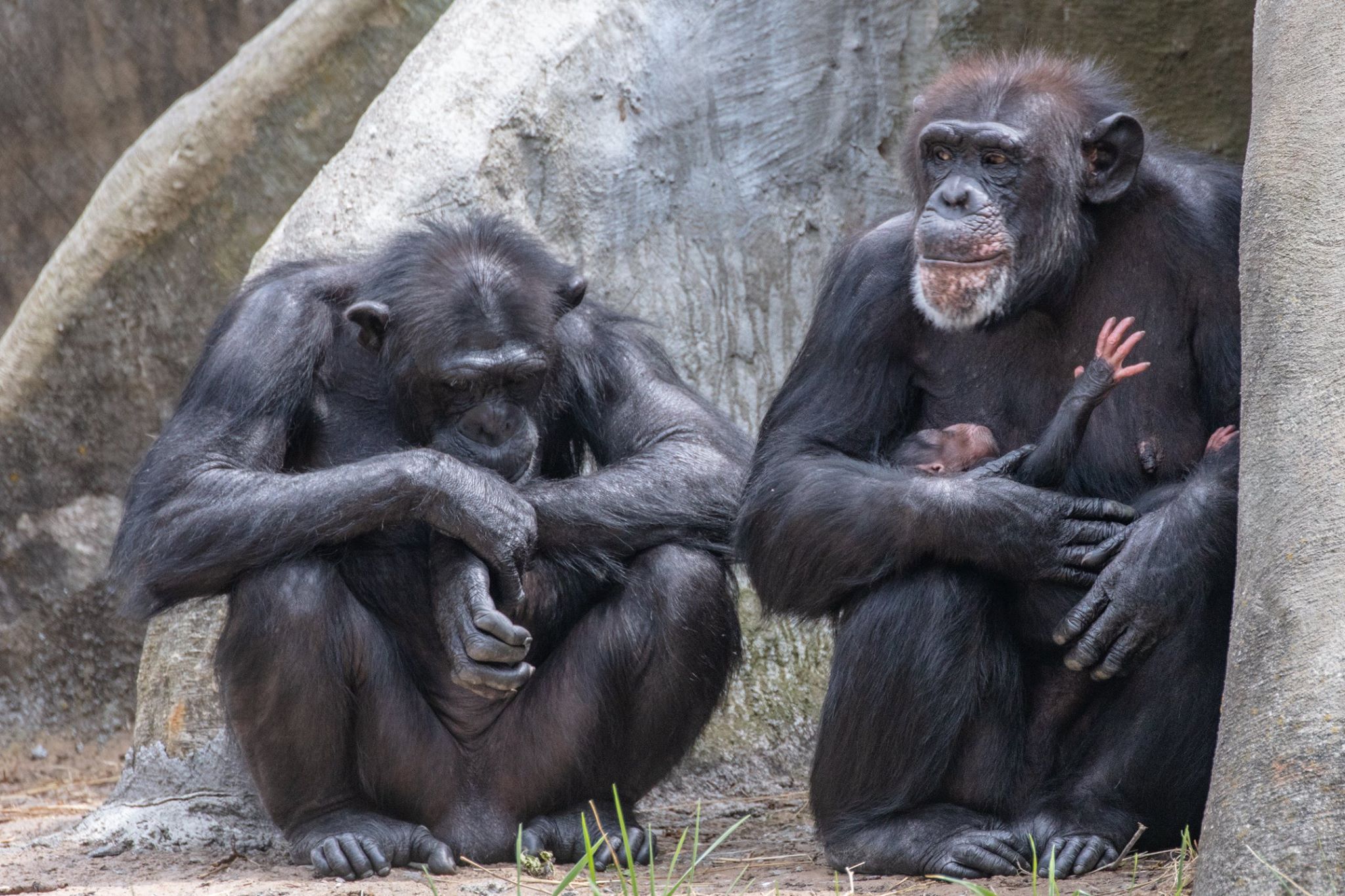
As the lights gradually came on at sunrise behind the scenes at the Detroit Zoo’s Great Apes of Harambee on Saturday, July 14, 34-year-old chimpanzee Abby made her way over to the mesh that separates the neighboring stall. She knocked on the door and vocalized to the other chimpanzees, who were slowly starting to wake up. Curious chimps approached the mesh to greet Abby, and as they looked, they could see a tiny newborn chimpanzee in her arms. Abby greeted her friends and showed them her baby while keeping a safe distance to protect her from any inquisitive poking fingers.

The little one was born just after midnight on what was coincidentally the first World Chimpanzee Day. She was named “Jane” after legendary primatologist and anthropologist Dr. Jane Goodall, in honor of the anniversary of her first visit to what is now Gombe Stream National Park in Tanzania to study the social interactions of wild chimpanzees.

During the first few days, Abby remained separated from the rest of the chimpanzee troop to allow her to rest and bond with Jane and for Detroit Zoological Society (DZS) staff to monitor them. While Abby is an experienced mother, having given birth to daughter Chiana 24 years ago (who is a mother herself to 4-year-old Zuhura) it is important for staff to observe a chimpanzee mother and her infant. DZS staff immediately began documenting the frequency that Jane nurses, which should be in short durations every 60-100 minutes. They’ve also been recording maternal behaviors – some of which are simply adorable, such as when Abby holds up her baby, looks at her and then hugs her to her chest. Animal care staff are cautious to not disturb Abby as they make their observations, sitting quietly in the aisle of their holding area with mesh in between them. In those first few days, with Jane sleeping soundly on her mother’s chest between nursings, Abby’s tired eyes would grow heavy and she’d gently give Jane a few comforting pats on her back before falling asleep herself.

Jane’s grip grows stronger each day. She is now holding on tightly to her mom’s chest with both hands and feet, only occasionally needing a little extra support. After a few days of observations, staff determined that Abby and Jane were ready to move to the dayroom of the indoor habitat and meet some of the other chimpanzees. Abby greeted her friends Trixi and Tanya and began to groom with them by the windows while Jane slept in her arms. Abby denied Tanya’s request to touch Jane’s hand, so Tanya settled with looking closely at Jane while she made her nest nearby.

Over the next few days, Abby was reunited with the remaining chimpanzee troop members, including Jane’s father, Imara. They had a chance to see – and try to touch – Jane for the first time. Some were curious, including youngsters Ajua and Akira, who stared in apparent amazement and couldn’t take their eyes off of little Jane, while others such as Nyani barely seemed to notice the infant. Formerly the youngest of the group, Zuhura, almost 5, appeared unsure of what to think of Jane. Zuhura followed Abby everywhere in demand of the attention of her grandmother and curiously wanting to see Jane. Zuhura would repeatedly – and gently – reach out to touch Jane, but Abby would turn away and hold onto the little one tightly while trying to distract Zuhura with some playful tickles. With all 11 of the chimpanzees now together, they often are seen eagerly grooming in the sunlight by the windows, a way that chimpanzees maintain positive relationships with one another.

Abby and Jane ventured into their outdoor habitat for the first time just shy of Jane’s 2-week-old mark. Dad Imara escorted his family on a few investigative laps around the habitat before Abby decided it was time to lay down and rest again. With plenty of space, Abby has yet to identify a preferred spot to rest with Jane, but she can often be seen in and below the trees, as well as at the windows looking into the public viewing area.

It’s difficult to believe since she is still so tiny, but Jane has grown quite a bit in these last few weeks and is hitting all of her development milestones. After three weeks, Jane is awake more often and starting to look around and focus on her surroundings. She has been holding on to Abby’s chest tightly, rarely needing the support of her mother’s hand on her back, and can pull herself up and push with her legs to adjust her position if she is hungry. Although Jane will still appear small as the weeks go on, she will be making strides in her growth and development. We are all eager to watch her continue to grow and for her personality to begin to shine.

– Melissa Thueme is a mammal supervisor for the Detroit Zoological Society.

Animal Welfare: Sounds and Sights in the World of Rhinos

Detroit Zoological Society (DZS) staff are studying how the Southern white rhinoceroses who live at the Detroit Zoo respond to different types of stimuli and how this may influence their welfare. Rhinos have a well-developed sense of hearing and can hear noise frequencies lower than the average human can. Sounds may also be up to twice as loud to them as they are to us. This means that the way the world sounds to a rhino is very different than what we hear. In comparison to their auditory capabilities, their eyesight is believed to be relatively poor. This may mean that they are less able to discern objects around them and that things that happen in their environment might be more startling to them. As our sensory abilities differ from those of rhinos, we have to work to increase our understanding of what environmental factors are meaningful to them. The question isn’t just what is it like to be a rhino living at the Detroit Zoo, but what is it like to be a rhino at the Detroit Zoo experiencing great welfare?

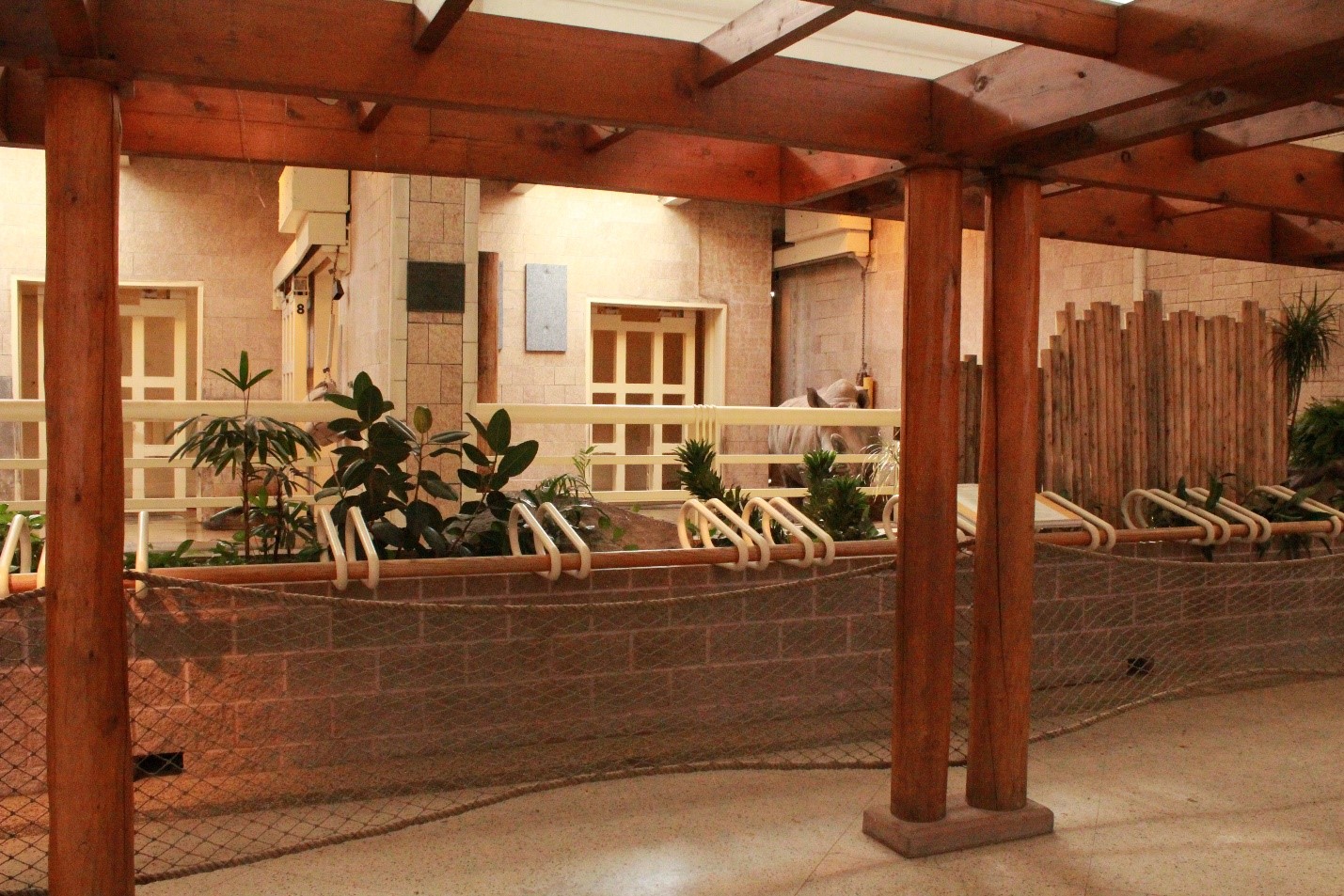
We began observing Tamba and Jasiri in 2017, both inside their building and in the outdoor habitat. We explored differences in their behavior between these spaces and in conjunction with the number of visitors present. We noted that the rhinos showed increased signs of positive welfare when presented with more choices in their visual and auditory environment. Based on this information, we designed a study to investigate specific factors that may affect the well-being of the rhinos inside their building, including stimuli from visitors. In this space, noises are amplified and the rhinos are in closer proximity to visitors, compared to their outdoor habitat.

The study took place in four phases between December of 2017 and February of 2018. During the first phase, no changes were made, allowing us to obtain baseline behavior and hormone levels for the rhinos. This gives us a point of comparison to assess any effects of changes we make. In the second phase, we increased the distance between the rhinos and visitors using a rope barrier. The larger buffer space changed both the visual and auditory environment for the rhinos by having visitors further away without reducing the amount of space available to the rhinos. During the third phase, we added large sound abatement panels, which reduce noise levels through added insulation, along the back wall of the visitor area and in the space occupied by the rhinos. Finally, in the last phase, we installed additional visual barriers, providing the rhinos with the choice to block their view of visitors.

During each phase, we collected behavioral data and fecal samples daily. Changes in behavior and concentrations of corticosterone in the fecal samples help us decipher how the rhinos responded to the changes we made. We are currently analyzing all of this data, and so far, it appears that both rhinos showed increased behavioral diversity – which is a measure of the variety and frequency of behaviors – with the modifications that were made. Animals demonstrating higher behavioral diversity are believed to be experiencing better welfare as they are more motivated to engage in a larger number of behaviors. This may be a reflection of an environment that better meets the animals’ needs.

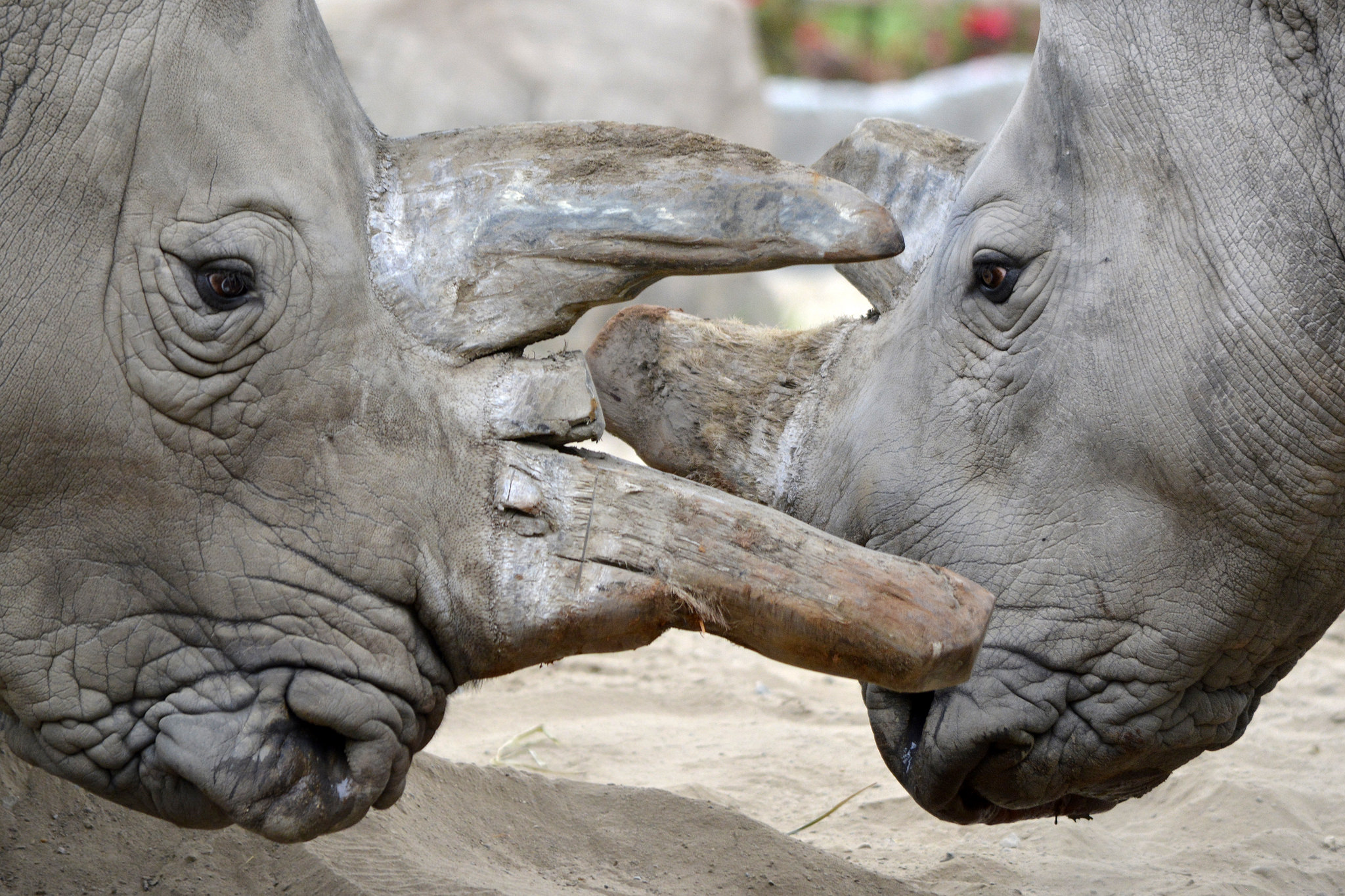
For Jasiri and Tamba, one of the behaviors that increased in frequency is what we call object manipulation. The rhinos spend time interacting with various objects provided to them to stimulate them both physically and mentally. Both rhinos definitely like their “back scratcher” and Tamba is partial to making bells chime! This may seem counterintuitive if noise levels can impact their well-being, but it really is about choice. Tamba is in control of making those sounds – when and for how long – which is very different than having to listen to sounds you don’t enjoy. Jennifer Hamilton, DZS animal welfare programs coordinator, explains it really well. As she says, imagine that you are at a stoplight and someone in the car next to you is blasting music that you don’t like – how does that make you feel? However, when a song you do like comes on the radio, you might just turn up the volume. The good thing is that Jasiri doesn’t seem to mind any of Tamba’s “concerts”! The rhinos also spent more time investigating their indoor habitat, which they do by smelling and moving around more. This is a space they know well, so this increase in activity isn’t due to novelty. This may instead be telling us that they were more comfortable in their habitat. We also noted a new social behavior we had not previously observed.  Rhinos often spar with one another, locking horns to determine dominance. Tamba and Jasiri would rest while standing with their horns together, without any other movement typical of sparring. Although we aren’t sure what this “horn holding” means, we are interpreting it as a friendly and positive social behavior. Once we have the full results, we will be better informed about environmental features that enhance rhinoceros welfare. When we apply what we learn, we can have a direct impact on making sure Tamba and Jasiri are thriving.

– Dr. Stephanie Allard is the director of animal welfare for the Detroit Zoological Society and oversees the Center for Zoo and Aquarium Animal Welfare and Ethics.

Animal Welfare: More than the “Bear” Necessities

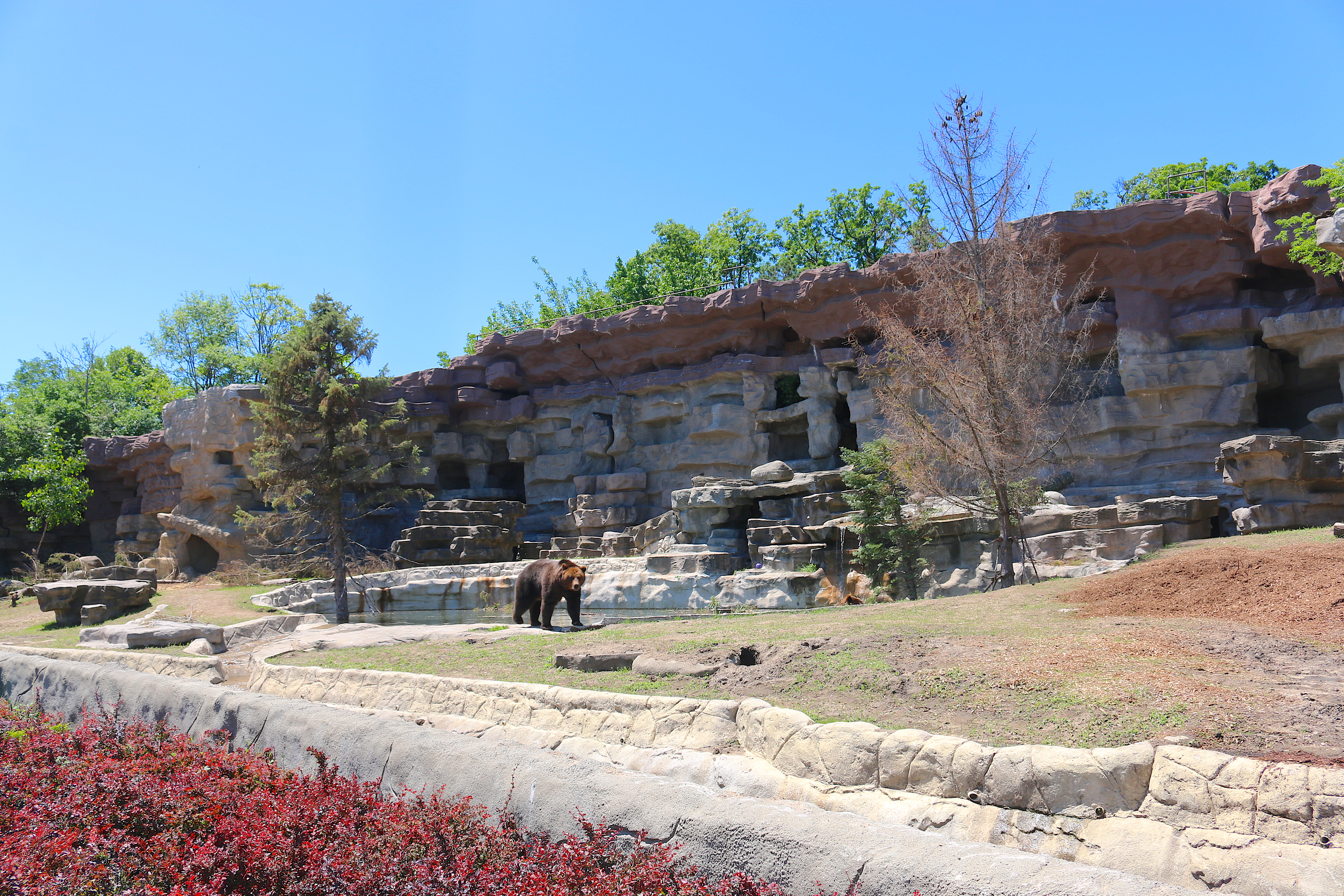
The Detroit Zoological Society (DZS) recently renovated the grizzly bear habitat at the Detroit Zoo, doubling the amount of outdoor and indoor space available to the three rescued brothers. Staff with the Center for Zoo and Aquarium Animal Welfare and Ethics are measuring changes in the bears’ activity budgets, behavioral diversity and fecal glucocorticoid concentrations to assess the impact of the expanded habitat. We will also be testing the efficacy of a biomarker of oxidative stress as a novel indicator of animal welfare.

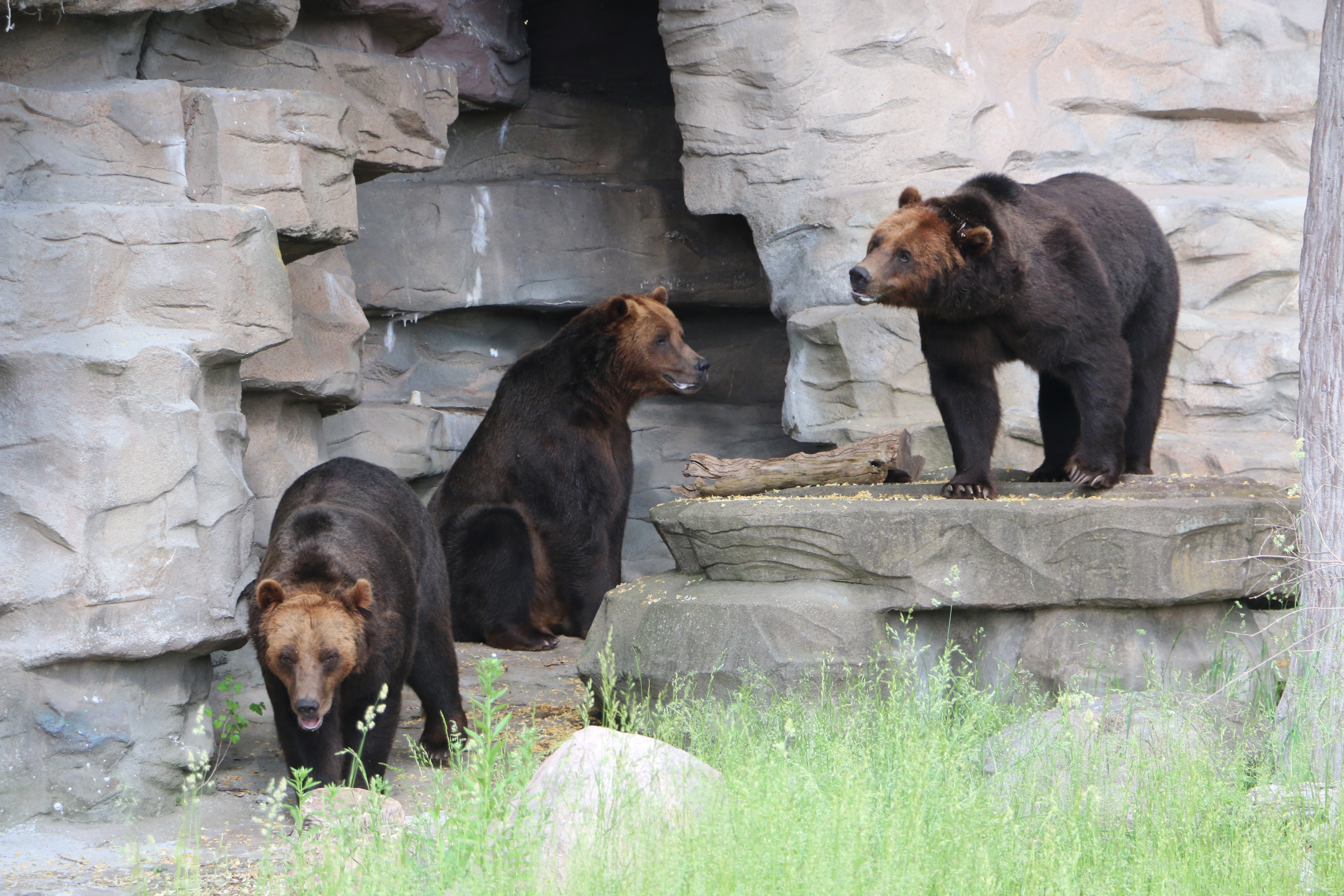
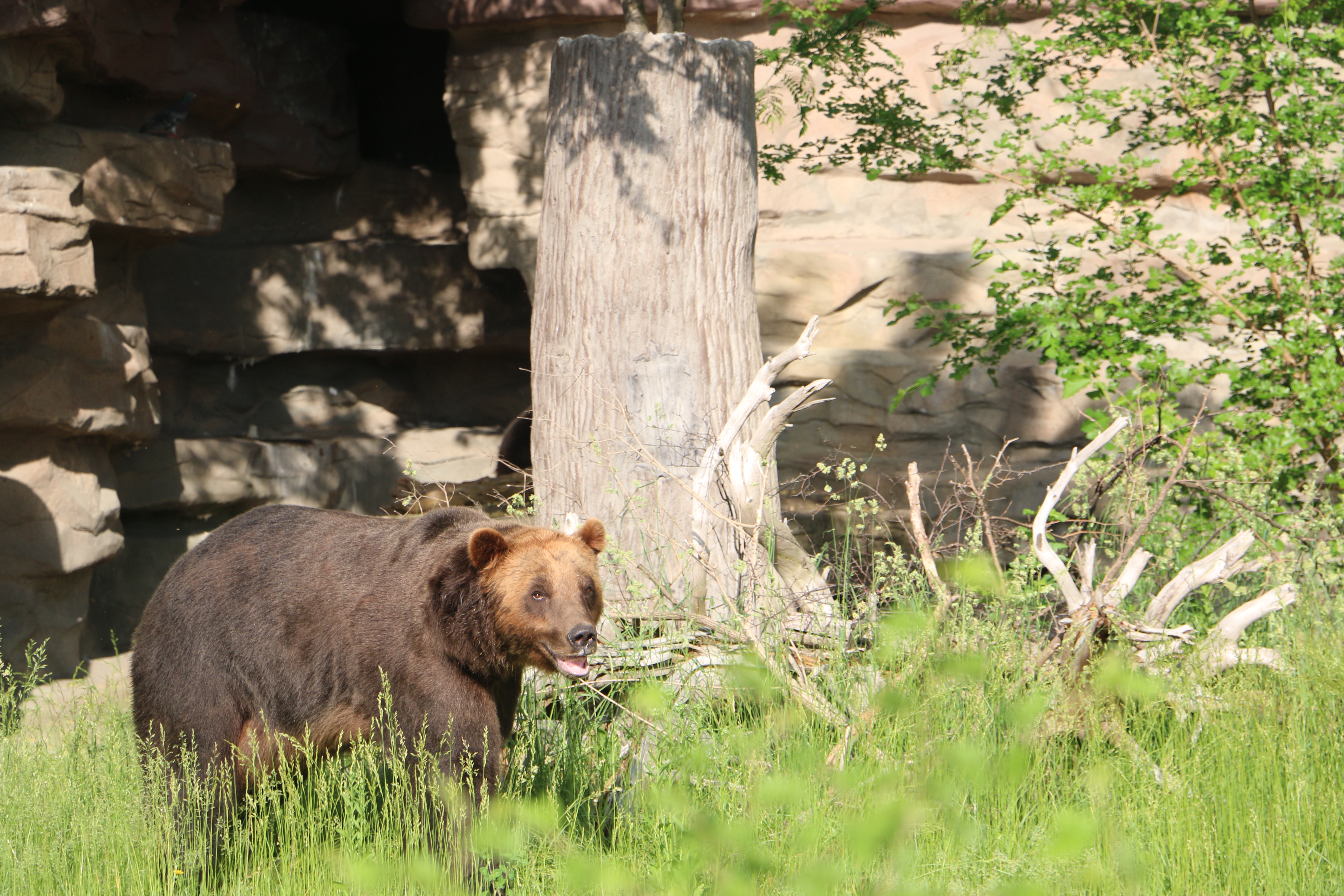
The grizzly bears living at the Detroit Zoo, Mike, Thor and Boo, are brothers who were rescued in Alaska after their mother was killed by a poacher and the cubs began foraging too close to humans. At just a year old, they were too young to care for themselves and the DZS has been able to provide them with a safe place to grow up. The bears are now 7 years old and weigh approximately 900 pounds. With their inquisitive nature and significant strength, they frequently “redecorate” their habitat by moving logs around and digging in various locations. It became clear that they were outgrowing the habitat they called home since 2012.

As part of the DZS’s commitment to ensuring individual animals experience great welfare, a significant expansion of the grizzly bears’ habitat is underway. Not only will this augment the amount of land space available to the bears, it will also provide them with new behavioral choices. They will have access to more features such as caves to provide cool, shaded areas. The larger habitat will also increase natural foraging opportunities for the bears.

When we make changes that affect the lives of animals, it is important that we understand how those changes impact them. To that end, we began collecting data last fall, prior to construction, to obtain a baseline of the bears’ behavior and hormone levels. Observations continued during construction and will end two months after the bears move back into their renovated home. Zookeepers have also been filling out daily surveys to add to the information we are gathering. Fecal samples are collected daily and these will be analyzed in our lab to measure hormone levels related to how the bears react to these changes. Using these different types of data in concert will increase our understanding of the expansion effect on the bears’ overall well-being.

Dr. Stephanie Allard is the director of animal welfare for the Detroit Zoological Society and oversees the Center for Zoo and Aquarium Animal Welfare and Ethics.
Animal Welfare: What’s Heat Got to Do With it?

Have you ever been so worked up about something that it “made your blood boil” or told someone they should “chill out”?  We often equate emotions with temperature and the English language has a number of idioms that reflect this association. As it turns out, there is a real and biologically based reason for this.  As we experience some emotions, our bodies undergo a number of processes, including changes in our temperature. This is the case for other species as well, and research has shown that particular emotions can be assessed using temperature fluctuations.

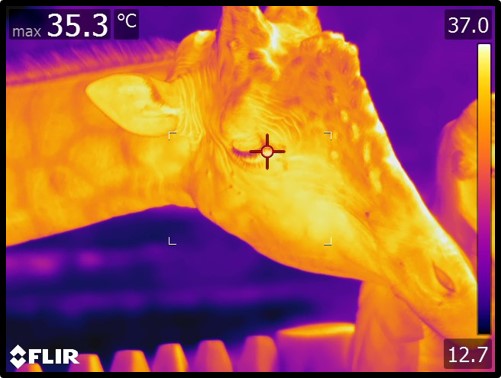
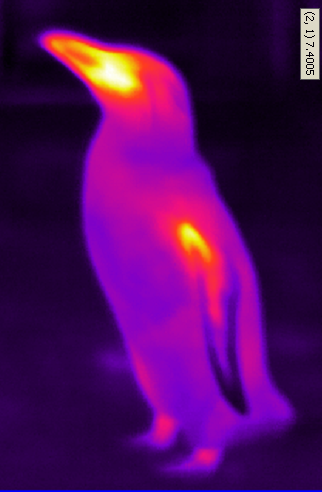
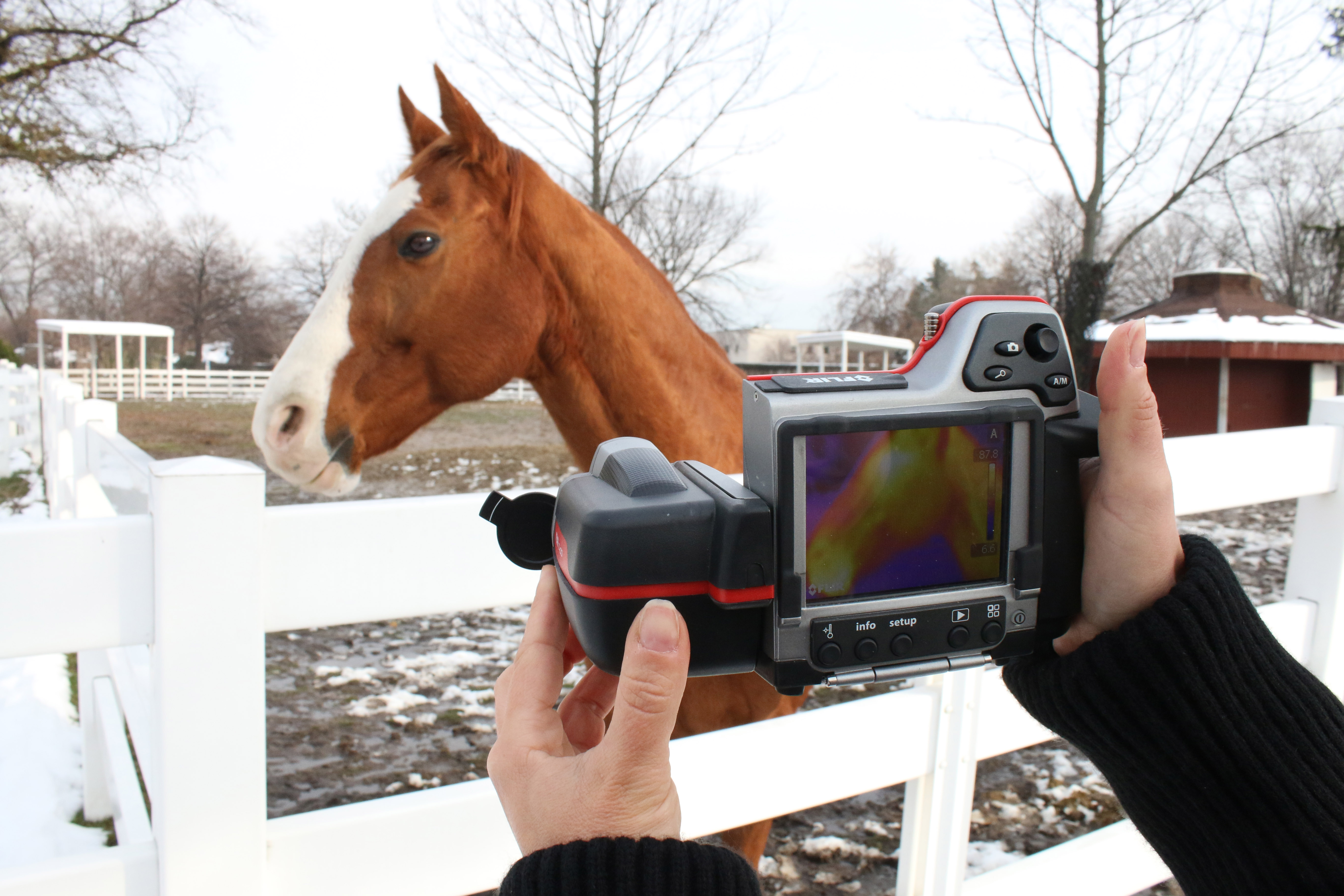
Finding new ways to evaluate the emotional lives of animals is a critical part of advancing our understanding of animal welfare. It is also incredibly important that we develop methods that are non-invasive, thereby not affecting the animals as we assess their well-being. Infrared thermography is a potential way for us to do just this, and staff at the Center for Zoo and Aquarium Animal Welfare and Ethics (CZAAWE) is working on new ways to apply it at the Detroit Zoo. Infrared thermography (IRT) is a type of technology that allows us to remotely measure the temperature of an object using a camera. The images, called thermograms, show different colors to represent temperatures and this allows us to take measurements without having to touch the object.

In recent years, the impact of interactions and relationships with humans on the welfare of animals has begun to receive more attention. As animals living in zoos invariably encounter and interact with humans on a variety of levels, it is crucial that we understand how these relationships affect animal welfare. In some cases, it may be easy to assess how an animal is reacting, but in others, we have to use means that are more scientific. CZAAWE has developed a number of projects to examine human-animal relationships using several methods, including IRT.

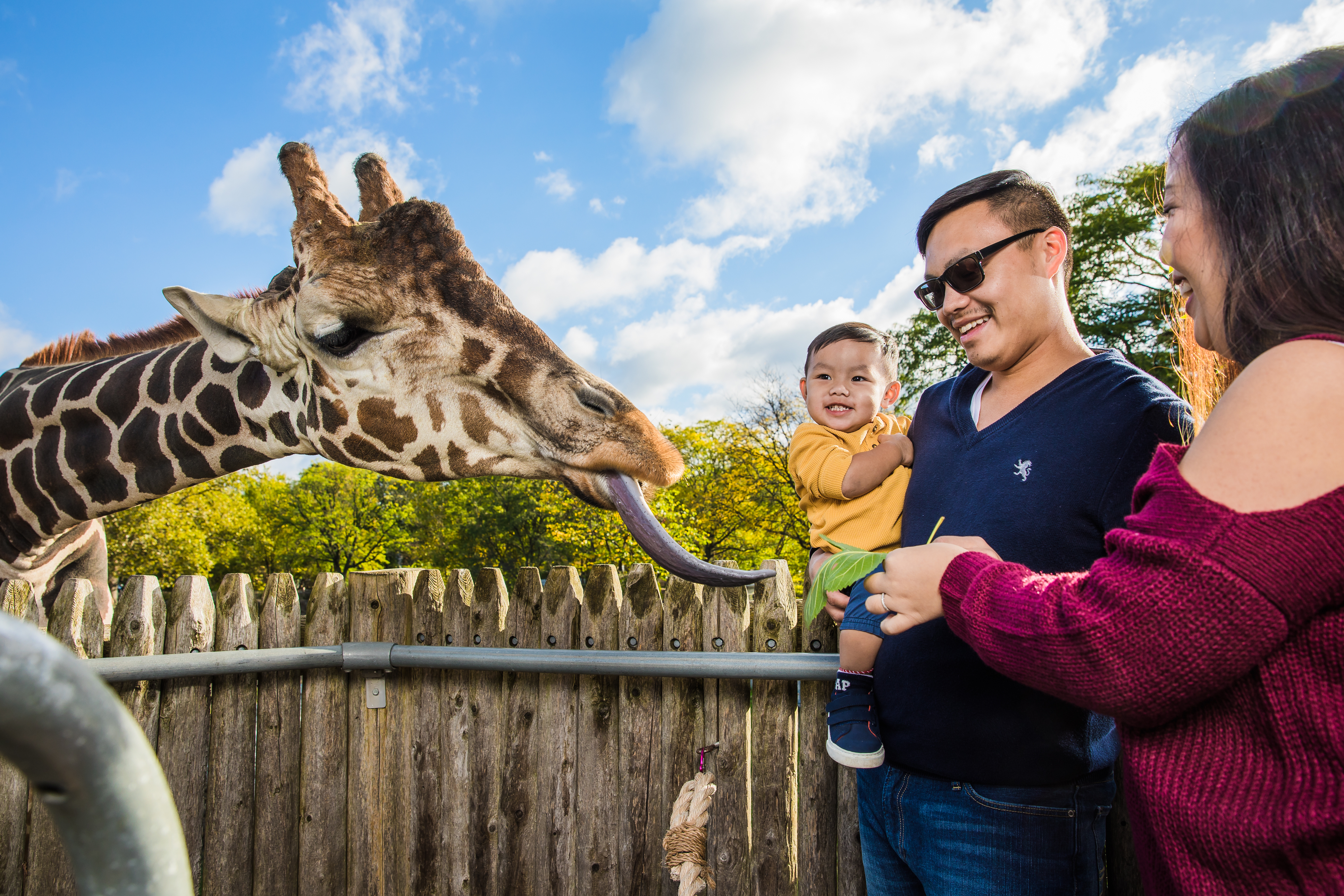
There are several types of experiences during which visitors can interact with an animal at the Detroit Zoo. These encounters are entirely voluntary, as the animals (and the visitors) can choose whether they want to participate. The Giraffe Encounter is a lot of fun for guests, and, we presume, for the giraffes as well, but we cannot be sure. Led by Dr. Matt Heintz, animal welfare research associate for the Detroit Zoological Society, we utilized behavior, IRT and hormone data to learn more about the giraffe’s side of the experience. During this public feeding opportunity, the giraffes receive browse (natural vegetation) from the animal care staff and from Zoo visitors. Based on the data, the feeds are indeed a positive experience, but do not appear to be socially motivated. The amount of engagement we saw in the behavioral data, along with a lack of change in cortisol levels – which can tell us if an animal is experiencing stress – and increases in body temperature reflective of stimulation, all point to an enjoyable event for the giraffes. We also measured levels of oxytocin – a biological marker that increases during positive social experiences – and saw no such increases. This leads us to believe that for the giraffes, the feeds are an enjoyable way to score some extra greens, but not because they get to interact with us.

It is important that we ask questions about the perception animals have of their world and any impact we may be having on their welfare. Science is contributing to improvements in animal welfare and one of CZAAWE’s goals is to expand that knowledge and share it to help ensure the well-being of animals living in the care of humans.

– Dr. Stephanie Allard is the director of animal welfare for the Detroit Zoological Society and oversees the Center for Zoo and Aquarium Animal Welfare and Ethics.
Humane Education: Do They Have a Choice?

People are often surprised to hear that the Detroit Zoological Society (DZS) does not include animals in any of our education programs – either on grounds or at community or school events. This is because programs like this – no matter how well orchestrated – can be stressful for exotic animals and can negatively impact their well-being. As a leader in animal welfare and the home of the Center for Zoo Animal Welfare and Ethics, the well-being of the animals is at the core of every decision we make.

Consider what it might be like for an animal to take part in a program with many excited children and adults nearby. Animals that are forced to be in programs often have to be physically restrained or manipulated and aren’t given a choice to opt out. The ability of an animal to make choices and to have an impact on his or her own life are fundamentally important to good welfare. As soon as the animal is handled, whether it is to put on a harness or to otherwise physically restrain him or her, any choice to participate is removed and the animal can either comply or resist, neither of which are positive choices. Additionally, regular handling of animals can actually result in a condition called learned helplessness. As the animals learn that they cannot avoid being restrained, carried around and touched, they simply stop reacting. This isn’t a sign of them being comfortable, but instead, that they have given up.

Animals used in such programs are often housed in smaller, less complex spaces and may have to be transported between venues for programs. These activities certainly impact the welfare of the individuals in a negative way. Additionally, the normal activity patterns of the animals are often disrupted, as performances are not scheduled based on their circadian rhythms (the natural daily cycles we experience that affect our physiology and behavior), and for some, such as nocturnal animals, these disruptions can have an even more drastic effect.

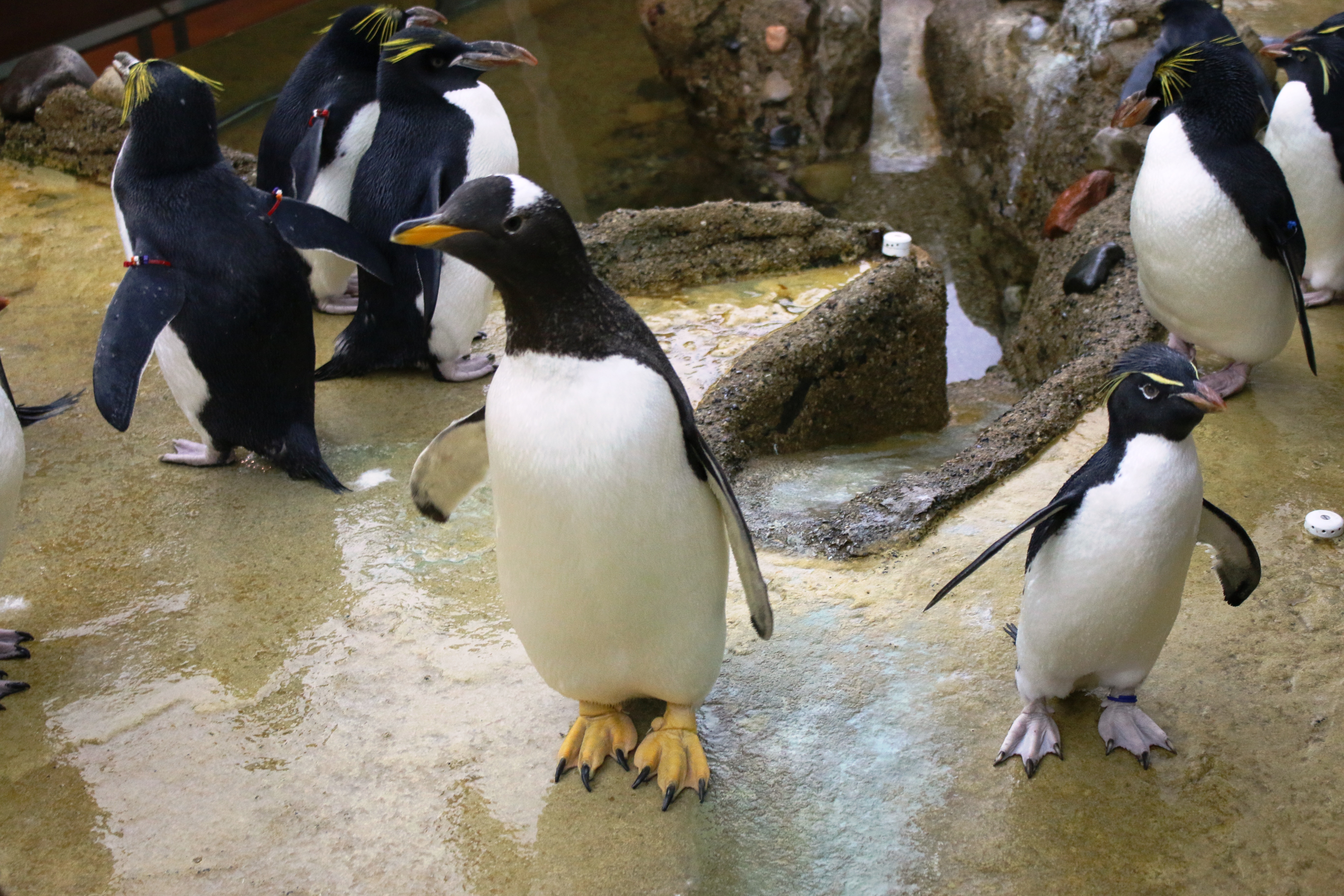
There are many ways in which humans and animals can interact, sometimes without any contact and sometimes more directly. Several of the animal habitats at the Detroit Zoo have been designed in such a way that visitors can be immersed in the experience without actually coming into contact with animals – this includes the Australian Outback Adventure, the Polk Penguin Conservation Center, the Polar Passage in the Arctic Ring of Life, the Butterfly Garden and the prairie dog habitat. We also offer two types of experiences that allow guests to directly interact with individual animals: the Giraffe Encounter and Mingle with the Macaronis.

Visitors at the Detroit Zoo have the opportunity to interact with animals in certain circumstances where each animal may choose whether to participate or not.

A very important distinction between these experiences and performance-type programs is that, at the Detroit Zoo, each animal has the choice to participate or not. This means that the animals have the opportunity to choose if they want to interact – and there are no negative consequences if they decline to participate – and they can control the amount of interaction and length of the encounter, with the option to leave at any time. Choice and control are critical to good welfare, in humans and non-humans alike.

Holding and presenting exotic animals like this also sends the message that we can do as we wish with these animals for our entertainment. This is a message we do not want to send. Promoting reverence and respect for all animals is important – for human and nonhuman species alike – and is an essential component of our mission. In addition, handling exotic animals and allowing others to interact with them may lead people to want one of their own. The experience could mislead people into thinking that exotic animals make good pets or companions.

The next time you see an animal being forced to perform or interact with people, ask yourself:

  • What does a day in the life of this animal look like?
  • What happens to the animal when he/she isn’t being shown?
  • Where did this animal come from originally?
  • How does he/she live? What does he/she do?
  • What is the lifetime care plan for this animal?
  • What is his/her ability to choose? Is the animal participating because he/she wants to?
  • What does the world look like from the animal’s perspective? Try to imagine the experience through their eyes, ears and nose.

Choosing not to participate in events or programs that force exotic animals to perform and interact with humans sends a powerful message. The DZS’s foundation of animal welfare and humane education ensures that we provide unique learning experiences without compromising the well-being of animals.

– Dr. Stephanie Allard is the director of animal welfare for the Detroit Zoological Society and oversees the Center for Zoo Animal Welfare and Ethics. Lisa Forzley is the curator of humane education for the Detroit Zoological Society and oversees the Berman Academy for Humane Education.
Animal Welfare: If You Build it, They Will Explore

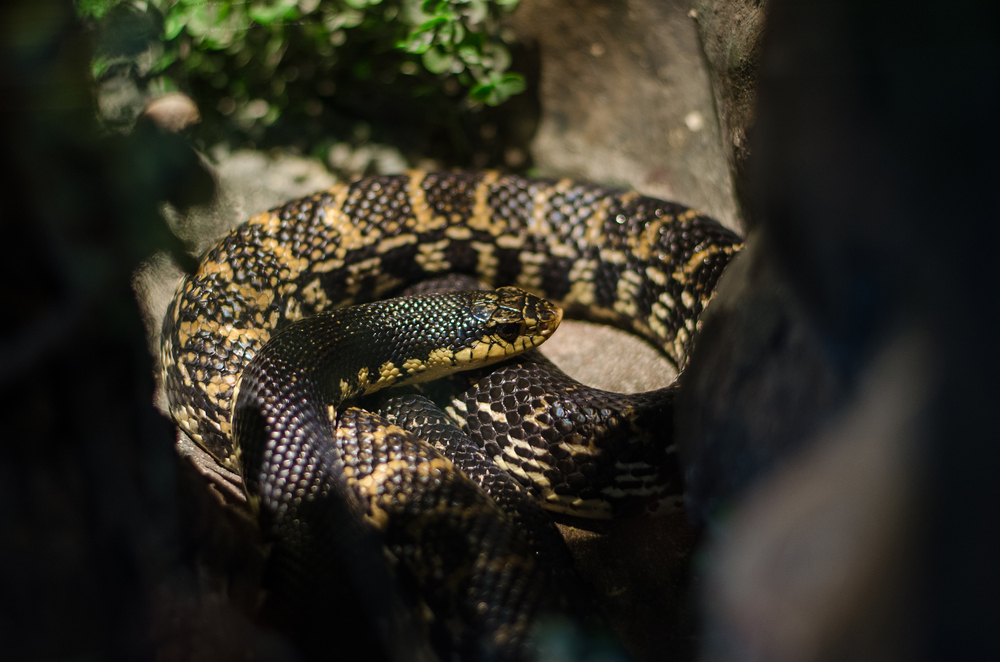
Juvenile Madagascar giant hognose snakes recently moved into new homes in the Detroit Zoo’s Holden Reptile Conservation Center and indicators measured showed this had positive welfare impacts.

Although Madagascar giant hognose snakes can grow to 6 feet in length, the individuals that live at the Detroit Zoo are still rather small, and have been living behind the scenes since they hatched two years ago. They have a distinctive upturned snout, which they use to burrow and search through leaf litter and other ground substrates in search of food and shelter. Several months ago, the reptile department created new, more naturalistic habitats for the snakes, providing them with additional opportunities to display species-typical behaviors.

These larger spaces were outfitted with multiple types of shelter and natural substrates such as sand, mulch and cork bark. Complex spaces with ample options for making choices can contribute to positive welfare and one of our recent residents at the Center for Zoo Animal Welfare and Ethics, Marisa Spain, decided to conduct a study examining the impact that these new habitats had on the snakes. Little attention has been given to the welfare of reptiles, and as such, less information is available about conditions in which they thrive than for mammals and birds. Marisa studied the snakes before and after they moved into the new spaces, spending hours recording their movements. In their new habitats, the Madagascar giant hognose snakes significantly increased their rates of tongue flicking, which is indicative of exploratory behavior. Similar increases have been seen in other reptile species and categorized as positive indicators of welfare. The snakes also increased how much time they spent burrowing, which is a species-typical behavior now better supported by their enhanced environment. The snakes exhibited more active behaviors in general, something we were hoping to see, as activity levels can indicate how engaged an animal is with its environment. The snakes also showed an increase in behavioral diversity, which is also being used as an indicator of positive welfare.

Overall, we were thrilled to see that the move to their new homes was a valuable change for the snakes. Reptiles perform activities for the same reasons other animals do; for example, to seek food, to explore and to find comfortable places to rest. Because of these welfare studies, we have a better understanding of how reptiles living in the care of humans are faring. All individual animals have welfare needs and while it is our responsibility to ensure those needs are met, it is also incredibly rewarding to see the animals thrive.

– Dr. Stephanie Allard is the director of animal welfare for the Detroit Zoological Society and oversees the Center for Zoo Animal Welfare and Ethics.
Animal Welfare: New Penguin Center is Fit for a King

The start of a new year is the perfect opportunity to share an update on the penguin welfare project the staff of the Detroit Zoological Society’s Center for Zoo Animal Welfare began in November of 2014. This kind of long-term study is an incredible opportunity for us to examine a variety of factors that affect the well-being of the individual penguins residing at the Detroit Zoo, and to contribute to the body of knowledge on penguin behavior.

Since we began, we have looked at the effect of cataract surgery on the behavior and use of space of the affected penguins, how wearing data loggers – which in our case, track water-related behaviors – impact the penguins, and very importantly, the ways in which moving to the Polk Penguin Conservation Center has changed the lives of the penguins at the Zoo.

If you have visited the new facility – the largest in the world for penguins – then you know what an incredible experience it is. Our research demonstrates that this is also the case for the penguins, a critical goal of the new habitat. Although we are not yet done with the study, we regularly explore the data to see what trends are emerging.

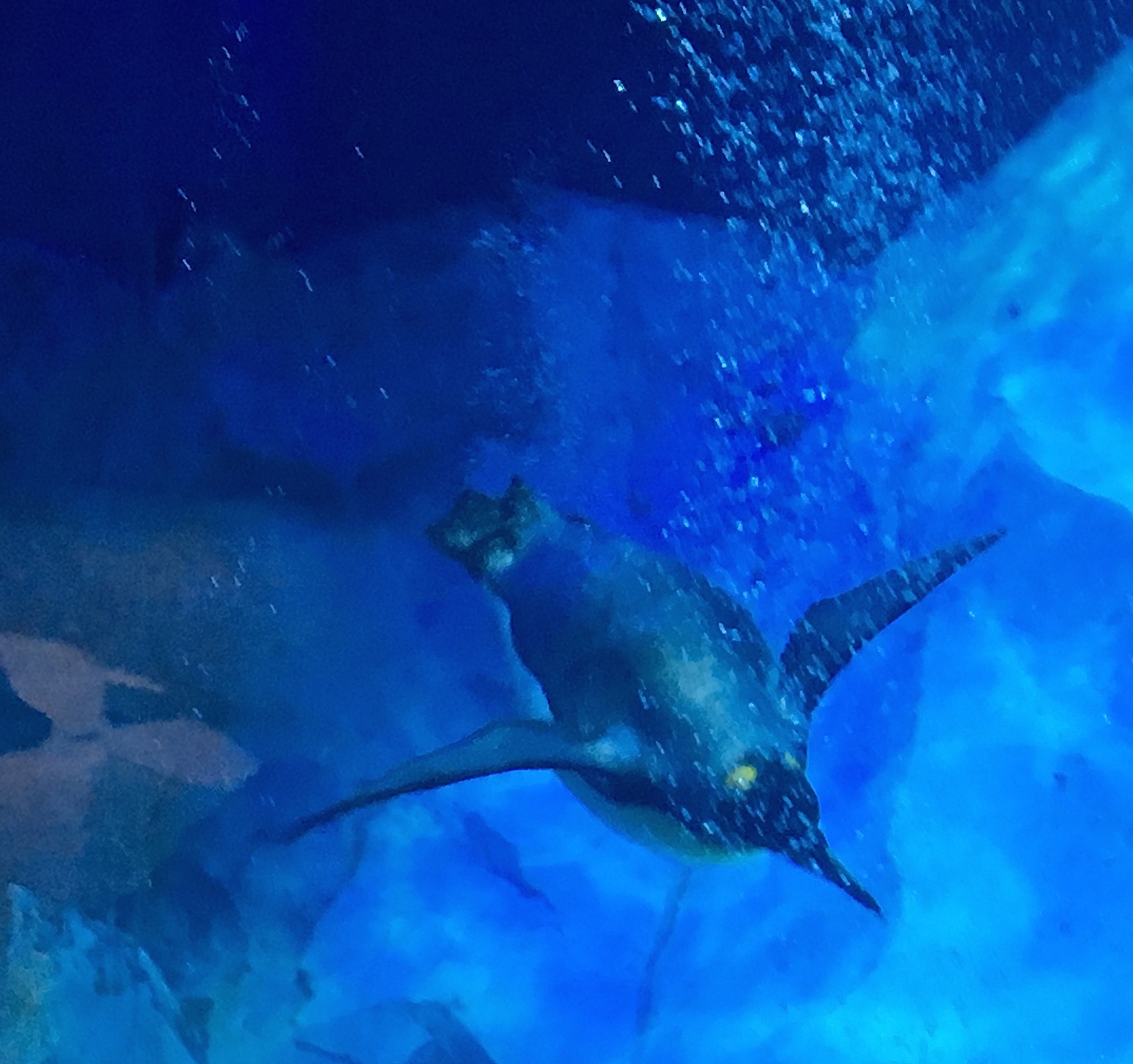
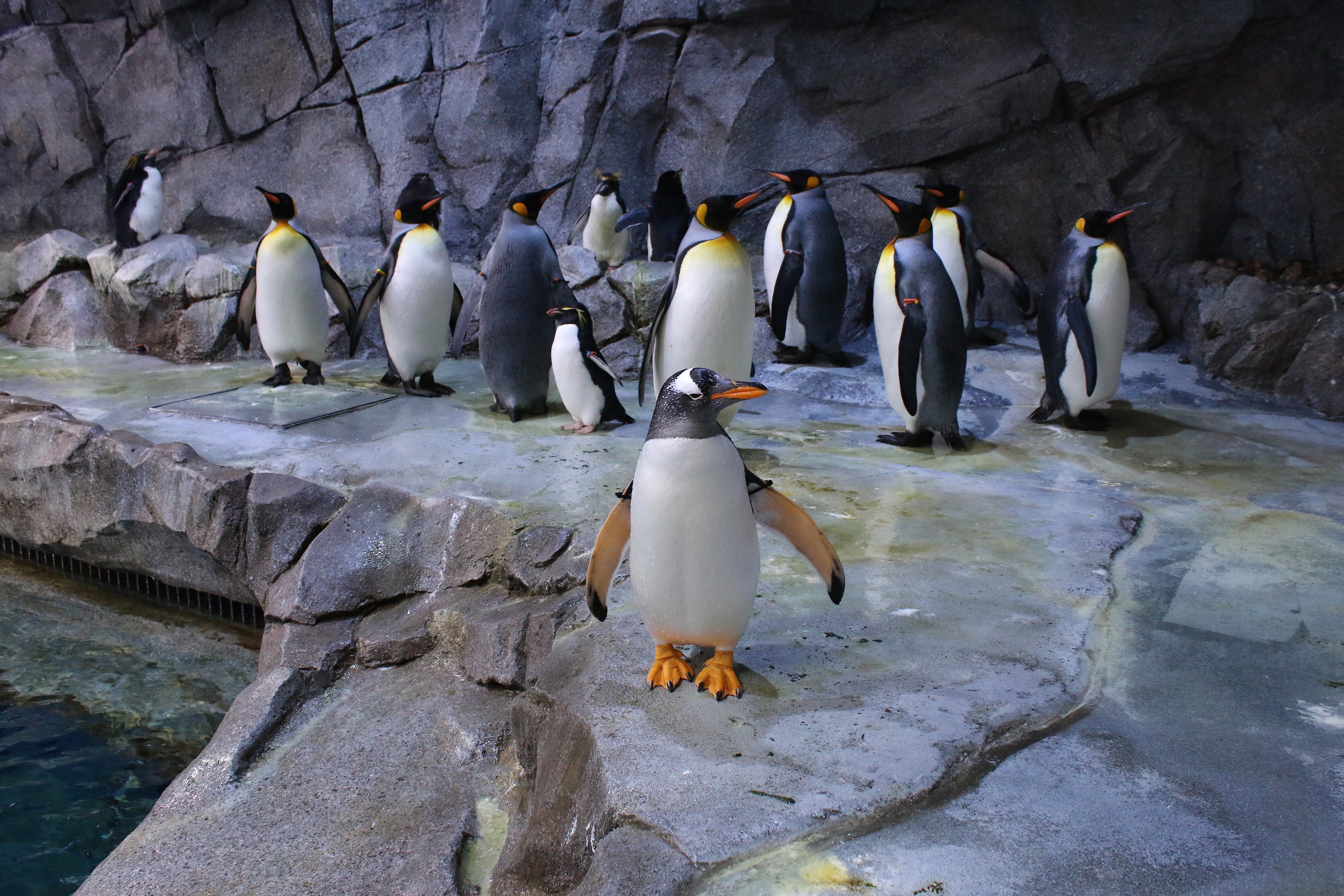
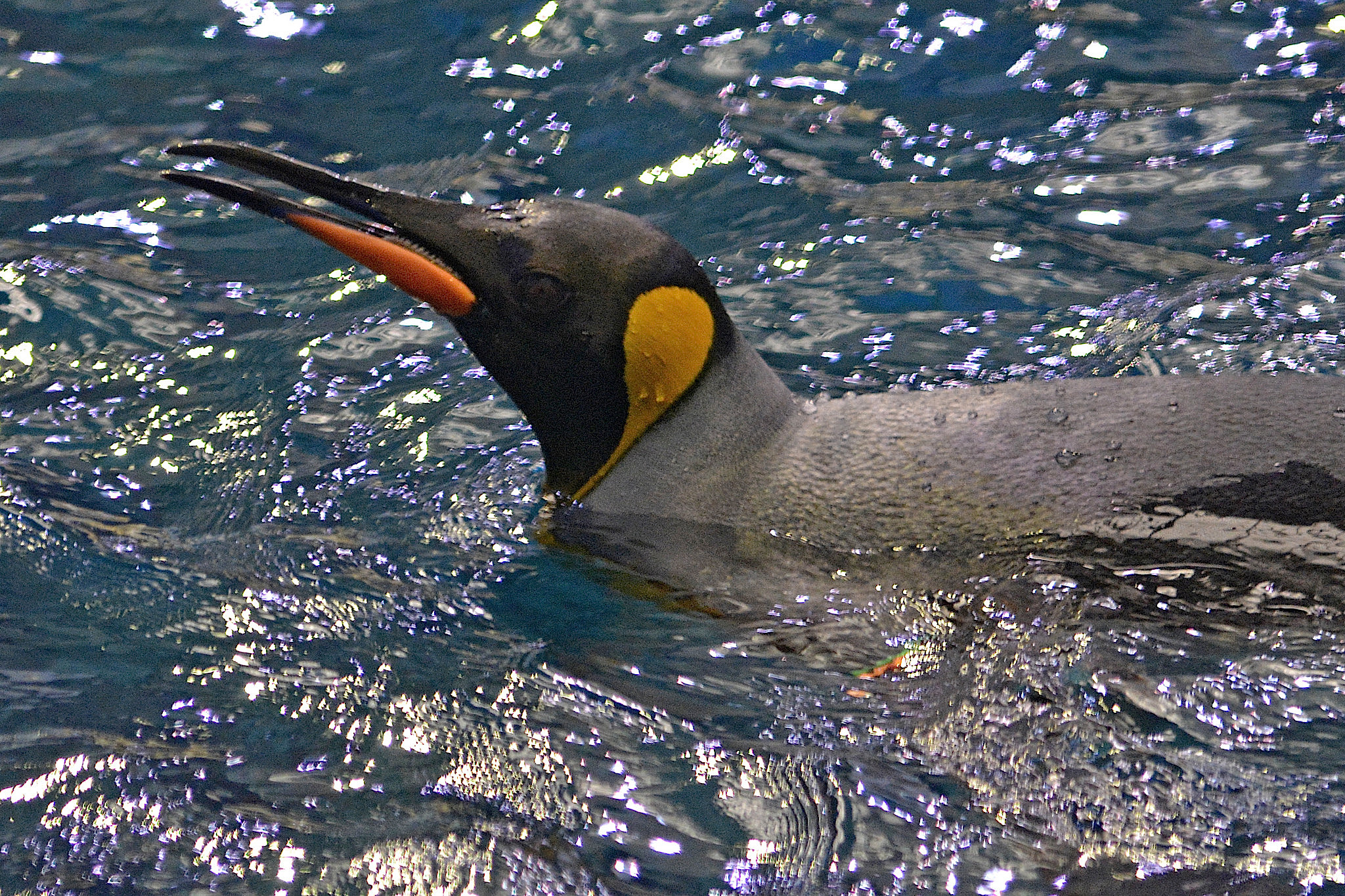
One such finding is the change we’ve seen in the king penguins and their use of water. Long-term data collection allows us to compare changes in behavior and habitat use over time. When we compared water-related behaviors for the king penguins in October of 2015 in the Penguinarium and October of 2016 in the Polk Penguin Conservation Center, we saw that the king penguins increased their use of the water ten-fold! The new habitat has ten times the amount of water available to the penguins, so this is solid evidence that having additional space to perform species-typical behaviors is reflected in their behavior. The king penguins are making great use of the water, and this lets us know that the decisions we made in the design of their new habitat translate into an improvement in their welfare.

king-swimming-jennie-miller

This type of research is imperative if we are to understand what matters to animals living in zoos and how to best meet their needs. We just have to let them “tell” us!

– Stephanie Allard, Ph.D., is the Director of Animal Welfare for the Detroit Zoological Society and oversees the Center for Zoo Animal Welfare.

Animal Welfare: Penguin Research Continues as Opening of New Facility Nears

Our ongoing research project on penguin welfare continues as we get closer to the opening of the Polk Penguin Conservation Center, and we are learning a lot! For the past nine months, we have been keeping track of what the penguins are doing in the Penguinarium; where they spend their time, and with whom they are spending time. In addition, the data loggers that some of the birds have worn to track their swimming behavior have really highlighted how different each individual penguin is when it comes to spending time in the water. Some like to get their swimming done early in the morning, and some like to dip in and out throughout the day. Studying the welfare of animals is focused on each individual animal, and this is a perfect example of why this is important. By understanding how individuals differ, we can best meet the needs of each one.

We began this project to understand how the new Polk Penguin Conservation Center, opening in Spring 2016, would impact the penguins living at the Detroit Zoo. This not only helps us to ensure that the penguins here are thriving, but also to gain information that can be shared with others to benefit penguins living in other zoos and aquariums. An important part of the research is collecting what is referred to as baseline data, which is then used to compare with data collected in the new habitat so changes in the penguins’ behavior or activity patterns can be identified and so we can understand how they are experiencing the new habitat.

Some of the techniques we are using here may also help penguins in the wild. Field researchers can’t always study animals as closely as we can, so we may be able to provide valuable information to them, such as how we are using data loggers. We are also working on measuring hormones in penguin feathers that can provide more evidence on how penguins respond to changes in their environment. This is useful for penguins both in captive settings and in the wild.

We will continue to provide updates on this project, so be sure to check back to see our progress!

– Dr. Stephanie Allard is the director of animal welfare for the Detroit Zoological Society and oversees the Center for Zoo Animal Welfare.

Animal Welfare: Using Infrared Thermography to Assess Well-Being

It is hard enough for us, as humans, to understand how others are feeling. But imagine how difficult it is for us to know how animals are experiencing the world around them from an emotional standpoint. Other species perceive the world very differently than we do and cannot communicate with us using words.

Finding new ways to assess the emotional lives of animals is critical to advancing our understanding of animal welfare. It is also incredibly important to develop methods that are non-invasive, thereby not affecting the animals during the process. Infrared thermography is a potential way for us to do this.

Infrared thermography (IRT) is technology that uses a camera to remotely measure the temperature of an object. The images, called thermograms, show different colors to represent various temperatures, and this allows measurement to be taken without having to touch the object. It has been used in a variety of ways including in buildings and in diagnostic medicine in both humans and animals. Some scientists have also been using it to help assess aspects of animal welfare.

Animal welfare encompasses the physical, psychological and emotional experience of an animal. It is important to use measures that look at all of those components to understand how an individual animal is faring. The body’s response to certain things, such as stress and positive experiences, can have an impact on temperature. This means that in some cases, changes in the temperature of body parts, such as the eyes, can tell us how an animal is responding to an event.

– Dr. Stephanie Allard is the director of animal welfare for the Detroit Zoological Society and oversees the Center for Zoo Animal Welfare.